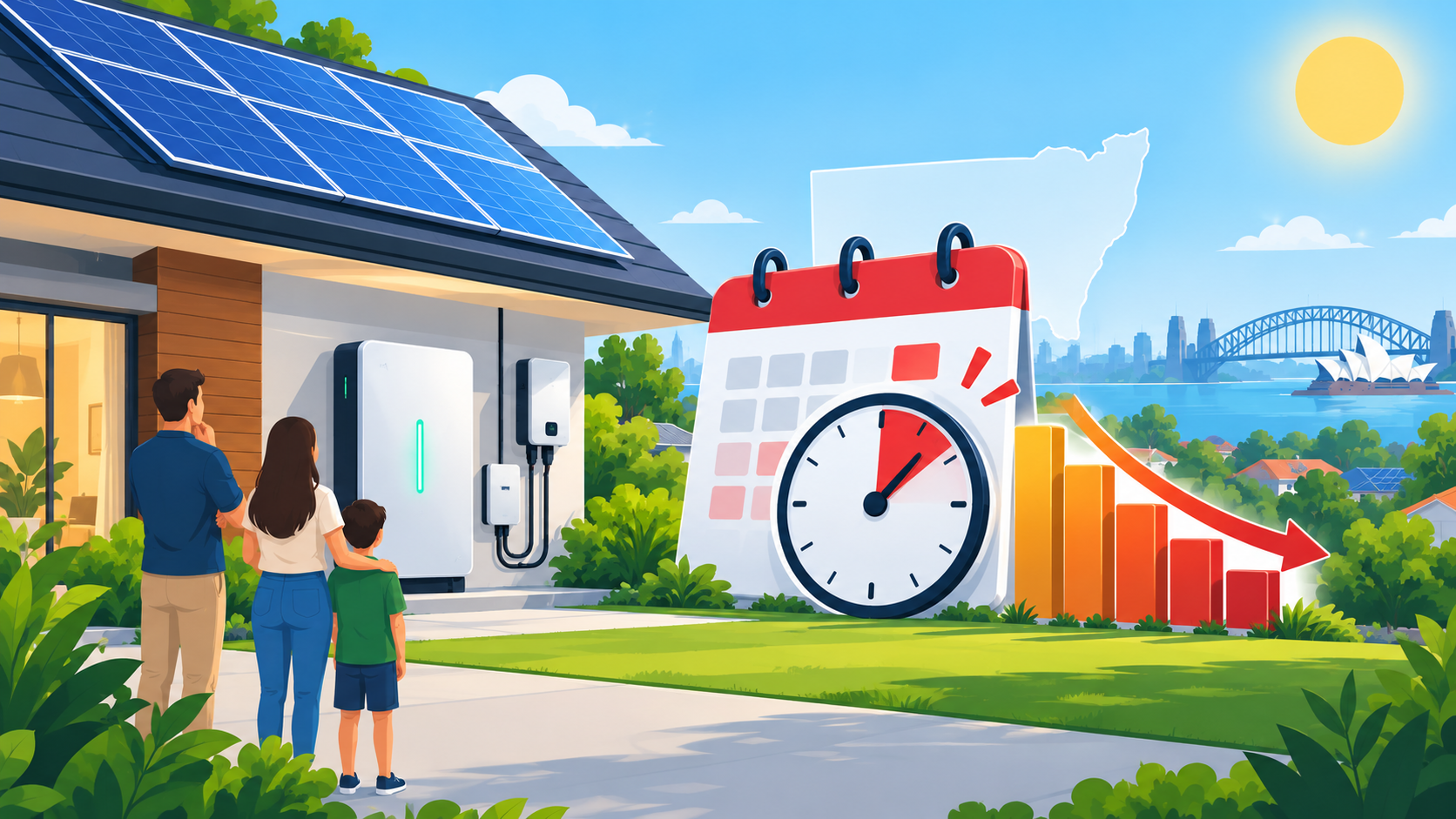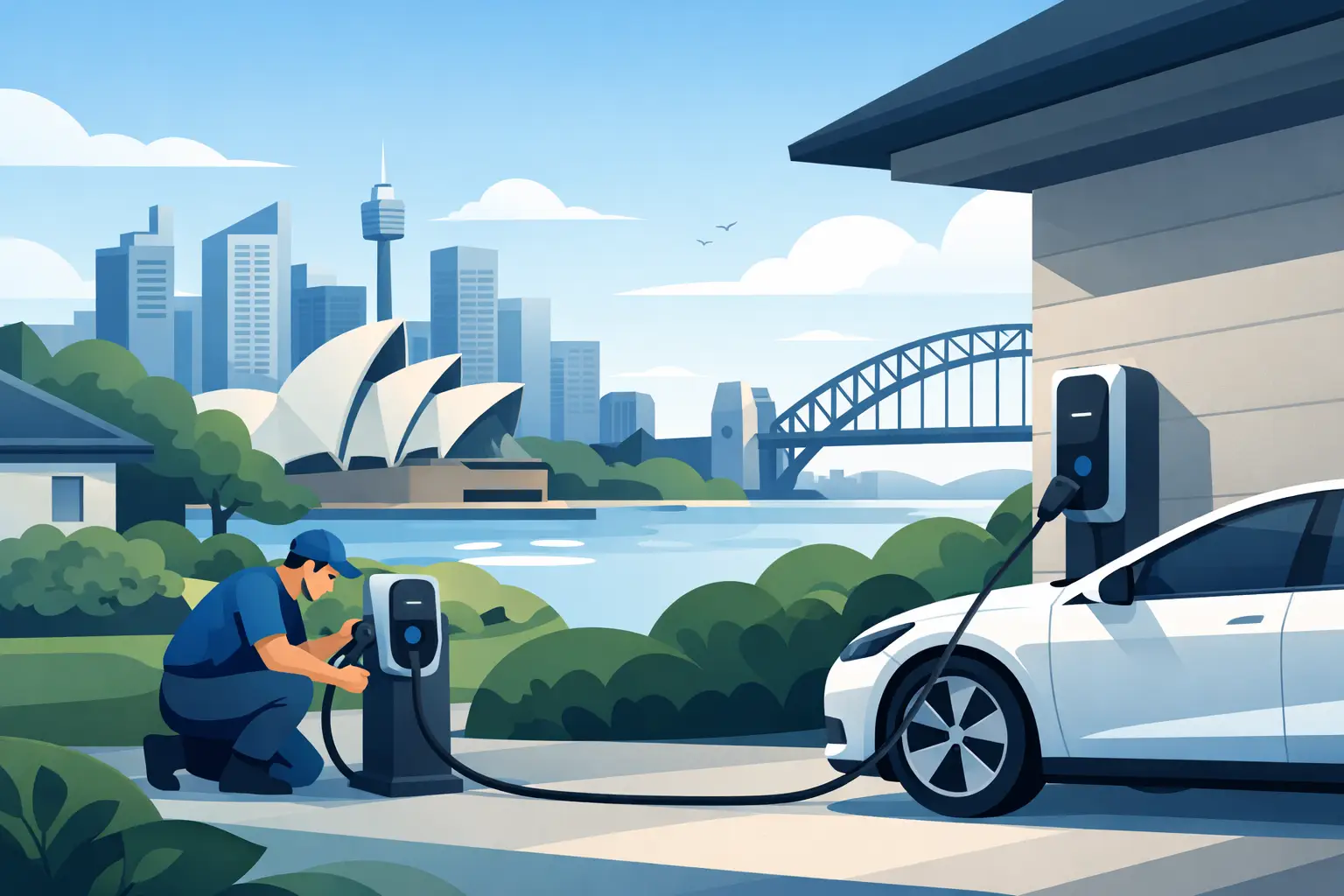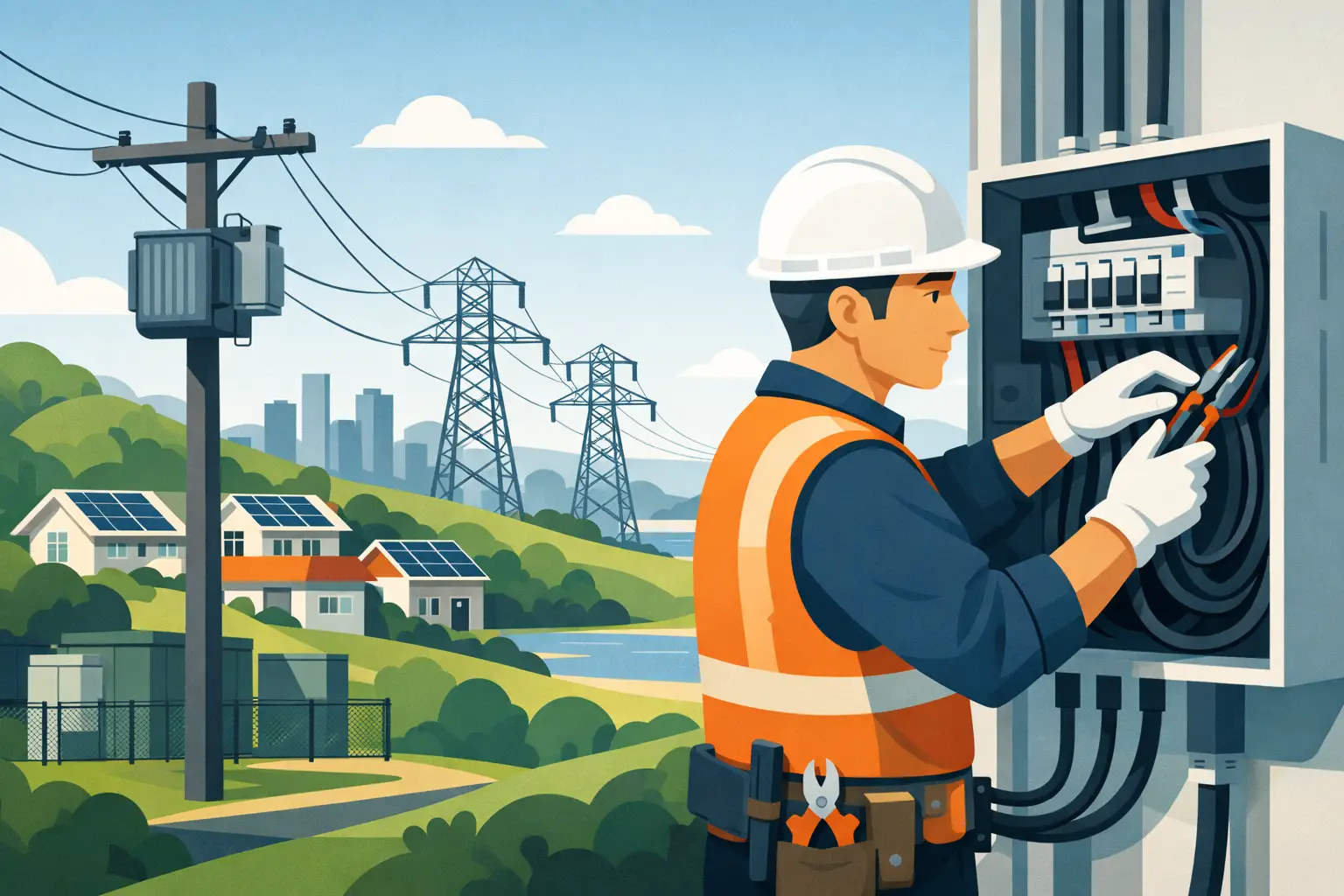
A solar system may be ready for installation, an EV charger may be selected and a switchboard upgrade may be planned, but the project can still stop at the grid connection. That is where a Level 2 electrician becomes essential. In New South Wales, certain work on the electricity network and the service equipment connecting your property to it must be completed by an authorised Accredited Service Provider (ASP).
For homeowners and business owners, this is not simply a compliance detail. Choosing the right contractor can affect project timing, electrical safety, future system capacity and the ability to connect solar, batteries or new high-load equipment properly. Understanding what a Level 2 ASP does helps you plan your energy upgrade with fewer surprises.
What does a Level 2 electrician do?
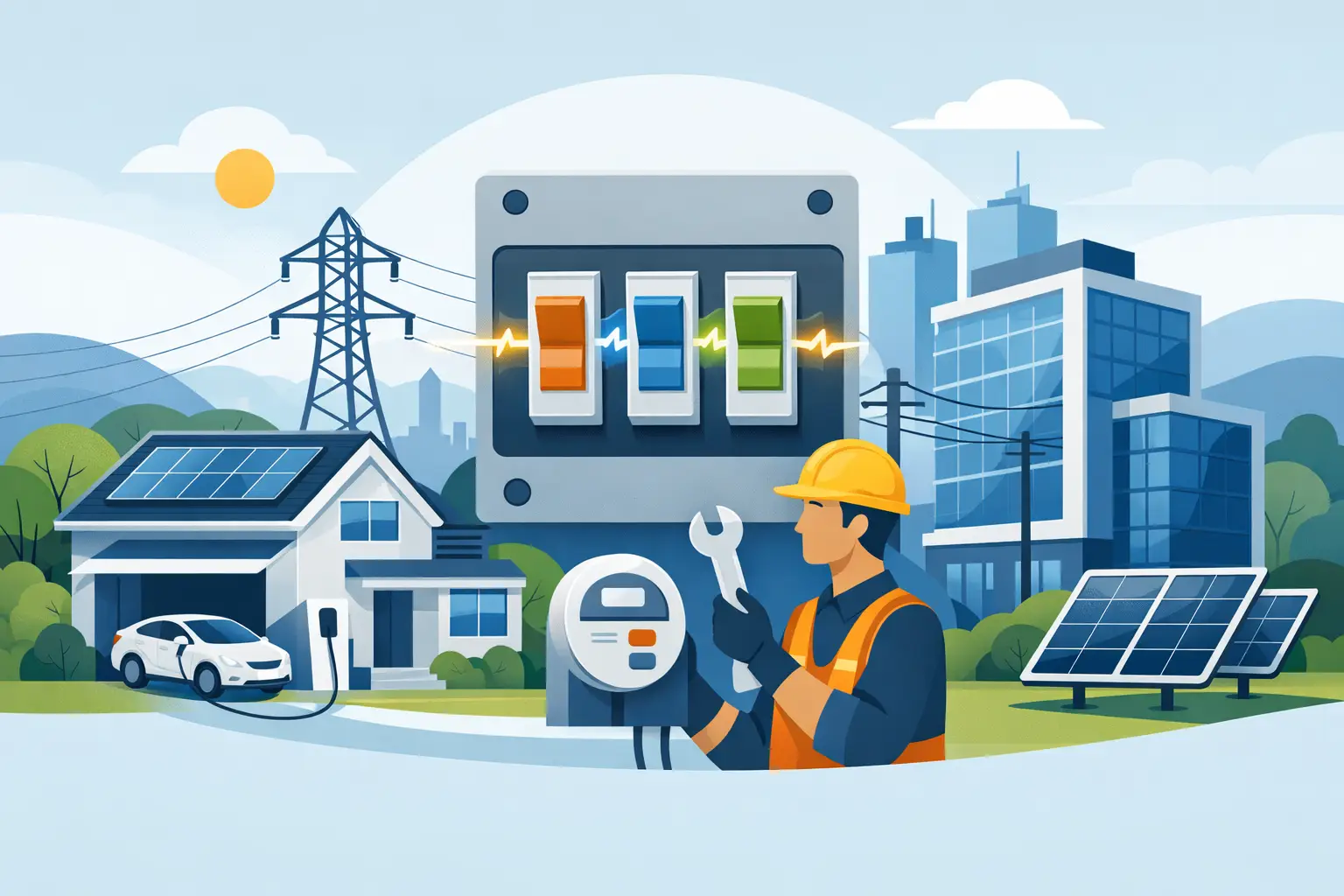
A Level 2 electrician is an electrician authorised to carry out specific contestable works associated with the electricity distribution network. These works sit beyond the scope of standard electrical contracting because they involve the connection, disconnection, metering or service infrastructure between your building and the network supply.
In NSW, Level 2 ASP authorisation is issued for defined work categories. The exact scope matters. An authorised provider may be qualified for disconnections and reconnections, underground service work, overhead service work and metering work, depending on their accreditation. Before work begins, confirm that the provider holds the appropriate authorisation for the job at hand.
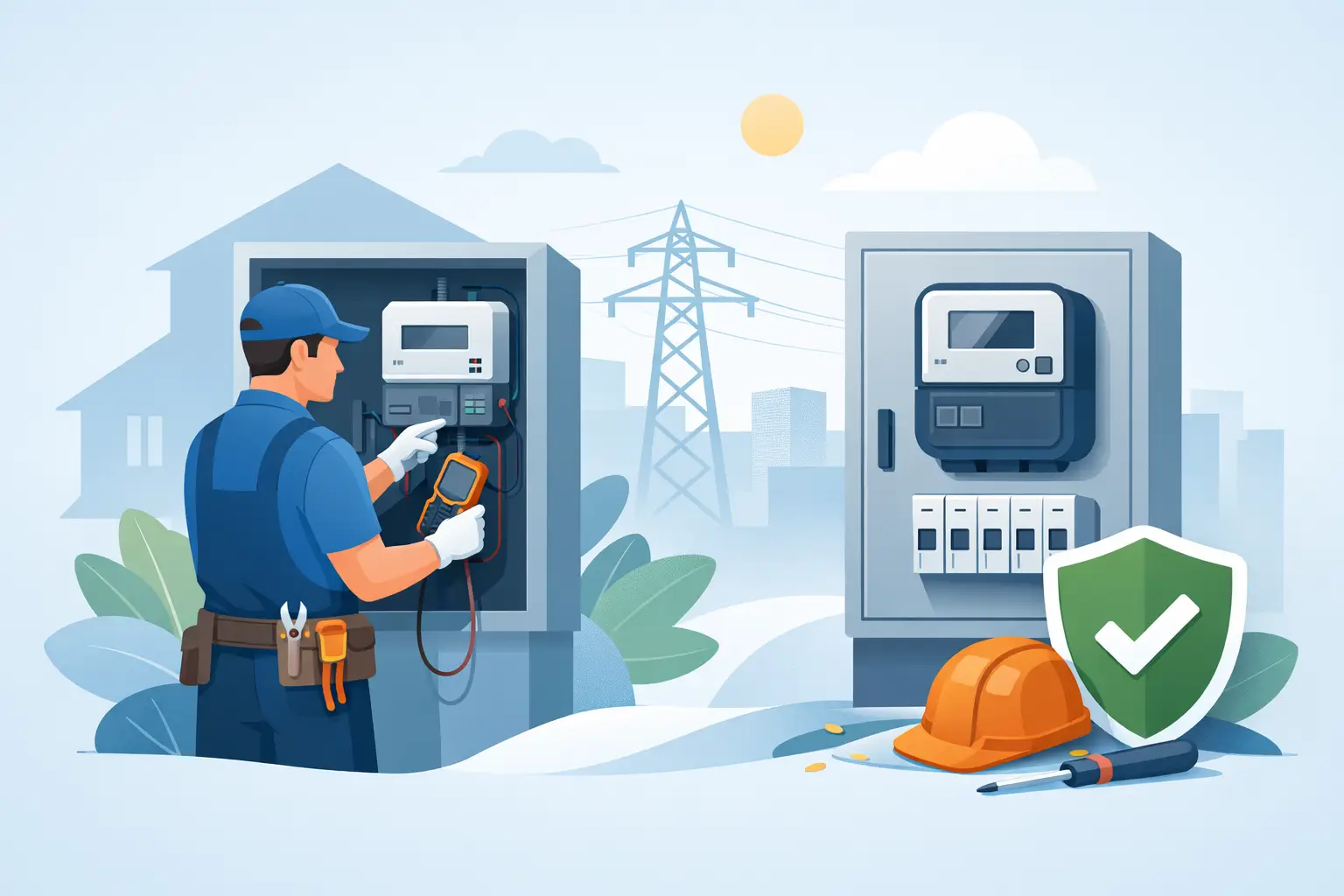
This work is performed to the requirements of the relevant distribution network, such as Ausgrid, Endeavour Energy or Essential Energy, as well as applicable Australian Standards and safety rules. It often involves coordinating approvals, arranging a planned outage where required, completing prescribed testing and providing the documentation needed for connection or energisation.
A standard electrician remains the right choice for many jobs inside your property, including power points, lighting, appliances and internal wiring. However, once the work affects the consumer mains, meter installation, service line or network connection, a Level 2 ASP may be required.
When do you need a Level 2 electrician?
The need is usually triggered by a change to the way your property receives, measures or uses electricity. It can arise during a planned upgrade, after storm damage or when a network-related defect is identified.
Solar and battery connection work
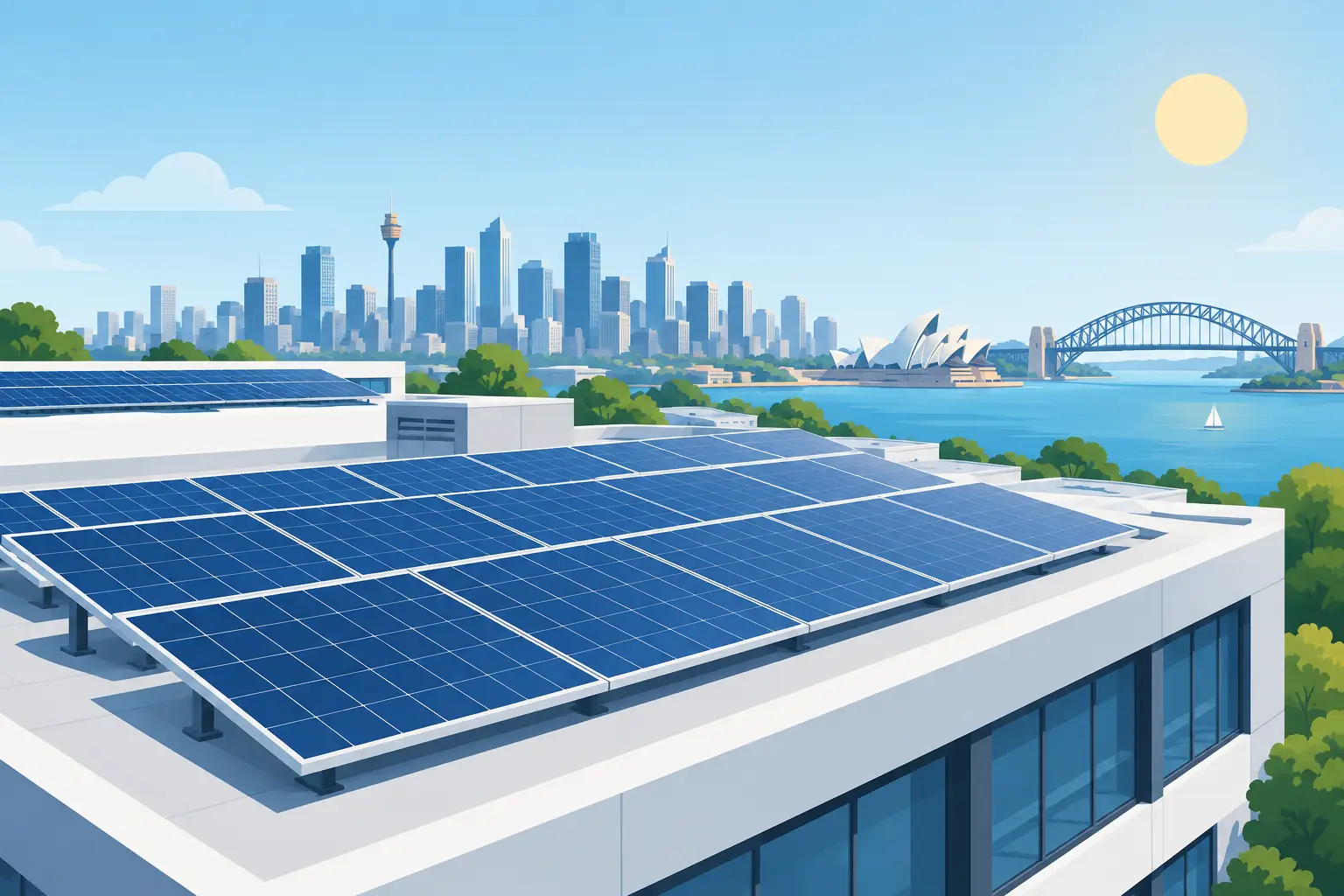
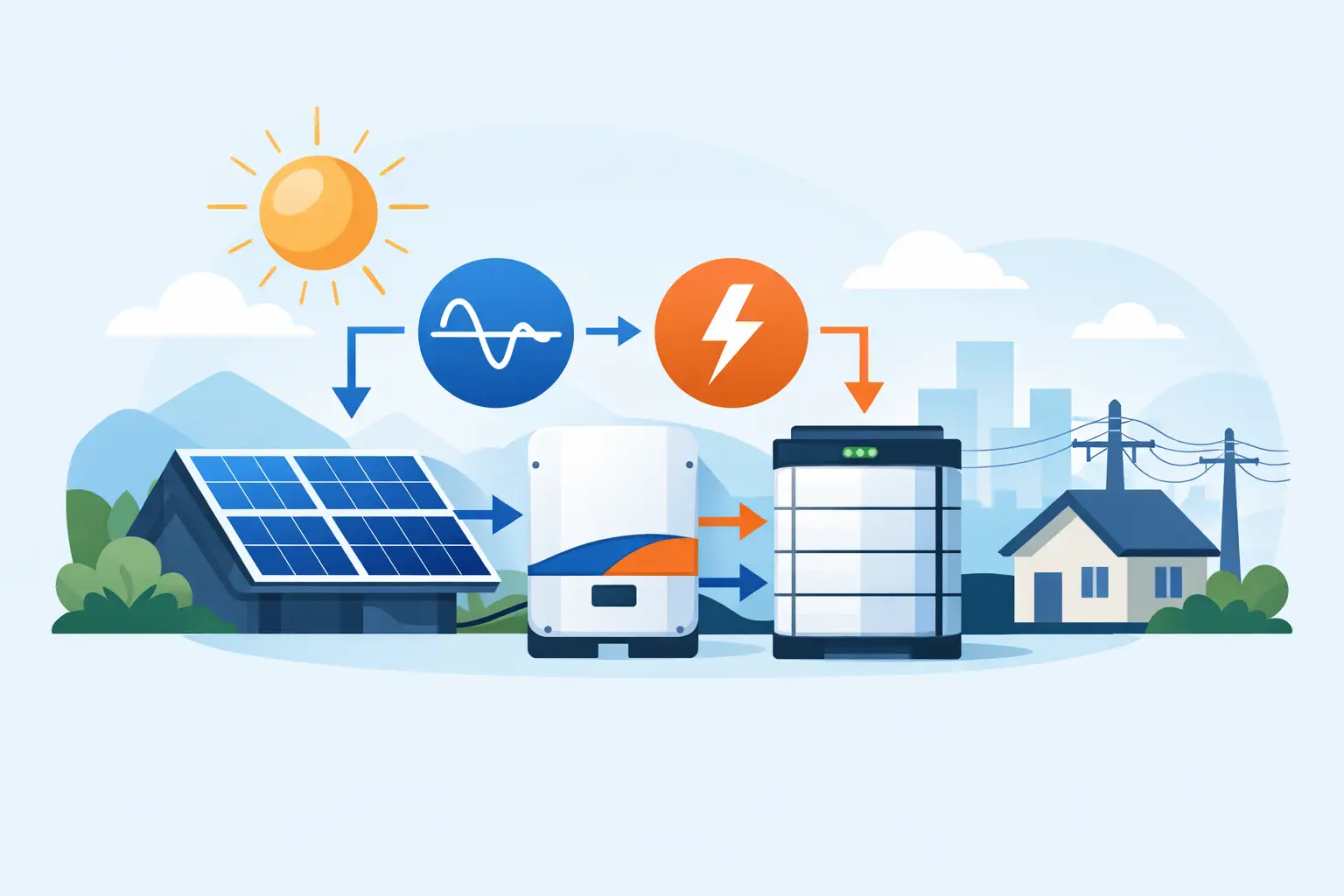
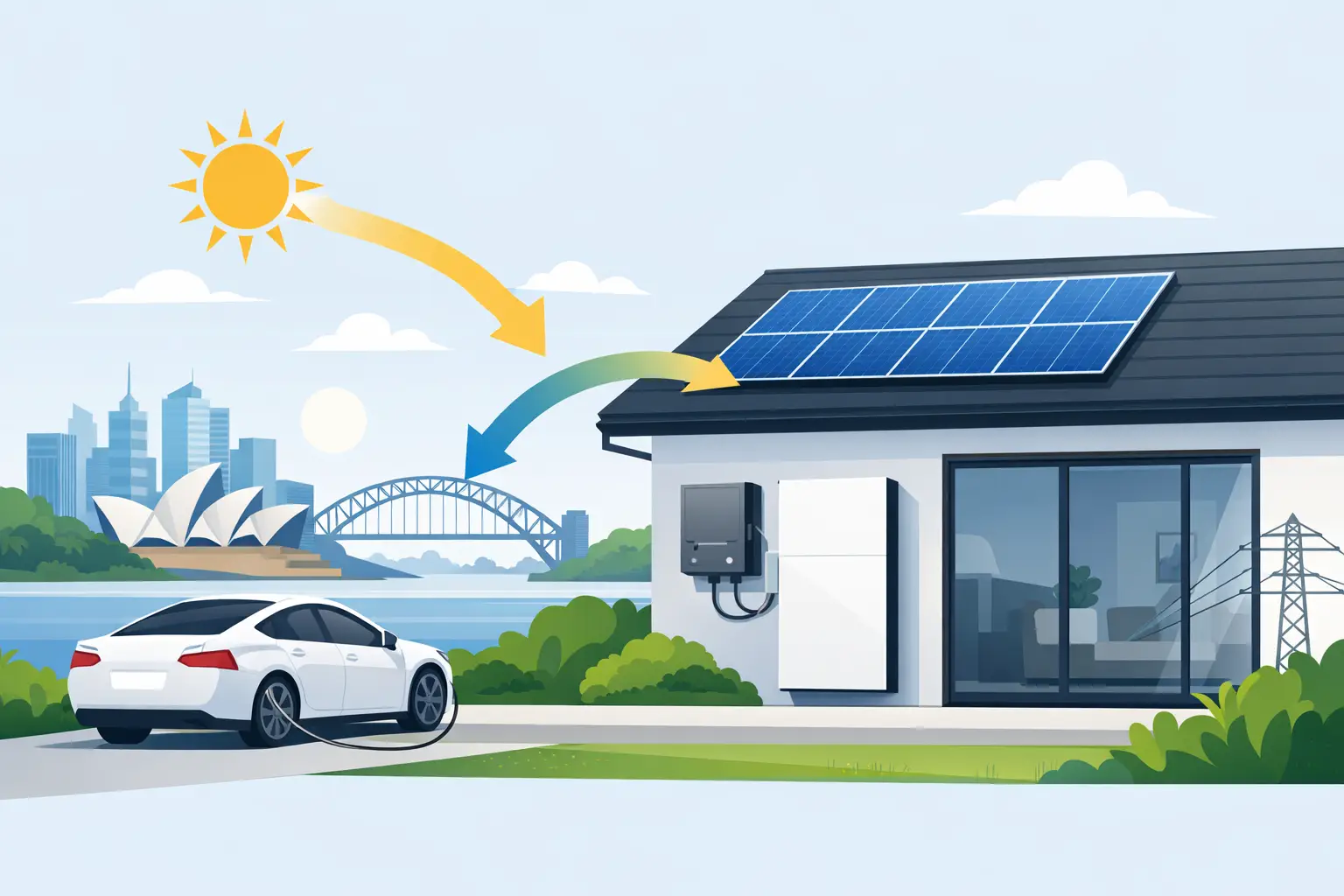
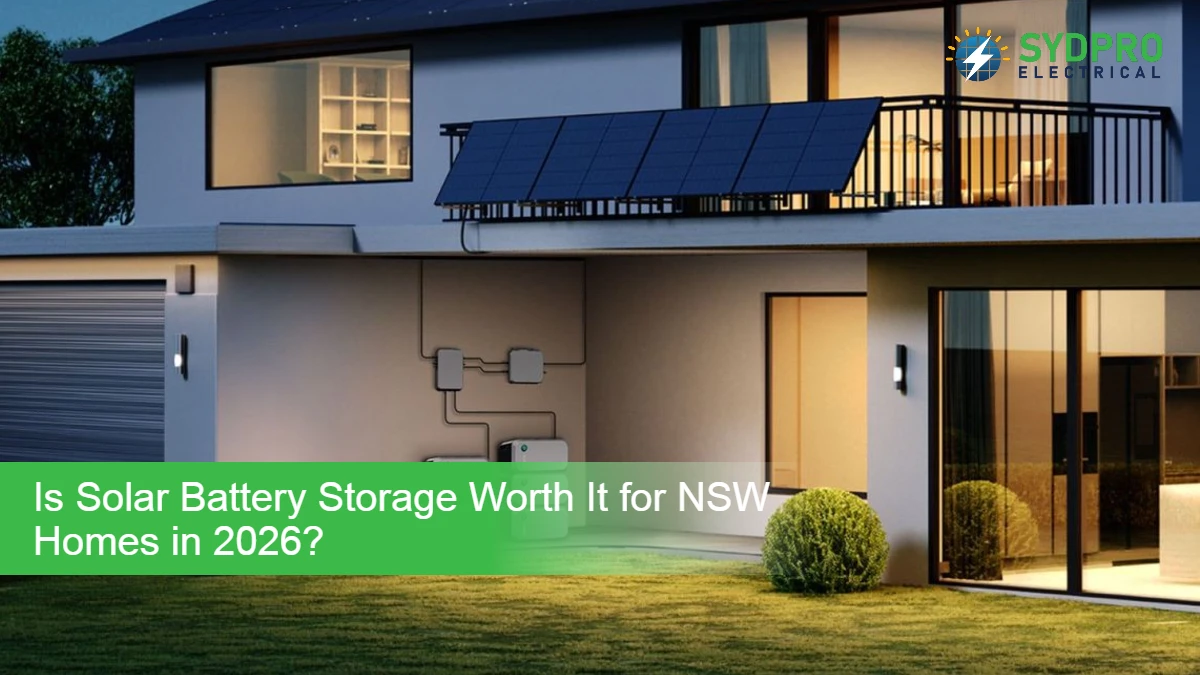
Most solar projects need more than panels and an inverter. Depending on the existing metering arrangement, network requirements and the scale of the system, the project may require meter changes, a switchboard upgrade, main switch alterations or network connection work.
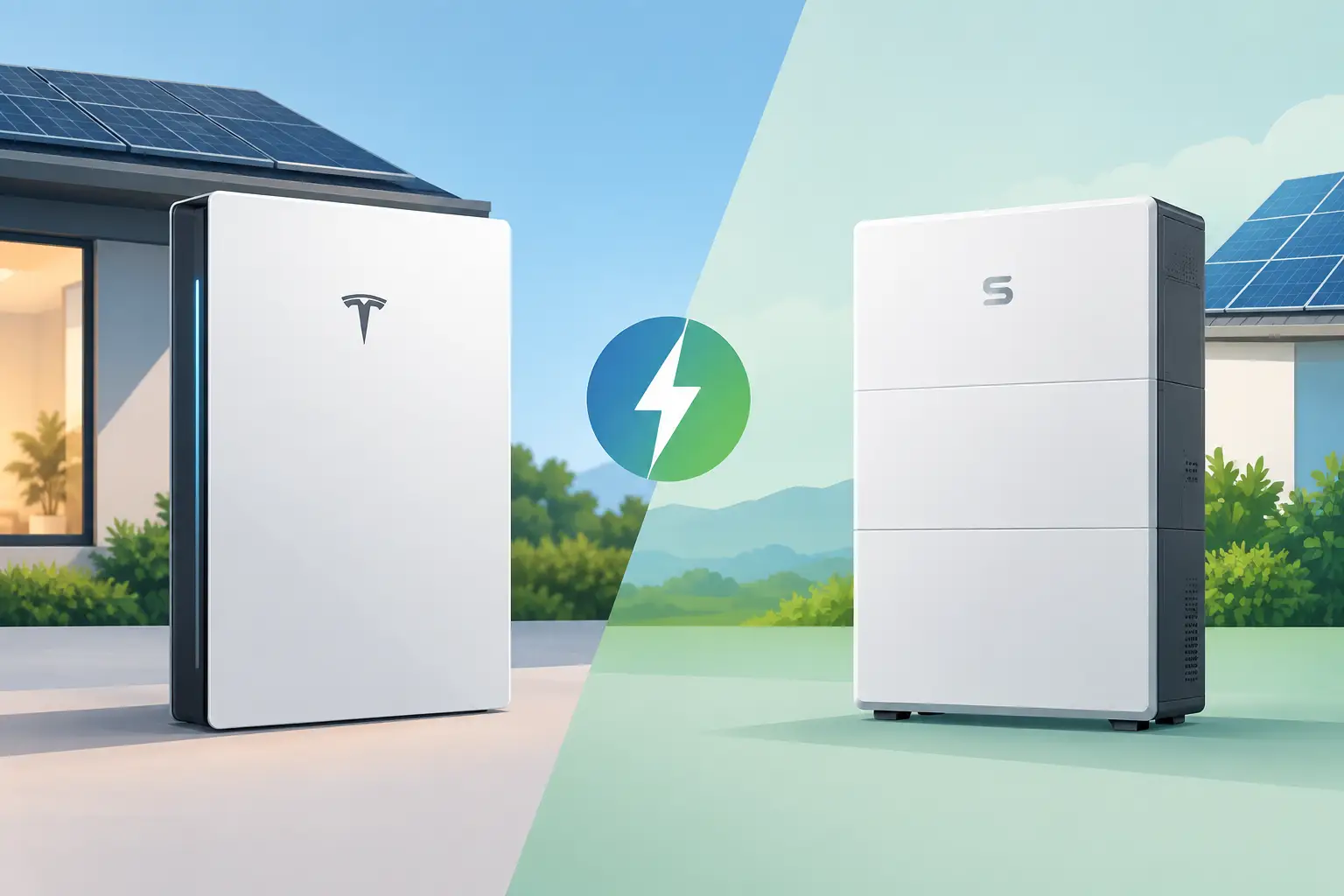
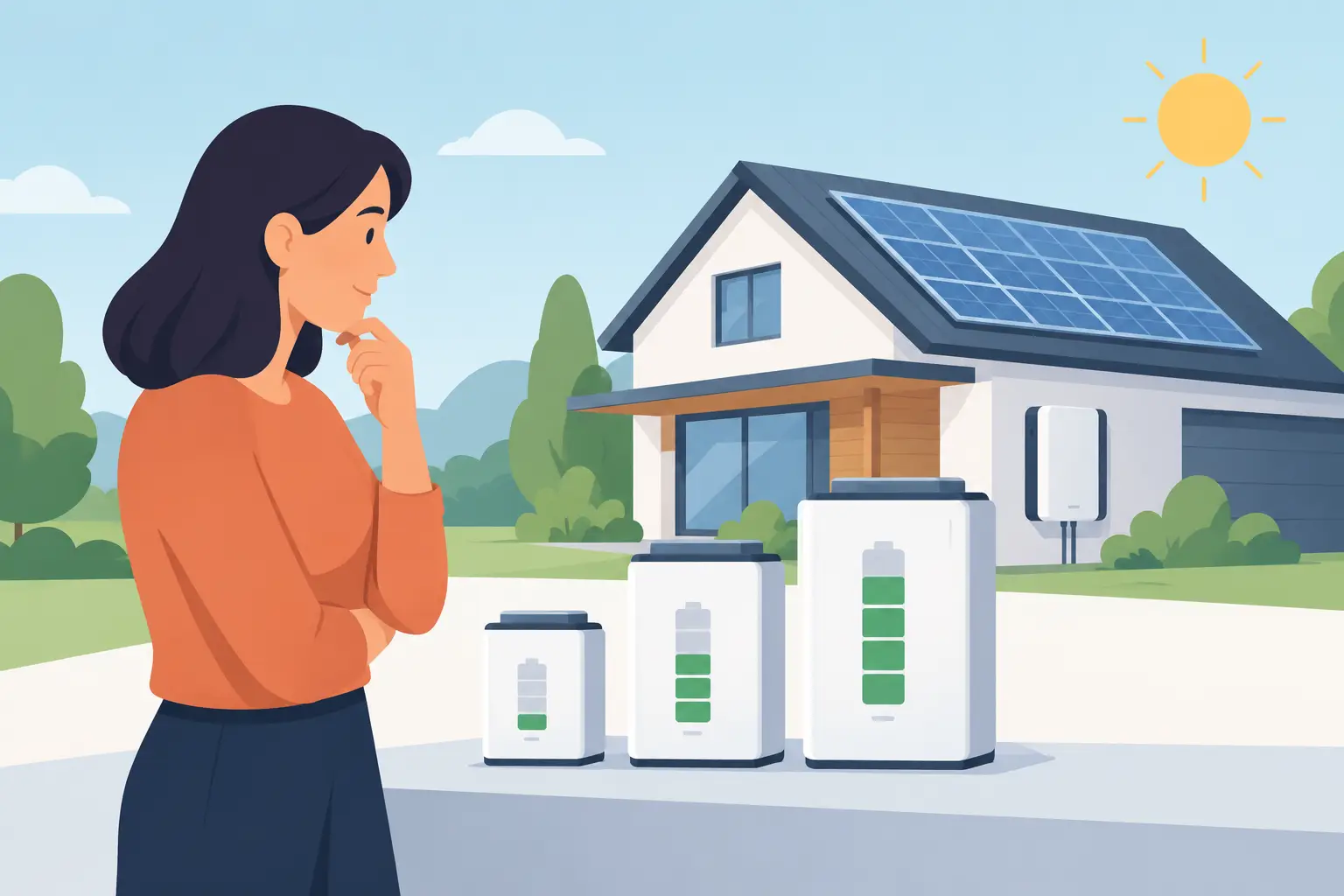
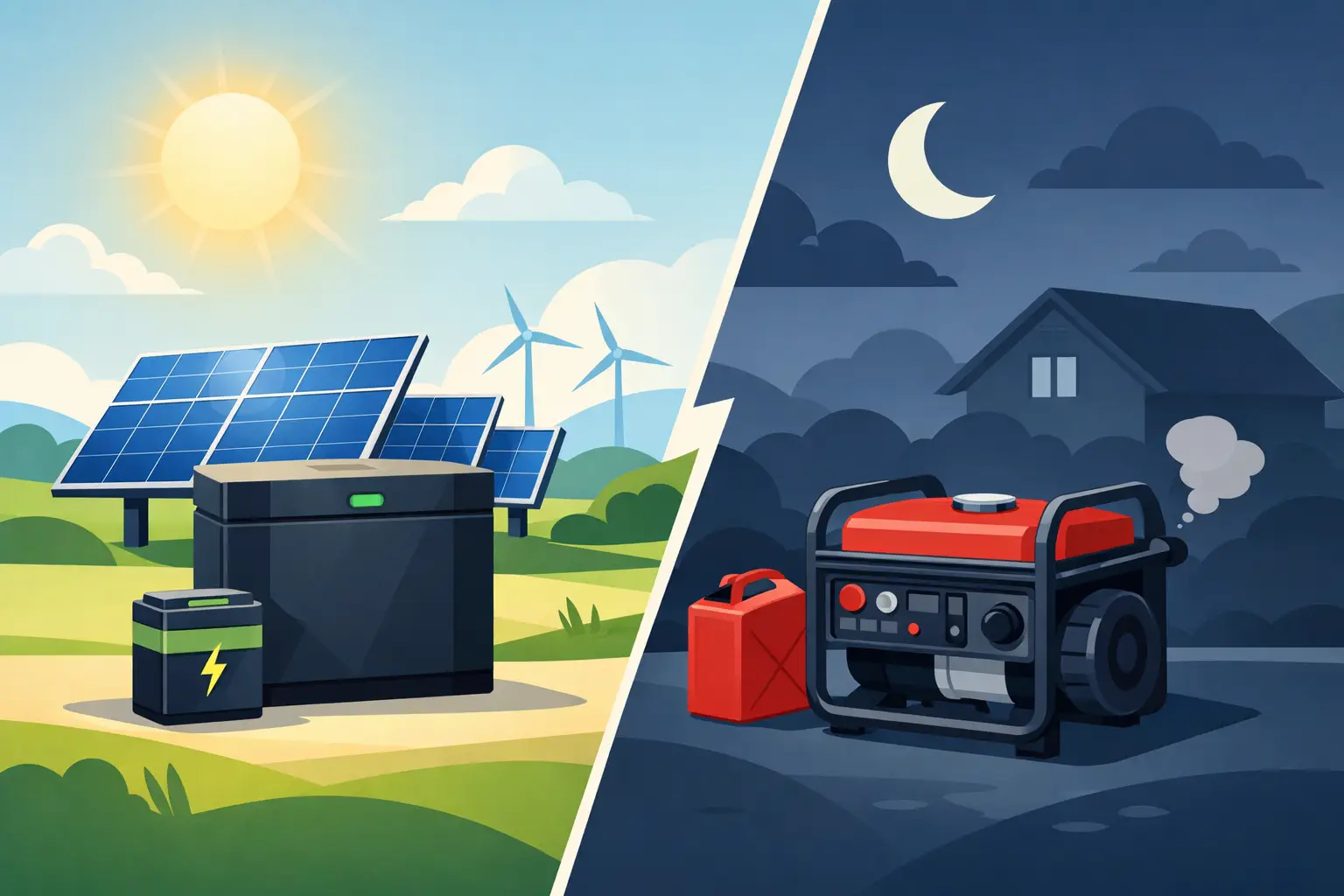
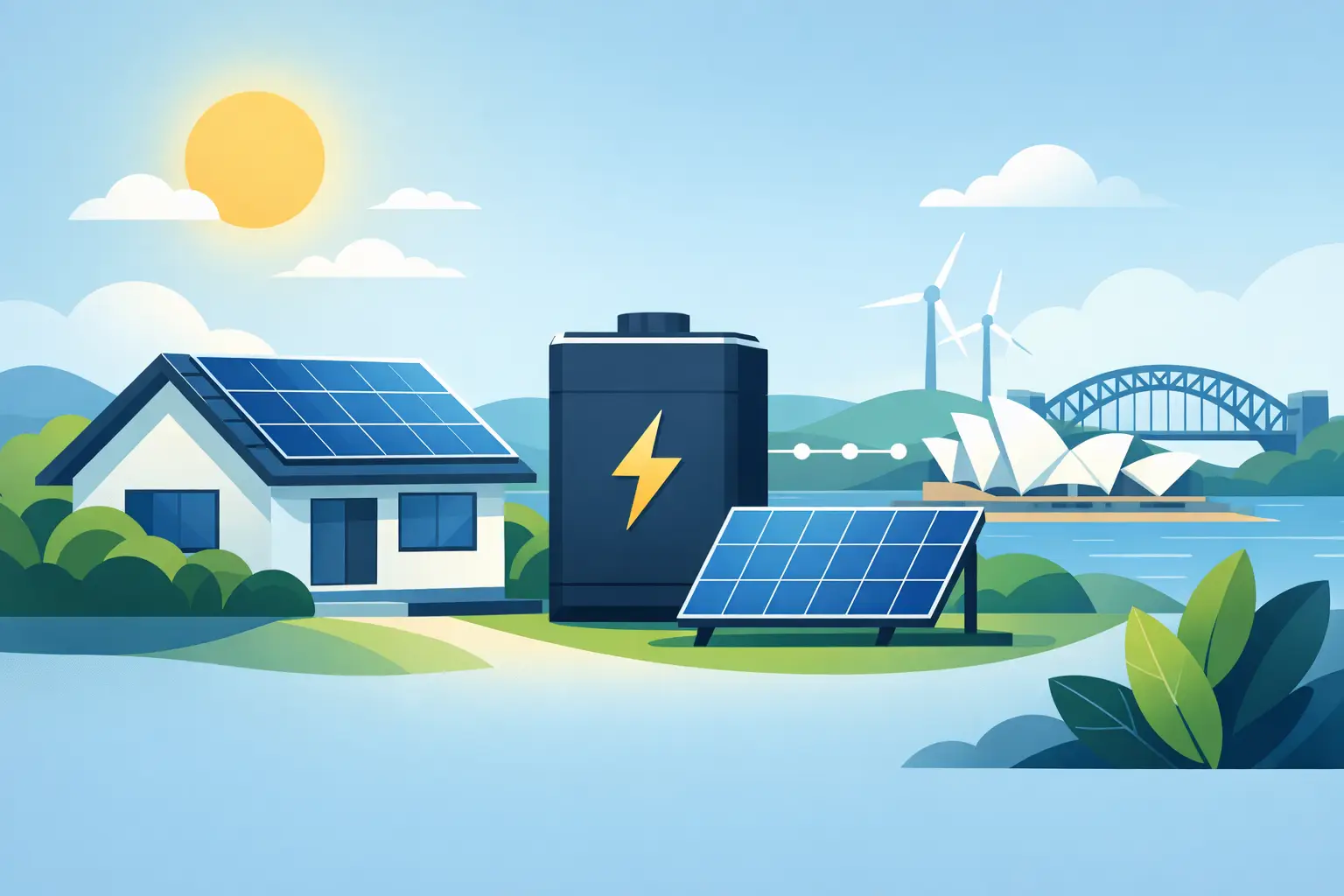
A battery can add another layer of planning. It may be configured for solar self-consumption, backup power or both. Backup capability in particular requires careful design so that essential circuits, changeover equipment, protection settings and grid isolation all work as intended. The right Level 2 capability allows the regulated electrical work to be managed alongside the solar and battery installation rather than passed between unrelated contractors.
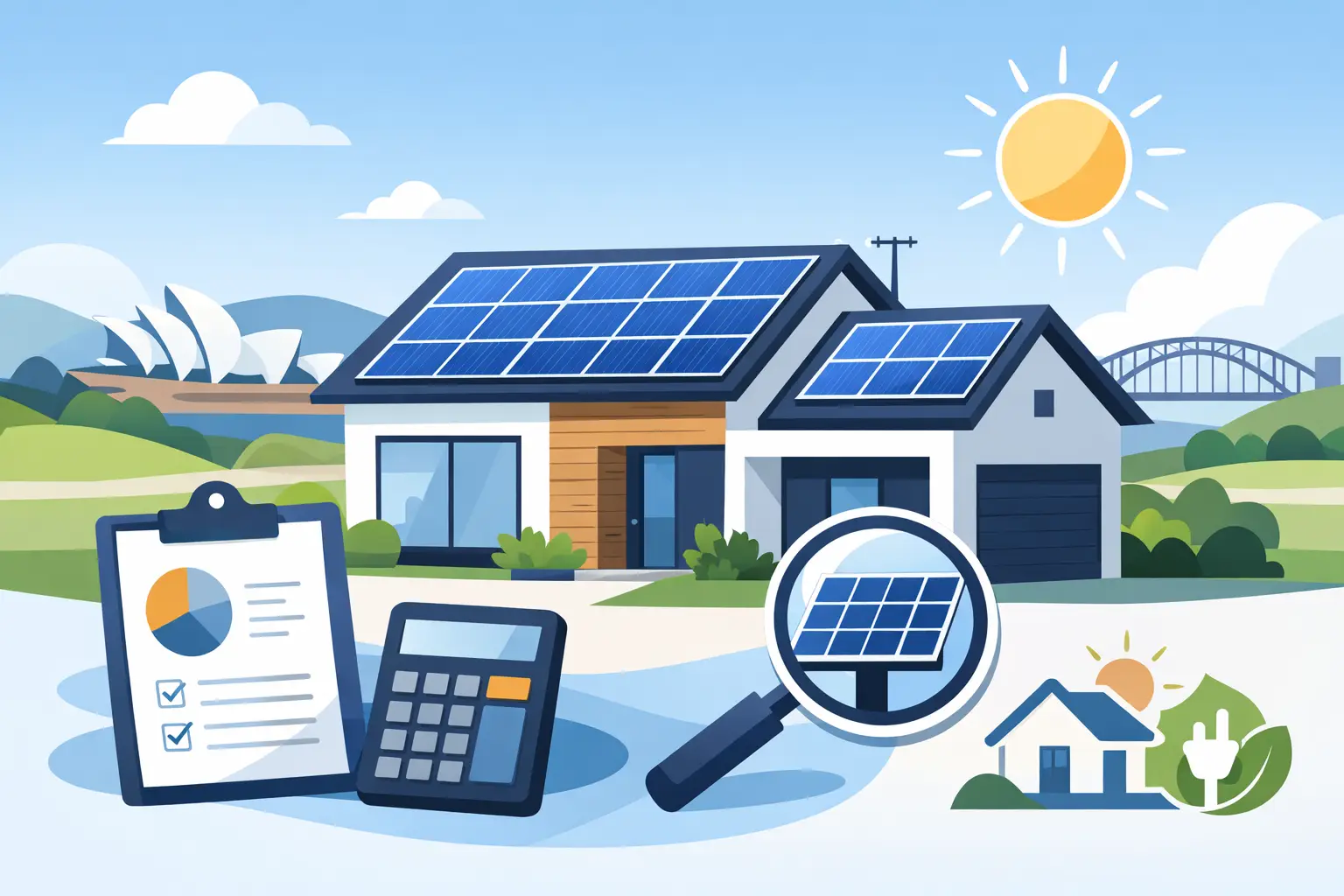
It depends on the site. A straightforward system on a modern home may have different requirements from an older property with limited switchboard space, legacy metering or undersized consumer mains. A proper site assessment should identify these issues before equipment is ordered and installed.
Meter upgrades and smart meter changes
Electricity meters do more than record consumption. They support billing, tariff structures and, in many cases, solar export measurement. When a property adds solar, changes from single-phase to three-phase supply, upgrades supply capacity or replaces outdated metering, authorised metering work may be necessary.
Your retailer, distributor and electrical contractor each have different roles in this process. A clear project plan should explain who is handling the application, what work is included, whether there will be an outage and when the new meter can be installed. This avoids the common frustration of having a completed solar system waiting to be commissioned because metering has not been organised.
Consumer mains and switchboard upgrades
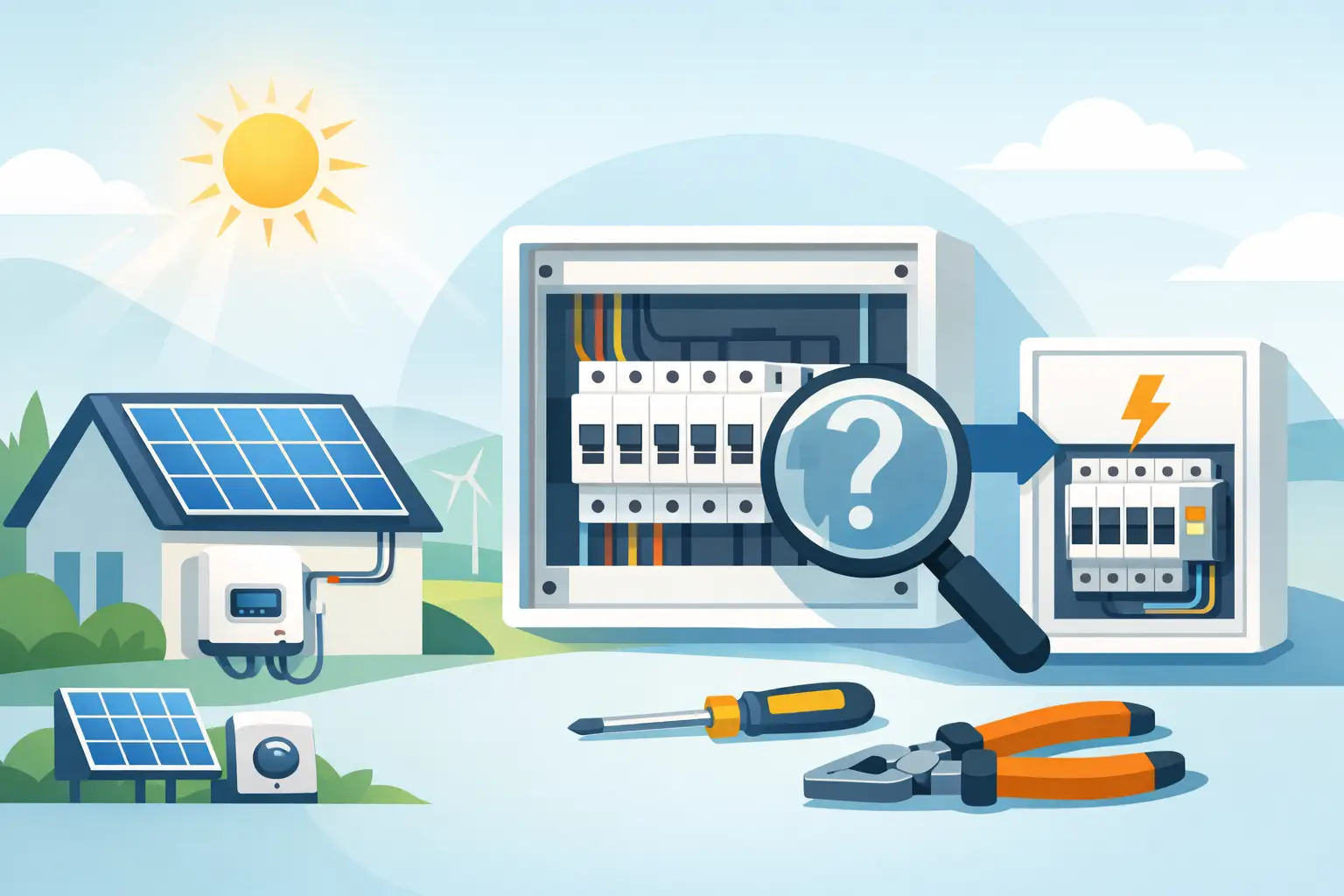
Older homes and commercial premises were not built around induction cooktops, ducted air conditioning, pool equipment, solar inverters, batteries and EV charging. As electricity demand grows, the supply cable and switchboard need to be assessed as a complete system.
A Level 2 ASP may be needed where consumer mains must be upgraded, replaced or connected to support increased demand. The work may also involve replacing damaged service equipment, installing a new point of attachment or converting an overhead service to an underground supply where feasible and approved.
A bigger supply is not always the answer. Load calculations, existing demand, phase balance and the capacity of the local network all need consideration. A well-designed upgrade provides room for future electrification without paying for unnecessary work.
Three-phase supply for higher-demand properties
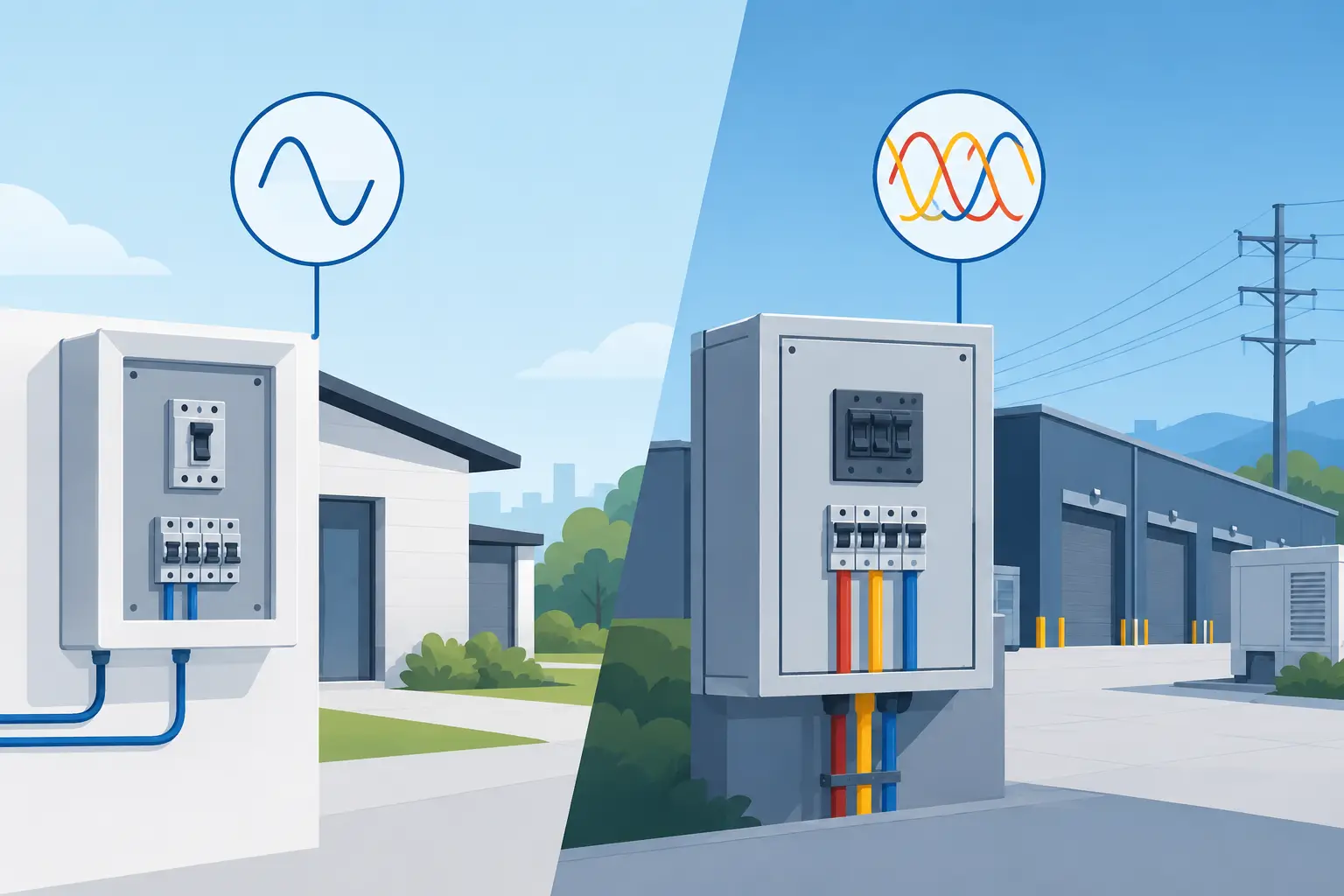
Three-phase power can be a practical option for larger homes, workshops, strata common areas, retail sites and industrial facilities. It can distribute high electrical loads more effectively and support equipment that may not perform suitably on single-phase supply alone.
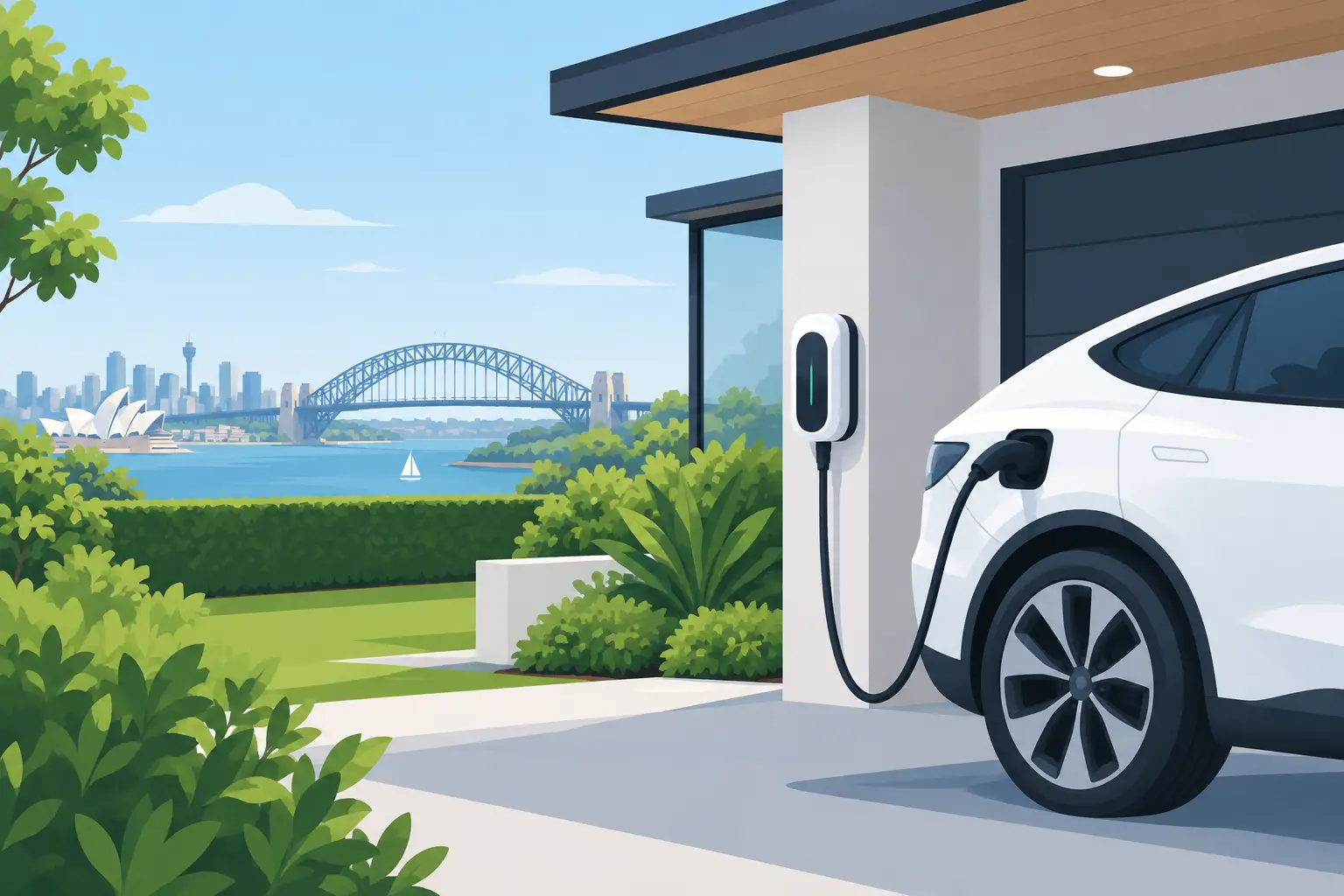
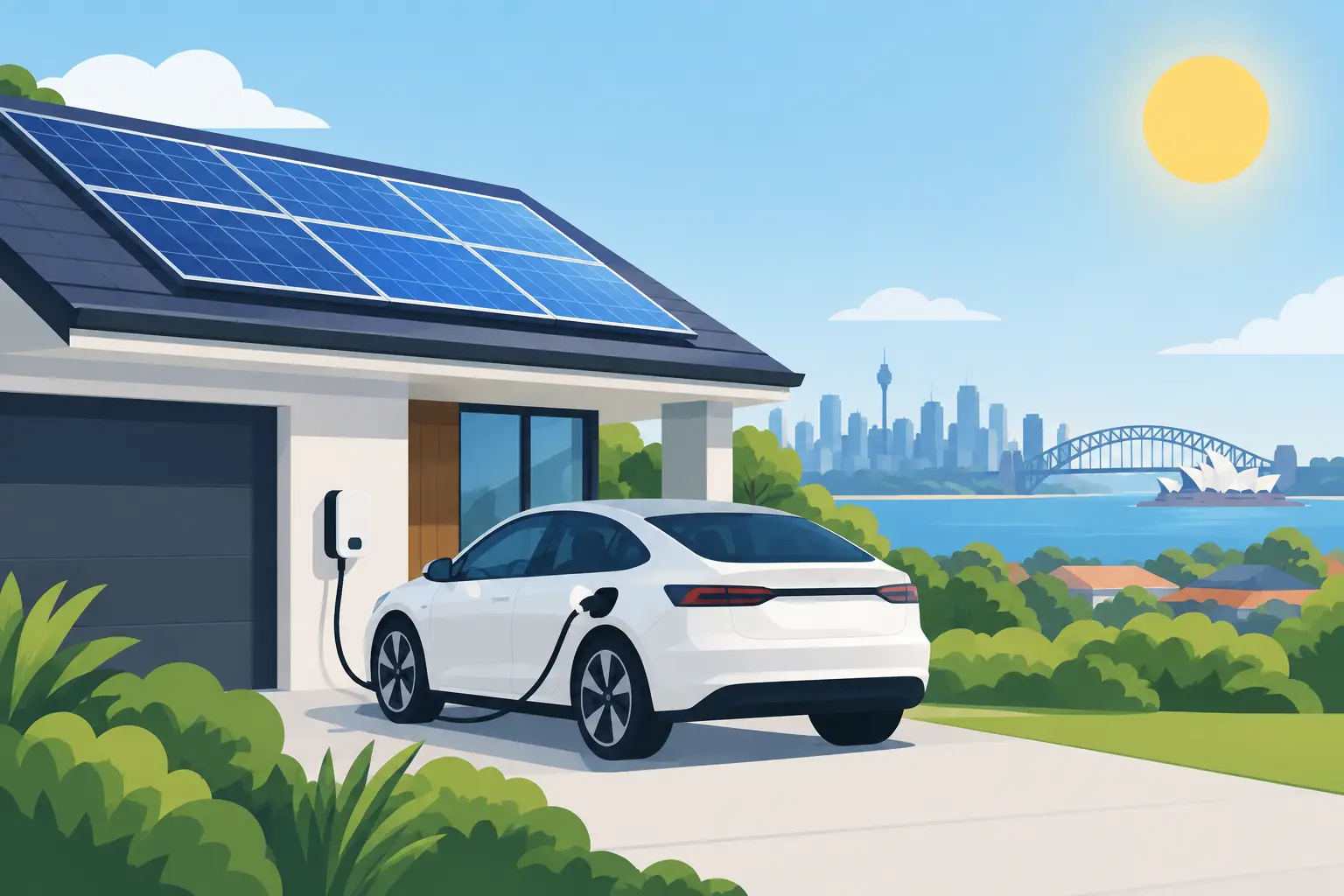
For a household, the decision often comes up when adding a larger EV charger, multiple reverse-cycle air conditioners, a battery system or major electrical appliances. For businesses, it may be driven by machinery, refrigeration, commercial kitchens or an expanding site load.
Converting to three-phase supply can involve network applications, metering changes, consumer mains work, a new switchboard arrangement and internal circuit upgrades. The best approach is to design for the full property plan, not only the next item being installed.
Defects, storm damage and unsafe service equipment
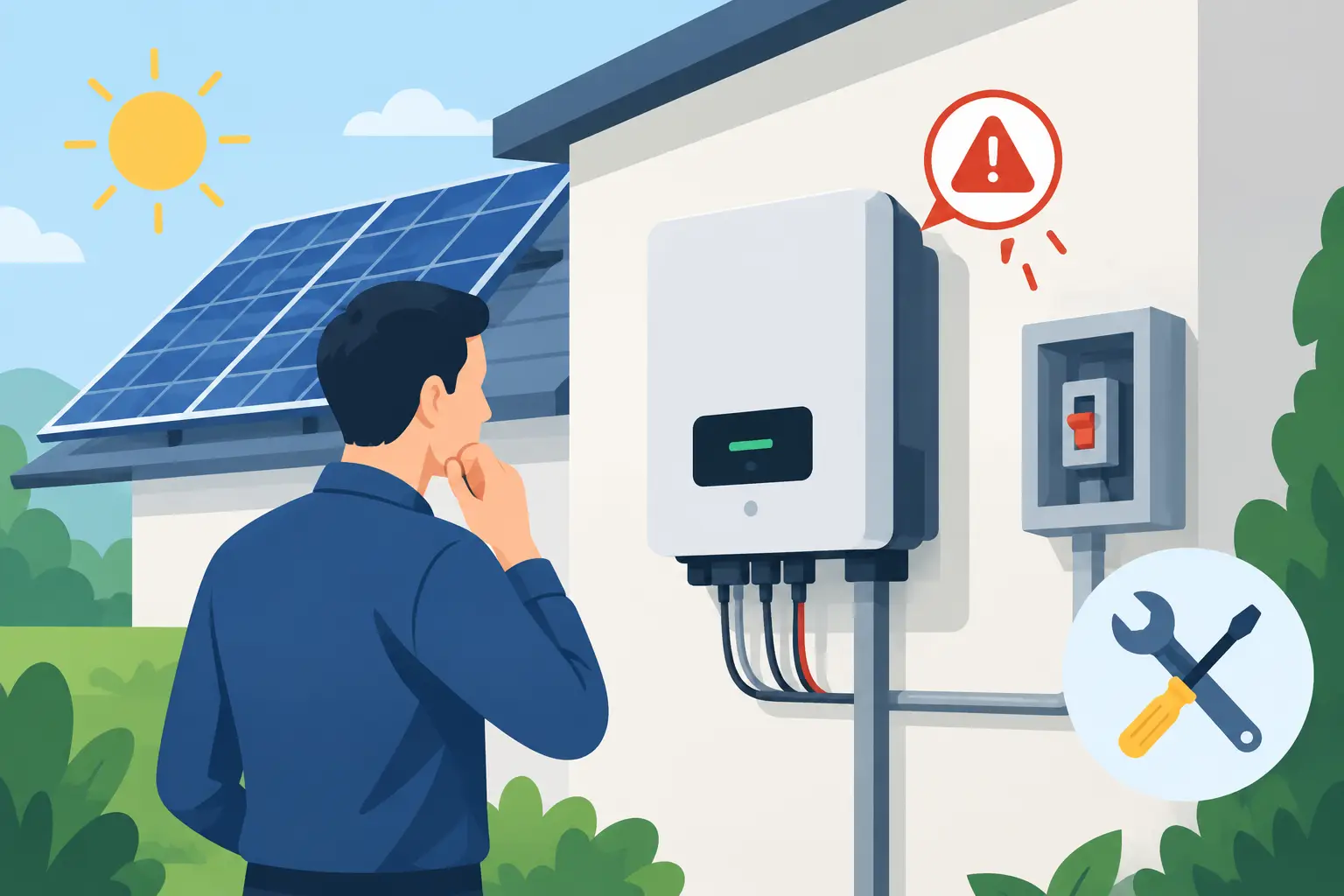
A damaged overhead service line, deteriorated point of attachment, faulty meter panel or network defect should never be treated as a general repair job. These issues can present serious electrical risk, particularly after storms, falling branches or water ingress.
If the network supply equipment is damaged or the distributor has issued a defect notice, a Level 2 ASP can assess the required work and complete authorised repairs. In an urgent situation, keep clear of fallen or damaged electrical equipment, do not attempt temporary repairs and contact the relevant electricity distributor for immediate hazards.
Why Level 2 capability matters for energy upgrades
Energy projects are easiest when the solar design, electrical infrastructure and grid connection are considered together. Separating them can create delays, duplicated site visits and unclear accountability, especially where the switchboard or supply needs attention after the solar design is finalised.
An integrated contractor can assess panel capacity, inverter location, battery backup goals, EV charging demand and network connection requirements from the start. That does not mean every project needs major electrical work. It means the scope is checked early, priced clearly and completed in the right sequence if it is needed.
For example, a homeowner may want solar now and an EV charger in two years. A switchboard that is upgraded with future circuits, appropriate protection and spare capacity can reduce later disruption. A business adding a large solar system may need to consider export limits, metering, demand management and site supply capacity before committing to a final design.
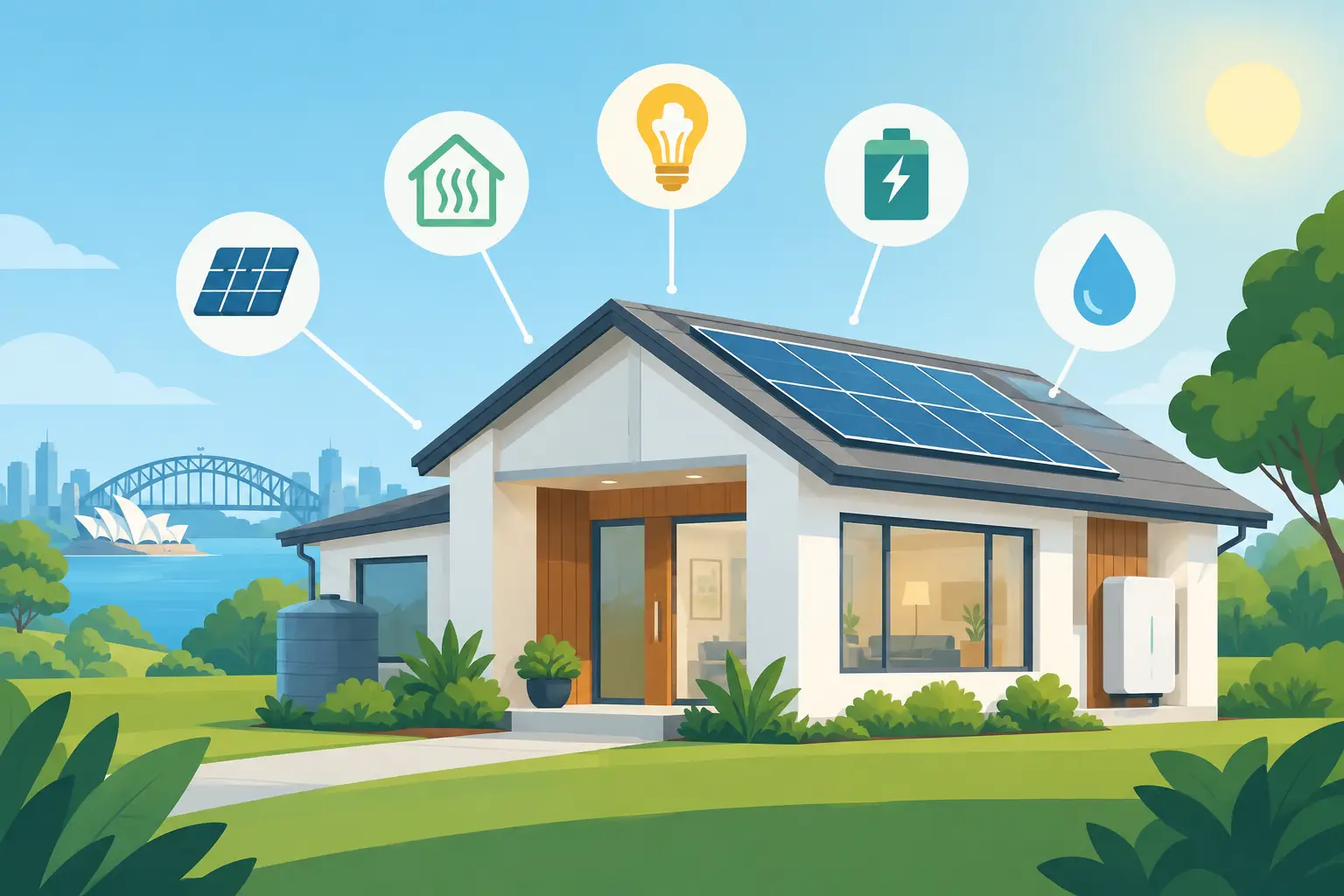
At Sydpro Solar Solutions, Clean Energy Council SAA accreditation and Level 2 ASP authorisation support a single, coordinated approach to solar, batteries, EV charging and regulated electrical connection work. The objective is straightforward: provide a safe system that performs as designed and is ready for the way you intend to use energy.
Questions to ask before booking the work
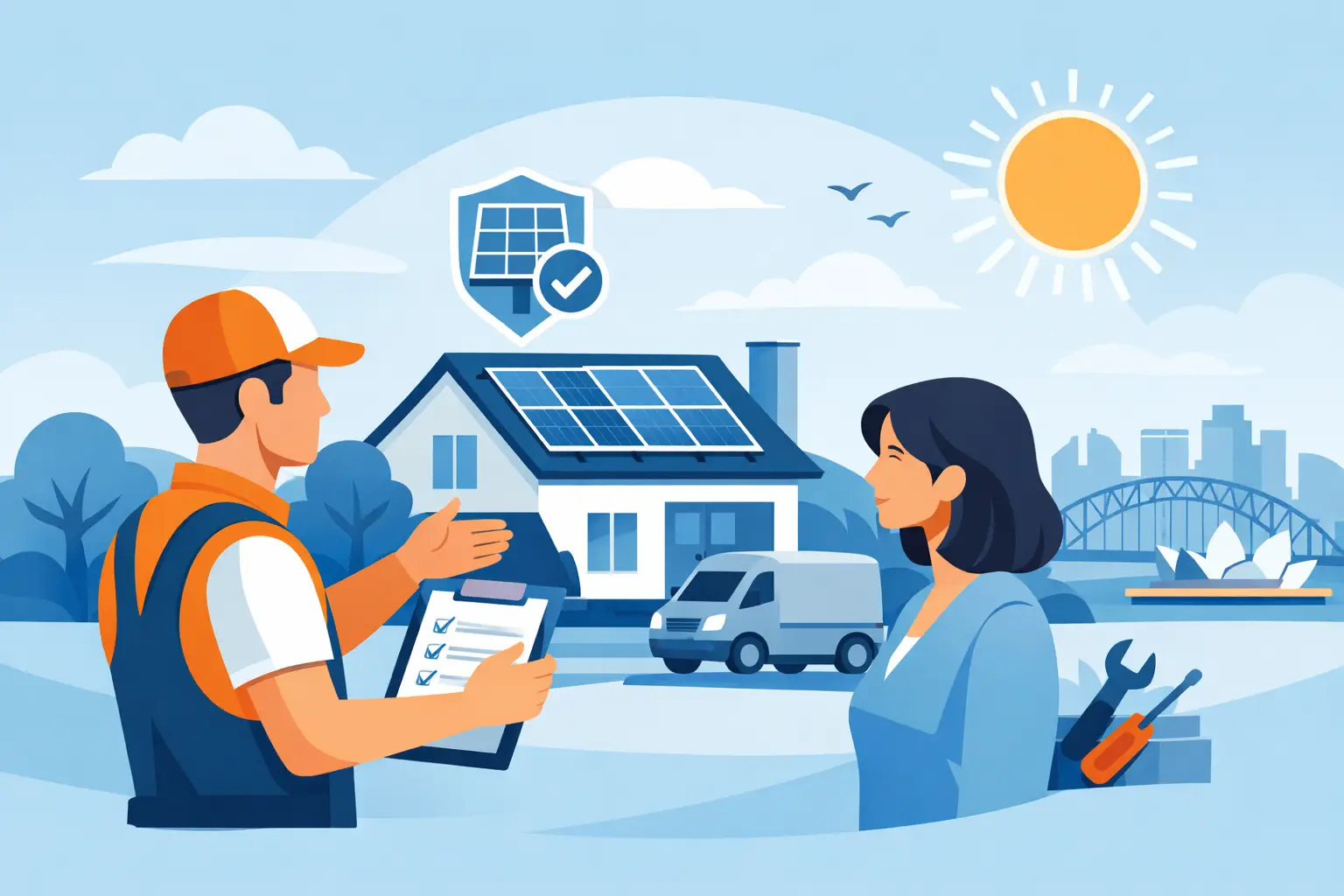
Ask whether the contractor is authorised for the specific Level 2 ASP category your work requires, not merely whether they are a licensed electrician. Request a detailed written scope that separates solar equipment, internal electrical work, Level 2 work, metering and any distributor or retailer charges.
You should also ask whether an outage is likely, whether network approval is required before installation and whether your current switchboard and consumer mains have been assessed for the proposed load. For solar and batteries, clarify the expected export arrangement, backup limitations and any assumptions behind the quoted design.
Transparent pricing matters because network-related work can vary substantially between properties. Cable routes, meter panel condition, distance to the point of supply, access constraints and distributor requirements can all affect the final scope. A site inspection and clear quotation are more valuable than a low headline price that excludes necessary connection work.
Plan for the property you will have next
A Level 2 electrician is not only someone to call when a service cable fails or a meter must be changed. For many NSW properties, they are a key part of making solar, storage, electrification and EV ownership work safely at the grid edge.
If you are considering an energy upgrade, start with a proper assessment of your existing supply and your likely future demand. That early step can turn a series of separate electrical jobs into one well-planned investment in lower running costs, greater energy independence and a cleaner energy future.