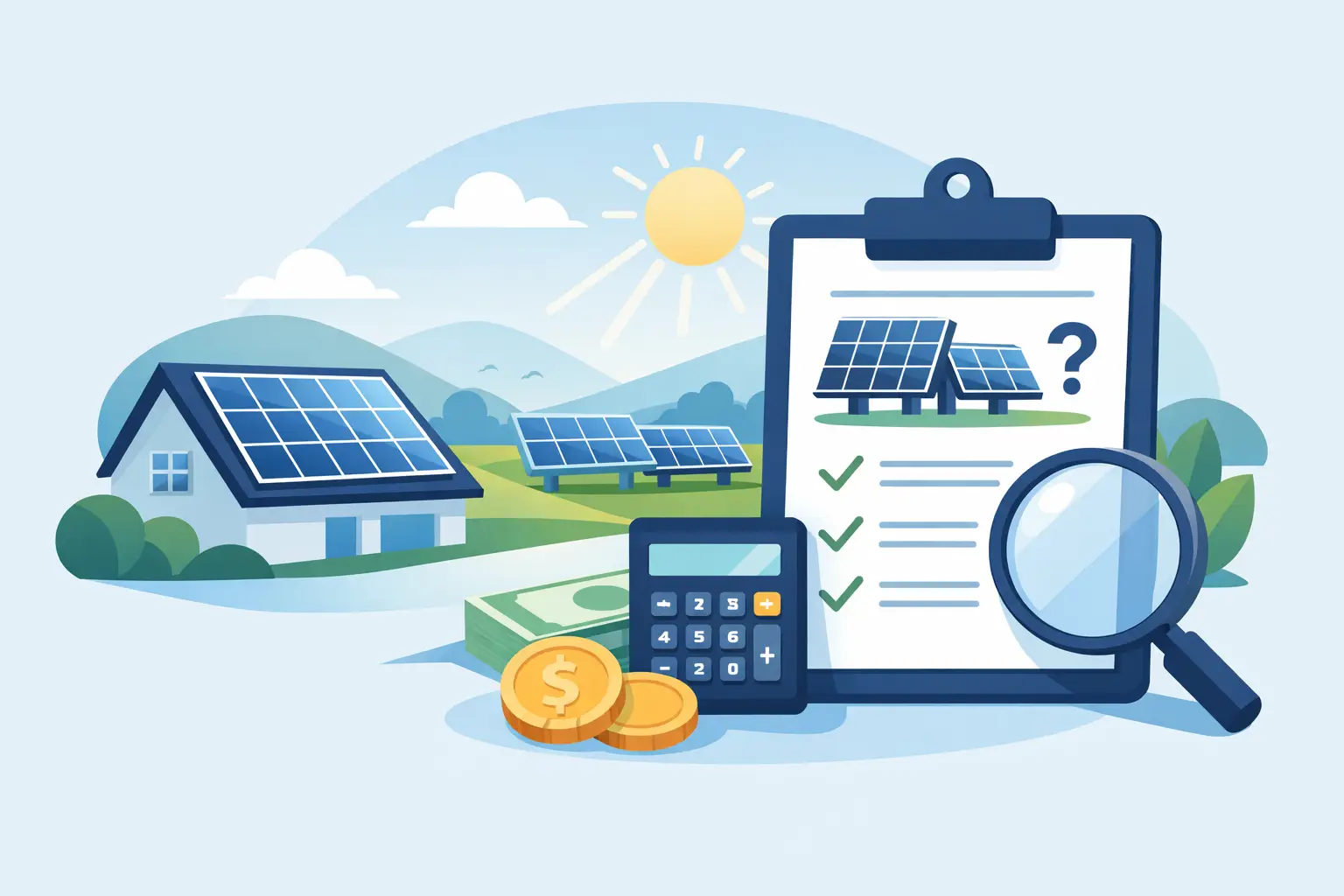
A solar quote can look cheaper simply because it leaves out the work your property actually needs. A lower headline price may exclude switchboard upgrades, meter changes, monitoring hardware, difficult roof access or a battery-ready design. Knowing how to compare solar quotes means looking past the total and checking whether each proposal delivers the same energy outcome, safety standard and long-term value.
For NSW homes and businesses, the right system is not necessarily the biggest system or the lowest-priced package. It is the one designed around your electricity use, roof conditions, network requirements and plans for batteries or EV charging.
Start by making the quotes comparable
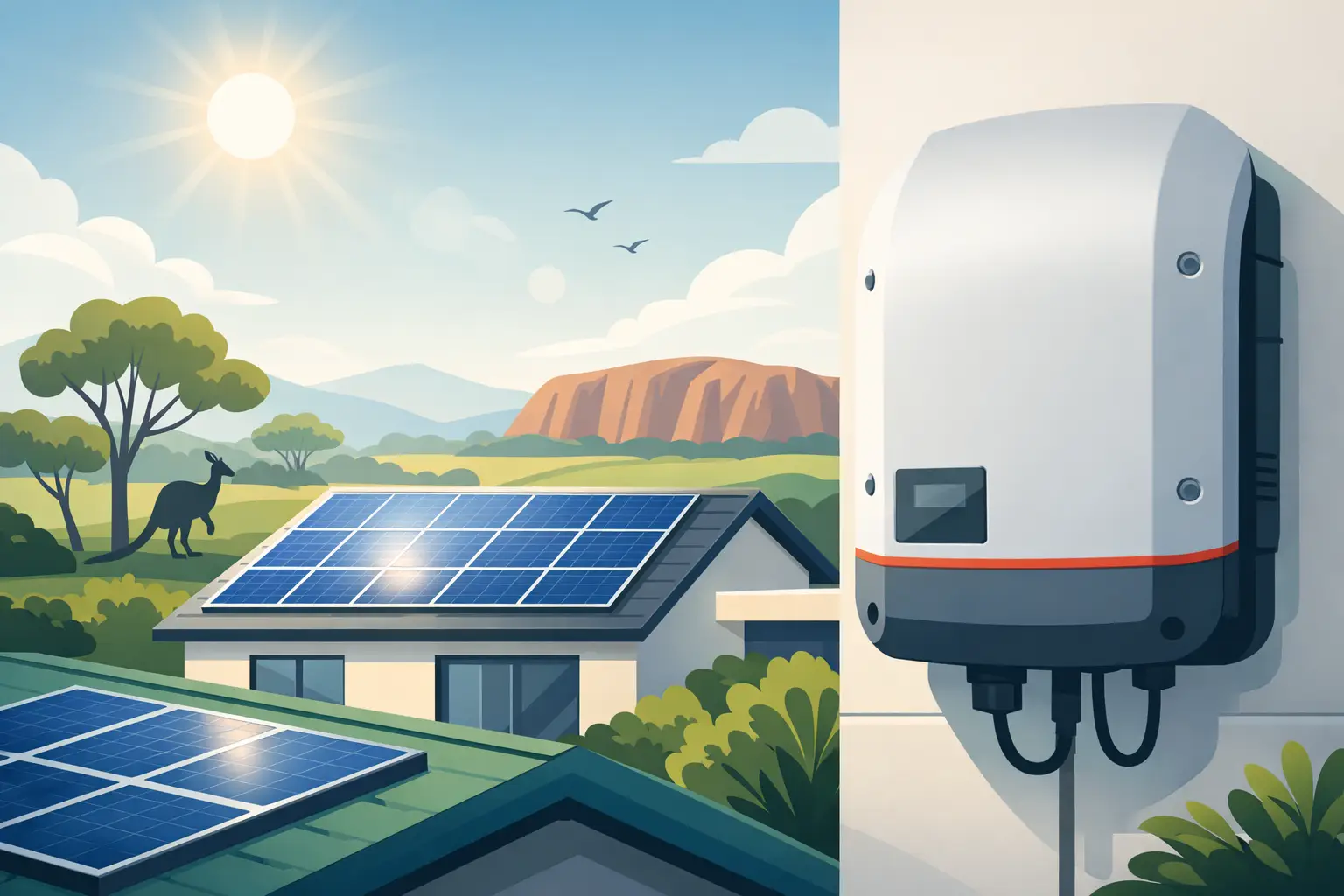
Before comparing price, confirm that each installer has quoted for the same scope. One proposal might be for a 6.6 kW solar system with a 5 kW inverter, while another may list a similar-looking panel count but a different inverter capacity, panel output or installation standard. Those systems are not like-for-like.
Ask each provider to show the panel brand, model and wattage, the number of panels, inverter brand and model, total panel capacity in kW, inverter capacity, estimated annual generation and the expected installation layout. The quote should also state whether GST, small-scale technology certificates (STCs), installation, grid connection paperwork and commissioning are included.
For a business site, compare the proposed system against interval energy data where possible. A system that generates strongly when your building is closed may deliver less bill reduction than a slightly different design that better matches daytime operations. For households, consider your daytime consumption, pool pumps, air conditioning, electric hot water and future EV charging rather than using a generic system size alone.
Compare solar quotes by usable performance
Panel capacity matters, but it is only one part of performance. A high-quality proposal explains what the system is expected to produce and why it suits your roof. Orientation, tilt, shading from trees or neighbouring buildings, roof space and local network export limits can all affect results.
Check the generation assumptions
Look for an annual generation estimate in kilowatt-hours, not vague claims about “big savings”. Then ask what assumptions sit behind it. Has the installer allowed for shading? Does the design use different panel strings, optimisers or microinverters where roof faces perform differently? Is the estimate based on your address and roof orientation?
Generation is not the same as savings. Your savings depend on how much solar you use as it is produced, your electricity tariff, feed-in tariff, consumption pattern and whether you add storage. A credible quote will distinguish between energy generated, energy self-consumed and energy exported.
Consider inverter sizing and export limits
In NSW, the distribution network may limit how much energy your system can export to the grid. This does not always prevent you from installing more panel capacity, but it can influence inverter selection, export control settings and the value you receive from excess generation.
A larger panel array paired with a smaller inverter can be a sensible design choice in some circumstances. It may generate earlier and later in the day and keep the inverter working closer to capacity. However, it should be an intentional design decision, not a shortcut that leaves you with unclear performance expectations.
Read the equipment details, not just the logos
Premium brands can provide confidence, but the model number, warranty terms and system design still matter. Quotes should identify the exact panels, inverter, battery and mounting equipment proposed. “Tier-one panels” is a broad label, not a product specification.
Compare the product warranty separately from the performance warranty on panels. Check inverter warranty duration and whether an extension is included. For batteries, look at usable capacity rather than nominal capacity, warranty throughput, retained capacity at the end of the warranty, backup capability and any limits on which circuits can run during an outage.
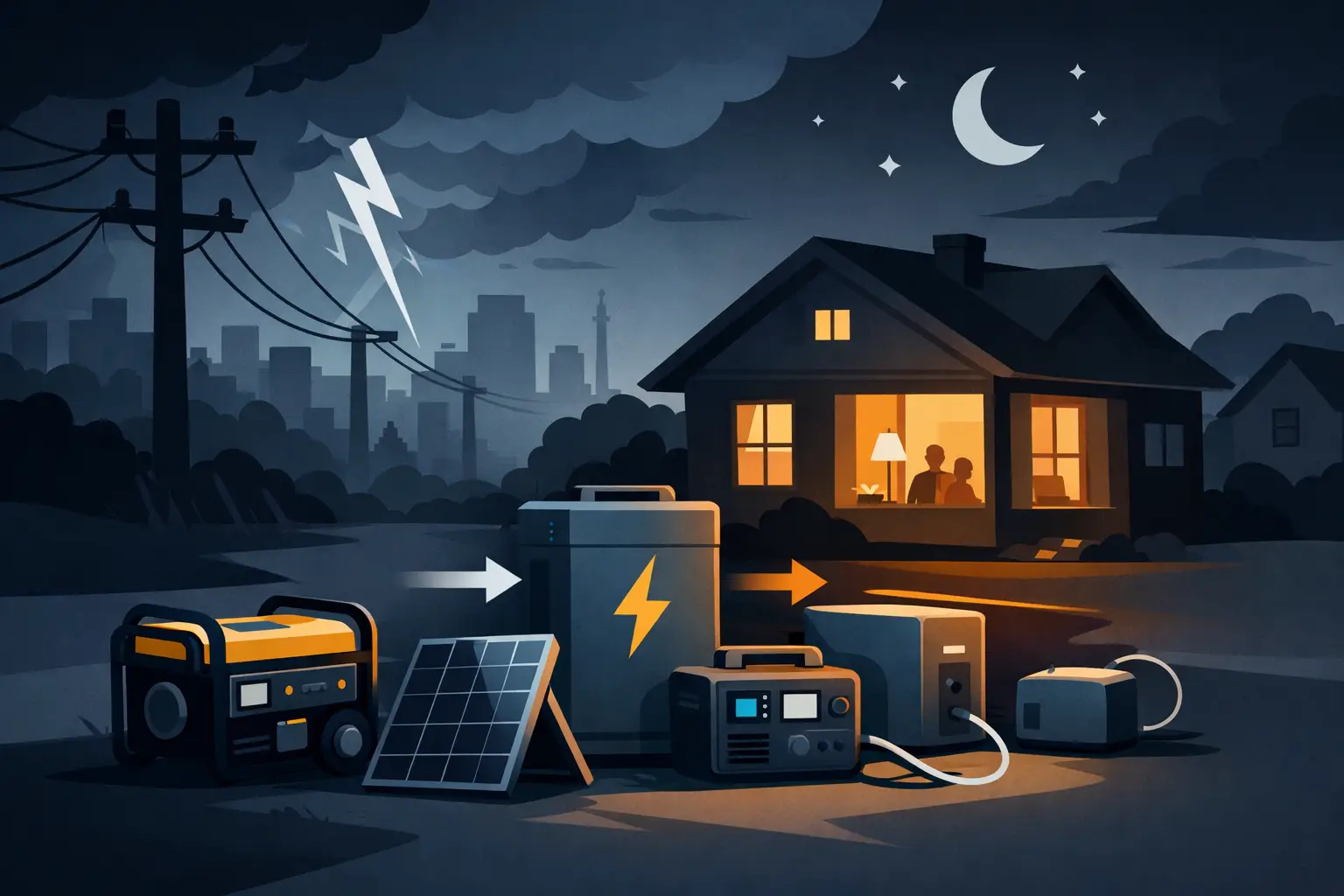
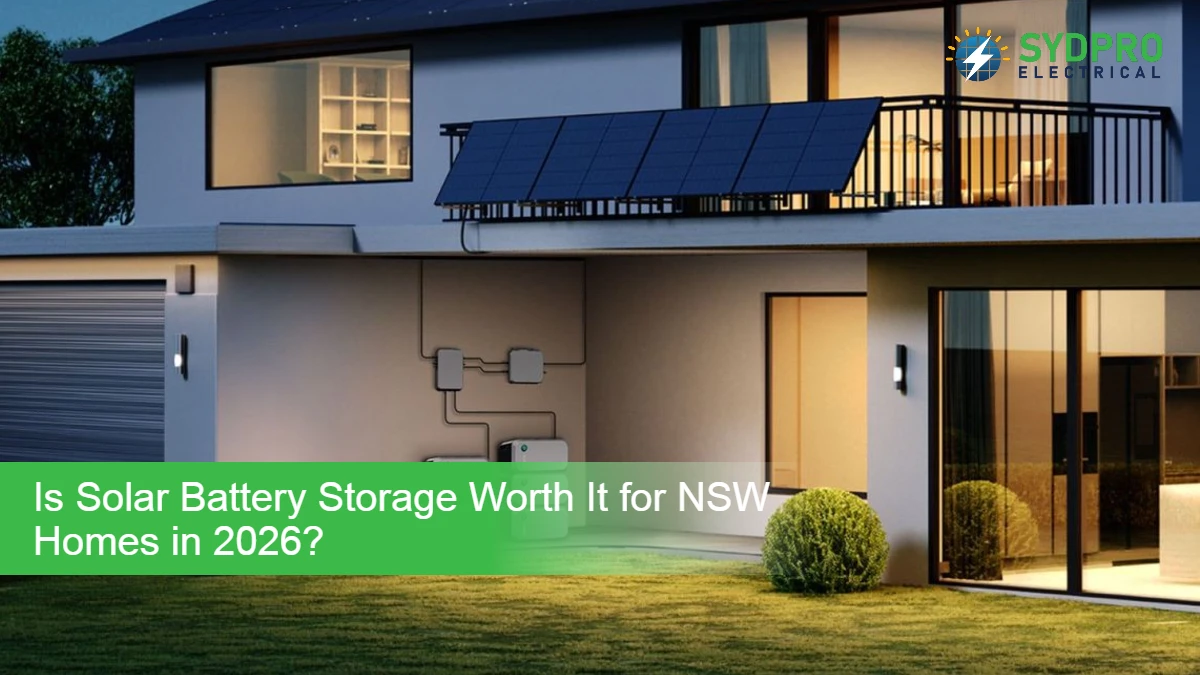
Battery quotes deserve particular care. A battery may reduce evening grid purchases, but its financial value depends on your load profile, tariff structure, solar surplus and energy goals. If blackout protection is a priority, confirm whether the proposal includes backup hardware, essential-circuit wiring and the electrical work required to make that feature operate safely. Not every battery installation provides whole-home backup.
Check what is included in the installed price
A detailed solar quote protects both parties. It should state the full installed price and clearly identify exclusions, provisional items and conditions that could change the cost. If a quote is far below the others, this is often where the difference appears.
Ask whether the price includes roof mounting, cabling, isolators, electrical protection, system monitoring, testing, commissioning, certificates, meter coordination and network application support. Clarify whether a switchboard assessment has been completed. Older switchboards, asbestos-containing boards, restricted roof access, tile repairs and long cable runs can require additional work.
There is nothing wrong with a site-dependent item when it is disclosed early and explained clearly. The concern is a quote that appears fixed but leaves major electrical or compliance work undefined. Transparent pricing is about knowing what you are paying for before installation day, not discovering essential extras after the panels are on the roof.
Assess the installer’s credentials and accountability
Solar is electrical infrastructure installed on your property for decades. The installer should be able to demonstrate the right licences, accreditation and insurance for the work being performed.
For systems claiming STCs, ask who is responsible for the installation and whether the work will meet current Clean Energy Council requirements. In NSW, electrical upgrades and grid connection work may also require a Level 2 Accredited Service Provider, depending on the scope. An installer with both solar accreditation and Level 2 capability can be particularly valuable where the job involves metering, consumer mains, switchboard work or network-related upgrades.
Also ask who will handle the project after the deposit is paid. Will the company designing the system manage installation, commissioning, compliance documentation and warranty support? If an issue occurs with monitoring, an inverter fault or a network setting, you want a clear point of contact rather than several contractors passing responsibility between them.
Look beyond the rebate figure
STCs can substantially reduce the upfront cost of eligible small-scale solar systems, and the number available changes over time. A quote should show the STC calculation or discount clearly, including the assumed installation date and any conditions attached to it.
Do not compare one price before STCs with another after STCs. Likewise, be cautious if a proposal presents a government incentive as guaranteed before eligibility, system size and installation timing have been confirmed. Battery incentives, finance offers and retailer promotions should be assessed separately from the core installation price so you can see the actual cost of the equipment and work.
For commercial projects, the decision may involve tax treatment, demand charges, operating hours and planned expansion. A cheaper system with limited monitoring, poor production matching or no allowance for future load may cost more over its working life.
Ask the questions that reveal quote quality
When you are deciding how to compare solar quotes, a short conversation can reveal more than another page of marketing. Ask each installer why they selected that system size, how the design handles shade and export limits, and what assumptions were used to estimate savings.
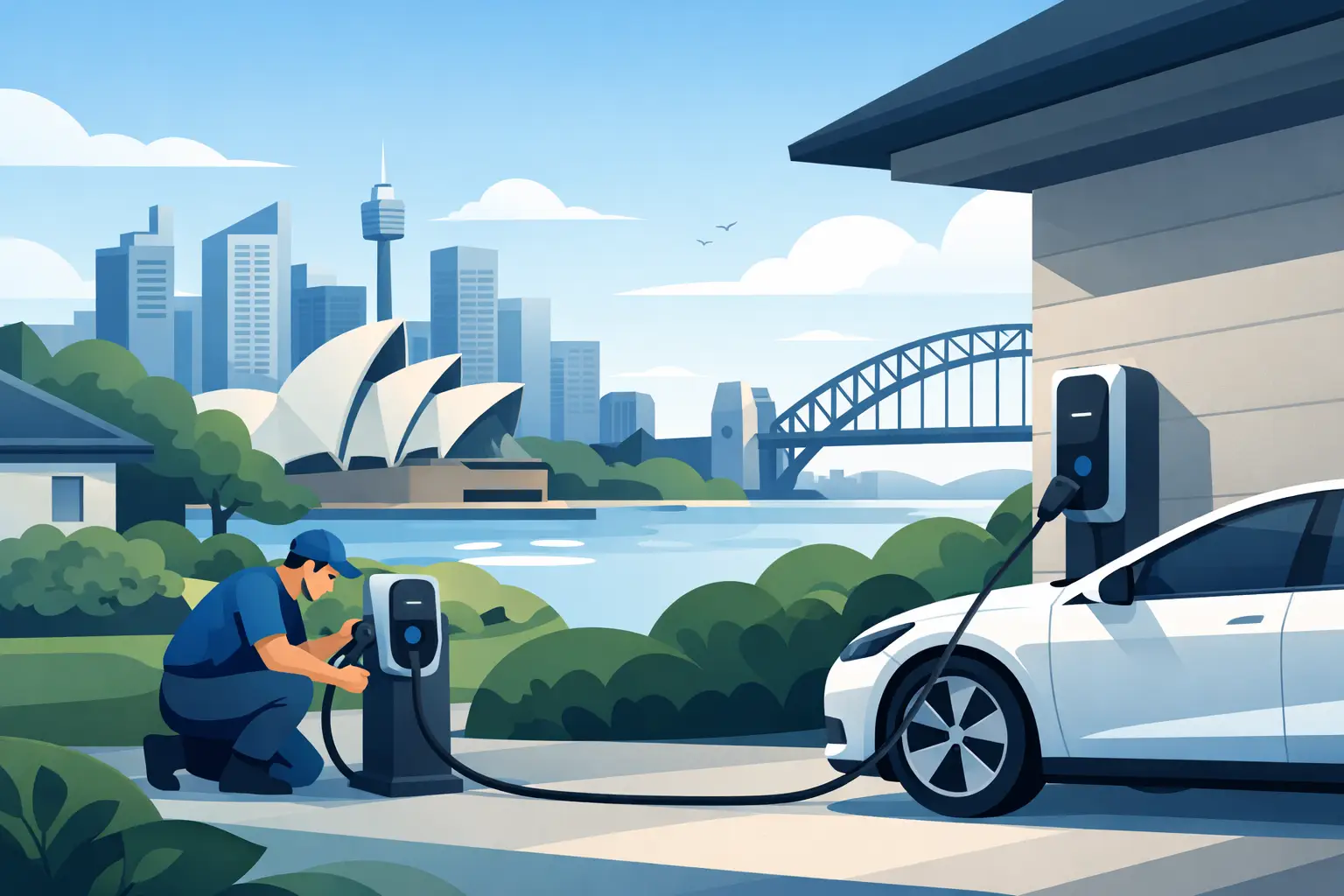
Ask what happens if your switchboard needs upgrading, whether roof penetrations and mounting systems are covered by warranty, and who manages faults after commissioning. If you expect to buy an EV or add a battery later, ask whether the inverter, switchboard and cable pathways are designed with that upgrade in mind.
The best answers are specific to your property. They explain trade-offs plainly: a lower-cost inverter may be appropriate for a simple roof, while a more advanced design can be worthwhile for multiple orientations, shading or future storage. Clear advice should help you choose, not pressure you into a same-day decision.
Choose value that holds up after installation
The strongest solar quote is detailed, transparent and built around the way you use energy. It accounts for safe electrical work, realistic production, quality equipment, compliant grid connection and support that remains available after commissioning.
A well-designed system should make your next energy decision easier, whether that means adding battery storage, installing an EV charger or expanding a business operation. Take the time to compare the complete scope, and you will be far more likely to invest in solar that performs as promised for years to come.