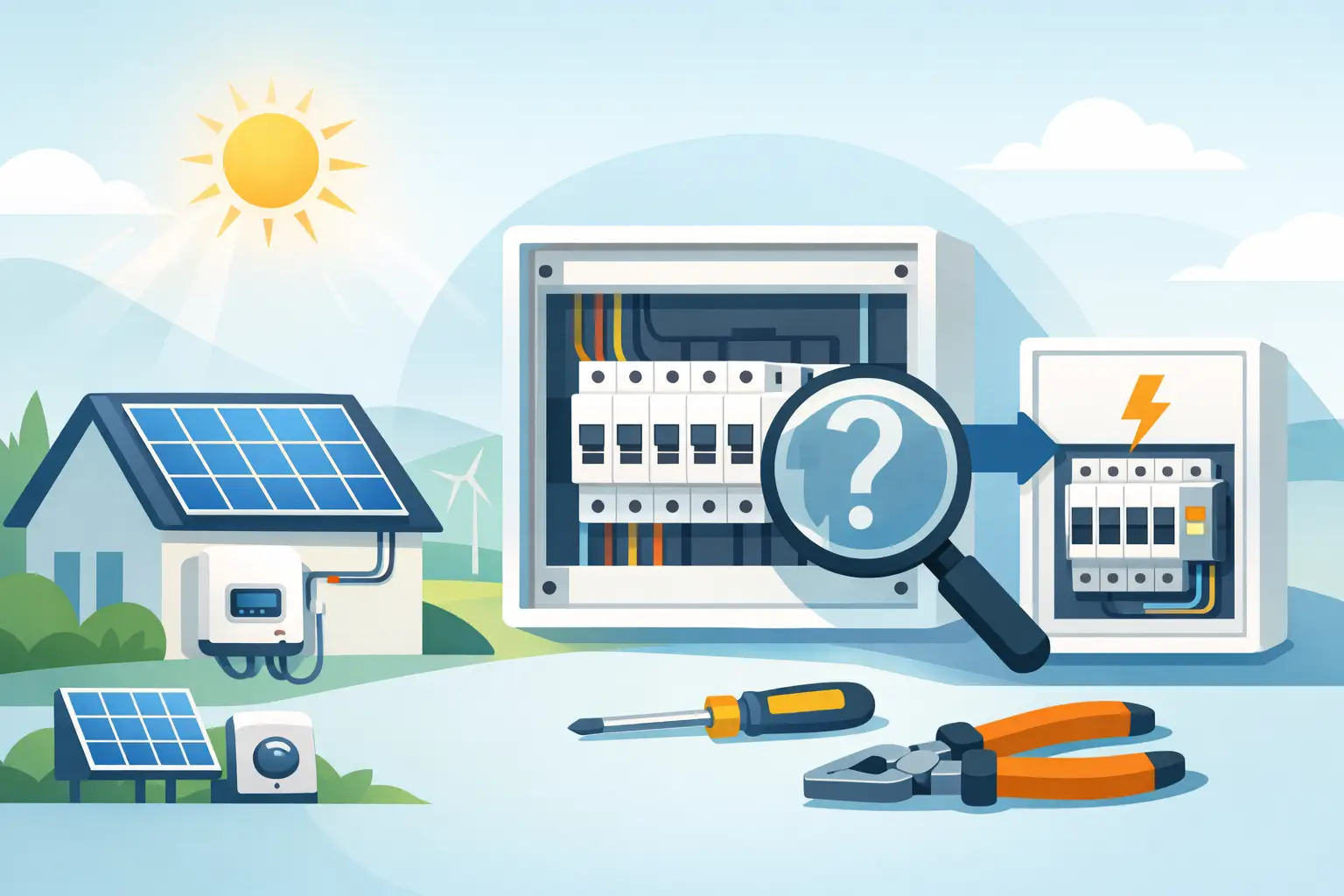
A solar system can only perform as well as the electrical infrastructure behind it. If your property still has an older fuse board, limited circuit capacity or no room for new protection devices, a switchboard upgrade for solar may be the step that makes a safe, compliant installation possible. It is not an optional extra added for appearances. It is a practical assessment of whether your home or business can safely manage solar generation, grid supply and future electrical demand.
For NSW property owners, the right answer depends on the condition of the existing switchboard, the size and design of the solar system, and whether batteries, EV charging or major electric appliances are part of the plan. A qualified solar installer with Level 2 ASP capability can assess the full picture before work begins, rather than treating solar and electrical upgrades as separate jobs.
Why solar can expose switchboard limitations
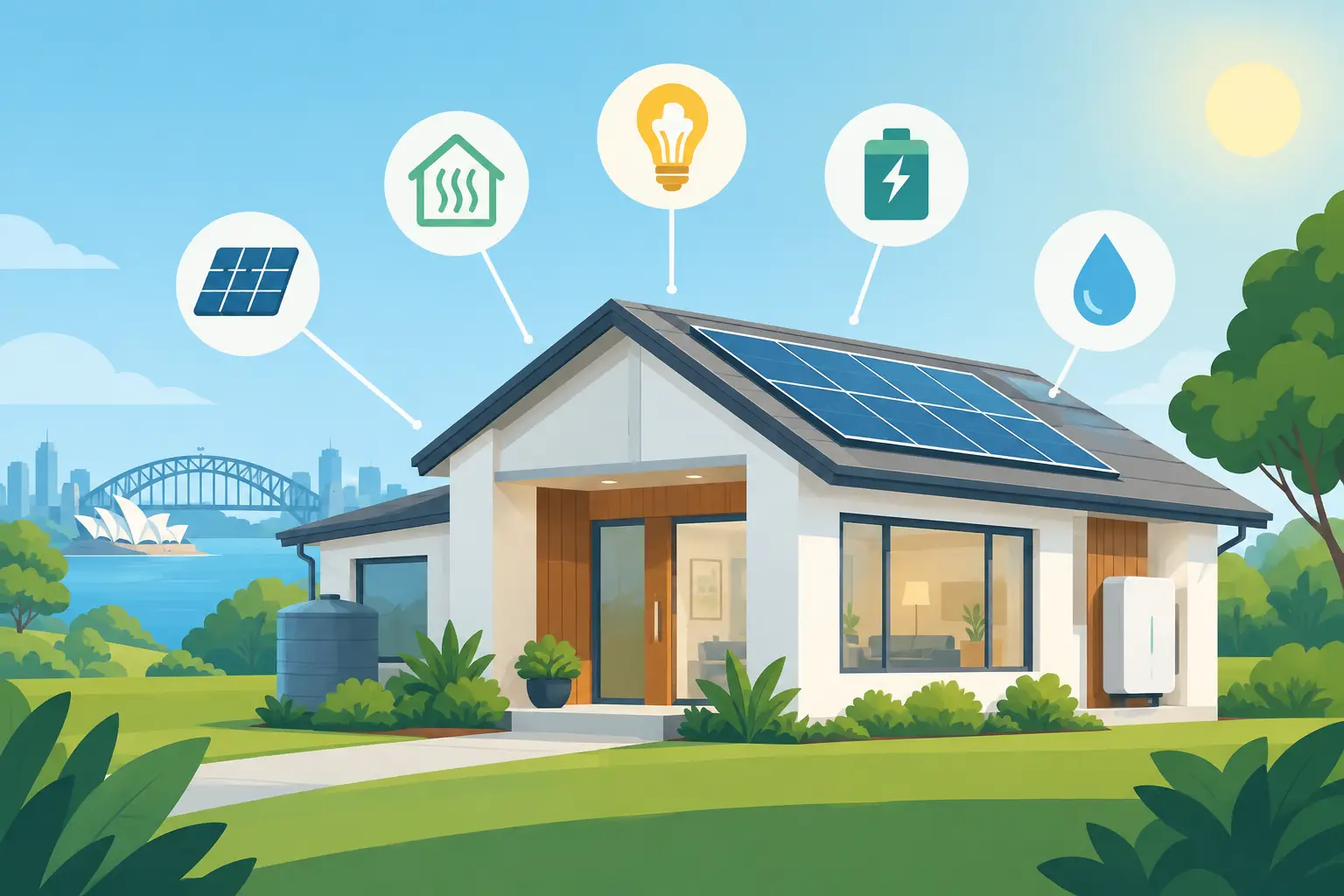
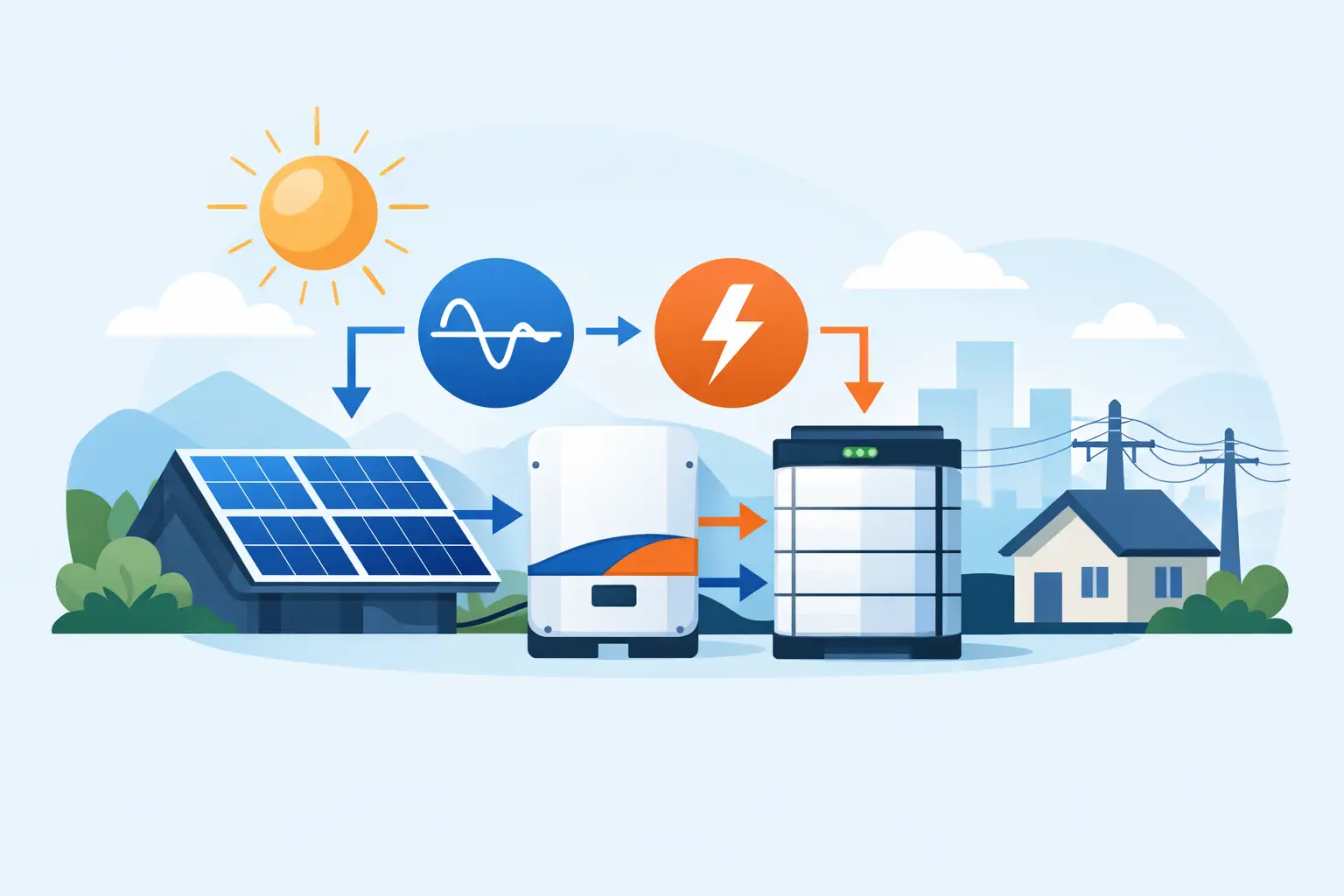
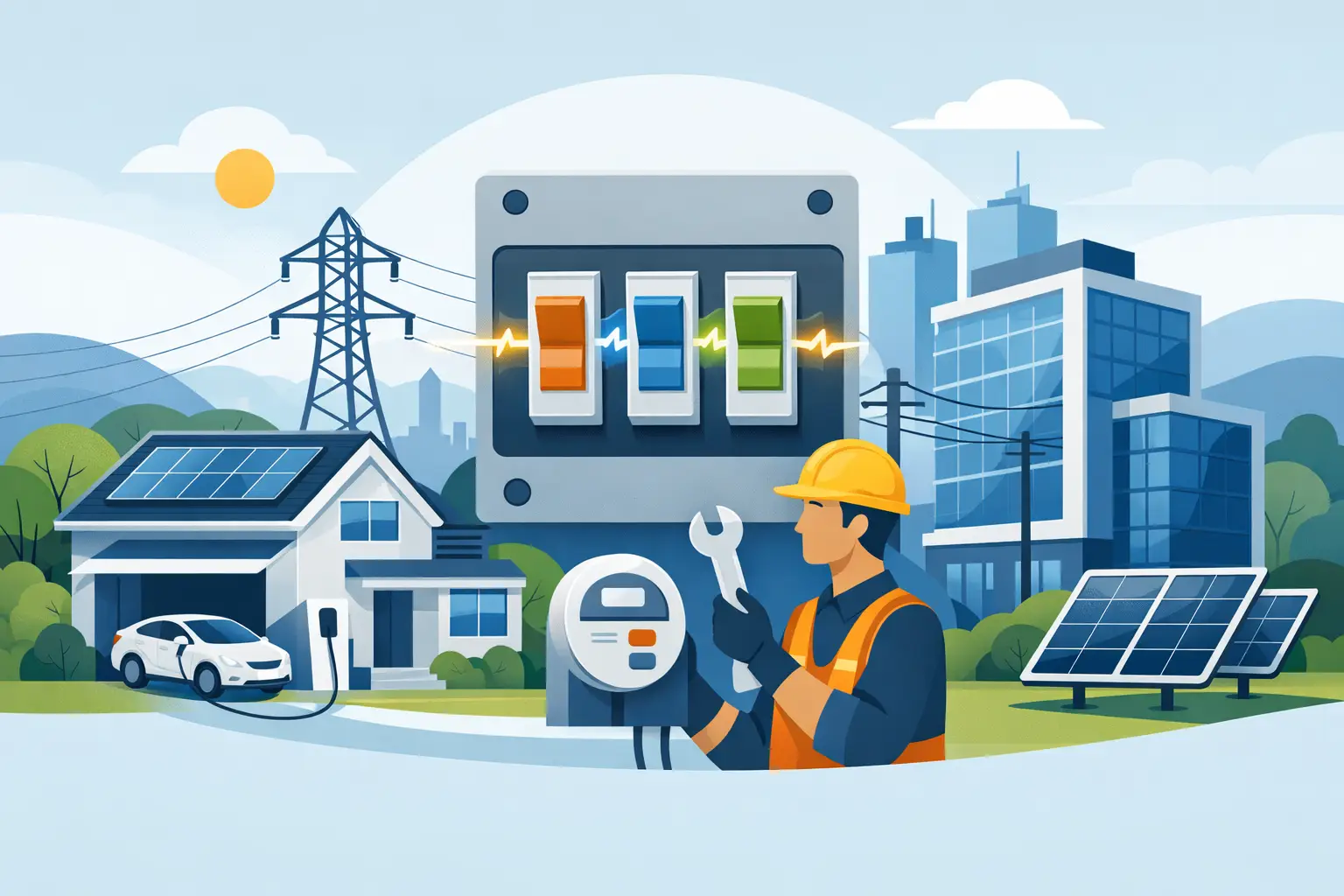
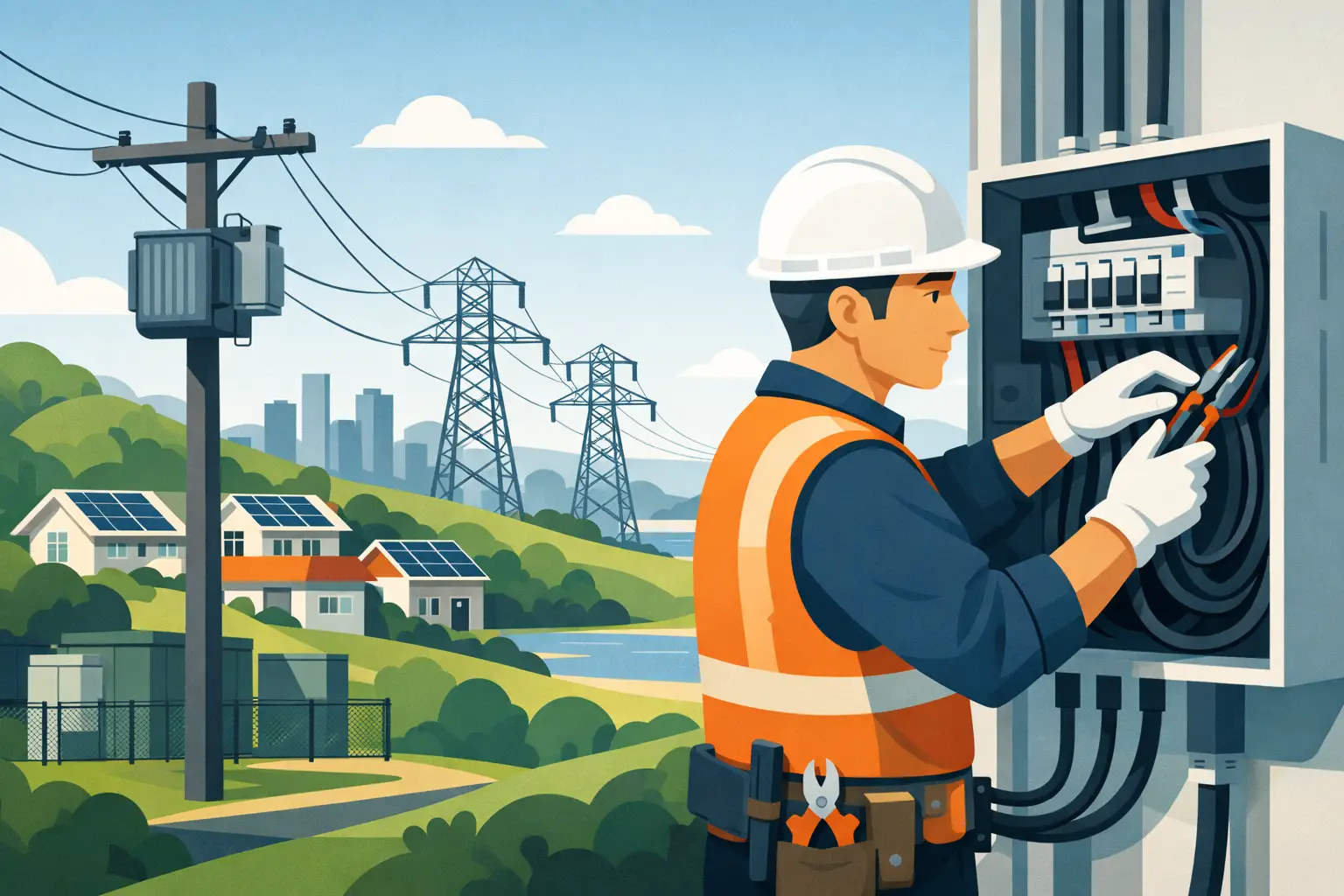
Your switchboard distributes electricity through the property and provides protection when there is a fault, overload or electrical safety issue. When rooftop solar is added, the board must safely accommodate the solar inverter connection, appropriate circuit protection and isolation equipment, while continuing to manage electricity from the grid.
Many older Sydney homes were built for a very different load profile. They may have ceramic fuses, ageing wiring, inadequate earthing, mixed or poorly labelled circuits, or a crowded enclosure with no safe space for additional equipment. Even where the board appears to be working normally, it may not meet the requirements of a modern solar installation.
The issue is not simply whether the lights turn on. Solar generation can send power in a different direction through the installation, and an inverter needs correctly selected protection to disconnect safely where required. If a battery or EV charger is planned, the electrical demand and design requirements increase again.
Signs you may need a switchboard upgrade for solar
A site inspection is the only way to confirm what your property requires, but several common signs indicate an upgrade is likely.
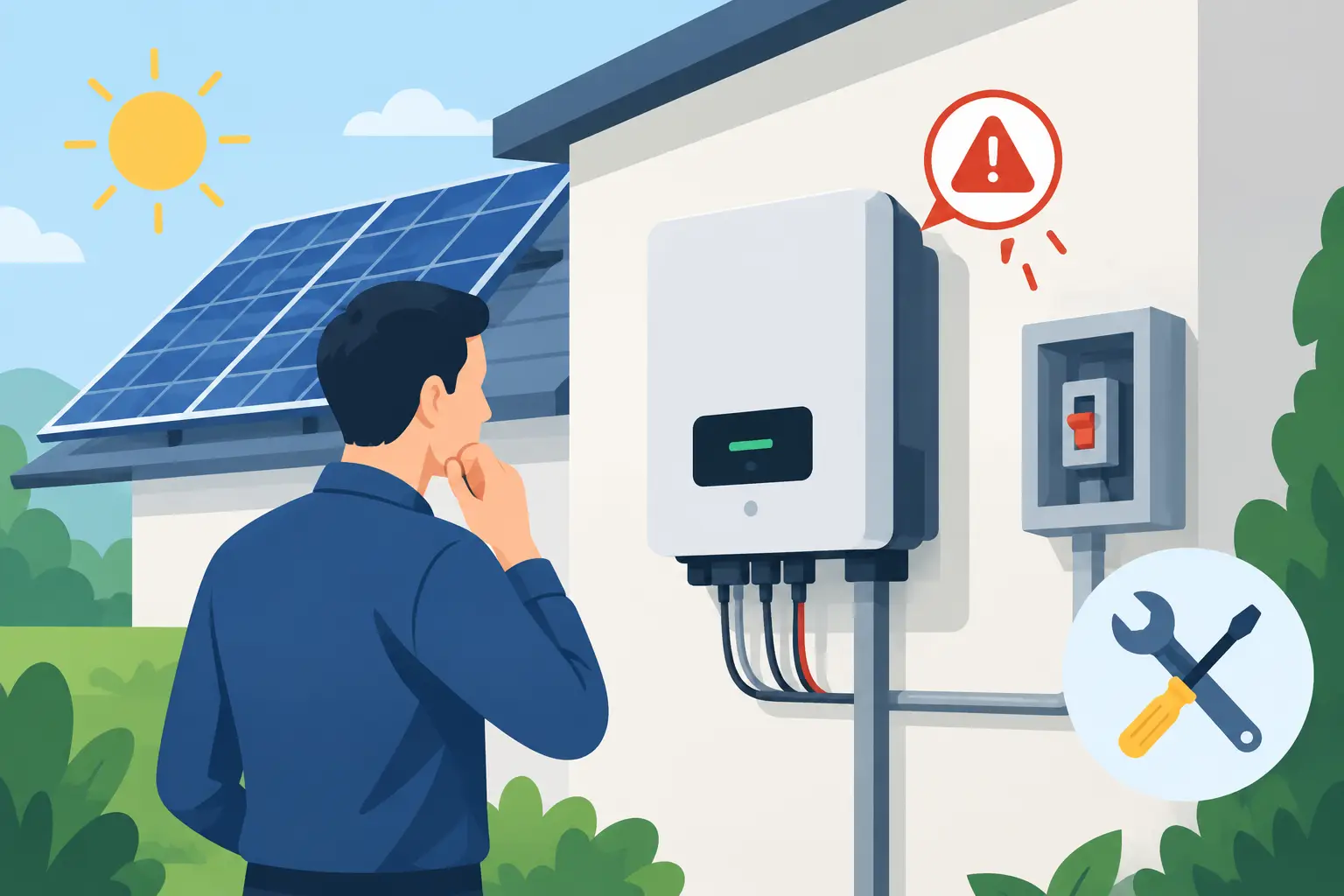
Ceramic fuses are one of the clearest indicators. They can be reliable in older installations when maintained, but they generally do not provide the modern circuit protection expected for new energy equipment. Frequent tripping, heat marks, corrosion, damaged covers or loose components also need attention before solar is connected.
Space matters too. Solar may require new breakers, residual current device protection and dedicated connections. If every position in the existing board is already occupied, trying to force additional equipment into an unsuitable enclosure is not a safe solution.
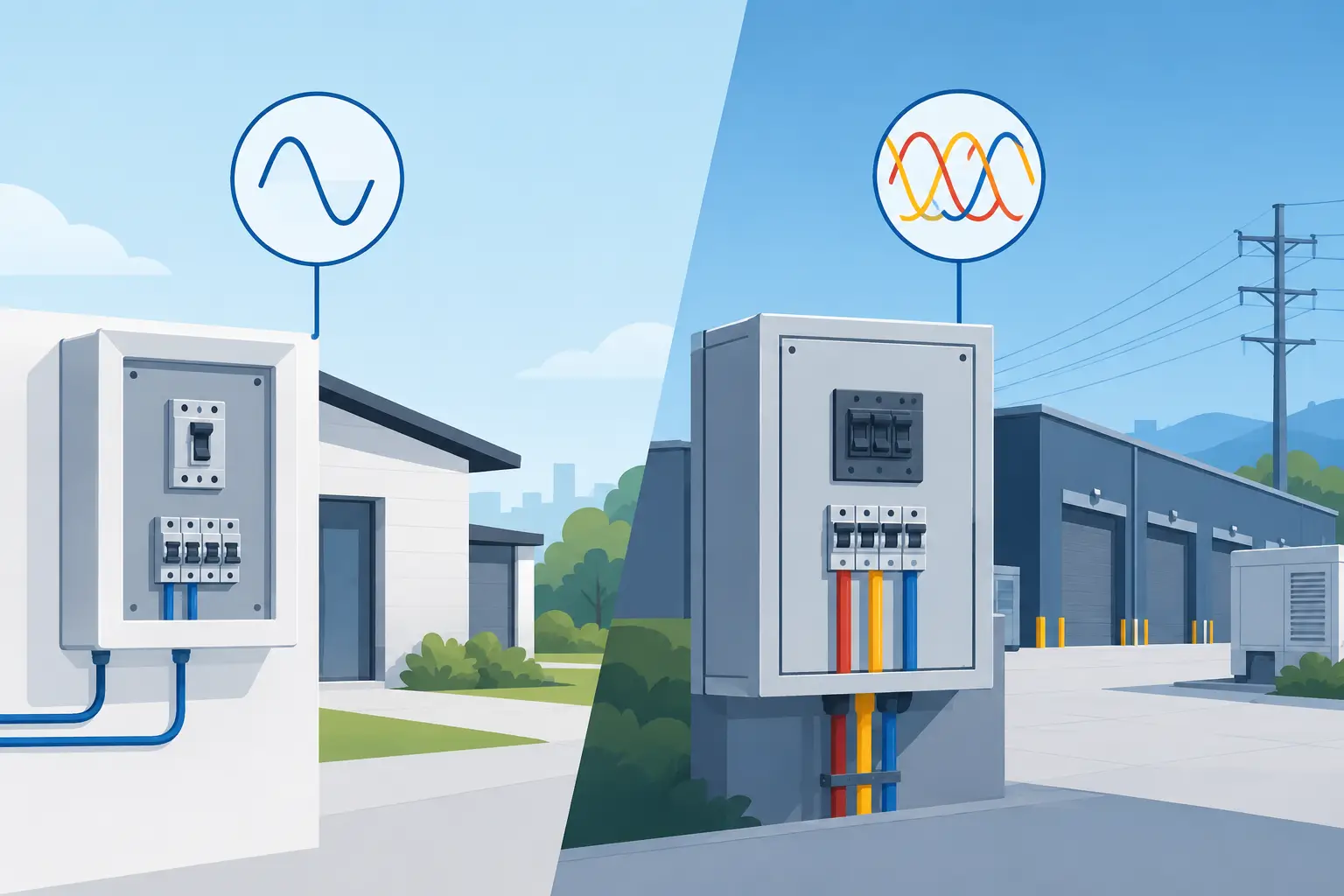
Other warning signs include an outdated main switch, unclear circuit labels, no safety switches on relevant circuits, visible deterioration or electrical work that has been added in stages over many years. A property with a three-phase supply may also need more detailed design work to balance solar export and site loads correctly across phases.
For commercial and industrial sites, the assessment goes further. Existing demand, switchboard ratings, metering arrangements, machinery loads and the proposed solar capacity all affect the upgrade scope. A larger array may be an excellent investment, but only if the point of connection and protection equipment are engineered for the load.
What a modern solar-ready switchboard includes
There is no single standard layout for every property. The correct design should be based on the existing installation, applicable standards, distributor requirements and the equipment being installed. That said, a solar-ready switchboard commonly includes modern circuit breakers, safety switches where required, correctly rated main switching and clearly identified solar circuits.
It may also include surge protection. This is particularly worth discussing in areas exposed to storms or where the property contains sensitive electronics, premium appliances, solar inverters, battery systems or EV charging equipment. Surge protection cannot prevent every electrical event, but it can provide an additional layer of defence against voltage spikes.
Clear labelling is another essential detail. In an emergency, during maintenance or when future electrical work is carried out, electricians need to be able to identify the solar supply, main switch, battery circuits and relevant isolation points quickly. Good workmanship is not only about what sits behind the cover. It is also about making the system safe to service over its full working life.
Solar, batteries and EV charging should be planned together
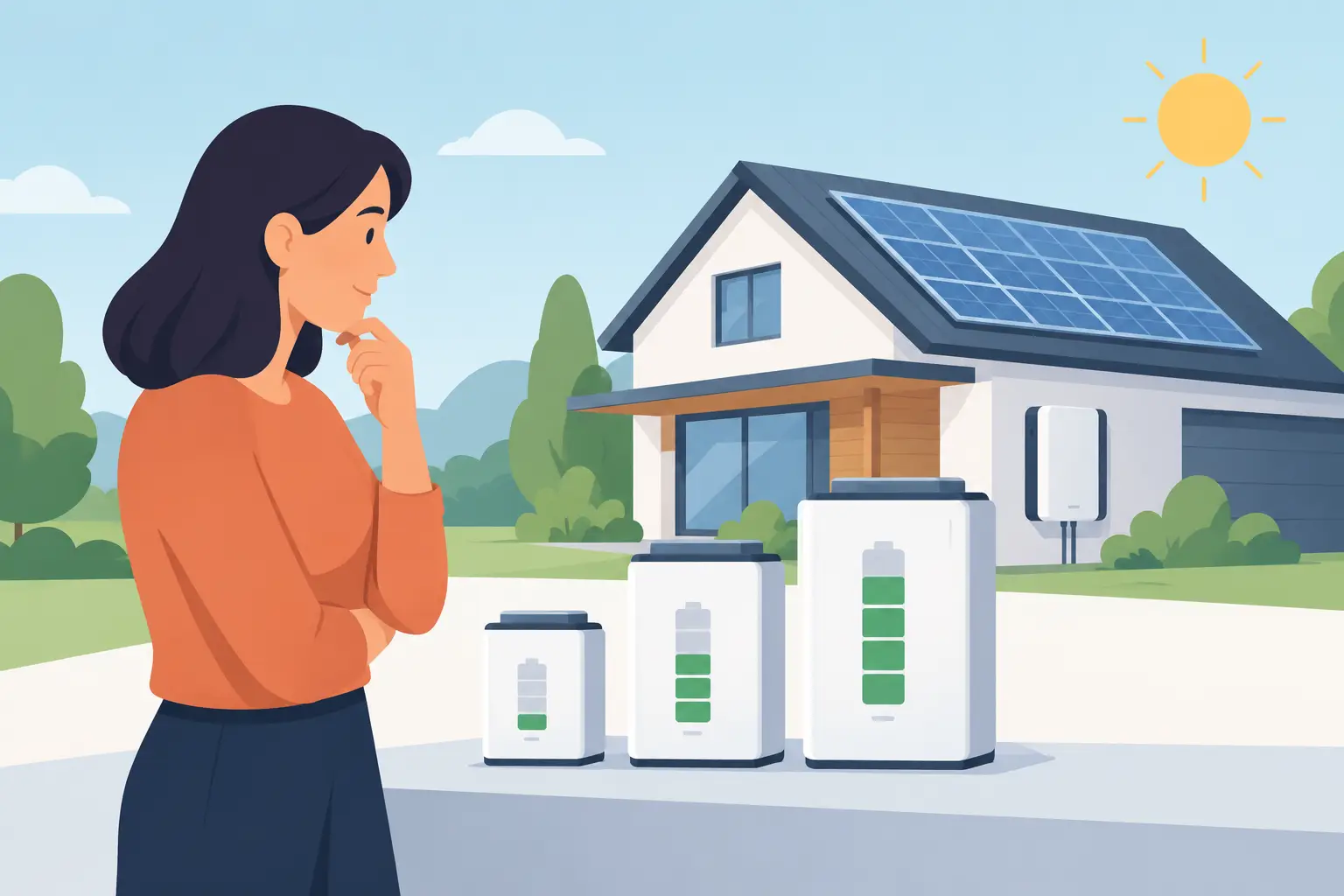
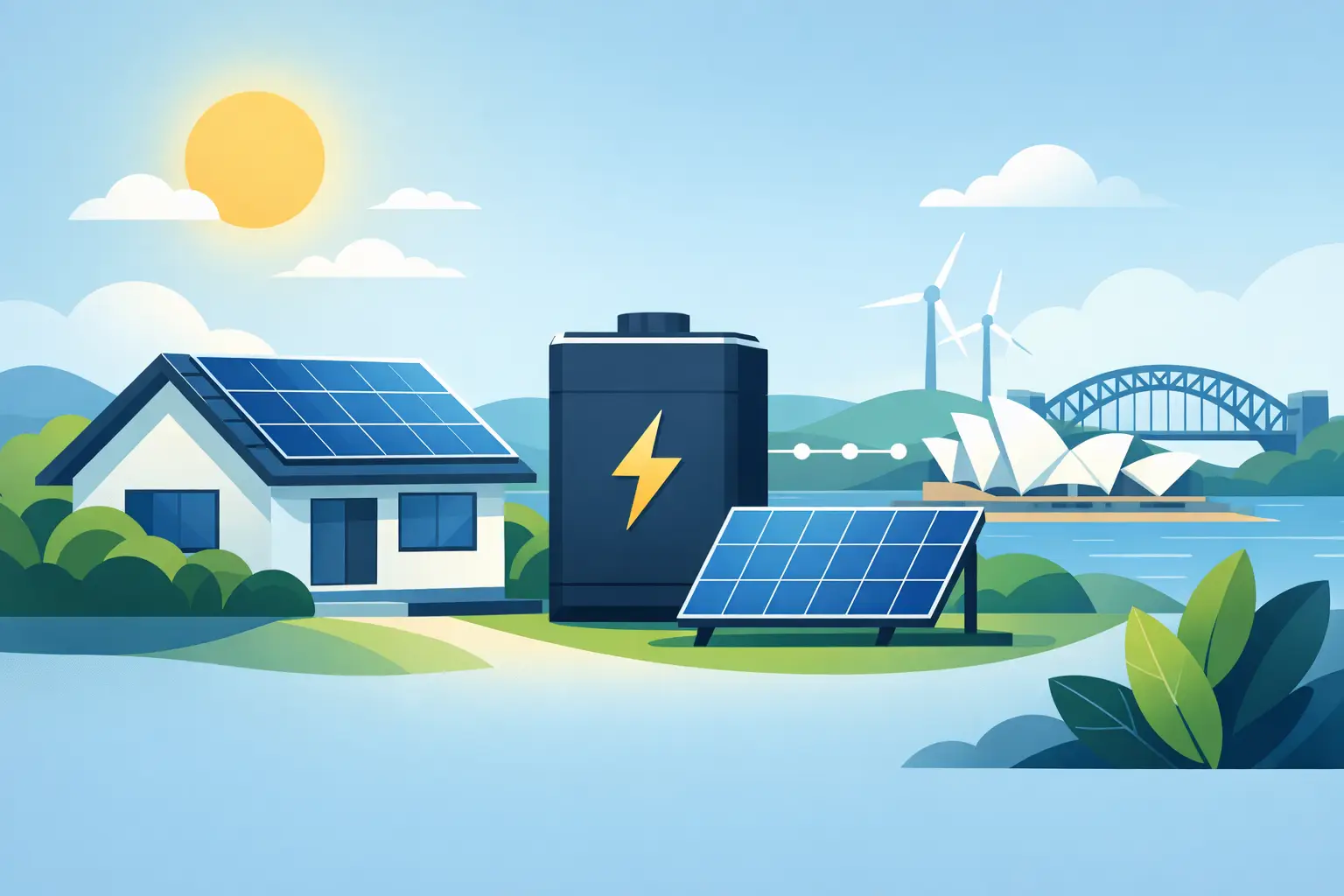
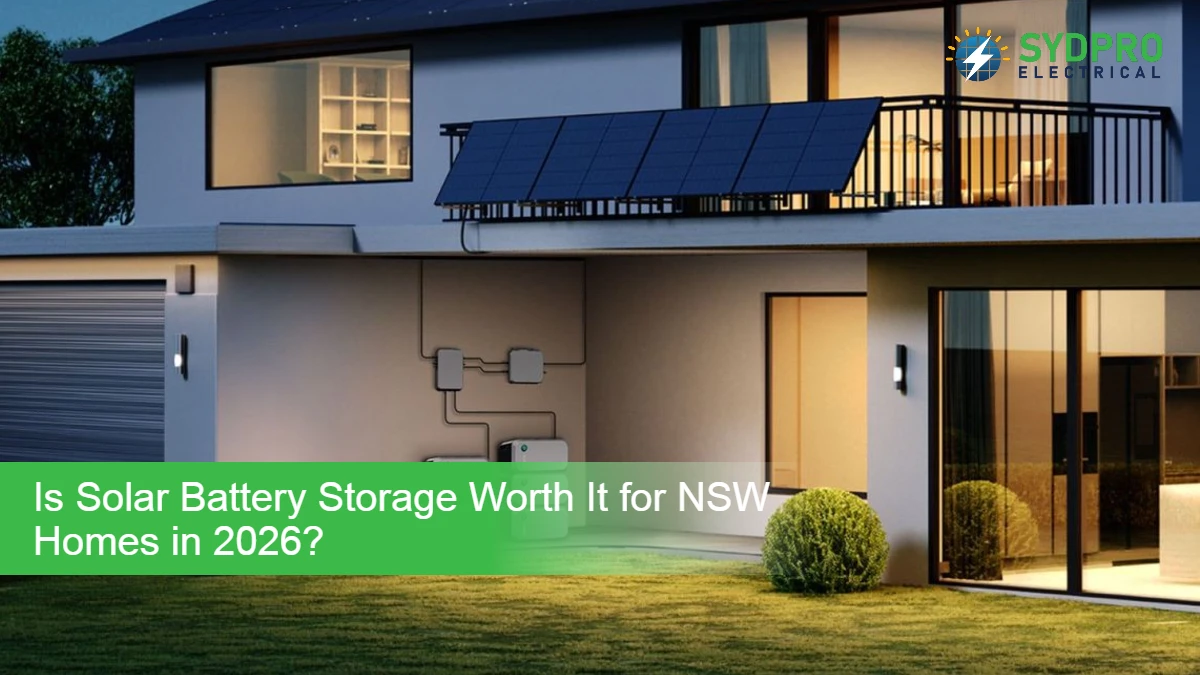
A switchboard upgrade is often most cost-effective when it is designed around the property’s likely future energy needs. If you are installing solar now but expect to add a battery in the next few years, tell your installer from the start. The same applies if an EV is on the horizon, particularly where a dedicated home charger is planned.
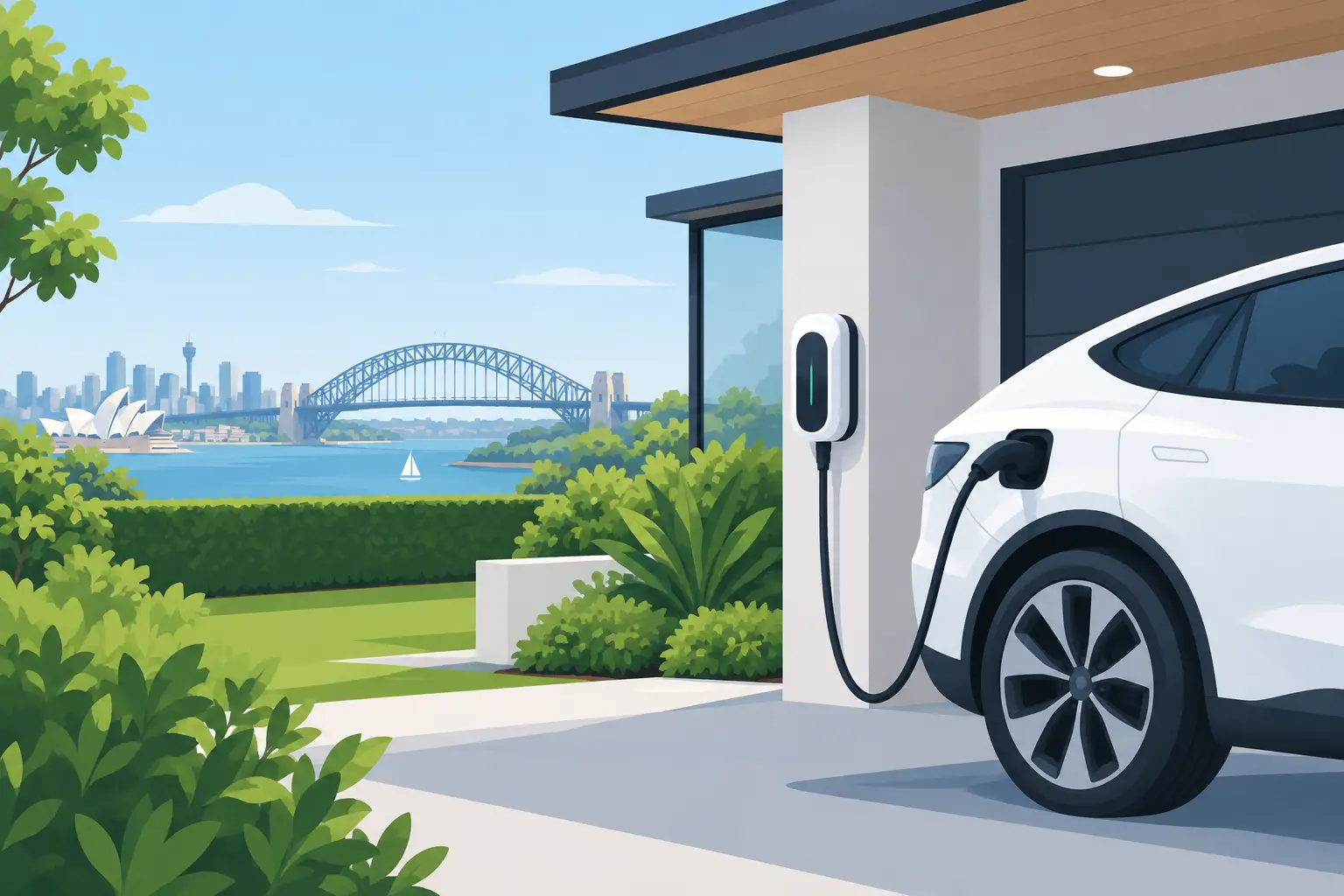
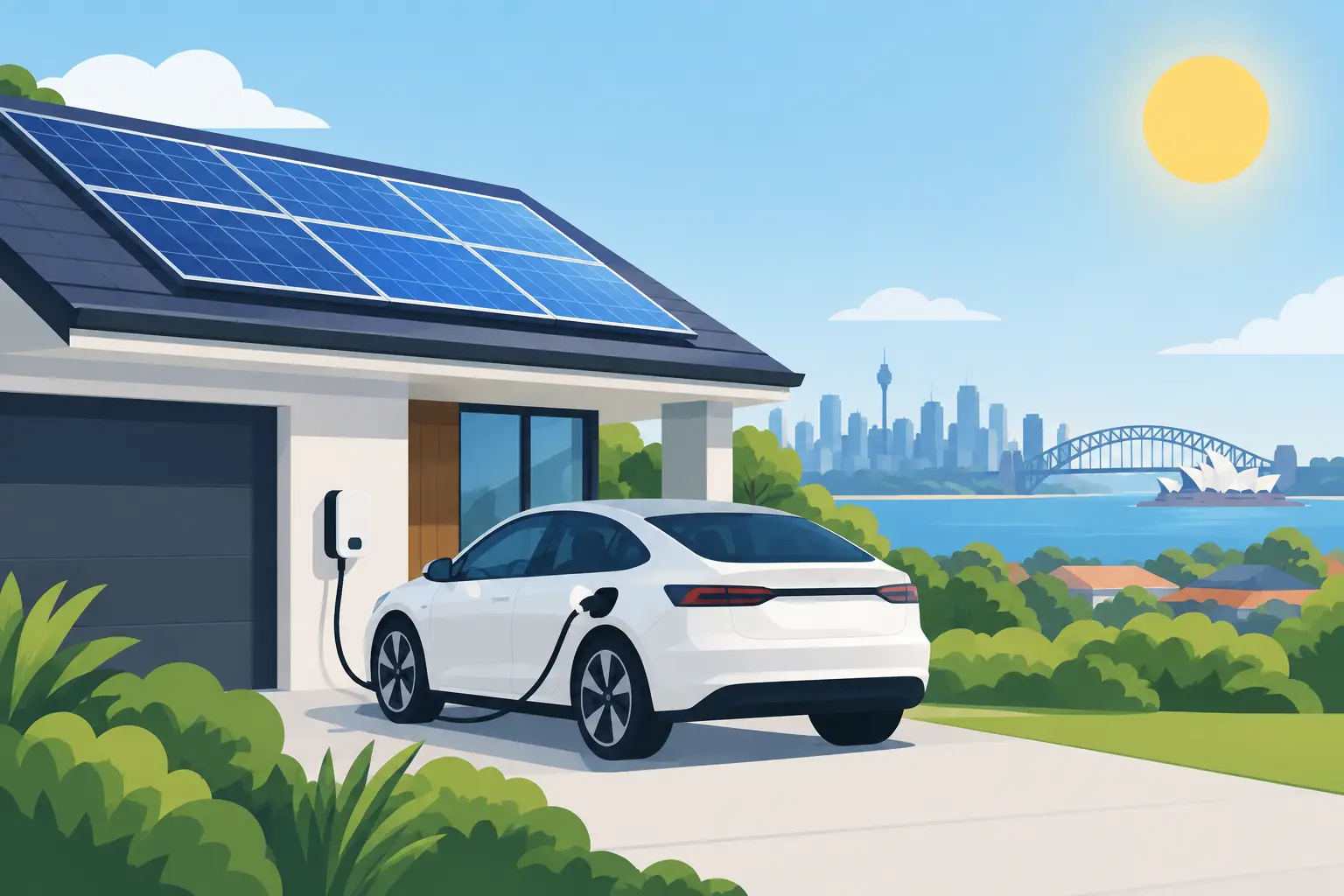
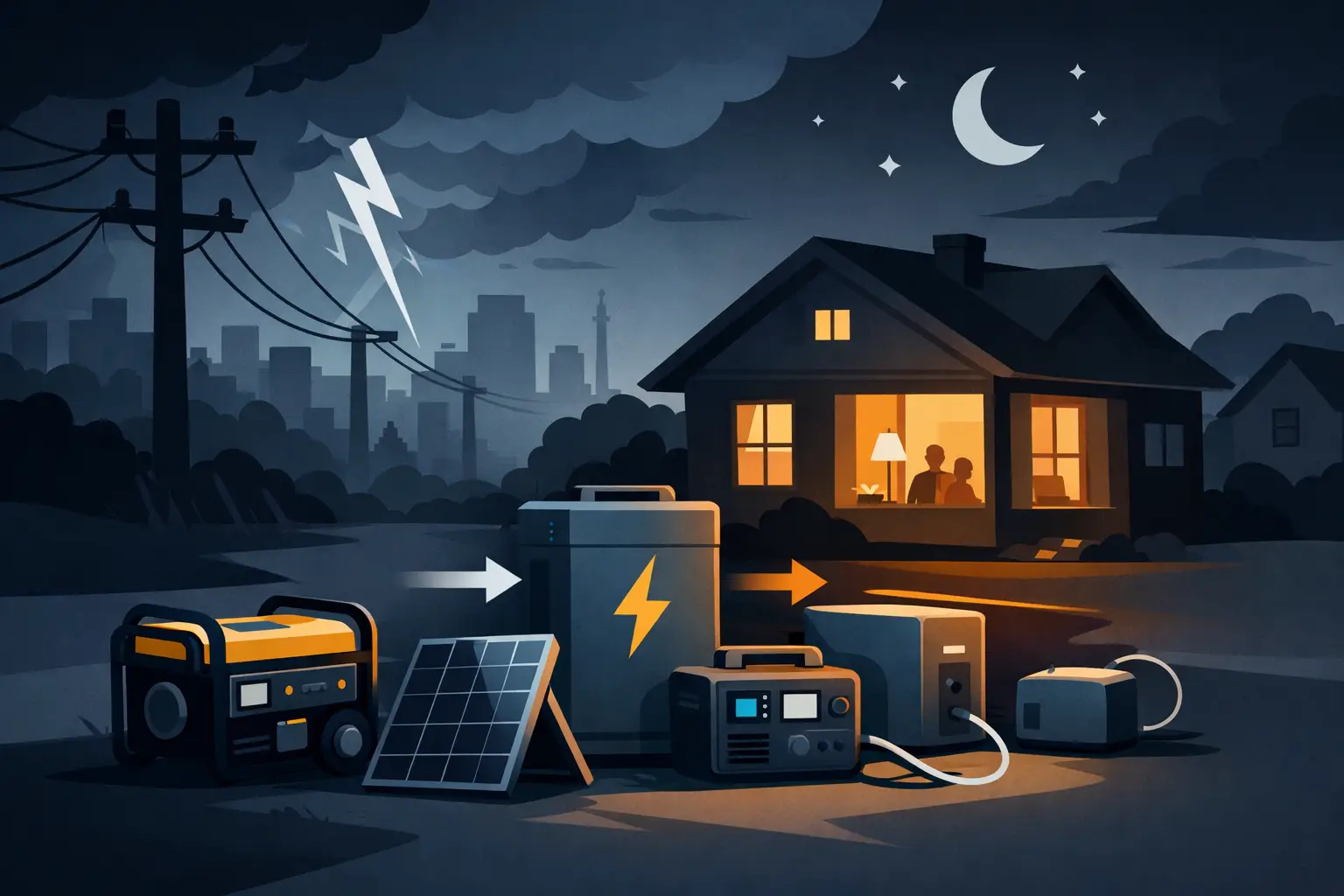
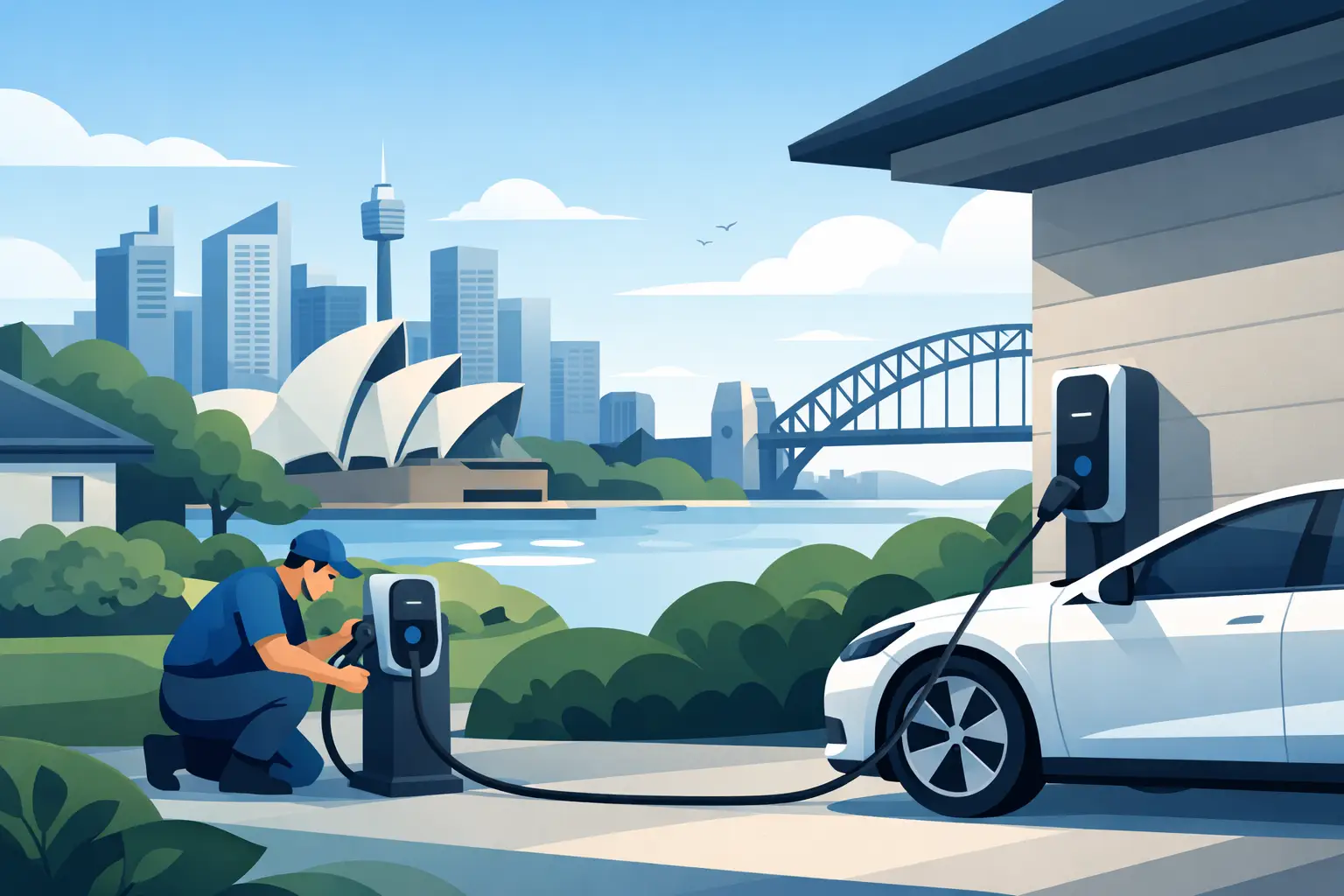
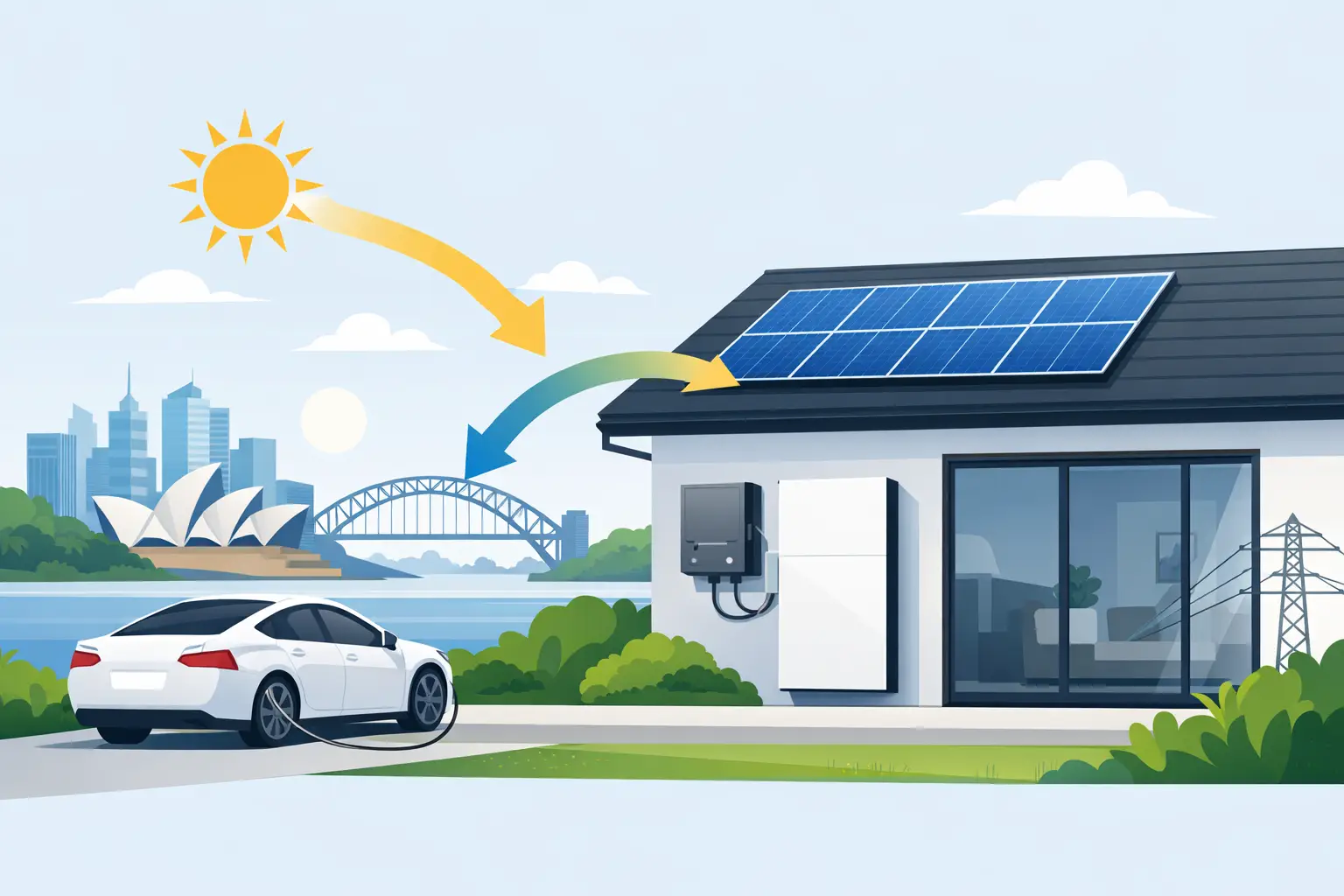
A battery can change how electricity flows through the property, especially in a backup configuration. EV charging can add a substantial and sustained load, often at the same time as air conditioning, cooking or pool equipment. A board that is adequate for a modest solar installation may need a different configuration to support solar, battery storage and a charger safely.
This does not mean every solar customer needs the largest possible switchboard or every future upgrade installed immediately. It means the design should leave practical room to grow where appropriate. Planning ahead can reduce duplicated labour, avoid disruption later and help protect the value of your investment.
The difference Level 2 ASP capability can make
Some solar projects involve work beyond the switchboard itself. Metering changes, consumer mains upgrades, defect rectification or connection work at the point where your property meets the electricity network may require an authorised Level 2 Accredited Service Provider.
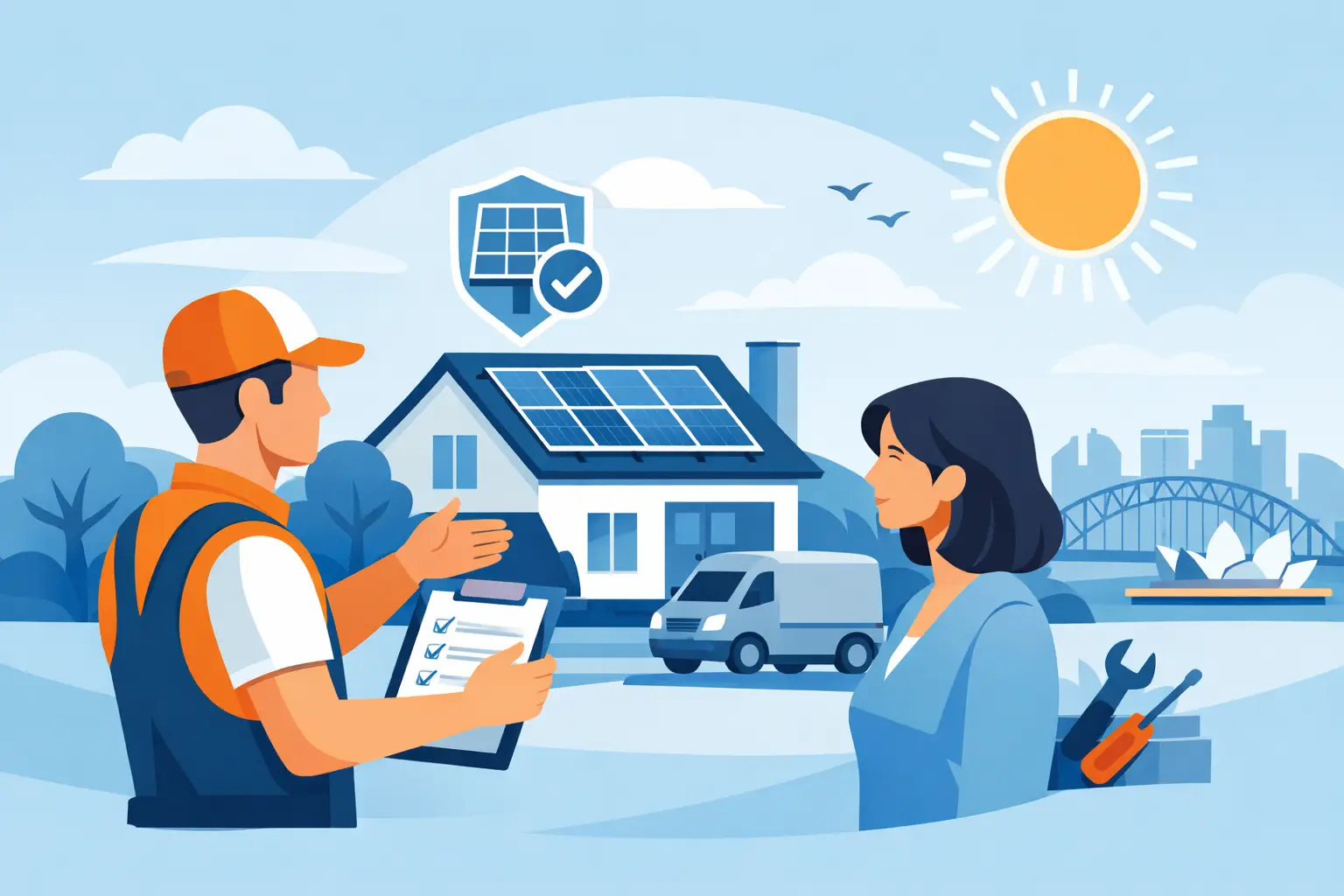
This is where an integrated contractor relationship can simplify the project. Rather than receiving a solar proposal and then separately arranging regulated electrical work, property owners can have the site assessed as one connected energy system. The solar design, switchboard capacity, network requirements and future battery or EV plans can be considered together.
For customers, this approach improves clarity. You should know what work is included, why it is required and how it affects the final system design before installation day. Transparent quotations are especially valuable where an older board reveals compliance issues that must be rectified for safe connection.
What happens during the upgrade
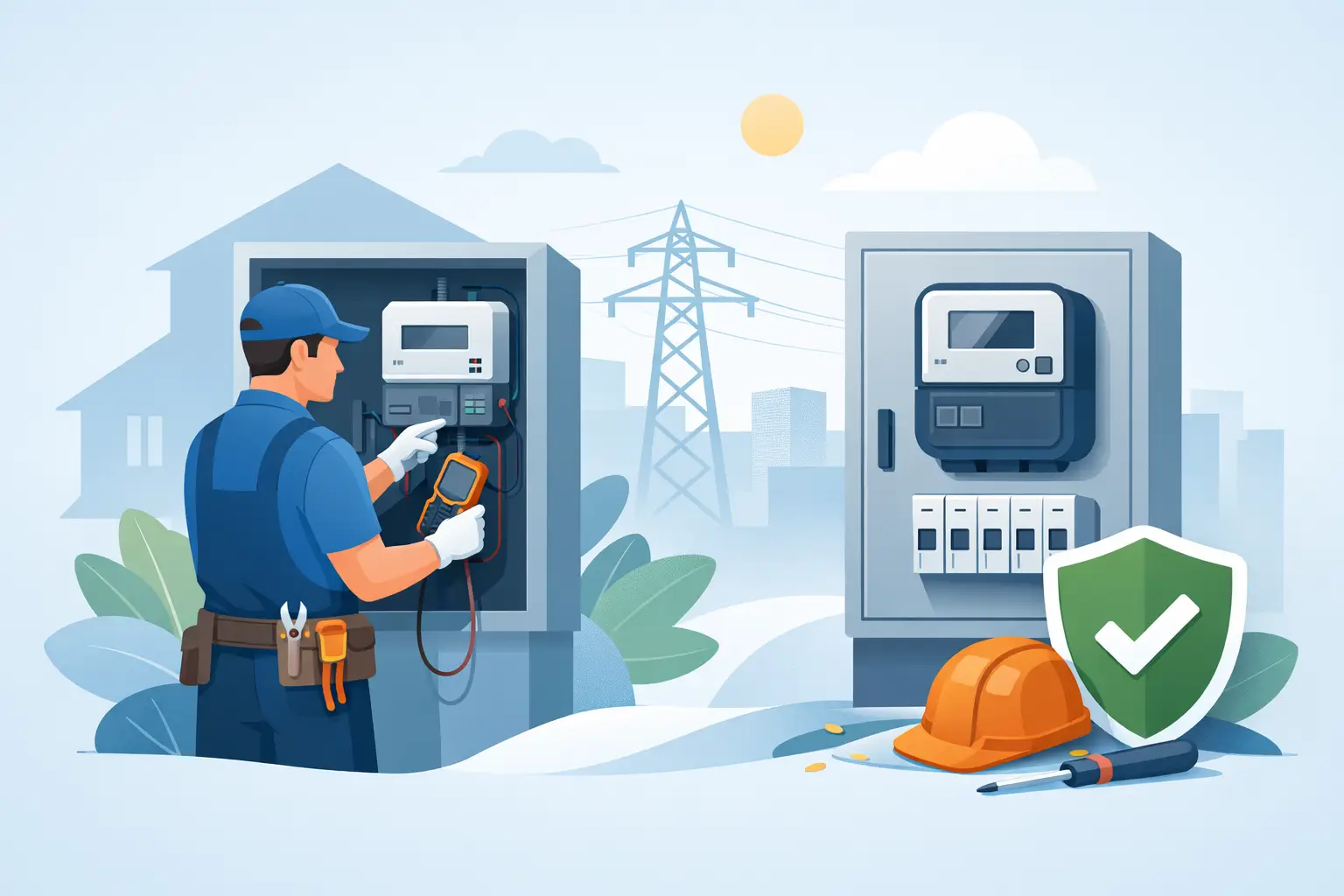
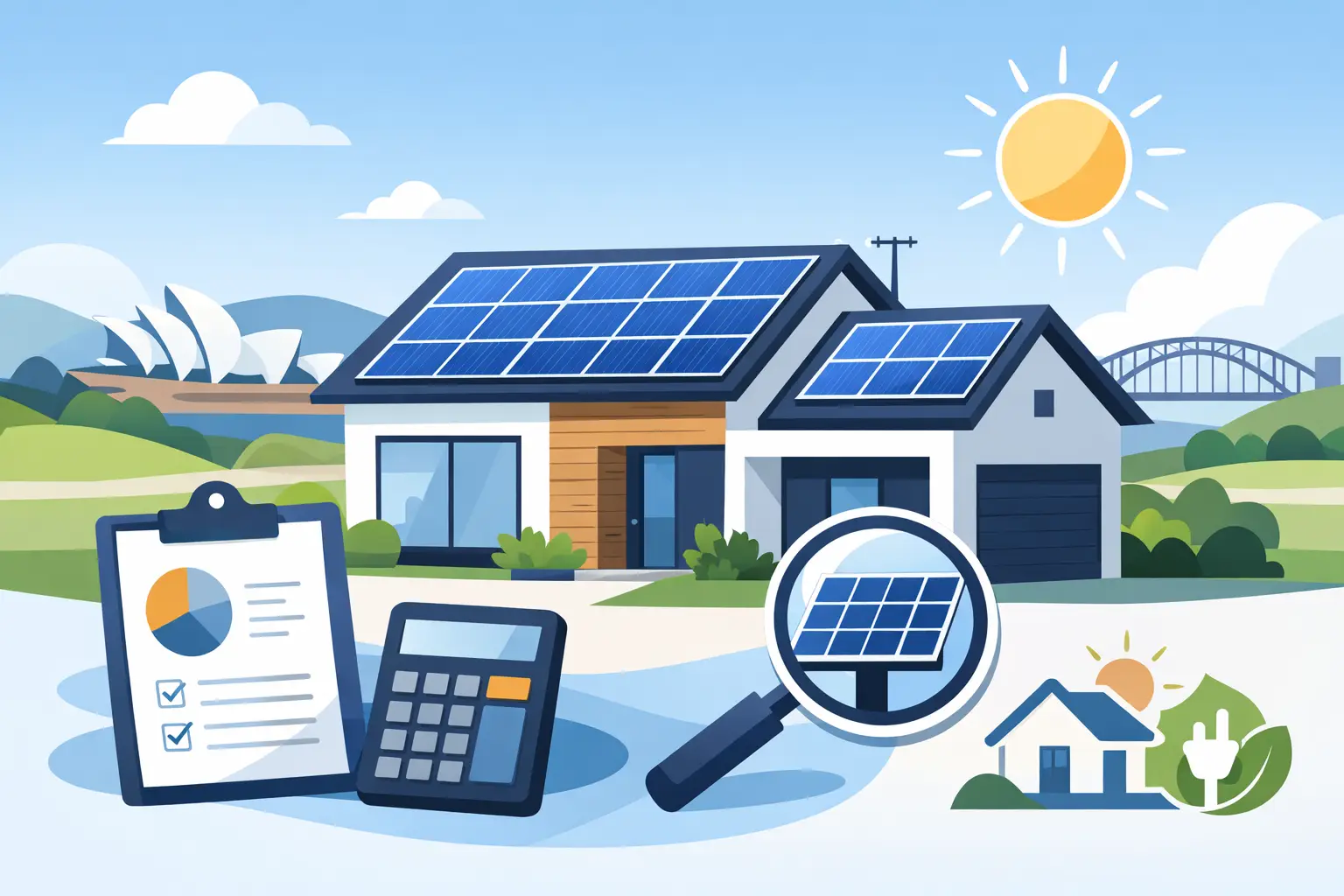
The process starts with an electrical assessment, not an assumption. An experienced installer checks the condition and capacity of the existing switchboard, supply type, earthing arrangements, available space, main cables and the proposed solar equipment. For businesses, the assessment also considers operational loads and practical shutdown requirements.
Once the scope is confirmed, the contractor can provide a detailed quotation covering the required electrical work and solar installation. On the day, power will usually need to be isolated for part of the work. The duration depends on the condition of the existing installation and whether additional network or metering work is needed, but careful scheduling helps minimise interruption.
After installation, the board should be tested, labelled and documented. Your installer should explain the new protective devices and main switching arrangement, along with any solar monitoring or battery operation relevant to your system. If the property is being prepared for a later battery or EV charger, ensure that is recorded in the design documentation.
Cost, value and avoiding false economies
The cost of a switchboard upgrade varies because the work is site-specific. Replacing an overcrowded board with modern protection is different from upgrading consumer mains, addressing defects, changing metering or redesigning a commercial switchboard. A fixed, itemised quote following an inspection is more meaningful than a low online estimate that assumes every property is identical.
It can be tempting to choose the lowest solar quote and deal with electrical limitations later. That approach can create delays, variations and compromises in system design. A properly scoped upgrade protects people and property, supports compliance and gives your solar system the electrical foundation it needs to operate reliably.
For many households, the value also extends beyond solar. A modern, clearly labelled switchboard can improve safety for everyday appliances and make later additions such as induction cooking, ducted air conditioning, a pool heat pump or EV charging easier to manage. For businesses, it supports planned electrification without losing sight of supply reliability and operational continuity.
Choose an assessment, not a guess
A solar proposal should account for more than panel numbers and inverter capacity. The condition of the switchboard, the quality of the protection equipment and the way the property will use energy all shape the result. Sydpro Solar Solutions combines Clean Energy Council SAA-accredited solar expertise with Level 2 ASP electrical capability, helping NSW customers plan solar upgrades with the required safety and network considerations addressed early.
If your switchboard is older, crowded or unfamiliar, do not assume it will prevent you from going solar. Start with a proper assessment. The right upgrade can turn an electrical constraint into a safer, future-ready platform for lower energy bills, battery storage and the next stage of your property’s energy plan.