Published: 4 November 2026 | Sydpro Electrical | Sydney, NSW, Australia
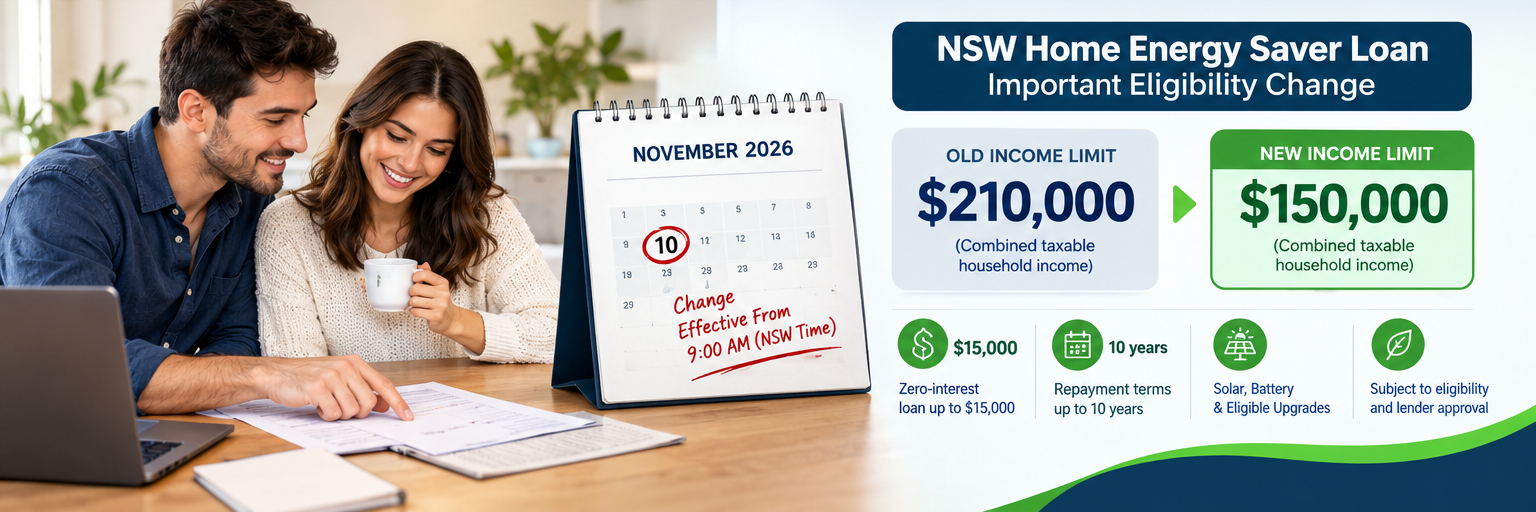
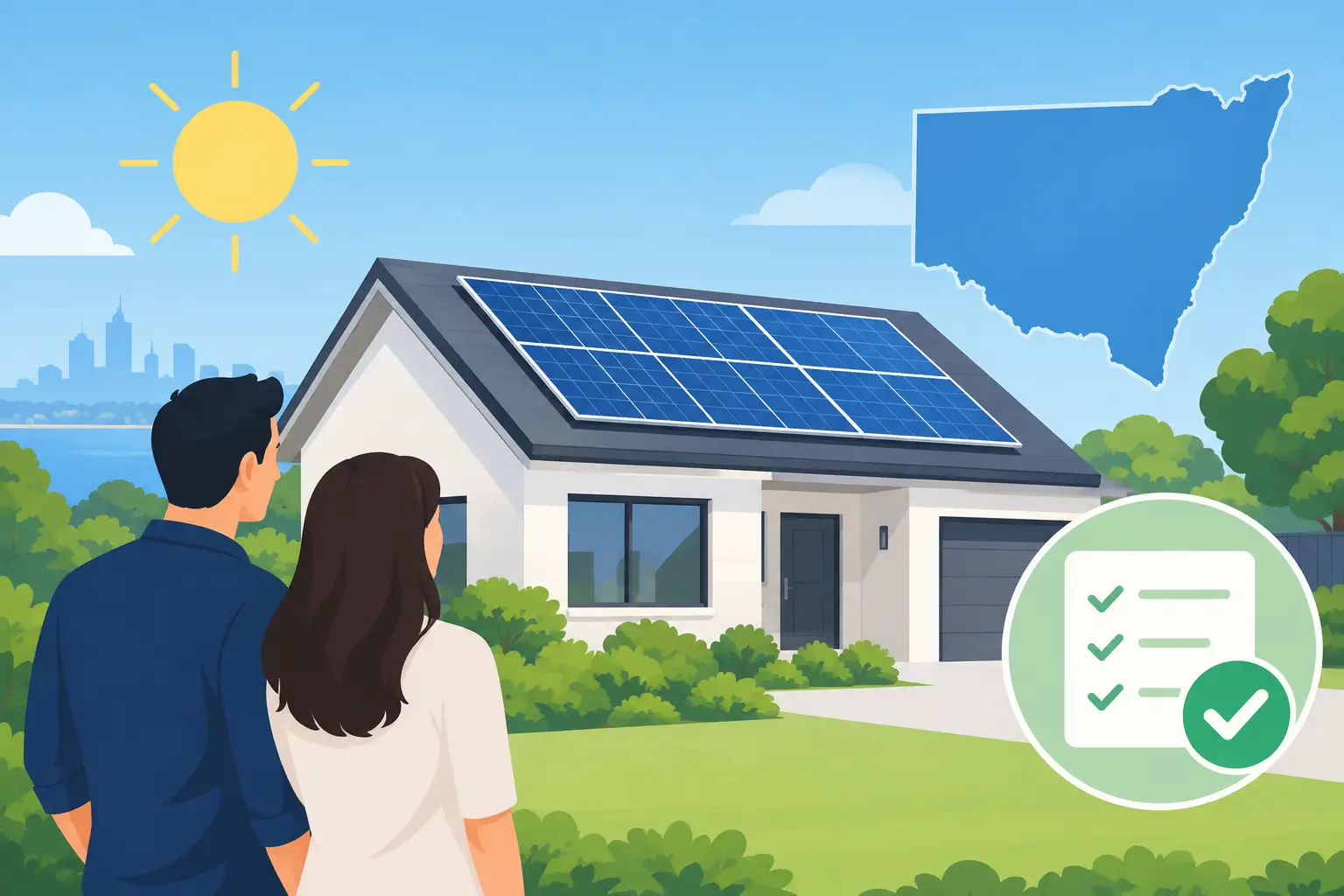
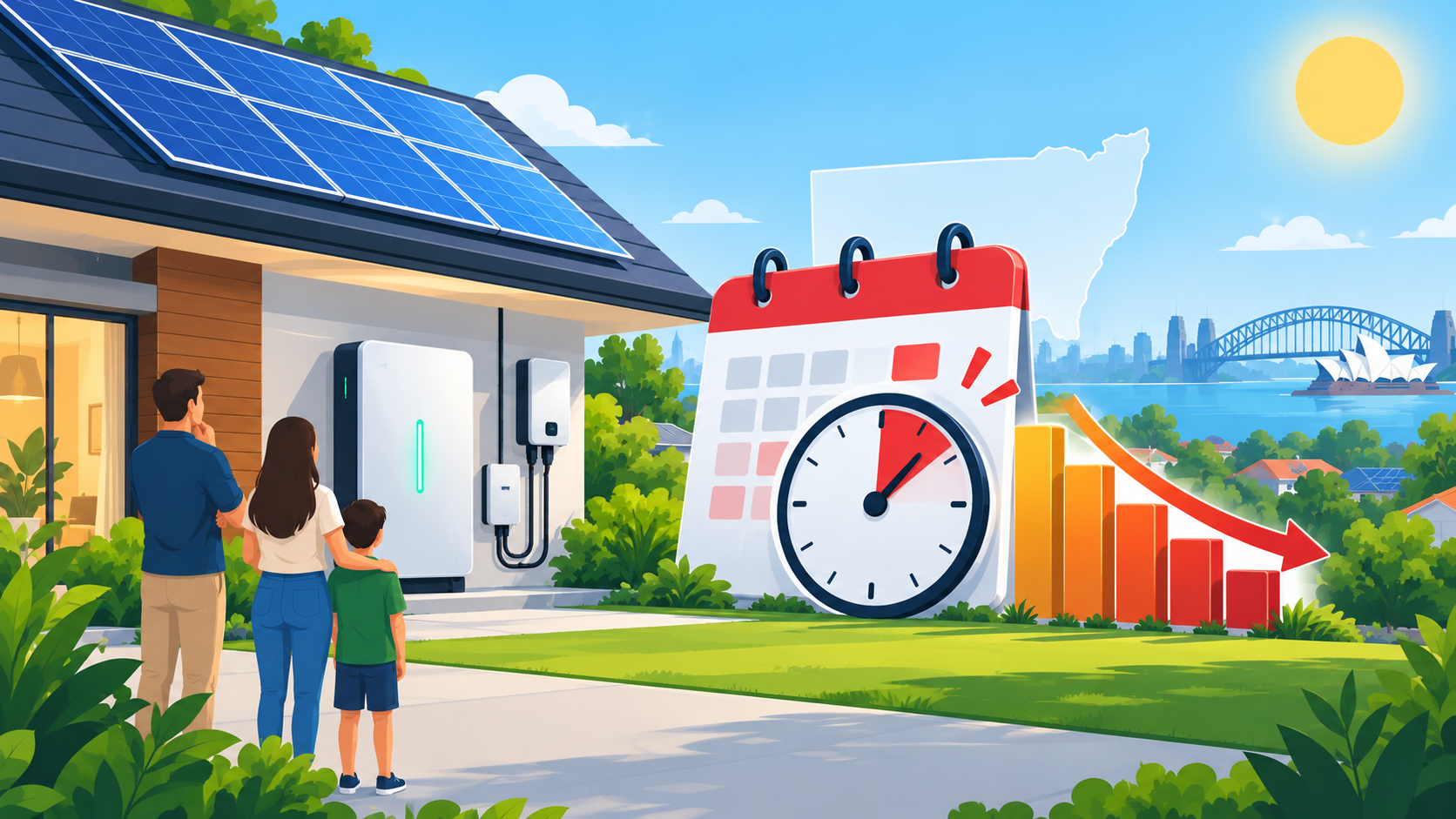
Important update for NSW homeowners: The income eligibility threshold for the NSW Home Energy Saver Loan is changing from $210,000 to $150,000 on 10 November 2026.
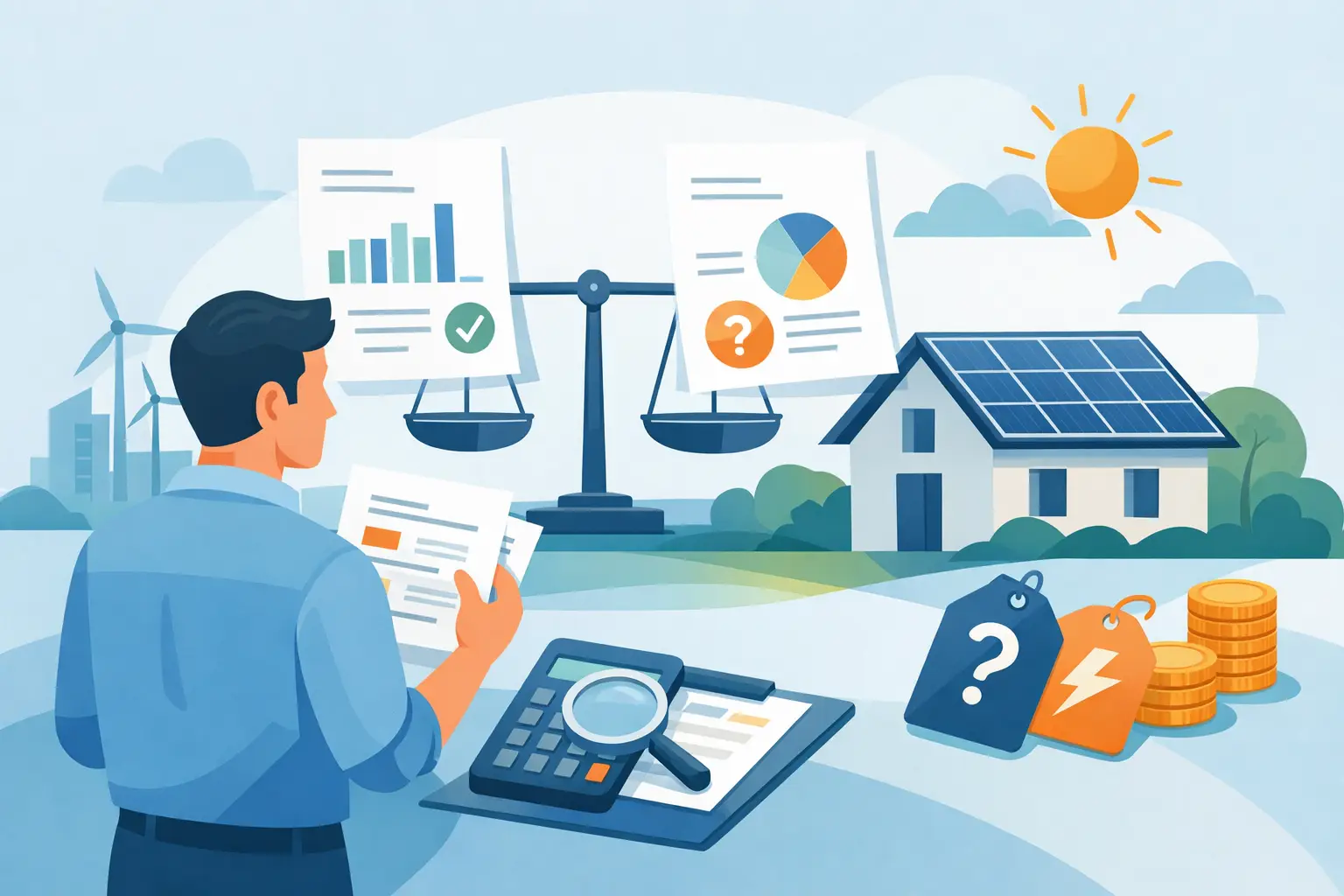
If you are considering installing solar panels, upgrading your home battery storage or making your Sydney property more energy-efficient, understanding these changes could help you plan your next steps.
The NSW Home Energy Saver Loan program offers eligible homeowners and landlords access to zero-interest loans of up to $15,000 for approved energy-saving improvements.
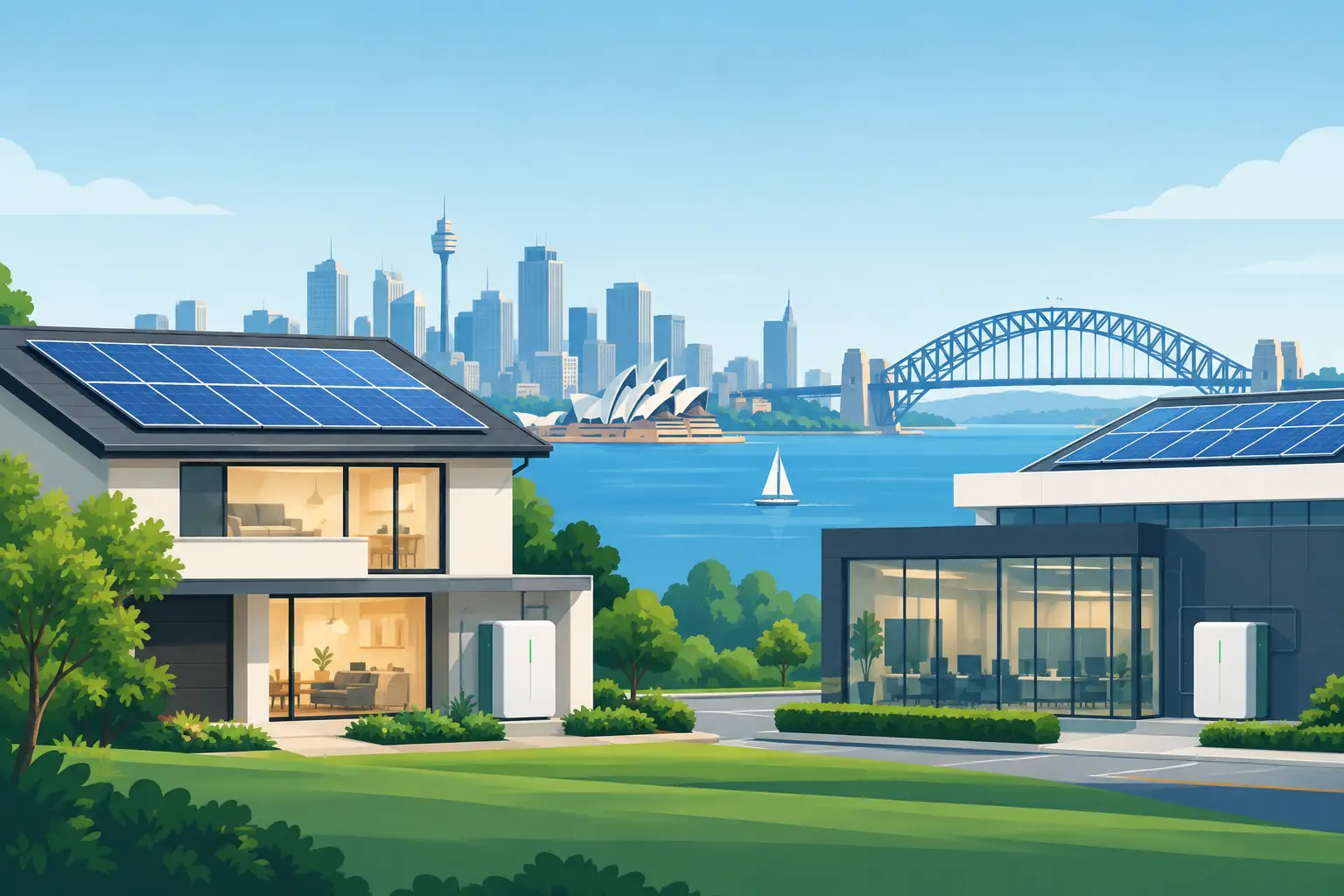
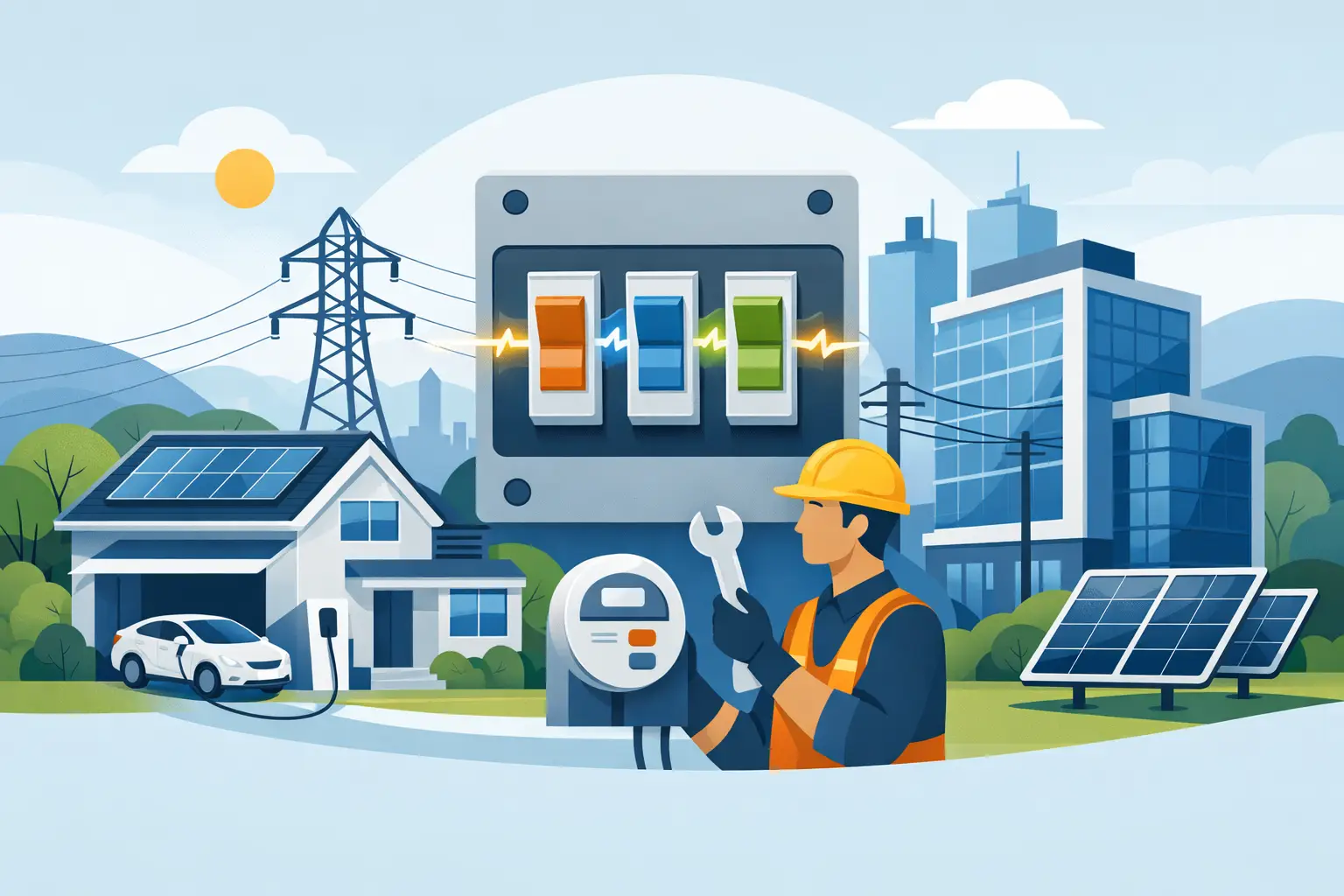
At Sydpro Electrical, we provide solar, battery storage, EV charging and electrical solutions for residential and commercial customers across Sydney and NSW.
This guide explains the upcoming eligibility changes, how the loan works, eligible home upgrades and what homeowners should consider before applying.
1. NSW Home Energy Saver Loan: What’s Changing on 10 November 2026?
The NSW Government has announced a reduction in the maximum combined taxable household income permitted under the Home Energy Saver Loan program.
The new income threshold takes effect at 9:00 am on 10 November 2026.
Current vs New Eligibility Requirements
| Eligibility requirement | Before 10 November 2026 | From 9:00 am, 10 November 2026 |
|---|---|---|
| Combined taxable household income | Up to $210,000 | Up to $150,000 |
| Maximum loan | $15,000 | $15,000 |
| Interest rate | 0% | 0% |
| Maximum repayment term | 10 years | 10 years |
| Finance approval | Required | Required |
What does this mean for Sydney homeowners?
Households with combined taxable income above $150,000 but no more than $210,000 may meet the existing income requirement but fall outside the new threshold.
According to the NSW Government, applications submitted before 9:00 am on 10 November 2026 will be assessed against the existing $210,000 threshold.
Applications submitted after the specified time will be assessed against the new $150,000 threshold.
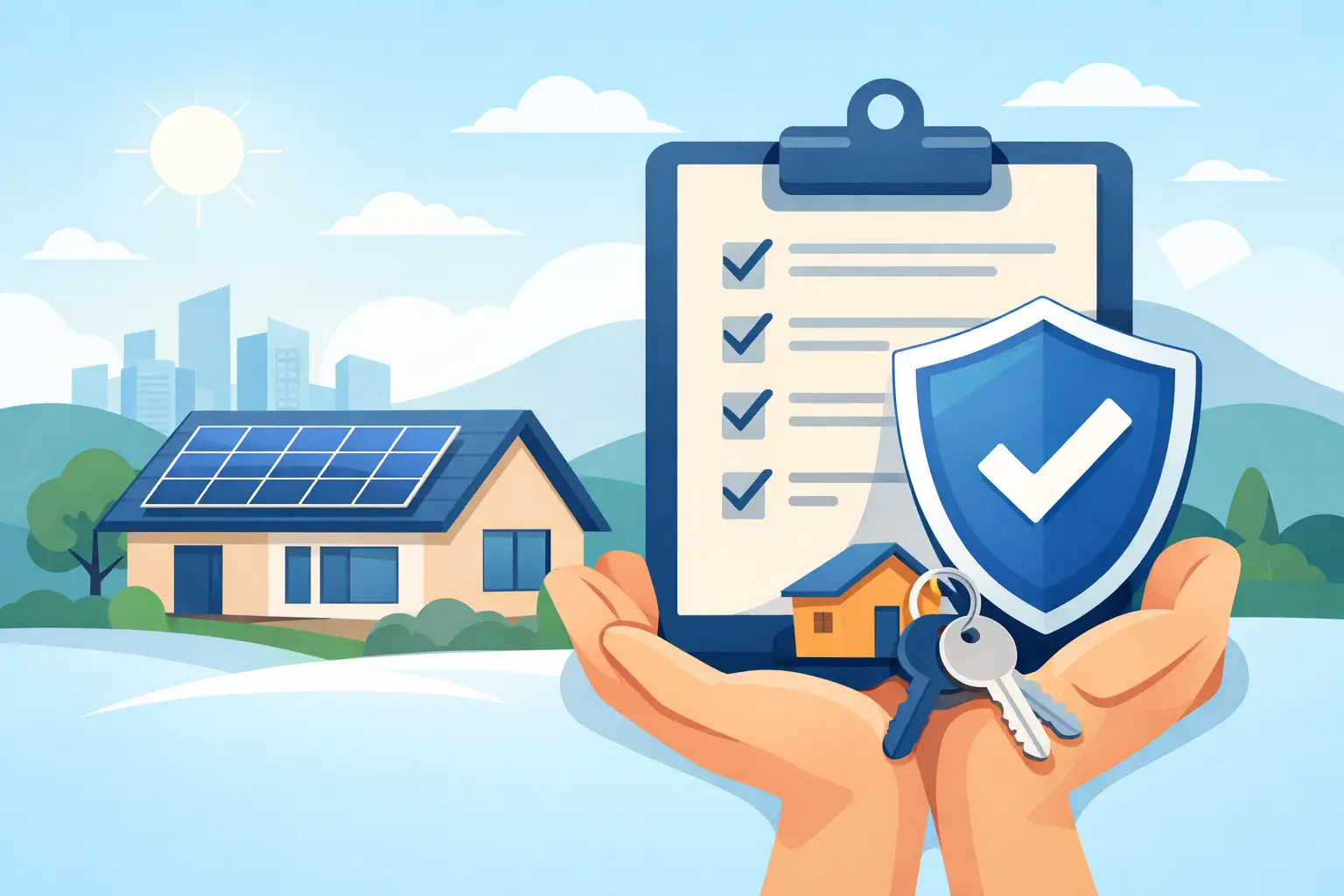
Meeting the income threshold alone does not guarantee loan approval. Applicants must also satisfy ownership, residency, lender and other program conditions.
Official source: NSW Government – Home Energy Saver Loan eligibility
2. What Is the NSW Home Energy Saver Loan?
The NSW Home Energy Saver Loan is a government-funded initiative designed to help eligible households manage the upfront cost of improving their homes’ energy efficiency.
The program offers zero-interest financing of up to $15,000, repayable over a period of up to 10 years.
It is designed for eligible NSW homeowners and landlords who want to invest in approved home energy upgrades.
Rather than paying the full installation cost upfront, approved applicants can spread eligible costs over an agreed repayment period.
The program is delivered through participating finance providers:
- Brighte
- Plenti
These finance providers assess applications, arrange financing, manage repayments and work with approved suppliers.
The loan is not a cash rebate or free government grant. The borrowed amount must be repaid under the applicable loan agreement.
For Sydney households exploring residential solar installation or home battery storage, understanding financing options is an important part of budgeting for an upgrade.
3. Who Can Apply for the NSW Home Energy Saver Loan?
To qualify, applicants must satisfy the program’s eligibility requirements.
These include:
- Owning the relevant NSW property.
- Being an Australian citizen or permanent resident.
- Meeting the applicable combined taxable household income threshold.
- Satisfying the participating finance provider’s assessment.
- Selecting an eligible energy-saving upgrade.
- Meeting the program’s approved supplier and installation requirements.
The NSW Government states that the household income assessment relates to the people who own the property, as shown on the rates notice.
Finance providers may require evidence of taxable income, including a Notice of Assessment for the previous completed financial year.
Homeowners can generally receive one Home Energy Saver loan for their property, while landlords may receive one loan per eligible property.
What If Your Household Income Is Between $150,000 and $210,000?
If your combined taxable household income falls within this range, the timing of your application may affect whether you meet the income eligibility requirement.
The NSW Government confirms that applications submitted before the changeover time will be assessed under the existing threshold.
However, applicants must still meet all other requirements and receive lender approval.
Homeowners should review the official NSW loan guidelines and participating finance provider requirements before making financial decisions.
4. Which Home Energy Upgrades Can Be Financed?
The Home Energy Saver Loan supports a range of approved energy-efficiency and home electrification improvements.
Product availability can vary by participating finance provider and approved supplier.
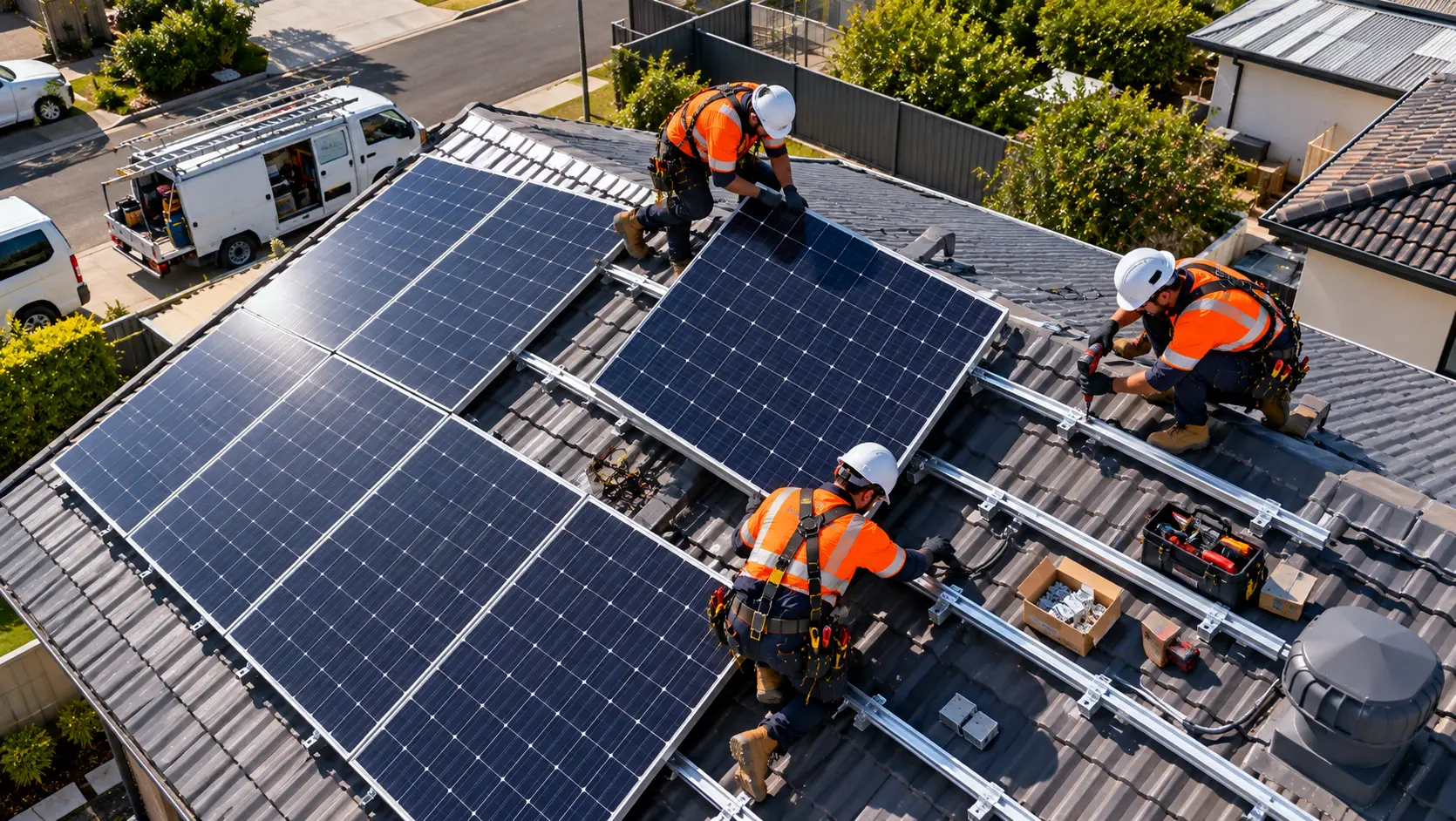
Residential Solar Panel Installation
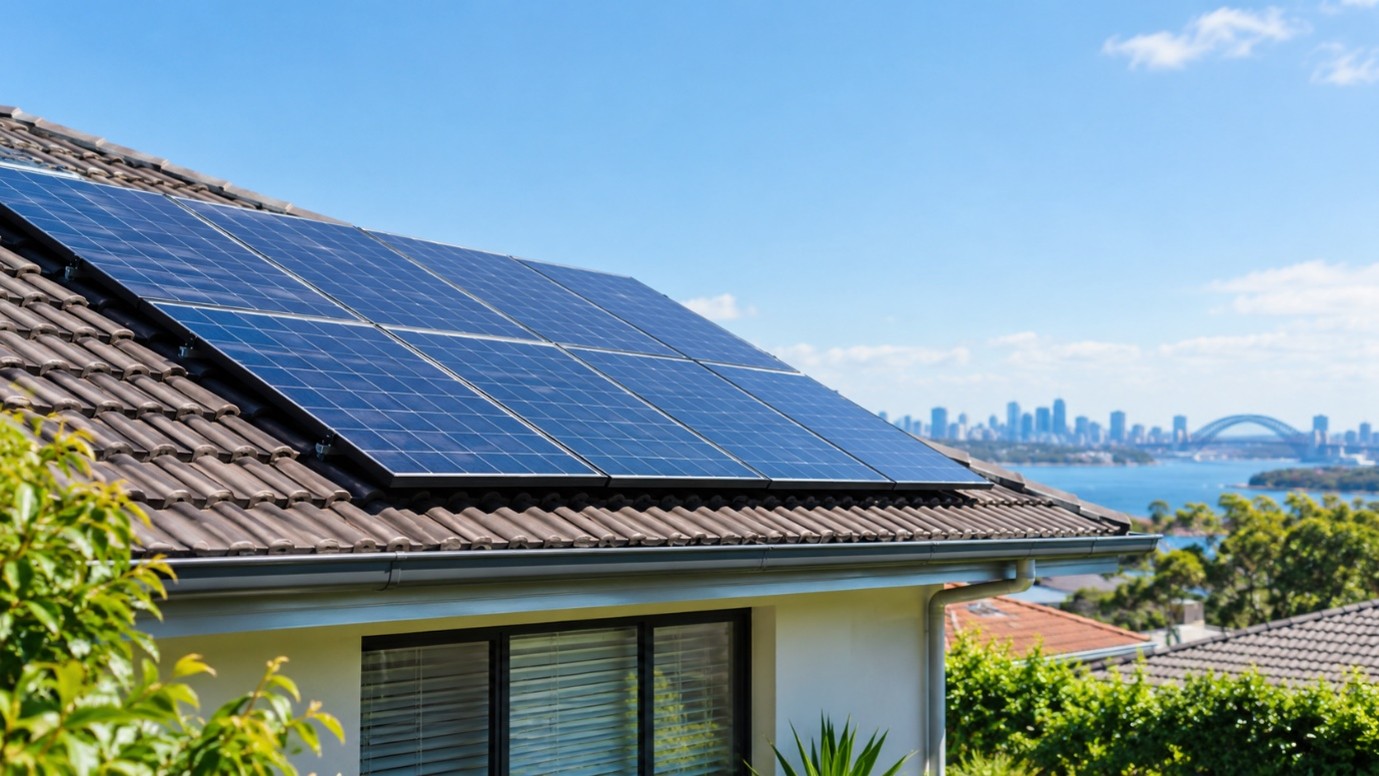
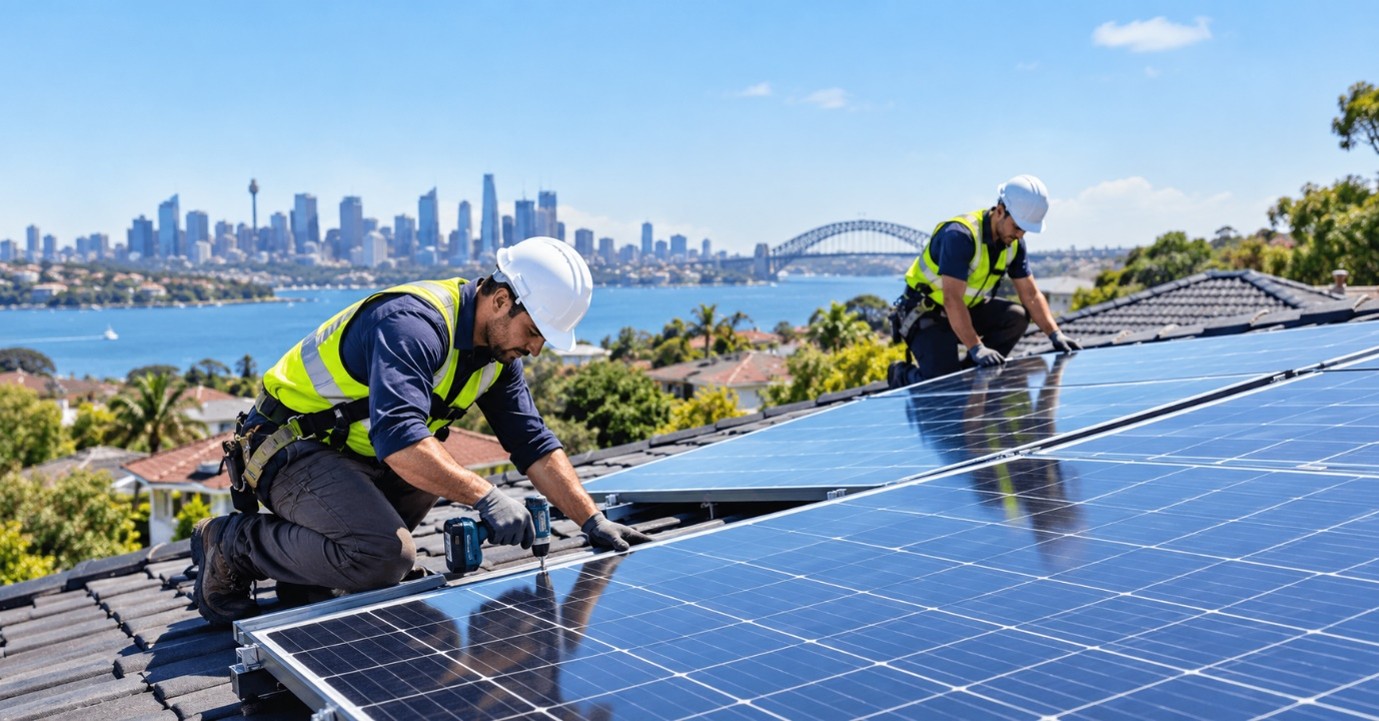
Installing rooftop solar can help households generate renewable electricity and reduce the amount of power purchased from the grid.
Solar panels can be particularly useful for Sydney homes with suitable roof space and substantial daytime electricity usage.
Depending on the system size and consumption pattern, rooftop solar may offer long-term electricity cost benefits.
Learn more about Sydpro Electrical’s residential solar solutions in Sydney.
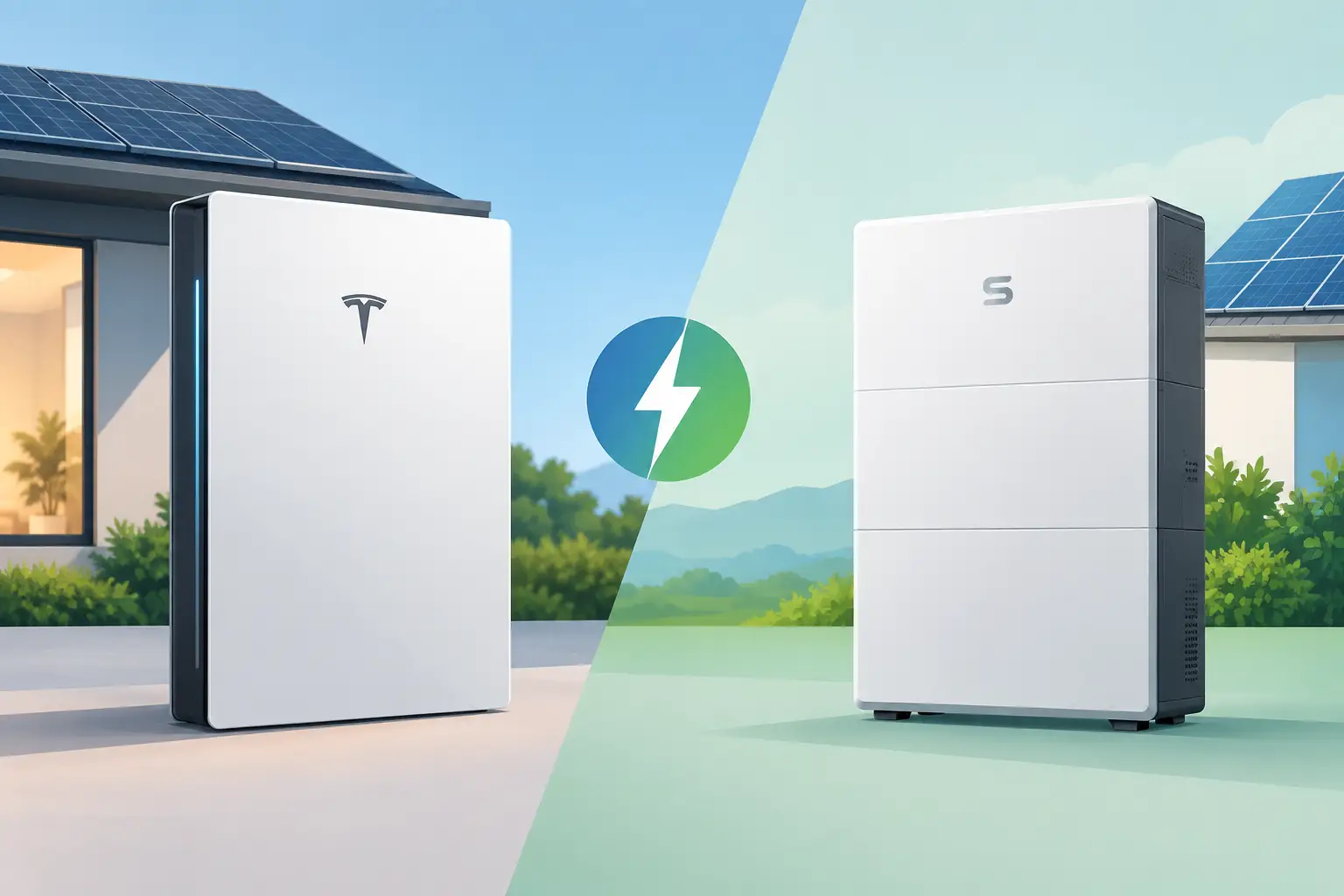
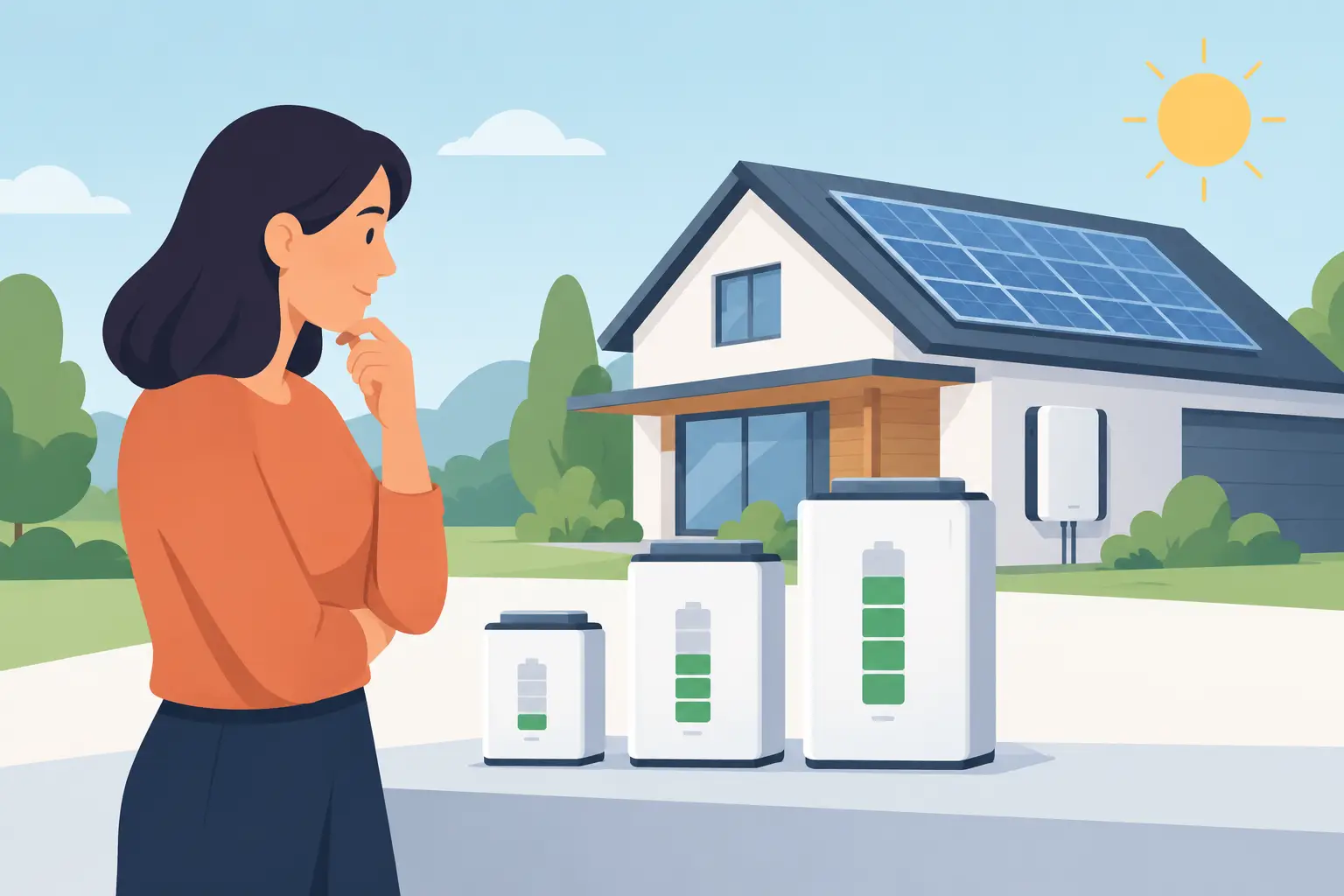
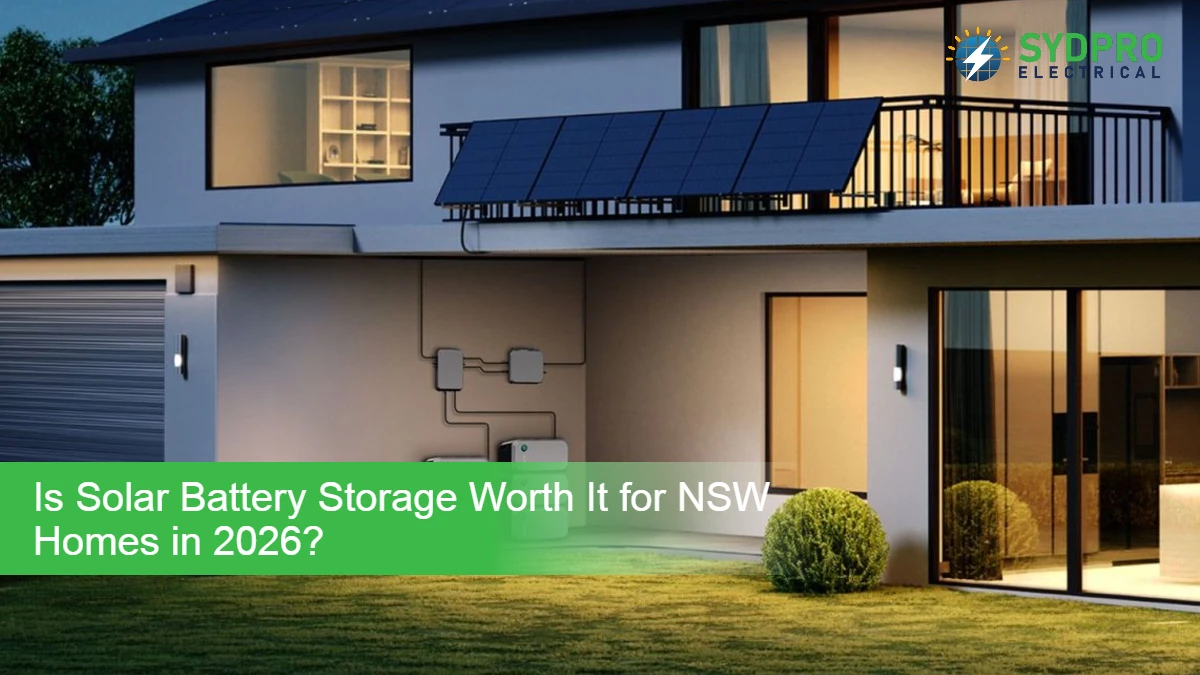
Home Battery Storage
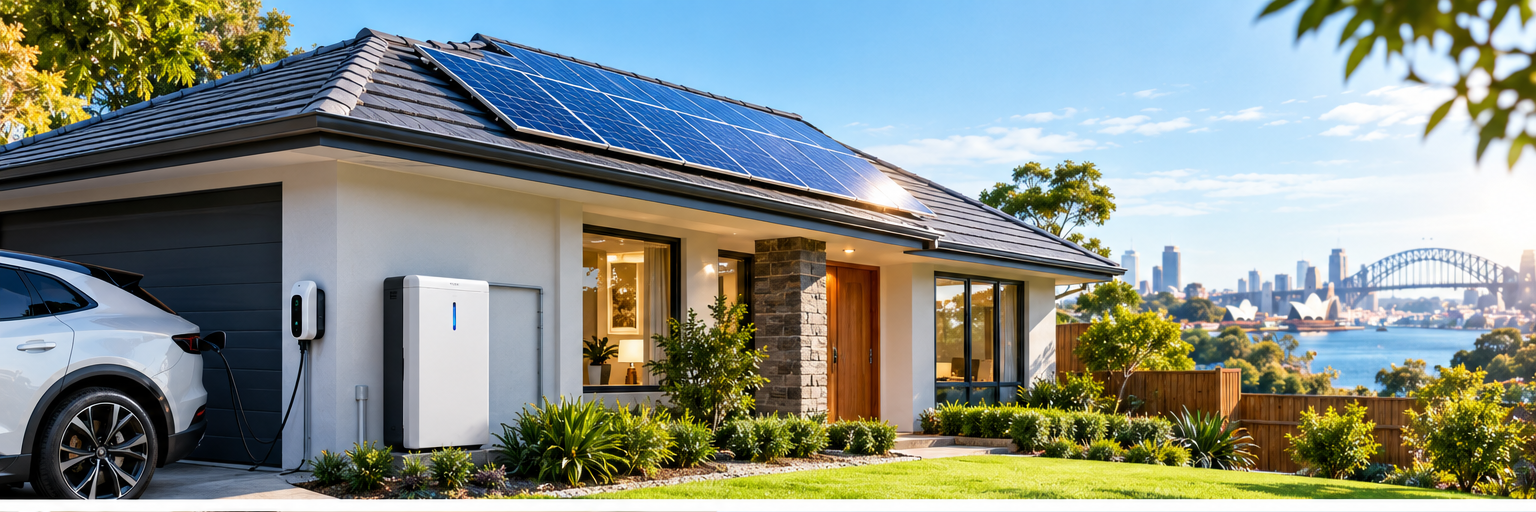
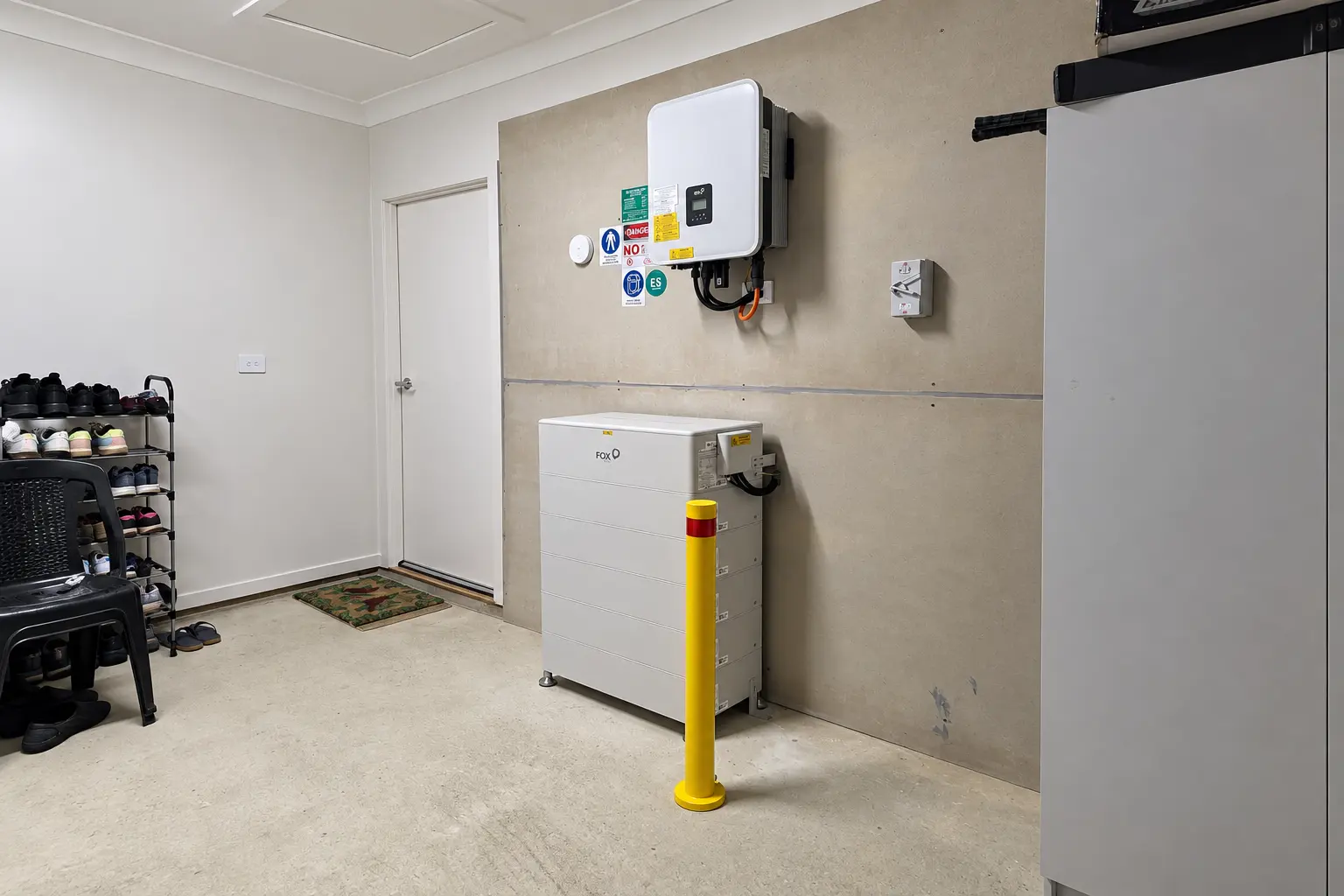
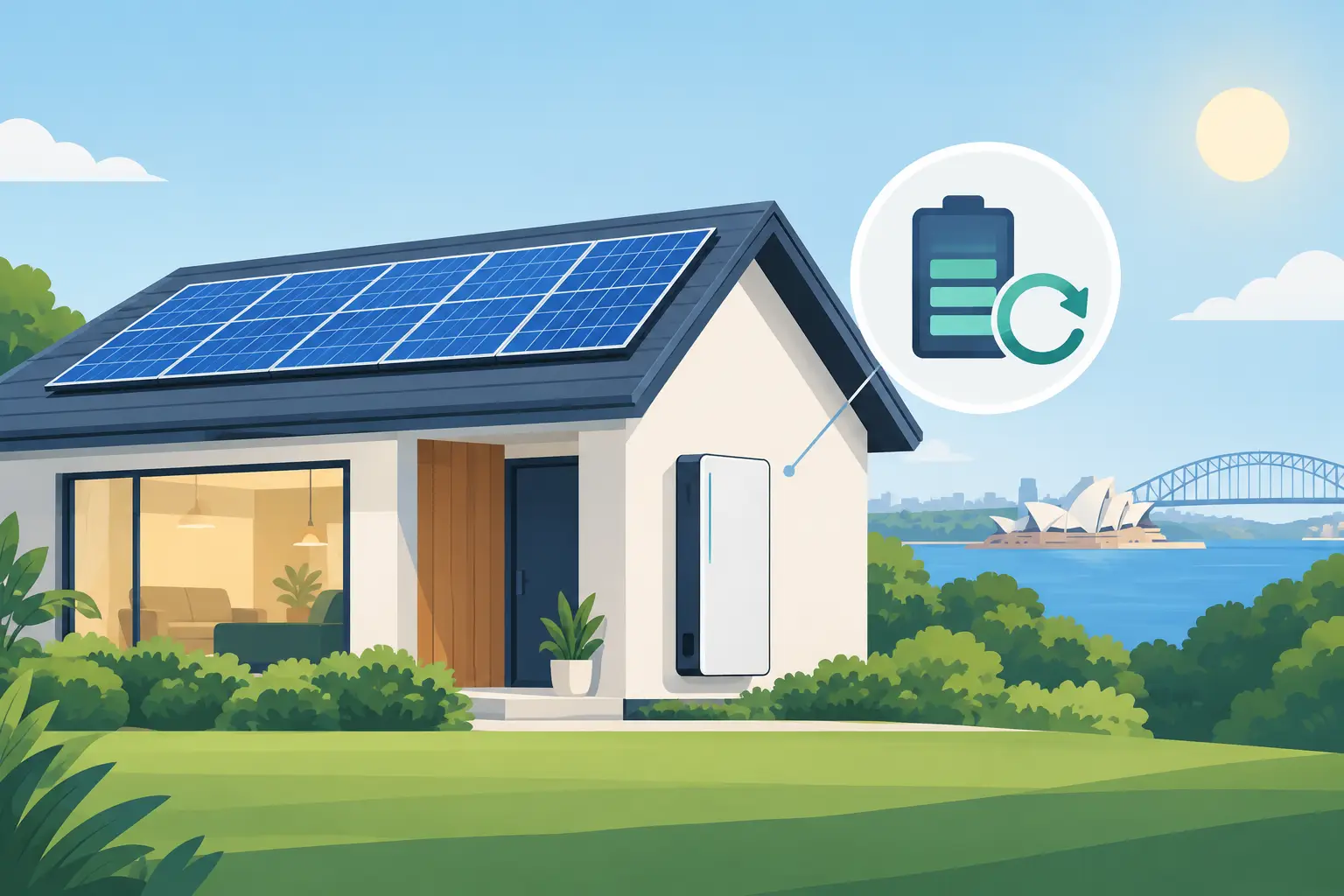
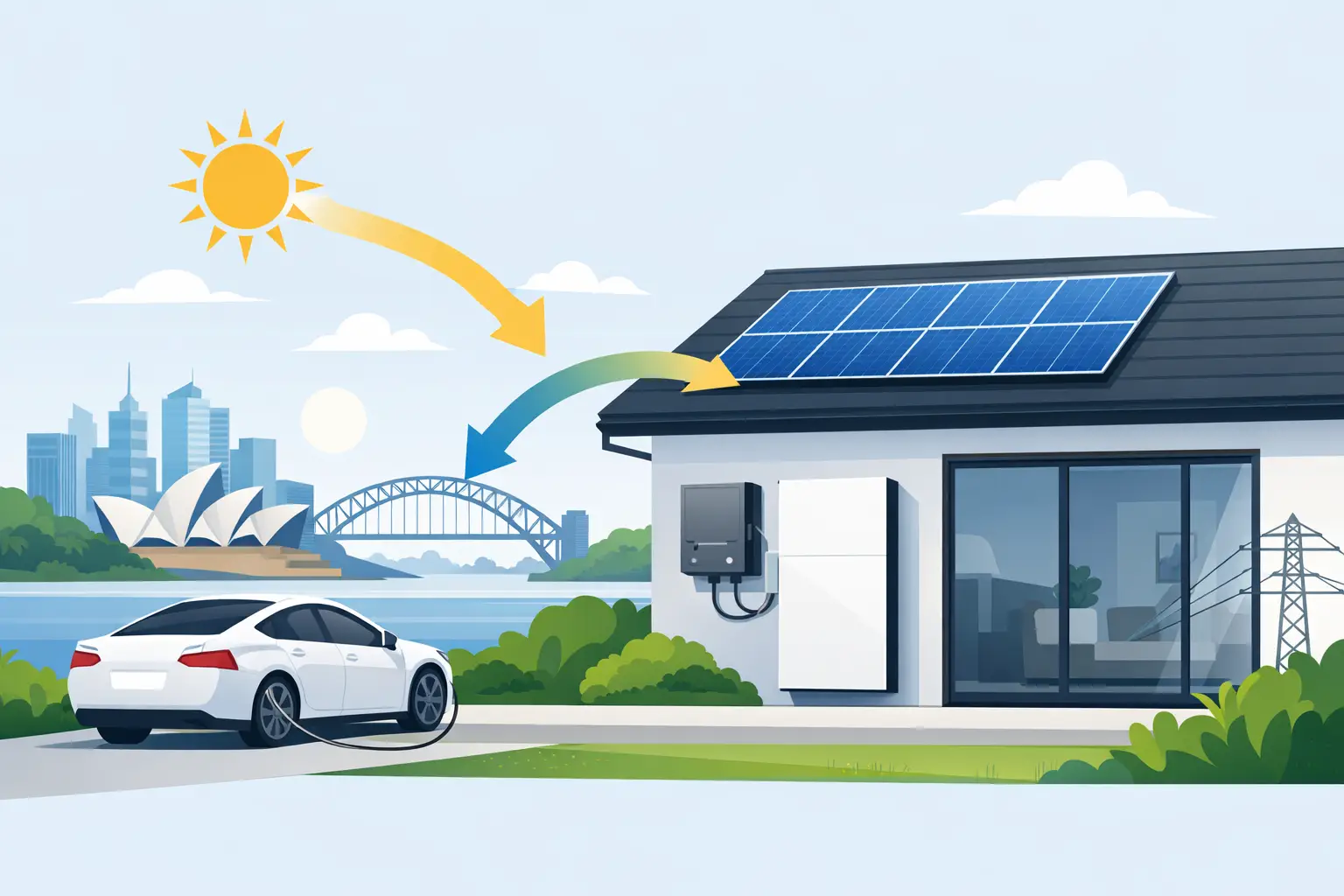
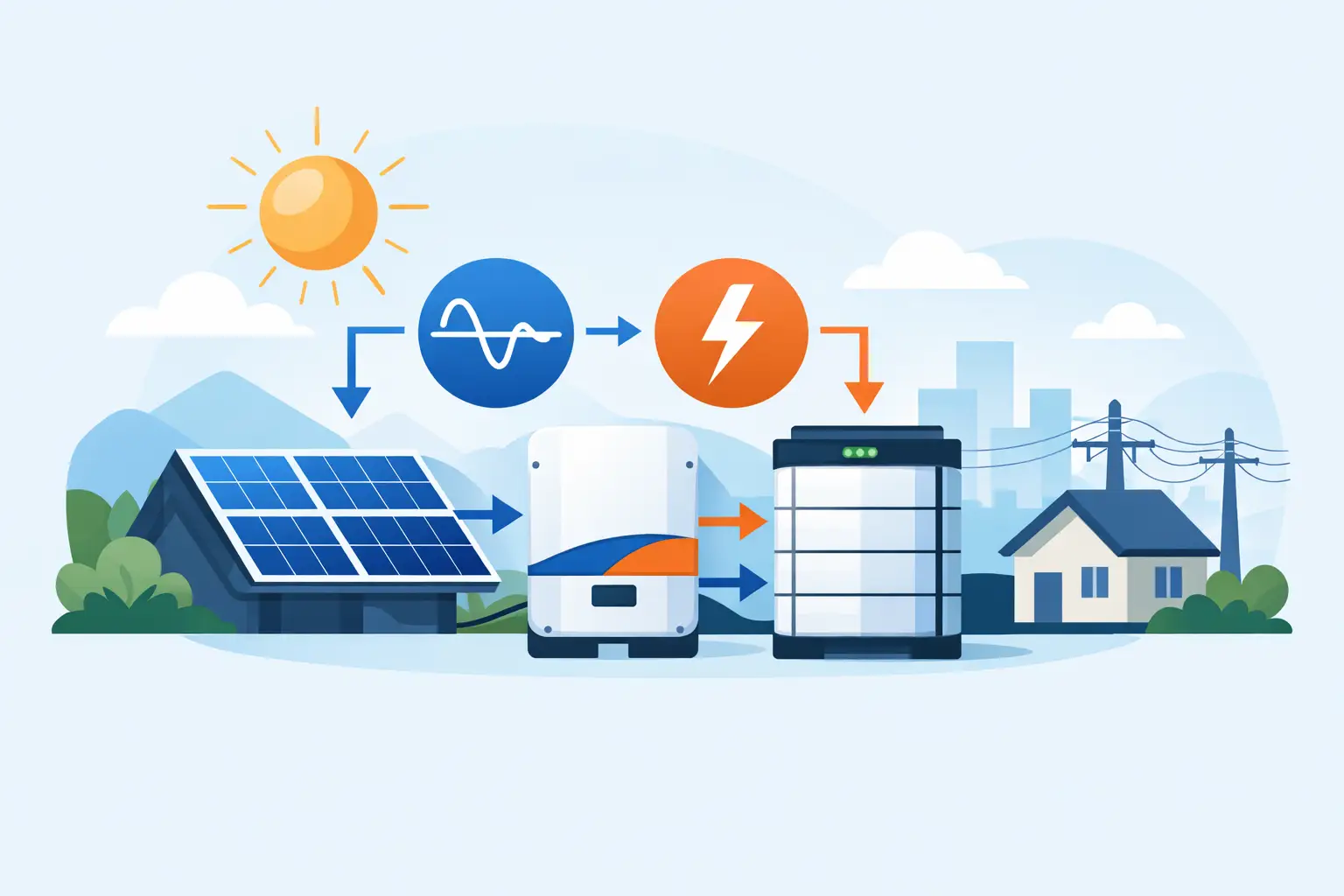
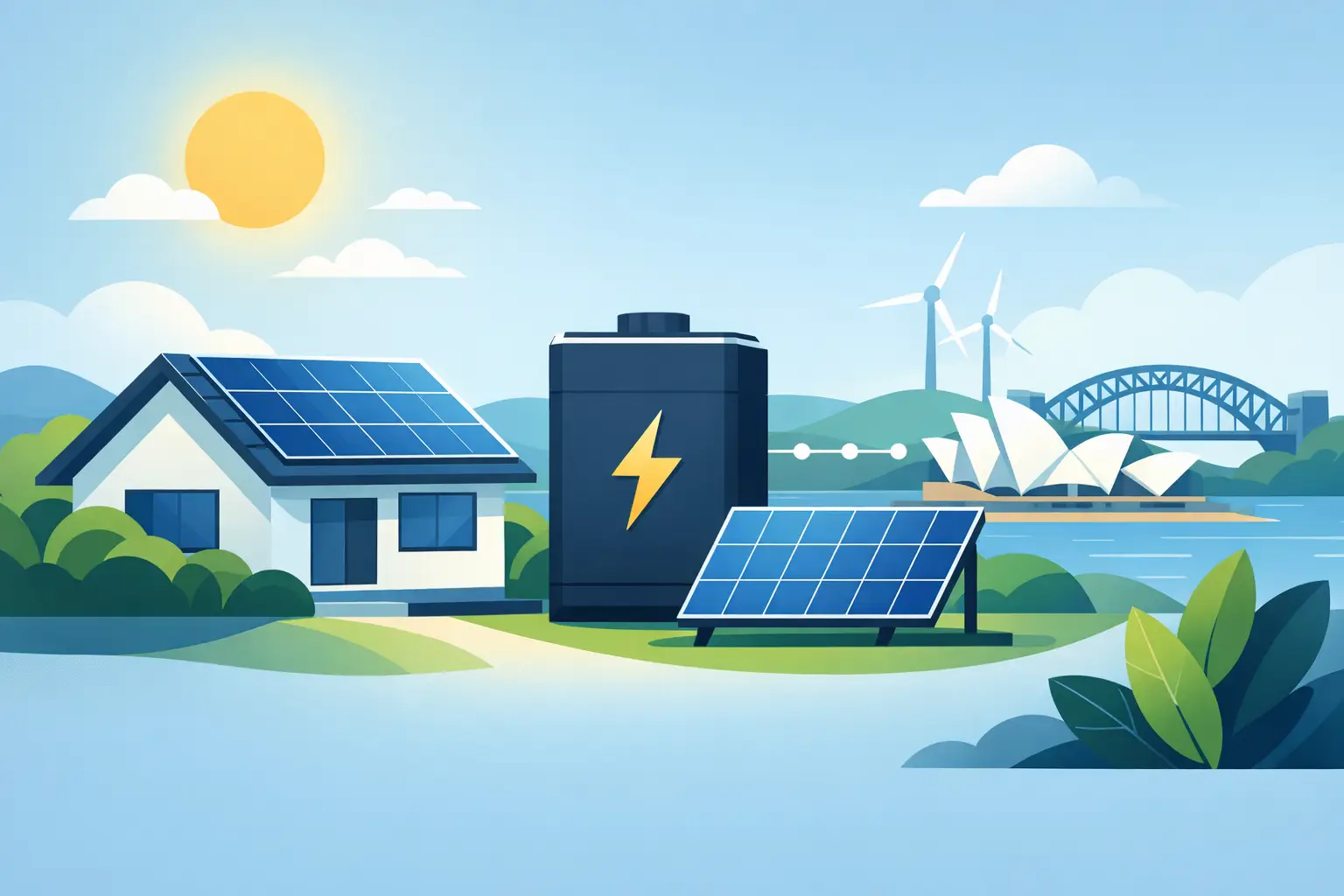
A compatible home battery can store excess rooftop solar electricity for later use.
Instead of exporting all unused daytime solar energy to the grid, homeowners may store some of it and use it during the evening.
Potential benefits include:
- Greater solar self-consumption.
- Reduced reliance on grid electricity.
- Improved energy management.
- Potential electricity bill savings.
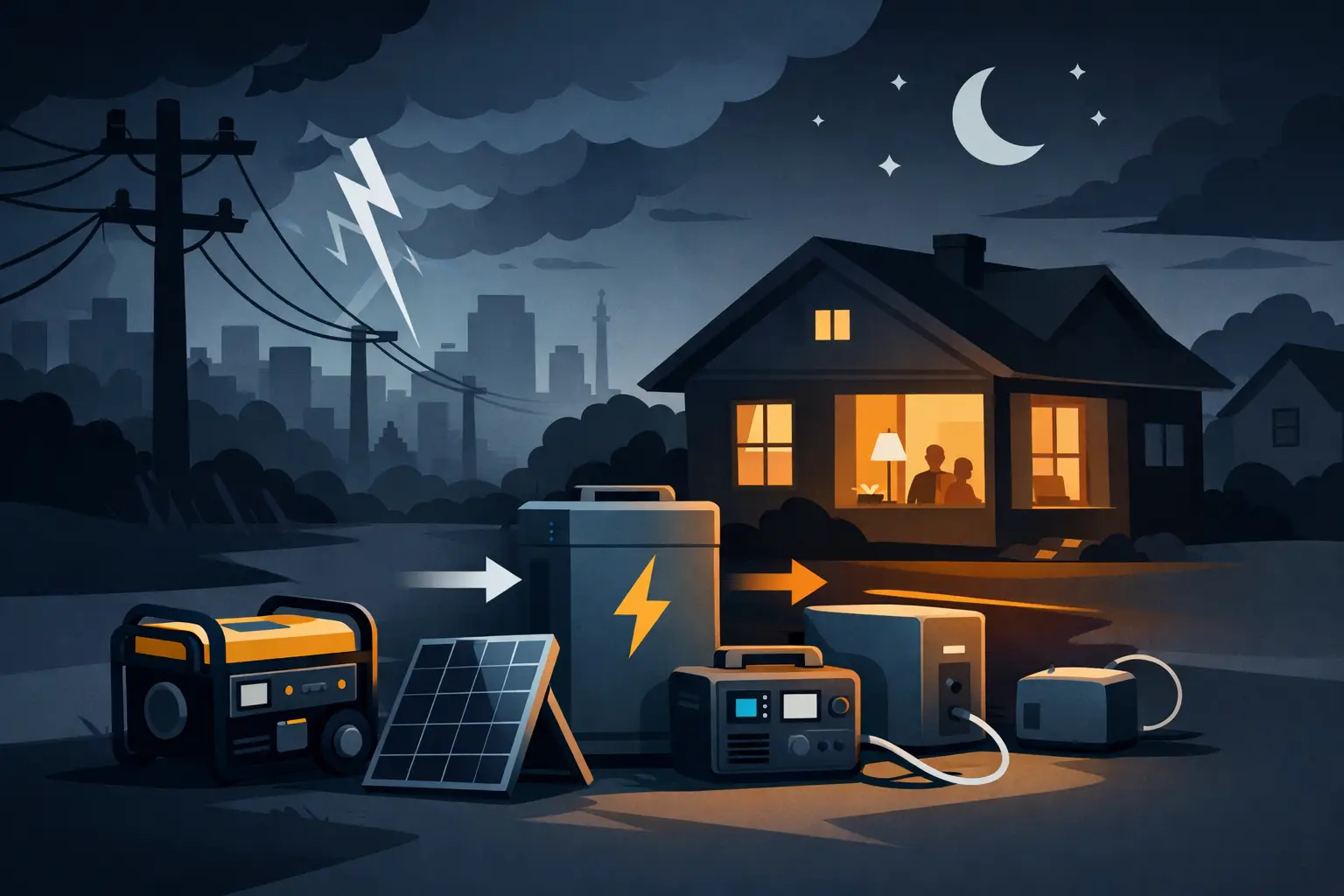
- Blackout backup where the system includes the required equipment and configuration.
Explore solar battery storage installation in Sydney with Sydpro Electrical.
Solar and Battery Upgrades
For households considering both technologies, a properly designed solar and battery system can combine rooftop renewable electricity generation with energy storage.
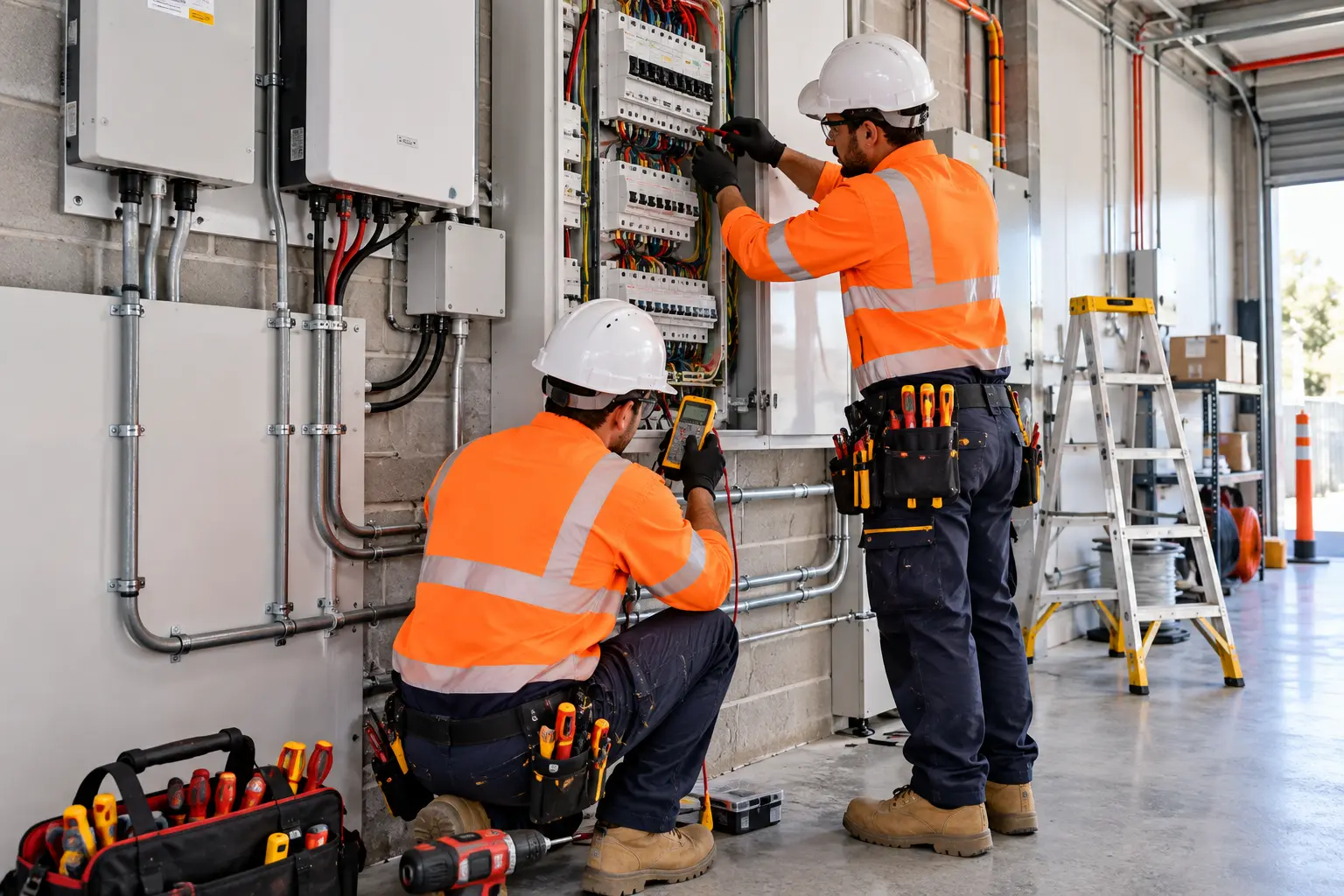
A qualified installer should evaluate the property’s electricity usage, existing electrical infrastructure, system size and equipment compatibility.
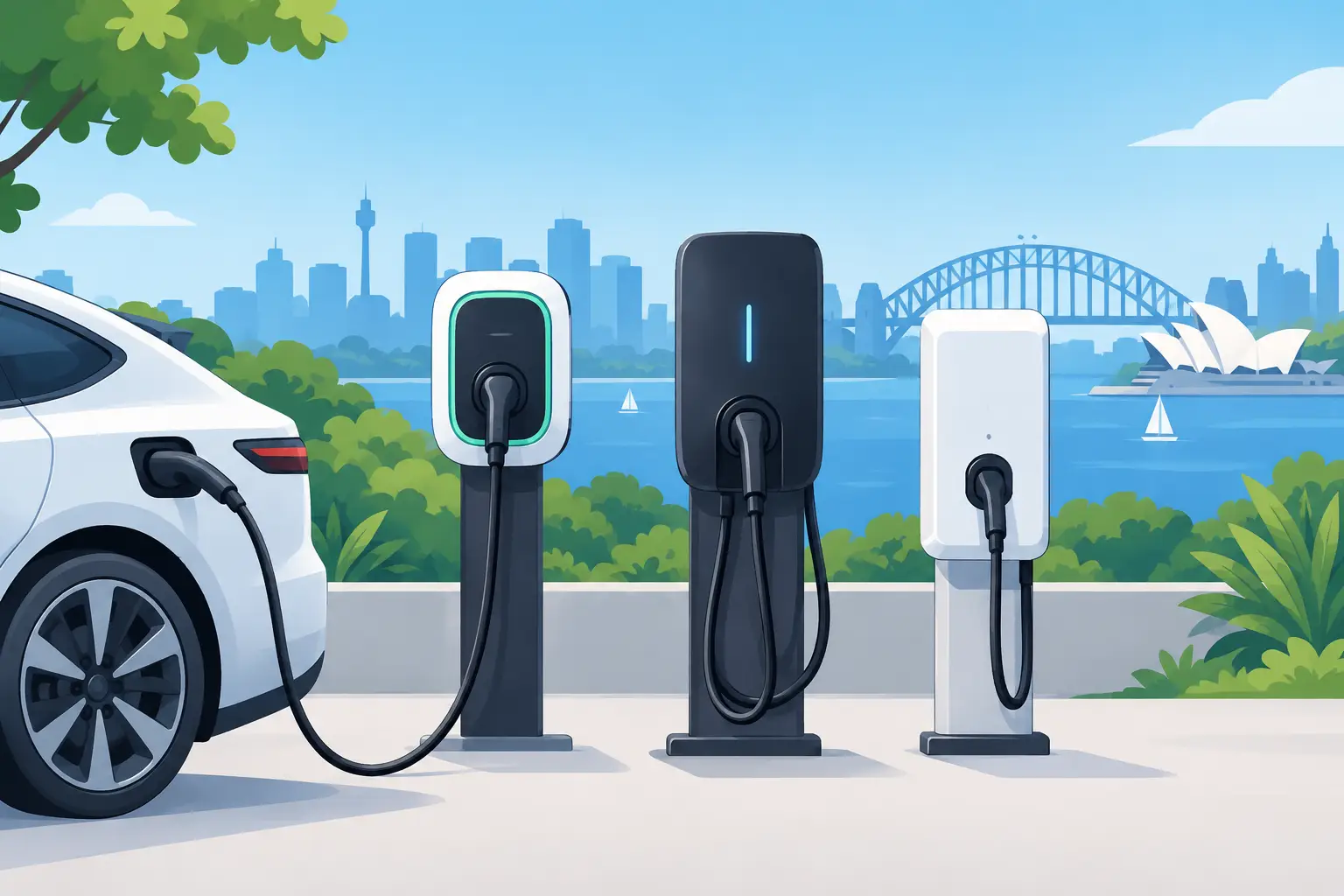
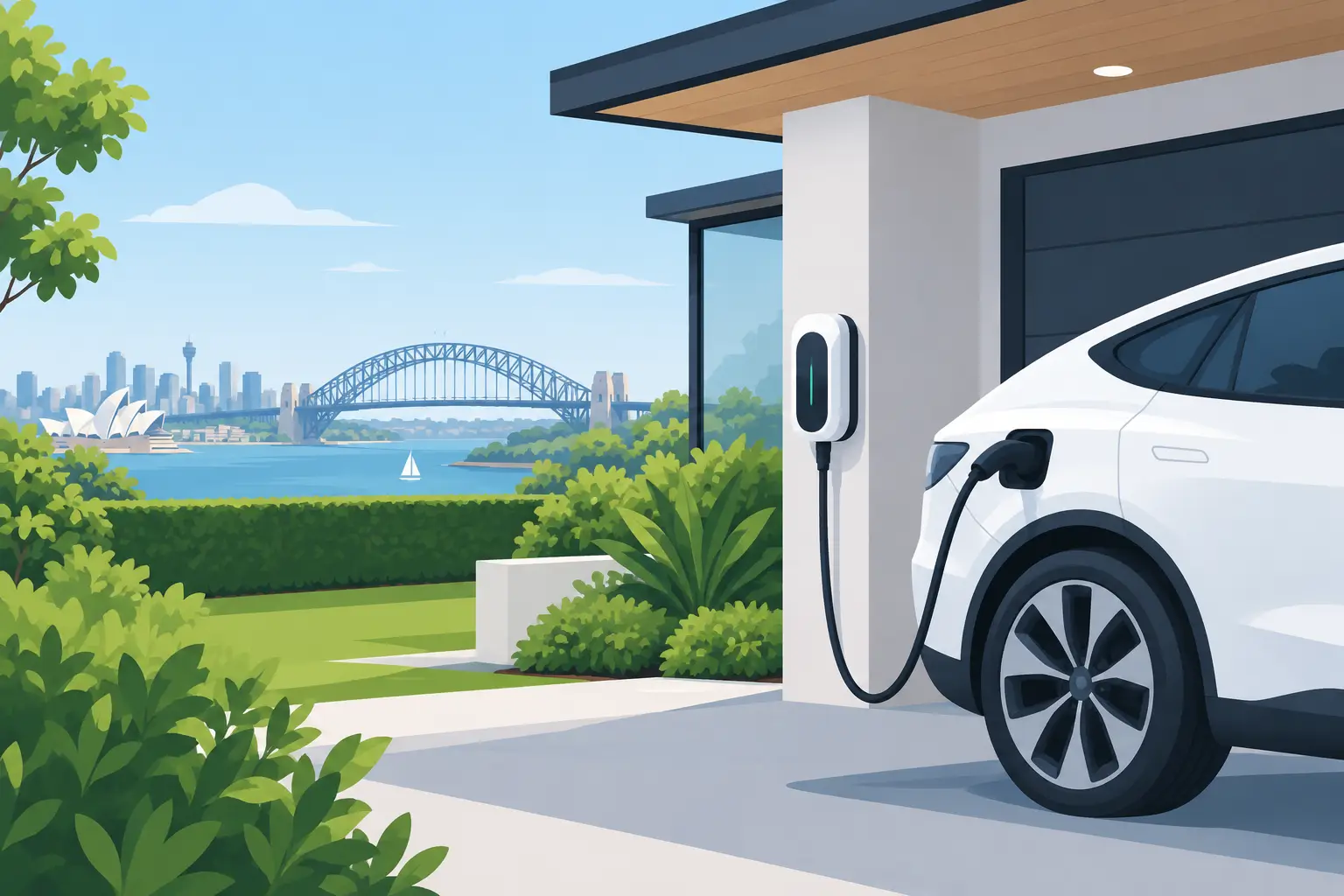
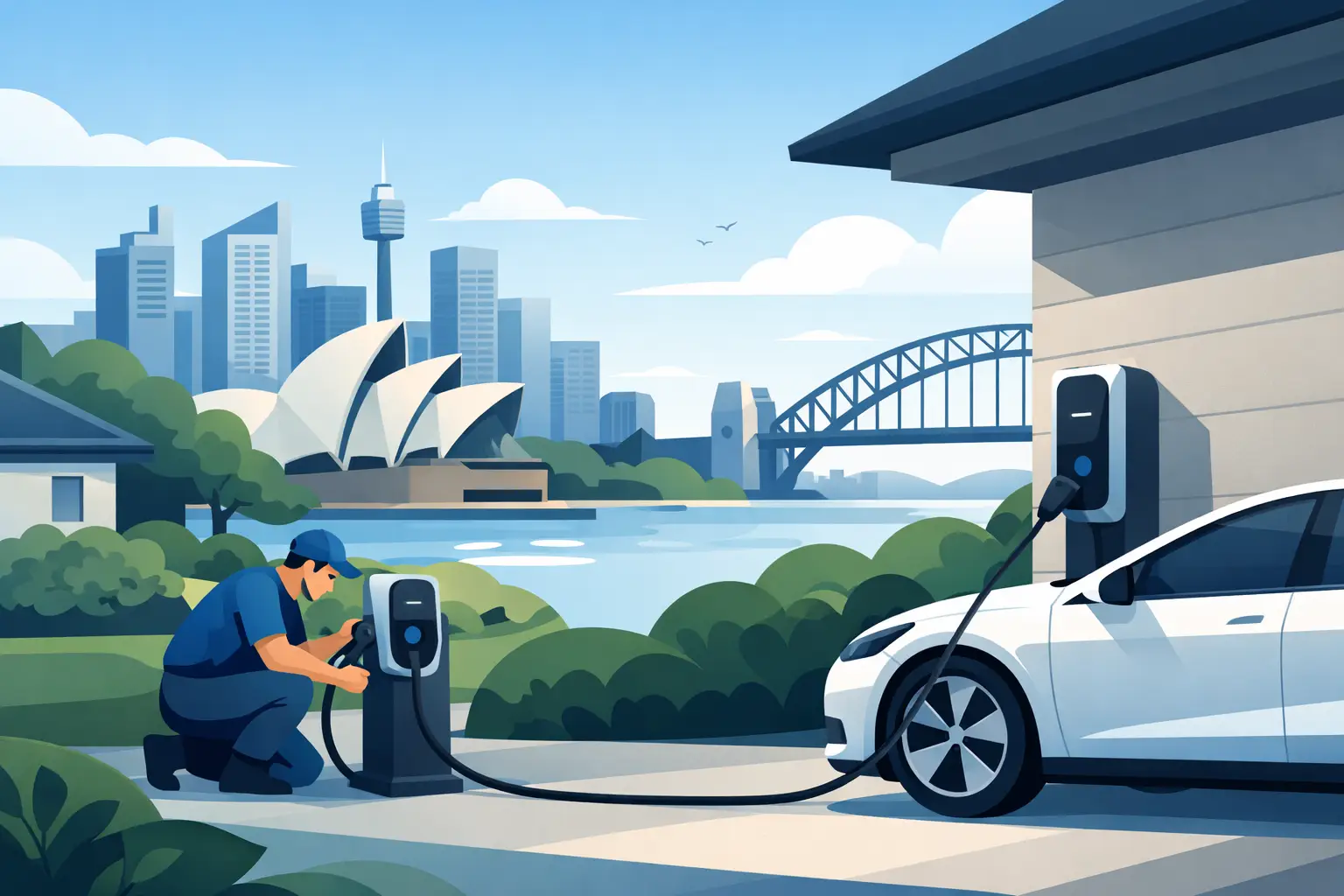
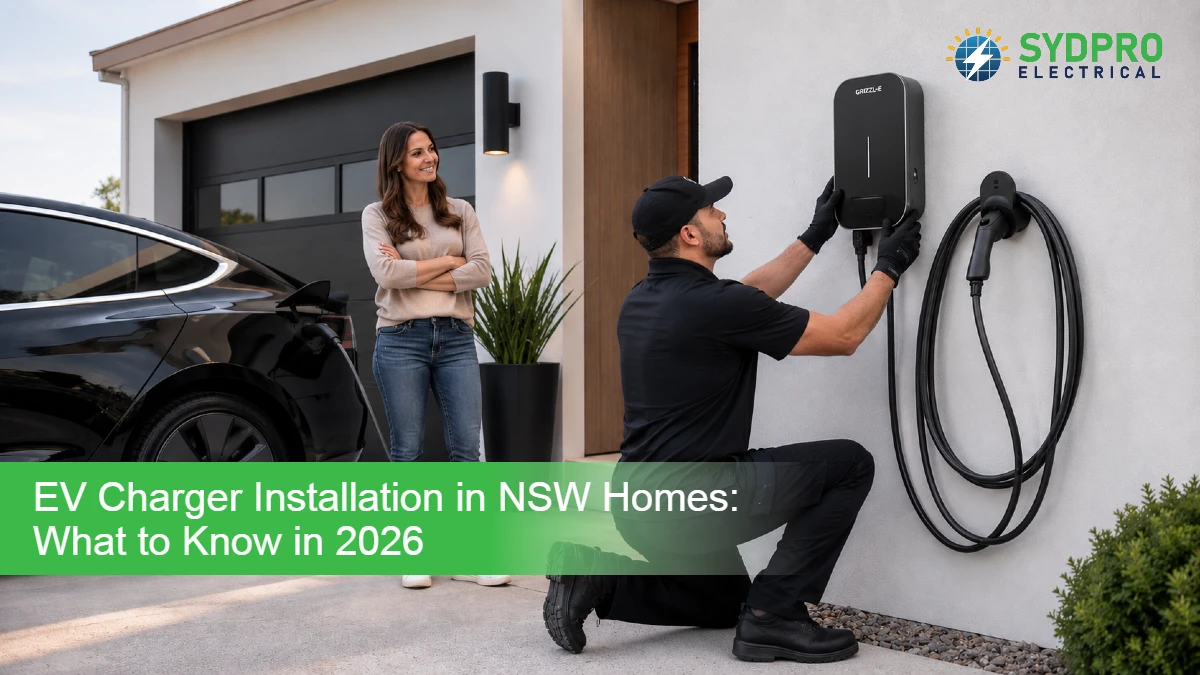
Level 2 Home EV Charging
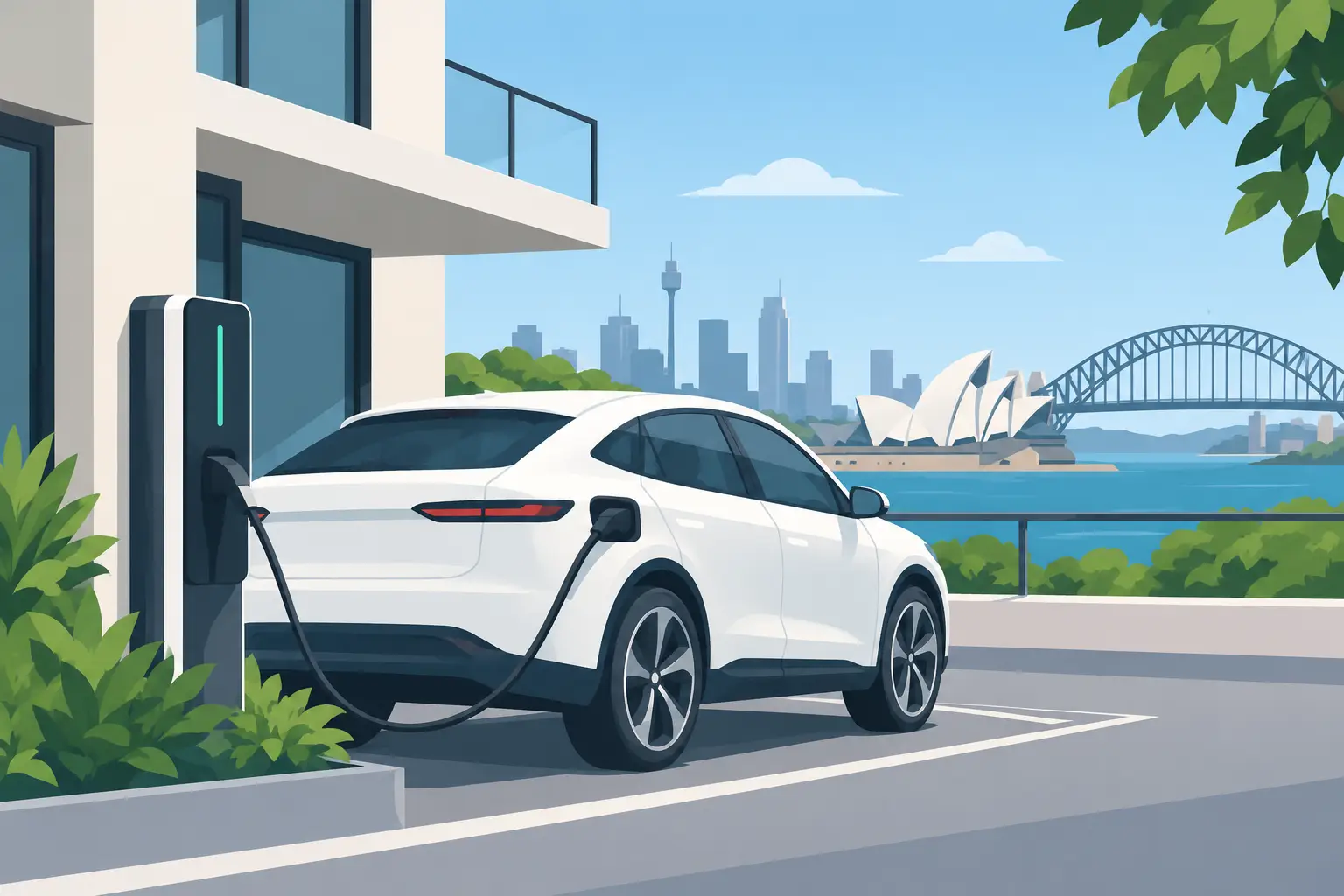
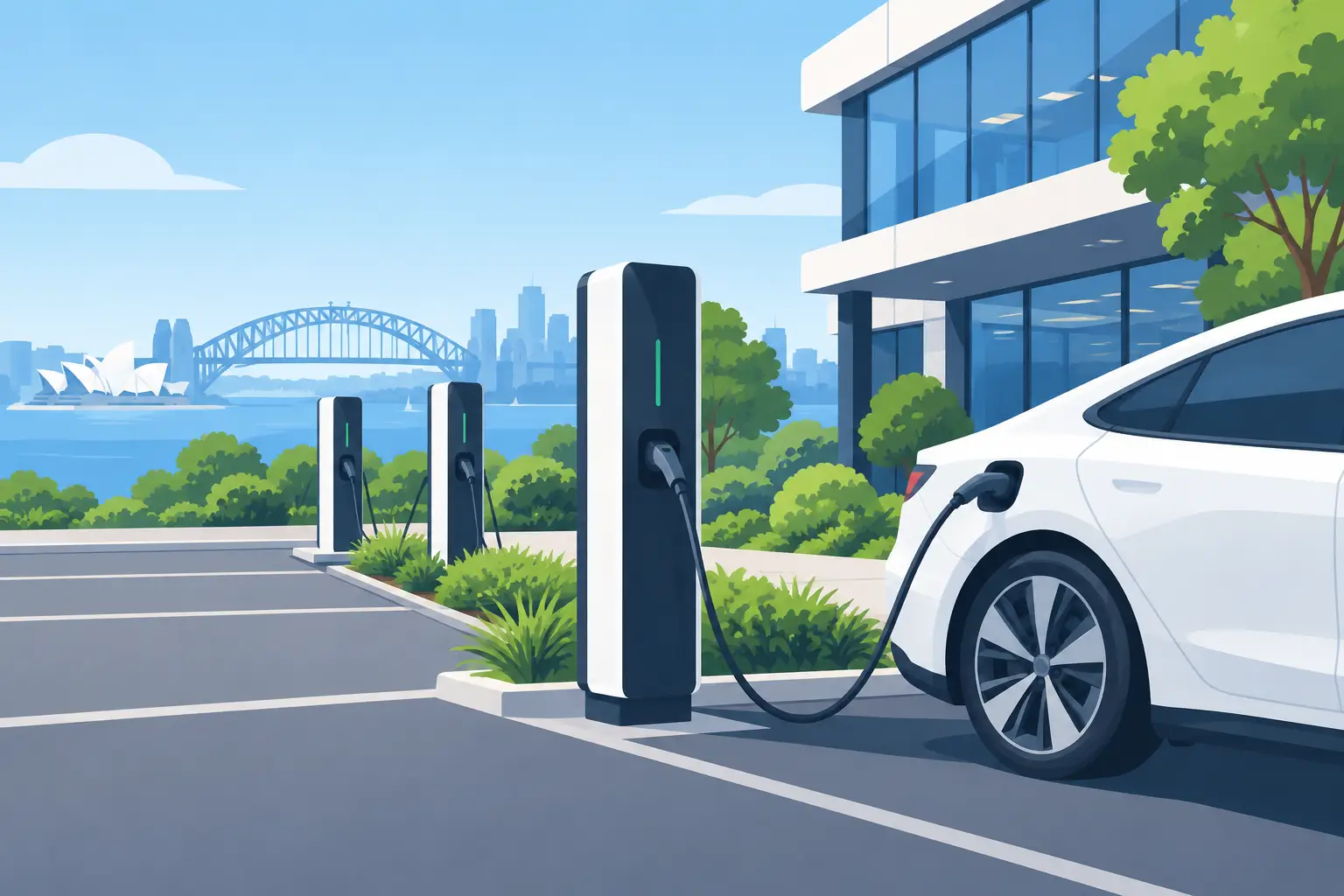
Eligible Level 2 EV charging equipment may also be financed under the Home Energy Saver Loan, subject to the finance provider’s product and supplier requirements.
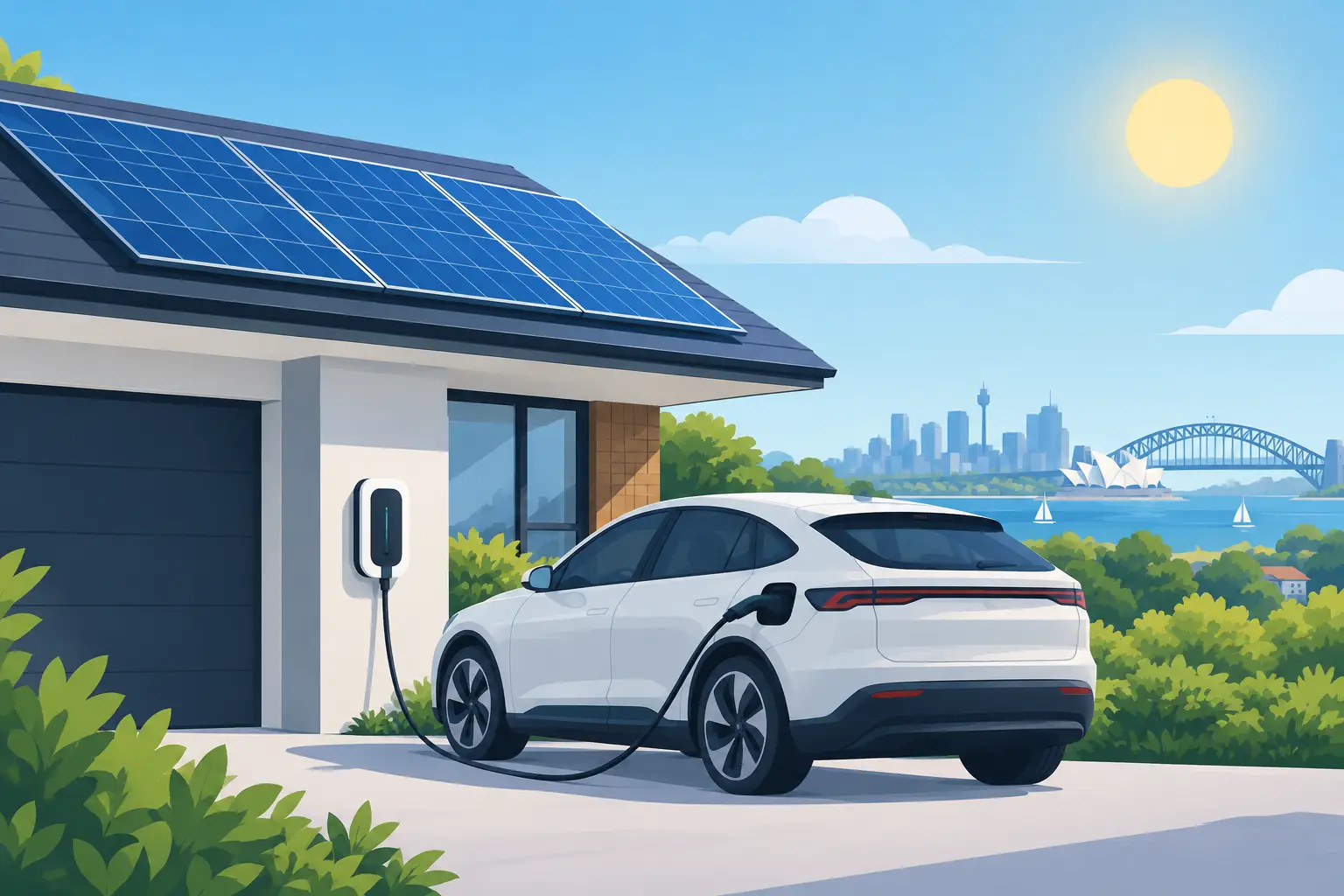
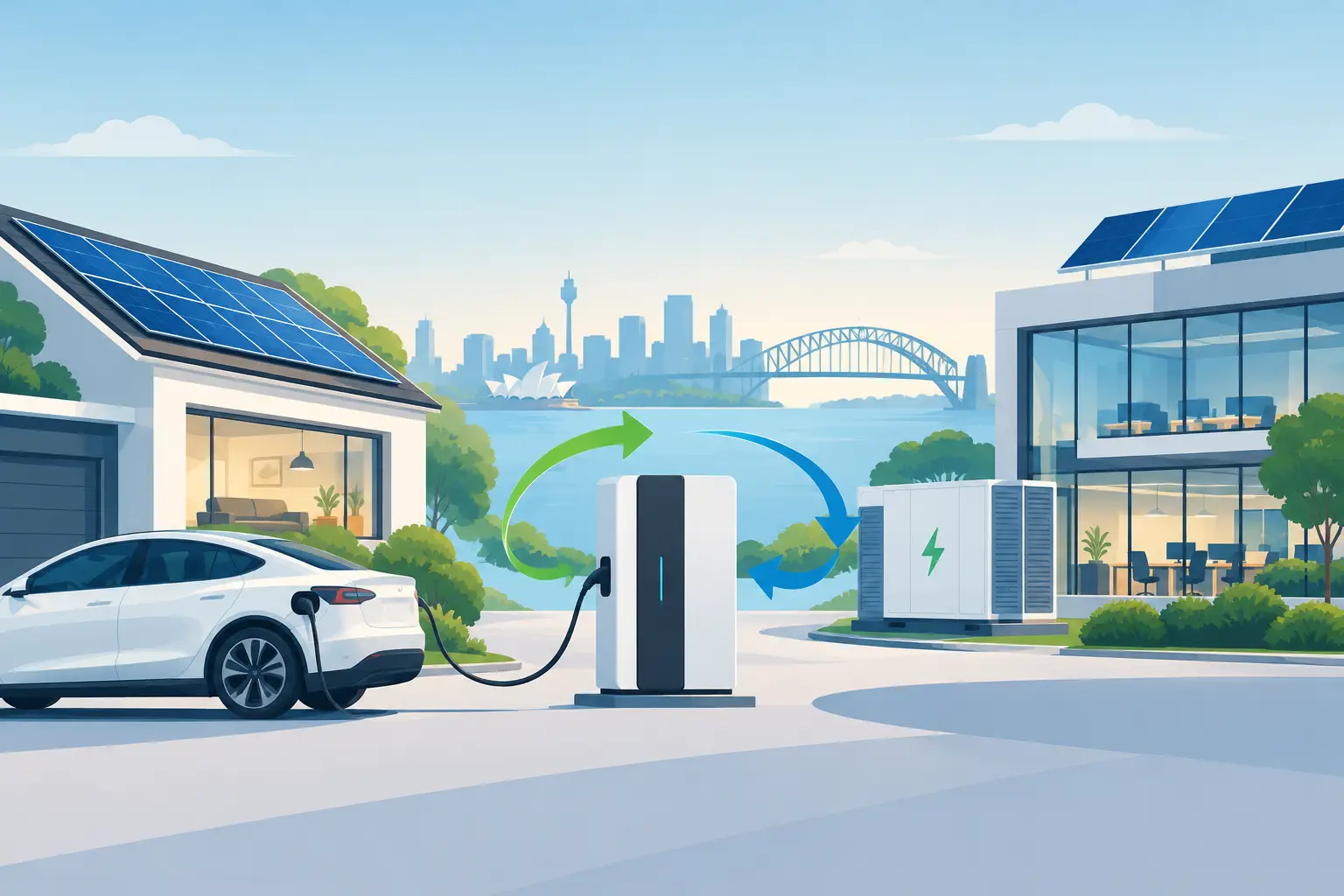
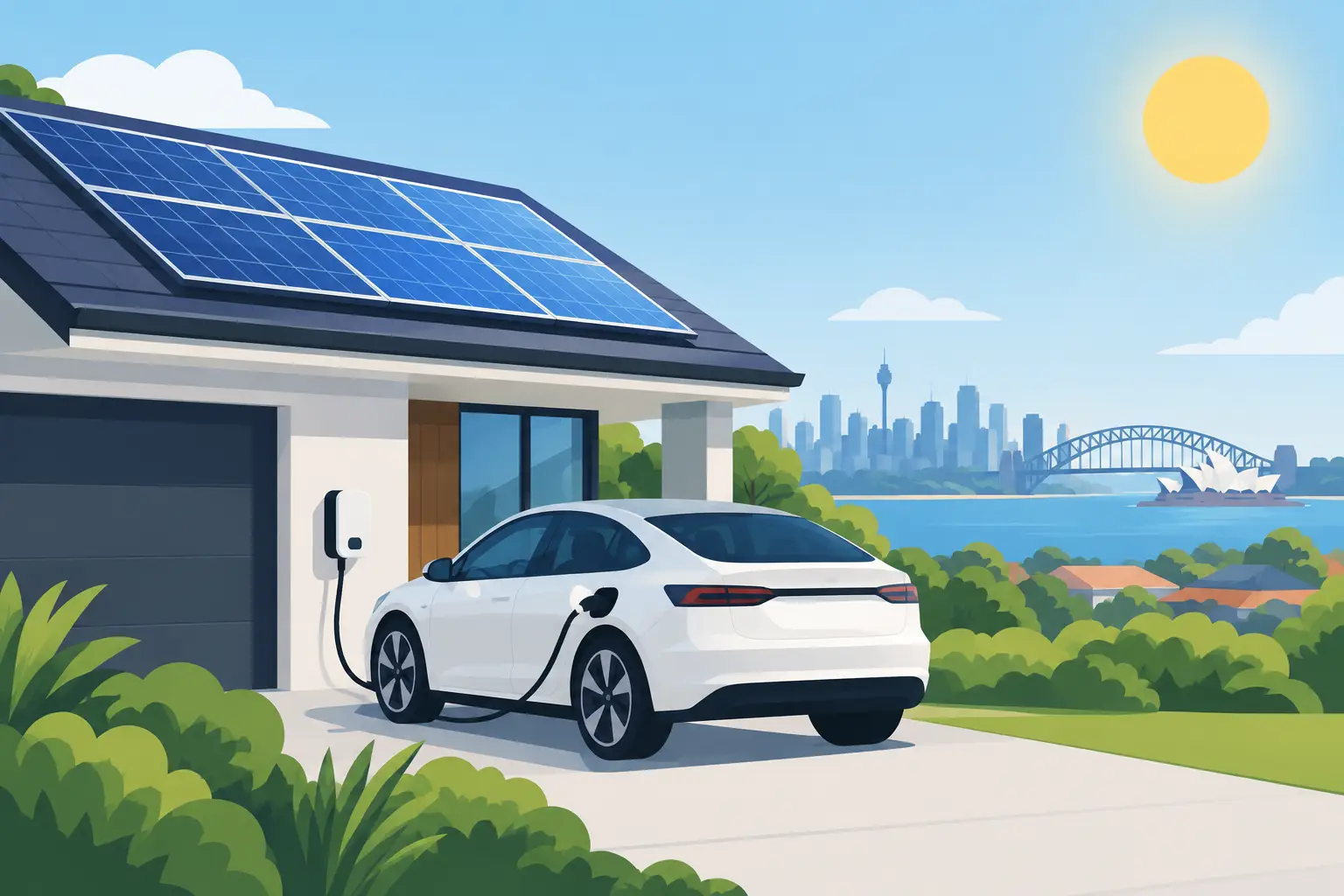
A dedicated EV charger can provide convenient home charging, while certain smart chargers can be configured to make use of rooftop solar electricity.
Explore Sydpro Electrical’s EV charger installation services.
For more information on combining solar and EV charging, read our guide: Can Solar Charge an EV? What NSW Owners Need.
Other Eligible Energy-Efficiency Upgrades
Depending on program requirements, approved upgrades may also include:
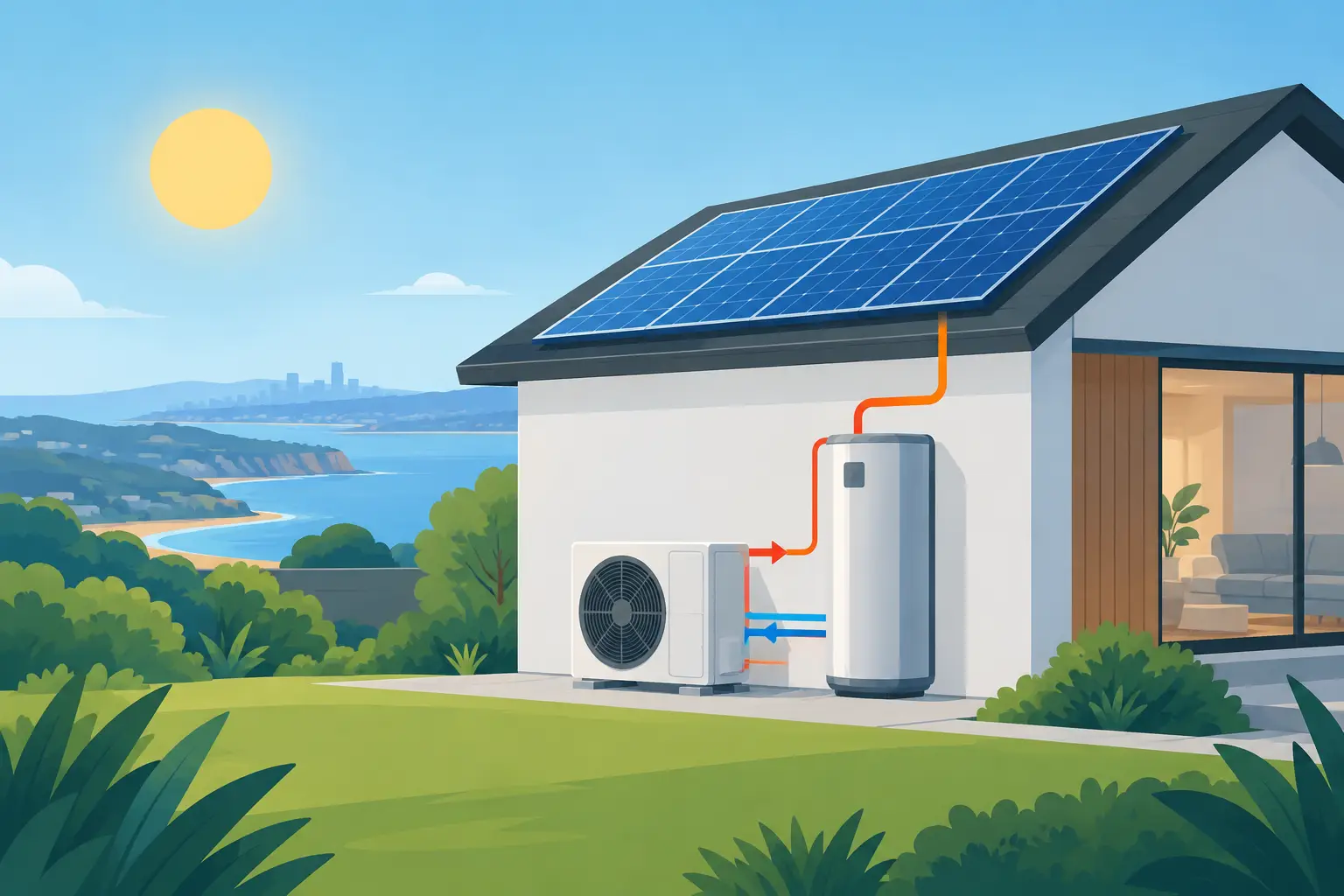
- Heat pump hot water systems.
- Reverse-cycle air conditioning.
- Induction cooktops.
- Switchboard upgrades.
- Ceiling insulation.
- Selected household energy-efficiency improvements.
Not every improvement qualifies for every discount, incentive or finance product. Check the eligible product list before applying.
5. Can Home Energy Saver Loans Be Combined With Solar Rebates?
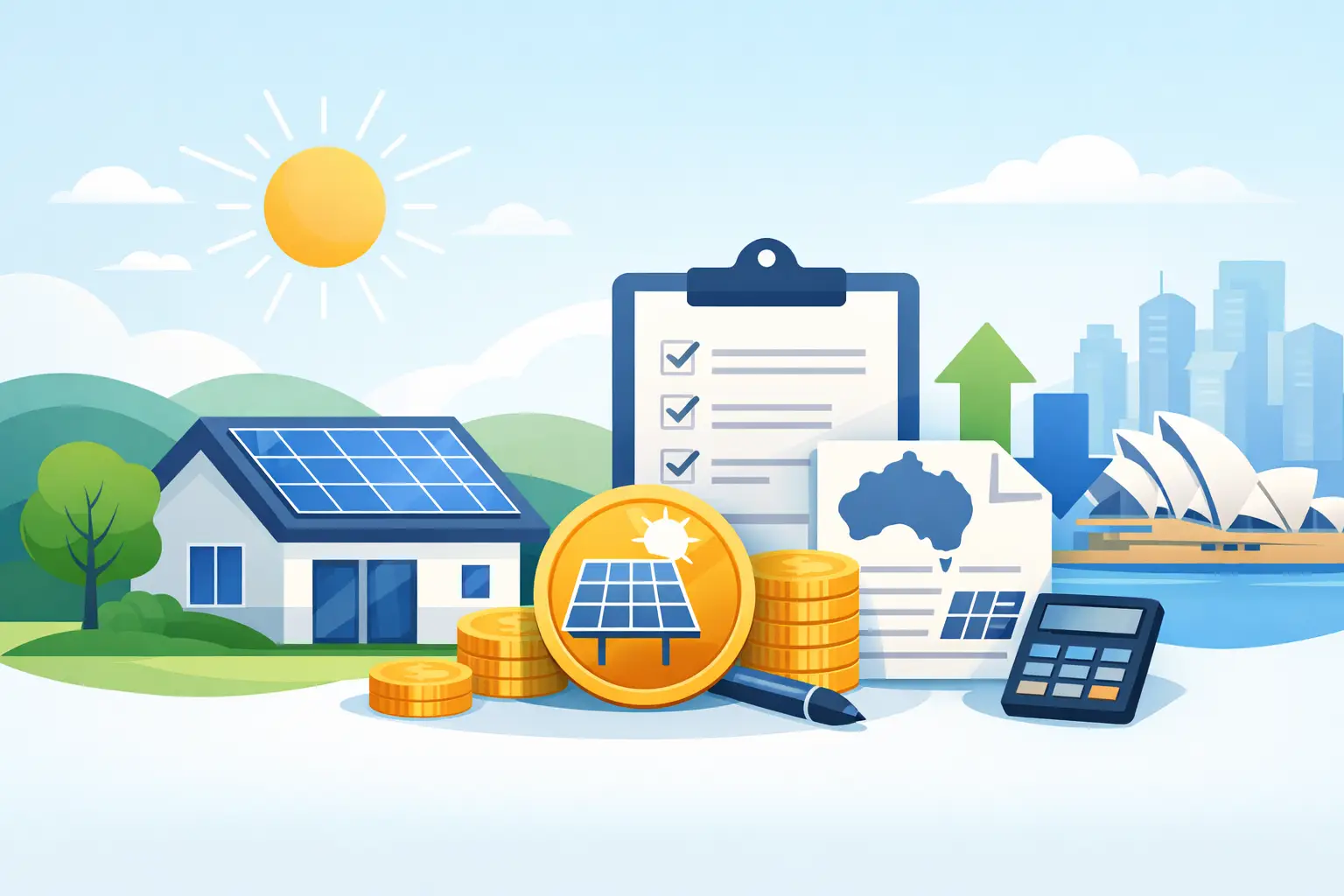
One of the most useful features of the program is that certain eligible energy upgrades may combine financing with applicable government incentives.
For example, qualifying rooftop solar and home battery installations may be eligible for assistance through the Australian Government’s Small-scale Renewable Energy Scheme.
Battery systems may also qualify for the federal Cheaper Home Batteries Program when the equipment and installation meet the relevant requirements.
However, eligibility and incentive combinations must be checked individually.
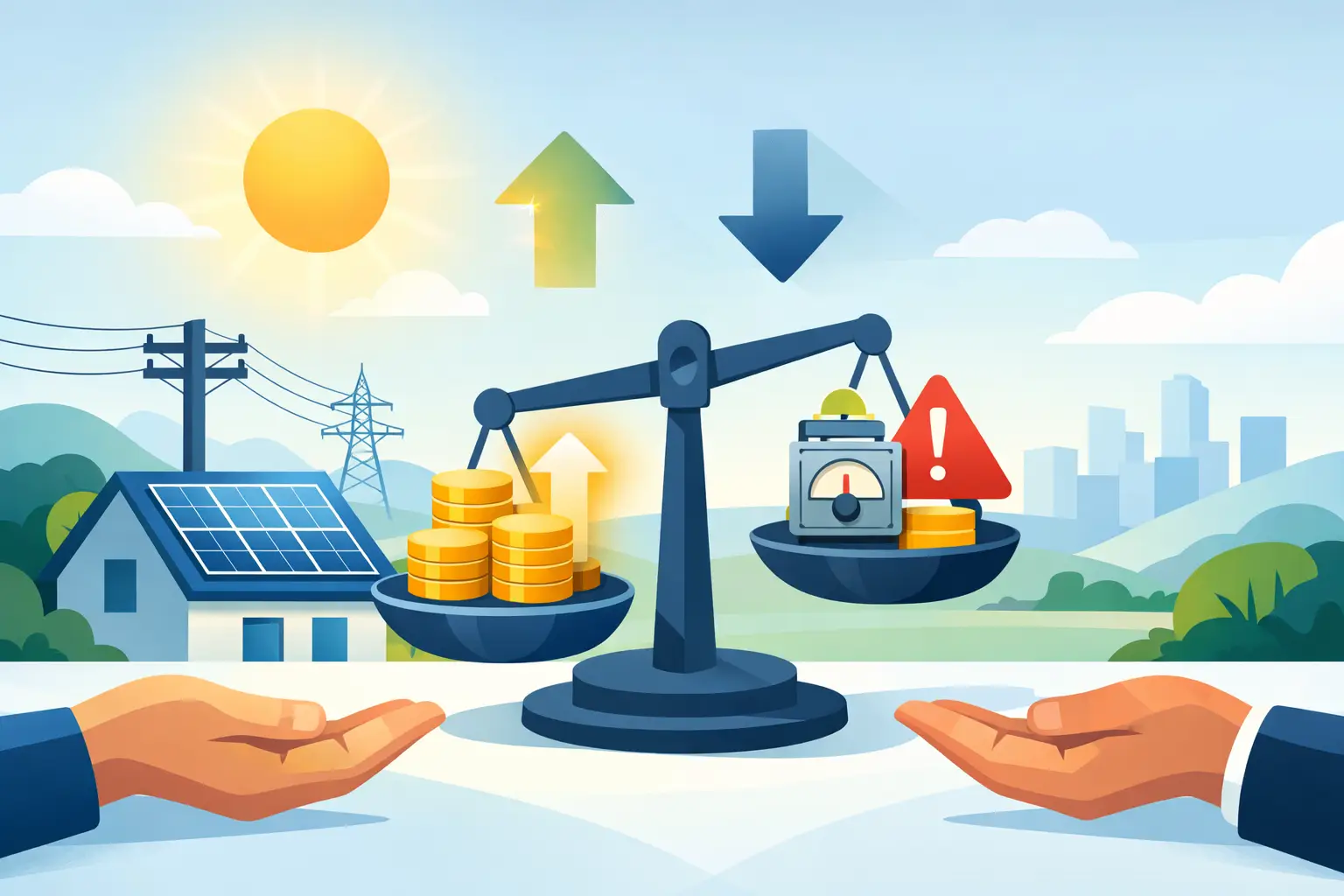
Important distinction: A zero-interest loan is financing that must be repaid, while a rebate or discount reduces an eligible purchase cost.
Can You Receive Both a Home Energy Saver Discount and a Loan?
The separate NSW Home Energy Saver discount program may provide up to $4,000 for qualifying upgrades.
Some eligible customers may be able to use both a discount and a loan for the same purchase.
The NSW Government recommends applying for the discount first when intending to combine both forms of support.
Read the official NSW Home Energy Saver information for the latest rules.
For battery-related incentives, also review the Australian Government’s Cheaper Home Batteries Program.
6. How Much Could You Repay on a Zero-Interest Loan?
A zero-interest loan can make the upfront cost of eligible improvements more manageable by spreading repayments over time.
For illustration, assuming equal monthly repayments over 10 years and no additional fees:
| Loan amount | Illustrative monthly repayment |
|---|---|
| $5,000 | $41.67 |
| $10,000 | $83.33 |
| $15,000 | $125.00 |
These are mathematical illustrations, not loan offers or quotes. Actual repayment schedules, fees and conditions depend on the participating finance provider and approved agreement.
Homeowners should examine the full repayment terms and ensure the repayments fit their household budget.
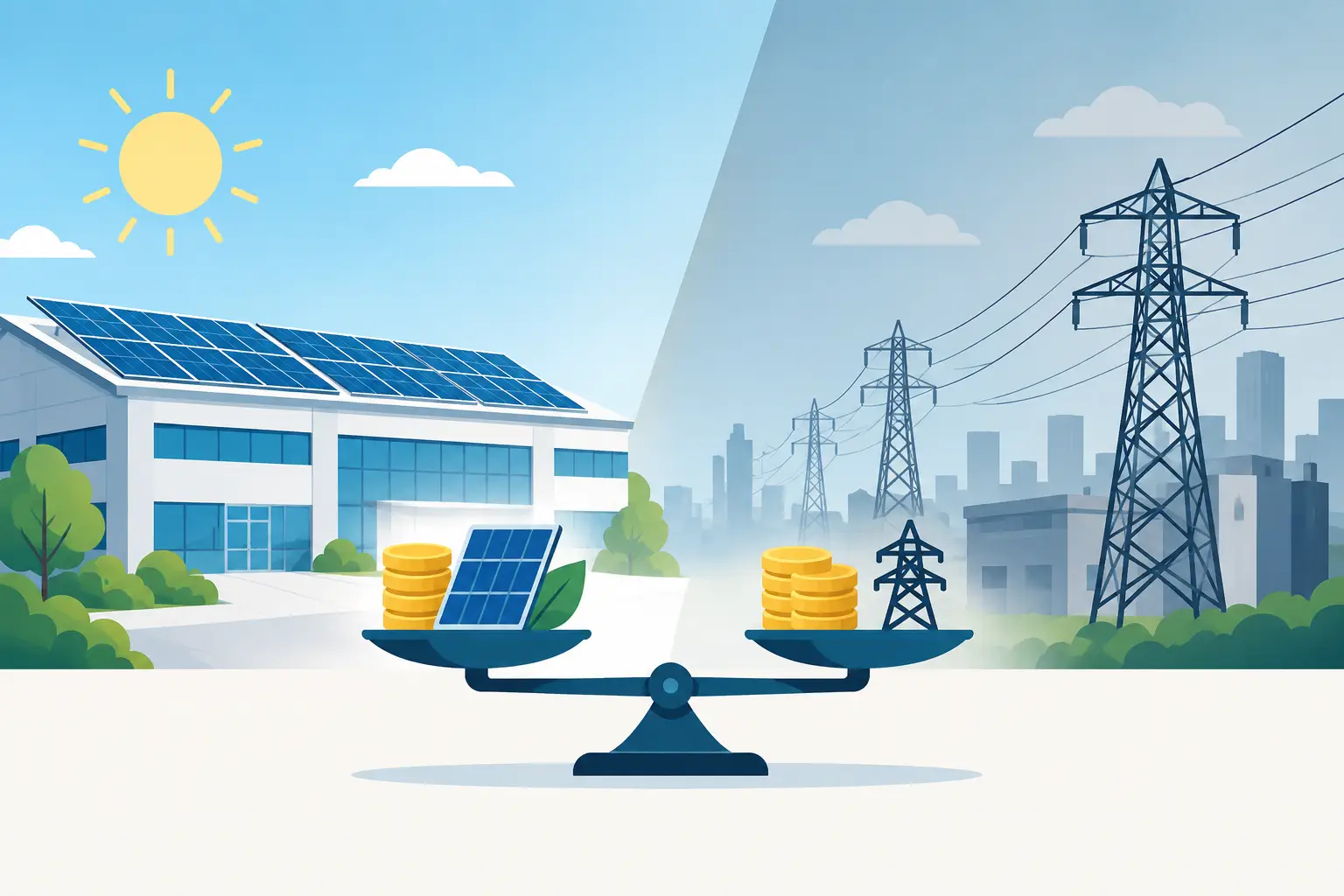
A solar or battery installation should also be evaluated based on system cost, expected energy performance and realistic potential electricity savings.
7. How to Apply for the NSW Home Energy Saver Loan
The application process involves checking eligibility, choosing an approved upgrade and applying through a participating finance provider.
Step 1: Check your income and ownership eligibility
Review the applicable household income threshold and confirm that your property meets program requirements.
Step 2: Choose an eligible home energy upgrade
Consider whether rooftop solar, battery storage, EV charging or another approved energy-efficiency improvement suits your home.
Step 3: Find an approved supplier
The program requires approved suppliers associated with participating finance providers.
You can find supplier information through the relevant lender.
Step 4: Request an installation quote
Review the proposed equipment, installation scope, price and any applicable incentives.
Step 5: Submit your loan application
Apply through the participating finance provider and supply the required eligibility documents.
Step 6: Await approval before proceeding
Do not assume financing has been approved until the provider confirms the decision.
Apply through the official NSW Home Energy Saver Loan page, which links to participating finance providers.
Note: Sydpro Electrical’s inclusion in a particular Home Energy Saver finance provider’s approved supplier network must be confirmed directly. General solar accreditation does not automatically establish program supplier approval.
8. Why Sydney Homeowners Are Considering Solar and Battery Storage
Electricity costs, household energy consumption and growing interest in home electrification are encouraging many Australians to explore renewable energy.
For homeowners in Sydney and Western Sydney, solar and battery storage can offer several potential benefits.
Lower Reliance on Grid Electricity
Solar panels generate electricity during daylight hours, potentially reducing the amount of grid power required by the household.
Store Solar Energy for Later
A home battery can store excess solar generation and make some of that electricity available during the evening.
More Control Over Energy Use
Smart monitoring and energy management features can help homeowners understand when electricity is generated, stored and consumed.
Potential Long-Term Electricity Savings
Suitable solar and battery systems can reduce electricity purchases, although the amount saved depends on installation costs, energy consumption, tariffs and system performance.
Support for Home Electrification
Solar, battery storage and smart EV charging can be planned together as part of a longer-term household energy strategy.
Explore Sydpro Electrical’s solar and electrical services for suitable home energy solutions.
9. Solar and Battery Installation Across Western Sydney and Greater Sydney
Choosing a local solar and electrical installation team can simplify communication, site assessment and installation planning.
Sydpro Electrical provides solar, battery storage, EV charging and electrical services across Sydney and NSW.
Our service area includes:
- St Marys
- Penrith
- Blacktown
- Parramatta
- Liverpool
- Bankstown
- Campbelltown
- Greater Western Sydney and surrounding areas.
Whether you are upgrading an existing solar system or considering a new installation, professional advice can help you understand the system capacity, equipment and electrical requirements.
Explore our services:
- Residential Solar Installation Sydney
- Solar Battery Storage Systems Sydney
- EV Charger Installation Sydney
- Sydpro Electrical – Home
10. Frequently Asked Questions About the NSW Home Energy Saver Loan
What is the new NSW Home Energy Saver Loan income limit?
From 9:00 am on 10 November 2026, the combined taxable household income limit reduces to $150,000.
What is the current income eligibility limit?
Before the changeover, the income threshold is $210,000 per year.
How much can NSW homeowners borrow?
Eligible applicants may access zero-interest loans of up to $15,000, subject to finance approval.
Is the NSW Home Energy Saver Loan interest-free?
Yes. The program provides zero-interest financing, subject to the participating lender’s terms and eligibility assessment.
Can the loan be used for solar panels?
Eligible rooftop solar systems are among the upgrades supported by the program, subject to product and supplier requirements.
Can the loan be used for home battery storage?
Eligible residential battery installations may qualify under the program.
Can EV chargers be financed?
Eligible Level 2 home EV charging equipment may be financed through participating providers, subject to approval.
Can I combine the loan with a government solar rebate?
Certain eligible installations can combine the loan with applicable incentives, provided all scheme requirements are satisfied.
Who approves the loan?
Participating finance providers Brighte and Plenti assess applications and make financing decisions.
Is Sydpro Electrical an approved Home Energy Saver Loan supplier?
Homeowners should confirm whether Sydpro Electrical is included in their chosen finance provider’s current approved supplier network before relying on program financing.
What if my household income exceeds $150,000 after 10 November?
You may no longer satisfy the Home Energy Saver Loan income requirement. Other financing options, including the Australian Government’s Household Energy Upgrade Fund, may be worth investigating.
11. Plan Your Sydney Home Energy Upgrade With Sydpro Electrical
The upcoming NSW Home Energy Saver Loan eligibility change is an important development for homeowners considering solar panels, batteries and energy-efficient improvements.
Understanding income eligibility, financing conditions, installation requirements and available rebates can help households make informed decisions.
If you’re planning a rooftop solar installation, adding battery storage or upgrading your home EV charging setup, Sydpro Electrical can assist with exploring suitable equipment and installation options.
Looking for Solar, Battery or EV Charger Installation in Sydney?
Sydpro Electrical – Solar & Battery Solutions
📍 St Marys | Western Sydney | Greater Sydney | NSW, Australia
📞 0499 656 366 | 0468 280 260
📧 info@sydproelectrical.com.au
Contact Sydpro Electrical for an installation enquiry
For official financing applications and eligibility details, visit the NSW Government Home Energy Saver Loan website.
Disclaimer: This article is provided for general information only and does not constitute financial advice. Loan eligibility, approval, interest terms, repayment conditions, approved equipment and suppliers are governed by NSW Government program rules and participating finance providers. Information current as of 4 November 2026.