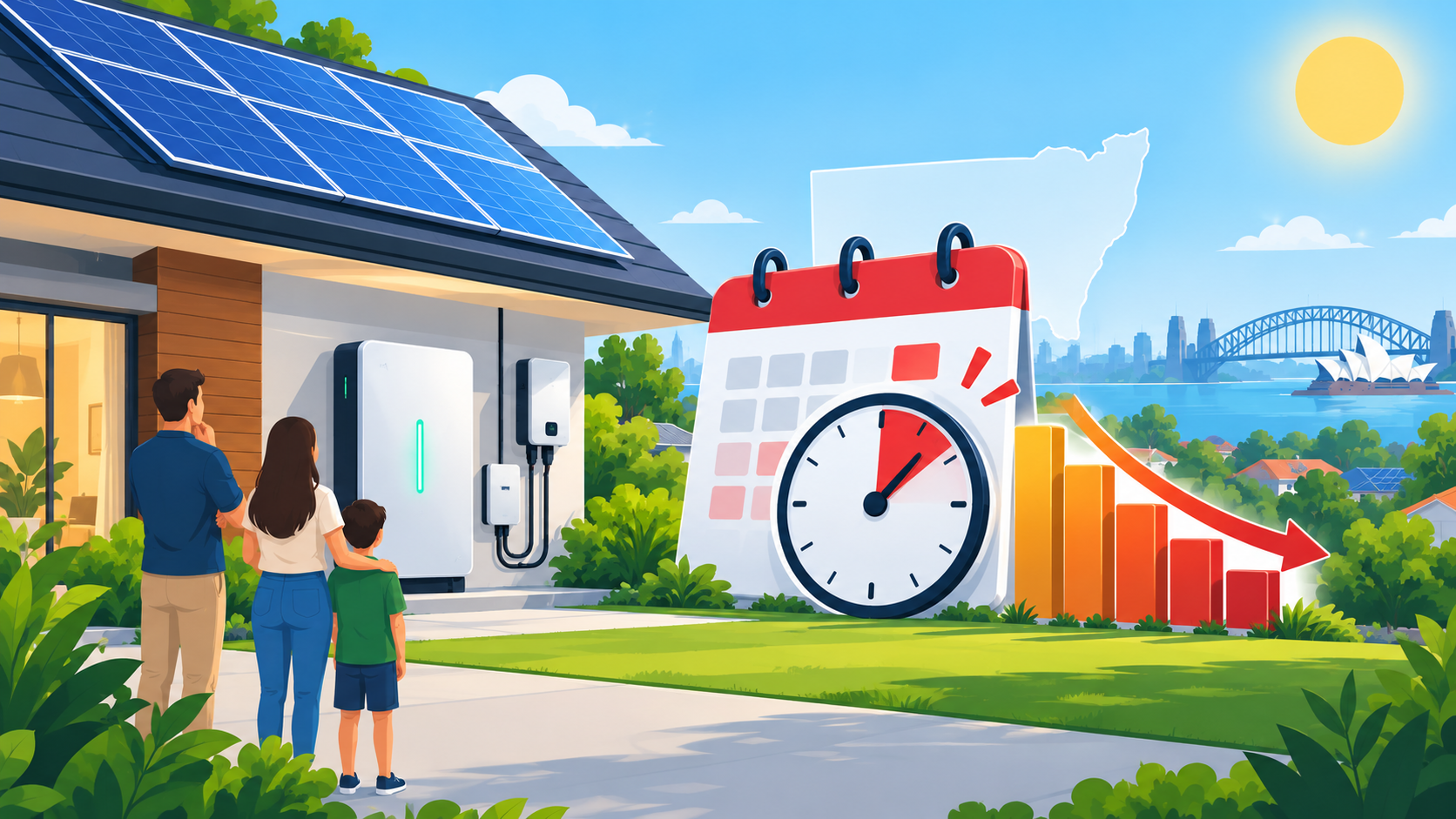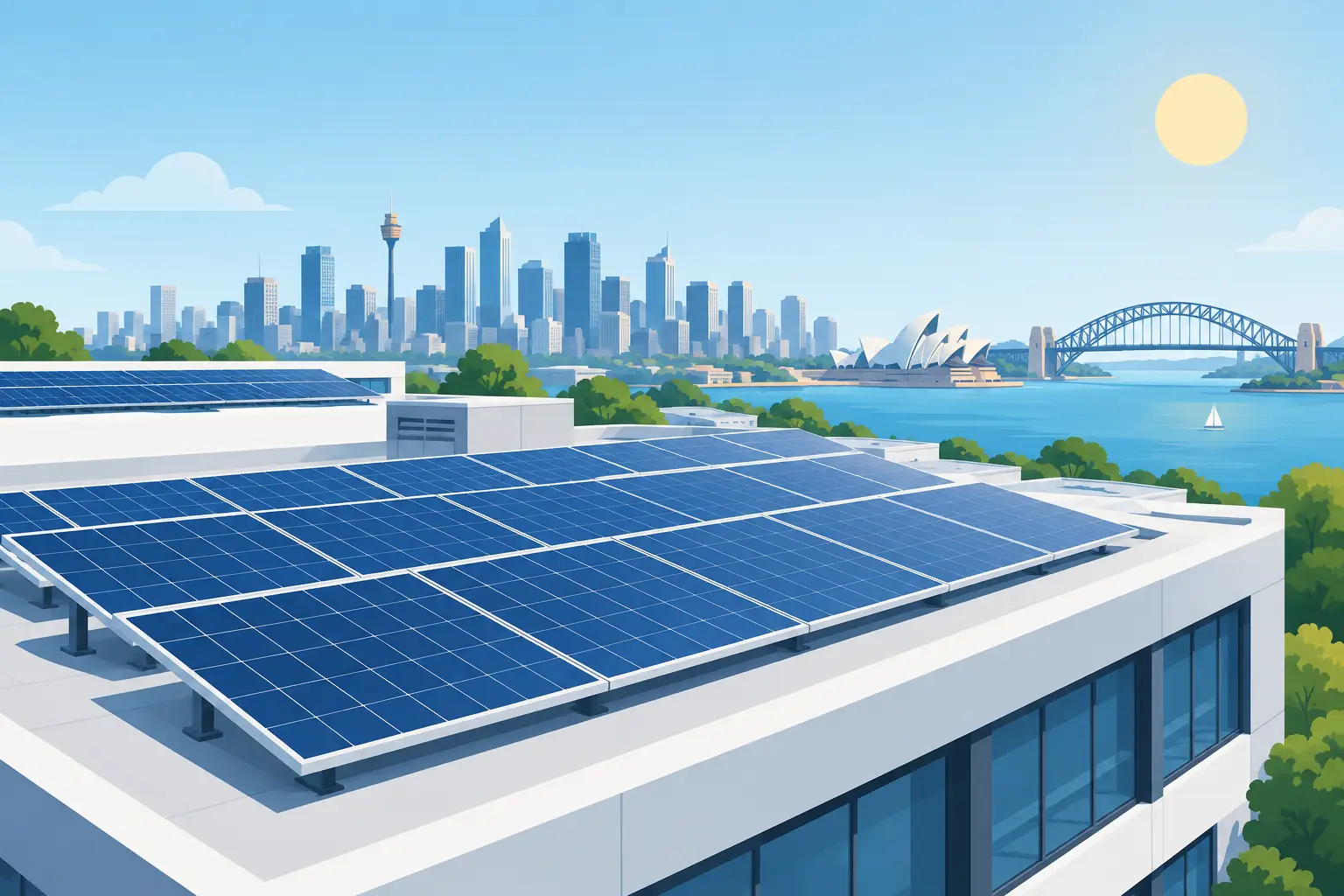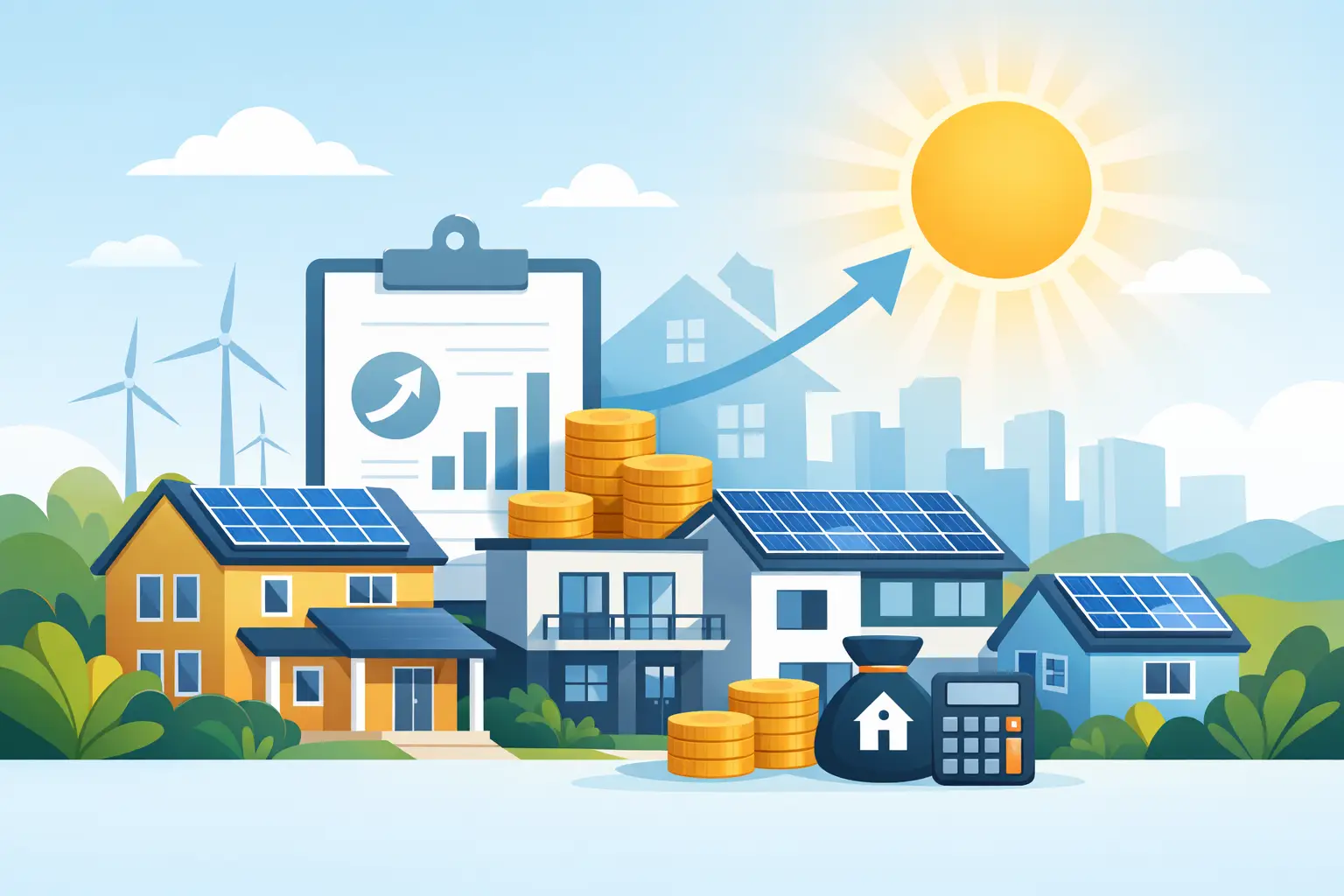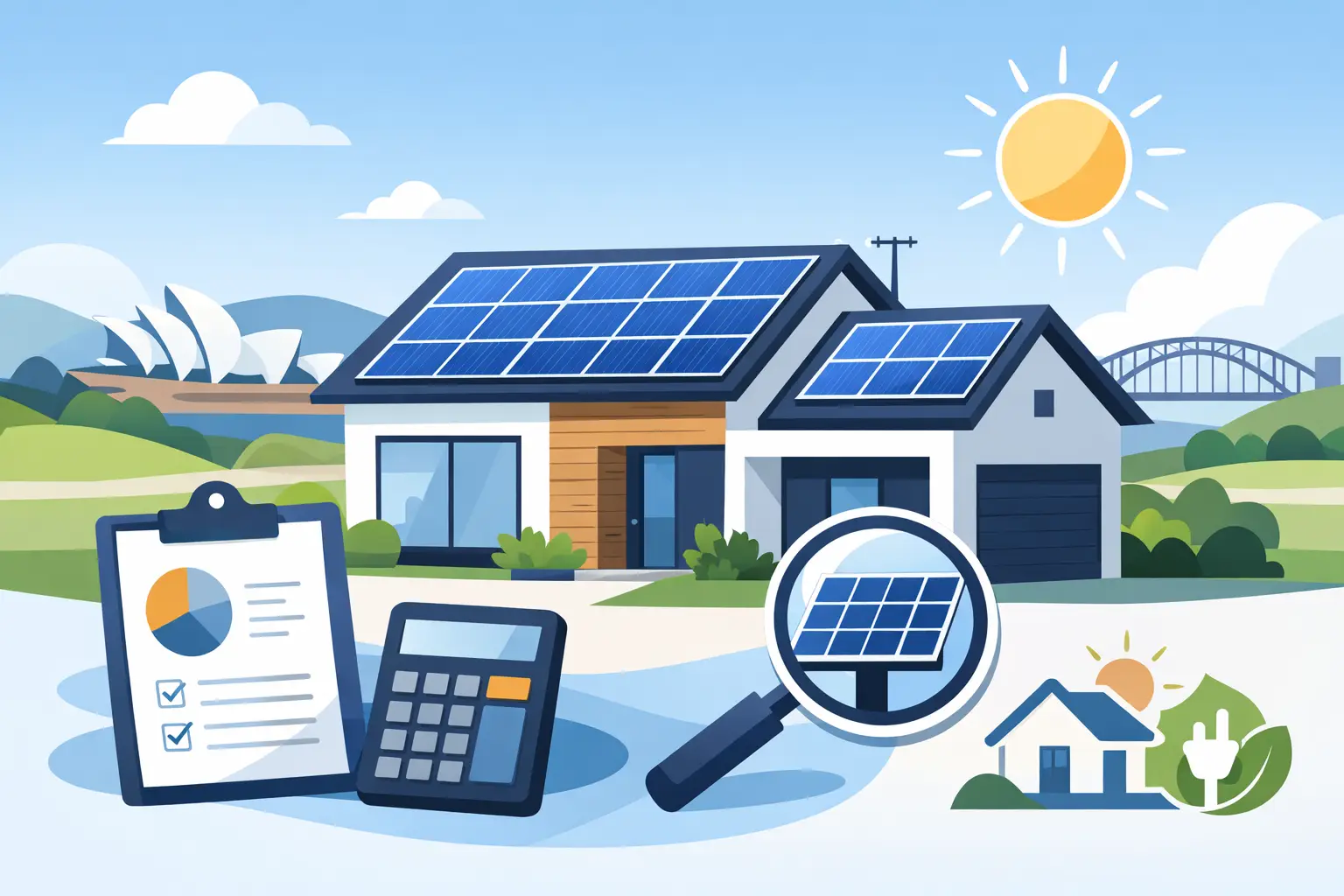
A solar quote can look affordable when the repayment is spread over several years. But with interest-free solar finance NSW offers, the headline rate is only one part of the decision. The real question is whether the finance term, fees, system design and expected energy savings suit your property and budget.
For households and businesses across NSW, finance can make it possible to install solar, battery storage or an EV charger sooner rather than waiting to save the full amount. That can be a sensible move, particularly where power bills are high and the property has a strong solar opportunity. It also means reading every part of the finance proposal with the same care you would apply to panel warranties, inverter specifications and electrical work.
What interest free solar finance in NSW usually means
Interest-free finance is generally offered by a third-party lender or finance provider, often through an approved solar installer. You agree to repay the purchase price over a defined period, commonly through regular instalments. The interest rate may be 0% during that period, but the arrangement can still include establishment fees, account-keeping fees, payment processing charges or other costs.
The most important distinction is between genuinely interest-free finance and deferred-interest finance. With a genuine 0% interest offer, interest is not charged during the agreed promotional term, subject to the contract conditions. With deferred interest, interest may be charged retrospectively or at a higher rate if the balance is not cleared by a set date. These products can be useful in the right circumstances, but they require disciplined repayment planning.
Finance availability, eligibility, loan limits and terms vary between providers. A clear installer should explain who is providing the finance, what you are borrowing, the total amount repayable and what happens if a payment is missed. Never rely on a monthly repayment figure alone.
Compare the total cost, not just the fortnightly payment
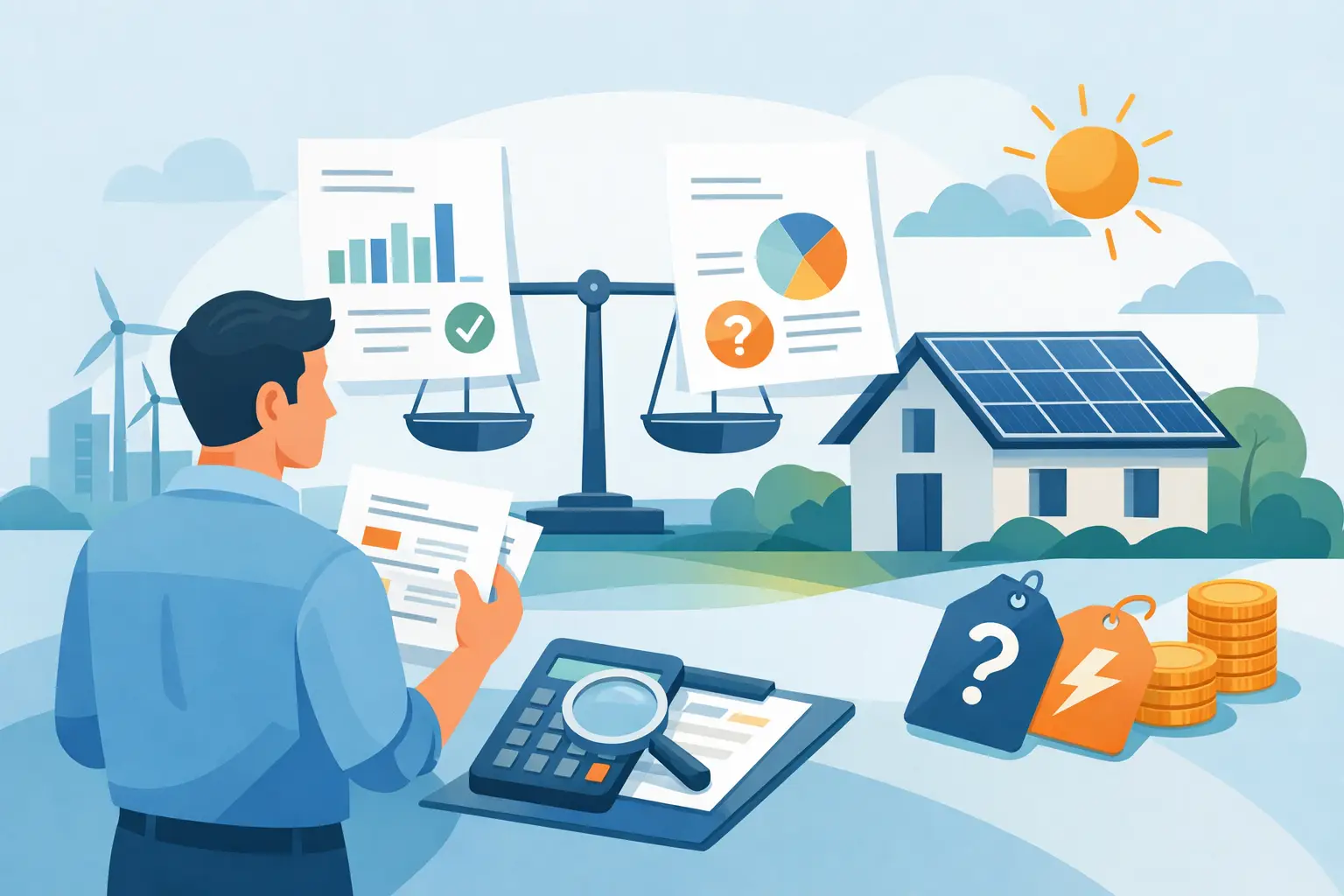
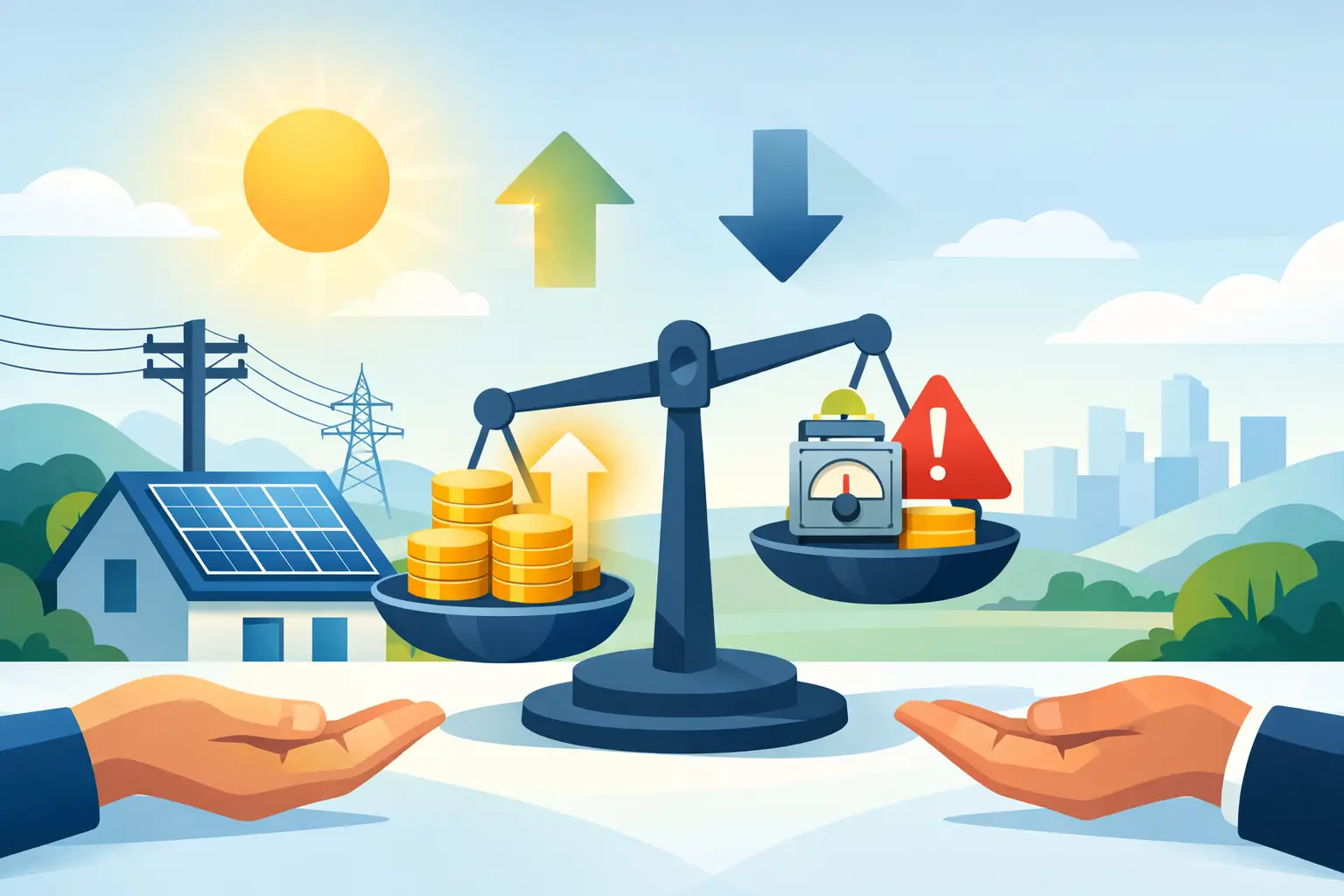
A lower repayment can simply mean a longer contract. Before choosing solar finance, ask for the cash price of the system and a separate written breakdown of every finance cost. This makes it easier to compare a financed installation with paying upfront, using a personal loan, or staging the project.
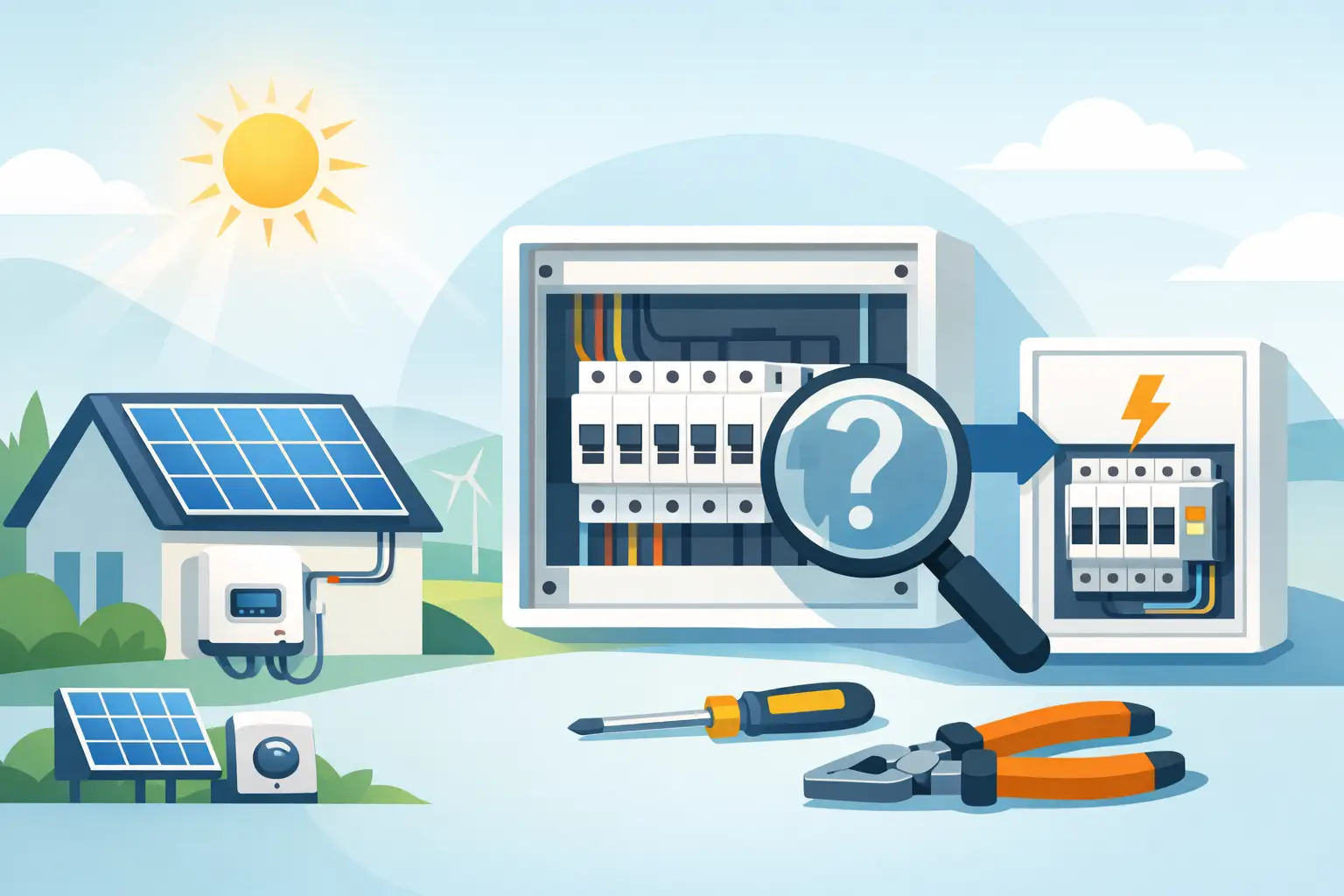
Check whether the quoted amount includes the complete scope of work: solar panels, inverter, mounting, monitoring, switchboard changes, metering coordination, grid connection requirements, battery-ready infrastructure and installation. If your home needs a main switchboard upgrade, roof access equipment or Level 2 electrical work, that should be identified before you sign rather than becoming a surprise variation later.
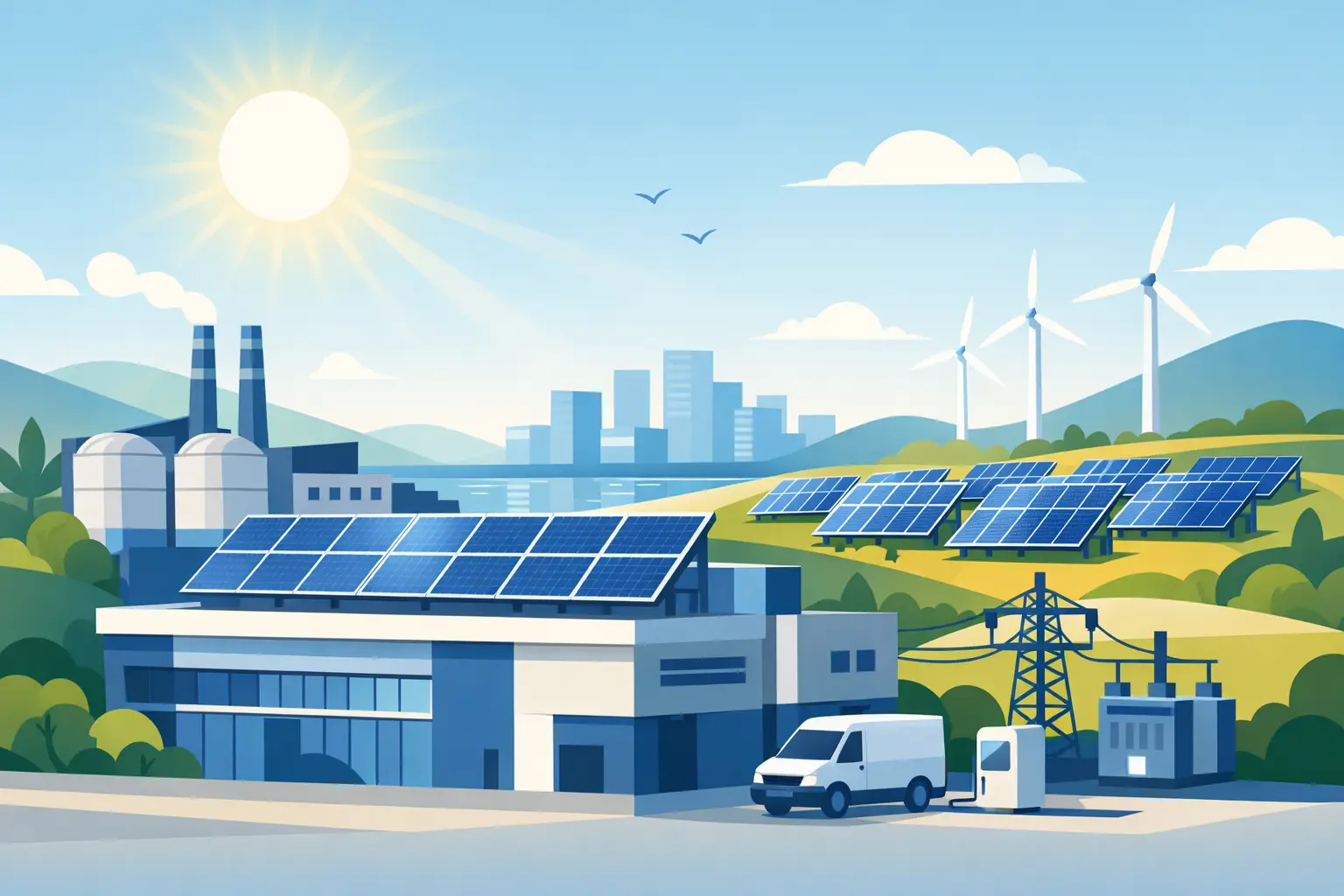
For commercial properties, the same principle applies on a larger scale. A finance structure should be assessed alongside cash flow, tax advice, expected daytime demand, electricity tariffs and the system’s projected production. A large array that is poorly matched to site consumption may not deliver the value suggested by a simple bill-saving estimate.
Questions to ask the finance provider
Ask for the total amount payable over the full term, all fees, the payment schedule and any early repayment conditions. Confirm whether missed payments attract default fees or a different interest rate. If there is a promotional end date, ask what balance must be paid by then and exactly what occurs if it is not.
You should also check whether the agreement is a fixed-term loan, a continuing credit arrangement or a lease-style product. Ownership matters. With most straightforward solar loans, you own the system once it is installed, but contract structures differ. Knowing who owns the equipment can affect insurance, property sales and warranty arrangements.
Make sure the solar system earns its place
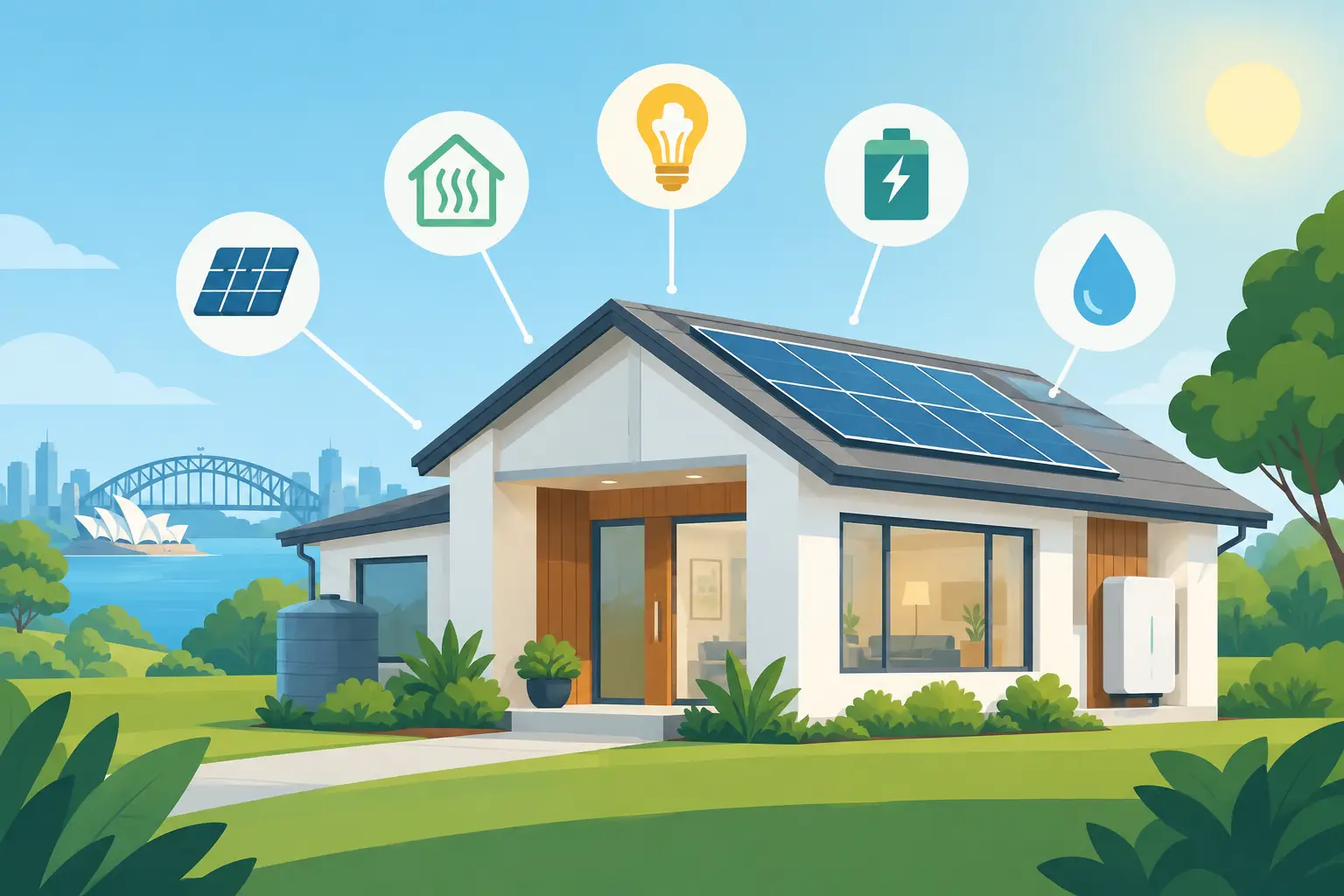
Finance should support a well-designed energy upgrade, not push you towards an oversized or unsuitable package. The right system starts with your electricity use, roof orientation, shading, tariff structure and future plans.
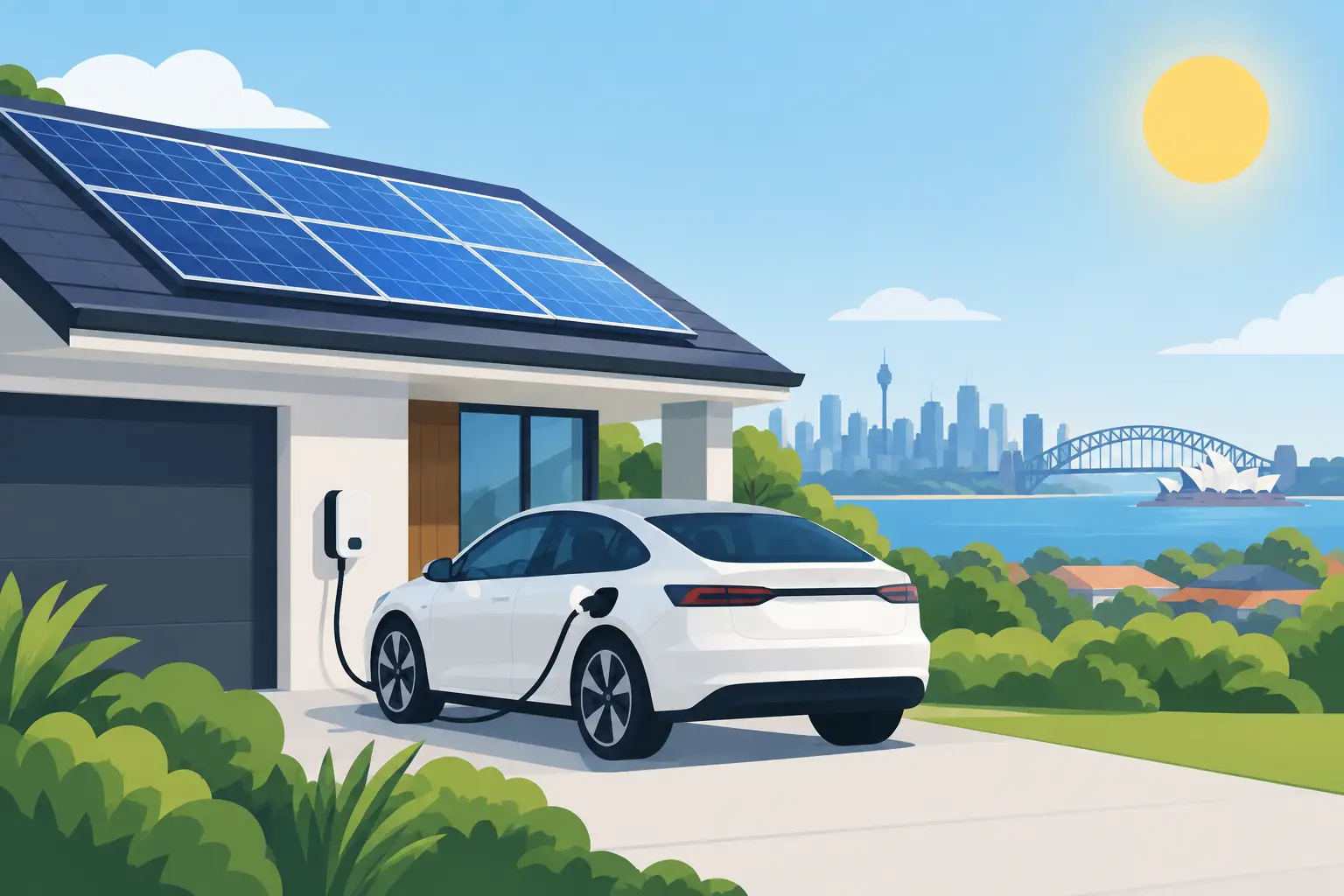
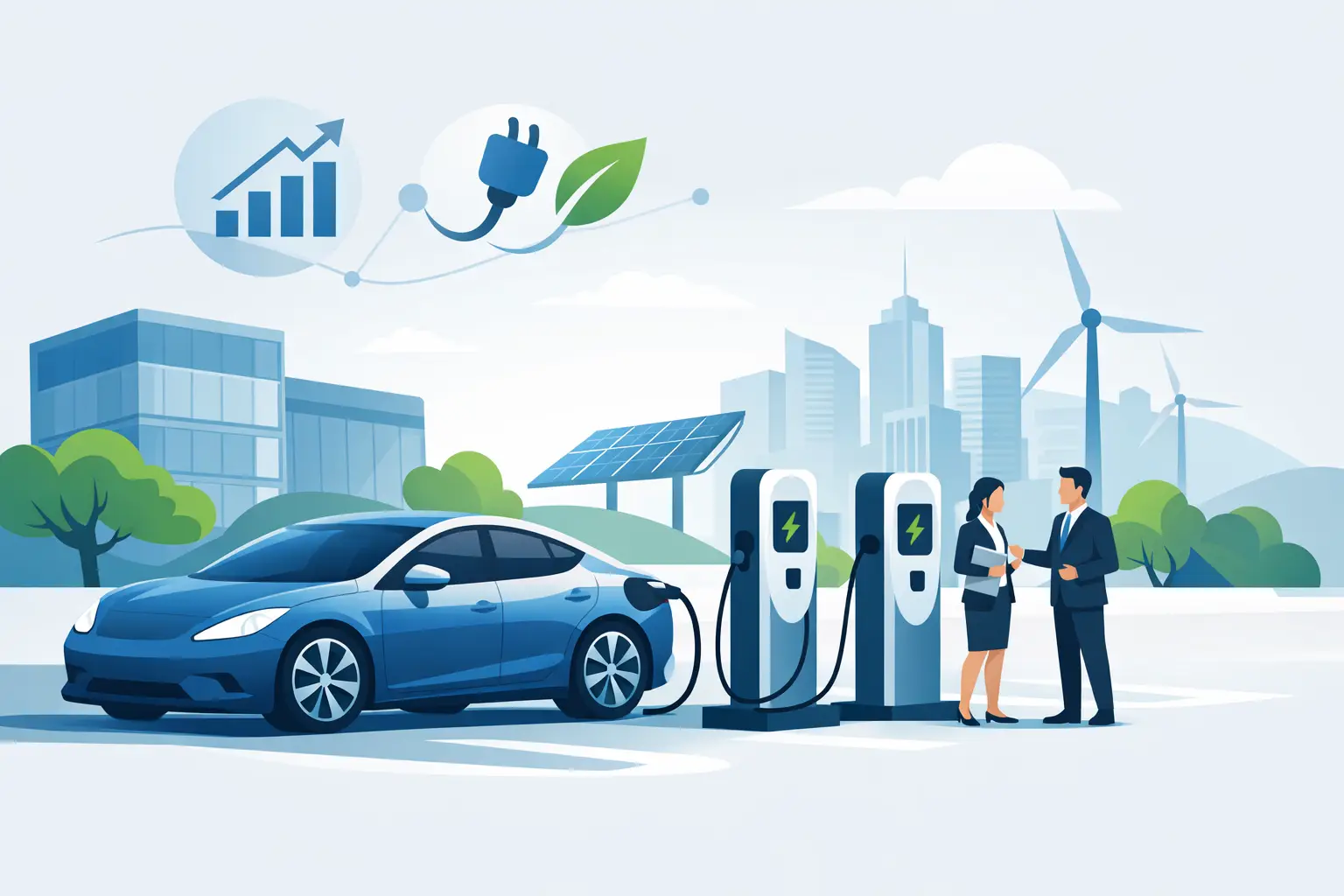
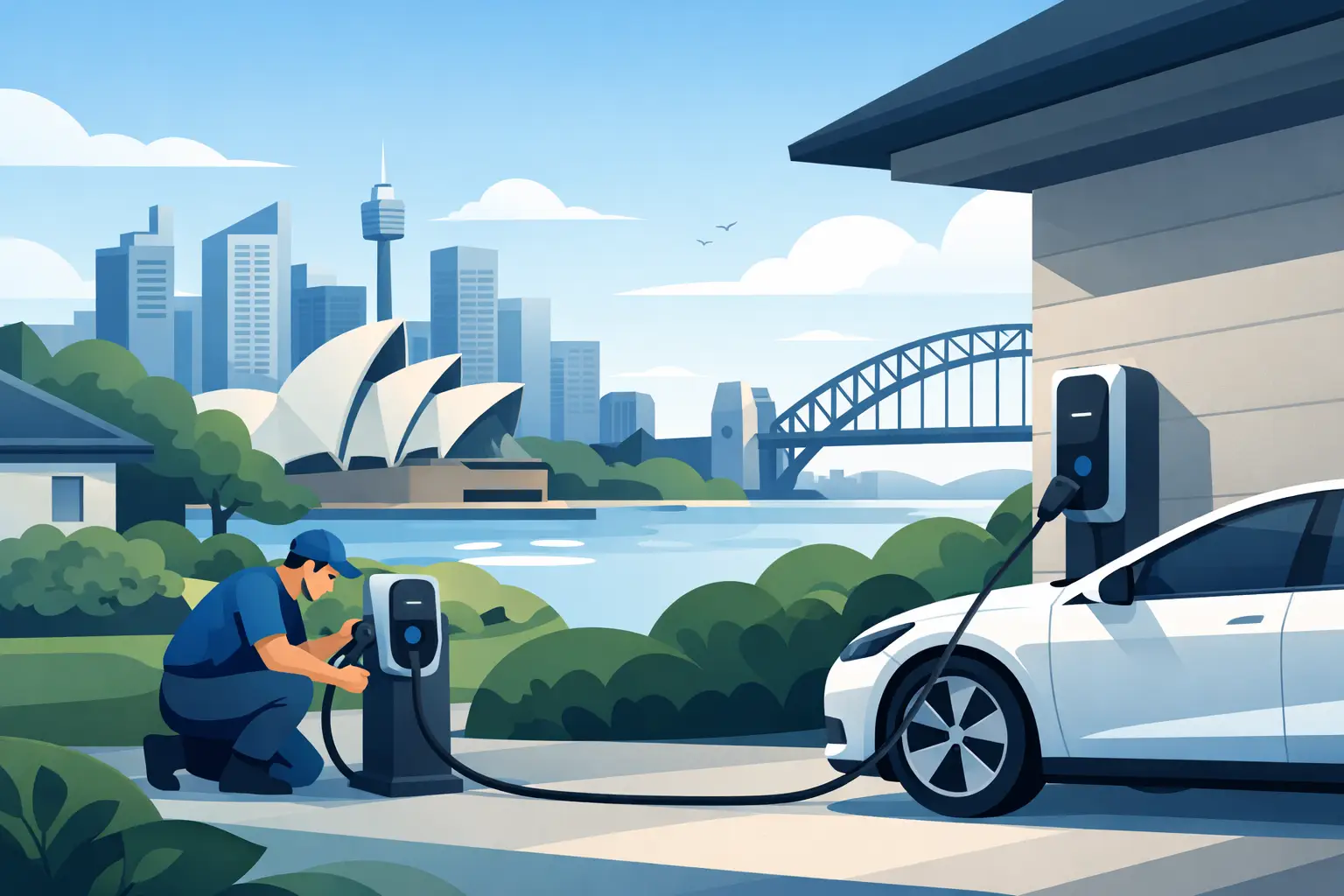
A family that is usually out during the day may benefit from shifting appliance use to solar hours, adding a battery, or selecting a system size that reflects realistic self-consumption. A household with a new EV may have a stronger case for additional solar capacity and smart charging. A business operating through daylight hours can often use a high share of its solar generation directly, which may strengthen the investment case.
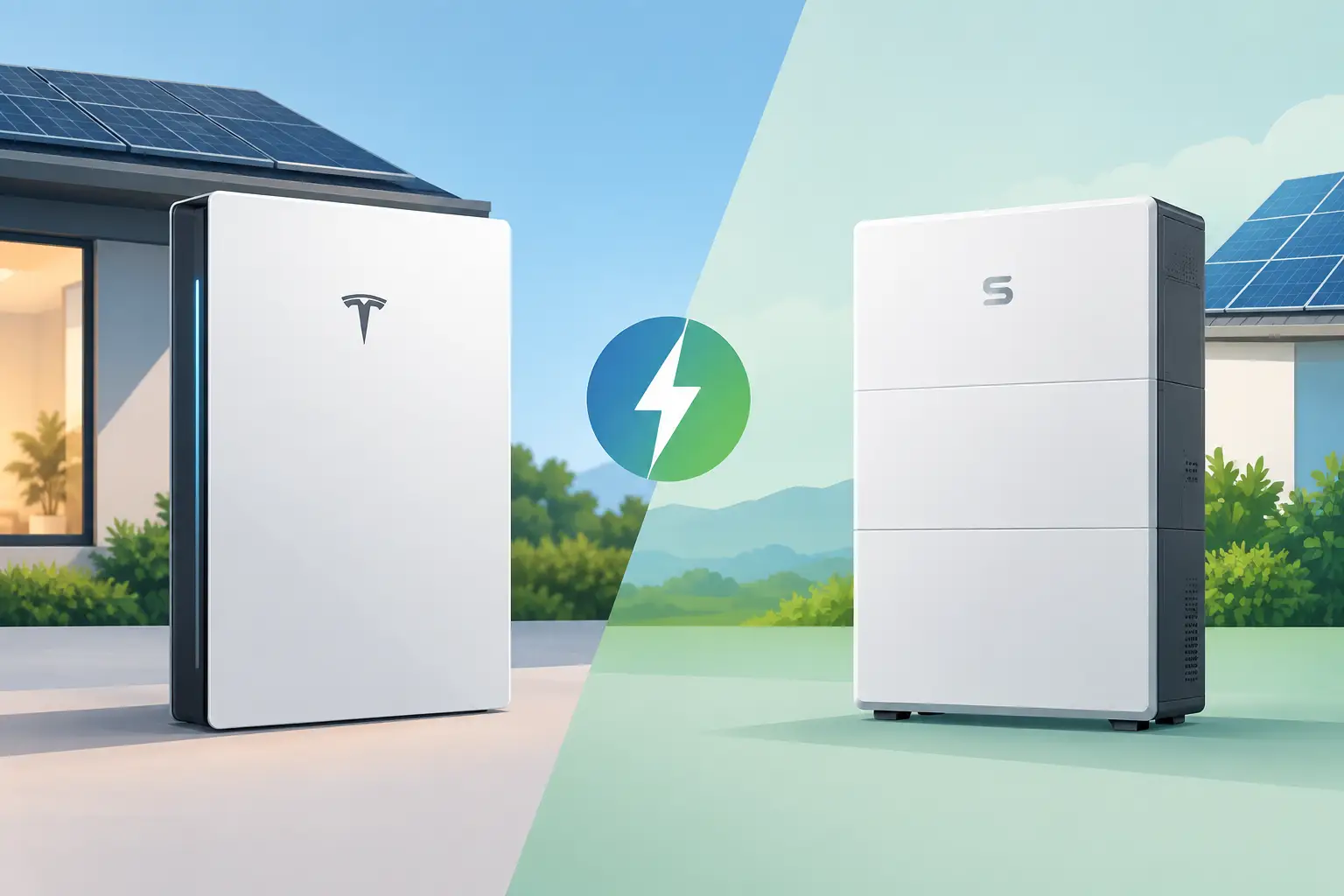
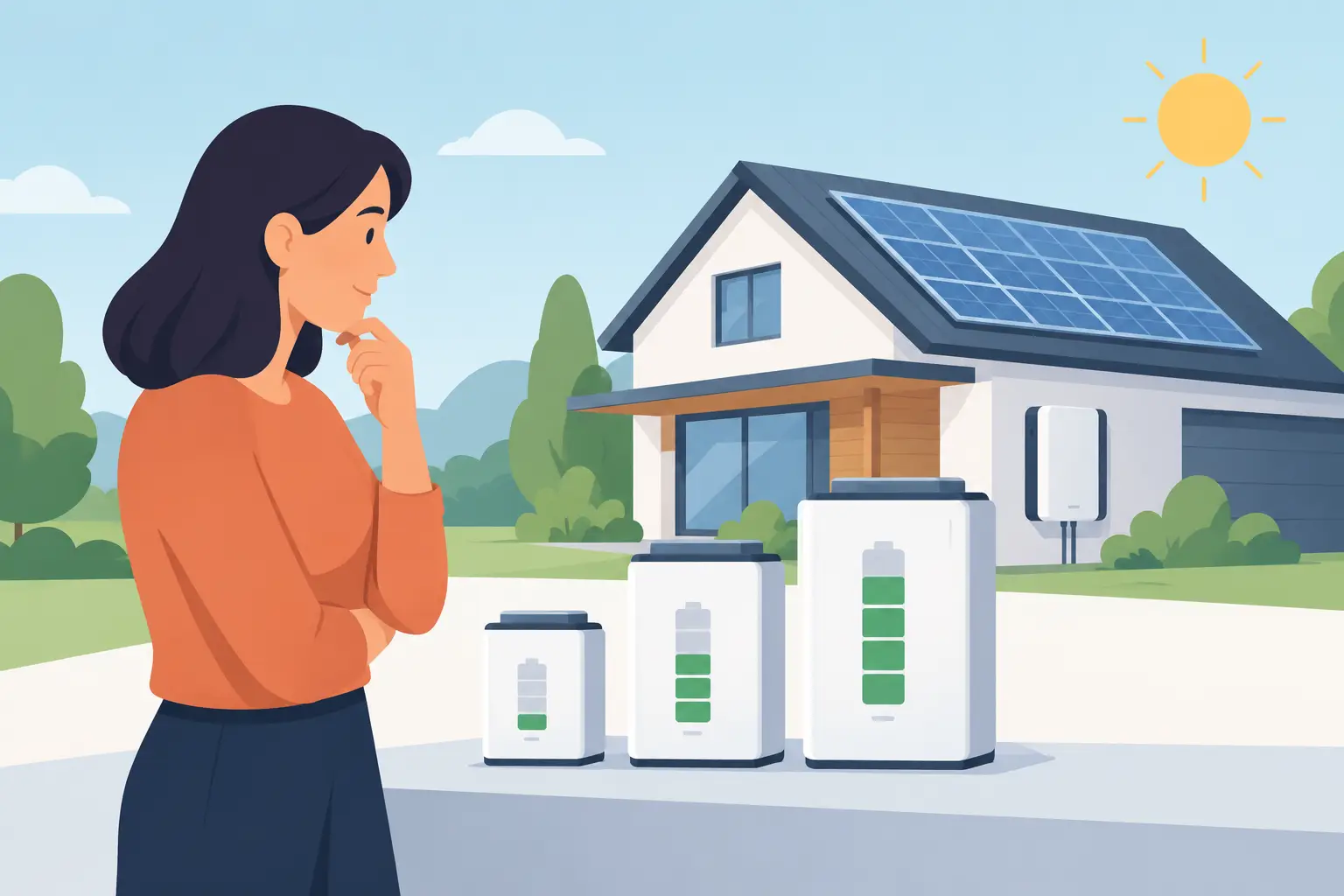
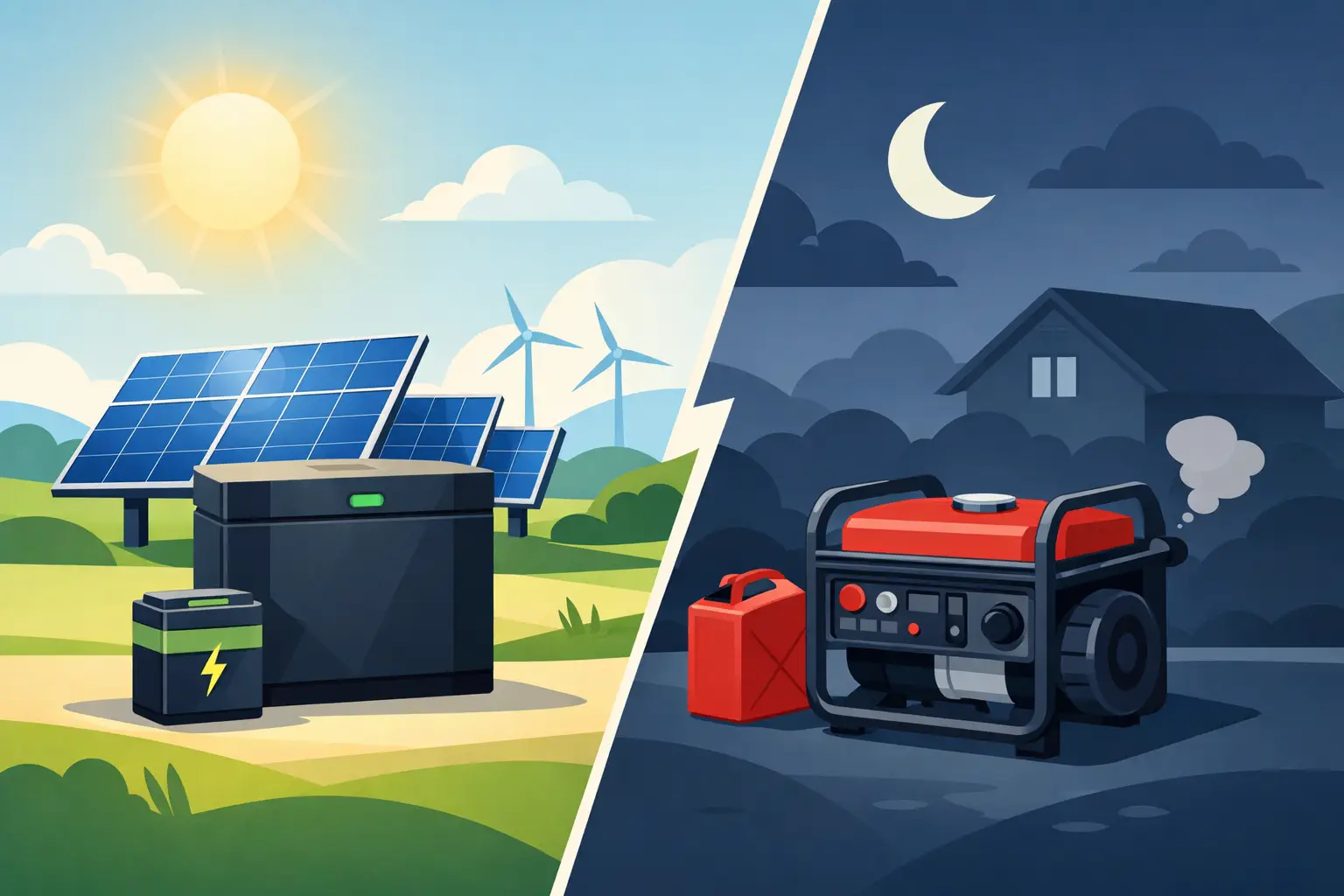
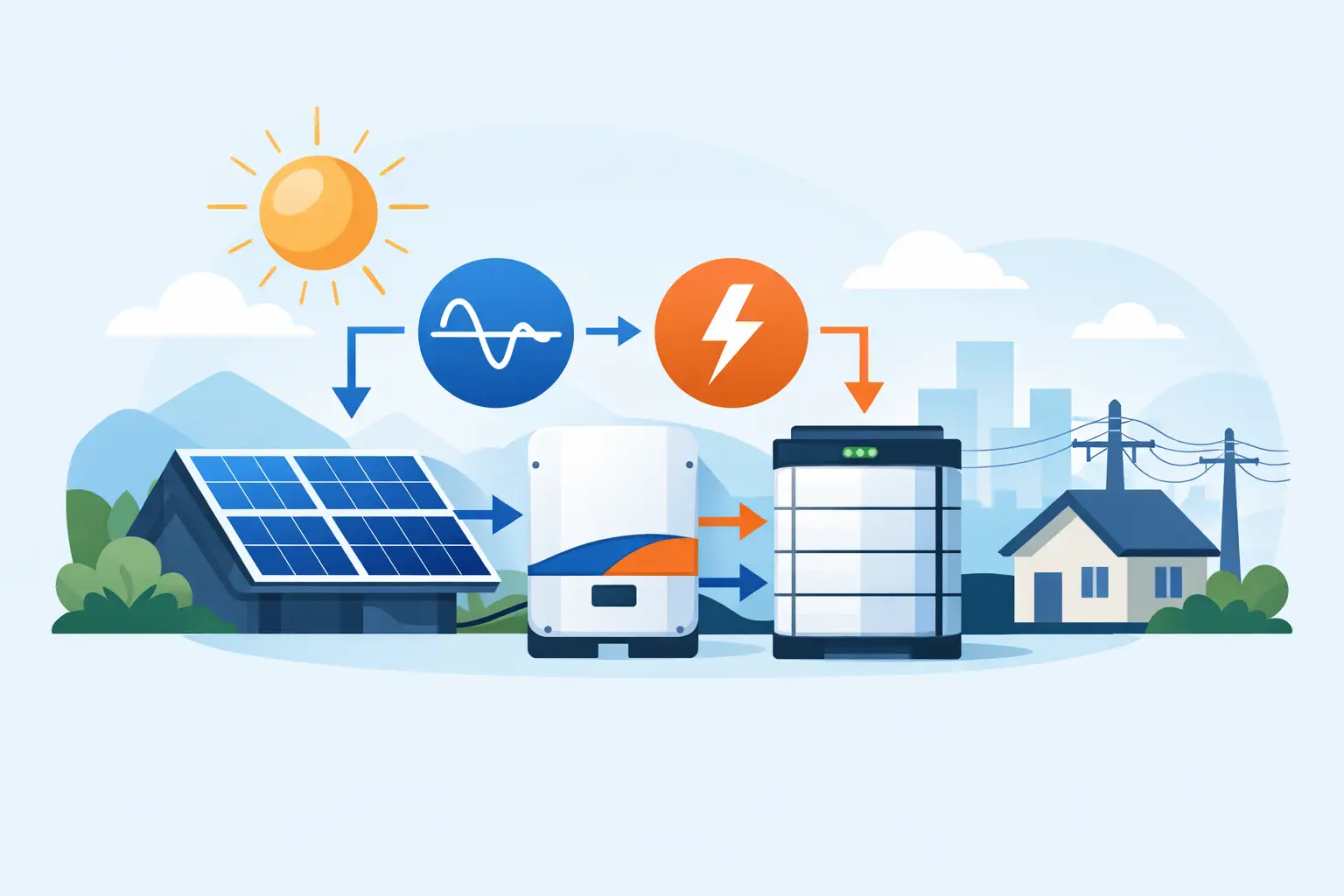
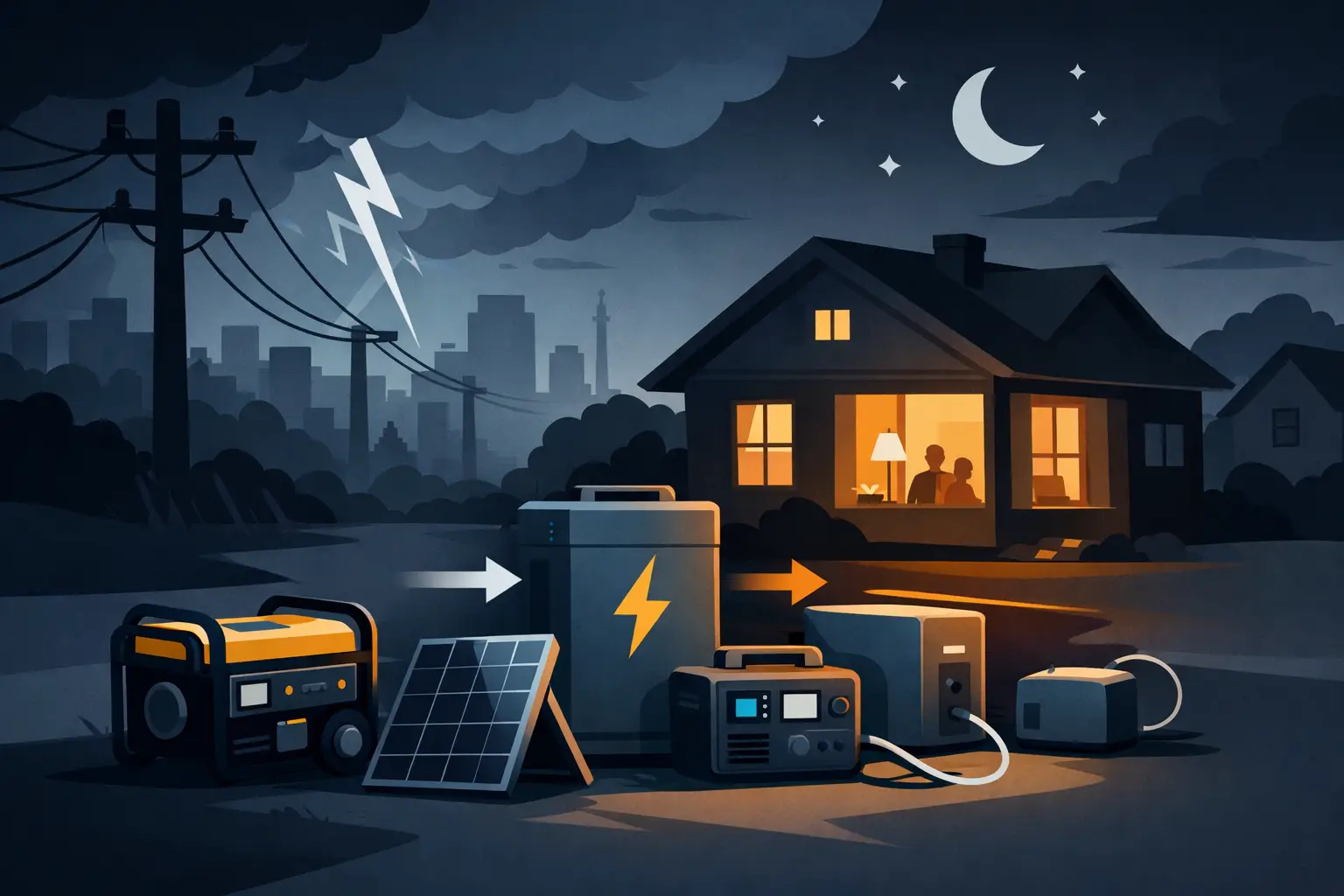
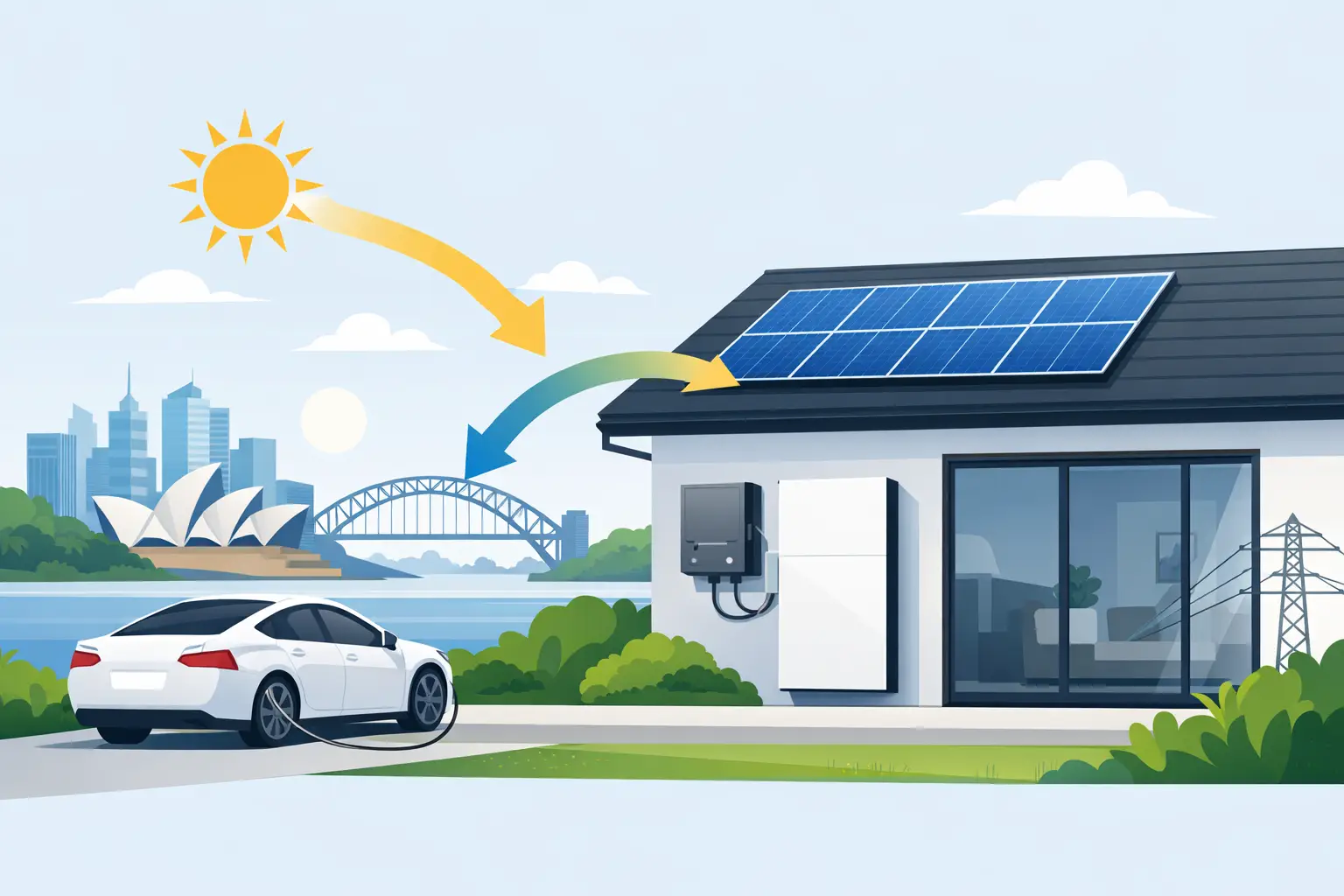
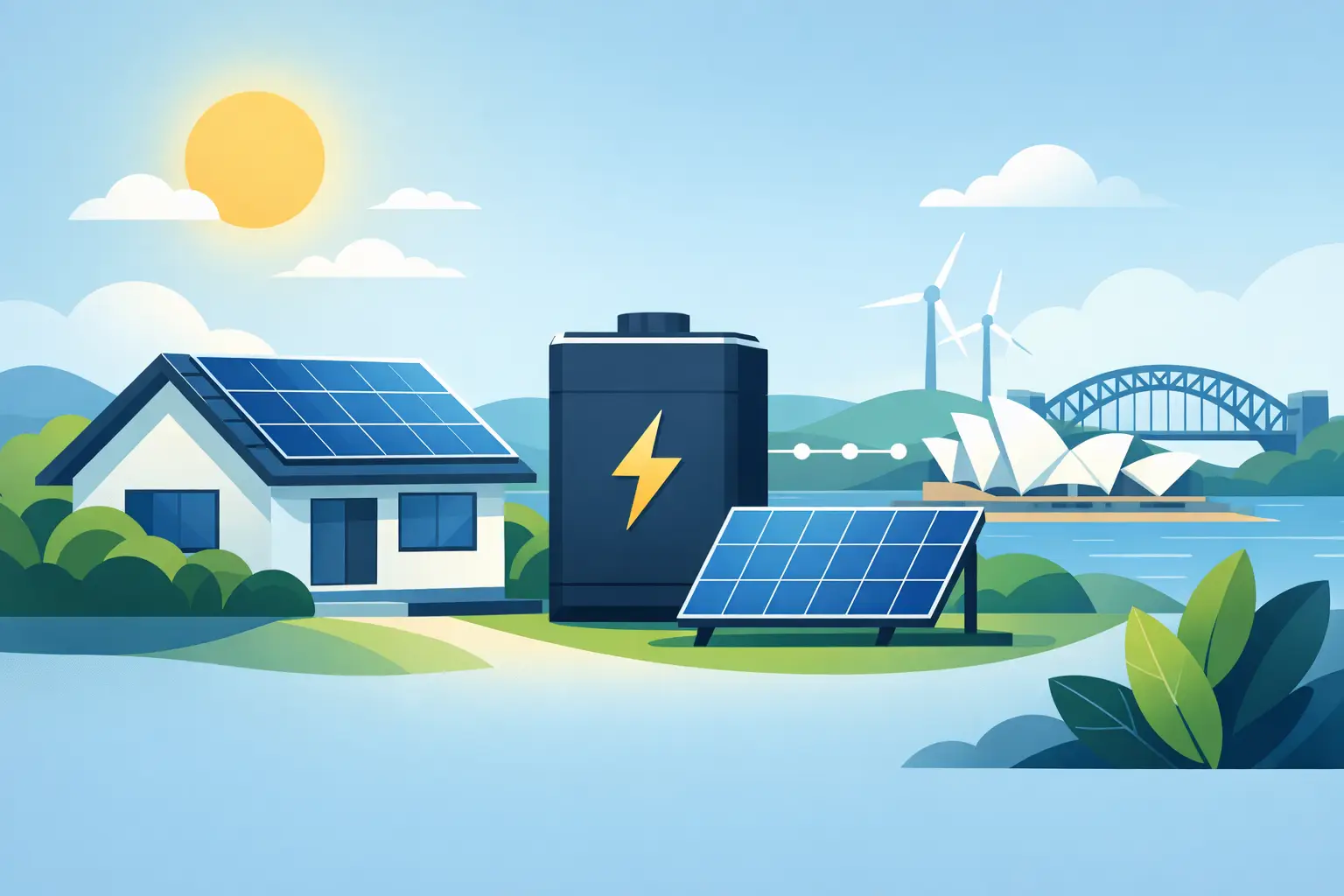
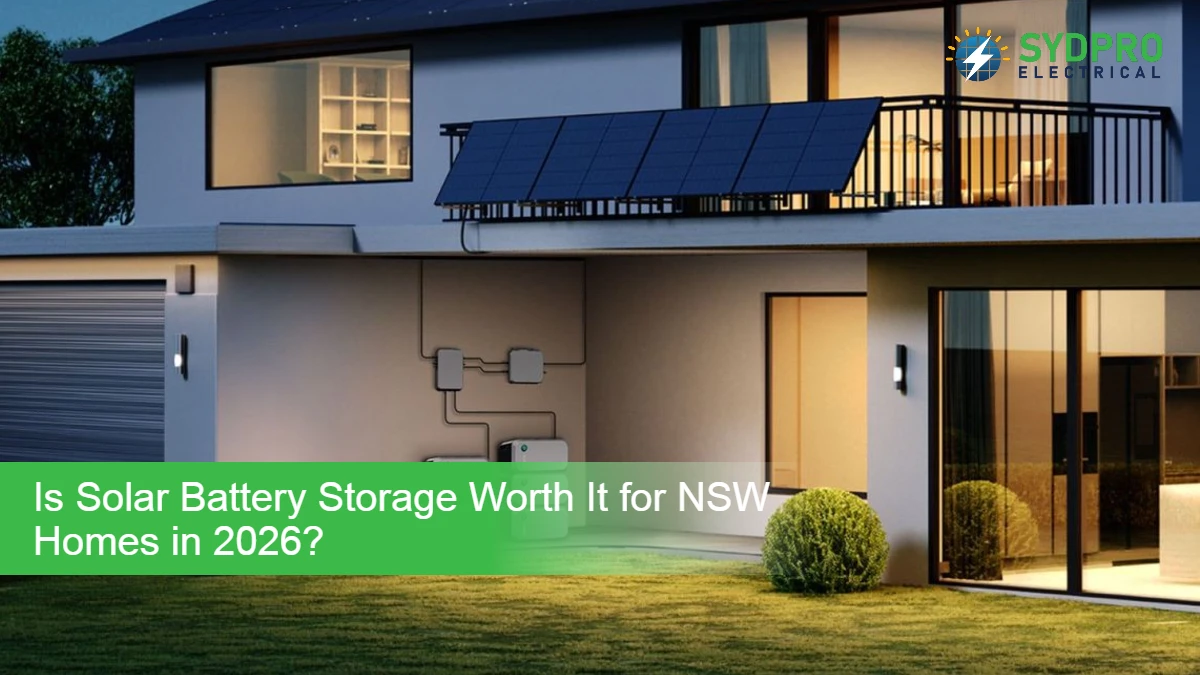
Battery storage needs its own assessment. A battery can increase the use of your solar energy after sunset and provide backup capability where the selected product and site design support it. However, it adds significant upfront cost. The value depends on evening consumption, export rates, tariffs, desired backup circuits and how you intend to use stored energy. Do not assume a battery pays for itself at the same rate as the panels.
A credible proposal should show estimated annual generation, assumptions about electricity prices and exports, likely self-consumption, and the equipment proposed. Estimates are not guarantees, because weather, household behaviour, tariffs and future energy prices change. They are still essential for making an informed comparison.
Rebates and finance are different things
NSW property owners may be eligible for support that reduces the upfront cost of certain clean-energy upgrades, depending on the current program rules and their circumstances. For rooftop solar, the federal Small-scale Renewable Energy Scheme can reduce the installed price through small-scale technology certificates. The value changes over time and should be shown clearly in your quote.
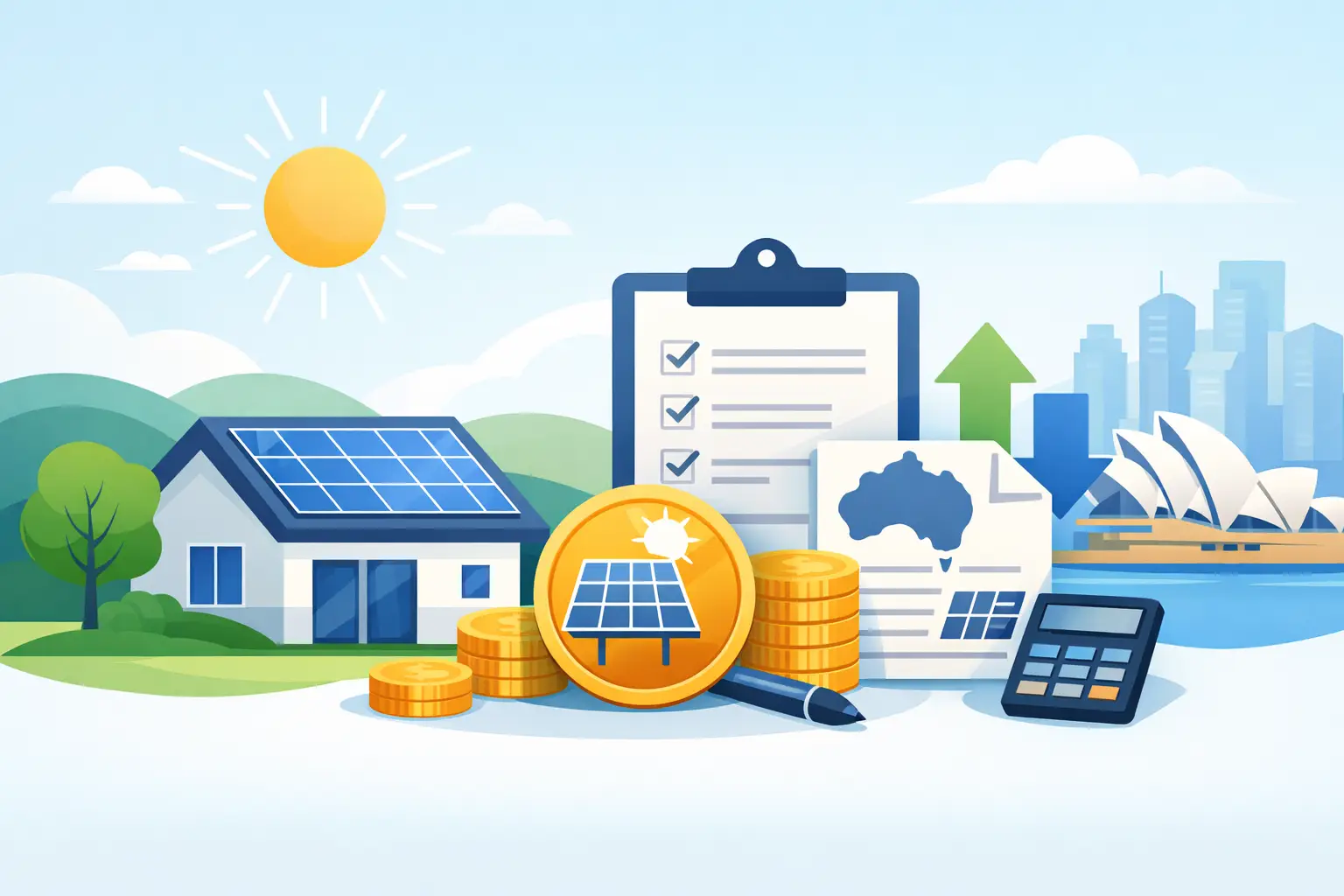
That discount is not the same as interest-free finance. One reduces the upfront system cost; the other changes how you pay the remaining amount. A transparent quote separates the system price, applicable incentives and finance amount so you can see the full picture.
Be cautious of advertising that implies government-backed interest-free finance without clearly naming the program, lender and eligibility conditions. If an offer sounds unusually generous, request the written terms and take time to review them. A reputable contractor will not pressure you to sign on the spot.
Why electrical capability matters to the finance decision
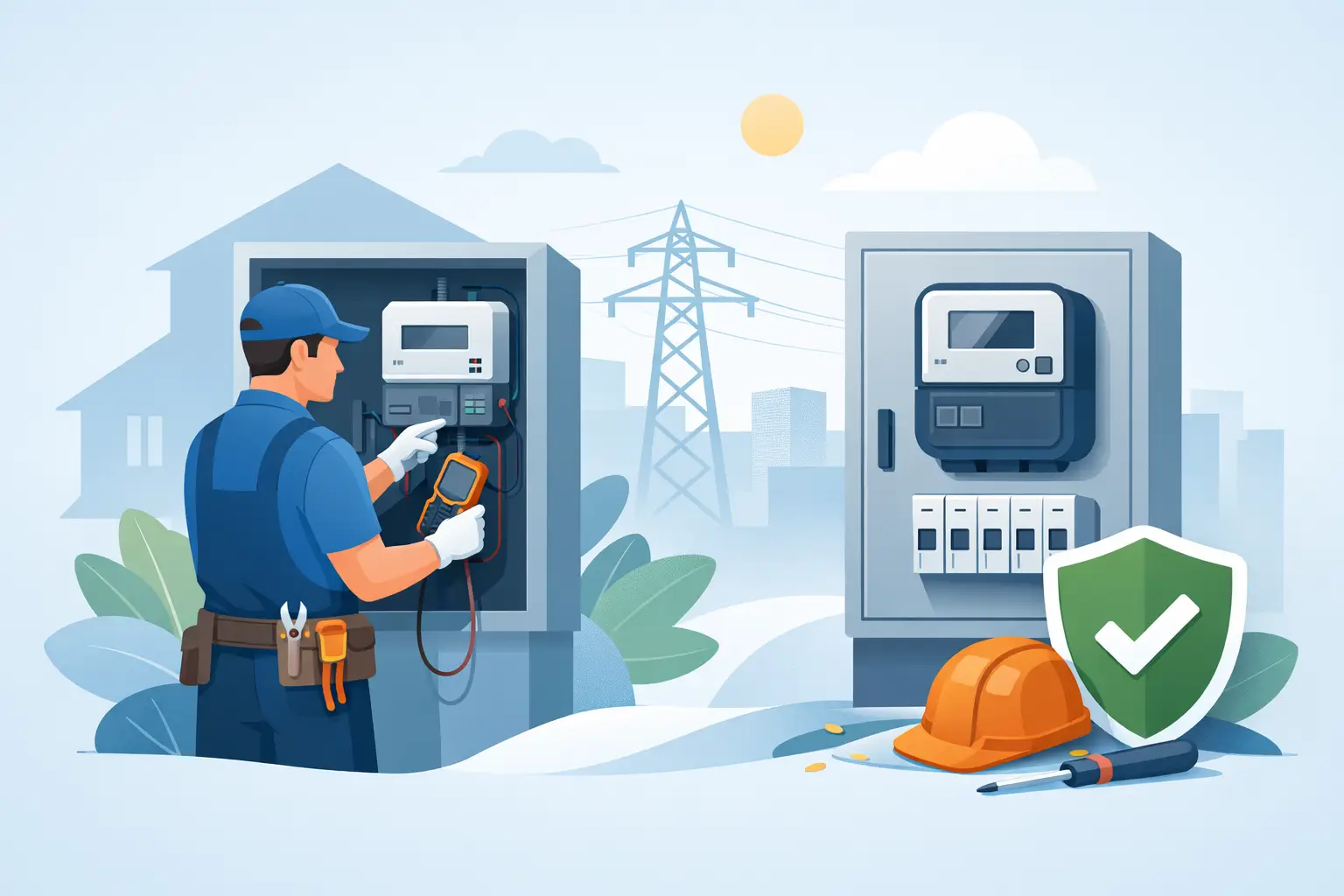
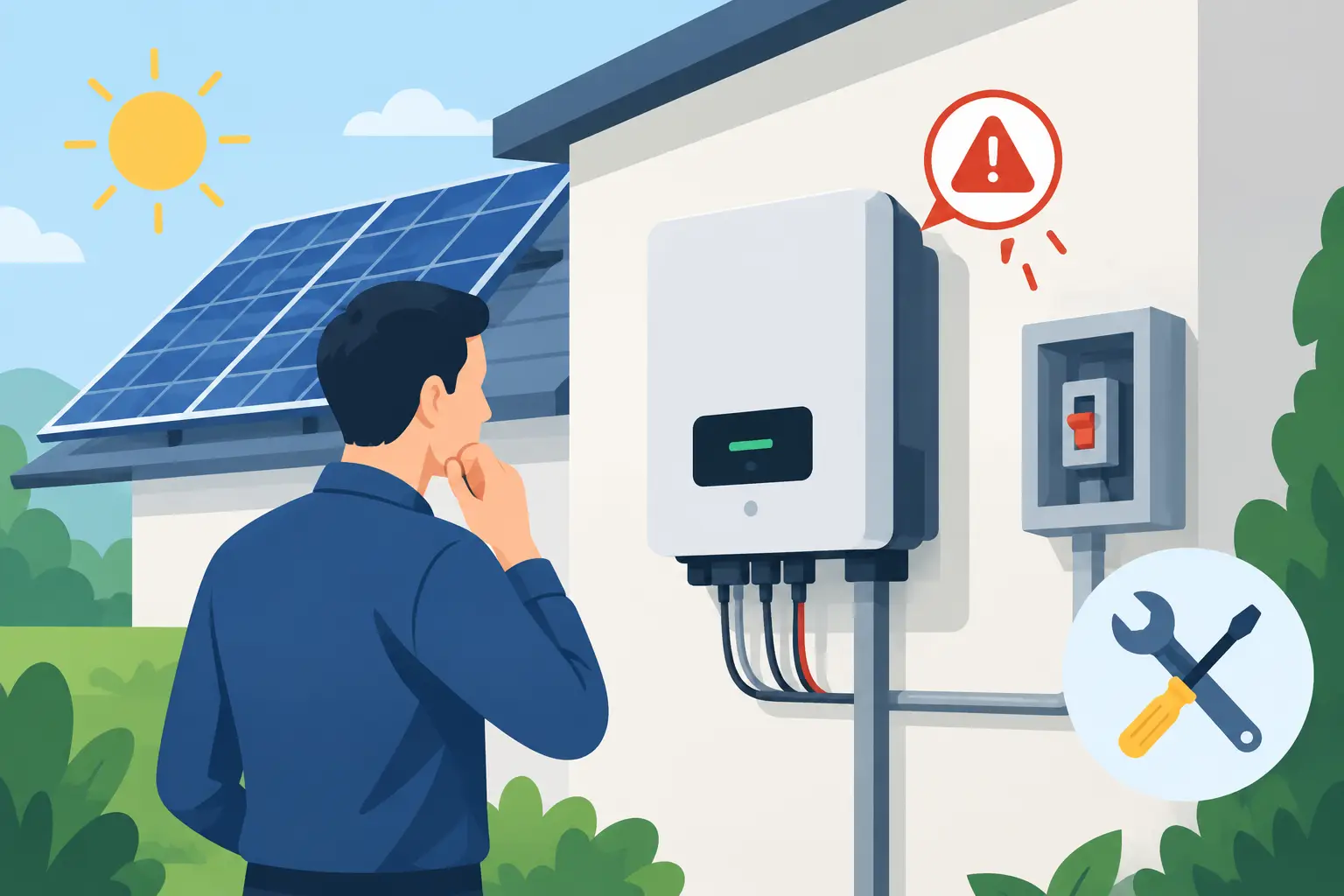
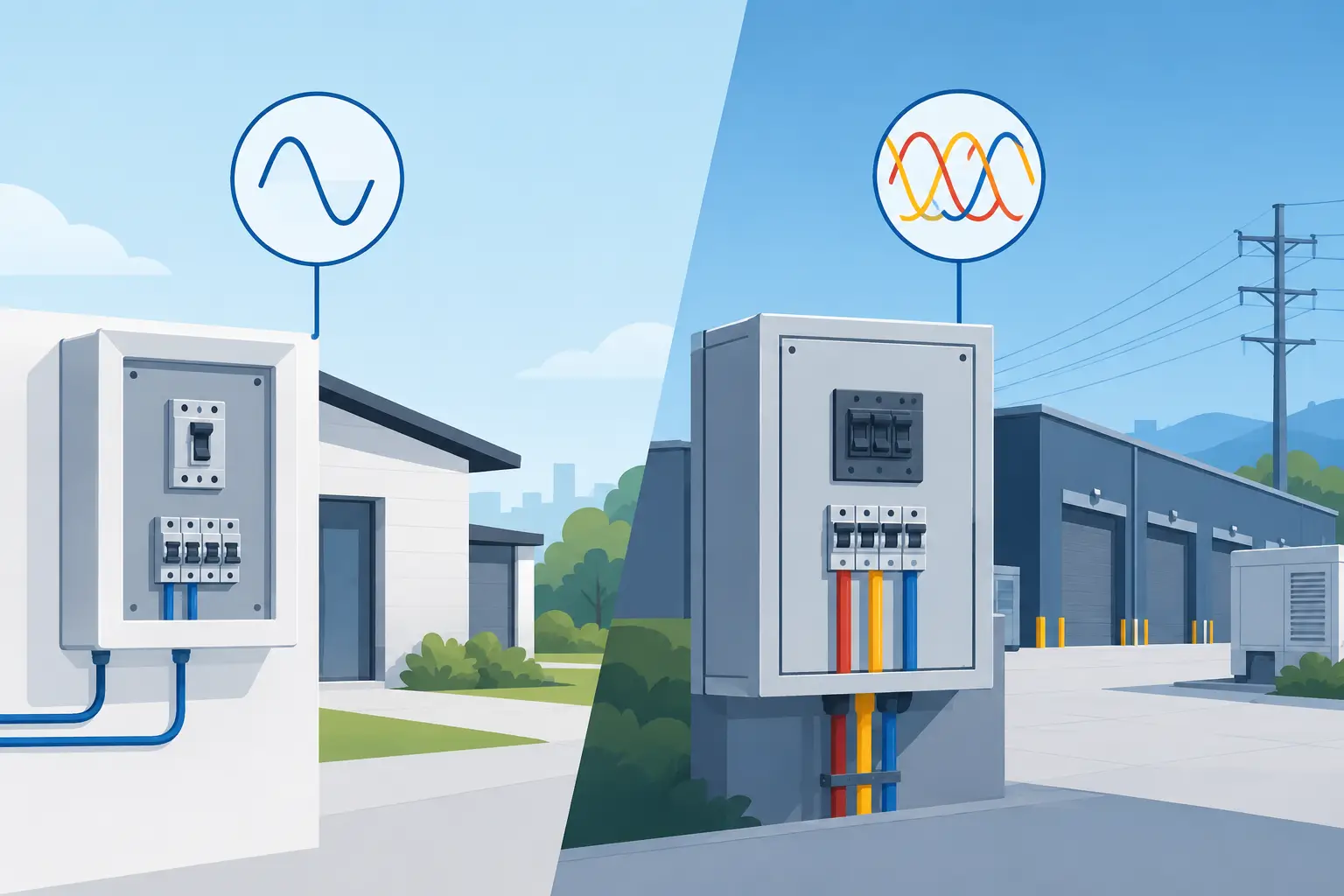
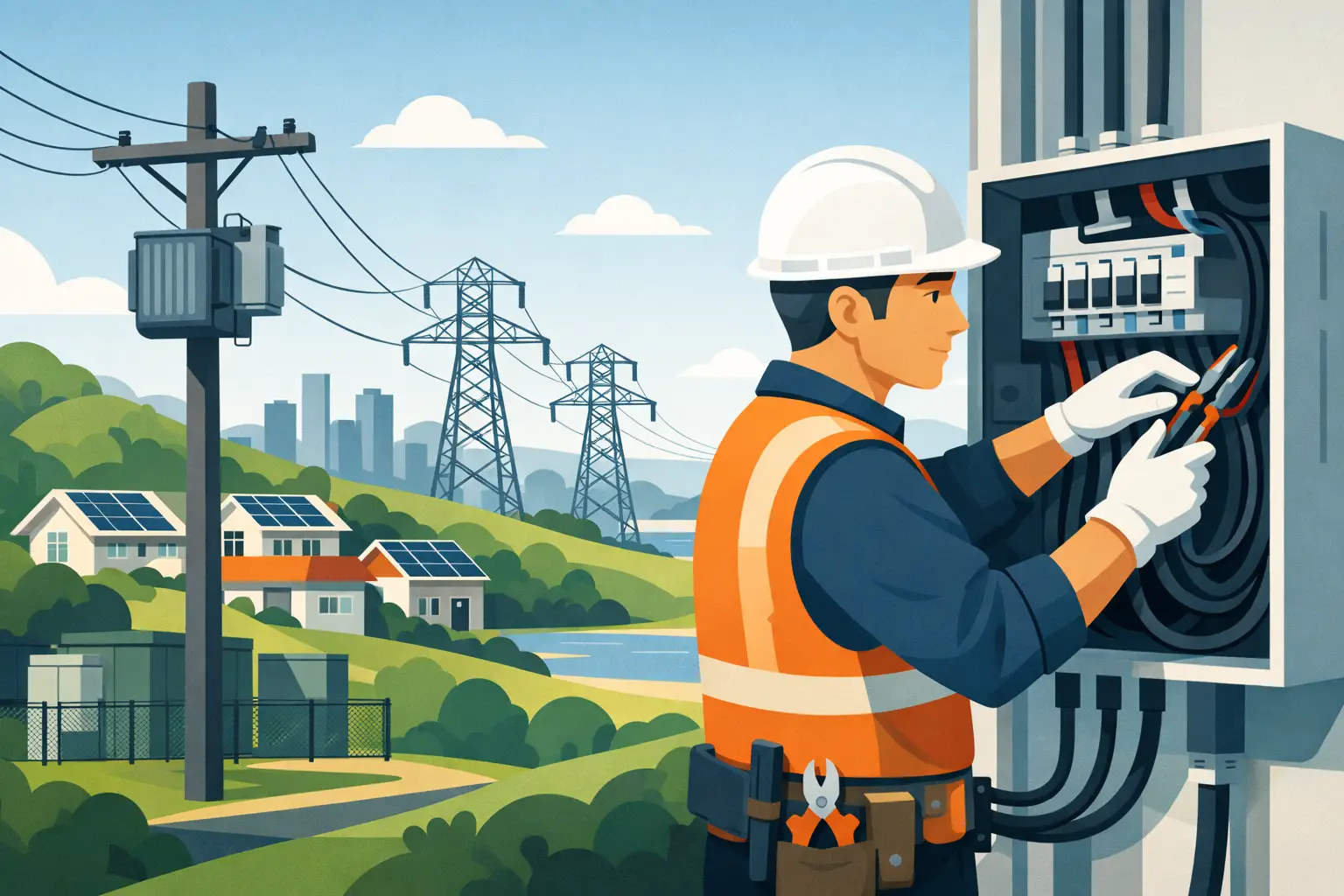
Solar is connected electrical infrastructure, not just equipment attached to a roof. The quality of the assessment and installation affects safety, compliance, performance and the likelihood of unplanned costs. This is particularly relevant for older NSW homes with ageing switchboards, limited capacity or complicated service connections.
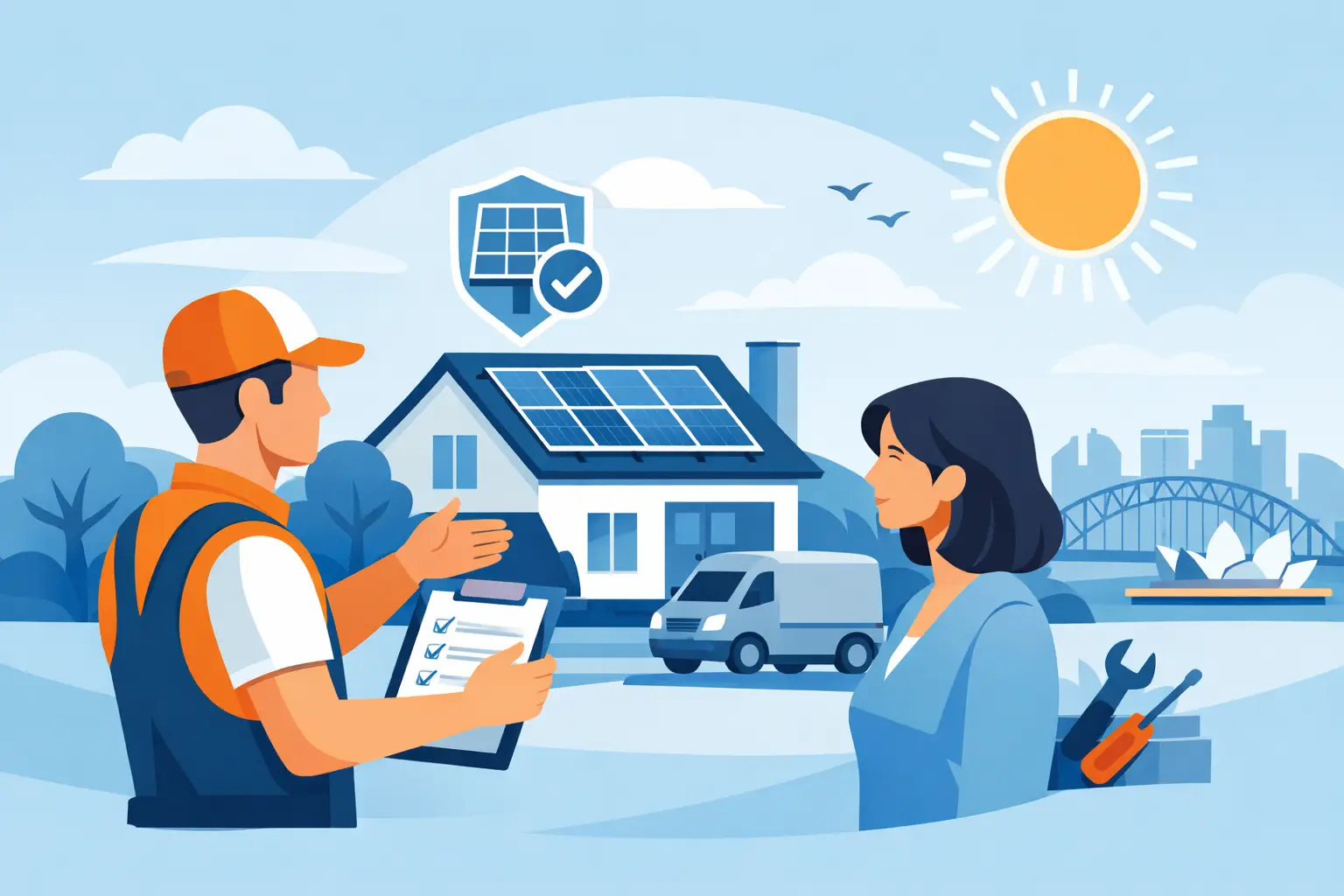
Using a contractor with Clean Energy Council SAA accreditation and Level 2 ASP capability can simplify projects where solar installation intersects with metering, consumer mains, switchboard upgrades or grid connection work. It means the team assessing the energy system can also identify regulated electrical requirements early and coordinate the work appropriately.
At Sydpro Solar Solutions, that integrated capability helps customers receive a clearer scope before committing to a solar, battery or EV charging project. It is a practical safeguard when finance is involved: you want to know the installed project cost as accurately as possible before repayments begin.
When interest-free solar finance can make sense
Interest-free finance may suit an owner-occupier whose current bills are high, who has stable income and who can comfortably meet the scheduled payments without relying on uncertain future savings. It can also suit a business that needs to preserve working capital while investing in lower daytime energy costs.
It is less suitable if the repayment schedule would strain your household budget, the term relies on clearing a large final balance, or the offer includes fees that materially erode the benefit of 0% interest. If you expect to sell the property soon, consider how the finance agreement will be settled and whether the system’s value will be recognised by prospective buyers.
Take time to compare like-for-like proposals. A cheaper system is not automatically better value if it uses lower-spec equipment, excludes required electrical work or provides limited support after installation. Equally, premium equipment should be justified by performance, warranty, compatibility and the needs of your site.
A better way to decide
Start with a detailed site assessment and a fixed, itemised quote. Then compare the cash price with the total financed cost, not only the advertised rate. Review the repayment schedule against your existing bills and remember that solar savings build over time rather than arriving as a guaranteed credit on day one.
The best finance arrangement is one that leaves you confident about the system, the installer and every dollar you will repay. A well-sized, safely installed energy system can begin reducing your reliance on grid electricity while preparing your property for batteries, EV charging and the energy demands ahead.