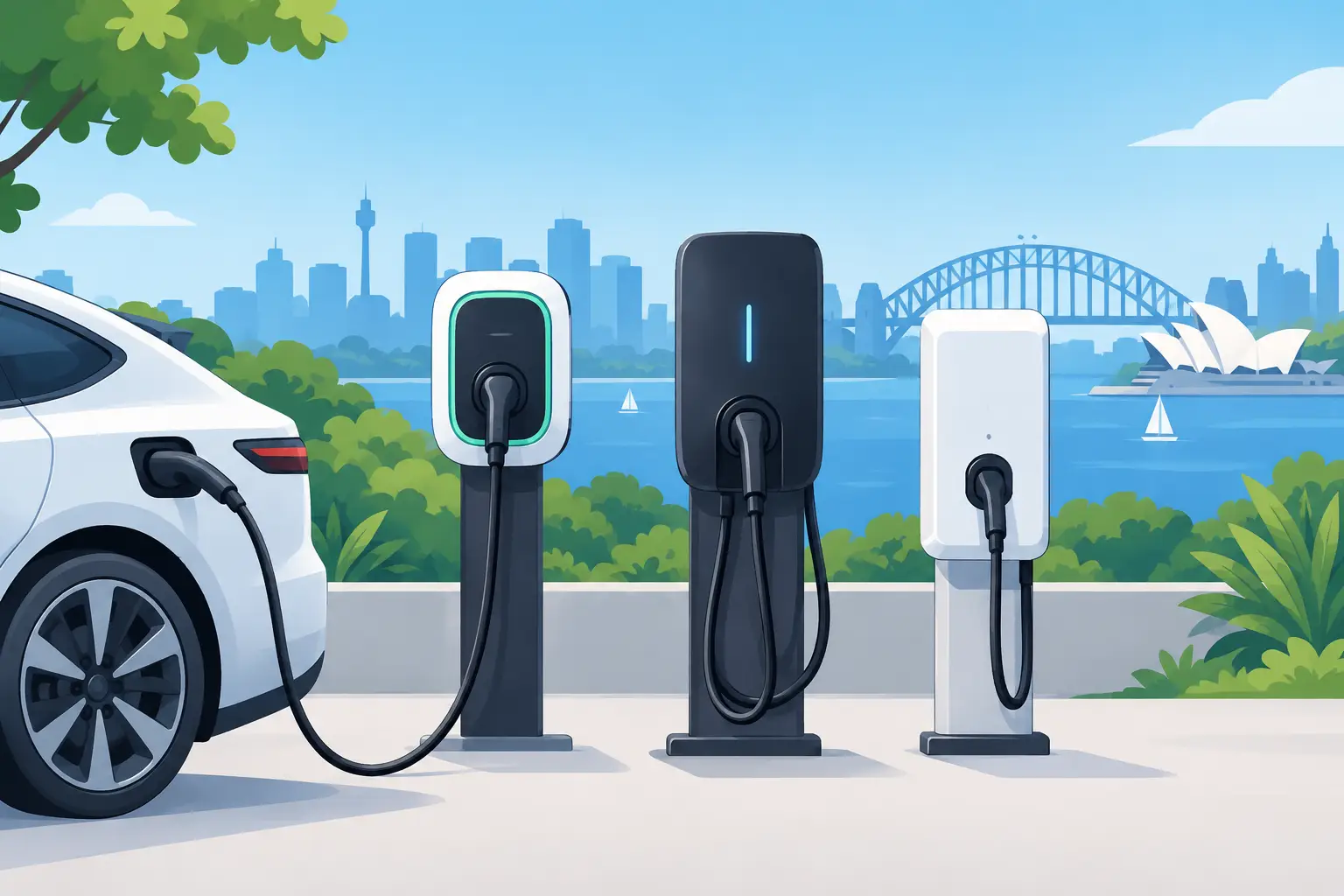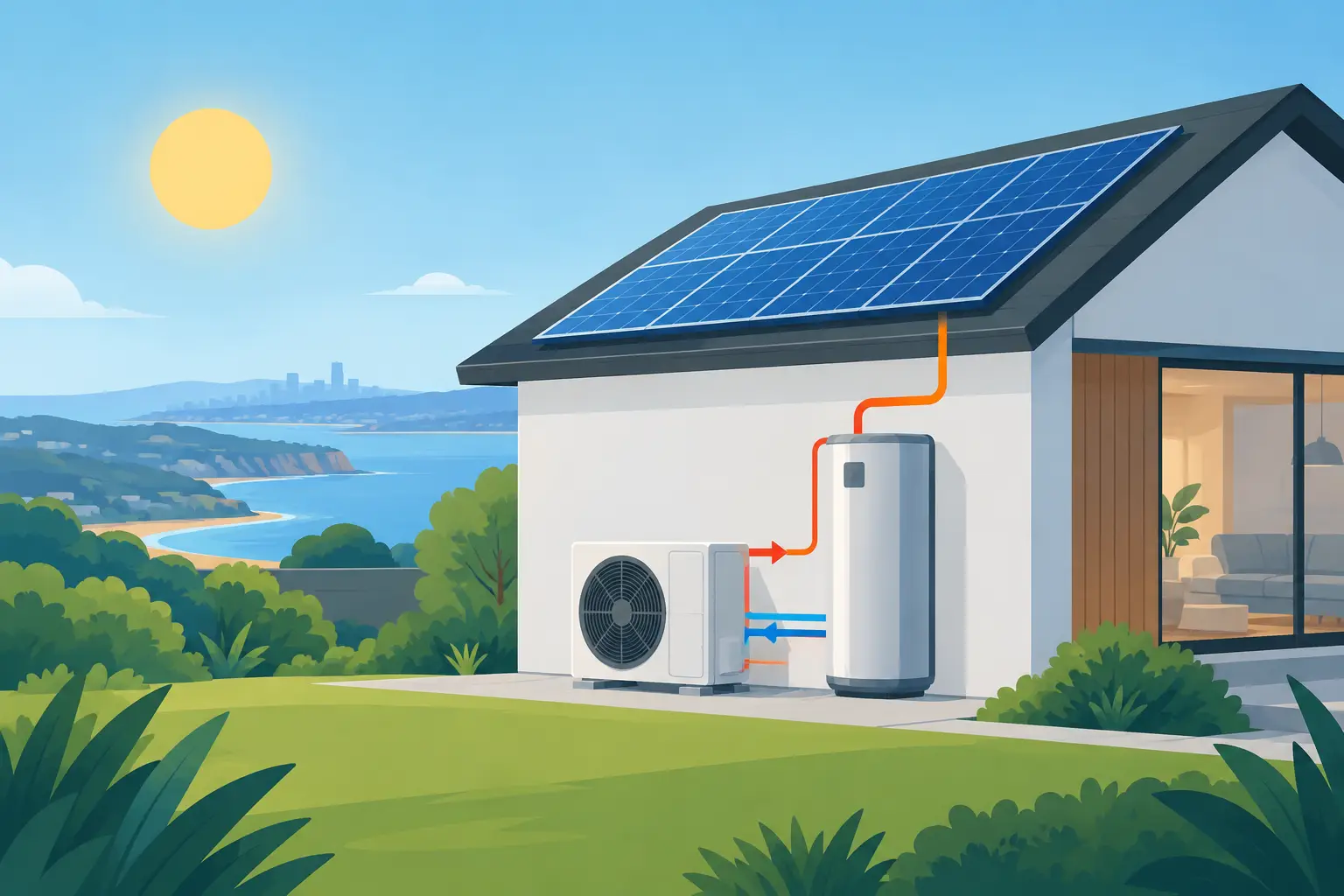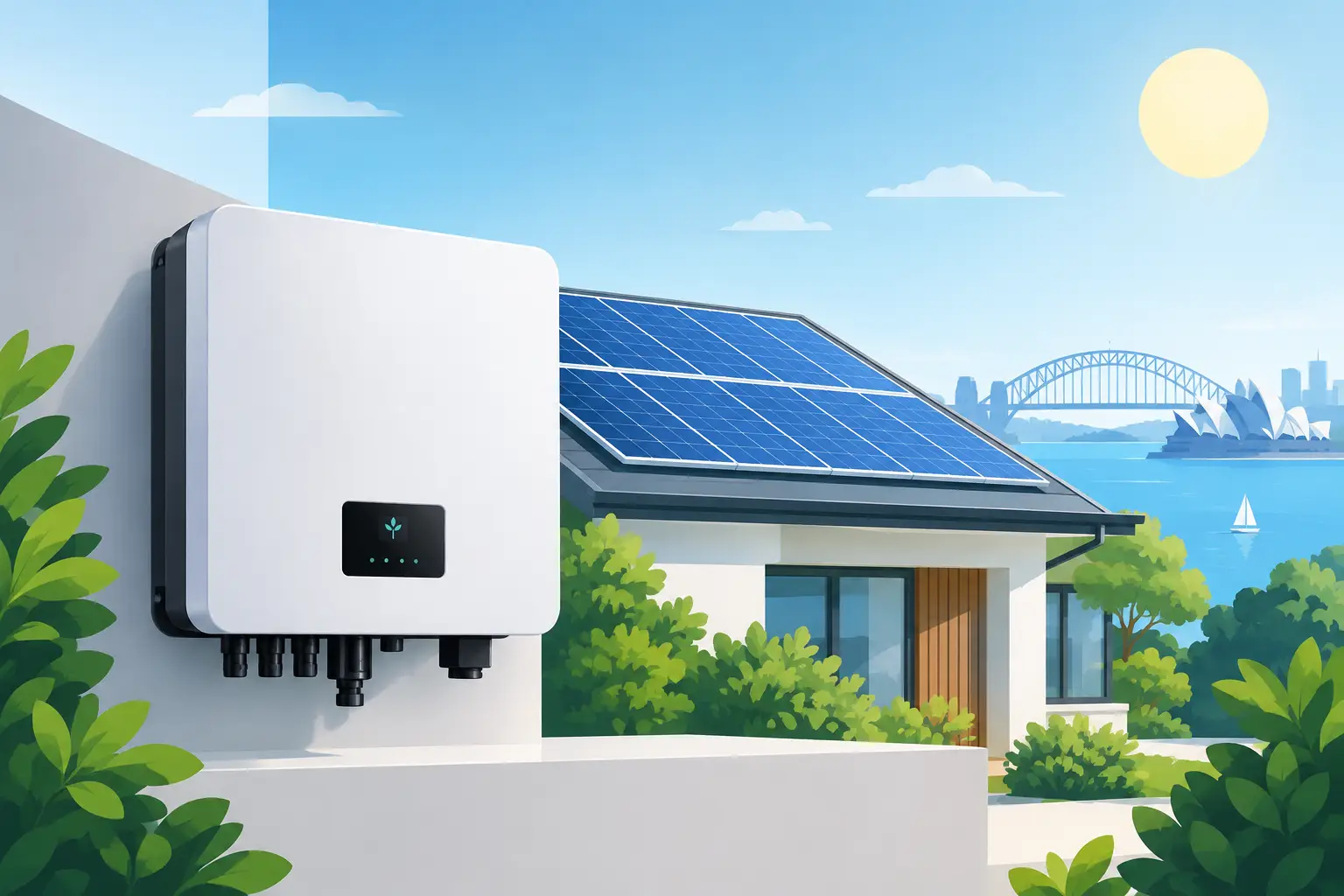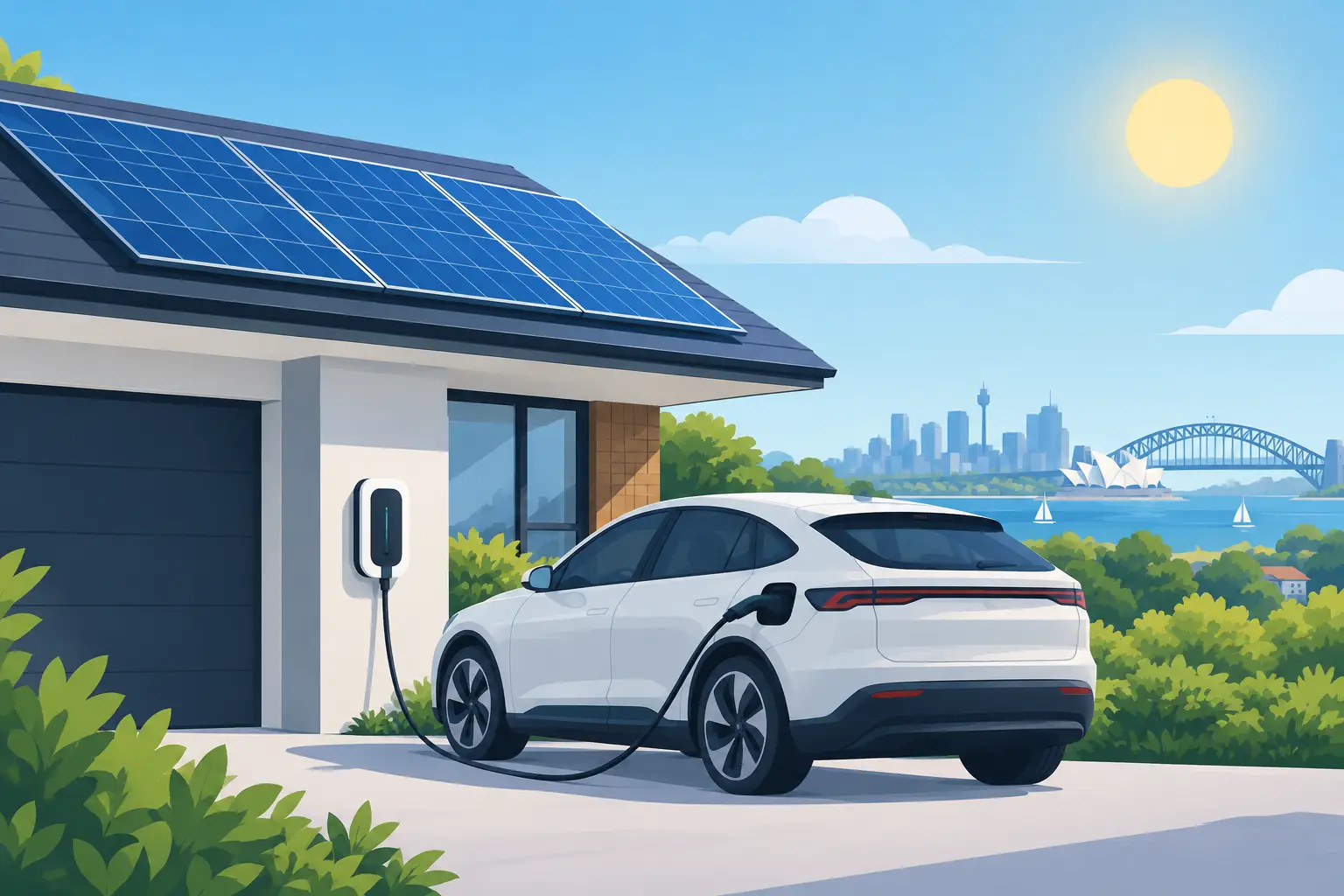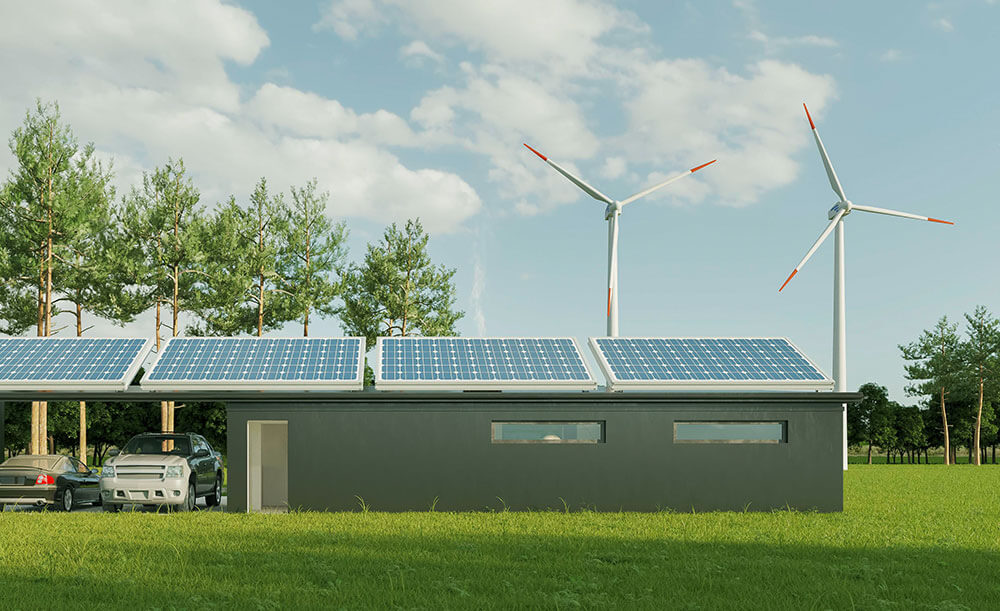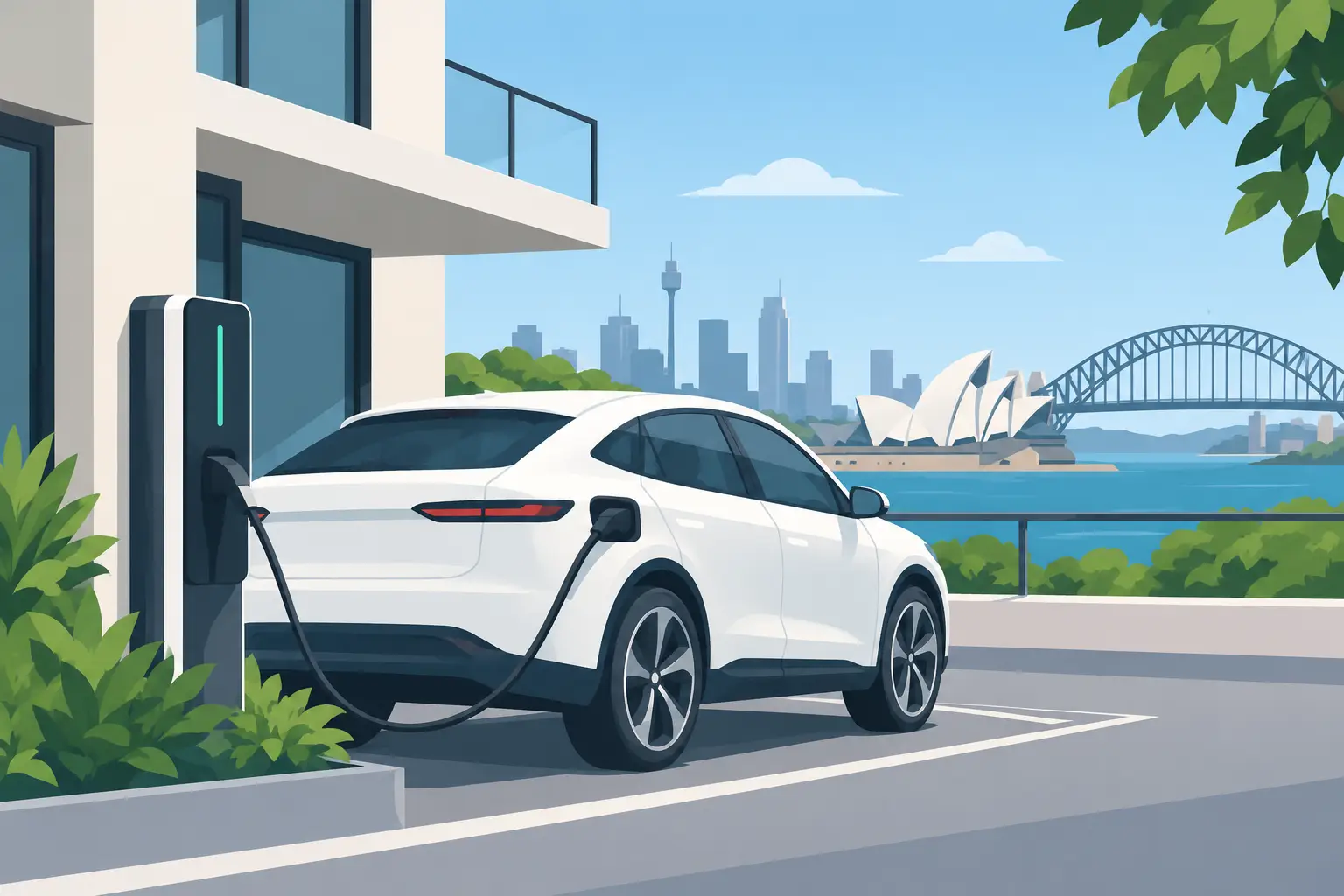
A home EV charger may look like a simple wall-mounted upgrade, but it can place one of the largest continuous electrical loads in a property. This EV charging compliance guide helps NSW homeowners, strata managers and business owners plan an installation that is safe, practical and ready for long-term use.
The right outcome is not simply a charger that works on day one. It is a properly designed circuit, suitable protection at the switchboard, clear compliance documentation and capacity for the way your property will use electricity as vehicles, solar and batteries become part of the same energy system.
Why EV charger compliance matters in NSW
Most electric vehicle charging happens at home or at work, often for several hours at a time. A dedicated AC charger can draw a significant load continuously, especially at 7 kW or 11 kW. Connecting that load to an ageing switchboard, undersized cabling or an already constrained supply can create safety issues, nuisance tripping and costly remedial work later.
In NSW, fixed EV charging equipment must be installed by a licensed electrician and comply with the applicable electrical rules and manufacturer instructions. The main framework includes AS/NZS 3000, commonly known as the Wiring Rules, along with relevant EV charging equipment standards such as AS/NZS 61851. The exact design still depends on the charger, cable route, supply arrangement and property type.
Compliance is also a value issue. Quality electrical work protects your insurance position, supports property sale documentation and makes it easier to add solar, battery storage or another charger in the future. Cutting corners on the circuit design may save money upfront, but it rarely saves money over the life of the system.
EV charging compliance guide: the installation essentials
Start with the property’s available electrical capacity
A licensed electrician should assess the existing supply before selecting charger output. This includes the main switchboard rating, incoming supply capacity, phase configuration, existing major loads and the condition of cabling and protective devices.
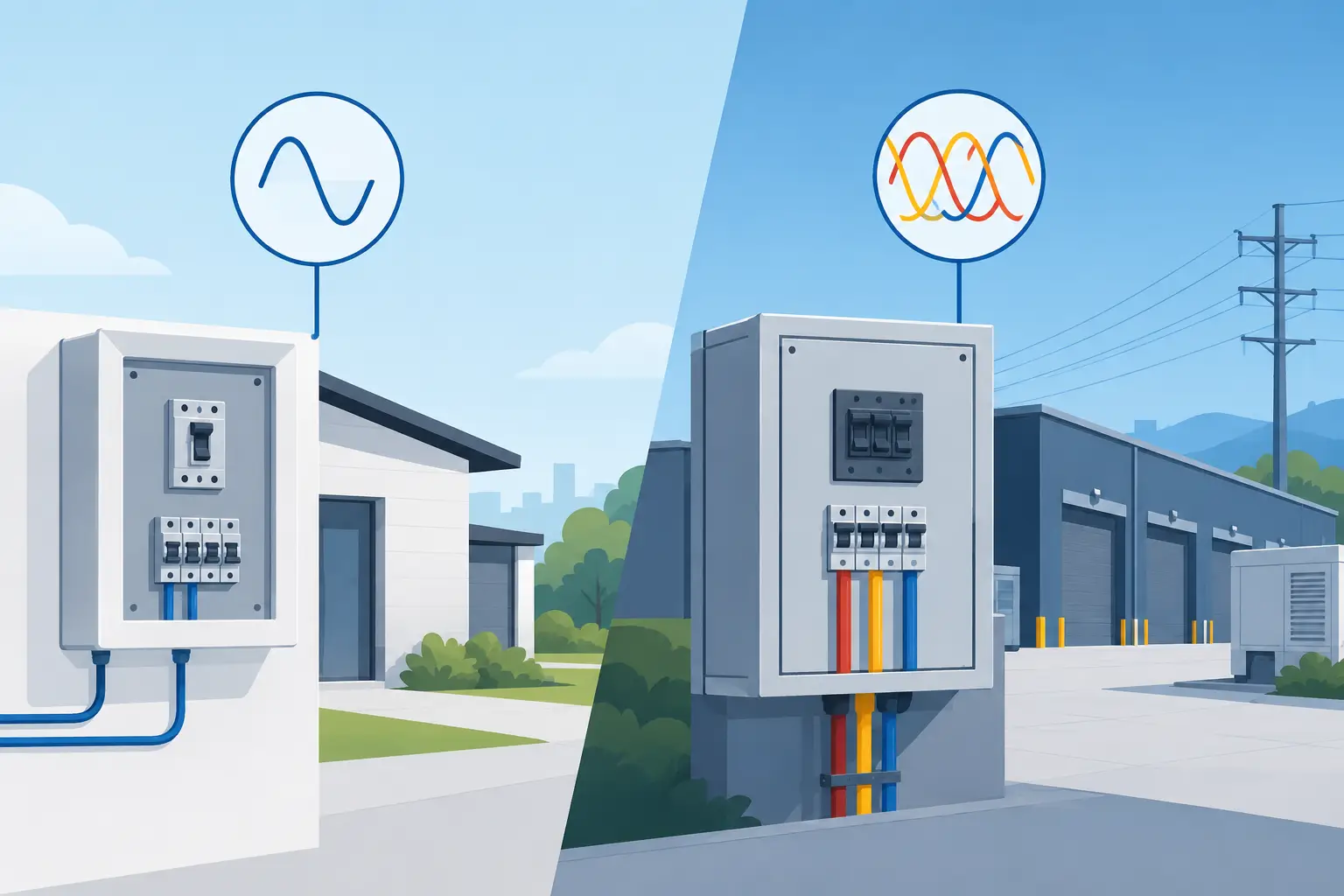
For a typical detached home, a single-phase charger may be entirely suitable. A three-phase supply can provide more charging capacity, although it does not automatically mean an 11 kW or 22 kW charger is the best choice. Your daily driving distance, vehicle capability, overnight parking window and household demand all matter.
A property with ducted air conditioning, electric hot water, induction cooking, pool equipment and a battery may need load management rather than a larger connection. Dynamic load management allows a compatible charger to reduce or increase output in response to the building’s demand. This can prevent the main supply from being overloaded while preserving convenient charging.
Use a dedicated circuit and correct protection
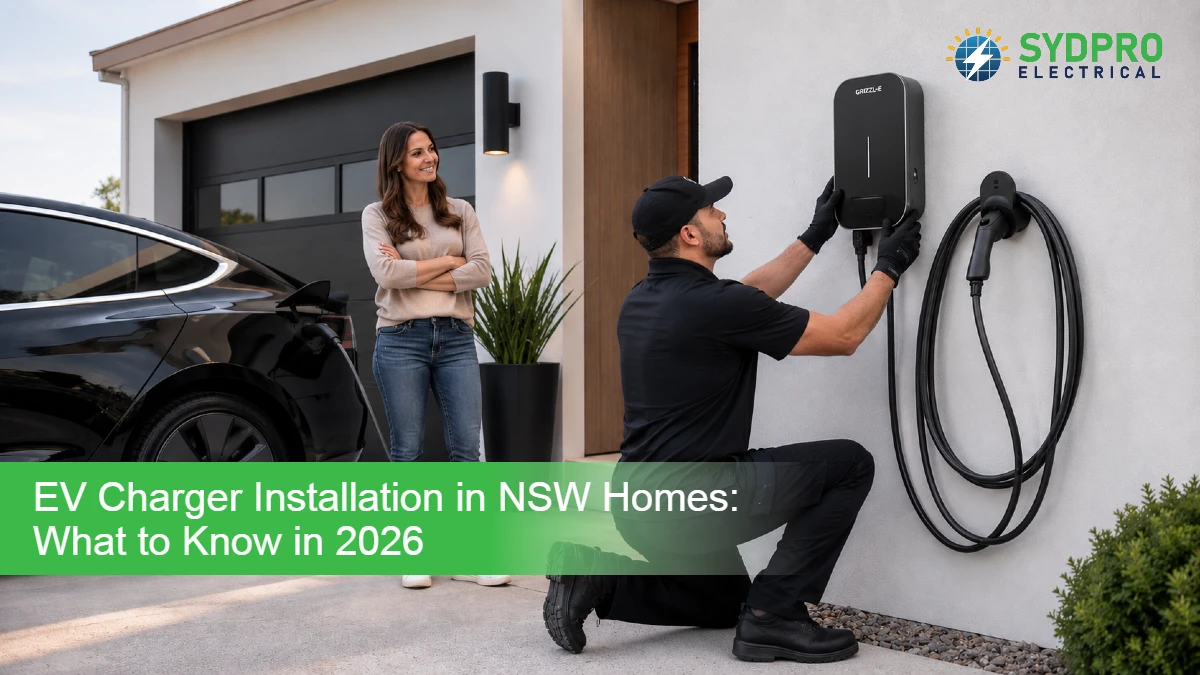
A fixed EV charger should be supplied from its own dedicated final subcircuit. The circuit must be correctly sized for the charger’s maximum demand, installation method and cable run, rather than selected on a generic rule of thumb.
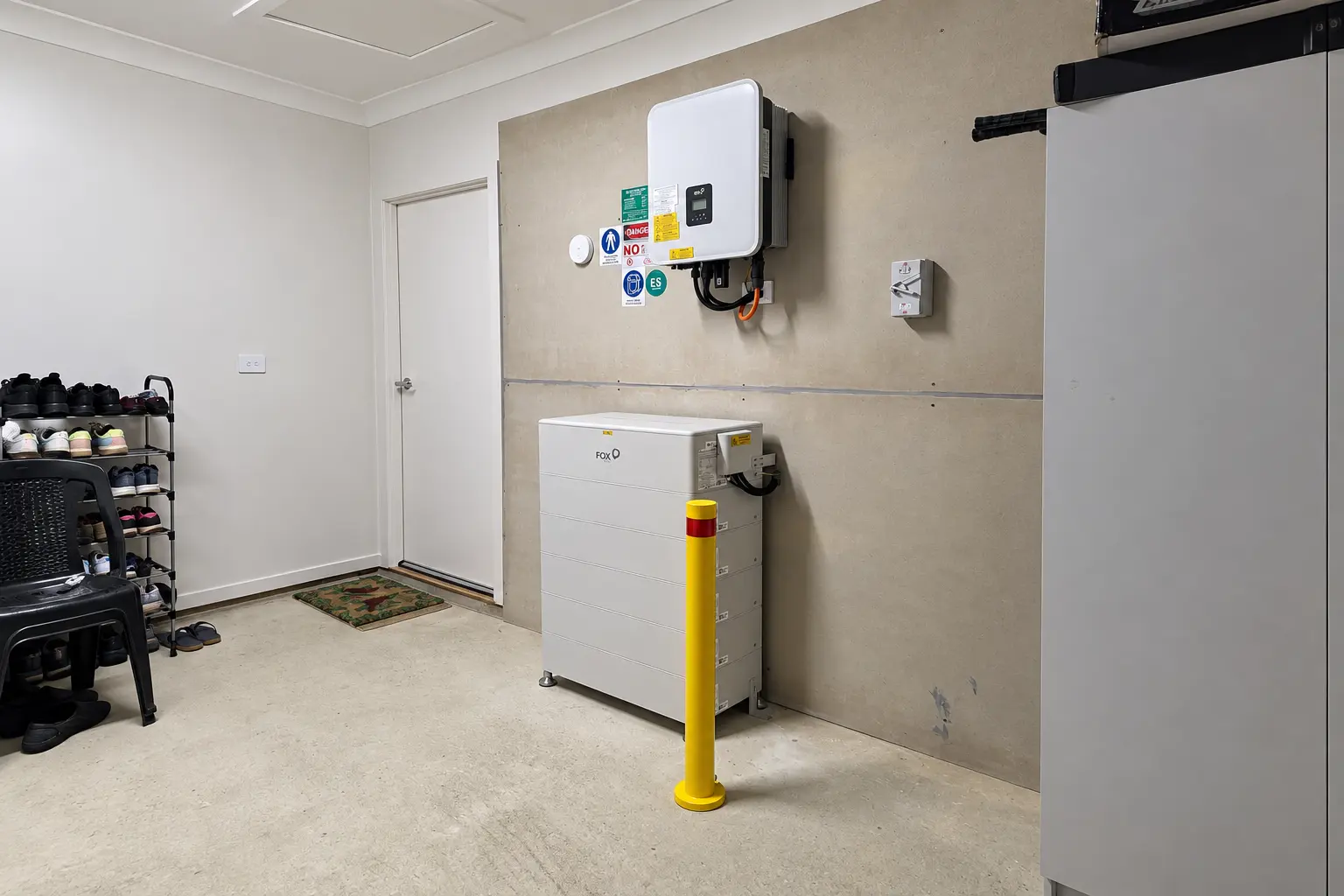
Protective devices must also suit the charger and the installation. EV chargers can introduce DC residual current characteristics that affect the type of residual current device required. Some units include 6 mA DC fault detection, while others may require different protection arrangements. The charger manufacturer’s instructions and the electrical design determine the correct approach.
This is not an area for a standard powerpoint, extension lead or adaptor as a permanent solution. Portable charging leads have a place when used as intended, but they are not a substitute for a professionally installed dedicated charging circuit.
Select a safe, usable charger location
The best location is usually where the vehicle can park consistently without the cable creating a trip hazard or crossing a driveway, footpath or accessway. The charging lead should reach the vehicle charge port comfortably, with no need to stretch it across areas used by people or vehicles.
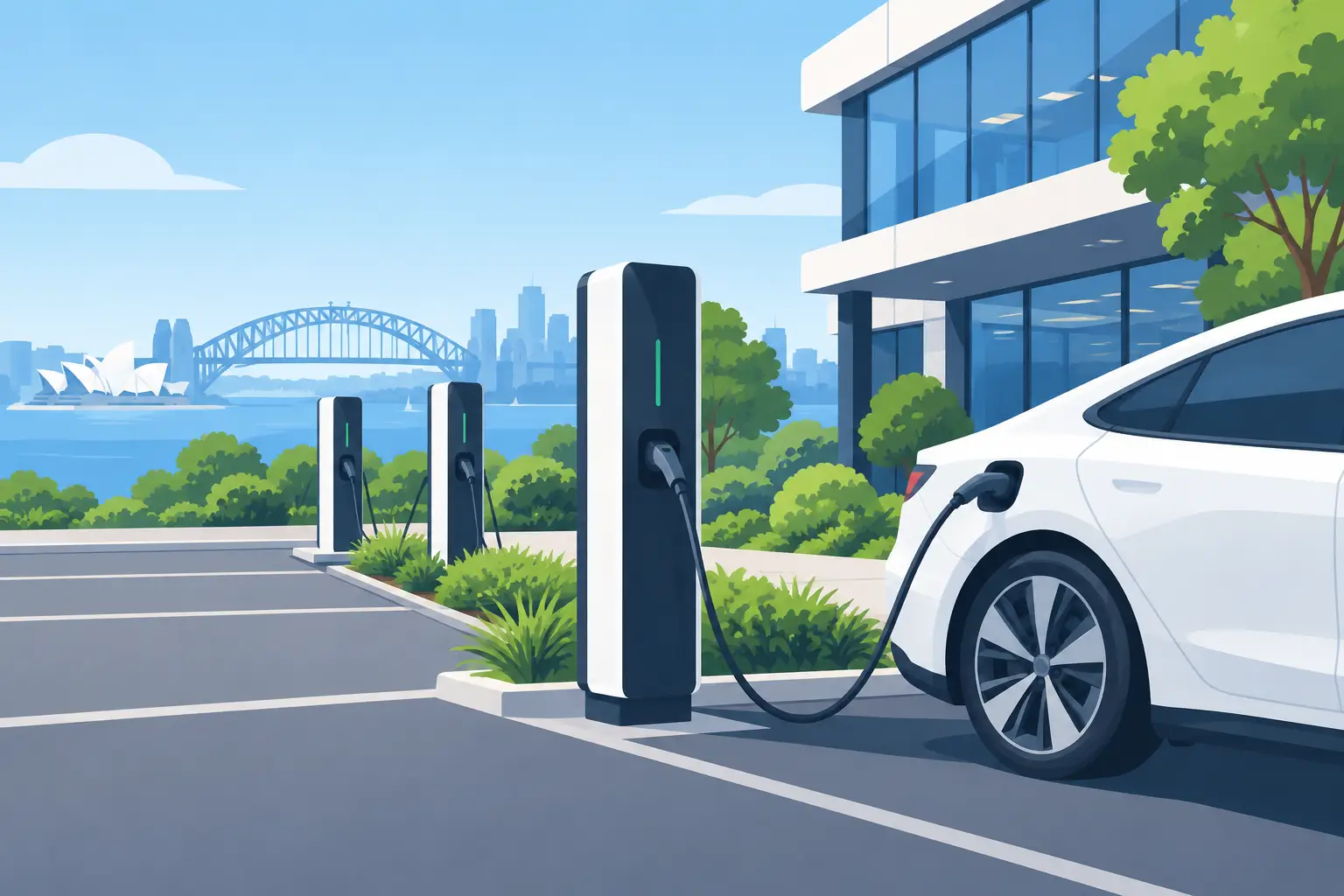
Outdoor equipment needs a suitable enclosure rating and installation location for the conditions it will face, including rain, heat, dust and physical impact. In a garage, consider clearance around the unit, vehicle doors, storage and potential damage from reversing. A bollard or physical barrier can be sensible in exposed commercial car parks and industrial sites.
Cable management matters as much as the charger position. A holster, tethered cable arrangement or designated mounting point keeps the lead protected and reduces avoidable wear.
Obtain the right electrical documentation
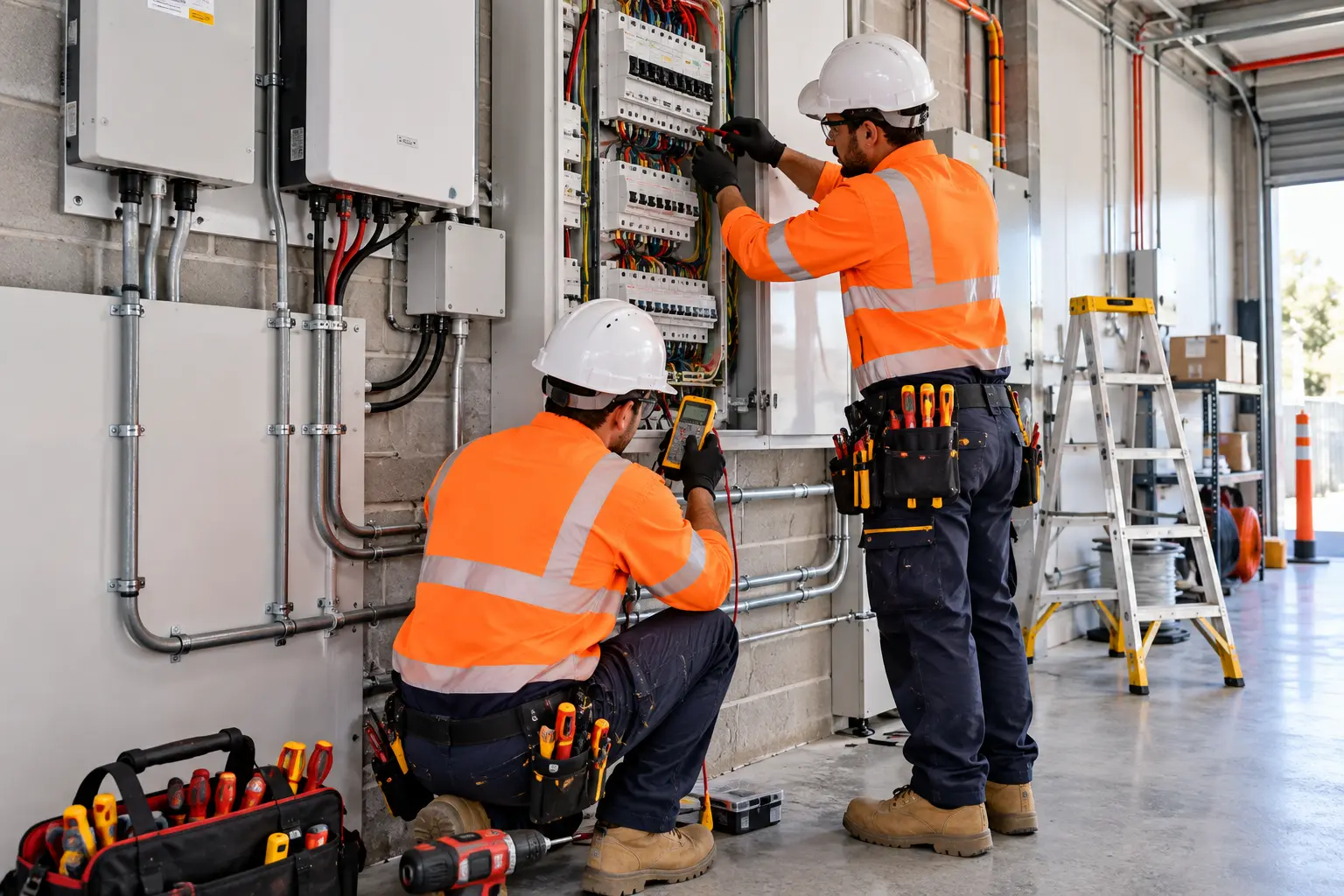
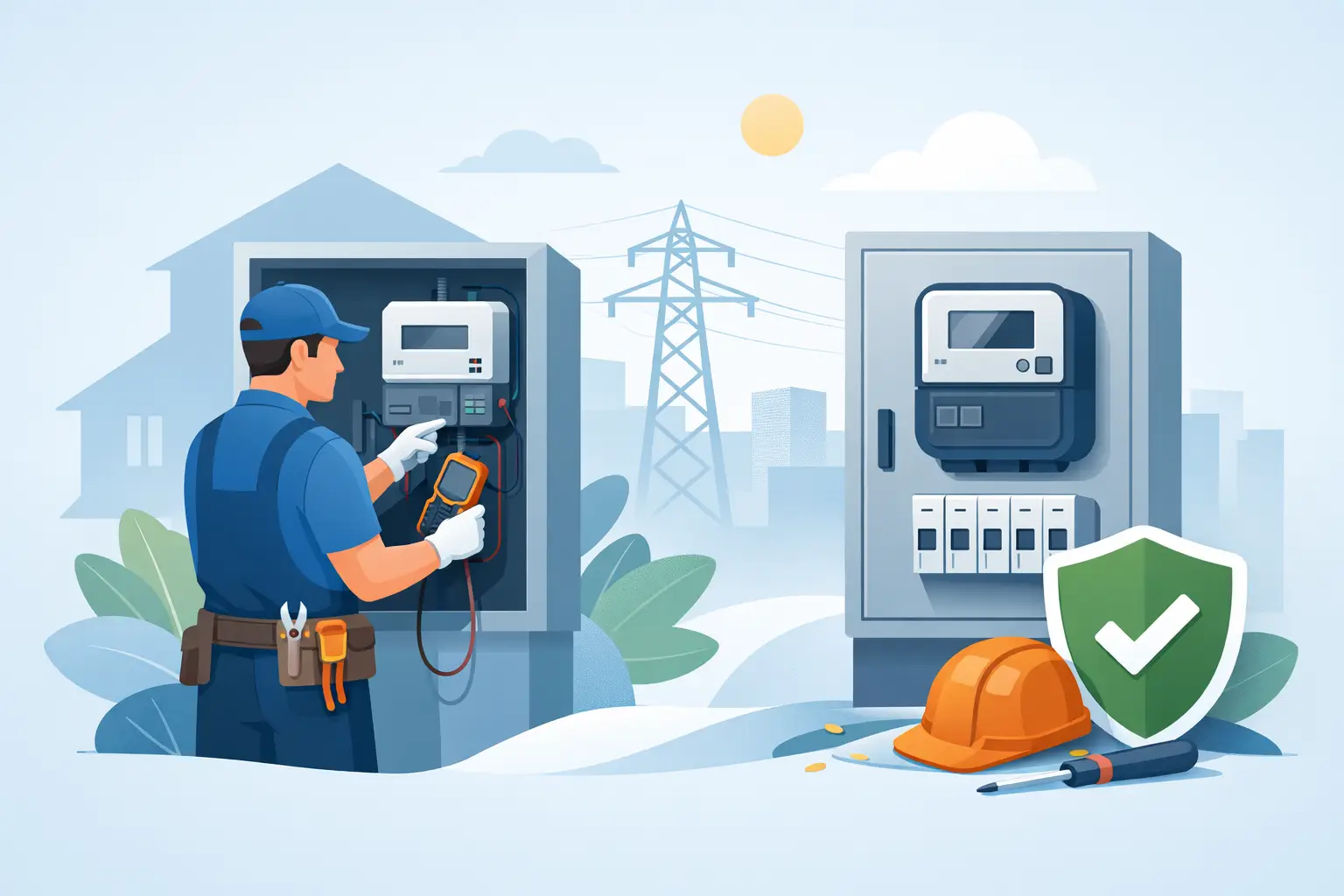
Following completed prescribed electrical work in NSW, customers should receive the appropriate Certificate of Compliance for Electrical Work. Keep this with the charger manuals, warranty documents, electrical drawings and any switchboard upgrade records.
For commercial sites, clear circuit labelling and updated switchboard schedules are particularly important. Facilities teams need to know which circuits serve charging equipment, how load management operates and who to contact if a fault occurs. Good documentation makes future maintenance, tenancy changes and electrical upgrades far simpler.
Where approvals and extra planning apply
A standalone home charger will not always need development approval, but electrical compliance is still mandatory. The situation changes when the charger is part of broader works, installed in common property or requires upgrades to the supply.
Strata and apartment buildings
Apartment charging projects require early coordination. An individual parking space may sit on common property, be supplied from a shared switchboard or have limited spare capacity in the building’s electrical infrastructure. Owners corporations may have by-laws, approval processes and requirements for metering, access and ongoing maintenance.
A one-off charger can be designed successfully, but a building-wide plan is often better value. It can establish spare conduits, communications pathways, load management and a fair metering model before multiple residents request charging. Retrofitting each bay separately can become disruptive and expensive.
Commercial and industrial sites
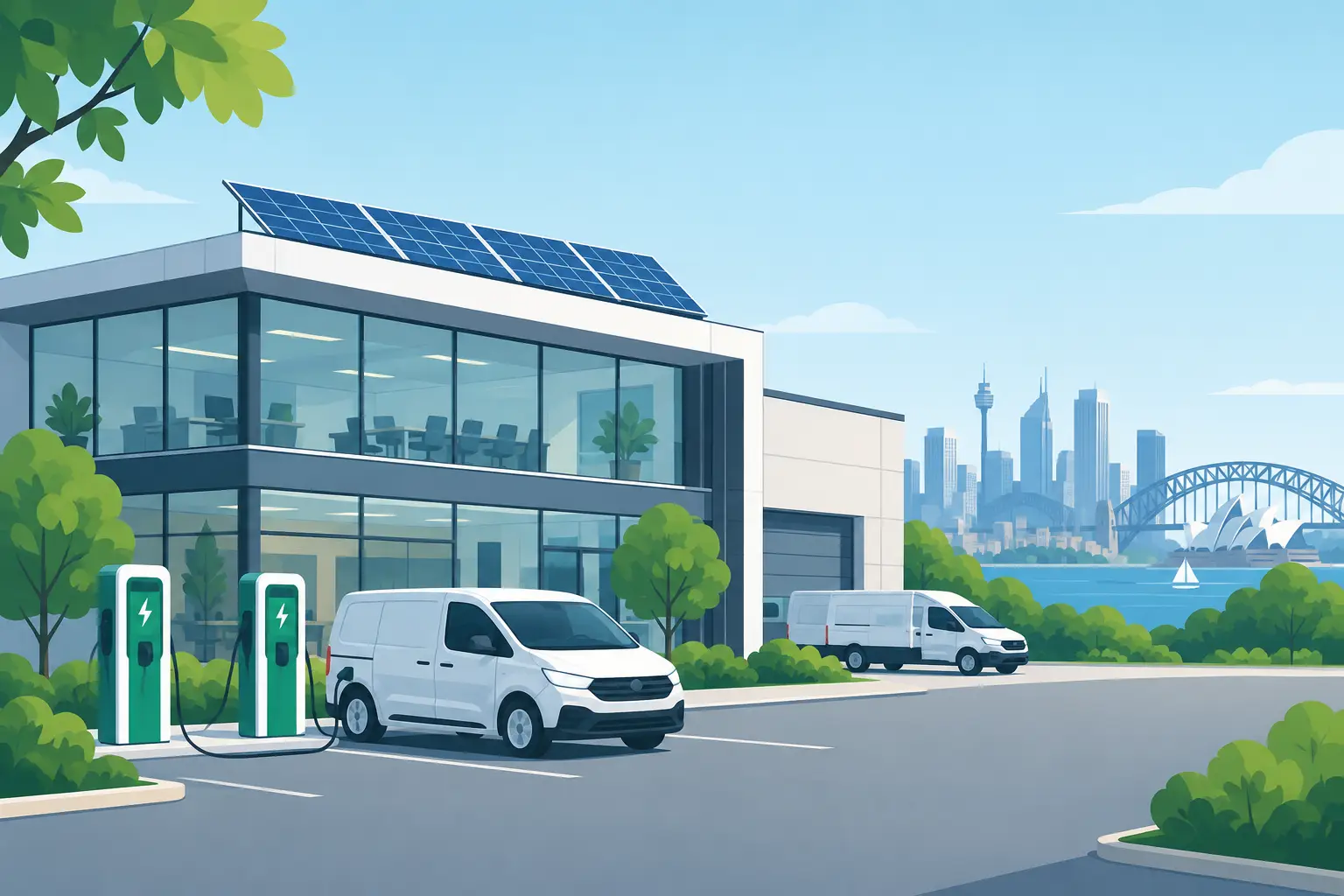
Workplace and fleet charging has more variables: staff access, visitor charging, operational hours, billing, fleet turnaround times and future expansion. A warehouse with a few fleet vehicles may need charging availability overnight, while an office car park may benefit from managed daytime charging that uses onsite solar generation.
The National Construction Code, accessibility considerations, fire safety design, parking layout and workplace safety requirements may affect larger or public-facing projects. Requirements can vary according to the building, local approvals and scope of work, so the charger should be assessed as part of the site rather than treated as a standalone appliance.
Supply upgrades and Level 2 electrical work
If the existing consumer mains, metering arrangement or network connection need alteration, the project may require Level 2 Accredited Service Provider work. This can apply where a property needs a supply upgrade, three-phase conversion, meter panel changes or regulated connection work.
Planning this early avoids a common disappointment: purchasing a high-output charger before confirming the site can support it. Sydpro Solar Solutions combines EV charging design with Level 2 ASP capability, helping eligible NSW projects coordinate the charger, switchboard and supply work through one accountable installation process.
Make EV charging work with solar and batteries
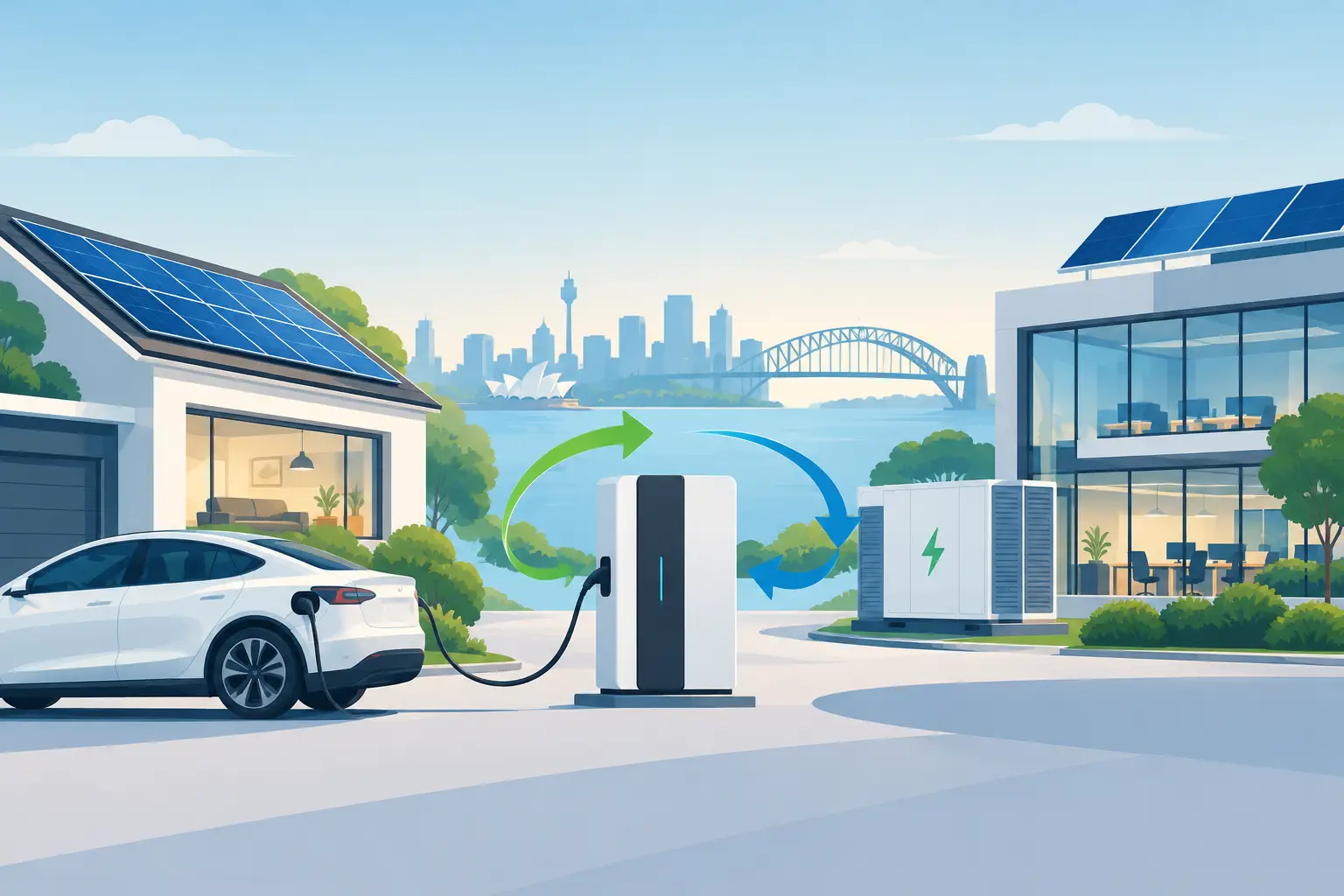
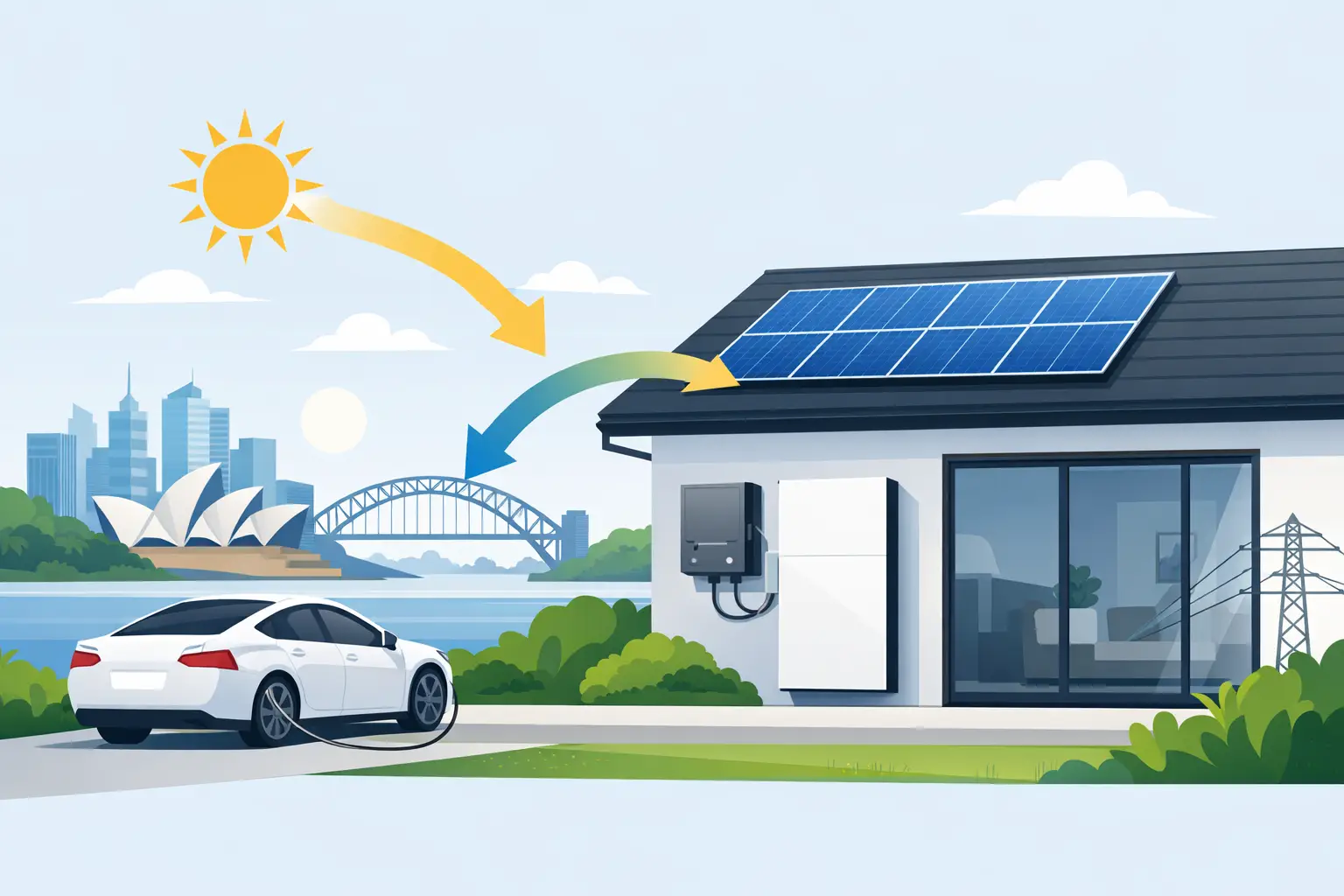
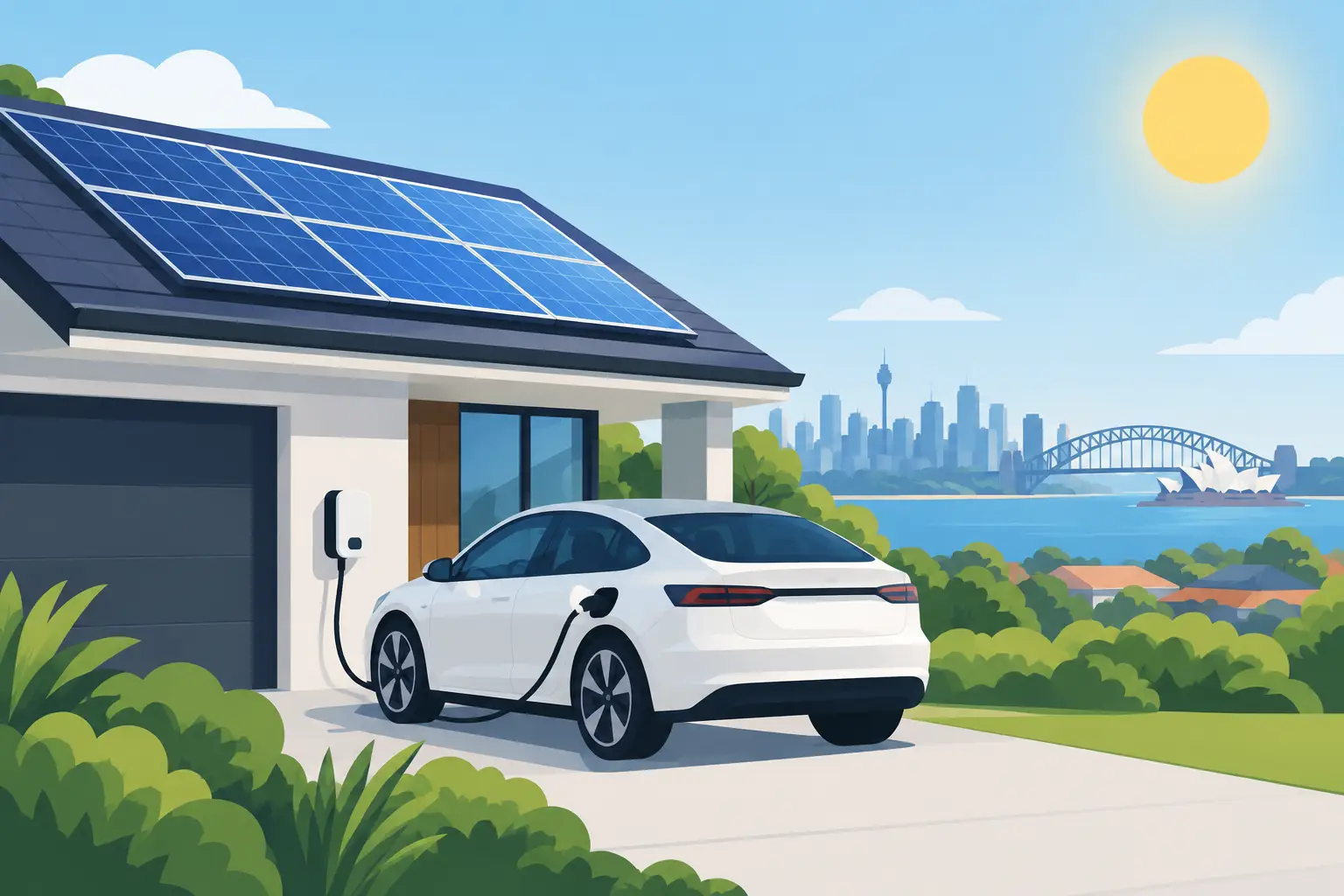
Solar does not make a charger compliant by itself, but thoughtful integration can improve the financial result. A smart charger can be configured to use available solar generation, scheduled for lower tariff periods or managed alongside battery settings. The best strategy depends on your retailer plan, household load profile, vehicle availability and whether your priority is lowest charging cost or fastest charging.
Solar-only charging sounds attractive, yet it may not suit every driver. If the vehicle is away during daylight hours, overnight scheduled charging may be more practical. Likewise, using a home battery for vehicle charging can increase self-consumption but may leave less stored energy for evening household use or outage backup. These are design decisions, not one-size-fits-all settings.
For businesses, managed charging can direct available solar energy towards vehicles without compromising critical site loads. Load management becomes especially valuable when several chargers share a limited supply.
Questions to ask before approving a quote
A useful EV charging proposal should clearly identify the charger model and output, dedicated circuit arrangement, protective devices, cable route, switchboard works, load assessment and any exclusions. It should also explain whether the quoted price allows for concrete coring, trenching, ceiling access, asbestos-related procedures, network work or supply upgrades.
Ask whether the charger can support load management, scheduled charging and future expansion. Confirm who will provide compliance documentation, what warranty applies to the charger and workmanship, and whether the installer has allowed for the actual distance between the switchboard and parking location.
The cheapest quote can be appropriate for a straightforward installation with a modern switchboard and short cable run. It is less attractive when it leaves essential compliance works as vague variations. Transparent scope protects both the property owner and the installer.
A compliant charger gives you more than a convenient place to plug in. It gives your property a safer electrical foundation for cleaner transport, lower running costs and the energy choices you will make next.