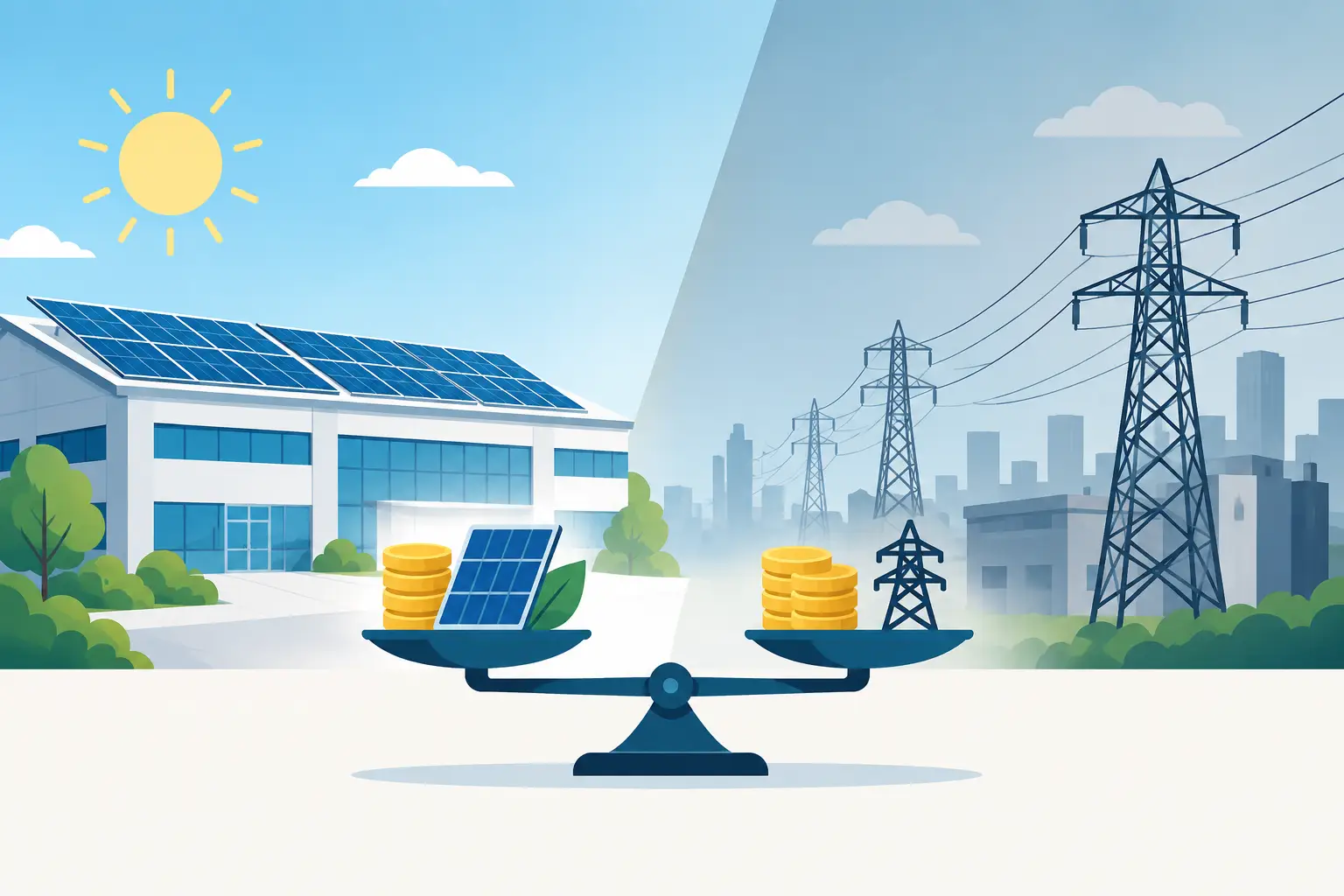
A NSW business can use thousands of kilowatt-hours each month before anyone notices the electricity bill has become a serious operating cost. That is why commercial solar versus grid power is not a simple choice between two energy sources. It is a decision about how much of your future energy spend you want to control, how your site operates during expensive periods, and whether your electrical infrastructure is ready for growth.
For most commercial and industrial properties, the strongest result is not going completely off-grid. It is using rooftop solar to reduce the amount of power purchased from the grid, then using batteries, tariff planning and efficient equipment to improve the value of every kilowatt-hour generated.
Commercial solar versus grid power: the real cost comparison
Grid electricity remains essential for most businesses. It supplies power overnight, supports demand beyond a solar system’s output, and provides a familiar billing arrangement without an upfront equipment investment. But that convenience comes with exposure to retail price changes, network charges and demand-related costs that can be difficult to predict.
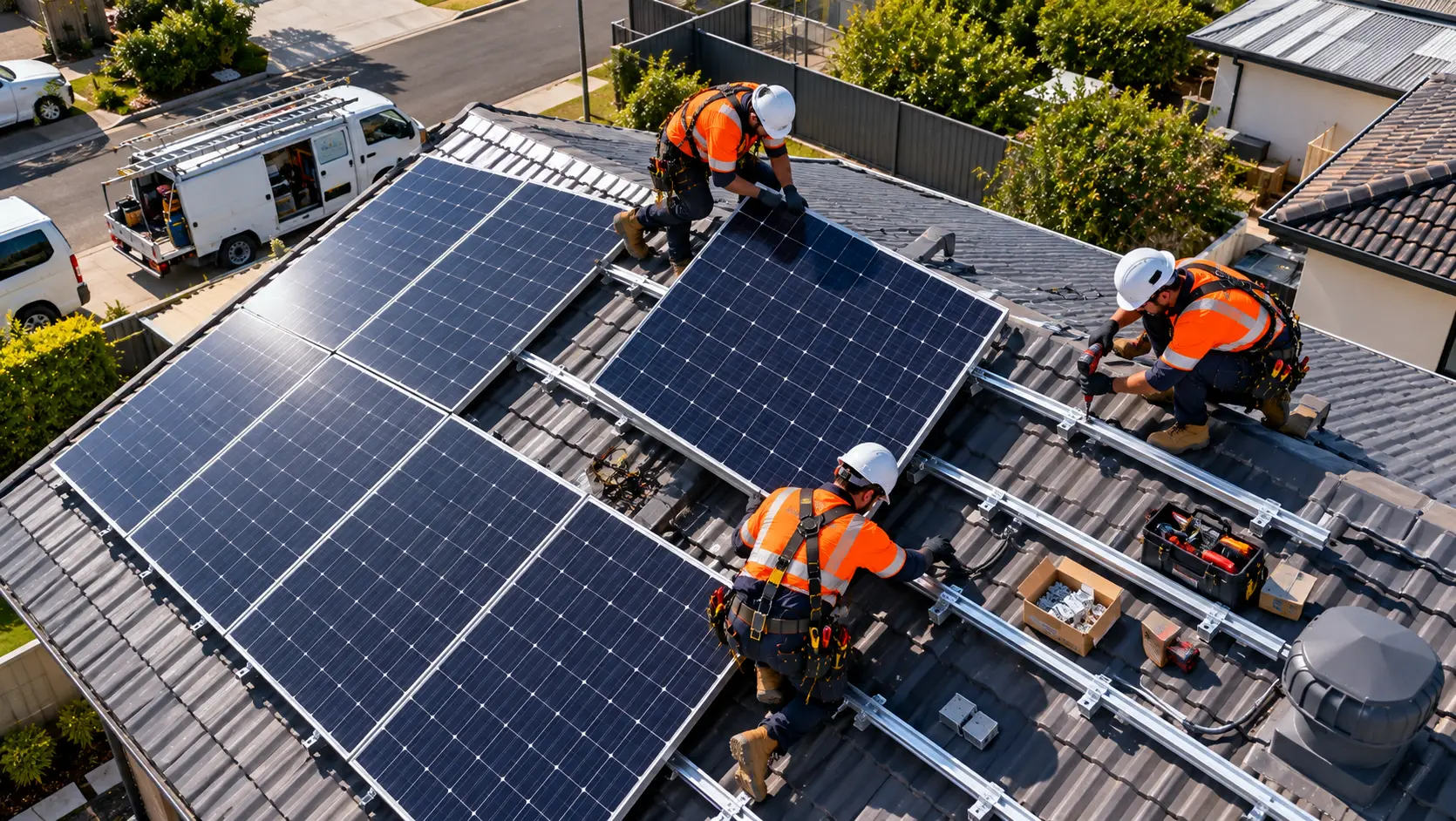
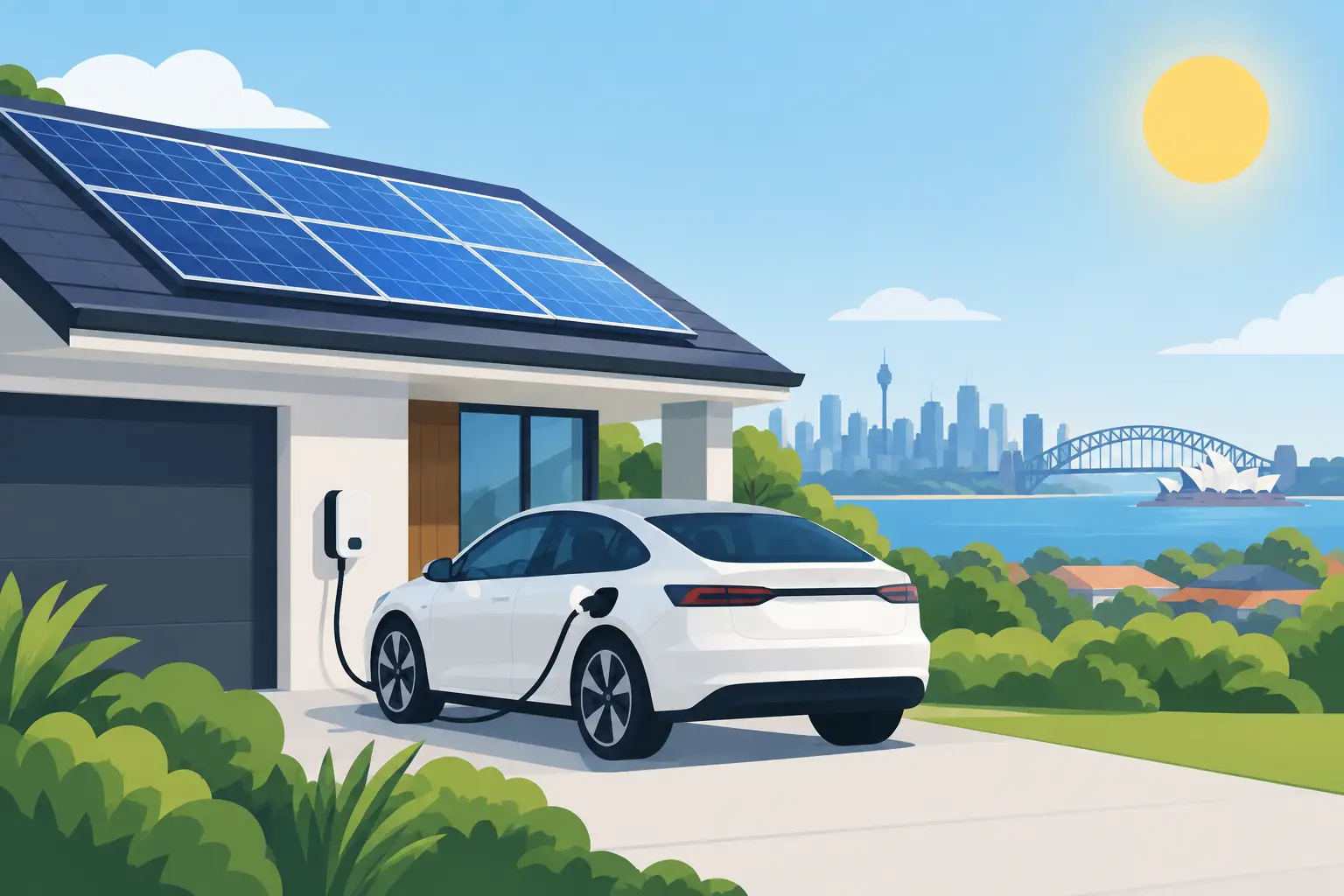
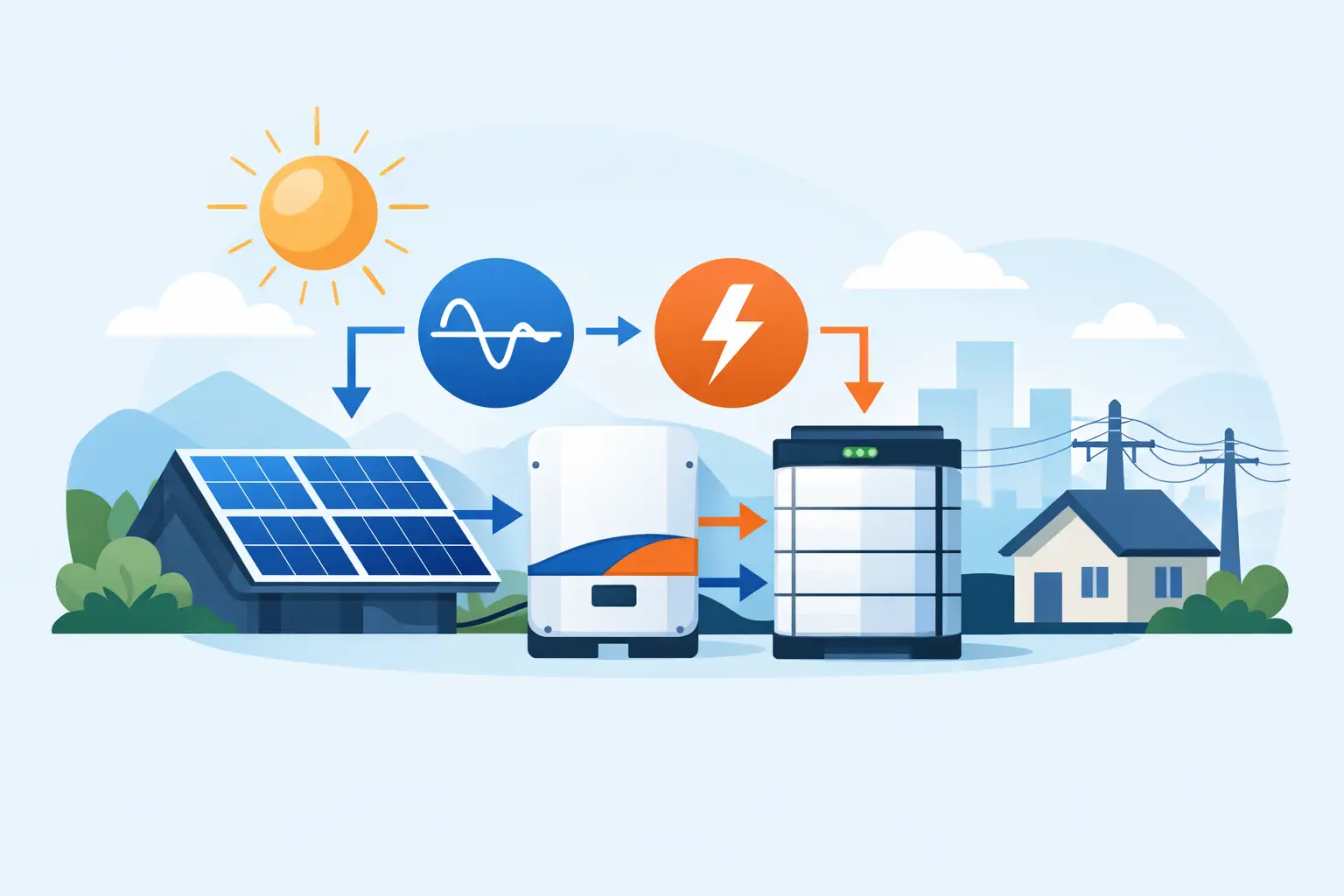
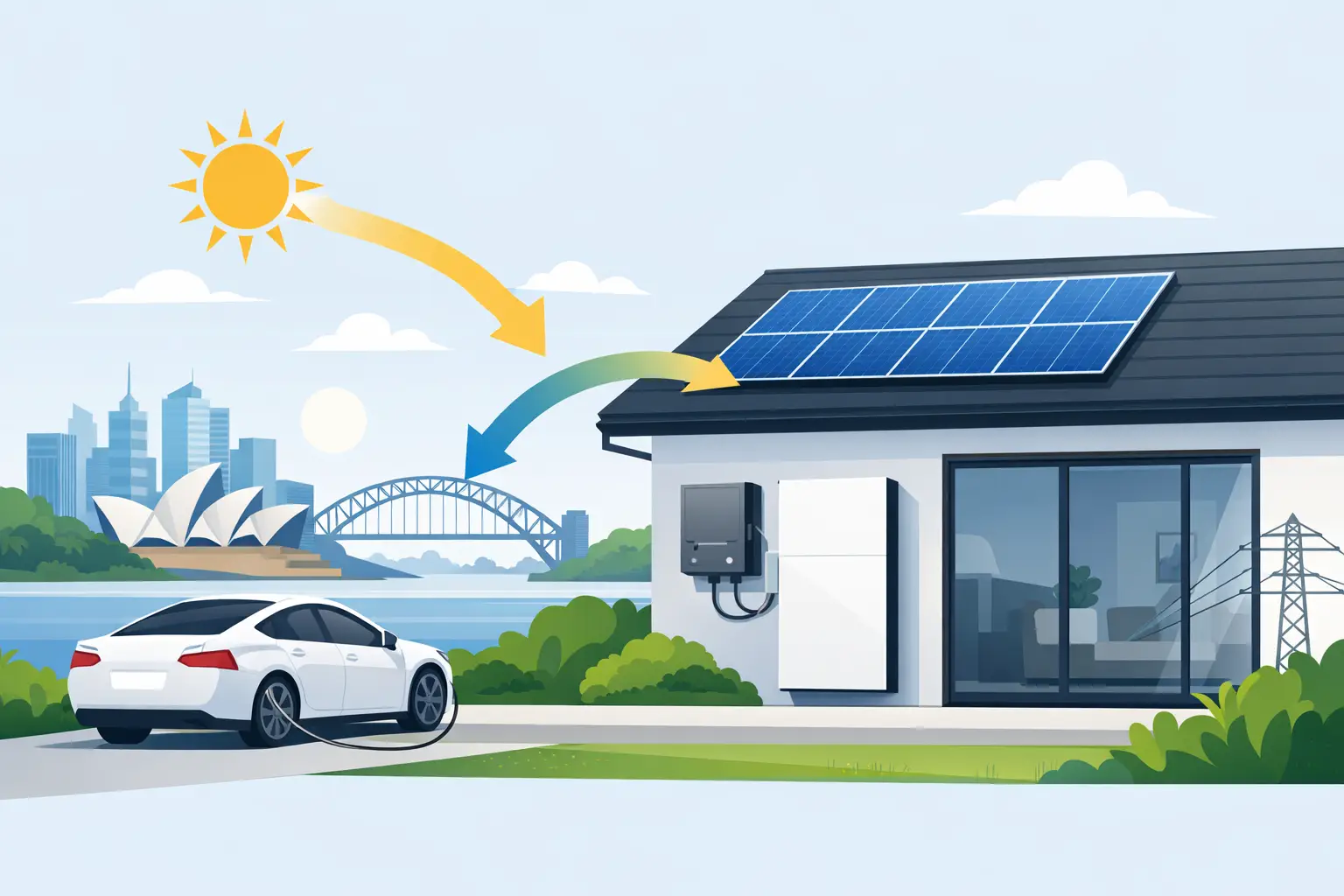
Commercial solar changes the equation by generating electricity at the property, where it can be used immediately by lighting, refrigeration, machinery, air conditioning, office equipment or EV chargers. Every solar kilowatt-hour used on site can reduce the amount of electricity purchased at the applicable grid rate.
The key word is used. Solar panels produce their highest output through the middle of the day, so businesses with strong daytime loads often achieve the best financial outcome. Warehouses operating refrigeration, offices with air conditioning, factories running day shifts, schools, retail premises and medical facilities can all be well suited to solar because their demand overlaps with generation.
Exporting unused solar energy can still provide a credit, but export rates are commonly lower than the cost of buying electricity. A well-designed system therefore focuses first on self-consumption, not simply fitting the largest possible array onto the roof.
Upfront cost versus long-term exposure
Grid power generally has no capital cost beyond connection, metering and the site’s existing electrical setup. Solar requires an upfront investment in panels, inverters, mounting, design, approvals and installation. A battery adds further cost, although it may improve solar self-consumption, manage peak periods and provide backup capability when designed for that purpose.
The comparison should not stop at the installation quote. Businesses should assess total energy cost over the expected life of the solar system, including electricity rates, tariff structure, likely consumption changes, maintenance allowances and equipment warranties. Premium components and correct installation may cost more initially, but they can protect performance, safety and long-term value.
Commercial solar is also a capital asset. Depending on the business structure and current rules, depreciation and available government incentives may affect the financial case. Your accountant can advise on tax treatment, while a qualified solar contractor can explain applicable certificates, network requirements and system assumptions.
Your load profile decides the value of solar
Two businesses with similar monthly bills can receive very different returns from the same solar capacity. The difference is usually their load profile: when and how electricity is consumed across a day, week and year.
A business that consumes most of its electricity from 8 am to 5 pm may use a large share of its solar production directly. A venue with heavy evening trade, or a facility operating mainly overnight, may still benefit from solar but could require battery storage or a different system size to achieve the same level of savings.
Seasonal patterns matter as well. Air conditioning can drive summer demand sharply higher, while heating, production cycles, cool rooms or irrigation may create different peaks at other times of year. Looking at interval data rather than relying on one electricity bill provides a more reliable design basis.
A practical commercial assessment should examine:
- half-hourly or interval consumption data, where available
- current tariff rates, demand charges and export arrangements
- usable roof area, shading, orientation and structural considerations
- main switchboard capacity and the condition of existing electrical infrastructure
- planned additions such as machinery, tenancy changes, batteries or EV chargers.
This work avoids a common mistake: selecting a system based only on panel count or a headline payback figure. The right design reflects the way the specific site uses power.
Grid connection still matters
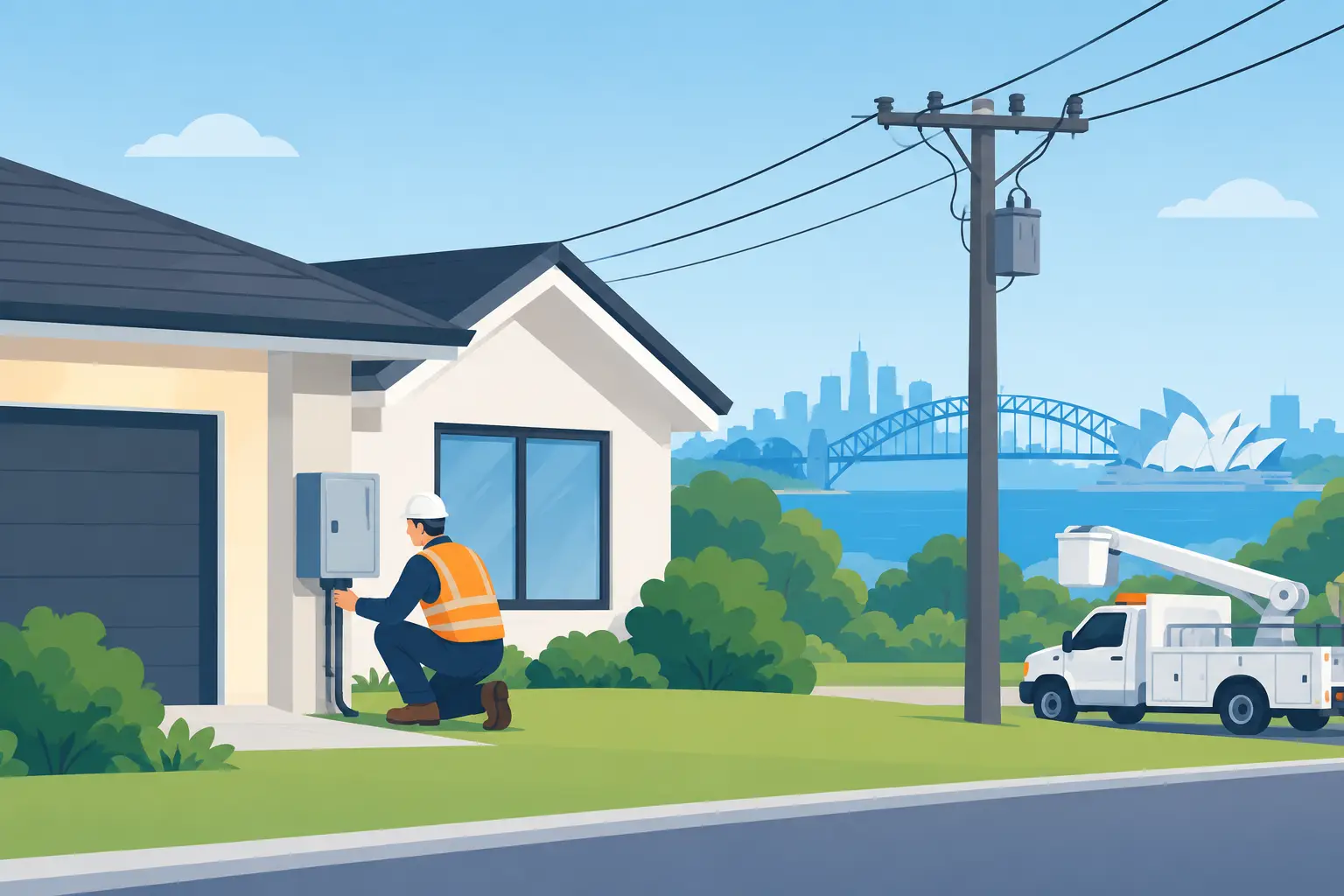
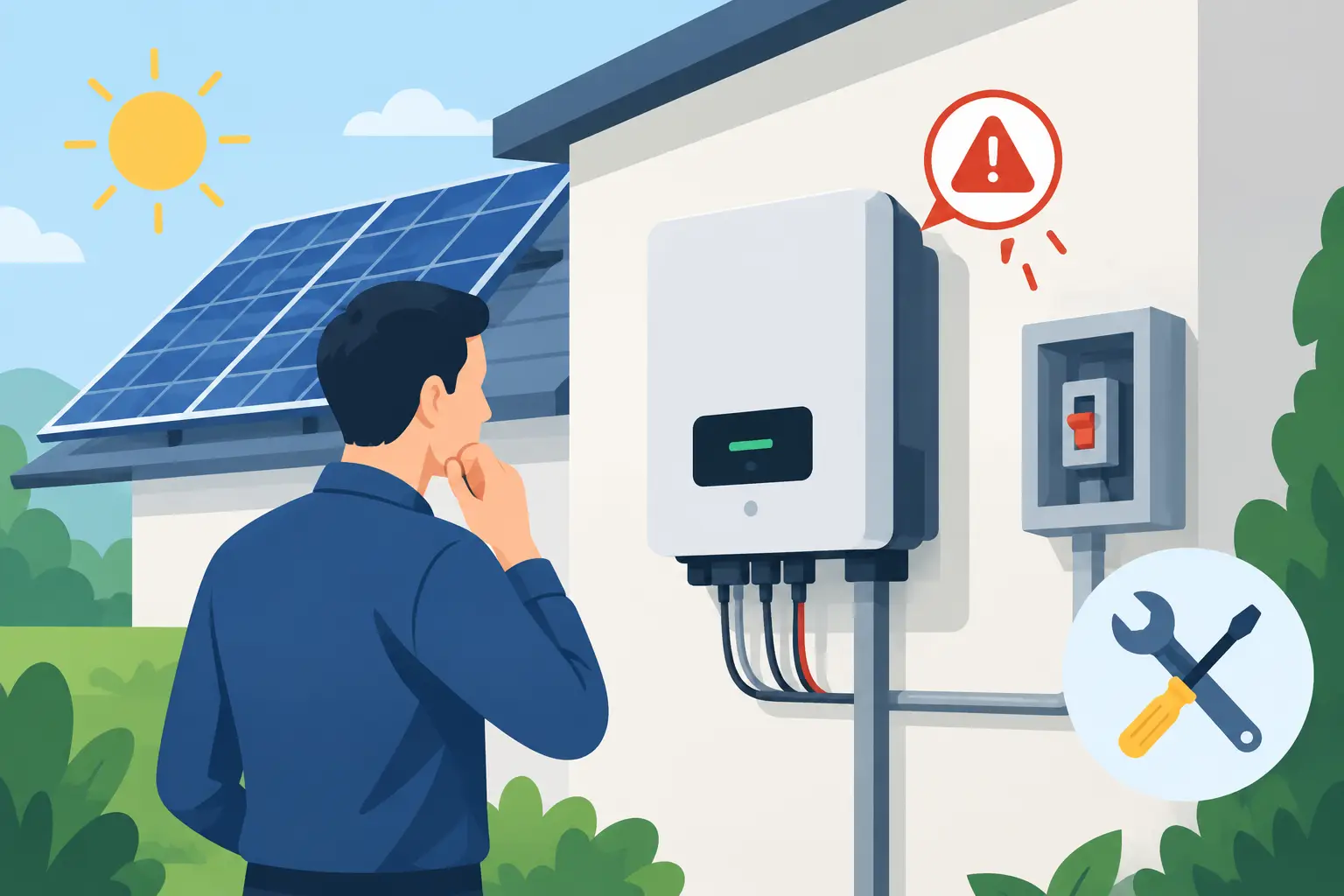
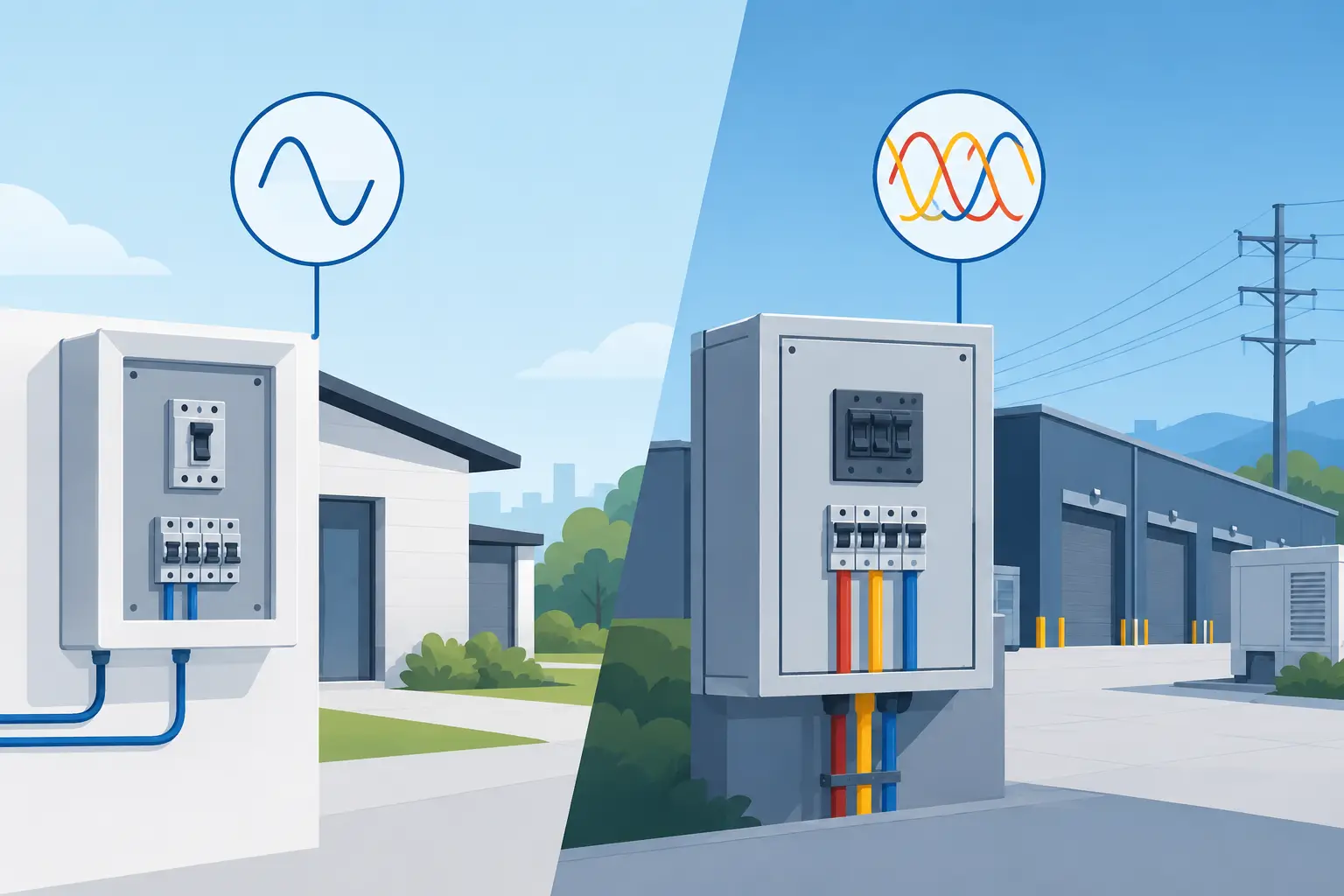
Solar does not remove the need for compliant grid connection work. In fact, a commercial installation often makes the electrical interface more important. The system must be designed to meet distributor requirements, inverter export limits, protection settings and Australian safety standards.
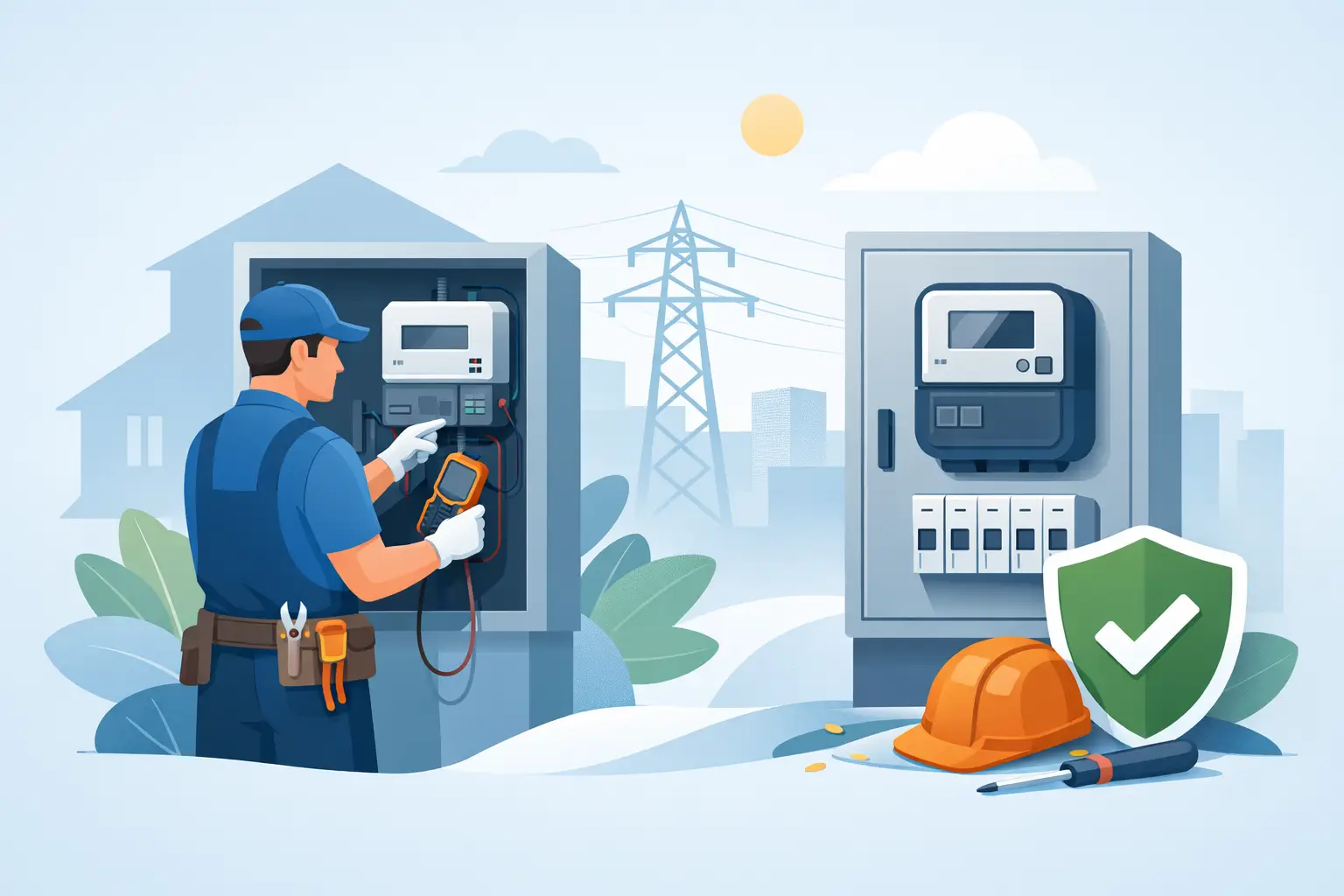
Older sites may need switchboard upgrades, new protection equipment, metering changes or dedicated capacity for solar and battery integration. If an EV charging rollout is also planned, that load needs to be considered early. Adding equipment in stages without an overall electrical plan can lead to avoidable rework and constrained capacity later.
For NSW properties, working with a contractor that understands both solar design and regulated electrical work can simplify the project. Sydpro Solar Solutions combines Clean Energy Council SAA-accredited solar capability with Level 2 ASP services, helping clients coordinate generation, connection work and site electrical upgrades through one accountable team.
When battery storage changes the calculation
A battery is not automatically the next step after solar. It should solve a defined operational or financial problem.
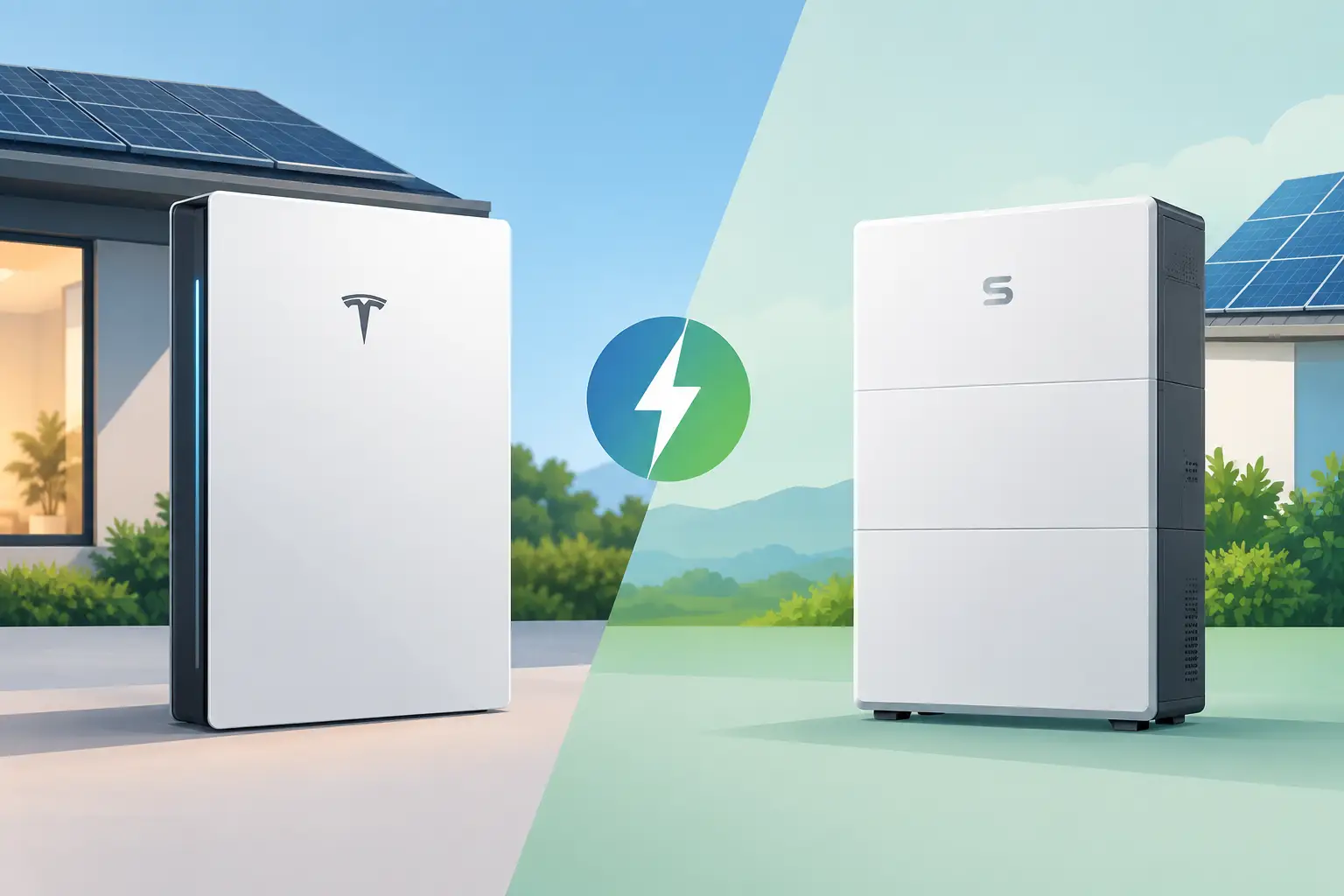
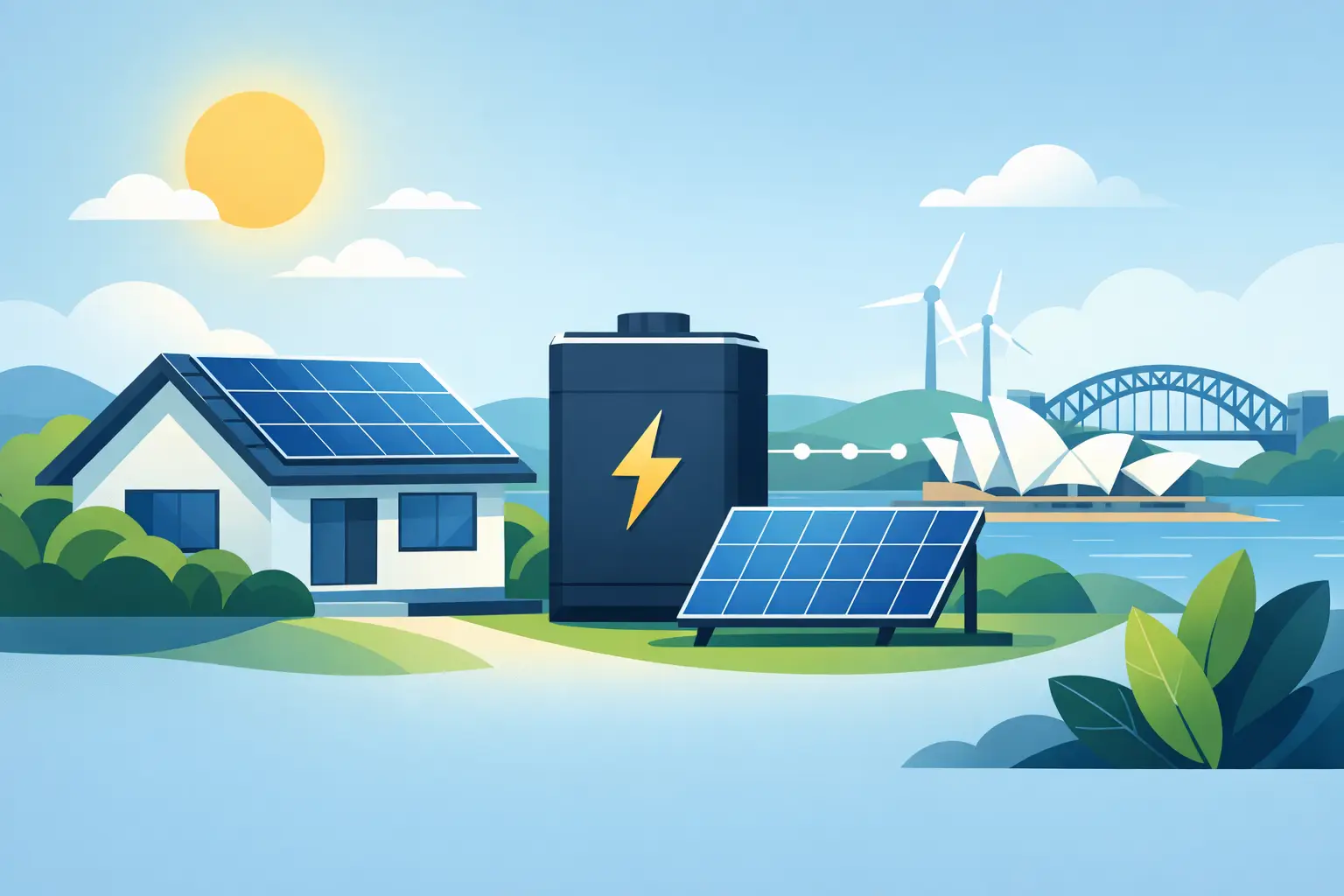
For a business with substantial daytime consumption, solar alone may already deliver strong savings because most generation is used as it is produced. Battery storage can become more compelling where a site has excess midday exports, high late-afternoon demand, expensive time-of-use periods, critical loads that need backup, or an EV fleet that can charge strategically.
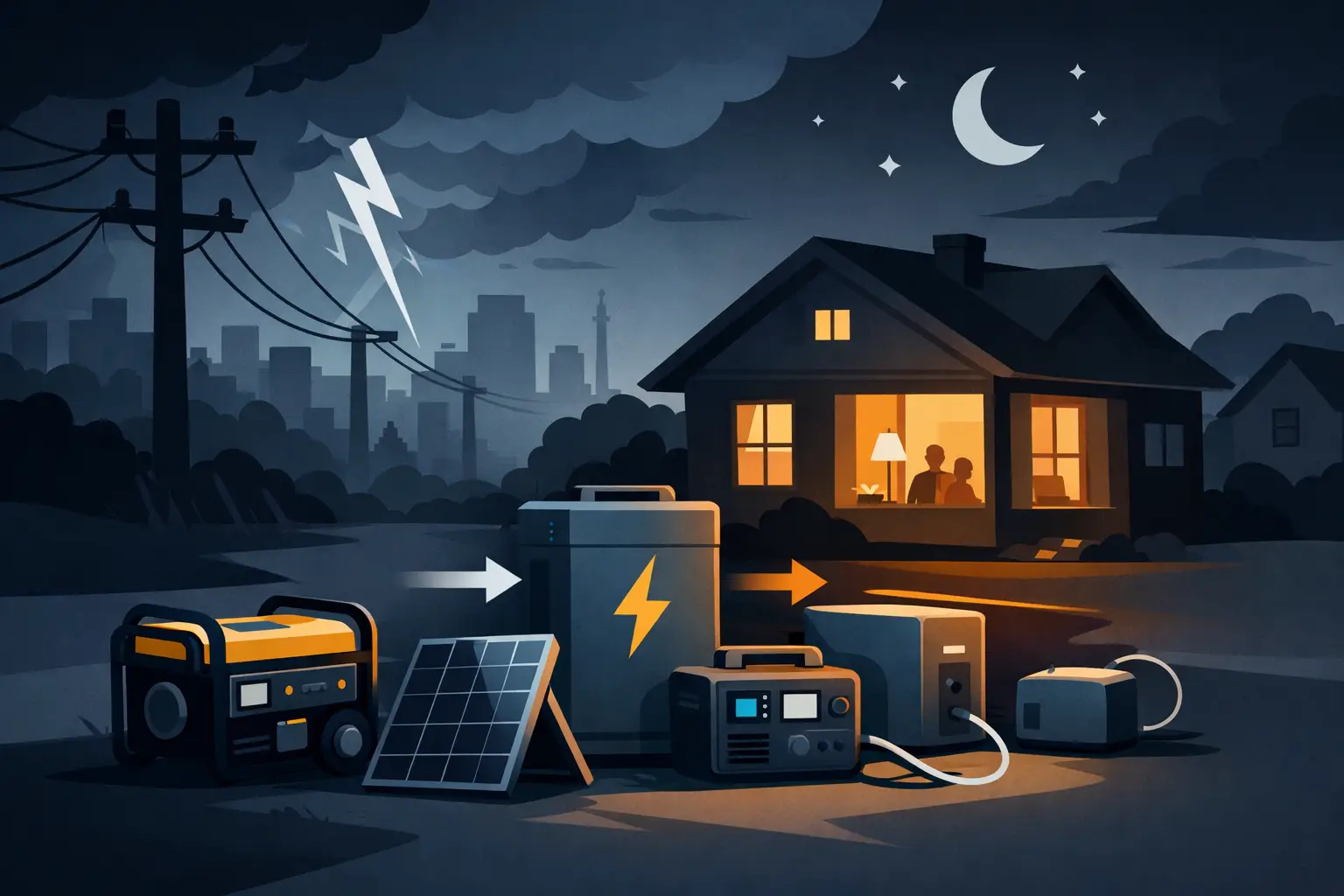
Backup power also needs careful discussion. Not every battery system keeps a whole commercial premises running during an outage. The available backup capacity depends on the battery, inverter configuration, switchboard design and the loads nominated as essential. Critical equipment such as security systems, communications, refrigeration controls, selected lighting or server equipment may be prioritised, while large motors and non-essential loads are managed separately.
The goal is not to promise independence where it is impractical. It is to build a system that provides an appropriate level of resilience for the site’s risk and budget.
Compare proposals on more than the system price
A lower quote can look attractive until it excludes engineering, monitoring, switchboard work, approvals, export controls or the equipment needed to make the system safe and compliant. Commercial solar proposals should make the scope clear enough for an owner or facilities manager to compare like with like.
Ask how the proposed output was modelled, what consumption data informed the size, which components are included, and what happens if the site requires electrical upgrades. Confirm workmanship and product warranties, monitoring arrangements, expected approval timeframes and the process for commissioning the system.
Transparent pricing is particularly valuable when a project involves more than panels. If solar, batteries, EV charging and electrical upgrades are all being considered, a staged plan can protect cash flow while ensuring the first installation does not limit future expansion.
Choosing the right energy mix for your business
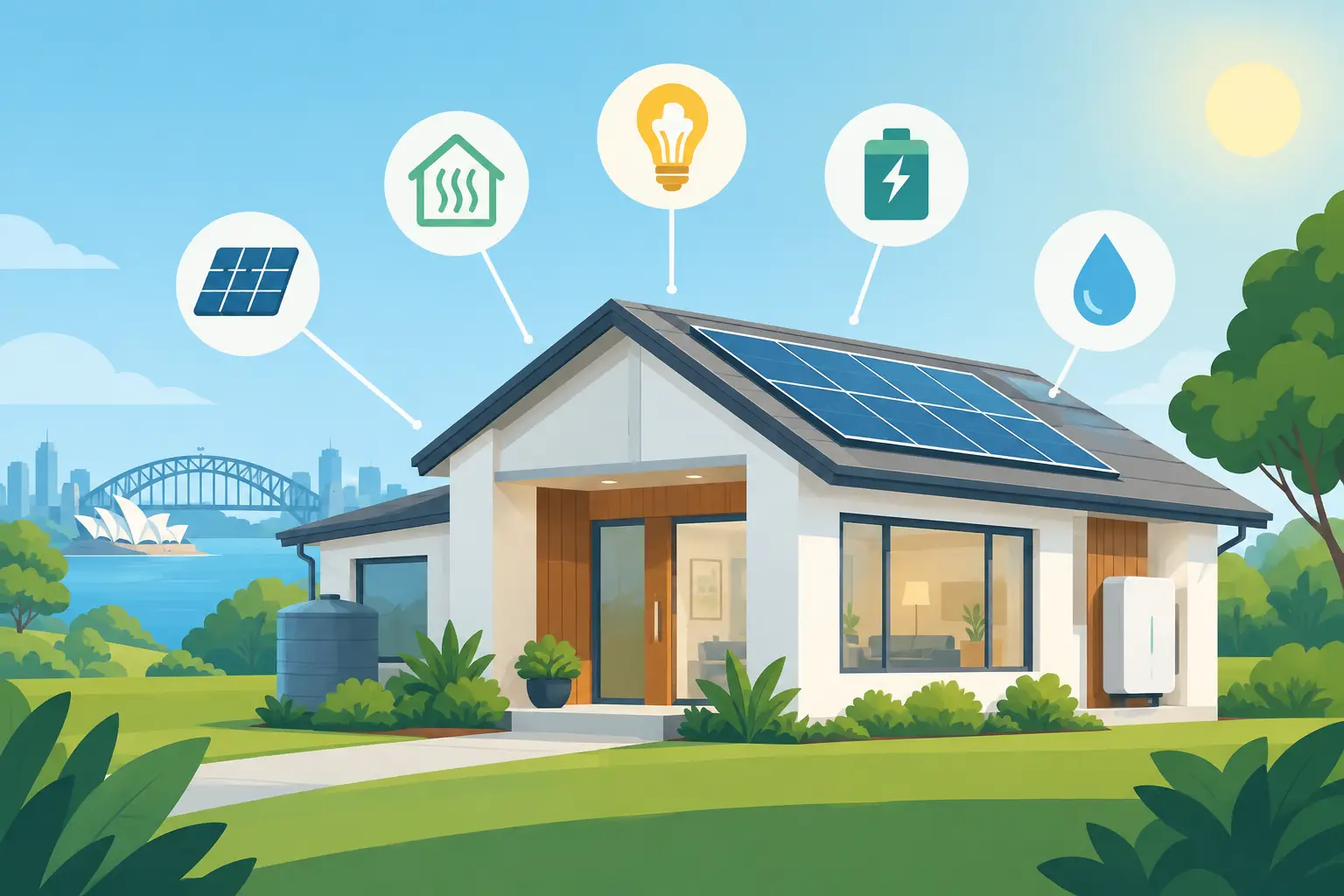
The grid remains a dependable part of commercial energy supply, but relying on it for every kilowatt-hour leaves a business exposed to costs it cannot directly control. Solar gives a property the ability to produce a portion of its own power, particularly when its operating hours align with daylight generation. Batteries can add flexibility and resilience where the numbers and operational needs support them.
The best outcome is usually a measured one: size solar around genuine daytime use, make the connection and switchboard work safe and compliant, then retain room for future battery storage or EV charging. A clear site assessment turns an energy upgrade from a generic sustainability purchase into infrastructure that supports lower operating costs and smarter growth.