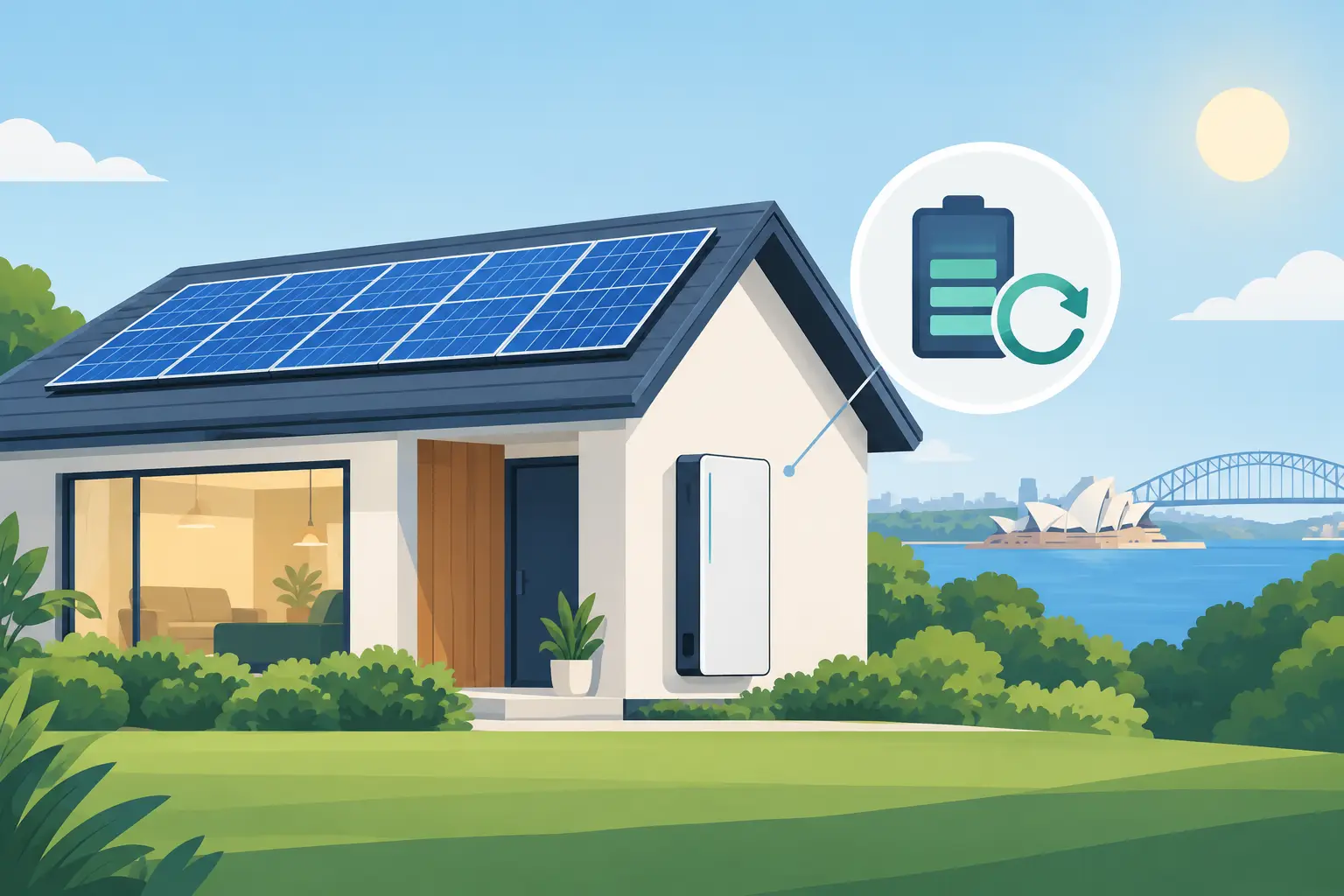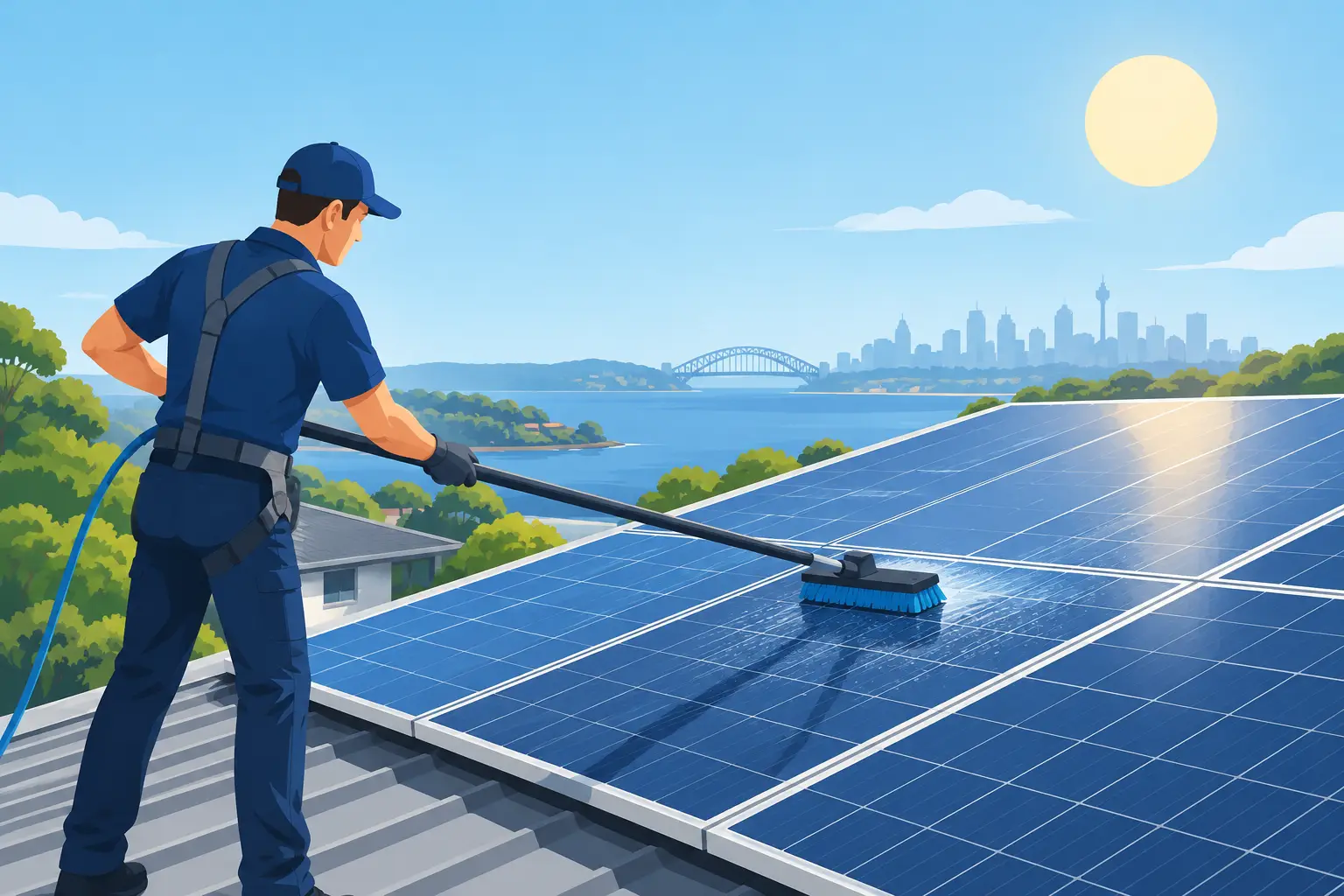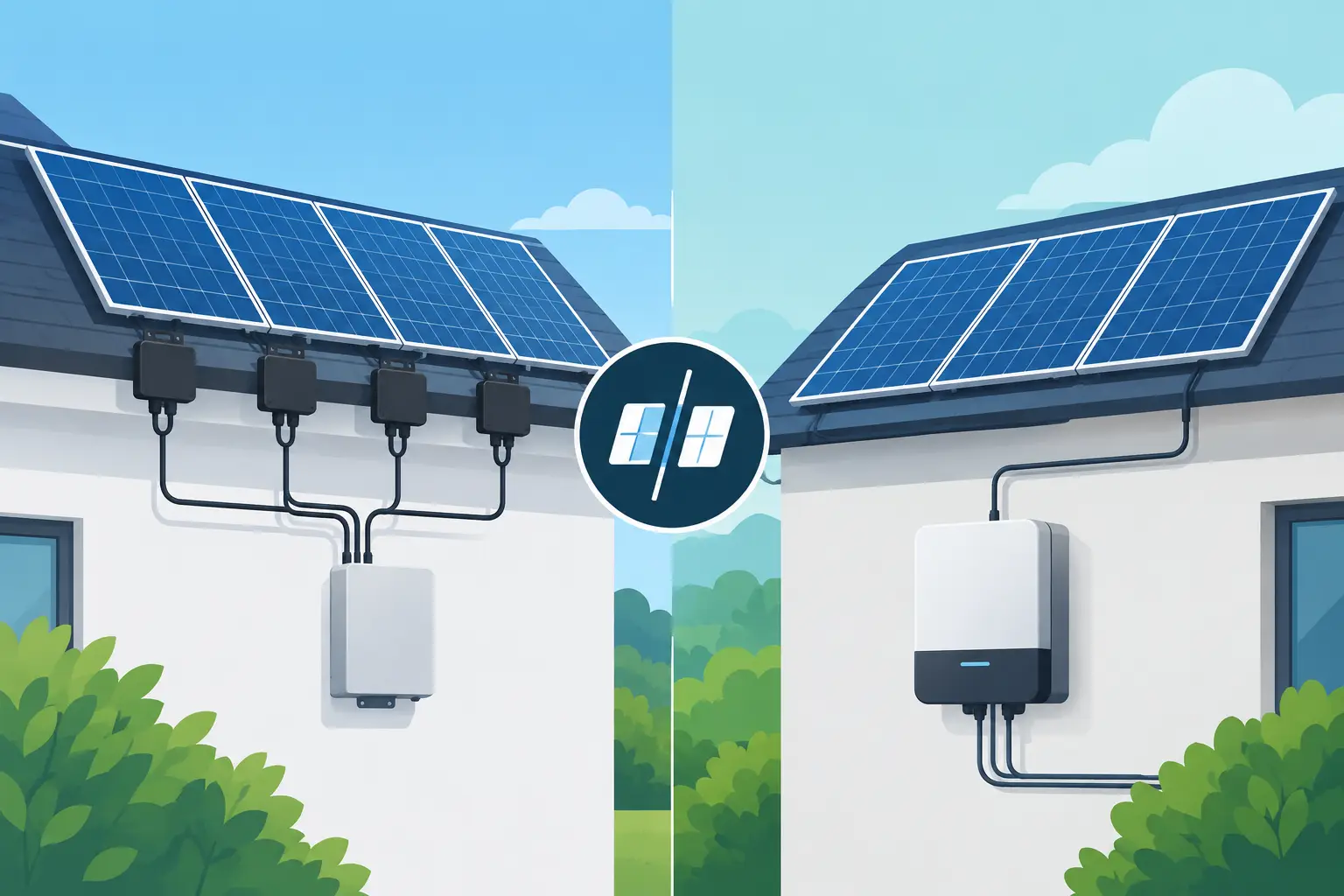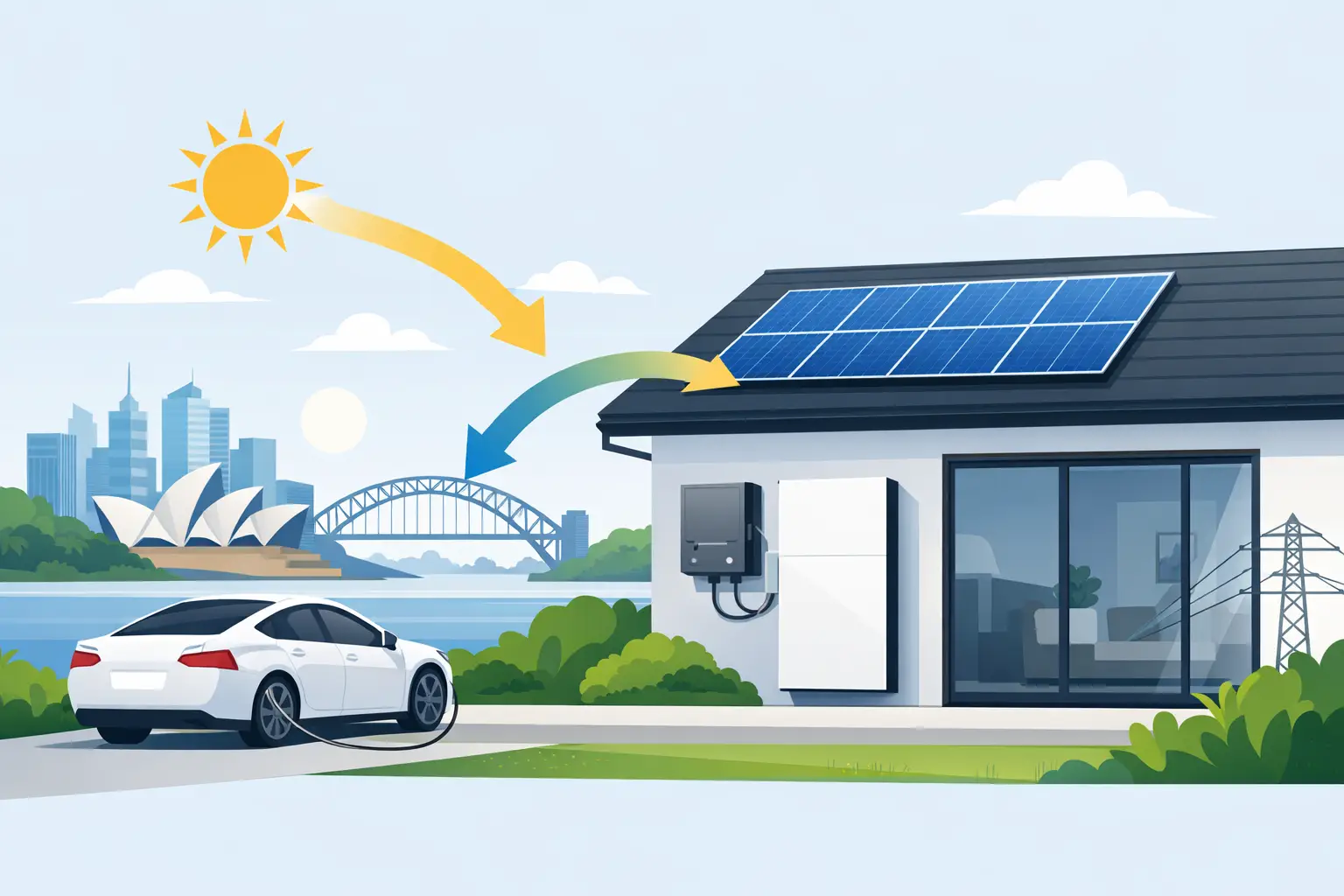
Yes, most warehouse roofs suit solar. For industrial solar panel installation NSW projects, the structure should carry the load, the roof needs years of life left, and the sheeting should not be asbestos cement. A structural check and roof inspection confirm this.
A warehouse roof looks like the ideal home for solar: wide, flat and mostly unobstructed. Often it is, but every roof has its own age, repair history and rooftop equipment. Before you collect quotes for commercial solar Sydney businesses depend on, learn what a designer will check. This guide covers structure, roof condition, layout, electrical capacity, approvals and a quick scorecard.
Key Takeaway
- Structure and roof condition matter more than roof size.
- Asbestos cement sheeting needs specialist advice, and usually replacement, before solar.
- Skylights, vents and plant equipment decide how many panels fit.
- Systems above 30kW need a larger network application.
- An engineer’s report and a roof inspection should come before any design.
Can the Structure Carry the Load?
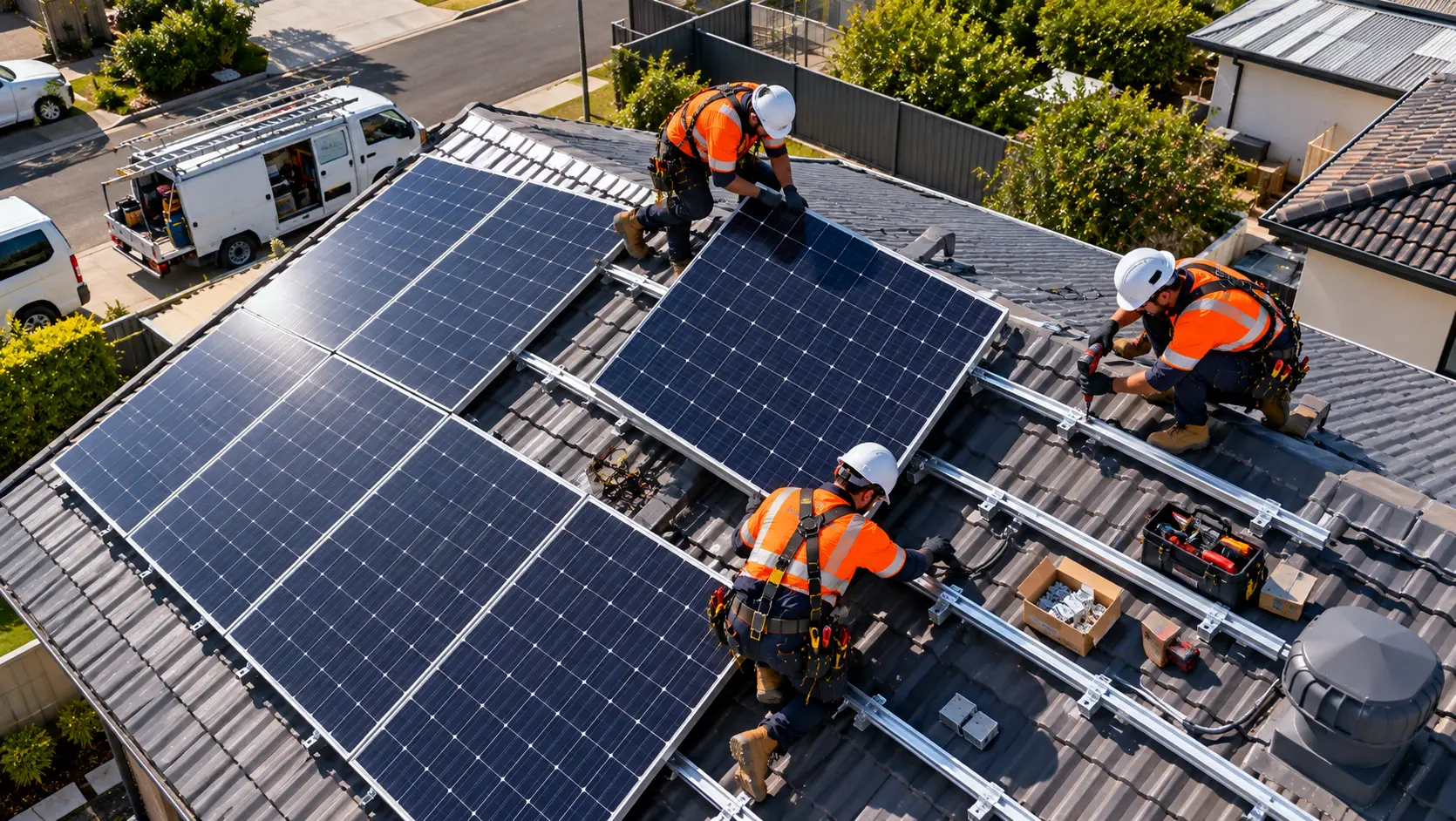
Solar adds weight, plus wind forces on the array, so the building’s frame and purlins must handle both. Older warehouses were not always designed with spare capacity. An engineer checks the structure and recommends reinforcement where needed, which is a normal step rather than a deal breaker.
Wind uplift matters on exposed industrial estates, so fixing points and spacing should be designed for local conditions, not copied from a standard layout. Ask for the report in writing before design begins.
Is the Roof Sheeting in Good Shape?
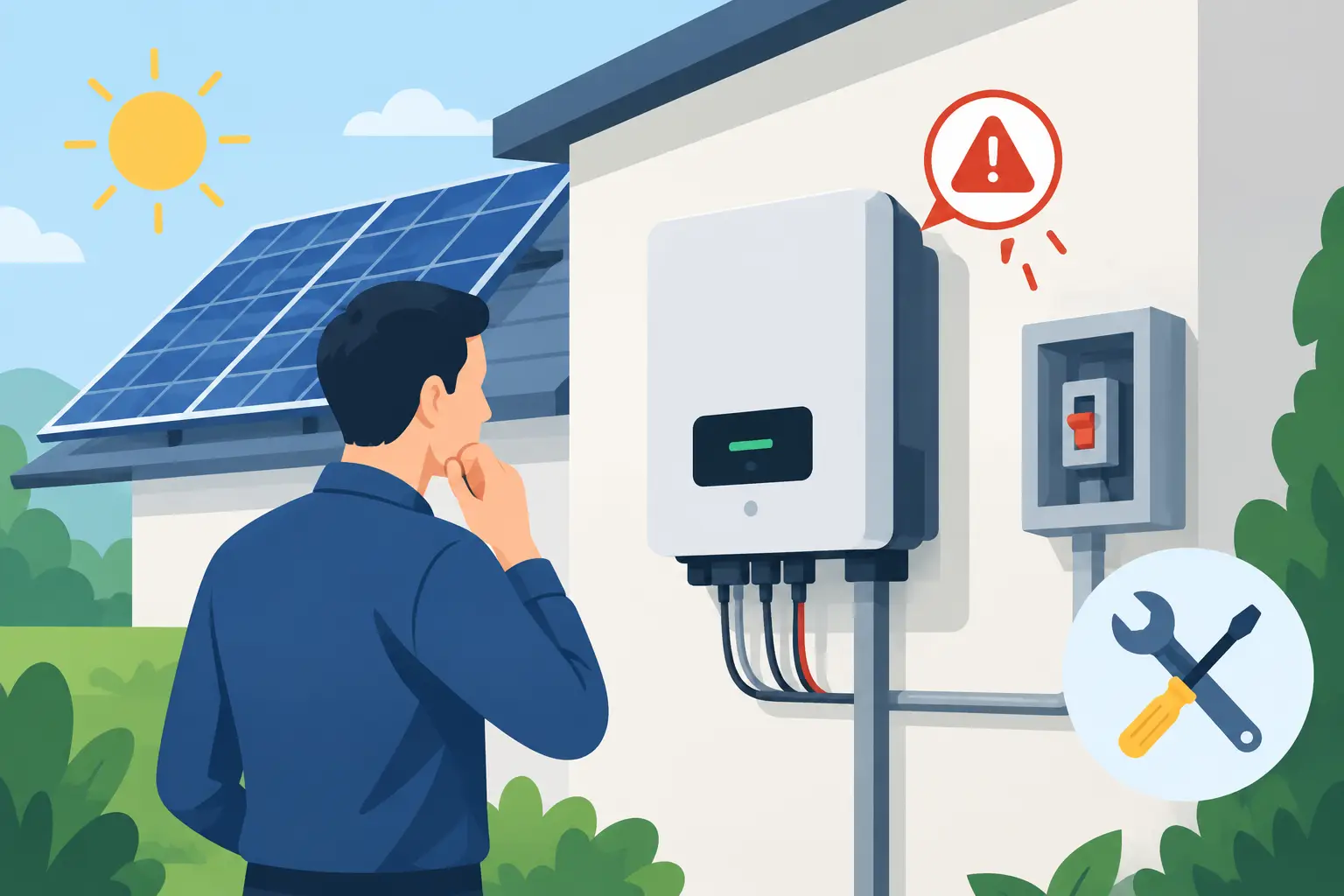
Panels can last 25 years or more, so the roof beneath them should have a similar outlook. If sheets are corroded, leaking, or close to replacement, repair the roof first or plan the replacement alongside solar. Doing it later means lifting and refitting the whole array. Ask for a written condition report covering fastener age, rust, past leaks and remaining life, which gives the designer a reliable starting point.
| Roof type | Suitability | What to check |
| Colorbond or metal sheet | Usually good | Sheet condition, fasteners, profile |
| Concrete or flat membrane | Good with design | Waterproofing, drainage, tilt frames or ballast |
| Asbestos cement | Not suitable as is | Licensed asbestos advice, likely replacement |
| Skylights and translucent sheets | Work around | Keep panels clear, mark safe walkways |
Is There Enough Clear, Sunny Space?
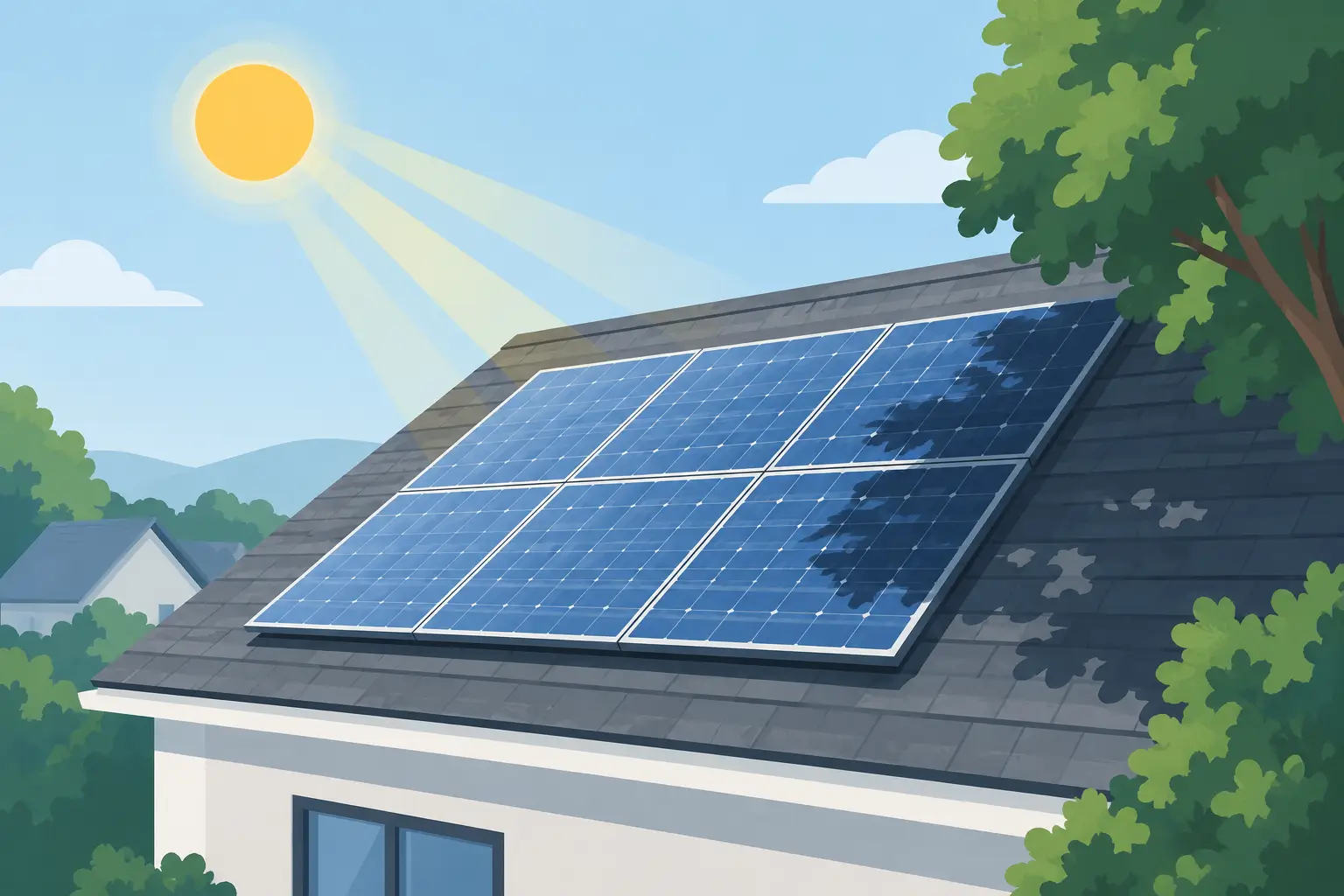
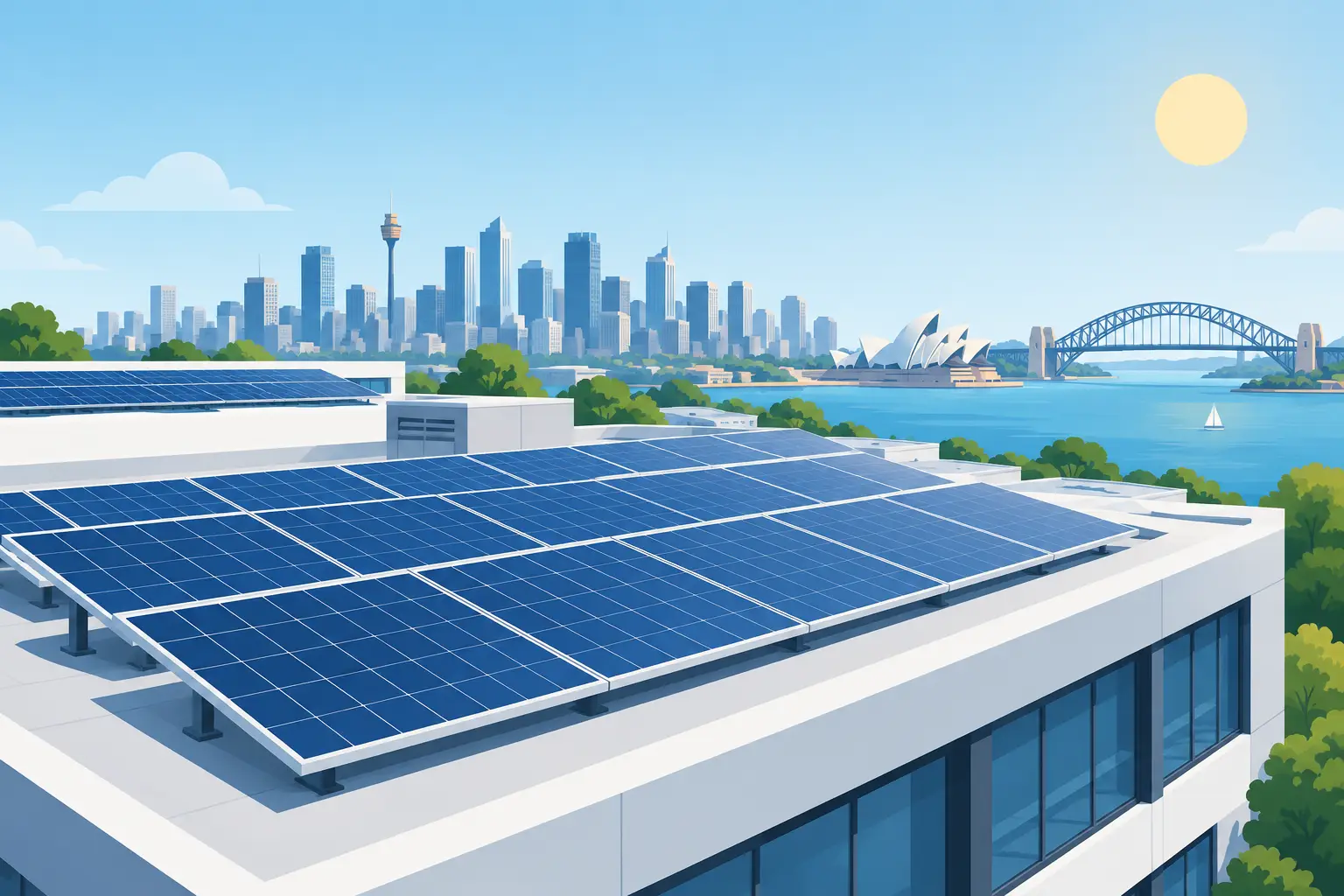
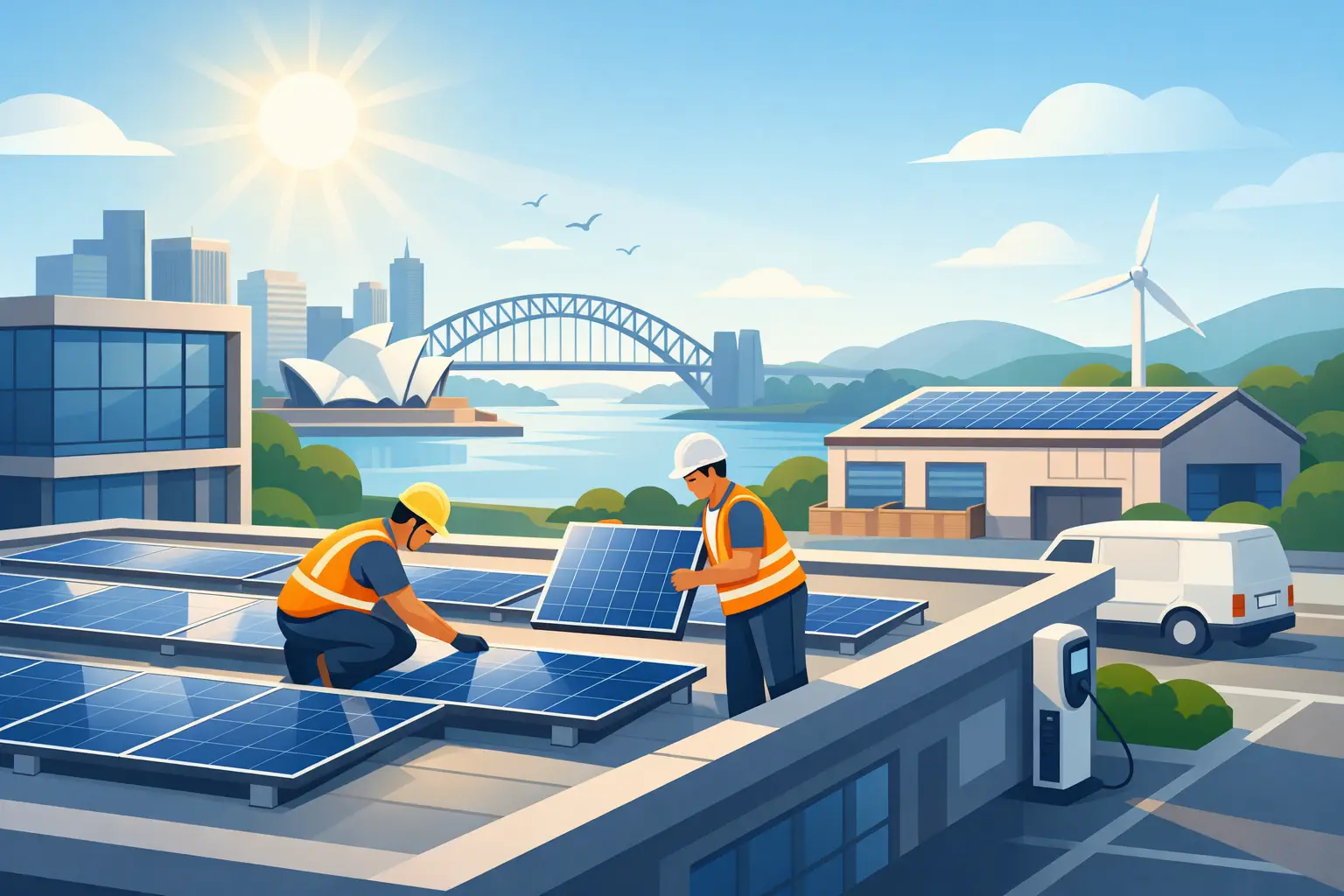
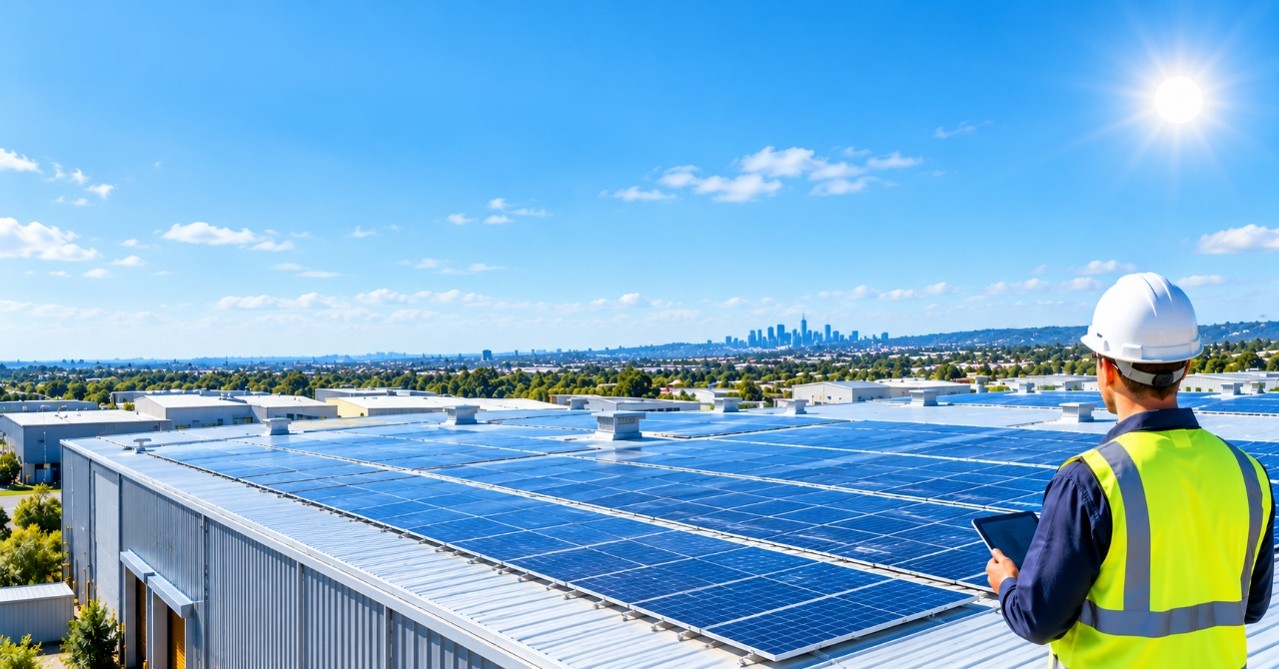
Count what is already up there: air conditioning units, exhaust fans, skylights, smoke vents and walkways. Each one removes usable area and may cast shade. Flat roofs can use tilted frames or east west layouts, which fit more panels and spread output across the day. Check neighbouring buildings and trees for shade too.
Safe access matters as well, so confirm that roof anchor points and edge protection suit the crews who will maintain the array.
Can Your Electrical Supply Handle It?
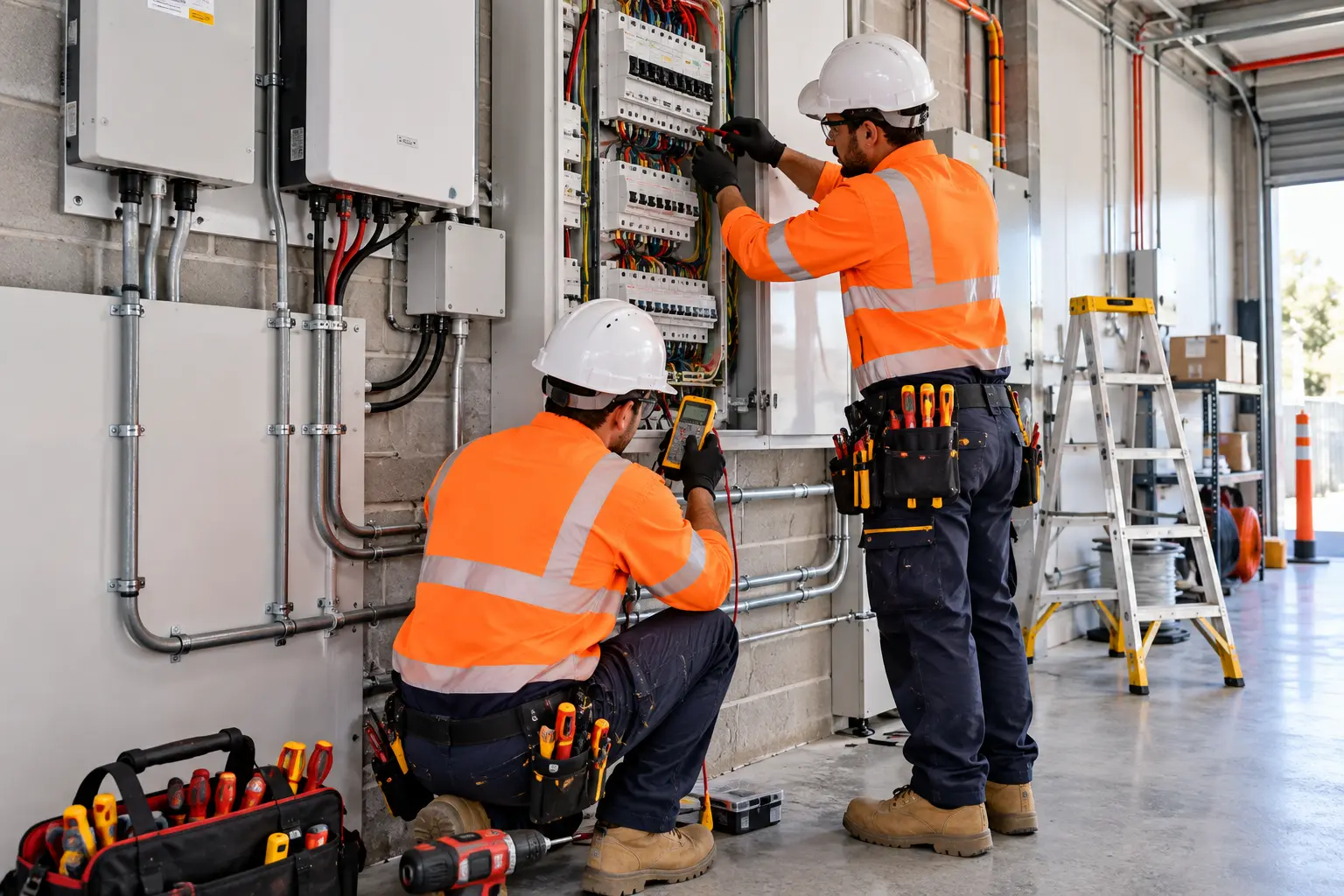
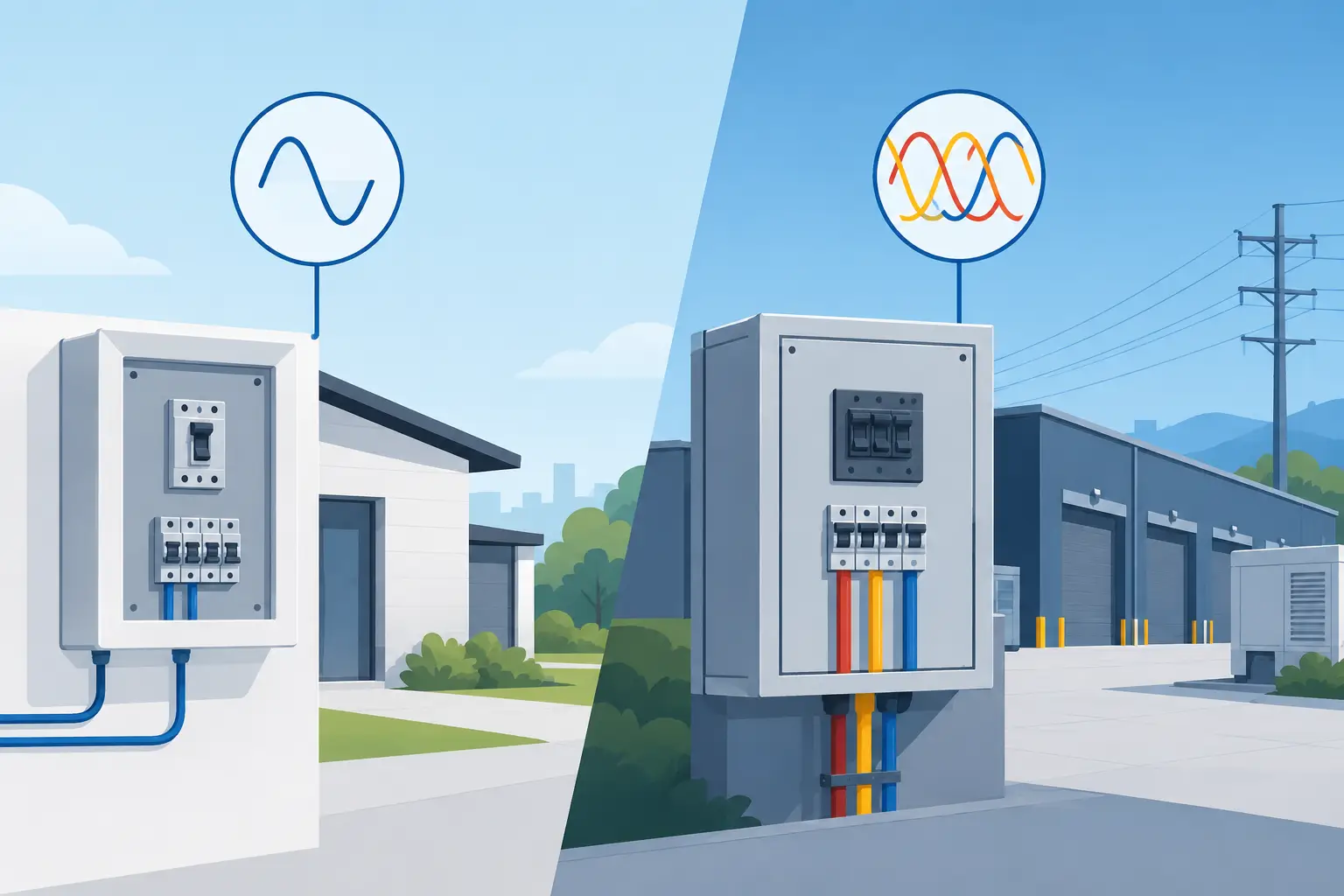
Roof strength is only half the story. A designer reviews your switchboard, three phase supply and interval data so the system is sized around real usage. A year of data shows when your site draws power, and a system matched to daytime demand usually saves more than one sized simply to fill the roof.
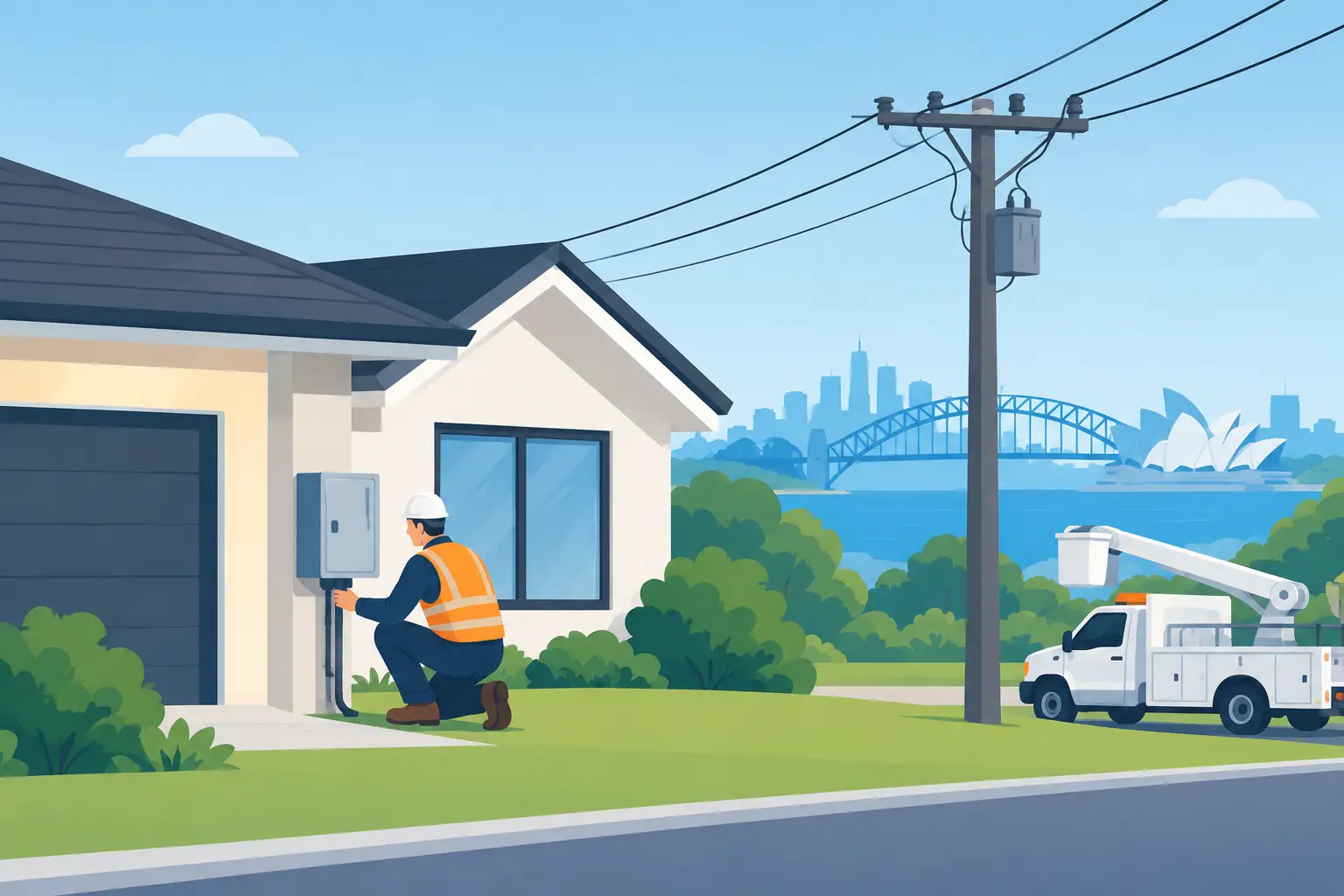
Systems above 30kW need a larger connection application to Ausgrid or Endeavour Energy, depending on your site, which adds assessment time, so start early.
Do You Need Approval Before You Start?
Many rooftop systems qualify as exempt development, but heritage listings, larger systems and unusual designs may need council approval, so confirm early. Network and council steps can run alongside design work, so raising them early rarely slows the project. If you lease the building, get your landlord’s consent in writing. It also pays to tell your insurer before work begins.
Commercial Solar Installation Sydney: Your Roof Suitability Scorecard
Answer yes or no to each question:
- Has an engineer confirmed the structure can carry solar?
- Does the roof have many years of life left?
- Is the roof free of asbestos cement sheeting?
- Is there a large area clear of vents, skylights, and shade?
- Does your switchboard and supply suit the proposed system size?
- Have you checked council, landlord and network requirements?
Six yes answers suggest a strong candidate. Three or four mean solar is likely possible after some repairs or upgrades. Two or fewer? Book a roof inspection before requesting designs. Keep your answers handy, because they help a designer speed up the first conversation.
Conclusion
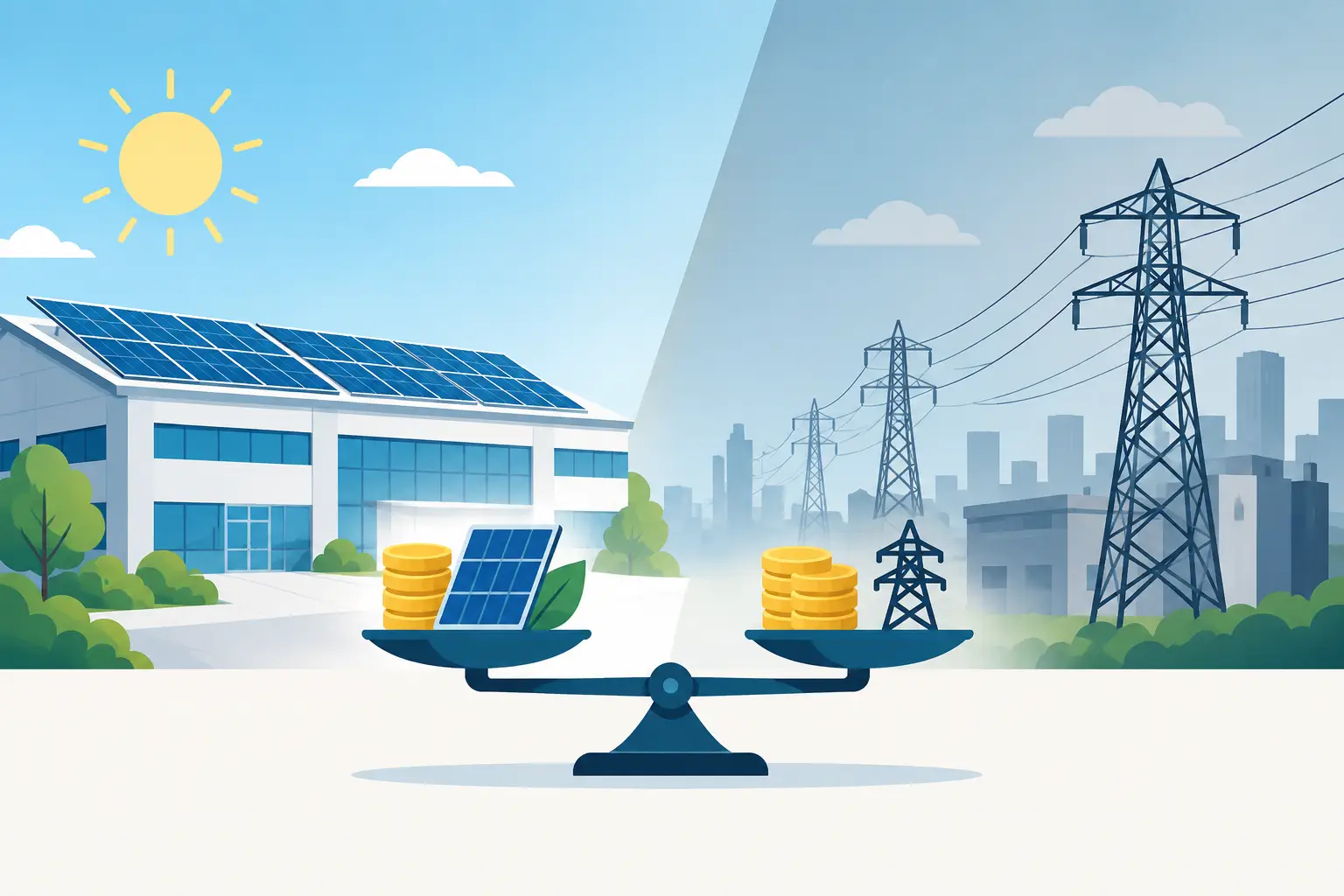
A warehouse roof can be an excellent solar asset, but only when the structure, sheeting, layout and electrical supply all line up. Check each one early, get an engineer’s view and use the scorecard to see where you stand. That small amount of preparation protects both the roof and the return on your industrial solar panel installation NSW project.
Sydpro Electrical supports homes and businesses across NSW with solar, battery and electrical services, and the team can assess your roof and explain realistic next steps. From first inspection through design, installation and activation, you get clear advice at every stage, so a suitable roof becomes a dependable source of savings.
FAQs
What makes a warehouse roof unsuitable for solar?
A roof near the end of its life, a weak structure, heavy shading, or too little clear space are common problems. Many can be fixed with repairs or reinforcement first.
Can I install solar on an asbestos roof?
Generally no. Asbestos cement sheets are brittle and hazardous to disturb, so get advice from a licensed professional first. The roof is usually replaced before any solar work can begin.
How much roof space does a commercial solar system need?
Roughly every kilowatt needs about 5 to 7 square metres of clear roof, depending on panel size and layout. A designer measures your real usable area after allowing for services.
Are there incentives for commercial solar?
Systems up to 100kW claim upfront STCs, while larger systems earn LGCs over time. Which applies depends on final system size, so ask your installer to explain the numbers clearly.
Will solar panels damage my warehouse roof?
Not when installed correctly. Quality fixings, sealing and flashing protect the roof, and panels can shade sheeting from UV. Ask for a written workmanship warranty that covers any roof penetrations.
Book a Warehouse Roof Check Before You Commit
Ask a team experienced in commercial solar installation Sydney warehouses to inspect your roof, review your power use, and outline clear next steps. Book your free roof assessment.