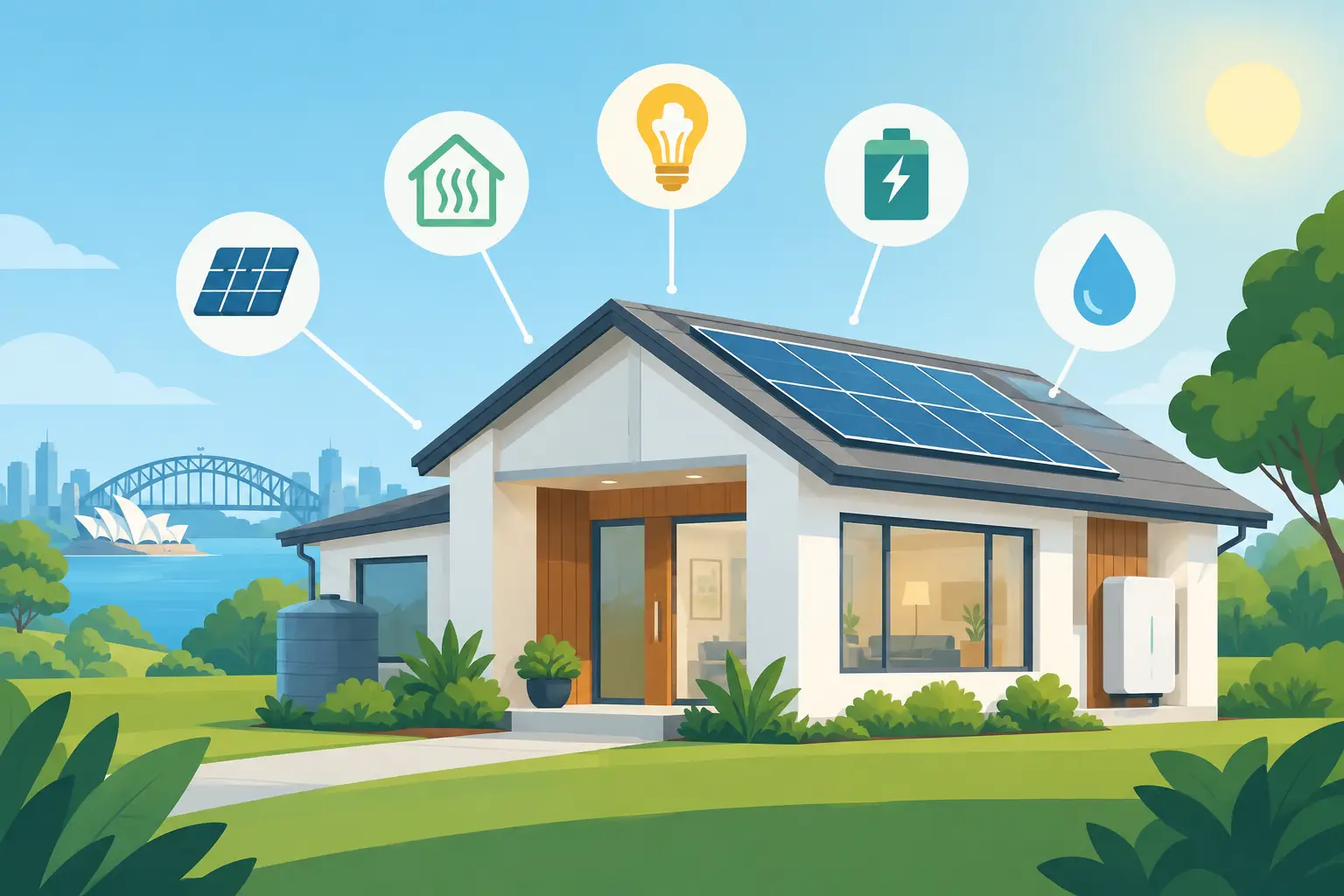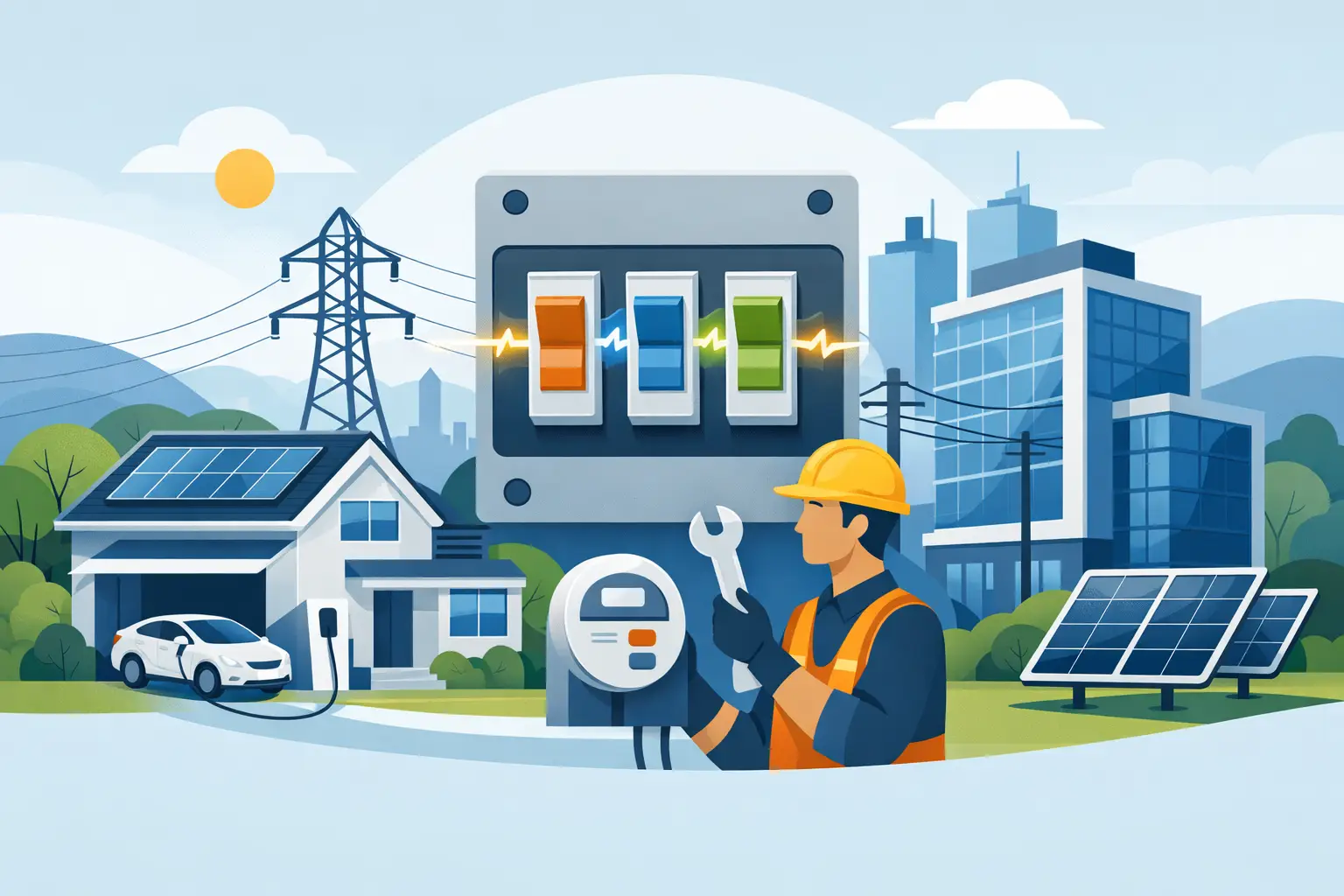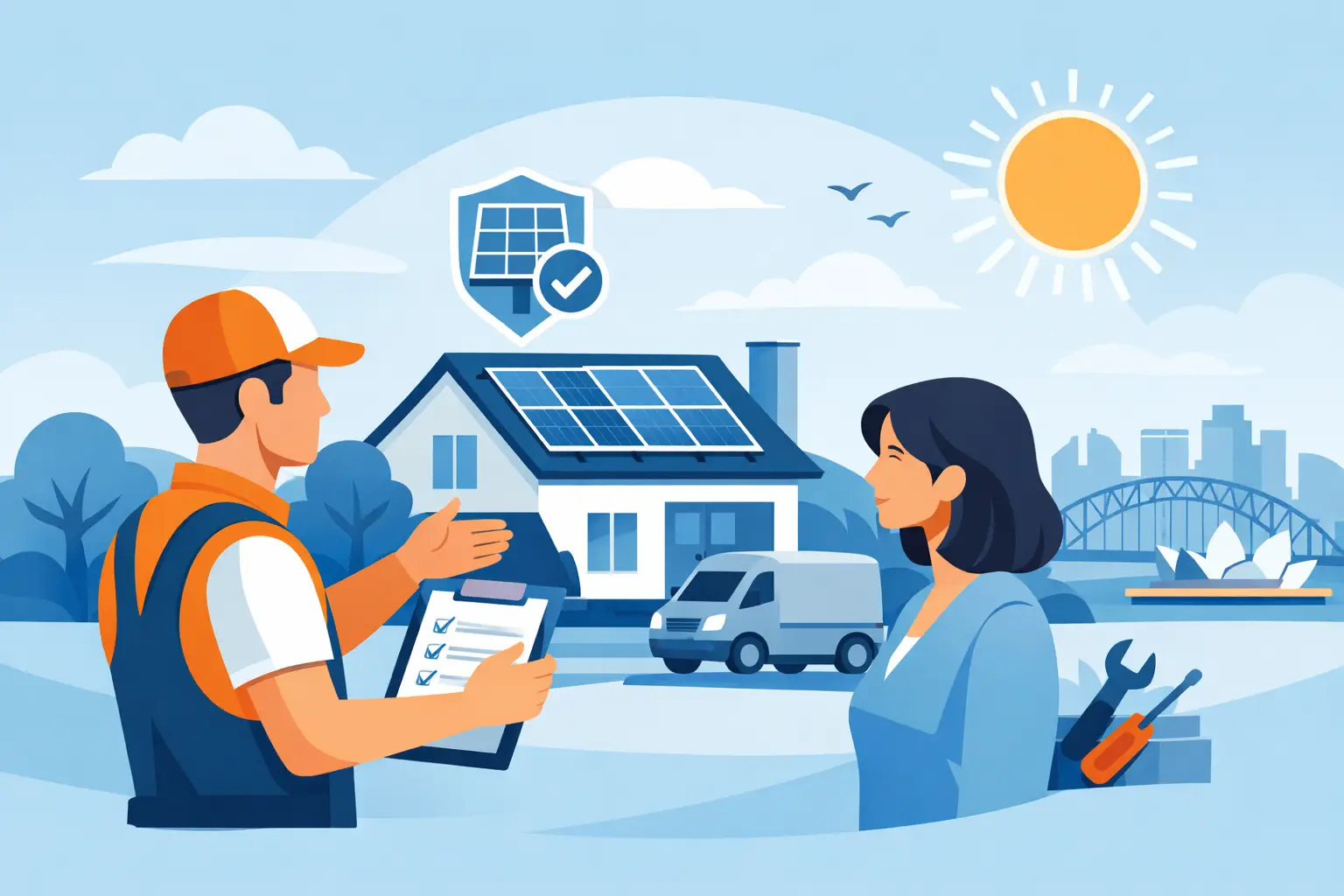
A solar export limit upgrade can be the difference between a system that simply offsets daytime bills and one that supports meaningful solar expansion, battery storage or EV charging. But more export capacity is not an automatic entitlement. In NSW, it depends on your local distribution network, your property’s connection, the equipment proposed and whether the network can safely accept additional generation.
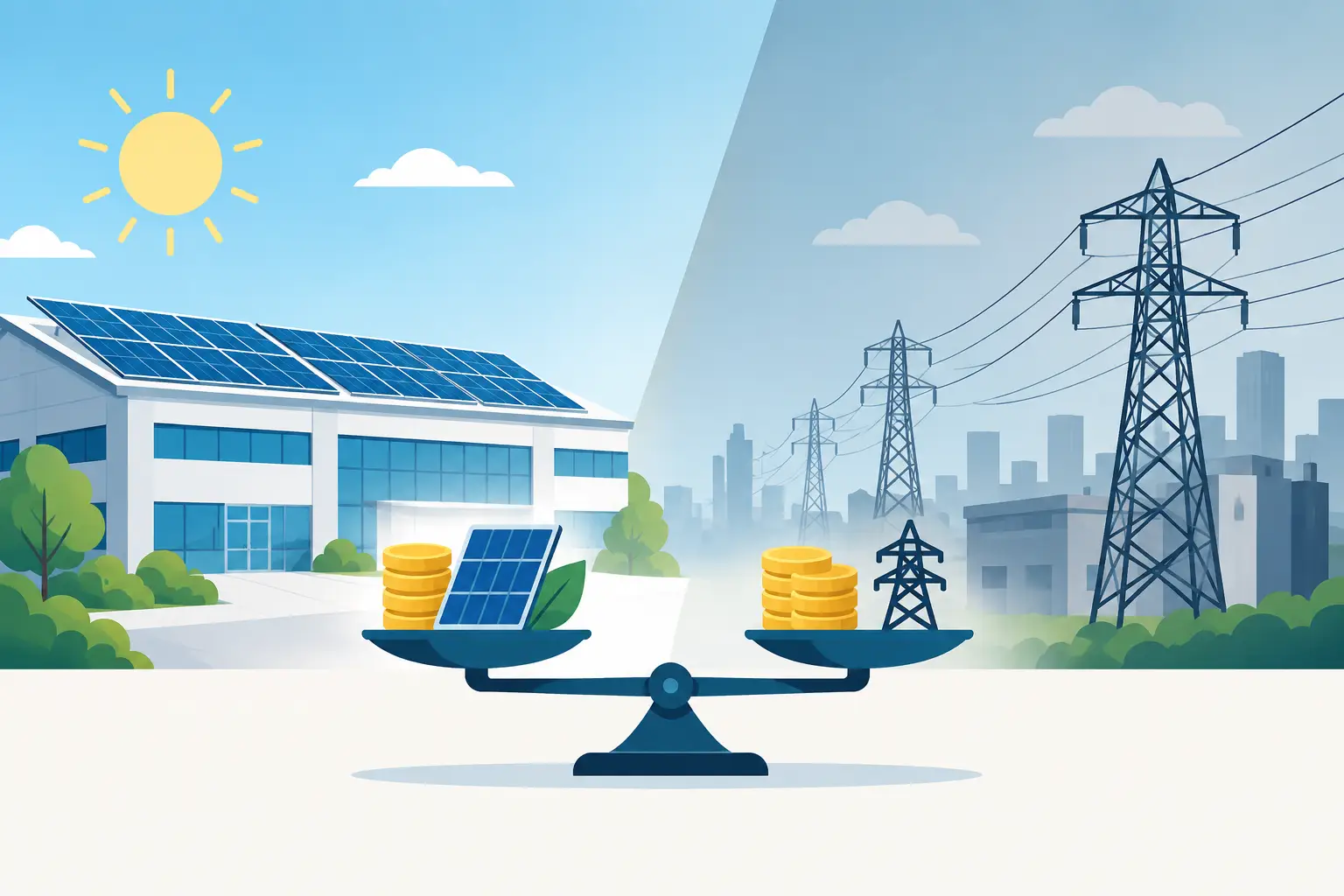
For homeowners and businesses, the key question is not just, “Can I export more?” It is whether upgrading the export limit will improve the financial return of your next energy investment. In many cases, using solar power on site or storing it in a battery delivers more value than chasing a higher feed-in volume alone.
What is a solar export limit?
Your export limit is the maximum amount of electricity your solar system is permitted to send from your property back into the grid. It is set through the grid connection process by your local electricity distributor, not by your electricity retailer or solar installer.
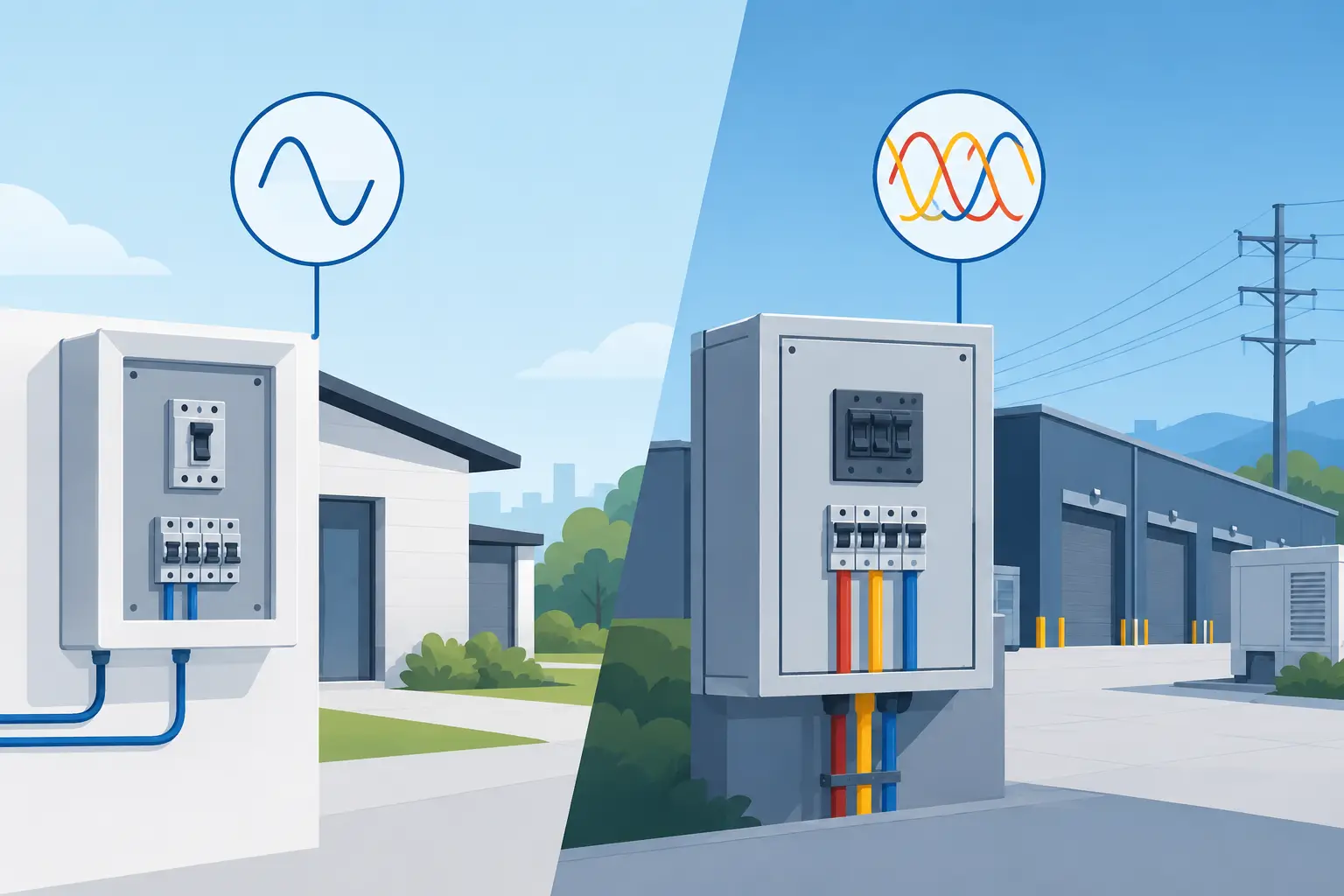
A common limit for NSW homes is 5 kW per phase, although limits vary between network areas and sites. A three-phase property may have capacity to export across each phase, while a single-phase home has a different set of constraints. Commercial and industrial sites can be more complex again, particularly where existing load, transformer capacity, switchboard ratings and protection settings must be assessed.
This limit is separate from the size of your solar array. You may be able to install more panel capacity than you can export, provided the inverter is configured to cap exports at the approved level. That distinction matters when a property has strong daytime consumption, a battery, electric hot water control, pool equipment or EV charging.
When does a solar export limit upgrade make sense?
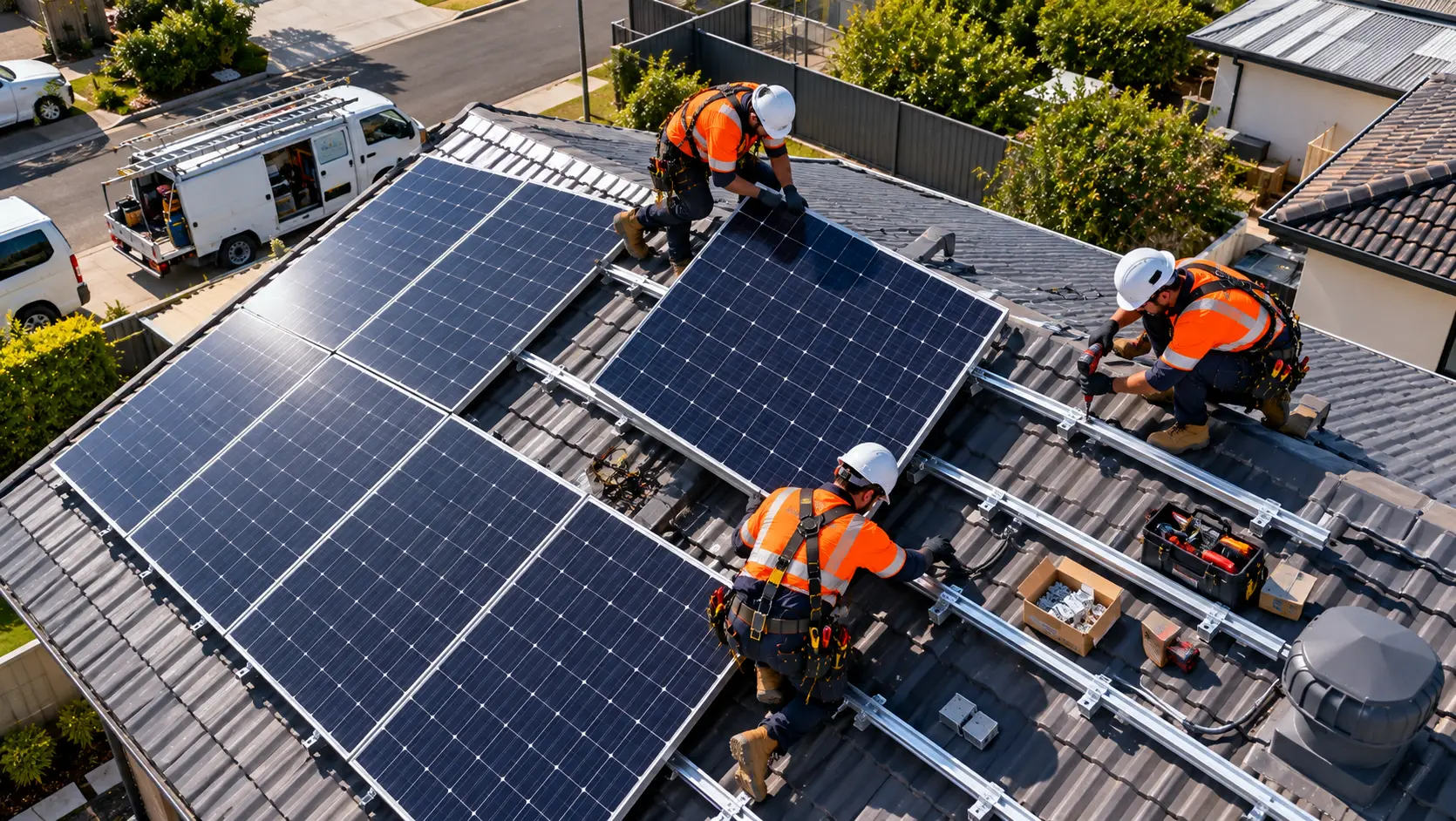
An export limit upgrade is most often considered when an existing solar system is being expanded. Perhaps your household’s electricity use has risen, you are adding an EV charger, or a business has installed new equipment and wants to reduce operating costs with a larger rooftop system.
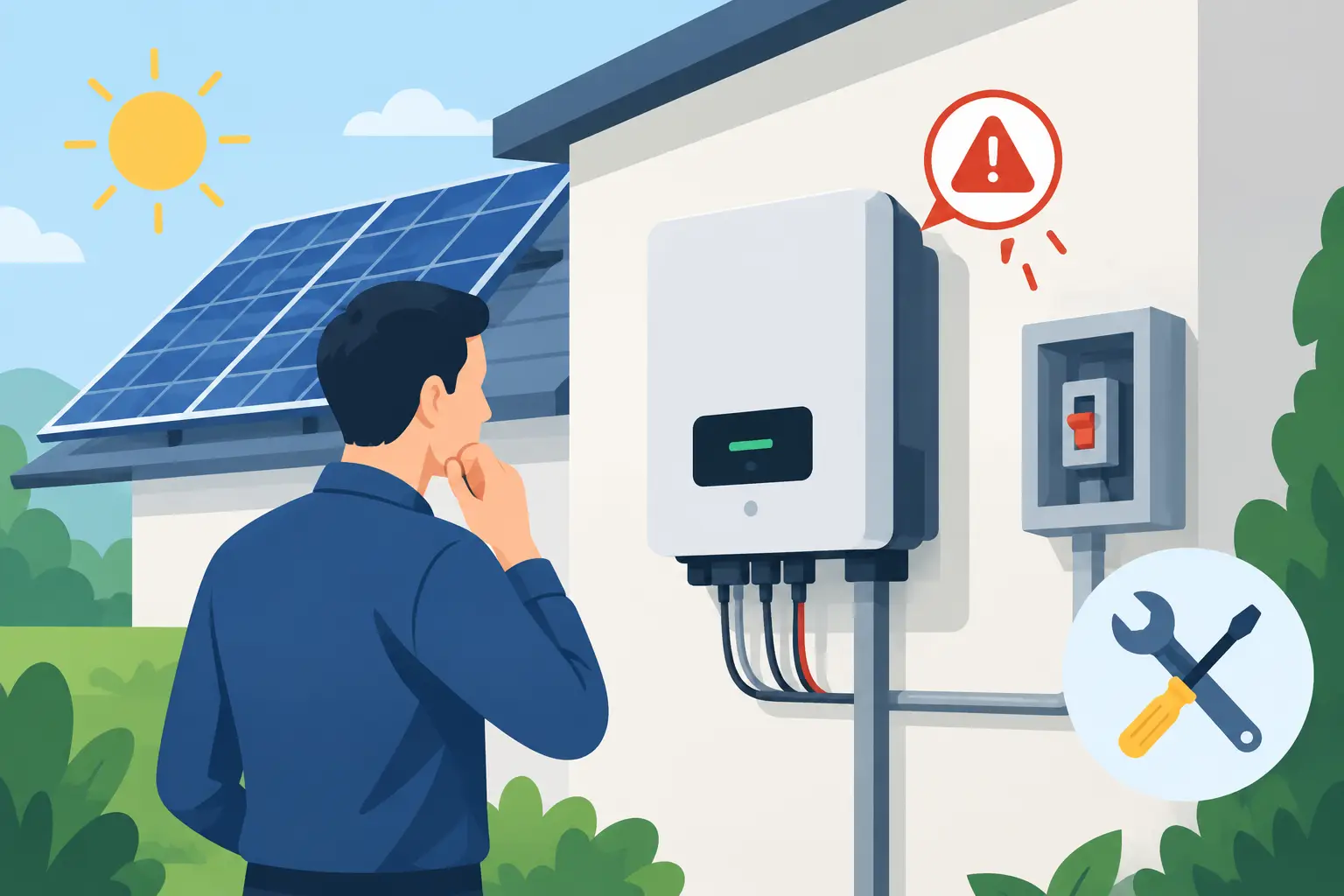
It can also arise when replacing an ageing inverter. The new inverter may have greater output capacity than the original unit, but it still needs to comply with the export approval attached to the site. Installing larger equipment without addressing the approved connection can create delays, added rectification costs and compliance issues.
For some properties, the upgrade is worthwhile because export income remains a useful part of the project return. This is more likely where the building has low daytime demand and a large, unshaded roof. For others, especially households that use most of their energy after sunset, a battery may provide a better outcome by storing surplus production for evening use rather than exporting it at a comparatively low feed-in rate.
The right answer depends on interval data, not assumptions. A quality assessment looks at when your site uses electricity, how much solar is currently being curtailed or exported, your future loads and the connection options available from the distributor.
More solar does not always mean more grid export
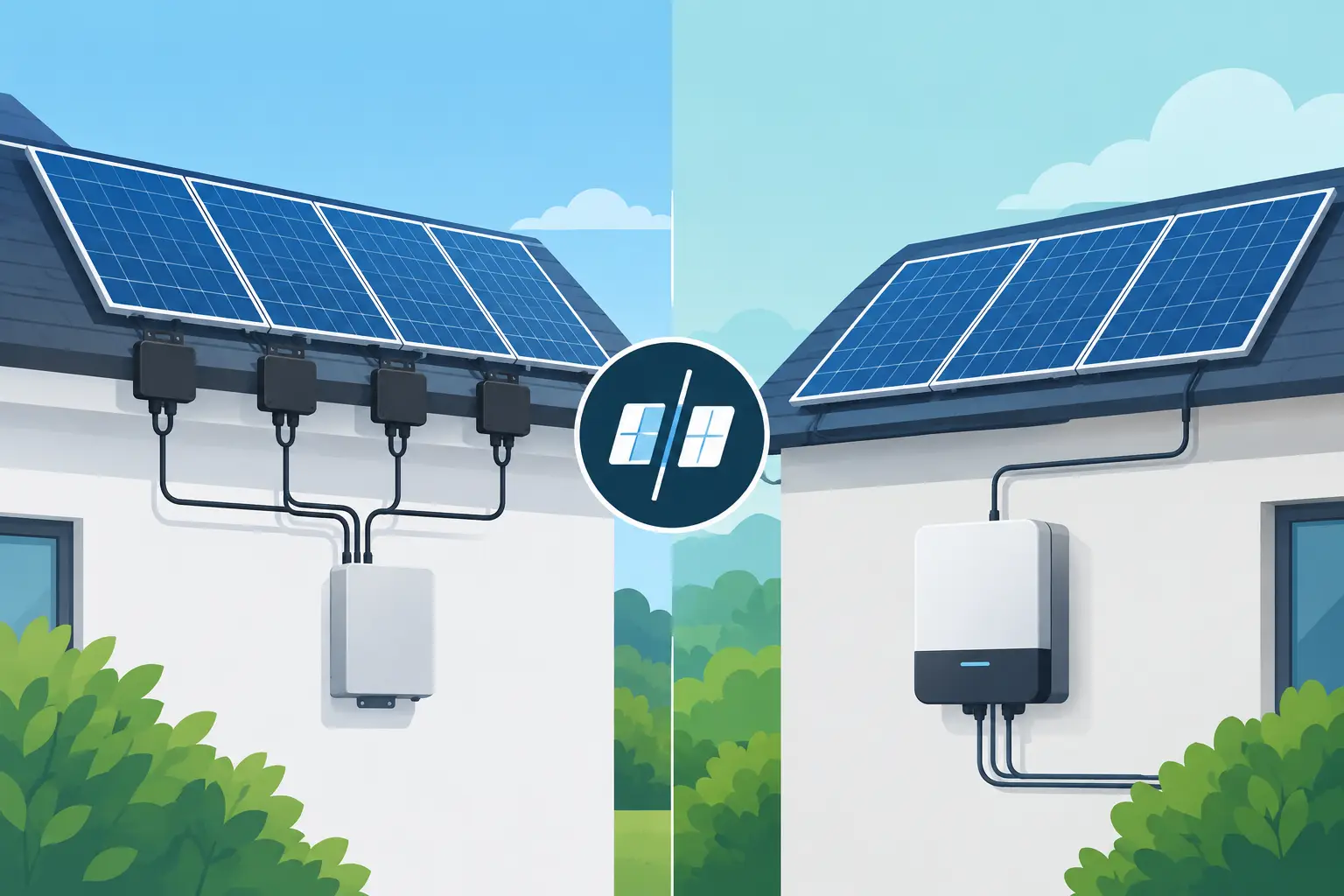
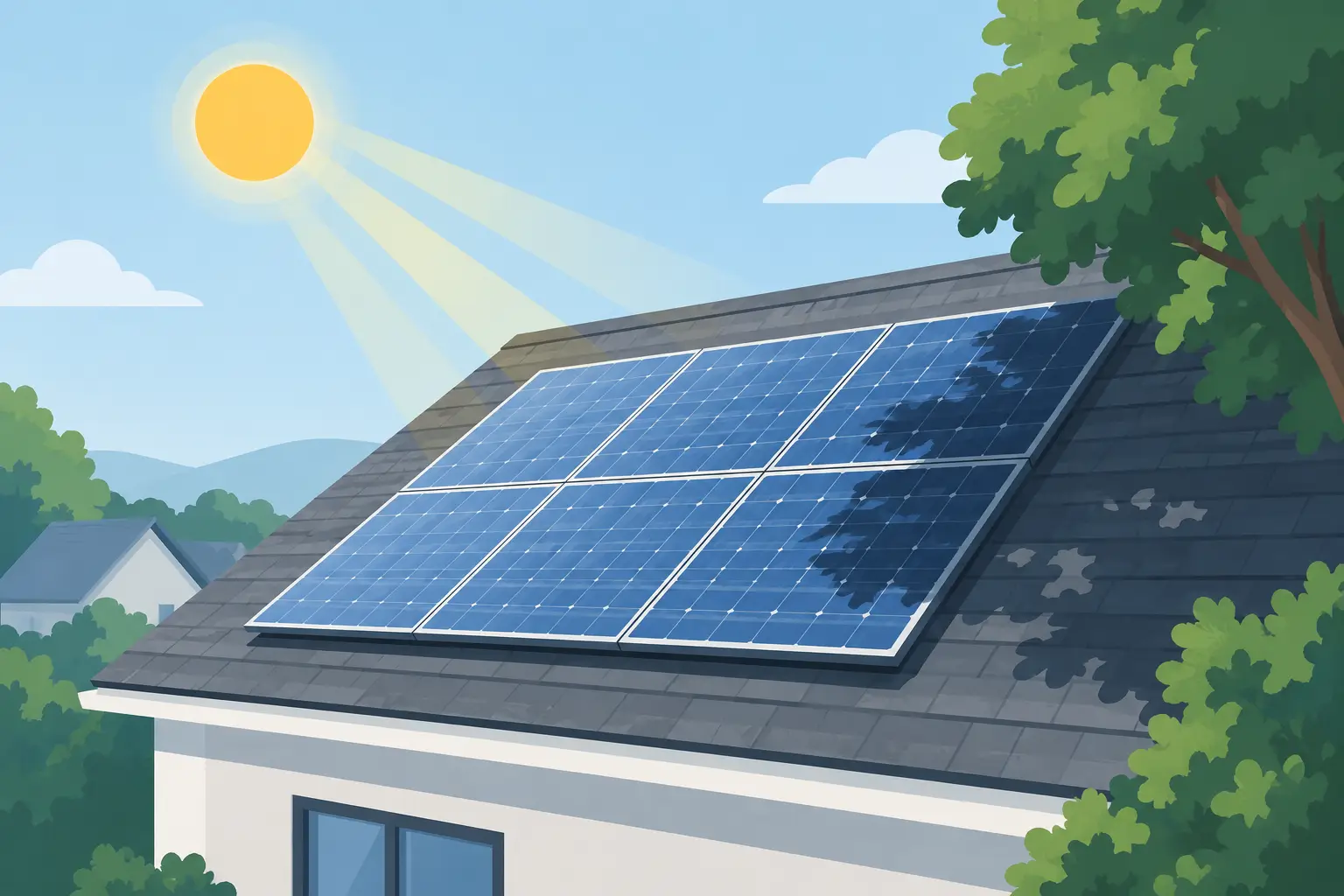
A 13 kW panel array, for example, may be paired with a 10 kW inverter and an approved export limit below the inverter’s full output. This can still be a sensible design. Panels rarely produce their nameplate rating all day, and extra panel capacity can improve output in the morning, afternoon and lower-light conditions.
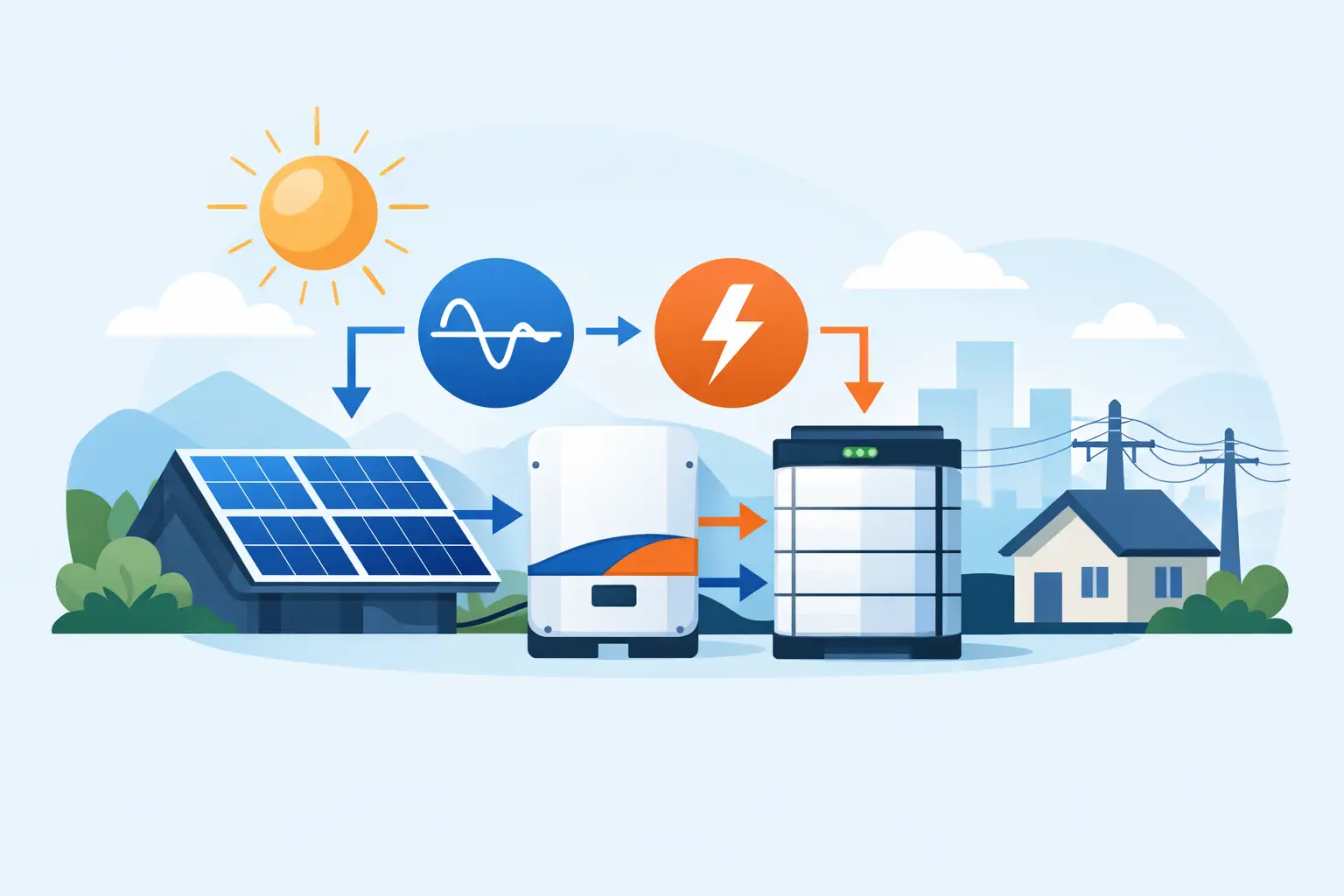
The inverter monitors site demand and adjusts generation to keep exports within the approved ceiling. If the home is consuming 3 kW and the export limit is 5 kW, the system may generate up to 8 kW without exceeding the limit. If demand falls, the inverter reduces output as required.
That is why a well-designed solar system should be built around consumption patterns and network rules, rather than panel count alone.
What the upgrade process involves in NSW
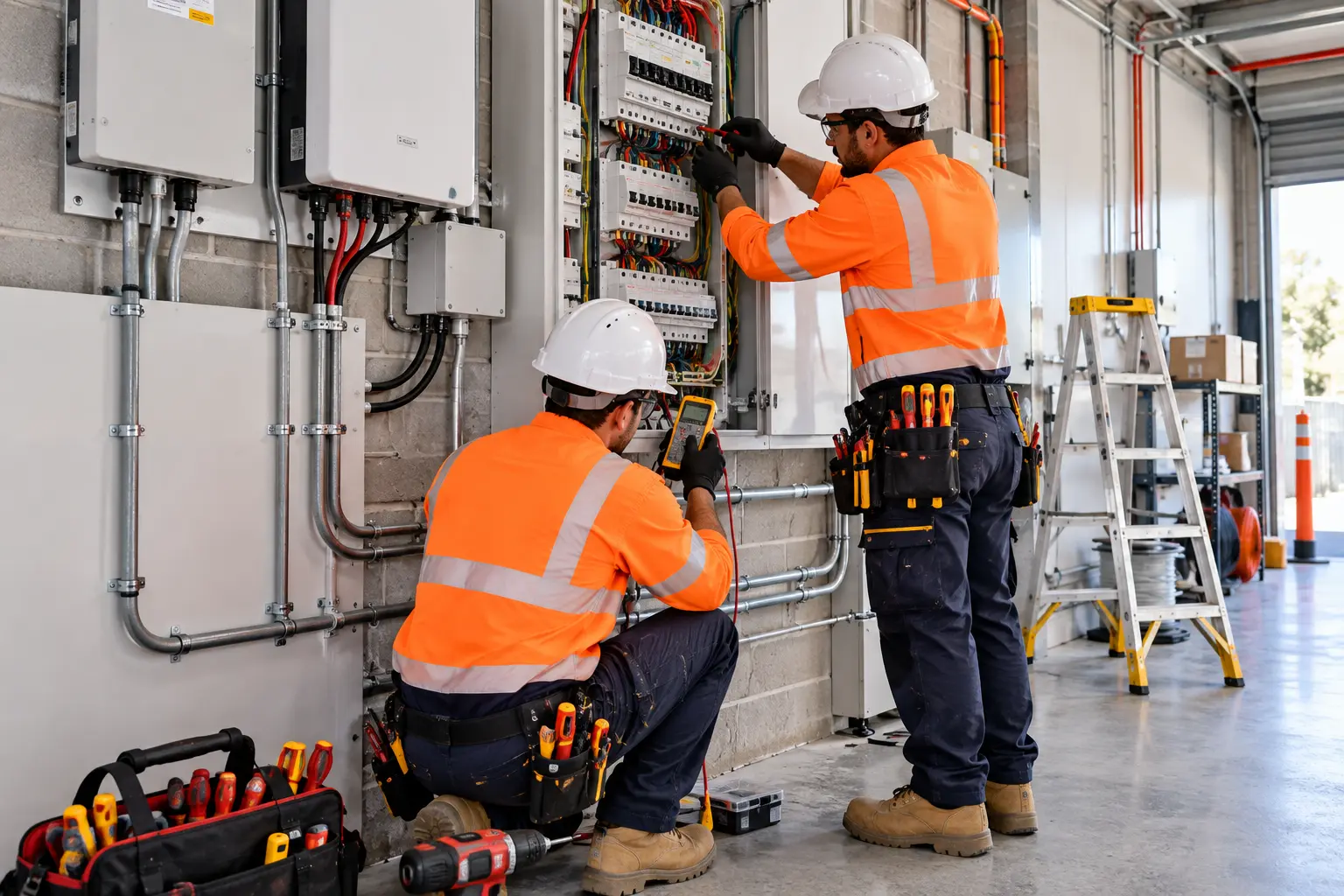
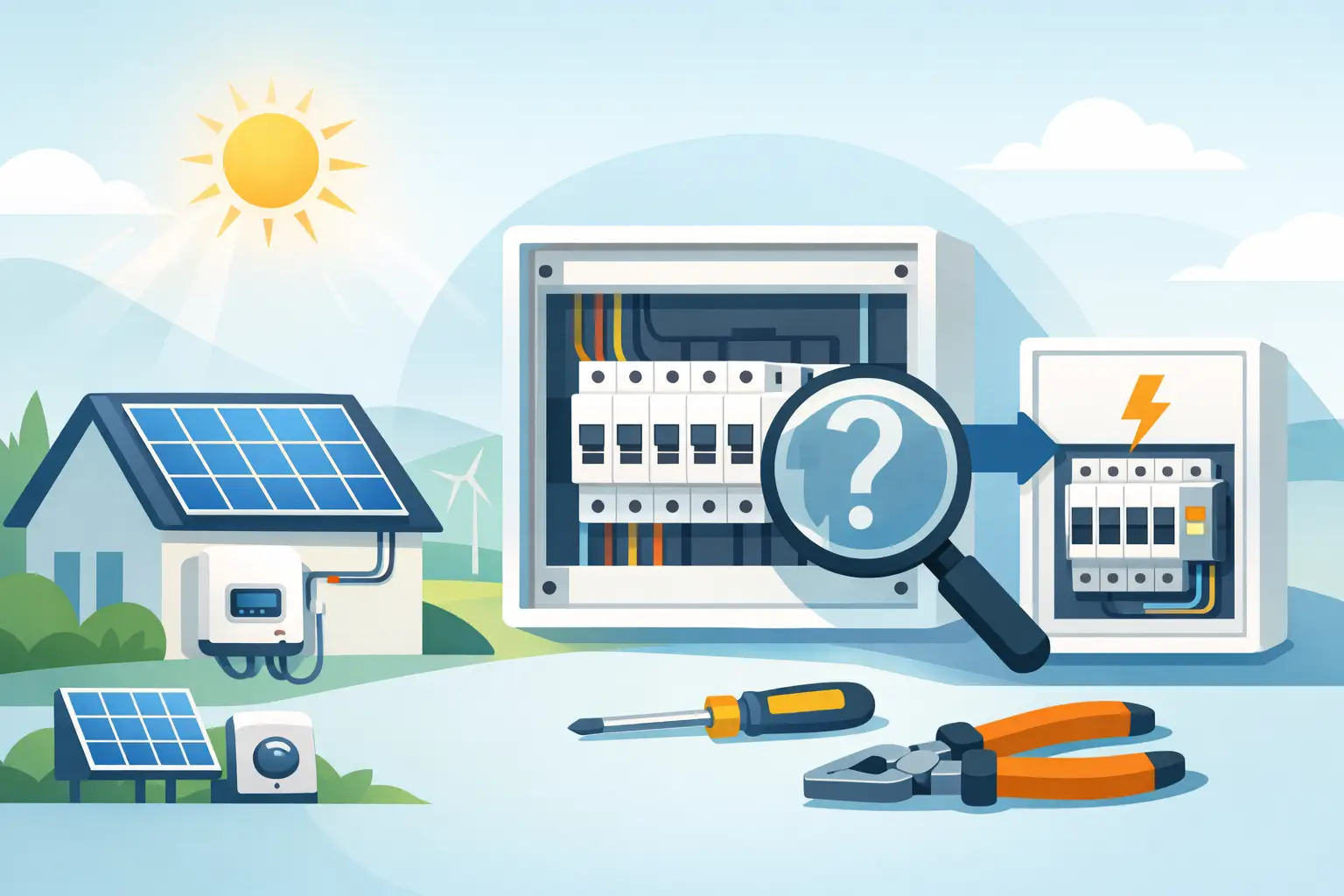
A solar export limit upgrade starts with confirming your existing connection details. Your installer needs to identify the current inverter capacity, phase arrangement, main switchboard condition, metering configuration and the export approval already in place. Older systems may have incomplete documentation, equipment settings that no longer reflect the current arrangement or switchboards that need upgrading before additional generation can be connected.
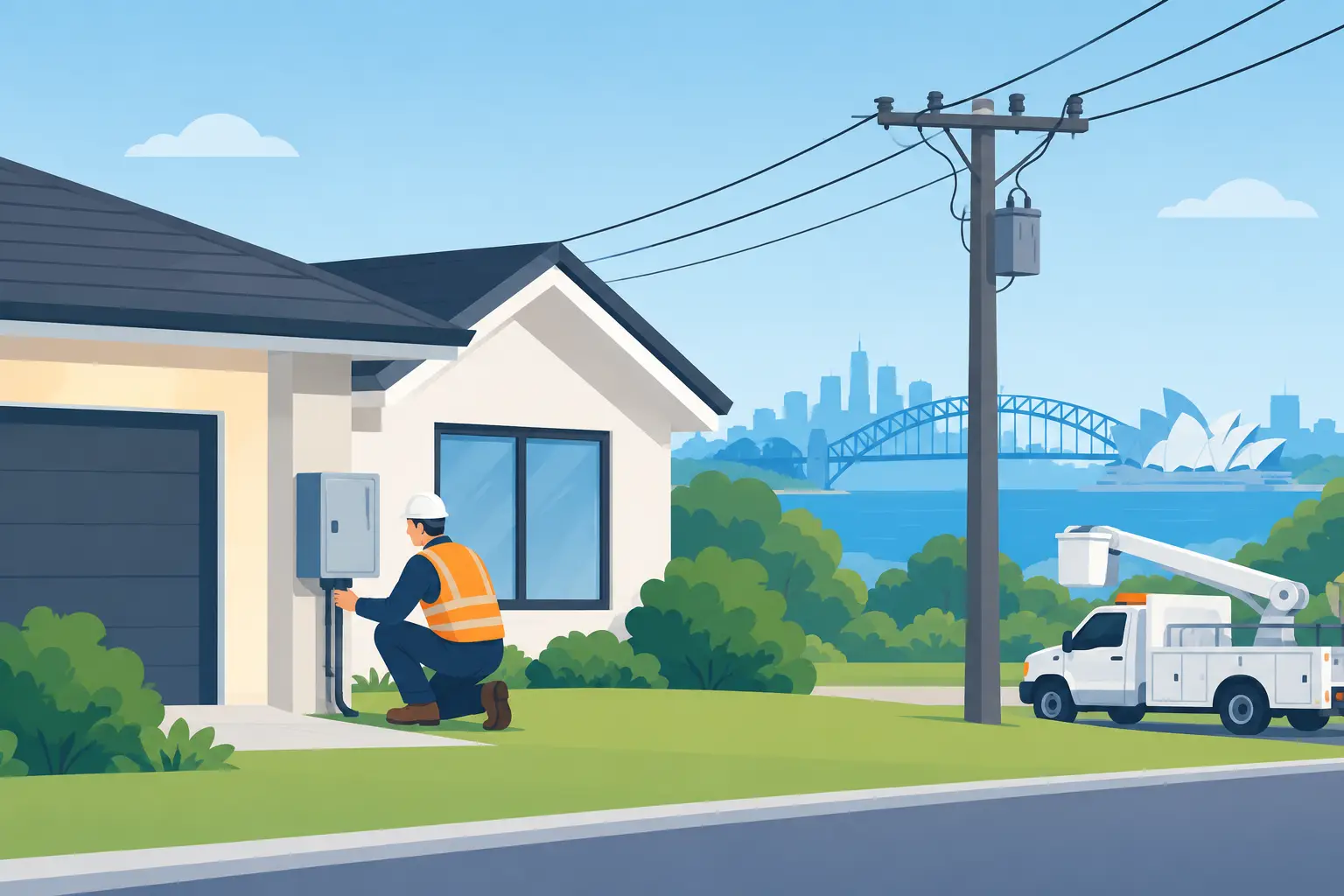
The next step is an application to the relevant distribution network service provider. Depending on the location, this may involve Ausgrid, Endeavour Energy or Essential Energy. The distributor assesses the proposed generation against local network conditions, including voltage rise, transformer loading and the amount of solar already connected nearby.
Approval outcomes vary. The network may approve the requested export capacity, approve a lower figure, require an export control device or offer a flexible export arrangement. In constrained areas, it may approve extra solar capacity but require the system to limit exports at certain times. These conditions are designed to protect local voltage quality and network safety, not to prevent customers from using solar power on site.
Once approval is received, electrical work must be completed to the applicable standards and the approved design. This may involve inverter reconfiguration, a new inverter, switchboard upgrades, metering changes, additional protection equipment or controlled export hardware. The final system settings must match the connection approval exactly.
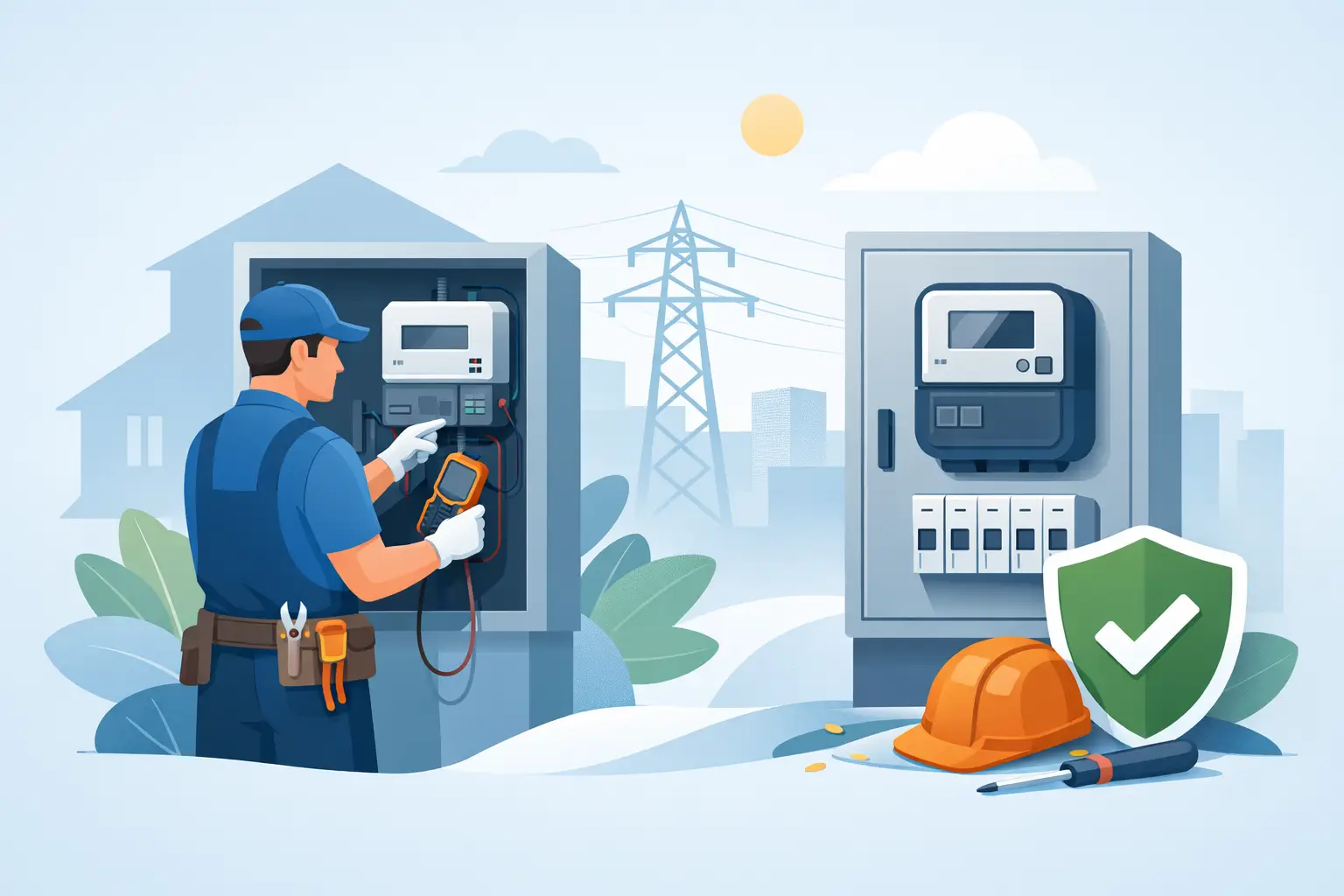
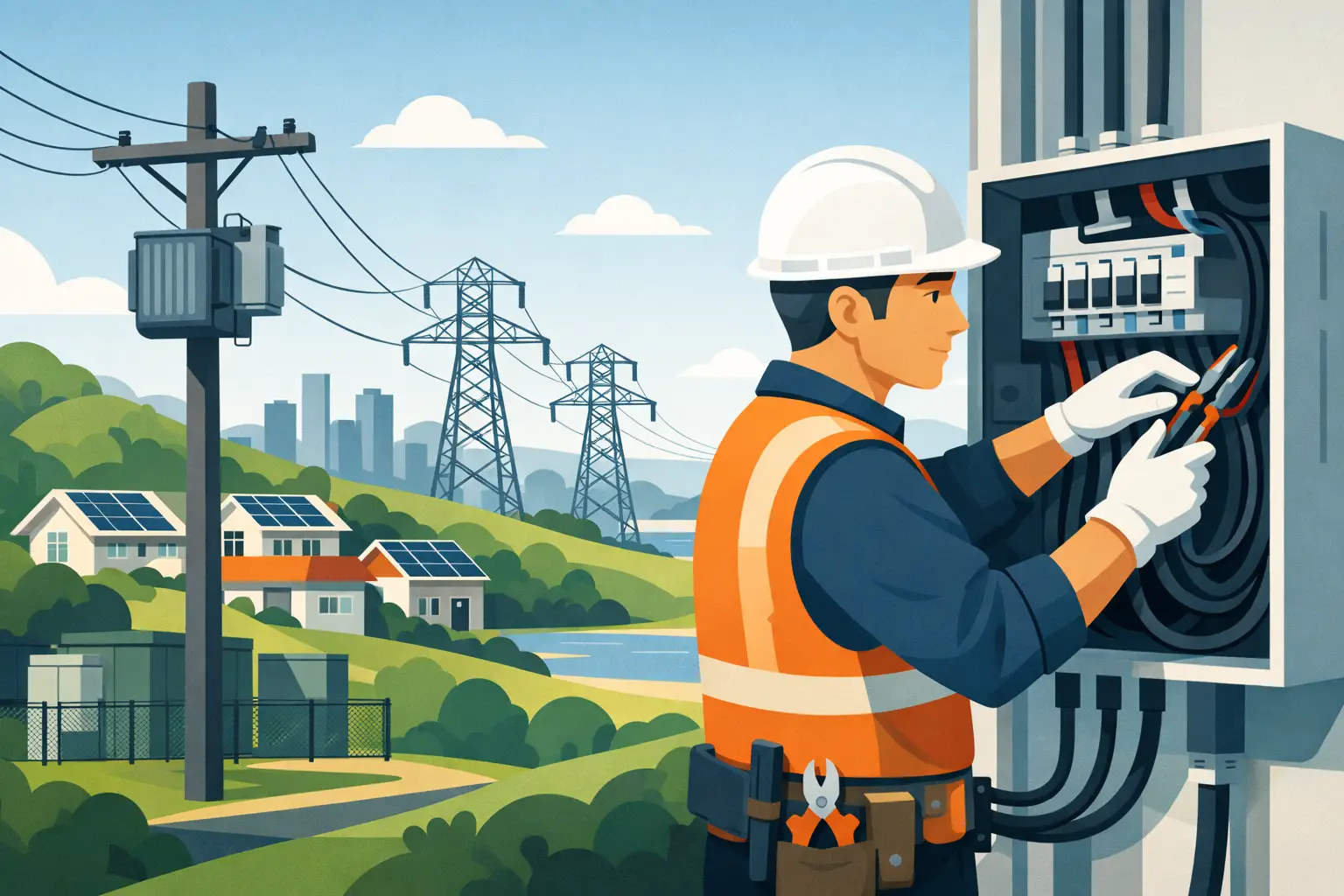
For work involving the electricity network side of the installation, a Level 2 Accredited Service Provider may be required. This is particularly relevant where metering, service equipment, point-of-attachment work or substantial electrical upgrades are involved. Managing solar design and authorised Level 2 electrical work through one qualified contractor helps avoid gaps between the system proposal, network requirements and final installation.
Export limits, batteries and EV charging
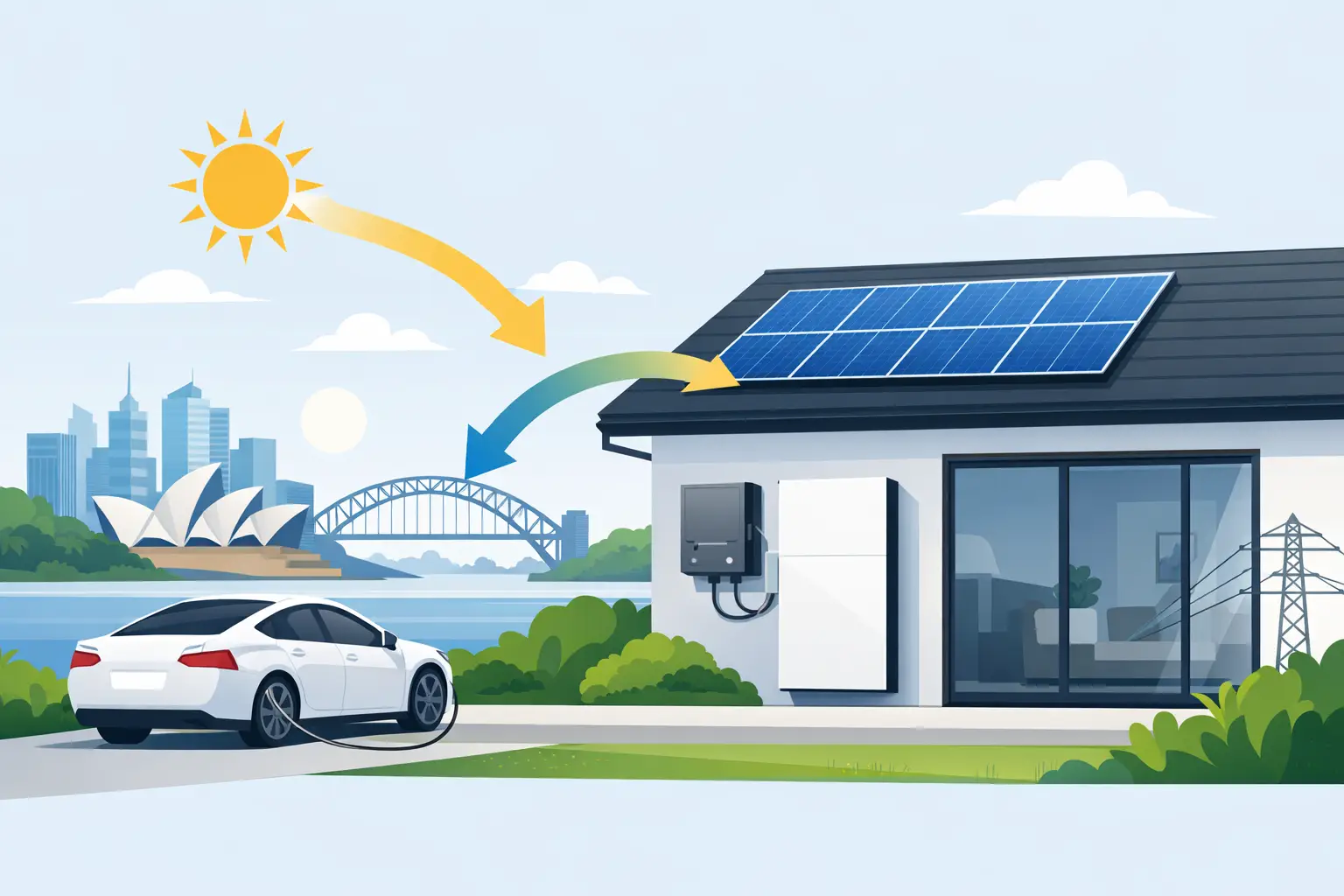
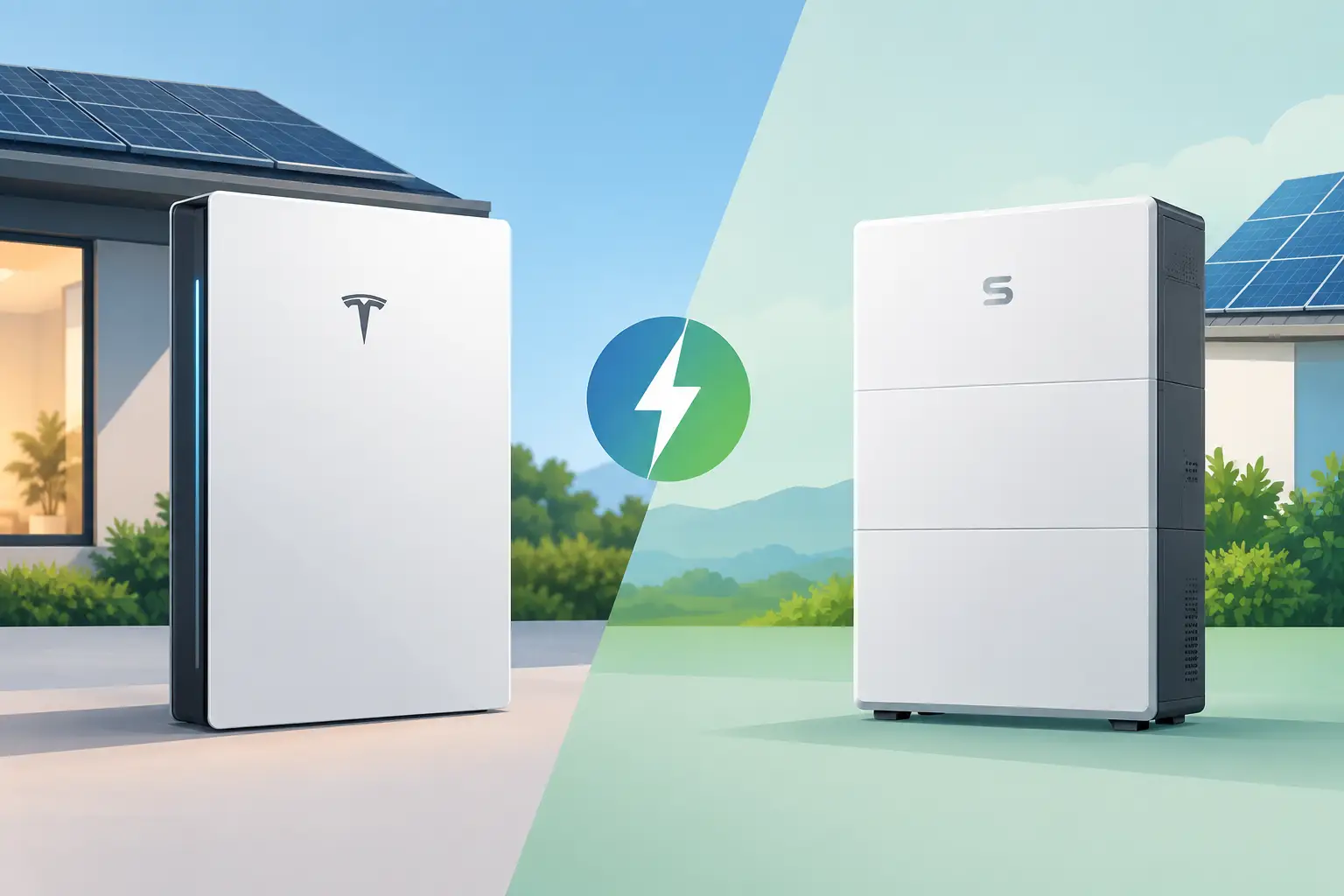
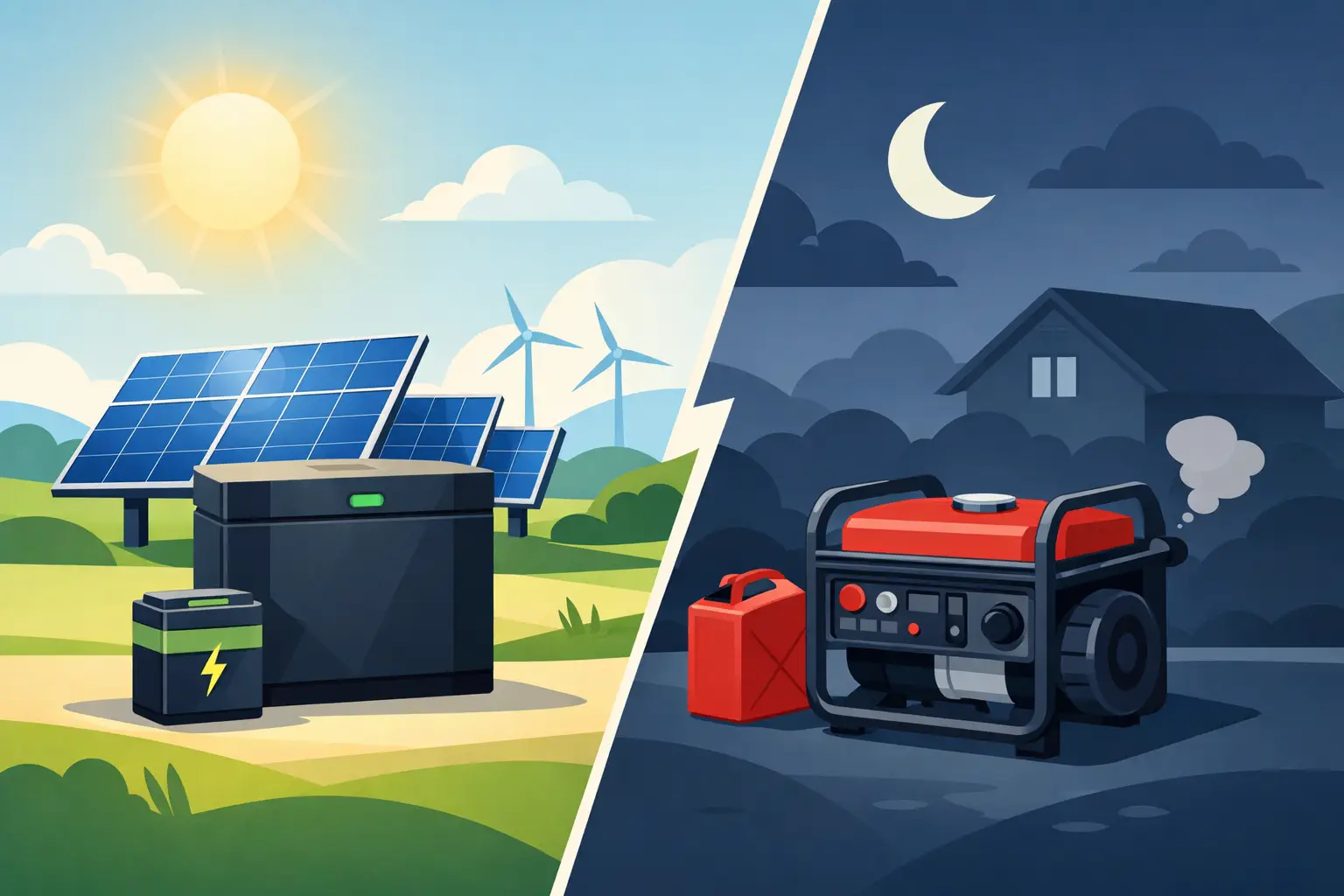
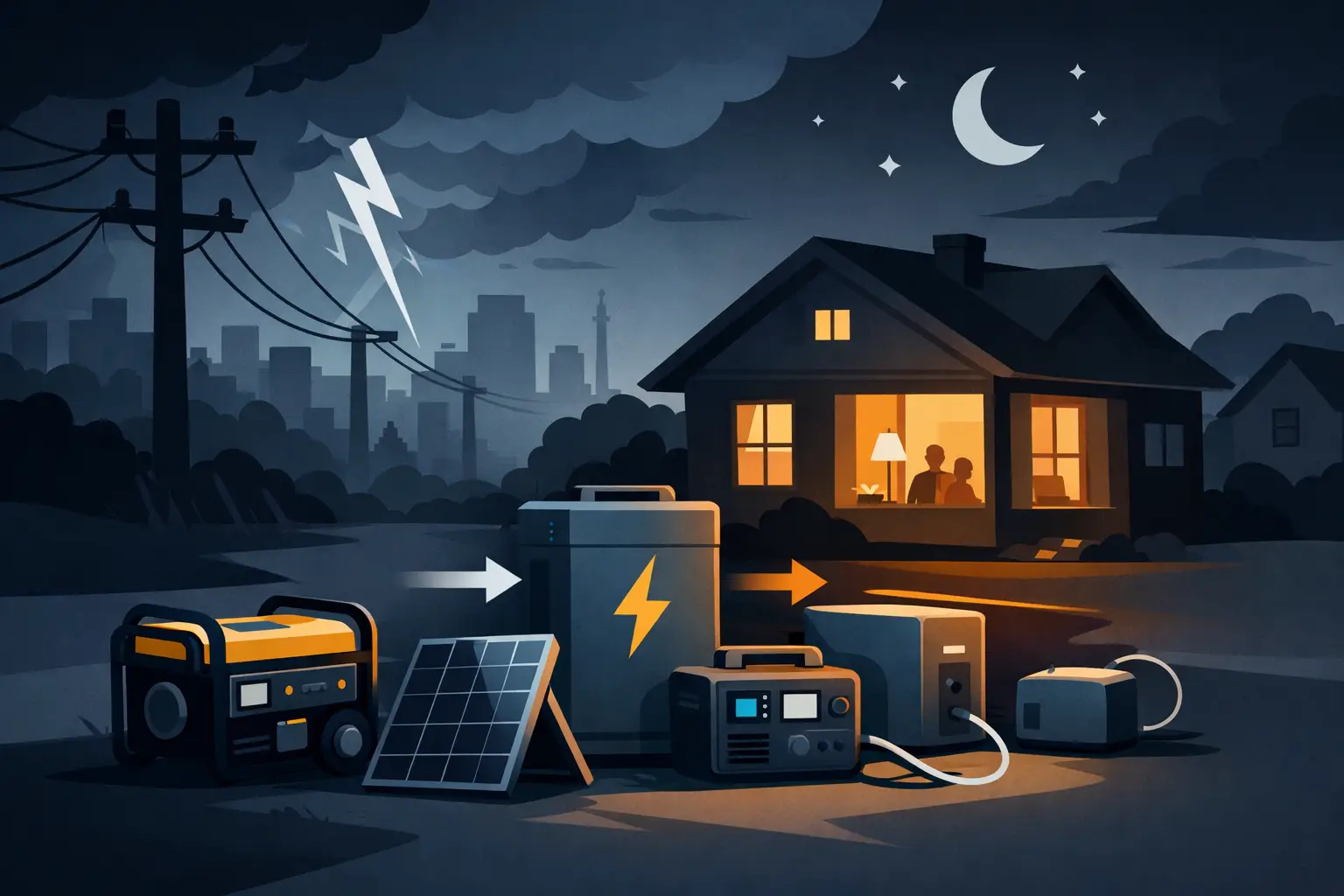
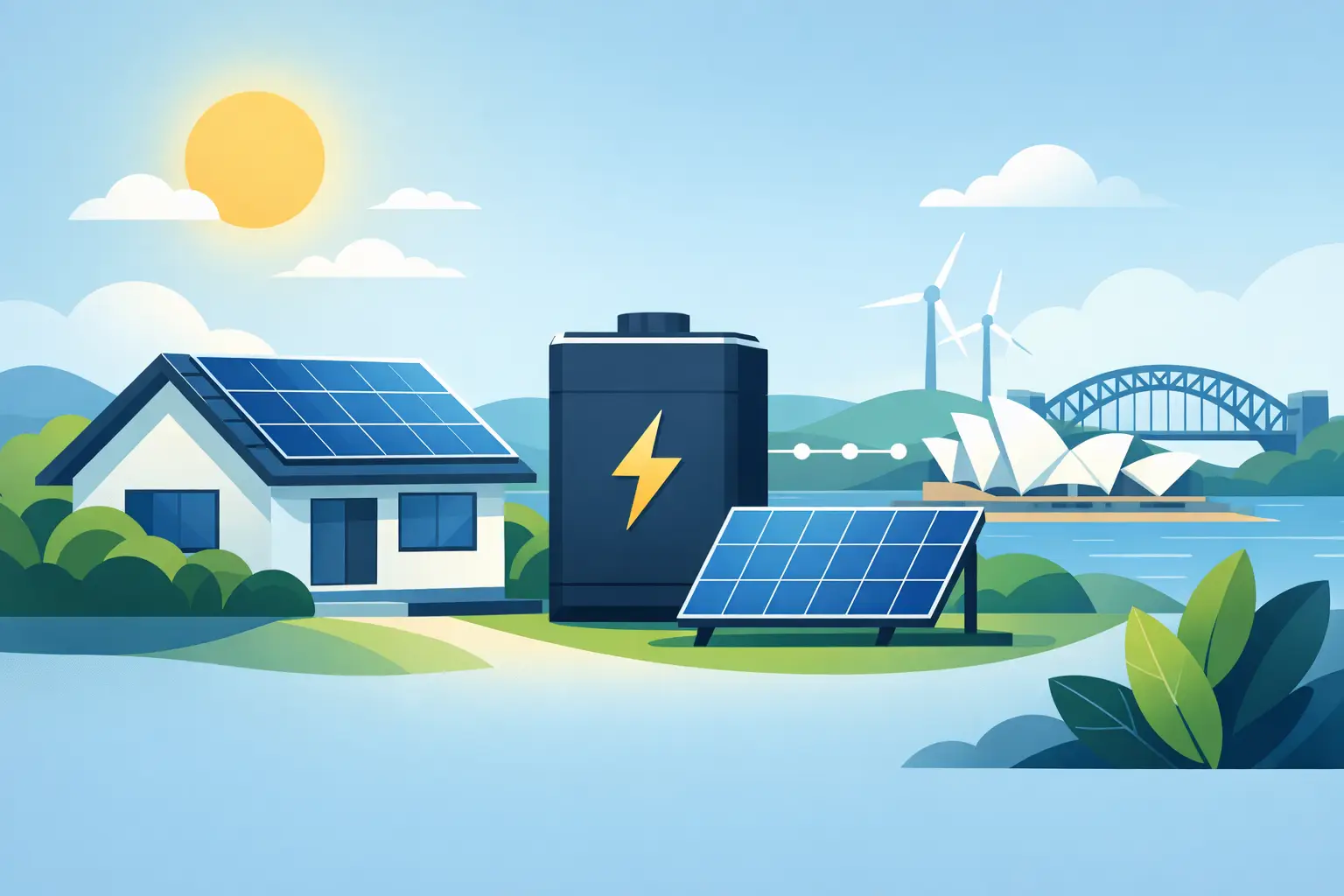
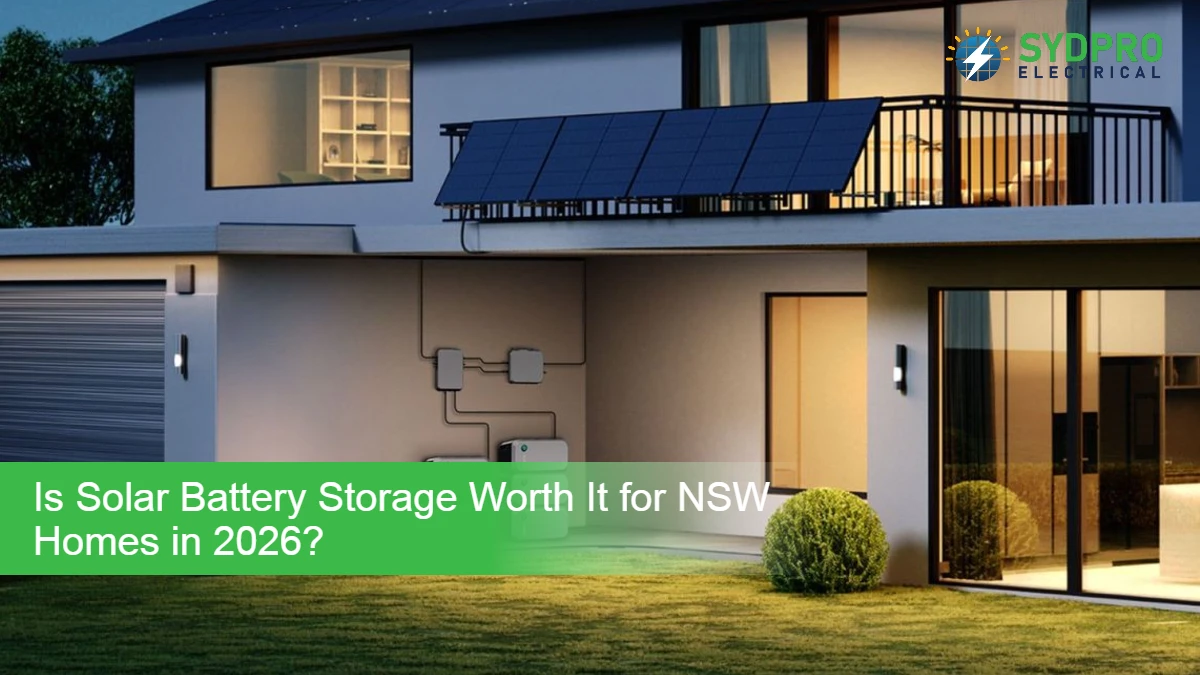
A battery changes the value calculation because it gives surplus solar another destination. Instead of exporting every unused kilowatt-hour during the middle of the day, the system can charge the battery and supply the home or business later when grid electricity costs more.
This does not mean export capacity no longer matters. A higher approved limit can give a battery system more operational flexibility, particularly for larger properties or businesses with significant generation. It may also support participation in approved battery programmes where the system can respond to grid conditions. However, battery export capability must be included in the system design and connection application. It cannot simply be switched on after installation if it exceeds the approved export arrangement.
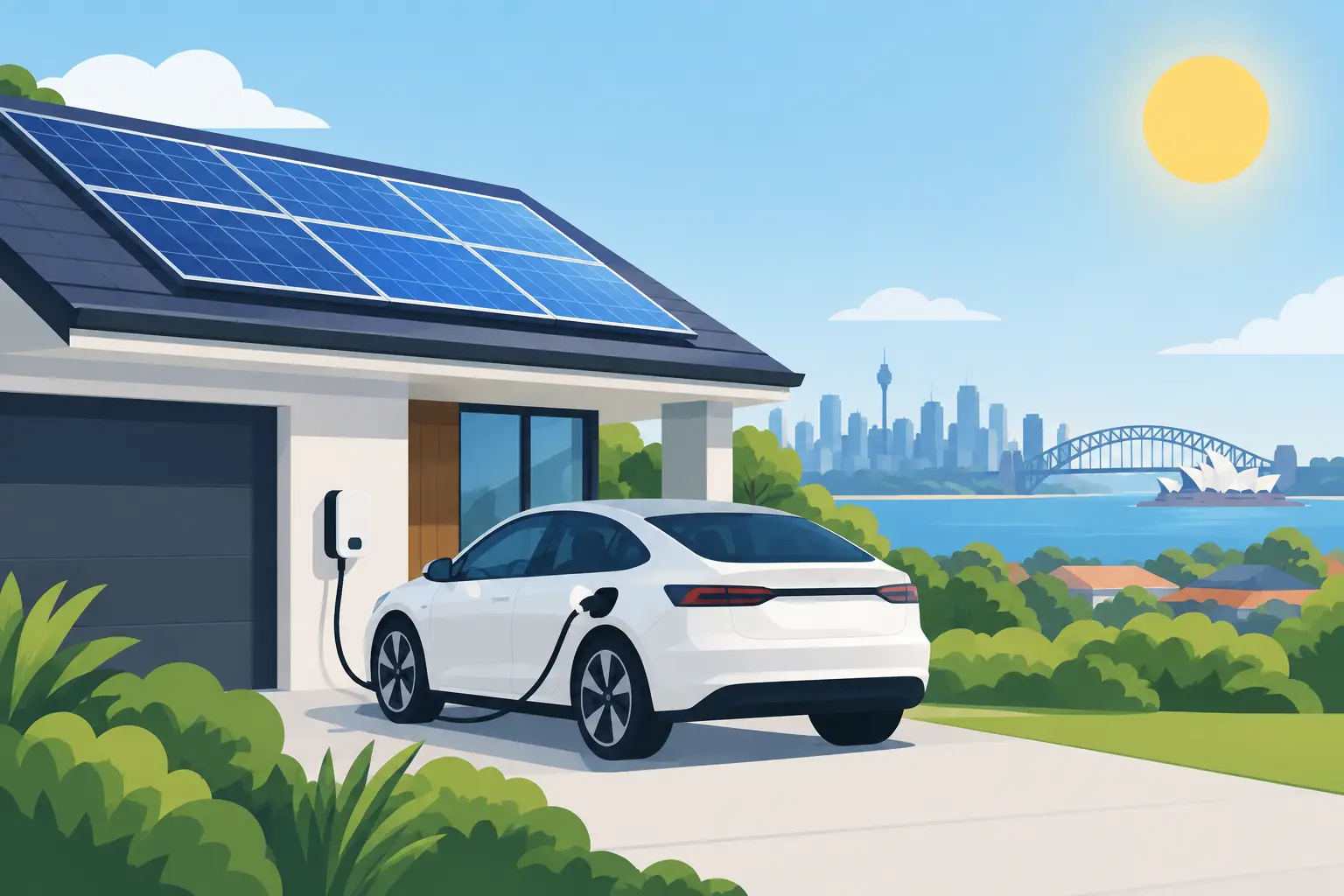
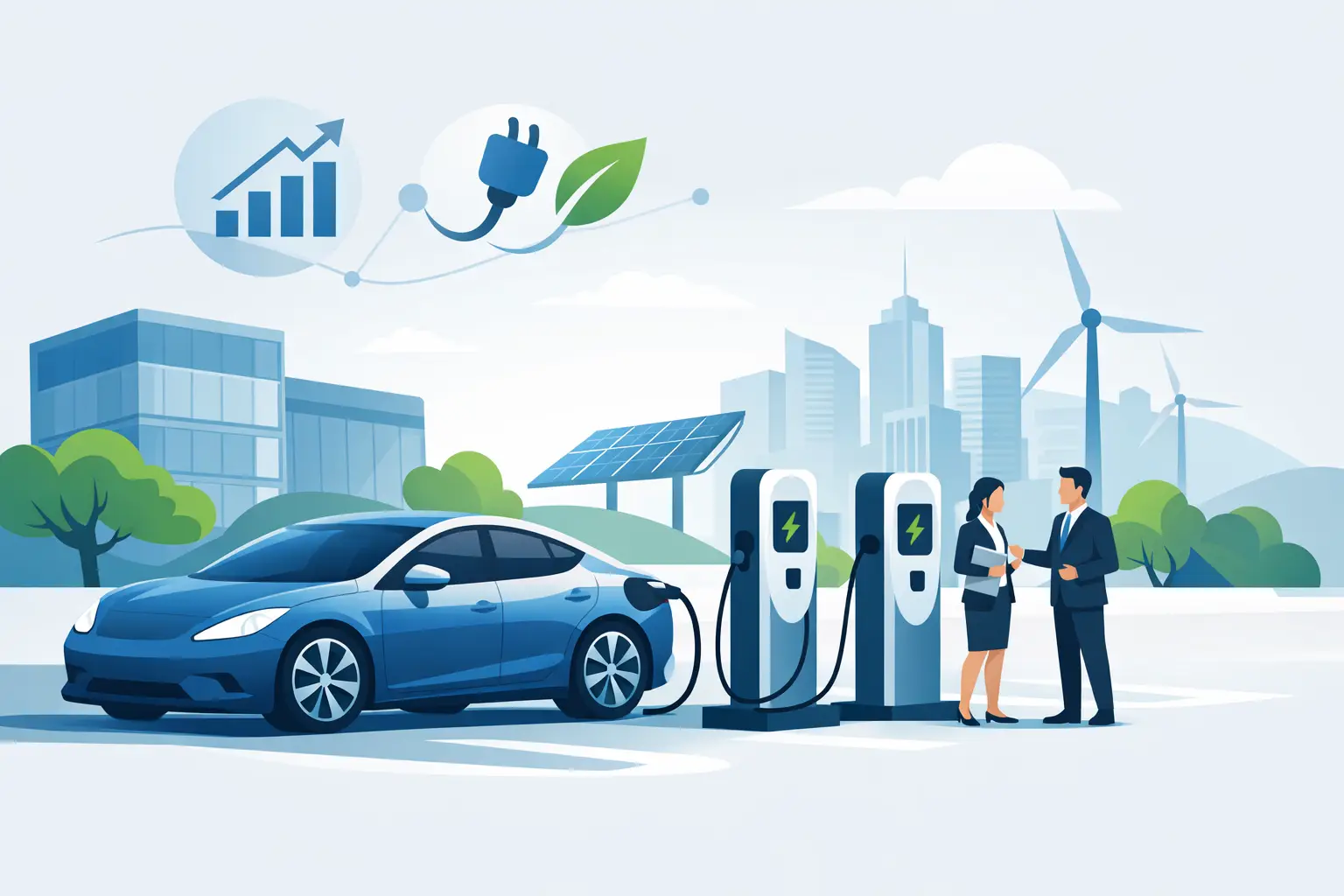
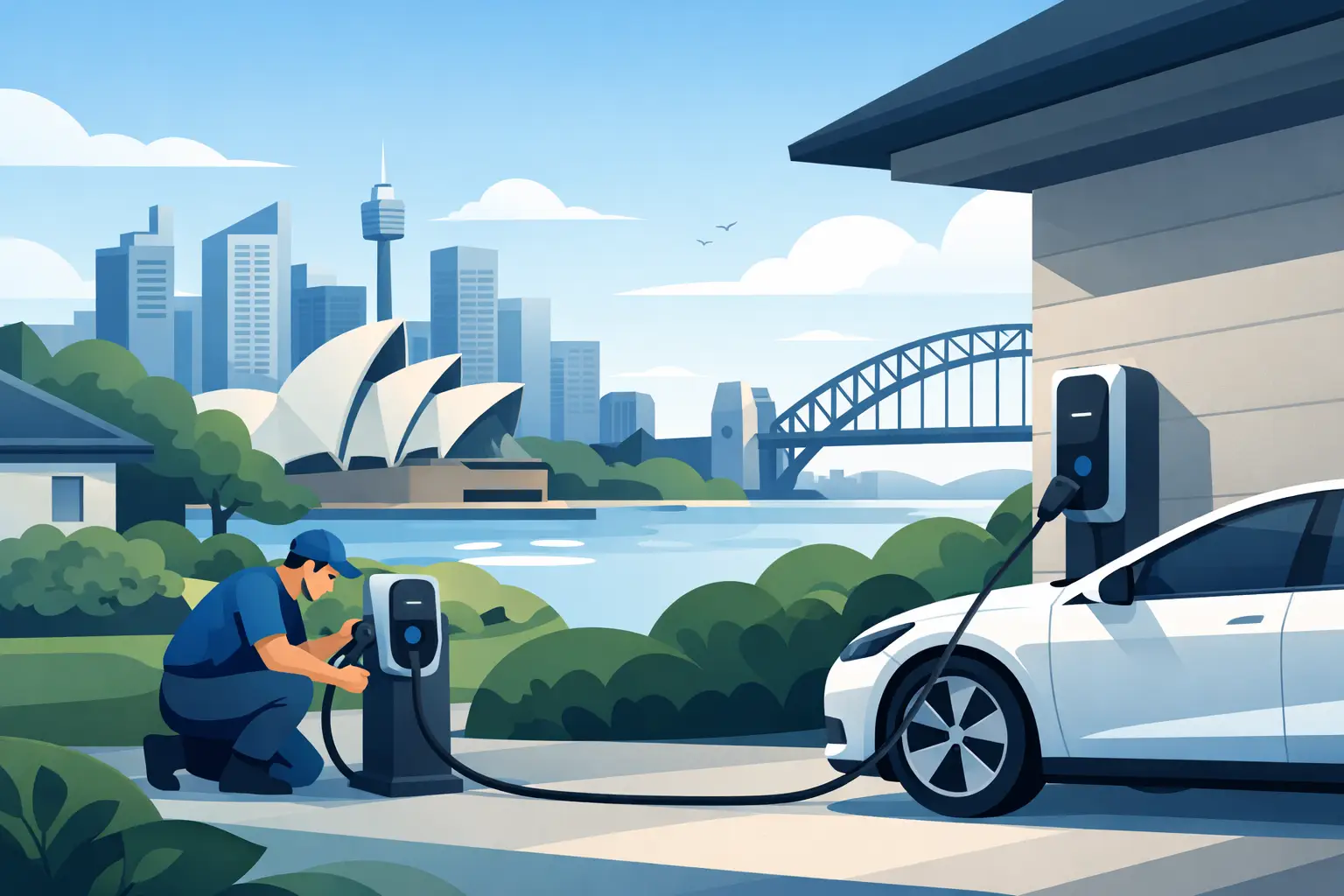
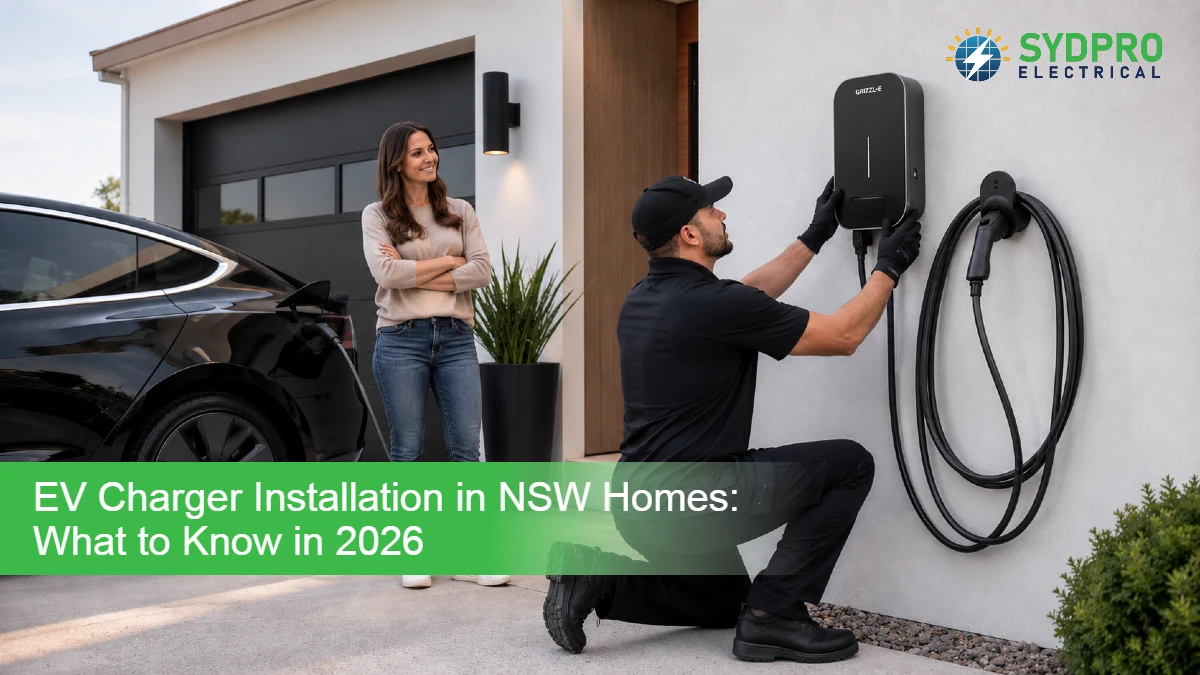
EV charging adds another important load. Charging at home during solar production can increase self-consumption substantially, reducing the pressure to export. Smart EV chargers can be configured to follow available solar surplus, although the best setting depends on your driving needs, electricity plan and battery priorities. A family that needs the car ready by 7 am may choose scheduled off-peak charging at times, while a second vehicle at home most days can make excellent use of daytime solar.
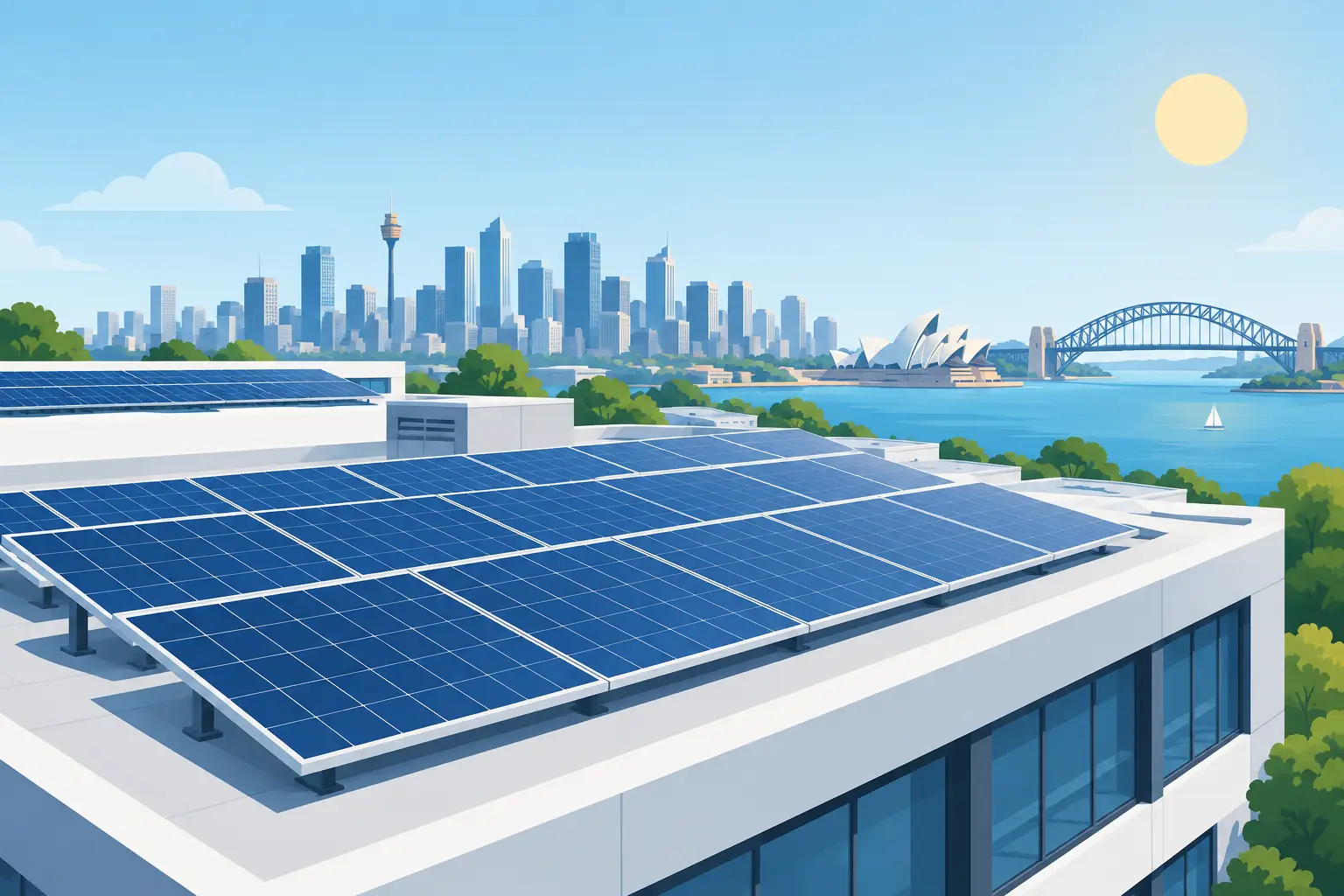
For commercial sites, daytime vehicle fleets, refrigeration, machinery and air conditioning can often absorb solar generation directly. In these settings, the best investment may be a larger solar system with controlled export rather than an expensive network upgrade that delivers little additional benefit.
Costs and trade-offs to consider
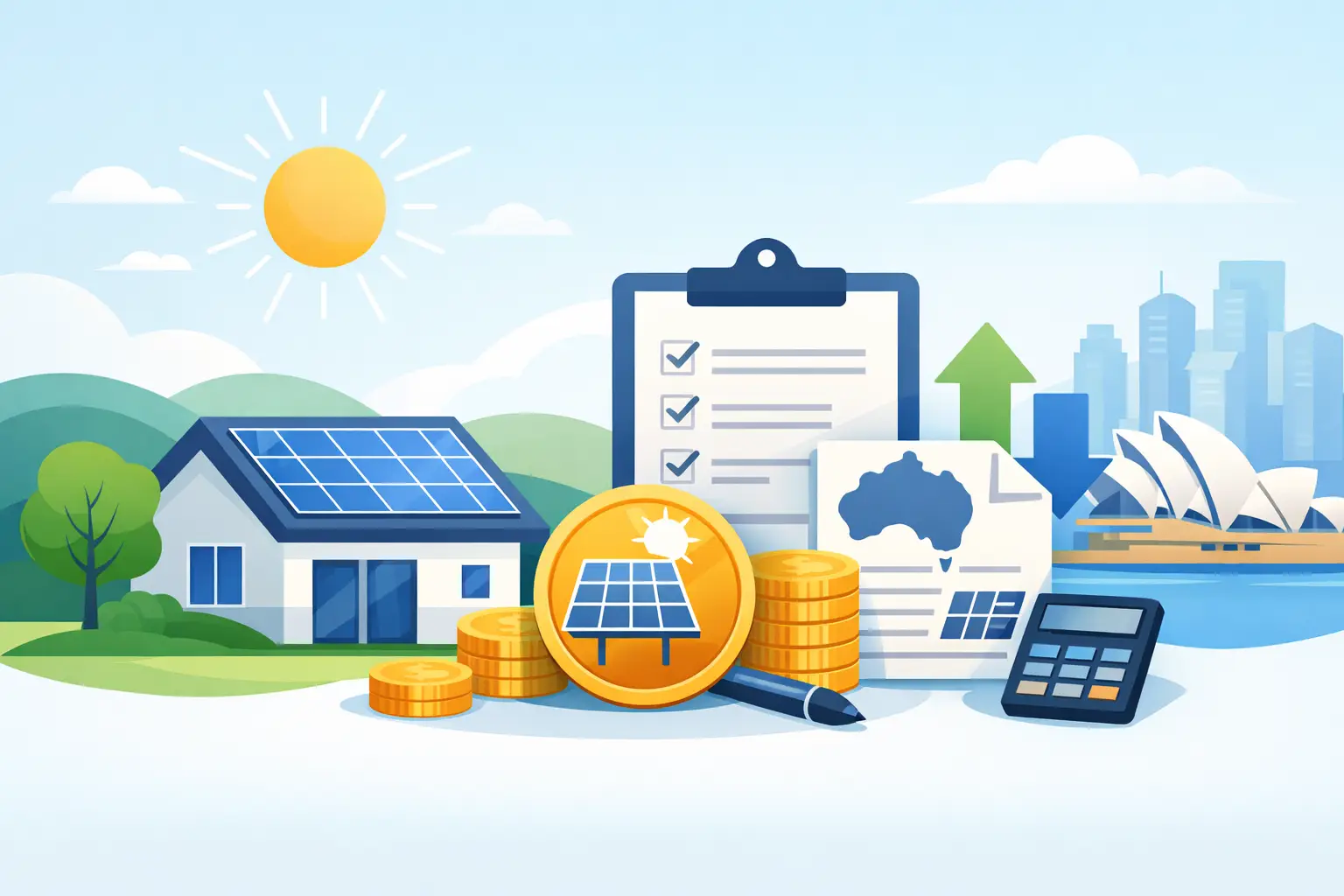
The cost of a solar export limit upgrade is not a single fixed figure. A straightforward inverter configuration change after network approval is very different from a project requiring a three-phase upgrade, main switchboard replacement, new metering, protection studies or service alterations.
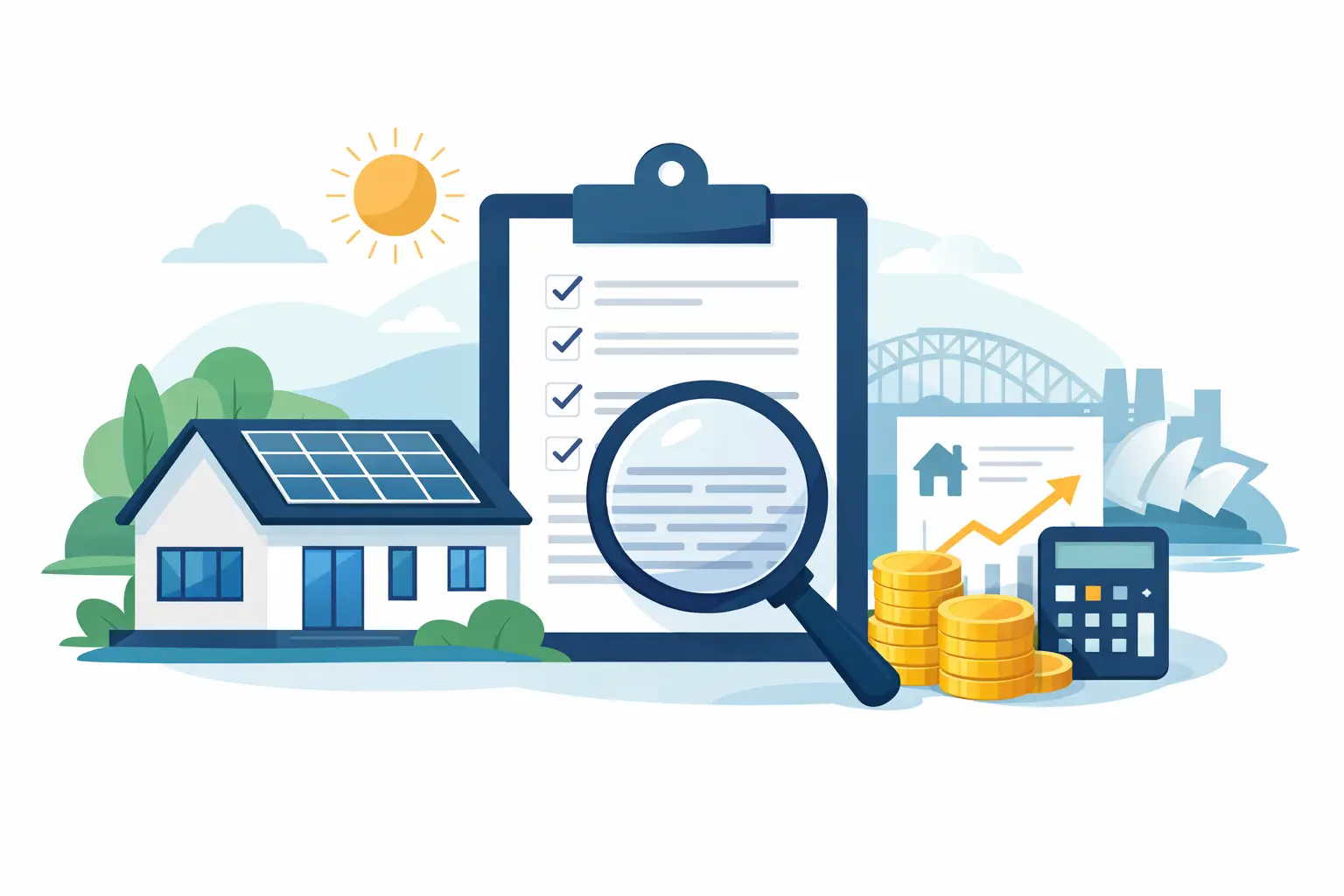
There is also an opportunity-cost question. If export payments are modest, spending heavily to lift the export limit may extend the payback period. Direct solar use, battery storage, load shifting and energy-efficient appliances can sometimes produce stronger savings for the same budget.
Conversely, it can be false economy to retain a restrictive connection arrangement when you are already undertaking major electrical work. If a property is moving to three-phase supply, adding a large battery or expanding a commercial roof installation, assessing export capacity at the design stage can prevent an avoidable second round of approvals and site work later.
Transparent quotations should separate the solar equipment, electrical upgrade work, network application scope and any assumptions about approval. This gives you a clear view of what is included and what may change if the distributor imposes conditions.
How to make the right decision
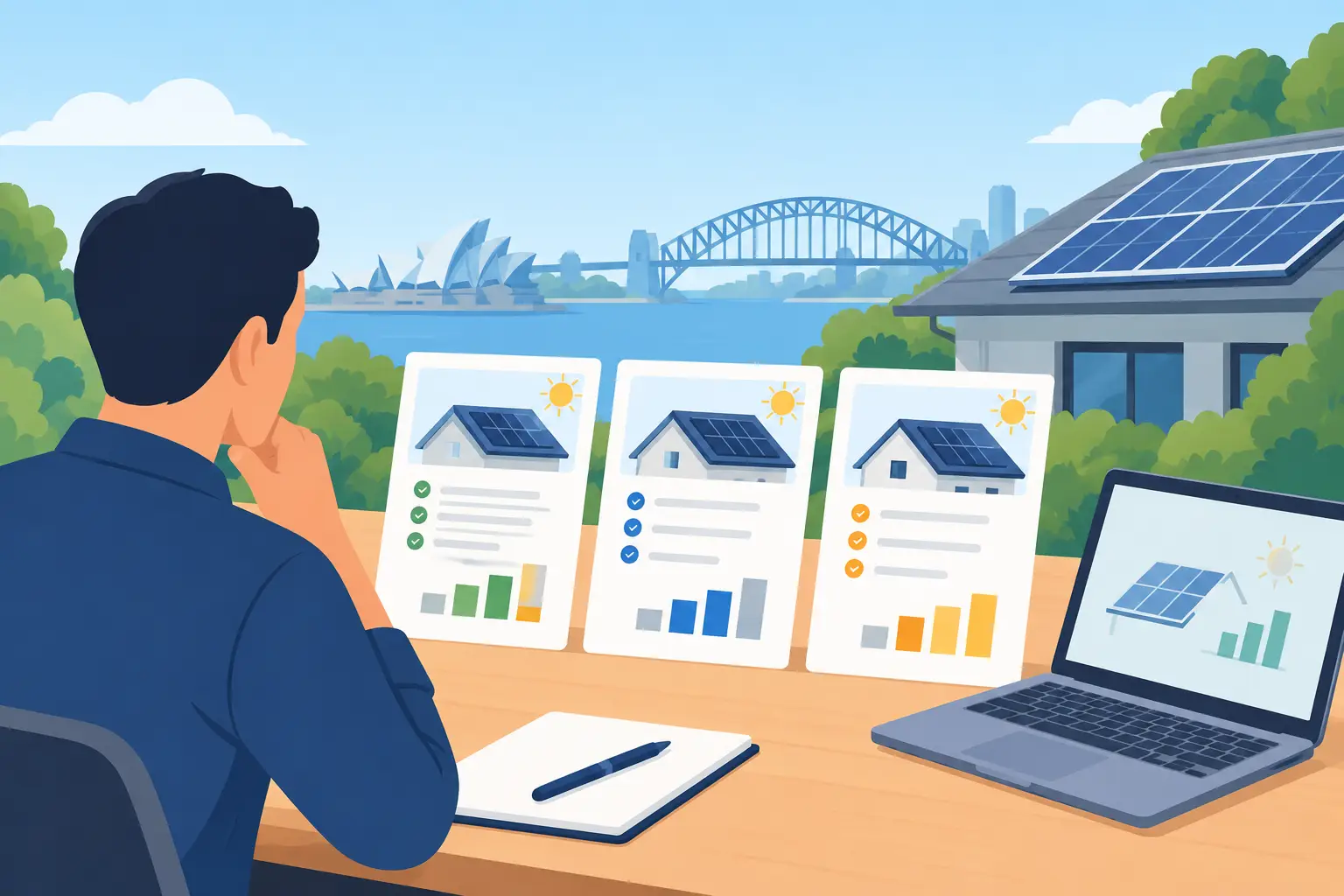
Start with 12 months of electricity bills or interval consumption data, then factor in upcoming changes such as an EV, new air conditioning, a renovation, business growth or battery installation. A properly sized system should serve the property you will have over the next decade, not only last year’s consumption.
Ask whether your proposed system will be designed for a fixed or flexible export limit, how the inverter will control exports, and whether battery discharge to the grid is included in the approval. For three-phase sites, confirm how generation and loads will be balanced across phases. These details affect performance, compliance and the practical value you receive from every kilowatt of solar capacity.
Sydpro Solar Solutions combines accredited solar design with Level 2 ASP electrical capability, allowing solar expansion, battery integration and connection-related work to be planned as one coordinated project. That matters when a clean-energy upgrade reaches beyond panels and into the property’s broader electrical infrastructure.
A higher export limit can be valuable, but the best result is a system that uses more of your own solar, remains safe and compliant, and is ready for the way your home or business will use energy next.