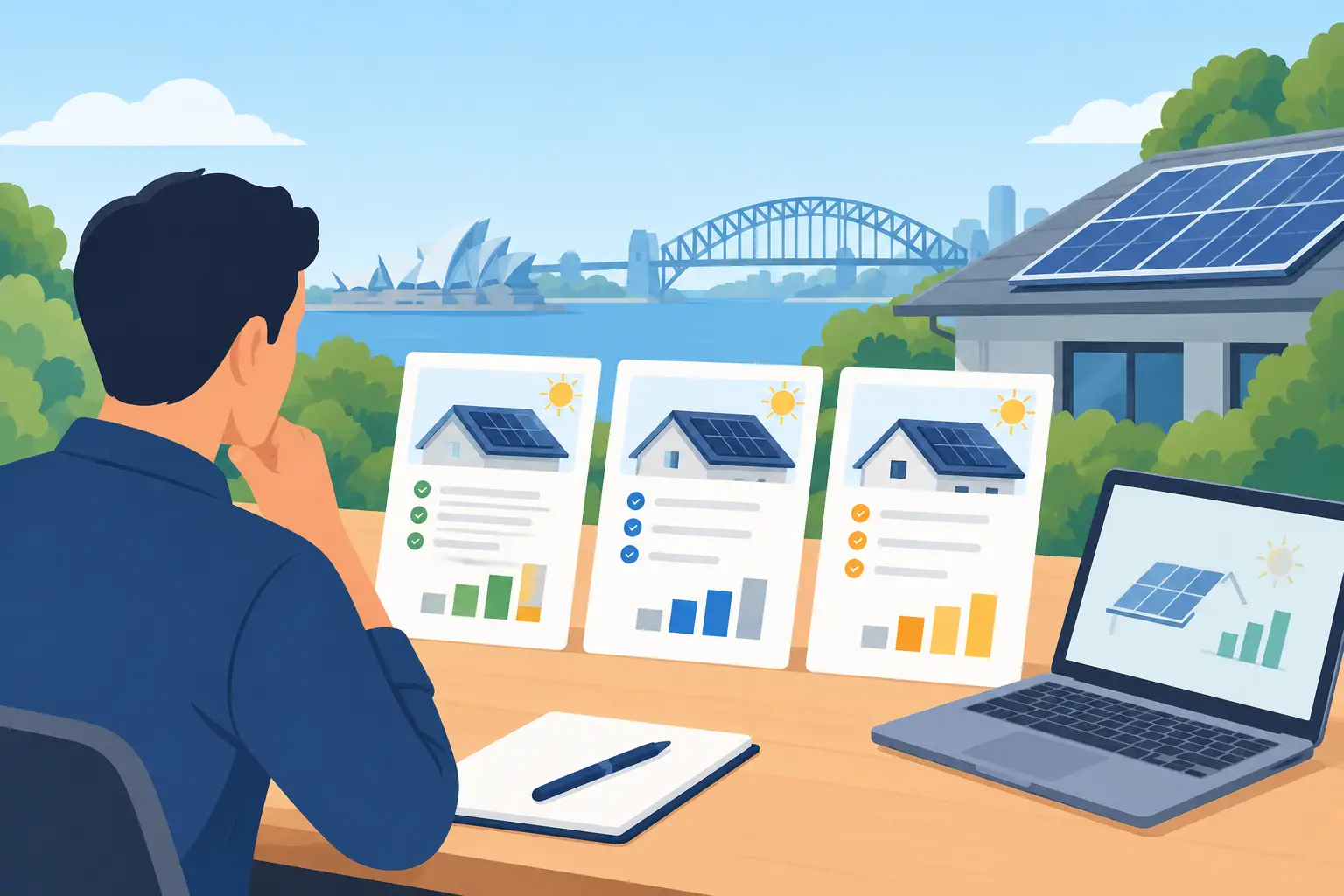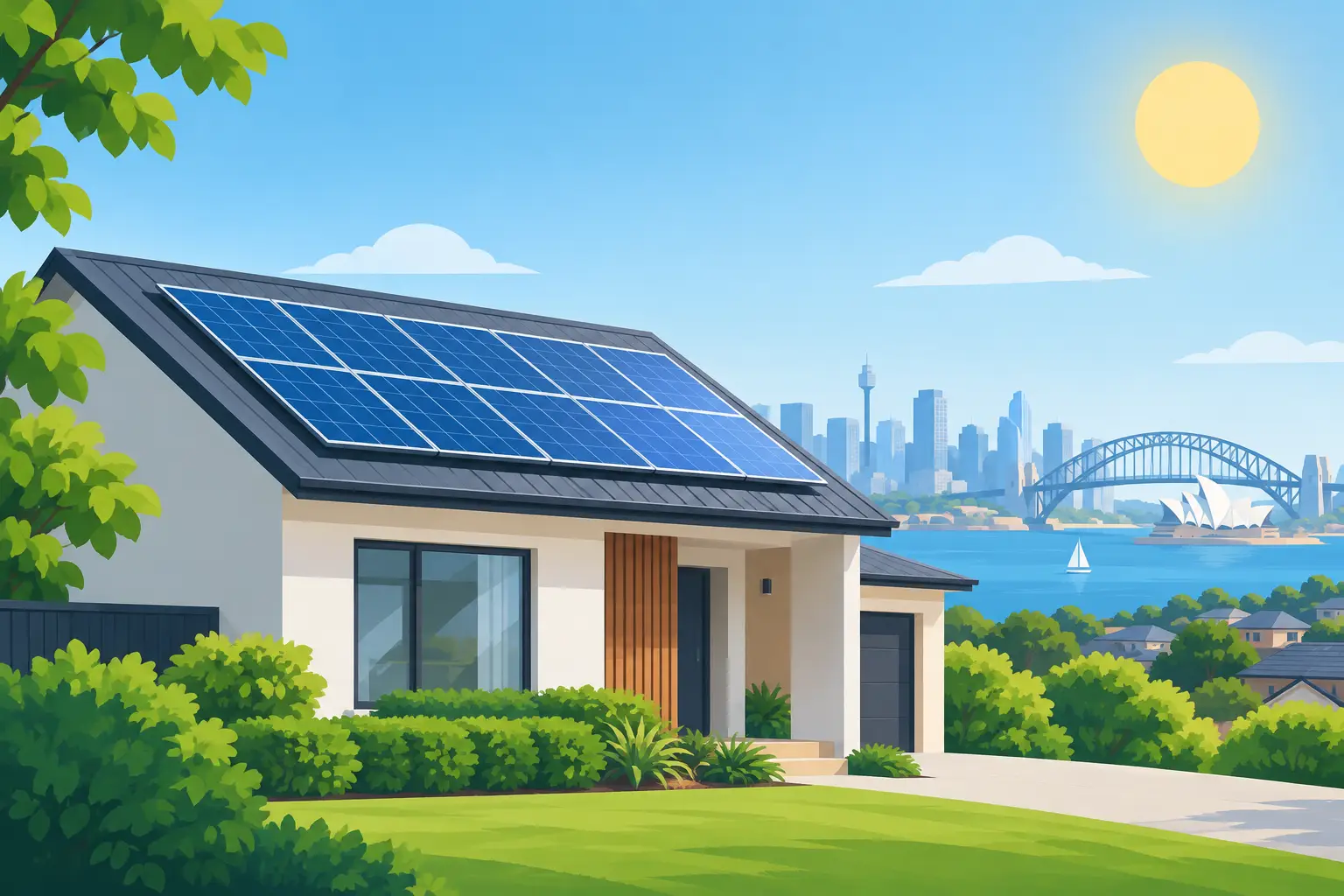
To choose the right residential solar panels Sydney homes, match them to your roof, daily power use and budget. Look for a Tier 1 brand, efficiency near 20 percent or higher, a 25-year performance warranty and an accredited installer. Compare more than price.
Going solar is a big decision for any household, and with so many brands, warranties and quotes on offer, the choice is not always simple. A little homework now pays off. Sydney gets plenty of sunshine, yet two roofs on the same street can perform very differently. Shade, roof direction and the way a household uses power all change what a system delivers. That is why the best solar panels in Sydney are not always the biggest brand or the cheapest quote. This guide covers roof checks, panel types, warranties, sizing, inverters, rebates and installer questions, so you can compare quotes with confidence.
Key Takeaways
- Roof direction, shading and daily power use should shape the system before you pick a brand.
- Monocrystalline panels suit most homes because they need less roof space for the same output.
- Read both the product warranty and the performance warranty, and ask who honours them locally.
- The inverter affects results as much as the panels, especially on shaded roofs.
- The federal STC discount shrinks every January, so timing affects your upfront cost.
Start With Your Roof and Your Power Bill
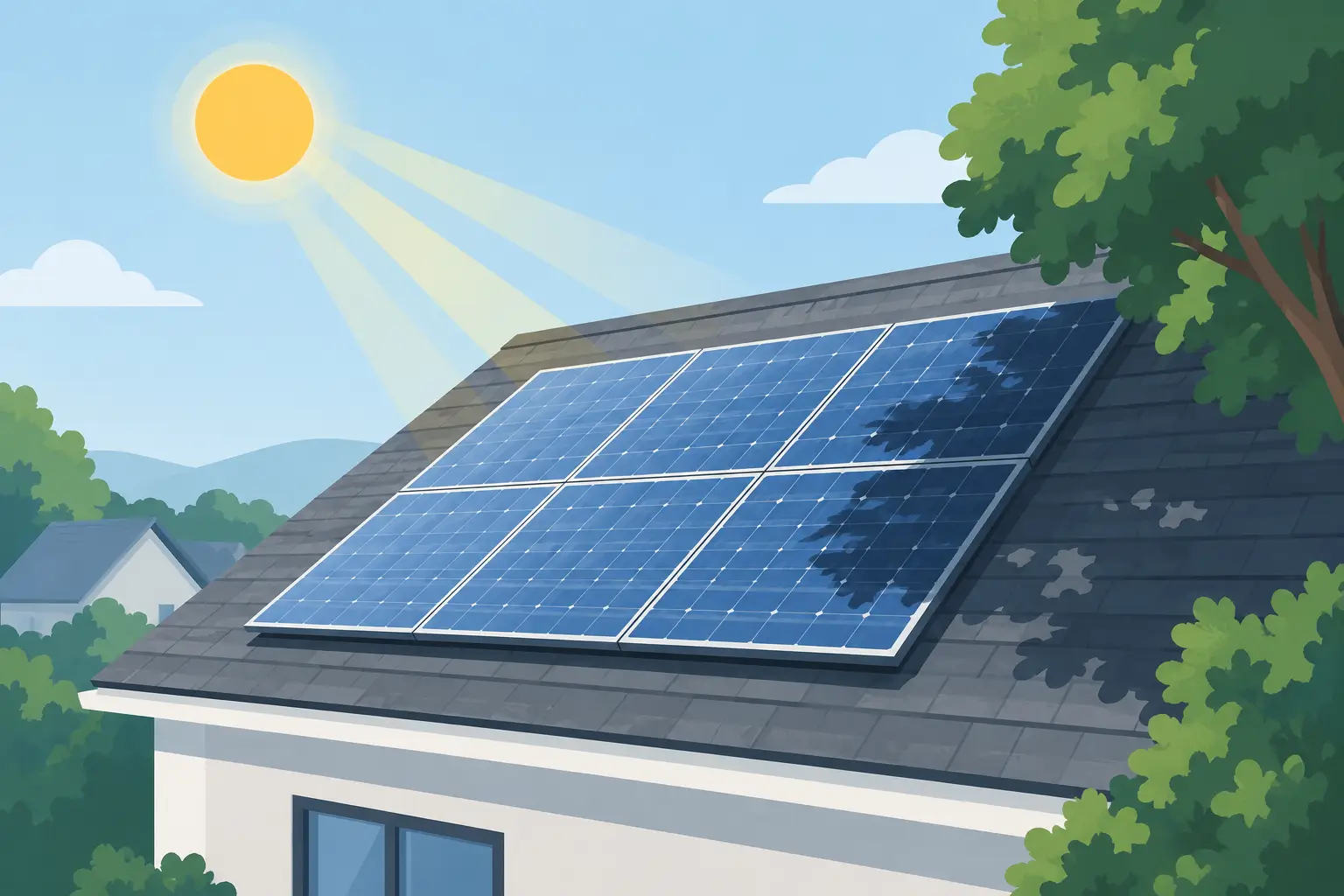
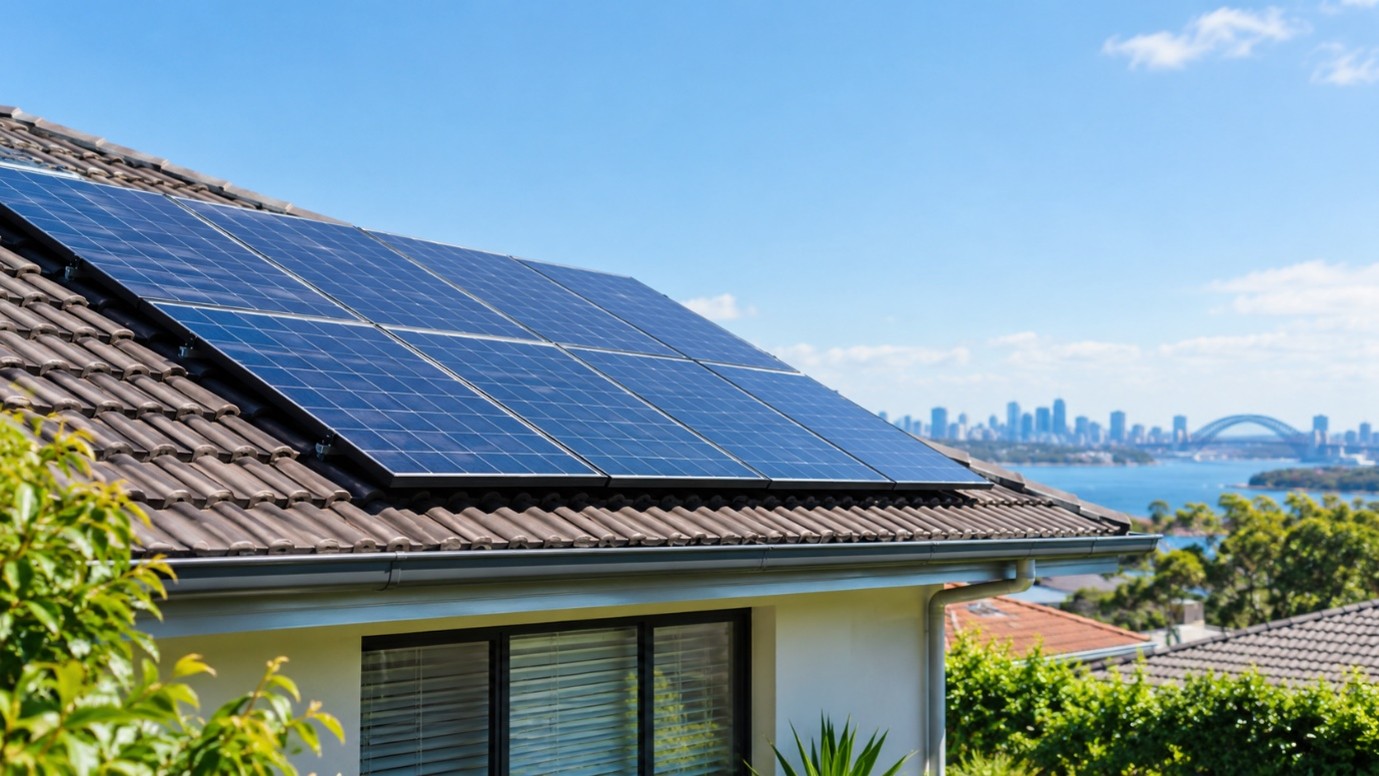
A north-facing roof usually produces the most energy in Sydney, but east and west roofs still work well, especially for households that use power in the morning and evening. Shade matters more than direction. A tree, chimney or neighbouring building can cut output during peak sun hours, so ask for a proper shading assessment instead of a guess.
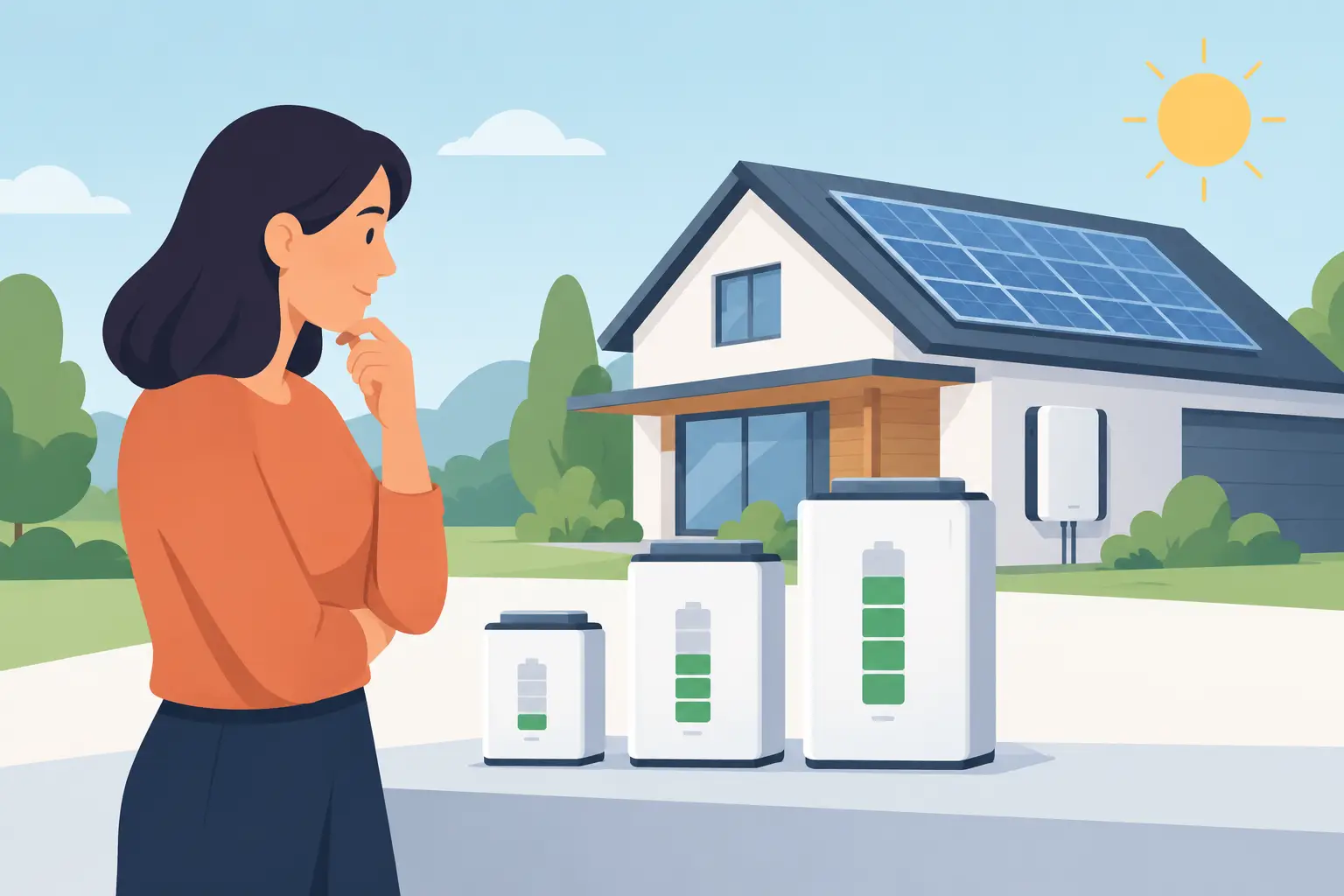
Then look at your bill. Your daily kWh figure shows how much power you use. If most of it happens in the daytime, solar will offset more of it directly. If the house sits empty until evening, a system that is ready for a battery later may suit you better. Good residential solar solutions begin with that kind of usage check, not a standard package.
Residential Solar Panels Sydney: Which Type Fits Your Home?
Most homes choose between monocrystalline and polycrystalline panels. Thin film rarely suits a house roof. Monocrystalline panels use single-crystal silicon and look dark, while polycrystalline panels look bluer and speckled, and usually cost less.
| Panel type | Efficiency | Cost | Best for |
| Monocrystalline | Higher | Higher | Limited roof space, long-term output |
| Polycrystalline | Slightly lower | Lower | Larger roofs, tighter budgets |
| Thin film | Lower | Lowest | Large commercial roofs |
Newer features are worth asking about too. Half-cell panels cope better with partial shading, and N-type cells often degrade more slowly over the years.
Efficiency, Tier Ratings and Warranties
Efficiency shows how much power a panel produces per square metre. Around 20 percent or higher is common in good modern panels, and it matters most when roof space is tight.
Tier 1 is a bankability rating that reflects a manufacturer’s financial standing, not panel quality, so treat it as one signal among several. Also check:
- Product warranty, often 10 to 15 years or more, covering defects
- Performance warranty, commonly 25 years, guaranteeing a minimum output
- How long the brand has operated in Australia and who handles claims
Size the System for How You Live
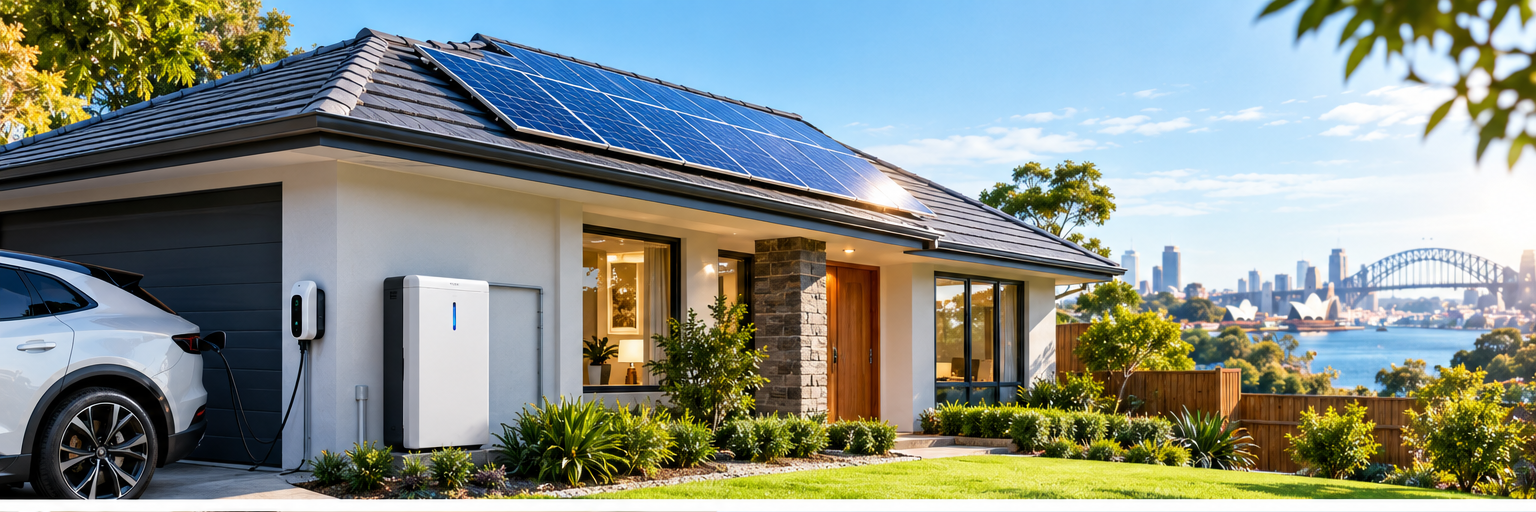
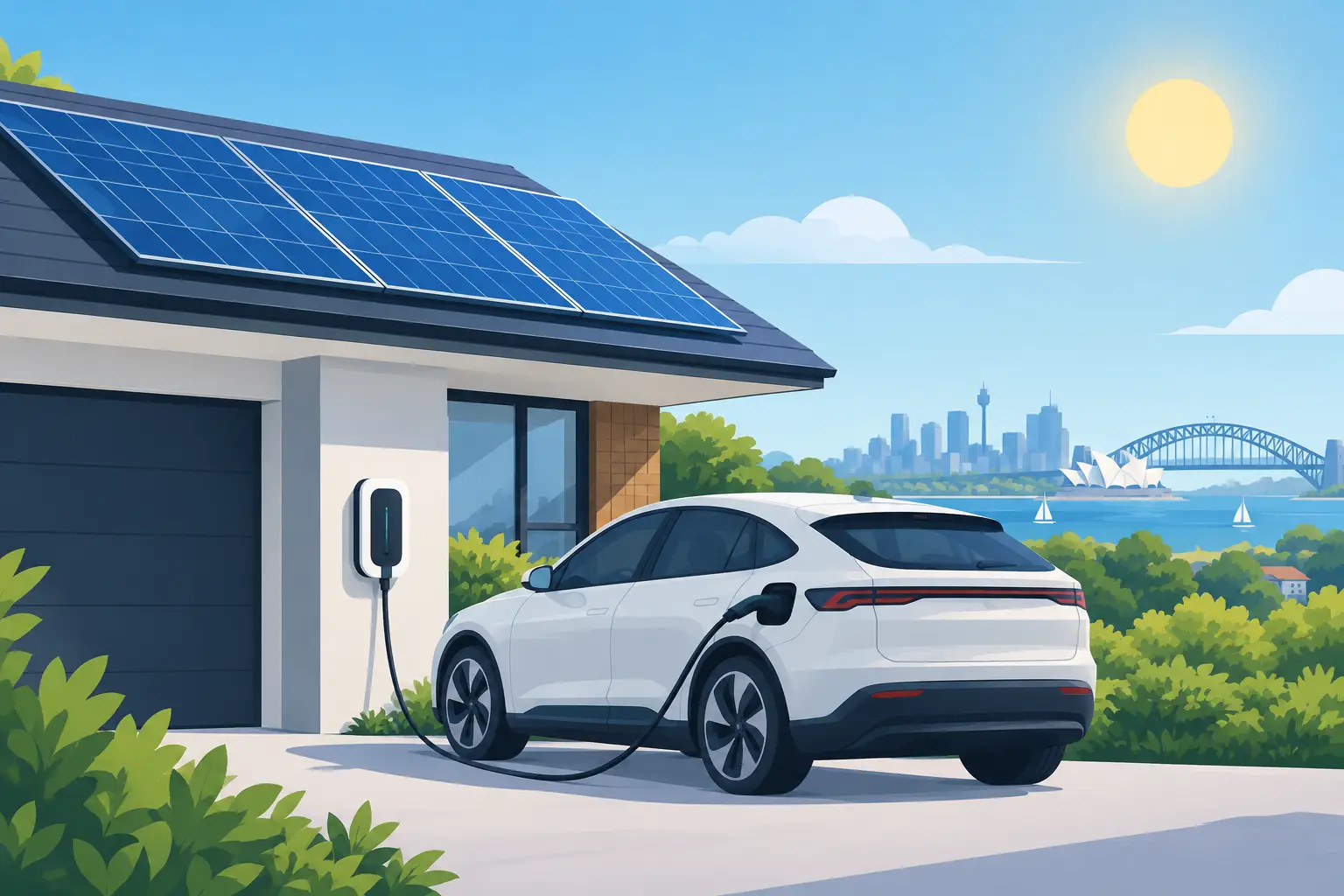
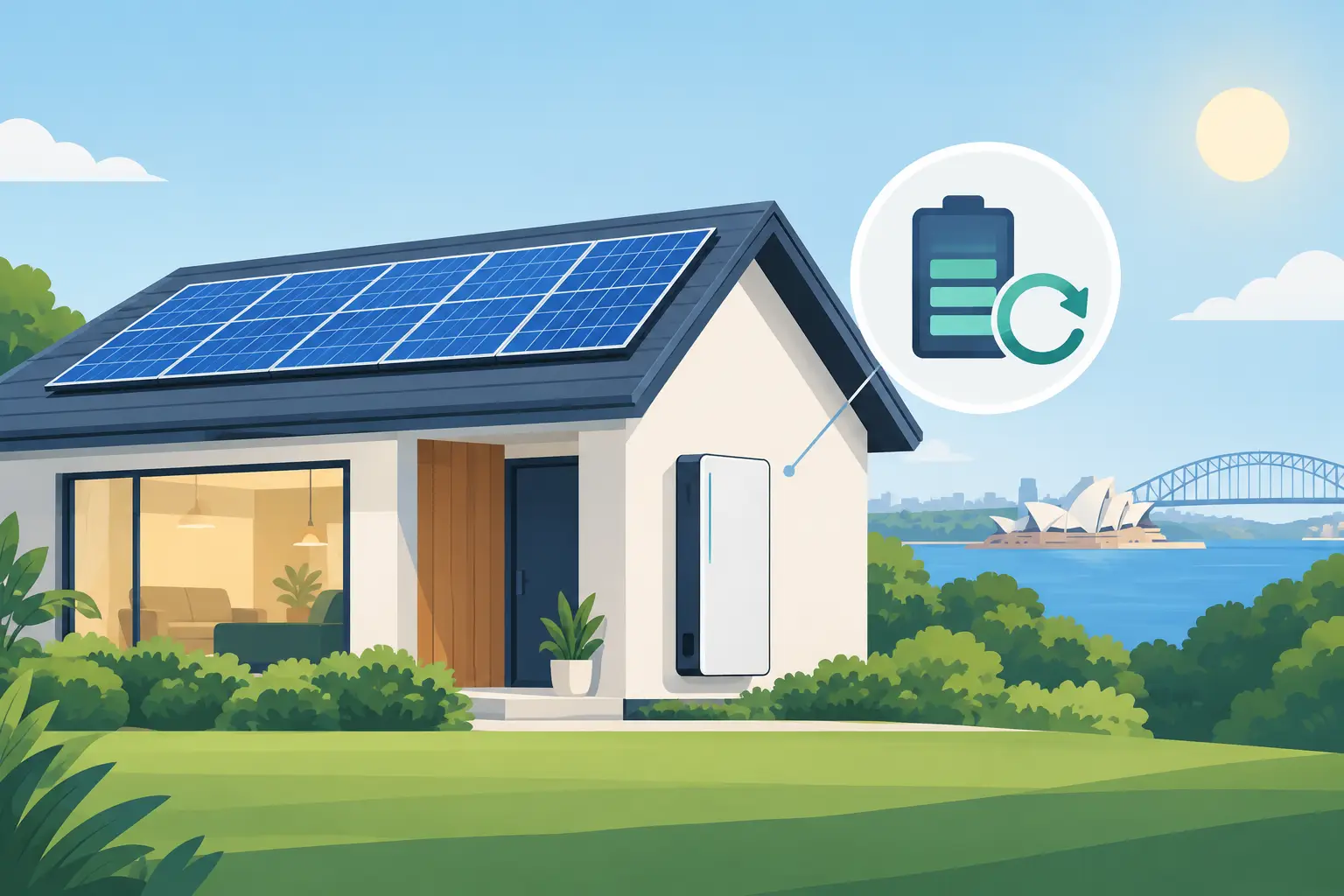
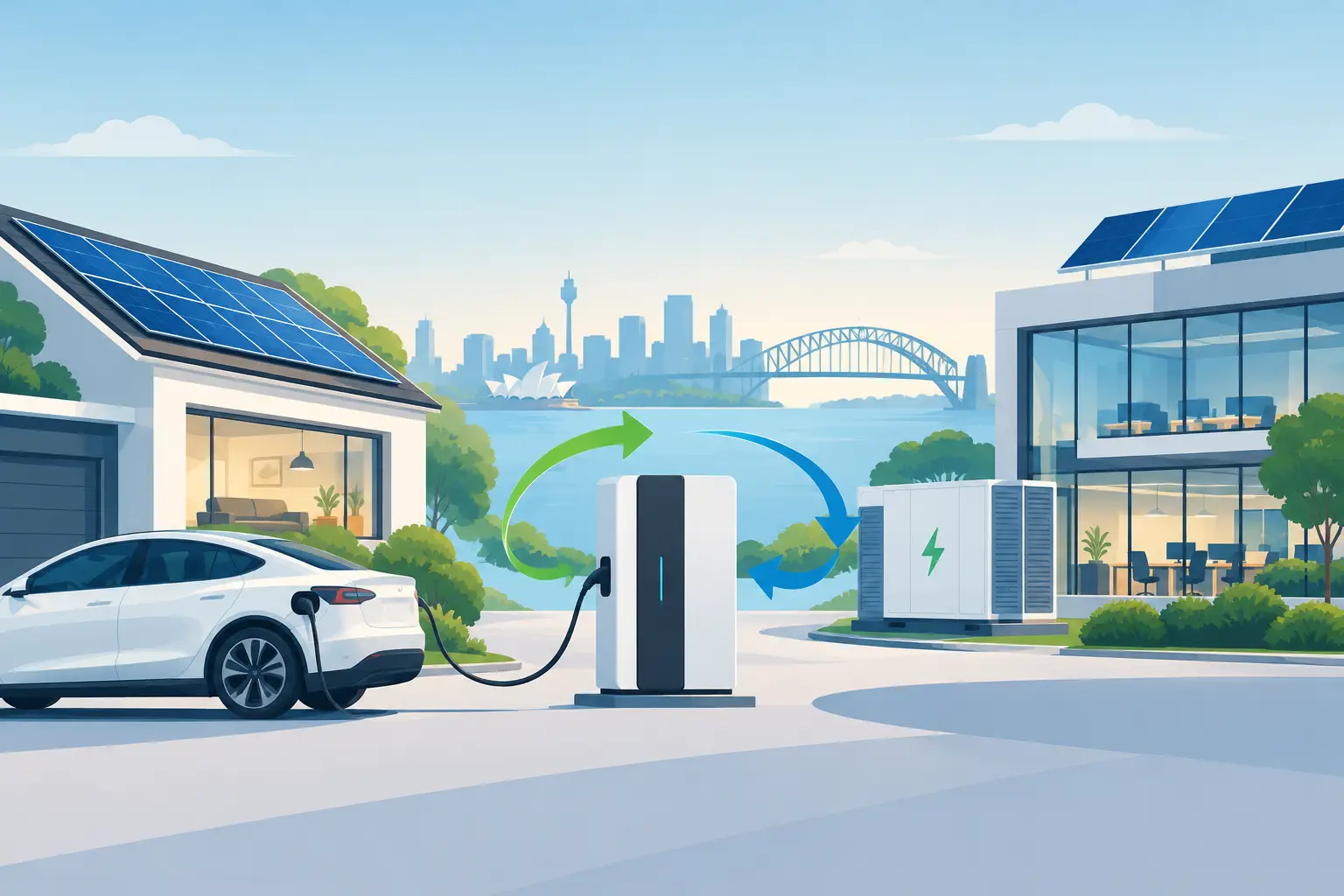
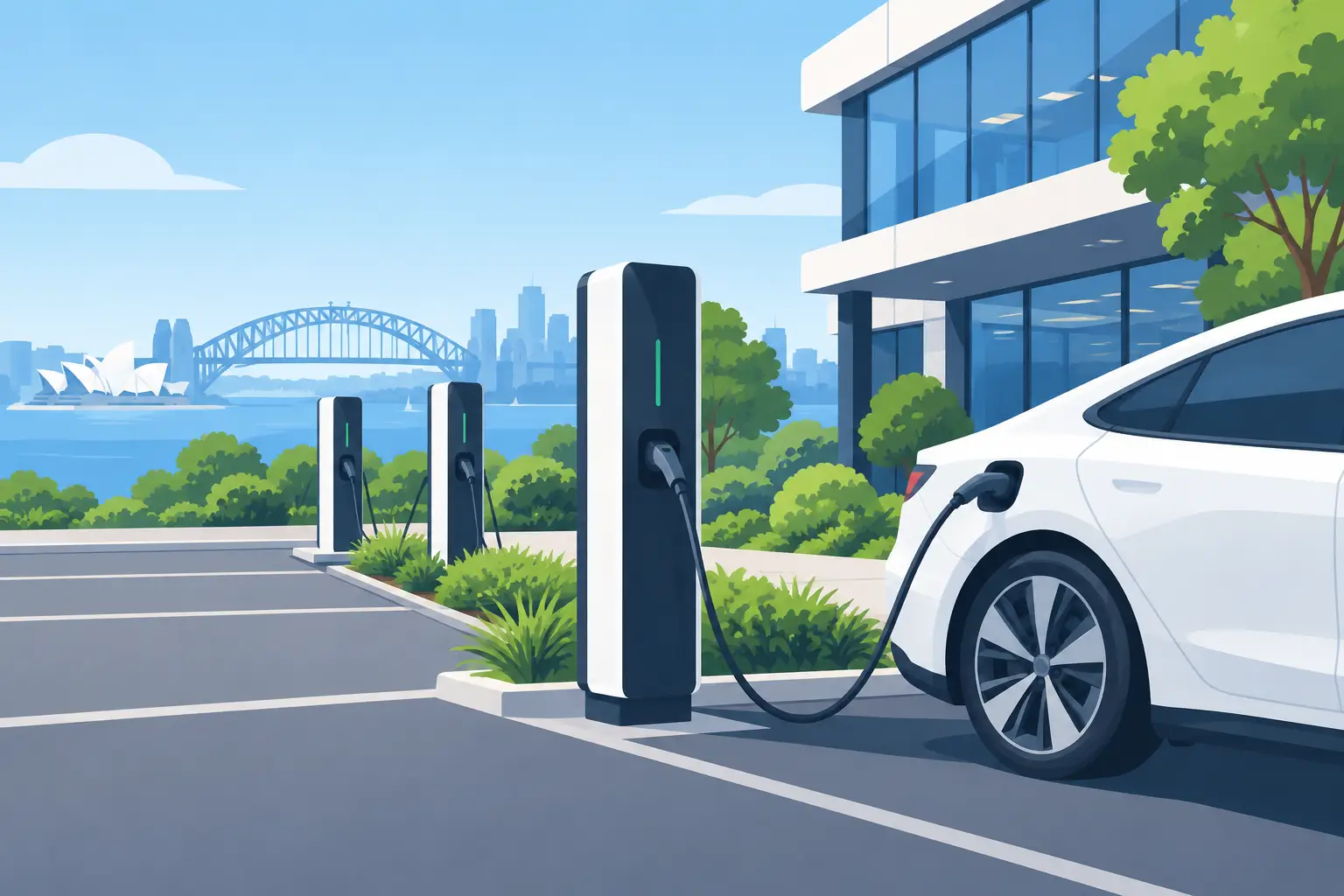
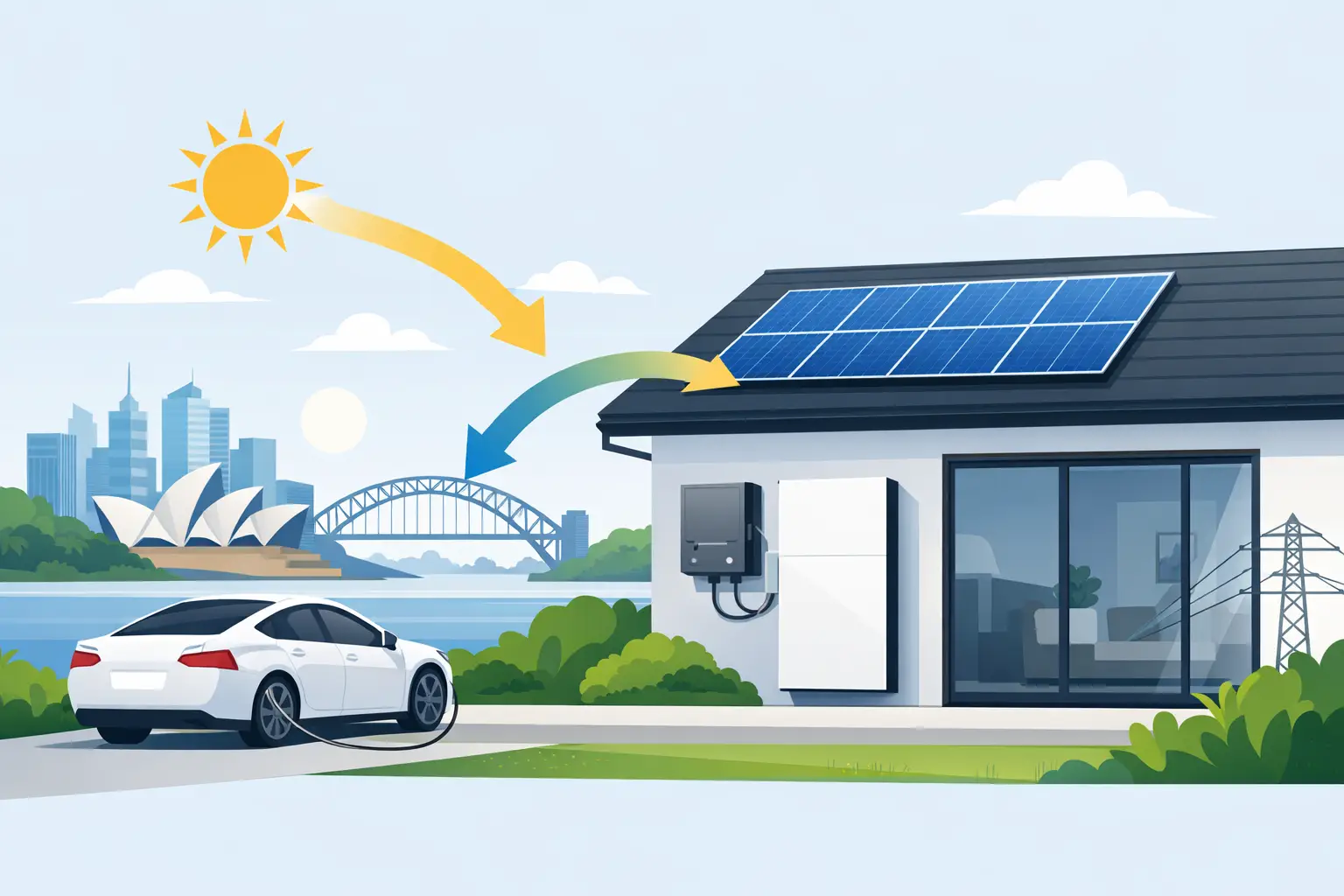
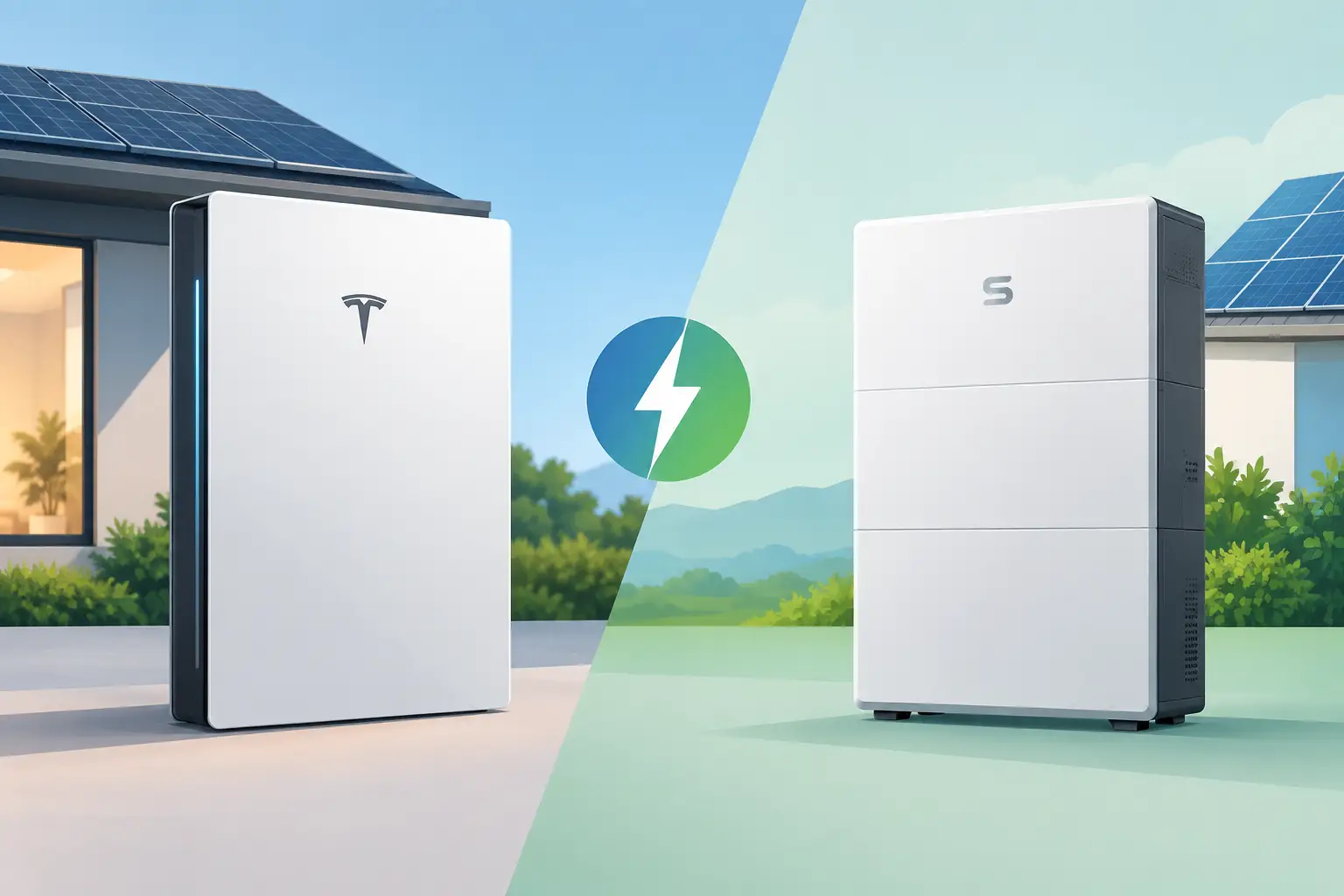
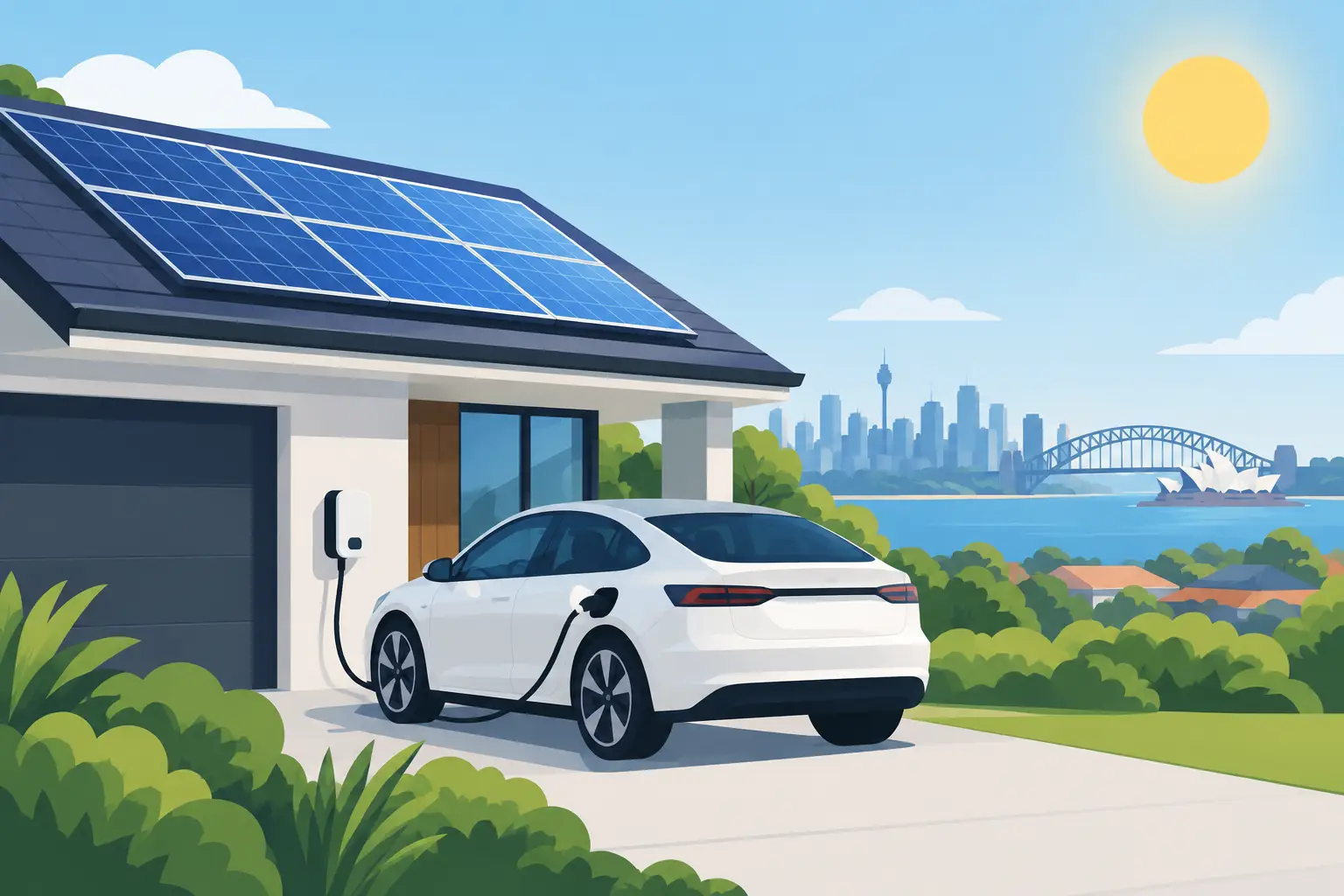
A 6.6kW system is a popular choice, and many Sydney households suit something between 5kW and 10kW. Your own number should come from your usage, roof space and future plans such as an EV, a heat pump or a home battery. Network limits on inverter size and export also apply, so the final design must account for them. Ask for residential solar solutions that are battery-ready and EV-compatible, which avoids costly rework later.
Inverters Matter as Much as Panels
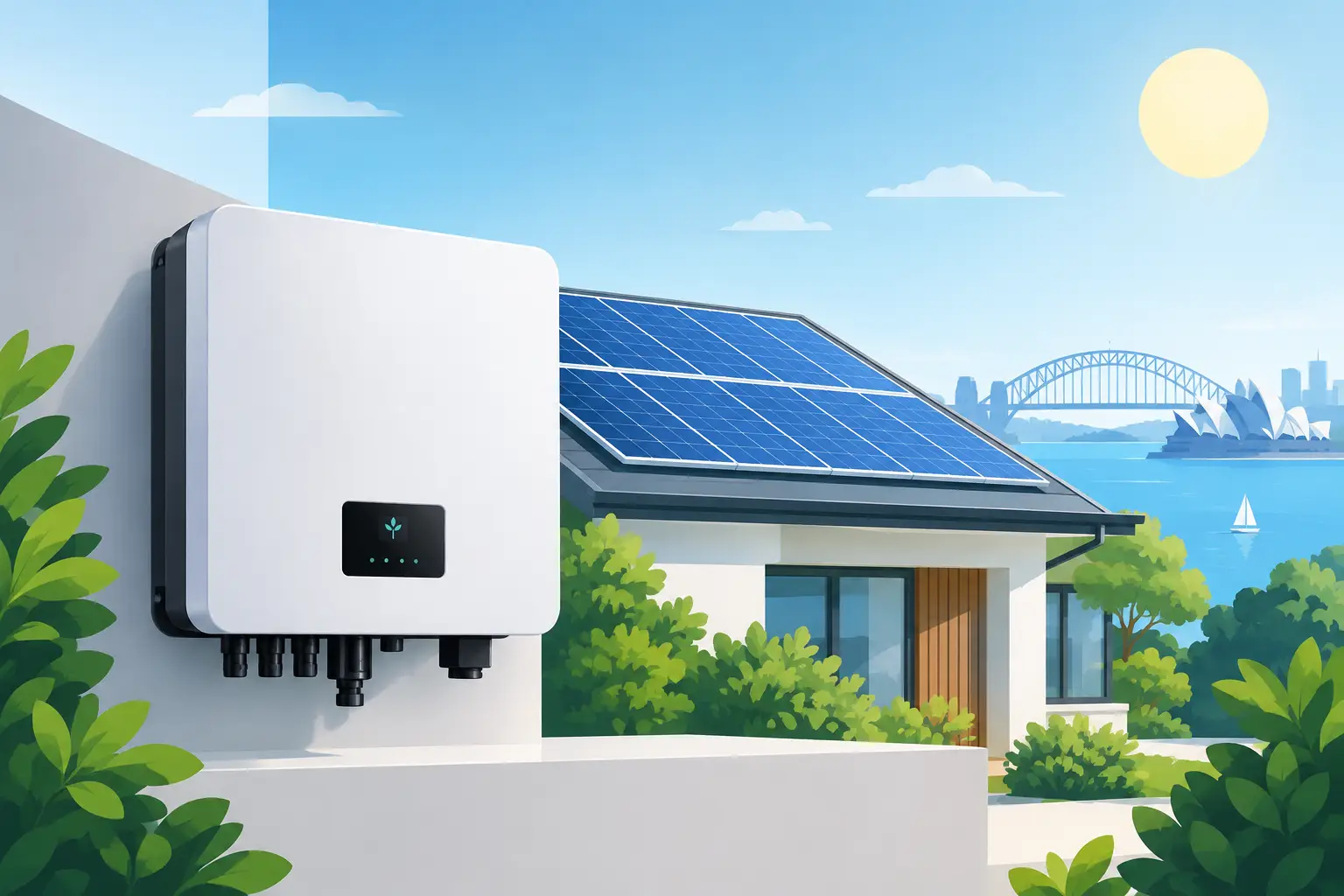
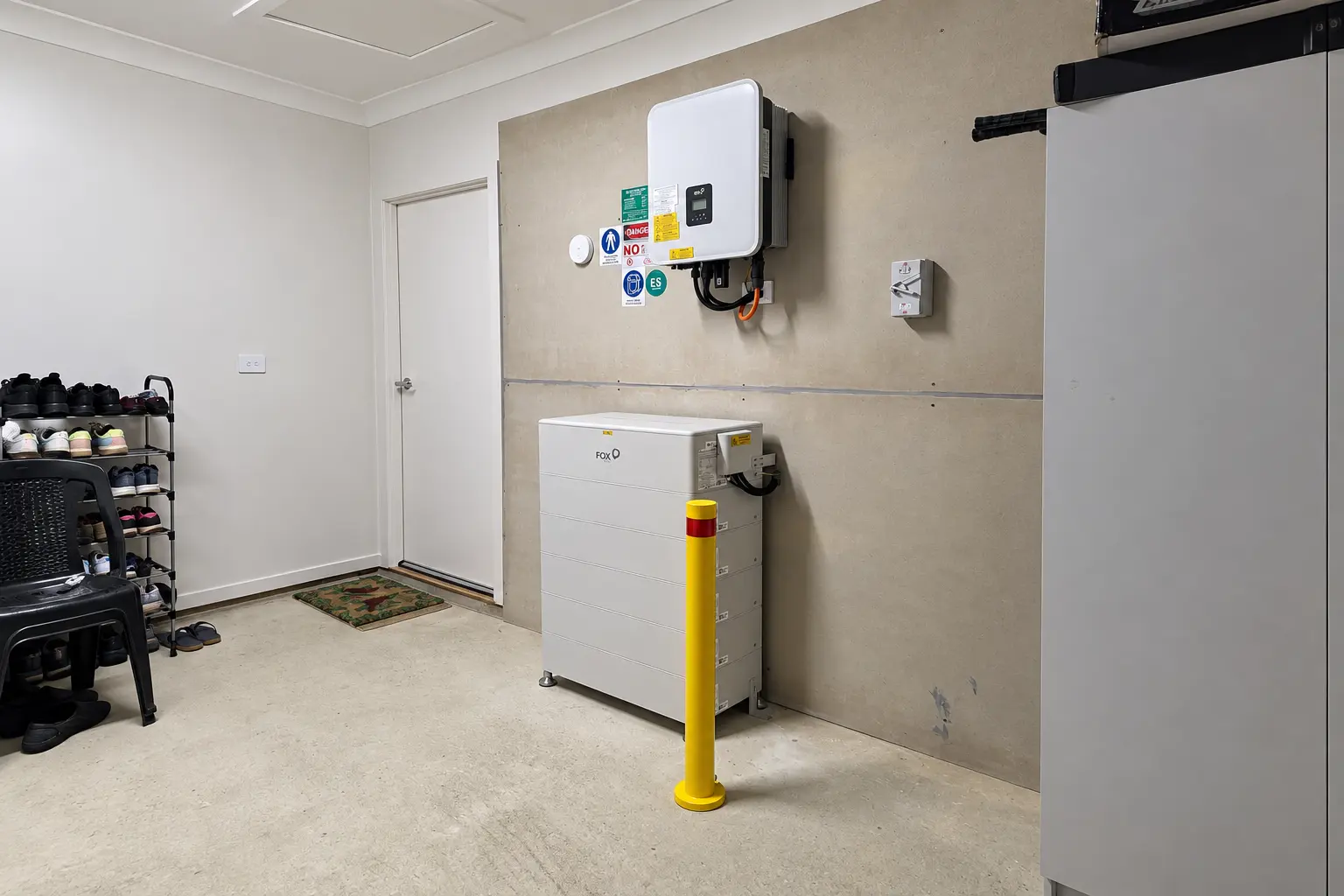
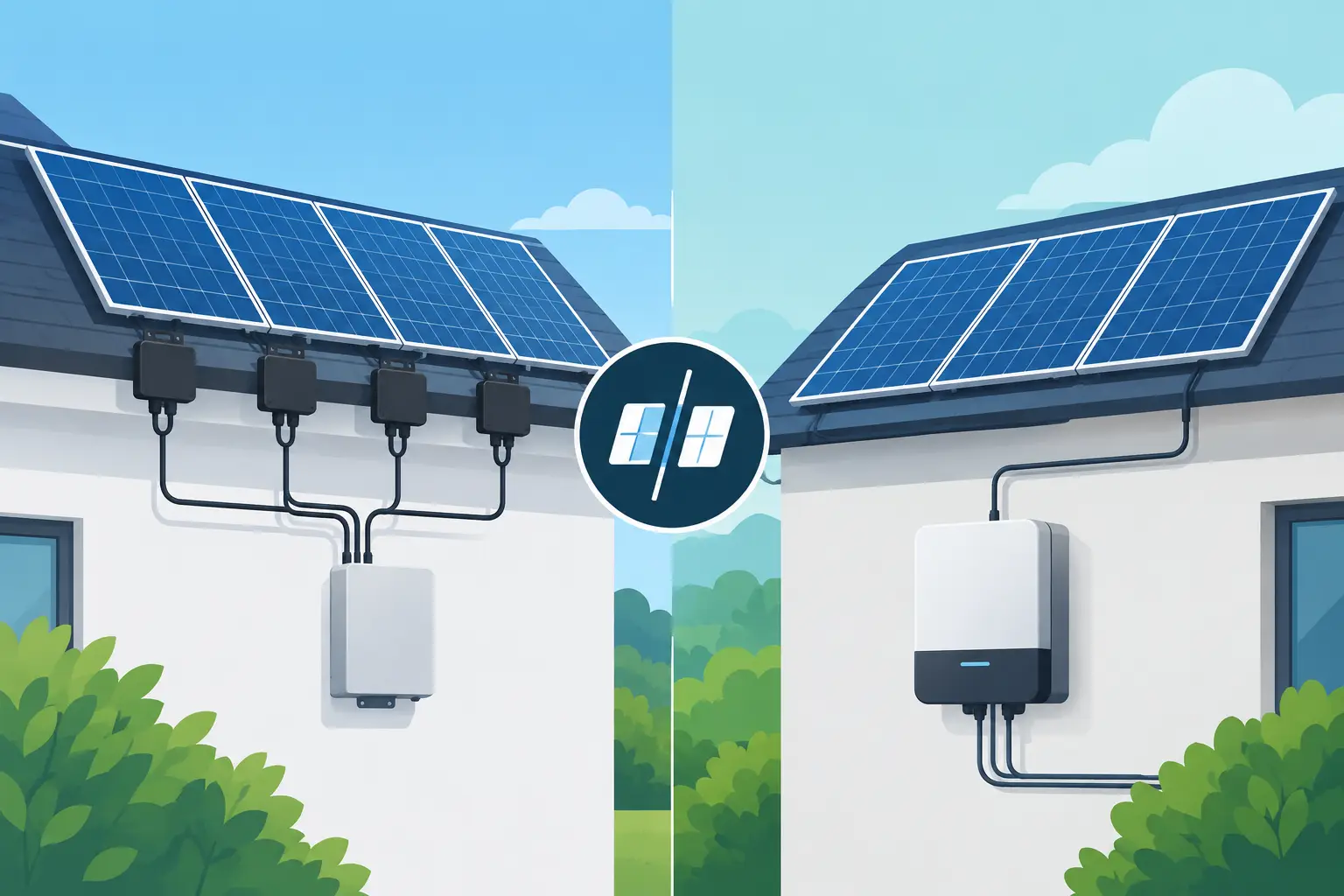
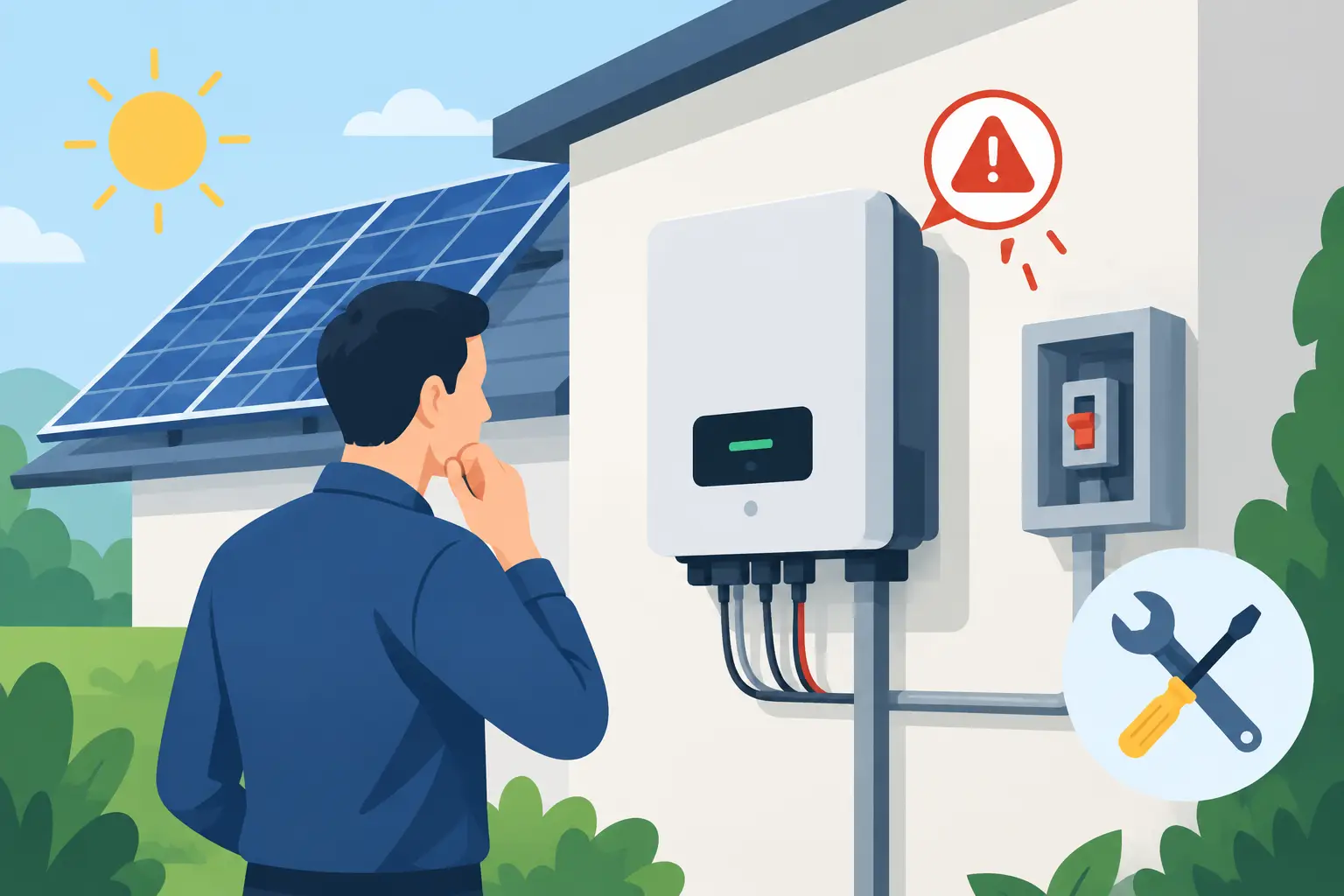
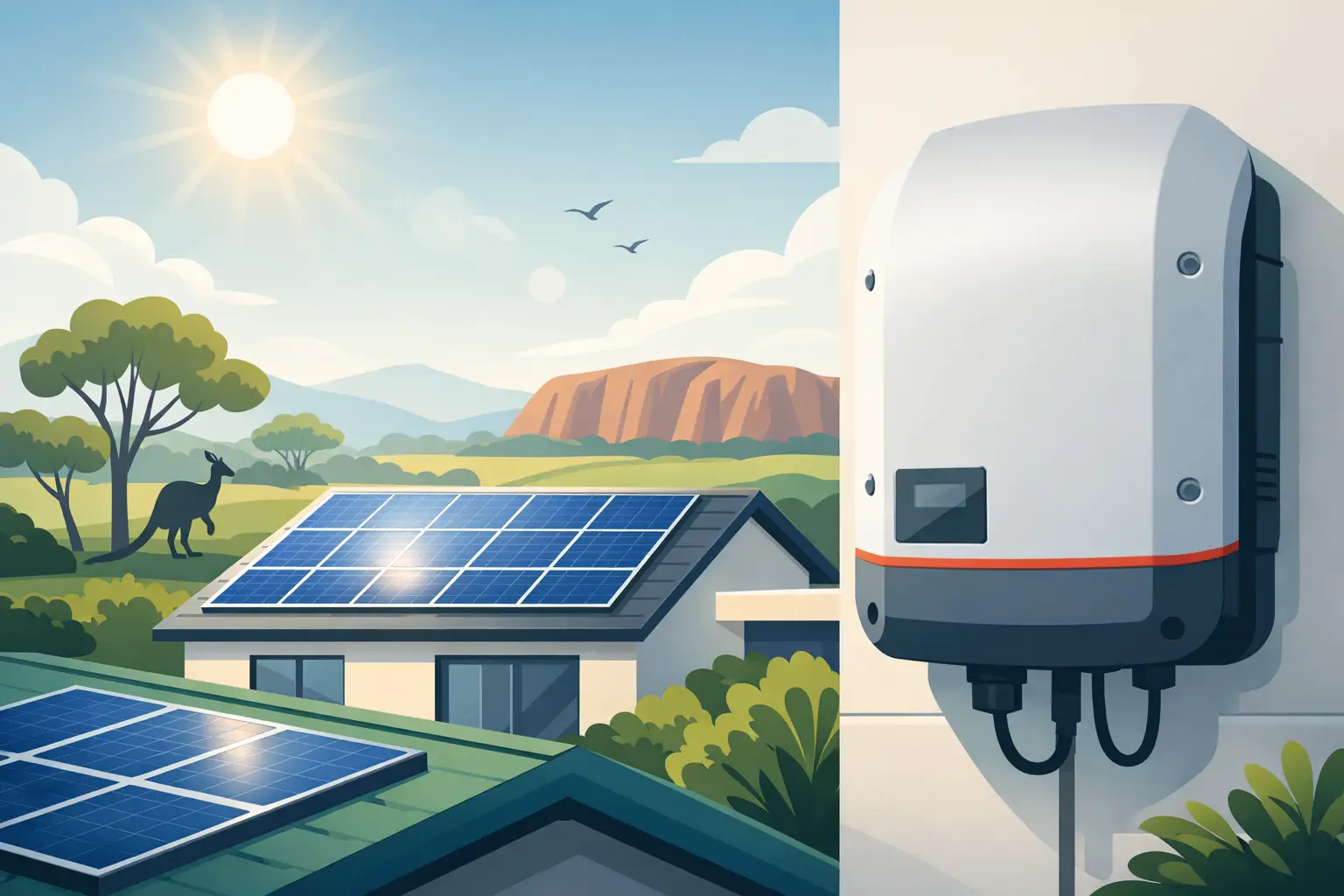
The inverter converts the direct current from your panels into power your home can use. String inverters cost less and work well on clear, simple roofs. Microinverters and power optimisers manage each panel separately, which helps when shade or several roof faces are involved.
Inverters may need replacing once during the life of your panels, so check the warranty length. Many also include app monitoring, which shows daily output and flags faults early on. Choose based on your roof, not a sales pitch.
Solar Panels in Sydney: Local Conditions and the Rebate
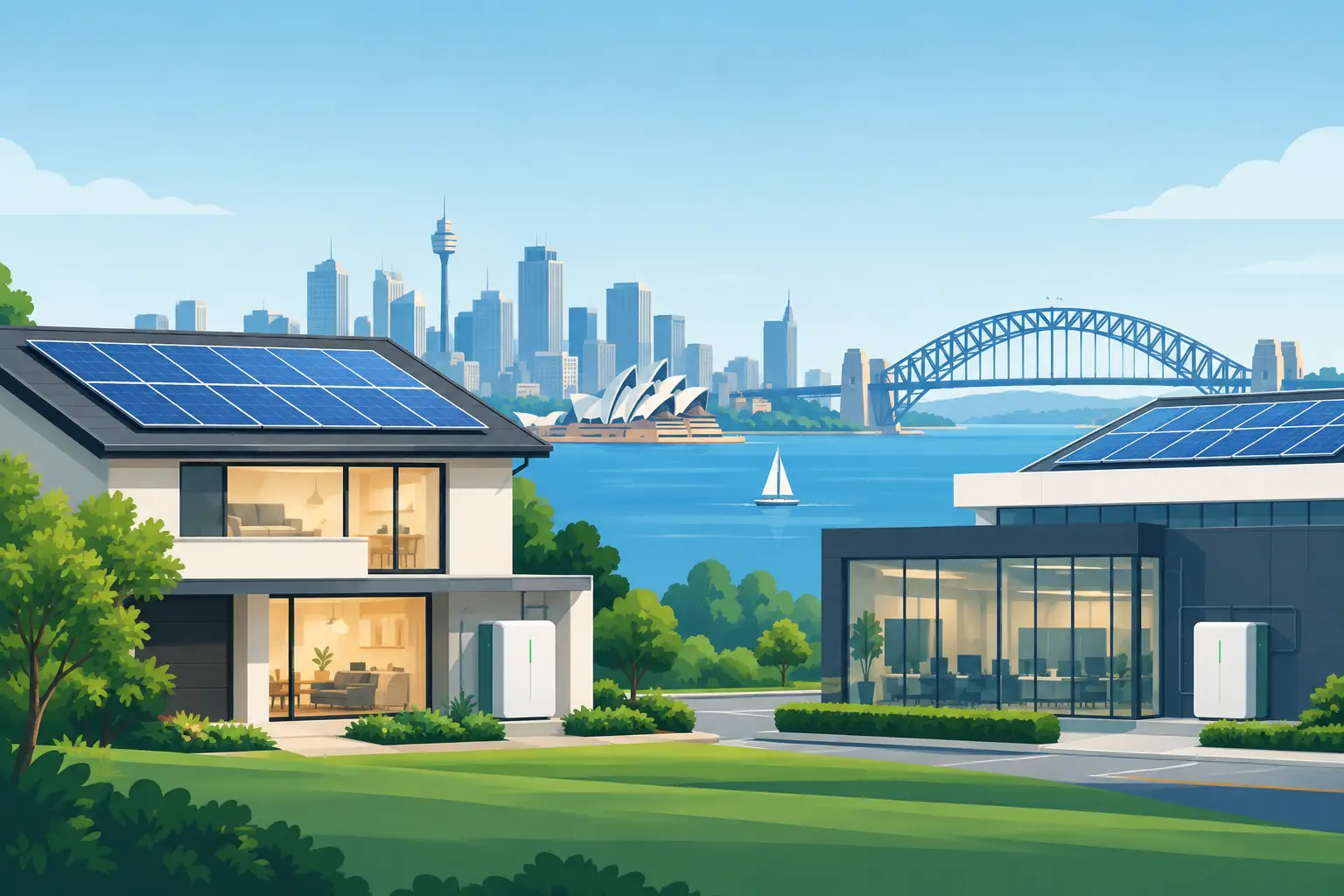
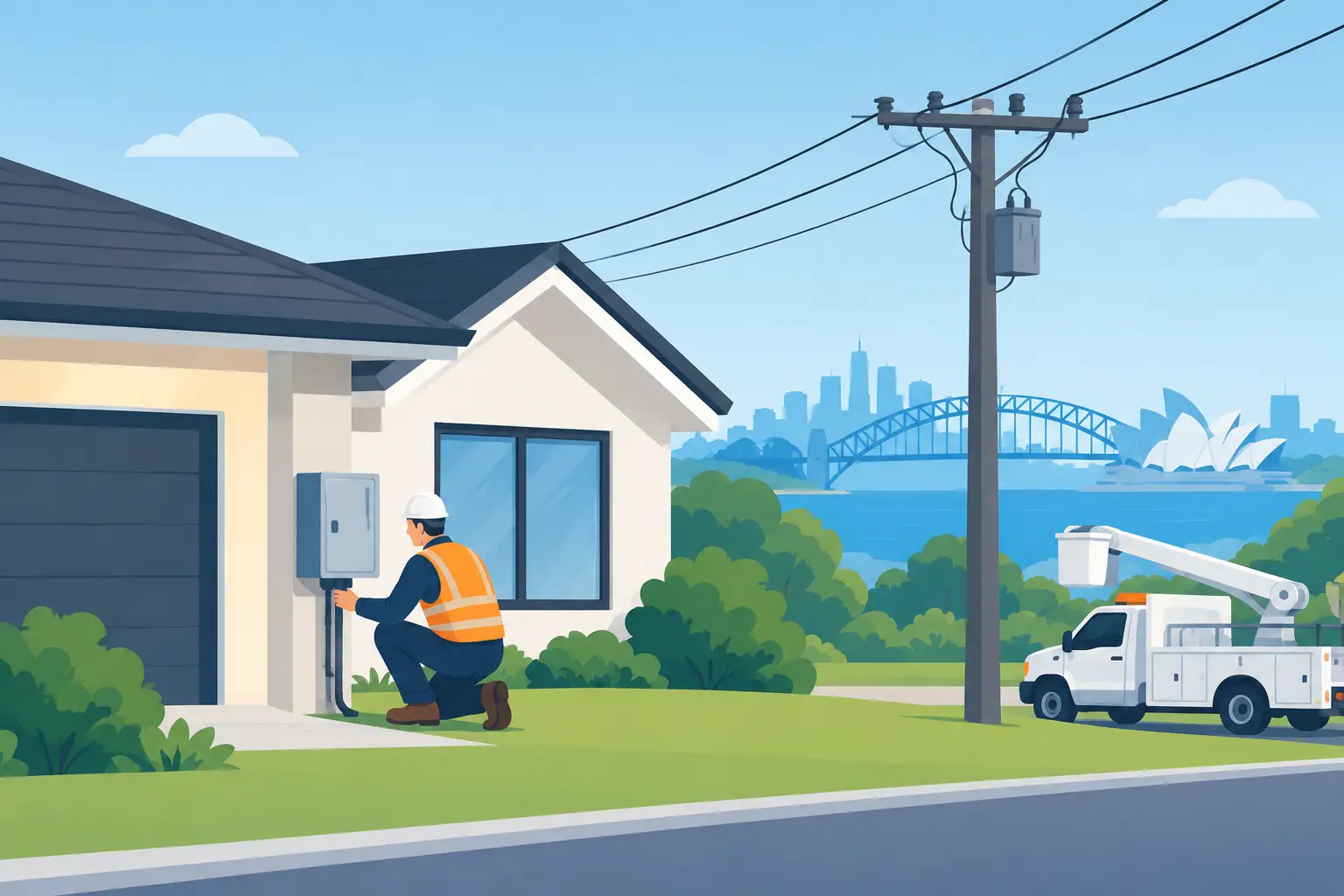
Coastal suburbs deal with salt air and storms can bring hail, so ask about corrosion and impact ratings. Most home systems in NSW are exempt development, so council approval is usually not needed, and your installer typically arranges the network connection with Ausgrid or Endeavour Energy.
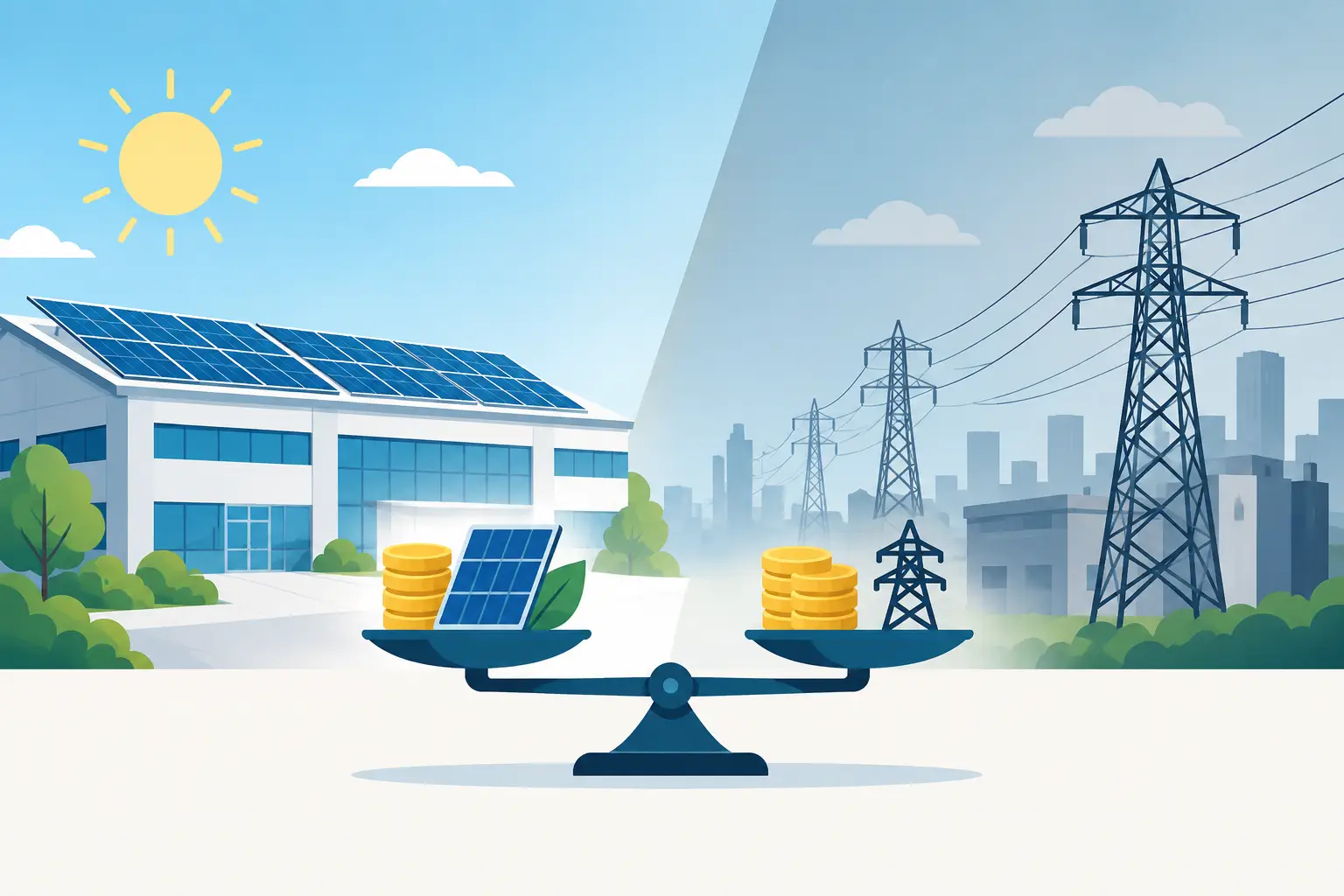
Sydney sits in STC zone 3, and the federal discount falls each year until the scheme ends in 2030. A good quote shows the STC value as its own line, so you can see exactly what you are getting.
How to Choose a Residential Solar Installer
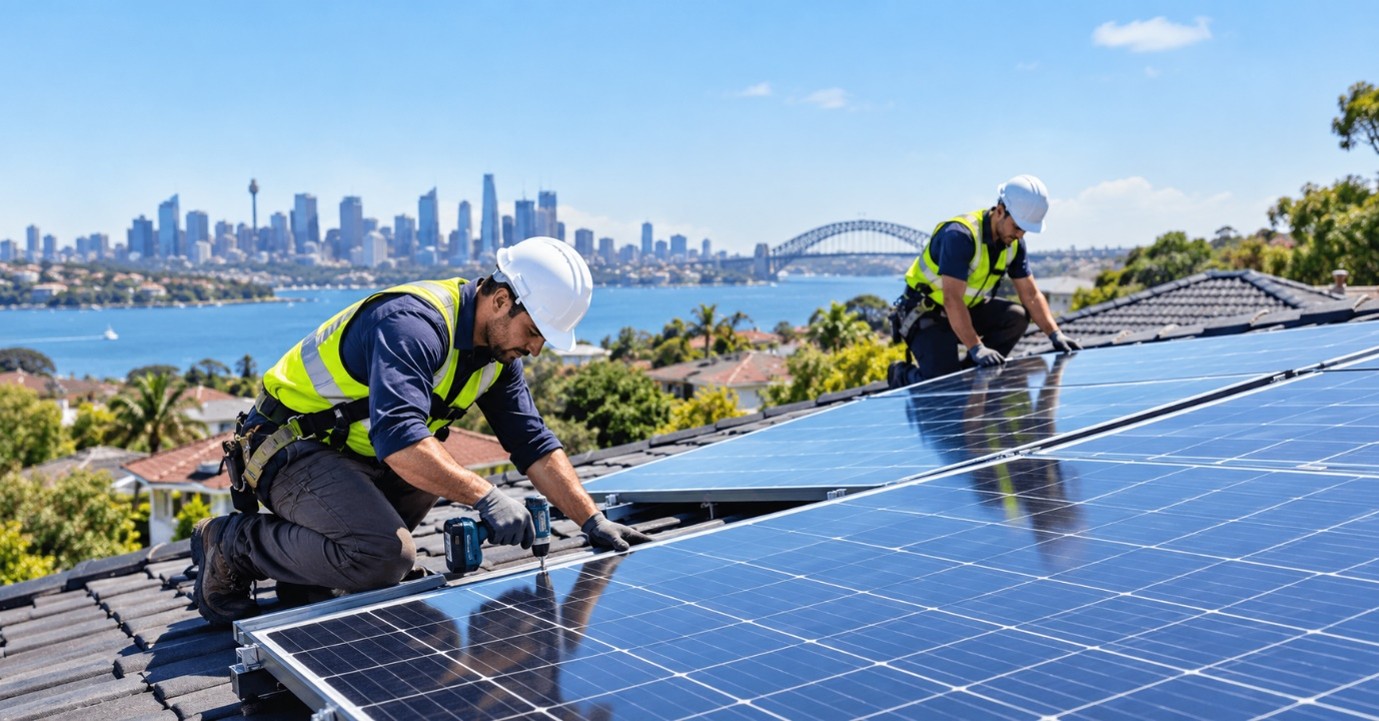
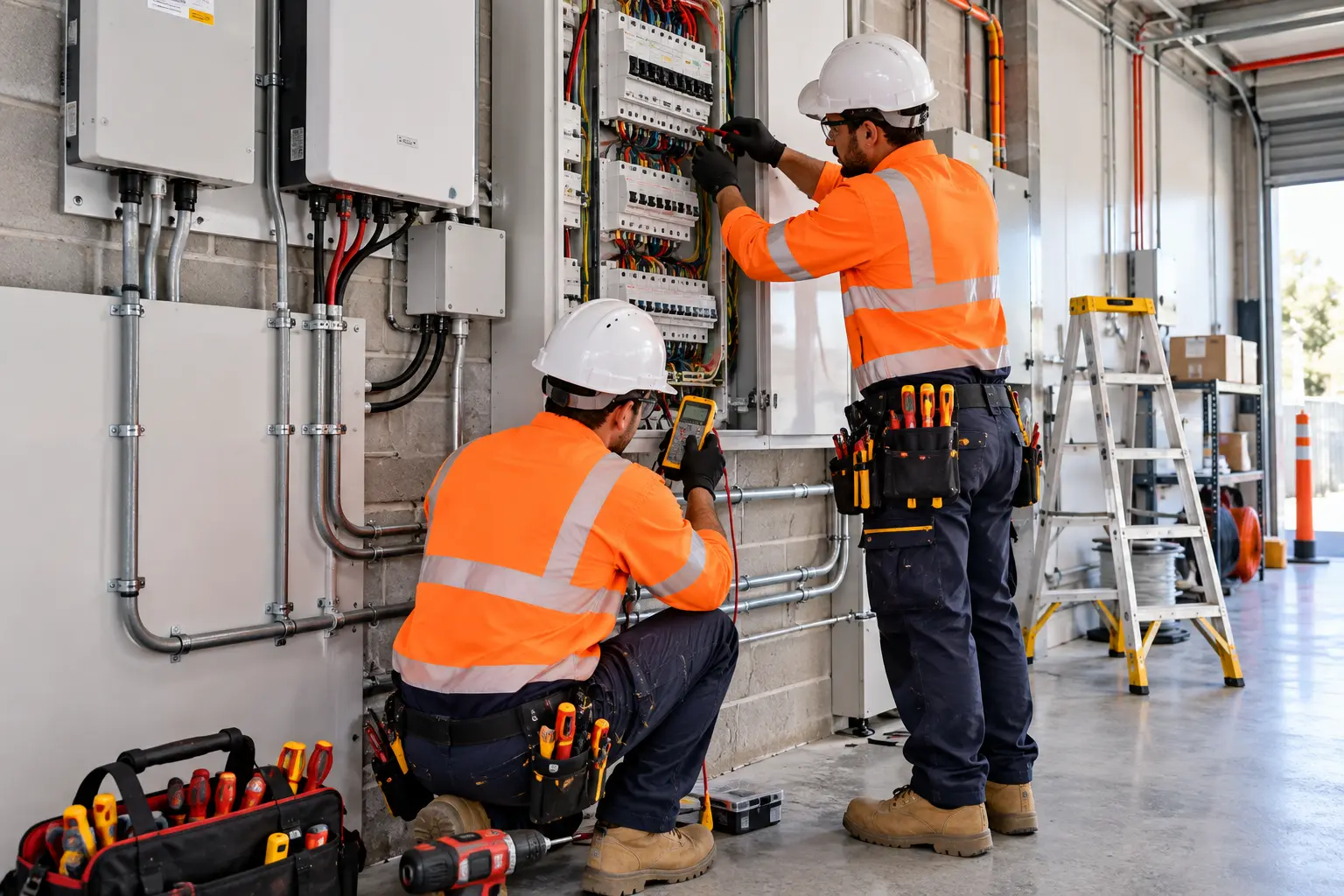
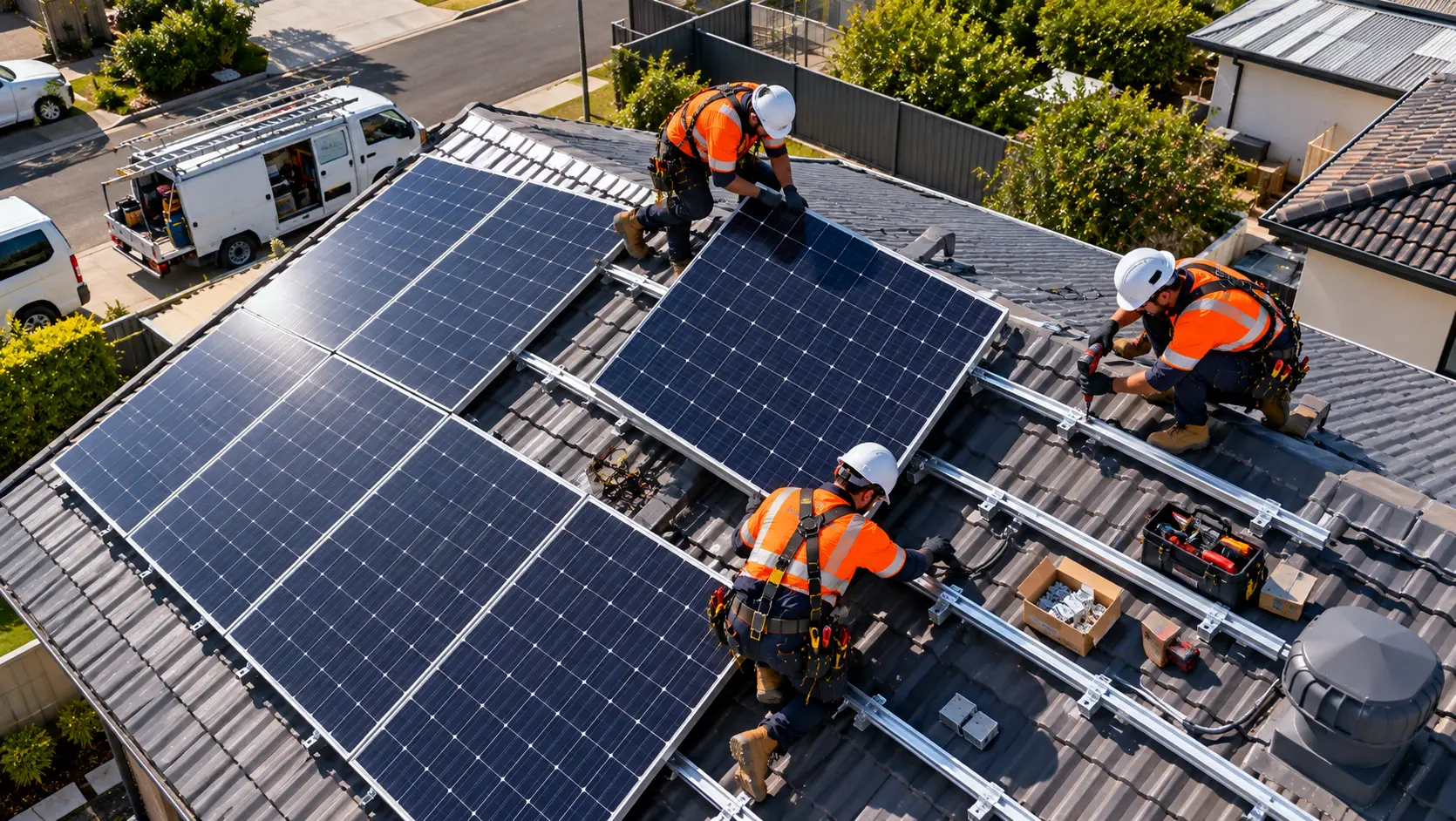
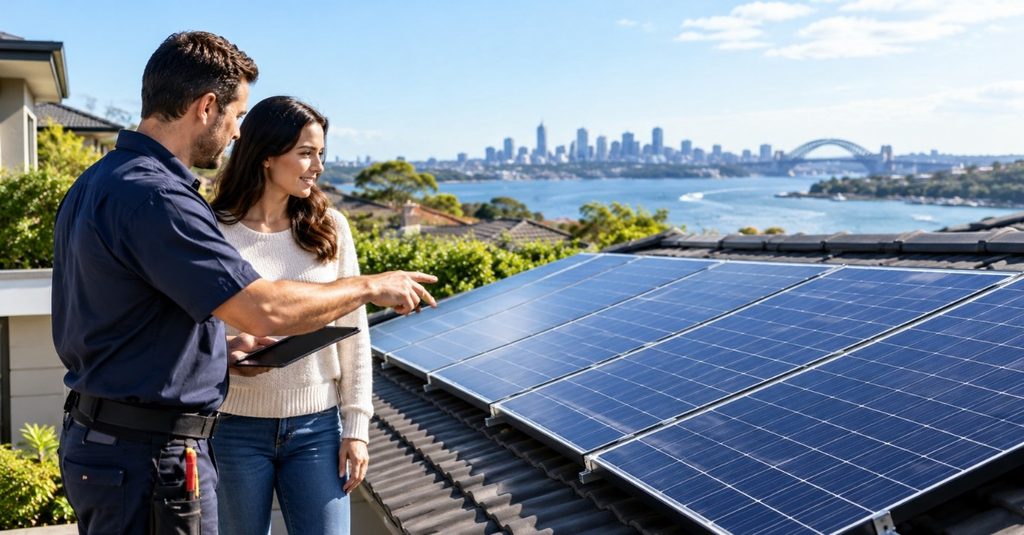
Strong panels need strong workmanship. Poor mounting, loose wiring or a badly placed inverter can hold back even the best solar panels in Sydney. A good installer inspects your switchboard, roof and shading before quoting, designs the layout around your usage and explains each step clearly. That early attention keeps the whole job smooth. When you shortlist an installer, look for:
- Clean Energy Council accreditation and a licensed electrician on the job
- An itemised quote listing the brand, model and wattage of every panel and inverter
- A written workmanship warranty, separate from the product warranties
- Local aftercare and genuine, recent reviews
Get at least three quotes and compare them line by line. Large price gaps usually point to differences in equipment or workmanship cover. A dependable provider of solar installation in Sydney will explain those differences without pressure.
Conclusion
Choosing the right system comes down to a few clear checks: roof and usage first, then panel type, warranties, inverter and installer. Follow that order and the best residential solar panels Sydney can offer for your home become much easier to spot. Whether you are comparing brands or reviewing quotes, ask for every detail in writing. Clear numbers, named brands and written warranties make offers easier to compare fairly and help you avoid surprises after installation day.
Sydpro Electrical supports homeowners across NSW with design, installation and activation of home solar systems, and the team can walk you through your options, so you can decide with clear advice rather than guesswork.
FAQs
Which type of solar panel is best for a home?
Monocrystalline panels suit most homes. They offer higher efficiency, a longer lifespan and a sleek black look. Polycrystalline panels cost less but need more roof space for the same output.
What size solar system does a Sydney home need?
Many Sydney homes suit 5kW to 10kW. Size depends on daytime usage, roof space, network limits and plans for a battery or EV, so ask for a usage-based design.
How long do solar panels last?
Most panels last 25 to 30 years. Output declines slowly, and performance warranties guarantee minimum output, commonly 84 to 92 percent of rated power, at year 25. Read the exact terms.
Do I need council approval for solar panels in NSW?
Most residential systems in NSW are exempt development, so council approval is usually not needed. Your installer typically handles the network connection, but heritage or special zones may have extra rules.
Is the federal solar rebate still available?
Yes. The federal STC discount reduces each January and ends after 2030. Installing sooner means a bigger discount, which your installer usually applies directly to the quote. Value depends on system size.
Ready to Find the Right Panels for Your Roof?
Talk to a certified residential solar installer about your roof, usage and budget. Get an itemised quote and a system design built around your home. Request your free solar assessment.