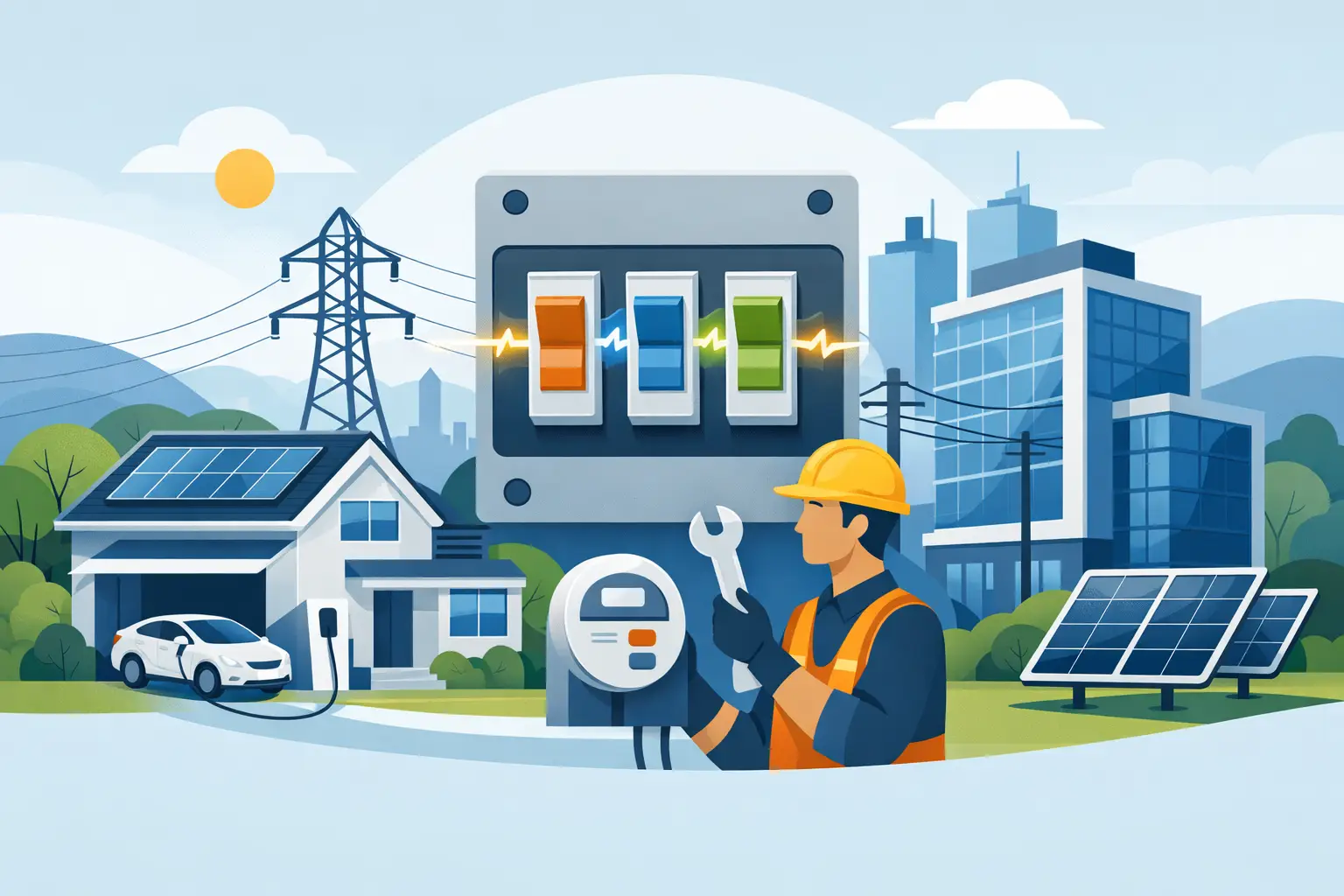
A switchboard can look perfectly adequate until the day you add a larger solar system, battery, ducted air conditioning or EV charger. That is when the single versus three phase question becomes more than an electrical term on a quote. It can determine what equipment your property can support, how much solar capacity makes sense and whether an upgrade is needed before work begins.
For NSW homes and businesses, the right answer depends on how much power you use at once, the equipment you plan to add and the capacity of the existing network connection. Three phase is not automatically better. It is, however, often the smarter foundation for properties with higher loads or plans to electrify further.
Single versus three phase: the practical difference
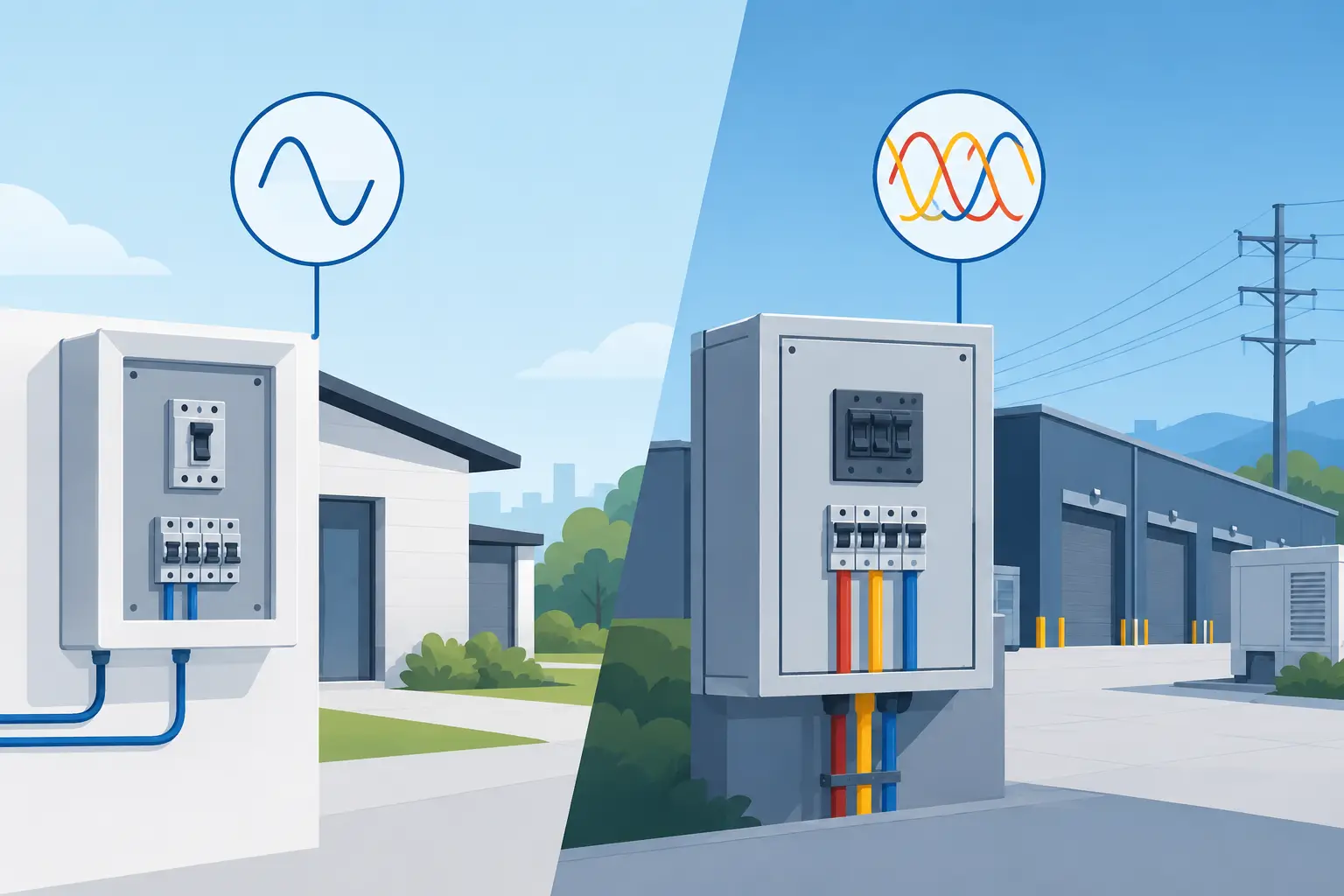
Single-phase power supplies electricity through one active conductor and a neutral. It is common in established Sydney homes and is well suited to everyday household loads such as lighting, power points, standard appliances and modest-sized air conditioning. Australian single-phase supply is typically 230 volts between active and neutral.
Three-phase power uses three active conductors, with each phase carrying part of the property’s electrical load. The voltage is still typically 230 volts from a phase to neutral, while voltage between phases is approximately 400 volts. The main benefit is not simply higher voltage. It is the ability to distribute larger electrical demand across three phases rather than placing it all on one.
Think of it as traffic entering a busy site. A single-phase supply has one lane. Three phase provides three lanes, allowing heavier demand to move with less congestion. The actual capacity still depends on the service fuse, main switch, cabling, switchboard design and network approval, but three phase creates far more room to plan.
When single phase is the right fit
Many households do not need a three-phase upgrade. A single-phase connection can support an effective rooftop solar system, home battery and EV charger when the system is correctly designed around the property’s demand and supply limits.
It can be a sensible choice for a smaller home with gas cooking and hot water, modest air conditioning, one EV charger and no major electrical machinery. If the property’s peak demand is low and future electrification plans are limited, upgrading solely because three phase sounds more capable may not deliver enough value.
The key is avoiding a design that pushes a single phase beyond its practical limits. A large instantaneous electric hot water system, induction cooktop, ducted air conditioning, pool equipment and a 7 kW EV charger can all run at the same time. On a constrained single-phase connection, that combination may cause nuisance tripping or require load management.
A proper assessment looks at more than your quarterly bill. Electricity bills show total consumption, but they do not always reveal how much power the home draws at its busiest moments. Your existing main switch rating, cable size, major appliances and future plans matter just as much.
Where three phase makes a clear difference
Three phase is particularly valuable when a property has several large electrical loads or expects to add them over time. It is common in larger homes, new builds, workshops, apartment common areas, retail sites, medical practices, warehouses and industrial facilities.
For homeowners, a three-phase supply can provide useful capacity for all-electric living: induction cooking, electric hot water, reverse-cycle heating and cooling, a pool, battery storage and EV charging. It gives the electrical design team more flexibility to allocate circuits across phases and manage peak demand.
For businesses, the case is often more direct. Commercial refrigeration, pumps, compressors, machinery, larger HVAC systems and commercial EV charging may require or strongly benefit from three phase. A business that cannot run critical equipment reliably during busy periods can face costs that far outweigh the price of upgrading its supply.
Three phase also supports a more scalable approach. Rather than redesigning the switchboard each time another major load is added, the infrastructure can be planned for staged solar, batteries, chargers and future equipment from the start.
It does not automatically lower your power bill
A three-phase supply does not reduce electricity charges by itself. Savings come from using less grid electricity, shifting demand to solar generation or batteries, choosing suitable tariffs and reducing expensive peak demand where applicable.
What three phase can do is remove a capacity barrier. It may allow a larger solar array, a faster charger or more electric appliances to operate safely and practically. The financial benefit then comes from how those assets are used, not from the number of phases alone.
Solar systems and phase selection
Solar is where phase configuration often becomes a design decision rather than a background detail. A single-phase home can install solar, but inverter size and export conditions may be restricted by the local distribution network and the capacity of the connection. These requirements differ between areas and can change over time.
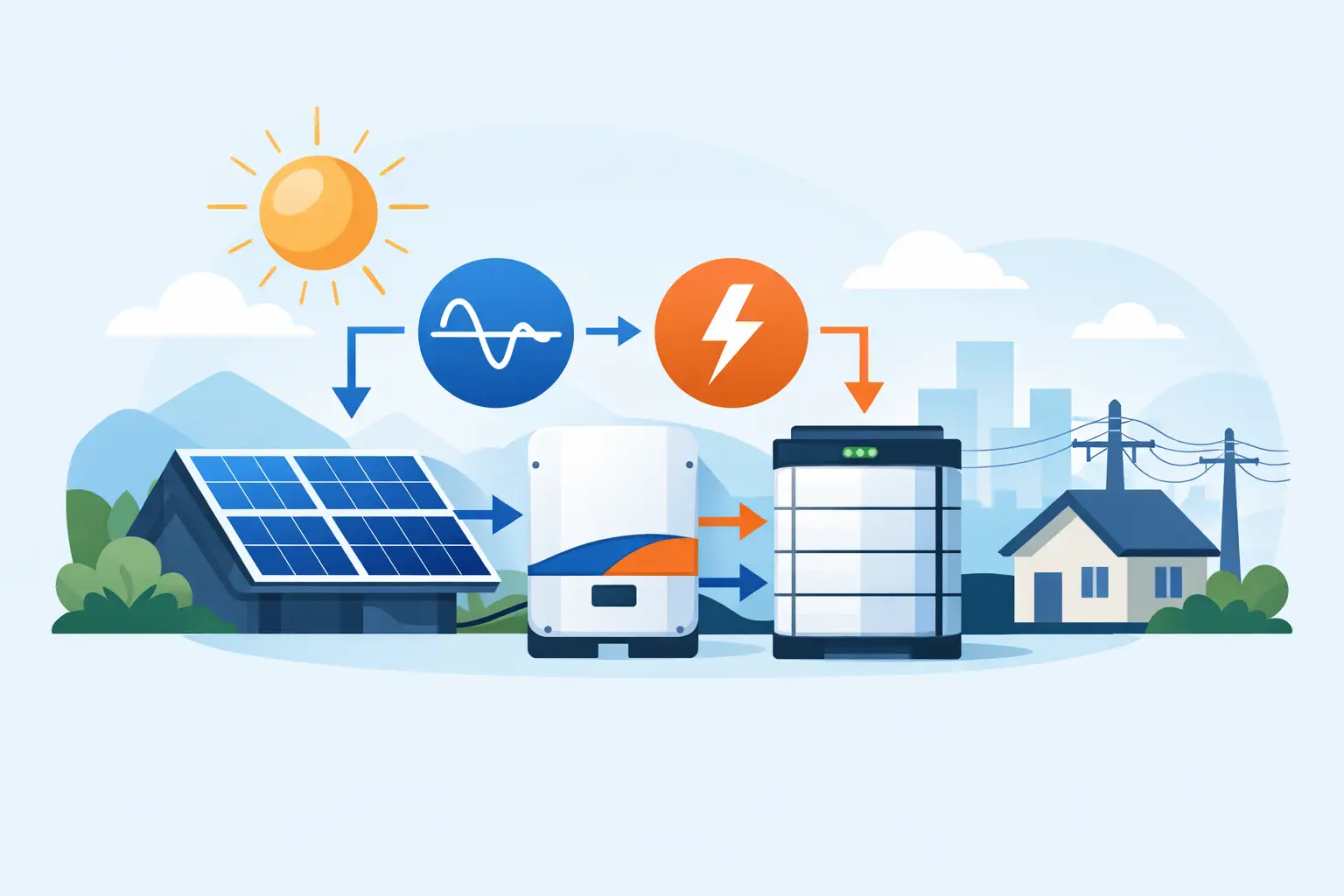
On three-phase properties, a three-phase inverter distributes solar generation across all phases. This can better match a site with loads spread throughout the switchboard, particularly for commercial premises or larger homes. It may also make it easier to install a larger system within network requirements.
However, a three-phase home does not always require a three-phase inverter. In some situations, a correctly sized single-phase solar inverter remains appropriate. The best solution depends on the supply arrangement, proposed system size, daytime loads, export approval and battery plans.
Phase balance deserves attention. A property may have three-phase supply but most of its energy use may sit on one phase. If solar generation and major loads are poorly matched, the system may not deliver the expected self-consumption outcome. A quality design reviews the switchboard circuits and load profile before deciding where equipment should connect.
Batteries, backup power and EV charging
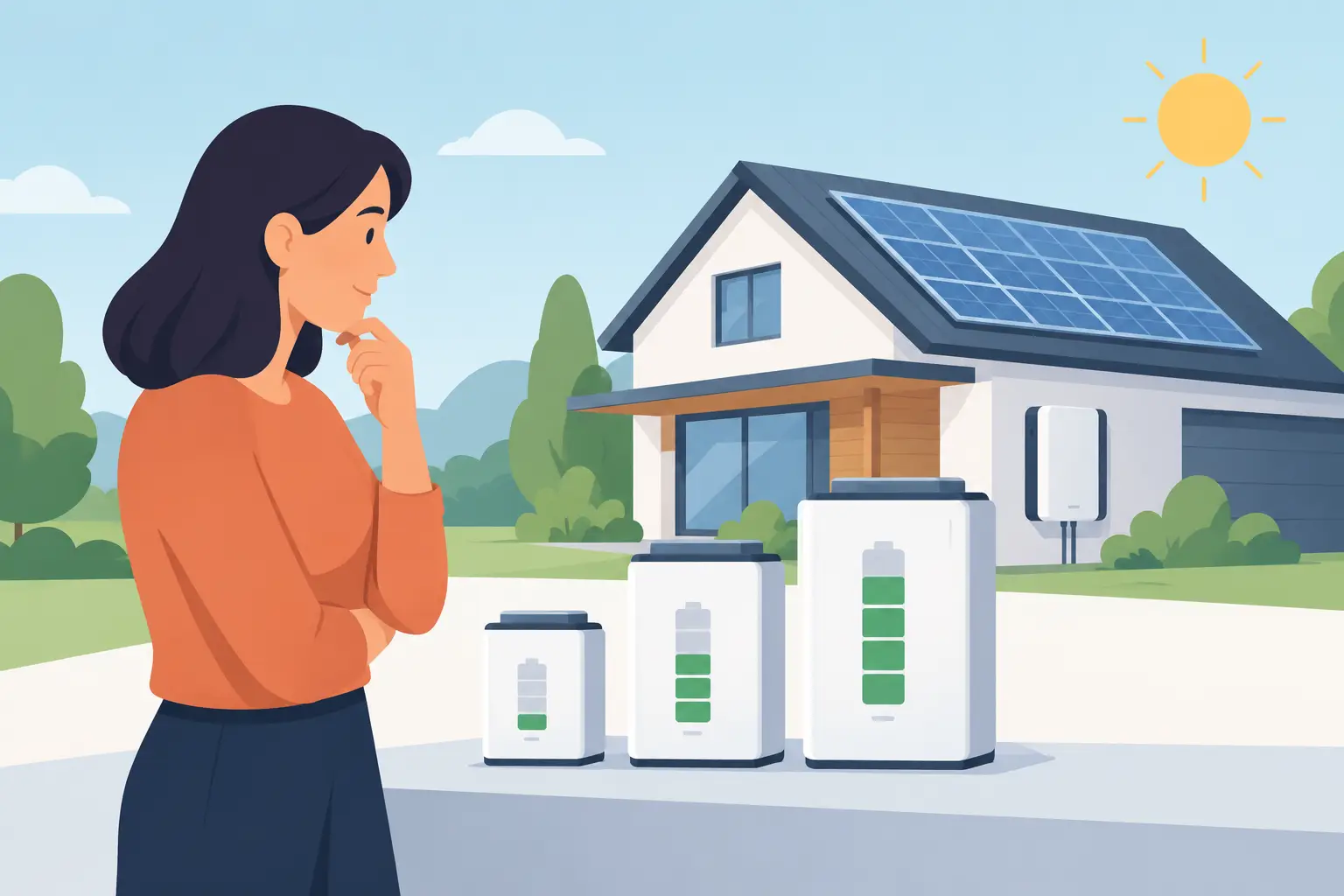
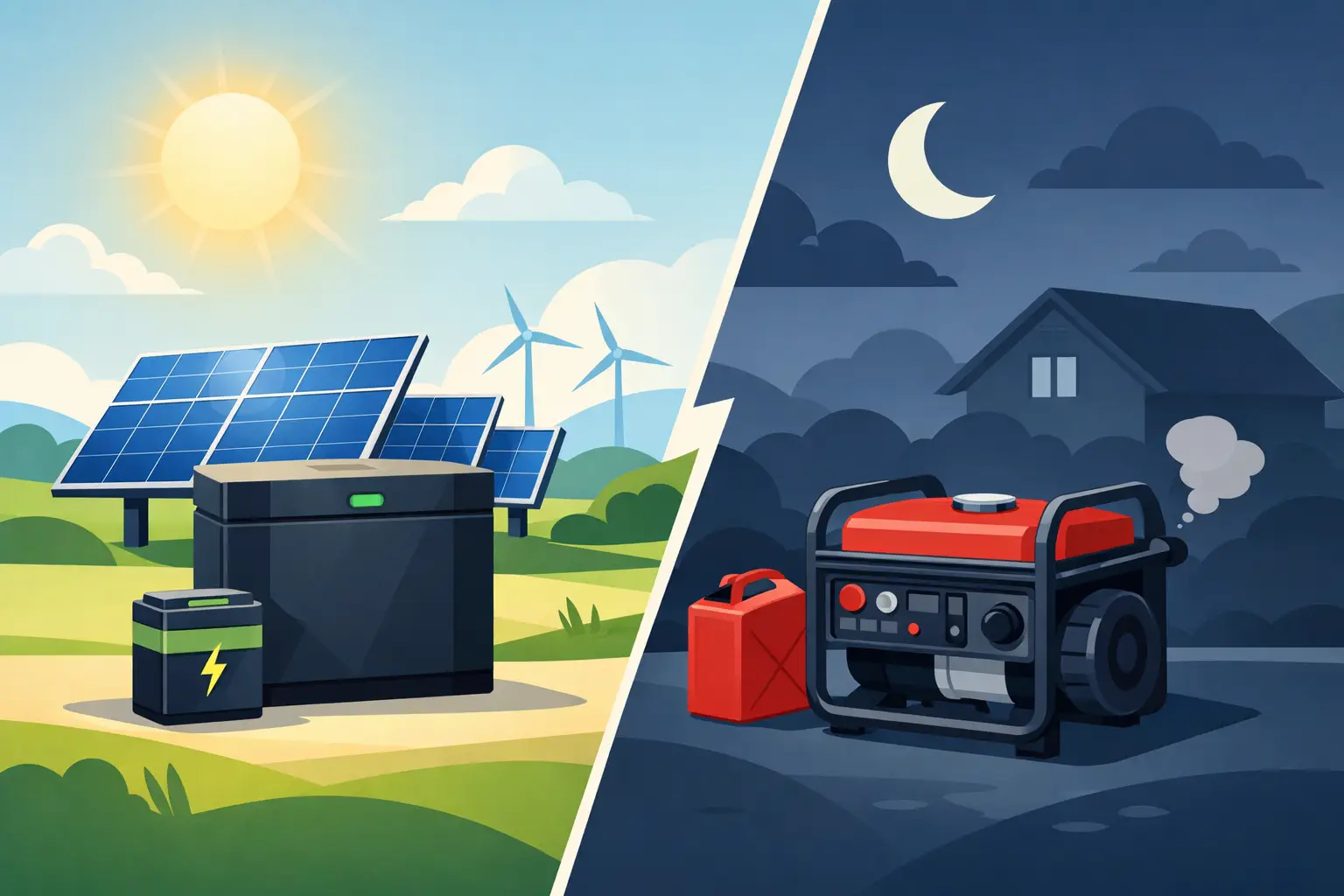
Battery storage adds another layer to the single versus three phase decision. Batteries can reduce grid purchases by storing surplus solar for use after sunset, but backup capability varies by battery model, inverter arrangement and electrical design.
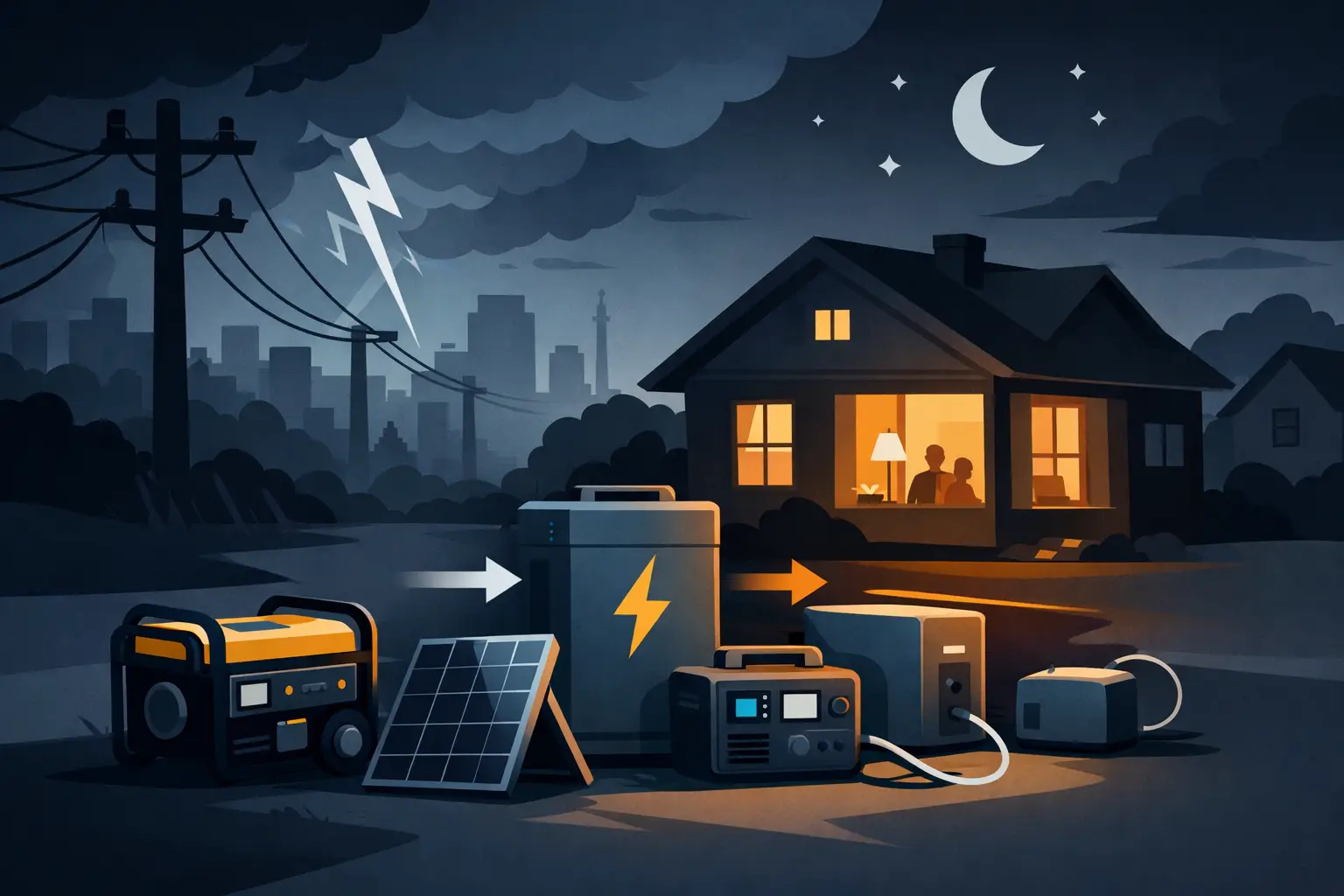
On a three-phase property, some battery systems back up one selected phase during an outage, while others can support multiple or all phases with the right equipment. This is a major distinction. If you expect a battery to keep lights, refrigeration, internet, air conditioning or business equipment operating during a blackout, the backed-up circuits must be identified in the design stage.
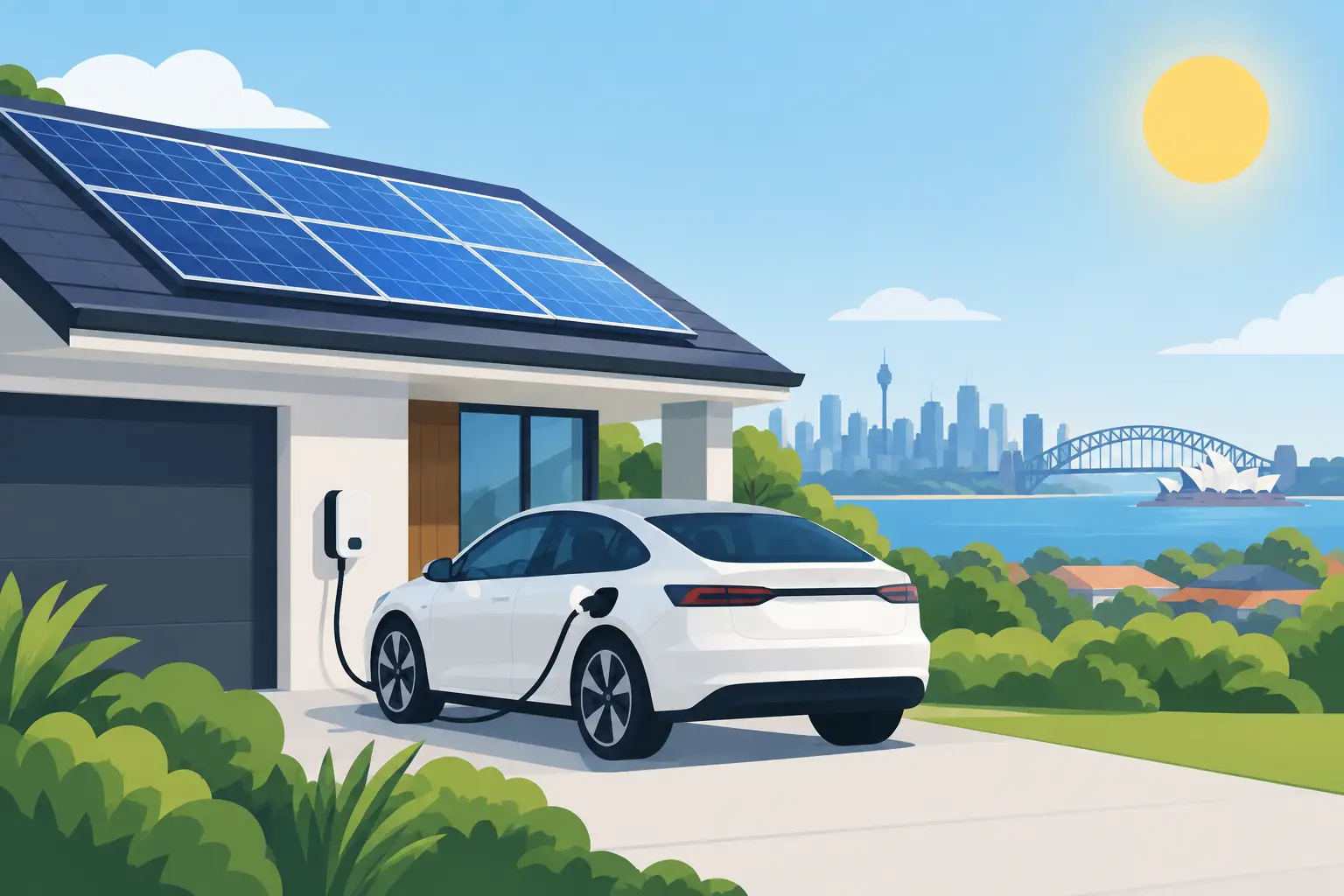
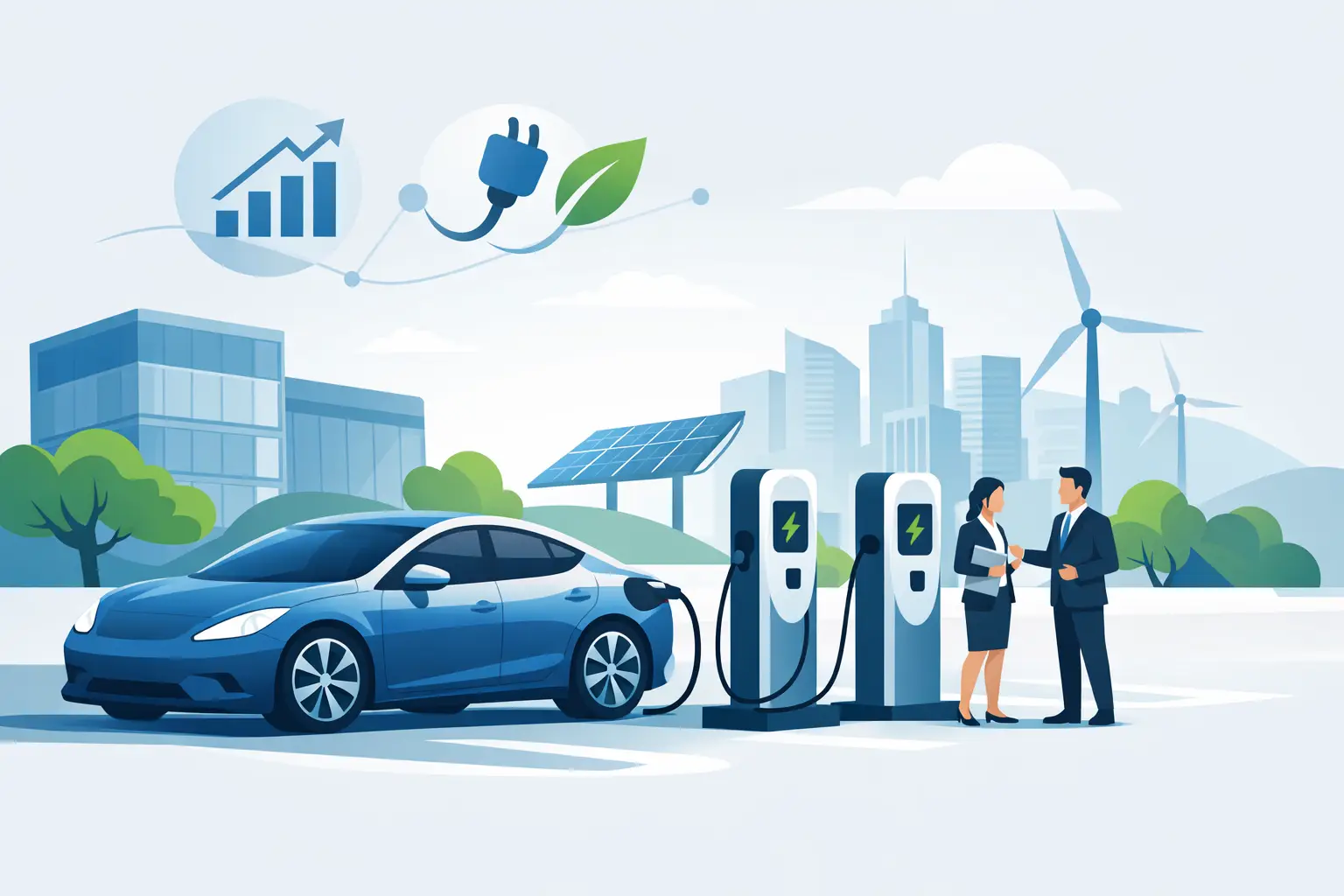
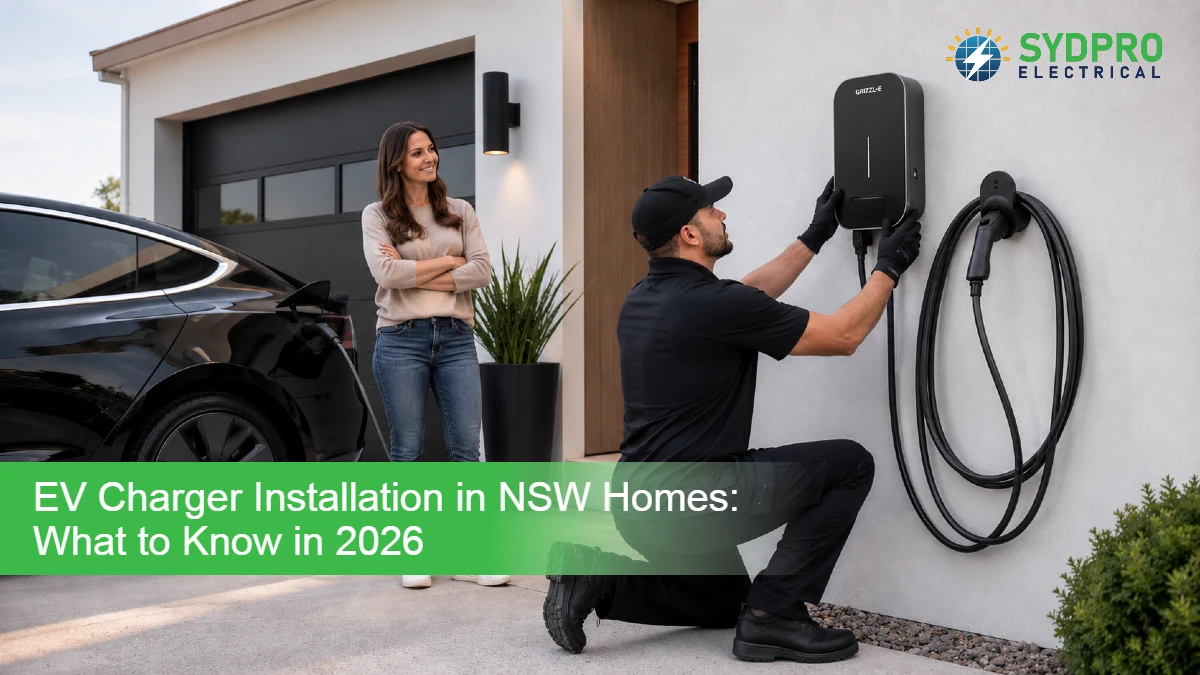
EV charging follows the same principle. A typical single-phase home charger may deliver up to 7.4 kW, subject to the vehicle, charger, supply capacity and load-management settings. Three phase can enable 11 kW or 22 kW charging where the vehicle and site support it. Faster is not always necessary, particularly when a car is parked overnight, but three phase offers greater flexibility for households with multiple EVs and for workplaces.
Smart load management is often the practical middle ground. It can reduce charger output when the home or business is drawing heavily, then increase it when capacity is available. This can help avoid an immediate network upgrade, although it cannot solve every capacity constraint.
What an electrical upgrade involves in NSW
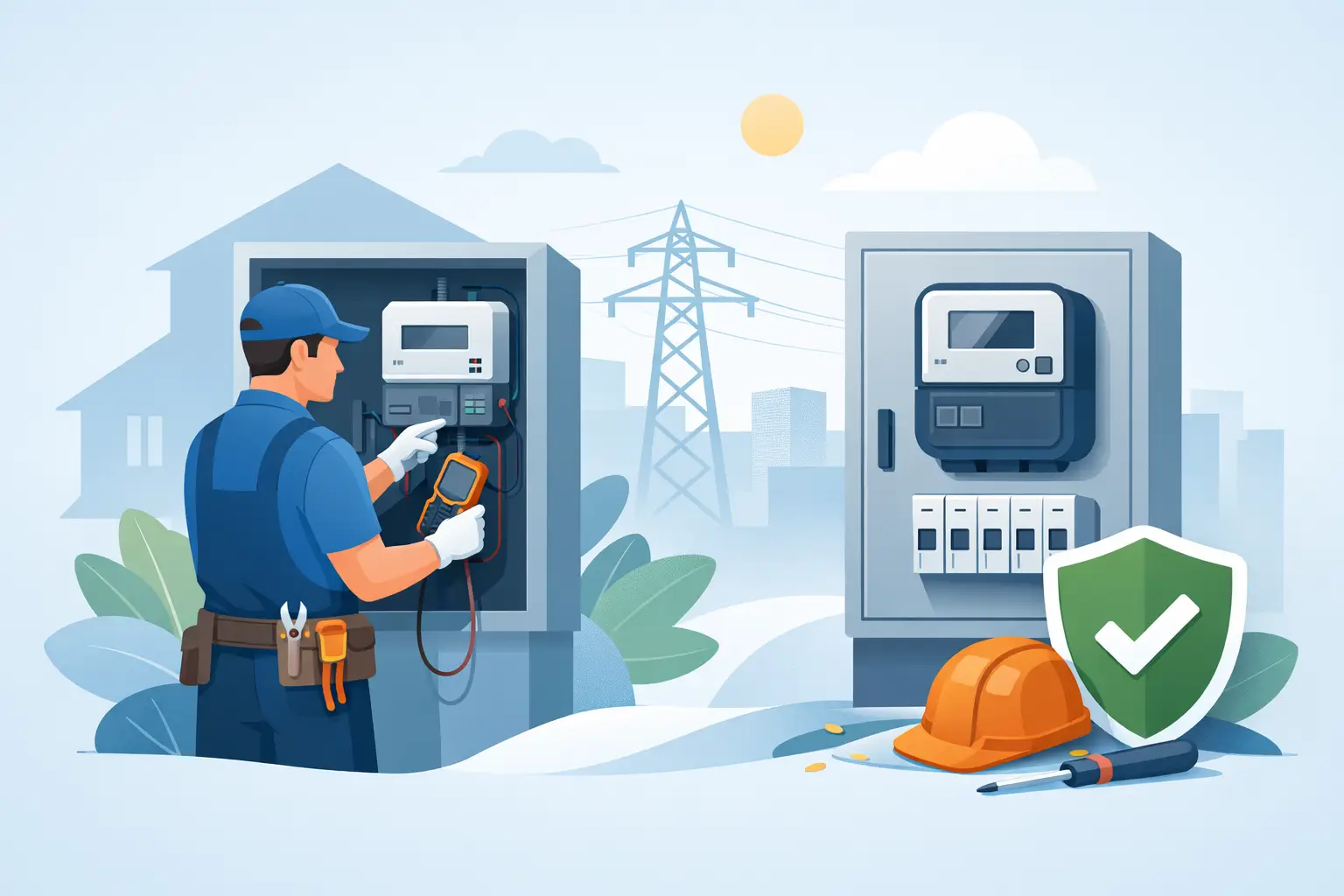
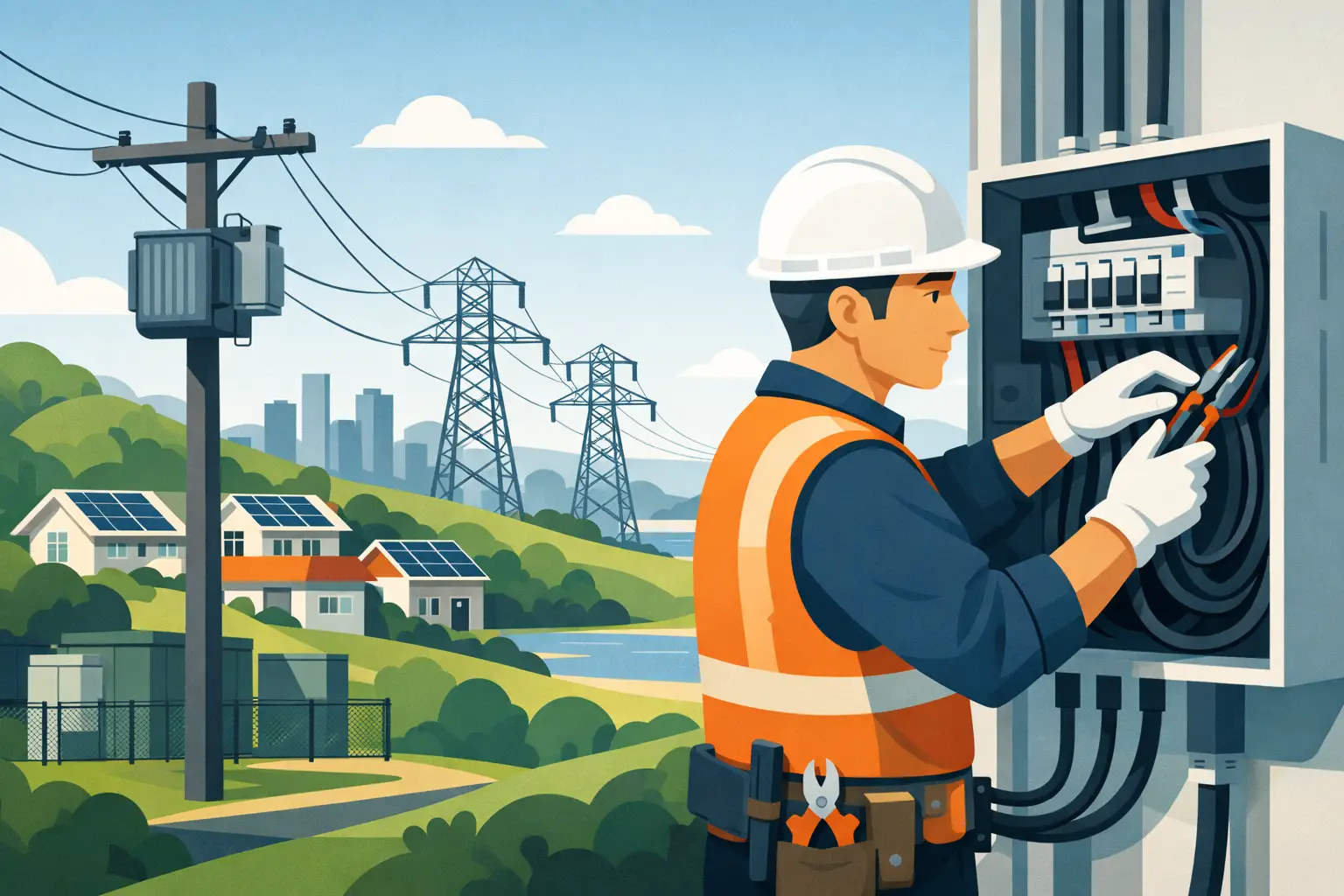
Moving from single phase to three phase is regulated electrical work. It is not just a matter of changing a switchboard. Depending on the site, the project may involve a network application, new or upgraded service cabling, metering changes, a compliant main switchboard, earthing upgrades and coordination with the electricity distributor.
Older properties can reveal additional work once the existing installation is assessed. Consumer mains may be undersized, switchboards may contain outdated equipment, or there may be insufficient room for solar protection devices, battery isolation and an EV circuit. Clear scope matters because these items affect both safety and project cost.
A Level 2 Accredited Service Provider is authorised to carry out specific connection and metering-related work within NSW distribution networks. Working with a contractor that combines Level 2 ASP capability and accredited solar expertise can reduce handovers between trades and keep the solar, battery and supply-upgrade design aligned. Sydpro Solar Solutions assesses the whole energy system, not just the equipment being added to the roof.
How to decide before you commit
Start with the question that matters most: what will this property need to run over the next five to 10 years? Include appliances you intend to replace, not only the ones installed today. Gas-to-electric upgrades, a second EV, a granny flat, pool heating, workshop equipment or business growth can significantly change the answer.
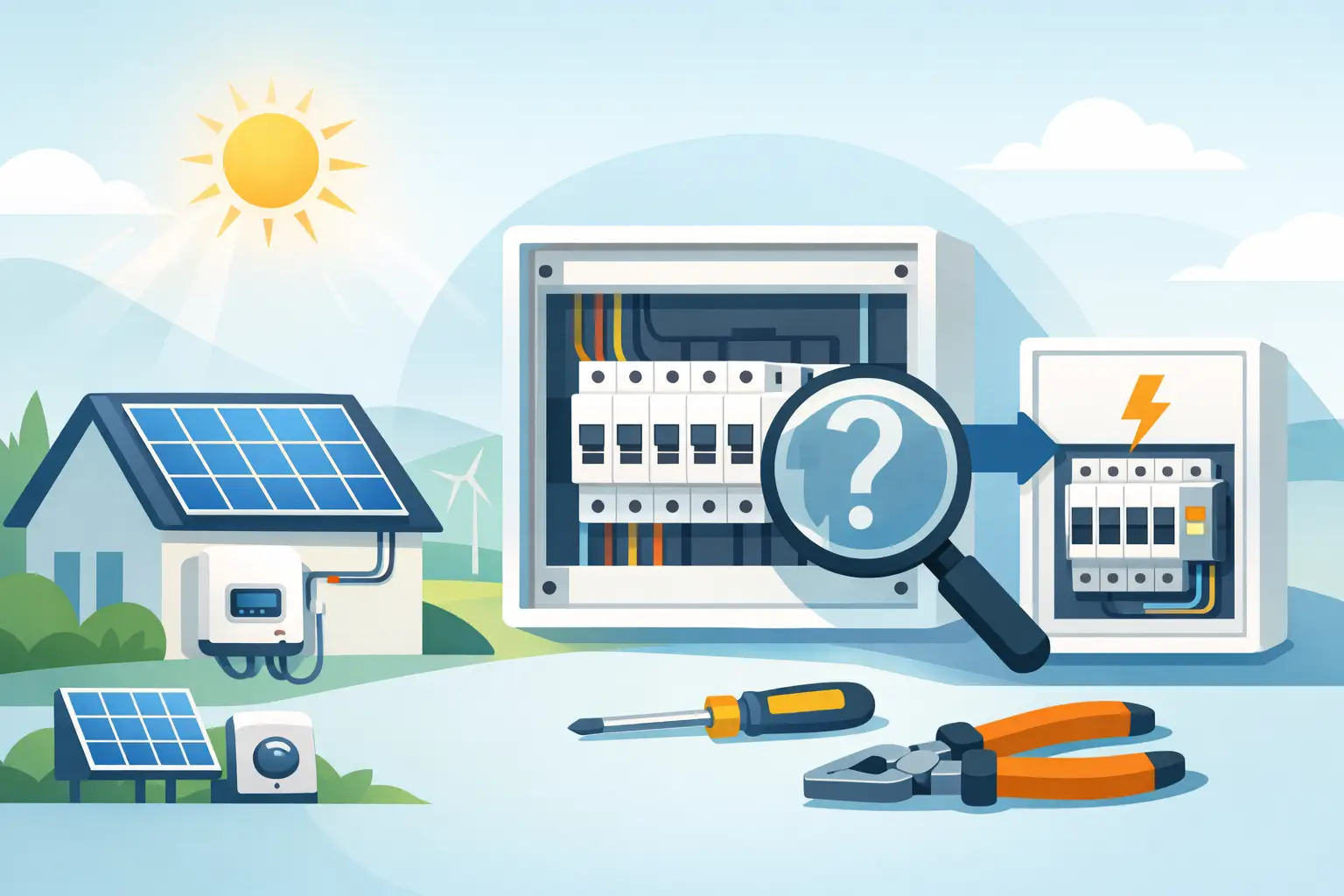
Then assess the existing electrical infrastructure. Your switchboard, service capacity and phase arrangement should be inspected before a solar, battery or charger quote is finalised. For commercial sites, interval data and operating schedules can reveal whether the issue is total energy use, short high-demand events or an unevenly loaded supply.
Finally, compare the upgrade cost with the value of doing the work once. If a single-phase solution meets your needs now but blocks the next planned upgrade, three phase may be the more cost-effective long-term choice. If your demand is modest and likely to stay that way, a well-designed single-phase system may be the better investment.
The right electrical supply should give your property enough capacity to use cleaner energy confidently, without paying for infrastructure you will never need. Good planning before installation is what turns solar, storage and electrification into a safe, practical investment that keeps delivering as your energy needs change.