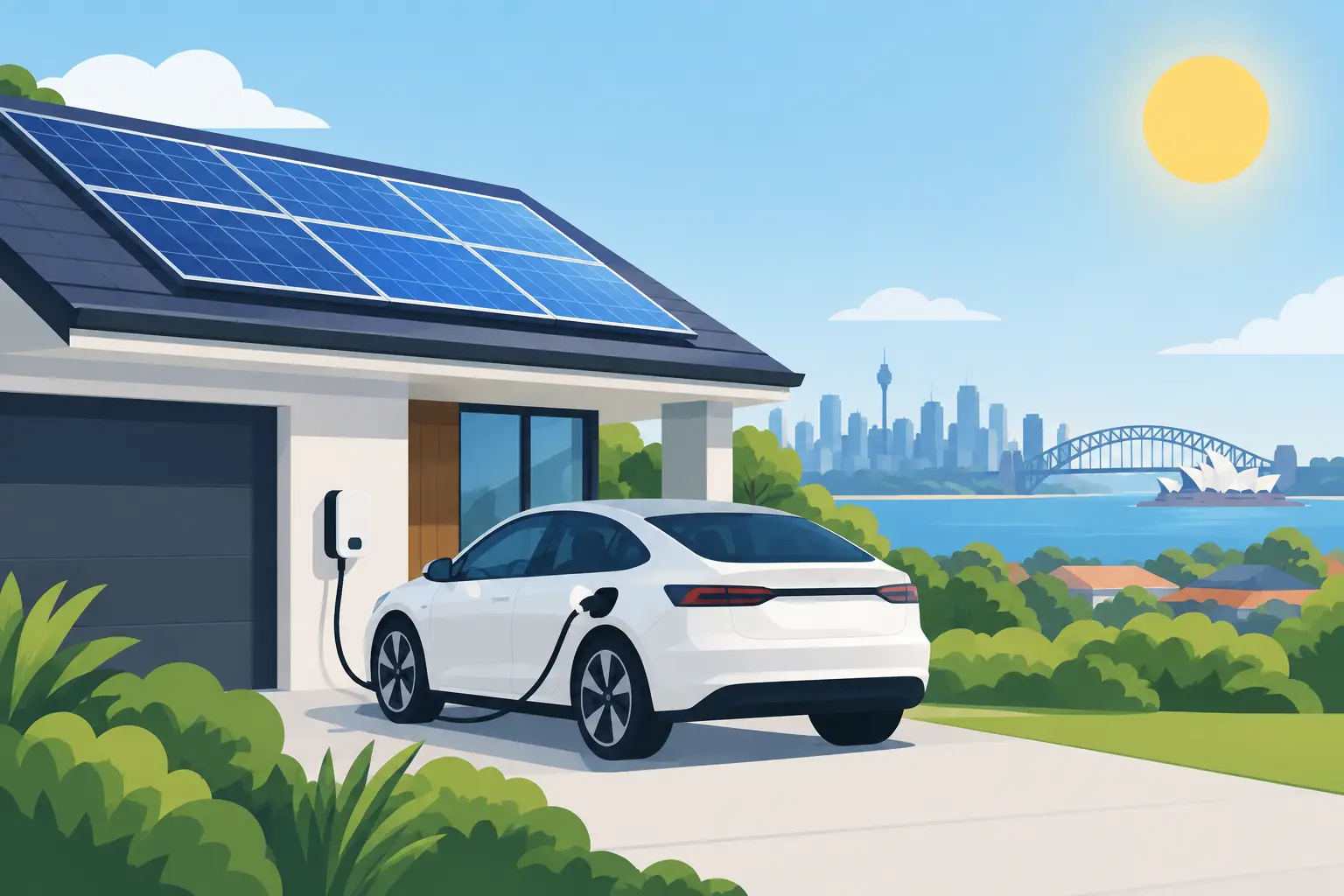
For many NSW households and businesses, solar battery storage is no longer just about having power after sunset. It is a practical way to use more of the electricity your solar system produces, reduce exposure to peak retail rates and build greater resilience when the grid is under pressure. Whether it represents strong value for your property, however, comes down to your energy use, your existing solar system, the battery design and what you expect it to do.
A battery should not be selected because it is the largest unit available or because a neighbour has one. It needs to match the way your property consumes power. A well-designed system can make a meaningful difference to bills and energy independence. A poorly sized or poorly installed system can leave value on the table.
What solar battery storage actually does
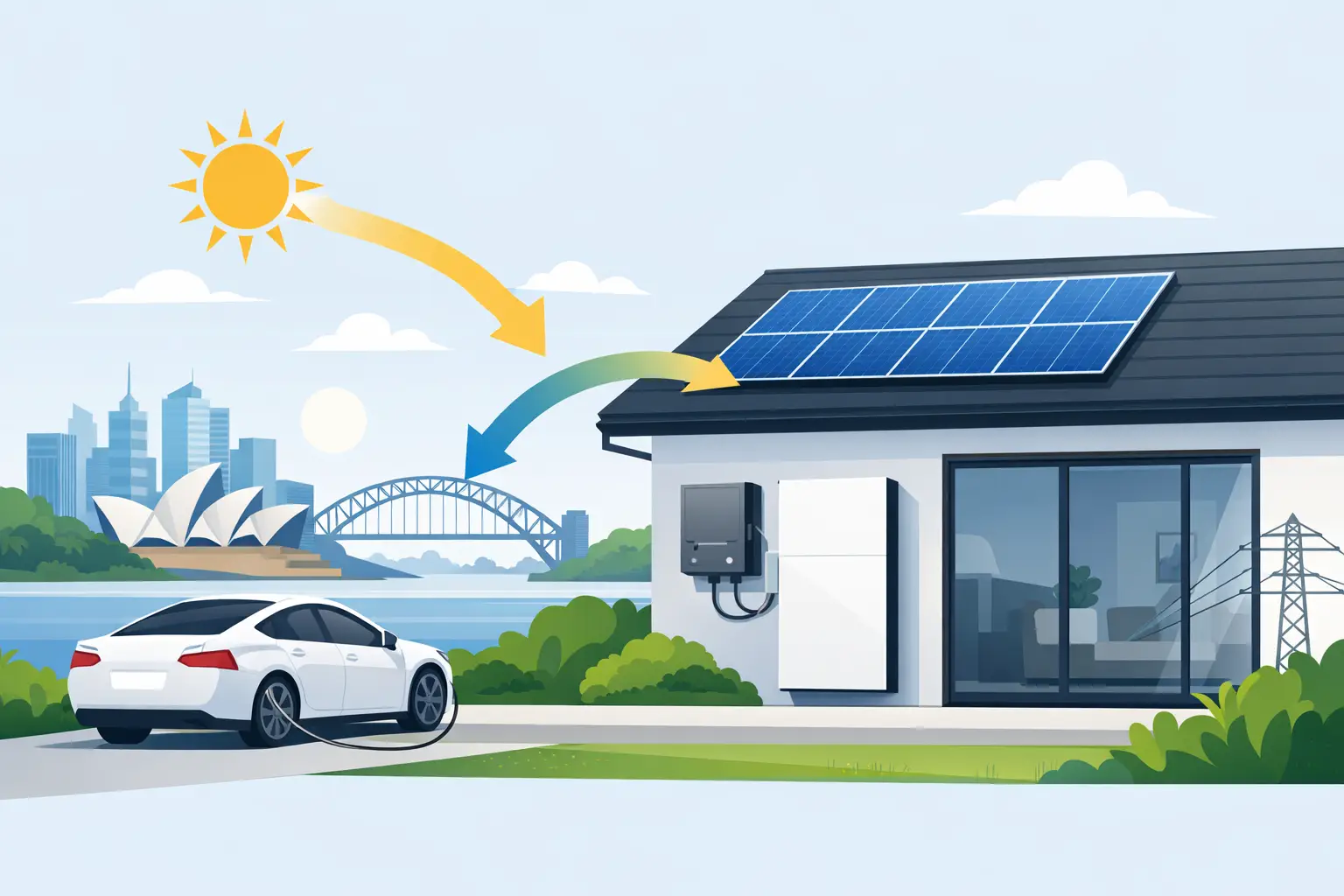
Rooftop solar produces the most electricity during the middle of the day, when many homes are quieter and some businesses are operating at lower demand. Without a battery, surplus solar energy is usually exported to the grid for a feed-in tariff. Feed-in tariffs can still provide a credit, but they are commonly much lower than the price paid to buy electricity back from the grid in the evening.
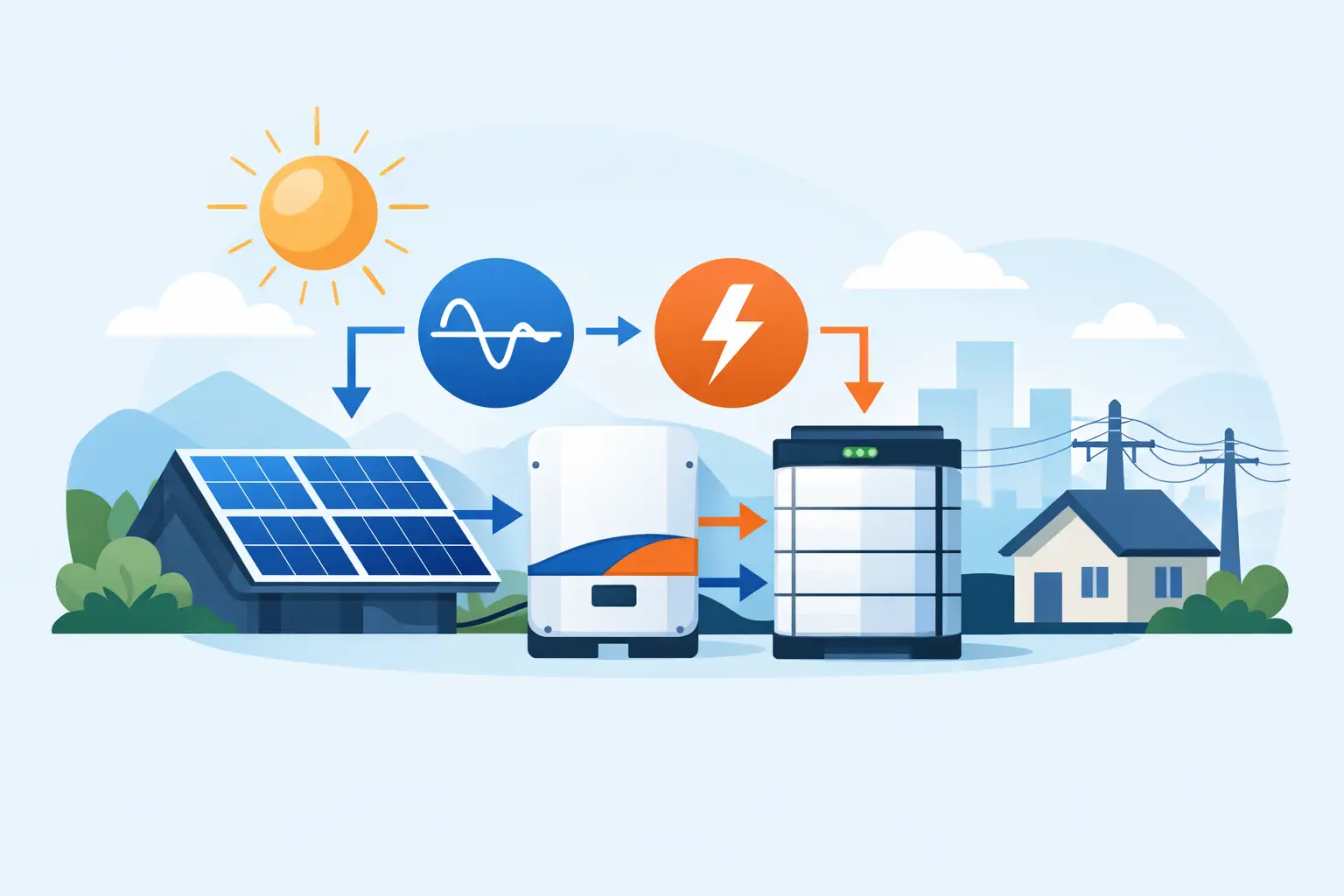
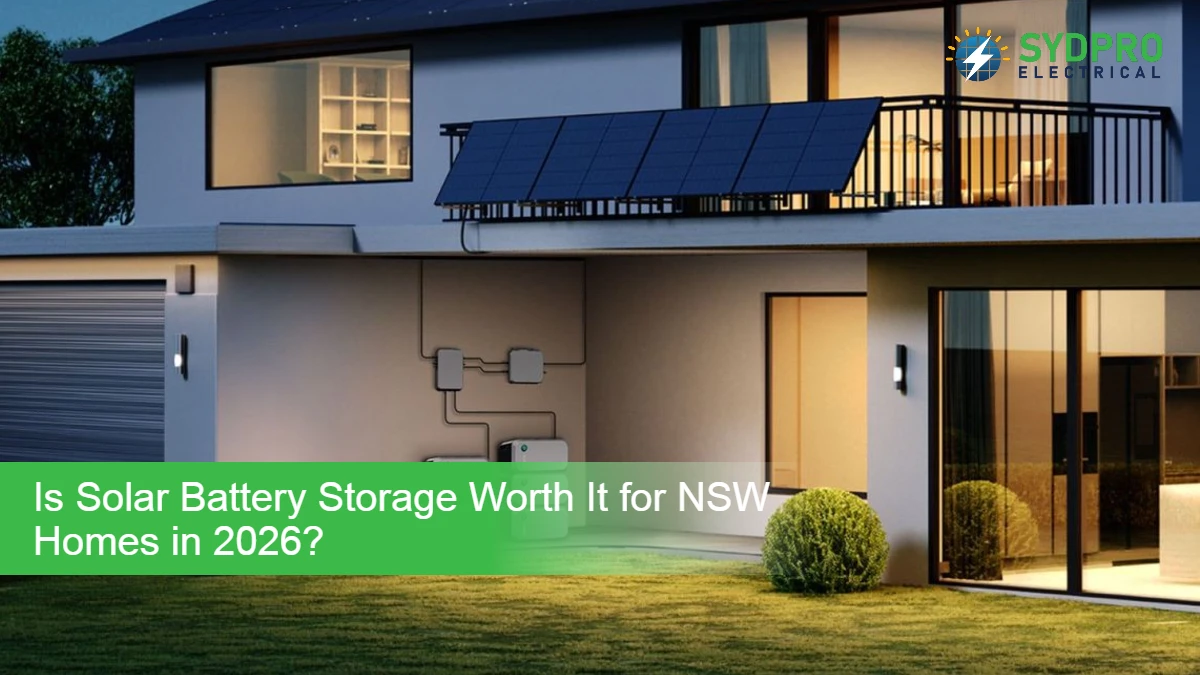
A battery stores some of that excess solar generation for later use. Instead of exporting every spare kilowatt-hour at midday, you can draw on stored energy when solar production drops, such as during the evening cooking, heating and cooling period. For a business, the same principle may help cover late operating hours or reduce grid consumption during expensive tariff windows.
Most battery systems are controlled automatically through an inverter and monitoring platform. They can be programmed around solar production, household demand and, where suitable, time-of-use electricity pricing. The goal is straightforward: use your own solar energy where it has the greatest value.
A battery is not automatically backup power
One of the most common misunderstandings is that every battery keeps the whole property running during a blackout. It does not.
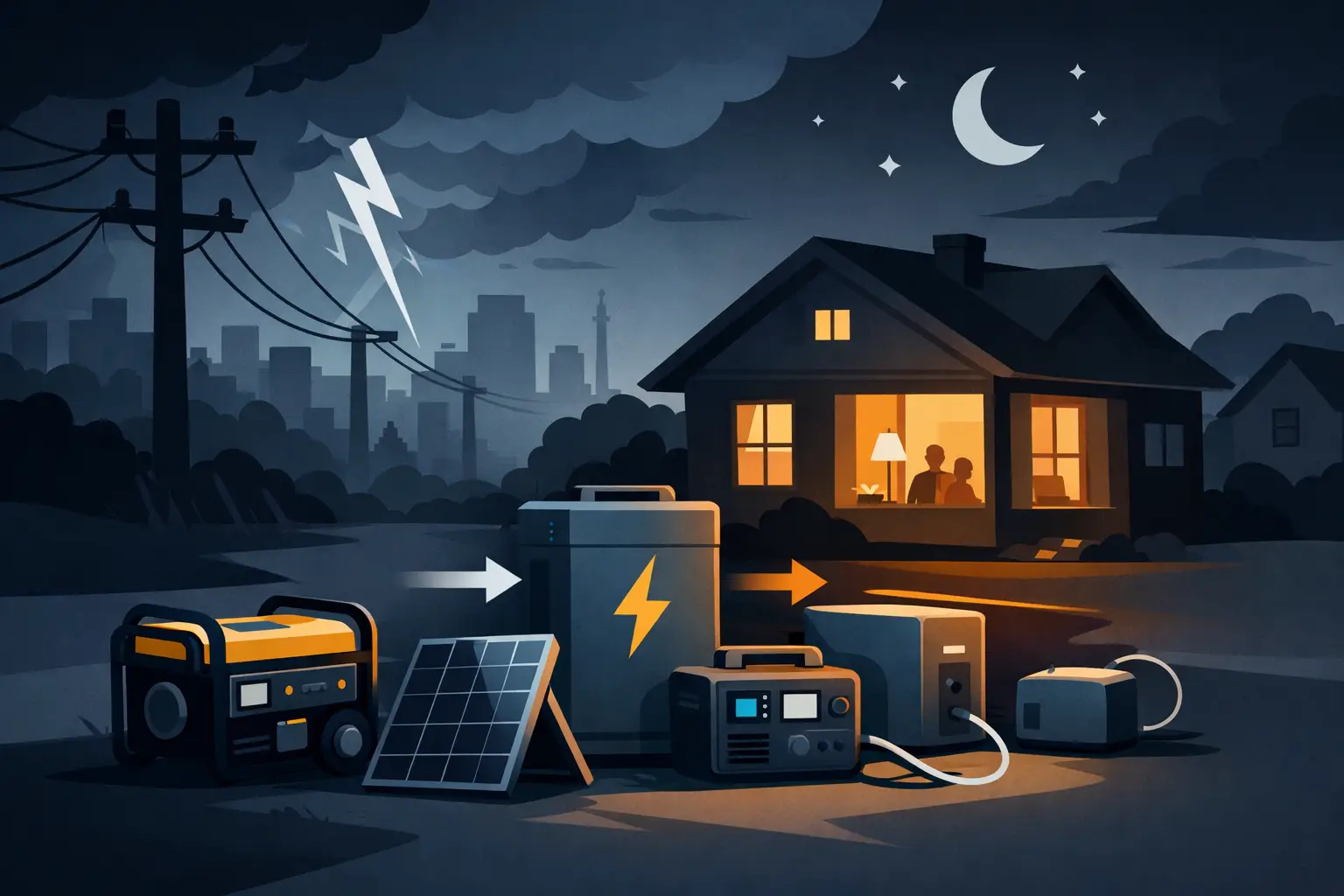
Standard grid-connected solar systems shut down during an outage to protect network workers. To provide backup, the battery, inverter and switchboard arrangement must be specifically designed with backup capability. Depending on the equipment and electrical capacity available, this may support selected essential circuits or a larger portion of the property.
For a home, essential backup often includes lighting, refrigeration, internet, selected power points and perhaps a garage door. For some properties, it may also support a small air conditioner or other planned loads. Running every appliance at once, including ducted air conditioning, electric hot water, a pool pump and an EV charger, requires considerably more battery and inverter capacity.
For commercial and industrial sites, backup planning needs even more care. Critical loads may include refrigeration, security, communications, IT equipment, pumps or production equipment. A proper assessment identifies what must remain operational, how long it needs to run and whether the incoming electrical infrastructure requires upgrading.
How to decide whether a battery suits your property
The best starting point is your interval electricity data, not a guess based on the size of your roof. Smart-meter data shows when you import electricity, when you export solar and how much energy you use after sunset. It reveals the patterns that determine battery value.
A battery is often worth closer consideration when you have strong daytime solar exports and substantial afternoon, evening or overnight consumption. Households with people home after work, electric cooking, air conditioning or a planned EV can be good candidates. Businesses that operate outside peak solar hours may also benefit, particularly where reducing grid purchases supports a wider cost-control plan.
It depends on your tariff as well. Customers on time-of-use plans may pay more for power in late afternoon and evening periods. Storing low-cost solar energy for those hours can improve the financial case. Conversely, if you have low evening consumption, modest exports and a relatively low flat electricity rate, a large battery may take longer to deliver value.
Battery storage is also a long-term infrastructure decision. Energy prices, household needs and EV ownership can change. A system with sensible expansion options may be more useful than overbuilding capacity from day one.
Sizing solar battery storage properly
Battery sizing is usually discussed in kilowatt-hours, or kWh. This describes how much energy the battery can store. Inverter capacity, measured in kilowatts or kW, matters too. It determines how much power the system can supply at one time.
A 10 kWh battery may store enough energy to cover a typical evening of moderate household use, but it may not have the output capacity to run multiple high-demand appliances simultaneously. Equally, a very large battery may not fully charge in winter if the solar array is too small or the property uses most of its solar generation during the day.
A sound design considers four connected factors:
- your average solar exports and evening grid imports
- the size and expected output of the solar array across the year
- peak appliance demand and the loads required during a blackout
- future changes, such as an EV, electric heating, a pool or business expansion
For many households, the best outcome is not maximum battery capacity. It is a balanced system that cycles regularly, captures genuine surplus solar and supports the loads that matter. Commercial systems may require more detailed load profiling because even short bursts of demand can affect inverter and backup design.
Safety, compliance and the switchboard matter
A battery is a high-value electrical asset, not a plug-in appliance. Its location, clearances, ventilation requirements, emergency access and protection equipment must be assessed before installation. Australian standards, manufacturer instructions and network requirements all influence what is appropriate for a particular property.
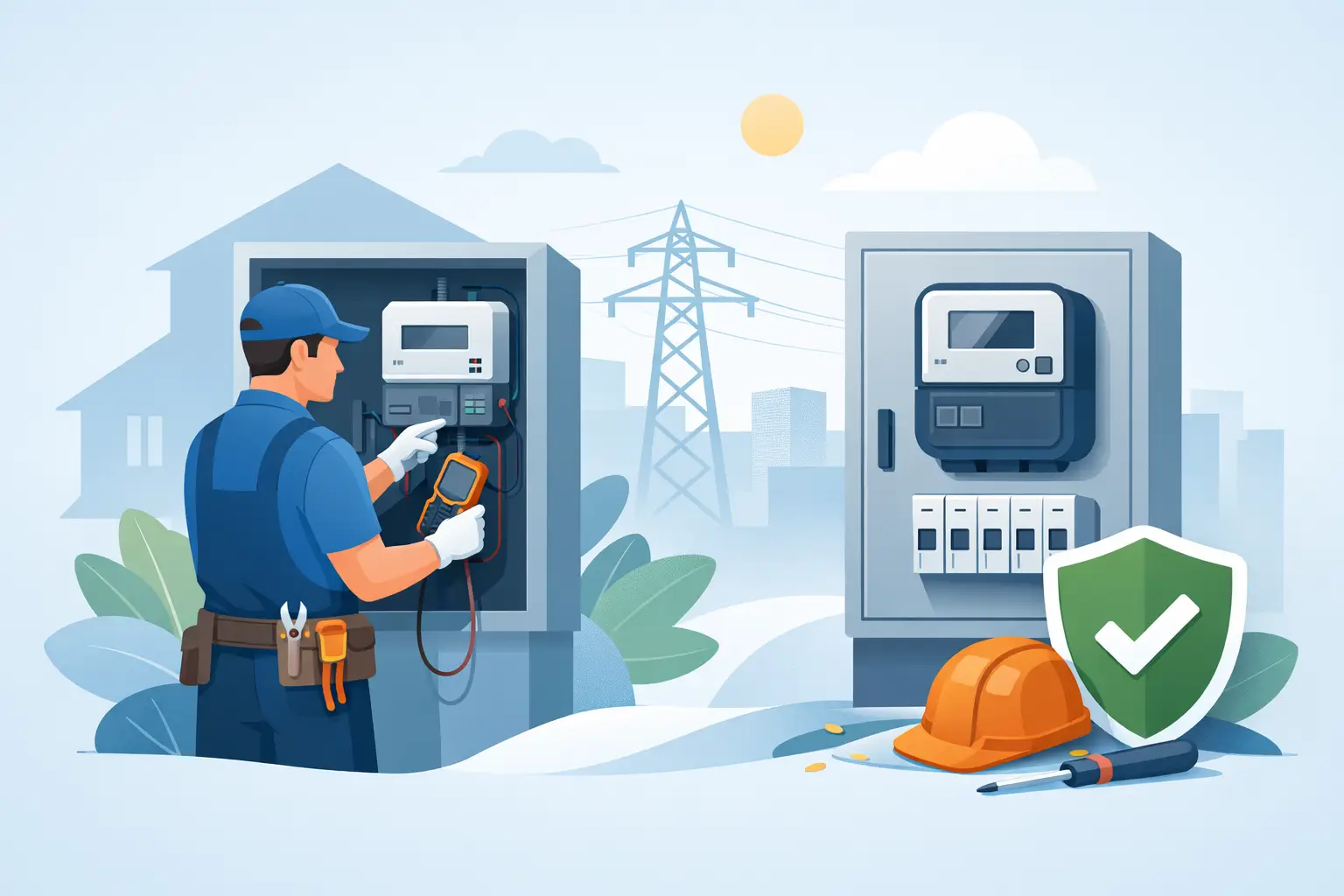
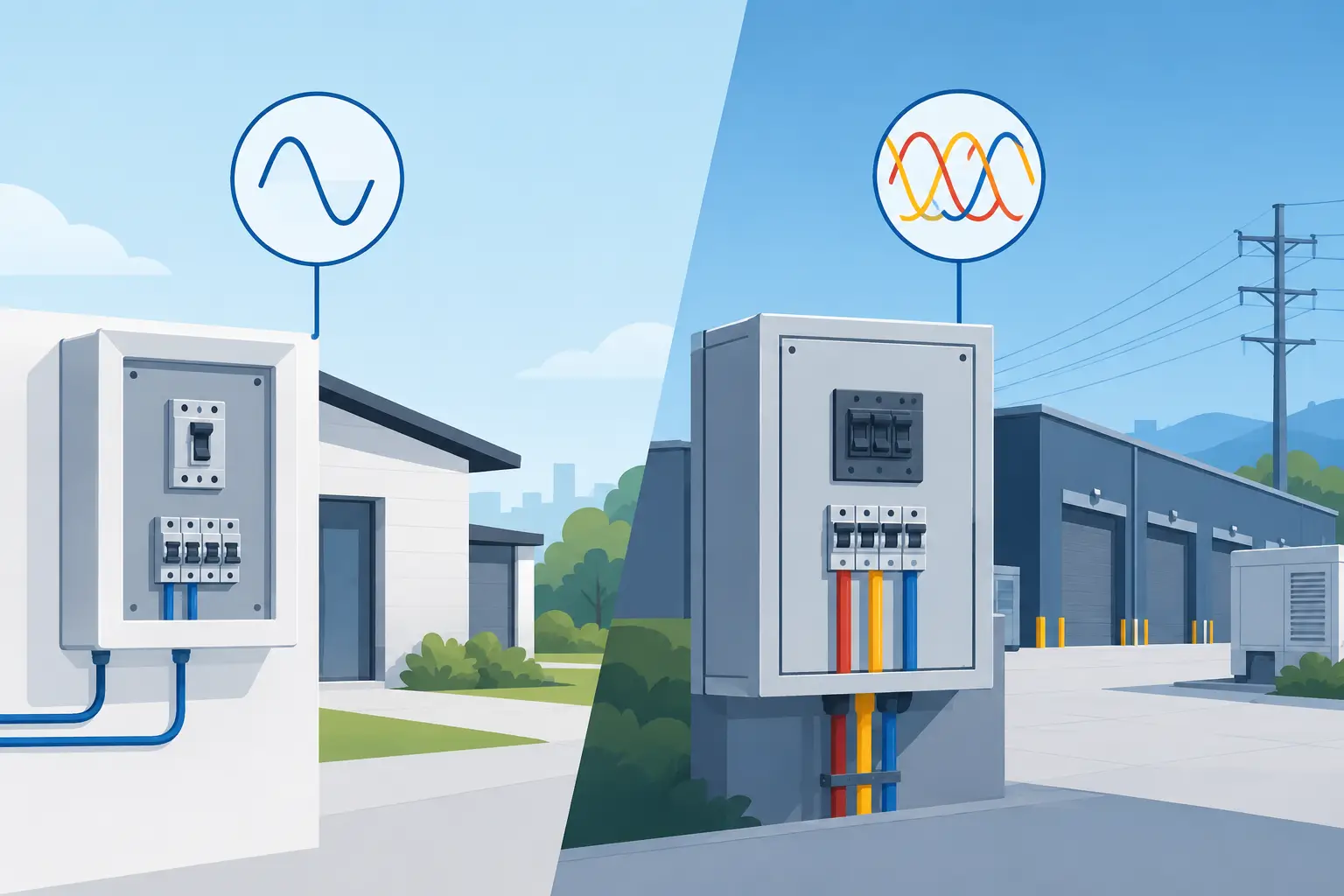
The switchboard is often central to the project. Older boards may need upgrades to accommodate new protection devices, metering arrangements, solar and battery equipment. Properties with three-phase supply, high electrical demand or complex grid connections need design work that accounts for phase balancing, export limits and available capacity.
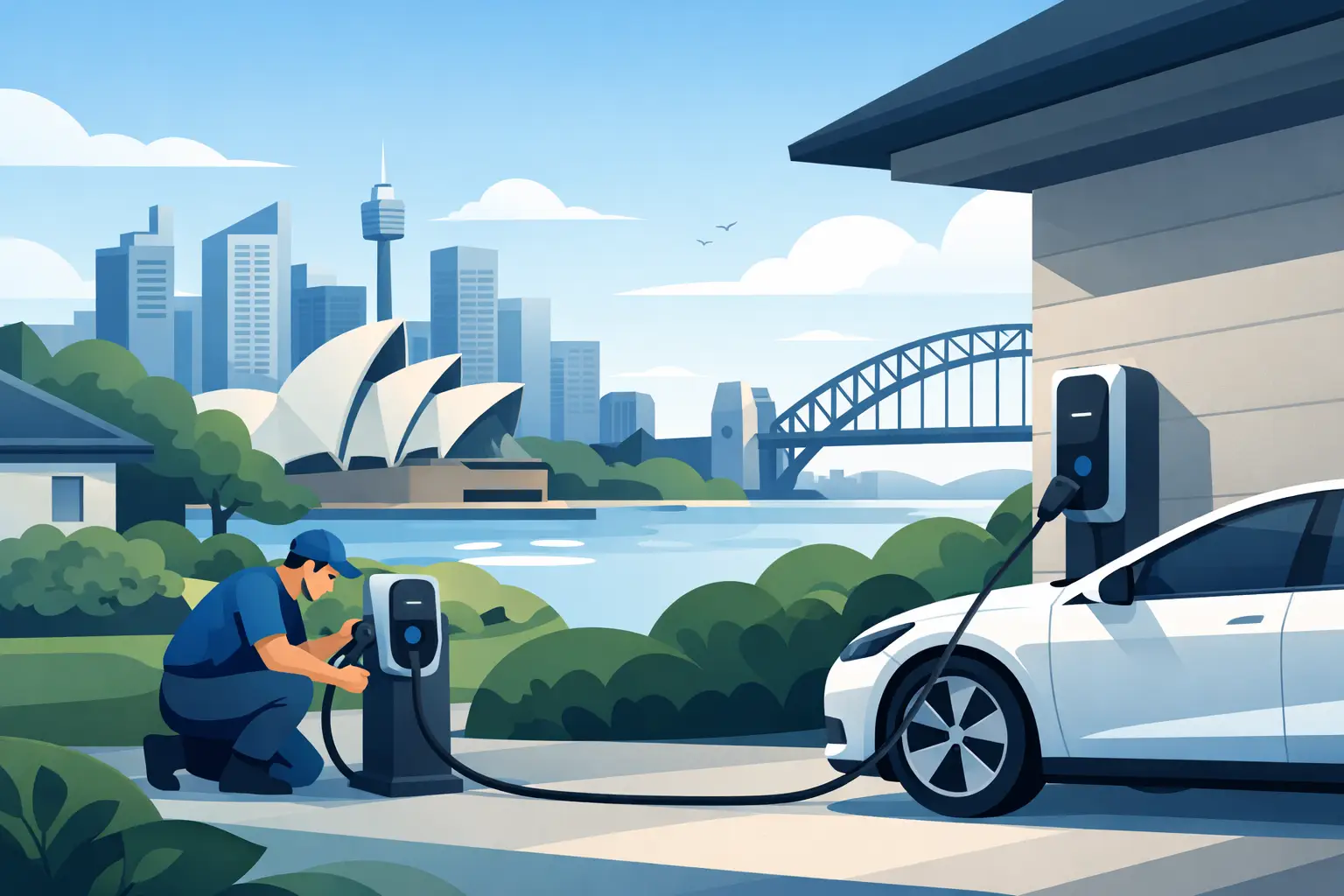
This is where choosing an accredited solar installer with authorised electrical capability matters. It helps ensure the battery, rooftop solar, switchboard work and grid connection are considered as one system rather than treated as separate jobs. Clear documentation, correct commissioning and monitoring setup are part of safe, dependable performance.
Equipment quality and warranties deserve scrutiny
Battery comparisons can become confusing because brochures often focus on headline storage capacity. Capacity is important, but it is not the only measure of value.
Look at usable capacity rather than nominal capacity, along with the battery’s power output, warranty terms, expected throughput, operating temperature range and compatibility with your solar inverter. You should also understand whether the quoted system includes backup hardware, installation, switchboard upgrades, monitoring and any required network application work.
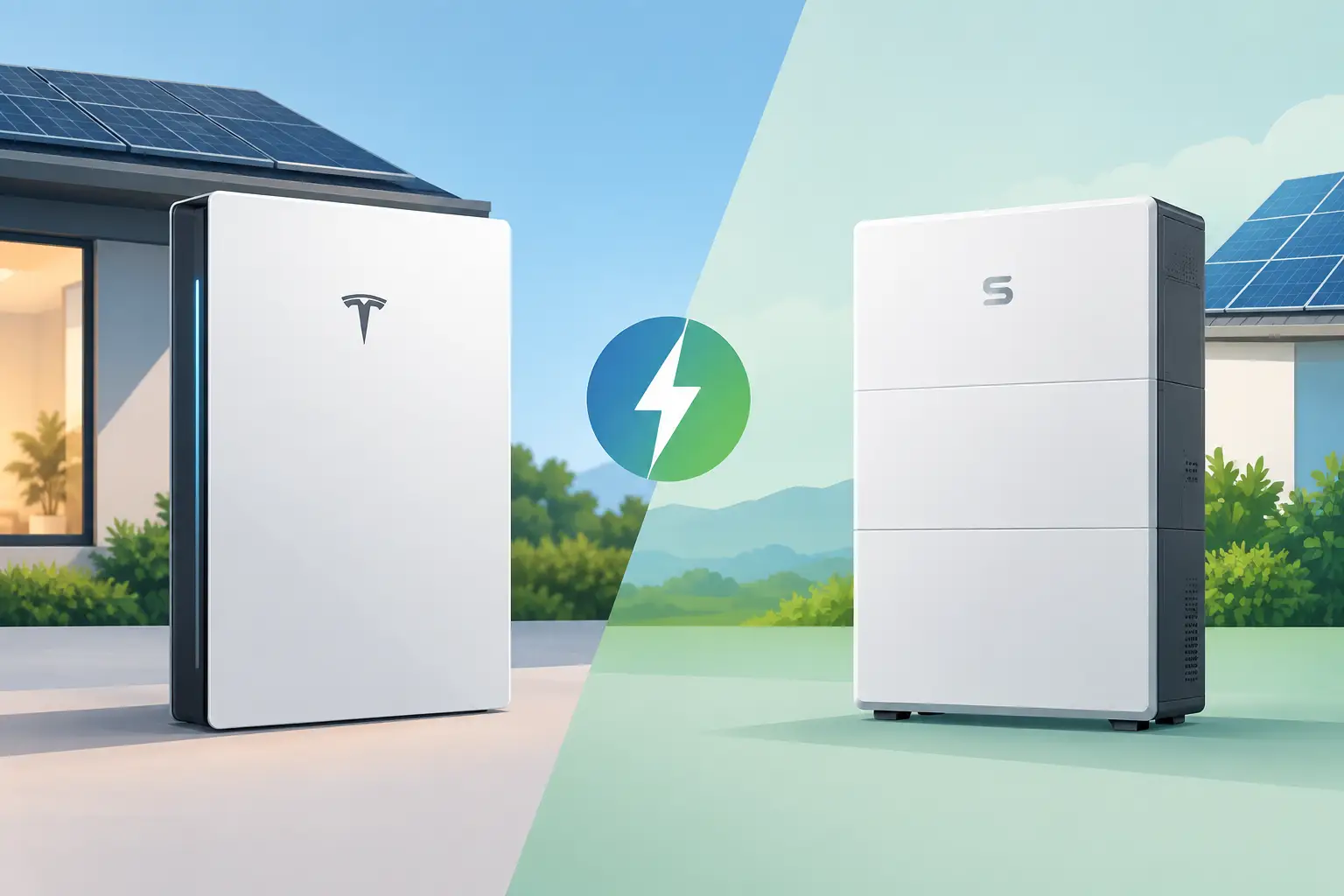
Premium equipment from established manufacturers can provide stronger monitoring, product support and integration options, but the right choice still depends on the property. A battery that works well with an existing Fronius system, for example, may differ from the best option for a new solar and battery installation using Tesla, Sungrow or another platform.
Transparent quotations are particularly valuable here. They make it easier to compare like for like and avoid a low initial figure that excludes electrical upgrades or backup components needed for the result you expect.
NSW incentives and payback expectations
Government support can improve the upfront economics of battery storage, but eligibility, certificate values, program rules and retailer offers can change. The right approach is to confirm the support available at the time of quotation and understand exactly how it is reflected in the final price.
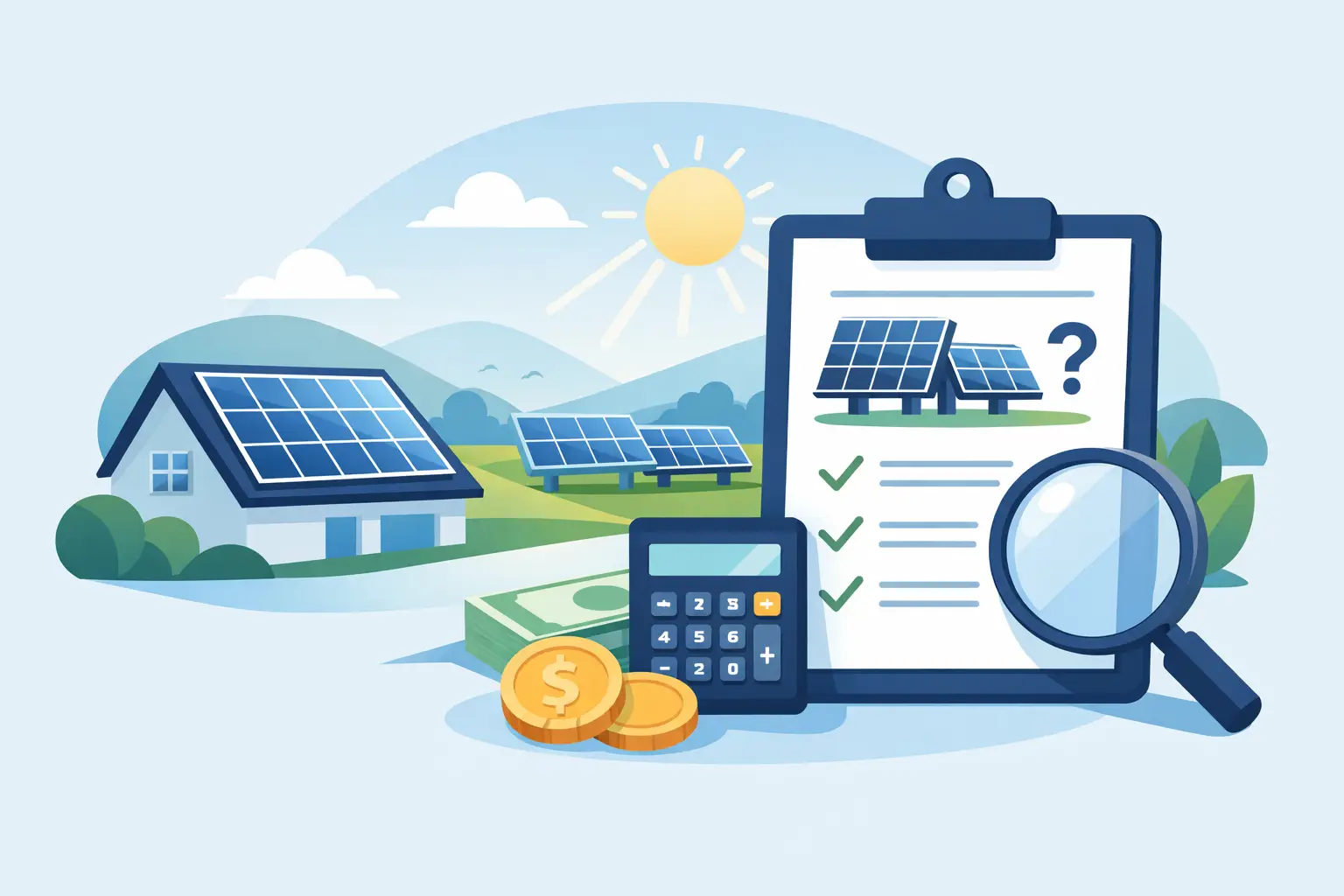
Payback periods are not one-size-fits-all. They are influenced by your solar production, consumption patterns, electricity tariff, battery size, exports, financing costs and future energy prices. Backup capability and resilience also have value that does not always appear neatly in a payback calculation.
For a family that regularly loses power during storms, keeping food refrigerated, communications active and essential lighting available may be a deciding factor. For a business, avoiding disruption to critical operations can carry more weight than a simple cents-per-kilowatt-hour comparison.
Plan for the energy system you will need next
The strongest battery projects start with a clear picture of the property’s future. If you expect to buy an EV, install electric hot water, replace gas heating or expand business operations, mention it early. These changes can alter solar sizing, battery capacity, switchboard requirements and the best tariff strategy.
Solar battery storage works best when it is part of a properly engineered energy plan, not an afterthought added to a system that was never designed for it. A detailed assessment gives you a realistic view of savings, backup capability, safety requirements and upgrade pathways. With accredited design, transparent pricing and the right equipment, your battery can keep delivering value long after the installation day.