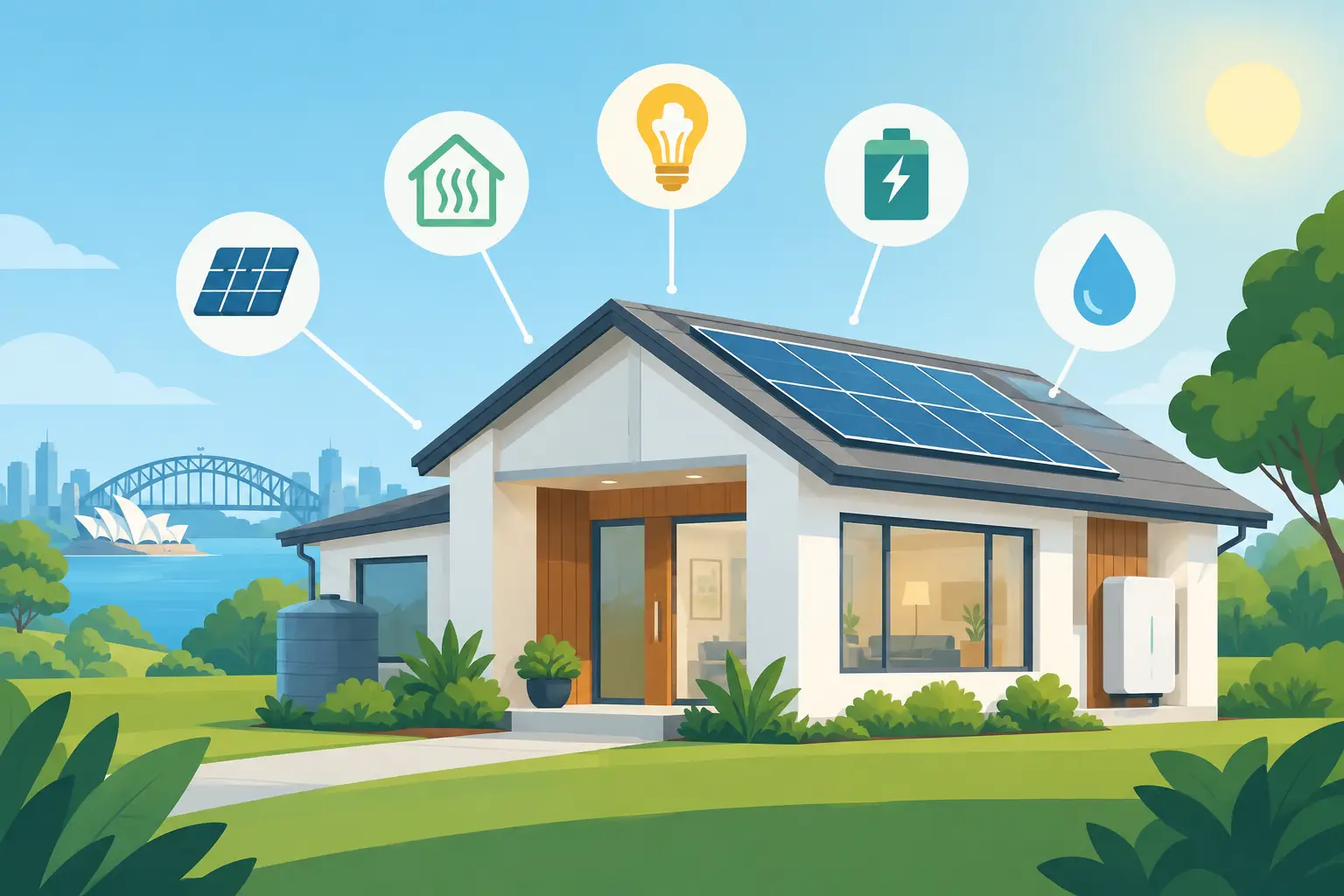
A solar installation Sydney property owners can rely on is not simply a matter of fitting panels to a roof. Sydney homes and businesses face high daytime demand, varied roof orientations, growing EV use and electricity costs that can make the wrong system size expensive over time. The strongest result comes from designing the whole energy system around how the property actually uses power.
For a family, that may mean covering daytime air-conditioning, pool equipment and appliance loads while leaving room for a battery later. For a business, it may mean reducing expensive daytime grid consumption without compromising operational reliability. Good solar design turns those goals into a practical, safe and measurable investment.
Start With Your Energy Use, Not Panel Count
It is tempting to begin with the largest system that will fit on the roof. More panels can produce more energy, but panel count alone does not determine value. A system should be sized against interval electricity data, current tariffs, seasonal usage and foreseeable changes at the property.
Look closely at when electricity is used. A household empty during business hours may export more solar unless it has flexible loads, such as a pool pump, hot-water system or EV charger. A café, warehouse or office with strong daytime demand may consume a larger share of its solar generation on site, which can improve the economics considerably.
Future loads matter too. An electric vehicle, ducted air-conditioning, induction cooking, electric hot water or machinery expansion can change the right system size. Designing for a property as it will operate in three to five years is often more useful than matching last year’s bills alone.
What a Quality Solar Installation in Sydney Includes
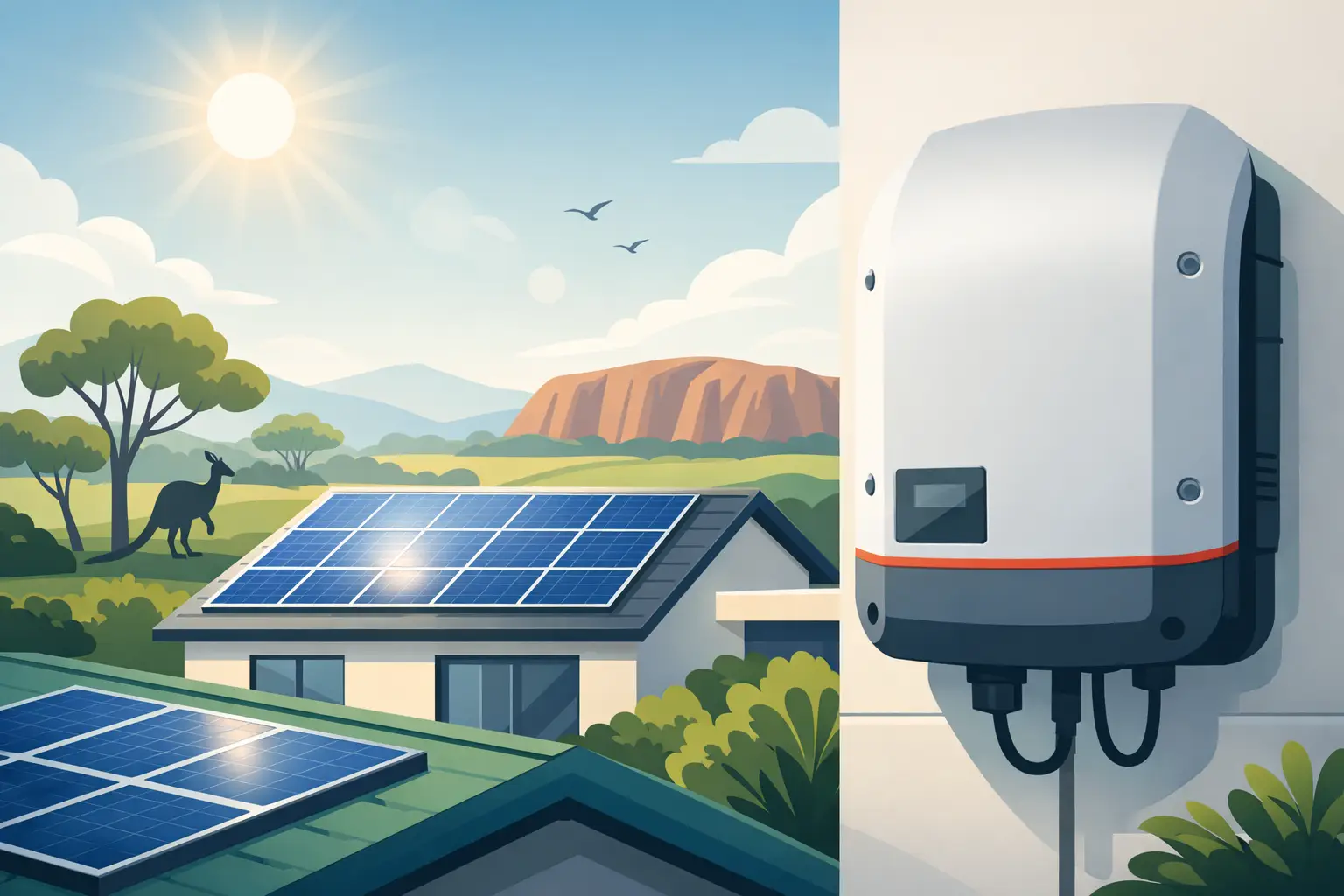
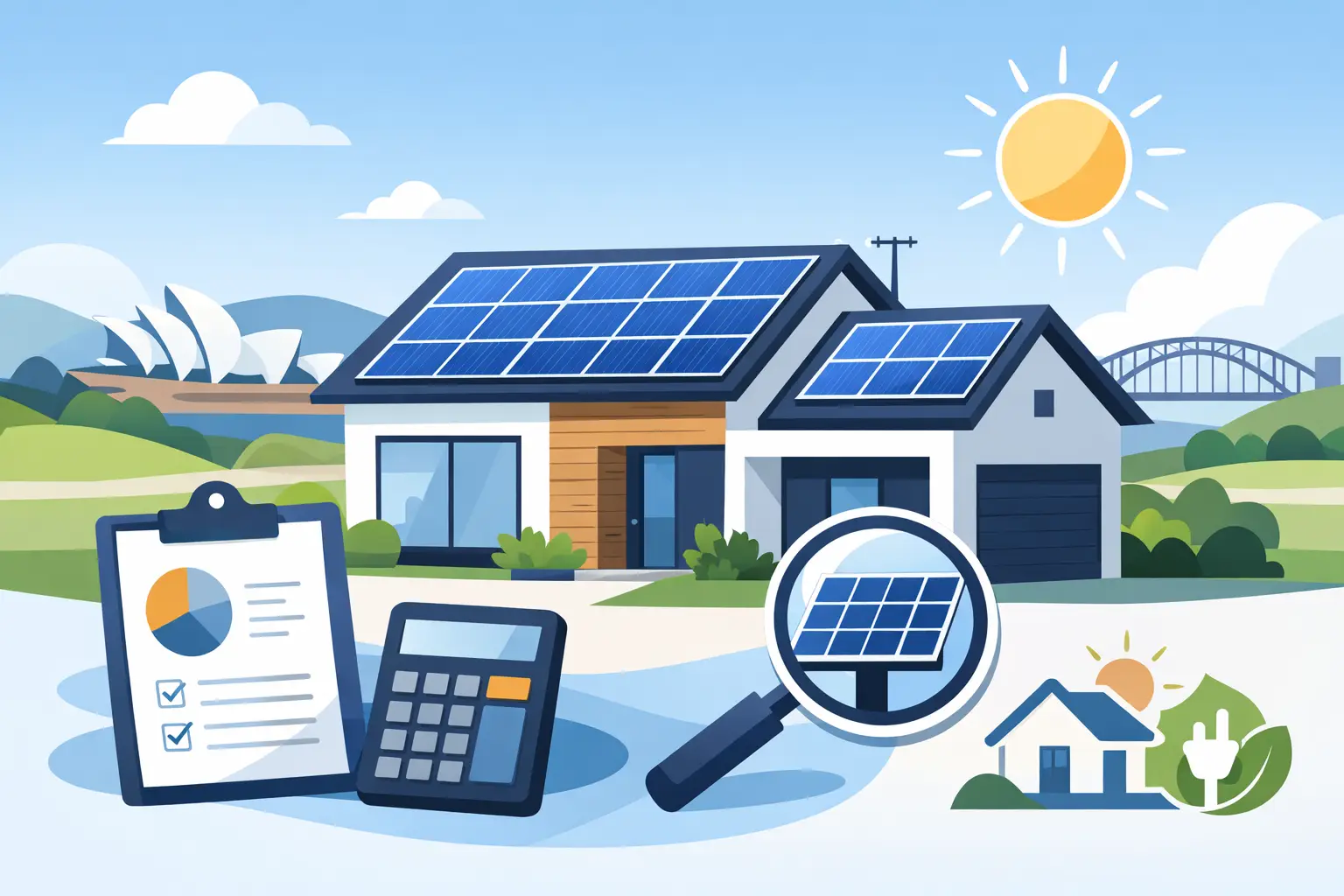
A professional installation begins with a site assessment. Roof area, pitch, orientation, shading, switchboard condition, cable pathways and network requirements all affect the final design. North-facing panels remain productive, but east and west arrays can be an excellent choice where electricity demand is strongest in the morning and afternoon.
Shading deserves particular attention. A small shadow from a chimney, tree, neighbouring building or antenna can affect output more than many owners expect. The solution may involve array layout changes, suitable inverter technology or, in some cases, trimming vegetation where appropriate. Promised production figures should account for real site conditions rather than assume an unobstructed roof.
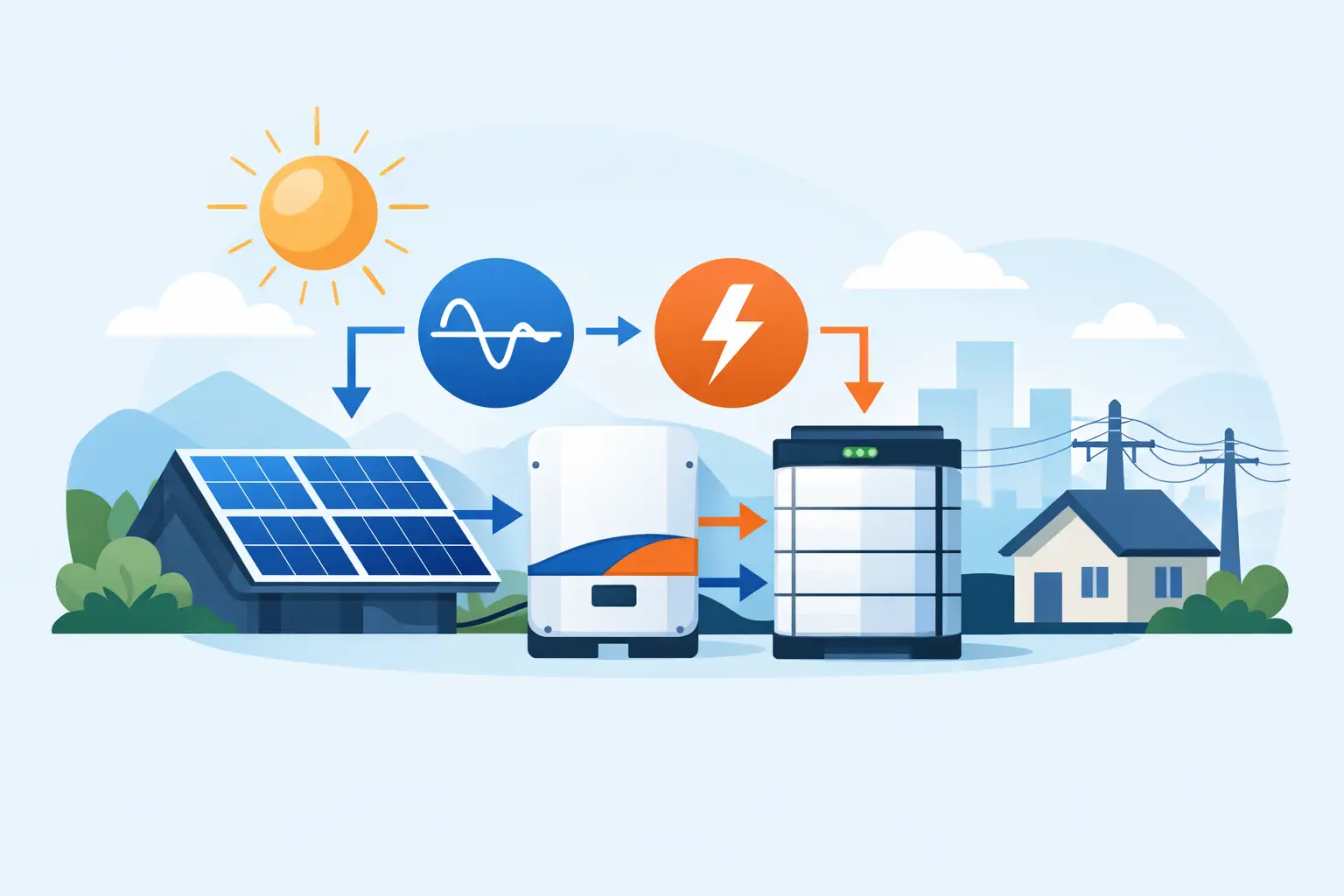
Equipment selection is equally important. Premium panels, inverters and batteries are not interchangeable boxes. Their warranties, monitoring capability, power output, expansion options and compatibility with the property need to be assessed as a system. A clear quotation should identify the proposed brands and models, array capacity, expected work scope, warranties and exclusions before work begins.
Battery Storage: Valuable, But Not Automatic
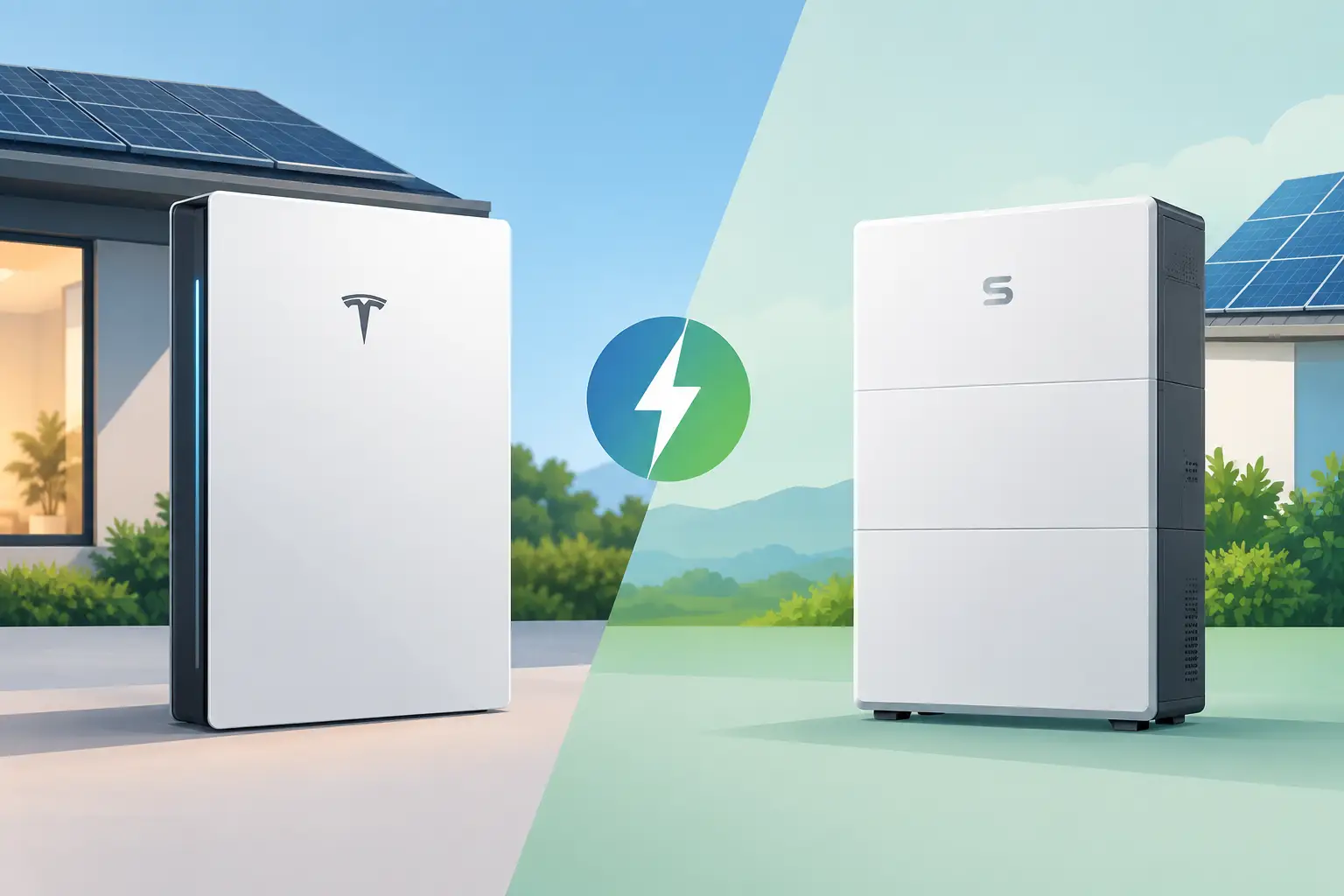
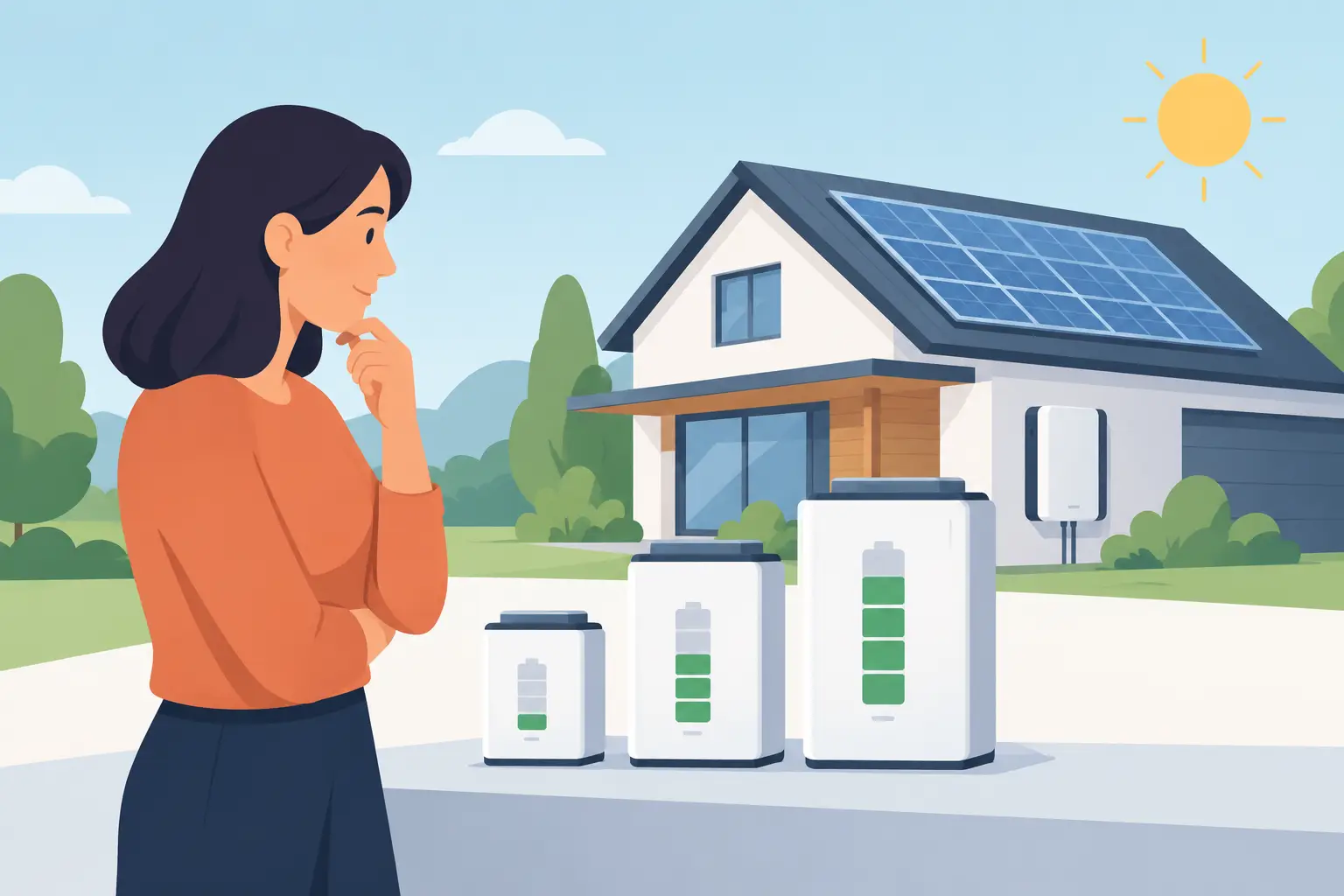
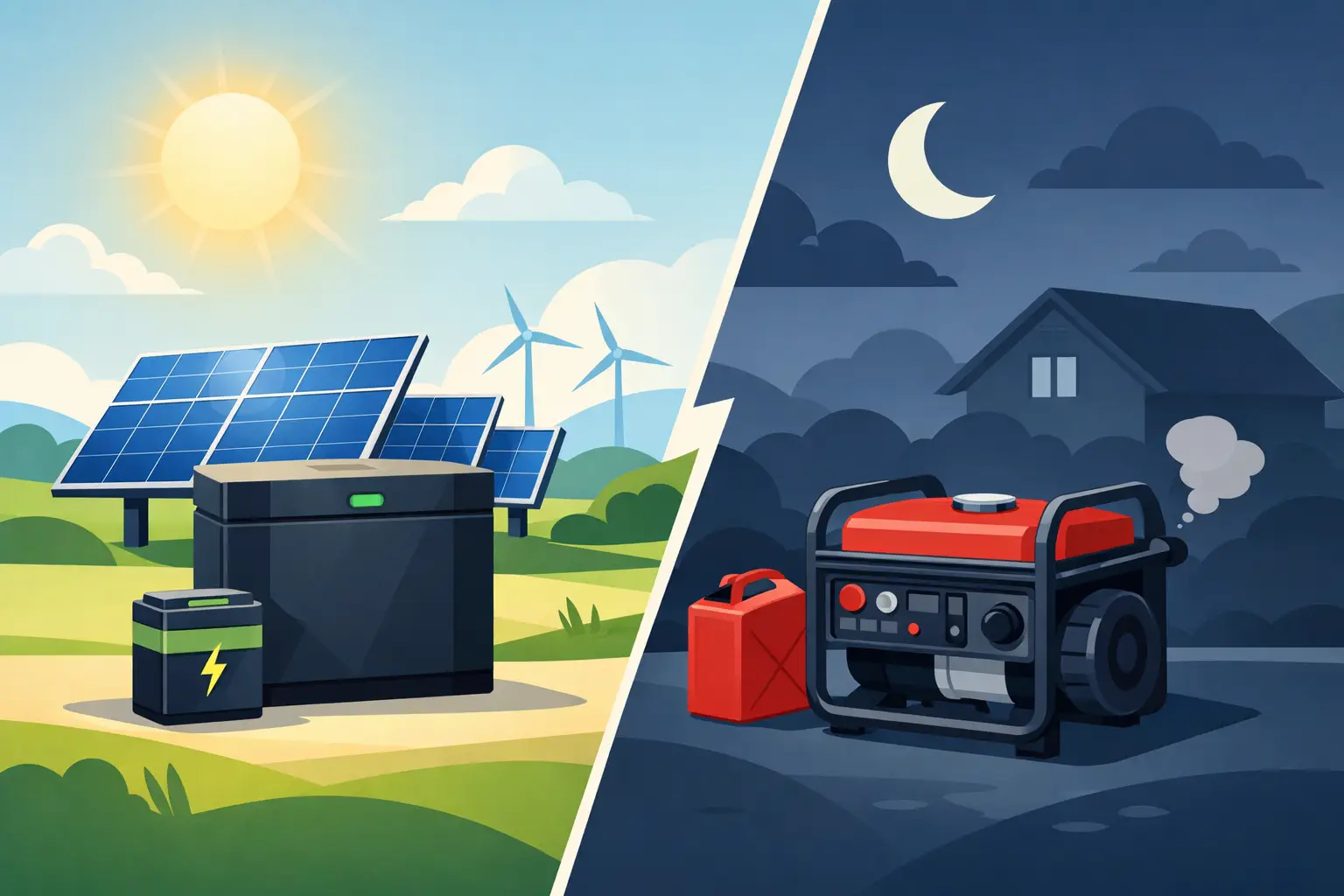
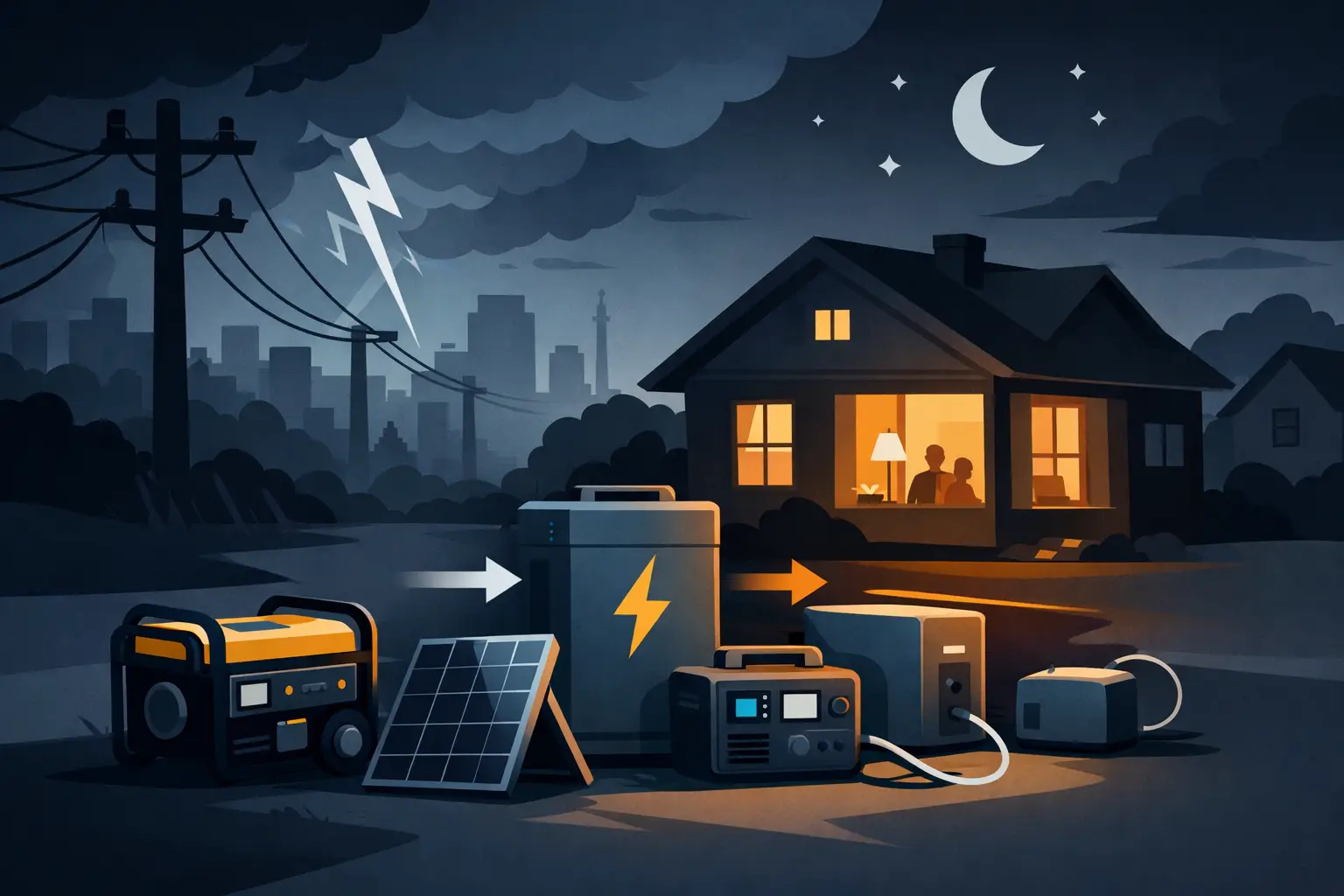
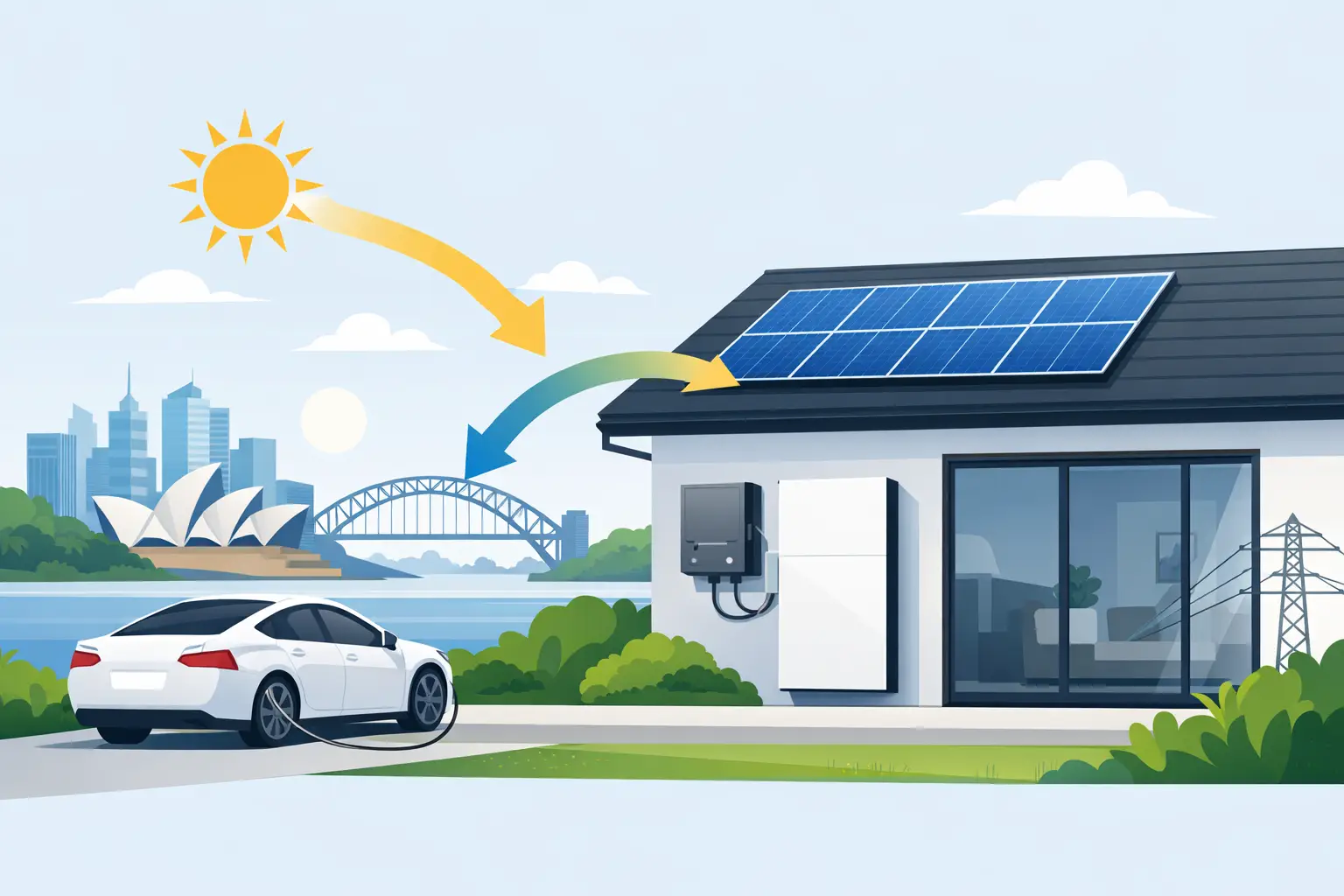
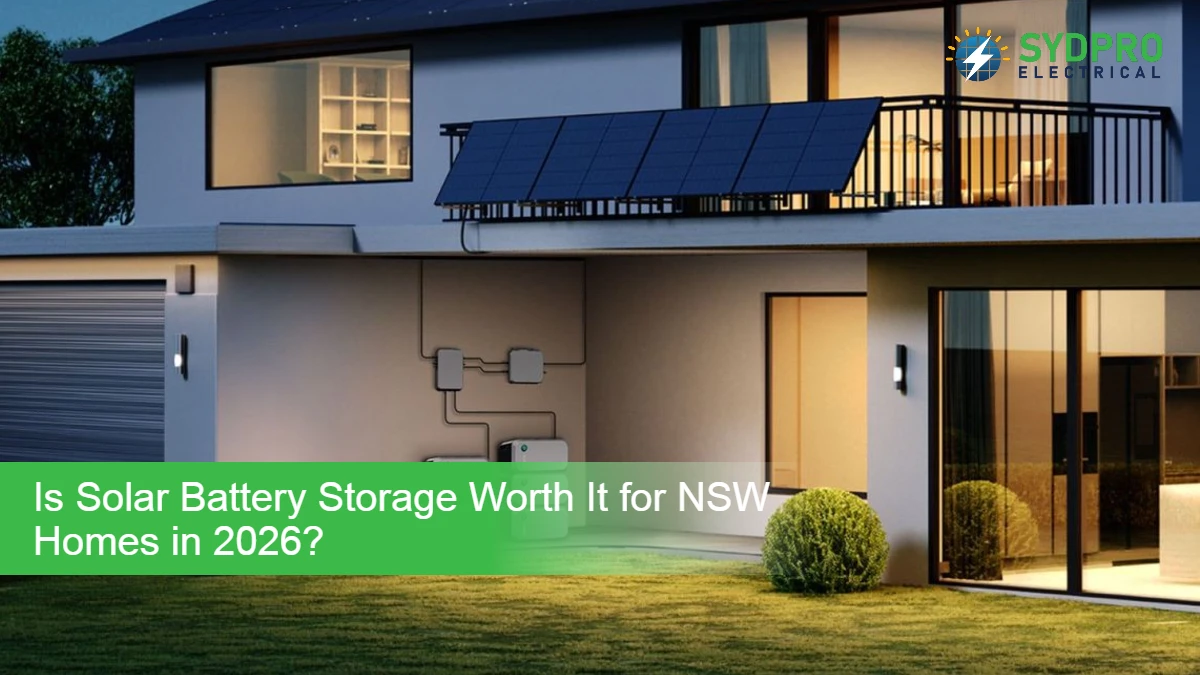
A battery can store surplus solar energy for use after sunset, reduce grid imports and provide a greater degree of energy independence. It may also support selected backup circuits during an outage, depending on the battery configuration and the property’s electrical design.
That does not mean every solar system needs a battery on day one. The financial case depends on the gap between electricity import and export rates, evening usage, battery cost, available incentives and the value the owner places on backup capability. A household that uses most of its solar power during the day may achieve strong savings with solar alone. A household with heavy evening use, frequent tariff exposure or an EV may see a stronger case for storage.
Battery-ready solar is often a sensible middle ground. This means choosing compatible equipment and allowing appropriate space in the design, so storage can be added without reworking the entire system later. It is a practical way to protect future options while keeping the initial project focused.
Grid Connection and Electrical Capacity Matter
Solar is connected to the wider electrical system, not bolted onto it. Older switchboards, undersized consumer mains, outdated protective devices and network export constraints can affect what is possible and what work is required.
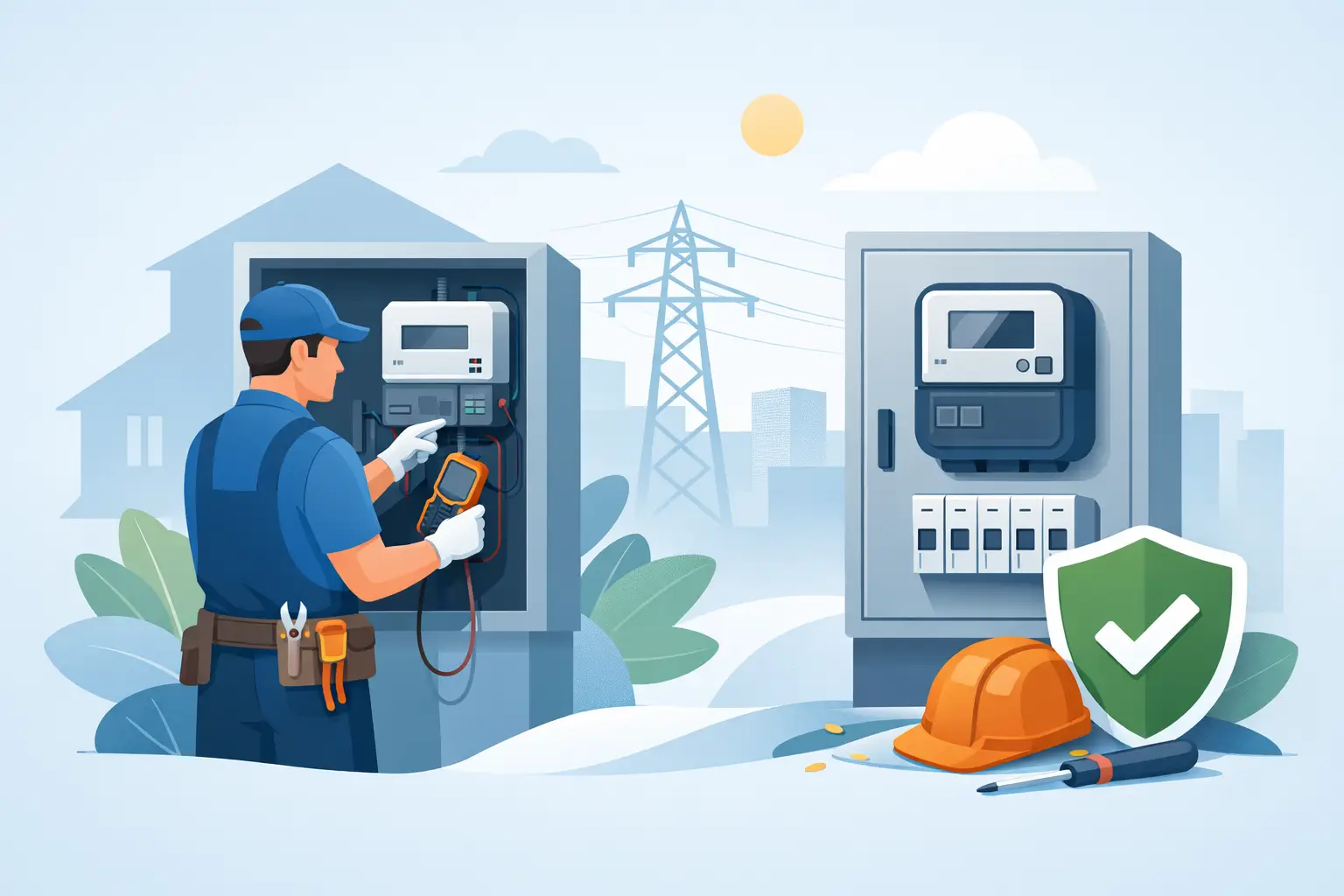
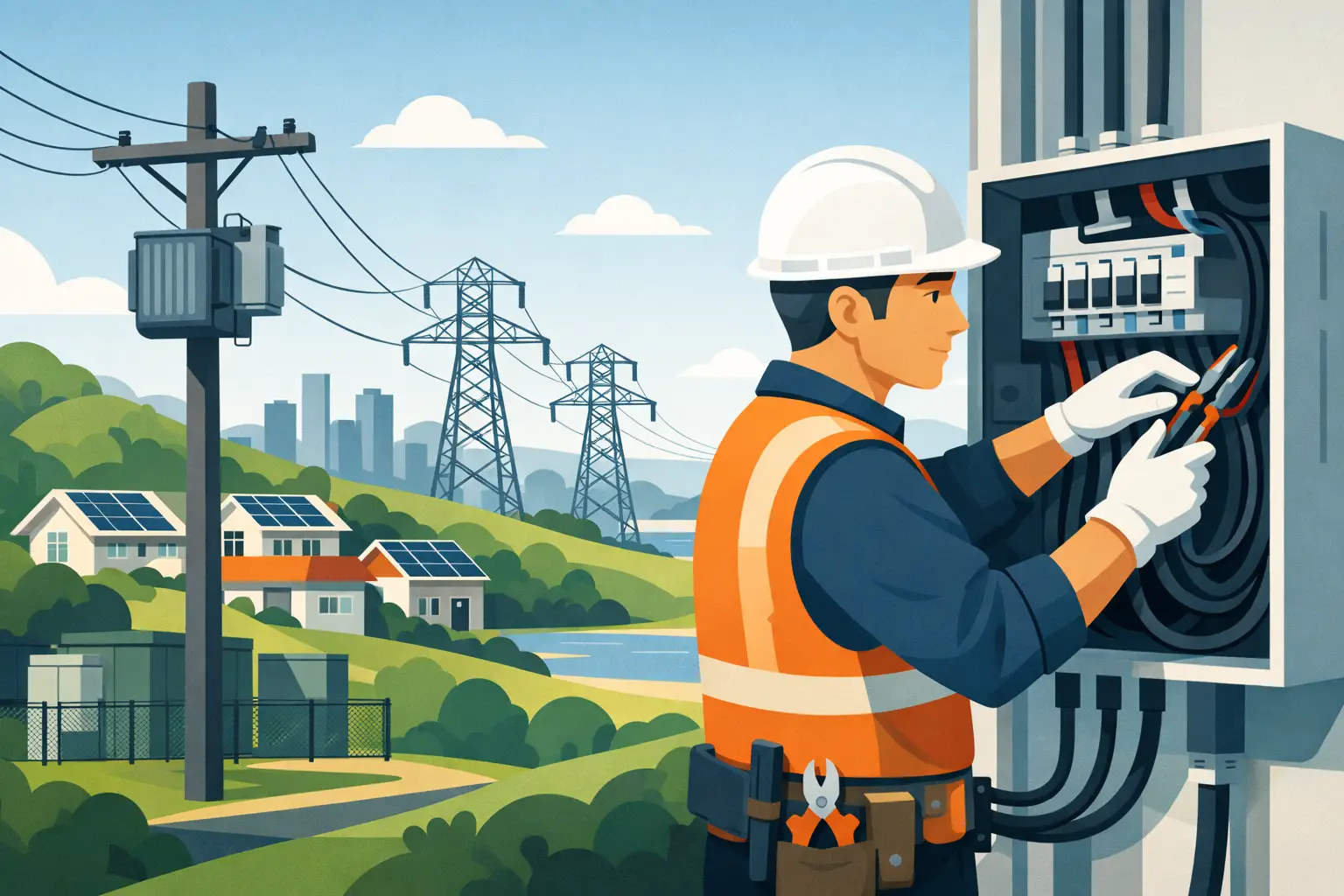
This is where the installer’s electrical capability matters. Level 2 ASP authorisation enables approved contractors to undertake regulated connection and service work within their scope, helping coordinate solar installation with meter changes, network requirements and necessary electrical upgrades. It can reduce handovers between separate contractors and provides clearer accountability for the project.
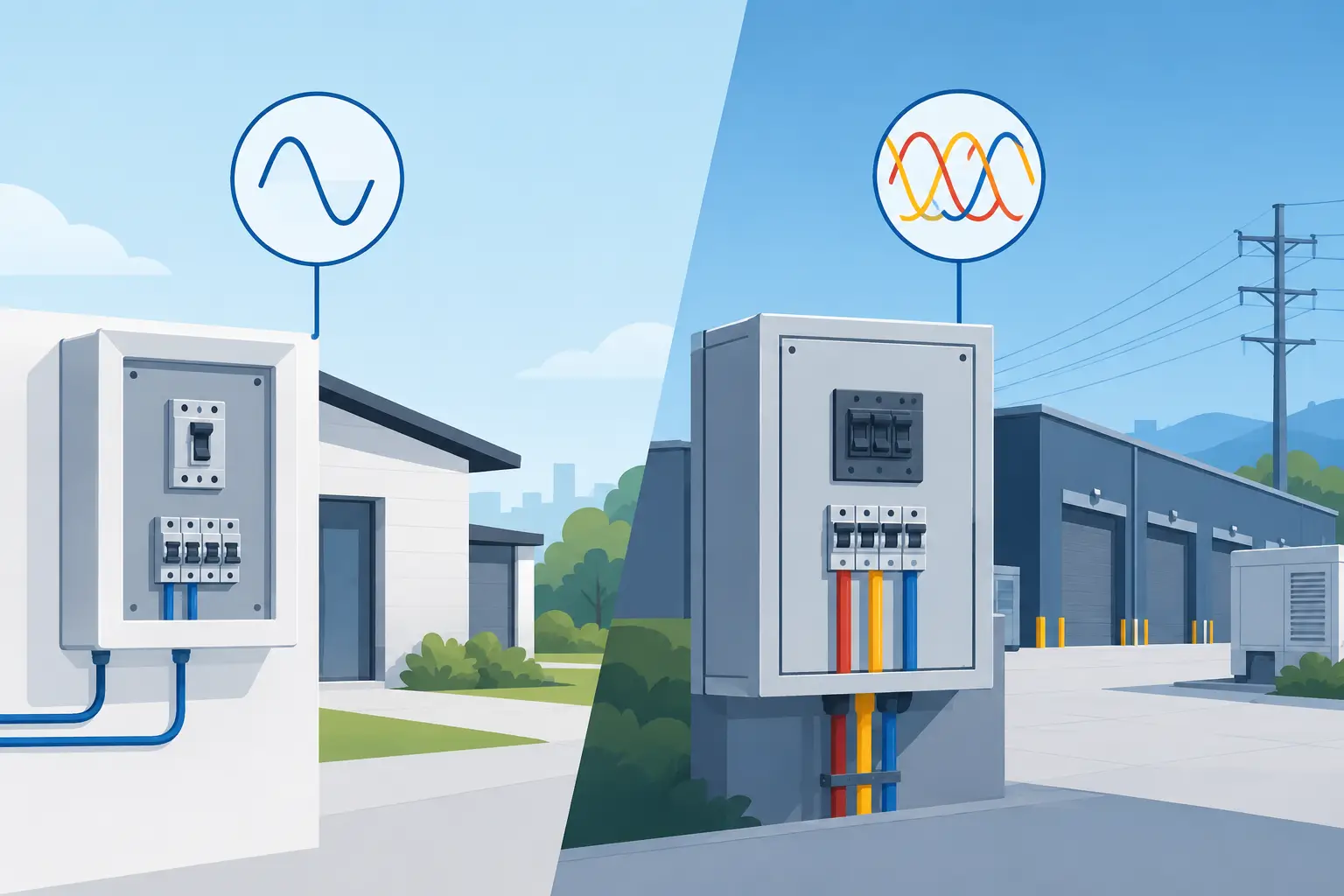
For commercial and industrial sites, the assessment may extend to three-phase supply, demand management, main switchboard capacity, protection settings and safe shutdown planning. These details are not glamorous, but they are central to a compliant system that performs as intended.
Avoid Quotes That Leave the Important Details Out
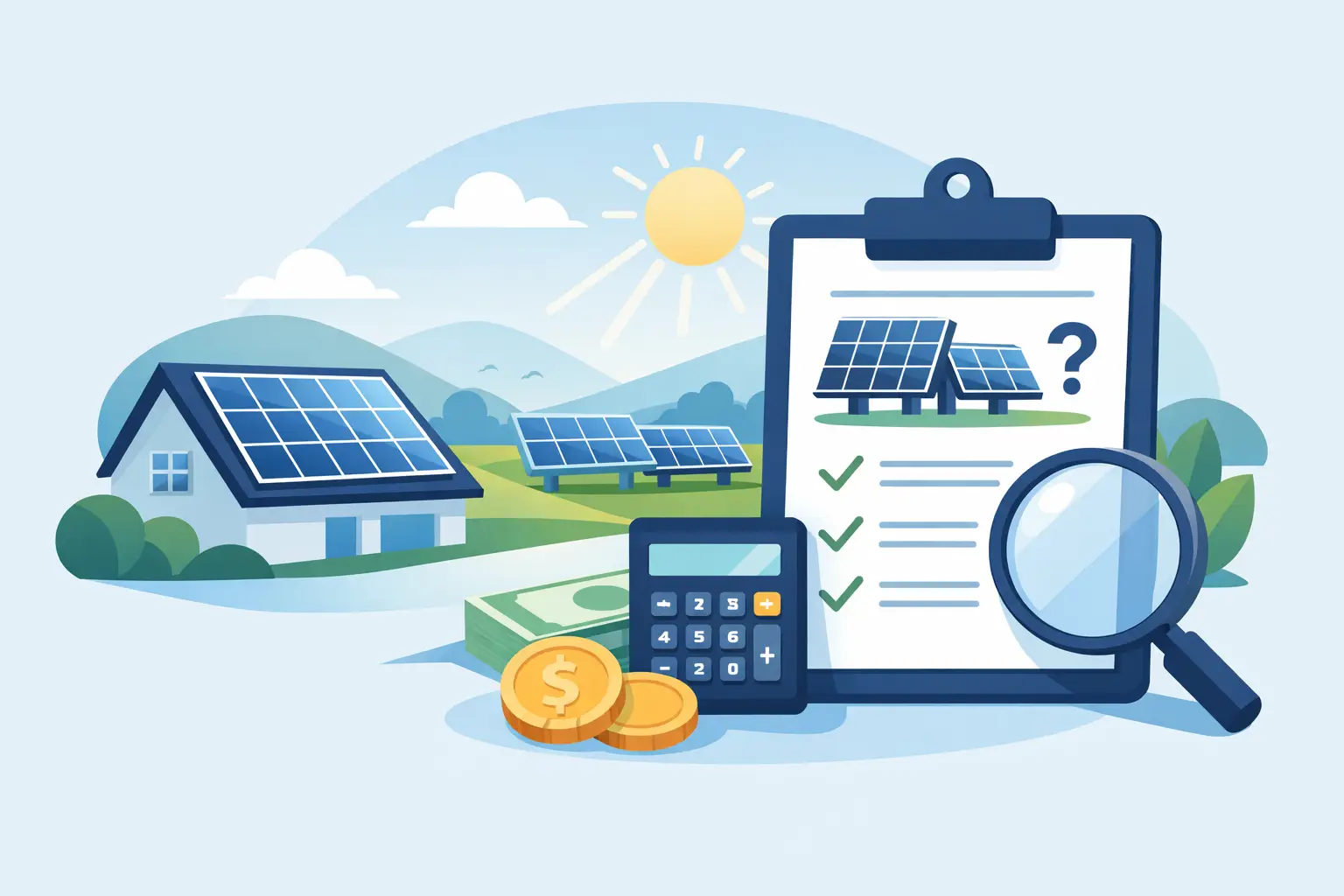
A low headline price can be appealing, particularly when several quotes appear similar at first glance. The difference often sits in the details: panel and inverter model, mounting system, roof access, switchboard work, monitoring, export limits, meter coordination and any allowance for electrical rectification.
Ask whether the quoted price is fixed and what could trigger a variation. Request a plain-English explanation of estimated annual generation, assumptions behind the calculation and how the system has been sized for your usage. It is also worth checking who will perform the installation, what accreditations they hold and how warranty support will work if a problem arises.
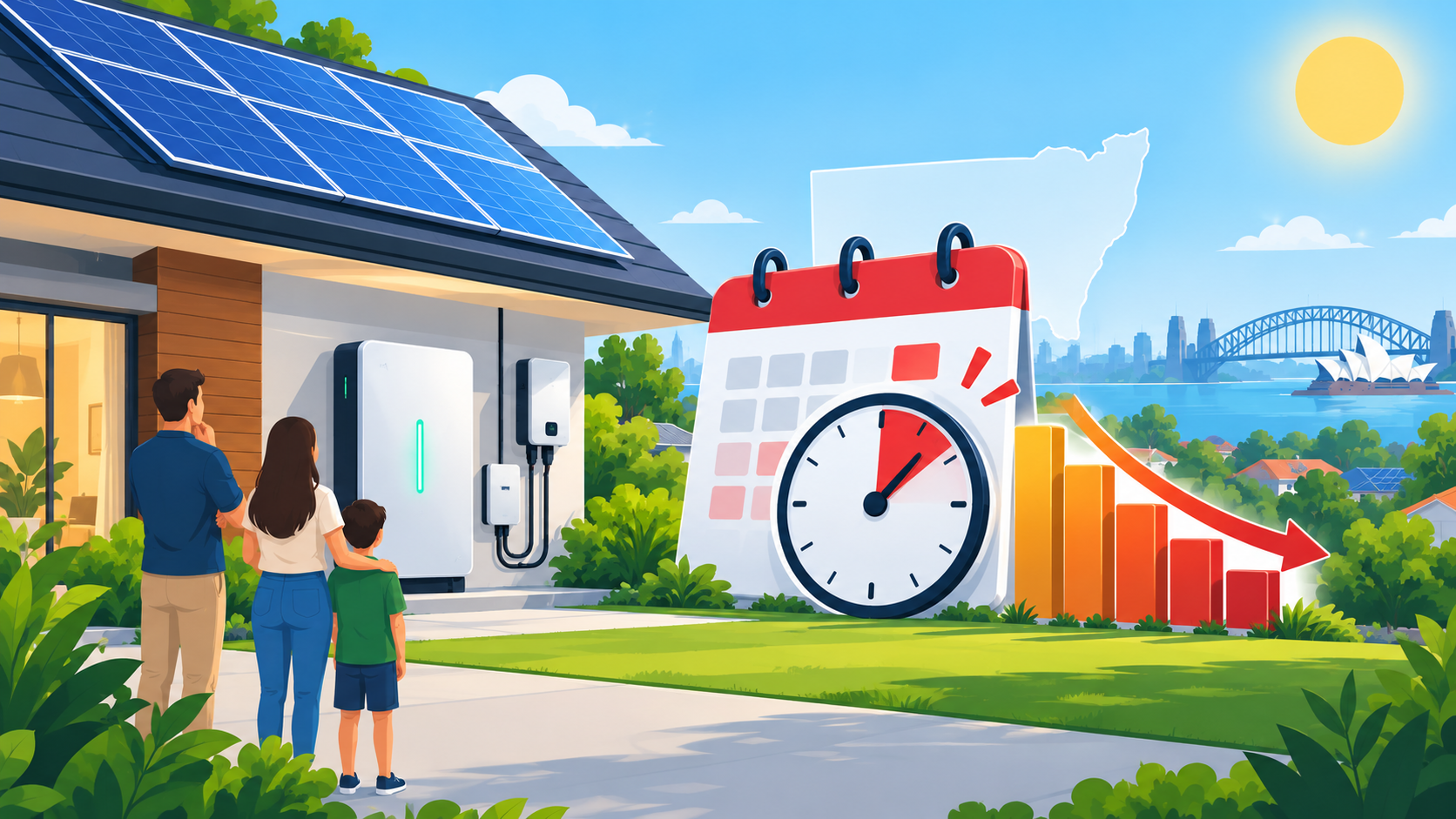
Government incentives can lower the upfront cost of eligible solar systems, but requirements and values can change. Treat estimates of incentives as part of a properly documented proposal, not as a reason to rush past the technical assessment. The best investment is one that remains suitable after incentives, tariffs and household habits evolve.
Make Solar Work Harder After Installation
Monitoring is one of the most useful features of a modern system. It shows production, consumption, grid imports and exports, helping owners identify when solar power is available. Without changing much at all, shifting flexible loads into daylight can improve solar self-consumption.
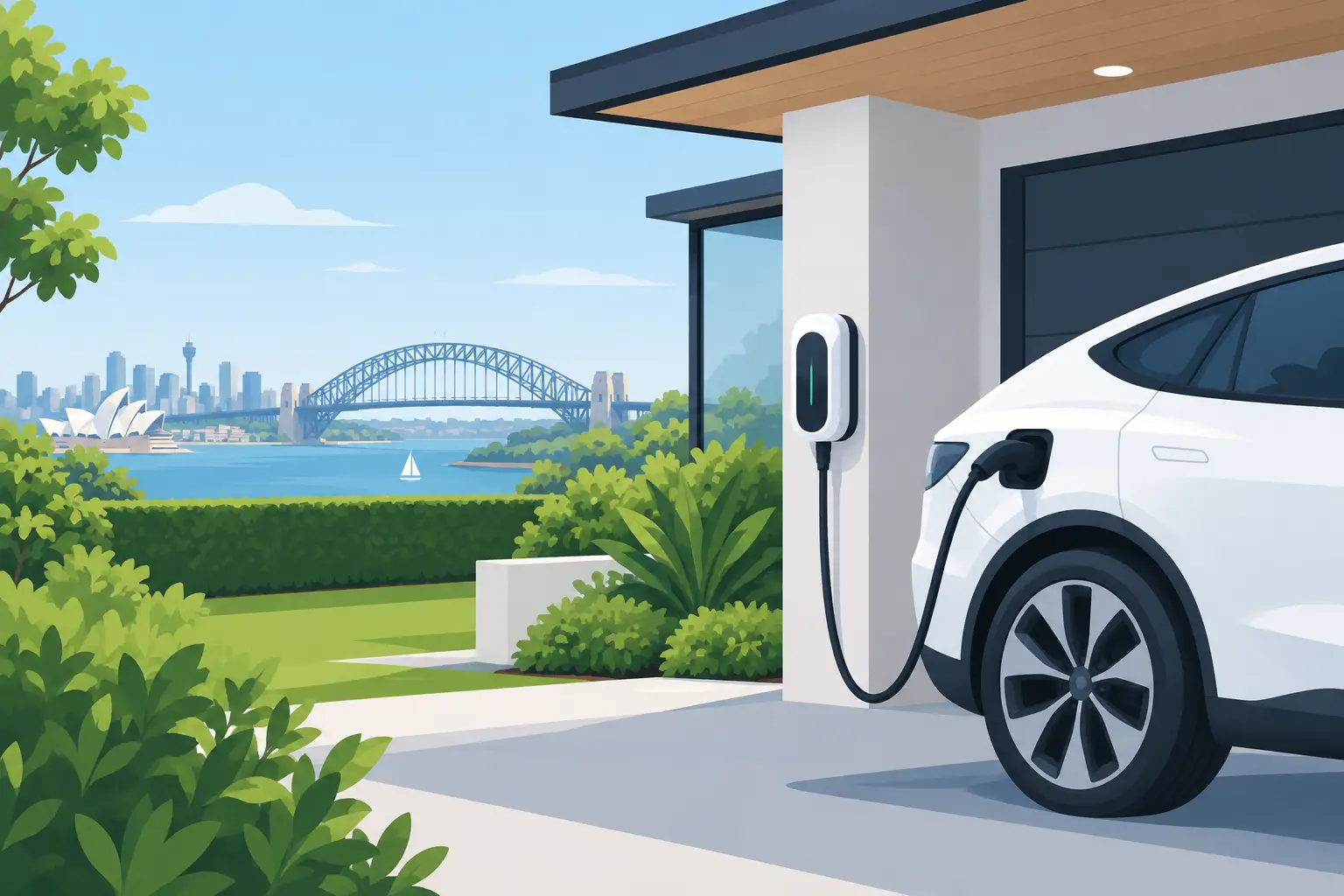
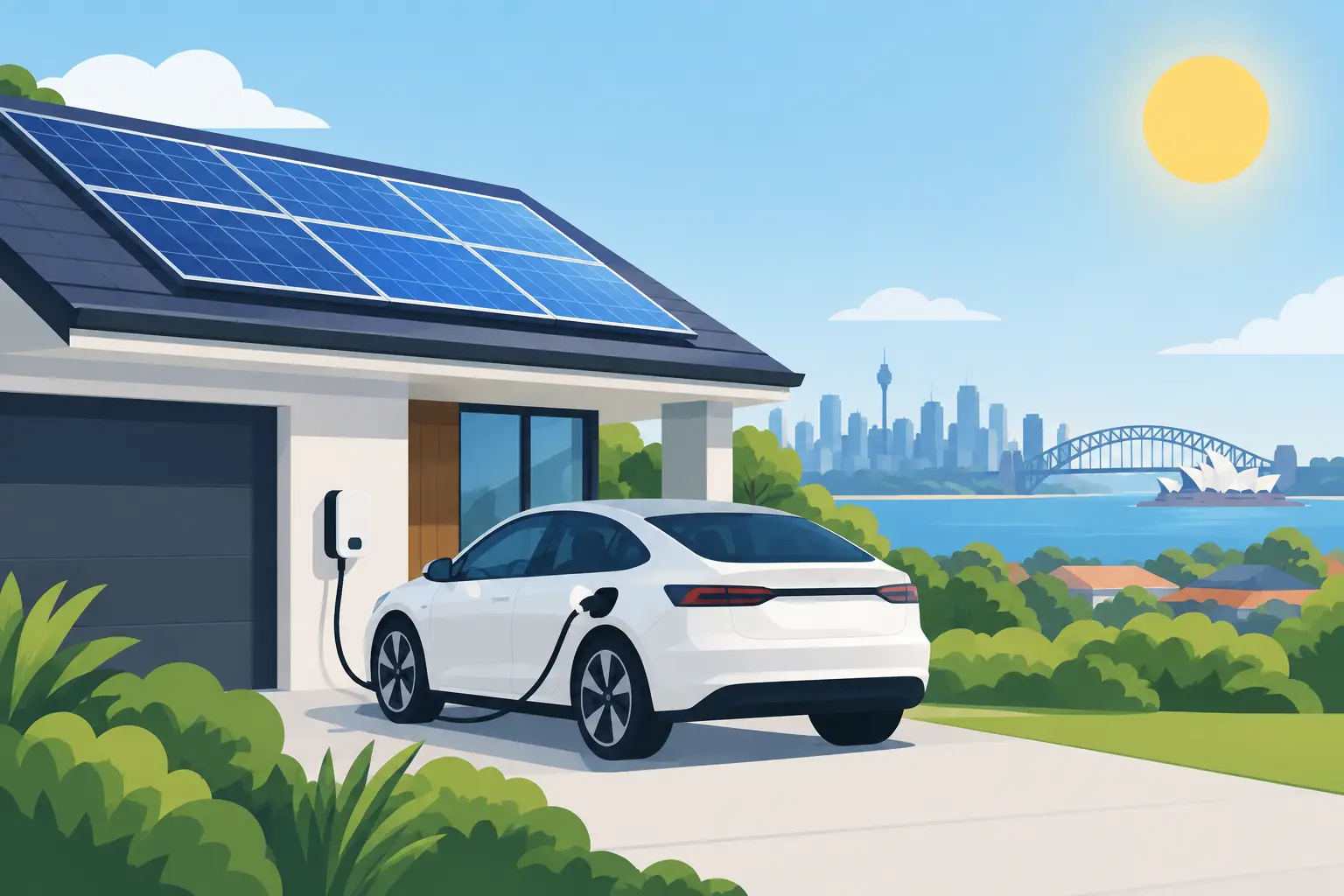
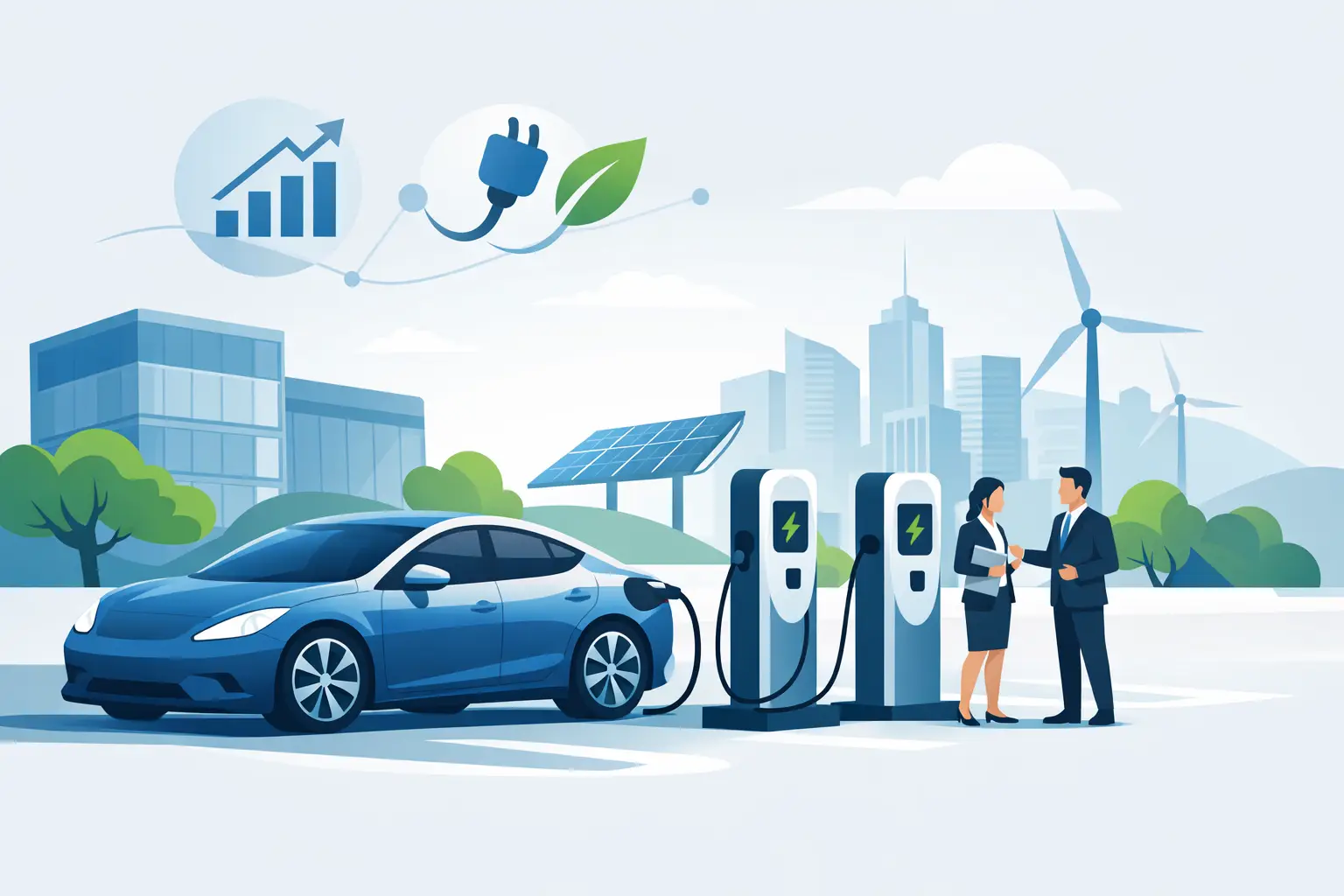
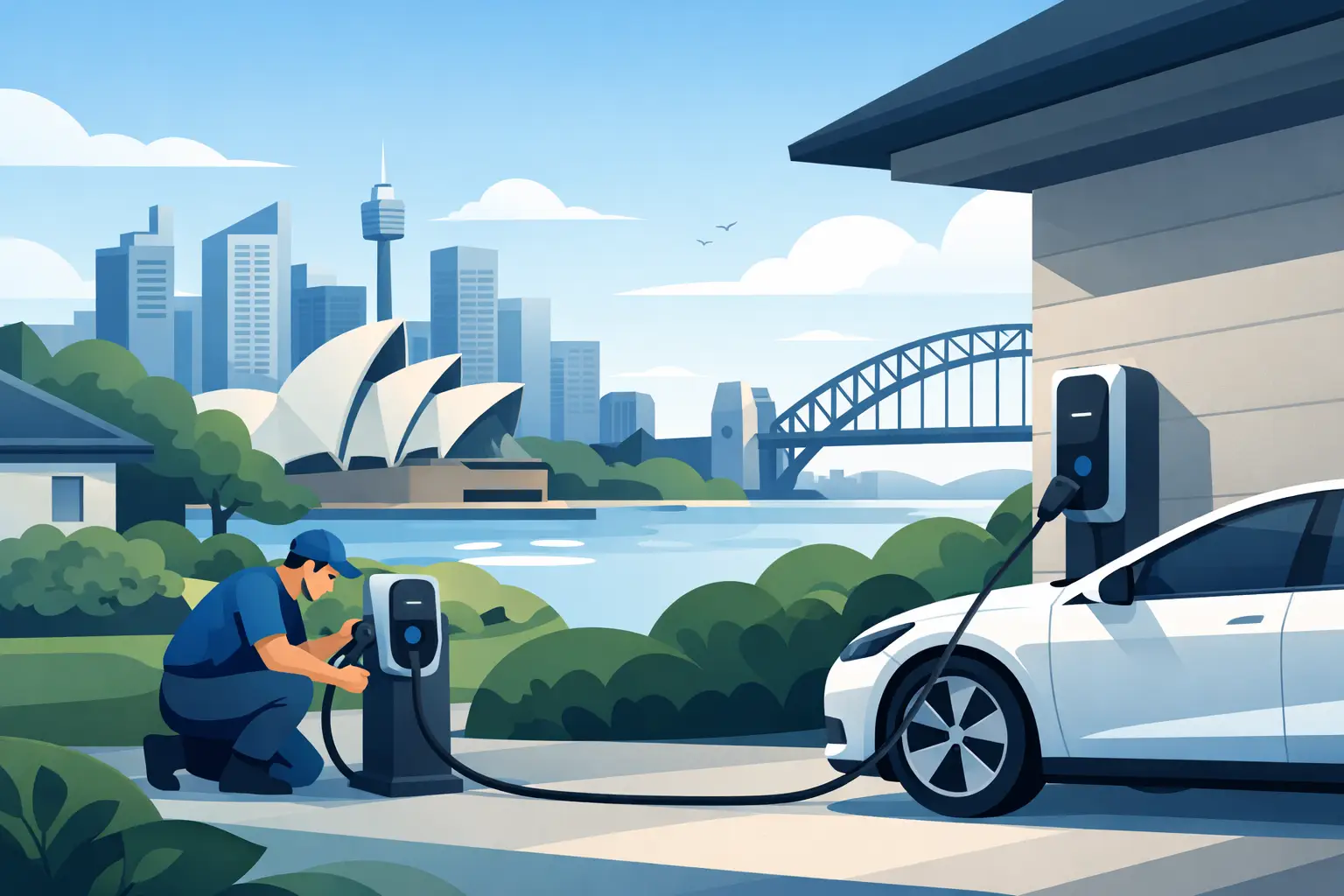
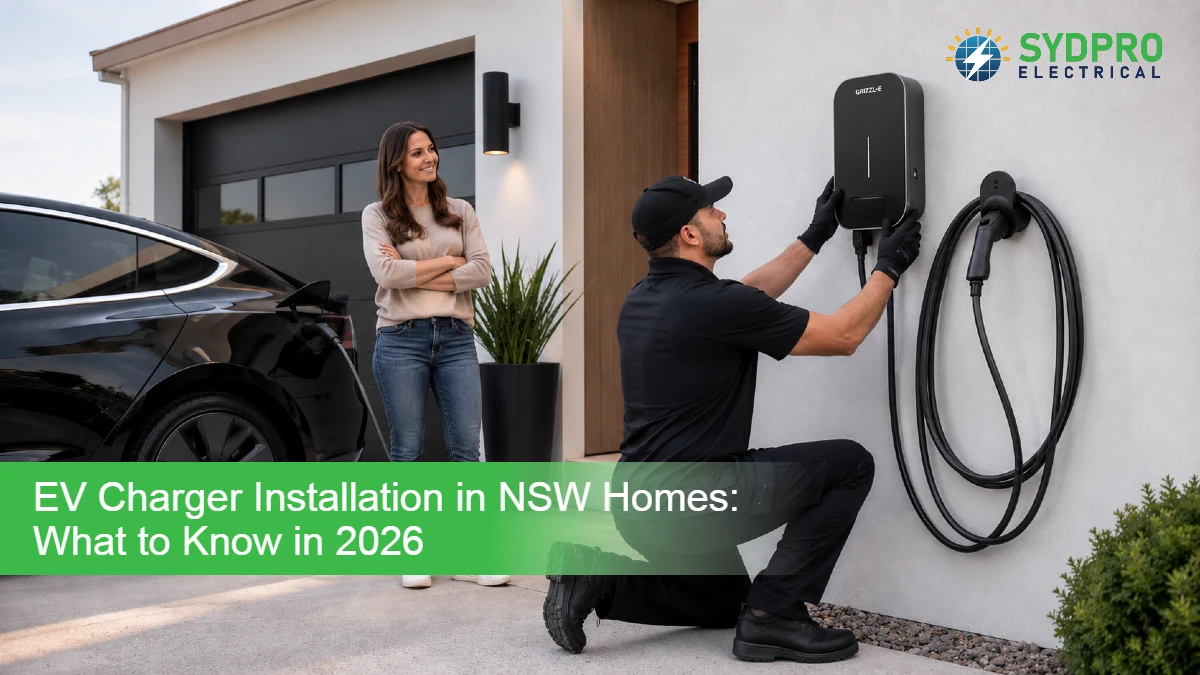
Run pool filtration during sunny periods where practical. Use appliance timers for dishwashers and washing machines. Schedule EV charging to align with solar output when the vehicle is at home. Businesses can review whether selected non-critical loads can operate during peak generation hours. These small operating decisions often make the difference between a system that looks good on paper and one that produces stronger bill savings.
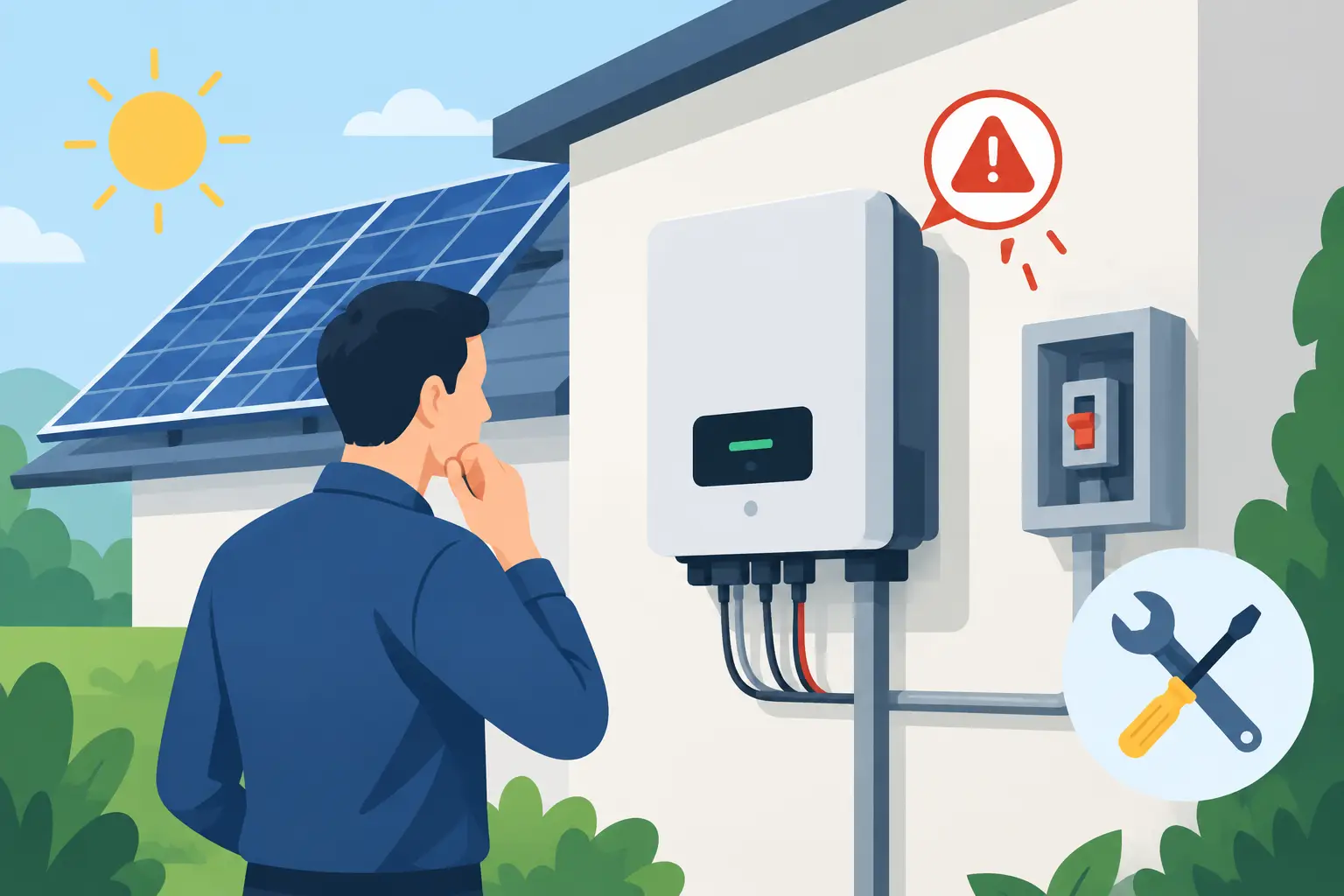
Maintenance is generally straightforward, but it should not be ignored. Check monitoring regularly, keep an eye on new shading from tree growth, and arrange an inspection if output drops unexpectedly or warnings appear. Never attempt electrical repairs yourself. Solar equipment operates at potentially dangerous voltages, even during daylight when the grid is off.
Choose a Partner With the Right Scope
The right contractor should be able to explain the design without hiding behind jargon, while also having the credentials to manage the technical work safely. Clean Energy Council SAA accreditation, appropriate electrical licensing and Level 2 ASP capability are meaningful because they speak to both solar-system quality and regulated electrical work.
Sydpro Solar Solutions combines these capabilities for Sydney and NSW property owners who want solar, batteries, EV charging and electrical infrastructure planned as one connected energy upgrade. The value is not only in installing quality equipment. It is in making sure each part of the system is sized, connected and documented for long-term performance.
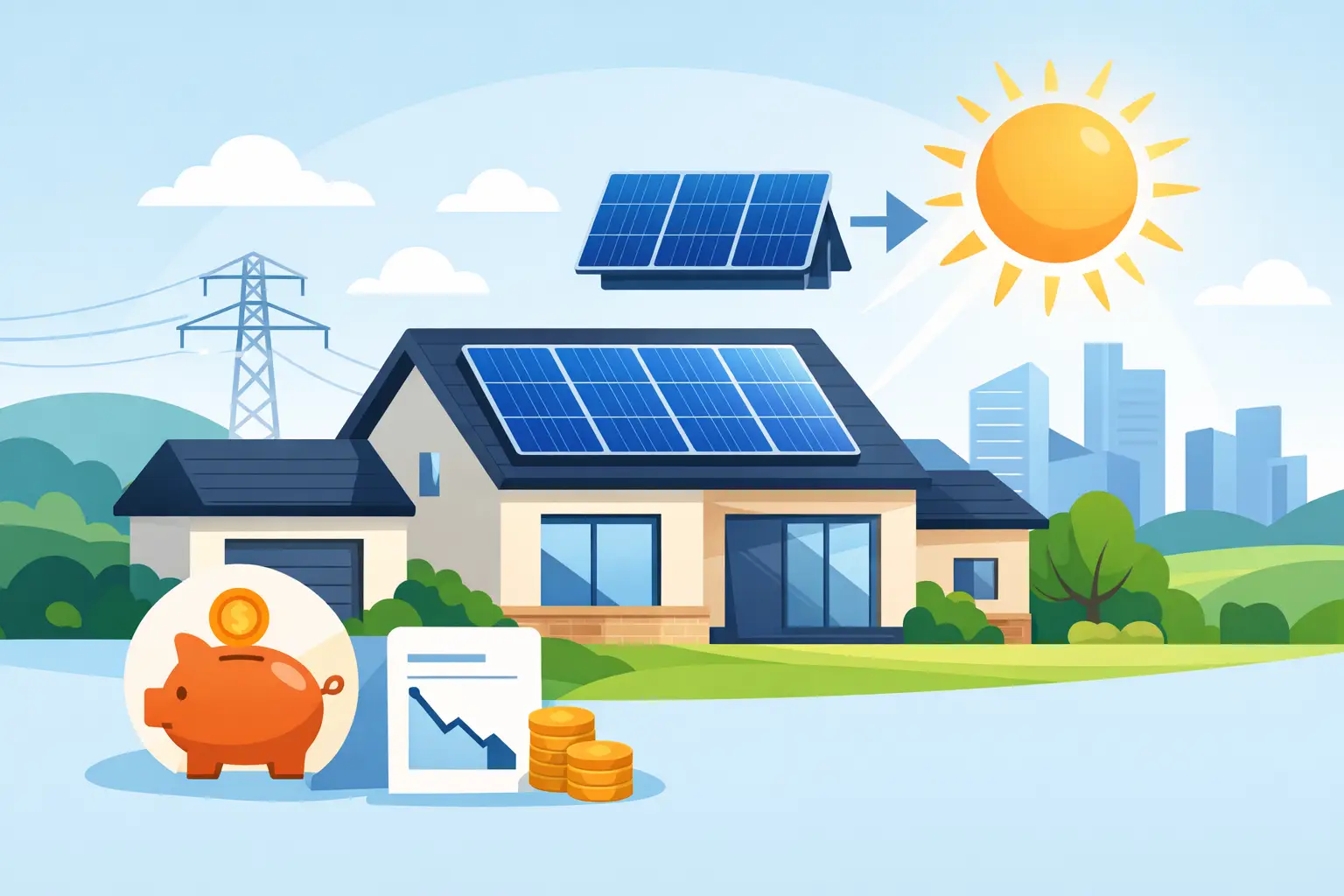
A well-planned solar system should give you confidence each time the sun comes up: lower reliance on grid power, clearer control over energy use and a property better prepared for the way Australians will power their homes and businesses next.