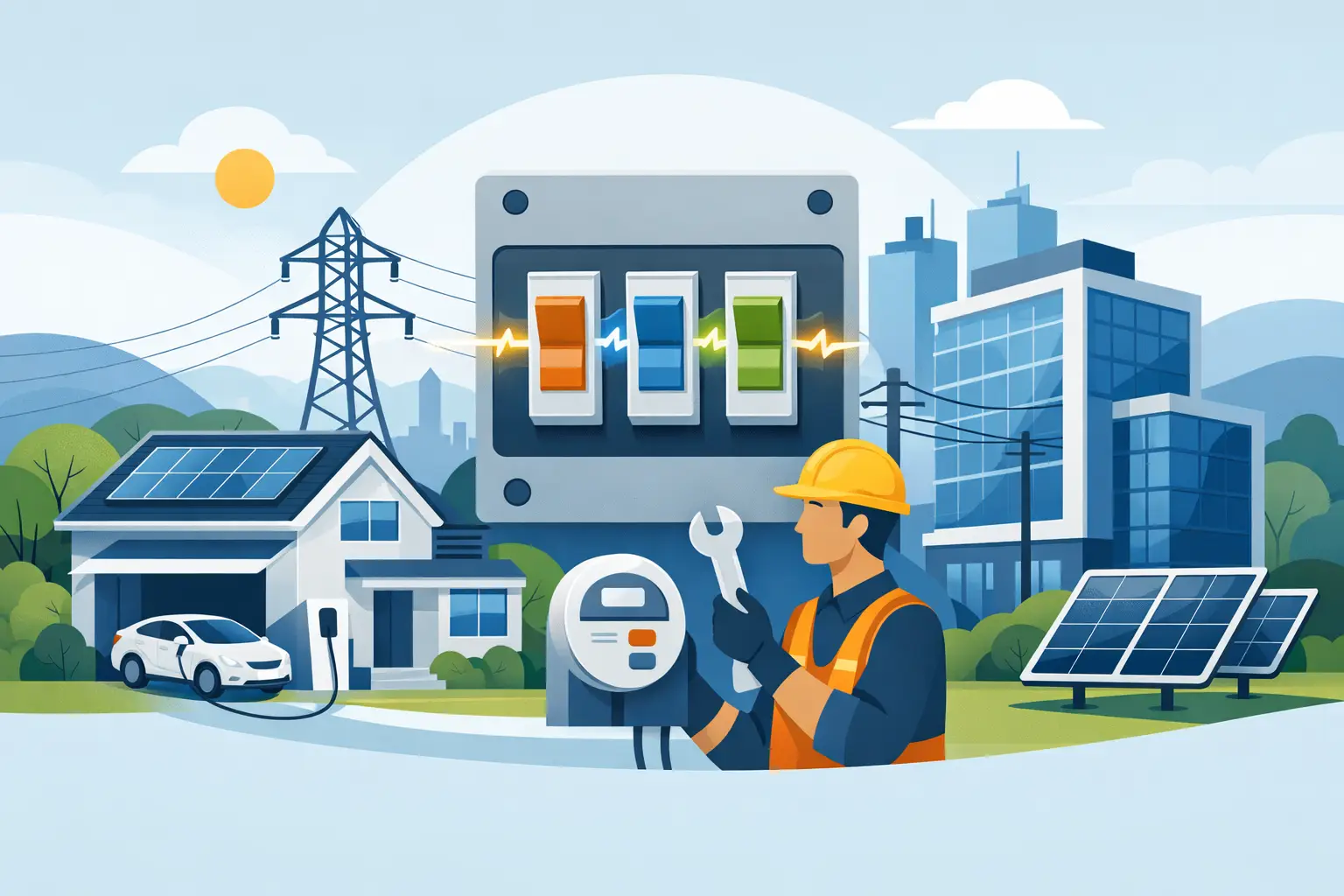
A warehouse adding EV chargers, an office replacing gas hot water, and a manufacturer installing battery storage may look like separate projects. They are increasingly part of one investment decision. Commercial electrification trends are changing how NSW businesses manage energy costs, reliability, fleet transport and future site capacity.
For property owners and operators, the opportunity is not simply to use more electricity. It is to use electricity more intelligently: producing it onsite with solar, storing it when it has the most value, and ensuring the electrical infrastructure can safely support new loads. The businesses that plan these upgrades together are better placed to control operating costs as energy prices and network demands change.
Why commercial electrification is accelerating
The move towards electrification is being driven by practical business pressures. Electricity can be generated onsite, managed through batteries and monitored in far more detail than most fossil-fuel energy use. At the same time, electric vehicles, electric heating and high-efficiency equipment are becoming more accessible for commercial use.
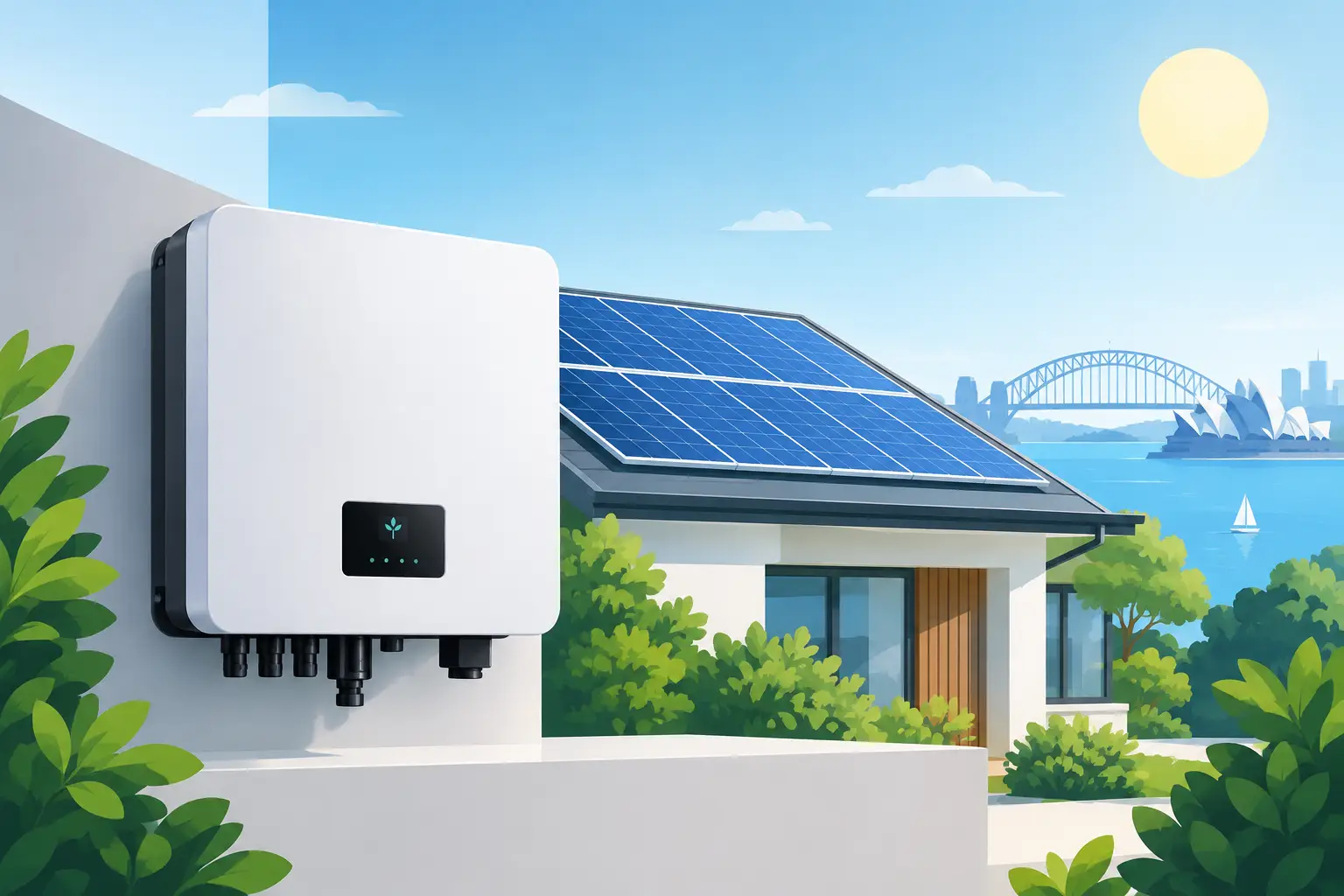
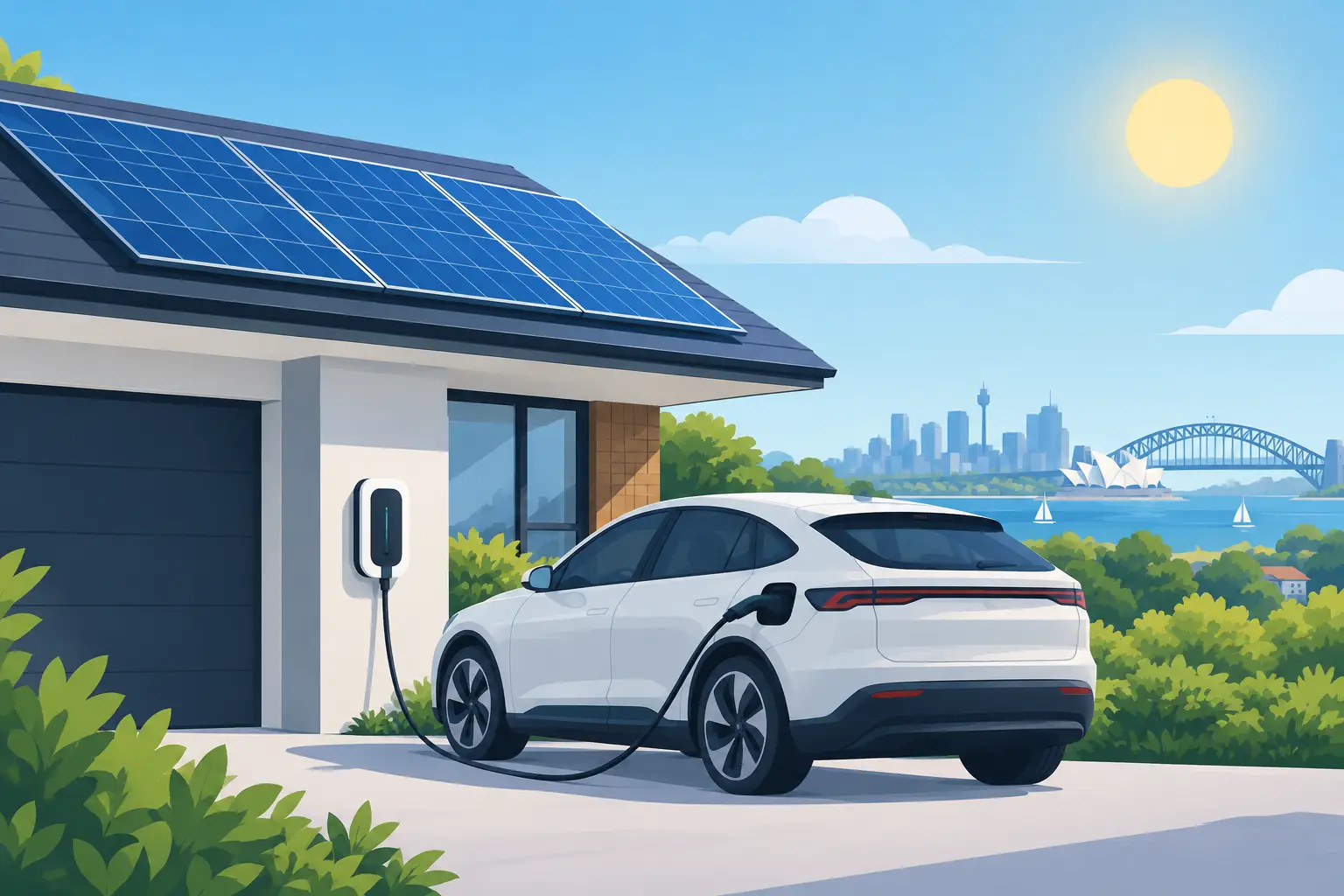
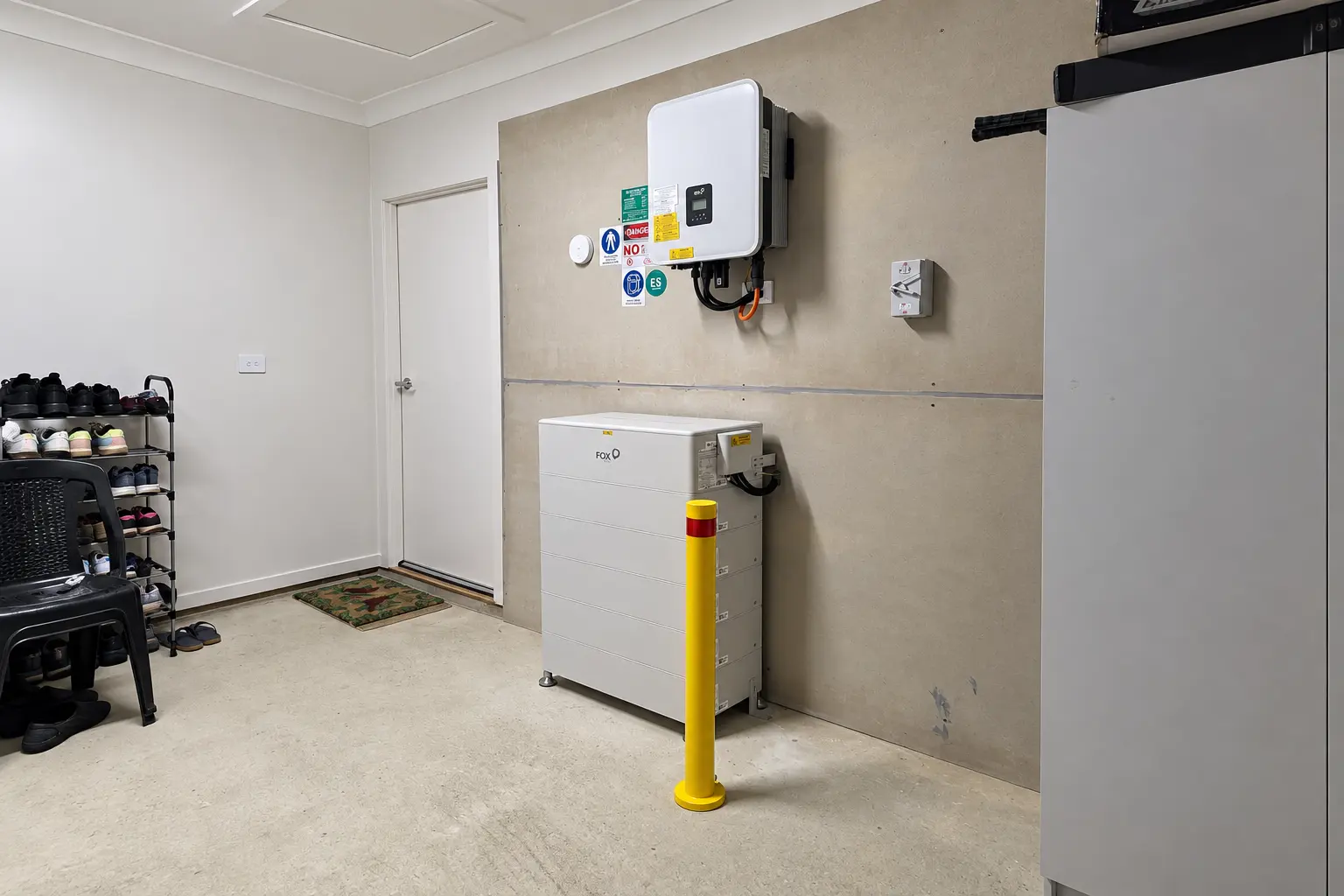
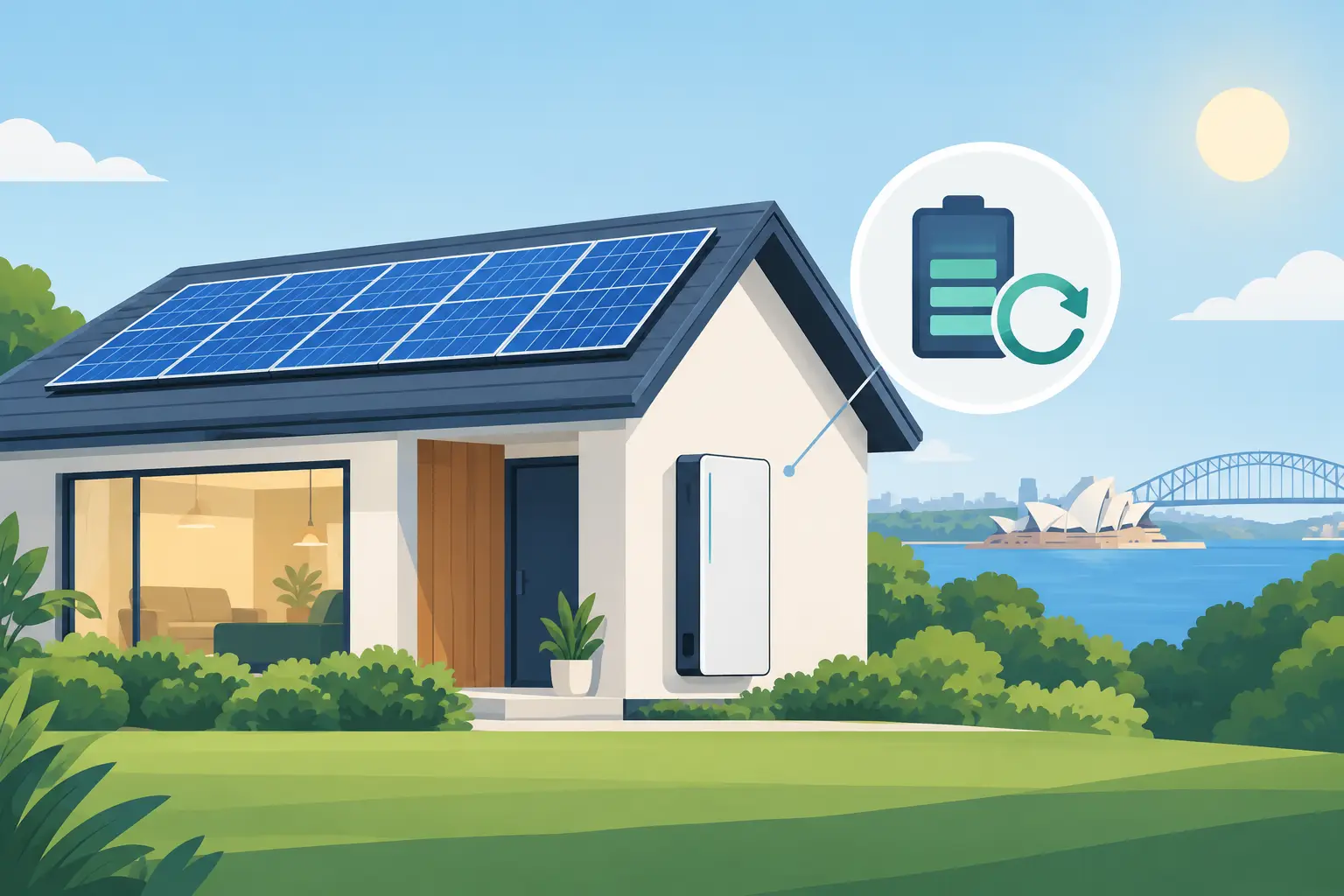
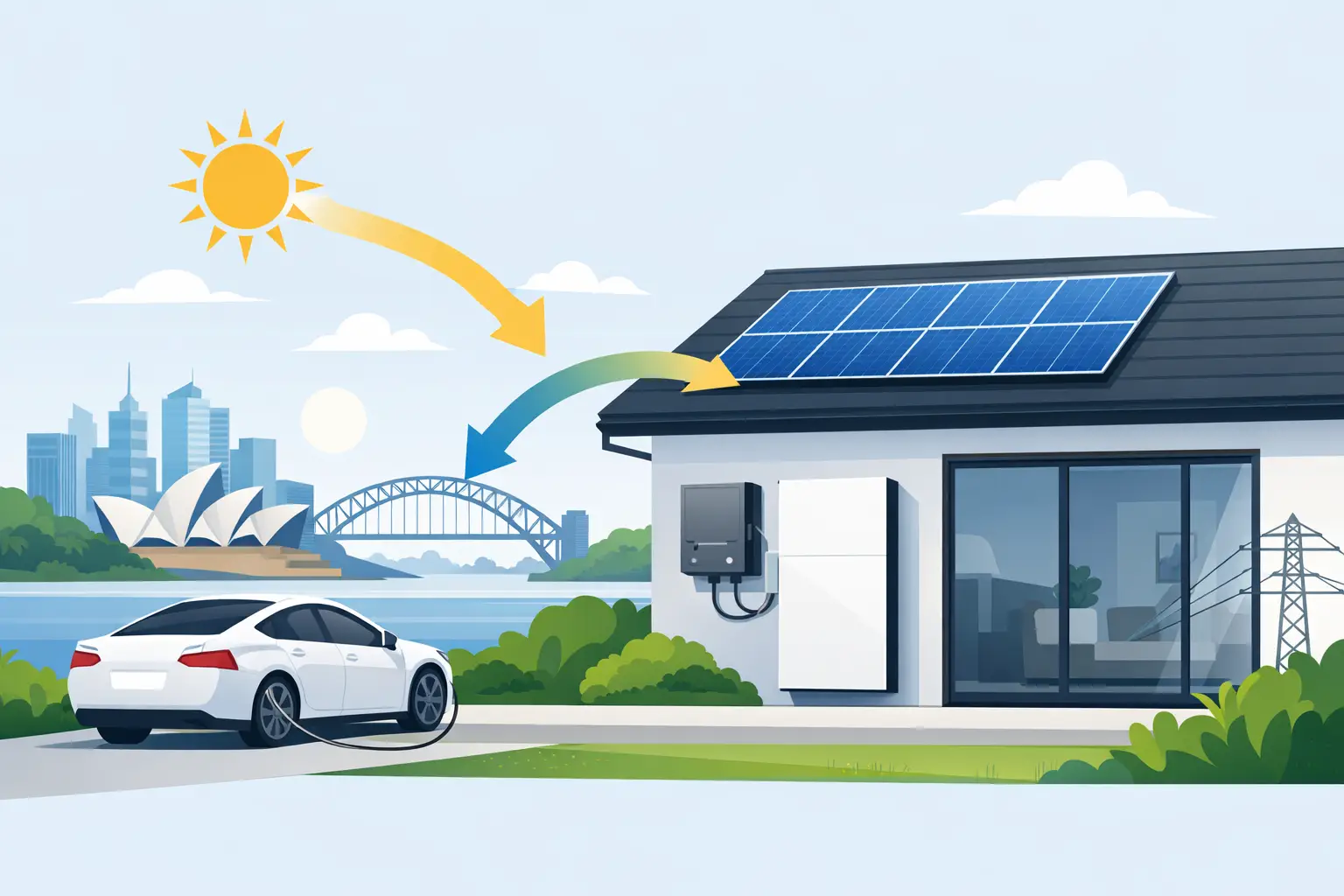
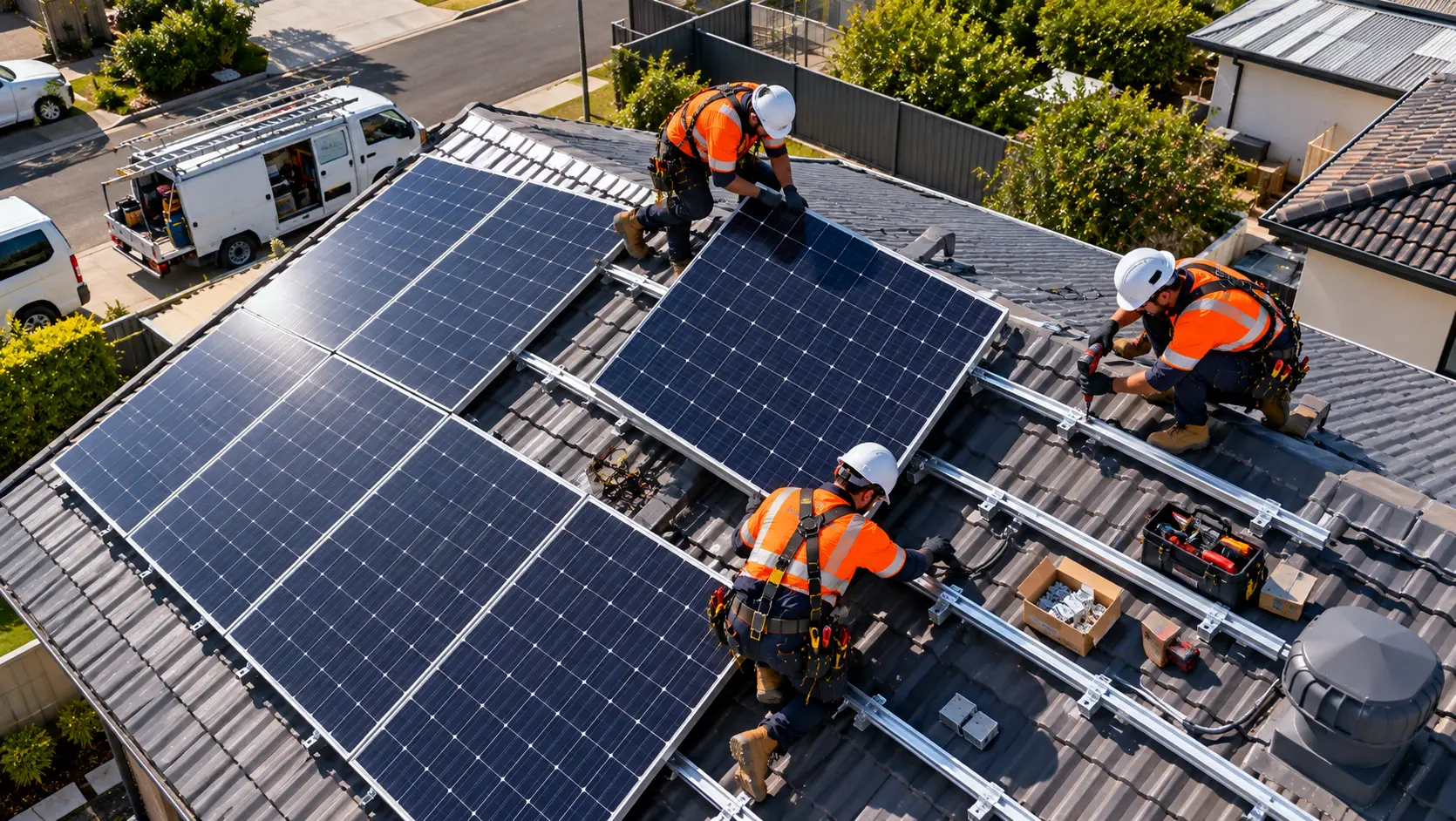
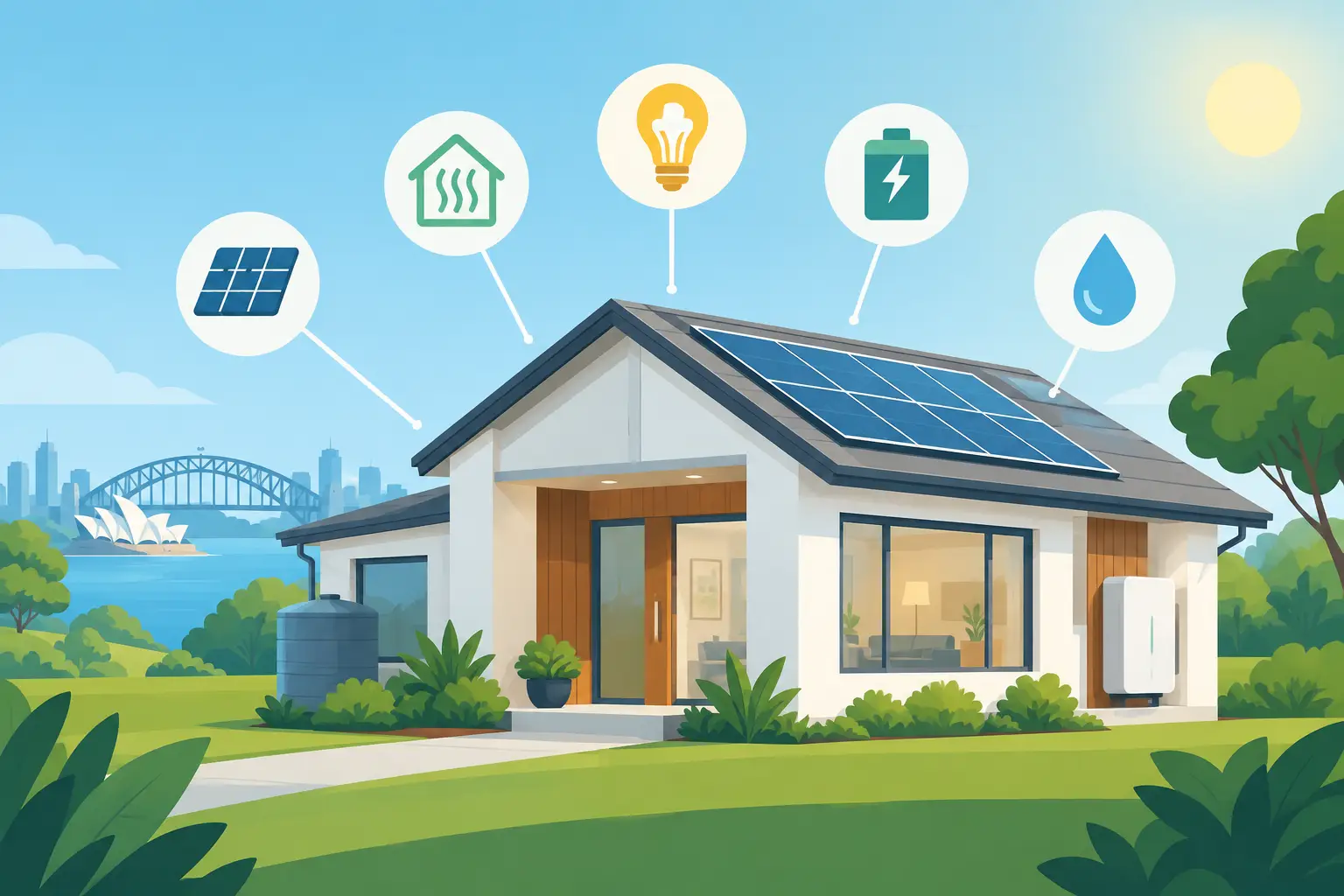
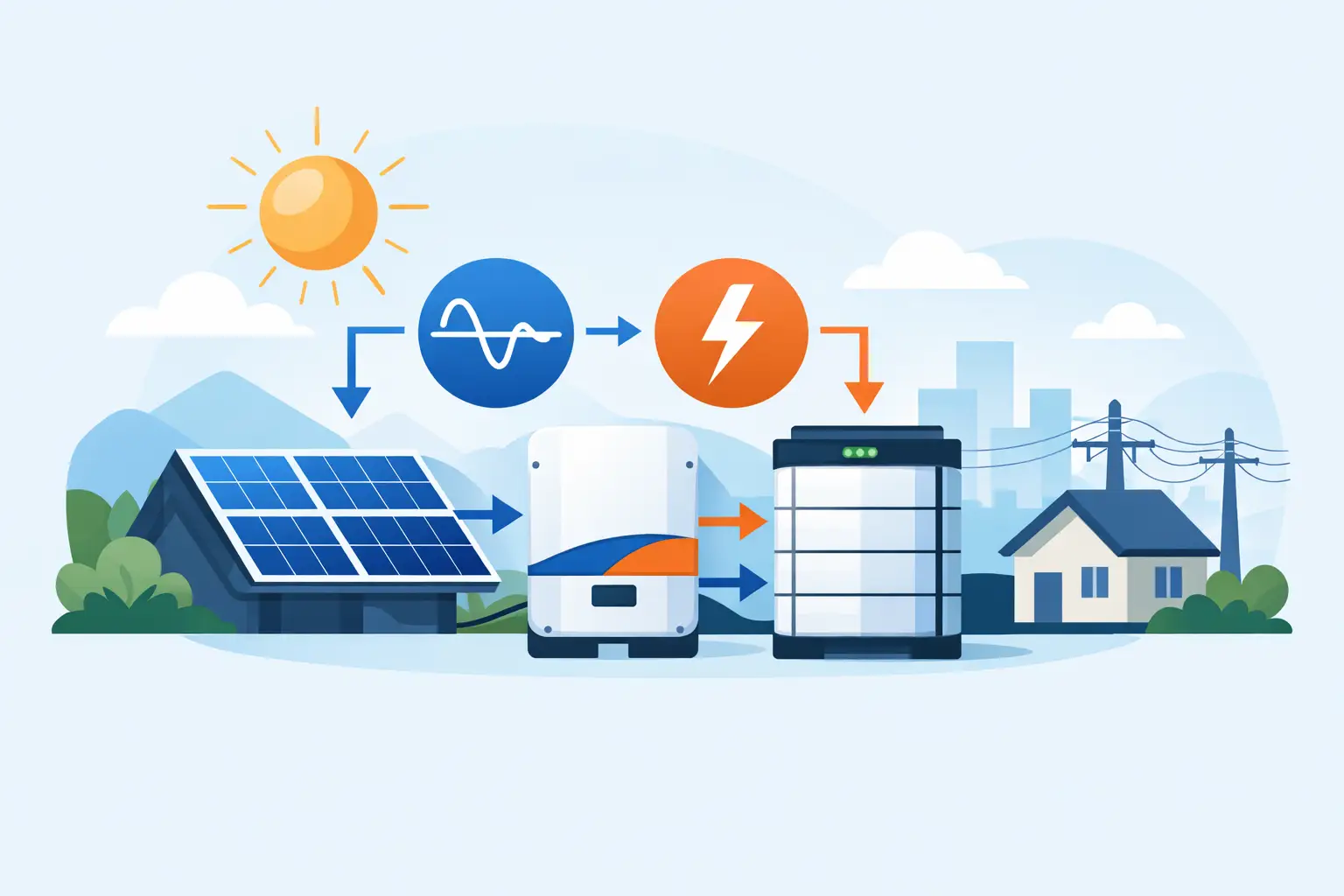
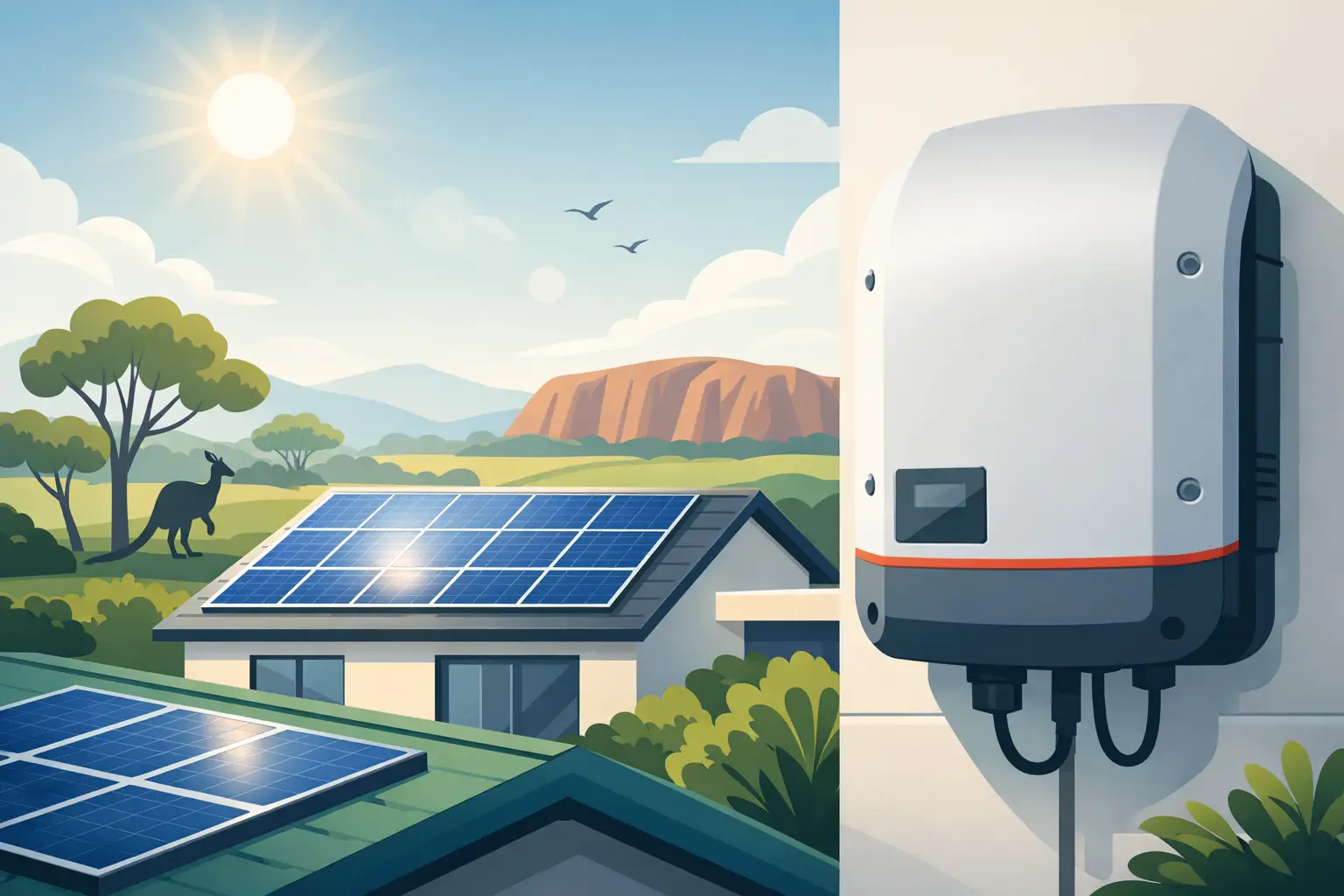
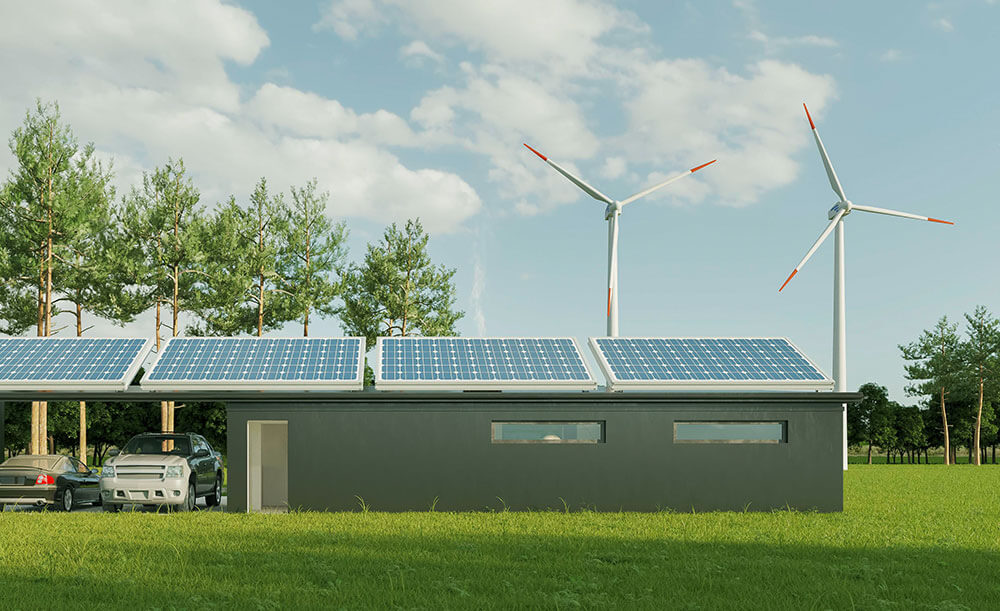
For many NSW sites, rooftop solar remains the foundation. A business that operates through daylight hours can consume a significant share of its solar production directly, reducing the volume of power bought from the grid. Battery storage can then shift some of that value into the evening, support peak-demand management or provide backup capability where the site design allows.
Electrification also responds to customer and tenant expectations. Many organisations now need to demonstrate credible action on energy use and emissions. However, the strongest commercial case is usually financial and operational: lower exposure to daytime grid purchases, improved energy visibility and infrastructure that supports modern equipment.
The right approach depends on the building, operating hours, existing switchboard capacity, tariff structure and future plans. A medical practice, cold-storage facility and strata-managed office building will not have the same load profile or priorities.
The commercial electrification trends shaping NSW sites
Solar is becoming part of core site infrastructure
Commercial solar is no longer viewed only as a sustainability initiative. It is increasingly treated as operating infrastructure, much like lighting, air conditioning or production equipment. With suitable roof space and daytime demand, a well-designed system can reduce electricity purchases from the first day it operates.
The key trend is smarter sizing. Oversizing a solar system without considering load patterns, export constraints and future electrification can leave value on the table. Conversely, a system designed only around today’s consumption may be too small once EV charging, electric hot water or new machinery is introduced.
A proper assessment should look beyond annual electricity bills. Half-hourly interval data, seasonal usage, roof layout, shading, network requirements and planned equipment upgrades all matter. This is where a detailed proposal provides more value than a headline system size or low upfront price.
Battery storage is moving from backup to active energy management
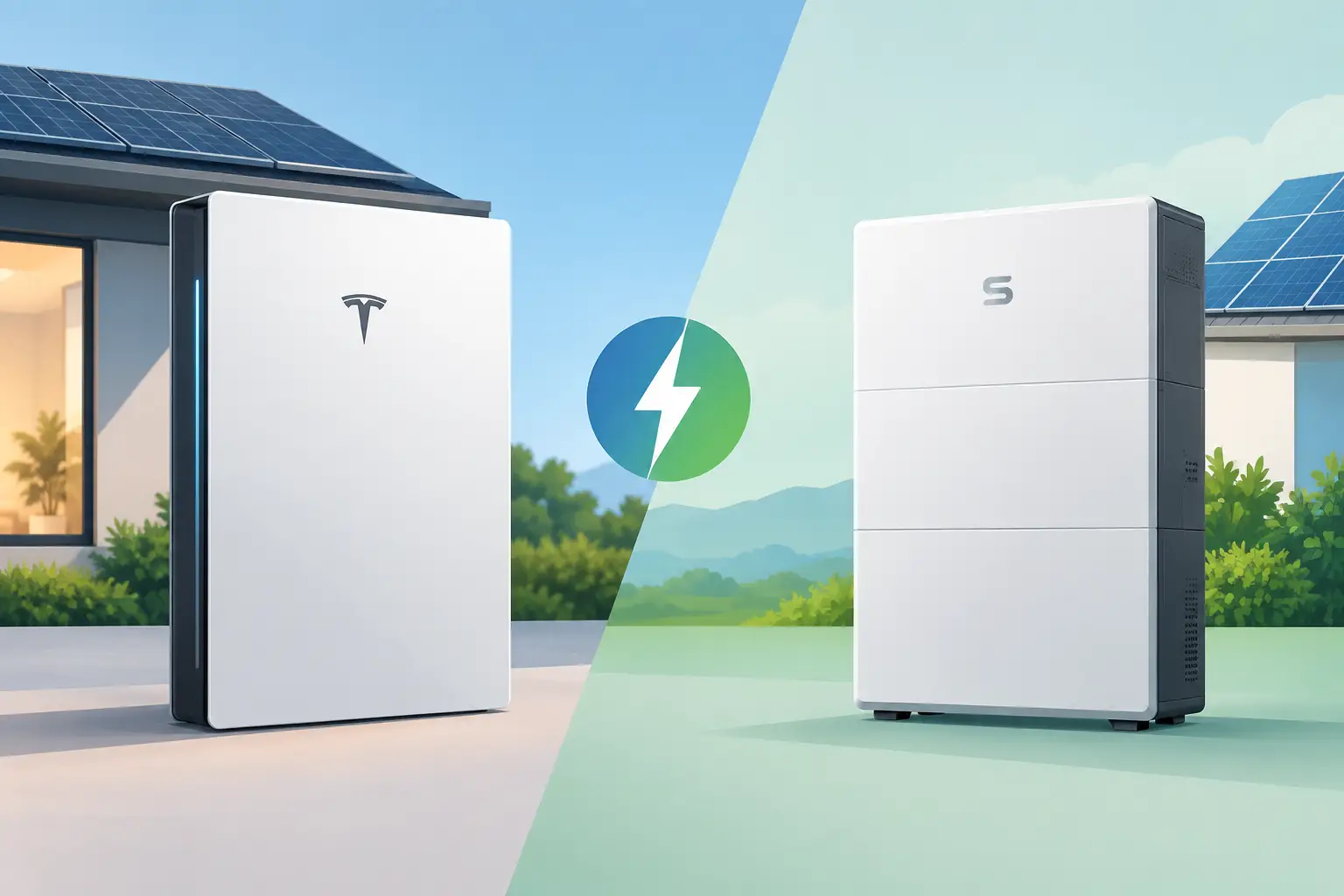
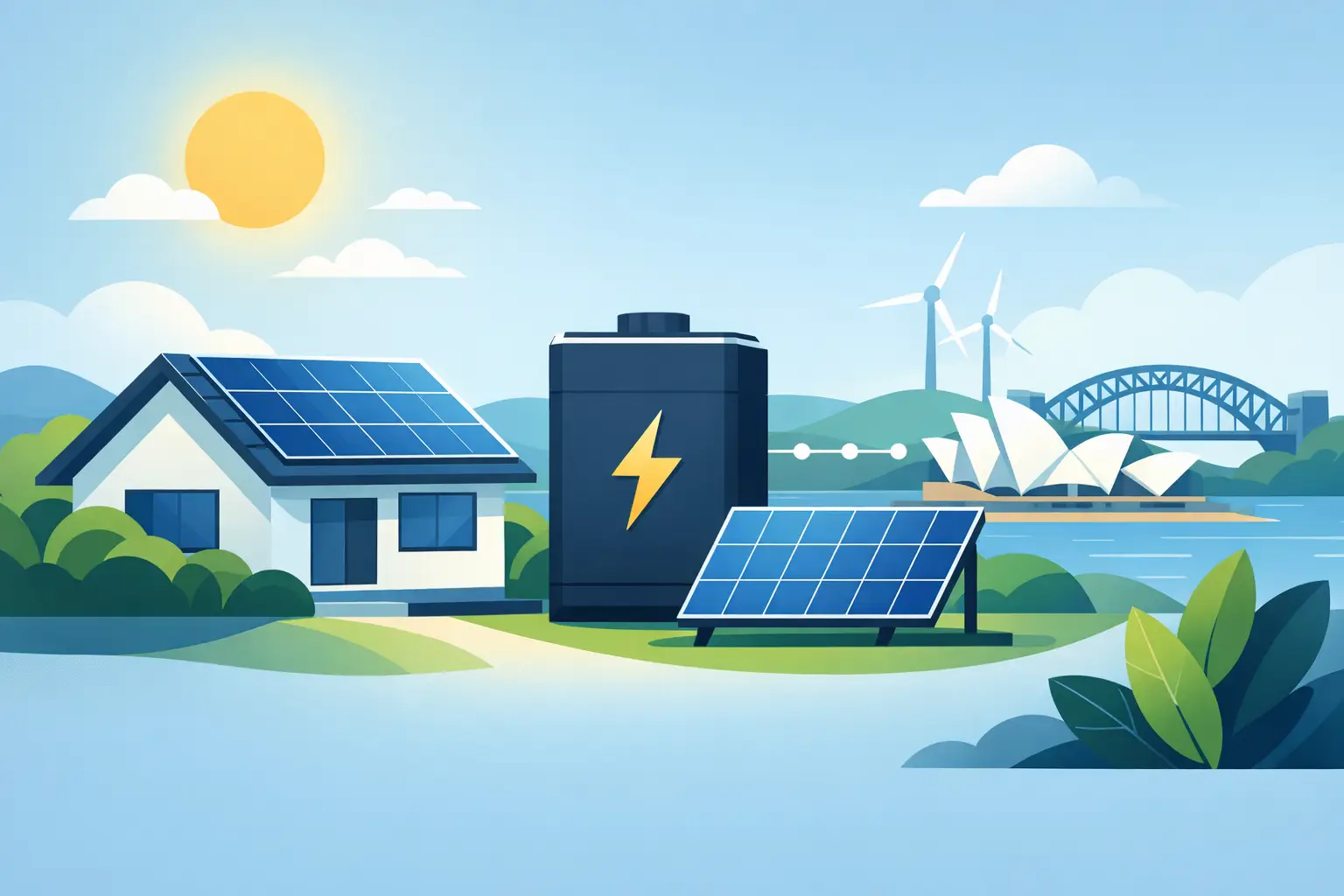
Commercial batteries are often associated with outage protection, and resilience remains an important benefit. Yet the broader opportunity is using storage to manage when a business buys, stores and uses electricity.
A battery can absorb excess solar generation for later use, reduce evening grid consumption and help limit demand peaks. For businesses on tariffs where short periods of high demand significantly affect charges, peak shaving may improve the financial case. The outcome depends on the tariff and load shape, not just battery capacity.
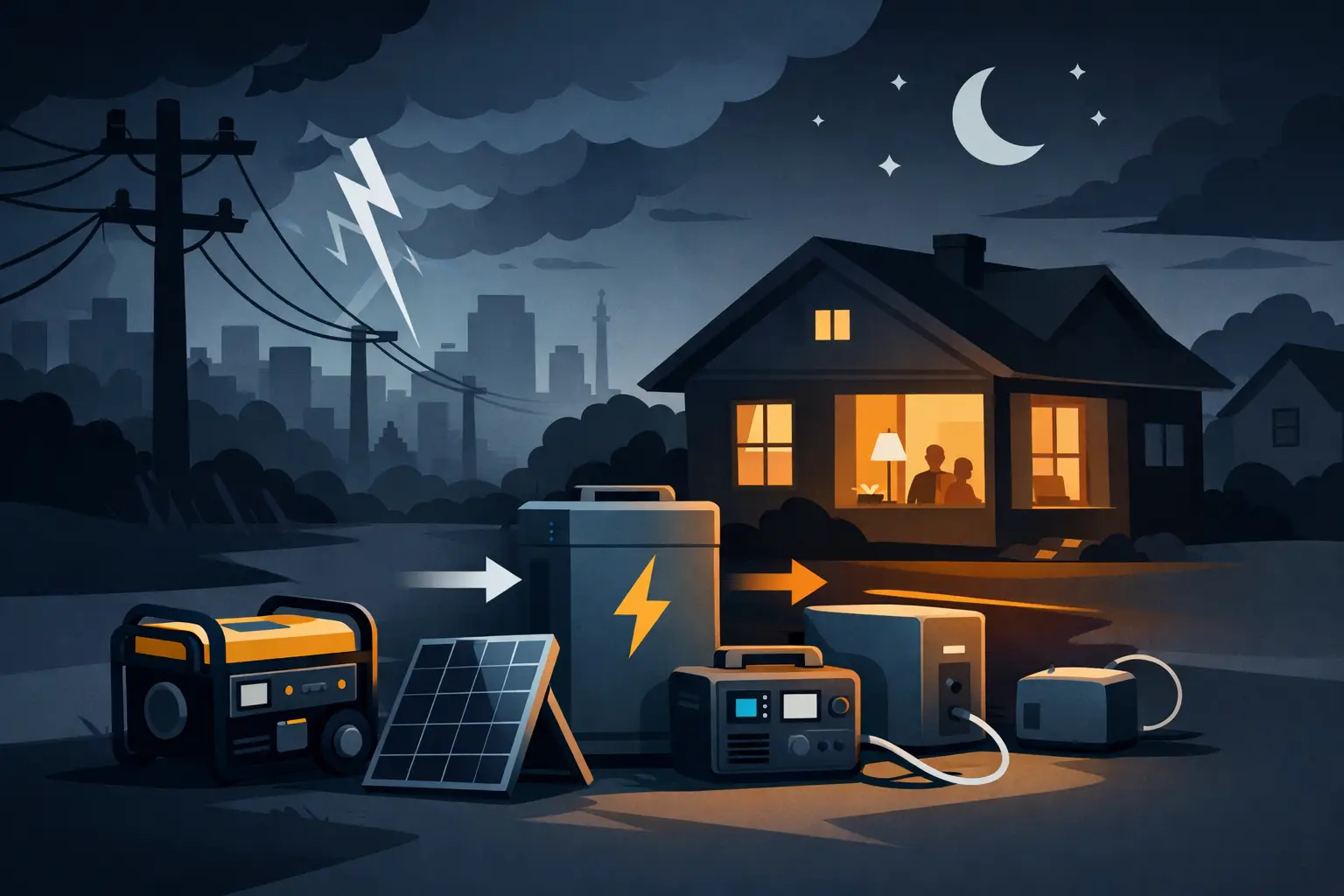
Backup capability also requires careful design. Not every battery system can power every circuit during an outage, and large loads such as lifts, air conditioning, refrigeration or machinery may require specific planning. Businesses should define which operations are critical, how long they need to run and whether backup is intended for safety, continuity or convenience.
EV charging is becoming a workplace and fleet decision
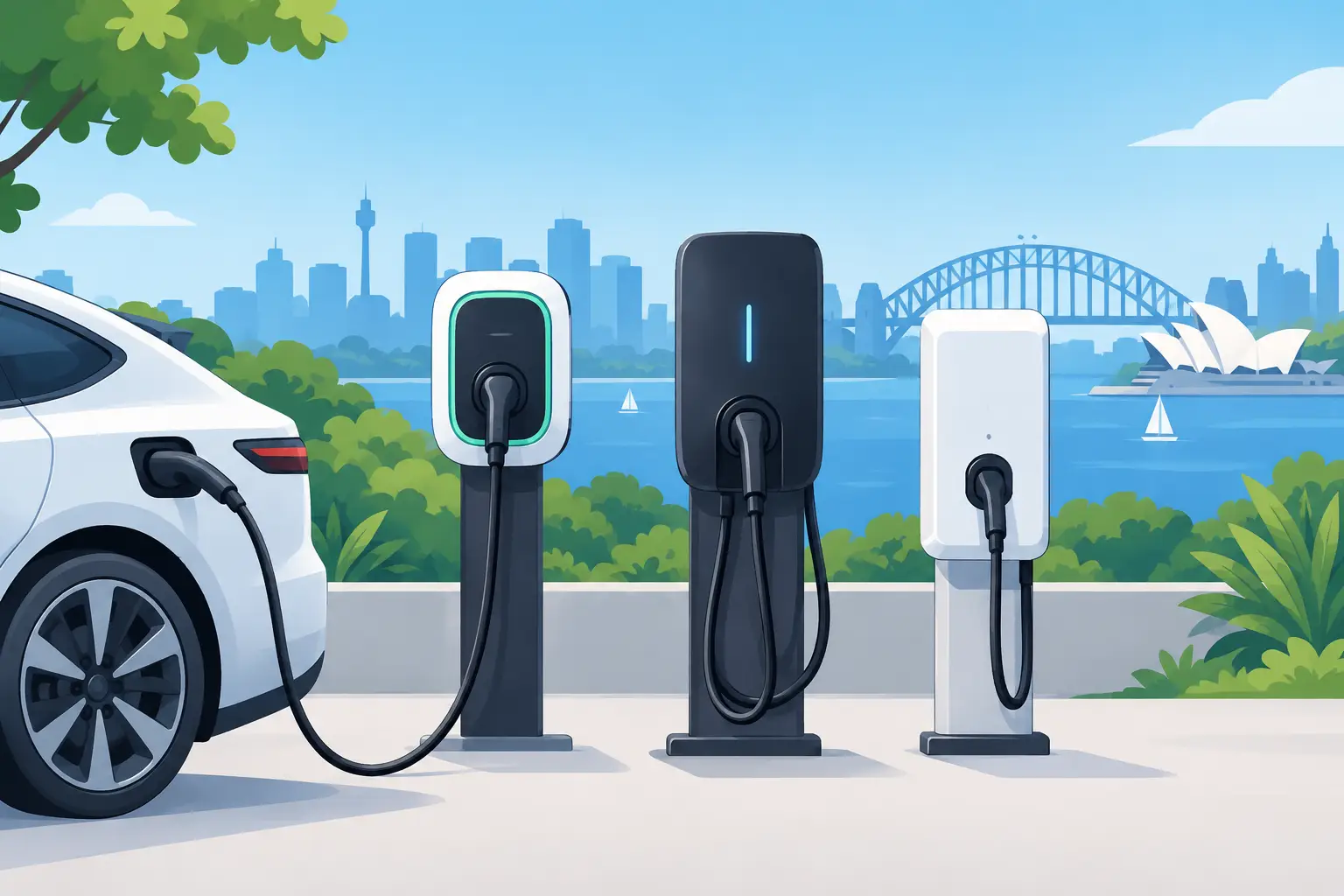
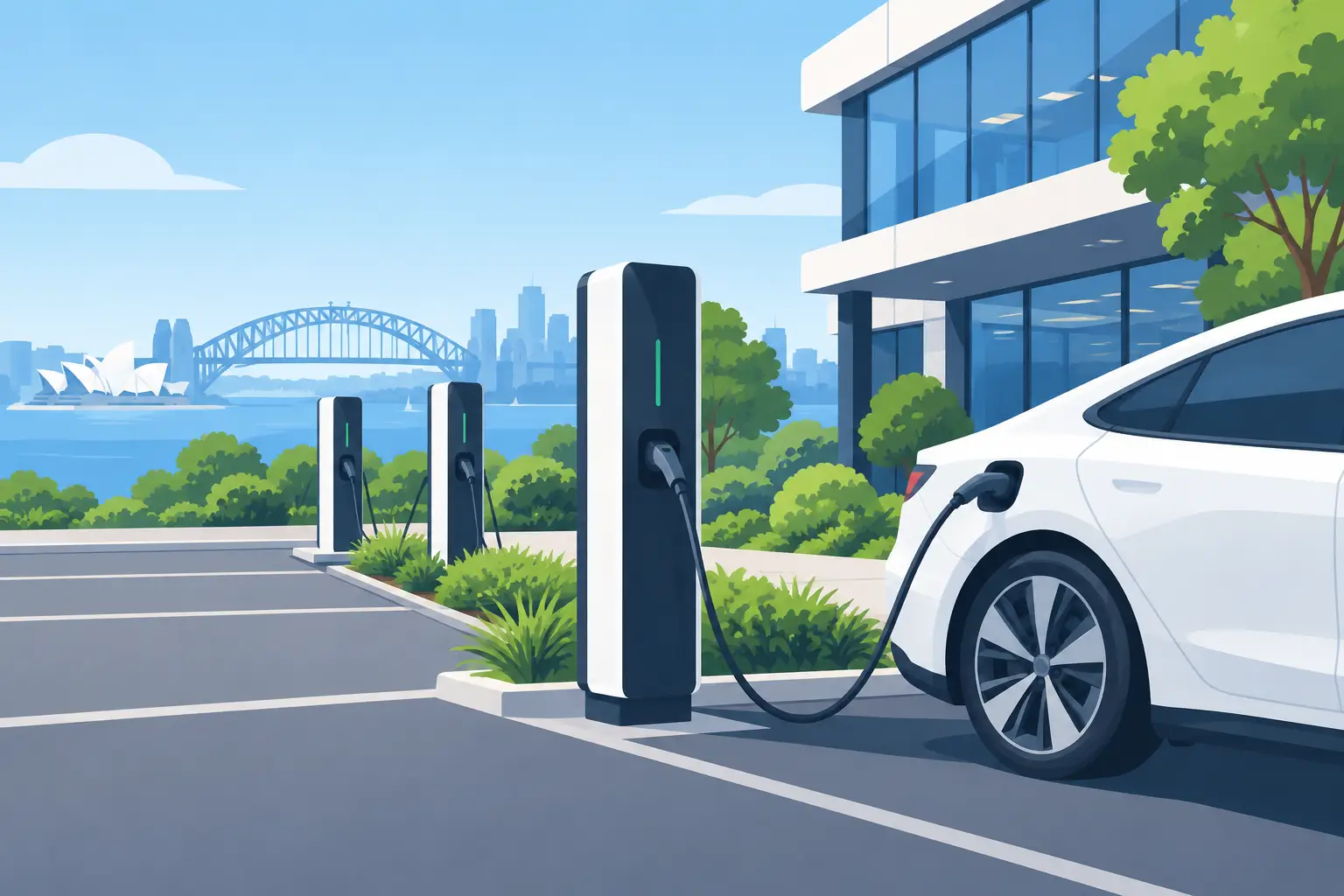
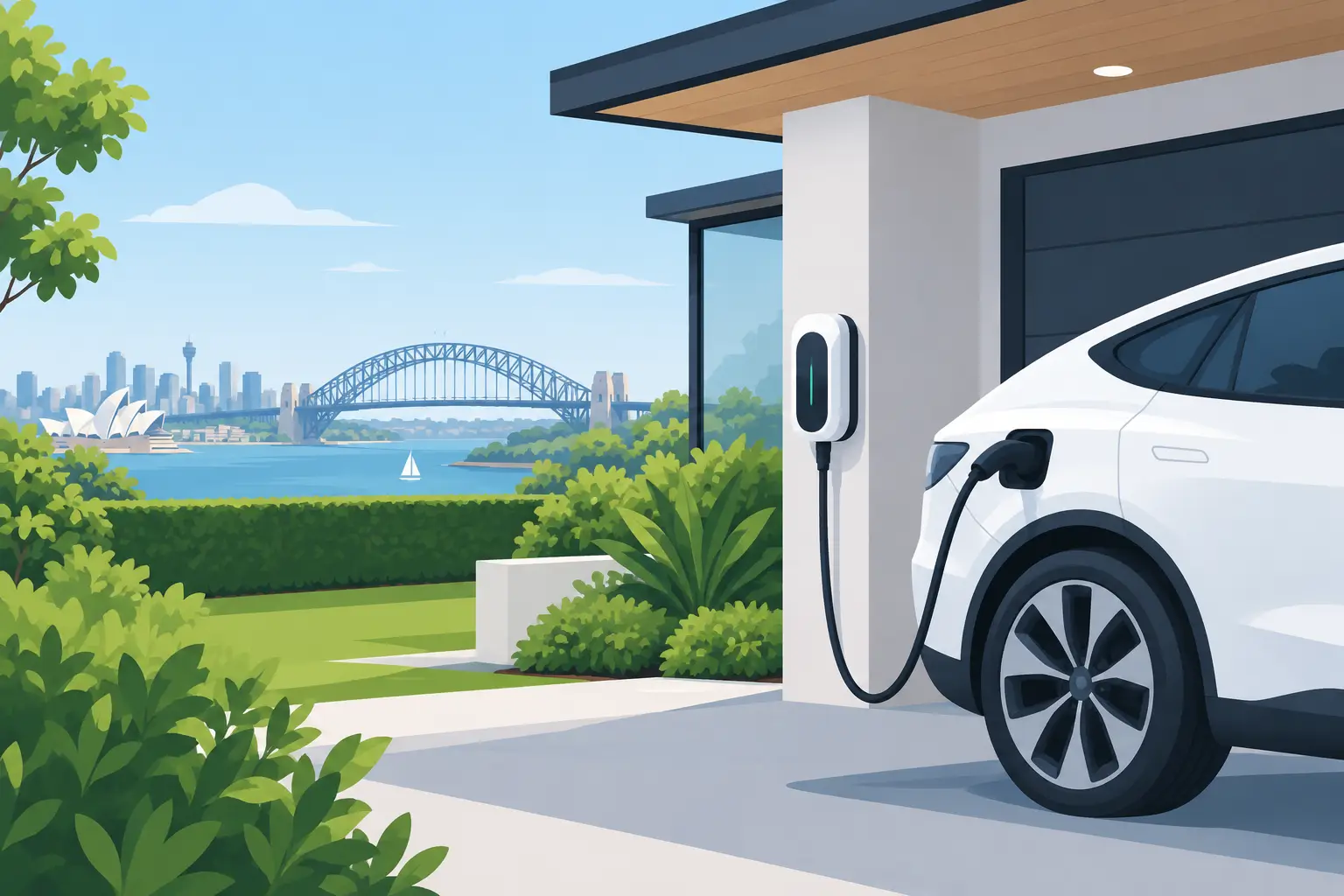
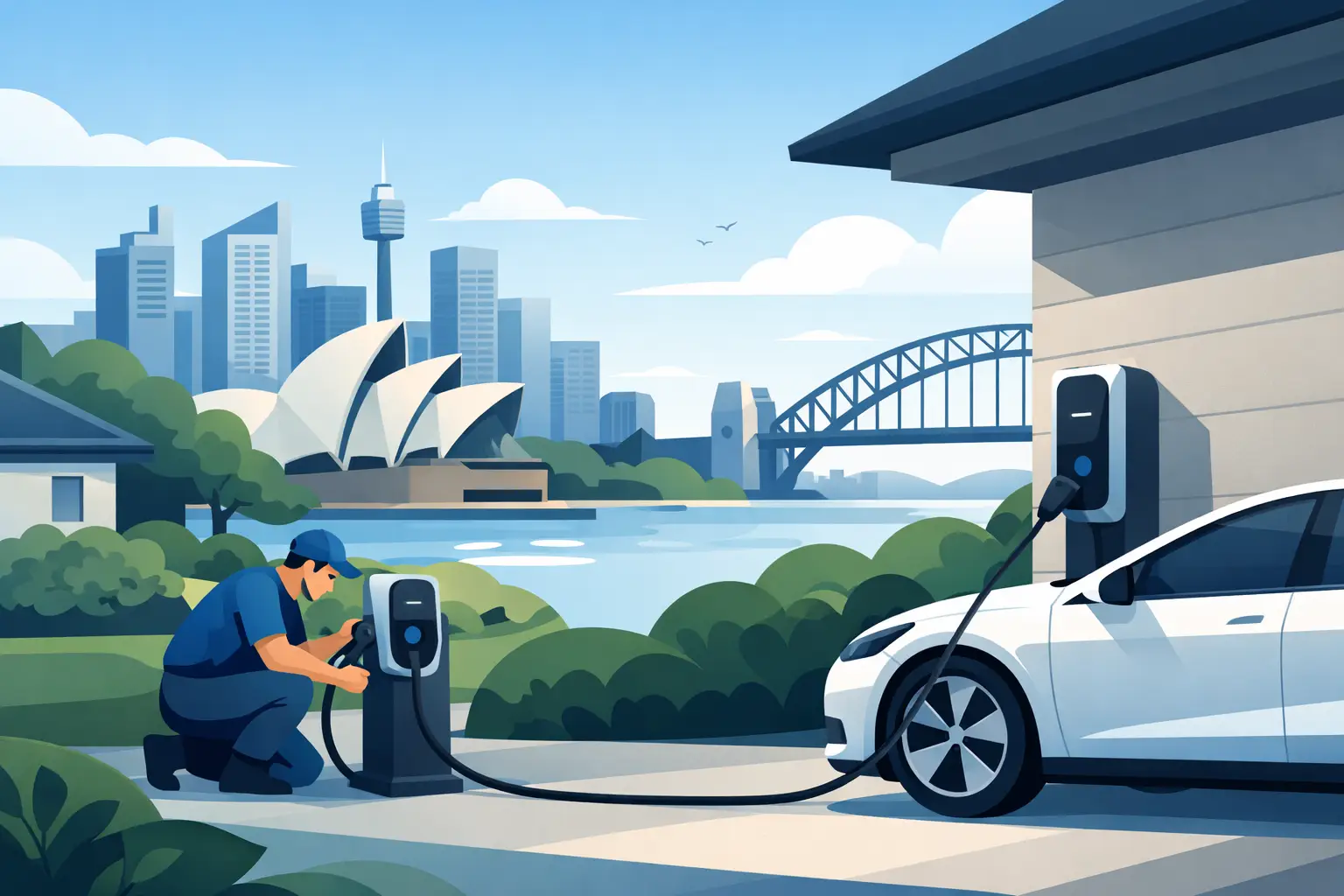
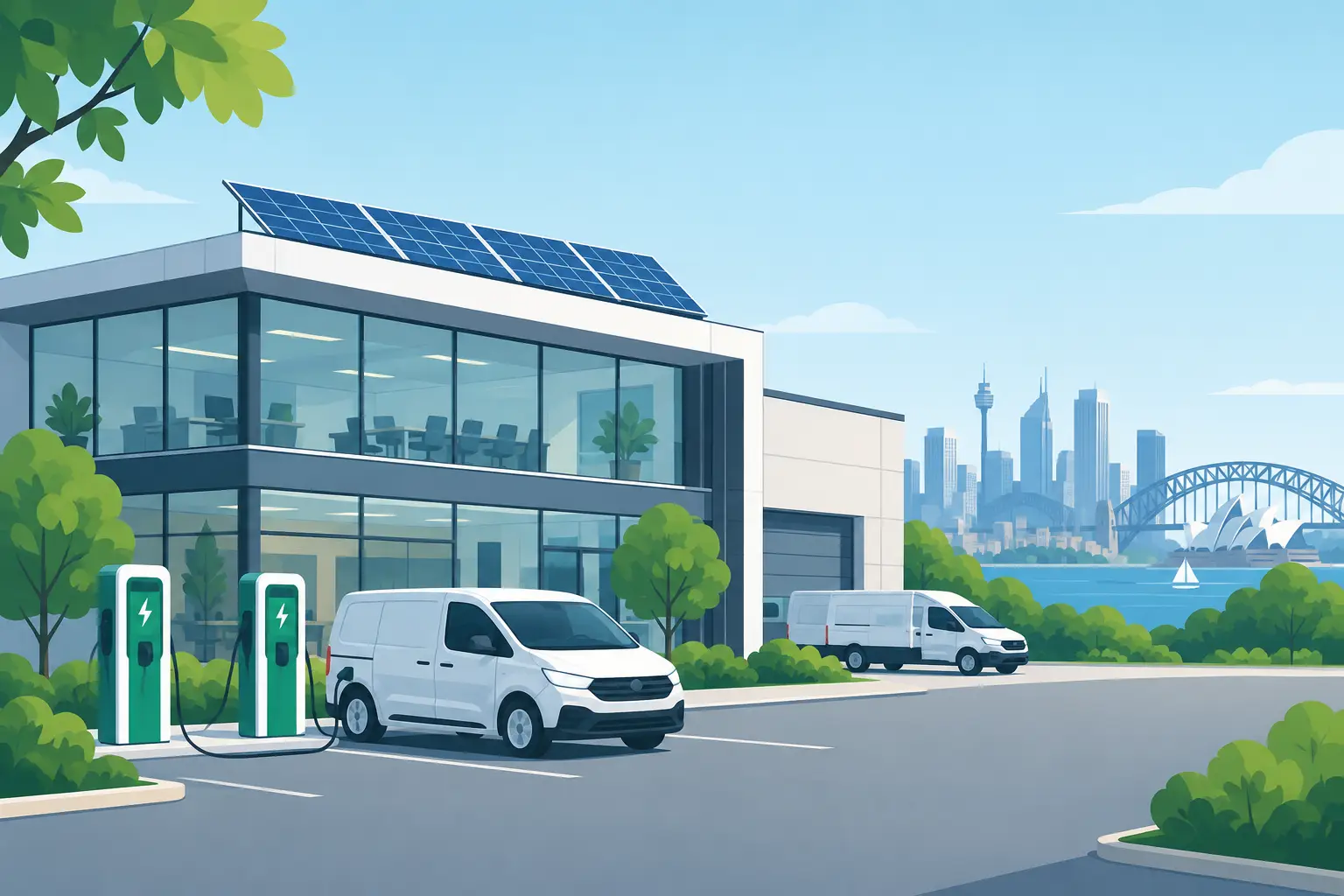
EV chargers are appearing at offices, industrial sites, retail properties and apartment-adjacent commercial facilities. For some businesses, workplace charging helps attract and retain staff. For others, it is a direct fleet requirement as service vehicles and delivery vehicles move to electric models.
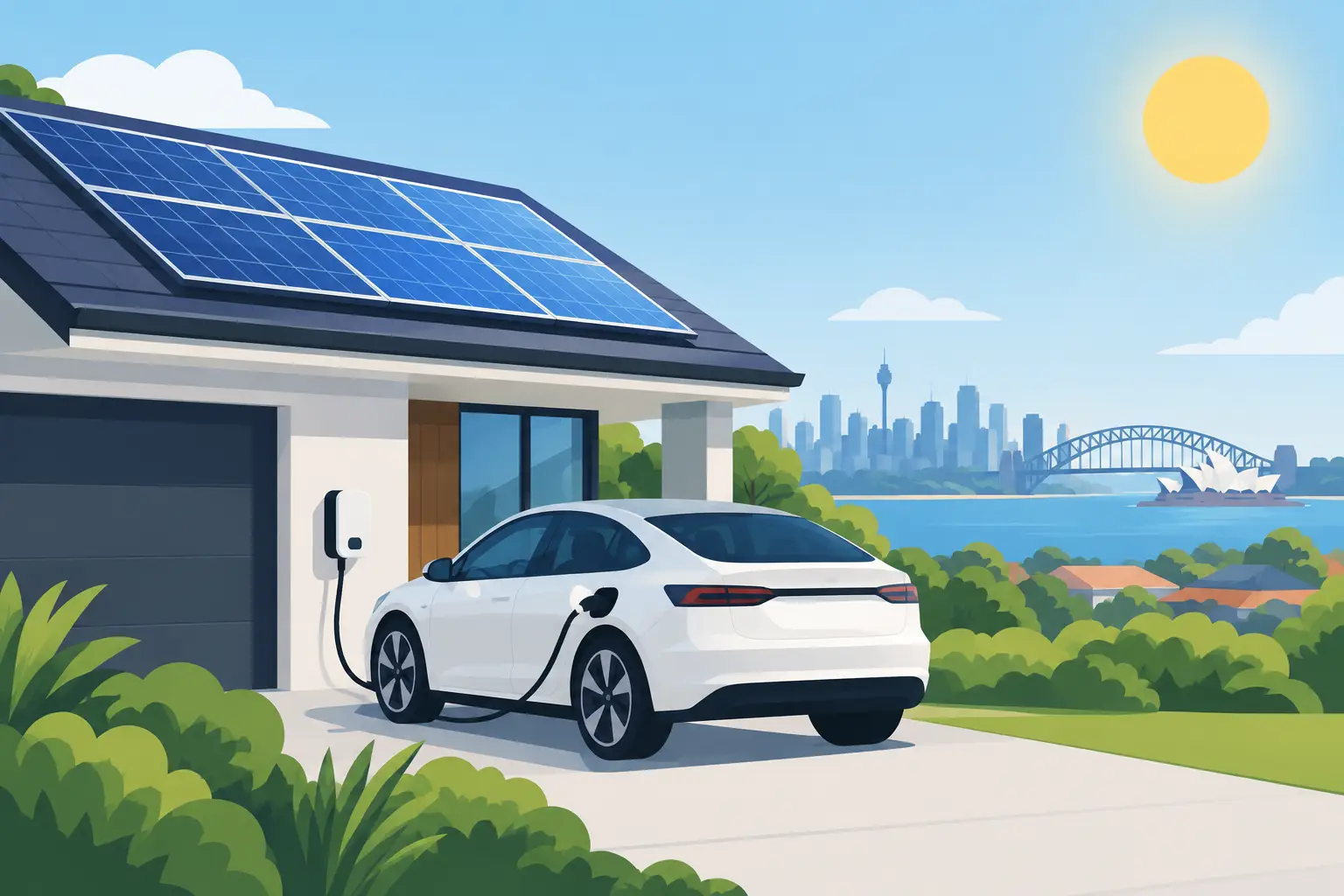
The important trend is load-managed charging. Multiple chargers operating at full output can place substantial demand on a site’s electrical supply. Rather than assuming every charger needs maximum power at every moment, smart charging systems can share available capacity, prioritise fleet vehicles and align charging with solar generation where appropriate.
This can avoid unnecessary network upgrades, although not always. A site with limited supply capacity or ambitious fleet plans may still need switchboard modifications, mains upgrades or Level 2 electrical work. It is better to identify this before chargers are purchased than discover it during installation.
Electrical capacity is becoming a commercial asset
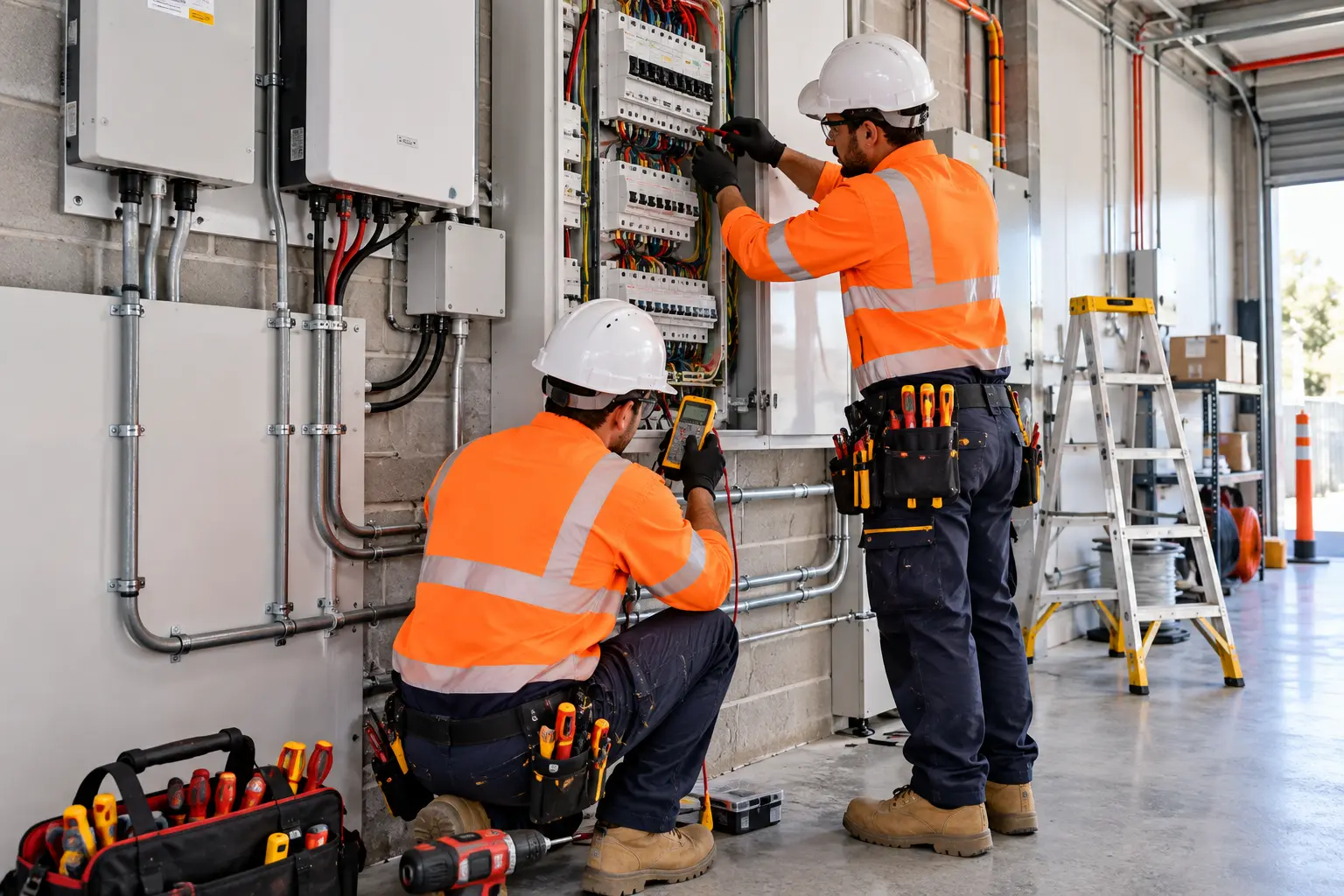
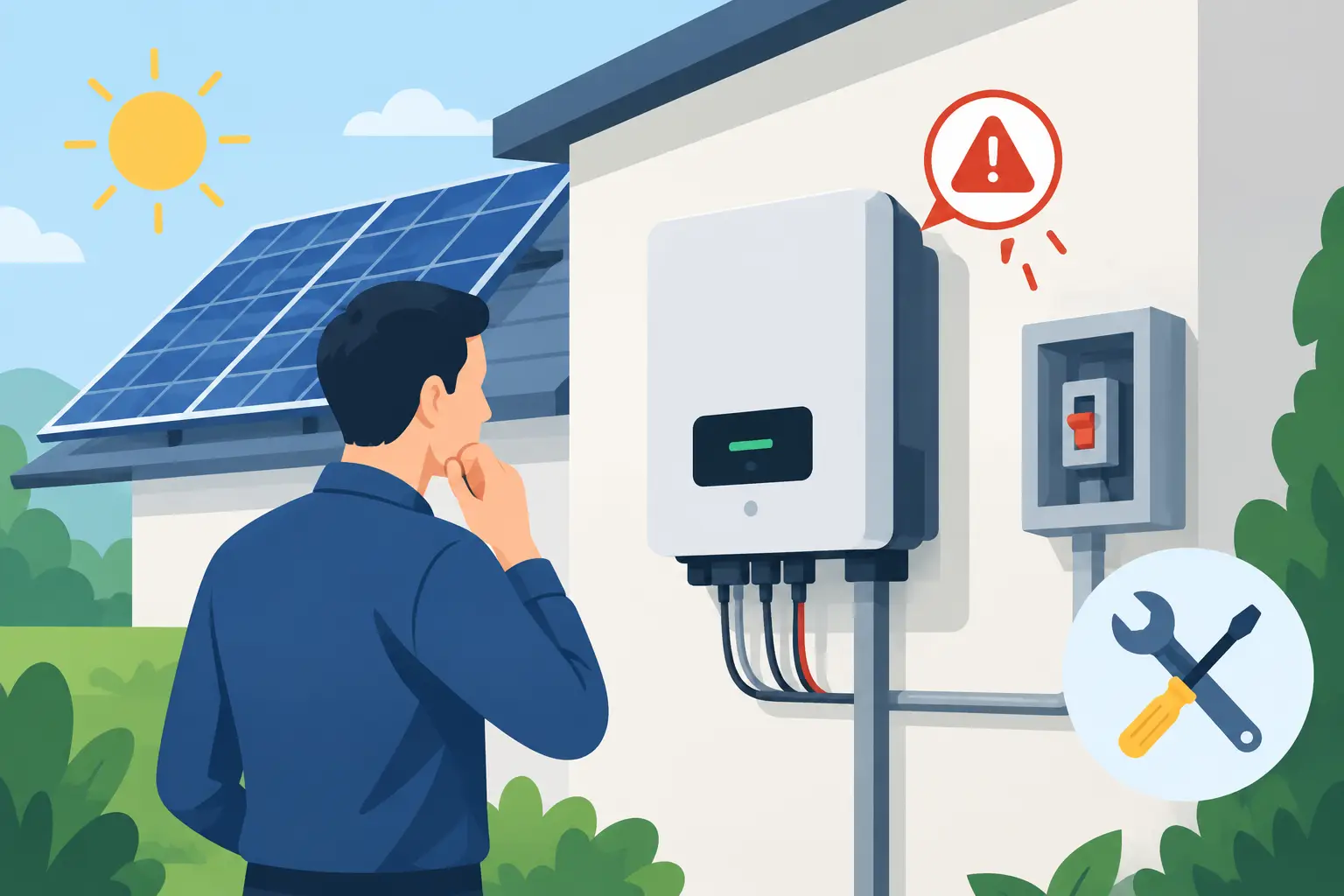
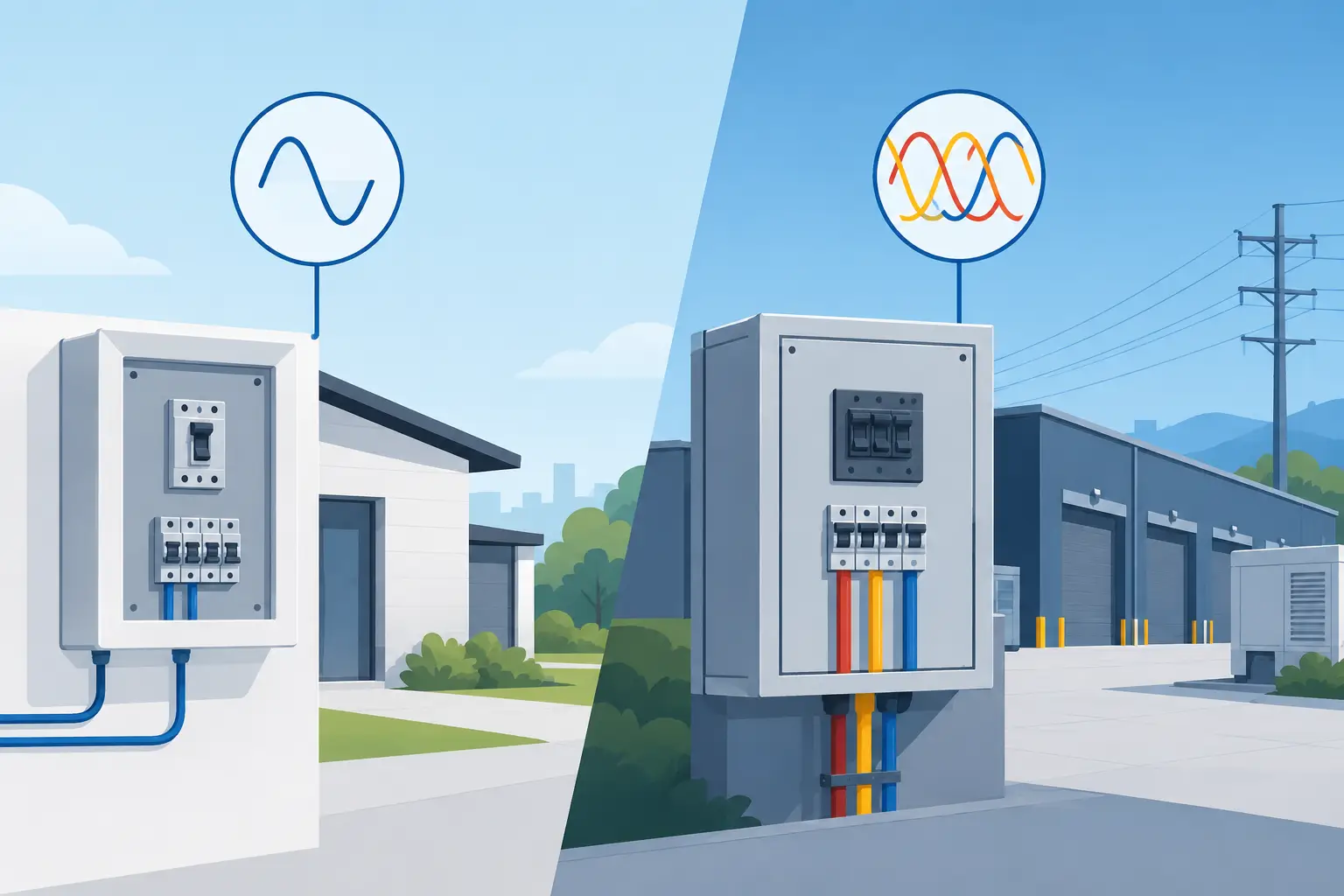
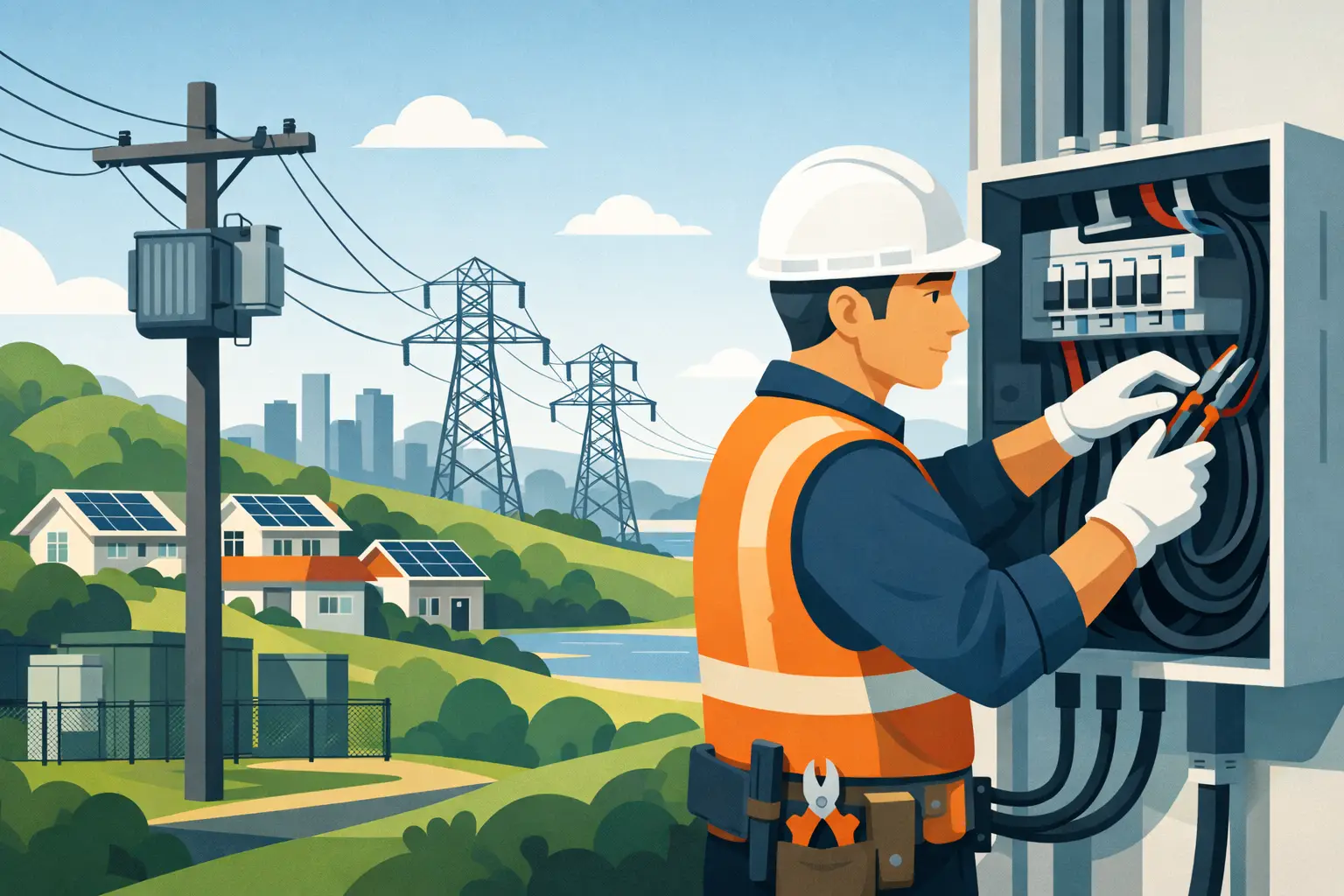
Behind every electrification plan is a basic question: can the site safely supply the new load? Older buildings may have undersized consumer mains, limited switchboard space, ageing protection equipment or incomplete documentation. These issues are common, manageable and worth addressing early.
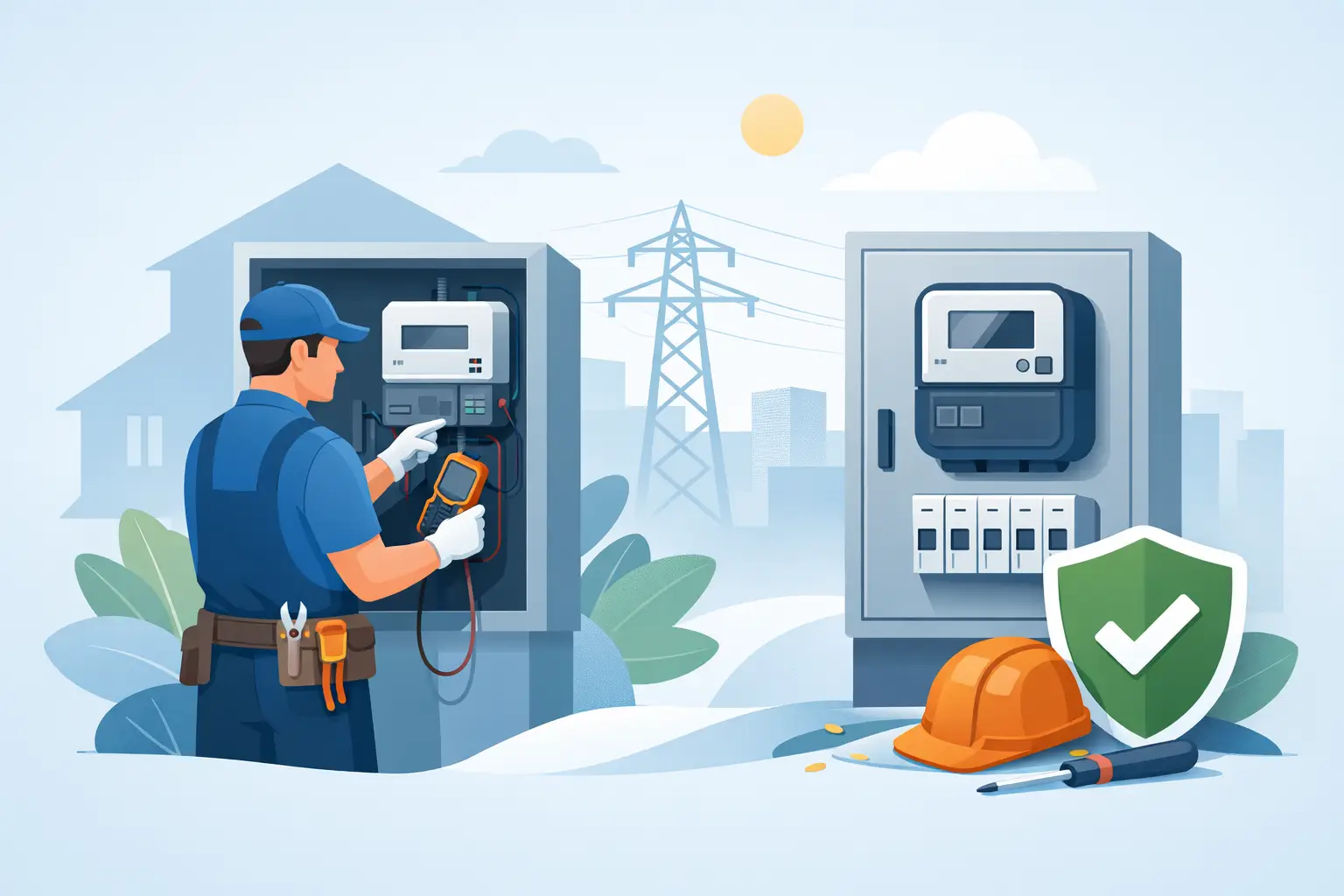
Electrical upgrades can be less visible than solar panels or chargers, but they are often what make the wider project possible. A compliant switchboard upgrade, new metering arrangement or supply upgrade can improve safety, create capacity for growth and reduce the risk of costly rework later.
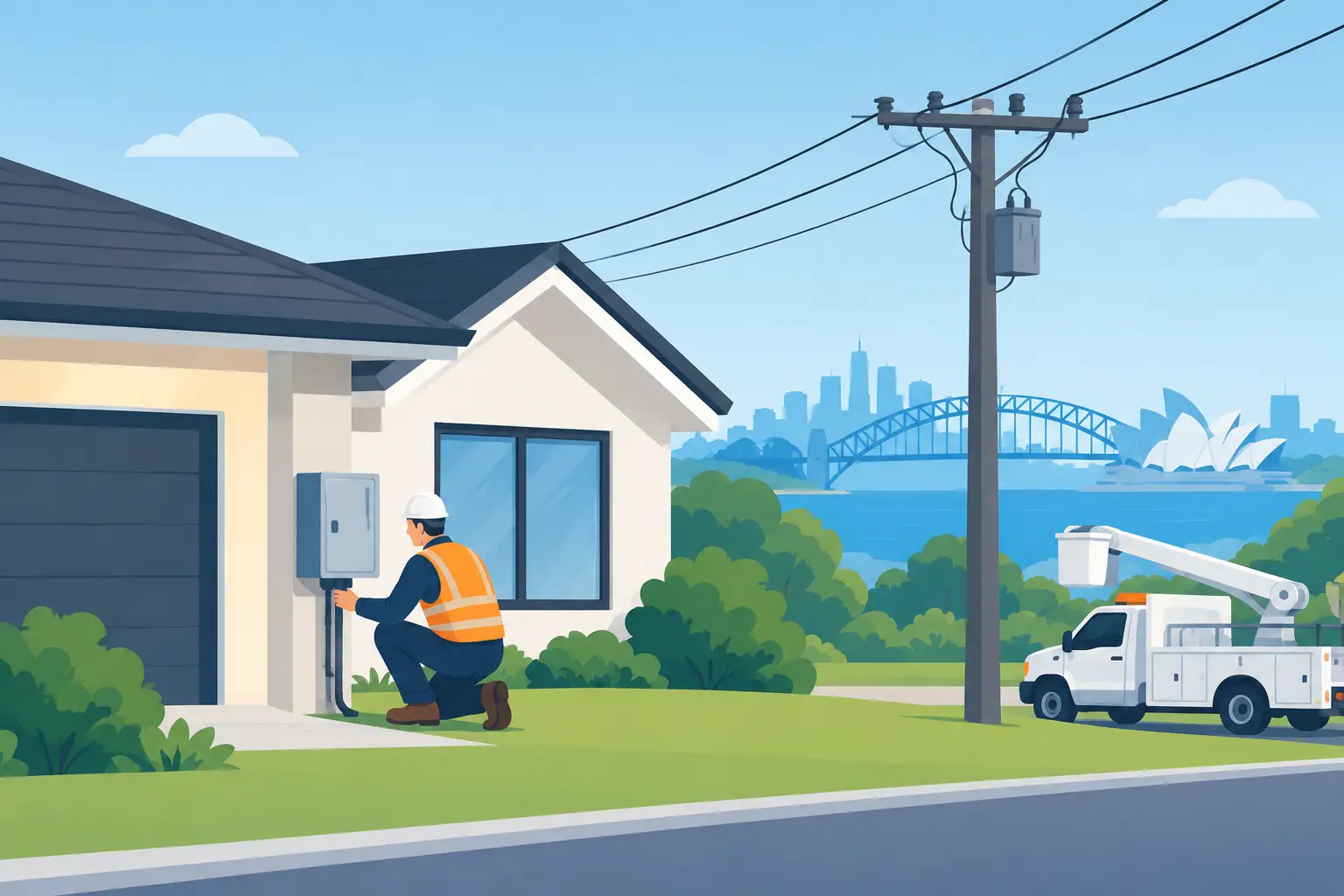
For NSW commercial properties, work involving network connections and supply infrastructure must be handled by appropriately authorised professionals. Combining solar design with Level 2 ASP capability can simplify coordination between onsite electrical work, metering, network requirements and commissioning.
Planning an electrification project in the right order
The most effective projects start with a site-wide energy plan, even when the work will be delivered in stages. This prevents a new solar system, battery or charger installation from constraining the next investment.
Start with electricity data and an onsite inspection. Review at least 12 months of bills, interval data where available, current tariffs, peak demand and the main drivers of consumption. Then map expected changes over the next three to five years. This may include fleet electrification, longer operating hours, expansion, tenant changes, electric heating or replacement of gas equipment.
Next, assess the electrical backbone. Confirm the existing supply size, switchboard condition, spare capacity, protection settings, earthing and available physical space. A good design identifies compliance requirements upfront rather than treating them as variations after work has started.
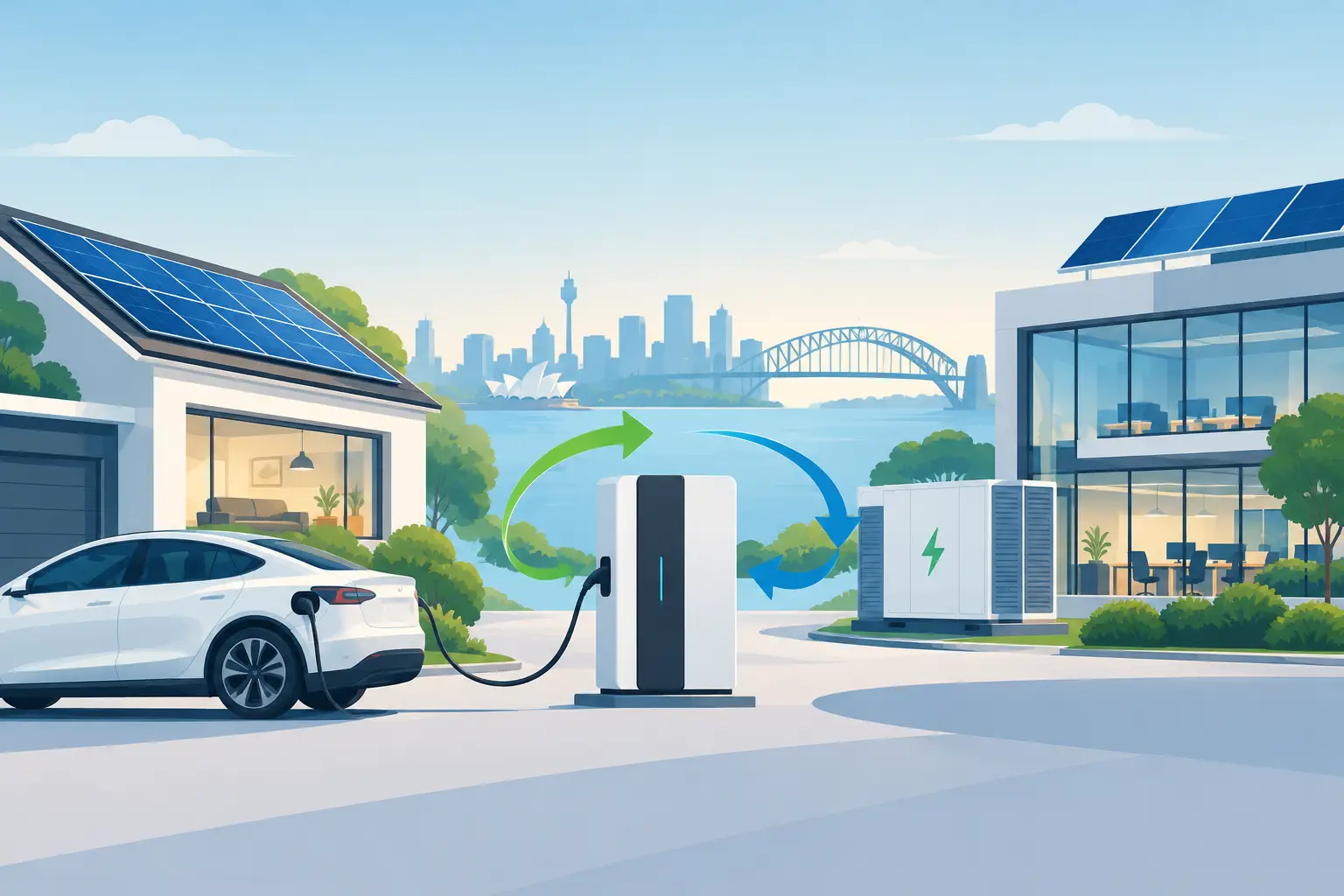
Then model the technology options as a package. Solar may produce the fastest return in a daytime business. Batteries may add value where the site has evening use, demand peaks or resilience requirements. EV chargers may be staged, with conduits and switchboard capacity installed now so additional charging points can be added later at lower cost.
Finally, compare proposals on the full project scope. Equipment brands, warranties, design assumptions, electrical upgrade allowances, monitoring, commissioning and network processes should all be clear. Fixed, transparent pricing is valuable because commercial projects can involve hidden complexities if the initial scope is vague.
Where businesses can misjudge the opportunity
Electrification is a long-term asset decision, so the cheapest quote is not always the lowest-cost outcome. A lower-priced solar design may use less suitable equipment, omit switchboard works, make optimistic production assumptions or provide limited support after commissioning.
Another common mistake is treating battery storage as automatic savings. Batteries can provide excellent value, but their return is highly dependent on tariff design, daily load, solar surplus and the way the system is controlled. A battery that is too small, too large or configured without regard to site demand may not perform as expected.
EV charging is similarly easy to underestimate. Installing one charger for a director’s vehicle is different from supporting a fleet, visitor parking or tenant amenities. Planning for future capacity can be sensible, but installing excessive hardware before demand exists may tie up capital. The practical answer is often a staged rollout with load management built in from the start.
Building a business case that lasts
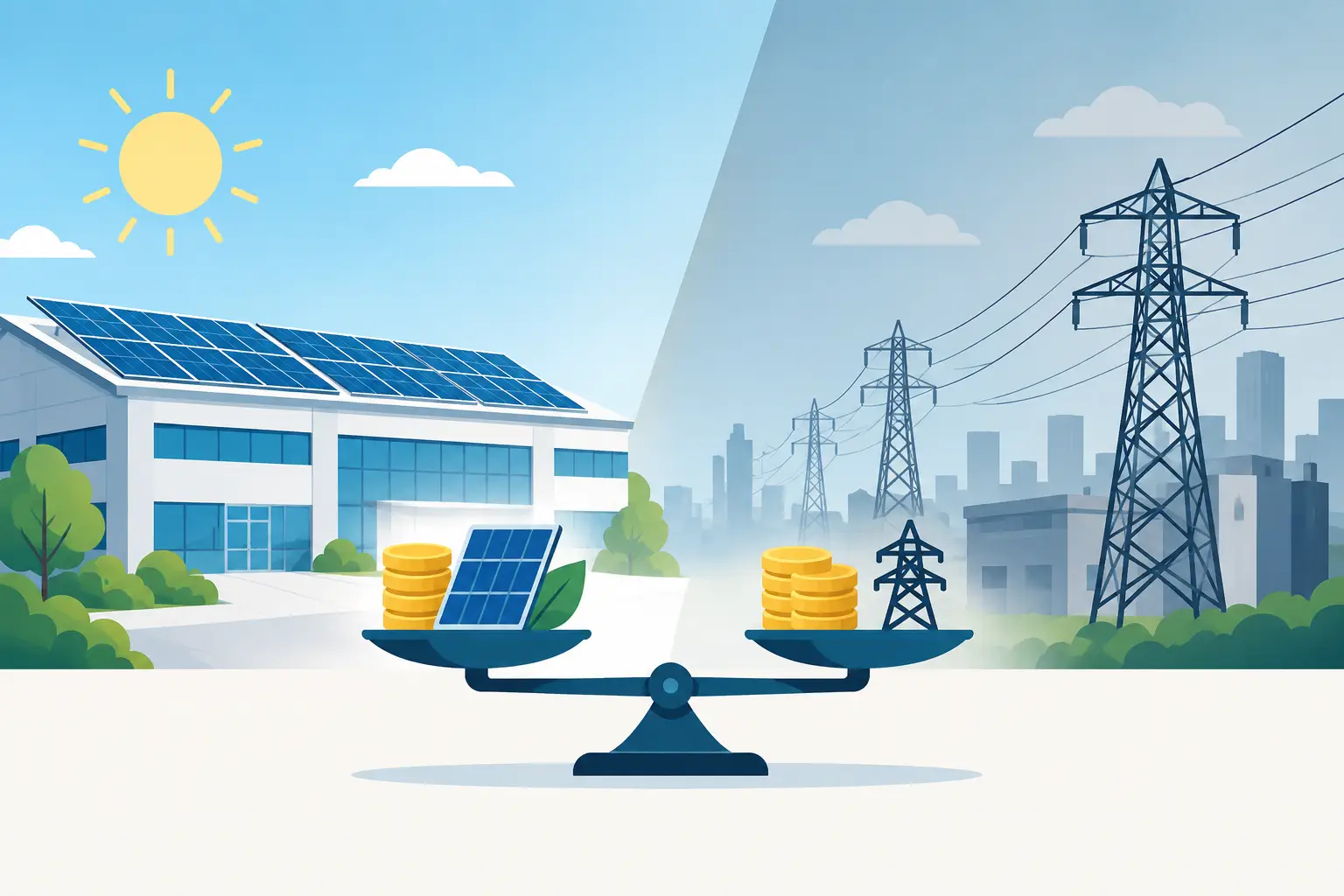
The best commercial electrification projects balance immediate savings with future flexibility. They deliver value now while allowing the site to add capacity without starting again from scratch. That means selecting quality equipment, designing around actual load data and completing electrical work to the right safety and compliance standard.
For NSW businesses, government support and incentives can improve project economics, but they should not be the only reason to proceed. Incentives change. A sound project should still be based on energy use, avoided costs, operational needs and a realistic assessment of performance.
Sydpro Solar Solutions can help commercial property owners bring solar, batteries, EV charging and Level 2 electrical requirements into one coordinated plan. The result is a clearer path from initial site assessment to compliant installation and long-term energy value.
A well-planned upgrade does more than reduce a power bill. It gives your business more control over how energy is bought, generated and used – and keeps your property ready for the equipment, vehicles and operating demands that come next.