Introduction
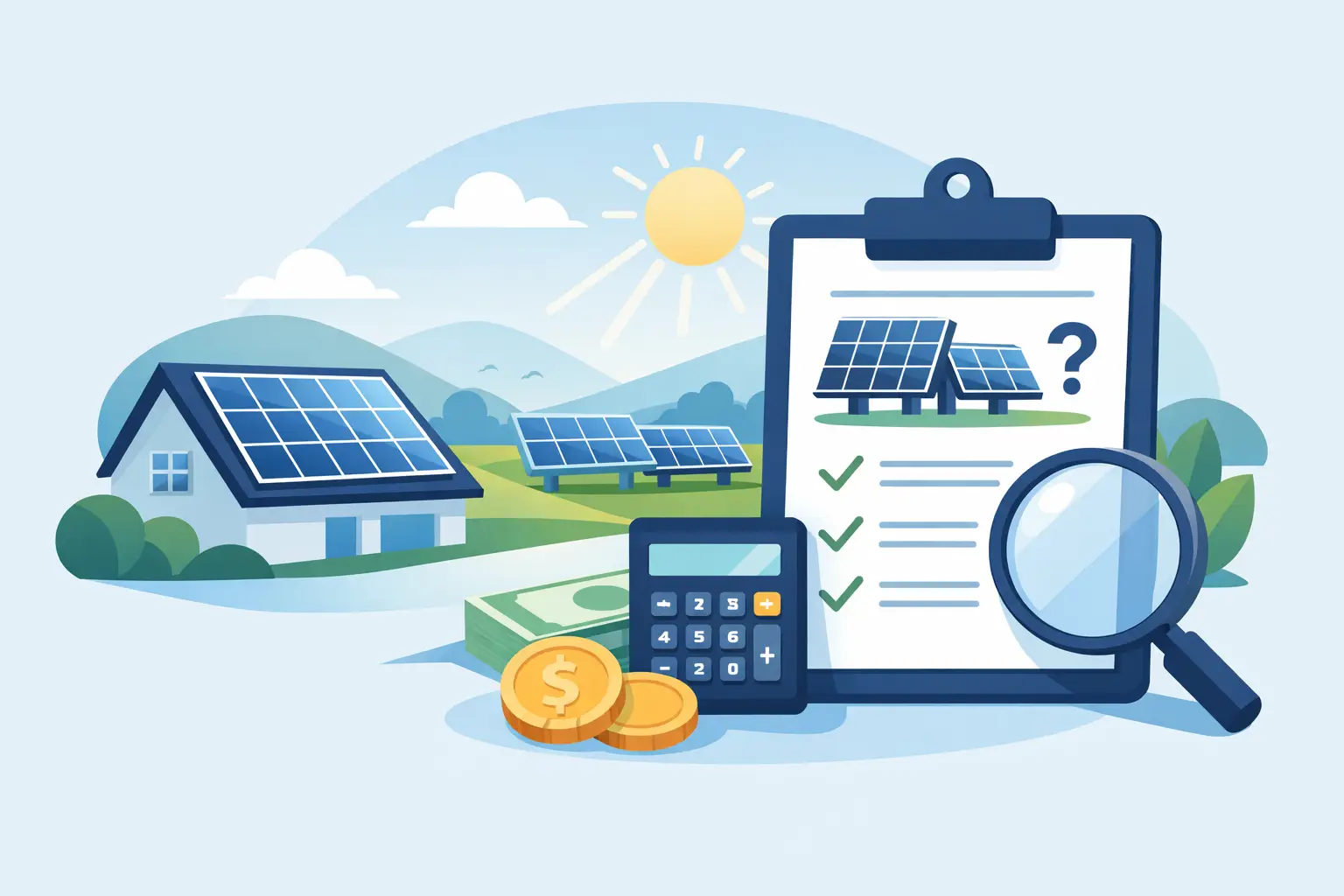
Choosing solar can feel confusing when you first look at panel specifications.
You will often see technical numbers and industry terms that seem hard to understand. Many NSW homeowners feel overwhelmed when comparing solar panels online or reviewing installation quotes.
The truth is simple. Understanding a few key solar panel specifications can help you make a smarter decision, avoid poor-quality products, and maximise long-term savings.
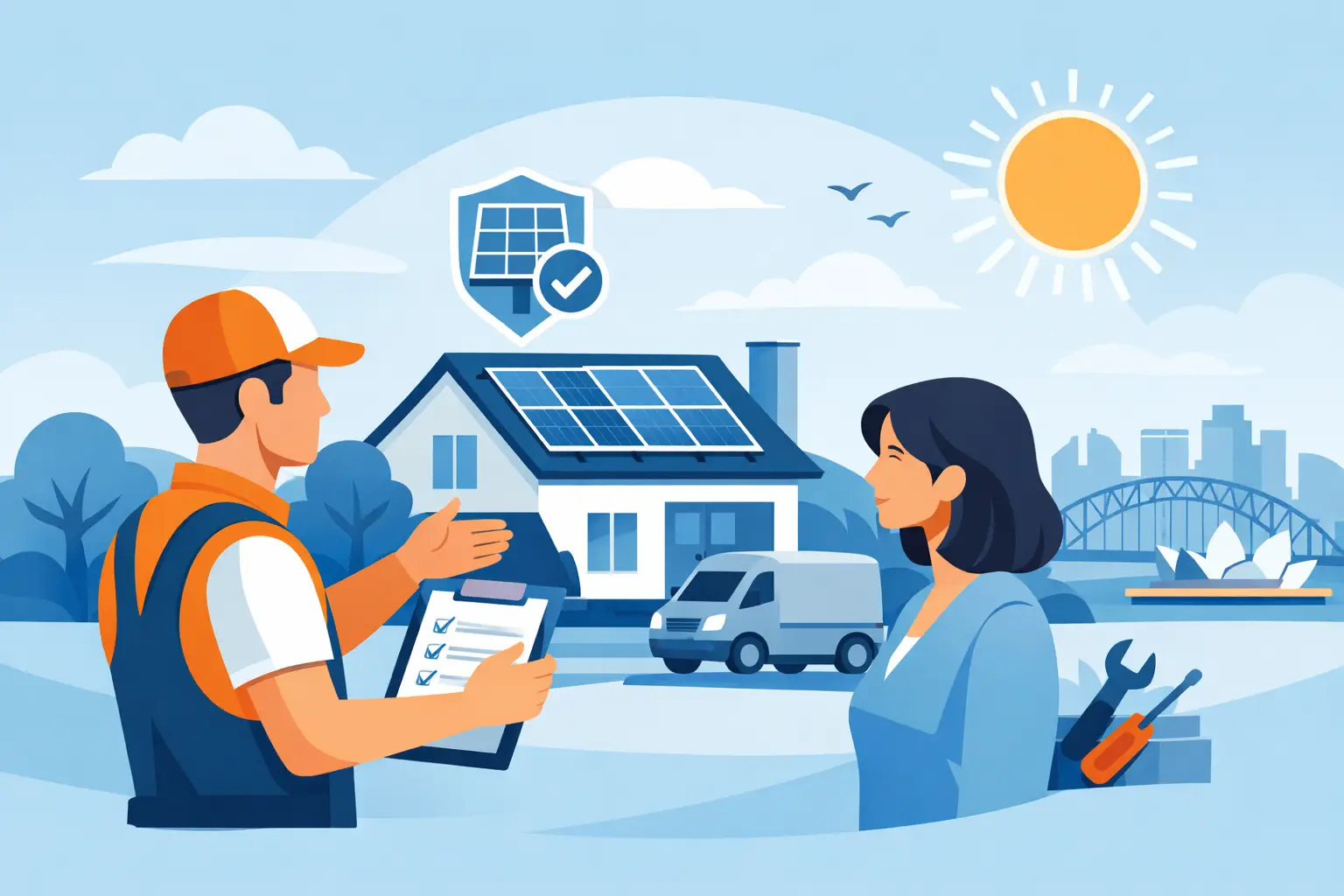
At Sydpro Solar Solutions, we help homeowners and businesses across NSW choose reliable, high-performing solar systems that suit local weather conditions and energy needs.
Here is a simple breakdown of what those solar panel numbers really mean.
Why Understanding Solar Panel Specifications Matters
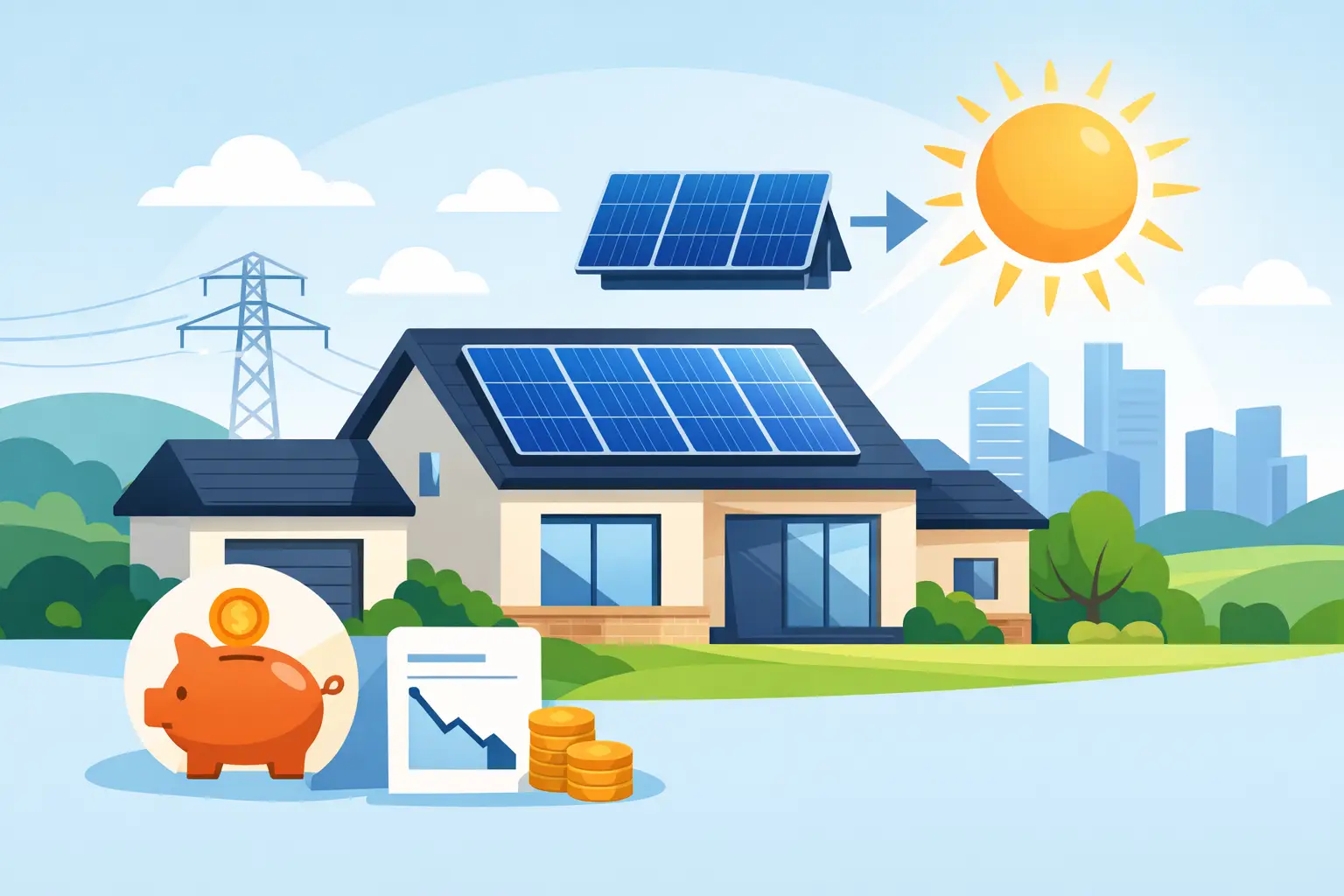
Electricity prices across NSW continue to rise.
That means more Australians are investing in residential solar systems Australia-wide to reduce energy bills and gain more control.
But not all panels perform the same.
Two panels may look similar but deliver very different results over time. The right specifications can mean better savings, better performance in summer, and stronger long-term reliability.
Understanding these numbers helps you choose better solar installation NSW options.
1. Nominal Power: How Much Electricity a Panel Can Produce
Nominal power tells you how much electricity a panel can produce under ideal lab conditions.
It is measured in watts (W).
For example:
- 350W solar panel
- 400W solar panel
- 440W solar panel
The higher the wattage, the more electricity the panel can generate.
A 440W panel can usually produce more energy than a 350W panel if both receive the same sunlight.
However, these ratings are tested under standard conditions:
- 25°C temperature
- Sea level air pressure
- Controlled sunlight levels
Real rooftops in Sydney and NSW rarely match lab conditions.
Weather, roof angle, shade, and heat all affect actual performance.
Still, higher nominal power often means better output when conditions are good.
2. Efficiency: How Well a Panel Converts Sunlight Into Power
Efficiency shows how much sunlight a panel turns into usable electricity.
Higher efficiency means more energy from less roof space.
This matters for homes with smaller roofs.
Modern panels commonly range between 19% and 22% efficiency.
For example:
- 19% efficiency = standard performance
- 22% efficiency = premium performance
Higher efficiency panels can help maximise savings when roof space is limited.
This is often important for Sydney homes, where roof layouts can be restrictive.
3. Power Tolerance: How Accurate the Panel Rating Is
Not every solar panel is identical.
Power tolerance tells you how much a panel’s actual output may vary from its rated power.
For example:
A 400W panel with a tolerance of 0 to +5W means:
- Minimum output: 400W
- Maximum output: 405W
This means the manufacturer guarantees at least the stated output.
Positive-only tolerance is generally a good sign of quality control.
It gives confidence that your commercial solar solutions in NSW or your home solar system perform as expected.
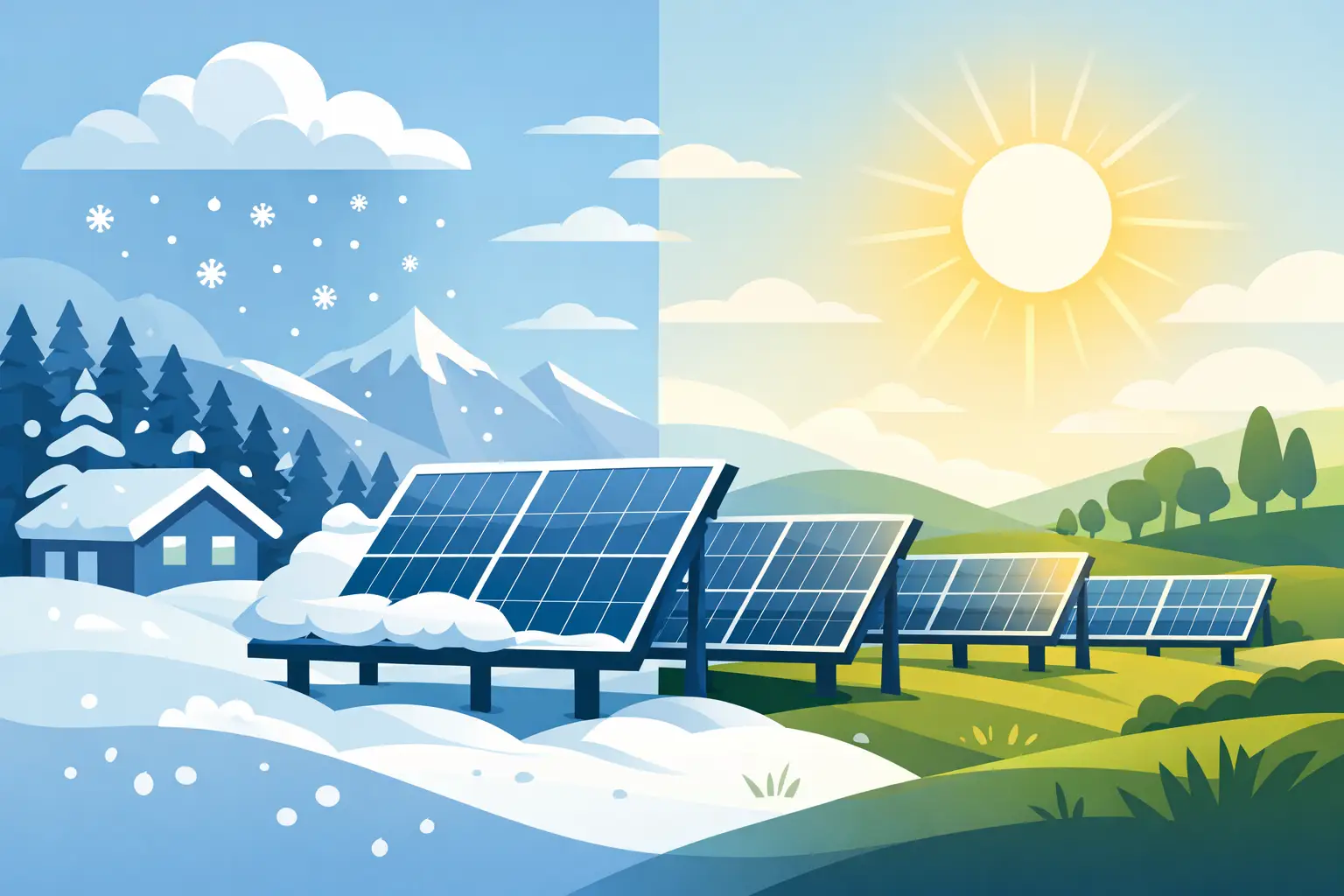
4. Temperature Coefficient: Performance in Hot NSW Summers
Solar panels lose efficiency as they get hotter.
The temperature coefficient shows how much the output drops as the temperature rises above 25°C.
Example:
-0.37%/°C
This means for every degree above 25°C, the panel loses 0.37% of output.
On a hot Sydney summer day, rooftop panel temperatures can reach 50°C or more.
Example calculation:
50°C – 25°C = 25°C increase
25 × 0.37% = 9.25% power loss
For a 400W panel:
400W – 9.25% = 363W
That is a noticeable drop.
Panels with lower temperature coefficients perform better in Australian heat.
Typical modern panels range from:
- -0.30%/°C
- -0.40%/°C
If your roof gets extreme sun exposure, this number matters.
Solar + Battery Storage for Better Energy Control
Understanding panel specs is only part of the picture.
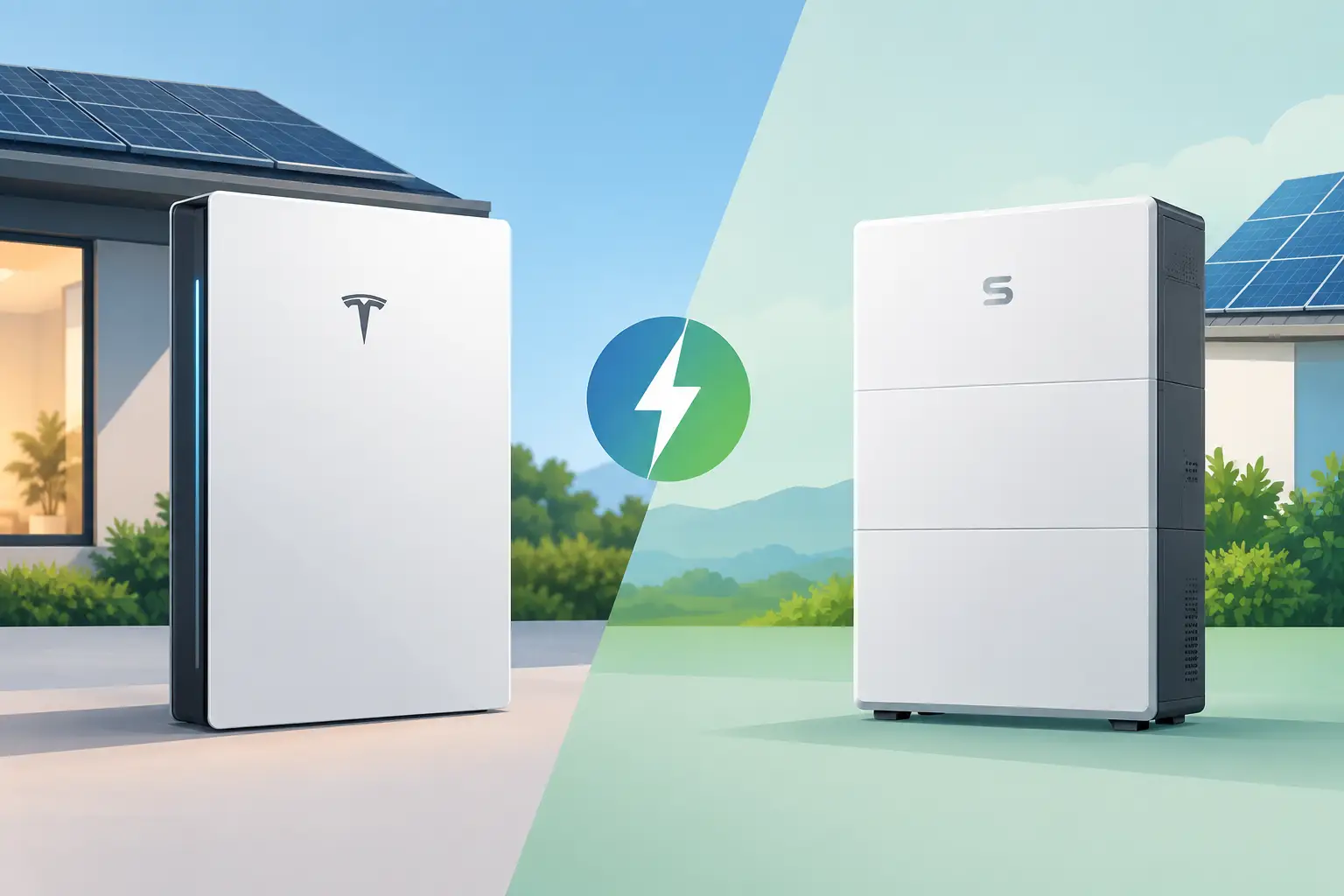
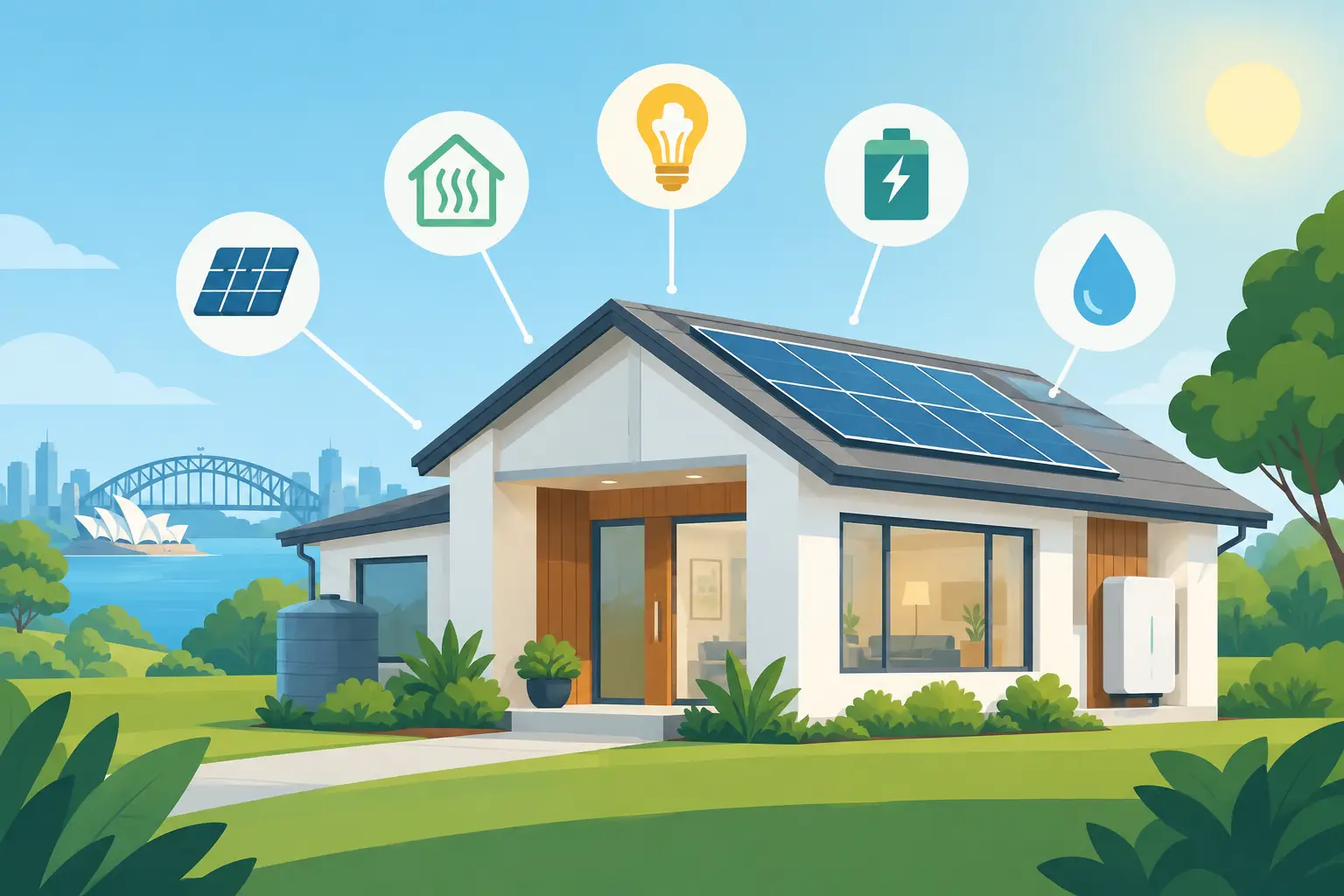
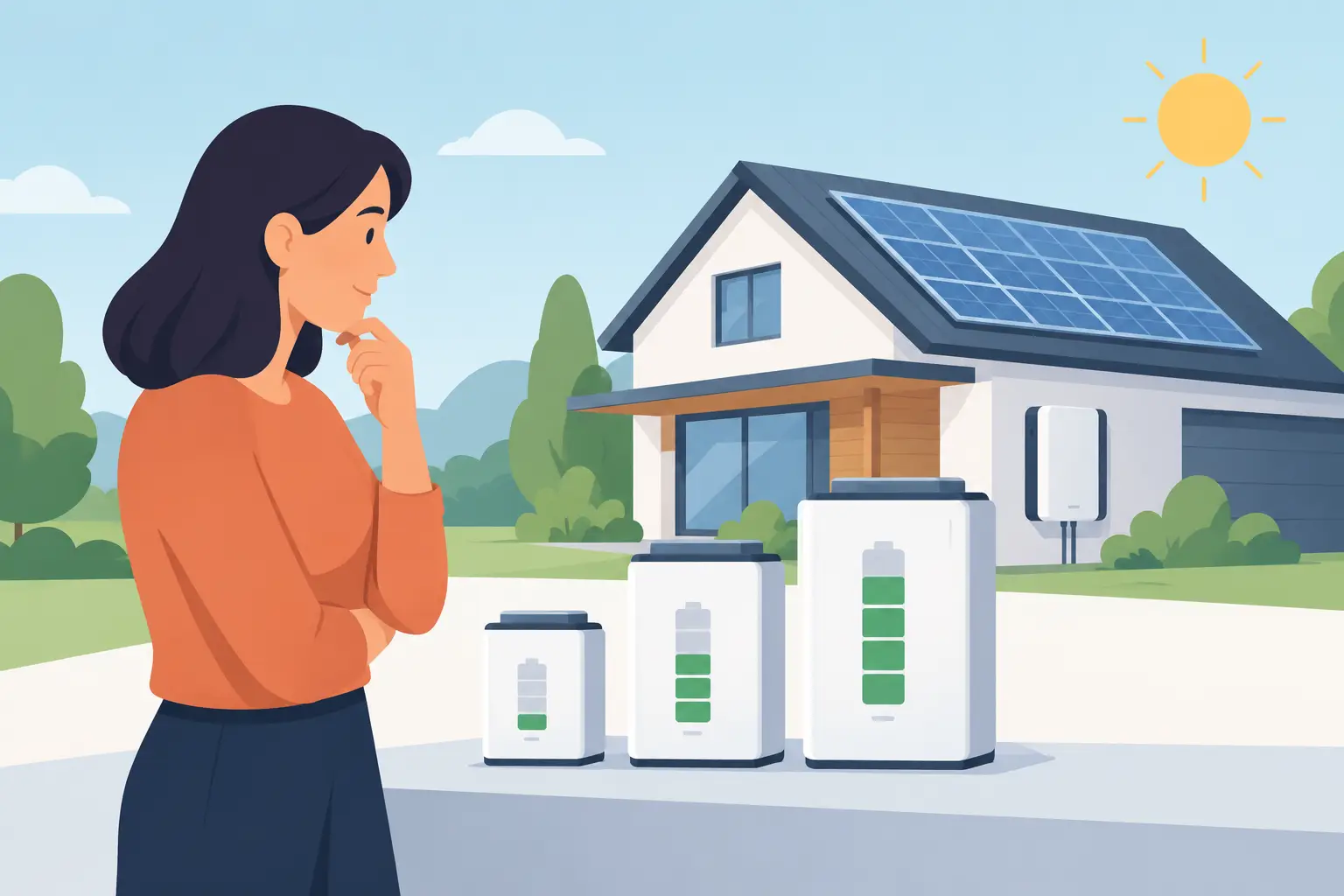
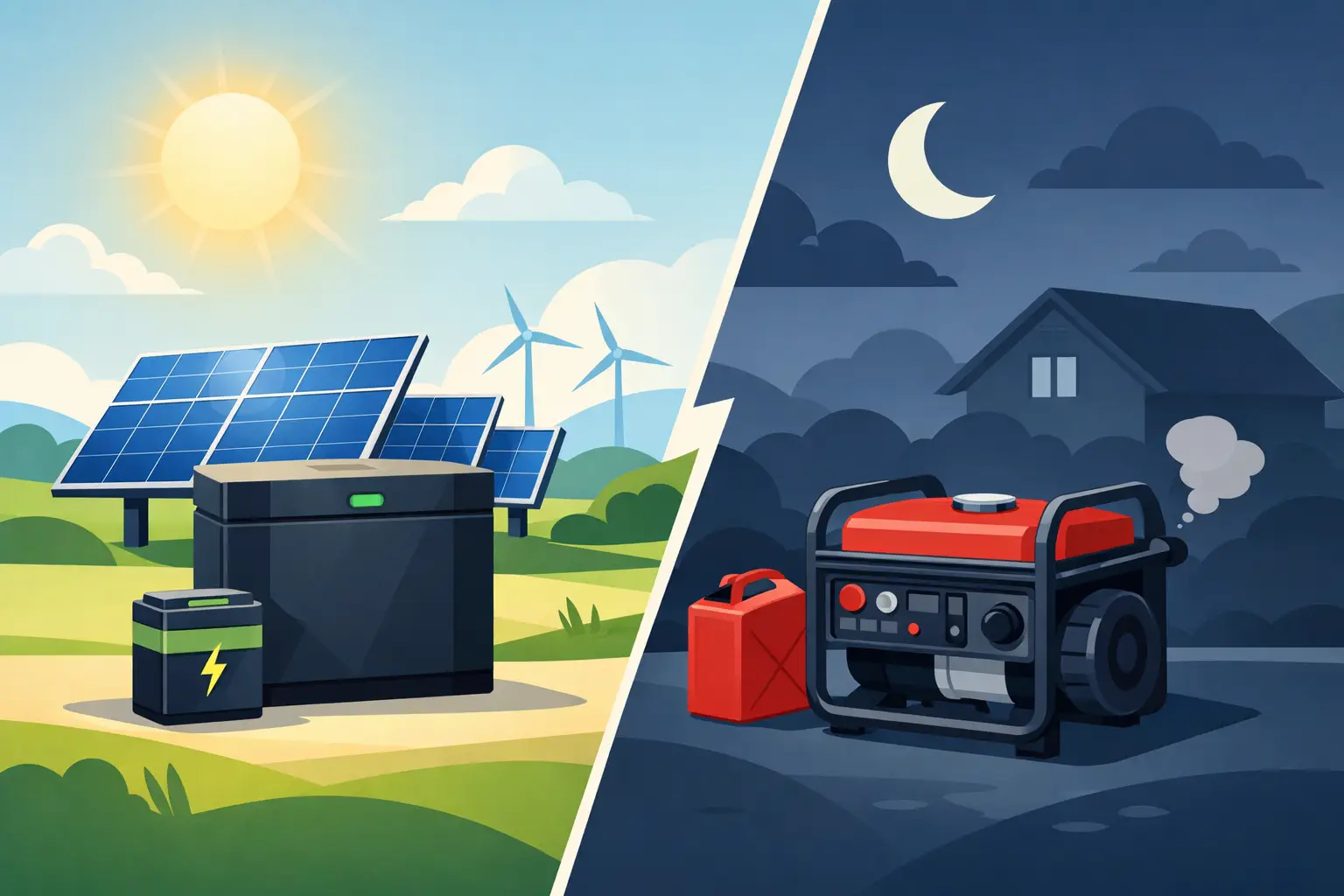
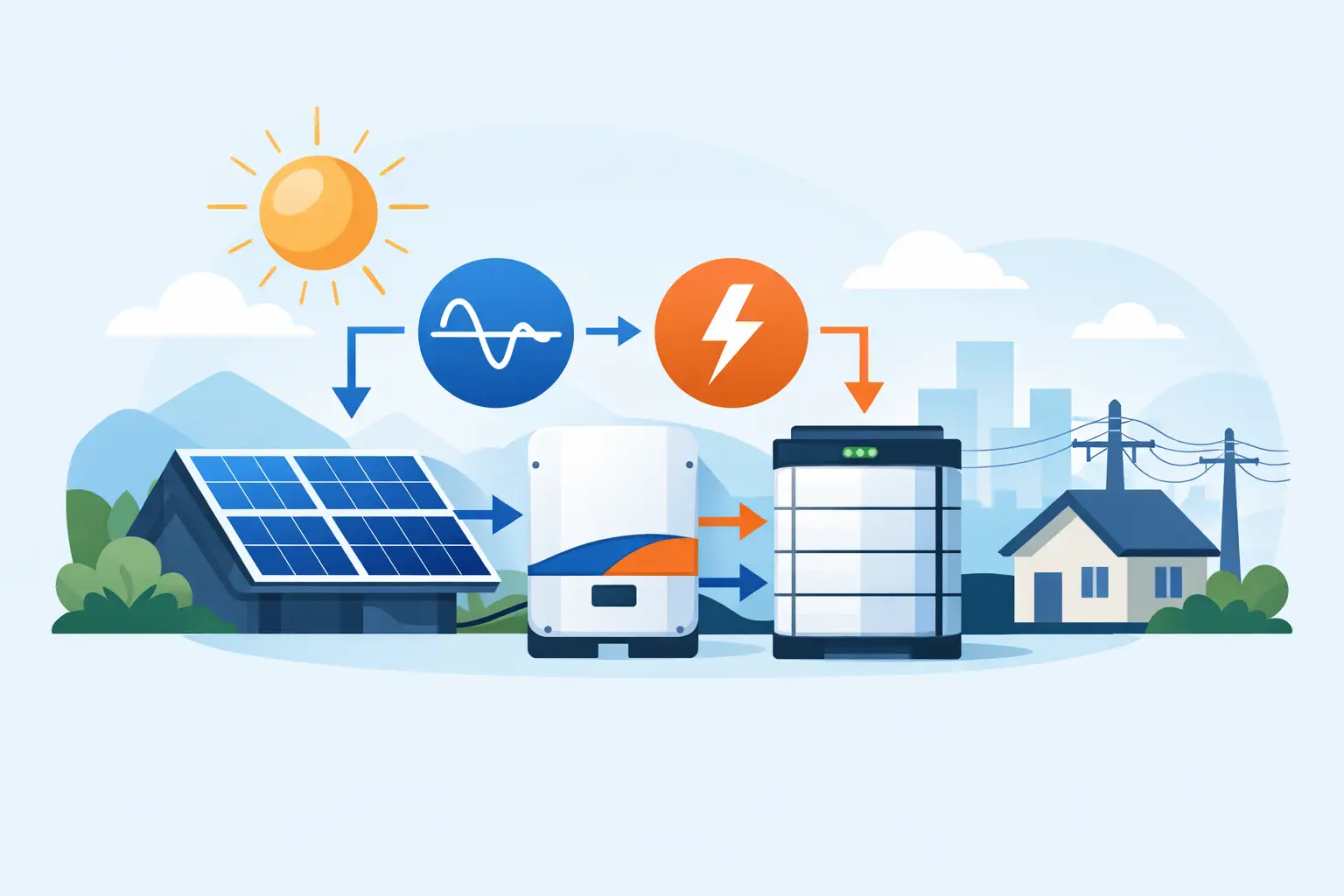
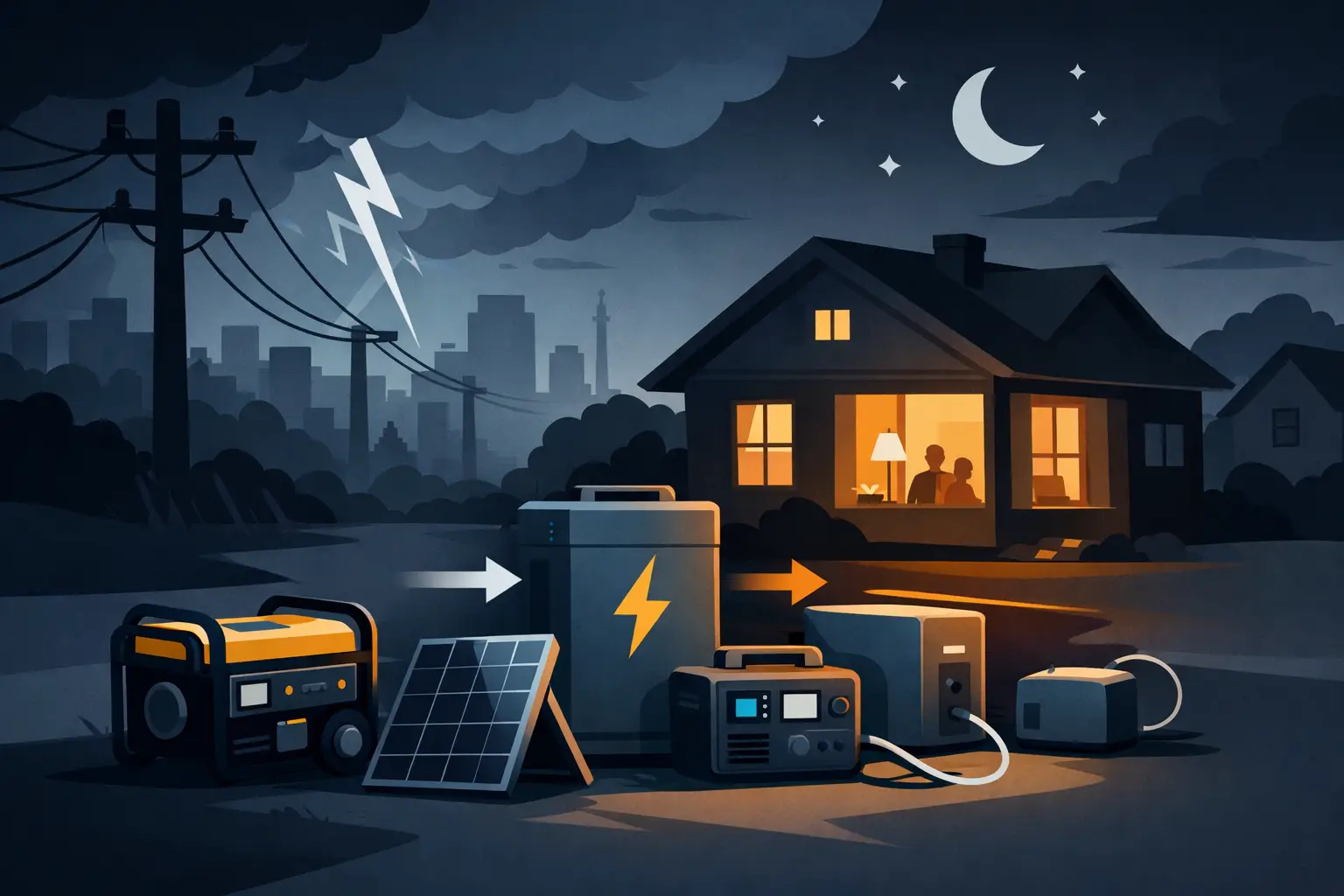
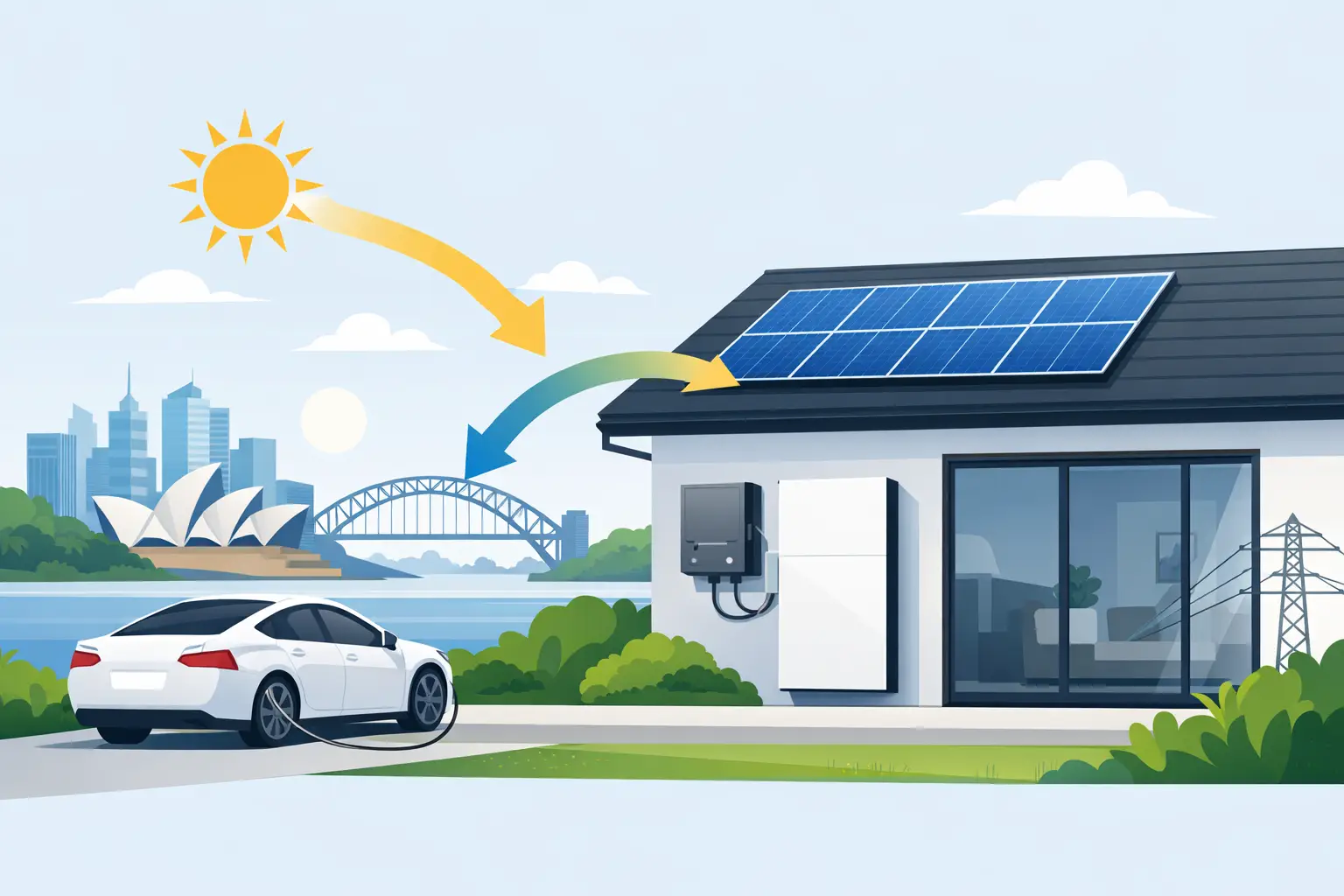
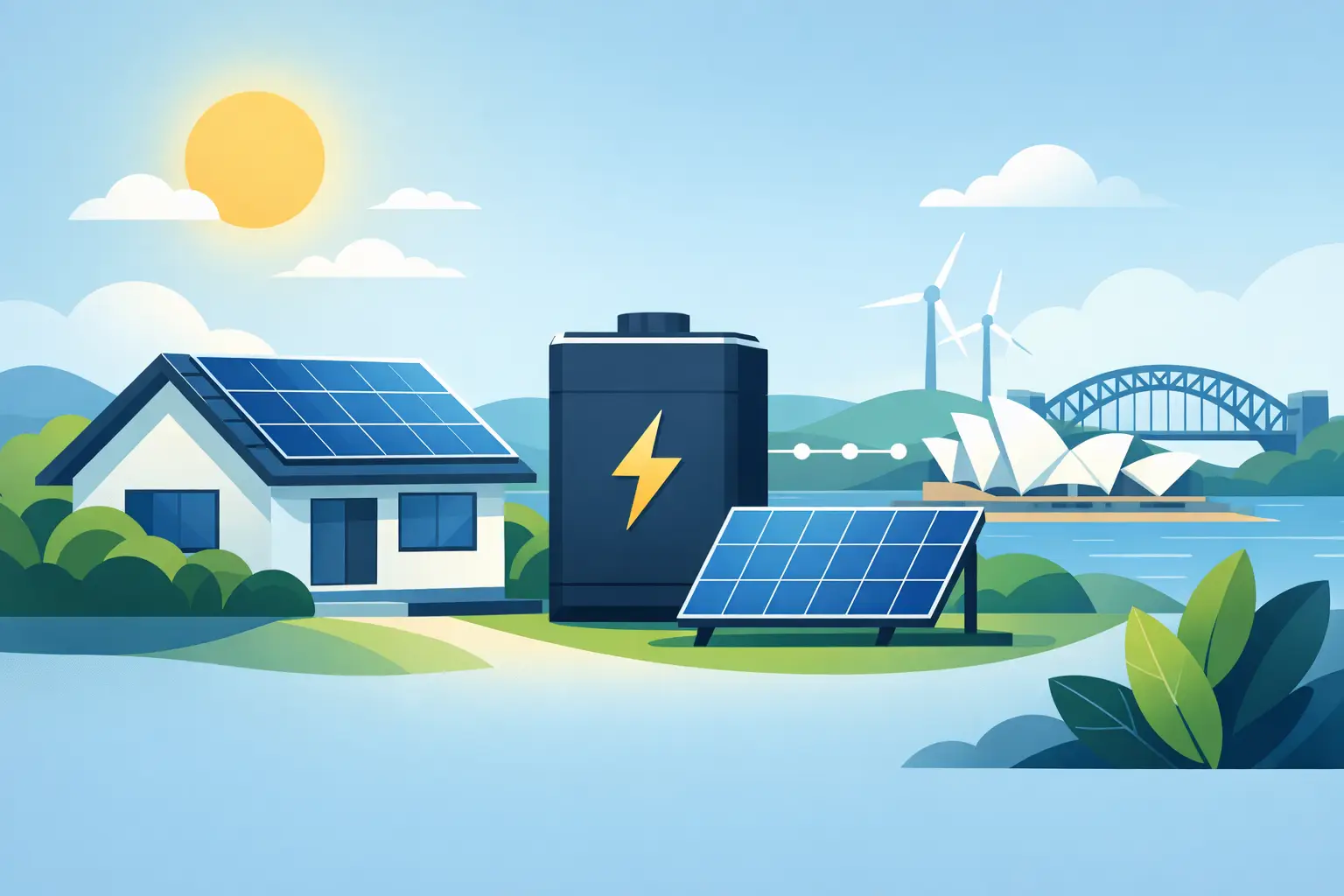
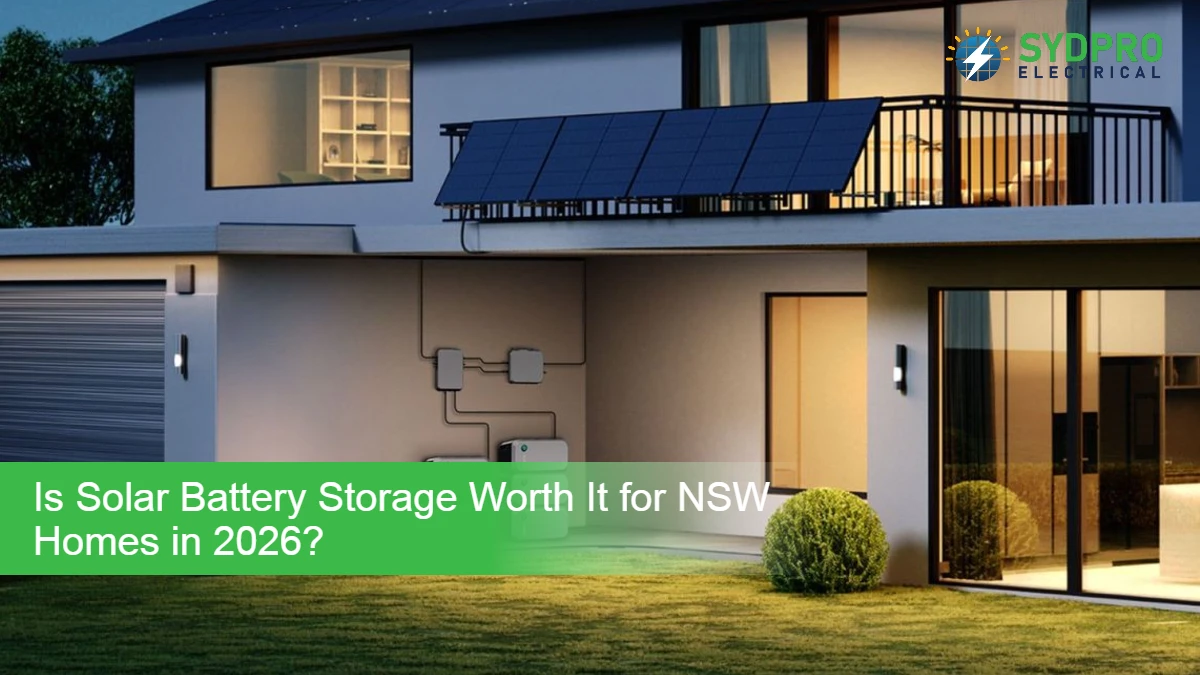
Combining quality panels with solar battery storage Sydney solutions can increase savings and improve blackout protection.
Battery storage helps by:
- Storing excess daytime energy
- Reducing evening grid use
- Providing backup during outages
This gives NSW homeowners more energy independence.
Why More NSW Homes Are Upgrading Their Energy Systems
Energy use is changing across Australia.
More households now want:
- Lower electricity bills
- Blackout protection
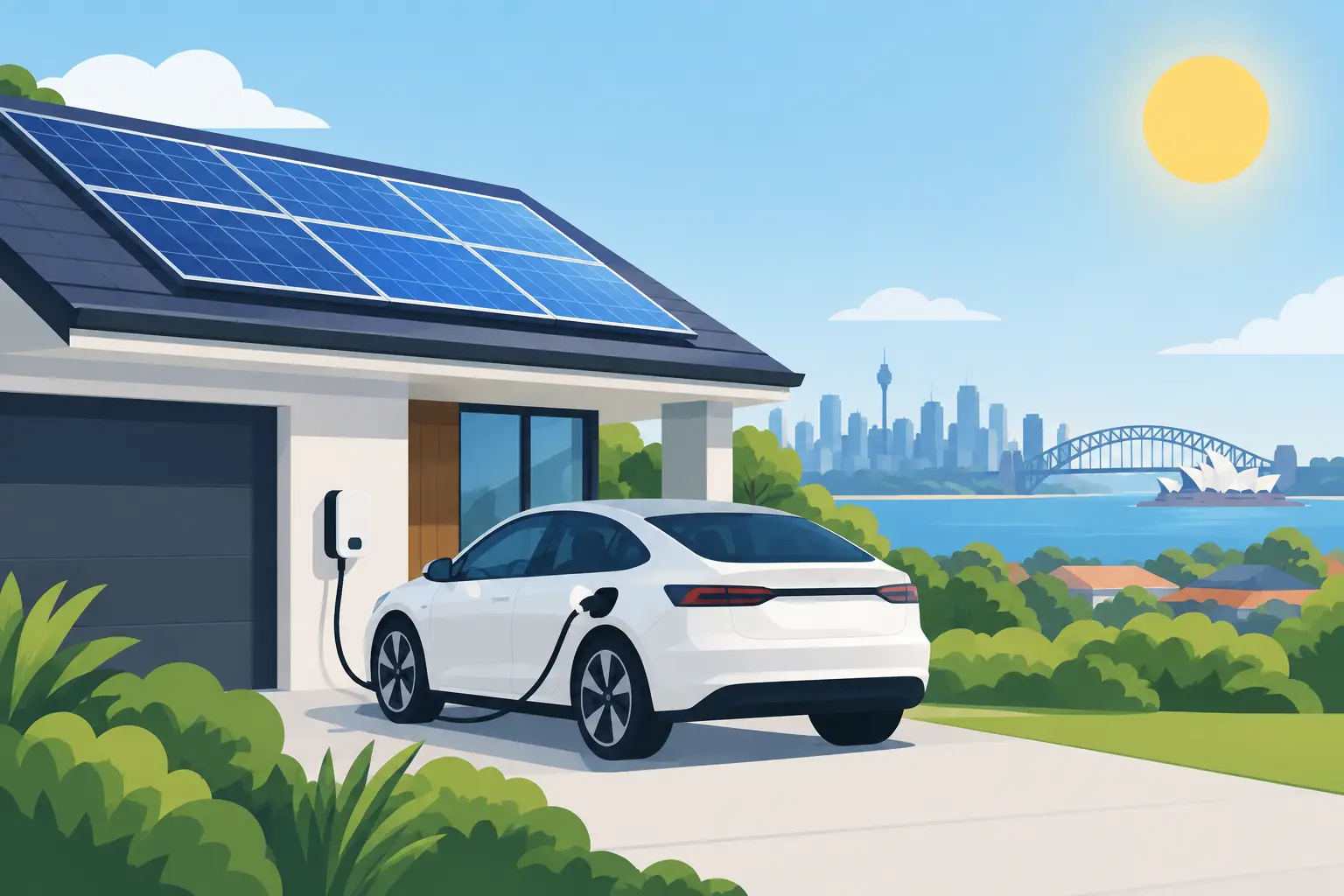
- EV charging at home
- Better long-term savings
That is why many people now combine solar with:
- Battery systems
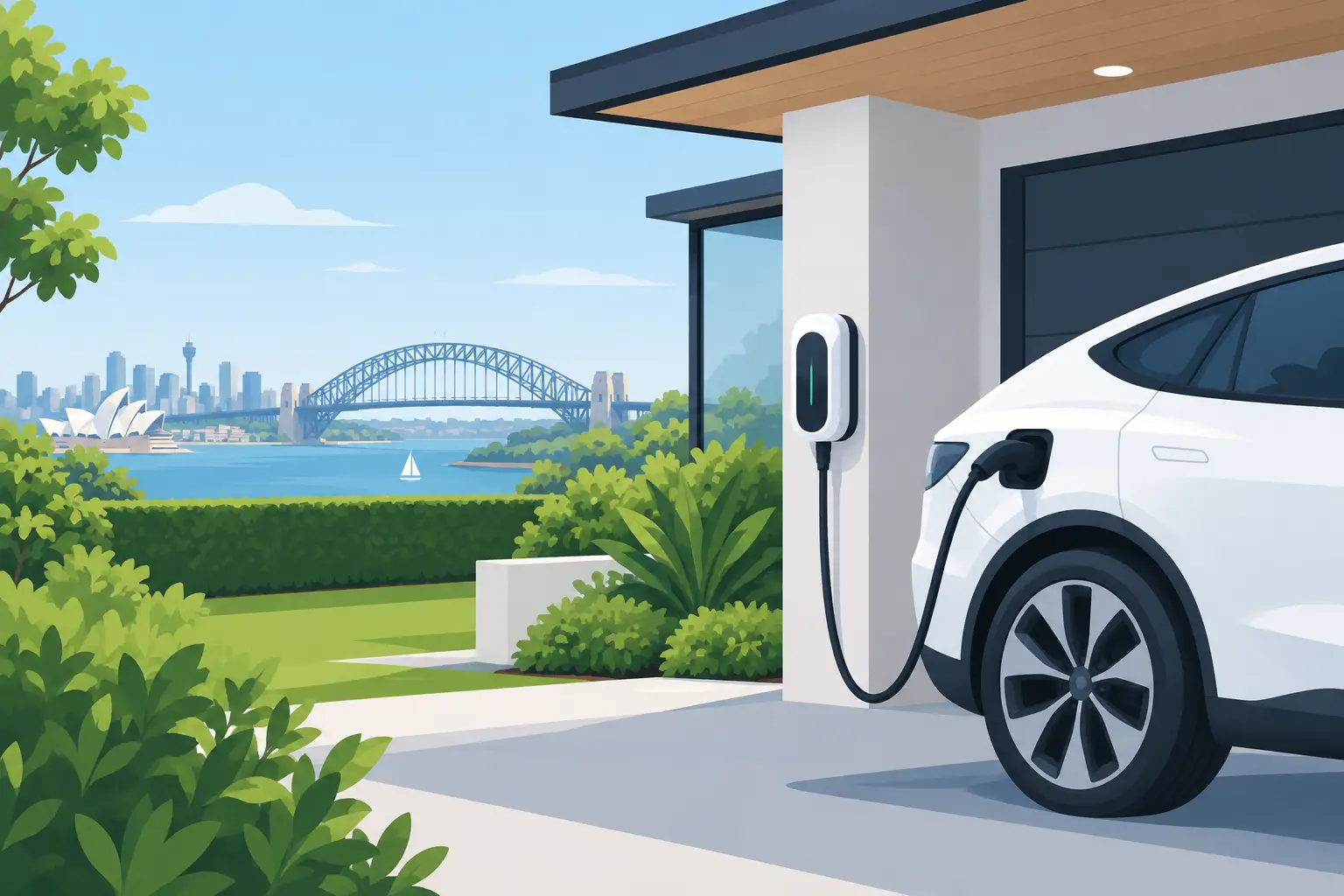
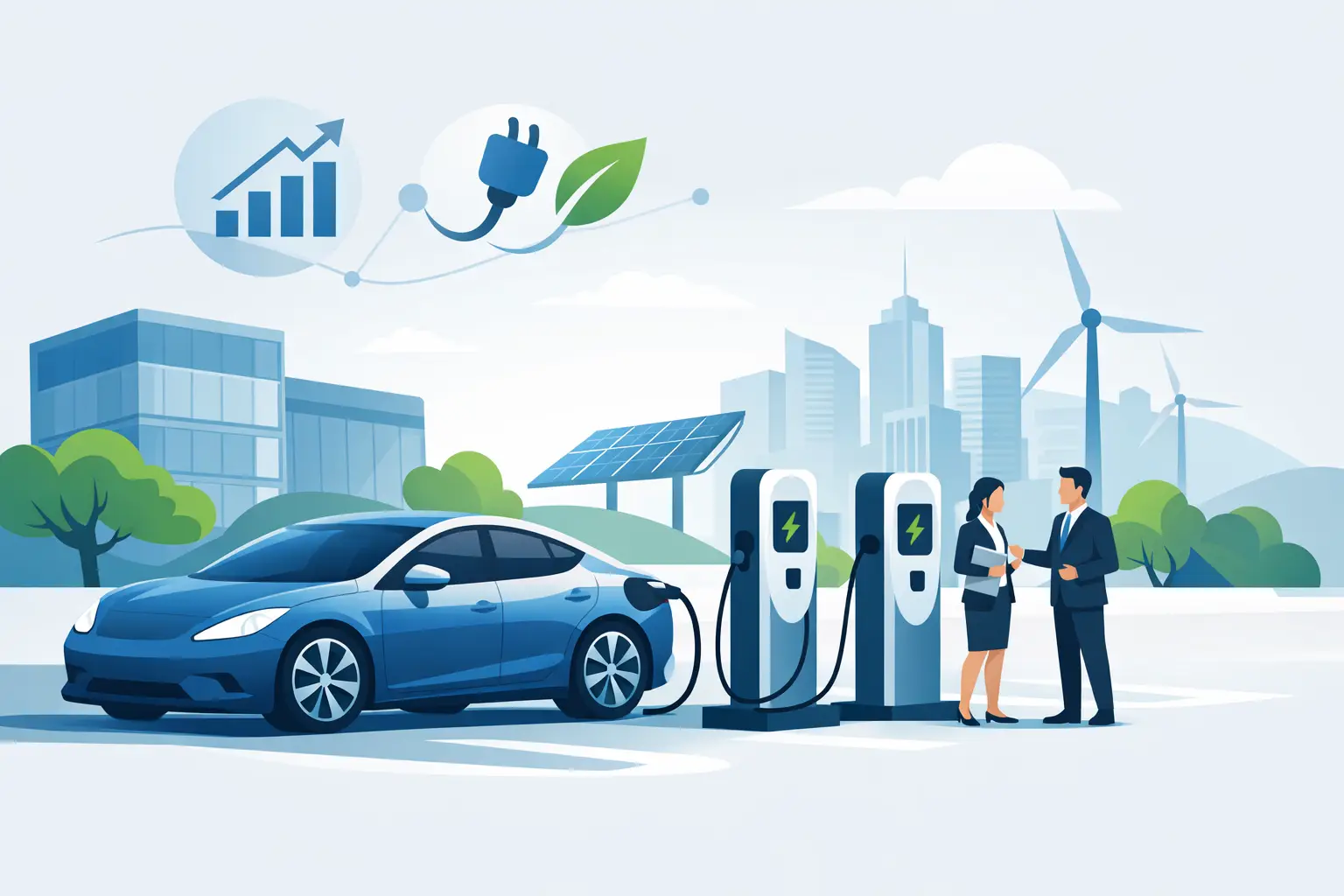
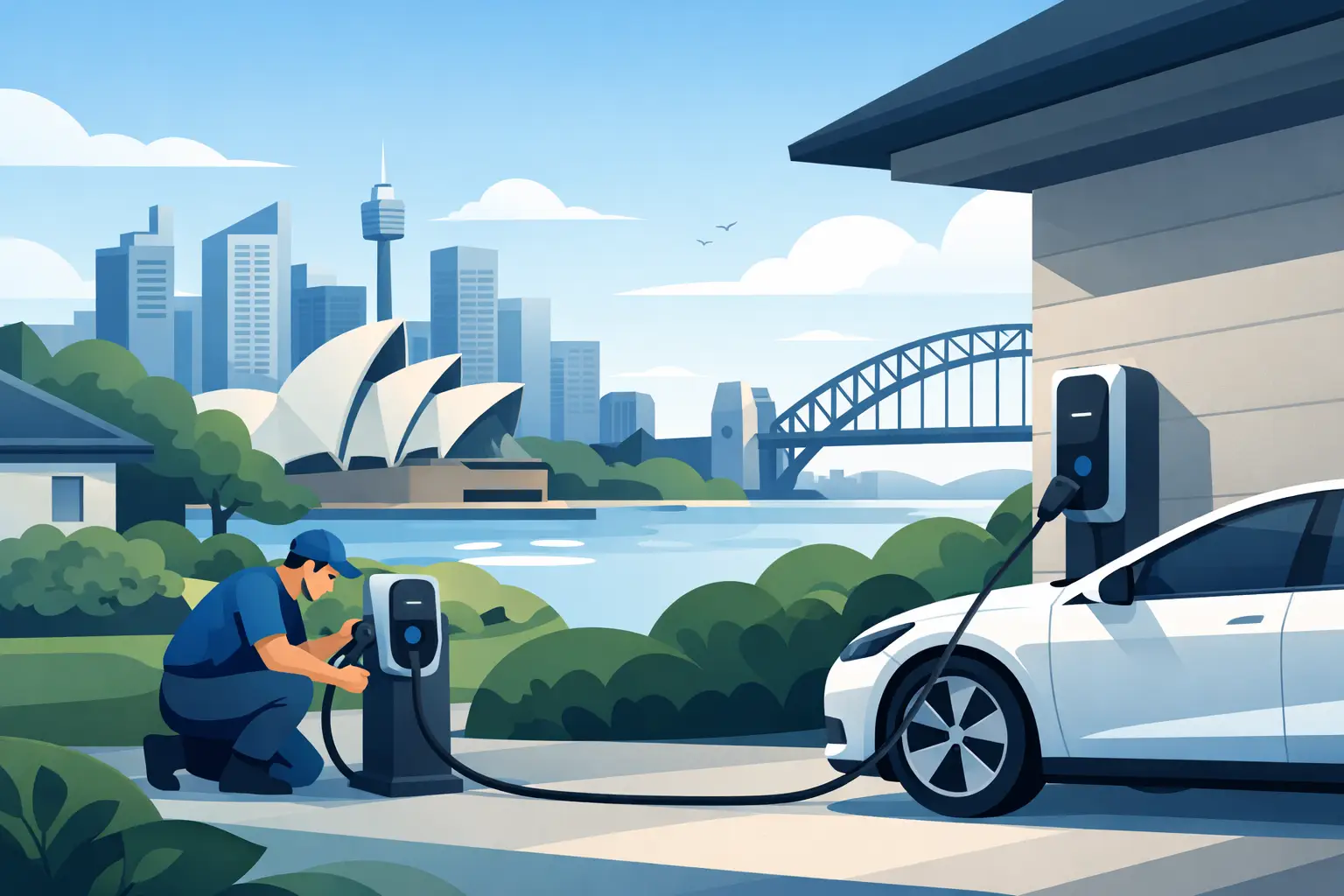
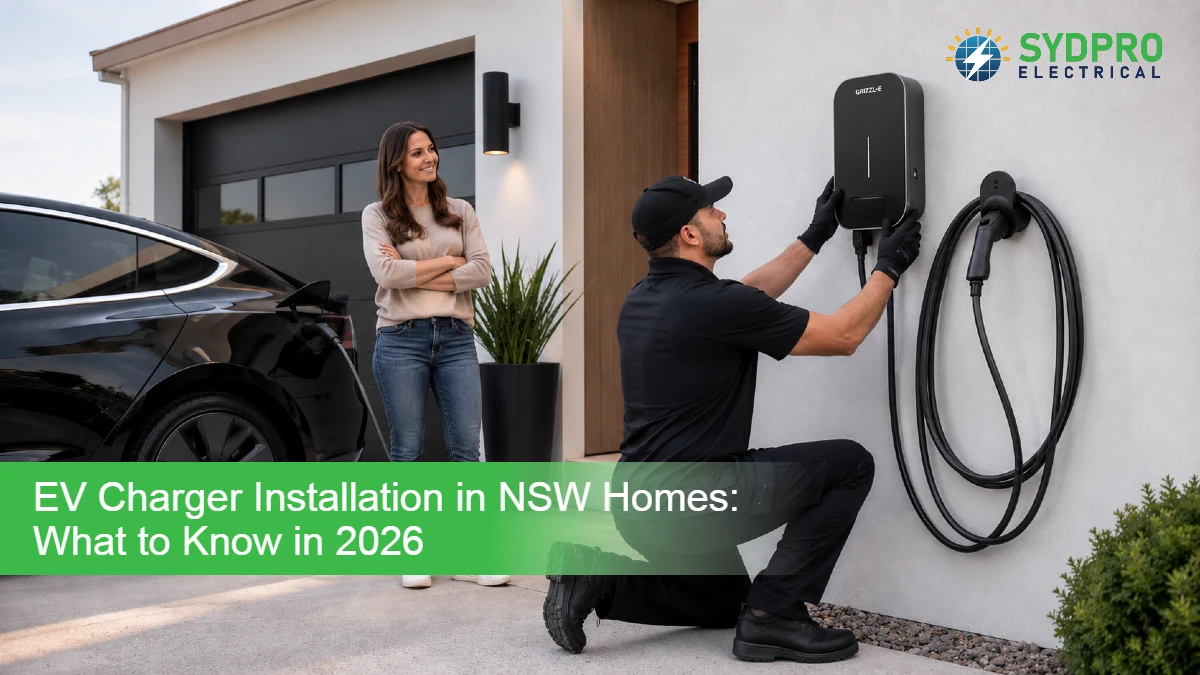
- EV charger installation in Sydney
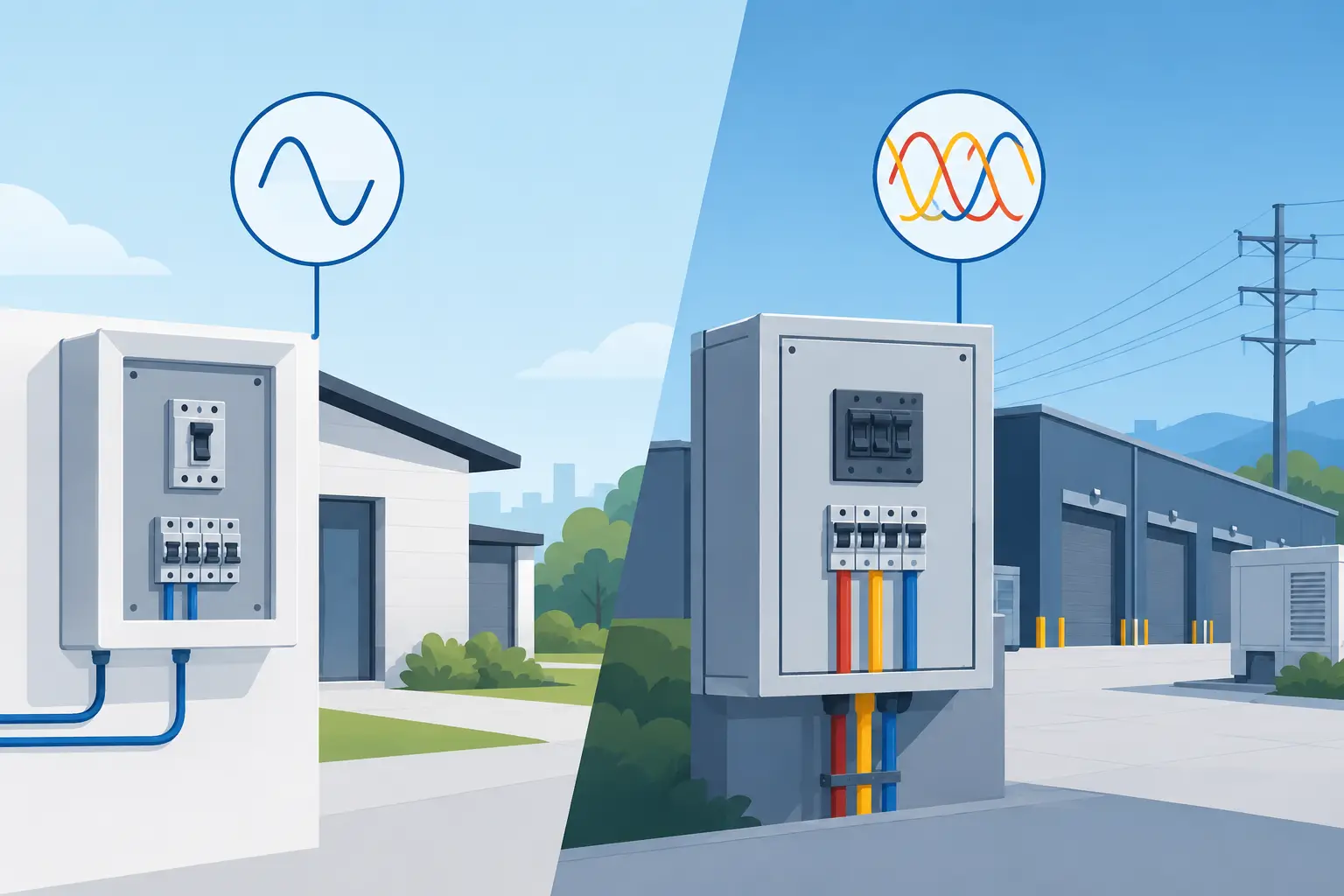
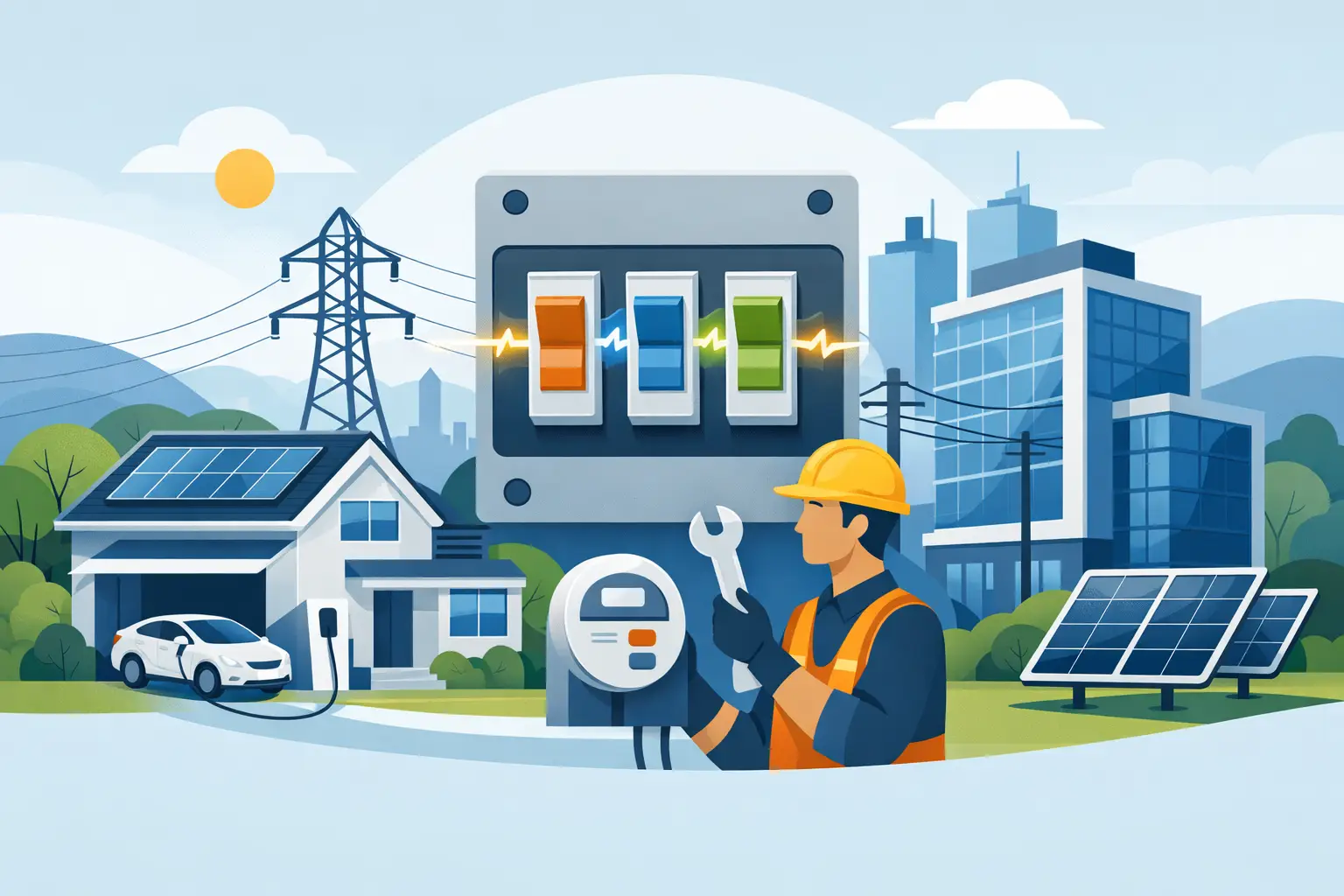
- Electrical upgrades from a Level 2 ASP electrician in NSW
A complete energy system gives better long-term value.
Why Choose Sydpro Solar Solutions
Choosing the right installer matters as much as choosing the right panel.
Sydpro Solar Solutions is trusted across NSW for quality solar and electrical solutions.
We offer:
- 10+ years of industry experience
- 2000+ successful installations
- SAA-accredited solar experts
- Level 2 ASP licensed electricians
- 10-year performance warranties
We design systems built for Australian conditions.
Our Services
We provide complete energy solutions, including:
- Residential Solar
- Commercial Solar
- Battery Storage
- Level 2 ASP Electrical Services
- EV Charger Installation
Conclusion
Solar panel specifications do not have to be confusing.
Understanding nominal power, efficiency, power tolerance, and temperature coefficient can help you choose the right system.
A better-informed decision can lead to better savings and better long-term performance.
If you are planning a solar installation in NSW, Sydpro Solar Solutions can help design a reliable system tailored to your property.
FAQS
How much can I save with solar in NSW?
Savings depend on your energy usage, roof size, and system quality. Many NSW homes reduce their electricity bills significantly.
Do solar panels work during cloudy days?
Yes. Solar panels still generate electricity on cloudy days, but output is lower than in full sun.
Is battery storage worth it in 2025?
Battery storage can increase savings and provide backup power during outages, especially with rising electricity prices.
How long does solar installation take?
Most residential installations are completed within one day, depending on system size and site conditions.
What is a Level 2 ASP electrician?
A Level 2 ASP electrician is licensed to perform advanced electrical work such as metering, defect repairs, and grid connections.
DisclaimerThis content is for general information only and should not be considered professional, financial or electrical advice.