A solar quote can look very different once incentives are applied, which is why NSW solar rebates are often one of the first things property owners ask about. The catch is that there is no single rebate cheque for every NSW solar installation. Support can come through federal certificates, NSW battery incentives and retailer arrangements, each with its own eligibility rules, deadlines and value.
For homeowners and businesses, the practical question is not simply, “What rebate can I get?” It is, “Which incentives apply to this system, at this property, and how do they affect my upfront cost and long-term return?” Getting that answer before signing a contract helps prevent disappointment and makes it easier to compare like-for-like quotes.
What people mean by NSW solar rebates
Most conversations about solar rebates combine several different programs. Some reduce the purchase price of eligible equipment. Others reward battery installation or participation in a virtual power plant. Feed-in tariffs are different again: they are payments from an electricity retailer for surplus energy exported to the grid.
These mechanisms should not be treated as guaranteed discounts. Scheme rules, certificate values, approved-product lists and retailer offers can change. A reliable installer should show each incentive separately in the quotation, explain the assumptions behind it and make clear what you will pay if an incentive is unavailable.
Small-scale Technology Certificates
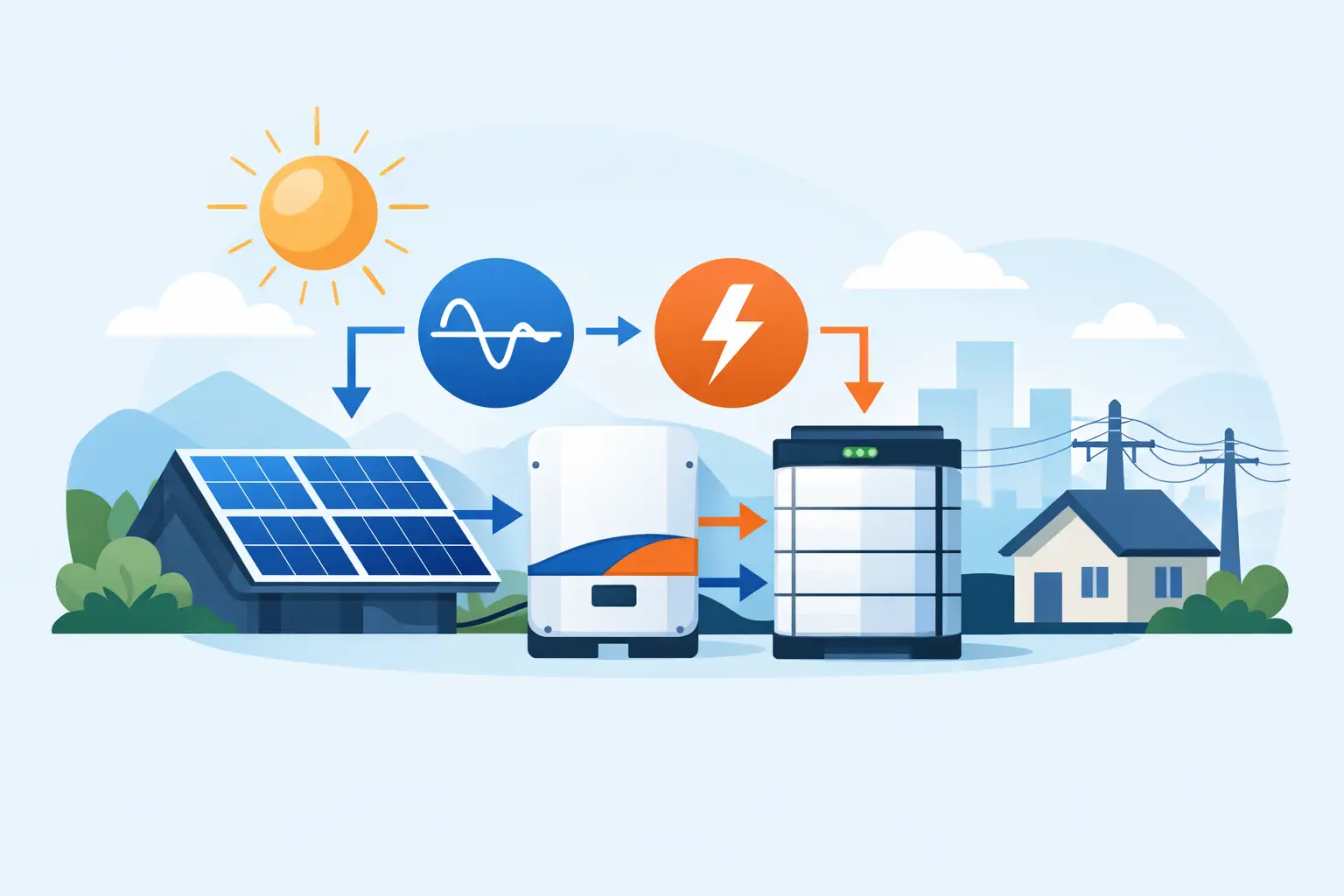
For most homes and many small businesses, the main upfront solar incentive is the federal Small-scale Renewable Energy Scheme. Eligible rooftop solar systems can create Small-scale Technology Certificates, commonly called STCs. In most installations, the homeowner or business assigns those certificates to the installer in exchange for an upfront discount.
The number of STCs is influenced by the system size, installation location and the scheme’s annual deeming rules. Their market value also moves, so the discount is not a fixed statewide amount. A larger system may receive more certificate value, but that does not automatically make it the right system. The best design is based on your daytime consumption, roof space, tariff, future battery plans and electrical capacity.
To access STCs, the system and installation must meet the applicable program requirements. That generally means eligible equipment, correct documentation and installation by appropriately accredited professionals. If a quote shows a very high “rebate” without explaining how it has been calculated, ask for the STC quantity and assumed value in writing.
NSW battery incentives
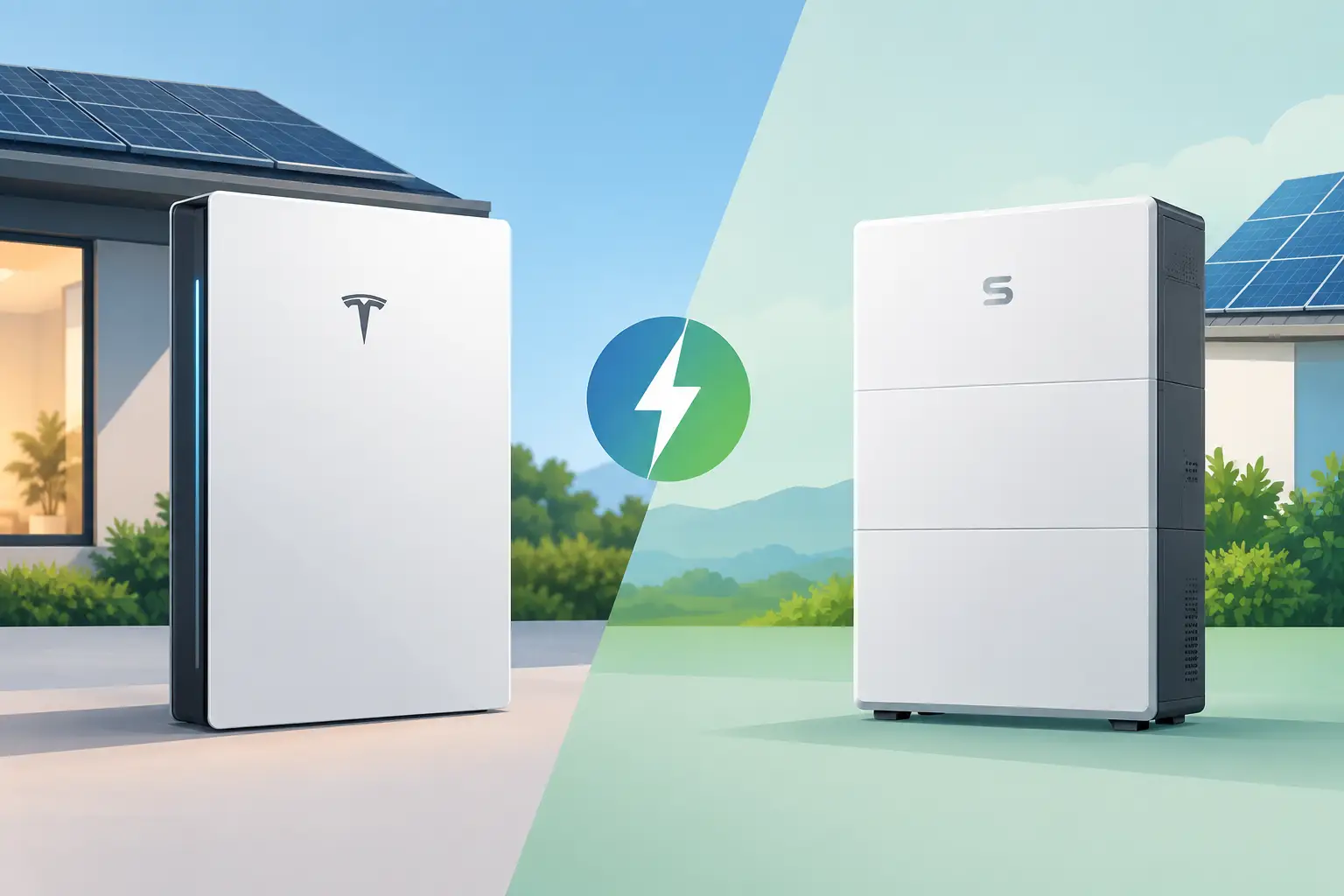
NSW has also offered incentives for eligible battery installations through the Peak Demand Reduction Scheme. Rather than being a universal solar-panel rebate, this support is designed to encourage batteries that can reduce pressure on the electricity network during periods of high demand.
The available incentive can depend on factors such as battery capacity, the property, the equipment selected and whether the system is installed by an approved provider. There may also be an additional incentive pathway for connecting an eligible battery to a virtual power plant. A virtual power plant can support the grid at key times, but it may involve operating conditions that affect when the battery charges or discharges.
That trade-off deserves a proper conversation. For some households, a virtual power plant payment can improve battery economics. For others, retaining maximum control over stored energy, especially where backup power is a priority, may matter more. The right choice depends on your electricity use, outage risk, battery size and comfort with the program terms.
NSW solar rebates do not replace sound system design
An incentive can make a project more affordable, but it cannot correct an undersized system, poor roof layout or inadequate switchboard. Solar should first be designed to perform safely and consistently at your property.
A household that is empty through the day may have a different solar-and-battery case from a family running air conditioning, pool equipment and appliances after school. Likewise, a business with substantial daytime loads can often use solar generation directly, which may make a well-sized solar system valuable even without a battery on day one.
Future loads matter too. An EV charger, electric hot-water system, induction cooking, pool heating or expanded workshop can materially change consumption. It can be sensible to allow for these loads in the design, even if every upgrade is not installed immediately. This is often more valuable than chasing the largest advertised incentive.
Battery storage: savings, resilience and limitations
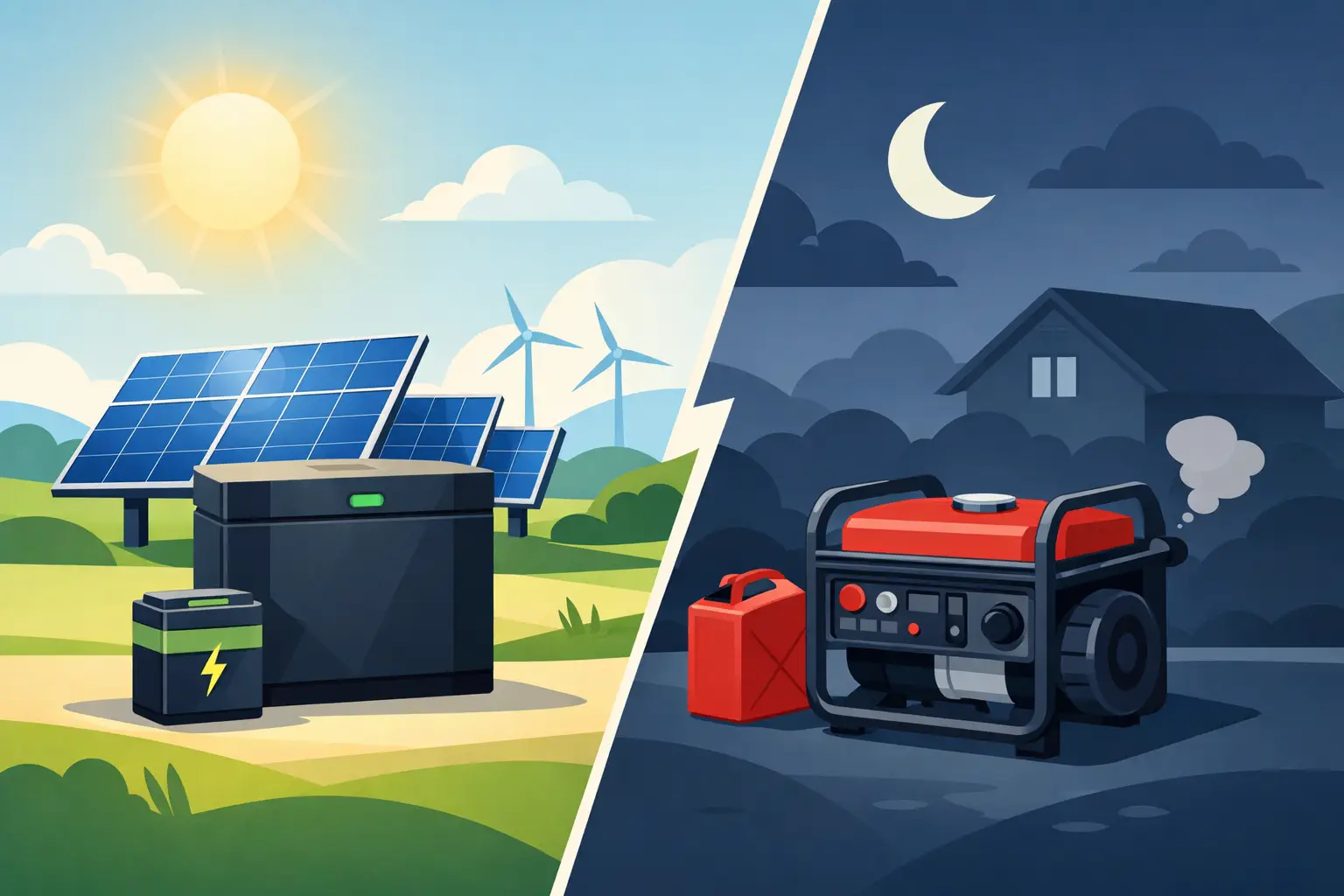
A battery can store surplus solar production for use after sunset, reducing grid imports when electricity prices are often higher. It can also provide backup during outages if the system is designed with backup capability. Not every battery installation automatically powers the home during a blackout, so this should be confirmed early.
Battery value varies significantly. A property with strong daytime solar exports, high evening consumption and a suitable electricity tariff may see a compelling case. A household that already uses most of its solar during the day may find that more panels, load shifting or efficient appliances deliver stronger value first.
Businesses should also consider demand patterns, operating hours and any need for continuity of supply. Battery storage can be a strategic asset, but it must be matched to site demand and connection requirements rather than selected solely because an incentive is available.
Check these points before accepting a quote
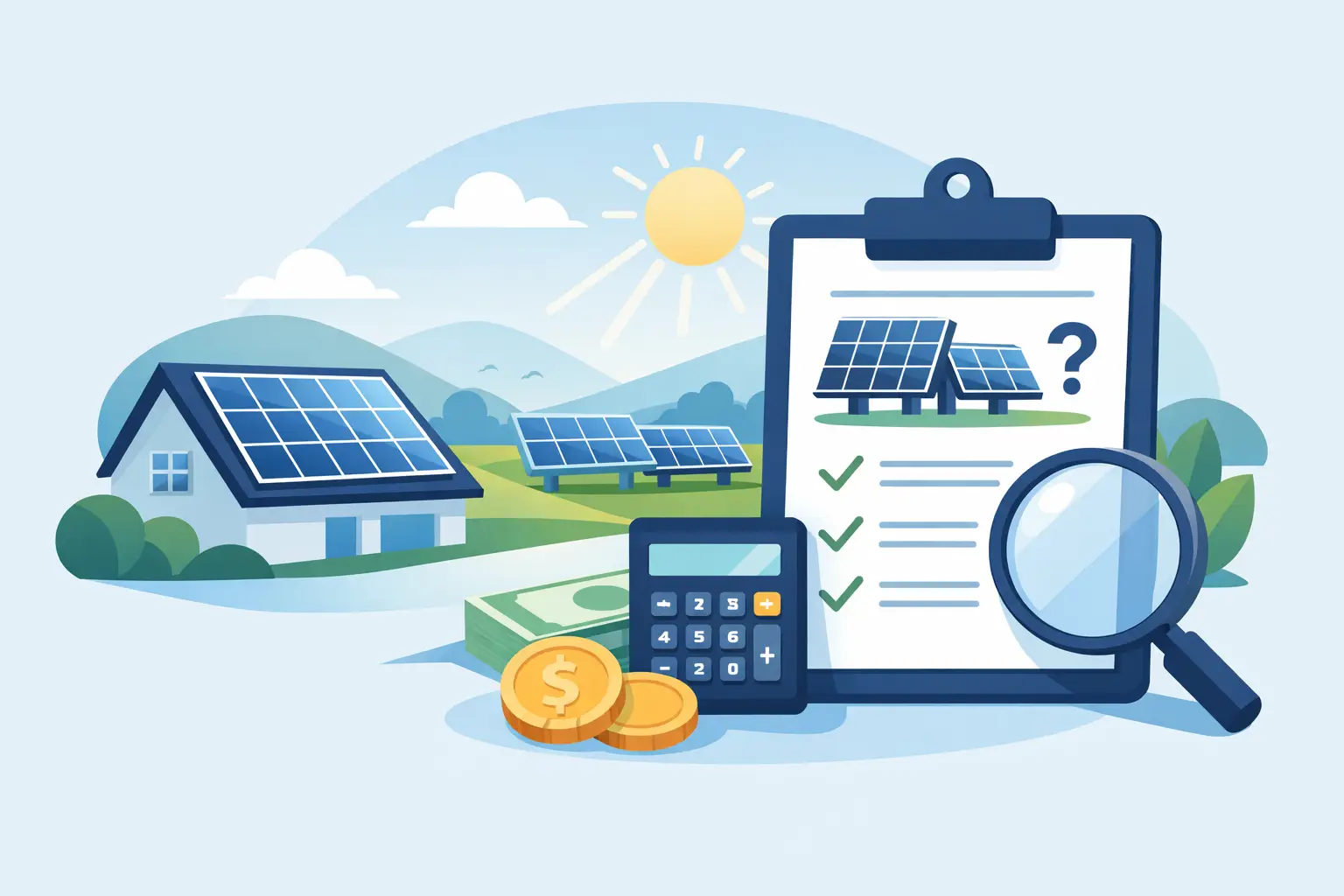
A transparent proposal should make it easy to see the real project cost. Before proceeding, confirm the following details with the supplier:
- the cash price before incentives, the STC discount and any NSW battery incentive shown separately
- the exact solar panels, inverter, battery and monitoring hardware proposed, including model numbers
- expected annual generation, key design assumptions and how shading has been assessed
- whether switchboard work, metering, export limits, grid application fees or electrical upgrades are included
- the warranty terms for equipment and workmanship, plus who will manage a warranty claim
- whether the battery provides blackout backup, which circuits are backed up and any virtual power plant conditions
This level of detail protects you from artificially low headline pricing. It also makes comparing two proposals far easier. A cheaper quote may omit electrical work, use a lower-specification inverter, assume an unusually high certificate value or exclude the components required for safe backup power.
Grid connection and electrical work are part of the project
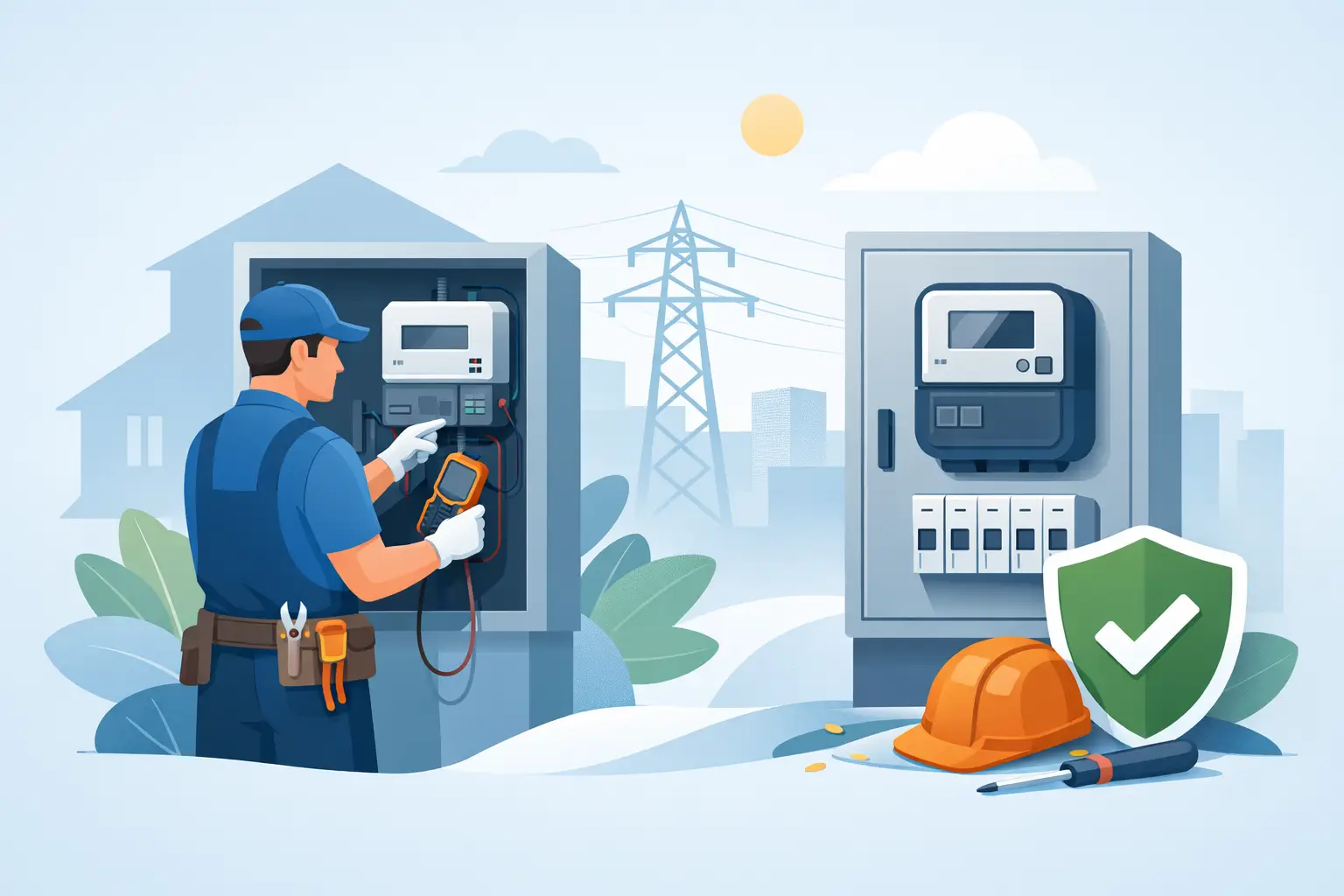
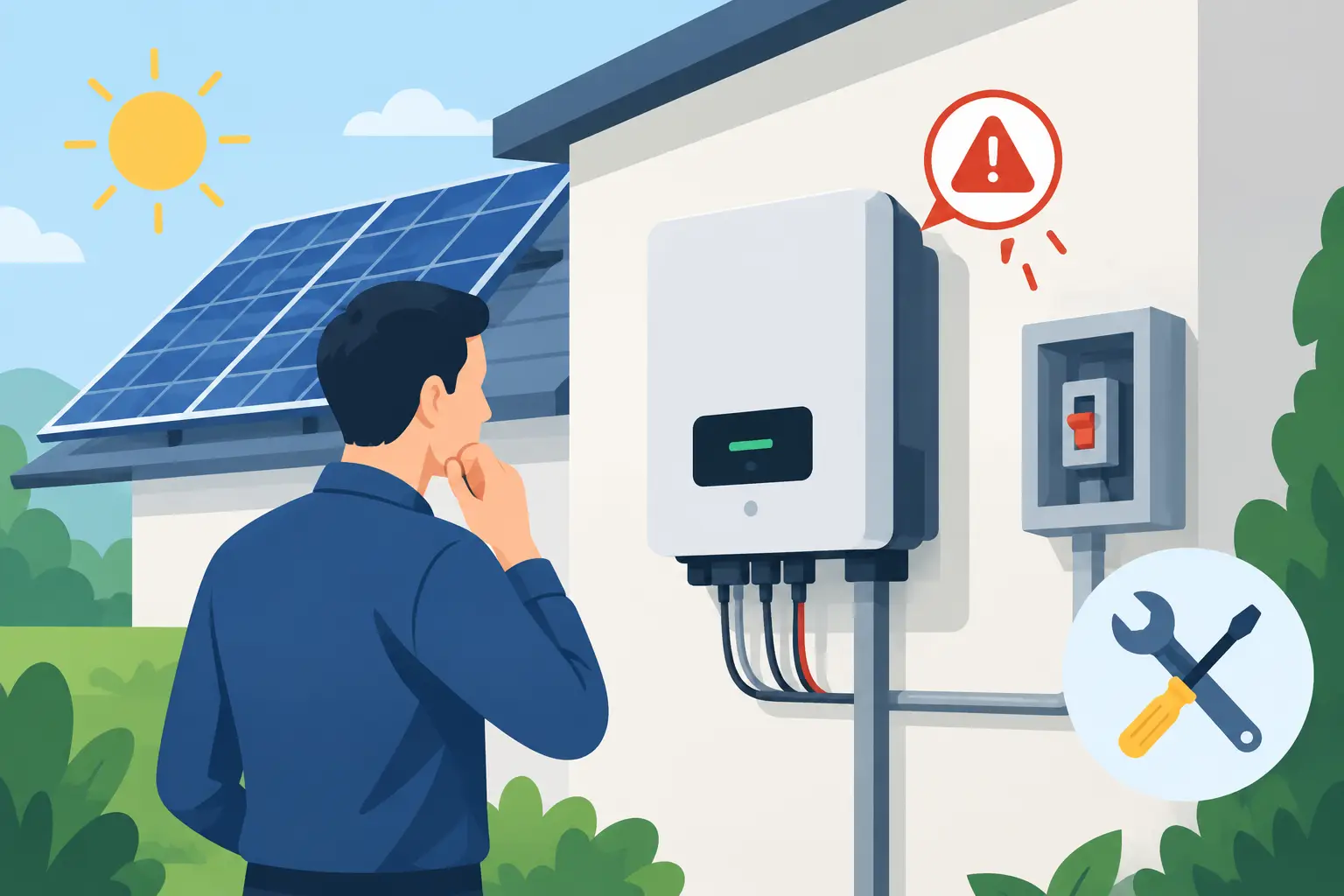
Solar is not simply a matter of fitting panels to a roof. The system must be safely integrated with the property’s electrical infrastructure and the local distribution network’s connection requirements. Depending on the site, that can involve export controls, meter changes, switchboard upgrades, service alterations or other regulated electrical work.
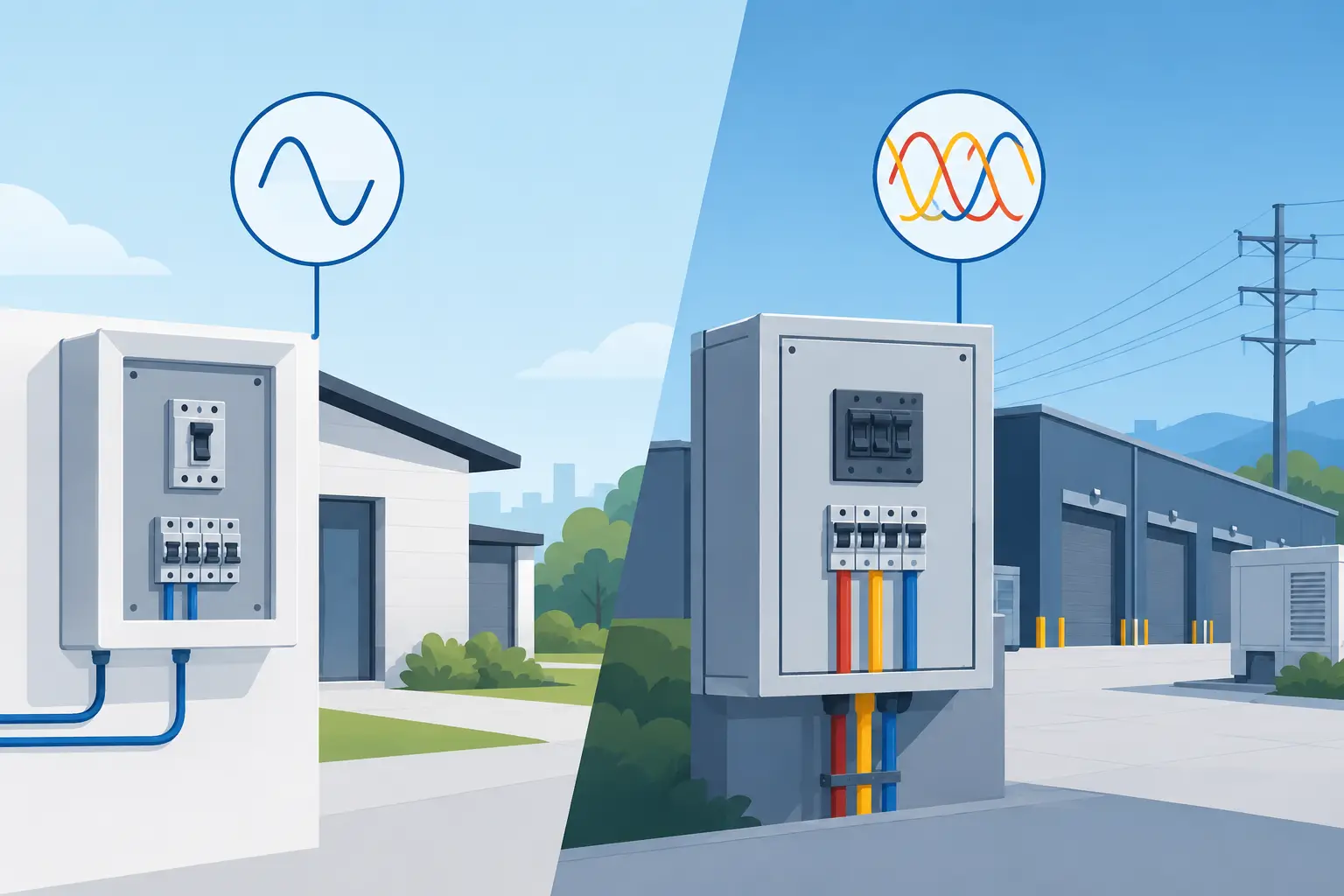
This is particularly relevant for older homes, three-phase properties, commercial premises and sites planning larger solar arrays, batteries or EV chargers. Finding a limitation late in the project can add cost and delay installation. A thorough site assessment identifies likely issues before the design and price are finalised.
Working with a contractor that understands both solar design and Level 2 ASP electrical requirements can simplify this process. Sydpro Solar Solutions combines SAA-accredited solar expertise with Level 2 ASP capability, helping clients coordinate solar, storage, grid connection and electrical upgrades through one accountable project team.
How to approach incentives without being caught out
Start with your bills, not an advertised rebate figure. Review at least 12 months of electricity use if possible, including seasonal peaks. Then identify planned changes such as an EV, pool, tenancy expansion or electrification of gas appliances. This gives your installer the information needed to recommend a system that fits how the property actually operates.
Next, ask for a fixed, itemised quote that states the incentives assumed at the date of quotation. Confirm who is responsible for submitting certificate or scheme paperwork, what happens if eligibility changes, and whether the price is fixed before installation. For a battery, ask whether joining a virtual power plant is optional and request the operating terms before agreeing.
Finally, treat feed-in tariff estimates cautiously. Retailer rates vary and can change, while exported solar is usually worth less than solar energy used directly in the building. Smart timing of appliances, hot water, EV charging and business loads can improve returns without adding more hardware.
The most valuable incentive is one that supports a system you would still be happy to own after the scheme rules change. Choose safe installation, proven equipment, clear inclusions and a design built around your energy use, and the savings have a far better chance of lasting well beyond the initial discount.