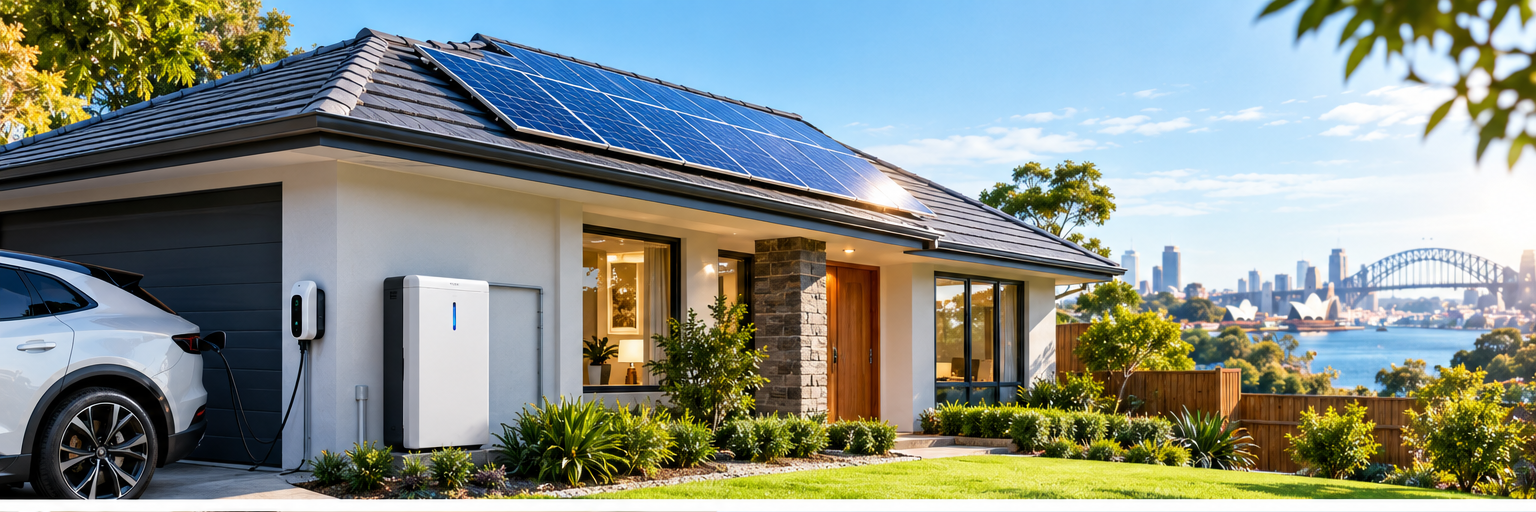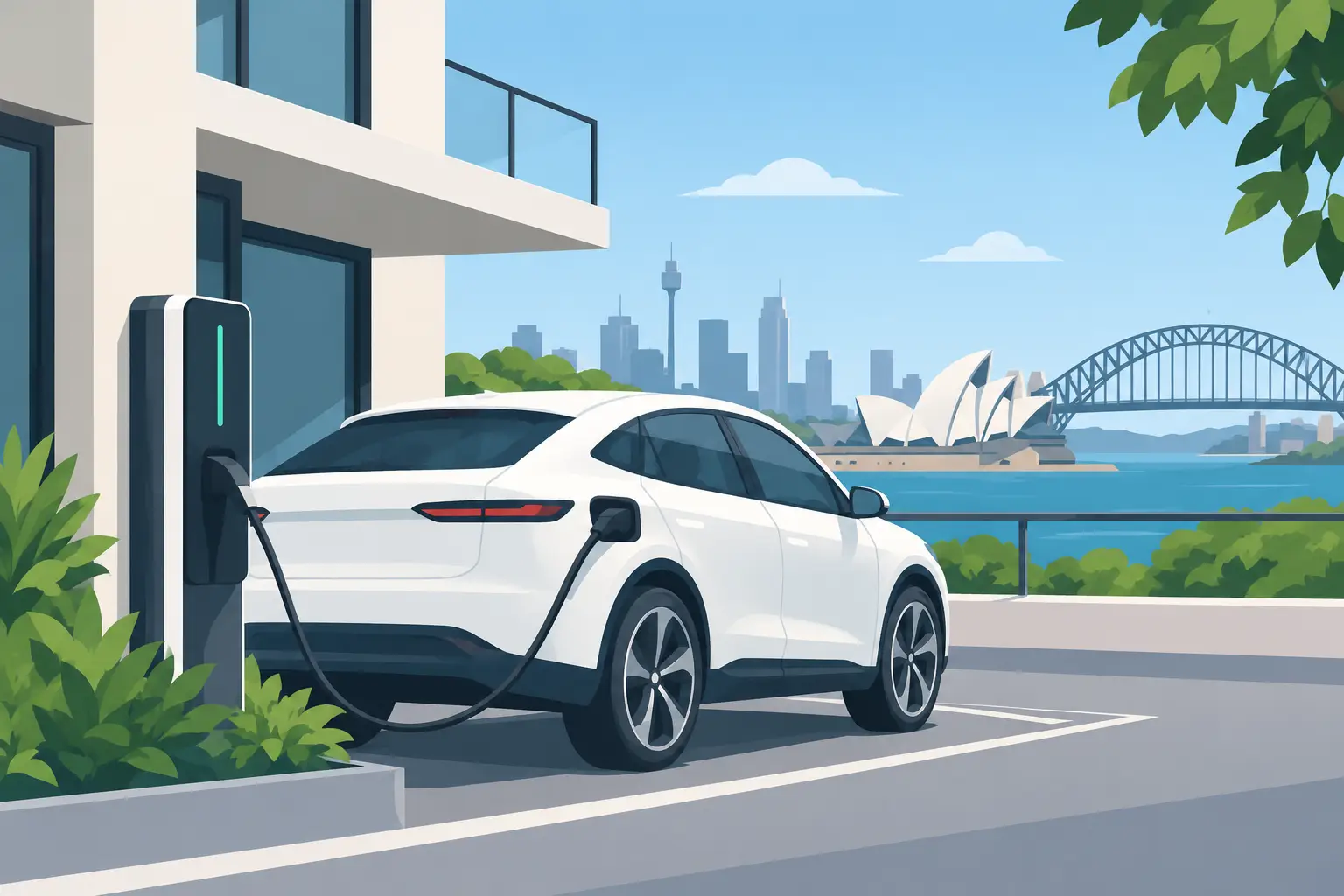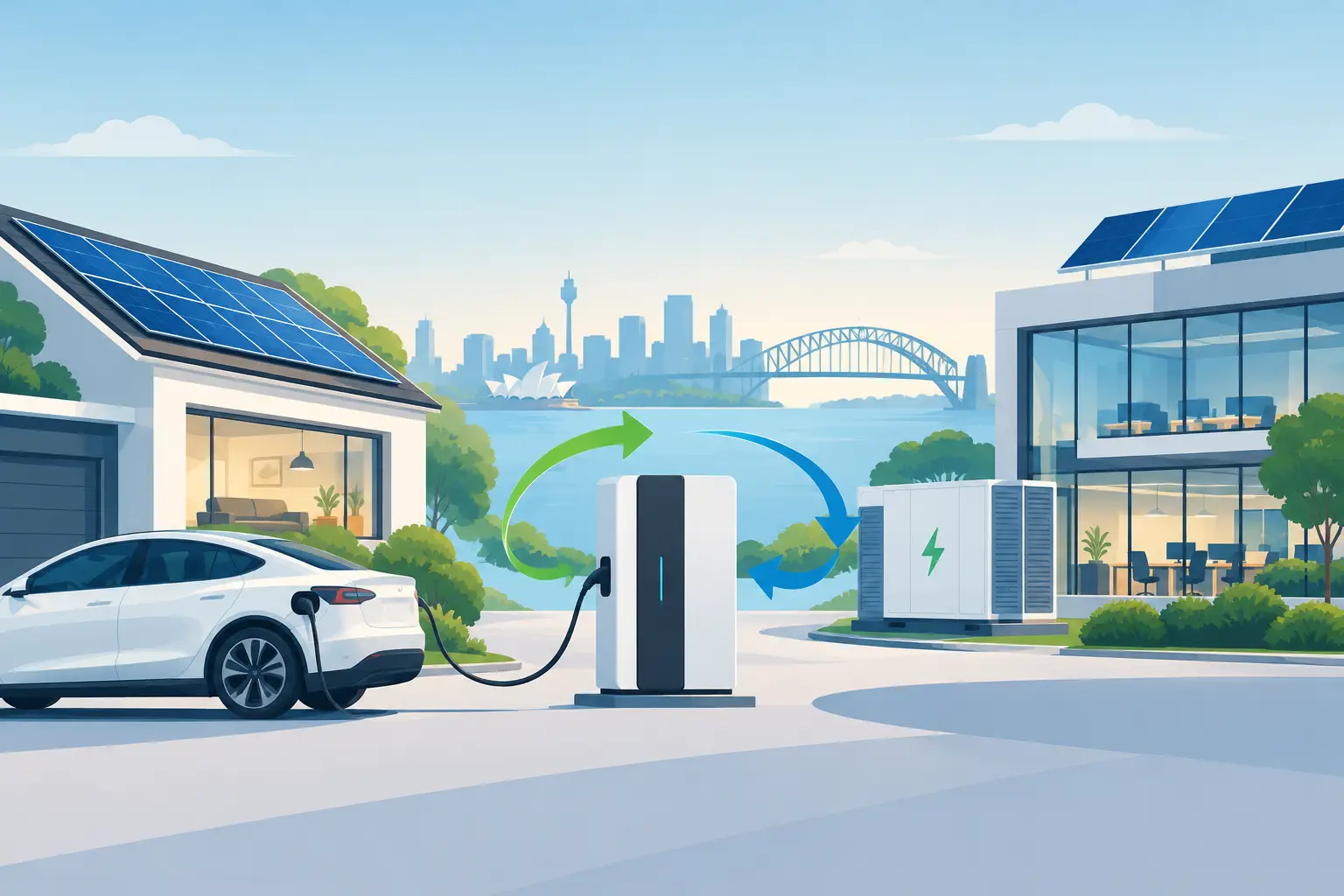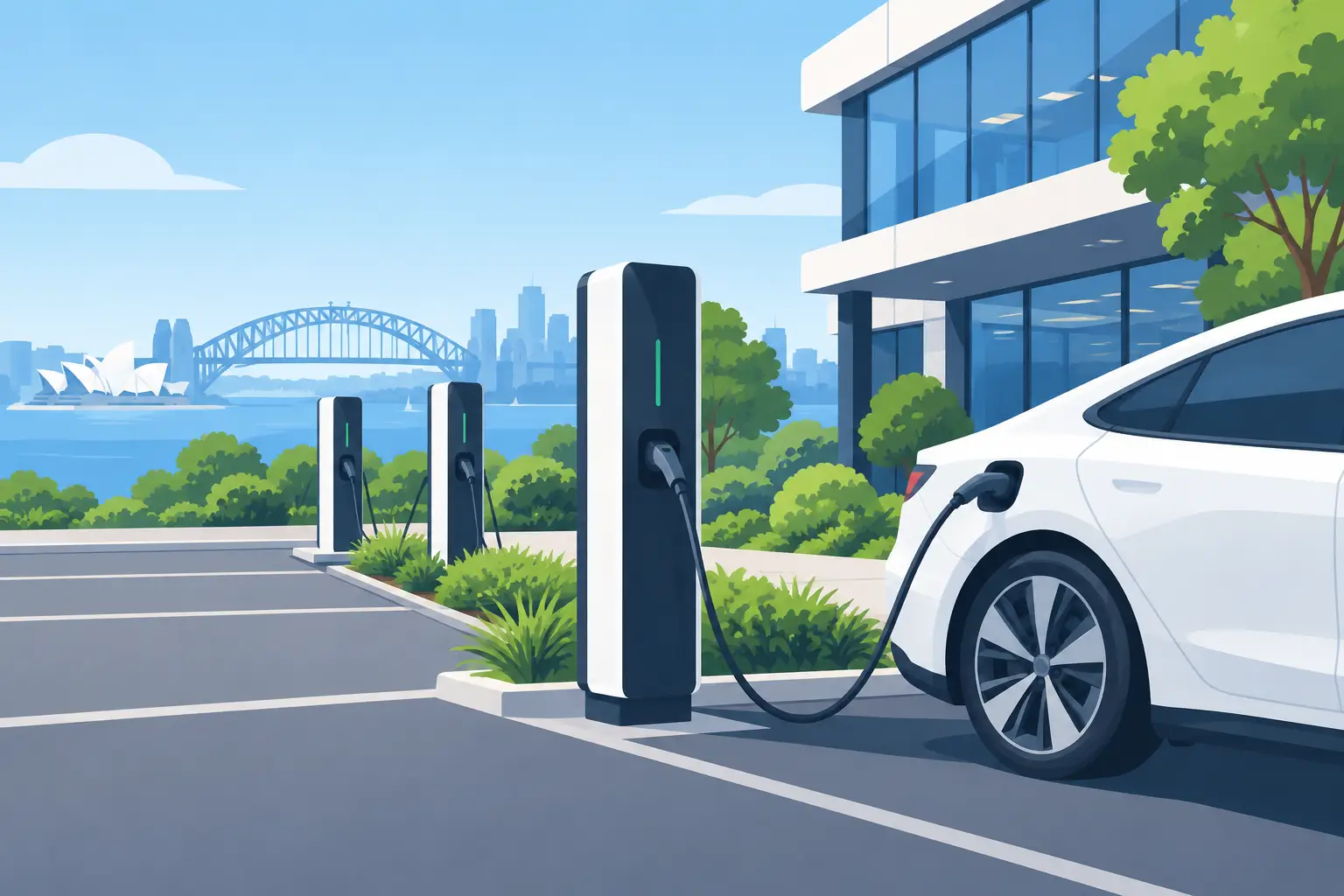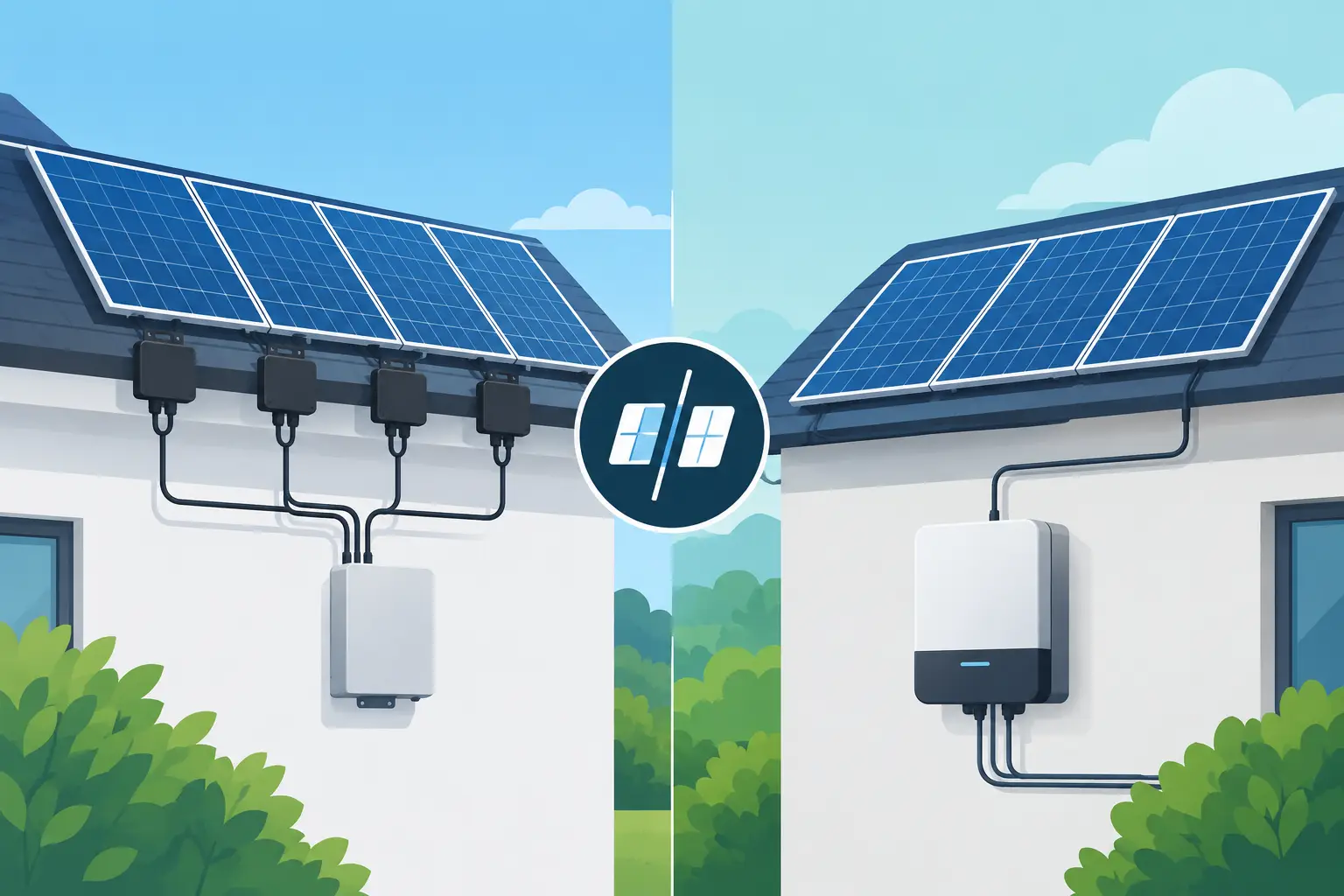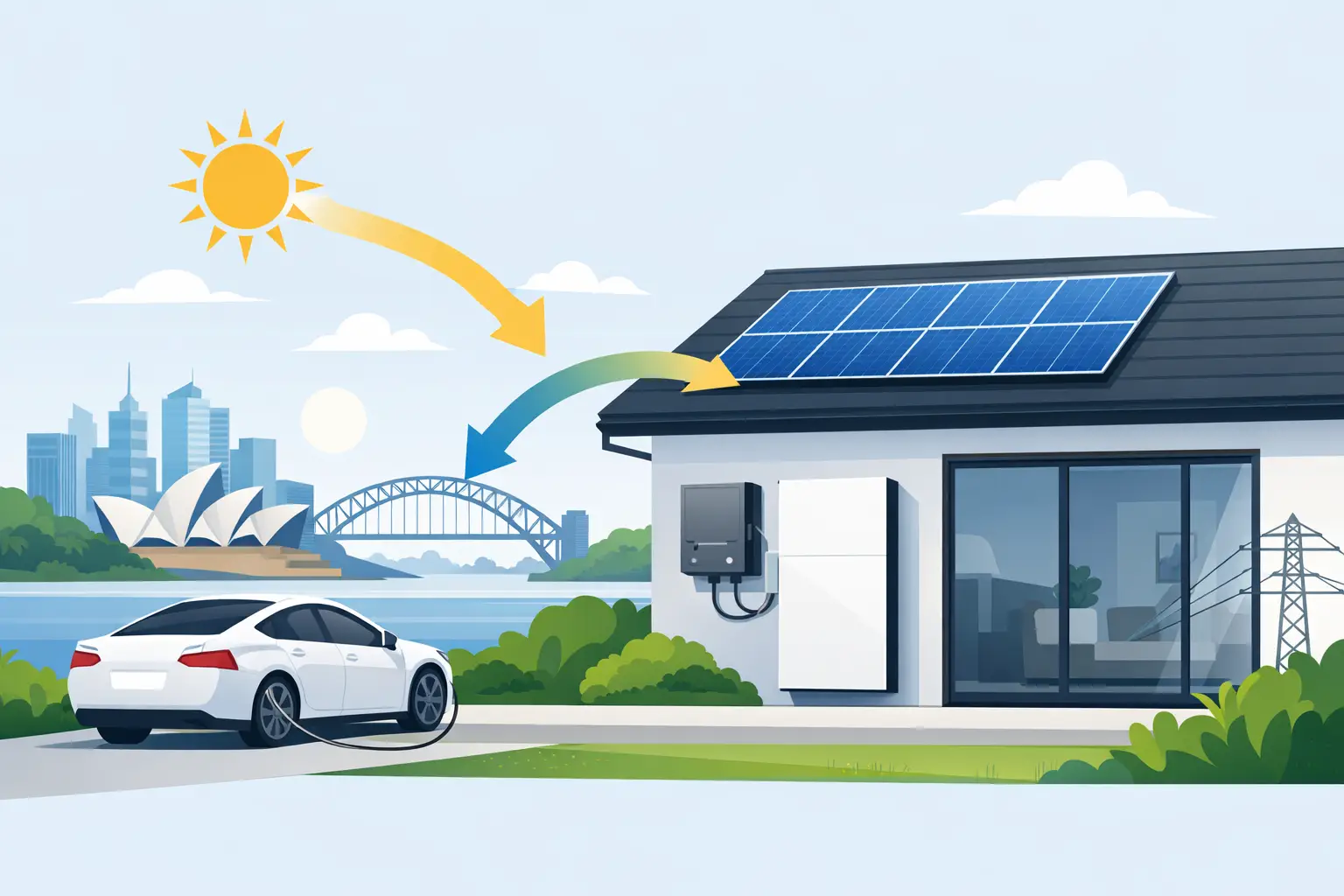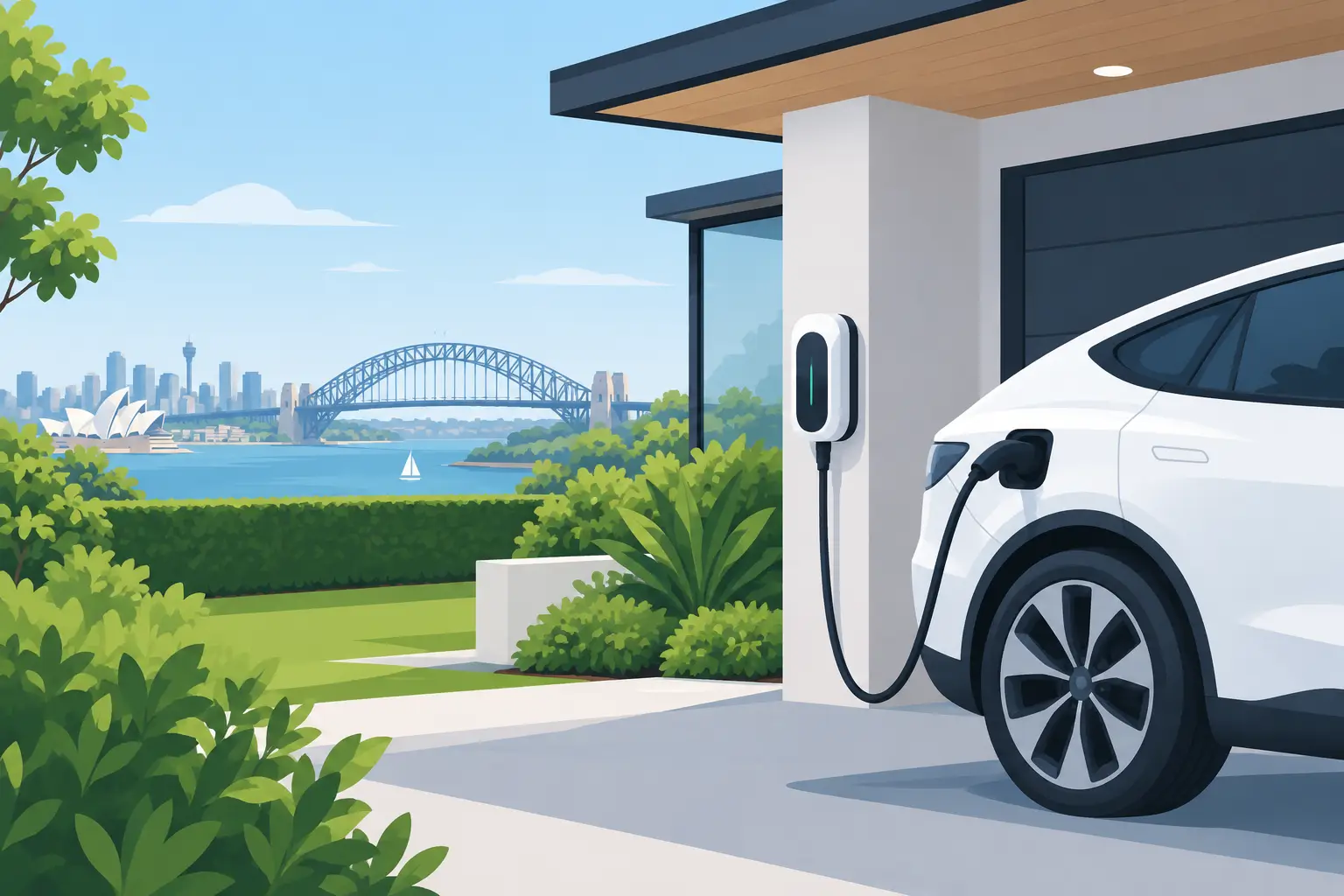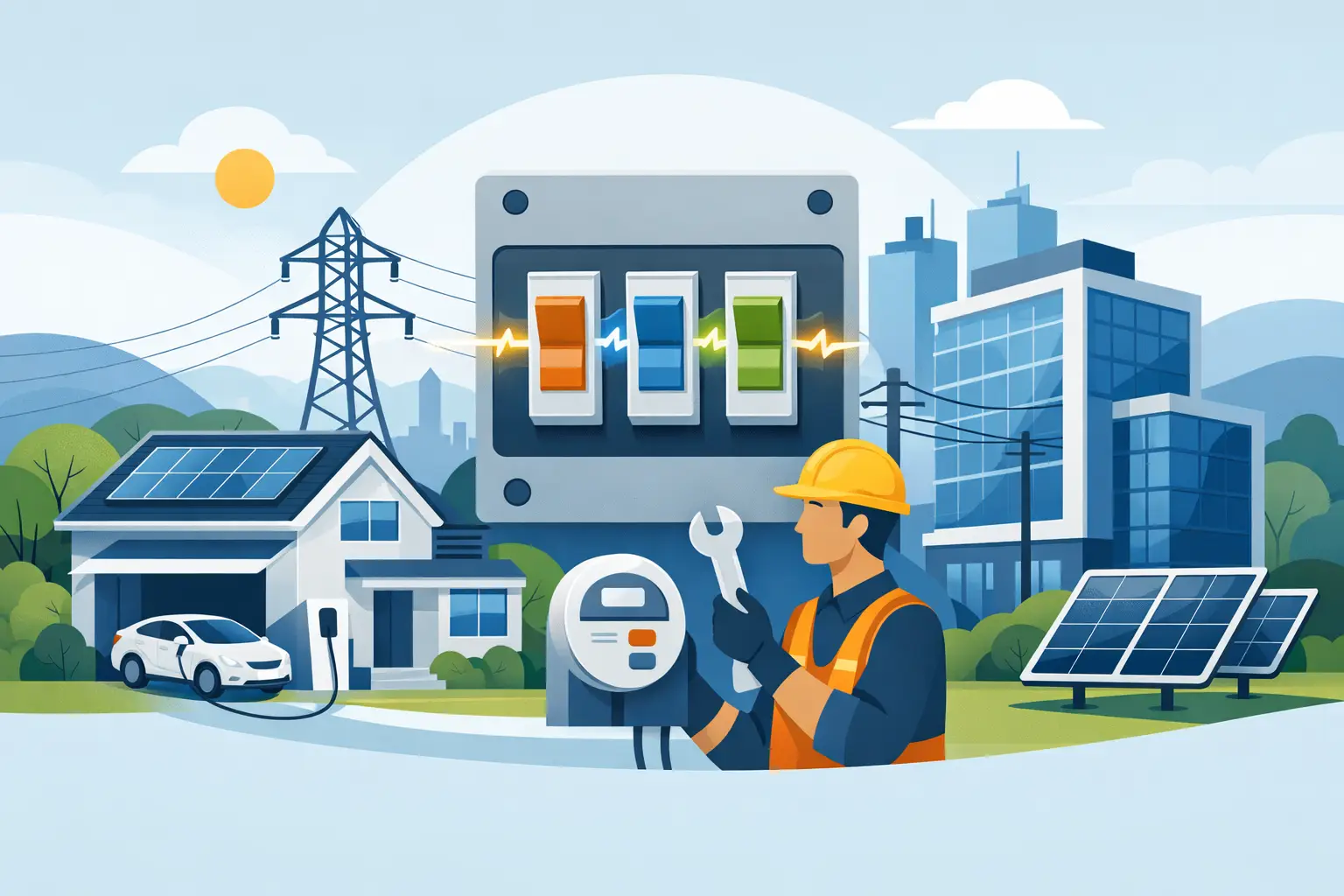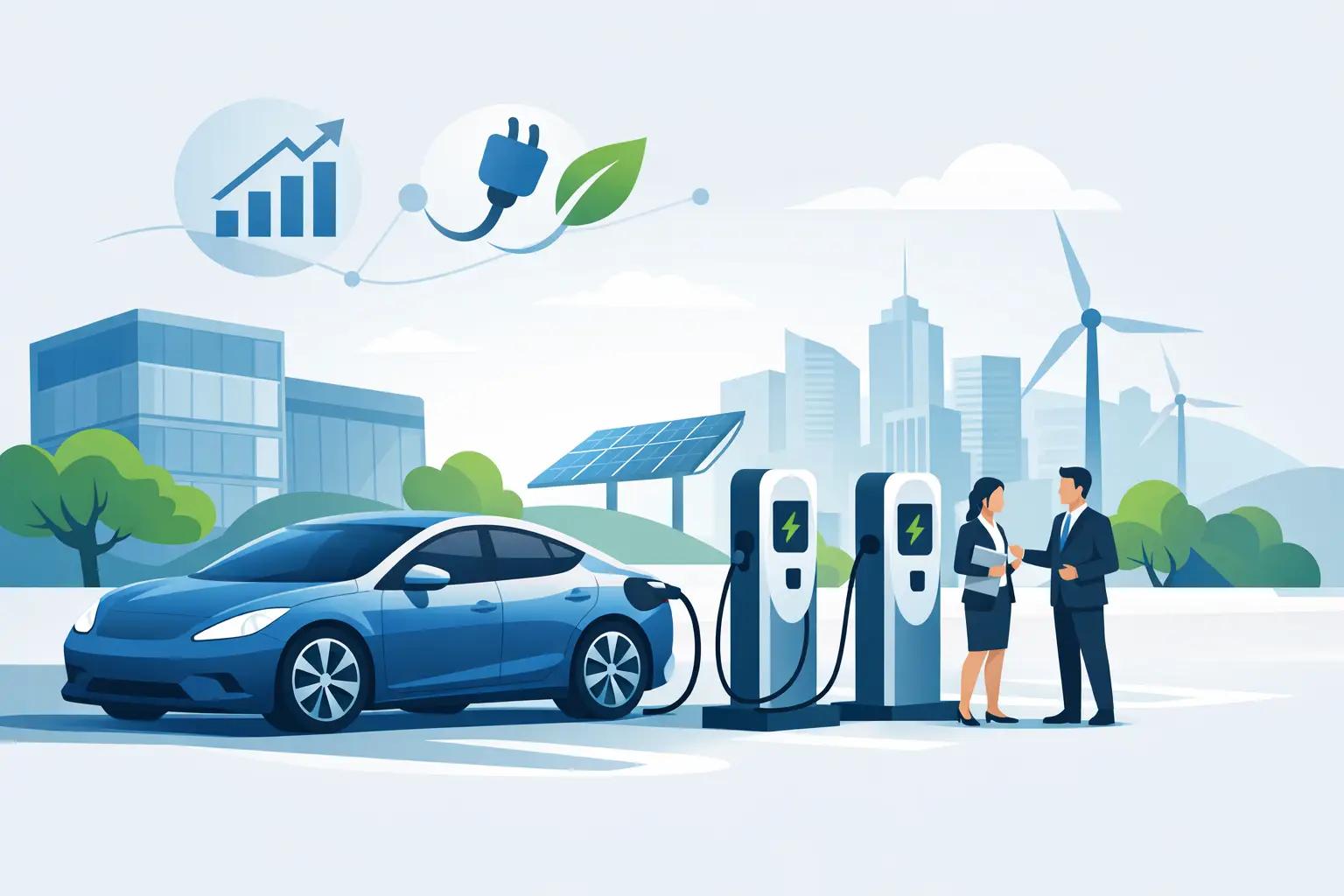
An EV charger is not simply an appliance added to the garage wall. It becomes part of your home’s electrical infrastructure, affecting how safely you charge, how much solar power you use and whether your system remains ready for a second EV, battery or larger switchboard upgrade. This home charger comparison looks beyond the sticker price to help NSW property owners choose a solution that fits their vehicle, electrical supply and long-term energy plans.
Start with charging speed, but do not stop there
For most Sydney homes, a dedicated Level 2 charger is the practical choice. A typical single-phase unit provides up to 7 kW, adding substantially more driving range per hour than a standard power point. For many households, that means an overnight charge is enough to cover daily commuting, school runs and weekend travel.
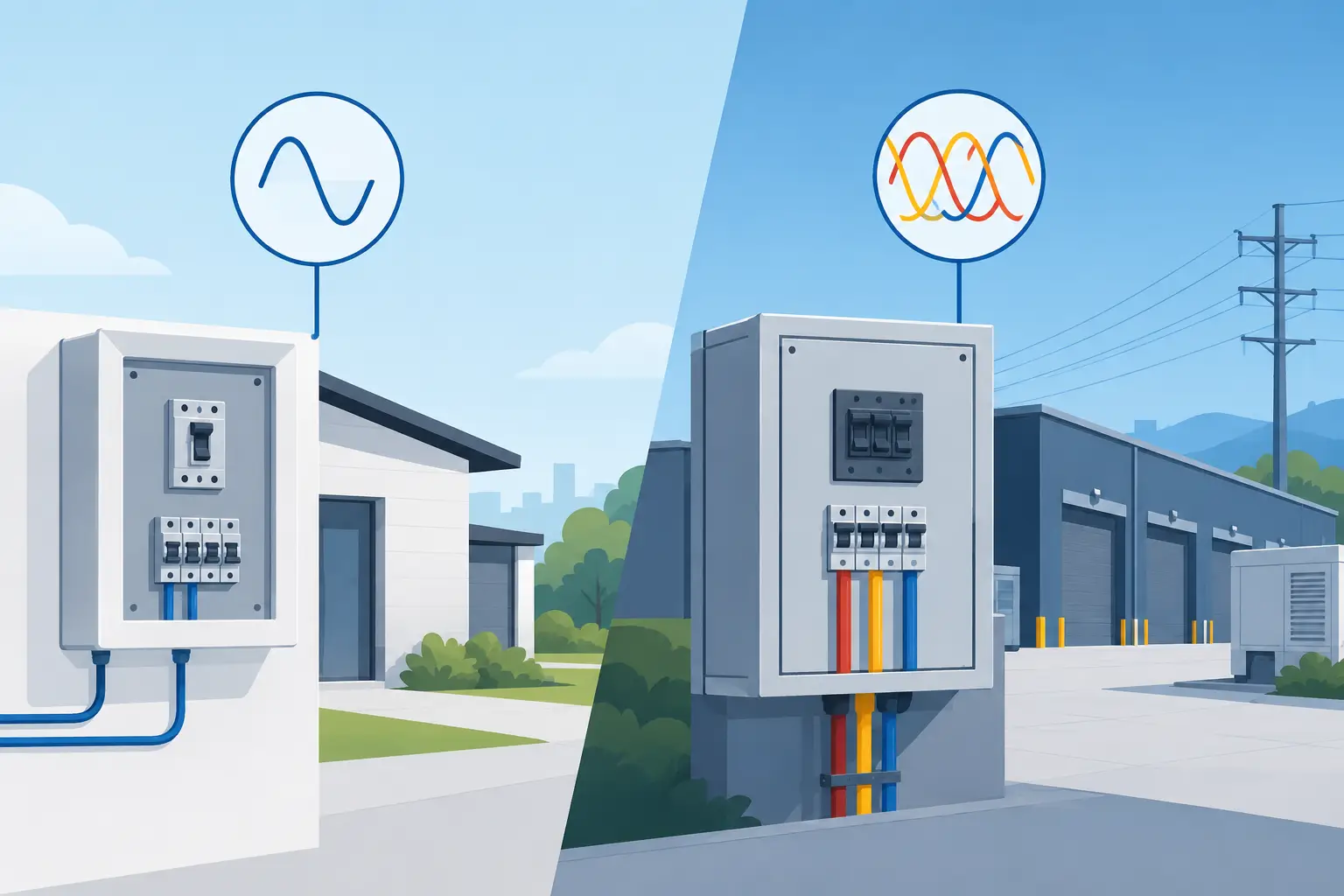
Three-phase properties may support 11 kW or 22 kW charging, subject to the vehicle, charger, switchboard capacity and network requirements. Faster is not always better. Many EVs have an onboard AC charger that limits how quickly they can accept power. A 22 kW wall charger will not make a vehicle capable of only 7 kW charge at 22 kW.
The right question is not, “What is the fastest charger available?” It is, “What charging speed will reliably cover our driving while working safely with the home’s electrical capacity?” A household travelling 40 to 80 kilometres a day rarely needs the same solution as a business with fleet vehicles returning to base overnight.
Home charger comparison: plug-in versus hardwired
A portable charger plugged into a standard socket can be useful as a temporary backup. It is generally slow, and continuous high electrical load can expose weaknesses in older outlets or wiring. It should not be treated as a long-term substitute for a properly designed charging circuit.
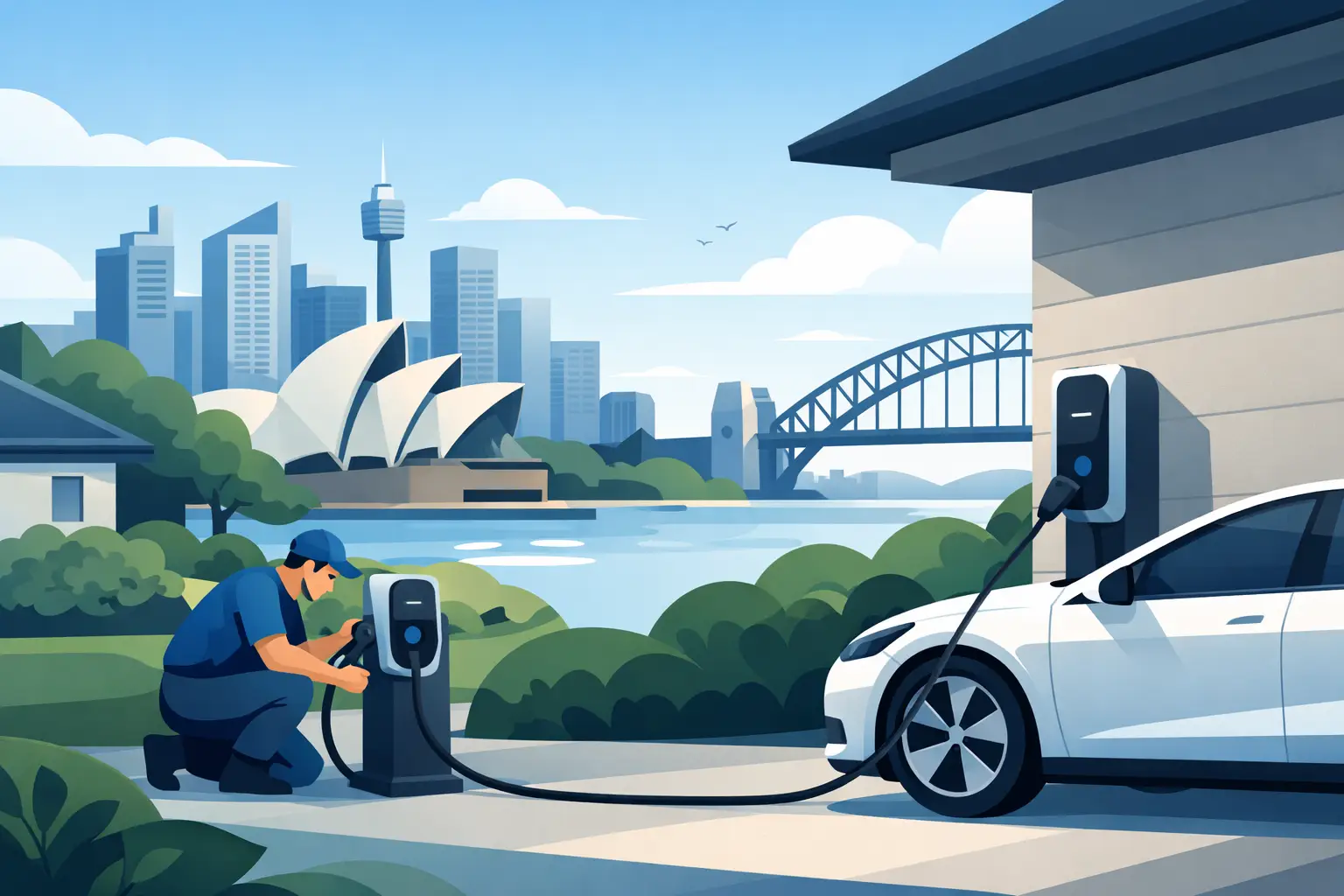
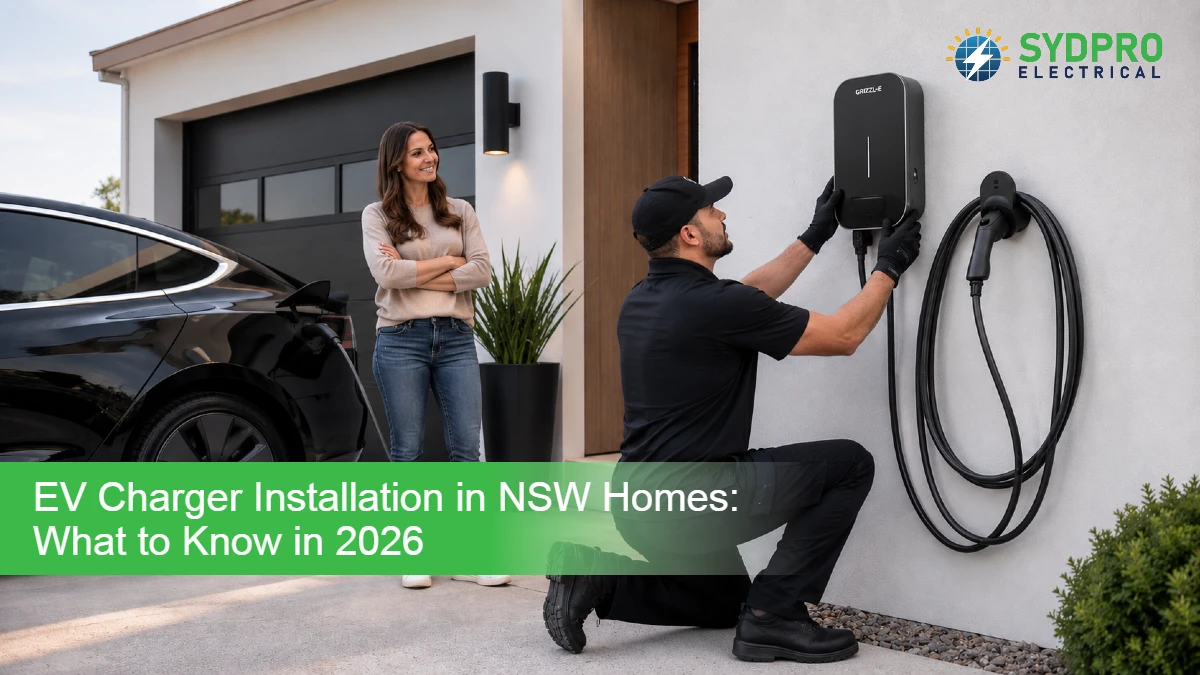
A dedicated hardwired wall charger is normally the better residential investment. It has its own circuit protection, is installed for continuous use and can be configured to suit the property’s available supply. The unit is also more convenient: park, connect and let scheduled charging do the rest.
Plug-in wall chargers can suit certain locations, particularly where a compatible outlet has been installed specifically for EV charging. However, hardwiring often provides a cleaner and more permanent result. The best choice depends on access, site conditions, the charger’s specifications and whether future relocation is likely.
Tethered or untethered cable
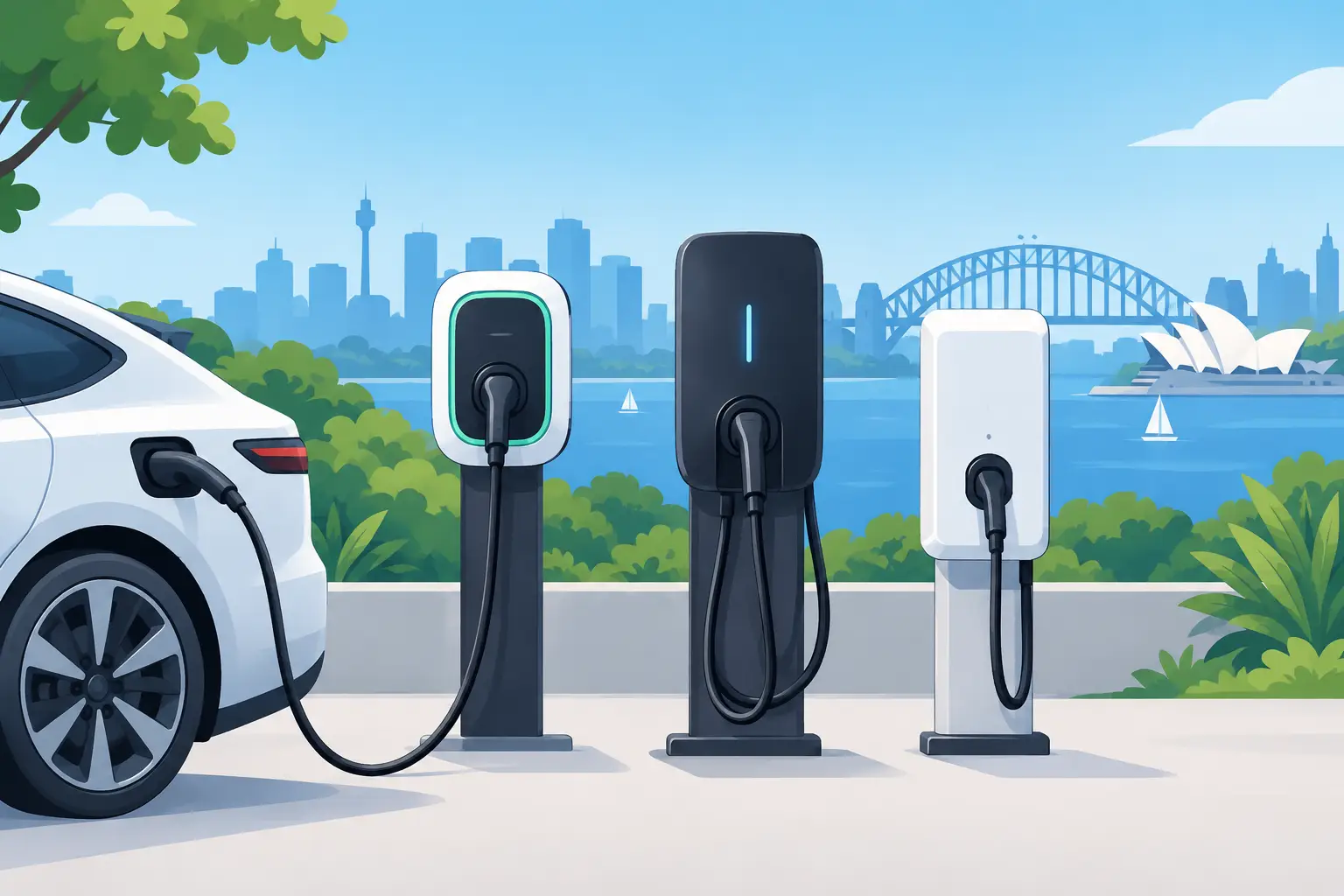
Tethered chargers have a fixed charging cable. They are simple to use and particularly convenient when one vehicle is charged in the same parking space each day. The trade-off is that cable length and connector type are fixed, so it pays to confirm the cable will comfortably reach the vehicle’s charge port without stretching across a walkway.
Untethered chargers have a socket on the unit, allowing you to use your own Type 2 cable. They offer flexibility for households with different vehicles and can look tidier when the cable is stored in the car. They also require you to unpack and connect the cable each time. Neither option is automatically superior – convenience and vehicle mix should guide the decision.
Smart controls can protect your power supply
Smart charging is one of the most valuable differences between basic and premium home chargers. The right controls can schedule charging in off-peak periods, track energy use and allow authorised users to access the charger through an app or RFID card.
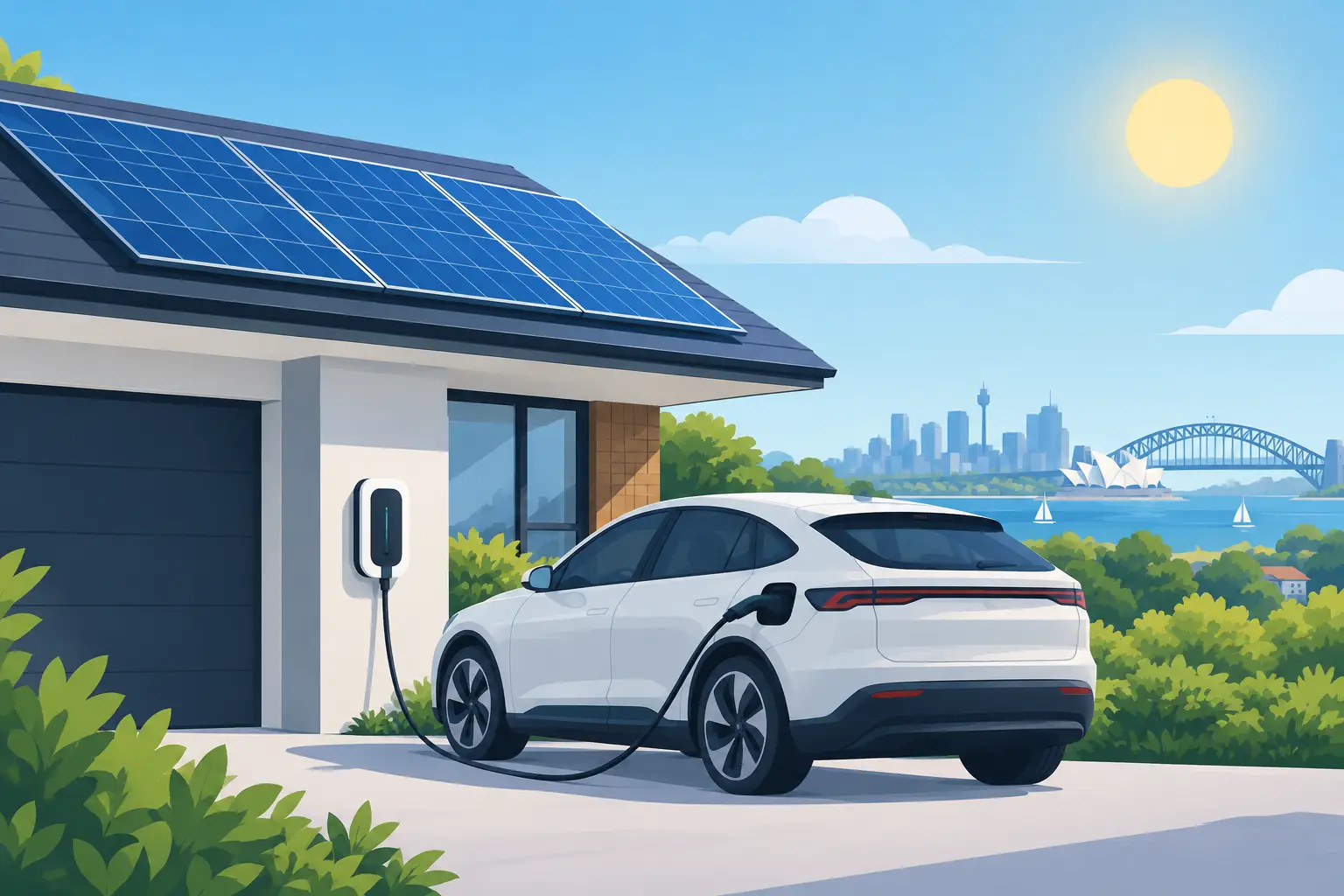
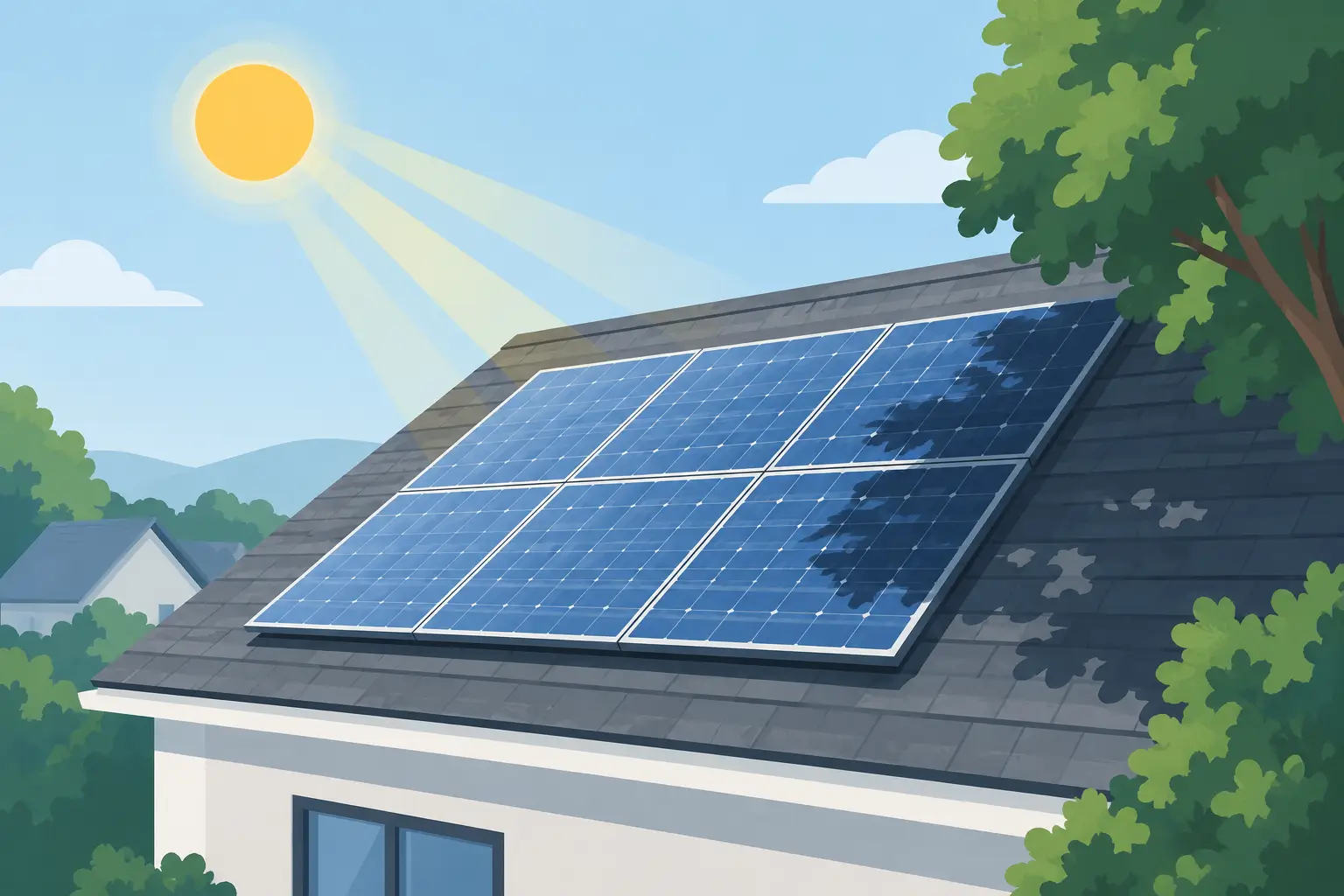
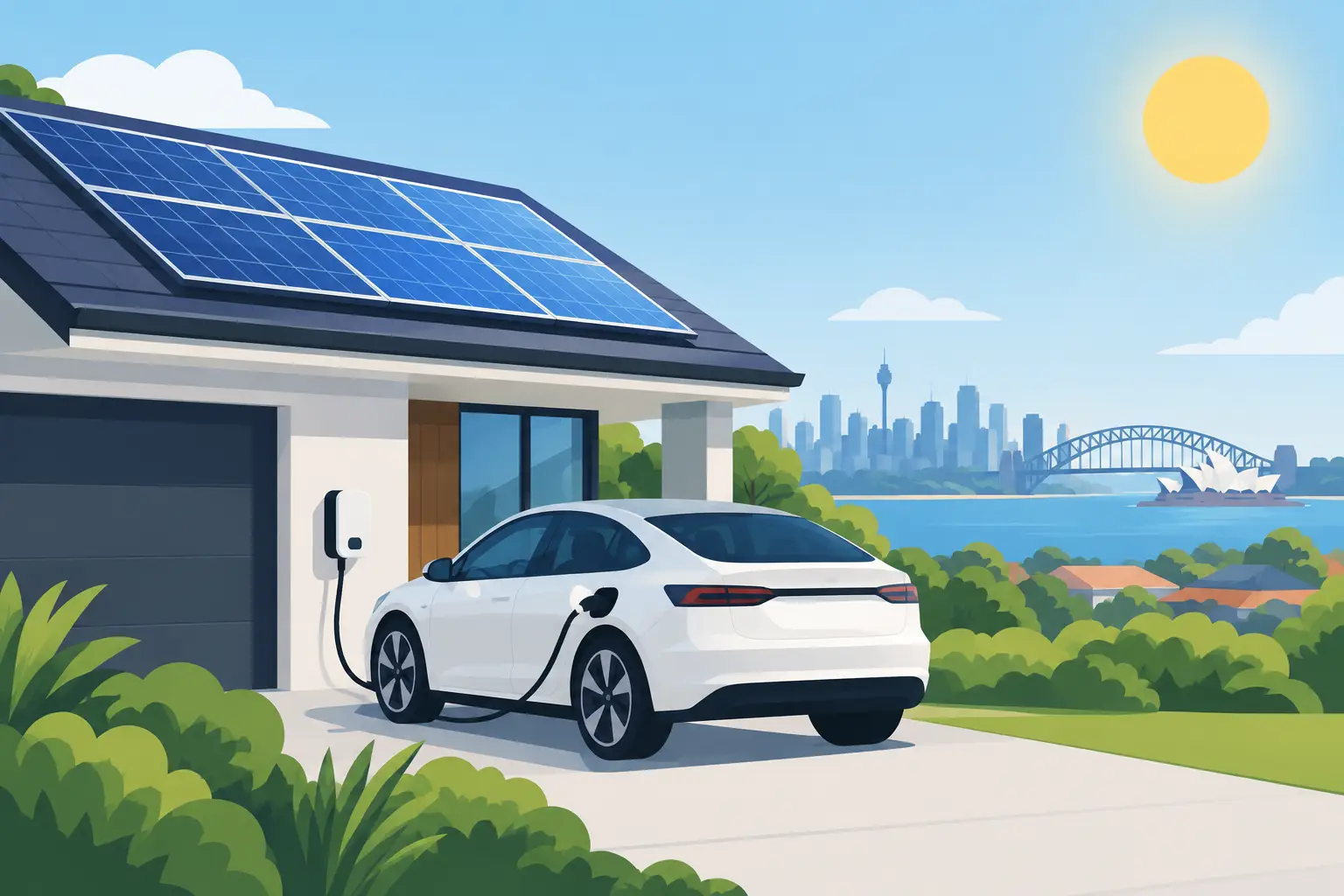
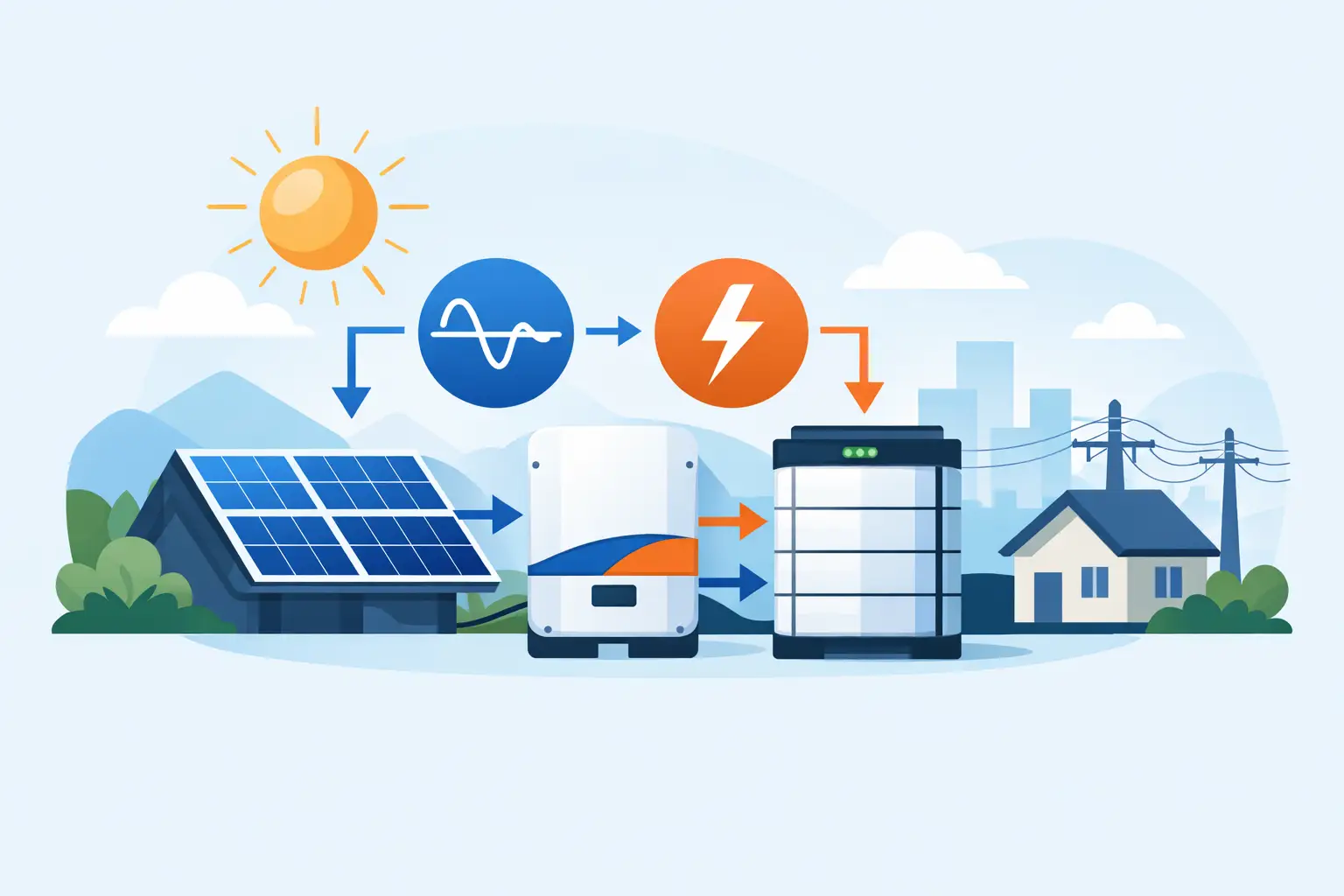
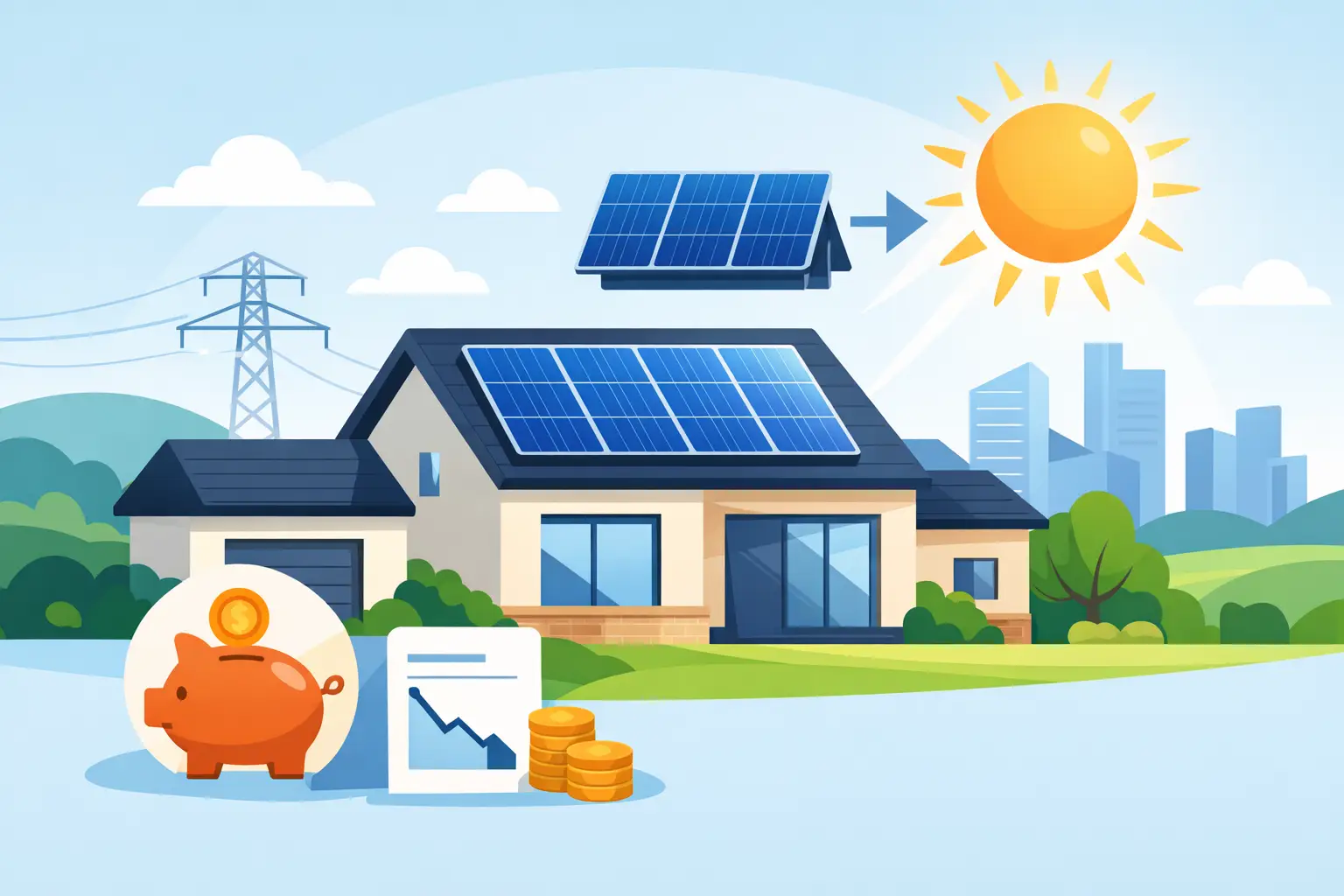
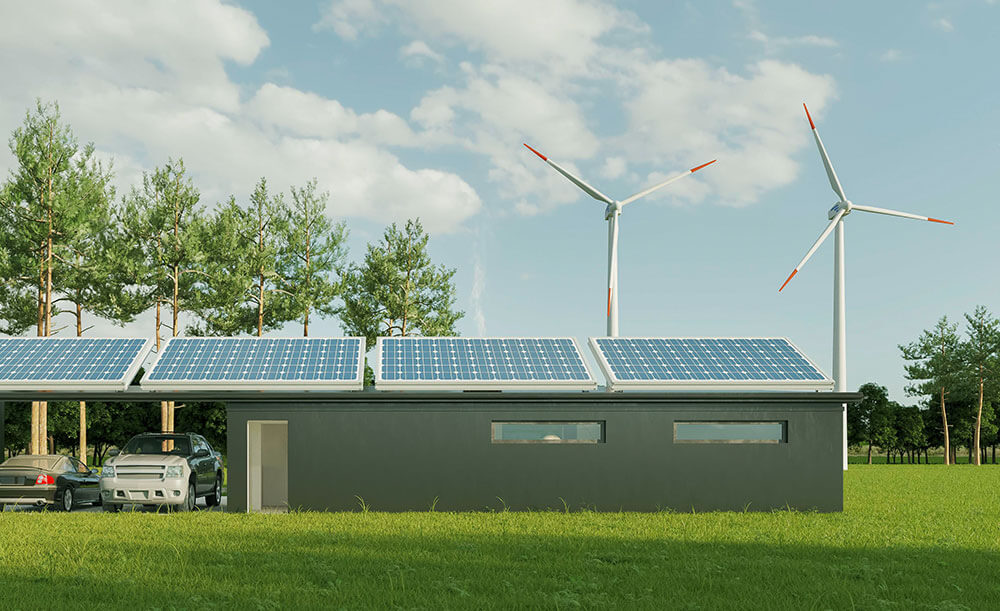
For solar households, smart functionality can be even more valuable. Some chargers can adjust charging to make greater use of surplus solar generation, rather than exporting it to the grid. This can improve the value of a rooftop solar system, especially when the vehicle is home during daylight hours.
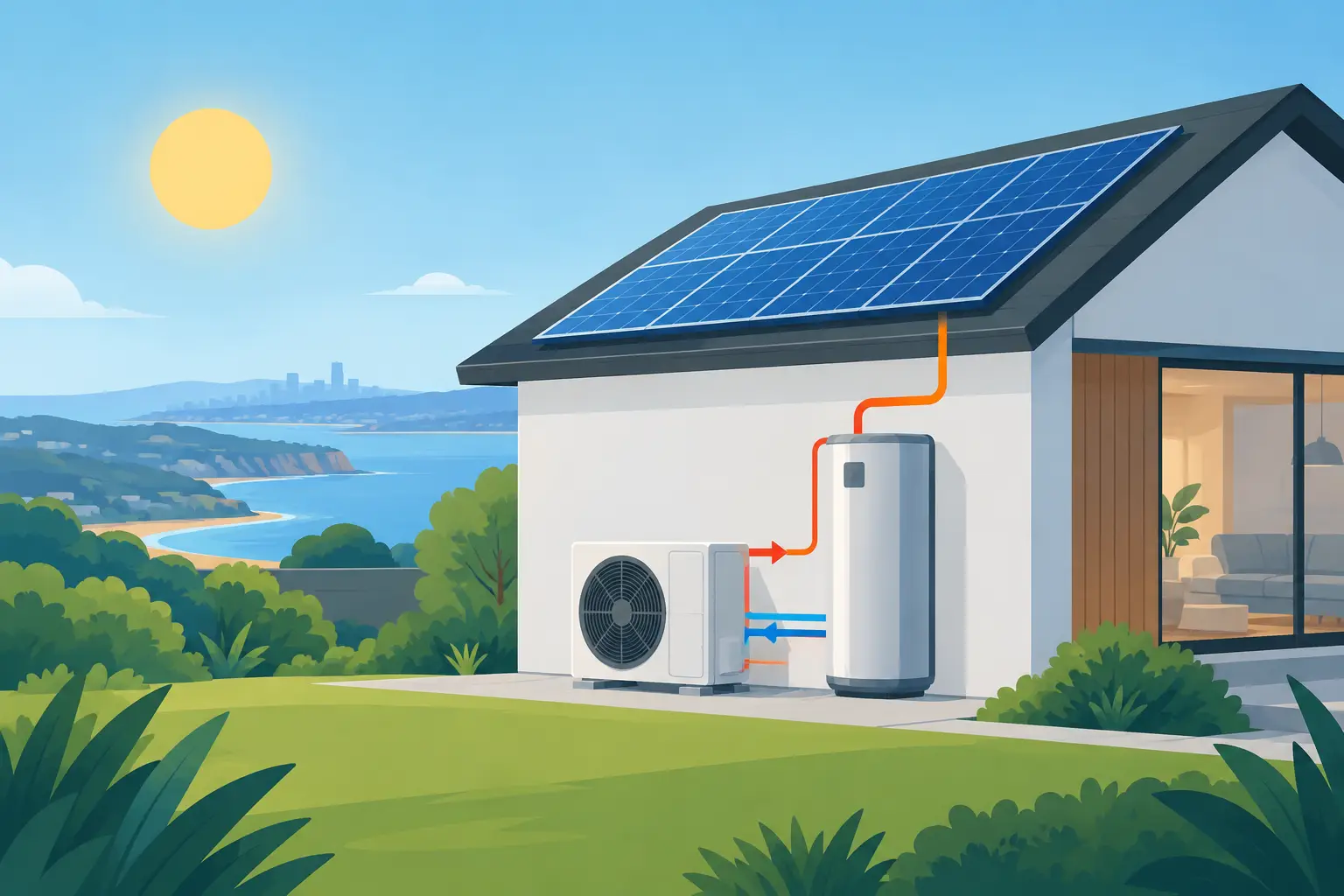
Dynamic load management deserves close attention. Your home has a maximum electrical capacity. If the oven, air conditioner, pool pump, hot water system and EV charger all run at once, demand can rise quickly. A load-managed charger monitors consumption and reduces charging output when necessary, then increases it again when capacity becomes available. It helps protect the main supply from overload without forcing the household to manually manage appliances.
Not every home needs every smart feature. If you have a small EV, low daily driving and a simple tariff, a quality basic charger may be sufficient. If you have solar, battery storage, a large family home or plans for multiple EVs, intelligent load control is usually worth considering from the start.
Check the property before choosing the charger
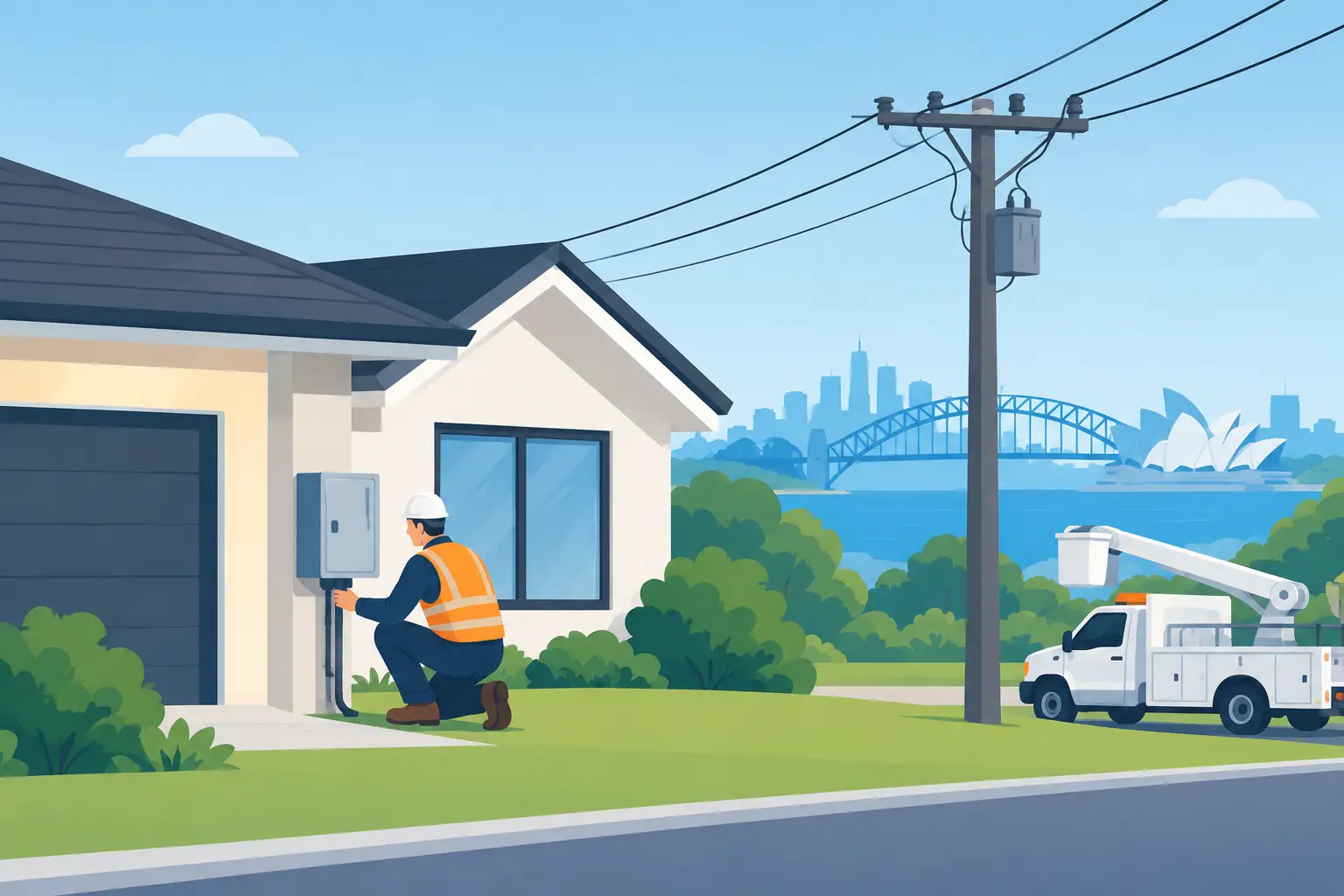
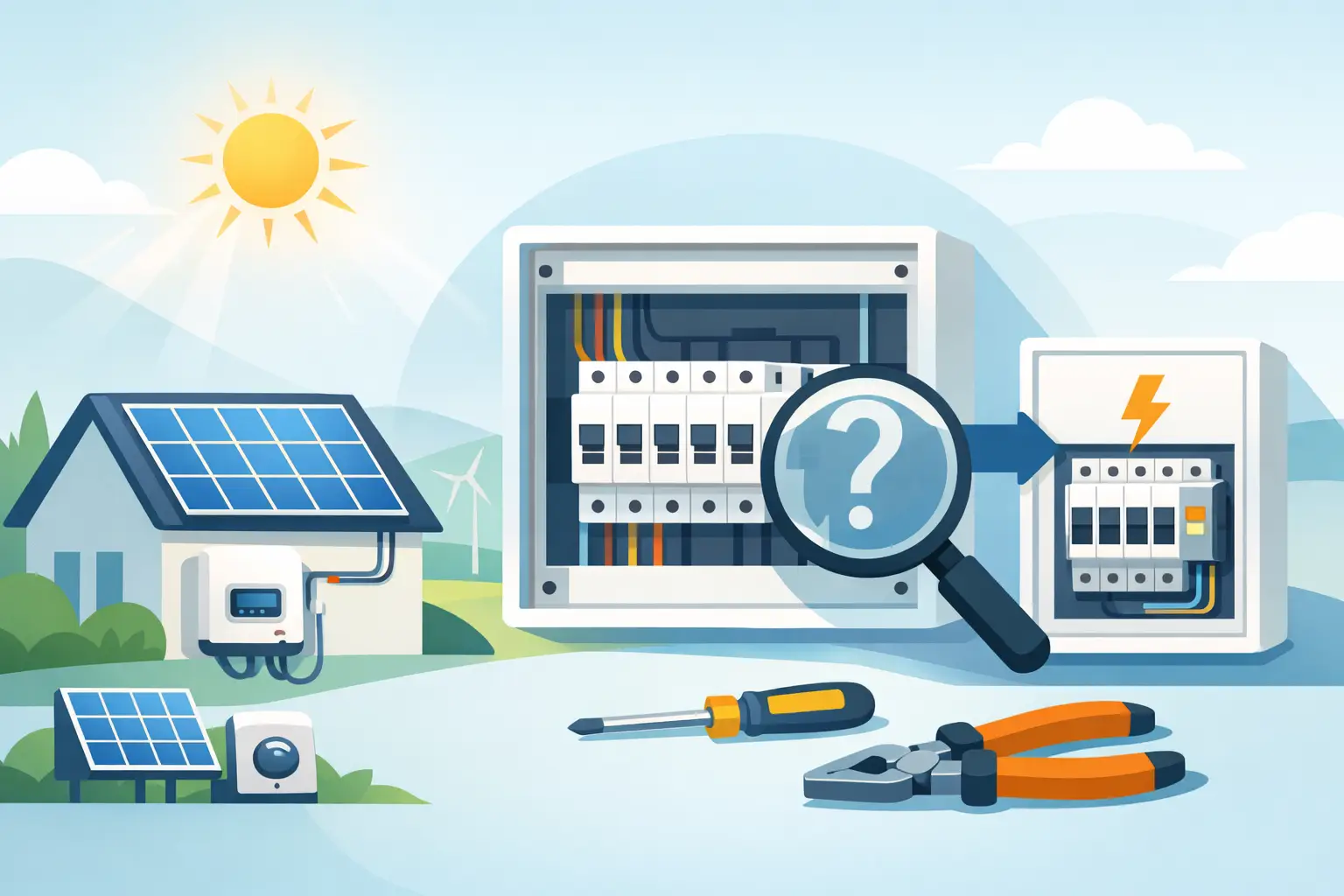
The charger itself is only one part of the project. The condition of the switchboard, cable route, distance to the parking space, available phases and electricity supply all influence the final design and cost.
Older homes may need switchboard upgrades, additional safety protection or a new circuit before a charger can be installed. Long cable runs to a detached garage, carport or driveway can also affect the scope. For strata properties, common-property approvals, meter arrangements and shared electrical capacity need to be addressed early.
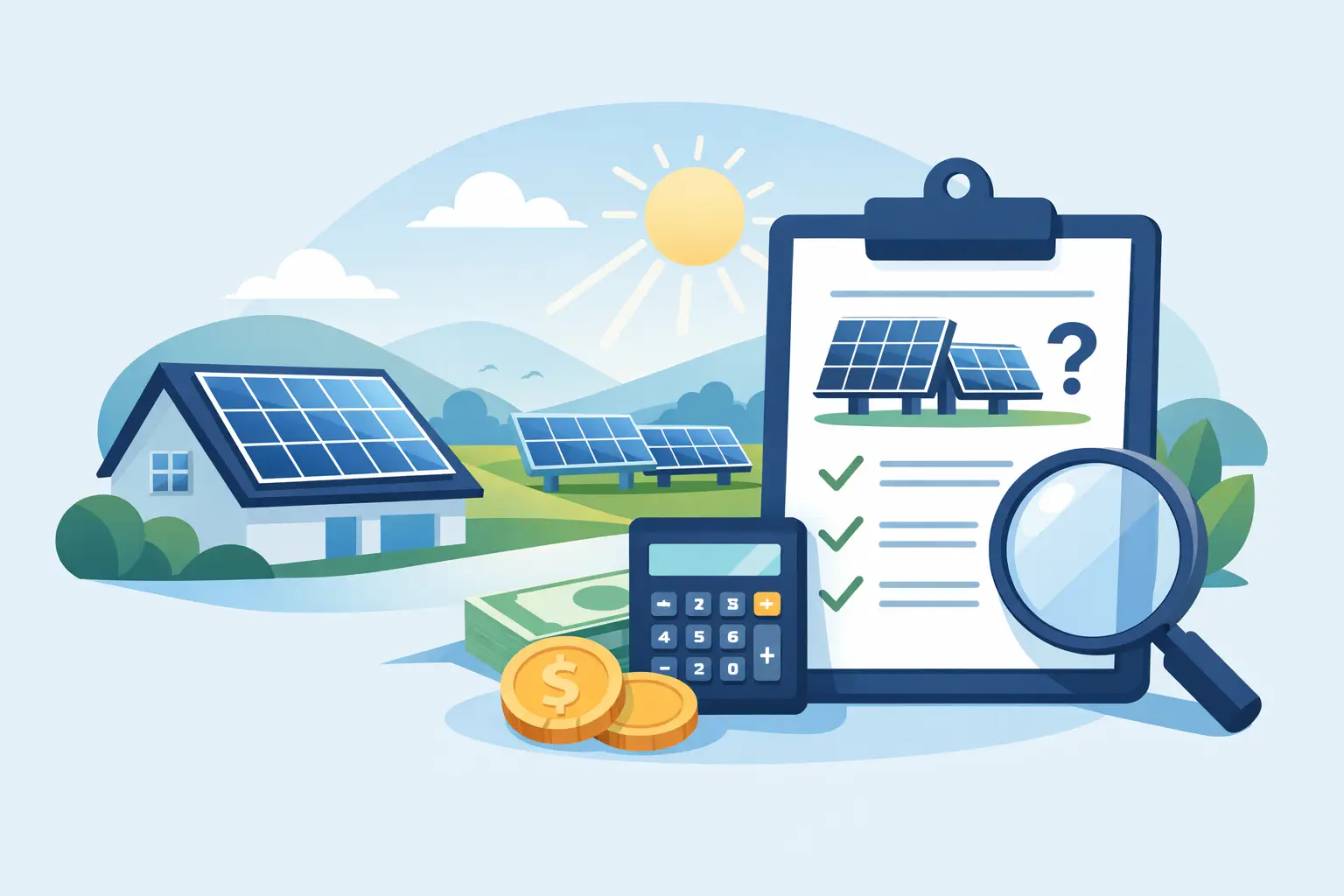
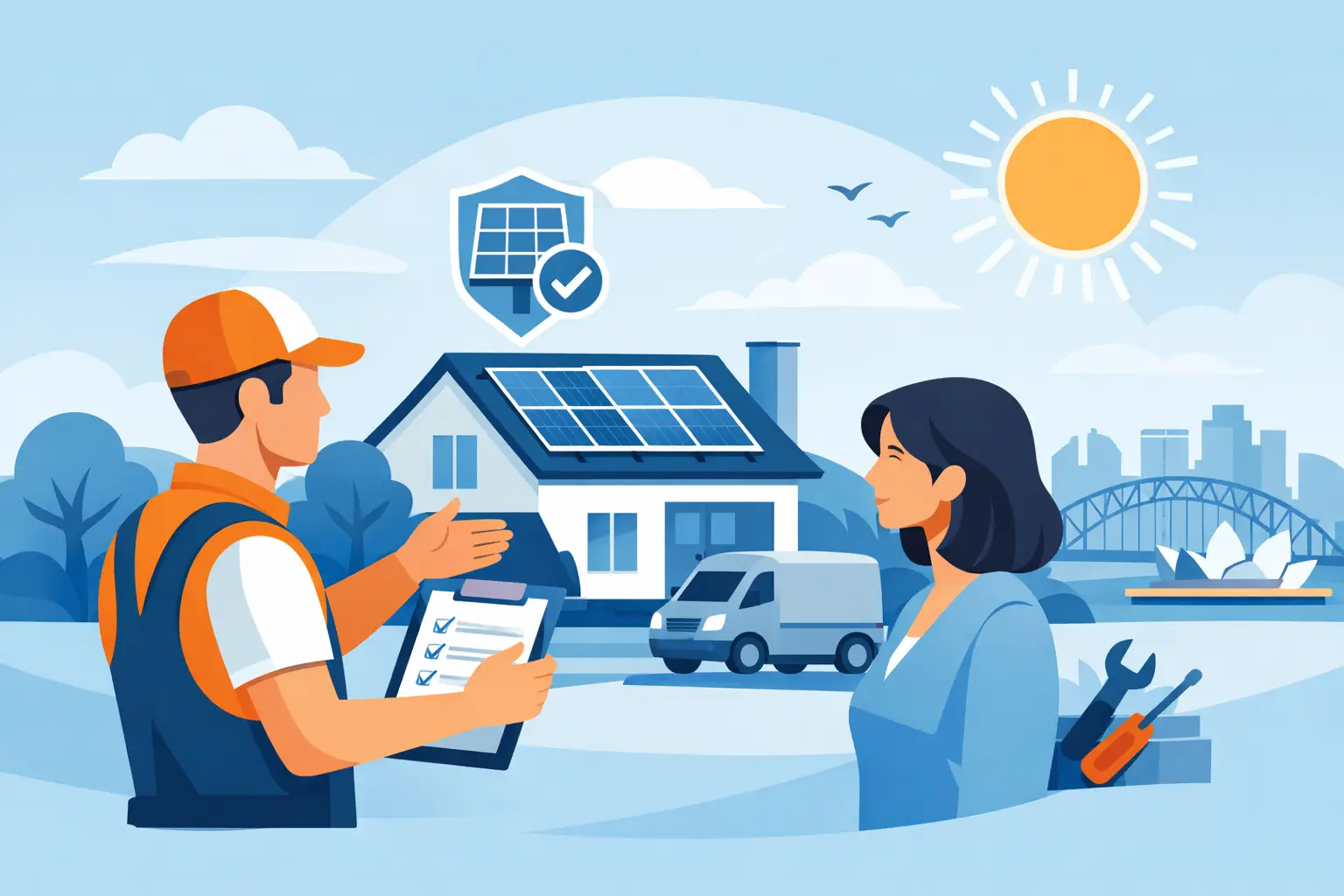
This is where a detailed site assessment matters. A transparent quotation should identify the charger model, circuit works, cable allowance, protection devices, commissioning and any exclusions. A low advertised installation price is not meaningful if essential electrical work appears later as an unexpected variation.
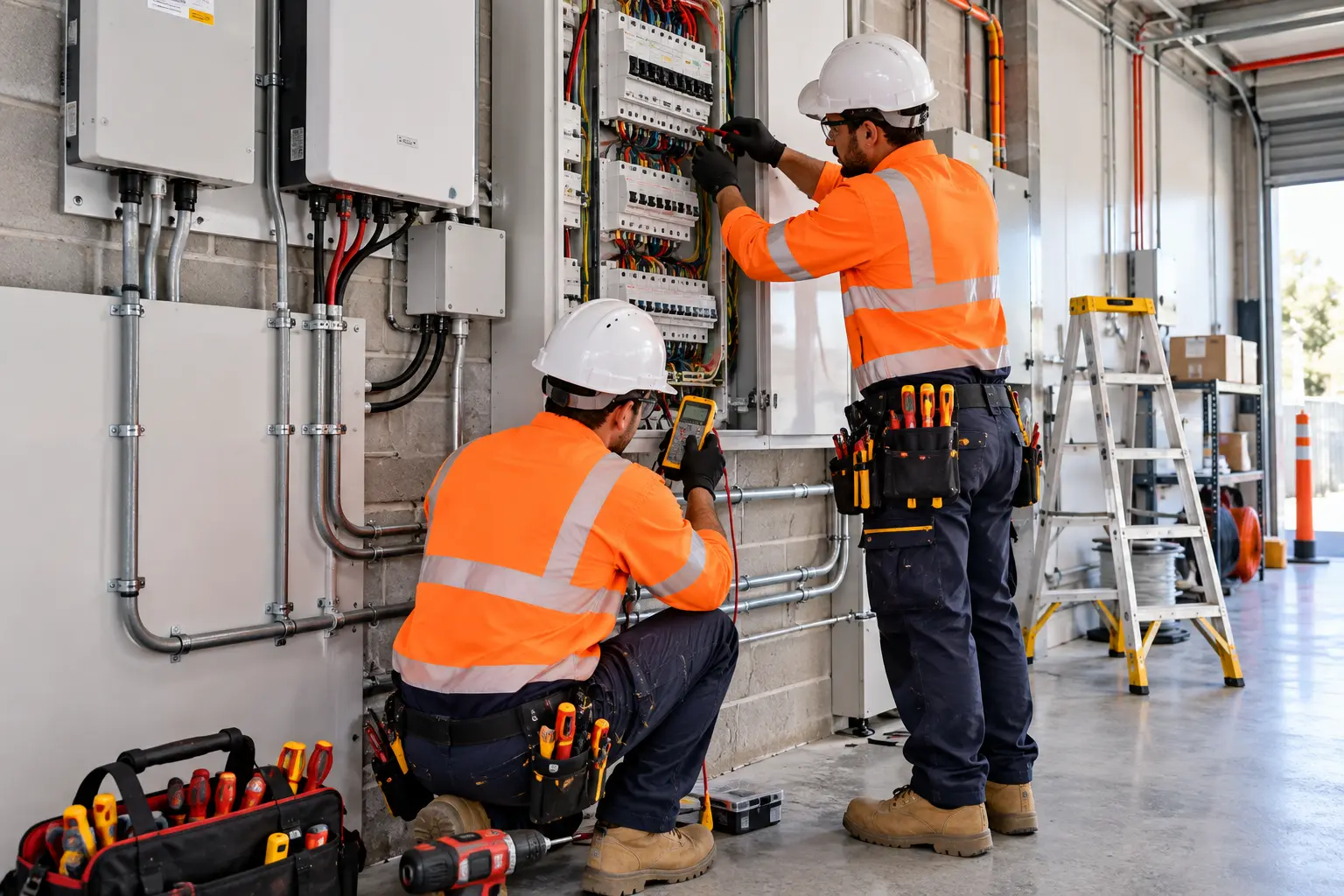
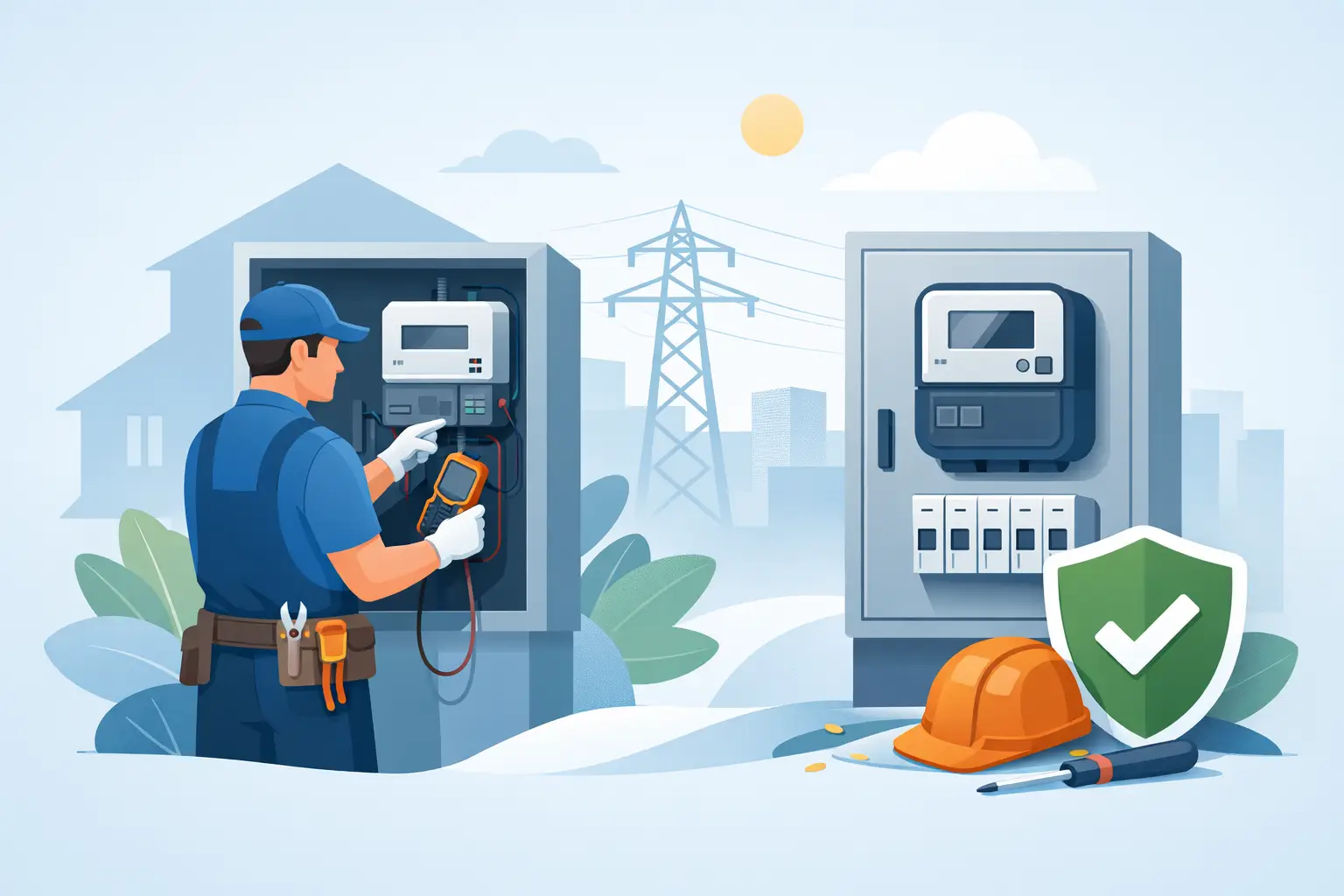
All EV charger installations should be completed by appropriately licensed electrical professionals and designed to meet applicable Australian electrical requirements. Where a property needs supply alterations, metering work or network-related upgrades, Level 2 ASP capability can provide a clearer path from assessment through to compliant completion.
Compare solar and battery compatibility realistically
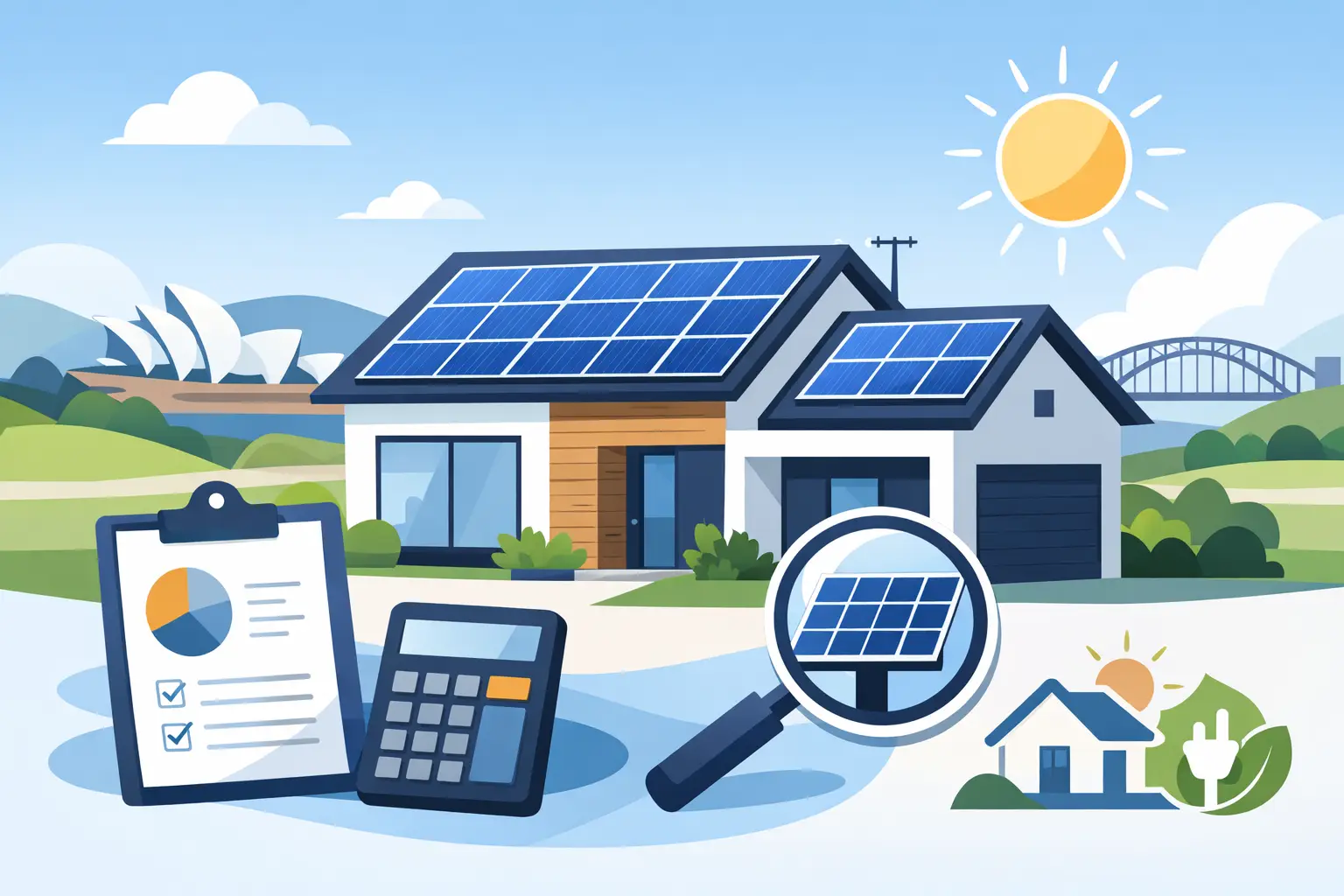
A common expectation is that solar panels will charge an EV entirely for free. In practice, it depends on when the car is parked at home, how much solar is being generated and what other appliances are using power. An EV can consume a significant amount of energy, so a system needs sensible controls rather than assumptions.
Solar-aware charging is most useful for households where the car is regularly at home during the day. It can direct surplus generation into the EV, while allowing a minimum charging rate when clouds pass or household demand rises. For commuters who leave before sunrise and return after sunset, scheduled off-peak charging may deliver better results than chasing daytime solar.
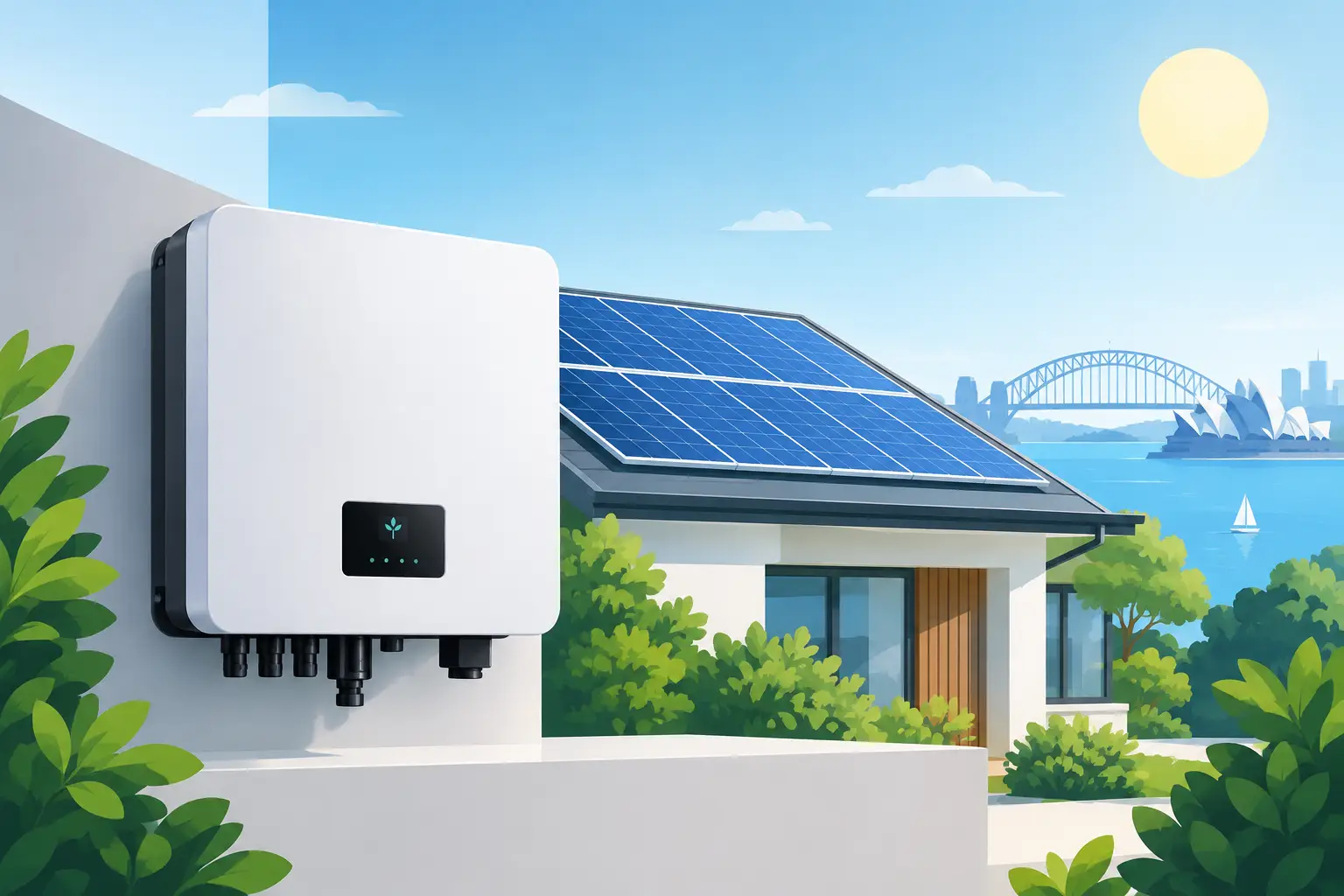
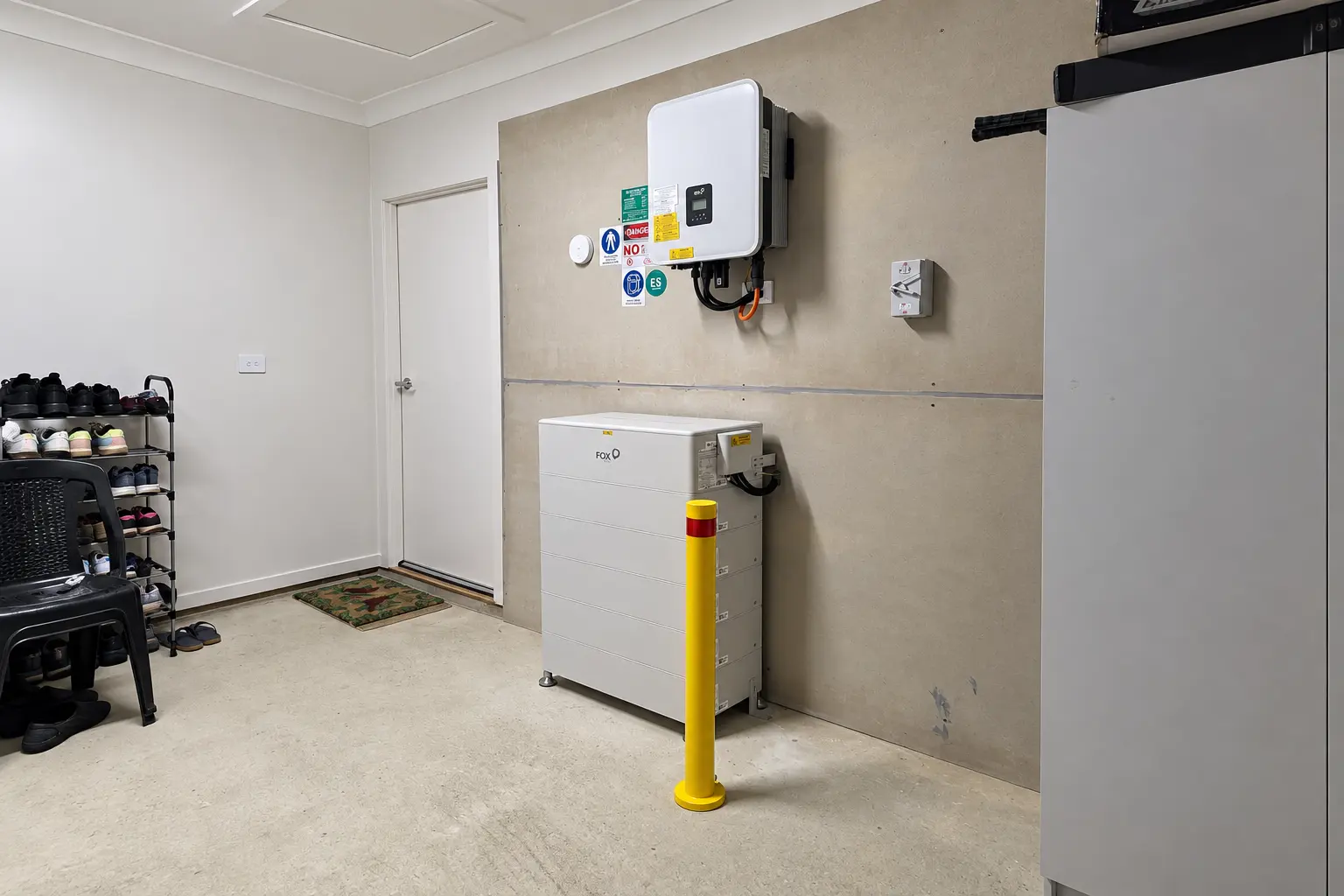
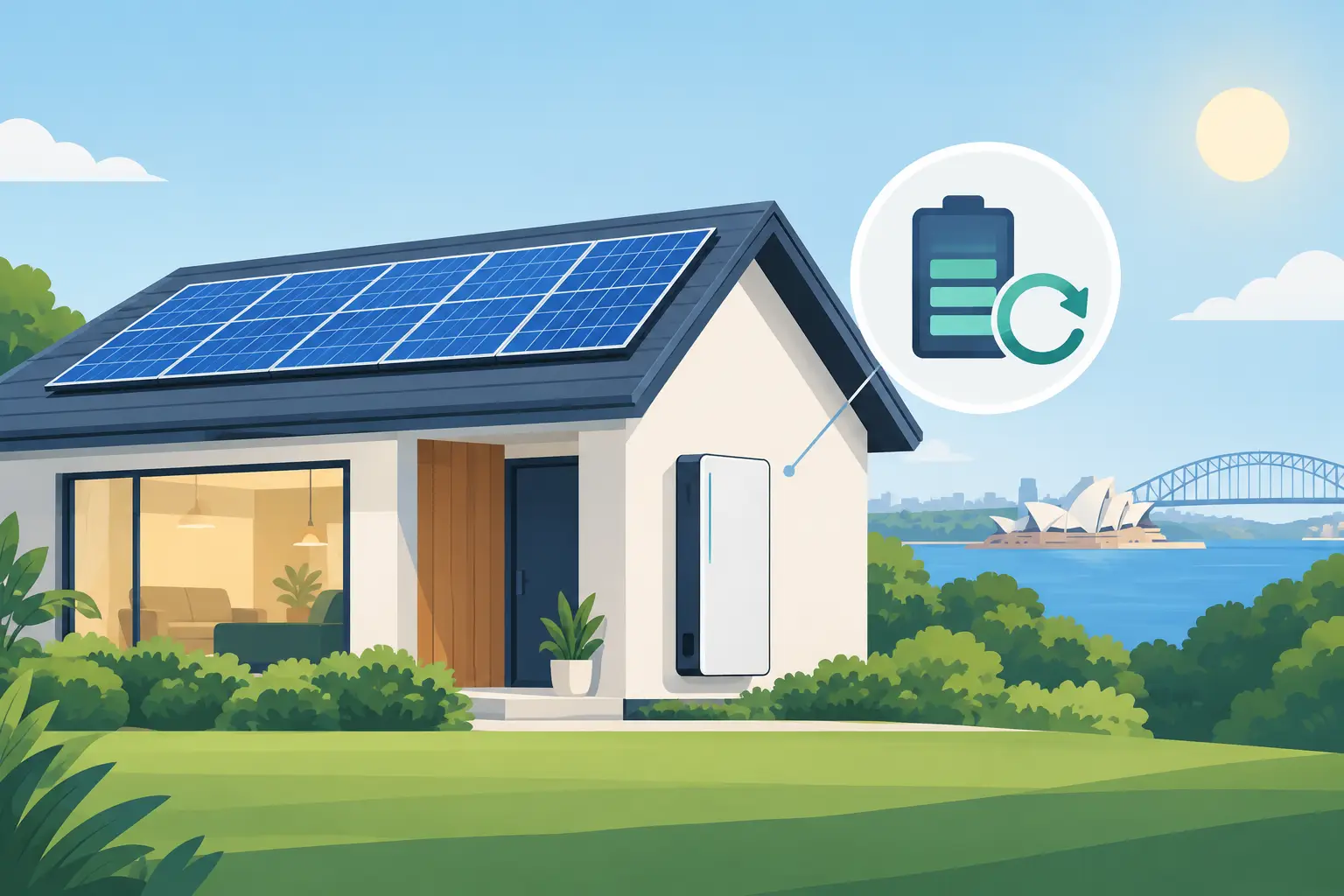
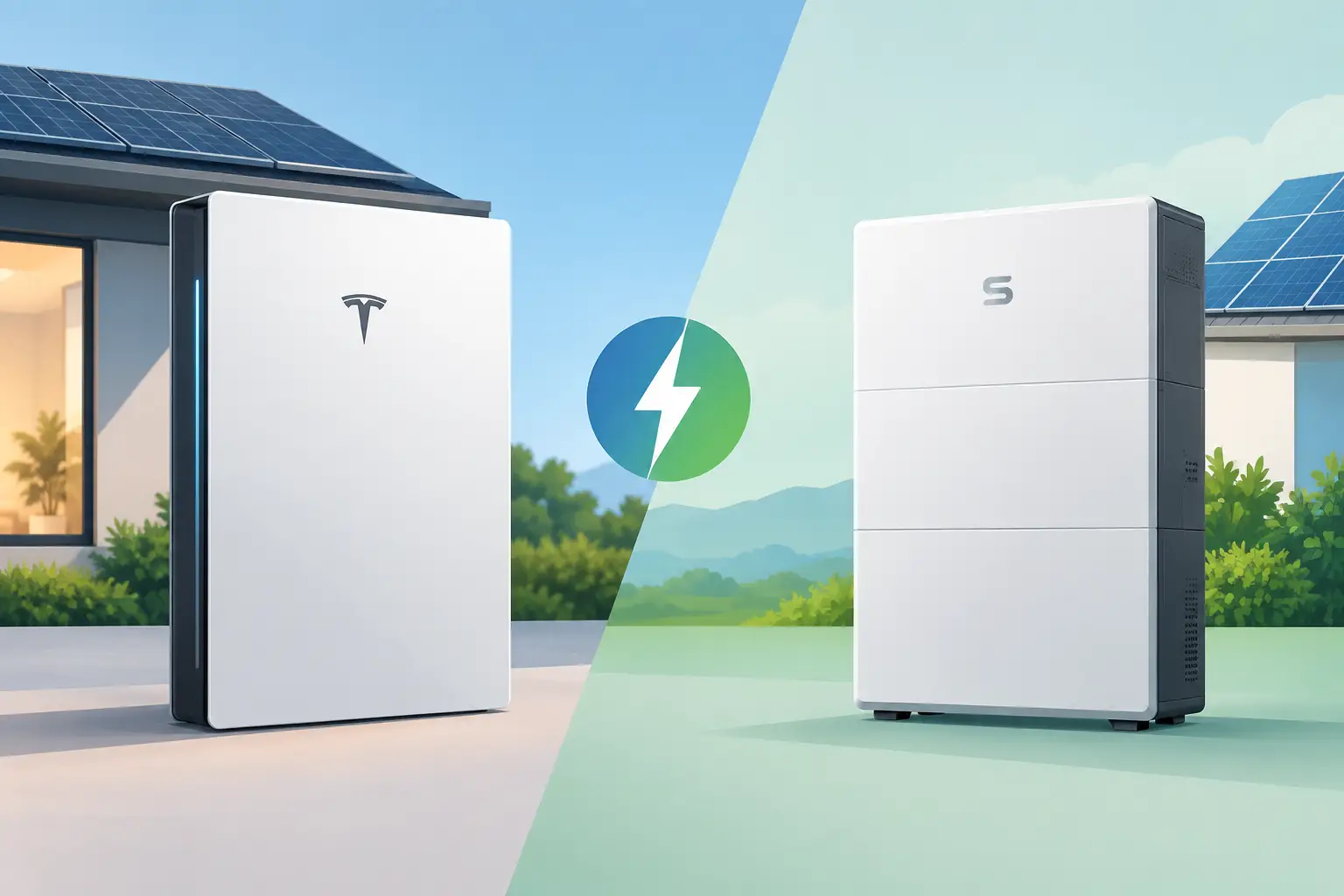
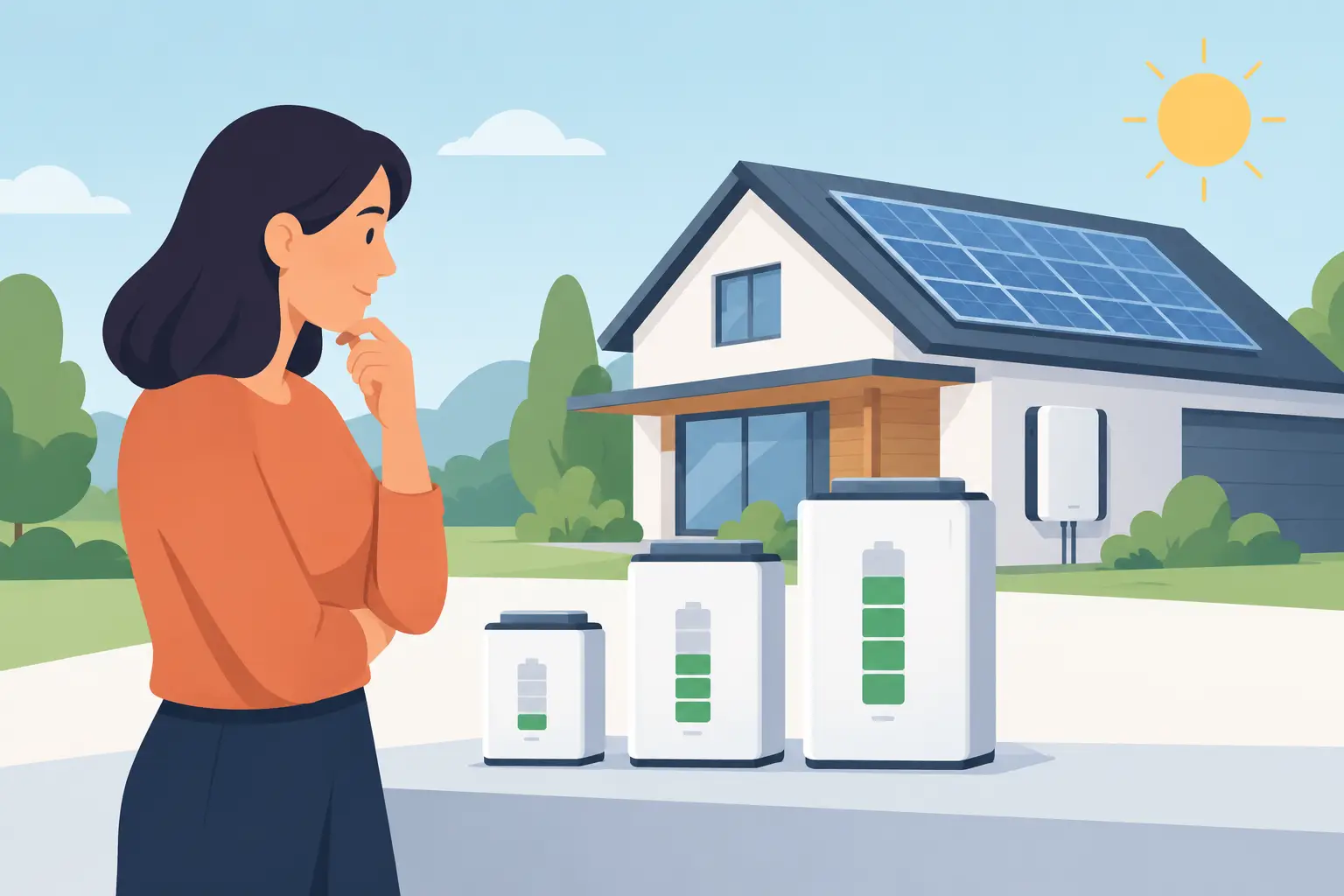
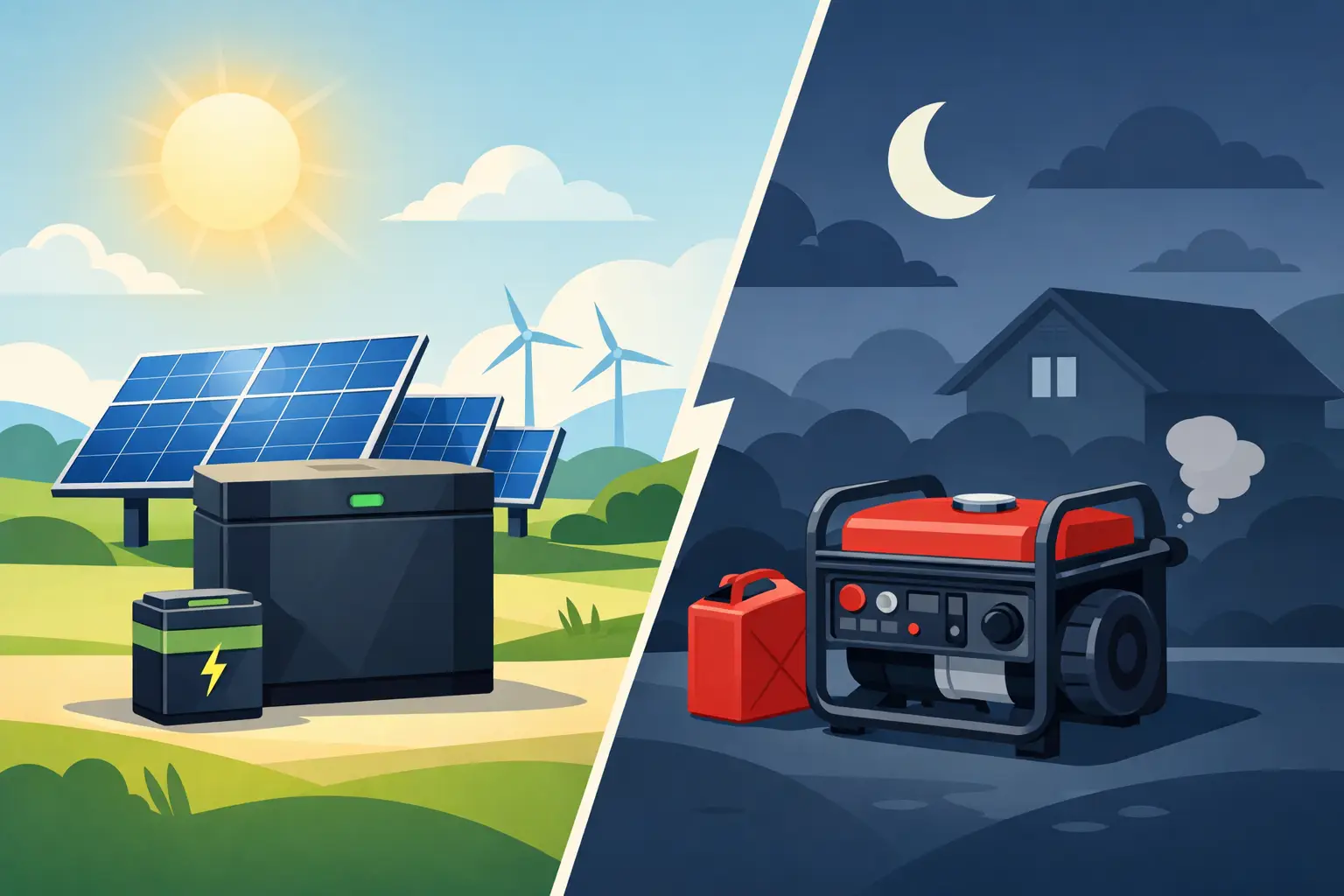
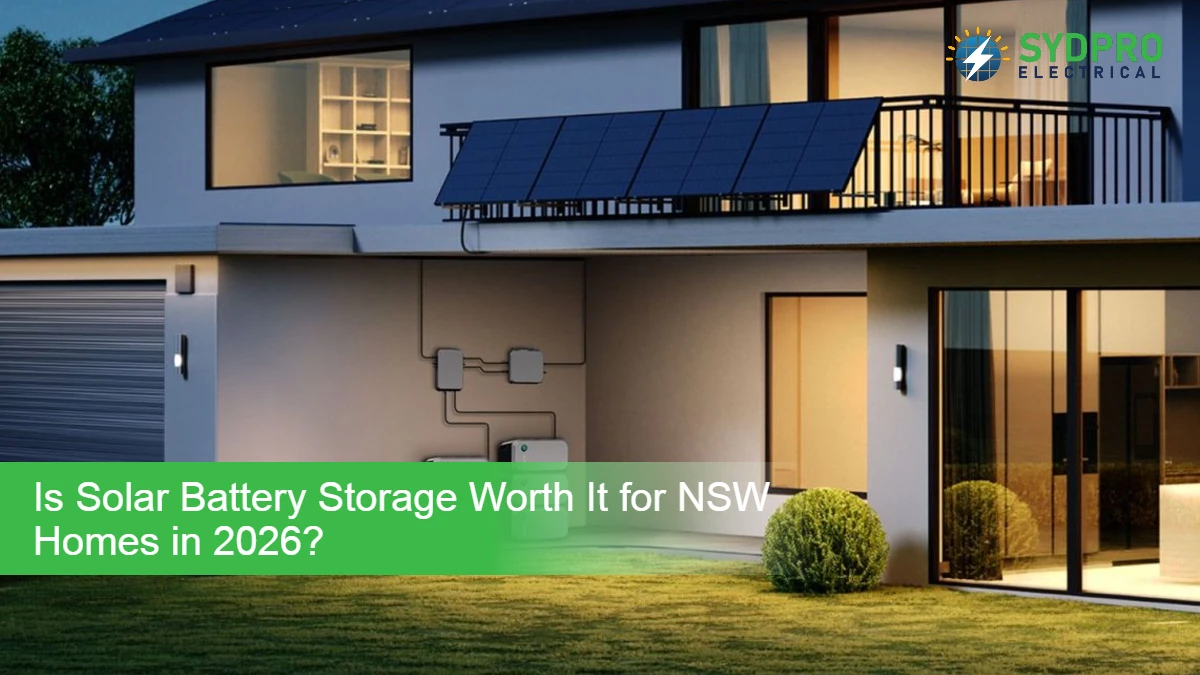
Battery storage adds another decision. Charging an EV from a home battery can be useful in selected circumstances, but it can also drain stored energy needed for evening consumption or backup power. The best design considers the battery size, tariff structure, solar production, vehicle use and resilience priorities. Energy independence is not achieved by sending every available kilowatt-hour to the car.
Plan for the next vehicle, not just this one
A charger should serve the property for years, not only the EV currently in the driveway. If a second EV is likely, consider a system that can share power across two chargers or add another charging point later. This is often more cost-effective than rebuilding the installation after the first vehicle is replaced.
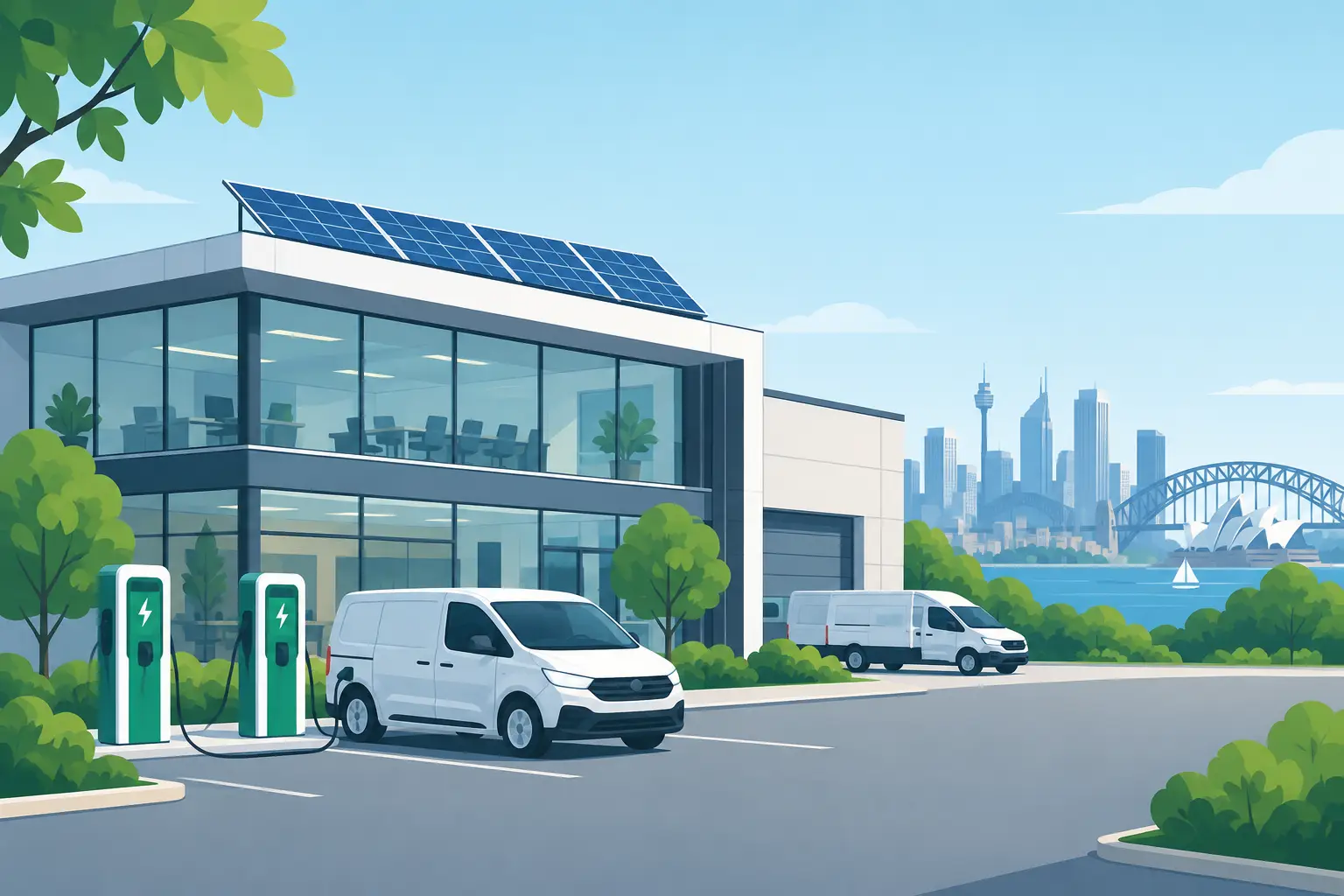
Commercial and industrial sites should take the same approach at a larger scale. Fleet charging may require staged infrastructure, load studies, access control, billing capability and switchboard planning. Installing conduits and capacity for future bays during initial works can avoid disruptive excavation and electrical alterations later.
Warranty support also matters. Compare the charger warranty, the installer’s workmanship warranty, local technical support and the availability of replacement parts. Premium equipment is valuable when it is matched with a contractor able to design, install and stand behind the full energy system.
Choose value over the cheapest wall box
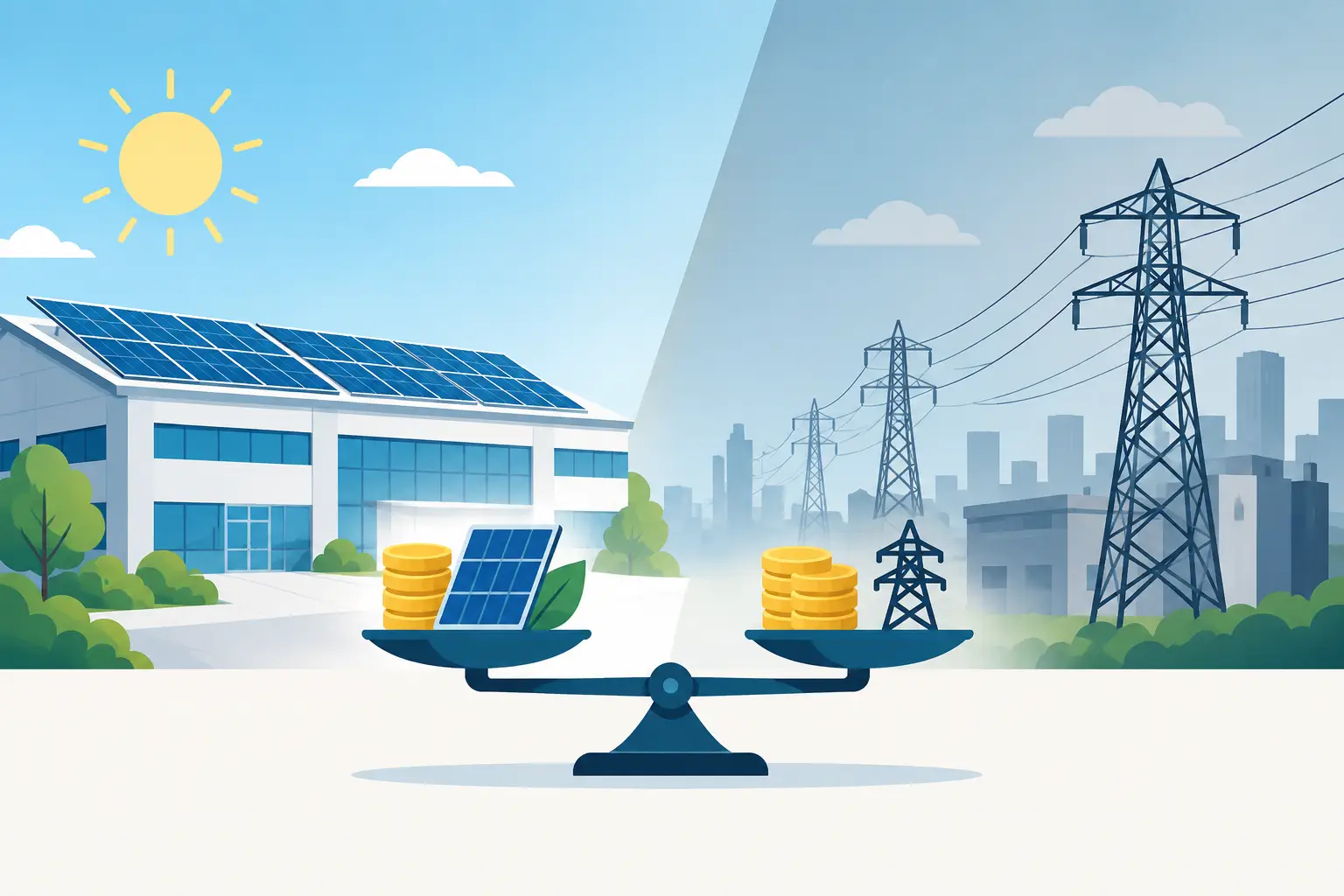
The cheapest charger can become expensive if it lacks load management, requires major rework later or is installed without proper assessment. Equally, the most feature-packed unit may not deliver a worthwhile return for a household with modest charging needs. The strongest outcome is a charger matched to your vehicle, driving routine, solar system and electrical infrastructure.
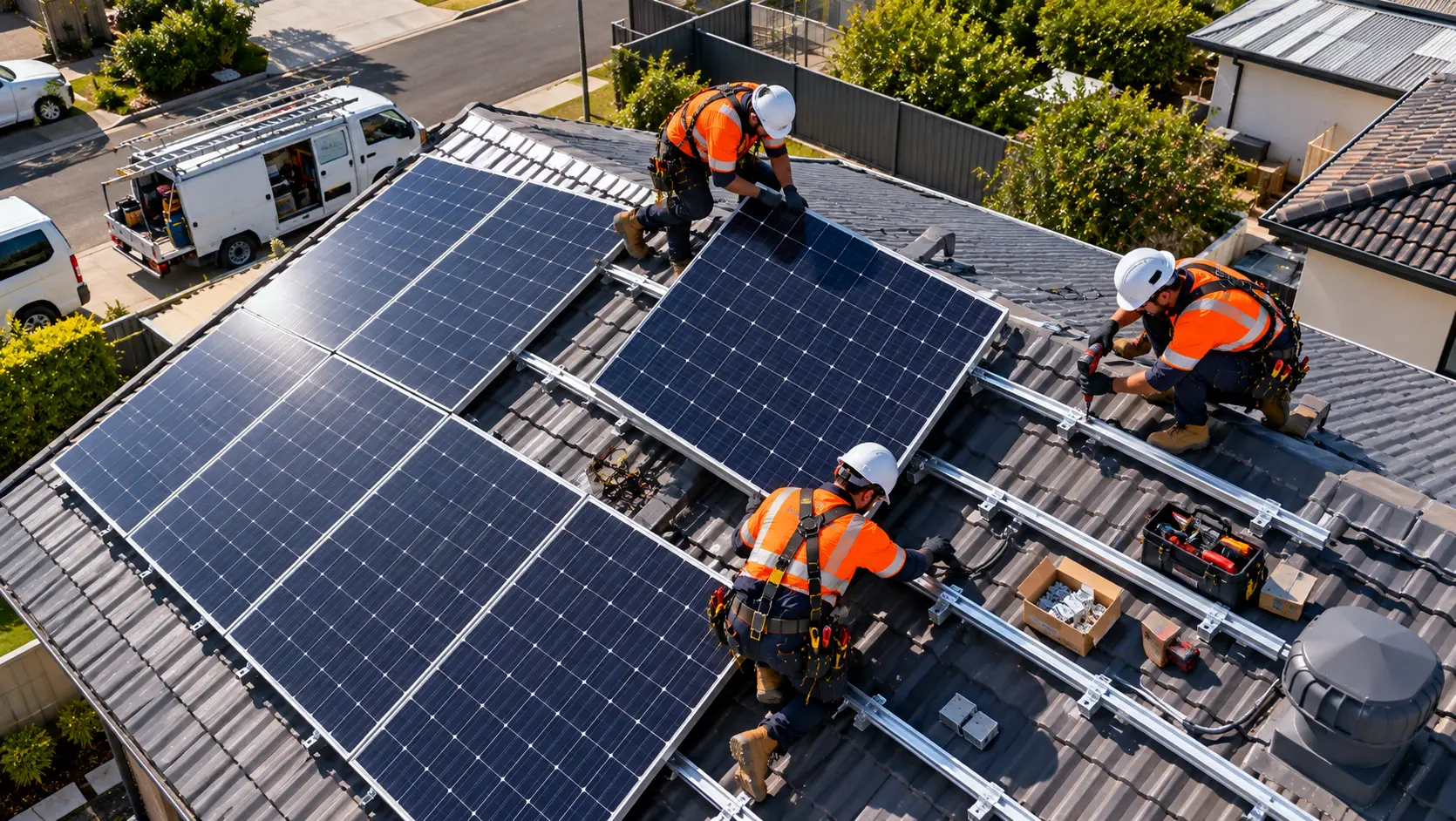
For NSW homeowners and businesses, a professional design gives you clearer costs, safer installation and a practical path for future upgrades. Sydpro Solar Solutions can assess the charger alongside solar, battery storage and supply requirements, so each part of the system works toward lower energy costs and dependable everyday charging.
A well-chosen home charger should fade into the background: your vehicle is ready when you are, your electrical system remains protected, and your property is better prepared for the way energy is changing.