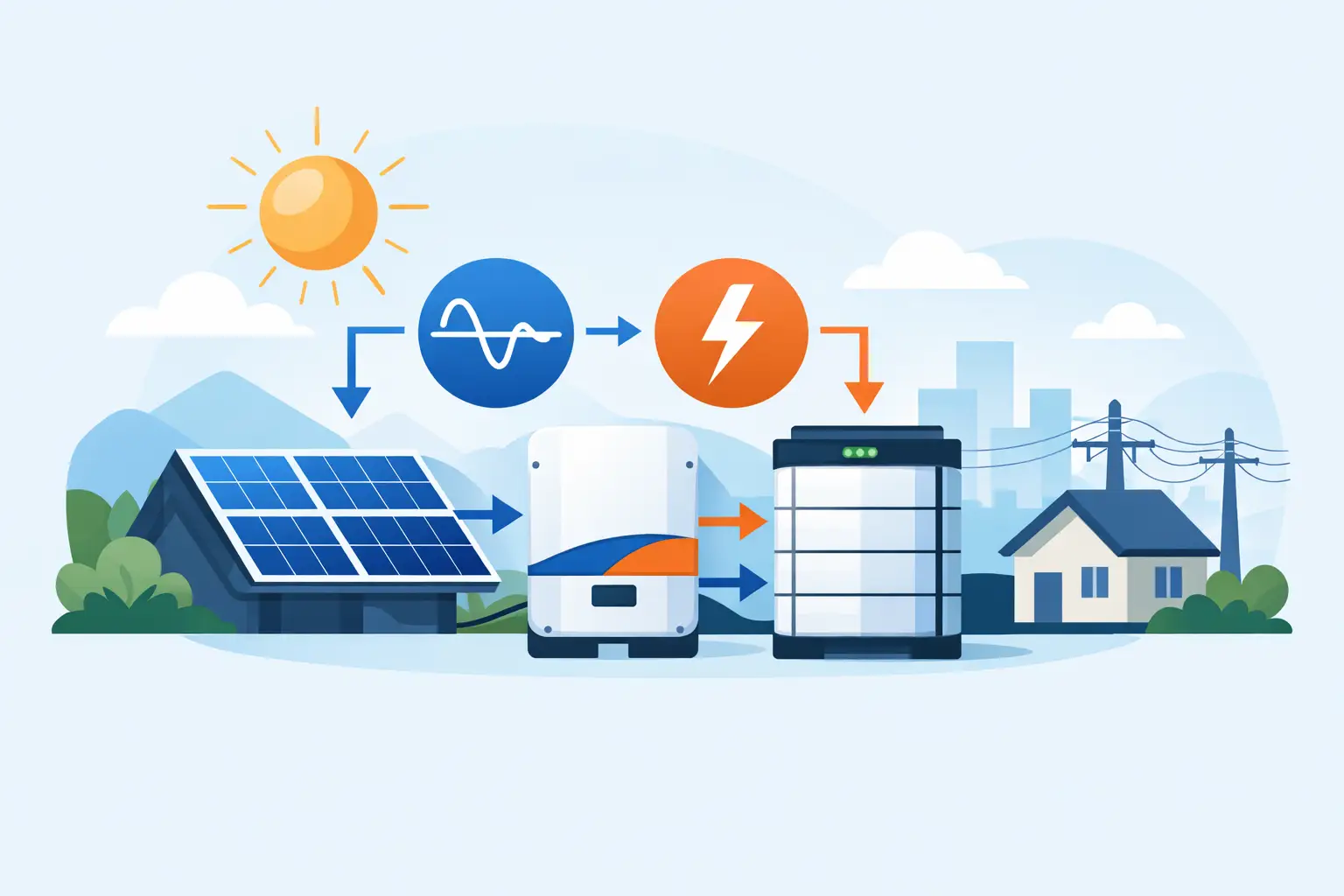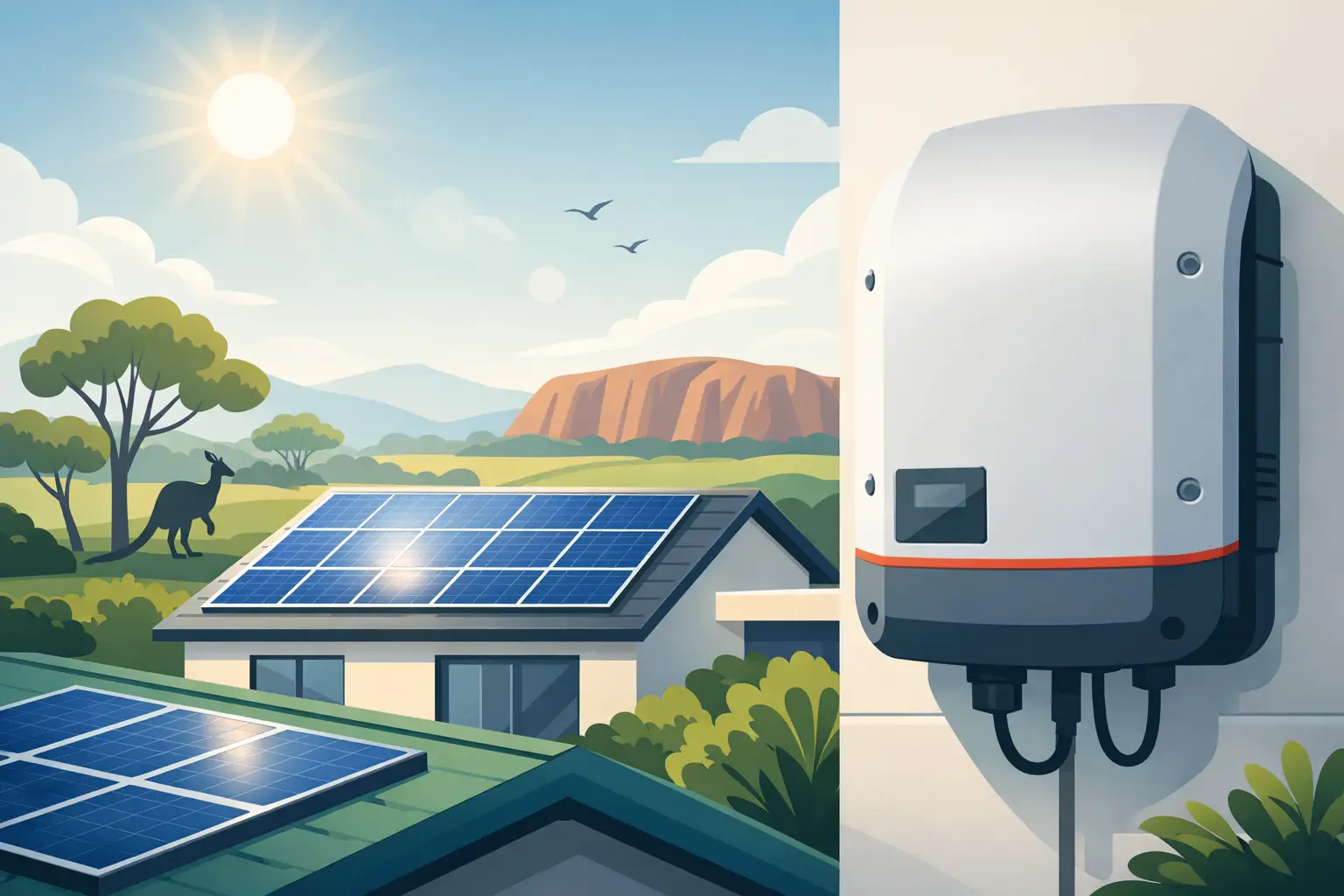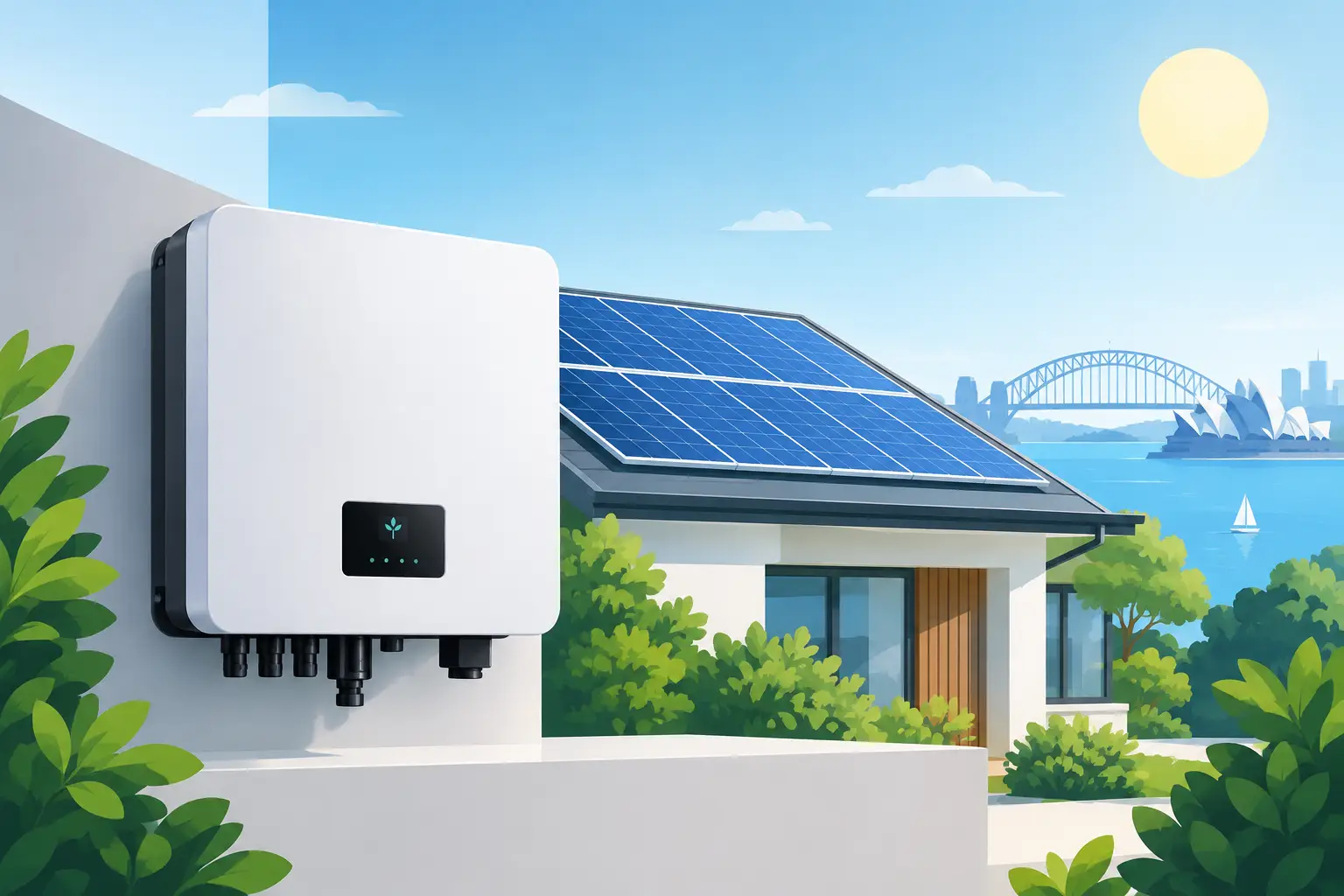
A solar inverter has a harder job than its compact wall-mounted form suggests. It must convert your panels’ DC power into usable AC electricity, respond to grid conditions, track production and, increasingly, coordinate a home battery. That is why a Sungrow inverter review should look beyond the purchase price. For NSW households and businesses, the right answer depends on your roof, daytime energy use, battery plans and the quality of the electrical design behind it.
Sungrow has become a familiar name in Australian solar because it offers a broad range of residential and commercial inverters, along with battery storage that is designed to work within the same ecosystem. The brand sits in a practical middle ground: established technology, strong functionality and pricing that can make a well-designed system accessible without treating the inverter as an afterthought.
What Sungrow inverters do well
Sungrow is a global power-electronics manufacturer with a substantial presence in the Australian market. Its residential range includes string inverters for standard solar systems, hybrid inverters for solar and battery setups, and three-phase options for larger homes and business sites. This breadth matters because an inverter should suit the property’s electrical supply and future plans, rather than forcing every installation into one equipment package.
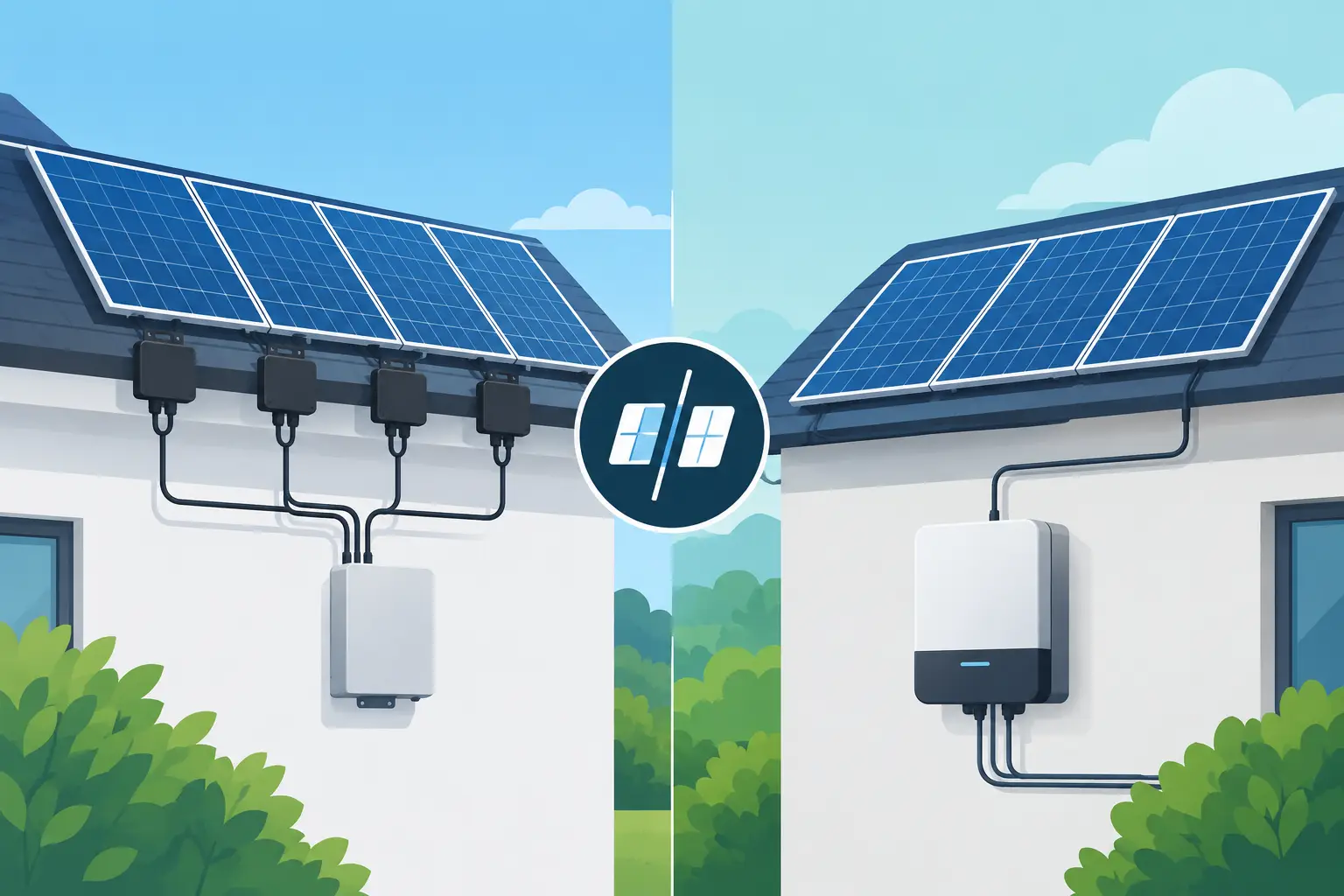
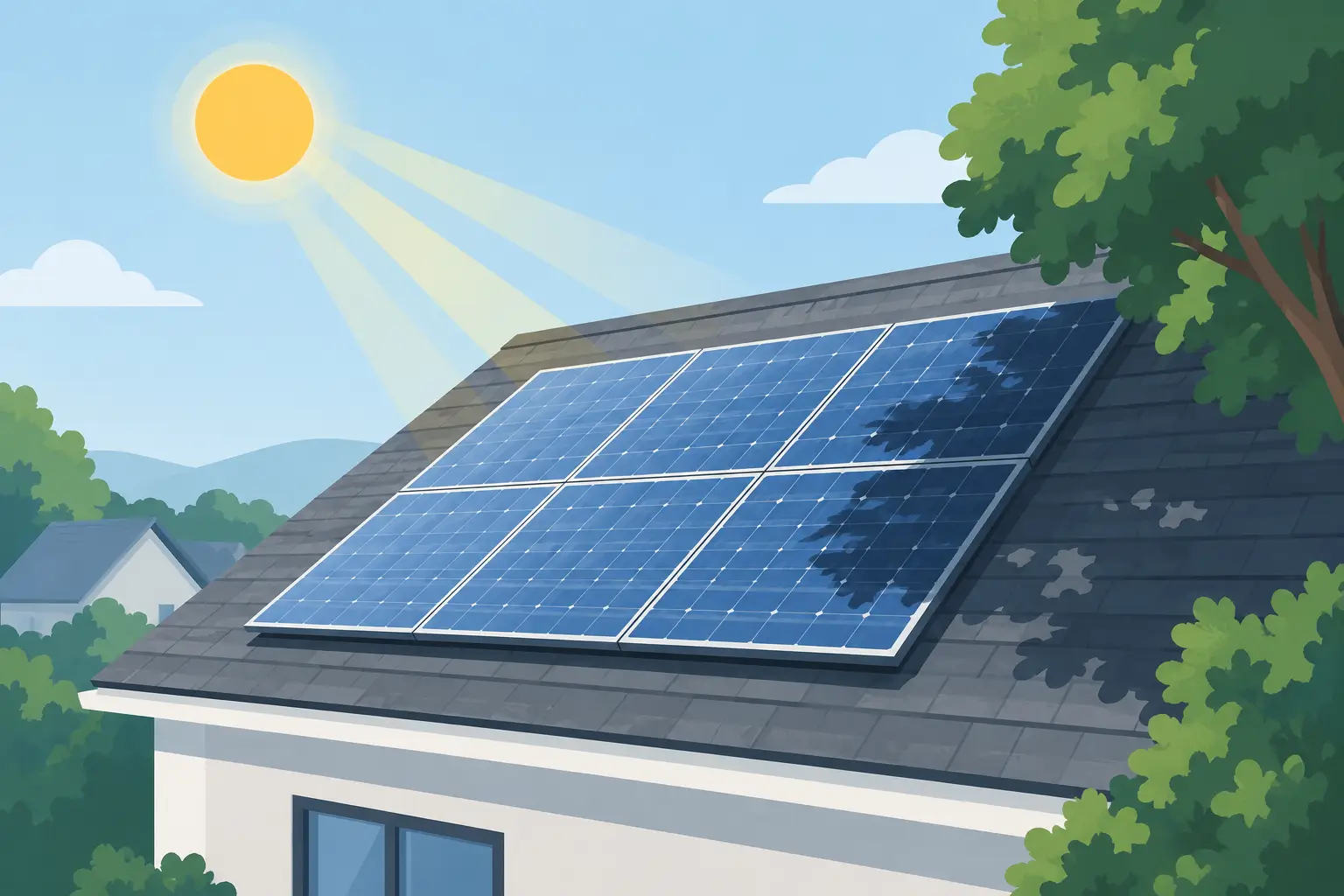
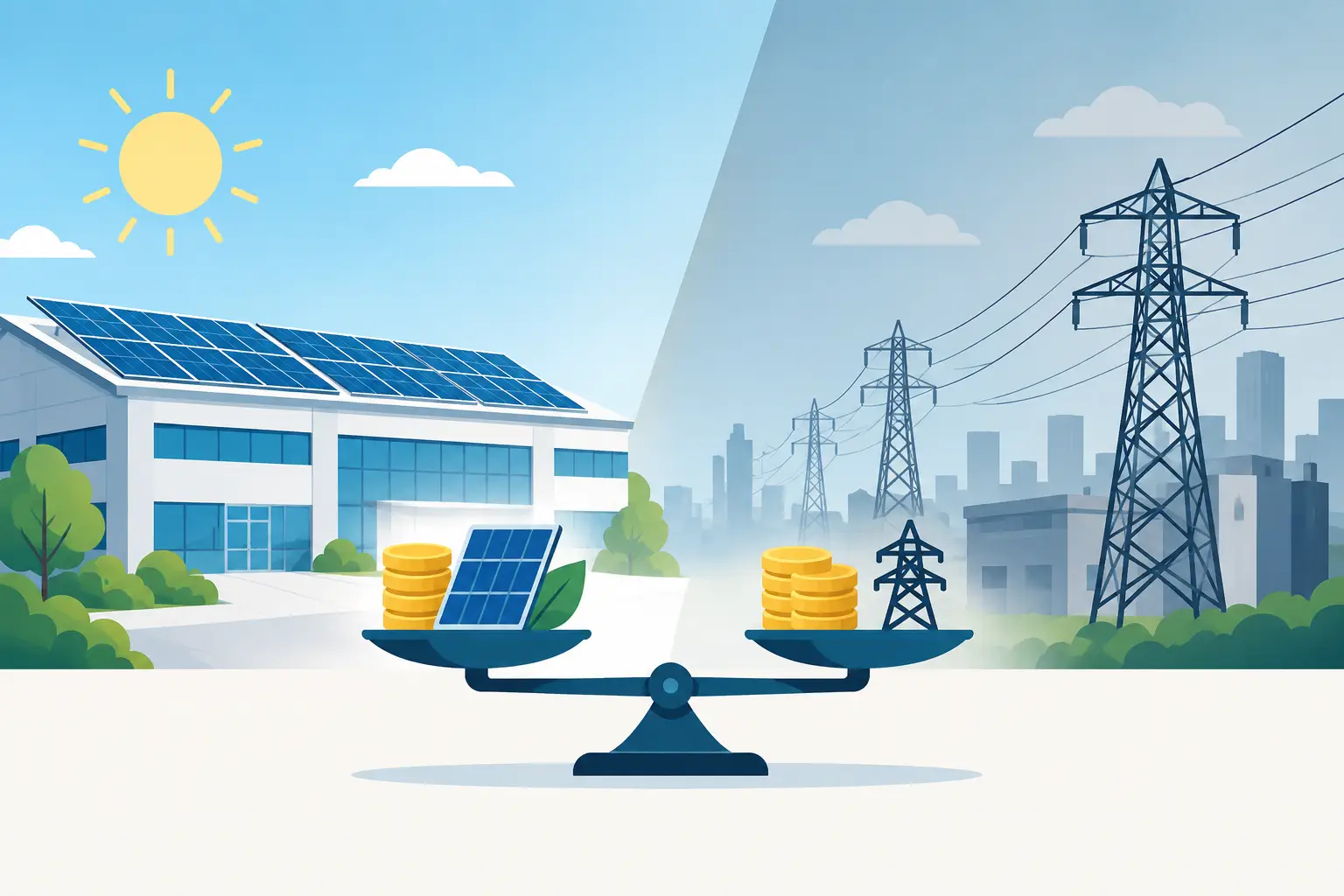
For many Sydney homes, Sungrow’s appeal starts with value. The equipment is generally priced below some premium European alternatives while providing the core functions most households expect: efficient solar conversion, app-based monitoring, multiple maximum power point trackers (MPPTs) on many models, and compatibility with Sungrow battery products. Multiple MPPTs allow panel groups on different roof faces to be managed separately, which is useful for homes with east-west layouts, partial shade or complex rooflines.
The monitoring platform is another practical strength. Owners can see solar generation, household consumption where monitoring hardware is fitted, grid imports and exports, and battery activity on compatible hybrid systems. Clear data makes it easier to identify whether a system is producing as expected and whether changing appliance use could improve savings.
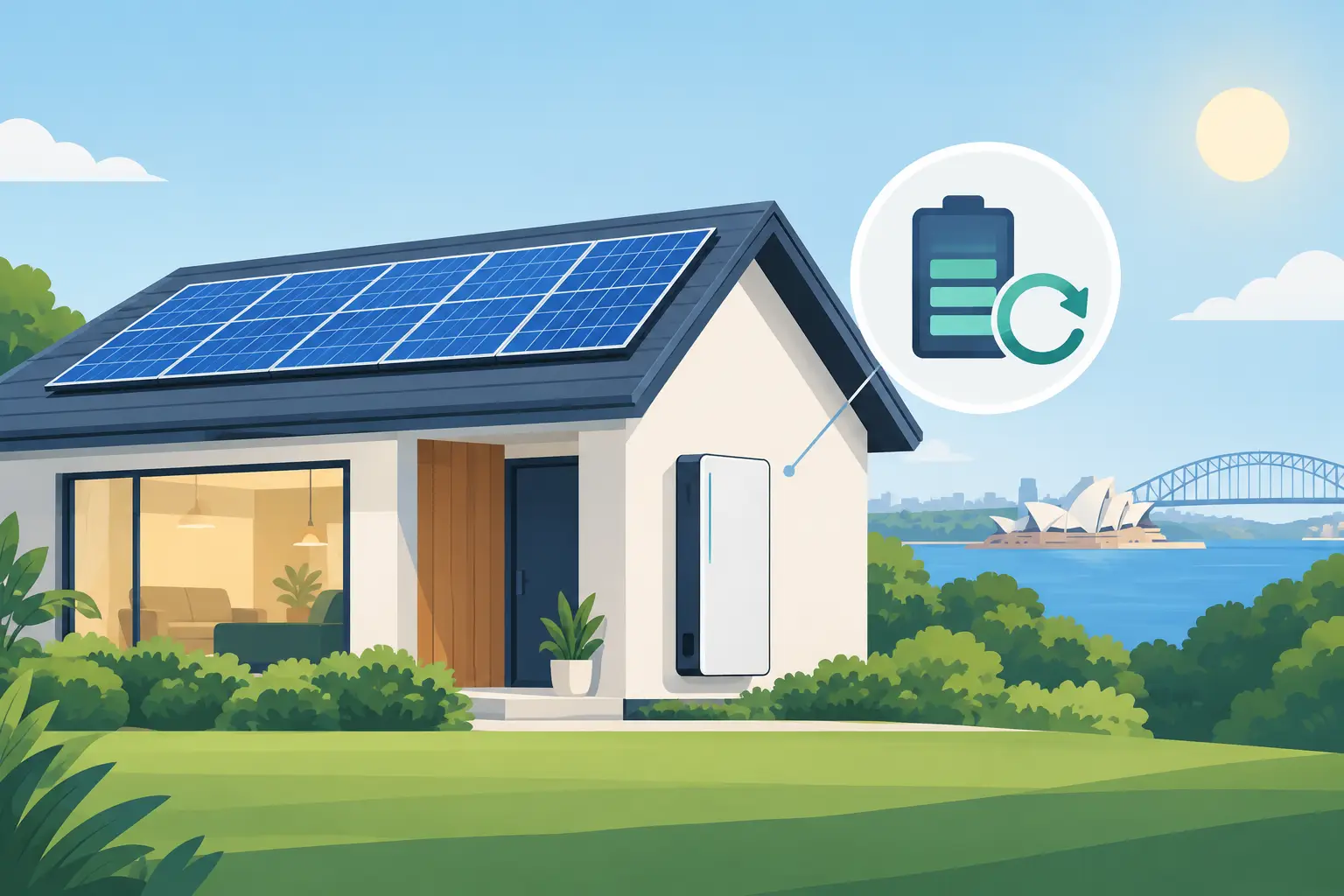
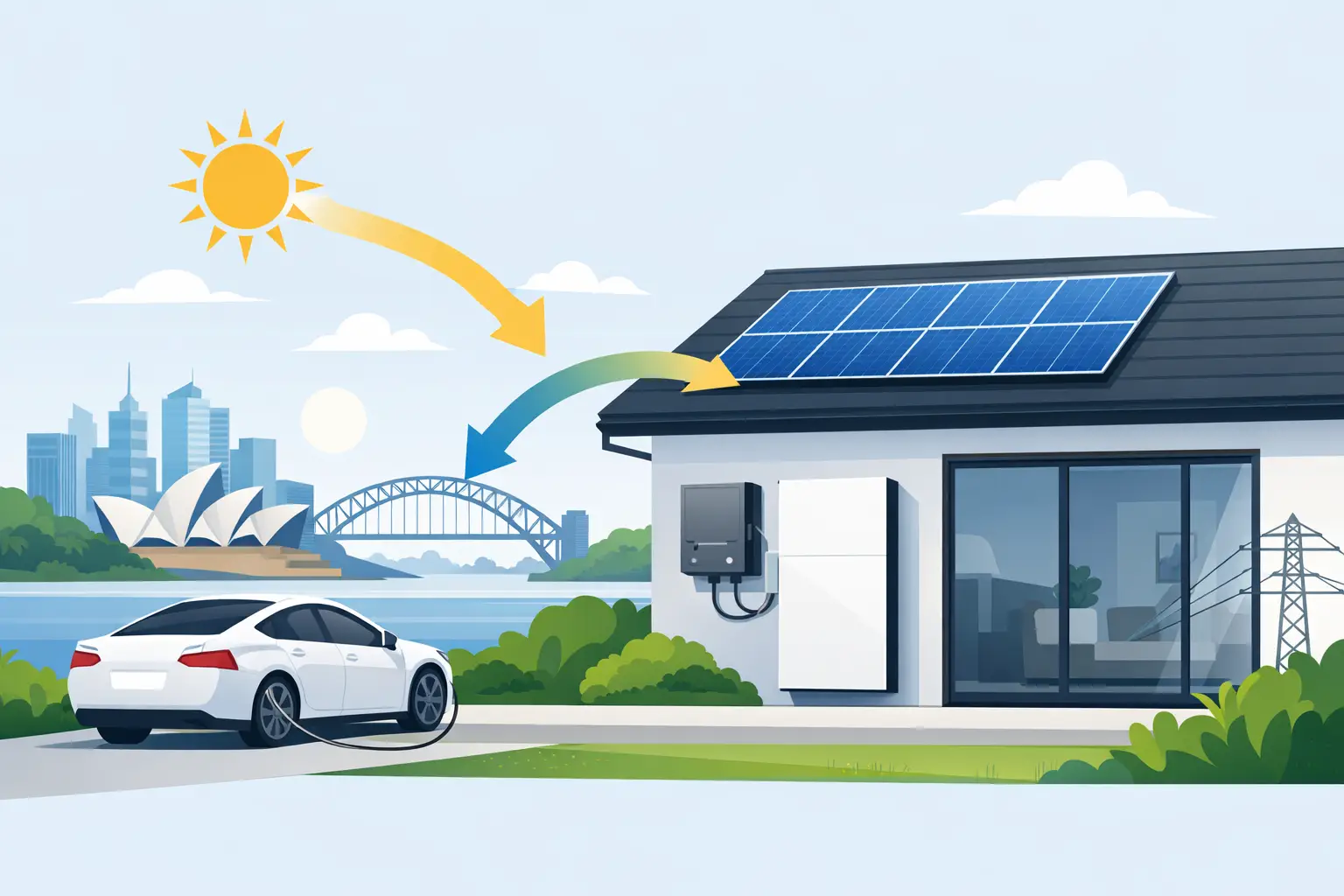
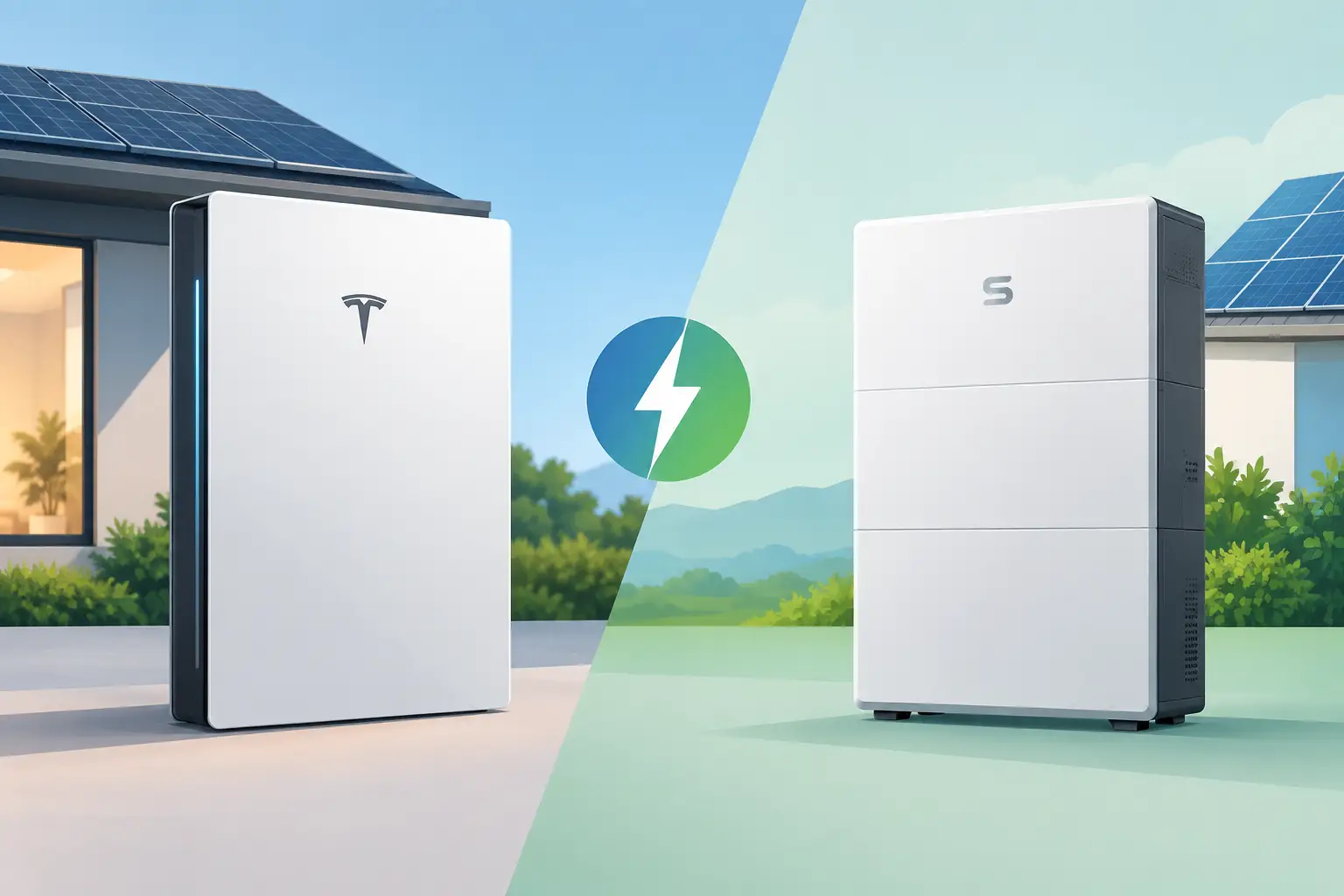
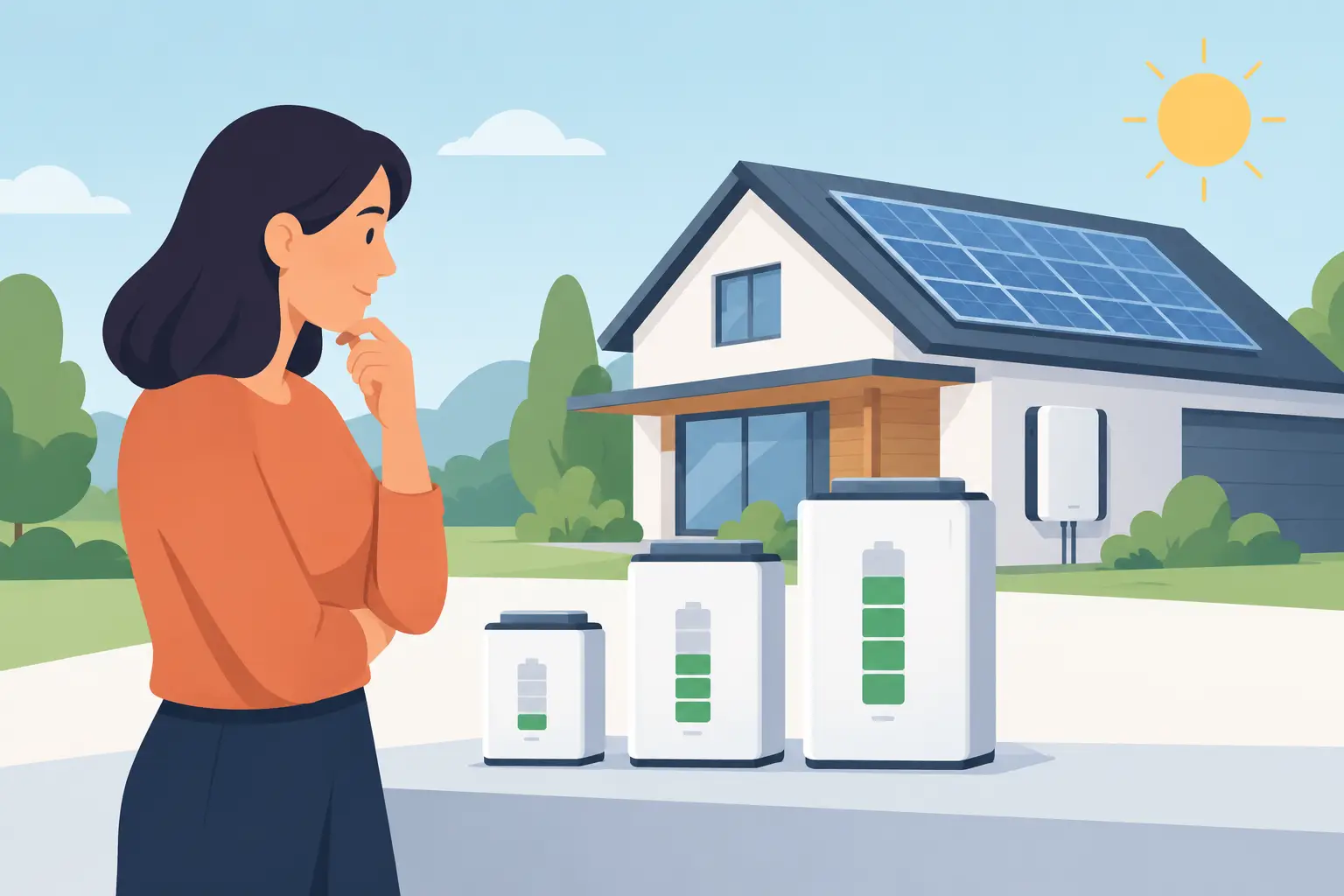
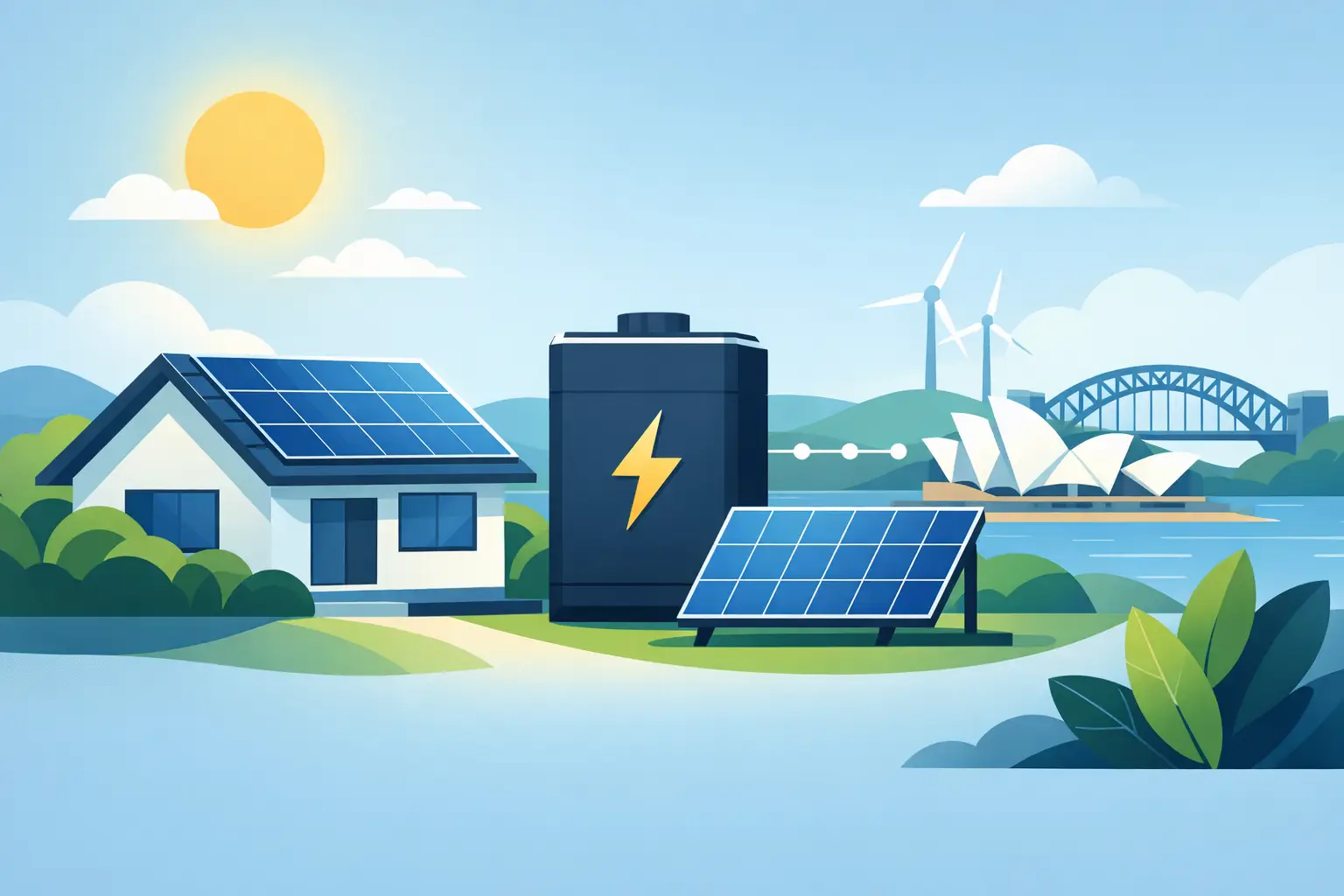
For battery-ready households, the Sungrow hybrid platform is especially compelling. A correctly designed hybrid inverter can support solar generation and battery integration from the outset, avoiding some of the additional equipment and rework that may be involved in adding storage later. It does not mean every home should buy a battery immediately, but it gives owners a sensible pathway as tariffs, energy use and backup requirements change.
Sungrow inverter review: performance in NSW conditions
Sydney’s weather is favourable for solar, but it is not uniform. Summer heat, coastal salt exposure, storms, shaded roofs and varying grid conditions all influence system performance. An inverter cannot create energy that panels have not produced, yet its design and setup affect how reliably that available energy is converted and used.
Sungrow inverters are widely used in Australian conditions and are built with high conversion efficiencies typical of modern quality inverters. In real terms, though, headline efficiency is rarely the deciding factor between two reputable brands. A system with a slightly higher published efficiency can still underperform if panels are poorly arranged, strings are incorrectly designed or shading has not been considered.
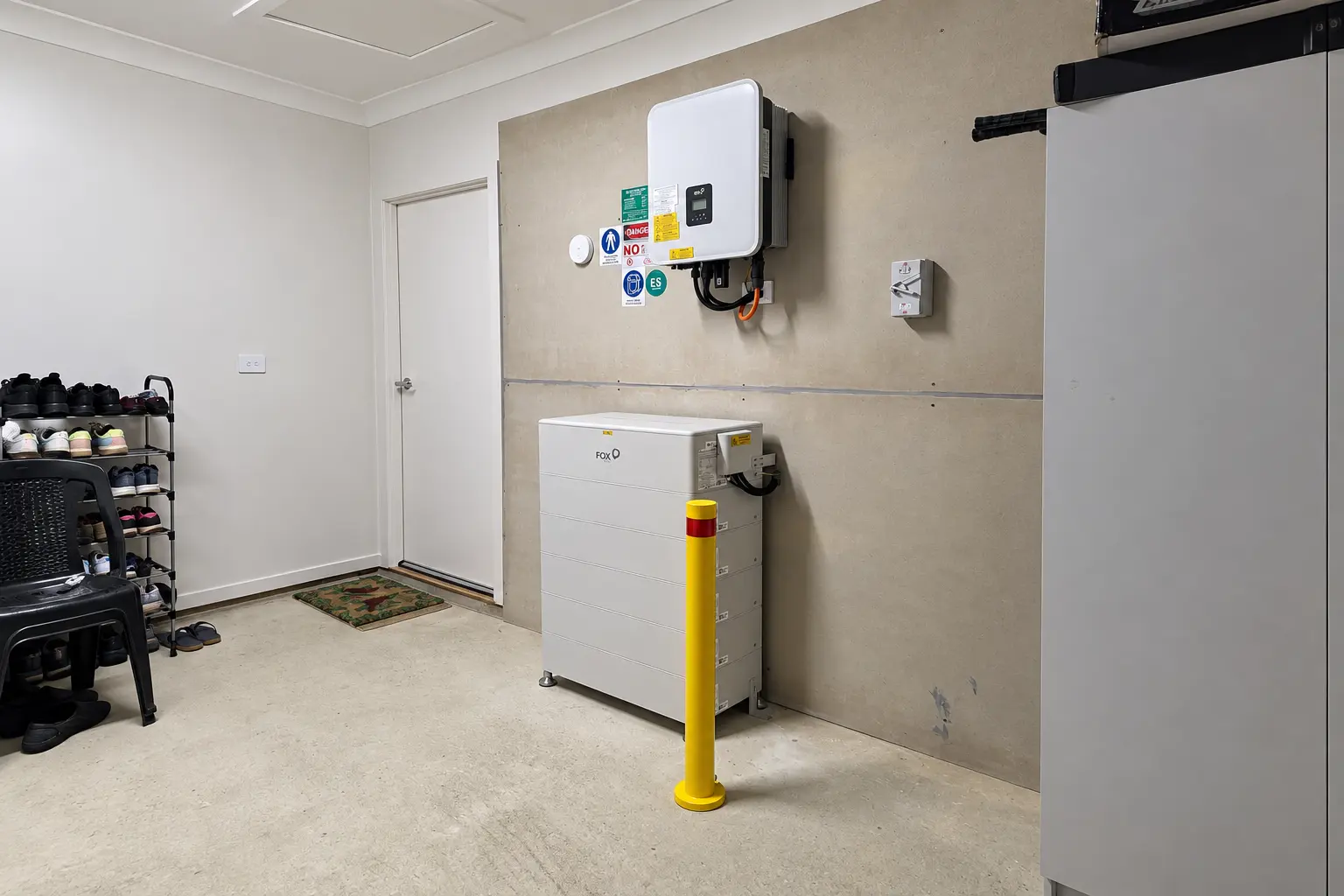
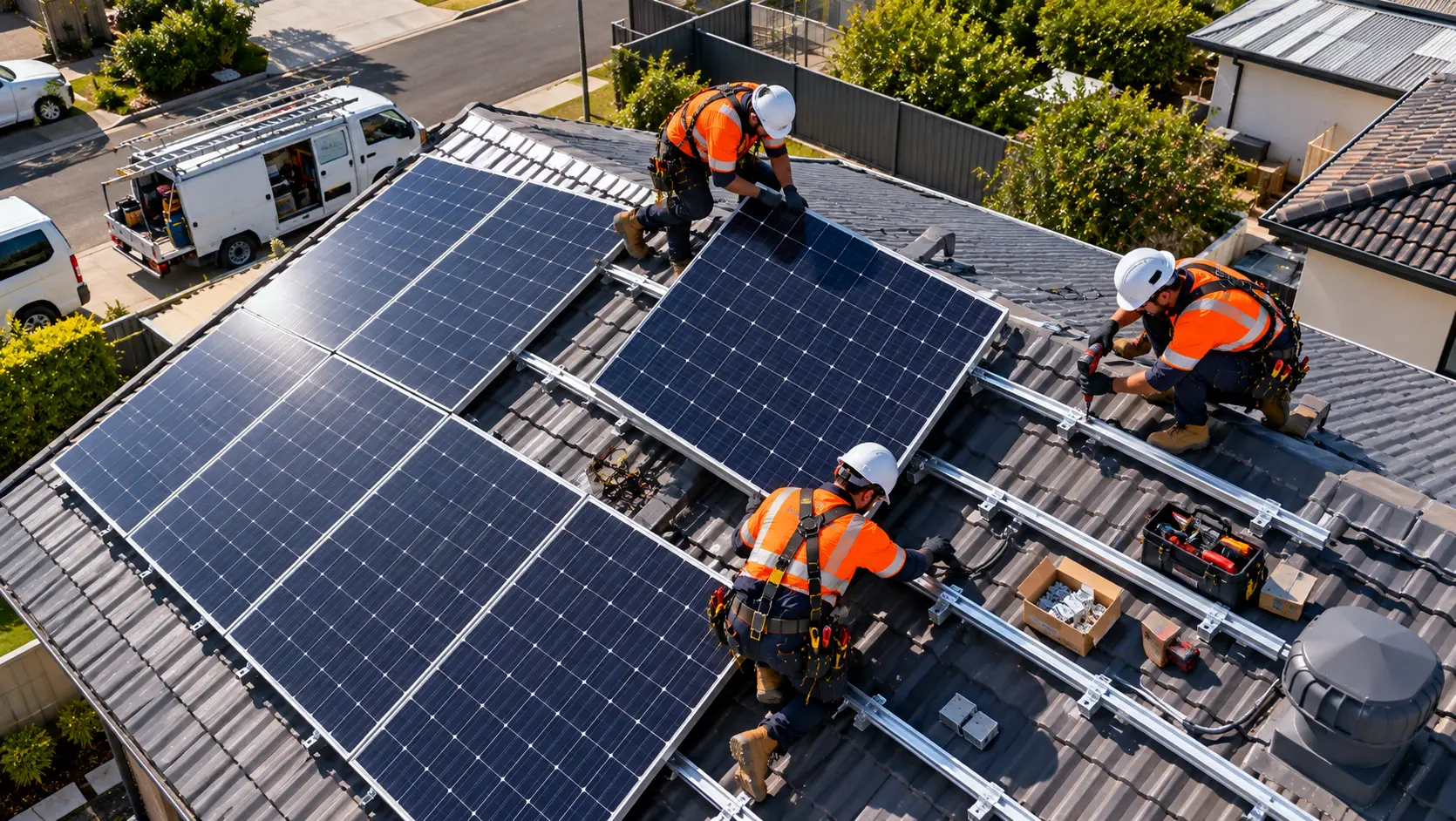
Installation location matters too. Inverters generate heat while operating. They should be positioned in a well-ventilated, protected location that remains accessible for servicing, rather than being boxed into a hot, exposed spot simply because it is close to the switchboard. For properties near the coast, equipment selection and placement should account for the local environment. A proper site assessment is worth more than a generic equipment recommendation.
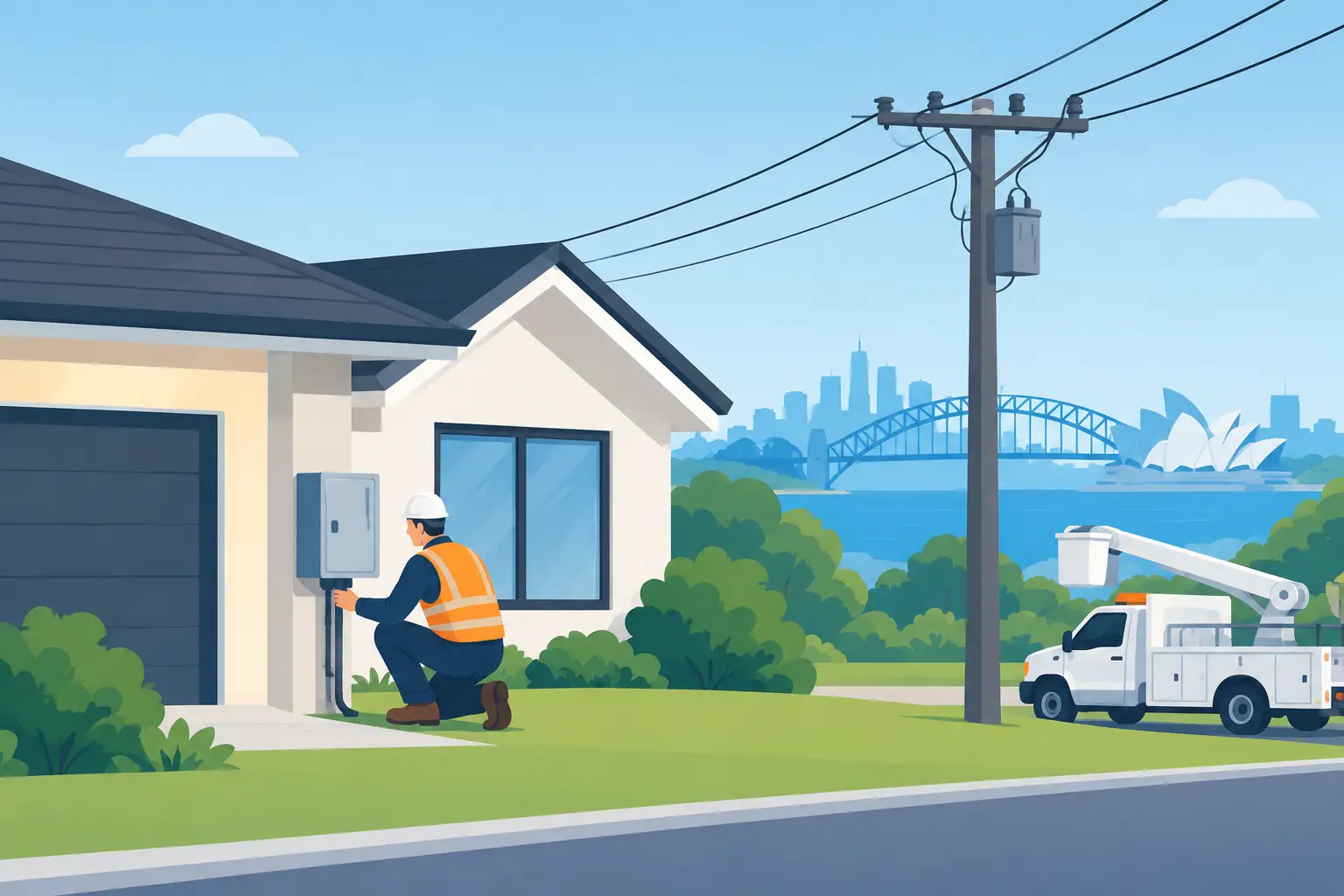
Grid compliance is another consideration for NSW customers. Your system must be configured to the requirements of the local network and connected safely by qualified professionals. Export limits can affect how much solar power is sent to the grid, particularly in areas with constrained network capacity. A capable installer will explain the approved export arrangement, whether a dynamic export solution is appropriate, and what that means for your expected savings.
Is a Sungrow system suitable for battery backup?
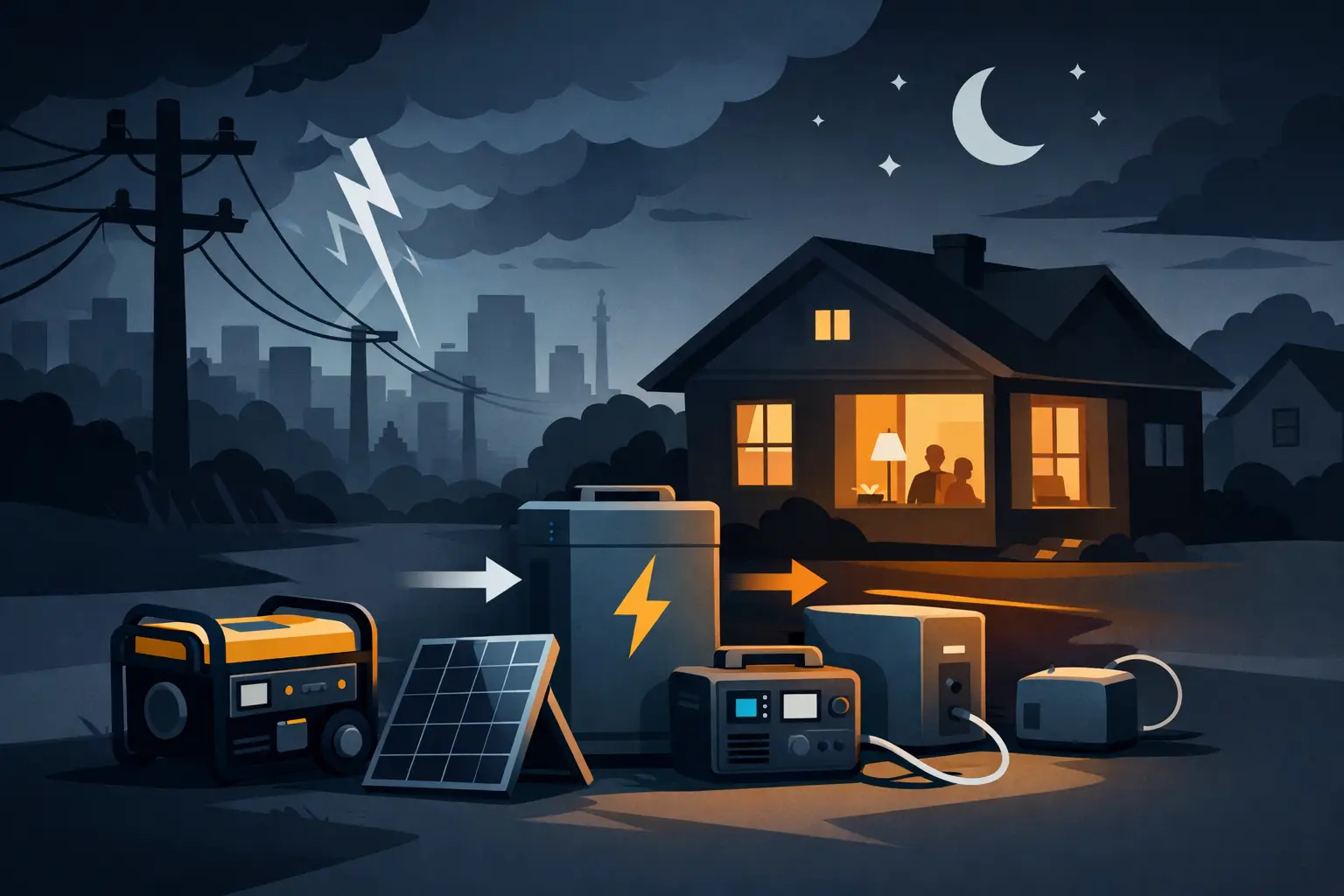
It can be, but battery backup is not automatic. This is one of the most common misunderstandings in solar storage conversations. A battery can store energy for use at night, but keeping selected circuits running during a blackout requires the right inverter model, battery configuration, backup hardware and switchboard design.
Sungrow hybrid systems can be configured for backup applications where suitable, but the available backup load must be planned carefully. Most homeowners do not need to power every appliance during an outage. Essential circuits may include lighting, refrigeration, internet equipment, selected power points and possibly a garage door. Large loads such as ducted air conditioning, pool pumps, electric ovens and EV chargers may need separate consideration because their demand can quickly exceed backup capacity.
A clear proposal should state what will and will not remain powered during an outage. It should also distinguish between battery capacity, measured in kilowatt-hours, and backup output power, measured in kilowatts. Both figures matter.
Where Sungrow may not be the right choice
A balanced Sungrow inverter review needs to acknowledge that no brand is ideal for every project. Sungrow is often an excellent fit for homeowners seeking a capable solar or solar-and-battery system at a competitive installed cost. However, buyers who prioritise a particular premium feature set, a preferred monitoring ecosystem, unusual backup requirements or highly specialised site conditions may find another manufacturer better suited.
For example, some complex shaded roofs may benefit from panel-level optimisation or microinverters rather than a conventional string-inverter design. That is not a criticism of Sungrow. It is a design question. Similarly, a commercial site with high demand, three-phase machinery, strict power-quality requirements or plans for substantial EV charging needs detailed load analysis before selecting any inverter brand.
Support and warranty experience also depends on the installer. Manufacturer warranties are valuable, but they do not replace an accountable contractor who has documented the design, completed compliant electrical work and remains available if the system needs attention. The lowest quote can become expensive if it omits switchboard upgrades, monitoring components, export controls or the labour required for a safe battery installation.
Key checks before choosing a Sungrow inverter
Start with your energy profile, not a package size. Review electricity bills, but also think about when your household or business uses power. A family that is away during the day may benefit from a different solar and battery strategy than a home with regular daytime air conditioning, a pool pump or EV charging.
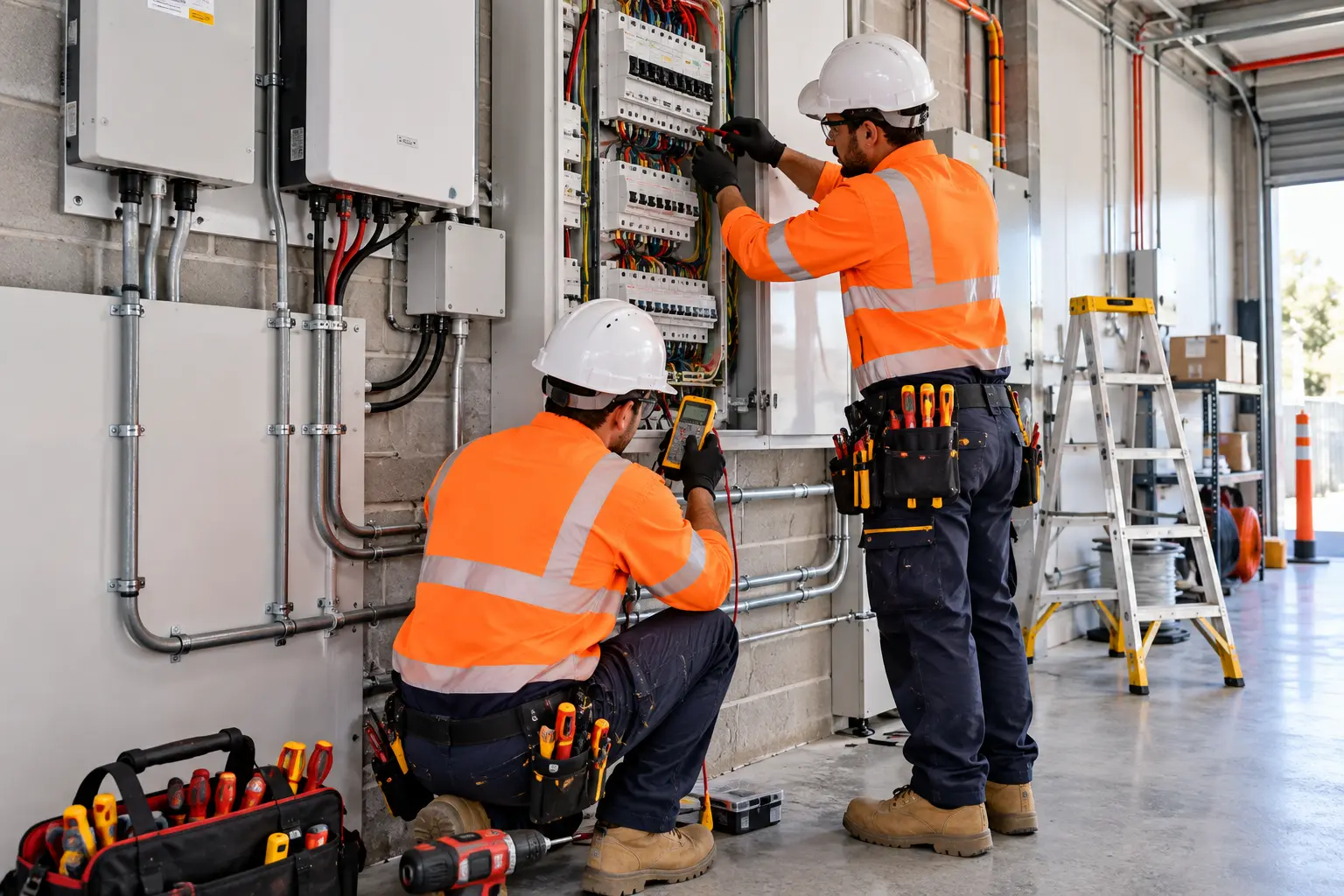
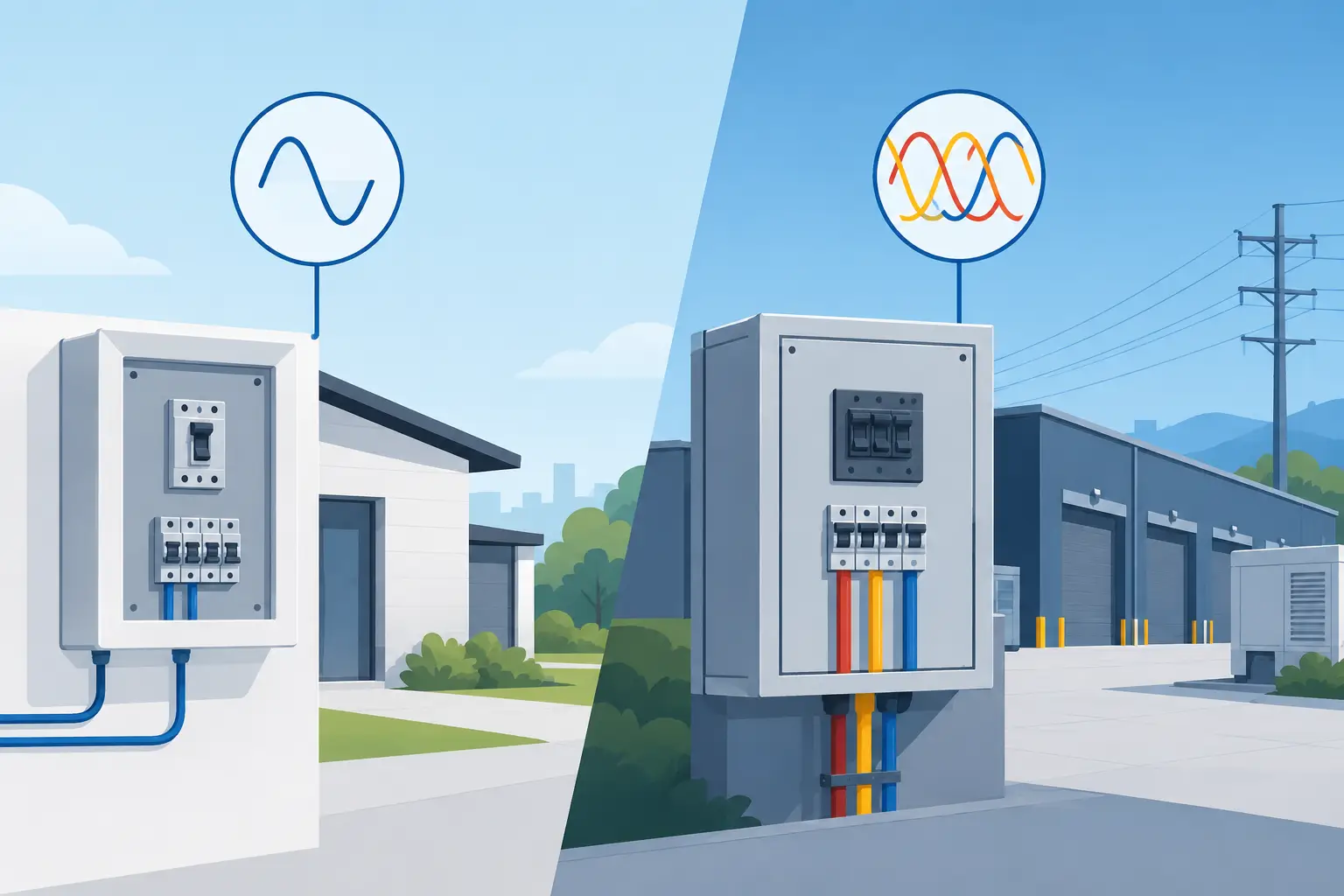
Next, confirm whether your property has single-phase or three-phase power and whether the existing switchboard is suitable. Older switchboards, limited meter-panel space or incoming supply constraints can affect the scope and cost of the project. This is where Level 2 electrical capability can make a meaningful difference, particularly when metering, service upgrades or grid connection work are involved.
Ask for a proposal that identifies the exact inverter model, panel configuration, battery option where relevant, monitoring inclusions, warranties, expected production and exclusions. Fixed, transparent pricing is only useful when the scope is equally transparent. You should also be told how the system will be commissioned, what monitoring access you will receive and who to contact if performance concerns arise.
The practical verdict
Sungrow inverters offer a strong combination of capability, battery integration and value for many NSW solar projects. They are not the automatic answer for every roof or every energy goal, but they deserve serious consideration when paired with quality panels, a properly sized system and an installer who understands both solar performance and regulated electrical work.
The best result is not simply an inverter that turns on after installation. It is an energy system designed around the way you use power now, with a clear and safe path for batteries, EV charging and future electrical upgrades when they make financial sense.