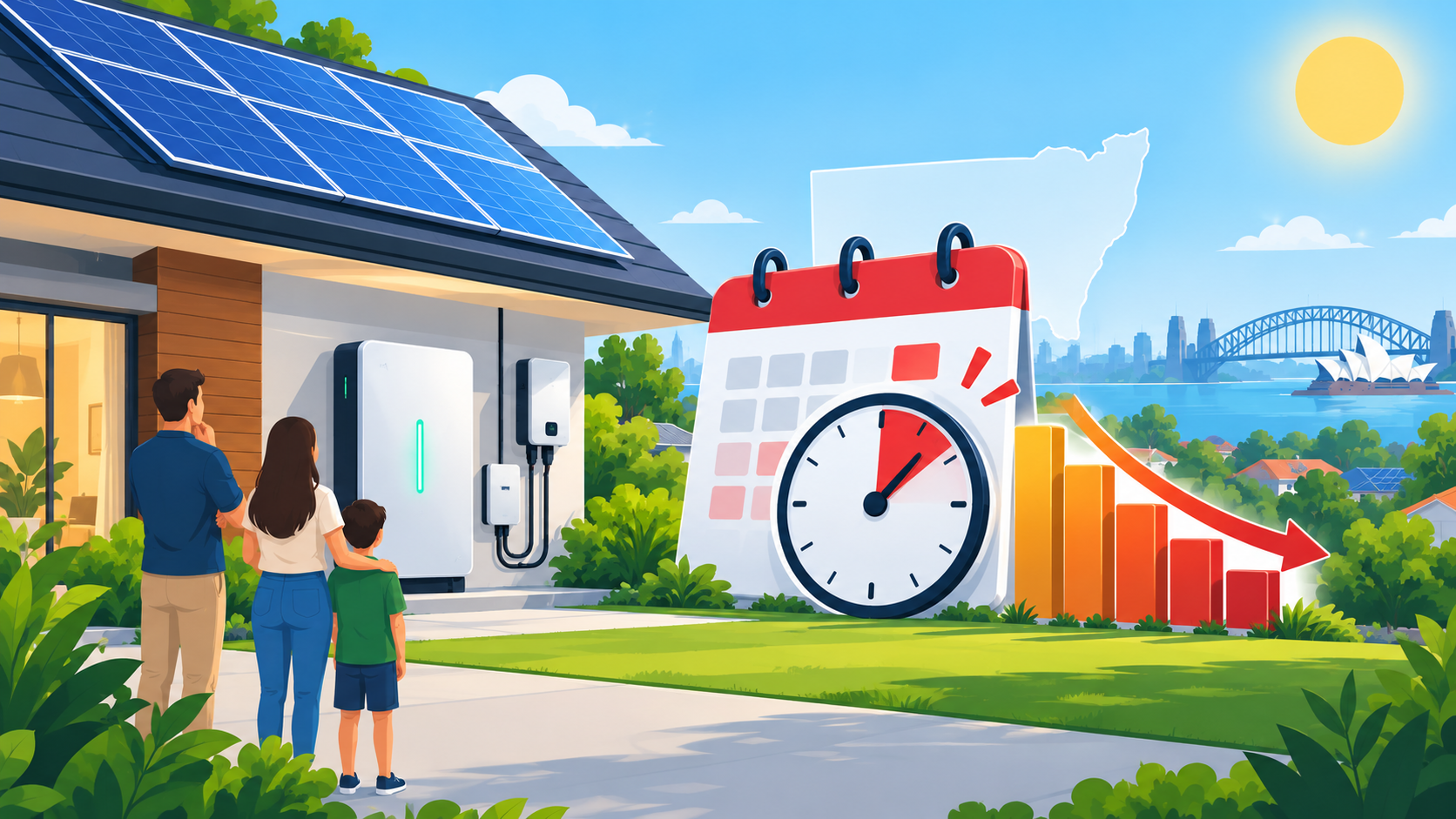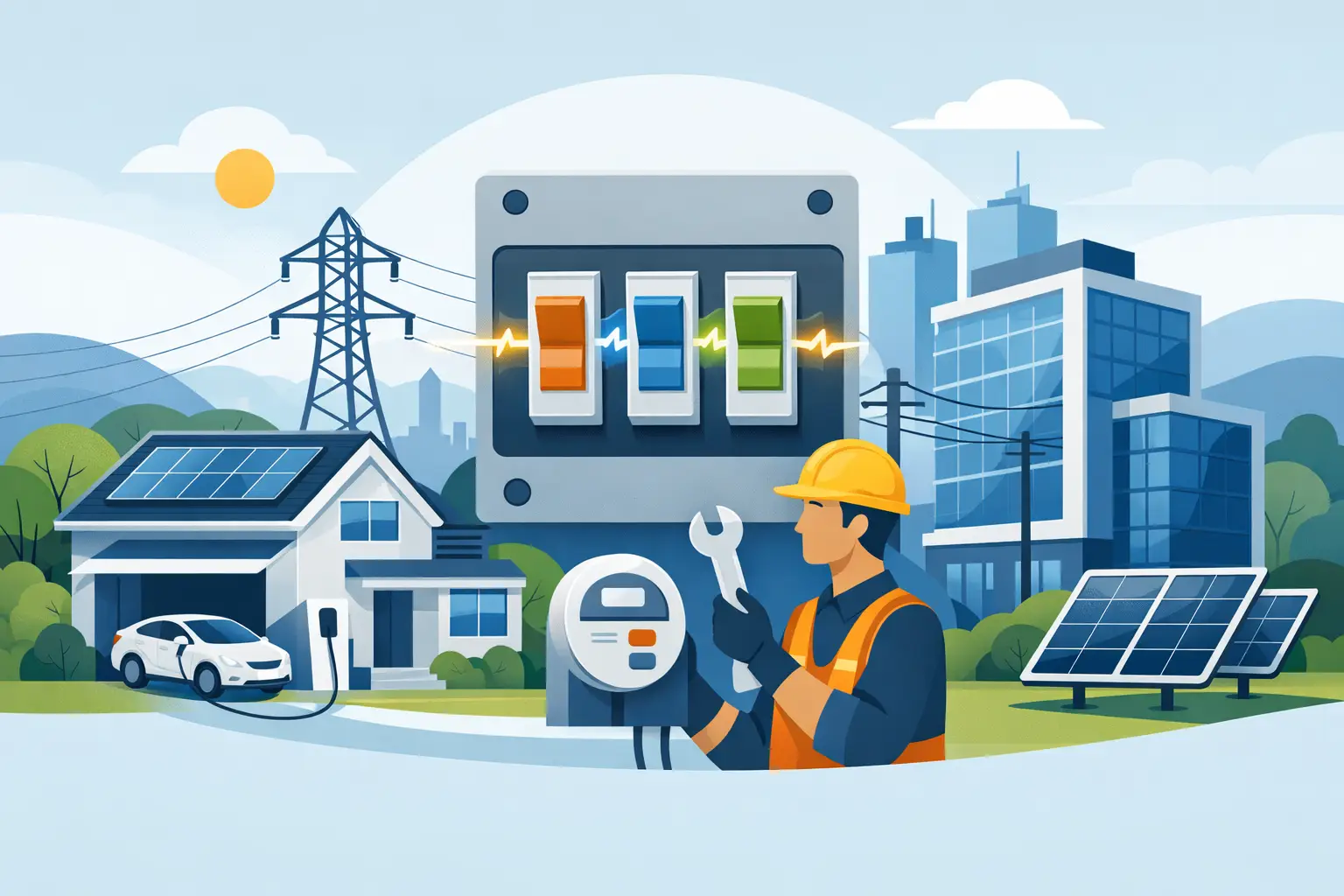
A solar system can reduce daytime energy costs, but it cannot solve every electrical limitation at a property. When a home or business has growing demand from air conditioning, workshop equipment, EV charging, battery storage or larger solar capacity, phase upgrades may be the practical next step. Moving from single-phase to three-phase supply can create more capacity, better load balance and a stronger foundation for future energy upgrades.
For NSW property owners, this is not simply a matter of replacing a switchboard. A phase upgrade often involves regulated work at the point of connection, coordination with the local electricity distributor and careful design of the property’s electrical infrastructure. The right scope depends on what you use now, what you plan to add, and the condition of the existing installation.
What is a phase upgrade?
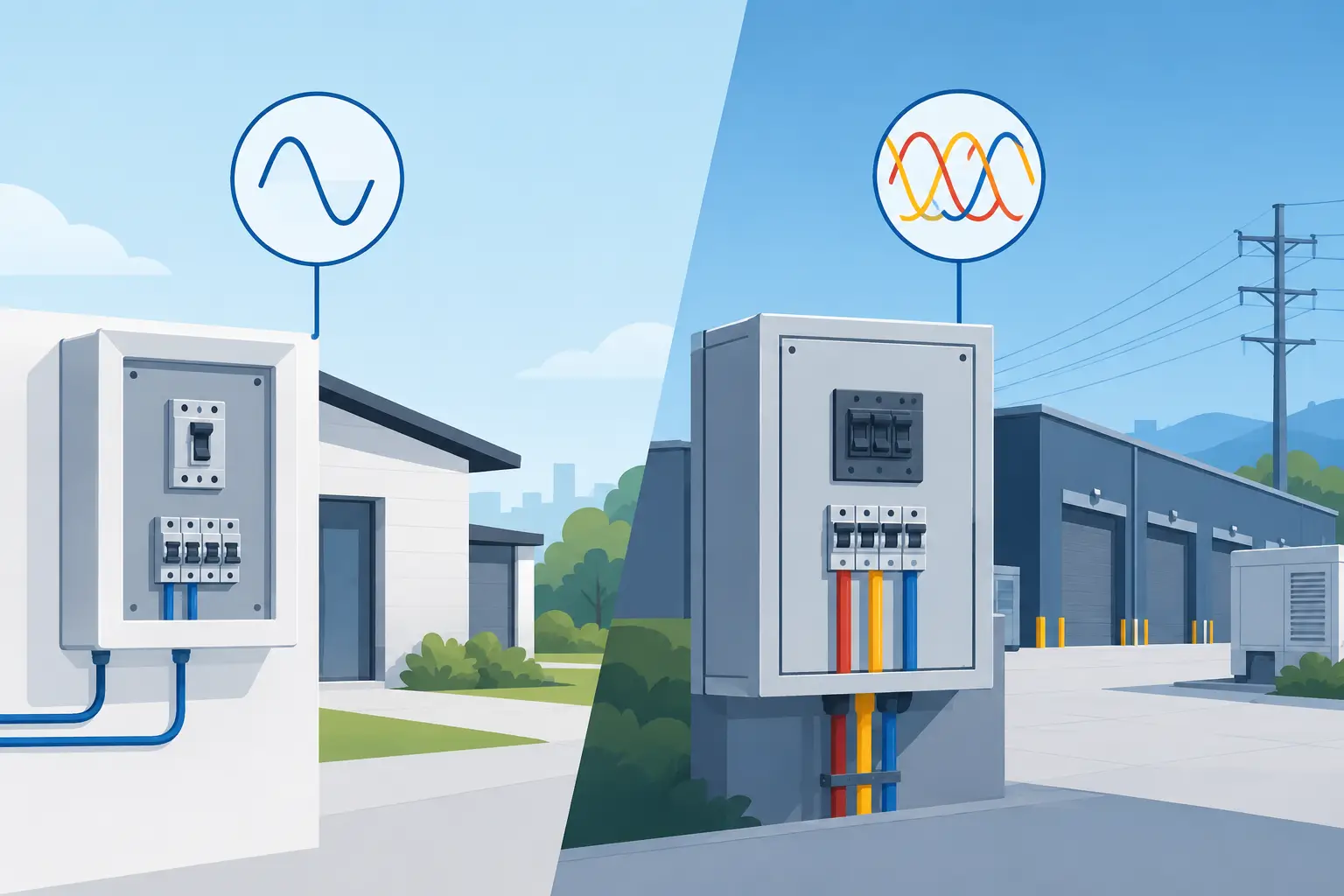
Most older homes are supplied with single-phase electricity. This is adequate for ordinary household loads, including lighting, general power, standard appliances and many smaller solar systems. However, single-phase supply has a limit on how much electrical load it can safely support at any one time.
Three-phase power delivers electricity across three active conductors rather than one. It is commonly used in commercial and industrial settings, but it is increasingly valuable for larger Sydney homes as electrification gathers pace. A three-phase supply can distribute high-demand loads more evenly, reducing pressure on one circuit and allowing more equipment to run without repeated overloads or nuisance tripping.
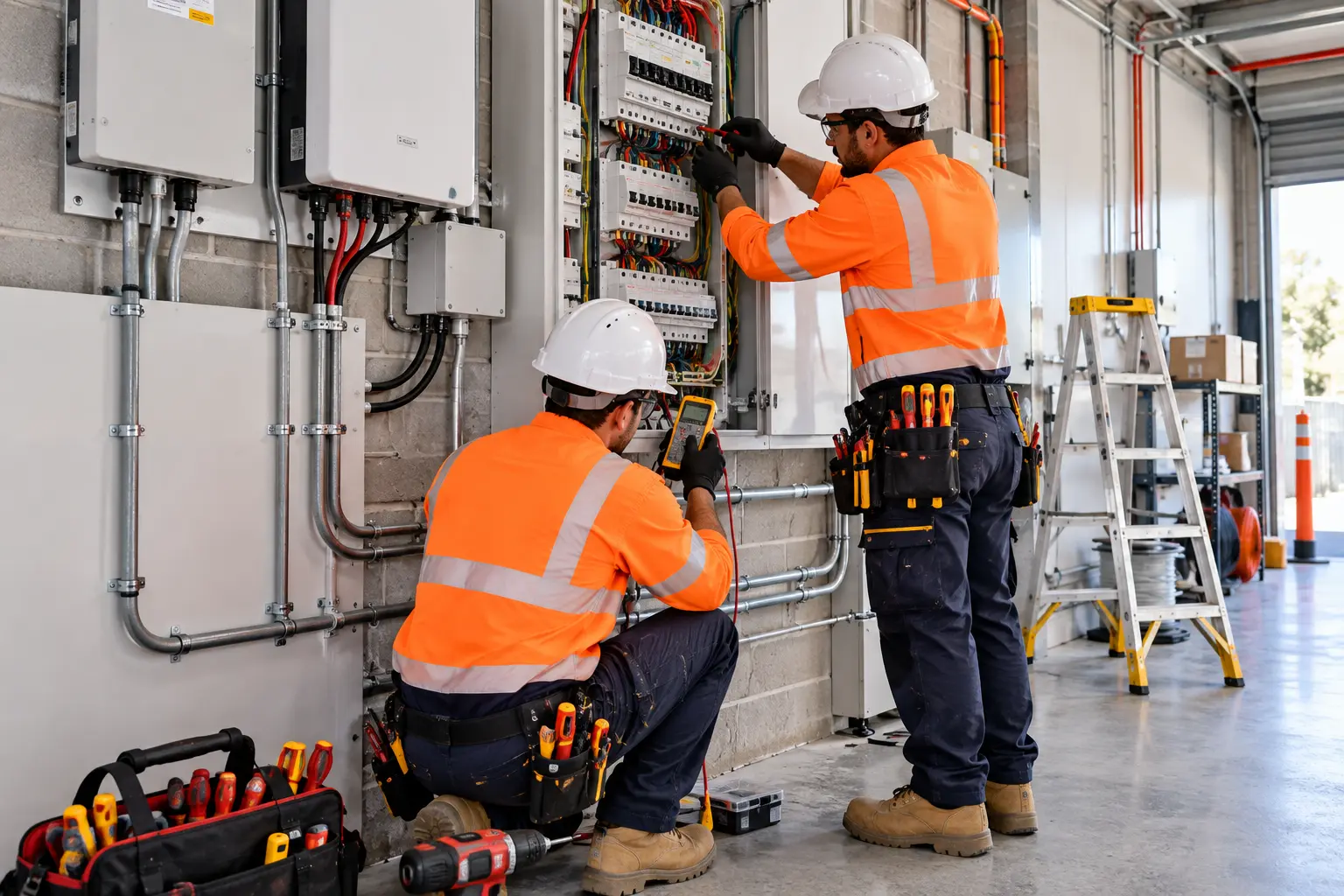
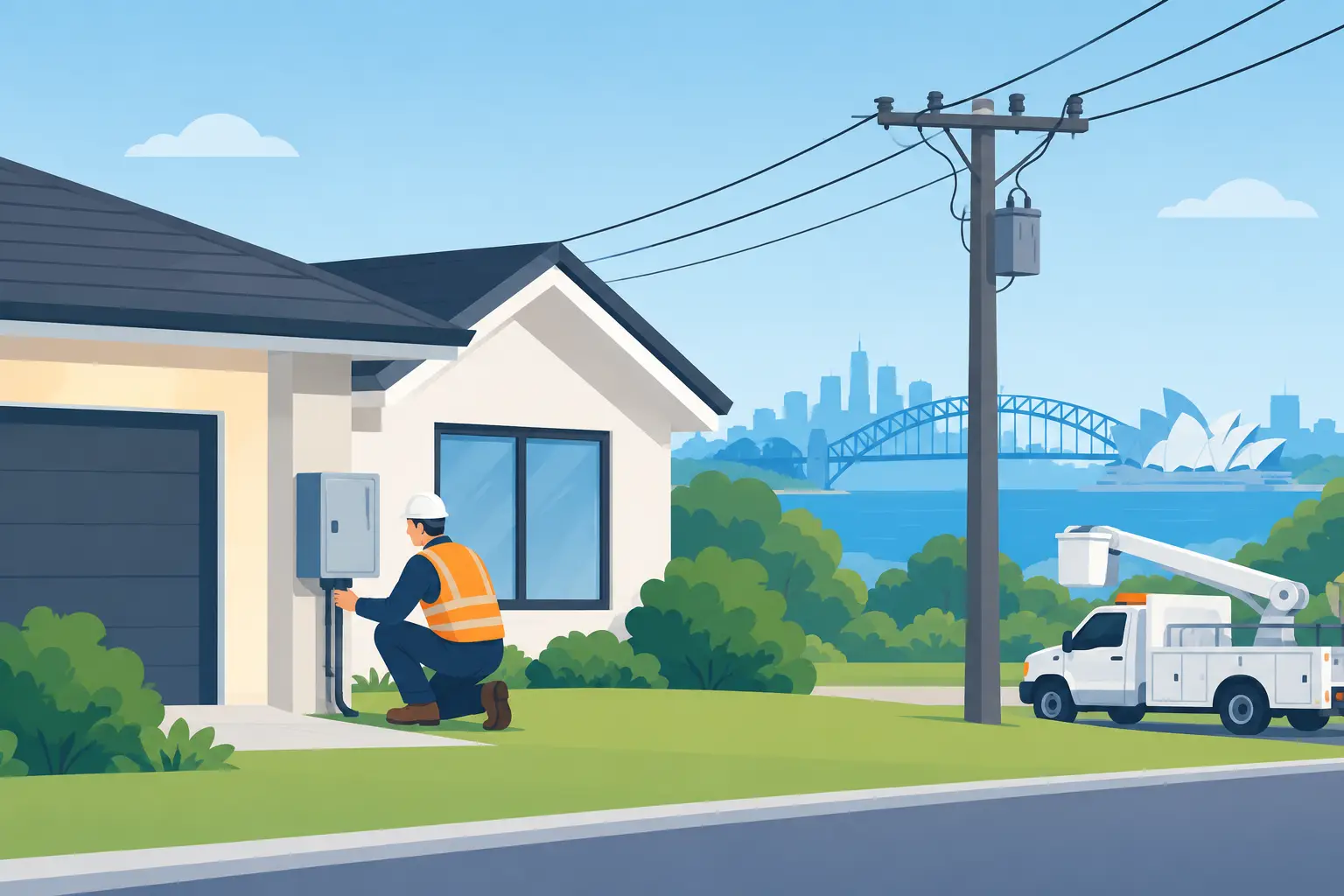
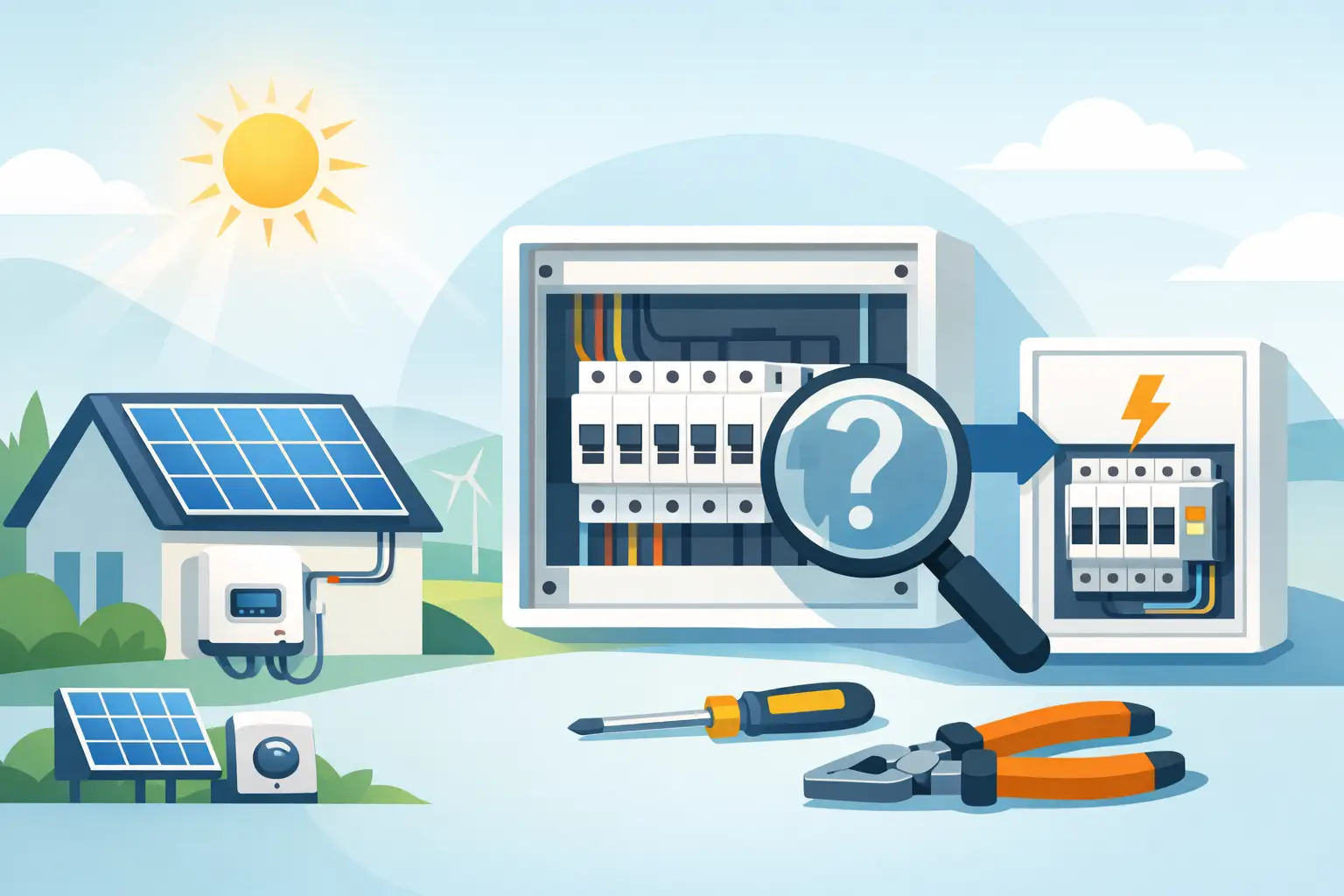
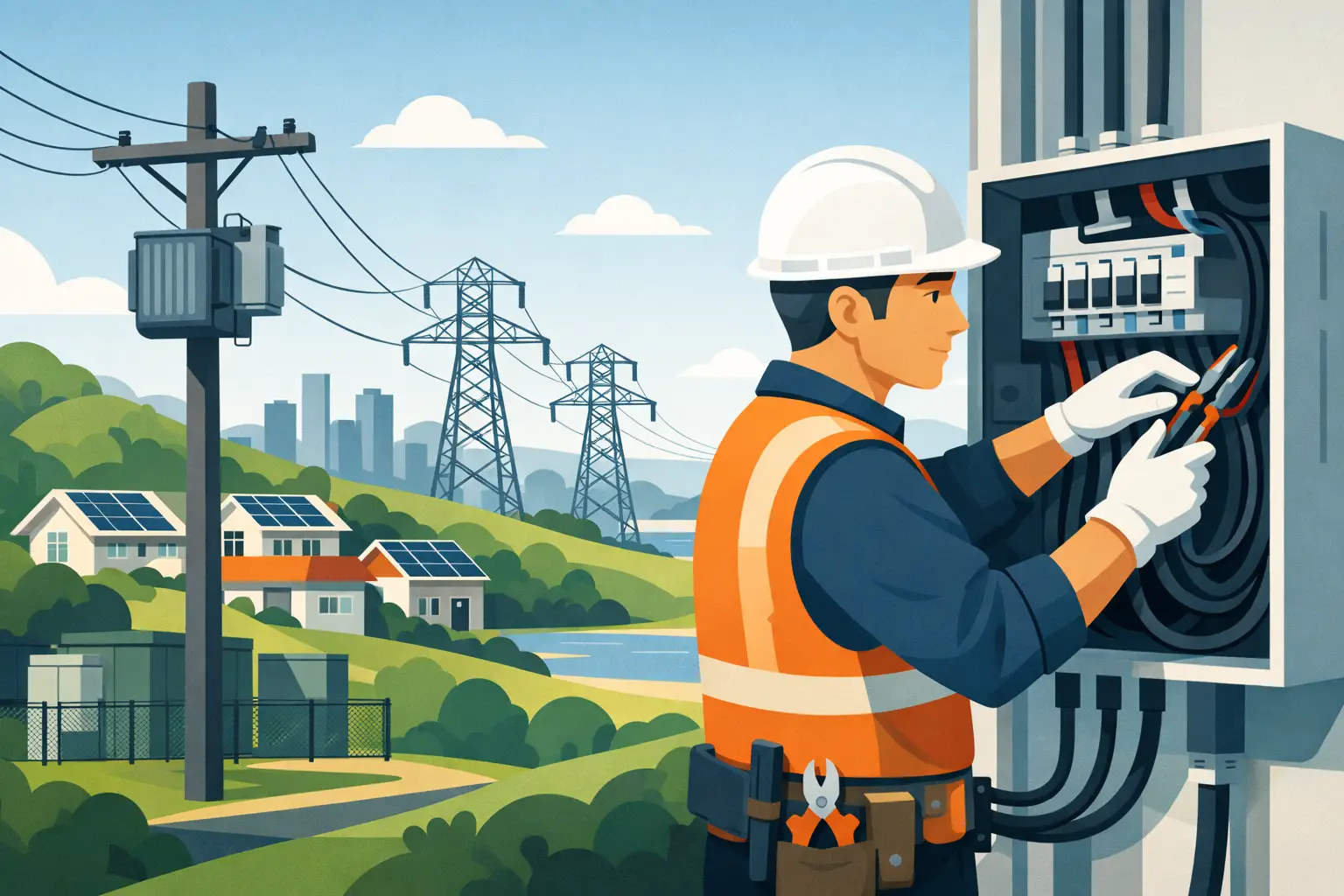
The upgrade may include new consumer mains, meter panel work, a switchboard upgrade, three-phase metering, earthing improvements and changes to the network connection. If the supply is available in the street, a Level 2 Accredited Service Provider can manage the authorised connection work required between the network and your property.
When phase upgrades make financial sense
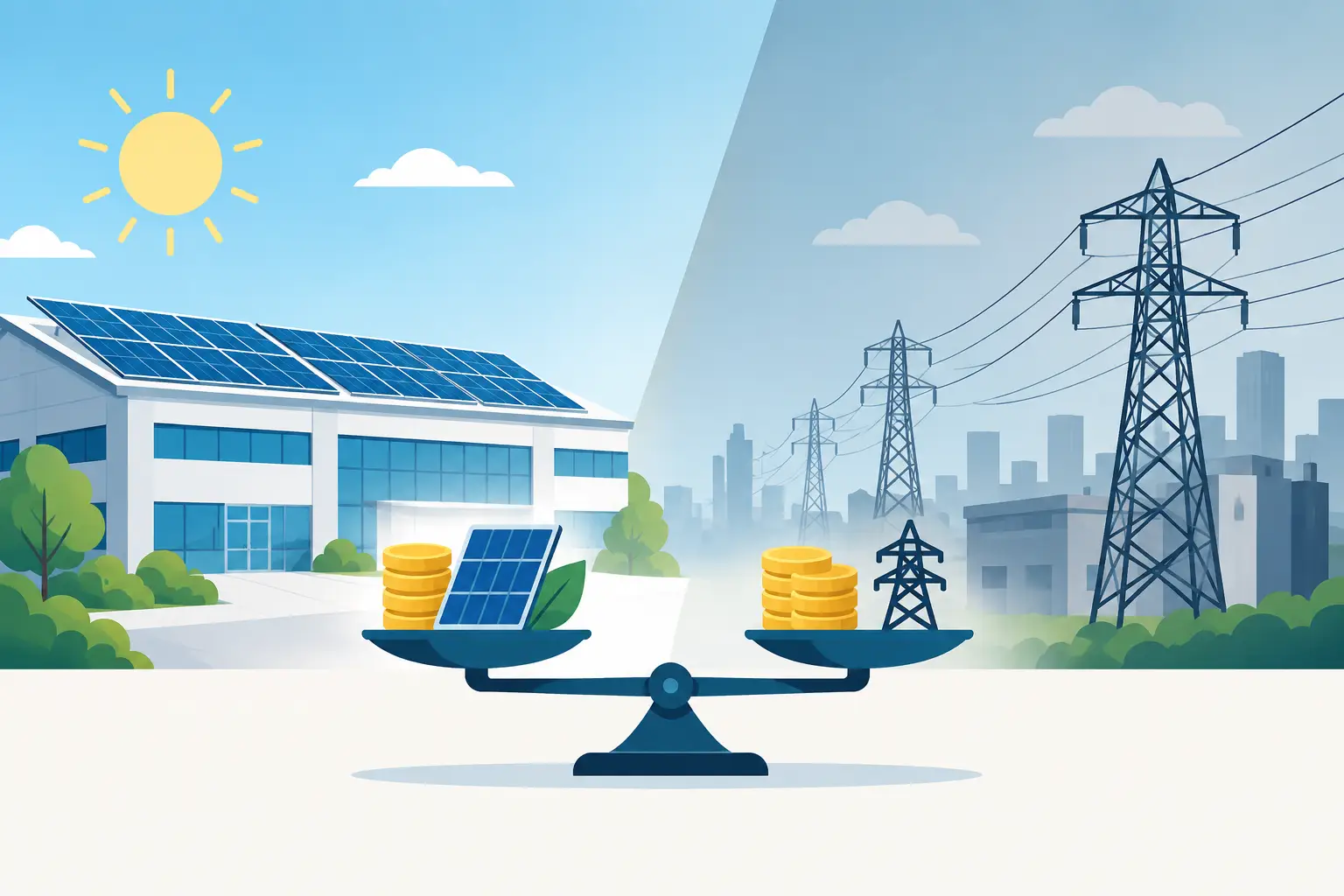
Three-phase power is not automatically the best answer for every property. A household with modest electricity use and a small solar system may see little value from upgrading. The decision becomes more compelling when several high-load systems are planned together or when your existing supply is already struggling.
A common example is a family home adding ducted air conditioning, an induction cooktop, a heat-pump hot water system, a pool pump, solar battery and EV charger. Each appliance may be manageable on its own, but their combined demand can exceed the practical capacity of a single-phase connection. Three-phase supply gives the electrical design more room to allocate those loads safely.
For businesses, the case is often clearer. Refrigeration, commercial kitchens, machinery, compressors, pumps, welders and larger HVAC equipment can require three-phase operation or benefit significantly from it. An upgrade can support continuity of operations, future expansion and more predictable power distribution across the site.
The key question is not whether three-phase power is better in theory. It is whether it prevents an immediate constraint or avoids paying twice for electrical work as your property’s energy needs grow.
Signs your existing supply may be limiting you
Frequent breaker trips, flickering lights when major appliances start, an undersized or outdated switchboard, and difficulty installing a larger EV charger are all signs worth investigating. So is a solar proposal that cannot be sized to suit your daytime consumption because the existing connection or inverter arrangement creates practical limits.
A qualified assessment should separate genuine supply constraints from faults or poor circuit design. Sometimes a switchboard upgrade, load management device or dedicated circuit is enough. In other cases, three-phase supply is the safer and more scalable option.
Solar, batteries and three-phase power
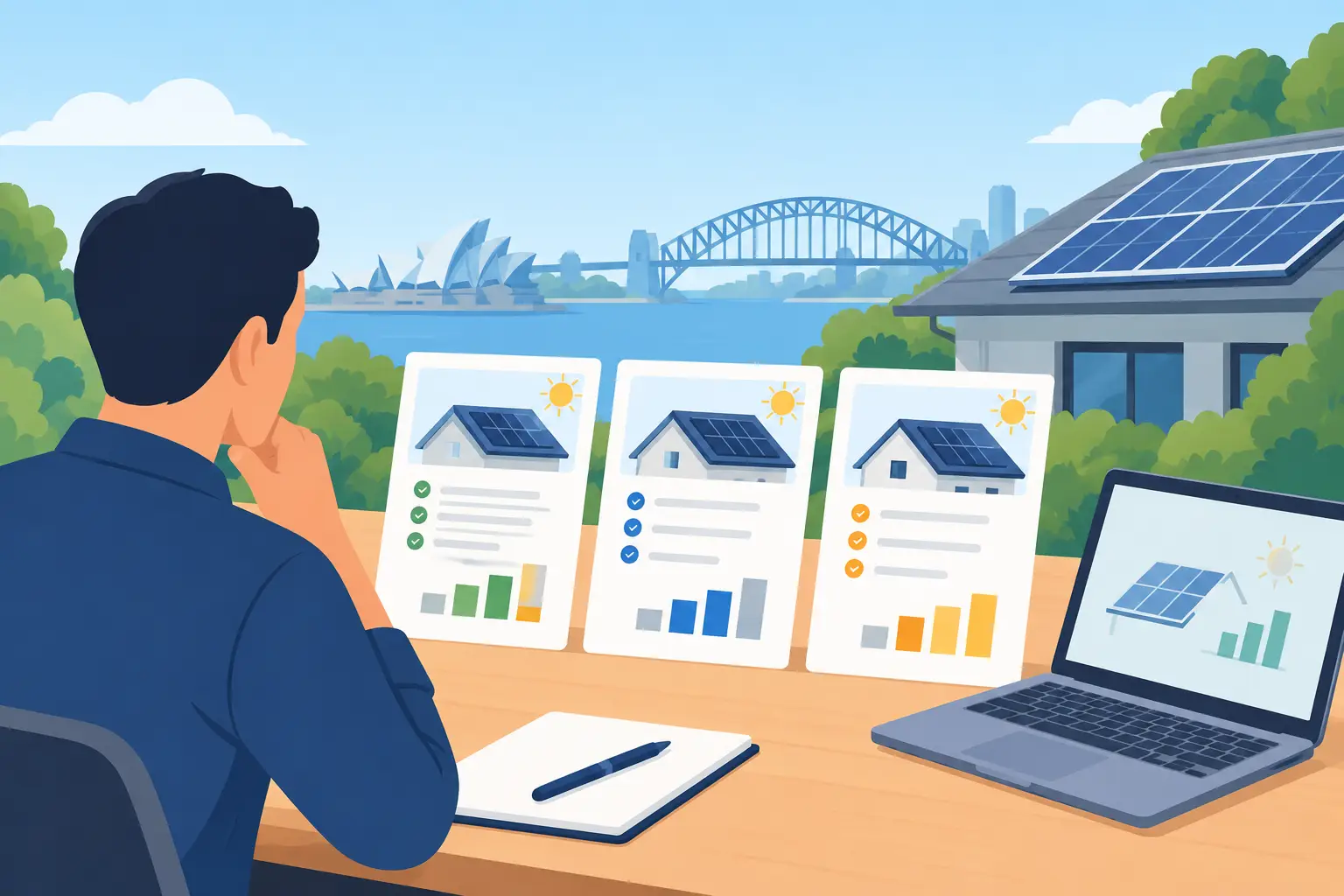
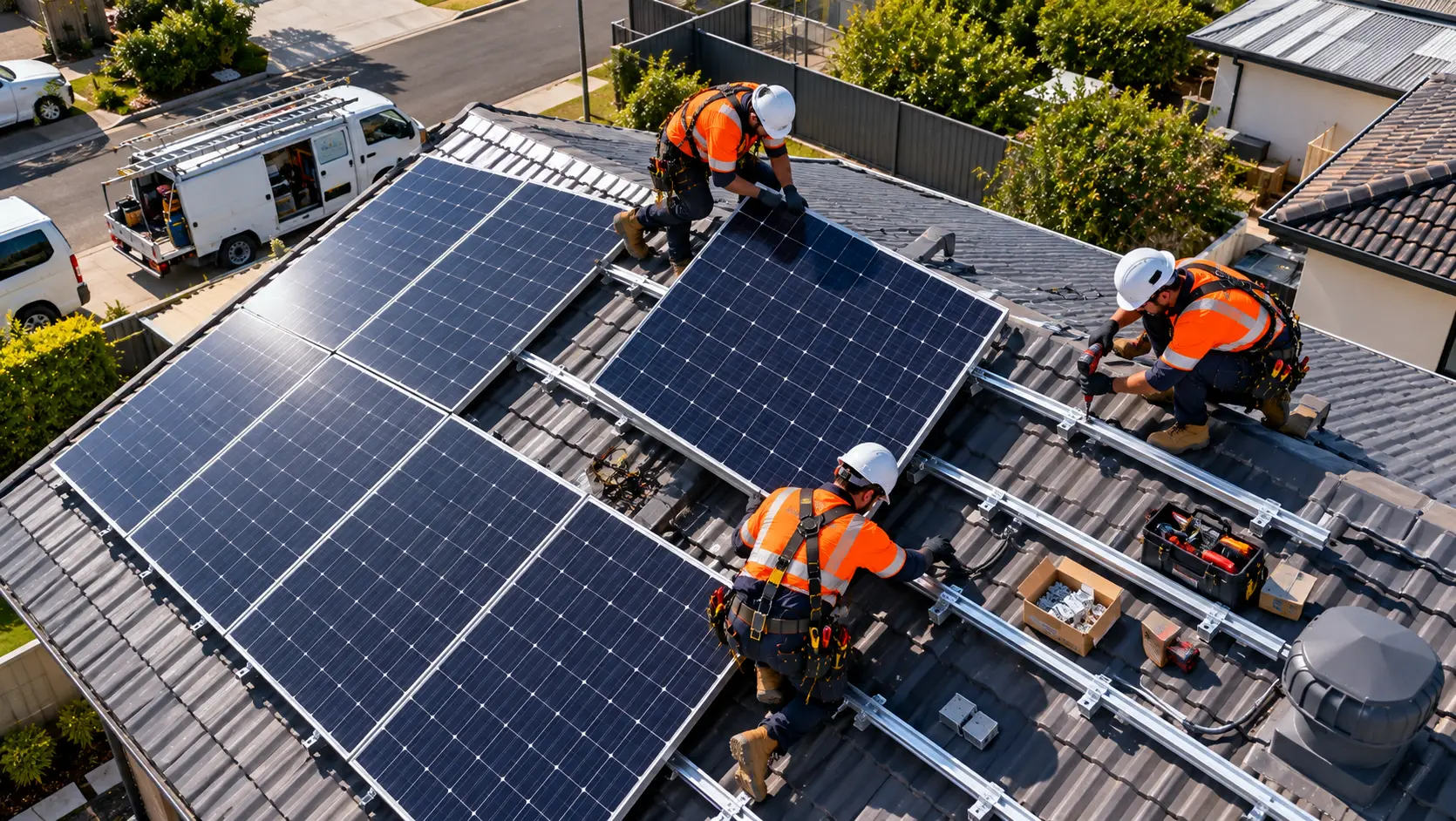
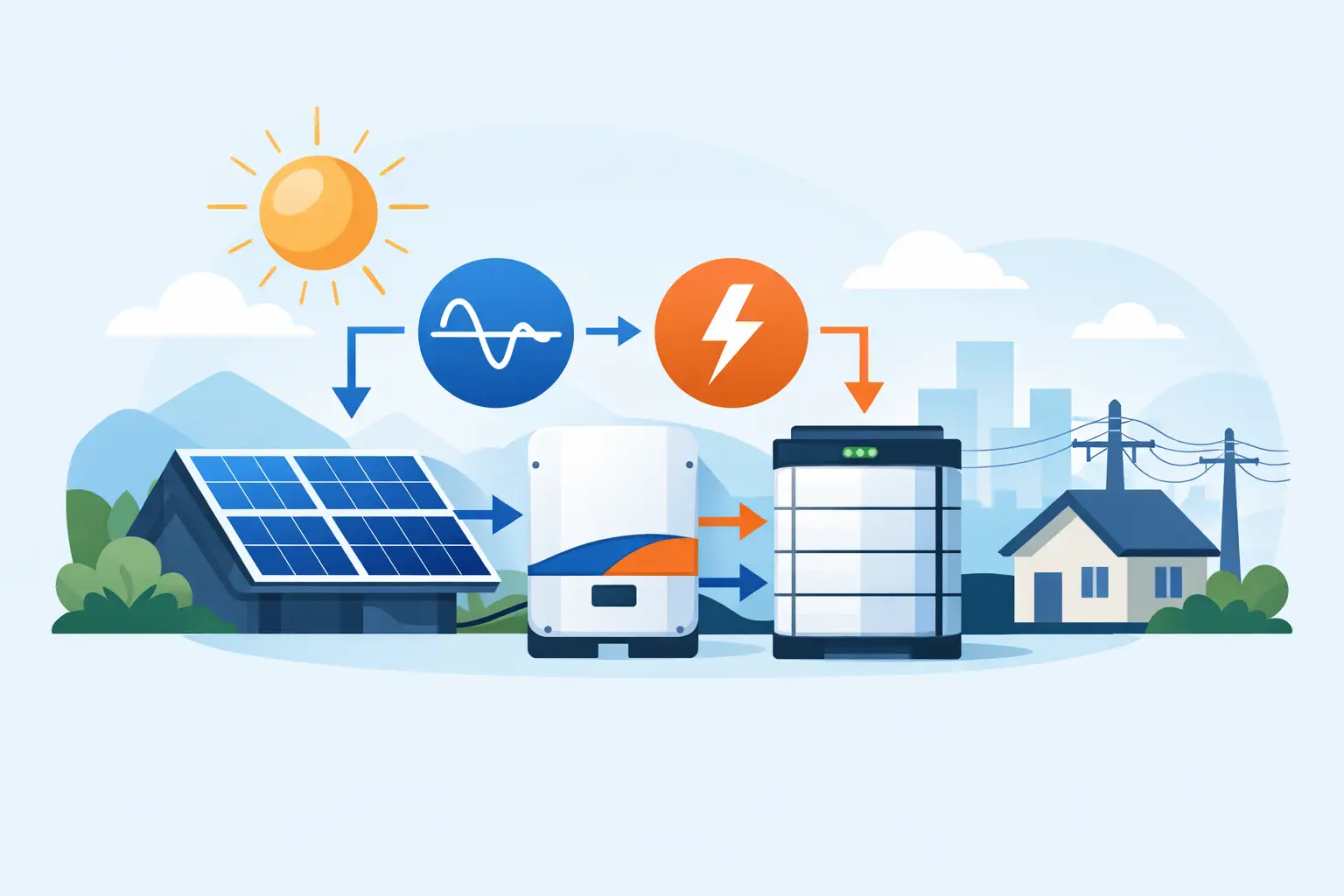
Phase upgrades are often discussed during solar planning because solar generation, batteries and high-demand appliances need to work as one electrical system. The aim is not simply to fit more panels on the roof. It is to design an installation that performs well, meets network requirements and matches how the property uses energy.
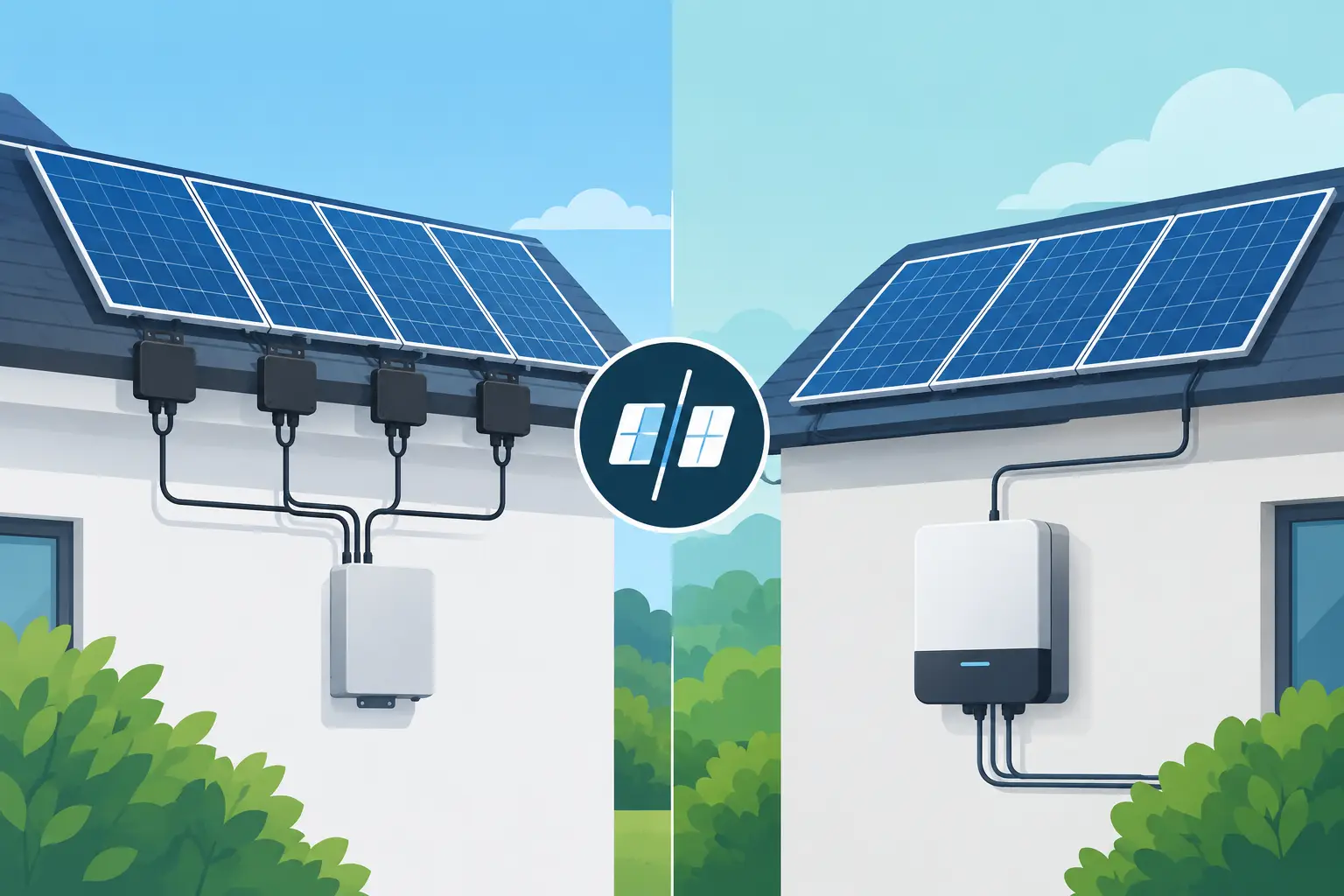
On a three-phase site, solar can be configured to balance generation and consumption across phases. This matters where loads are spread across different parts of a large home or commercial premises. Depending on the inverter and battery technology selected, the system may monitor and manage energy across the whole installation rather than treating each phase as an isolated demand point.
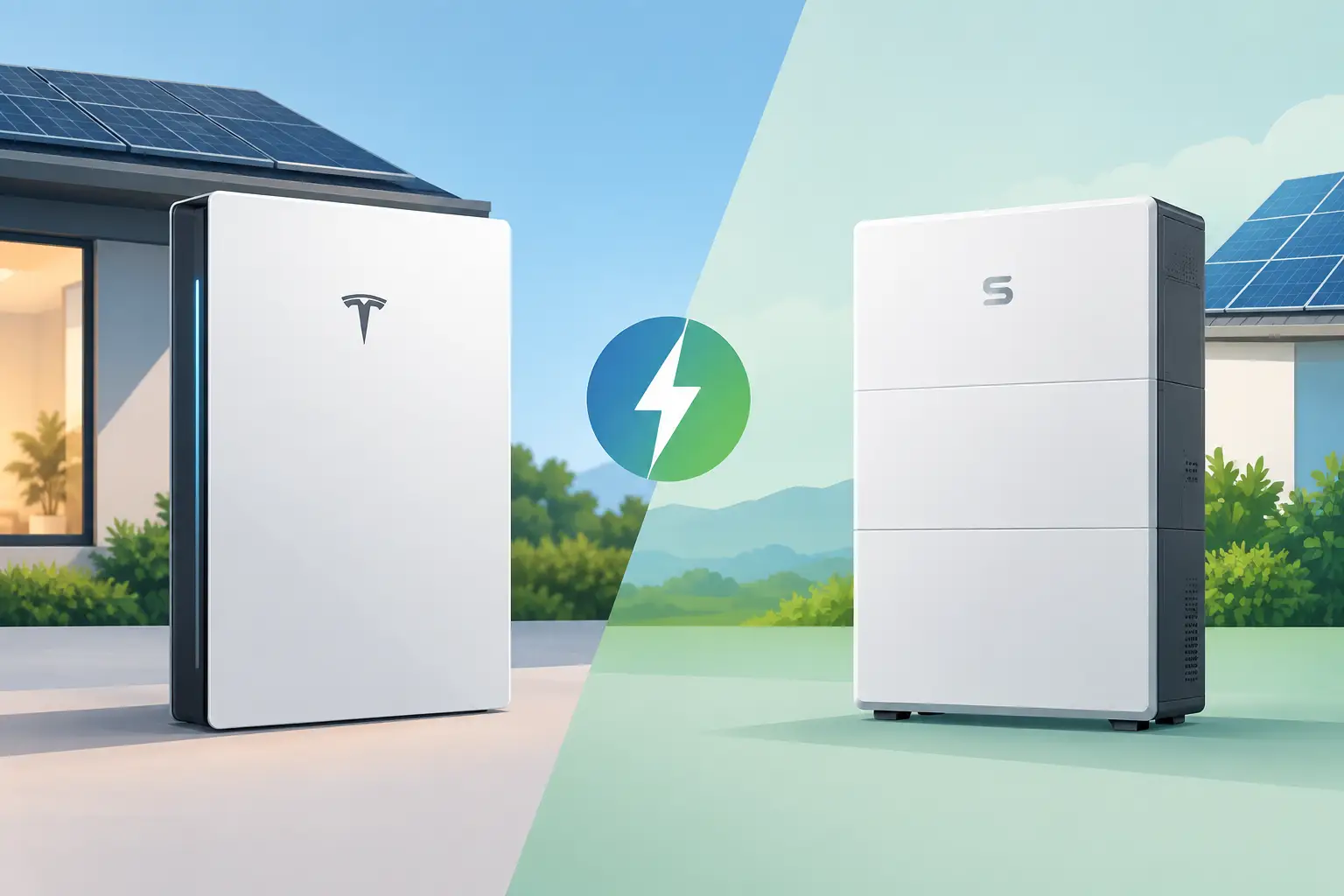
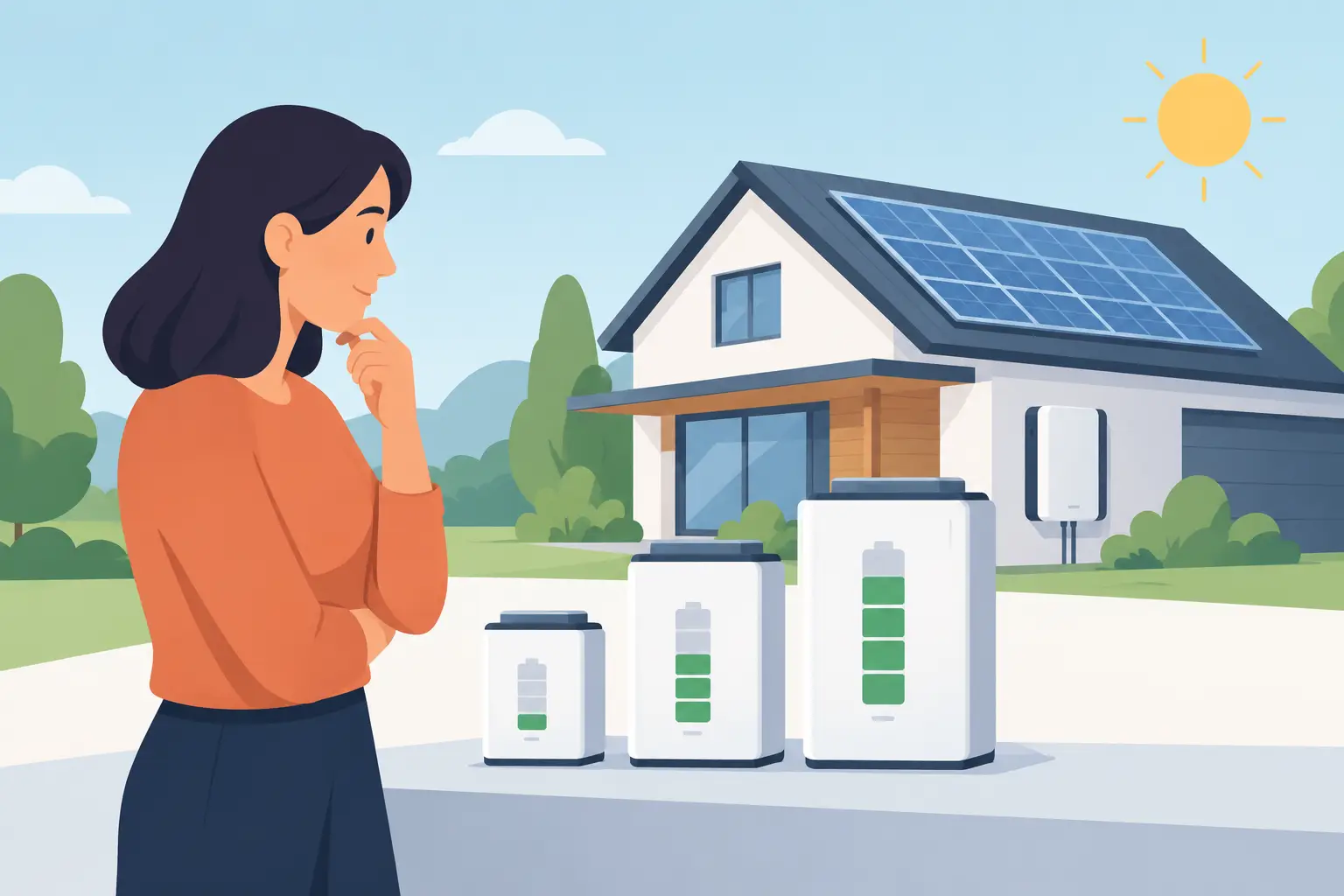
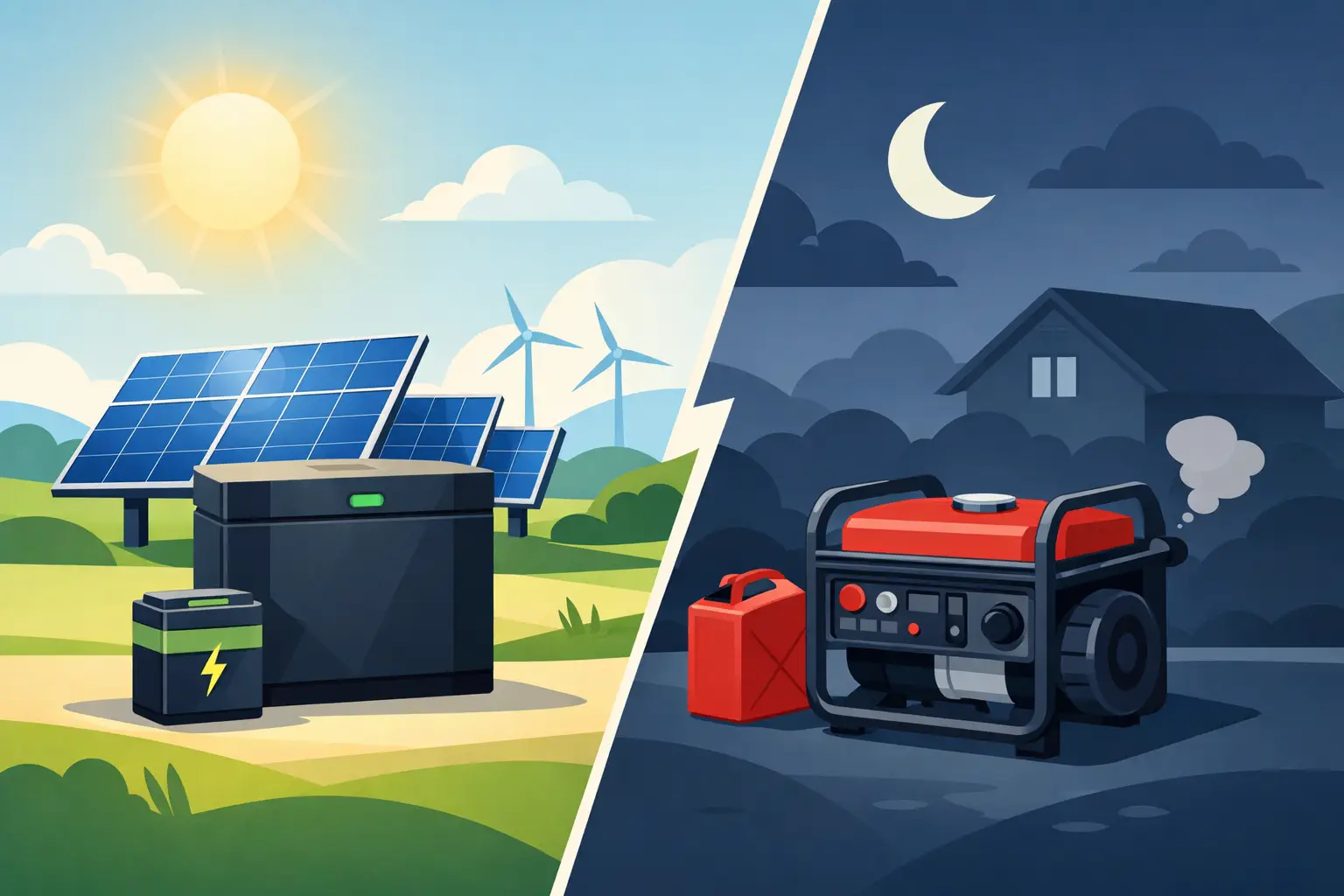
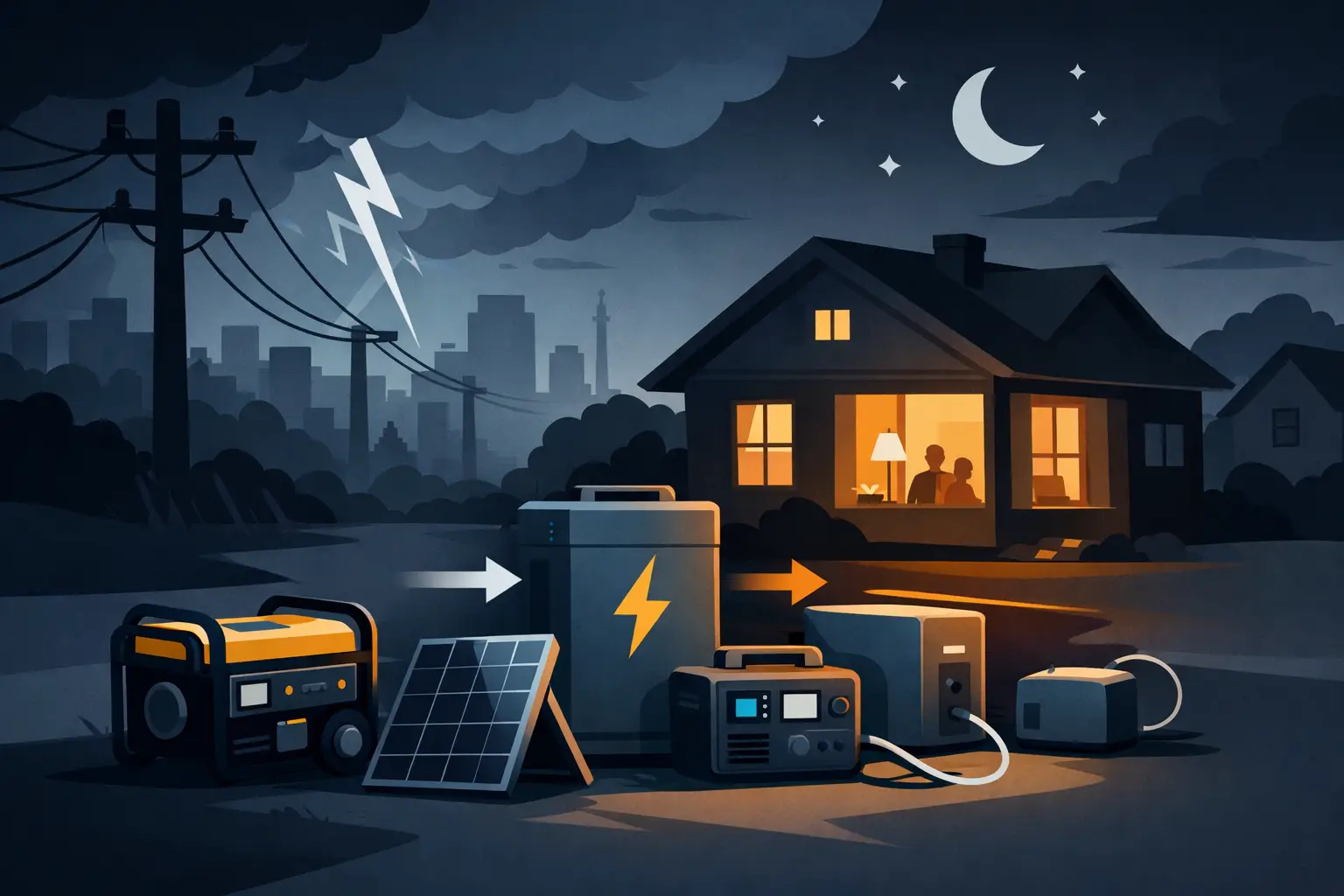
There are trade-offs. A three-phase solar or battery solution can involve more specialised equipment and a higher upfront cost than a simple single-phase installation. Battery backup also requires careful planning. Not every three-phase battery configuration will back up every circuit during an outage, and backup capacity depends on the chosen hardware, switchboard layout and essential-loads design.
This is why equipment selection should follow an electrical assessment, not the other way around. The best system is one that delivers useful savings and resilience without adding unnecessary complexity.
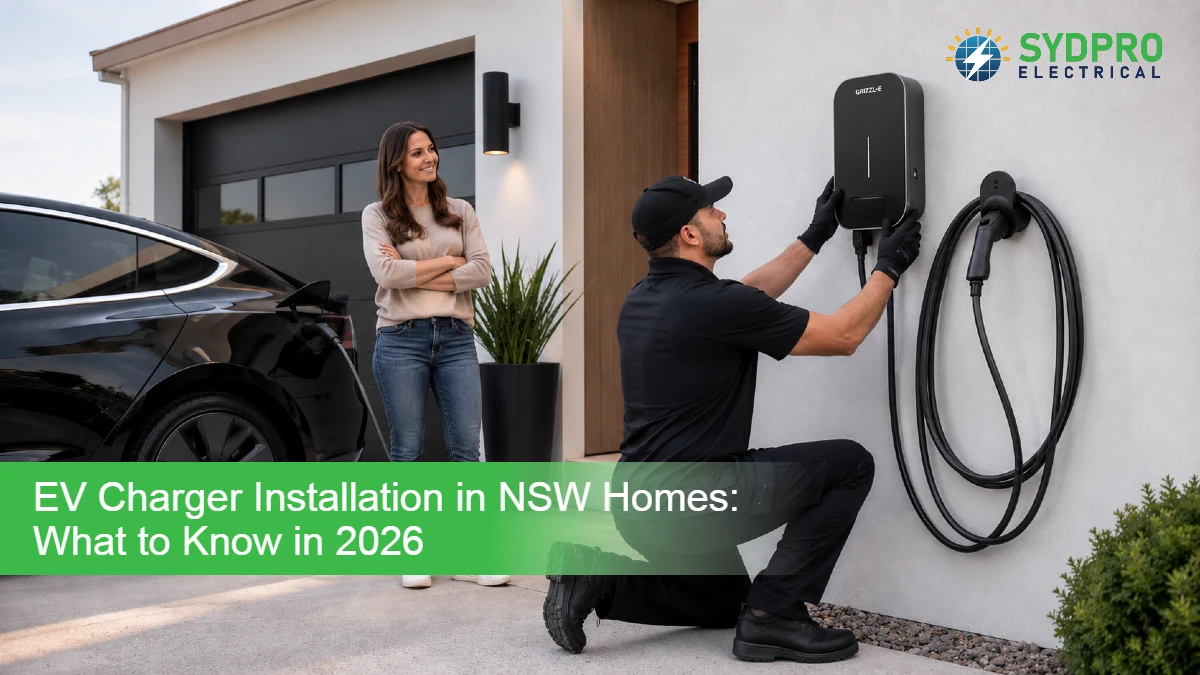
EV charging is a common trigger
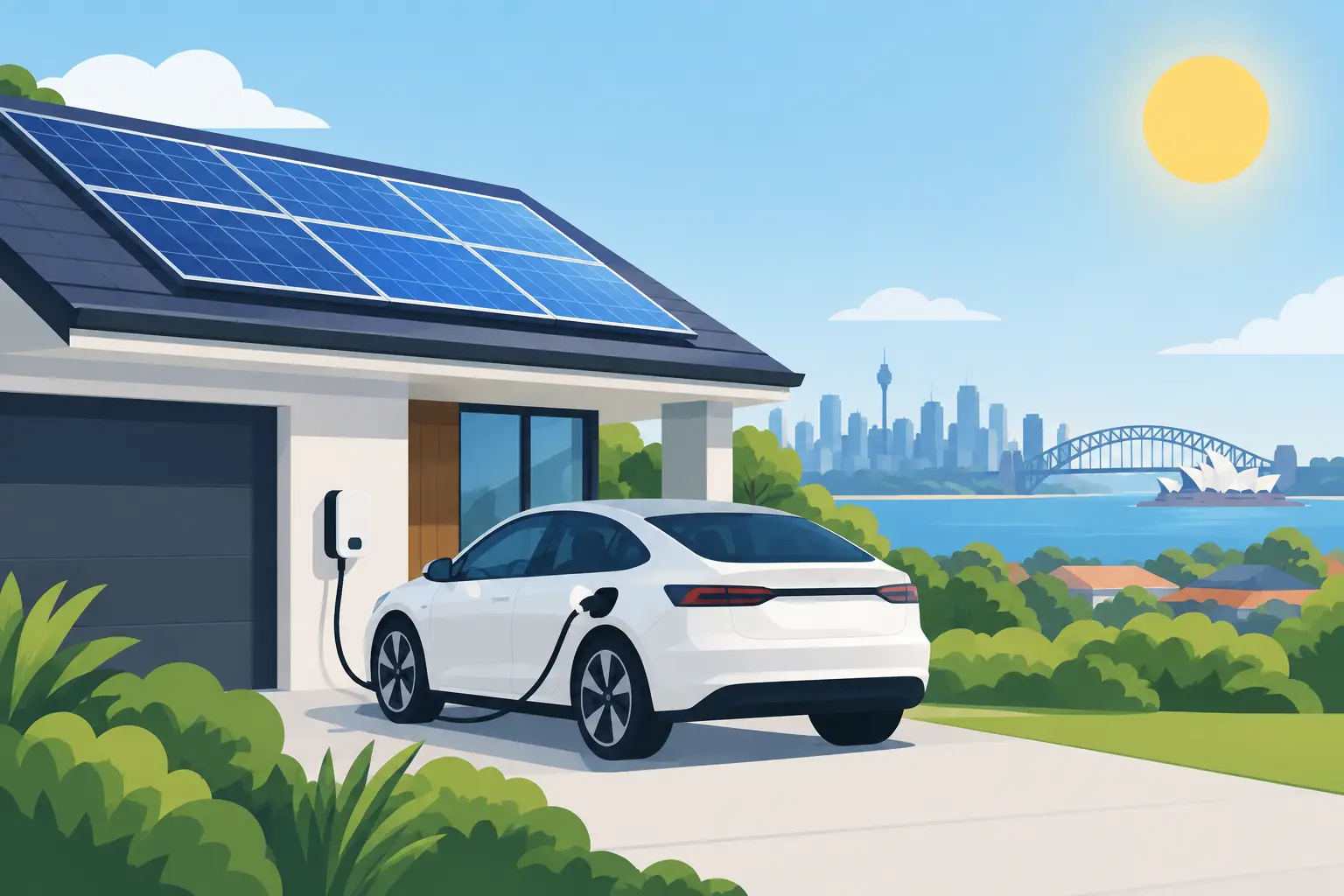
A standard EV charger can often be installed on single-phase supply, particularly where charging overnight suits the household’s routine. But charging speed, available electrical capacity and other loads must be considered together.
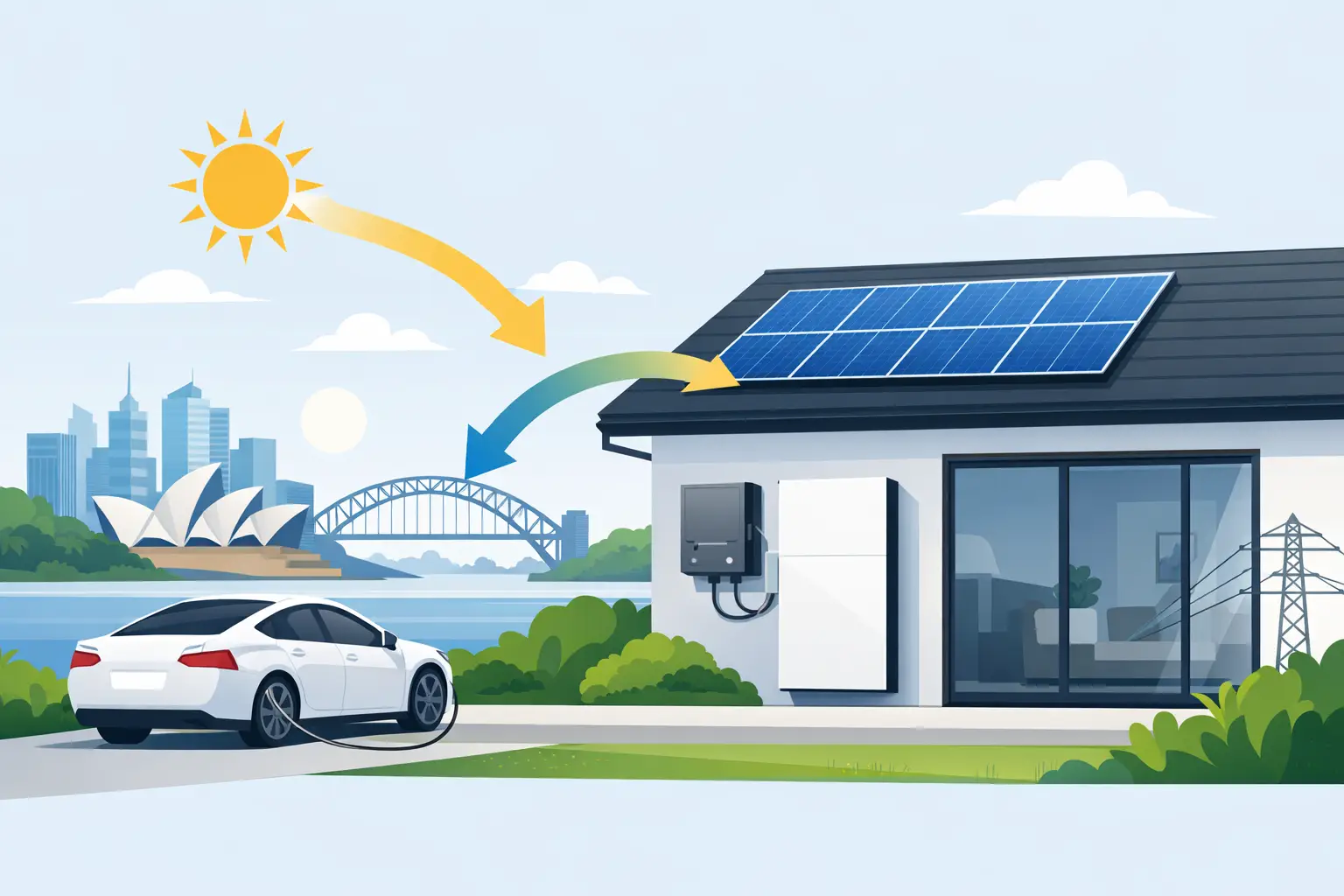
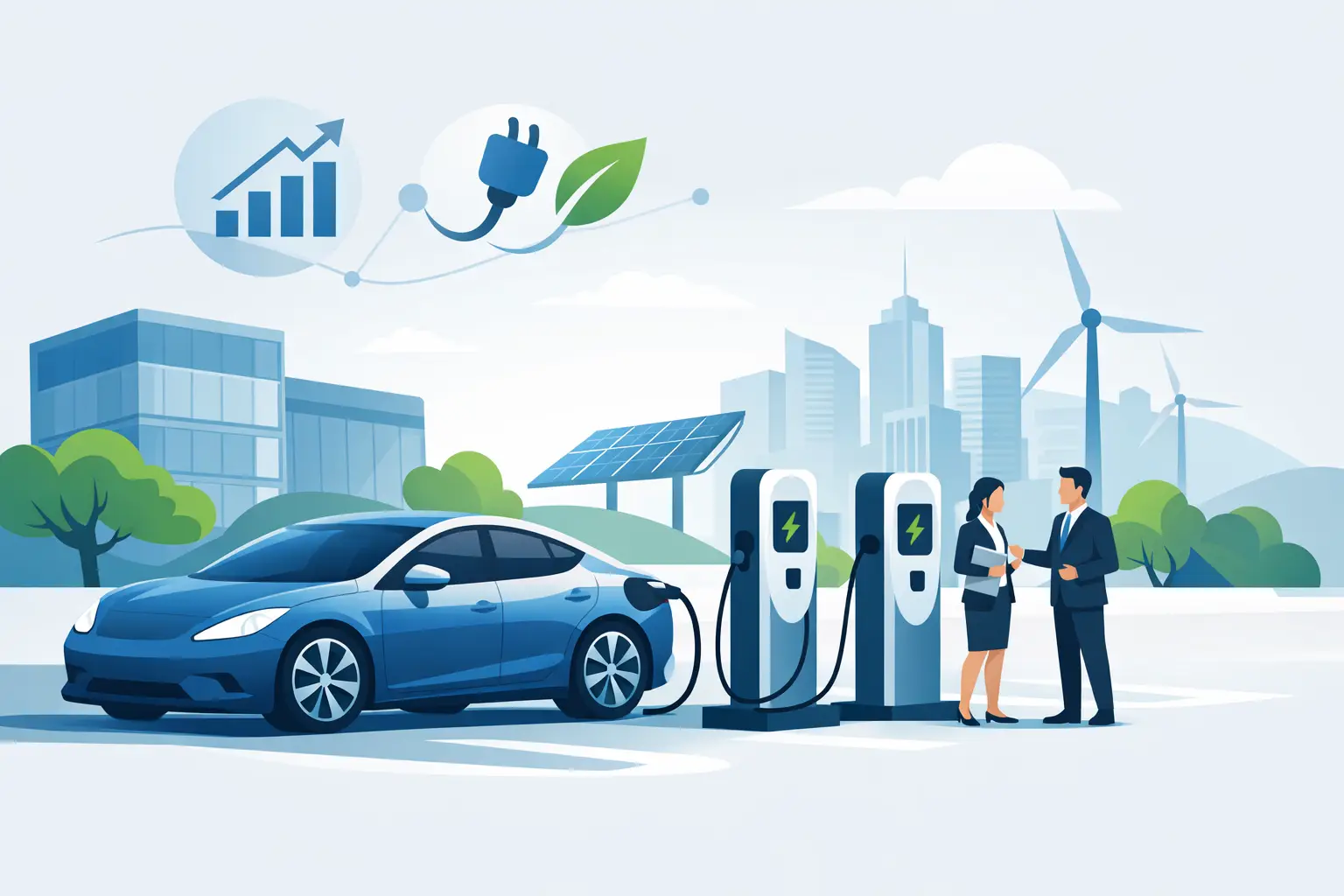
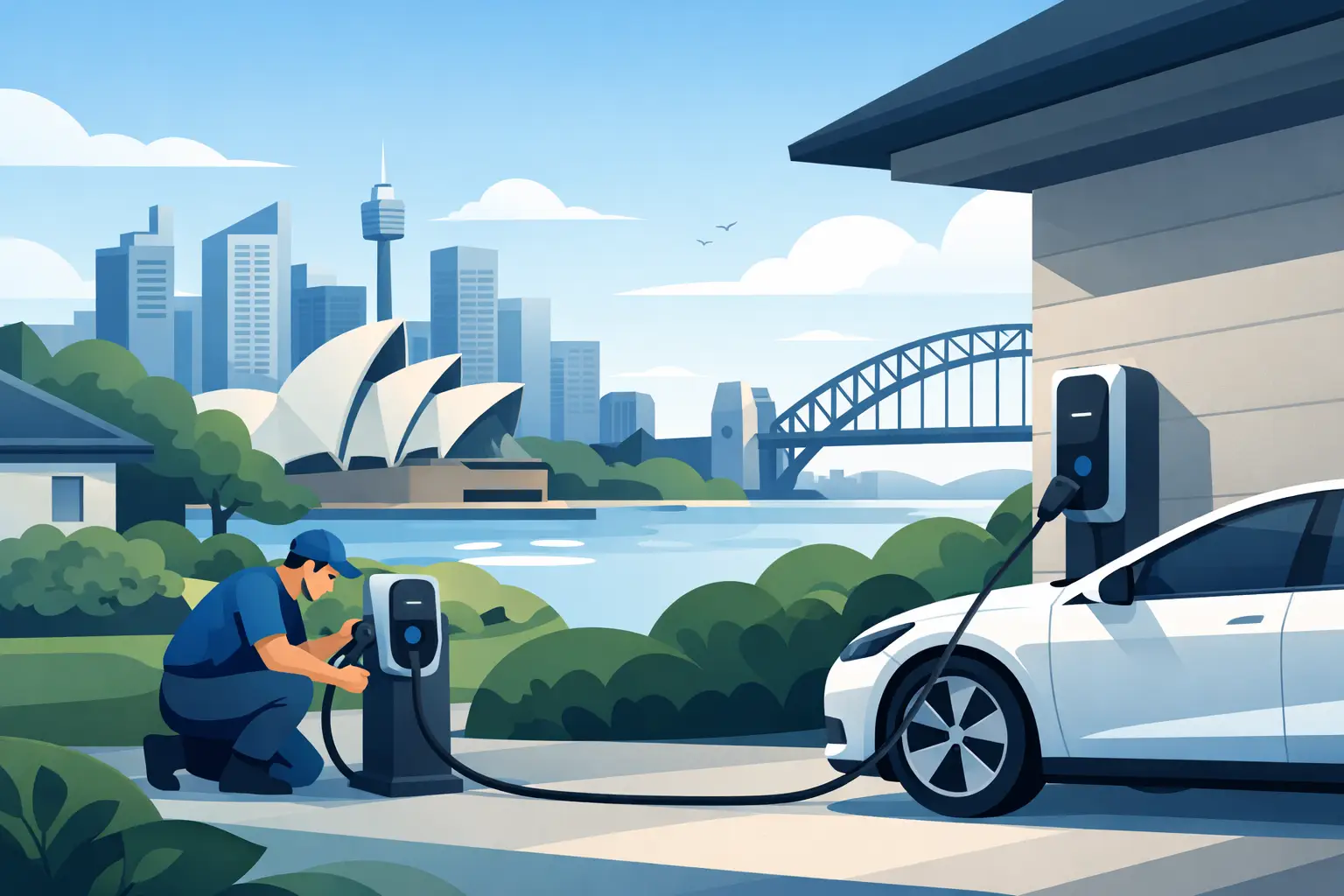
Three-phase charging can provide faster charging where the vehicle and charger support it. It can be especially useful for households with more than one EV, businesses providing staff or fleet charging, and sites where vehicles need to return to service quickly. It may also make it easier to operate charging alongside solar, battery storage and air conditioning without heavily loading one phase.
Fast charging is not always necessary. If a vehicle is parked at home for 10 to 12 hours overnight, a well-designed single-phase charger may be entirely suitable. The value of a phase upgrade comes from capacity and flexibility, not from choosing the highest charging rate available.
The NSW approval and installation process
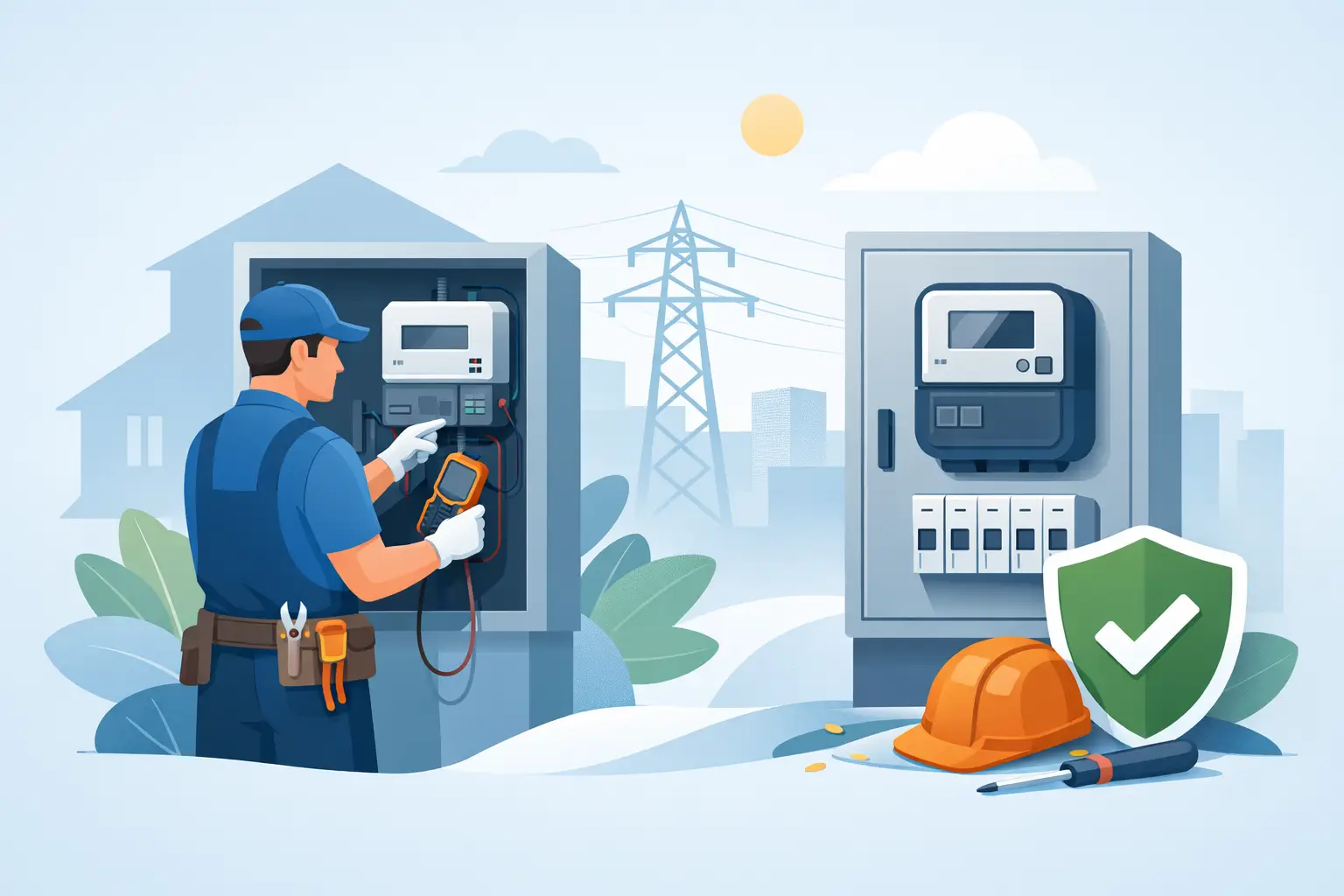
A phase upgrade involves more than work within your property boundary. In NSW, changes to a service connection and metering equipment must meet distributor rules and electrical safety requirements. The process usually begins with a site inspection and load assessment, followed by a clear scope of works.
Your contractor will check the existing supply type, consumer mains, switchboard condition, meter position, earthing arrangement and the likely path for new cabling. They will also assess whether three-phase mains are available nearby and whether any network augmentation is required. Availability and requirements differ by location and distributor area.
Where authorised network work is needed, a Level 2 ASP can carry out the relevant service and connection work. This is particularly valuable when the project also includes solar, a battery, an EV charger or a switchboard replacement. One coordinated design helps prevent mismatched equipment, avoidable rework and confusion about who is responsible for each stage.
Sydpro Solar Solutions combines accredited solar capability with Level 2 ASP electrical authorisation, allowing customers to plan major energy upgrades with the right technical and compliance pathway from the outset.
What can affect cost and timing?
There is no reliable one-price answer for phase upgrades. A straightforward change where three-phase supply is already accessible will be very different from a project requiring a new underground service, meter relocation, switchboard replacement or distributor-led network work.
Access conditions also matter. Long cable runs, difficult trenching, asbestos risks, heritage considerations and older wiring can all add scope. Commercial sites may need staged works or planned shutdowns to protect operations. A detailed quotation should identify inclusions, exclusions, required approvals and the equipment being installed so there are no surprises after work begins.
Questions to ask before committing
Start by asking what loads the upgrade needs to support over the next five to ten years. Include planned air conditioning, cooking appliances, hot water, pool equipment, machinery, solar expansion, batteries and EVs. This gives the system designer a realistic brief rather than a snapshot of current use.
Ask whether your proposed solar inverter, battery and EV charger are compatible with the final supply arrangement. Confirm how backup will operate during a blackout, which circuits will be supported and whether load management is required. For businesses, ask how the installation will affect downtime, metering and future tenancy requirements.
Finally, make sure the contractor is appropriately accredited and authorised for the scope. Solar installation credentials are essential for solar work, while regulated service connection changes require the correct Level 2 ASP capability. Both matter when your project crosses the boundary between energy technology and the electricity network.
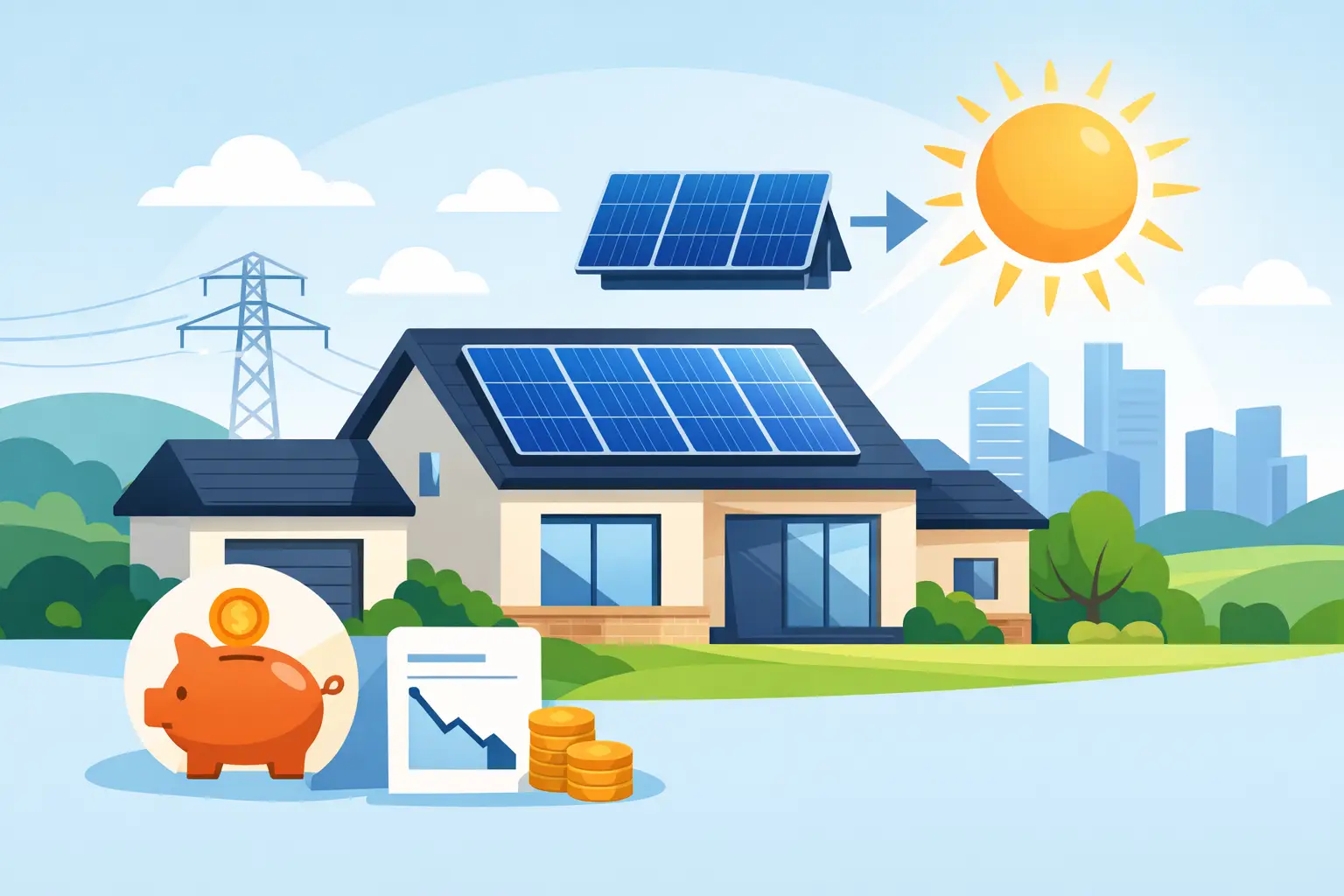
A phase upgrade should leave your property safer, more capable and ready for the equipment you genuinely plan to use. With a properly assessed design, it becomes more than an electrical alteration – it is a practical investment in lower operating costs, dependable performance and a cleaner energy future.