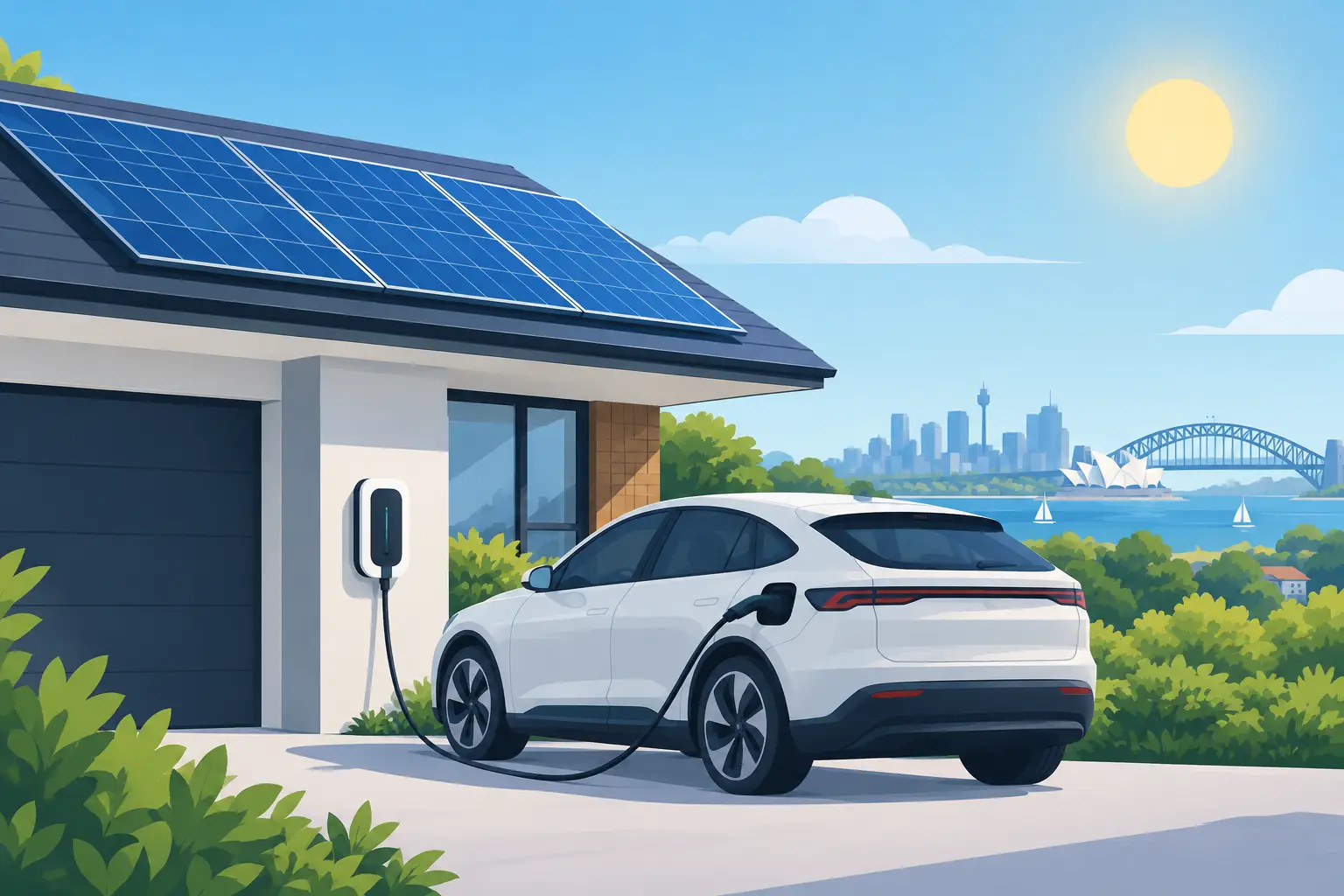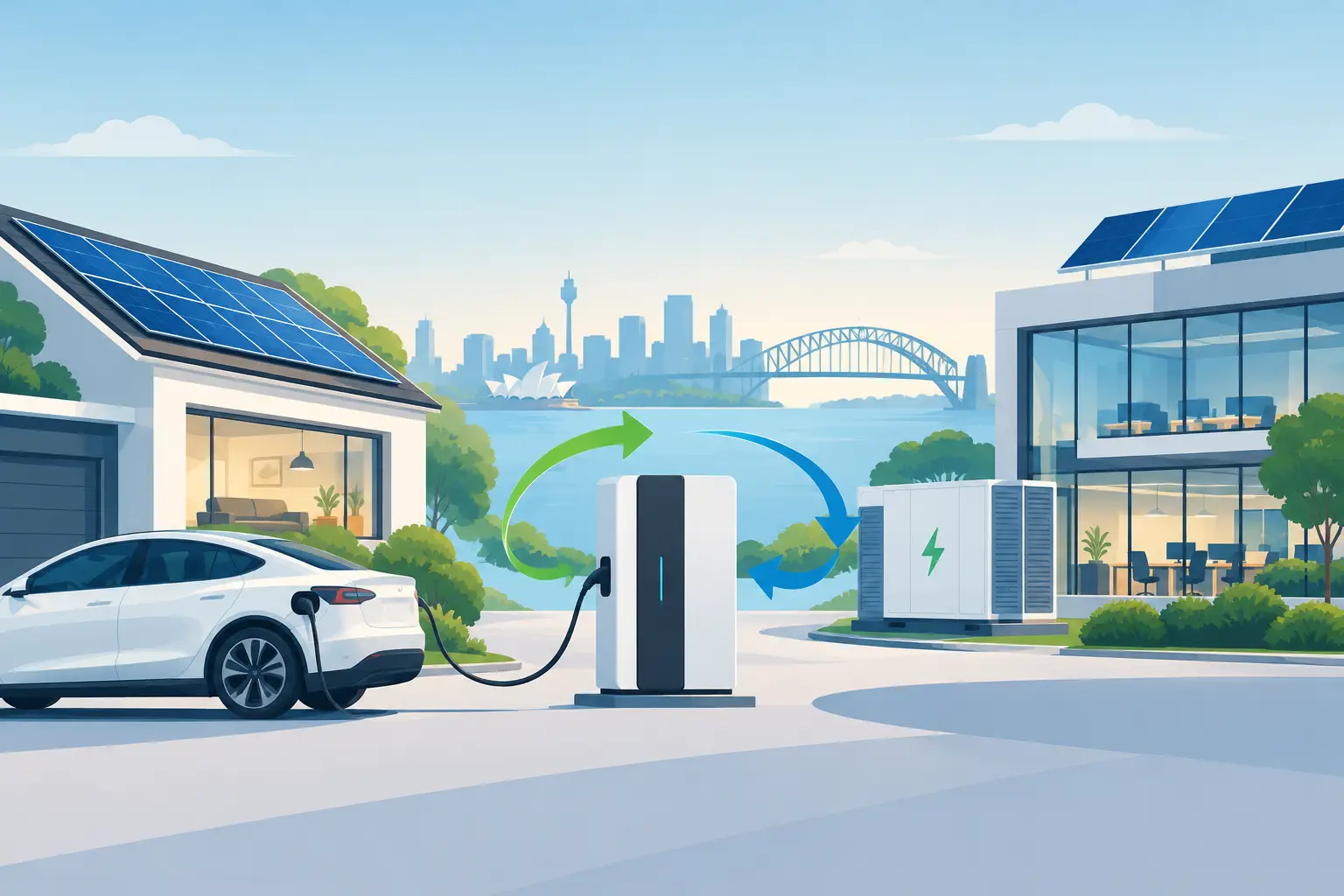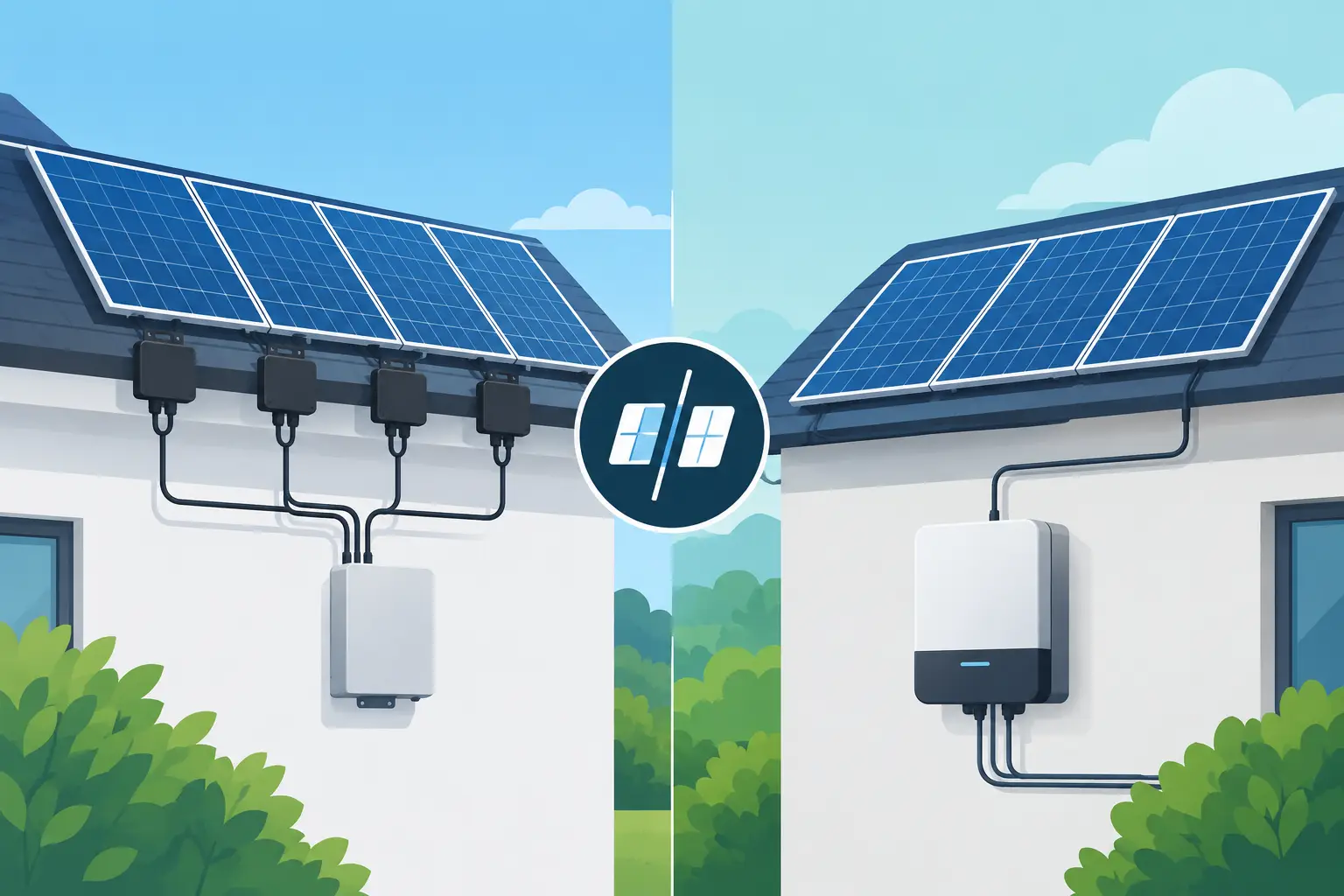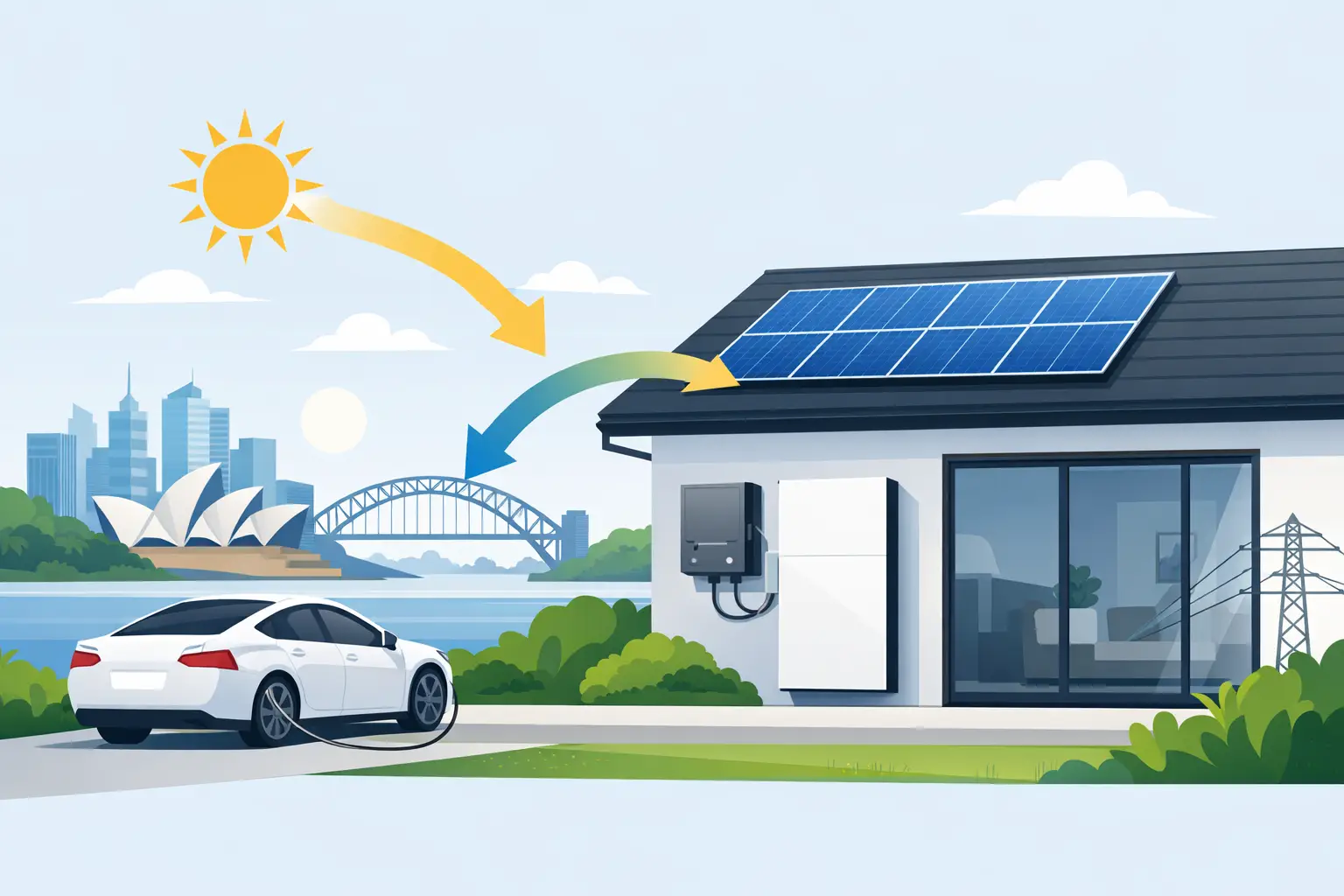
A battery is not simply an add-on to rooftop solar. It is a long-term energy asset that should be selected around how your property uses power, when you need backup, and what value you expect over the next decade or more. This battery lifespan planning guide helps NSW homeowners and business owners make those decisions before installation – when they have the greatest impact on savings, safety and battery performance.
A well-planned system can store more of your solar generation, reduce evening grid purchases and provide useful resilience during outages. A poorly matched one may cycle harder than necessary, leave solar energy unused or cost more than the value it delivers. The goal is not to buy the biggest battery available. It is to install capacity and technology that suit your property.
Start with the job the battery needs to do
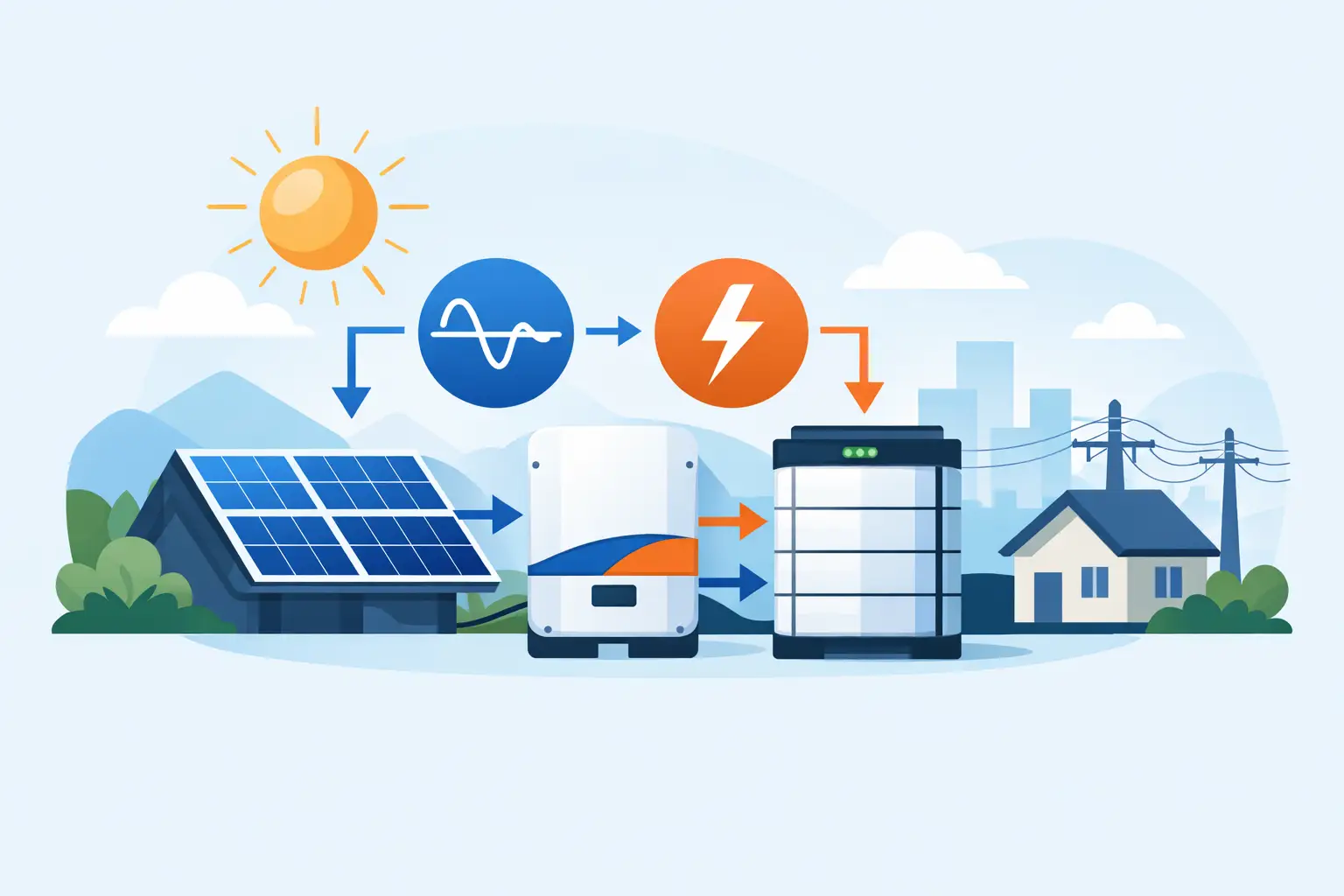
Battery lifespan begins with system design. Before comparing brands or capacities, define the problem you want the battery to solve. For many Sydney households, the priority is moving excess daytime solar into the evening peak, when cooking, heating and cooling loads increase. For others, backup power for selected essential circuits is the deciding factor.
Commercial properties may have a different brief. A battery can reduce demand from the grid during expensive periods, improve the use of on-site solar and support continuity for critical equipment. The operating pattern, tariff structure and electrical load profile matter far more than a single advertised battery capacity.
Consider three questions early: how much solar surplus do you regularly produce, how much electricity do you use after sunset, and which appliances must continue operating in an outage? Answers based on actual interval data from your electricity retailer are more reliable than estimates from a quarterly bill.
A household that exports 12 kWh most sunny days but uses 8 kWh overnight may benefit from a smaller battery than one exporting 25 kWh and running ducted air conditioning, pool equipment and an EV charger. Likewise, a business with a large daytime load might receive greater value from additional solar capacity before adding storage. Battery planning is always a whole-system exercise.
Understand what affects battery life
Most modern home batteries use lithium-ion chemistry, often lithium iron phosphate or nickel manganese cobalt variants. Their useful life is generally measured through a combination of calendar age, energy throughput and cycle count. A cycle is broadly the use of energy equivalent to one full charge and discharge, though it can occur across several partial charges and discharges.
Battery warranties commonly set a time period, a minimum retained capacity and sometimes a throughput limit. These terms are meaningful, but they should not be treated as a promise that the battery stops working at the warranty end date. A battery may continue operating with reduced usable capacity. What matters for planning is whether that performance still meets your needs.
Several practical conditions influence degradation:
- How deeply and how often the battery is discharged
- Heat exposure and the quality of installation location
- The charging and discharging rate required by the property
- Software settings, including backup reserve and grid charging behaviour
- Whether the battery is appropriately sized for the solar system and load
Daily cycling is not automatically a problem. Batteries are built to cycle. The concern is installing a system that must regularly run at its limits because it is too small for the load, or purchasing far more capacity than your solar system can charge through much of the year.
Depth of discharge and usable capacity
A battery’s usable capacity is not always the same as its total nameplate capacity. Manufacturers reserve part of the battery’s energy to protect the cells and support long-term performance. This is one reason comparisons should focus on usable capacity, continuous power output, warranty conditions and compatible inverter design – not just the largest number on a product brochure.
Depth of discharge describes how much of a battery’s available energy is used before charging again. Regularly taking a battery very low may increase wear, although the impact depends on the battery chemistry and manufacturer controls. Modern systems manage this automatically to a large extent, but thoughtful sizing still reduces unnecessary stress.
If your household needs 14 kWh overnight and installs a battery with only 8 kWh usable capacity, it will often reach its lower limit before morning. That may be acceptable if the main aim is reducing evening purchases. It is less suitable if you expect all-night backup or want to support high electrical loads after sunset.
Size for seasonal reality, not just summer production
Solar production in NSW changes substantially through the year. Longer summer days can leave a battery fully charged early, while cloudy winter periods may provide limited excess generation. A battery should therefore be assessed against annual energy patterns, not a single high-production day.
Oversizing can be worthwhile where a property has major evening consumption, a planned EV, high backup requirements or a future solar expansion. However, excess capacity that sits partly charged for long periods will not necessarily deliver the strongest financial return. Conversely, undersizing may limit solar self-consumption and force the battery to work through frequent deep cycles.
A good design balances present behaviour with realistic future changes. If you expect to add an EV within two years, replace gas heating with efficient electric systems, or expand business operations, include that in the design discussion. It may be sensible to install scalable battery equipment or ensure the switchboard, inverter and electrical infrastructure can accommodate expansion later.
Plan backup power with clear expectations
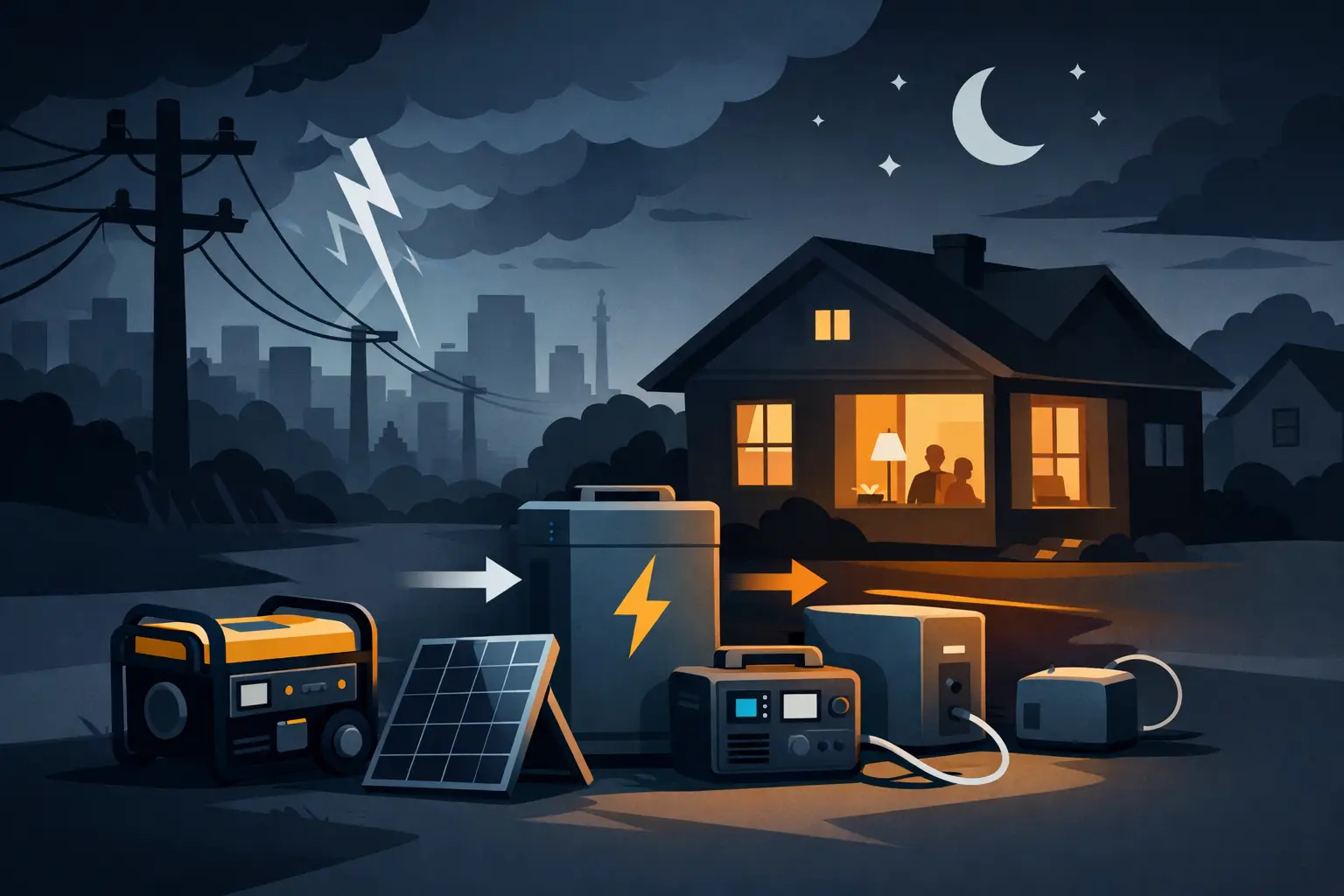
Backup is one of the most misunderstood battery features. Not every solar battery will power a property during a grid outage, and not every backup-enabled battery can run every appliance at once. Backup capability depends on the battery, inverter, switchboard configuration, selected circuits and the system’s available power output.
Essential-backup design typically prioritises lighting, refrigeration, internet equipment, selected power points and perhaps a garage door. Whole-home backup can be appropriate for some properties, but it requires careful load assessment. High-demand equipment such as ducted air conditioning, electric hot water, ovens, pool pumps and EV chargers can quickly exceed available battery or inverter power.
For a business, identify which loads are operationally critical. That may include communications, security, refrigeration, servers, access control or point-of-sale equipment. Separating critical circuits is often more practical and cost-effective than attempting to back up an entire site.
Backup systems must also be designed and installed to meet relevant electrical and grid requirements. This is not an area for assumptions or informal alterations. Proper isolation, compliant changeover arrangements and qualified electrical work protect occupants, workers and network personnel.
Choose the installation location carefully
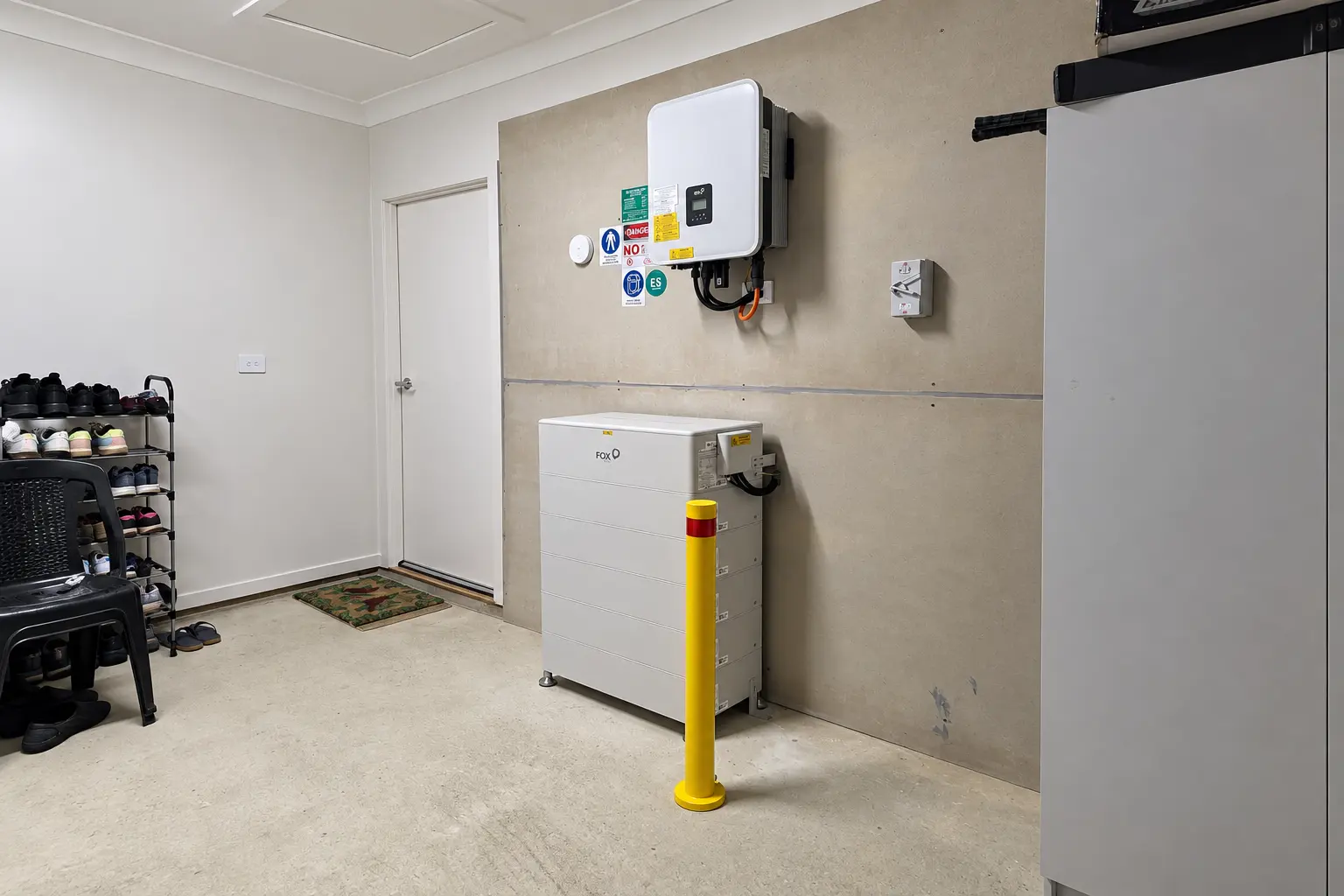
Heat is a genuine battery-life consideration in Australian conditions. Batteries should be installed in a compliant location that avoids unnecessary heat exposure, physical damage and moisture. A west-facing external wall that absorbs afternoon sun may be convenient, but it is not always the best long-term environment.
Your installer should assess access, ventilation requirements, clearances, fire safety considerations, flood exposure and the existing electrical layout. The most suitable position may be a garage, a protected external wall or another location that meets the manufacturer’s requirements and site-specific conditions.
Do not select a location based on appearance alone. Battery equipment is high-value electrical infrastructure, and the installation must be safe, accessible for servicing and suitable for the product warranty. For larger commercial systems, thermal management, emergency access and site operations require even more detailed planning.
Use smart controls without sacrificing the battery’s purpose
A battery management system controls charging, discharging and protective limits. It can also support time-of-use strategies, allowing stored solar energy to be used when grid electricity costs more. Where tariffs make sense, some systems can charge from the grid during lower-cost periods and discharge during higher-cost periods.
This strategy can improve savings, but it is not automatically right for every property. Grid charging adds cycles and may reduce the proportion of energy supplied by your own solar. It should be assessed against your tariff, solar production, battery warranty terms and financial objectives.
Set an outage reserve that matches your needs. Holding 20 per cent in reserve can provide useful protection for an evening blackout, but it also means less capacity is available for daily bill savings. A household in an area with reliable supply may choose a lower reserve than a rural property or a business with sensitive equipment. There is no universal setting.
Monitoring matters too. Check the app or monitoring platform periodically for solar generation, battery state of charge, grid imports and unusual alerts. You do not need to manage the system every day, but reviewing performance across seasons can reveal whether settings still suit your lifestyle or operations.
Protect long-term value with quality design and documentation
A premium battery cannot compensate for an inadequate switchboard, mismatched inverter, undersized cabling or non-compliant electrical work. The quality of system integration is central to safety, performance and future serviceability.
Request a clear proposal that explains the usable battery capacity, expected operating approach, backup scope, product warranties, installation inclusions and any switchboard or network work required. Transparent pricing is valuable because battery projects can involve more than the battery itself, particularly where a property needs electrical upgrades or regulated grid connection work.
Keep your commissioning documents, warranties, electrical certificates and system manuals. If you sell the property, this documentation helps demonstrate the system’s quality and supports the value of a well-maintained energy upgrade.
A battery should make your property more capable each year it is in service, not more complicated. With a correctly sized system, compliant installation and settings that reflect real energy use, you can turn solar production into lower grid reliance, practical backup and a stronger foundation for future electrification. For NSW properties planning that next step, an accredited solar and Level 2 electrical partner such as Sydpro Solar Solutions can bring the solar, battery and electrical work together in one considered design.