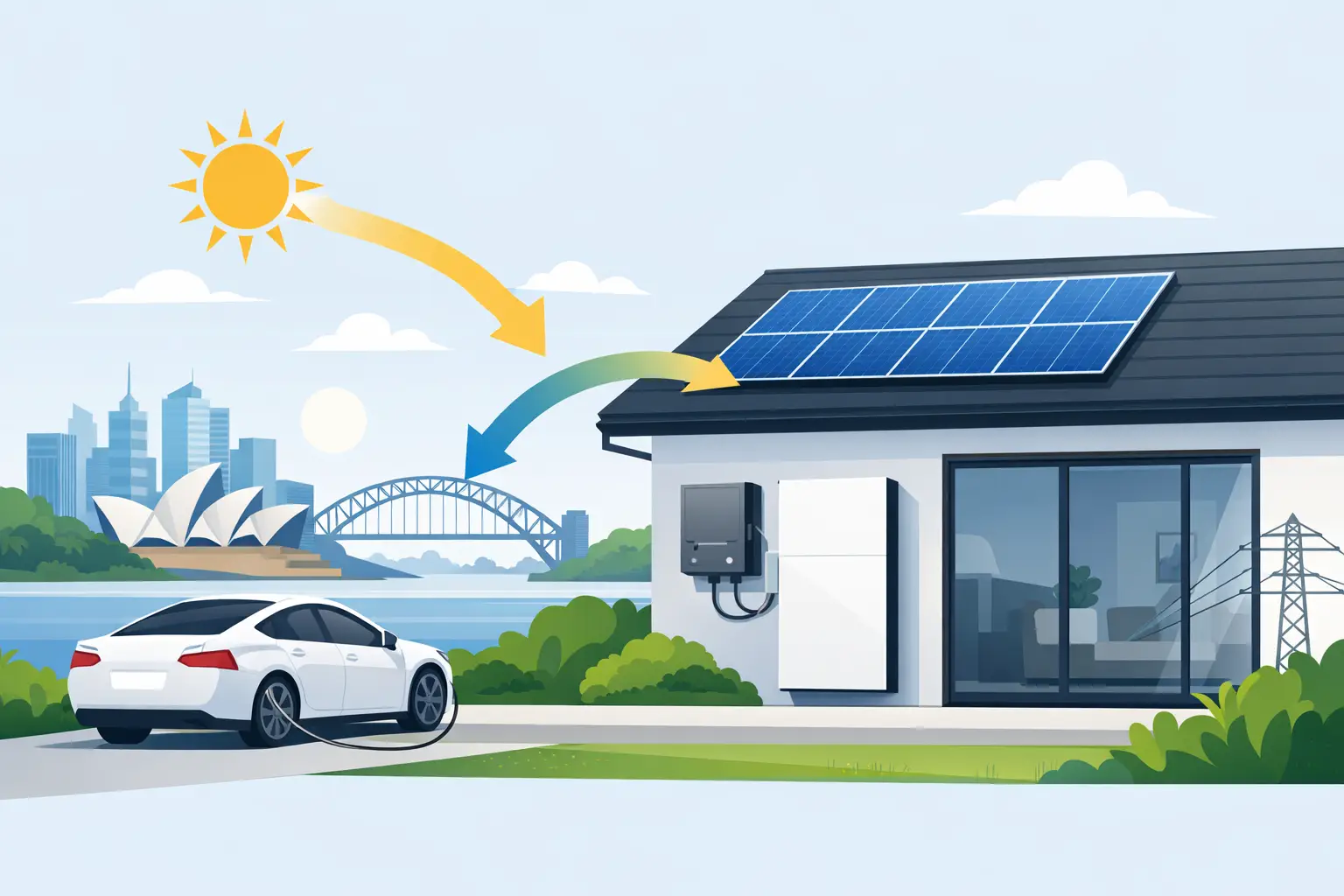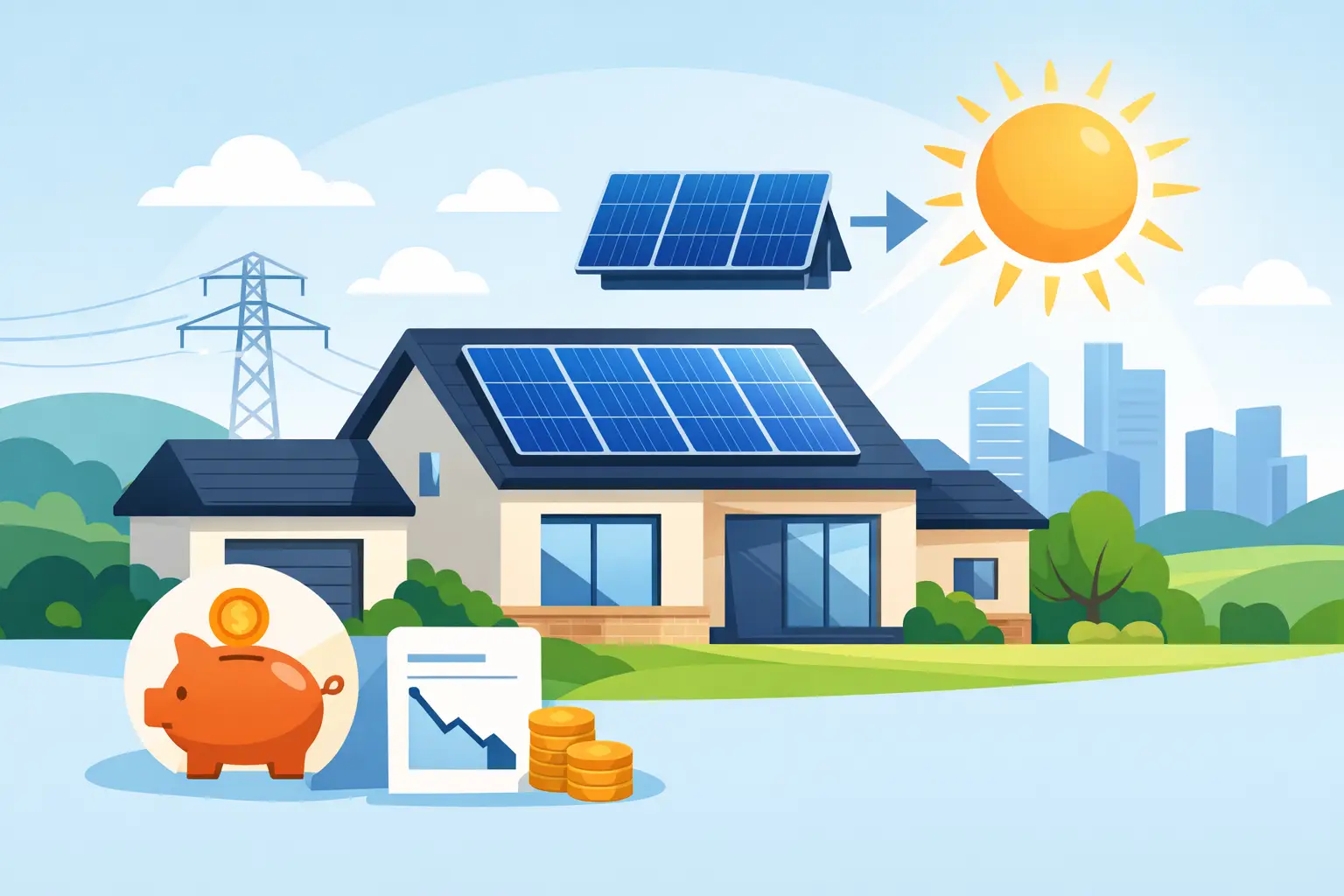
A sunny Sydney afternoon can produce more electricity from your roof than your household is using at that moment. That is the central reason how solar panels lower bills: every kilowatt-hour your property generates and uses directly is one you do not need to buy from the grid at retail rates.
For NSW homeowners and business owners, the result is not a fixed dollar figure or an instant zero bill. Savings depend on system size, electricity usage, tariff structure, roof conditions and how much solar energy is used on site. A well-designed system, however, can turn a significant portion of daytime power demand into energy produced at your own property.
How solar panels lower bills in practice
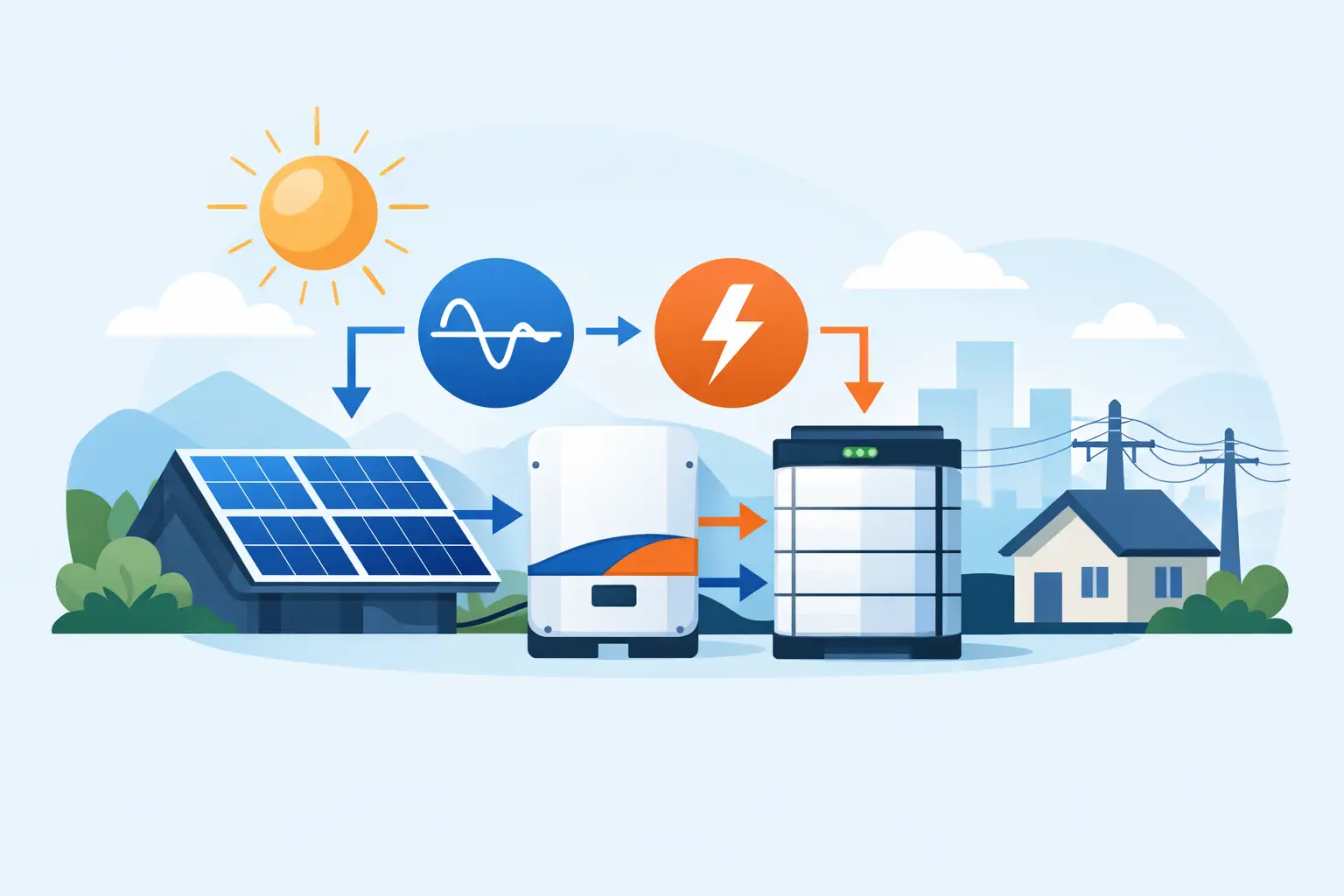
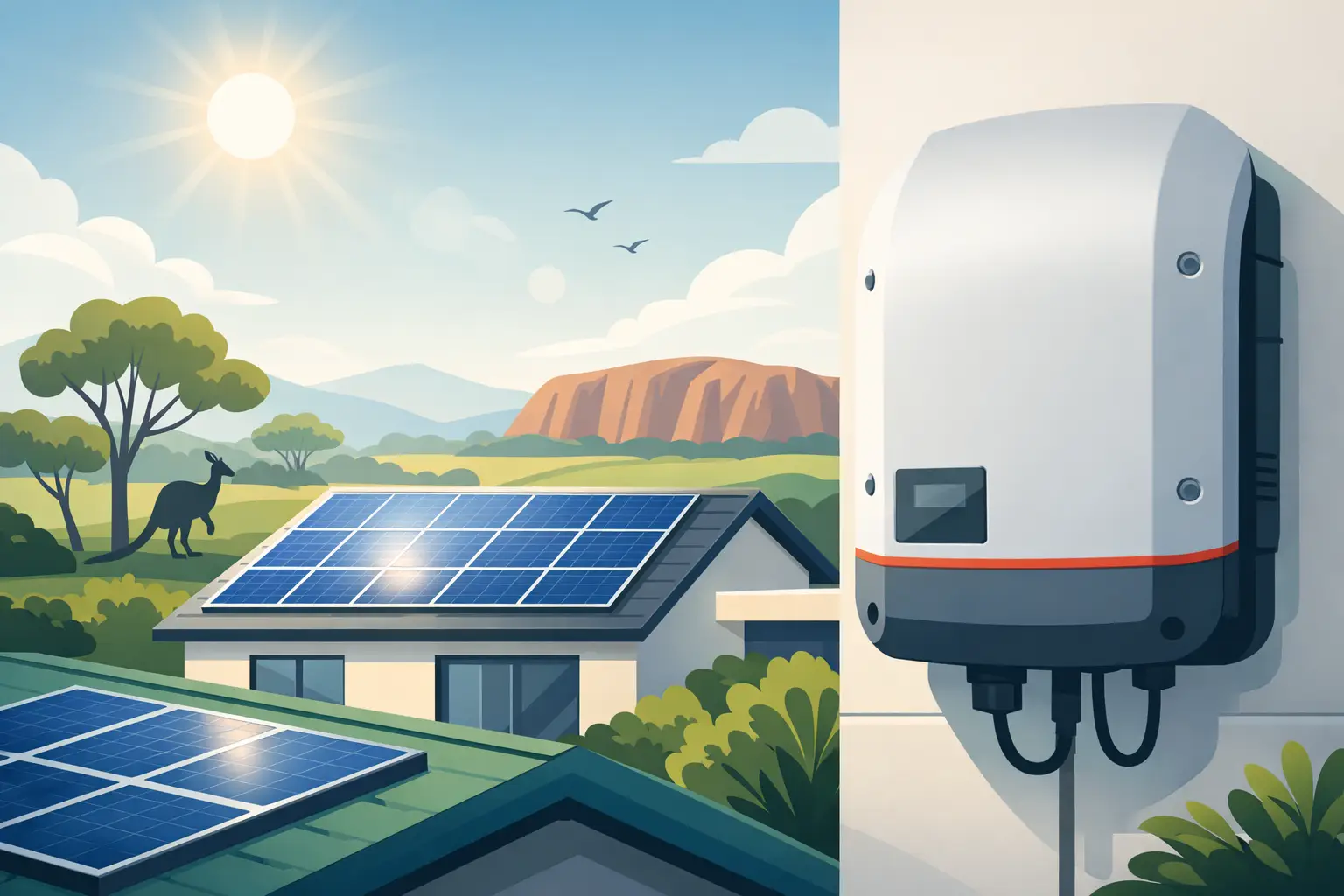
Solar panels generate direct current electricity from sunlight. An inverter then converts it into usable alternating current for your home or business. Your property uses that solar power first, before drawing electricity from the grid.
If your air conditioner, pool pump, fridge, office equipment or machinery is running while the system is producing, solar can cover some or all of that demand. Your meter records less electricity imported from the network, which reduces the usage charges on your electricity bill.
Any surplus power can be exported to the grid, subject to your connection arrangement, and may earn a feed-in tariff from your retailer. Export credits are useful, but direct self-consumption is generally where solar creates the strongest value. Retail electricity prices are usually higher than the rate paid for exported solar, so it makes financial sense to use more of your generation while it is available.
A simple example
Consider a home that uses 25 kWh of electricity in a day. A solar system might generate 30 kWh on a clear day, but generation is concentrated around daylight hours. If the household uses 15 kWh while the sun is out, it avoids purchasing those 15 kWh from the grid. The remaining solar may be exported, stored in a battery or used to run flexible loads such as a pool pump or EV charger.
At night, when the panels are not producing, the property will usually import electricity again unless it has stored energy available. This is why a system should be designed around when you use power, not simply the biggest panel capacity that can fit on the roof.
The three parts of bill savings
A solar bill is easier to understand when separated into three outcomes: avoided grid purchases, solar export credits and reduced exposure to future electricity price rises.
Avoided grid purchases are usually the most valuable component. When your system powers daytime loads, you buy fewer kilowatt-hours at your retailer’s import rate. For many households, this can include hot water heating on a timer, cooling, appliances and EV charging. For businesses, daytime trading hours often align well with solar production, making rooftop solar particularly effective for offsetting operational energy use.
Export credits apply when production exceeds on-site demand. Feed-in tariff rates vary by retailer and plan, so they should not be treated as the main reason to install solar. A quality design aims to balance generation with consumption, rather than routinely producing far more electricity than the property can use or store.
The third outcome is harder to see on a single bill but matters over the life of the system. Generating part of your own power reduces reliance on retail electricity prices. It does not remove network charges, supply charges or all imports, but it can give households and businesses more control over an expense that has historically risen over time.
Why usage habits matter as much as panel size
Two neighbouring homes can install the same system and achieve different savings. One family may be out all day and use most electricity after dark. The other may work from home, run the dishwasher at midday and charge an EV during solar hours. The second household is likely to use more of its own solar and receive greater savings from the same generation.
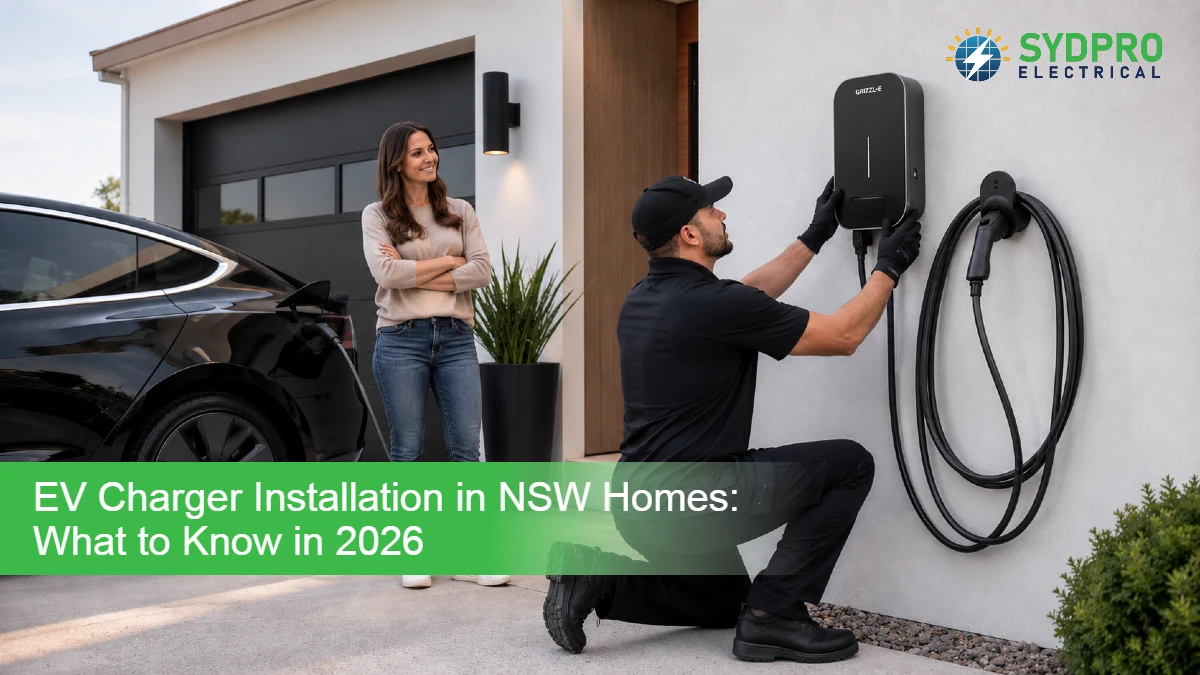
Small changes can improve solar self-consumption without compromising comfort. Set eligible appliances to operate during the day, schedule pool filtration around solar production and use timers or smart controls for electric hot water where suitable. If you have an EV, daytime charging can turn surplus solar into useful kilometres rather than a lower-value grid export.
For commercial sites, the same principle applies at a larger scale. Refrigeration, HVAC, process loads, lighting and office equipment can create a strong daytime energy profile. A review of interval data can show whether solar generation is likely to match demand and where operational changes may improve the return.
When a battery can lower bills further
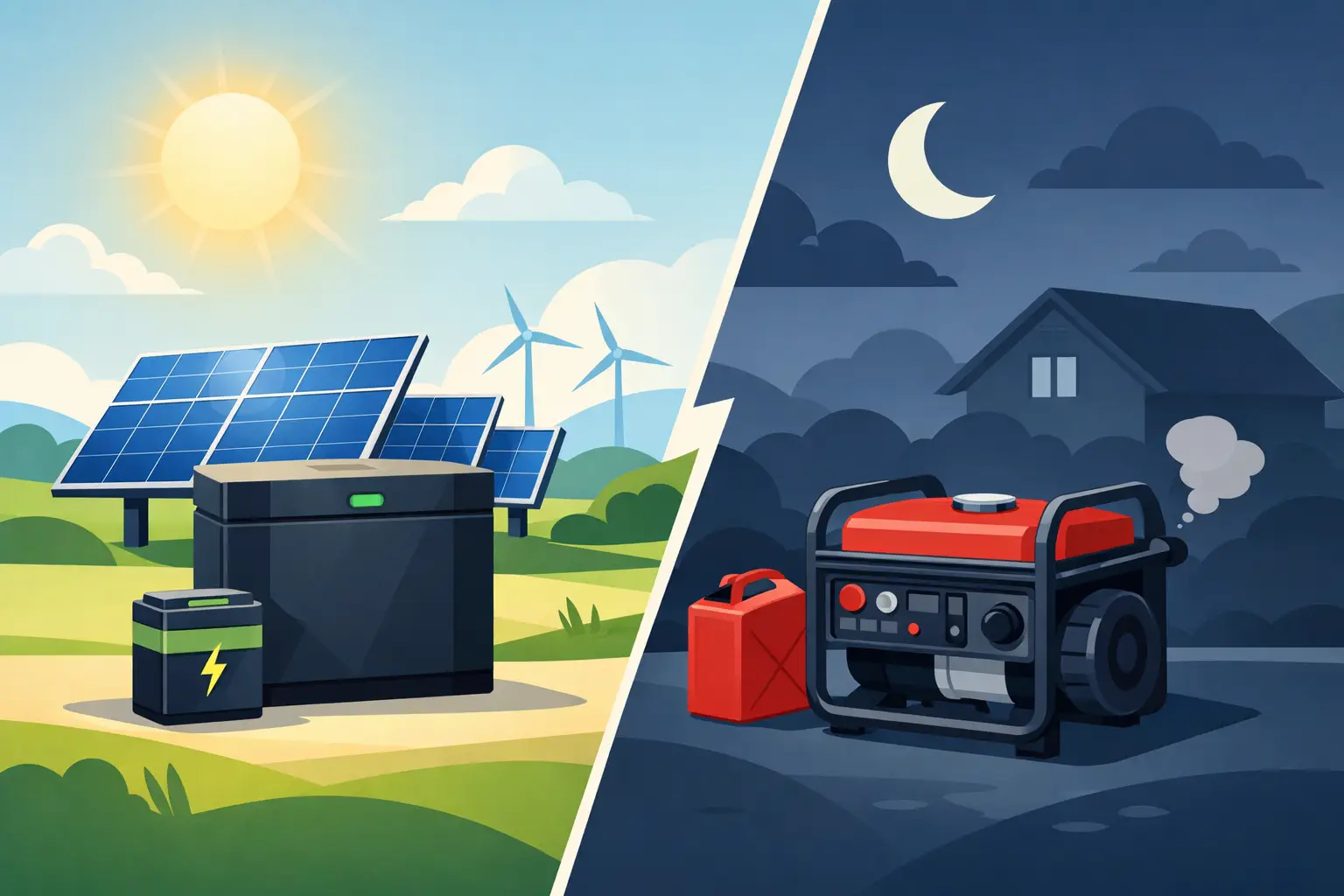
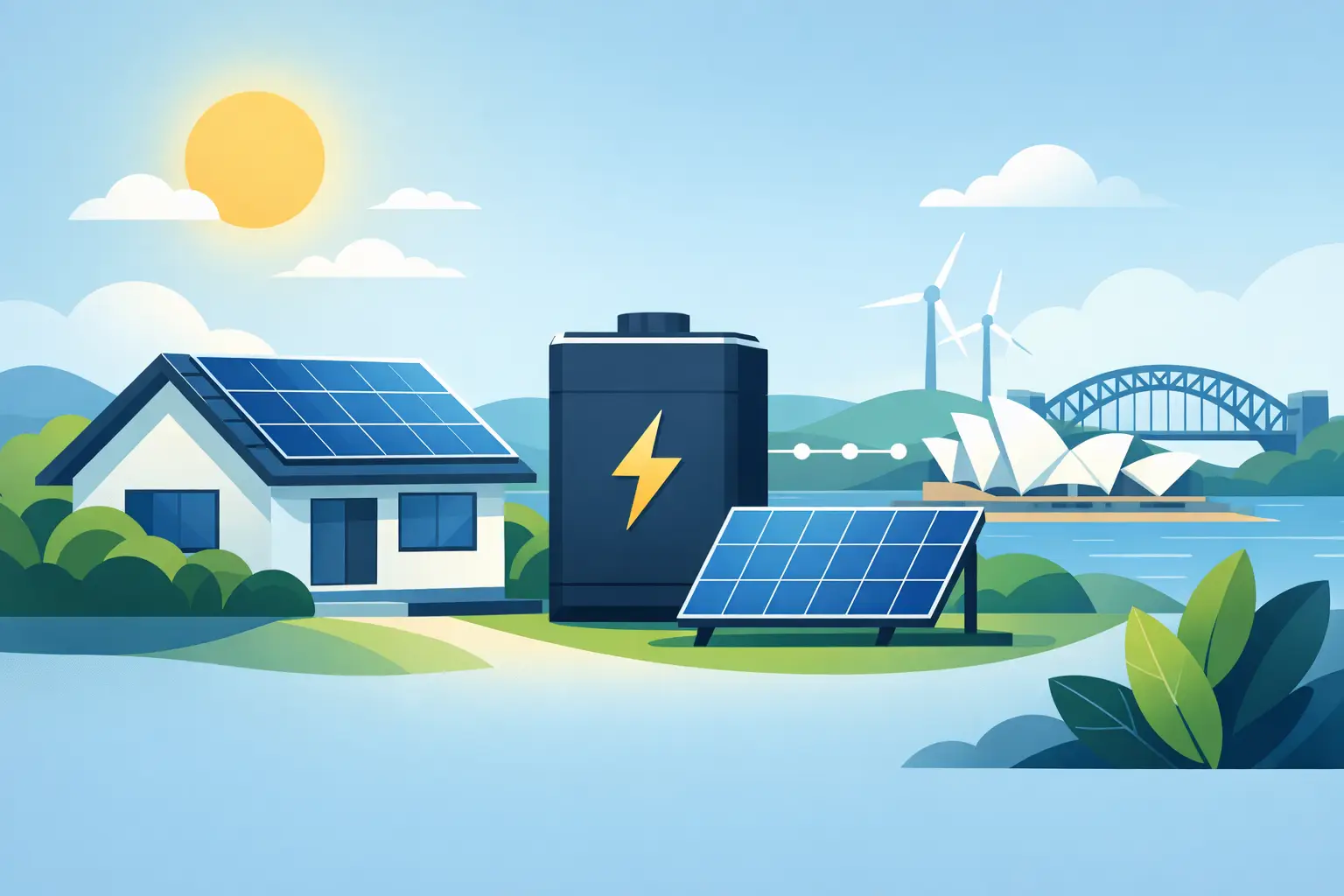
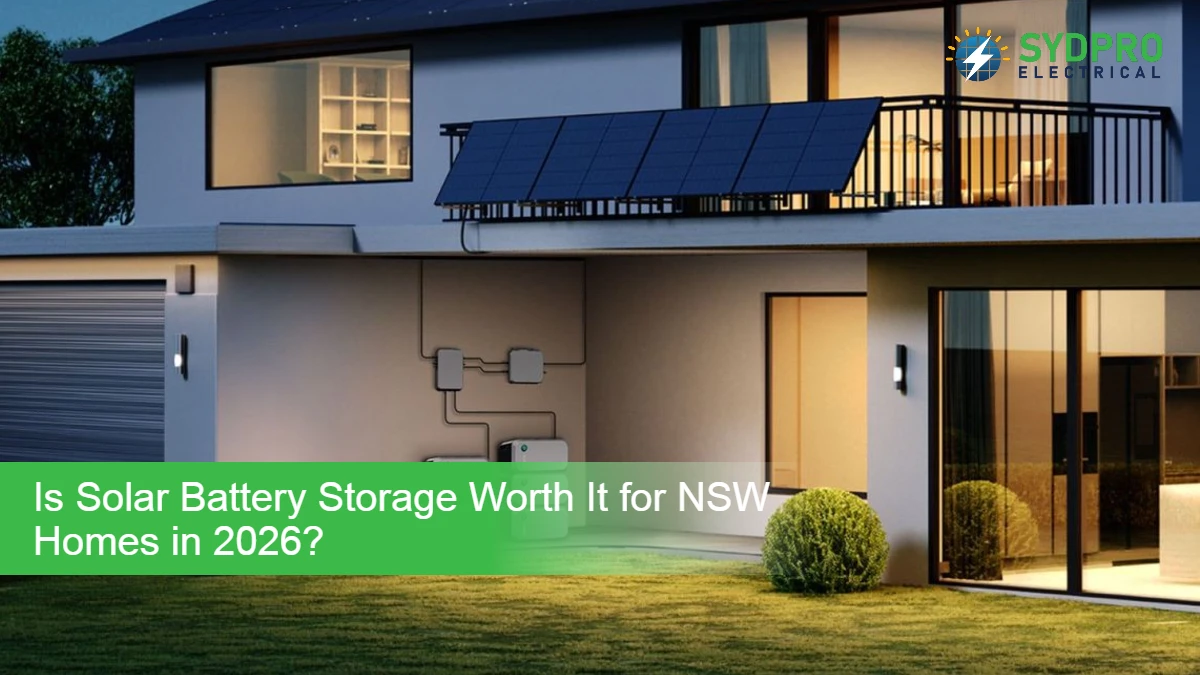
A battery stores excess solar generation for use later, often through the evening peak when grid electricity is more expensive. It can increase the share of solar your property uses itself, reduce overnight imports and provide backup capability when designed with that function.
That does not mean a battery is automatically the right financial choice for every site. Its value depends on your export rate, evening consumption, tariff, battery capacity, expected cycling and whether resilience during outages is a priority. A household with very low evening use may see less benefit than a family that returns home to cooling, cooking, laundry and EV charging after sunset.
Time-of-use tariffs can also influence the calculation. Where electricity costs more in peak periods, stored solar may offset higher-priced imports. Some customers also value the ability to keep selected essential circuits operating during an outage, but backup requirements must be designed correctly. Not every battery system provides whole-home backup, and electrical safety, switchboard capacity and network requirements all need careful consideration.
System design affects the outcome
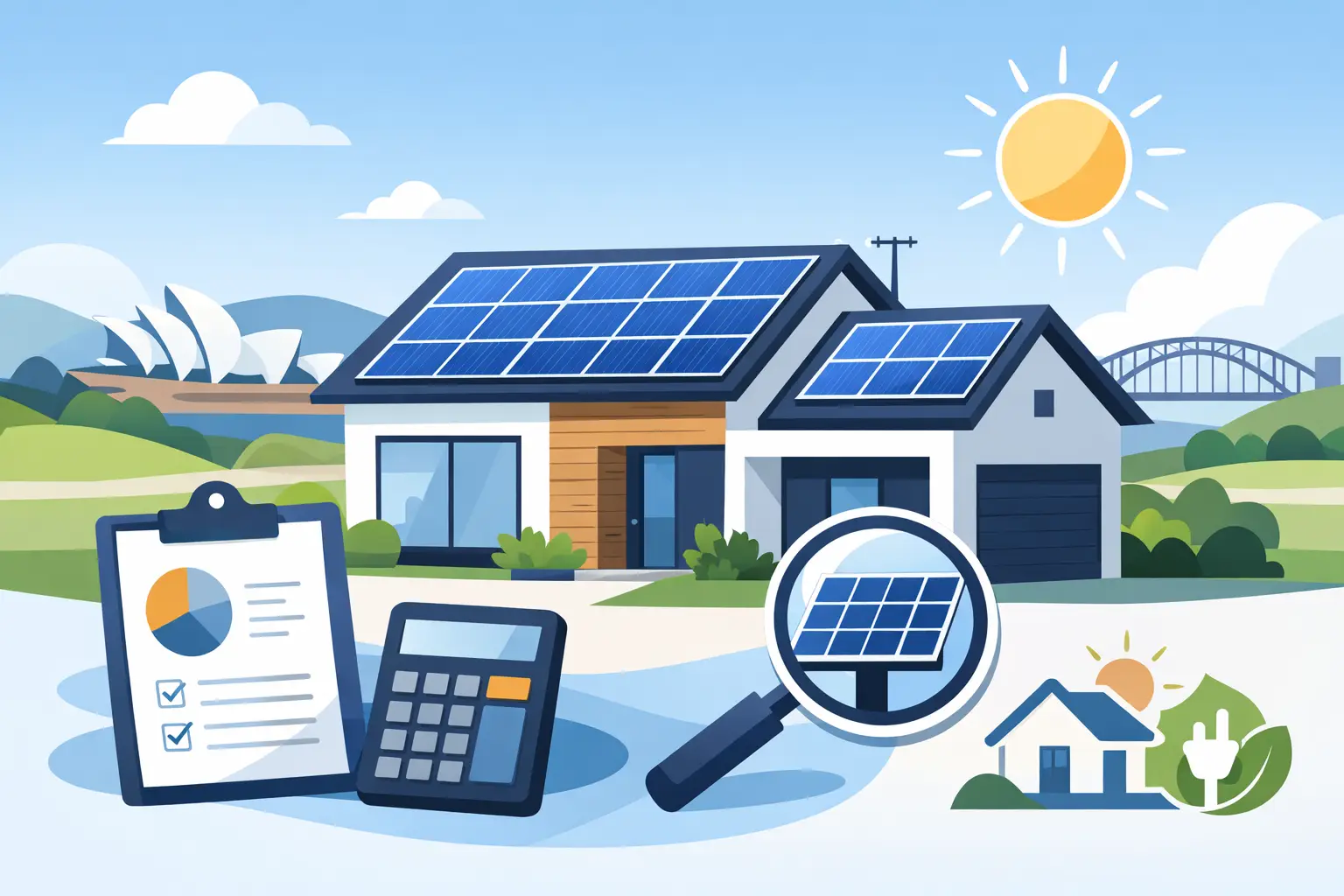
Solar savings start with good design, not a generic panel count. A suitable assessment considers annual consumption, daytime usage, roof orientation, shading, available roof space, switchboard condition and future plans such as a battery, electric vehicle or home extension.
North-facing panels often deliver strong annual output in NSW, while east- and west-facing arrays can better match morning and afternoon demand. A combination of roof aspects may be more useful than concentrating every panel on one side, particularly for households with higher late-afternoon loads. Shade from trees, neighbouring buildings, vents or roof structures can also affect production and should be assessed before installation.
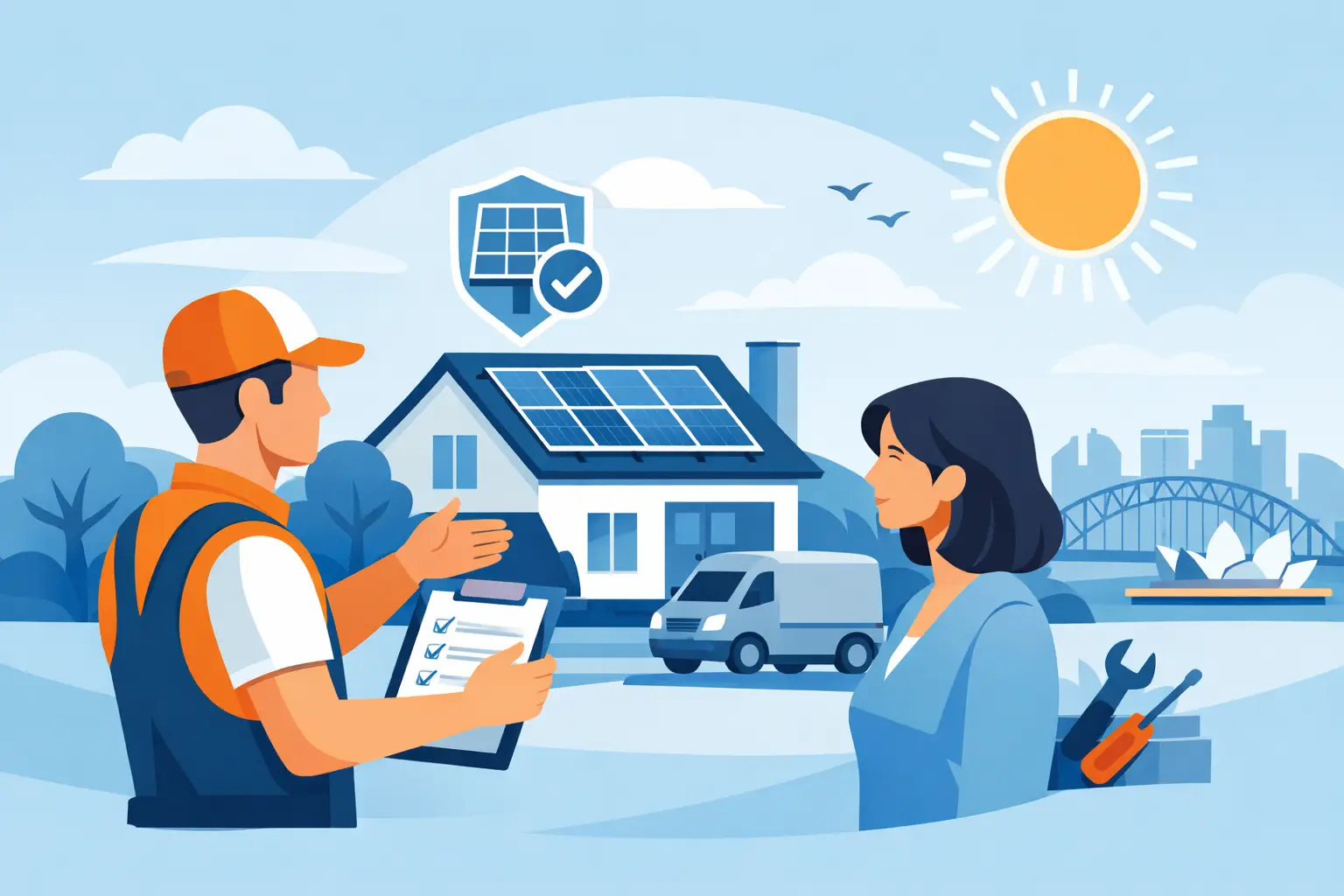
The inverter and electrical infrastructure matter too. Solar is an electrical upgrade, and the work must be compatible with your existing supply and switchboard. Properties that need switchboard upgrades, metering work or a grid connection change benefit from clear scope, compliant installation and coordinated project delivery. These details protect safety and prevent avoidable delays.
Government support and the real installed cost
Eligible small-scale solar systems may receive support through the Small-scale Renewable Energy Scheme, commonly reflected as a discount in an installation quote through small-scale technology certificates. The value changes over time and depends on the system and installation location.
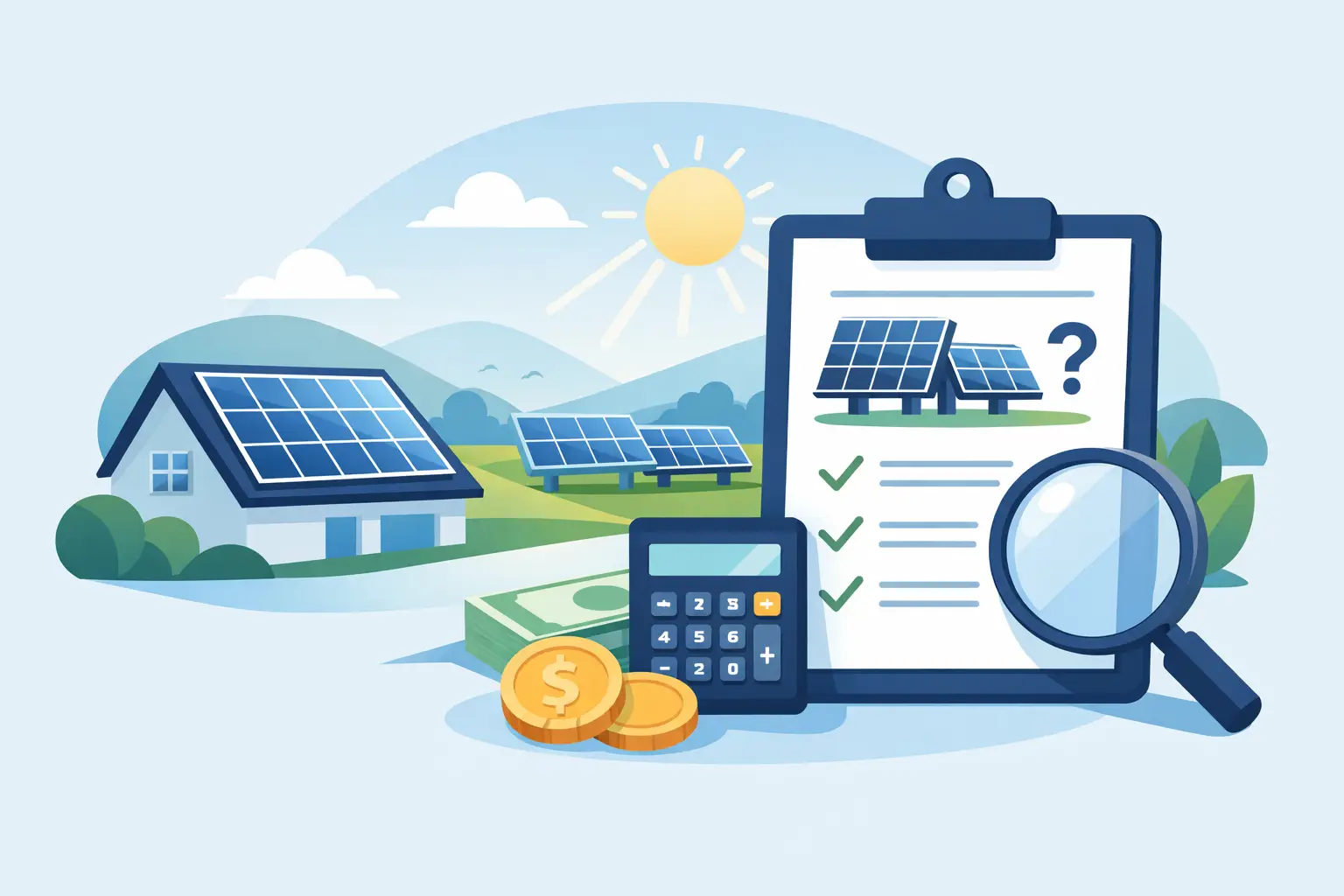
This support can materially reduce the upfront cost, but the right decision should still be based on total system value. Ask for an itemised quotation that clearly identifies equipment, system capacity, warranties, installation scope, electrical works and any assumptions around rebates or network approvals. A low headline price can become poor value if critical electrical work, monitoring, workmanship quality or after-sales support is excluded.
Premium equipment and credible warranties can also matter over a system expected to operate for decades. The goal is not just to install panels, but to install an energy system that performs reliably, can be monitored and is ready for future battery or EV charging requirements.
What solar will not remove from your bill
Solar can substantially reduce electricity costs, but it does not usually eliminate every charge. Most customers will retain a daily supply charge from their electricity retailer. They may also import grid power at night, during prolonged poor weather or when household demand exceeds system output.
A bill can also rise after solar if electricity use increases significantly – for example, through additional cooling, a new spa or EV charging – even though solar is still reducing the cost relative to buying all that energy from the grid. Comparing usage and import data, not only the total dollar bill, gives a clearer picture of performance.
The most reliable path to savings is a system sized for the way your property works now, with enough flexibility for where it is heading next. For NSW properties planning solar, a battery or EV charging, Sydpro Solar Solutions can help make that plan practical through accredited design, transparent scope and compliant electrical delivery.