How to Size Your Solar System in NSW for Maximum Electricity Savings
Electricity bills across NSW are still putting pressure on households in 2026. Many Sydney homeowners are now asking the same question:
“How big should my solar system be to actually reduce my power bills?”
The answer is not simply “buy more panels”.
A poorly sized solar system can leave you paying more for electricity than expected. A system that is too small may struggle to cover daily usage. A system designed without future planning can become expensive to upgrade later.
The right solar setup should match your household’s real energy habits, future needs, and roof conditions.
At Sydpro Solar Solution, homeowners across Sydney and NSW are increasingly choosing tailored solar systems designed for long-term savings, battery compatibility, and future energy independence.
Understanding Why Solar System Size Matters
Many people still focus on the number of panels installed on the roof.
In reality, the total system capacity matters far more.
For example:
- 15 solar panels may produce one output
- 18 smaller panels may produce something similar
- The real focus is on the total kilowatt capacity
This is measured in kilowatts, commonly written as kW.
In 2026, most NSW homeowners are installing systems between 6.6kW and 10kW because household electricity usage continues to increase.
Several factors are driving this change:
- Higher electricity prices
- More people working from home
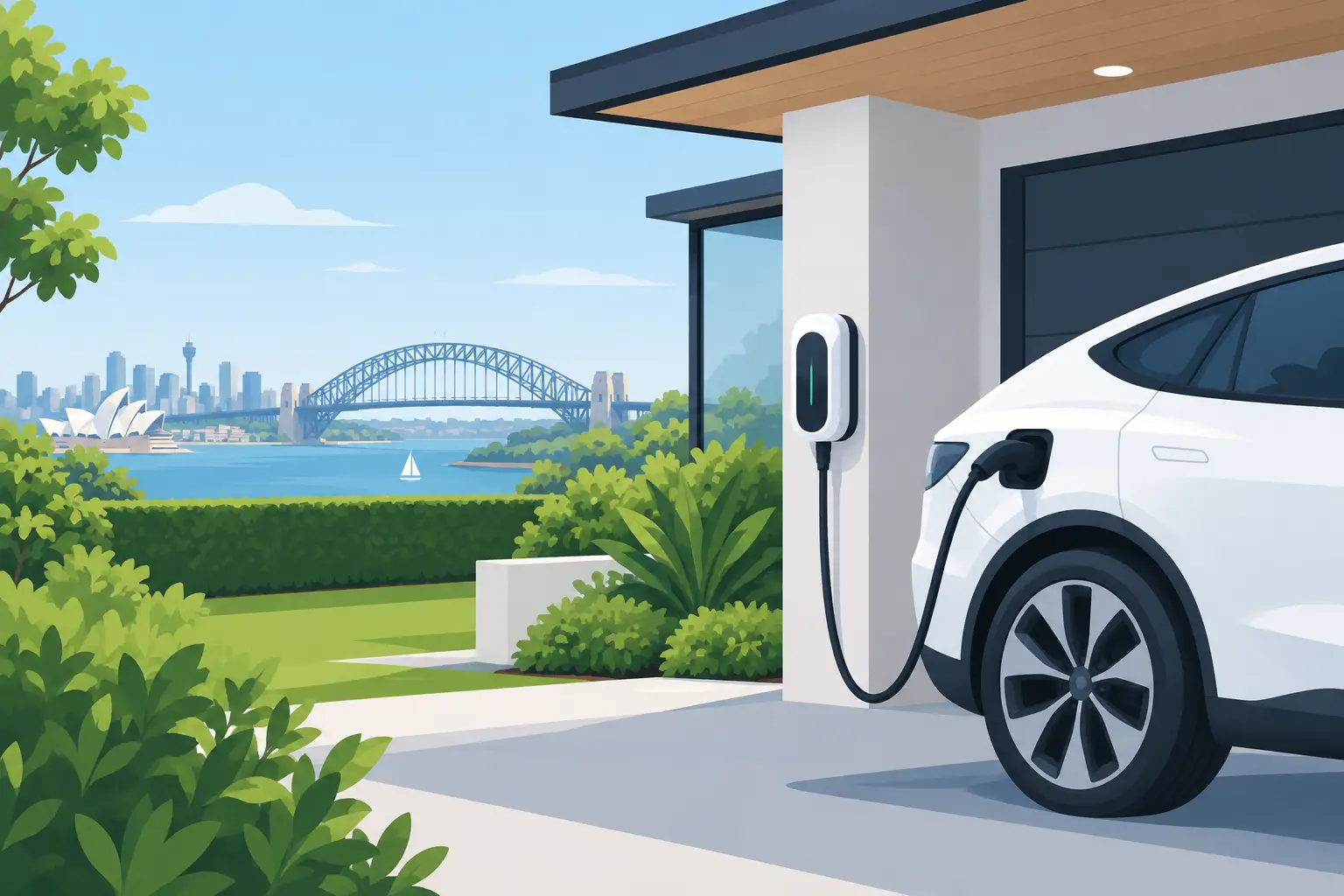
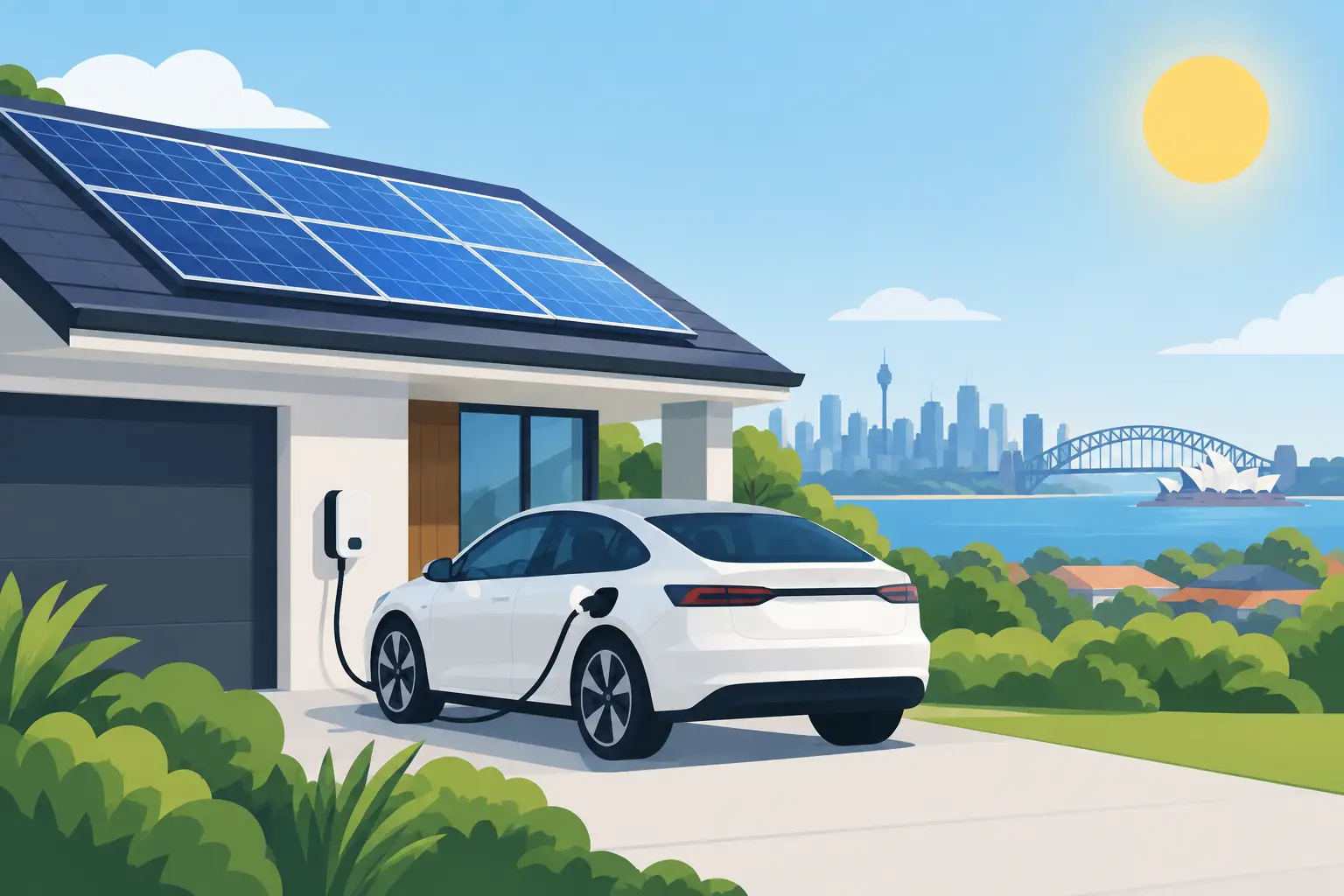
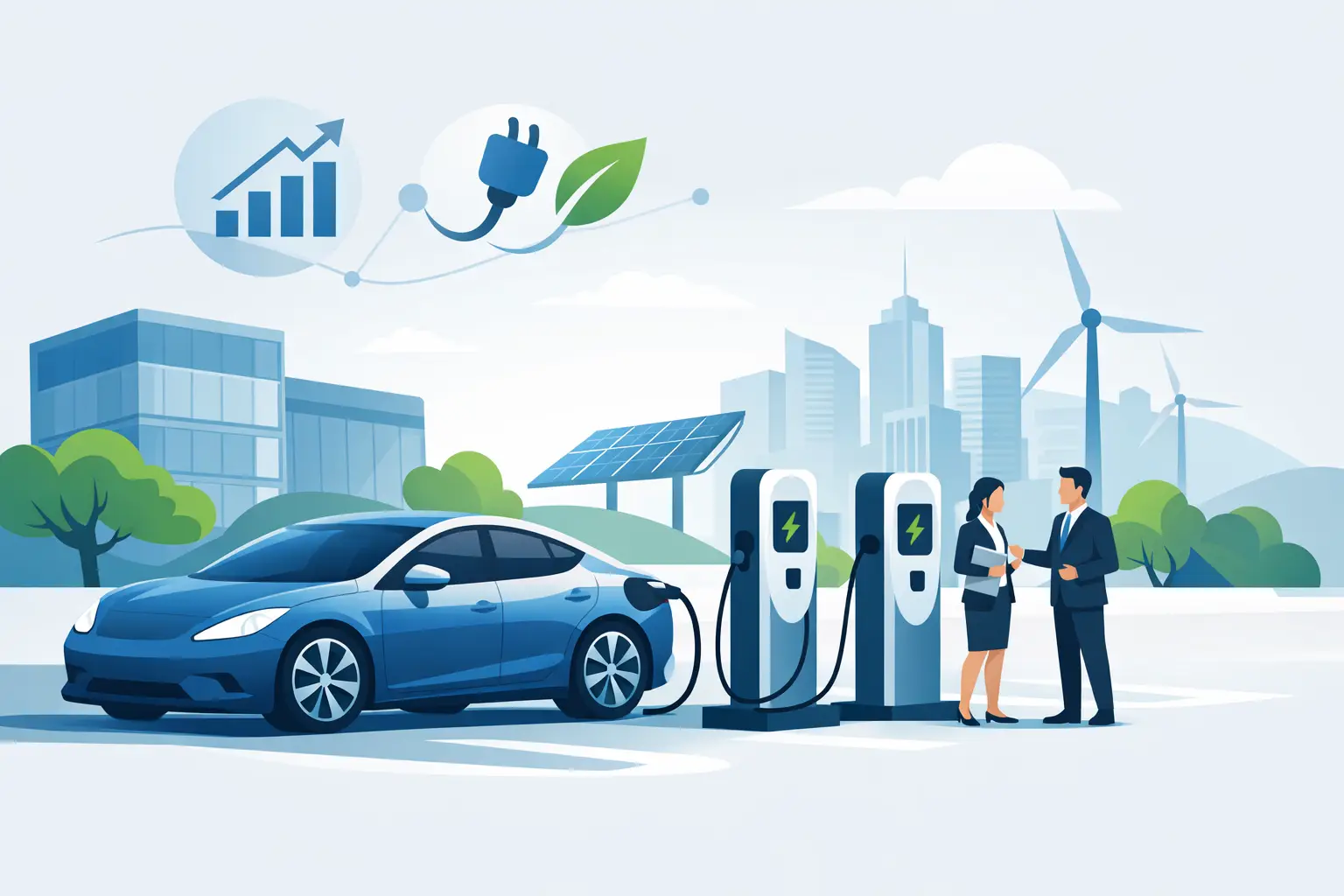
- Electric vehicle charging
- Increased air conditioner usage
- Battery storage adoption
- Switching from gas to electric appliances
Choosing the right size from the beginning helps avoid expensive upgrades later.
Step 1: Review Your Electricity Usage Properly
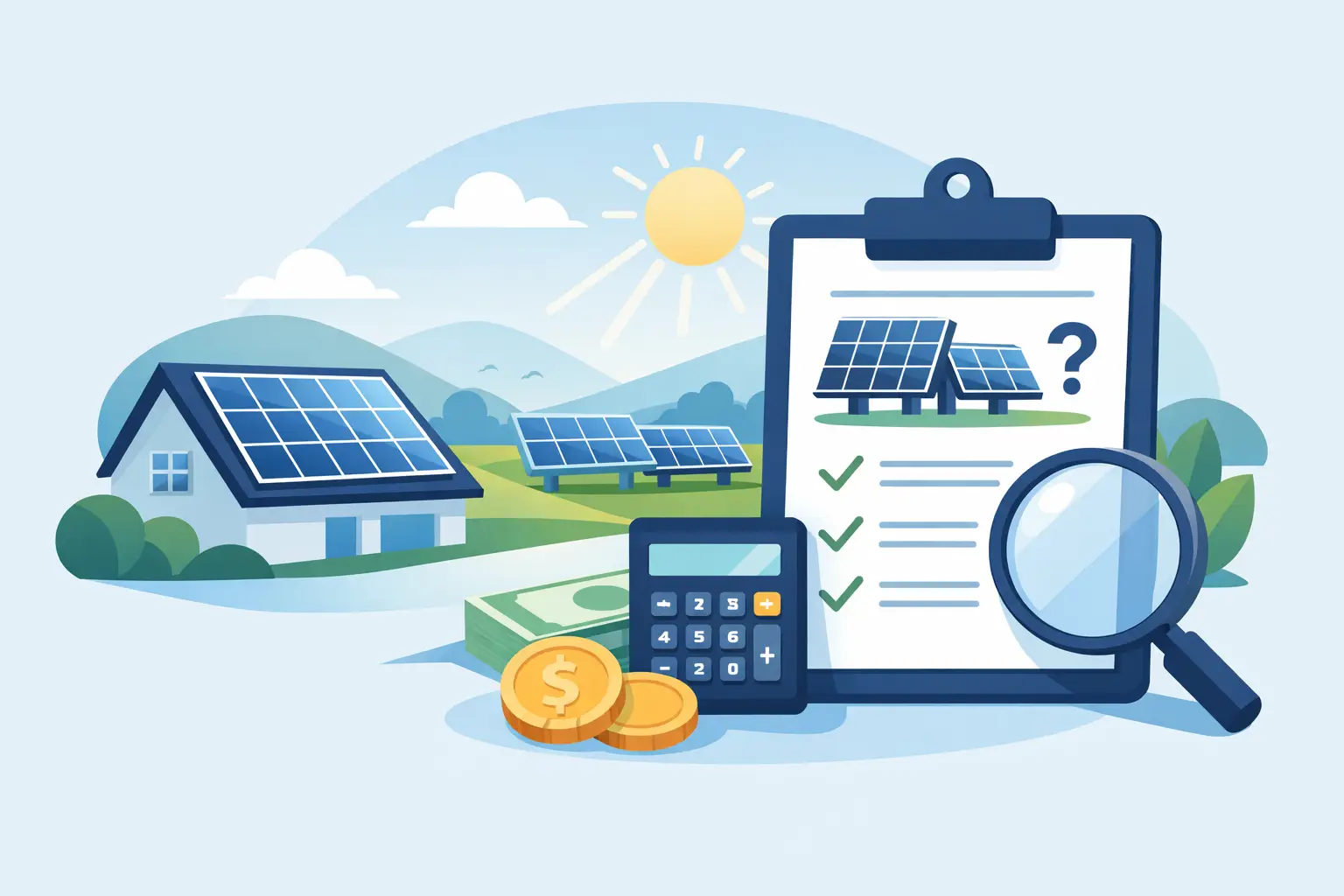
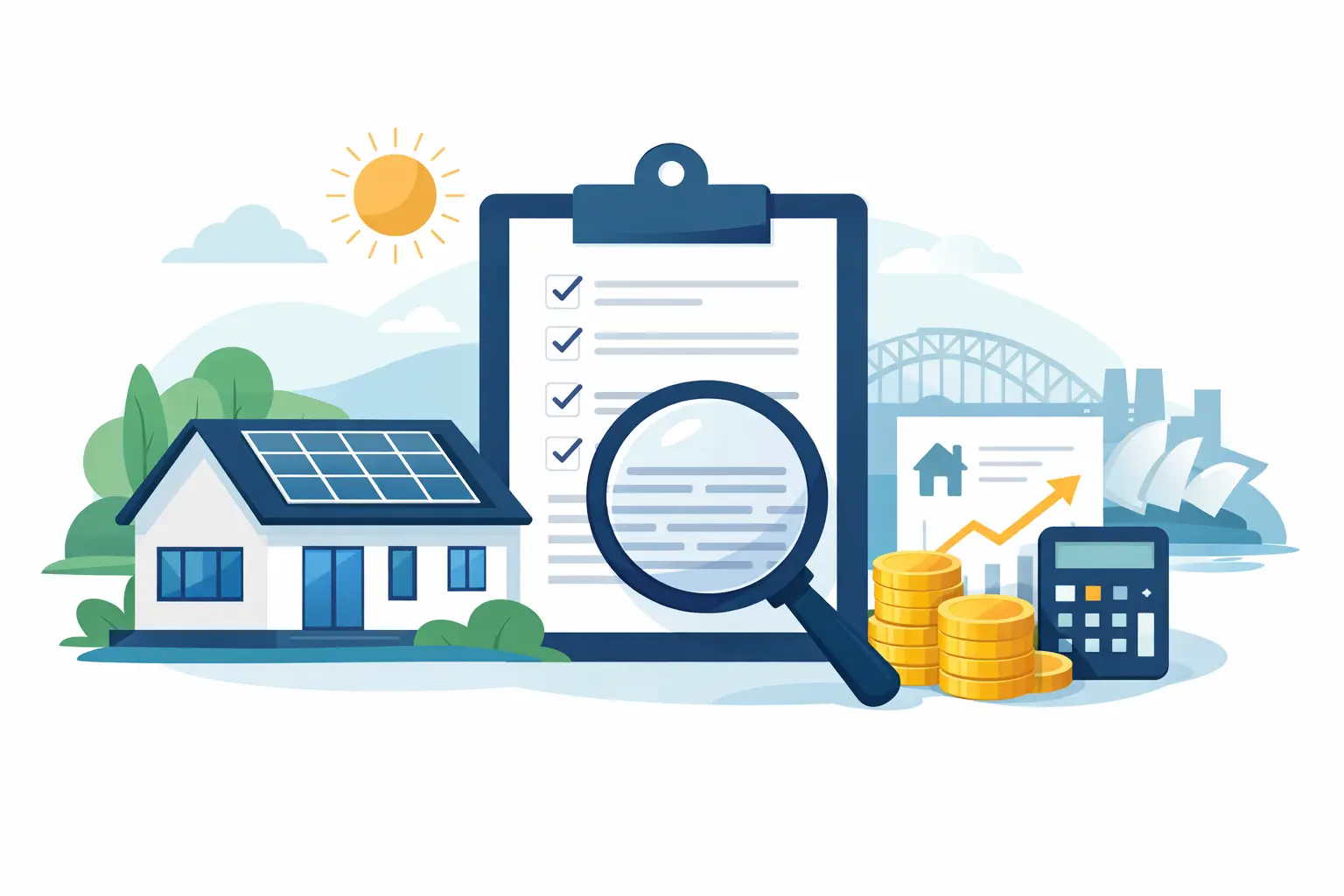
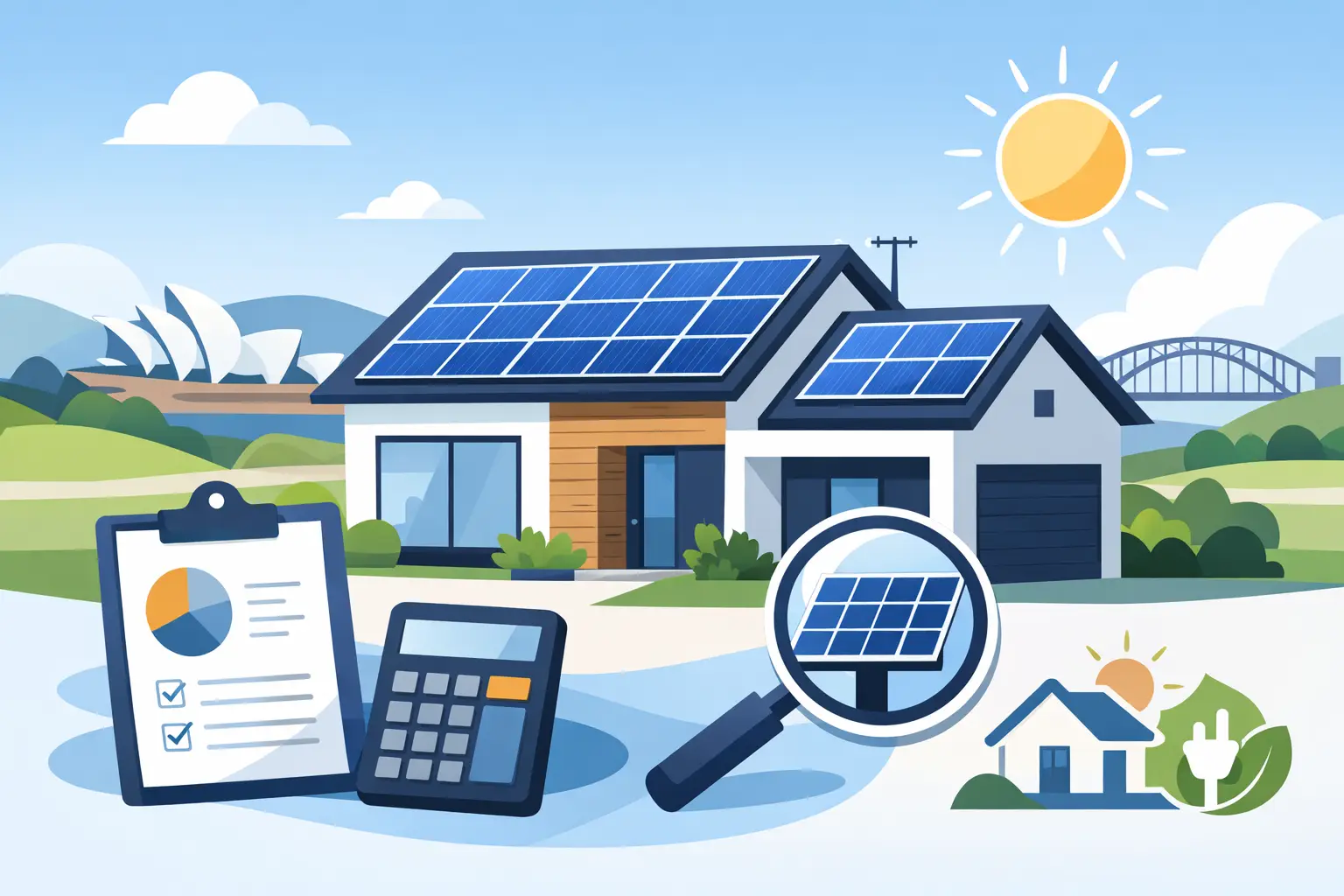
Before installing solar, you need to understand how much electricity your home actually uses.
The easiest way to do this is by reviewing recent electricity bills.
Look for your average daily usage measured in kilowatt-hours (kWh).
As a general guide:
| Household Type | Average Daily Usage |
|---|---|
| Single occupant | 8–12kWh |
| Small family | 15–20kWh |
| Larger family home | 25–40kWh |
Homes with pools, ducted air conditioning, or EV charging often consume even more electricity.
However, daily usage alone is not enough.
You also need to understand when your household uses electricity.
This is where many homeowners make mistakes.
Step 2: Understand When You Use Power
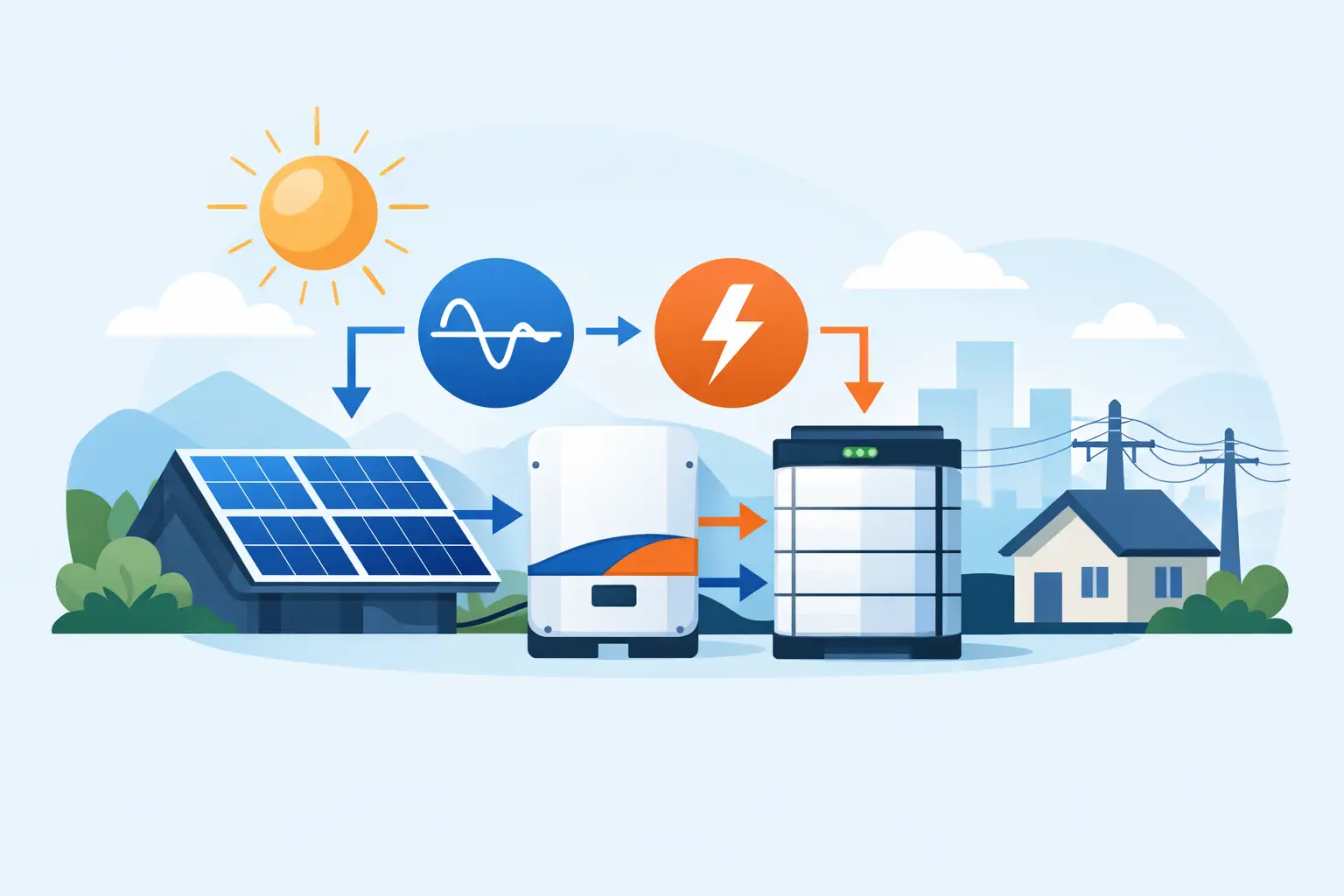
Solar panels generate electricity during daylight hours.
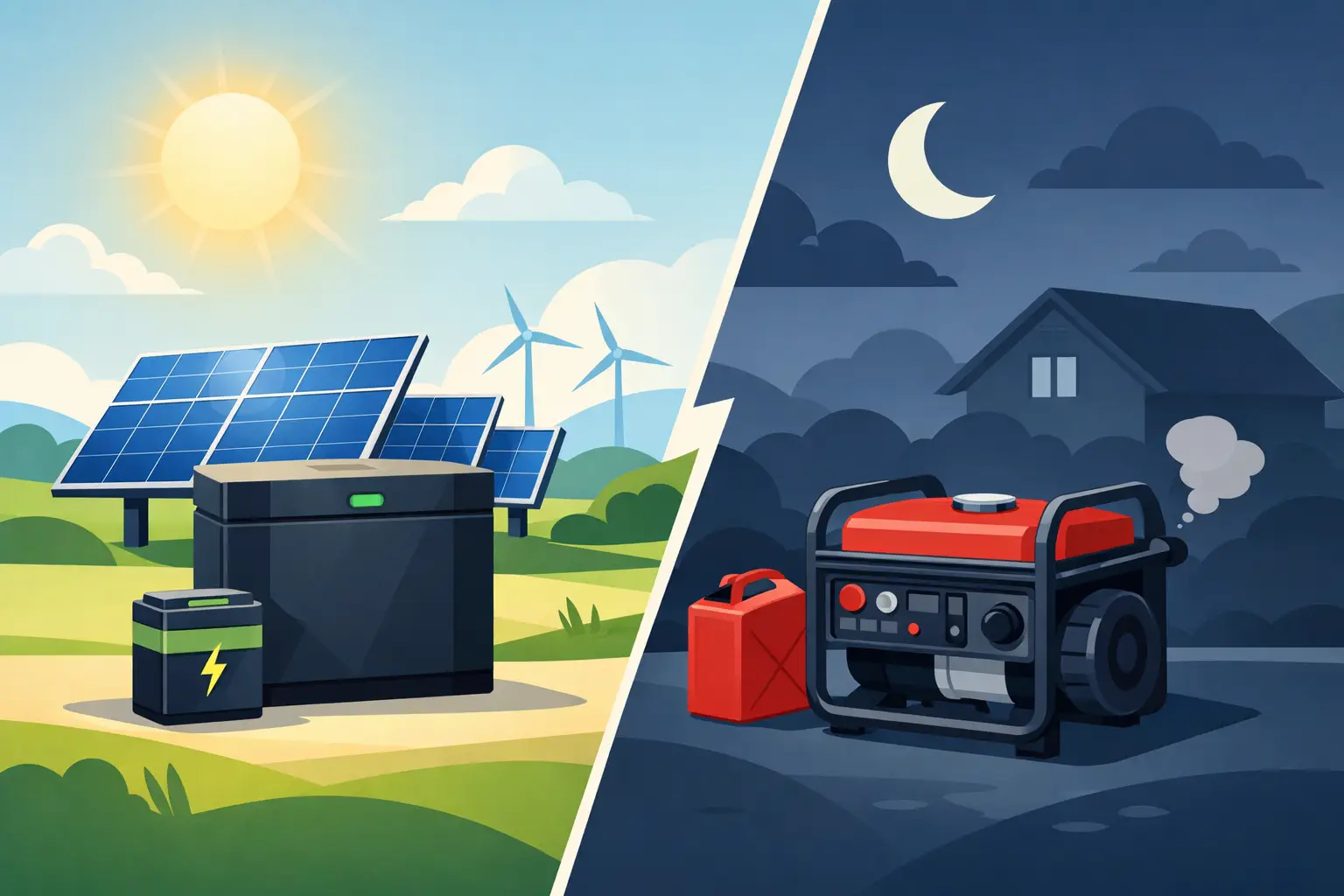
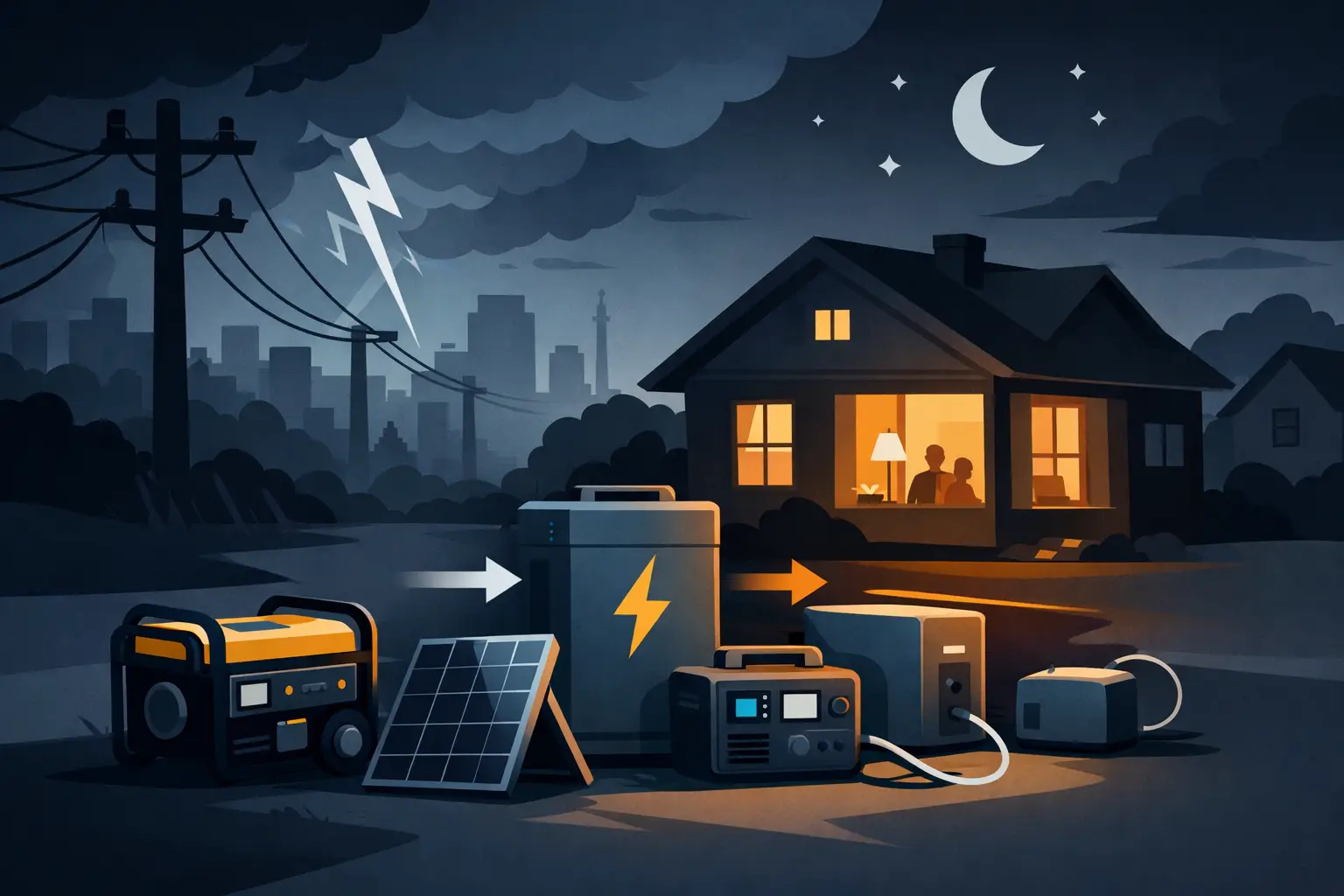
If most of your electricity usage happens at night, your savings may be lower unless you install battery storage.
For example:
Homes that benefit most from solar usually:
- Run appliances during the day
- Have people working from home
- Use air conditioning during daylight hours
- Charge EVs during solar production periods
Households that mainly use electricity at night may still benefit from solar, but battery storage can become more important.
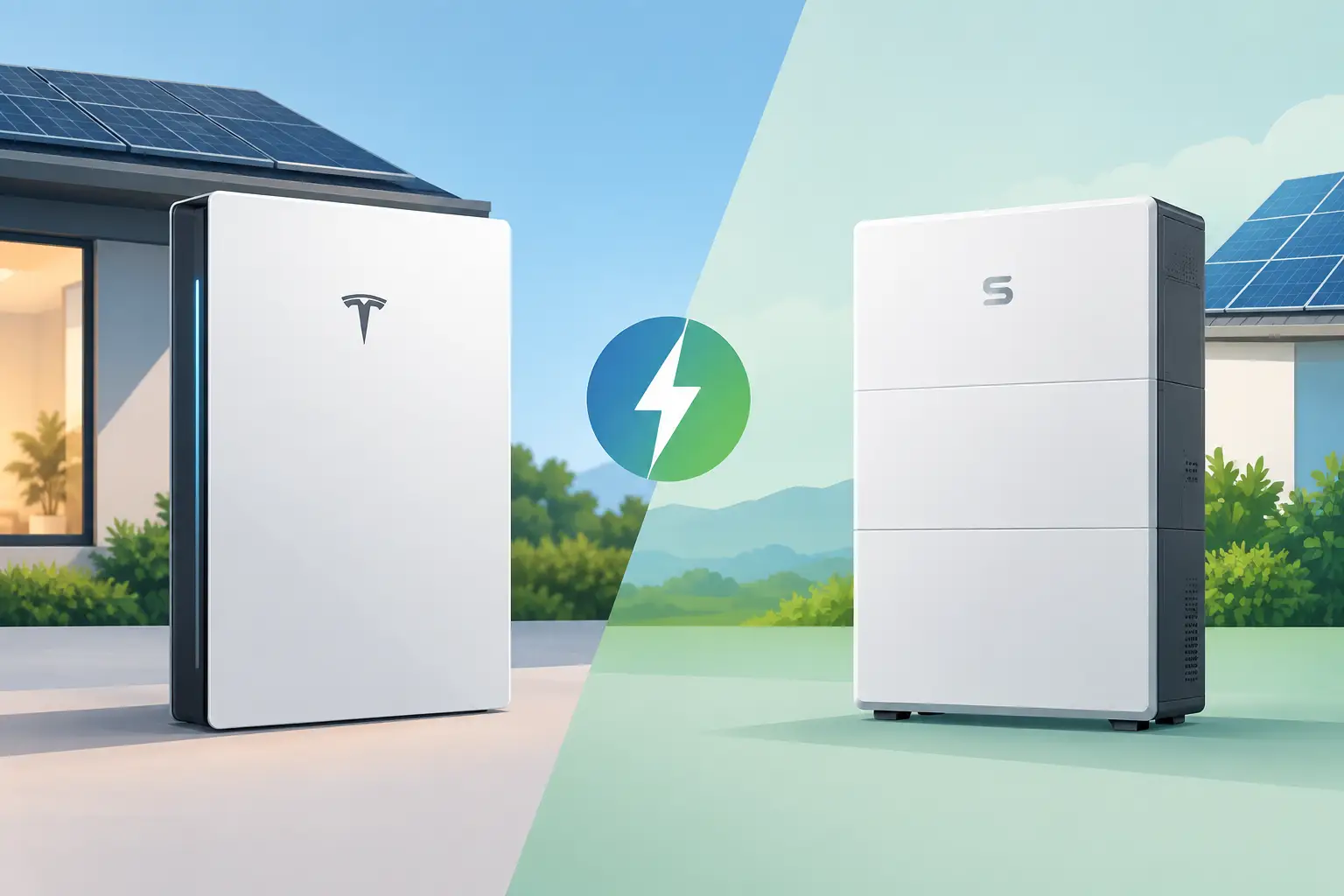
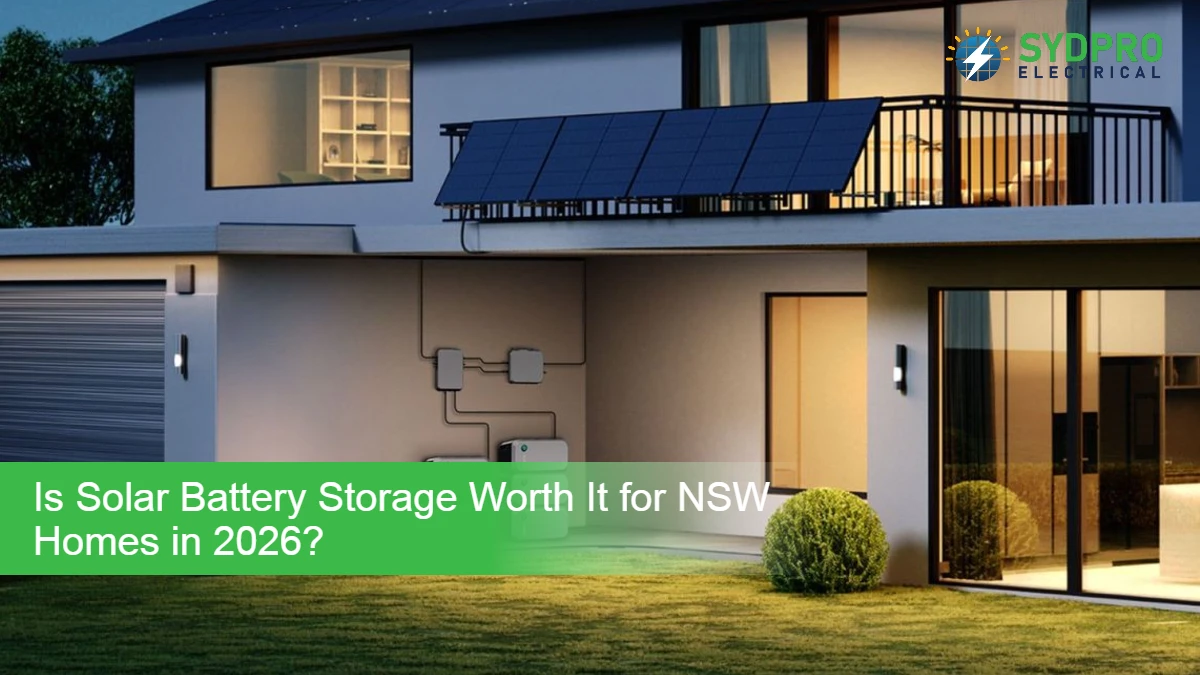
Read our guide on: solar battery storage for NSW homes
Step 3: Plan for Future Energy Usage
A solar system should not only suit your current needs.
It should also support future energy demands.
Many Sydney homeowners are now planning for:
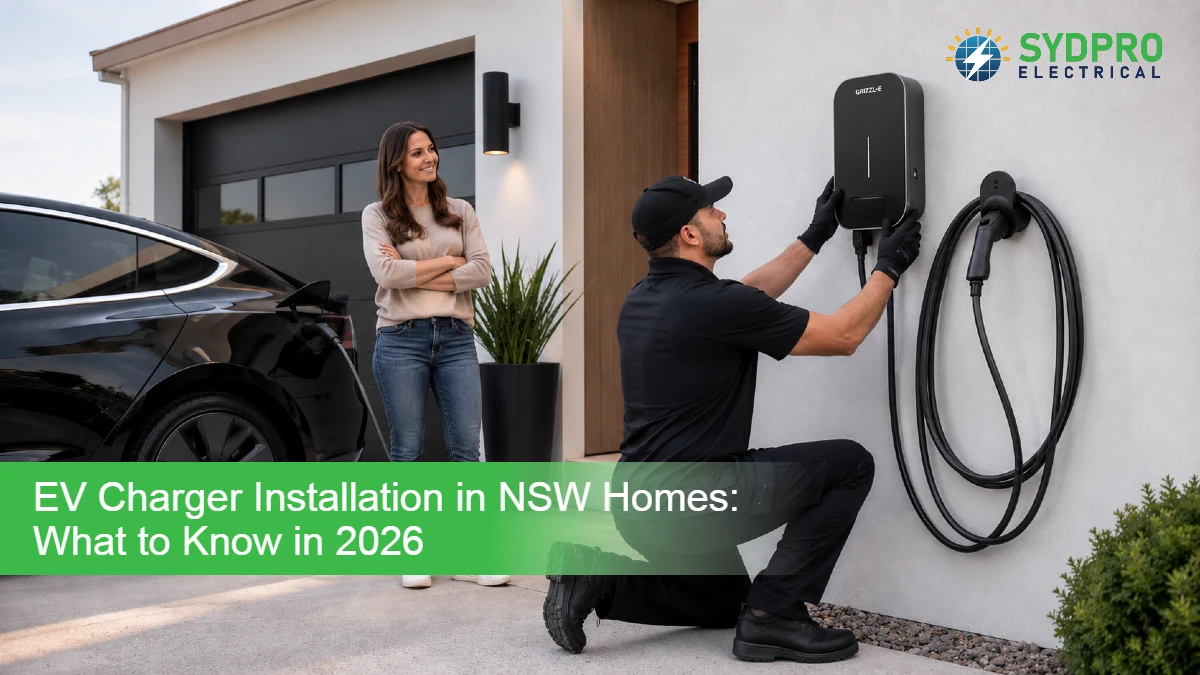
- Electric vehicle charging
- Home battery installation
- Growing families
- Home office setups
- Fully electric appliances
- Higher cooling requirements during summer
This is one reason larger systems are becoming more popular across NSW.
A slightly larger system today may prevent costly system redesigns later.
At Sydpro Solar Solutions, solar systems are designed with future expansion in mind wherever possible.
What Size Solar System Is Best for NSW Homes in 2026?
There is no universal answer because every household uses electricity differently.
However, these are common recommendations across Sydney and NSW:
| Household Needs | Recommended System Size |
|---|---|
| Small homes | 5kW–6.6kW |
| Medium households | 6.6kW–8kW |
| High electricity usage | 10kW+ |
A larger system can provide better long-term flexibility, especially if you later add:
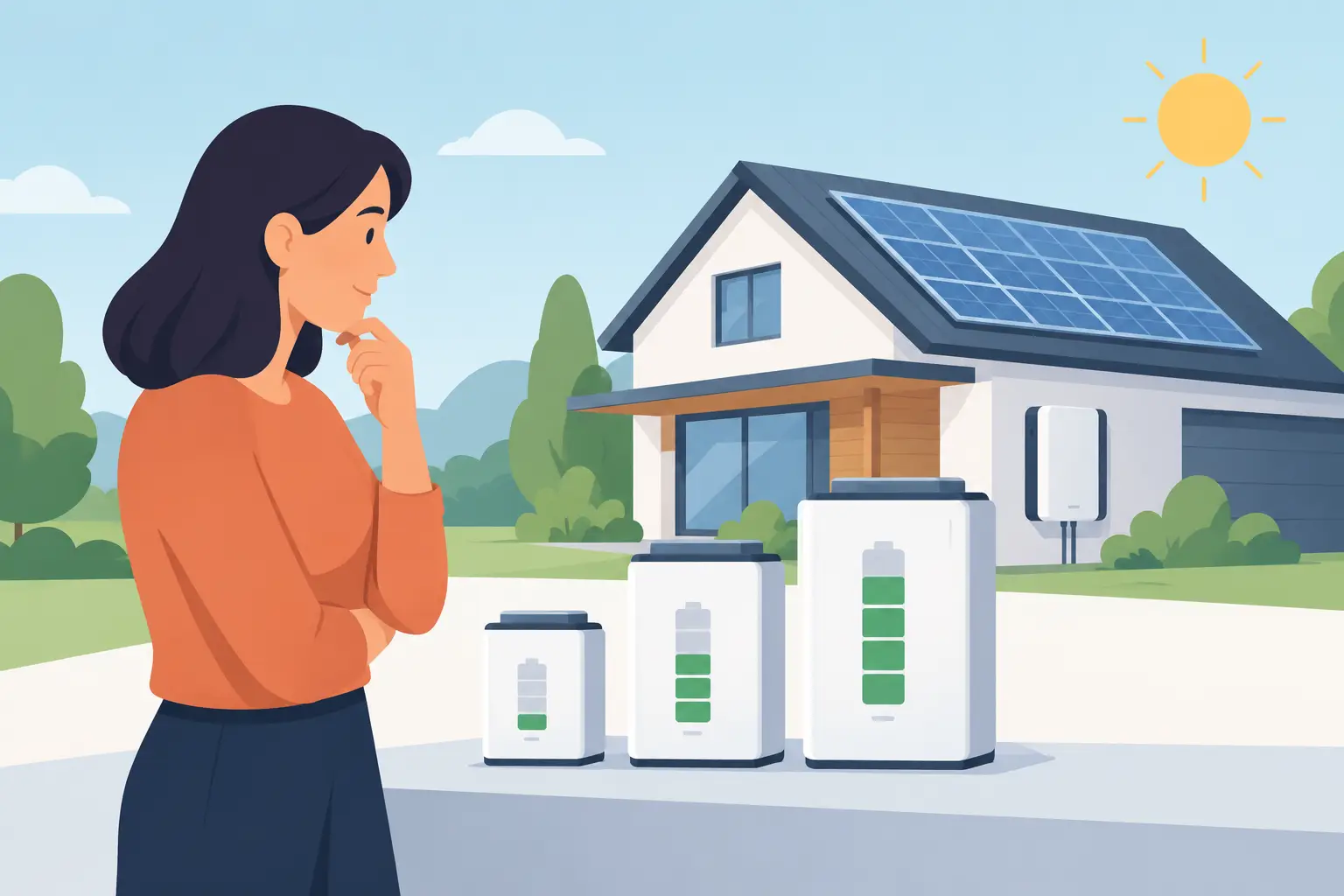
- Battery storage
- EV chargers
- Electric hot water systems
- Additional cooling systems
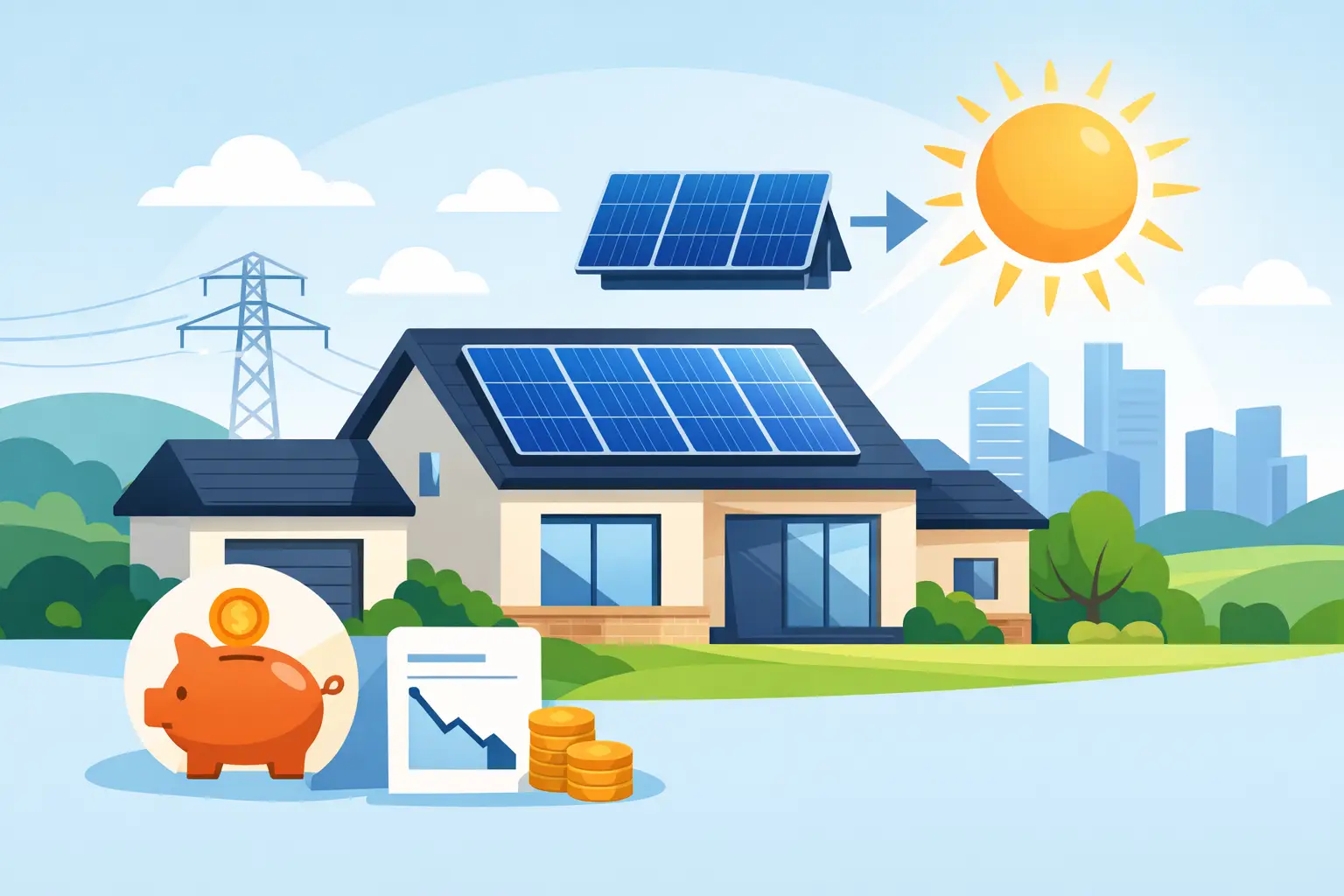
Feed-in tariffs in Australia remain relatively low in 2026. This means the biggest savings usually come from using your own solar energy directly rather than exporting excess electricity to the grid.
That is why system design matters more than simply adding extra panels.
Roof Position and Installation Quality Matter
Even the best solar panels can underperform if installation quality is poor.
Several factors affect solar performance:
- Roof orientation
- Shade from trees or nearby buildings
- Roof angle
- Inverter quality
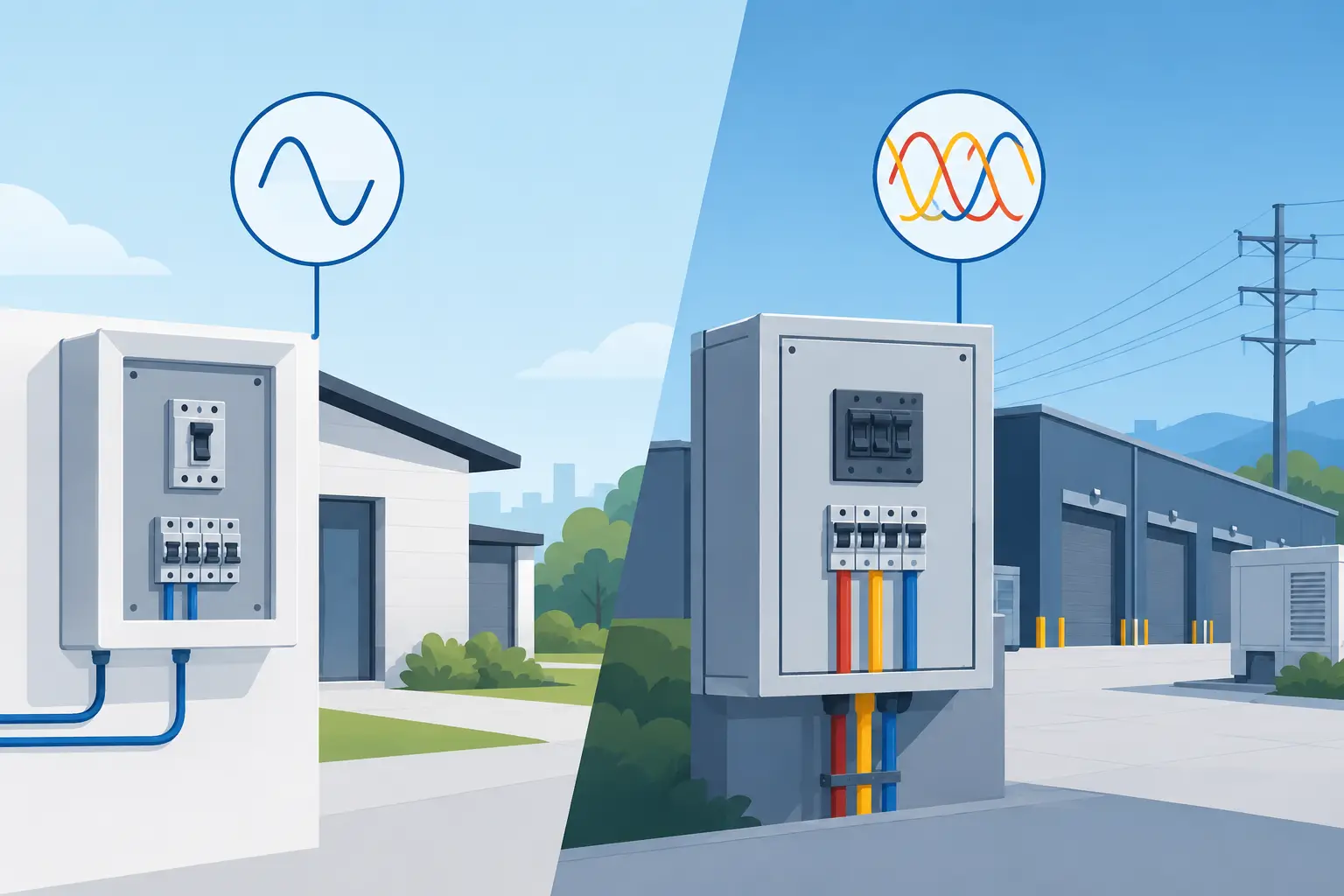
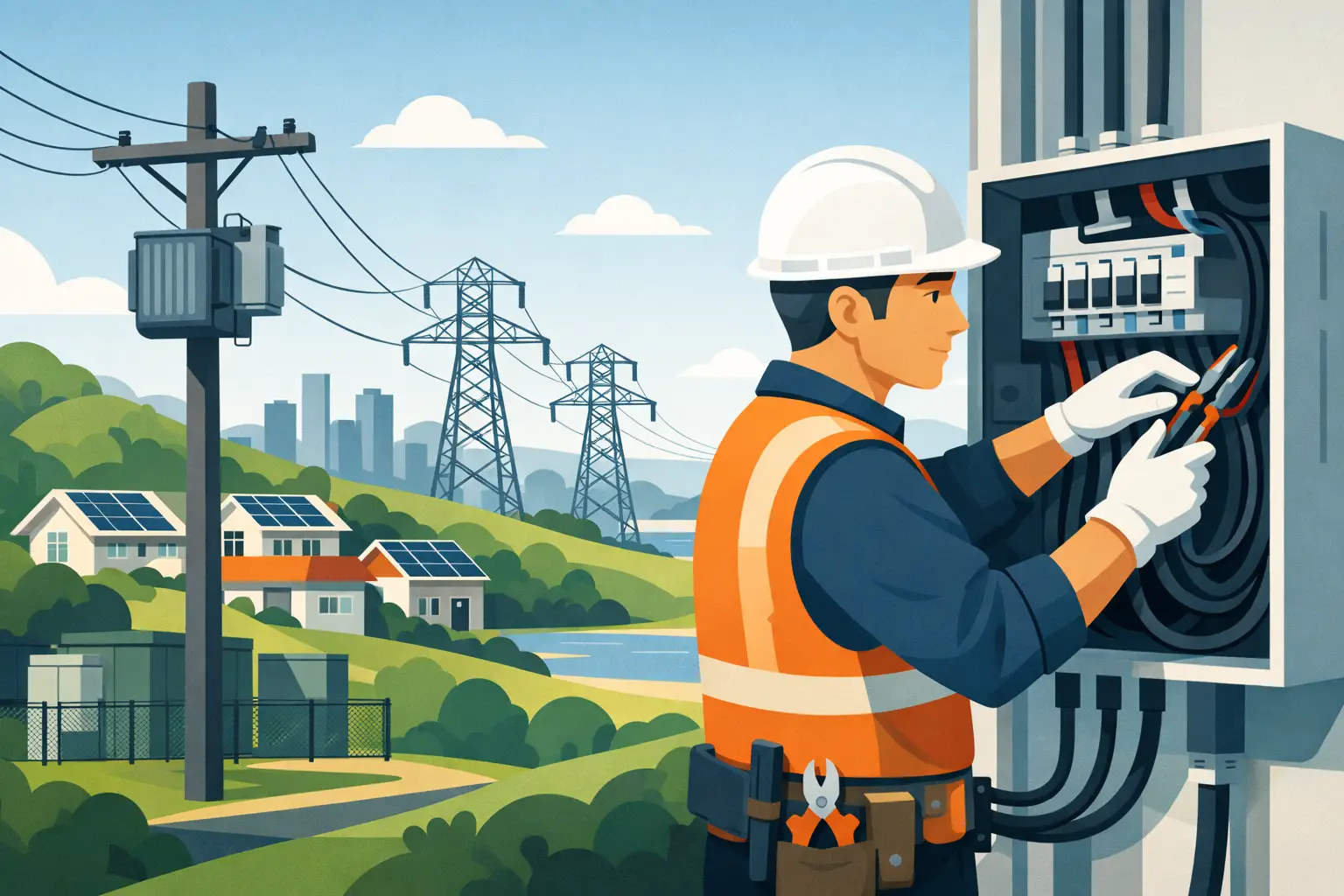
- Electrical installation standards
North-facing roofs often deliver the highest output in Australia, but east and west-facing systems can still perform very effectively.
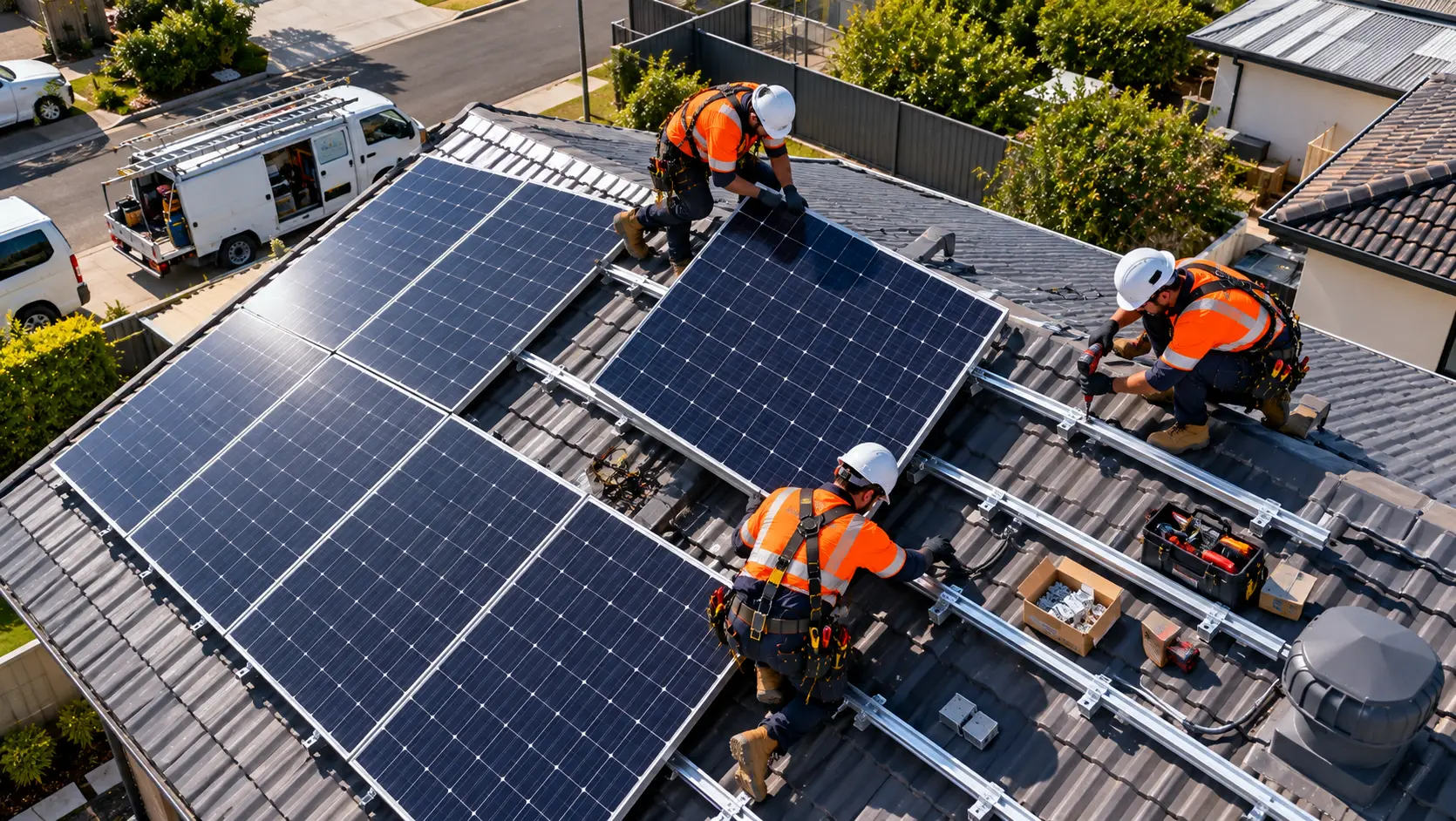
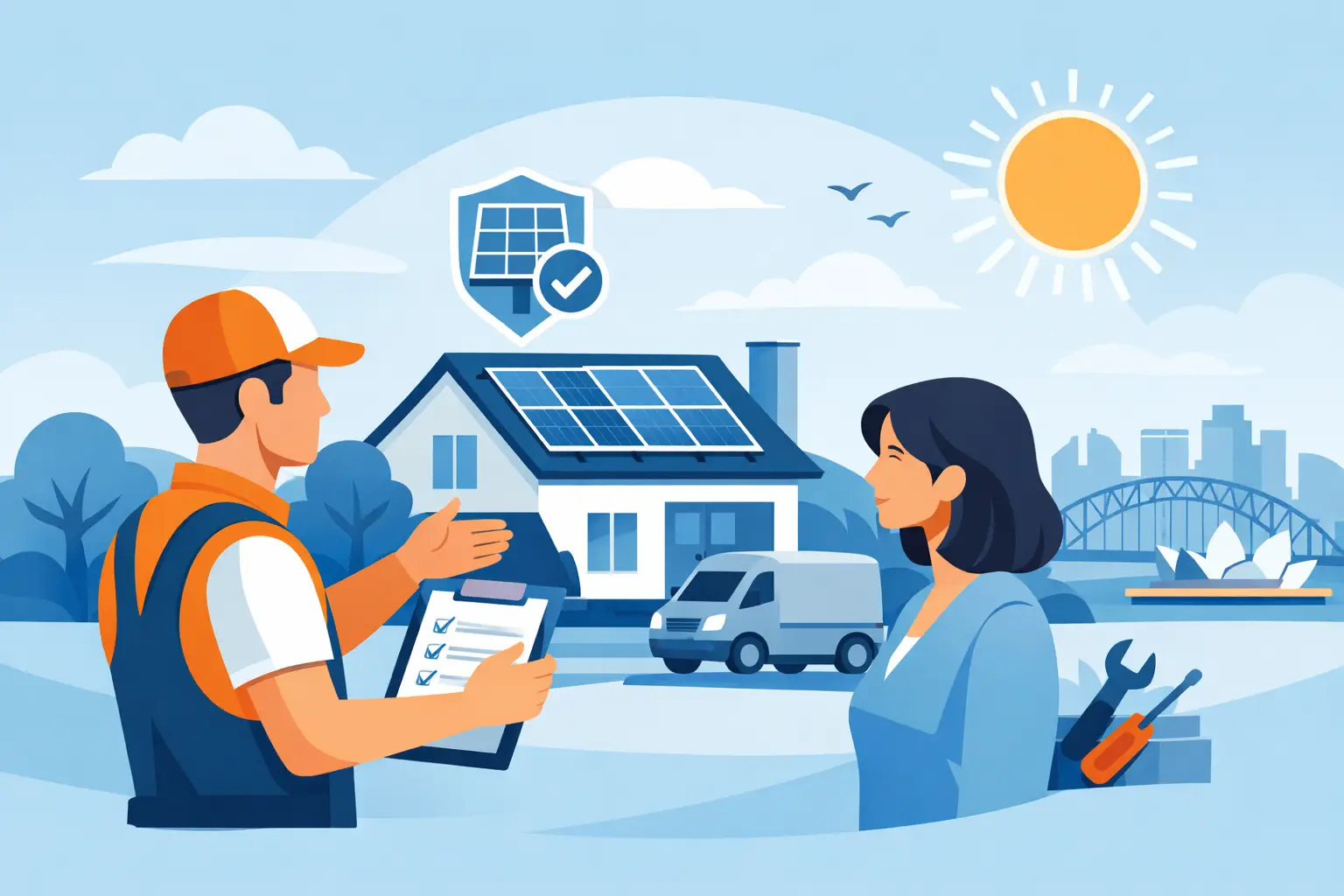
Professional installation is critical for both performance and safety.
This becomes even more important when battery systems or EV chargers are involved.
Why NSW Homeowners Choose Sydpro Solar Solutions
Choosing an experienced installer is just as important as choosing quality equipment.
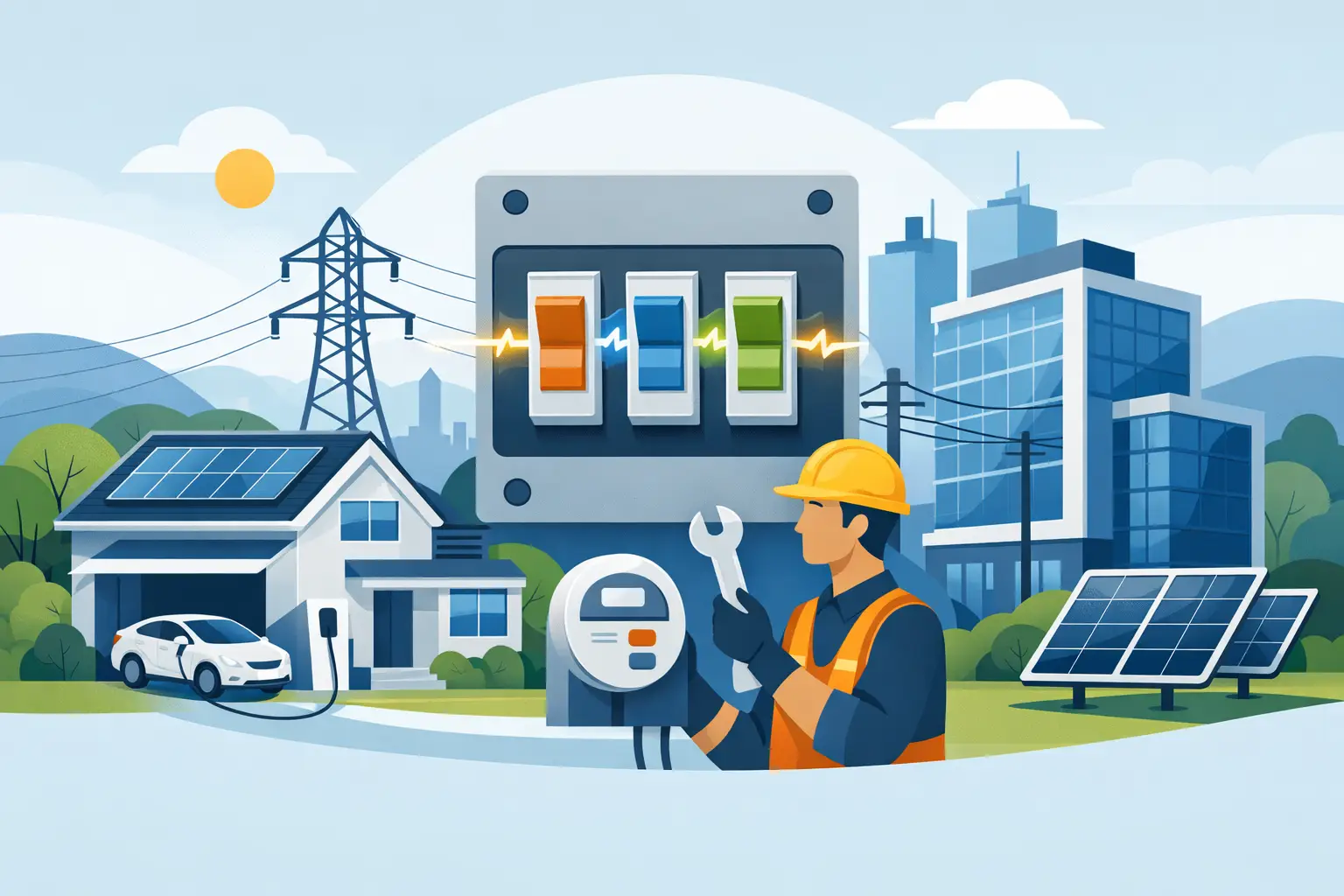
Sydpro Solar Solutions provides tailored solar and electrical solutions across Sydney and NSW, including:
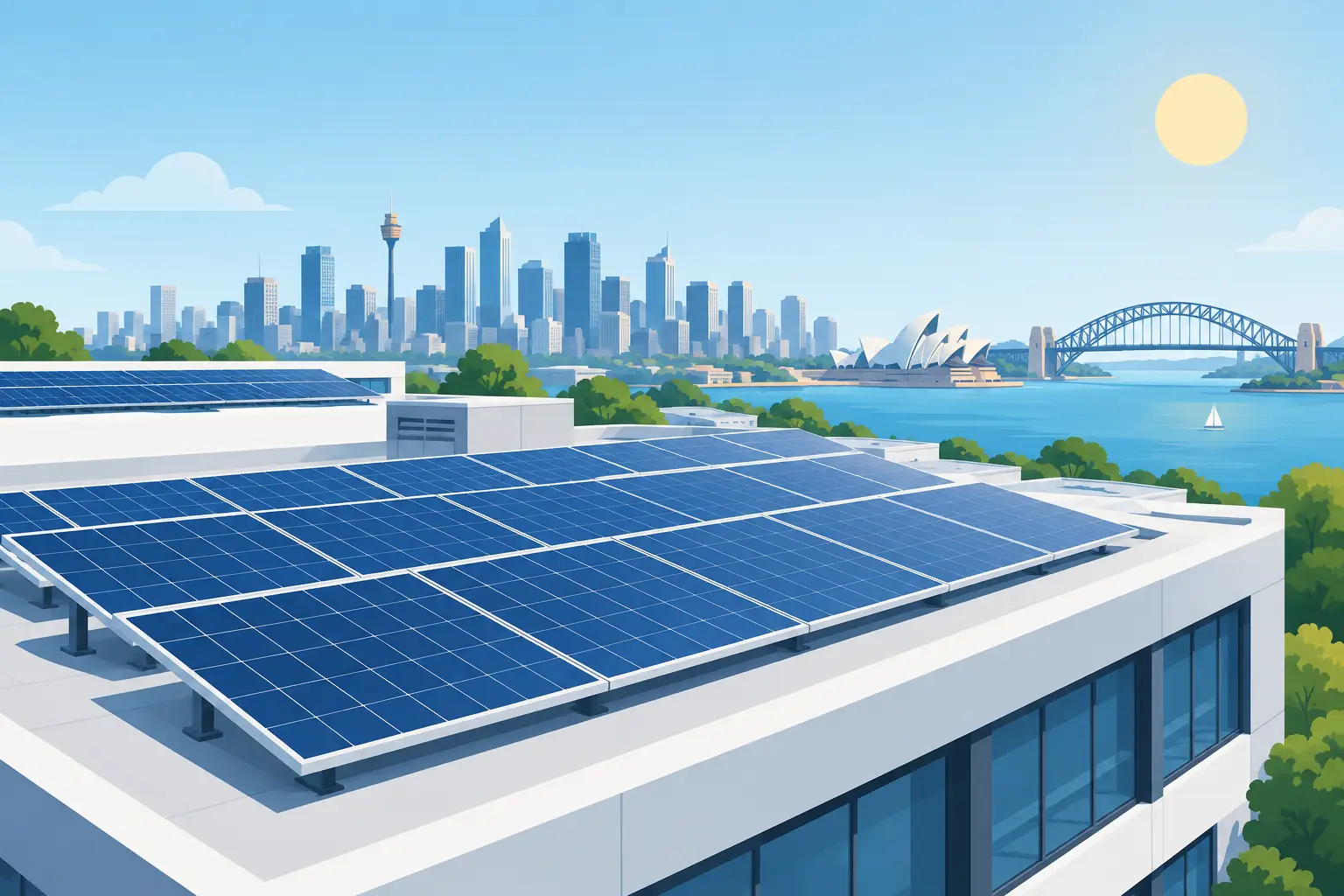
- Residential Solar Installation
- Commercial Solar Solutions
- Solar Battery Storage
- EV Charger Installation
- Level 2 ASP Electrical Services
Key trust signals include:
- SAA Accredited installers
- Level 2 ASP licensed electricians
- 10+ years of industry experience
- 2000+ completed installations
- 10-year performance warranties
Every property has different energy requirements. Proper system sizing helps improve performance, reduce electricity costs, and support long-term energy goals.
Conclusion
Solar energy is no longer only about lowering electricity bills. For many NSW homeowners, it is now part of a broader plan for energy independence, long-term savings, and future household energy needs.
Choosing the right solar system size is one of the most important decisions in the entire process. A properly designed system can help reduce reliance on the grid, improve household efficiency, and support future technologies like battery storage and EV charging.
FAQS
What size solar system is best for a typical NSW home?
Most NSW households now install systems between 6.6kW and 10kW, depending on energy usage and future electricity needs.
Will a larger solar system save more money?
In many cases, yes. Larger systems can reduce grid reliance and support battery storage or EV charging in the future.
How much electricity does a 6.6kW solar system generate?
A well-positioned 6.6kW system in Sydney can often generate around 24–27kWh daily depending on weather and seasonal conditions.
Can I add battery storage later?
Many modern solar systems are designed to support future battery upgrades if planned correctly during installation.
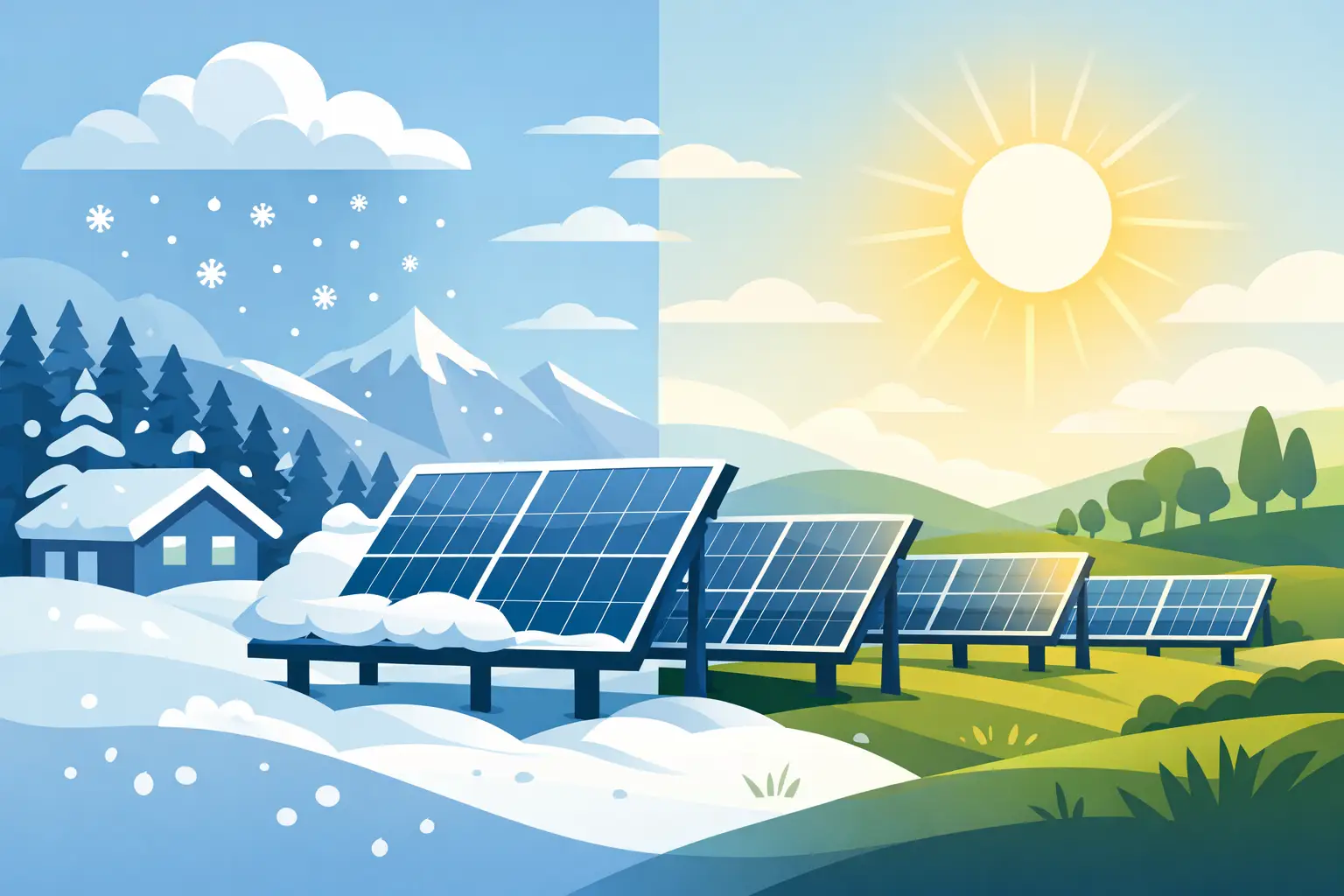
Do solar panels still work on cloudy days?
Yes. Solar panels continue generating electricity during cloudy weather, although output levels will be lower than on sunny days.
Disclaimer- This content is for general information only and should not be considered professional financial or electrical advice.