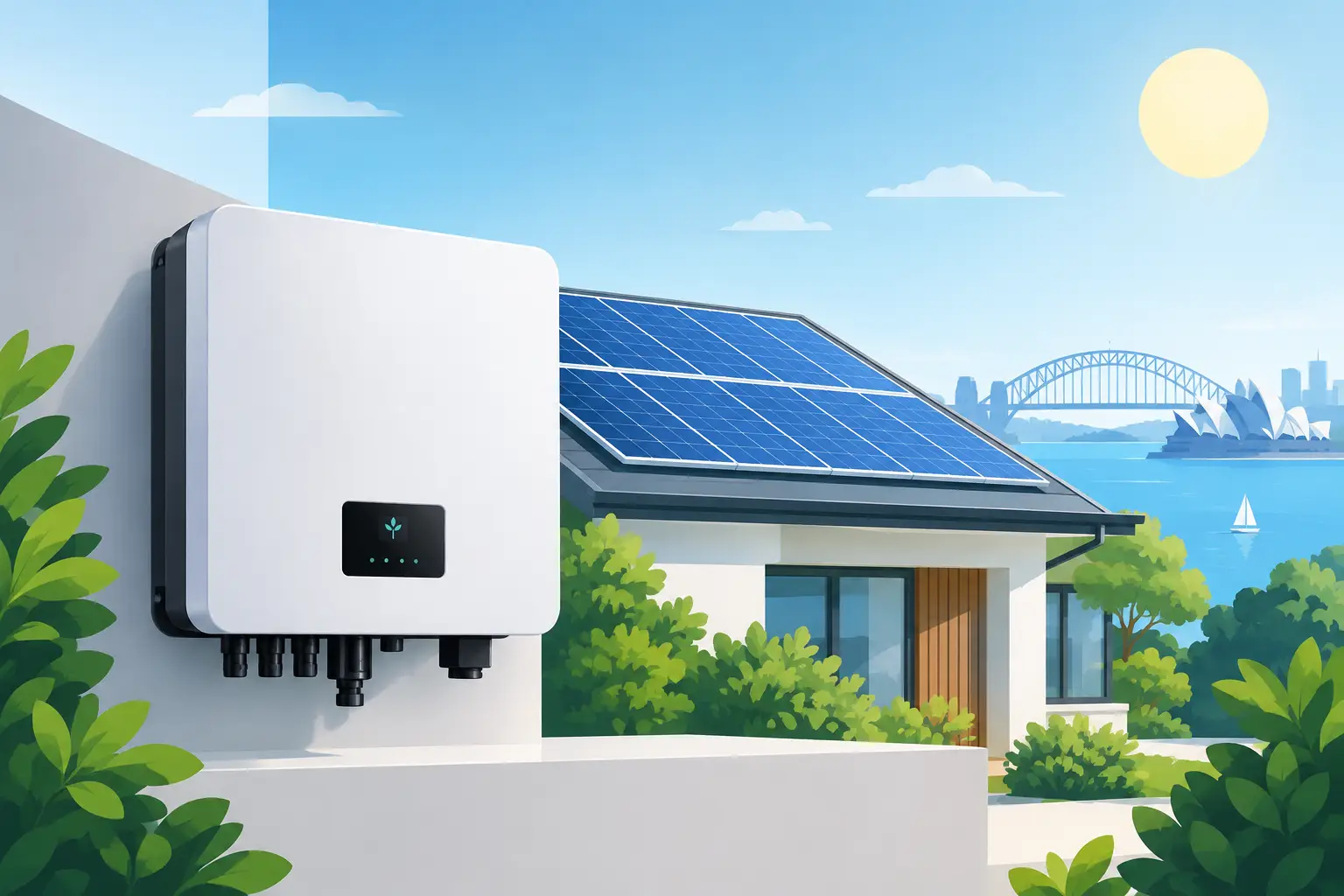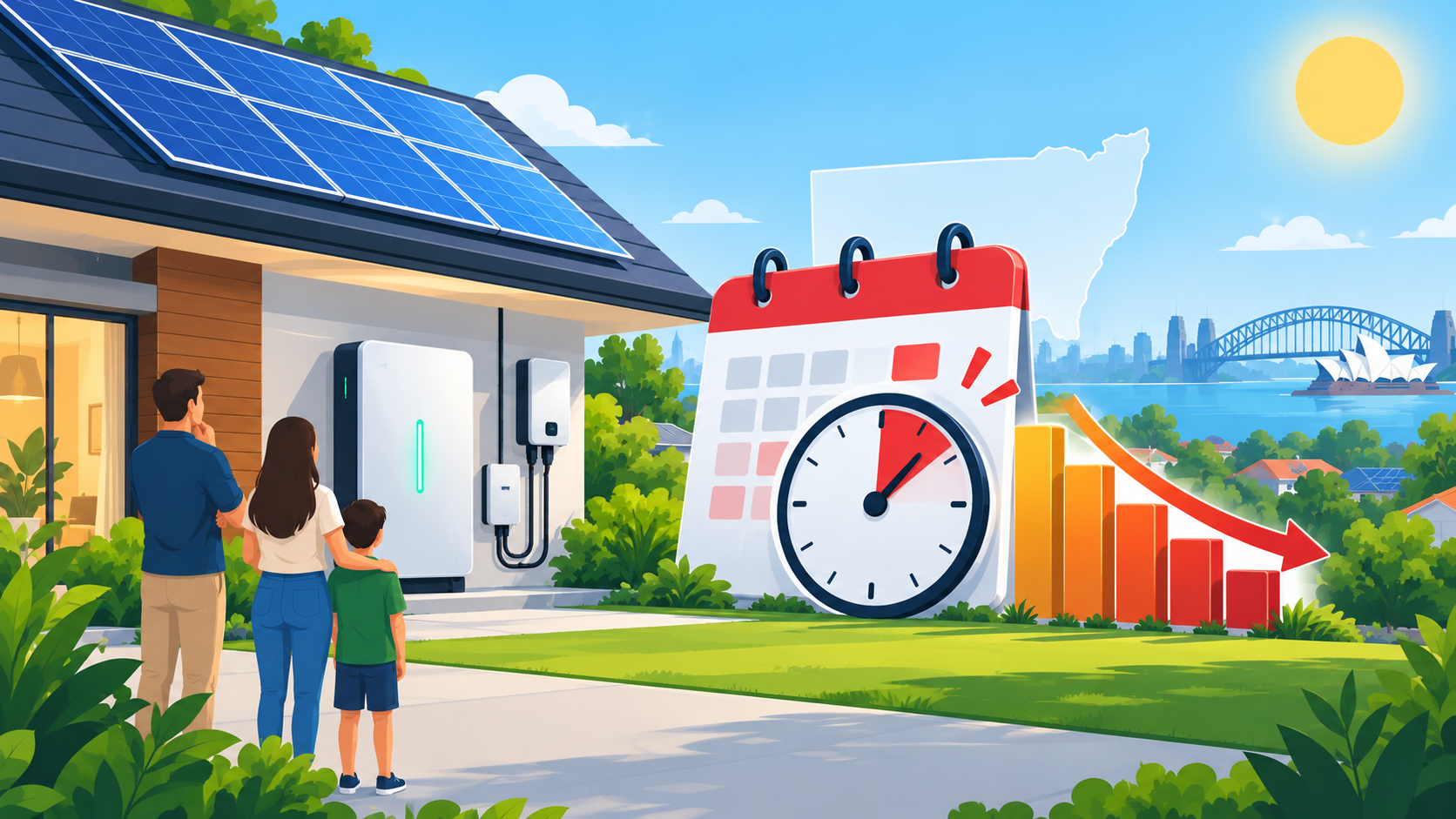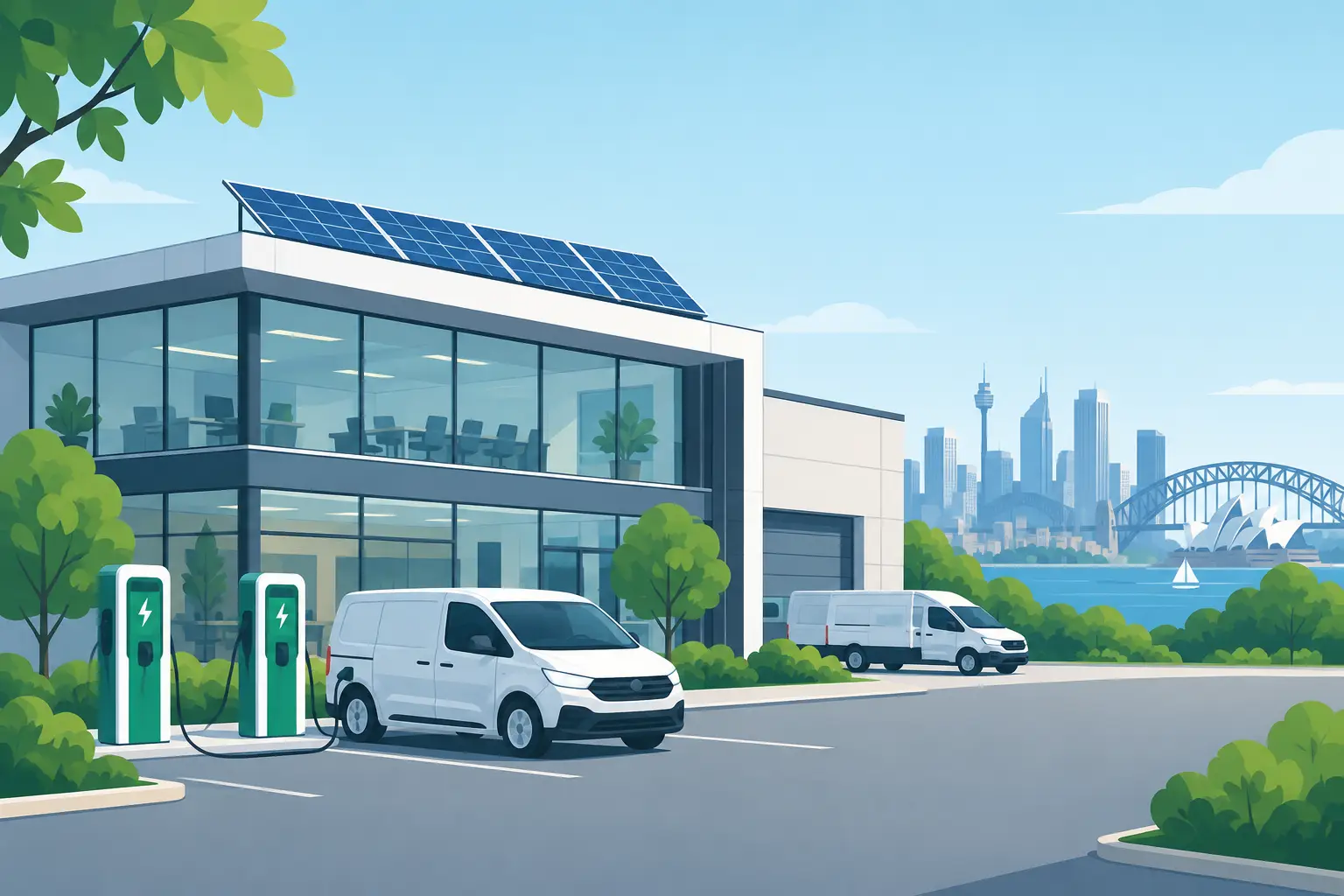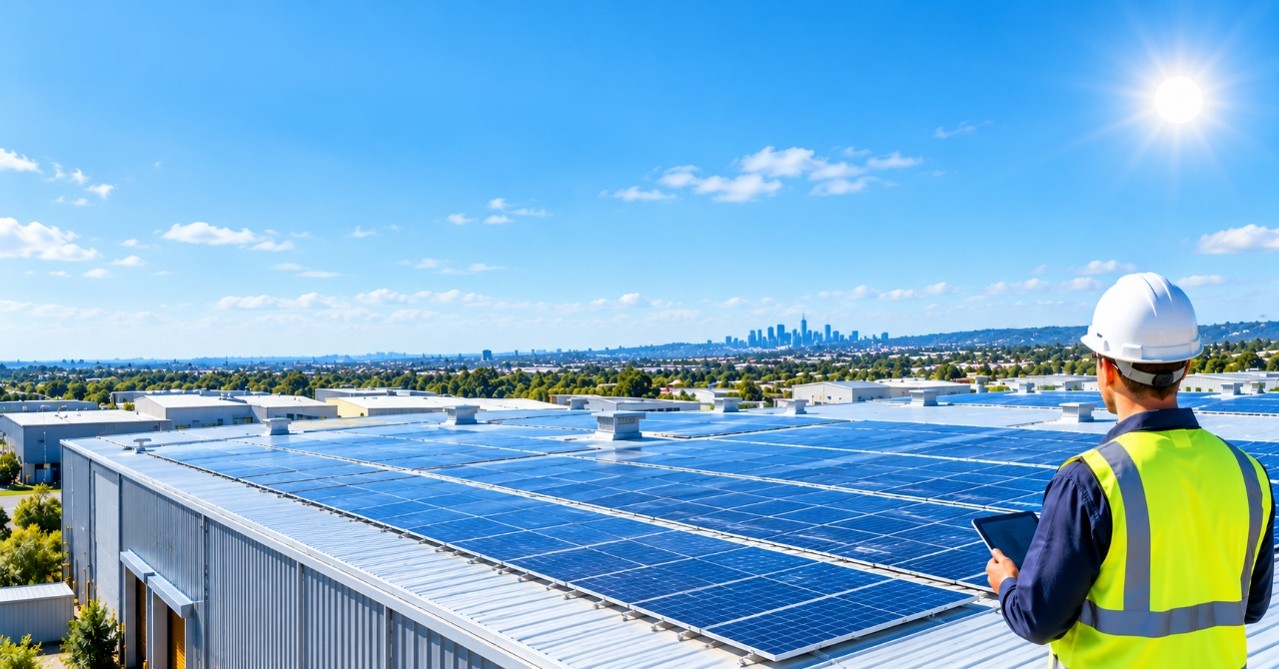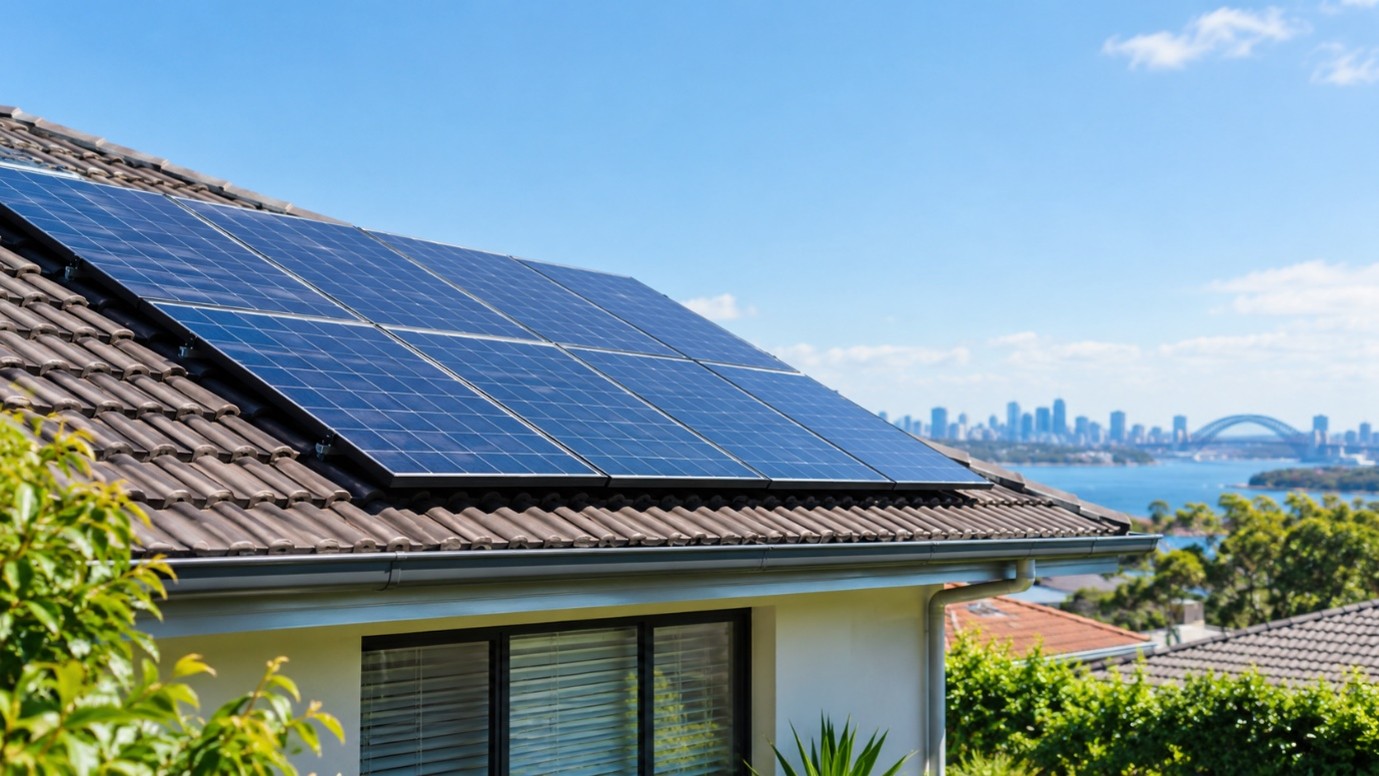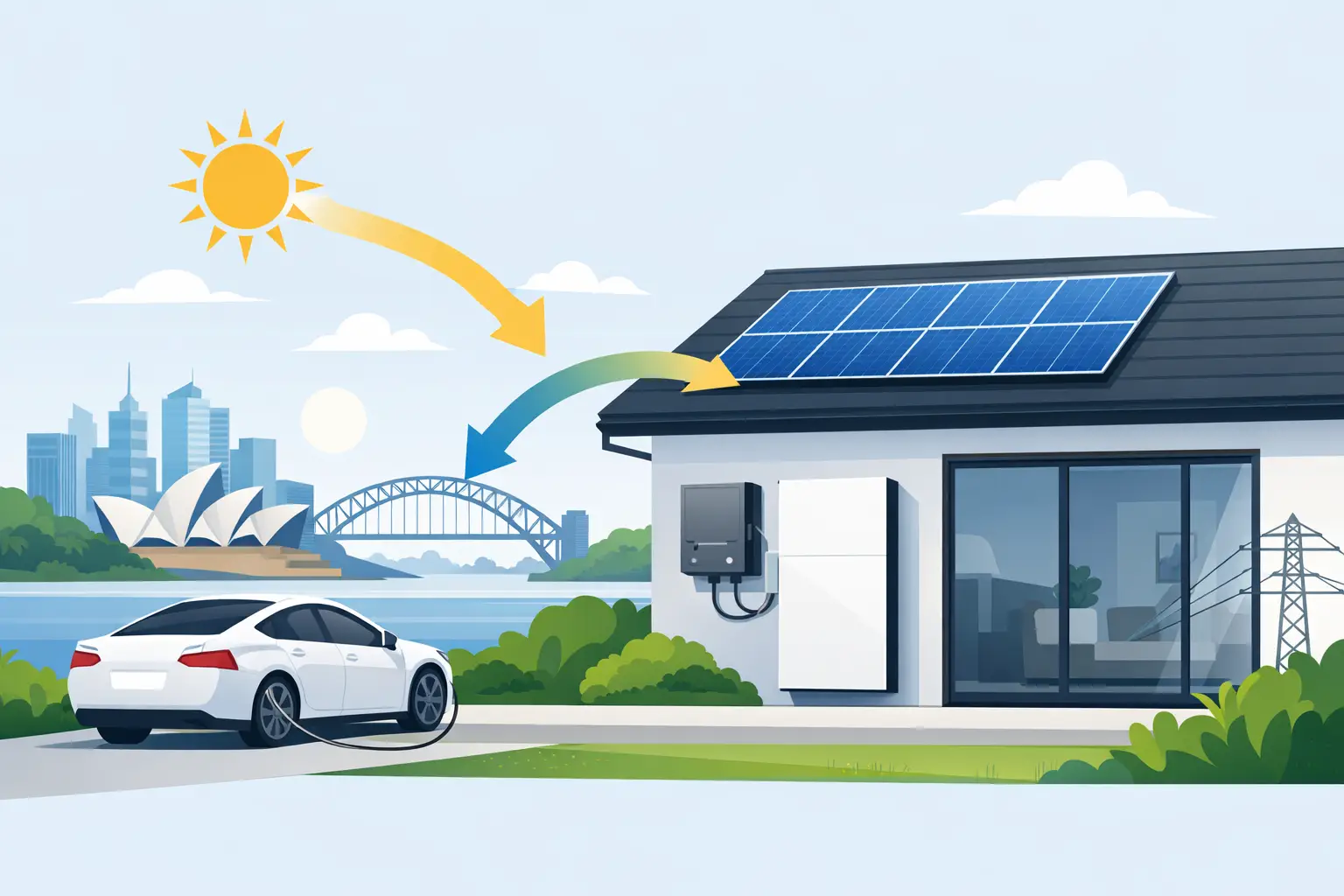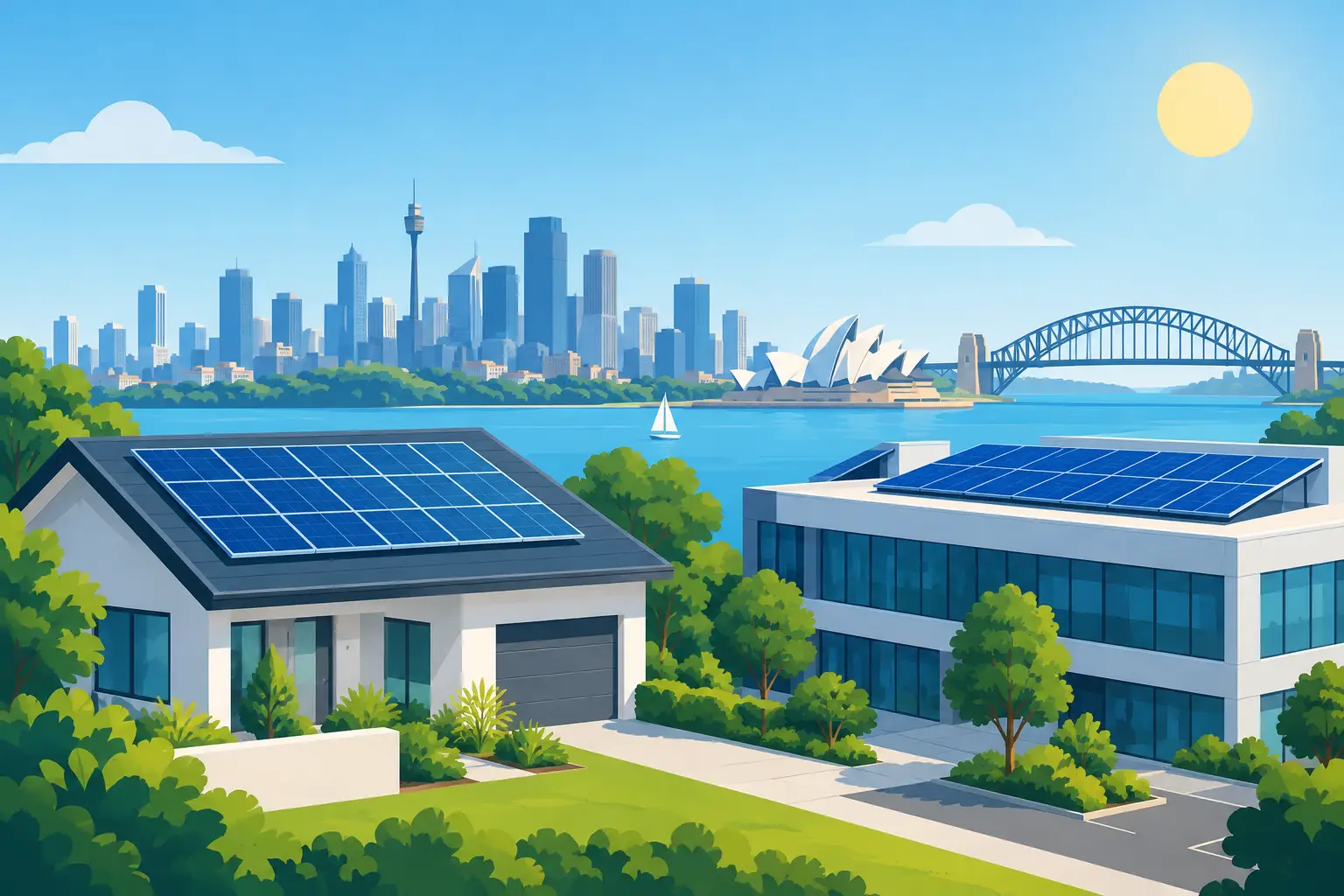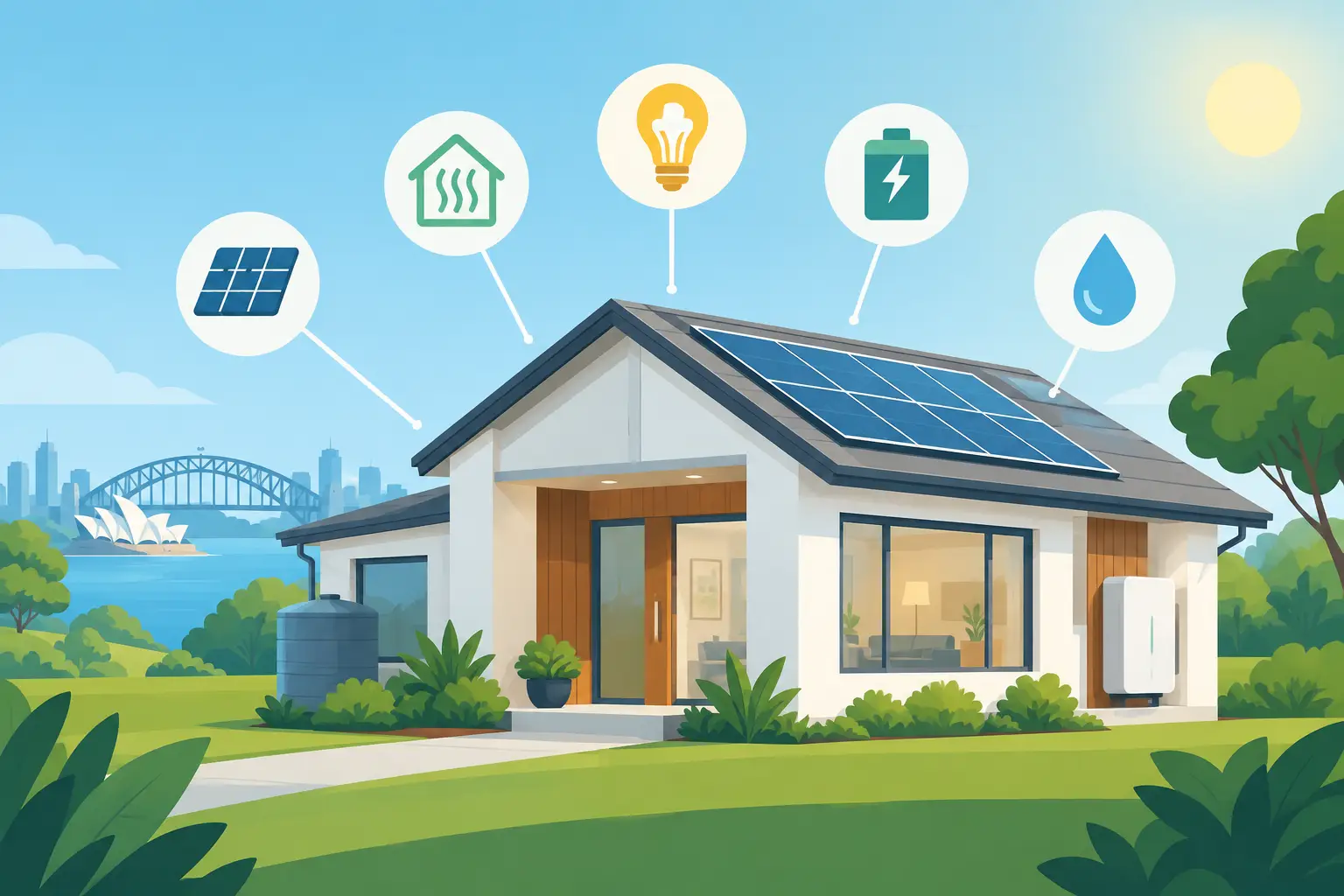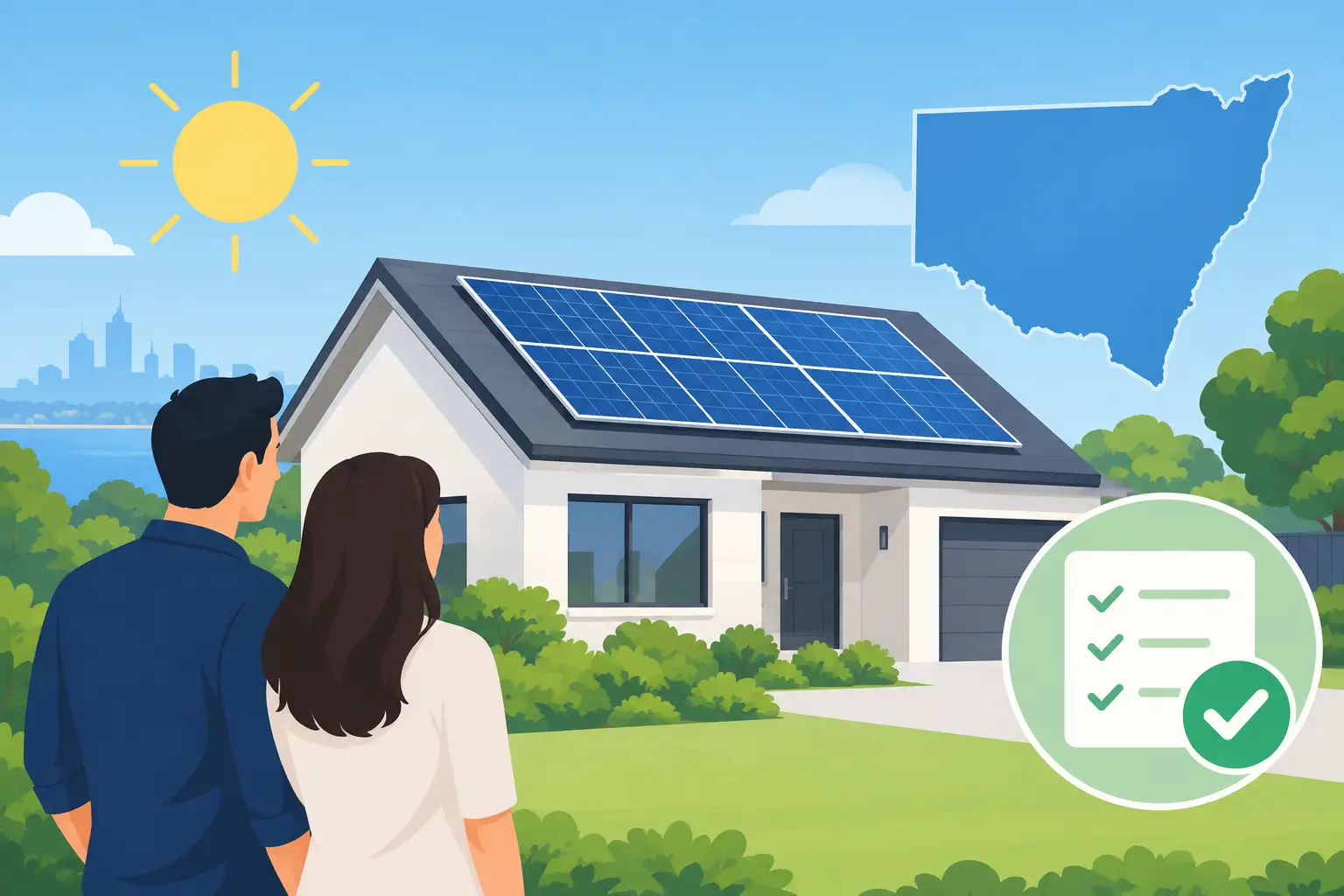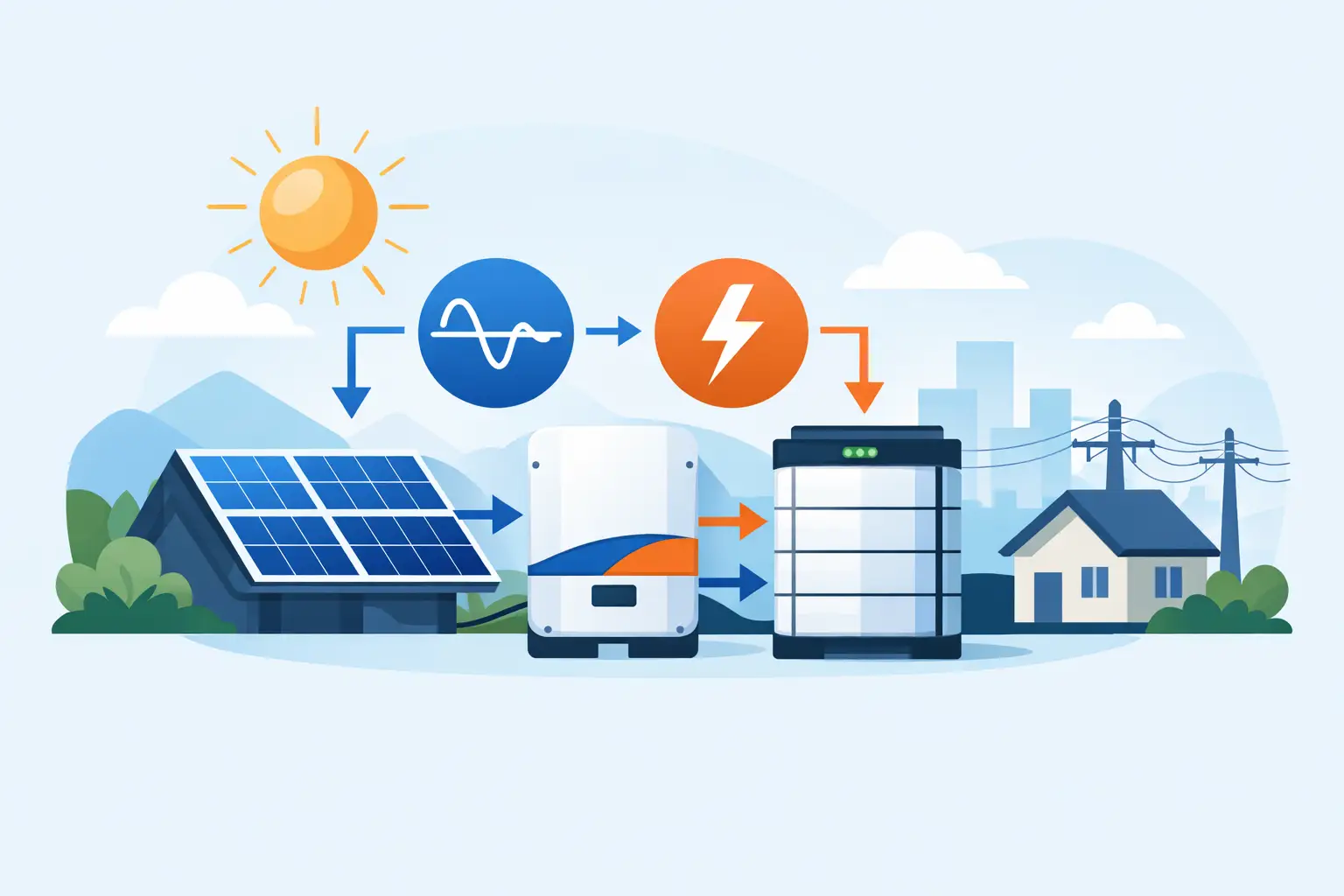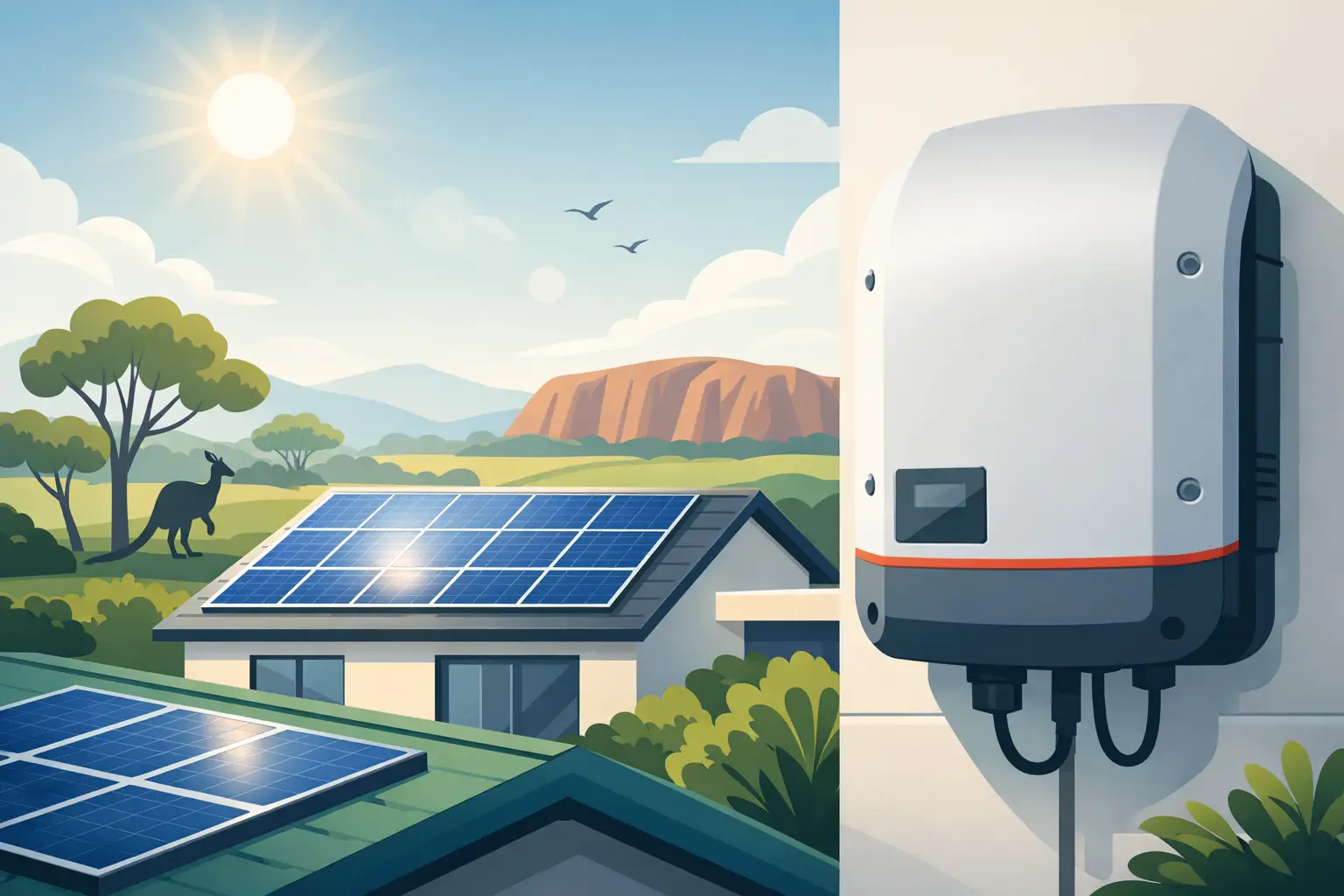
Can solar power heat pumps? Yes – and for many NSW homes and businesses, it is one of the most effective ways to turn daytime solar generation into lower heating, cooling and hot-water costs. The key is understanding that rooftop solar does not heat the pump directly. Your solar panels produce electricity, and that electricity runs an efficient heat pump when the sun is generating.
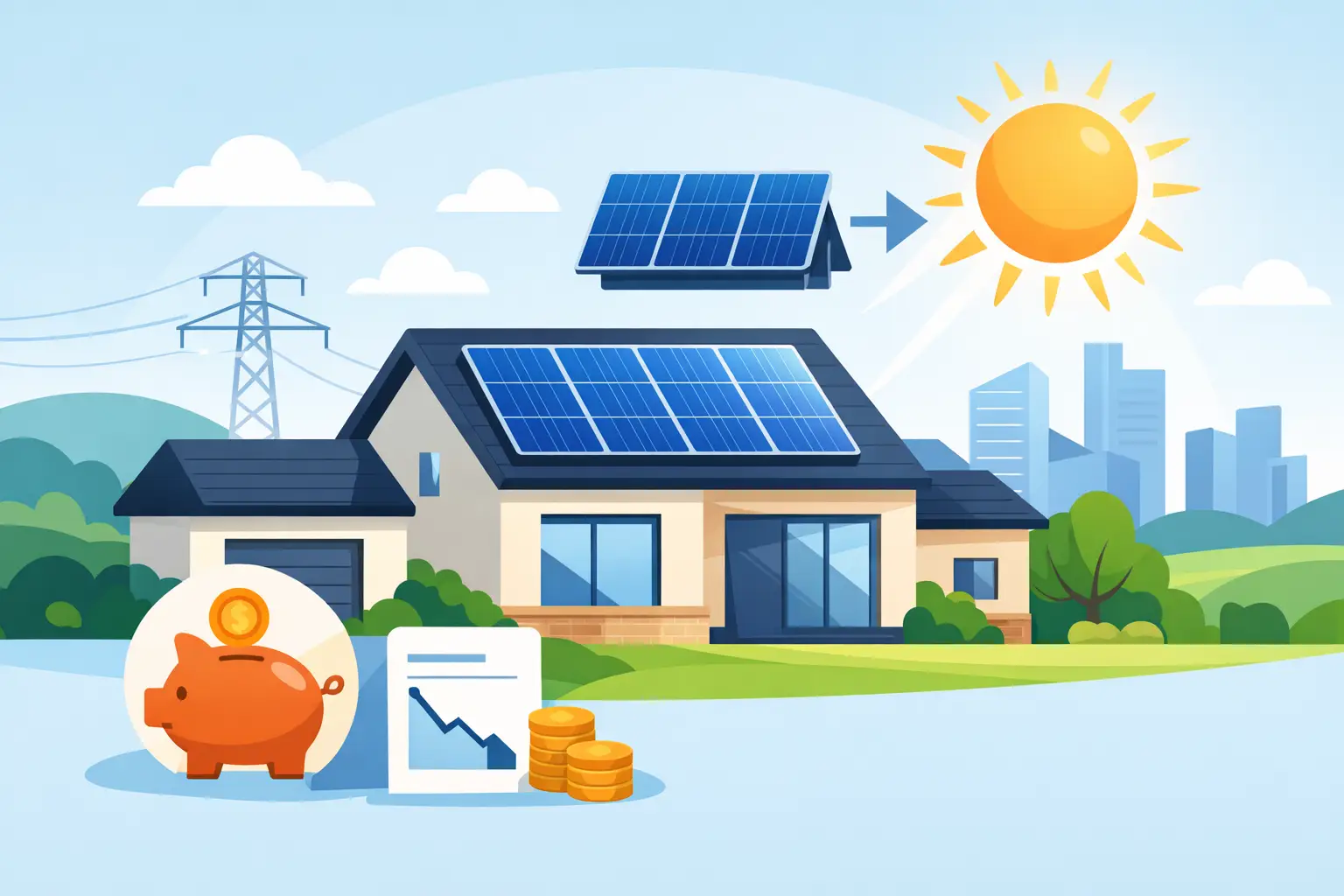
A well-designed system can reduce the amount of electricity you buy from the grid, particularly when heat-pump hot water is scheduled for the middle of the day. Results still depend on your roof, system size, household energy use, equipment settings and the times you need heating or cooling.
How solar power and heat pumps work together
A heat pump moves heat rather than creating it through an electric element or burning gas. For every unit of electricity it uses, it can commonly deliver several units of heat. That makes it far more efficient than conventional electric resistance heating, though real-world performance changes with outdoor temperature, the equipment selected and how the system is used.
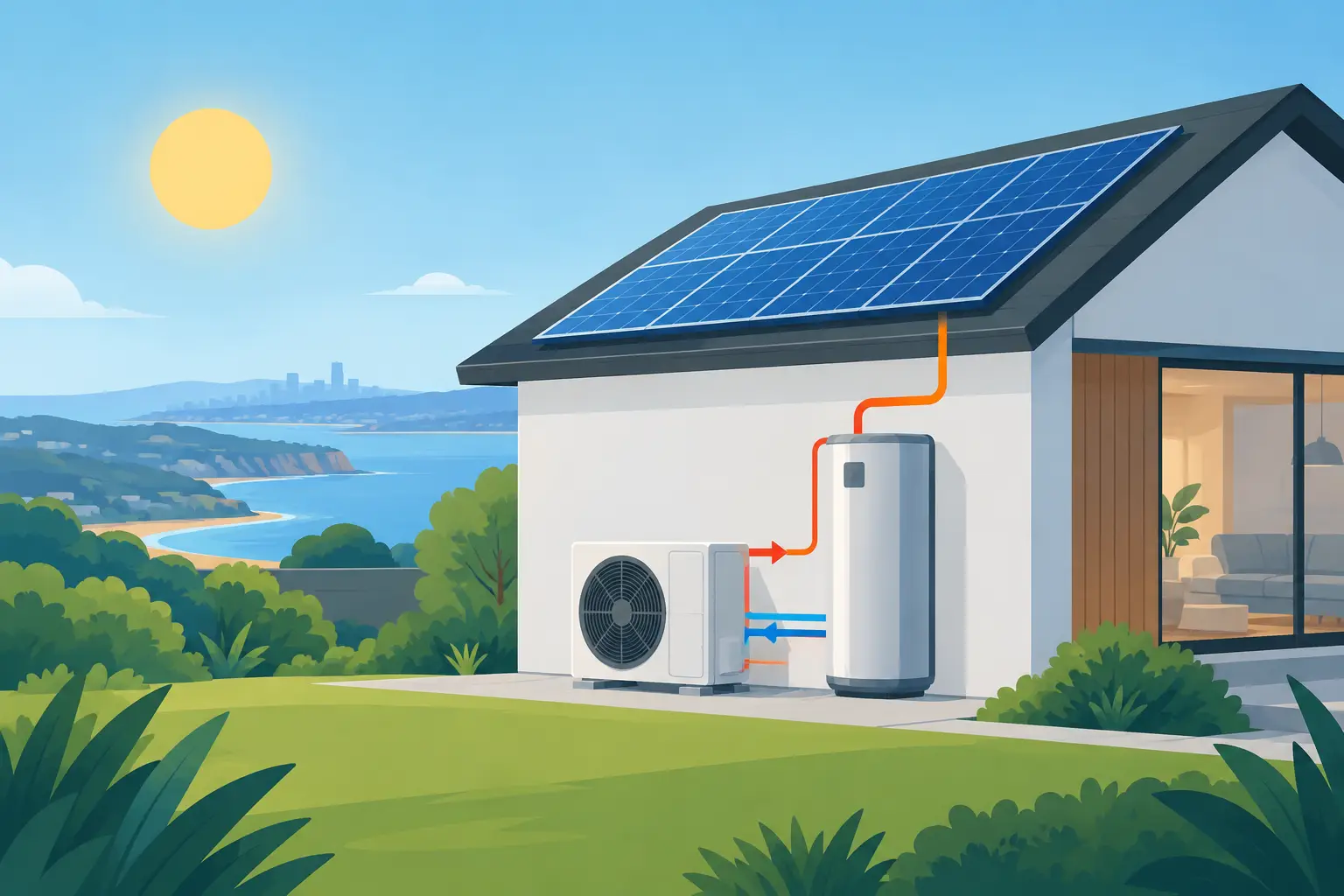
There are two common applications. Reverse-cycle air conditioning provides space heating and cooling. Heat-pump hot-water systems extract heat from the outside air to heat water stored in a tank. Both use electricity, so both can use solar power generated on your roof.
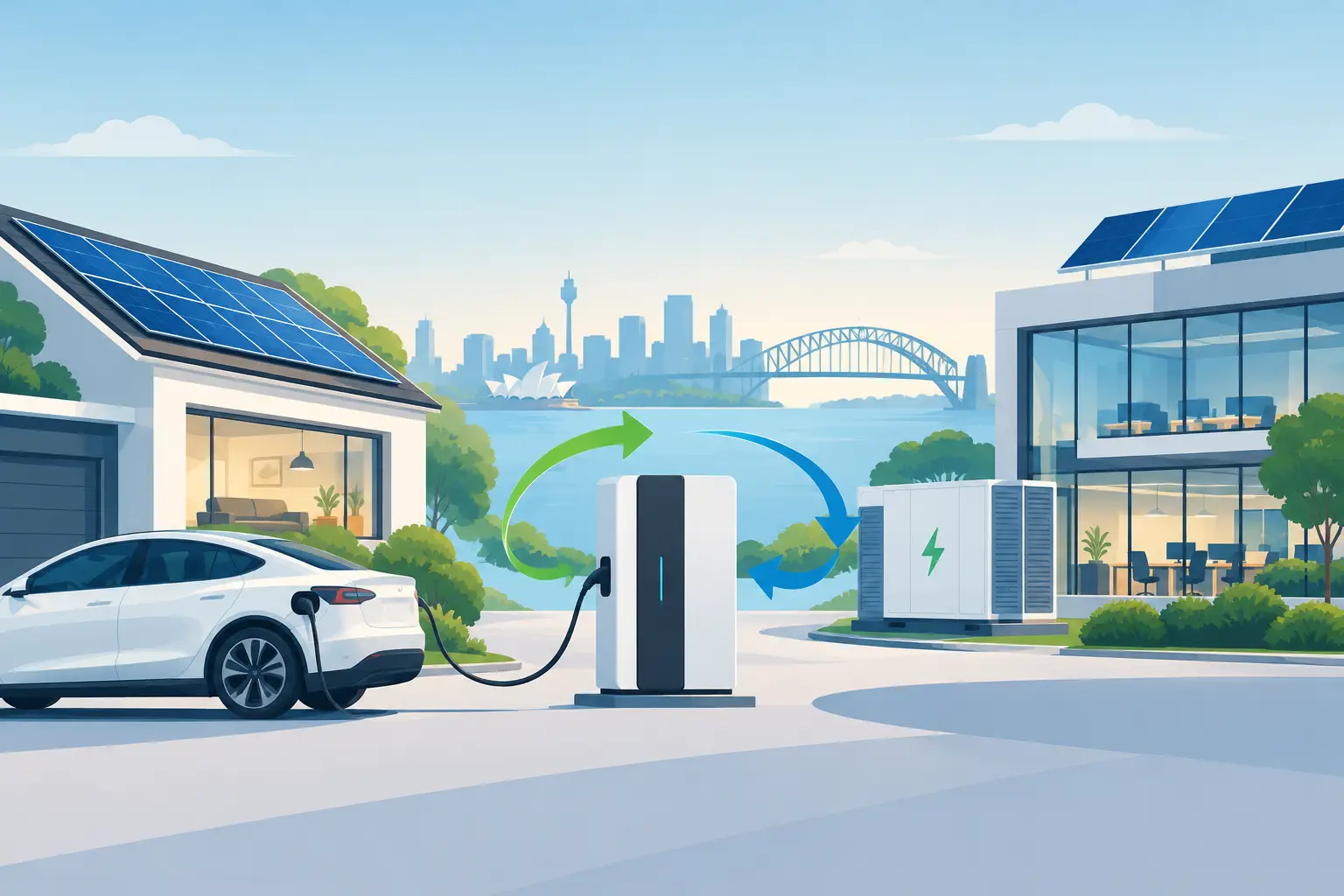
During sunny hours, solar electricity is supplied to active appliances in the property first. If the heat pump is operating, it can draw from that generation before electricity is exported to the grid. If solar production is not enough, the balance comes from the grid. At night, or in poor weather, the heat pump will generally run on grid electricity unless a battery is available and programmed to support it.
This is why the question is not simply whether solar can run a heat pump. It can. The better question is whether the solar system, heat-pump load and operating schedule are designed to work together.
Can solar power heat pumps through a NSW winter?
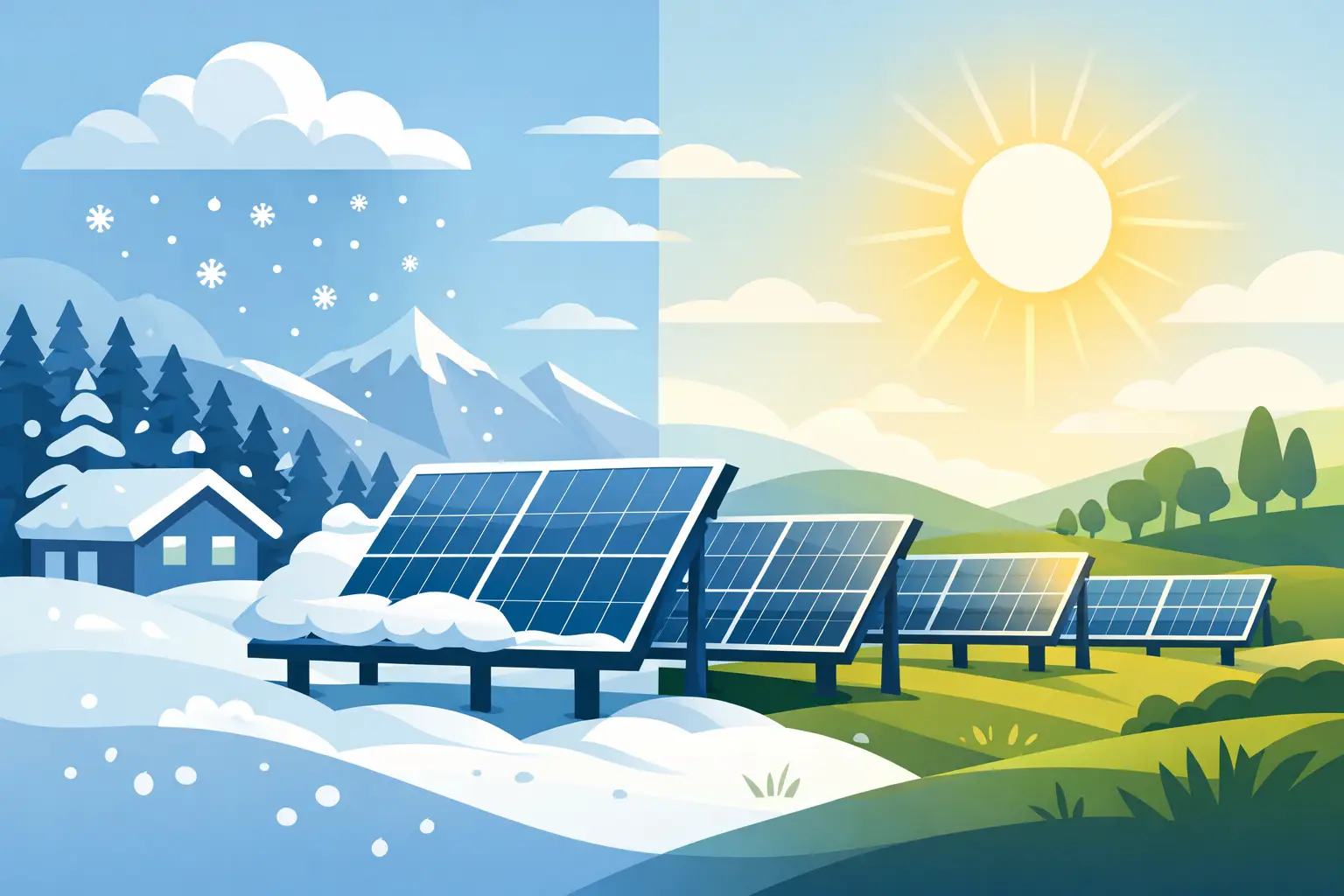
Yes, but winter calls for realistic expectations. Solar panels produce less energy on shorter, cloudier days, while households often need more space heating. A reverse-cycle system may therefore use a meaningful amount of grid power on cold winter mornings and evenings, when solar output is low or unavailable.
That does not make the combination poor value. It means timing matters. Pre-heating living areas during the afternoon can improve comfort and use more solar energy before evening. Good insulation, draught sealing and sensible temperature settings reduce the heating load, allowing a heat pump to do more with each kilowatt-hour.
Heat-pump hot water is often easier to align with solar than space heating. A storage tank acts like a thermal battery: heat the water when solar production is strong, then use that stored hot water later. Many units can be set with timers or smart controls to run around late morning to mid-afternoon, rather than reheating during the evening peak.
Solar hot water and heat-pump hot water are different
The terms are often confused. Solar thermal hot water uses roof-mounted collectors to heat water directly from the sun. A heat-pump hot-water system uses electricity to move heat from the air into a water tank. Rooftop solar PV produces electricity that can run a heat pump, appliances, EV chargers and other loads.
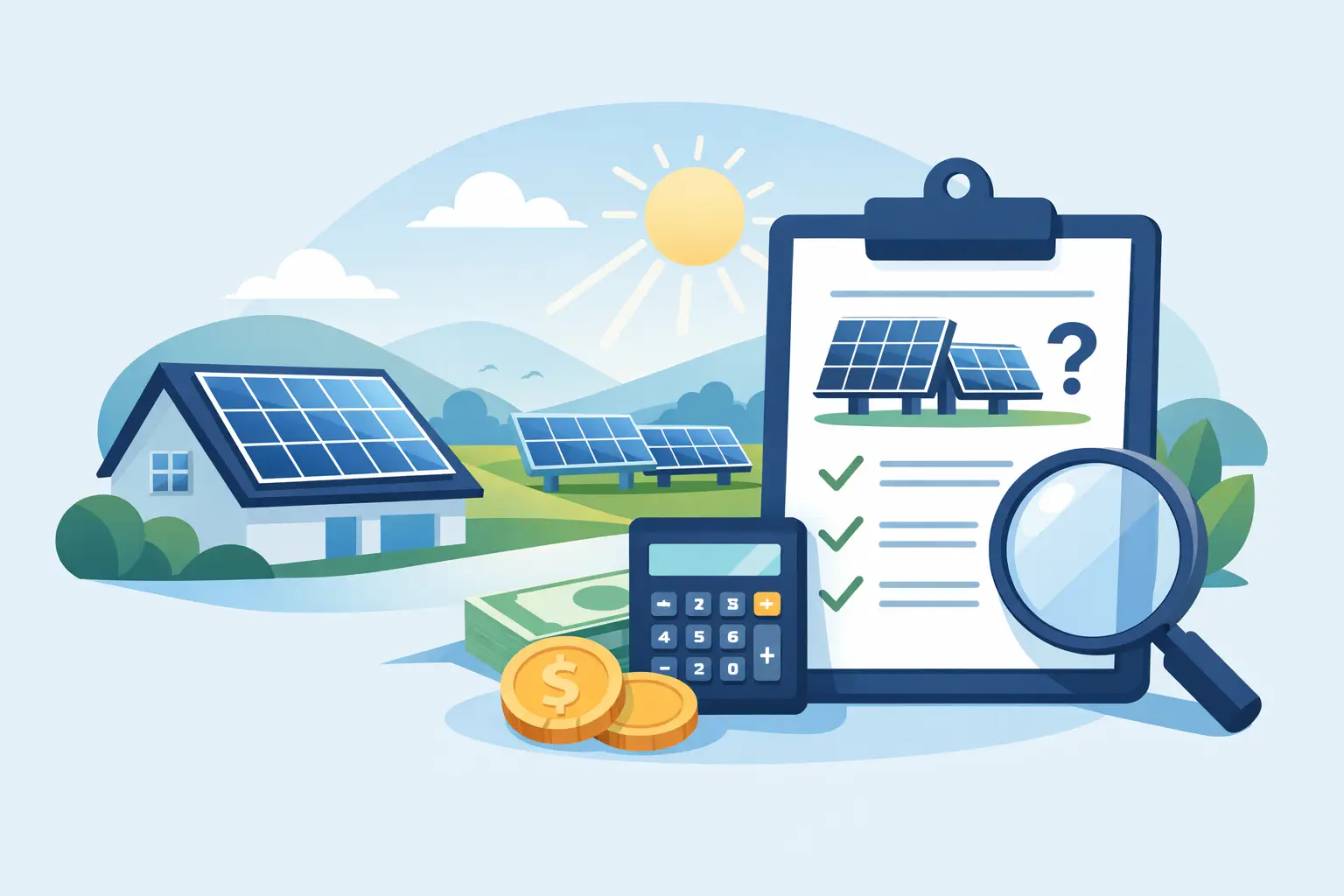
For properties already considering solar PV, a heat pump can be a flexible electrification option because the same panels can support multiple electrical loads. It also avoids dedicating roof space to thermal collectors. However, a heat pump needs suitable outdoor location, drainage, electrical supply and consideration of operating noise. These practical details should be checked before installation.
Sizing matters more than simply adding panels
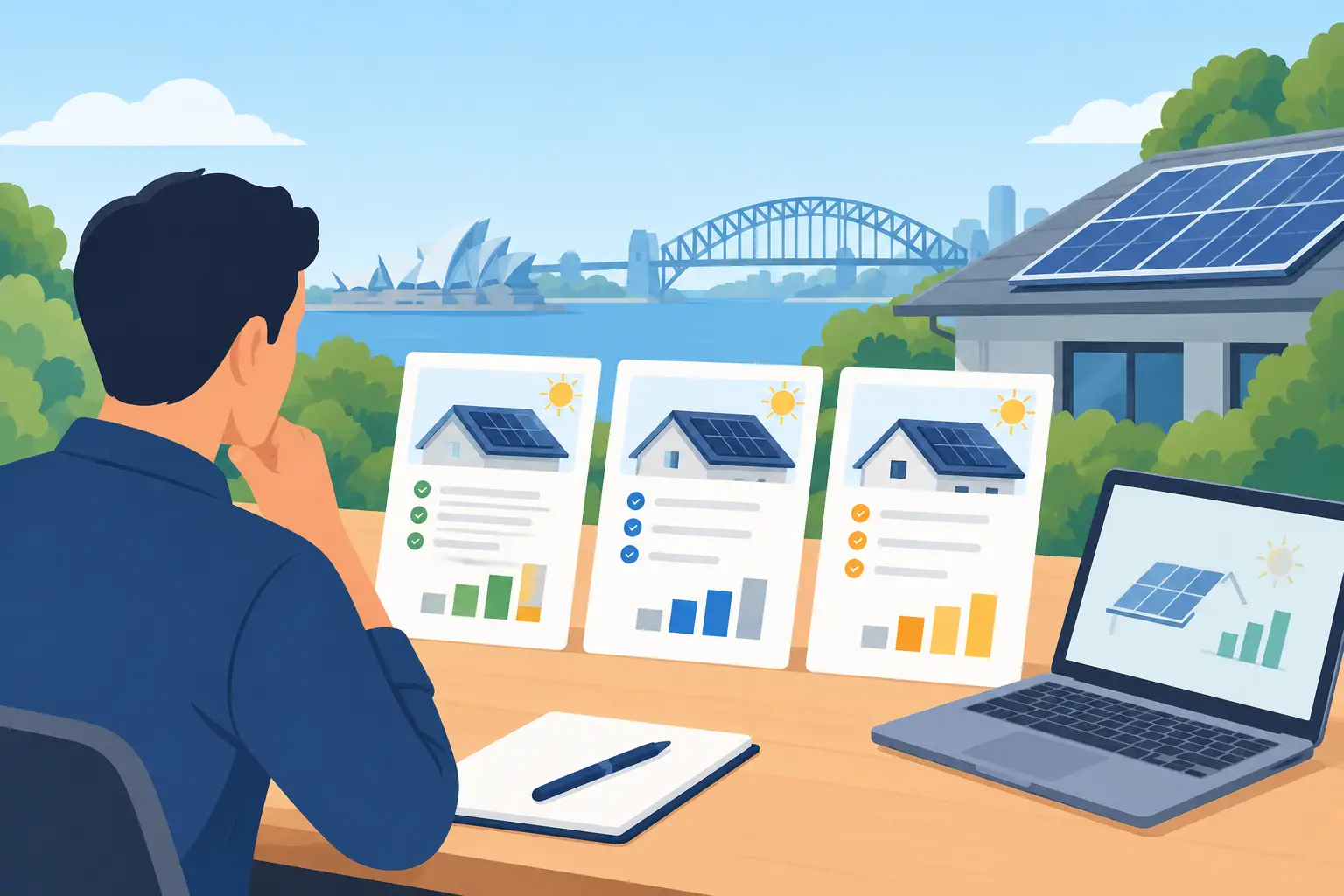
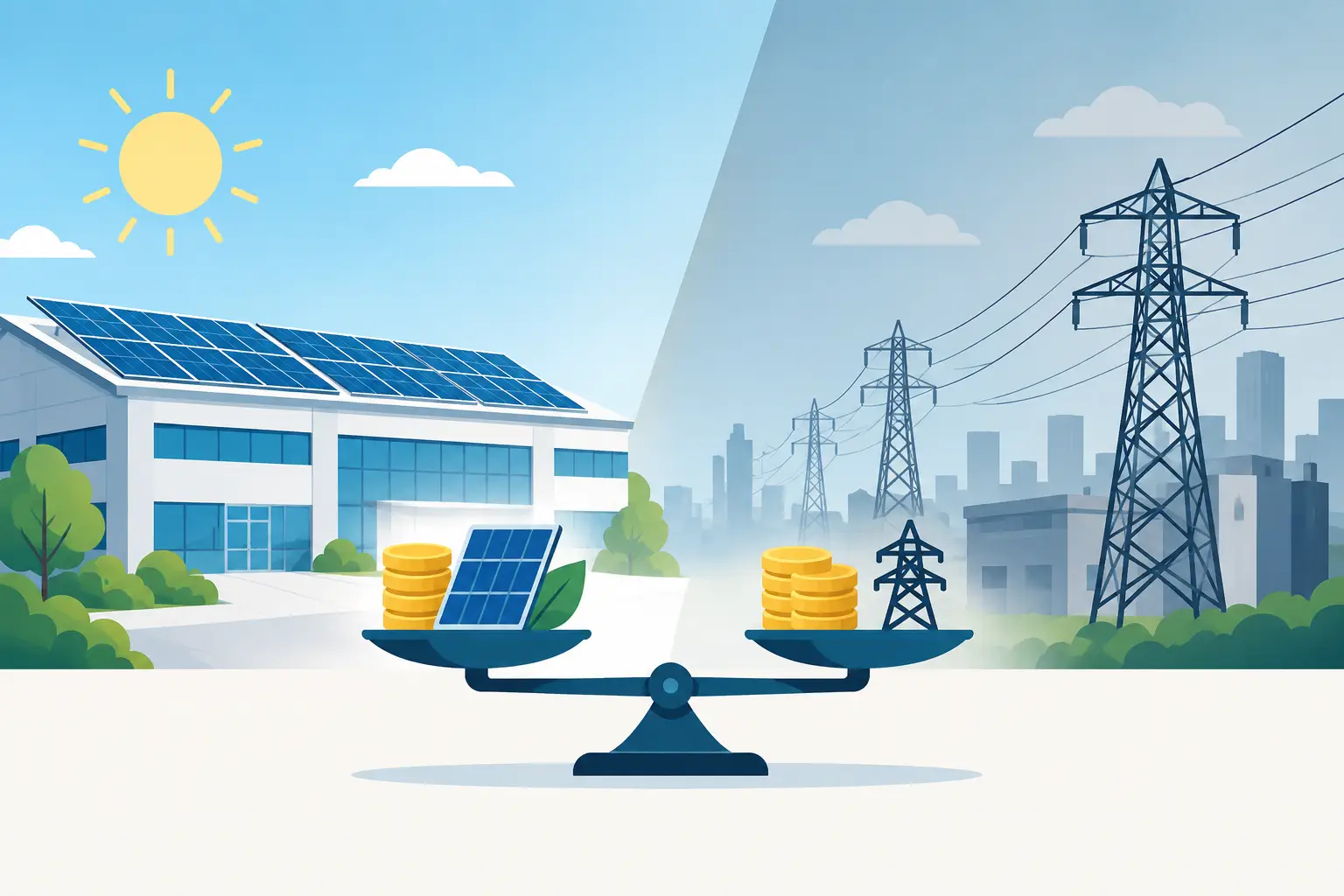
Oversizing or undersizing a solar system can limit the financial benefit. A small system may not cover much of the heat pump’s daytime demand once household loads are included. An overly large system may export more power at a lower feed-in tariff if the property cannot use or store it.
A useful design starts with actual consumption patterns. Consider when hot water is used, whether anyone is home during the day, how the property is heated and cooled, the number of occupants, future EV charging and likely changes such as replacing gas appliances. For commercial sites, operating hours, machinery loads and seasonal demand are equally important.
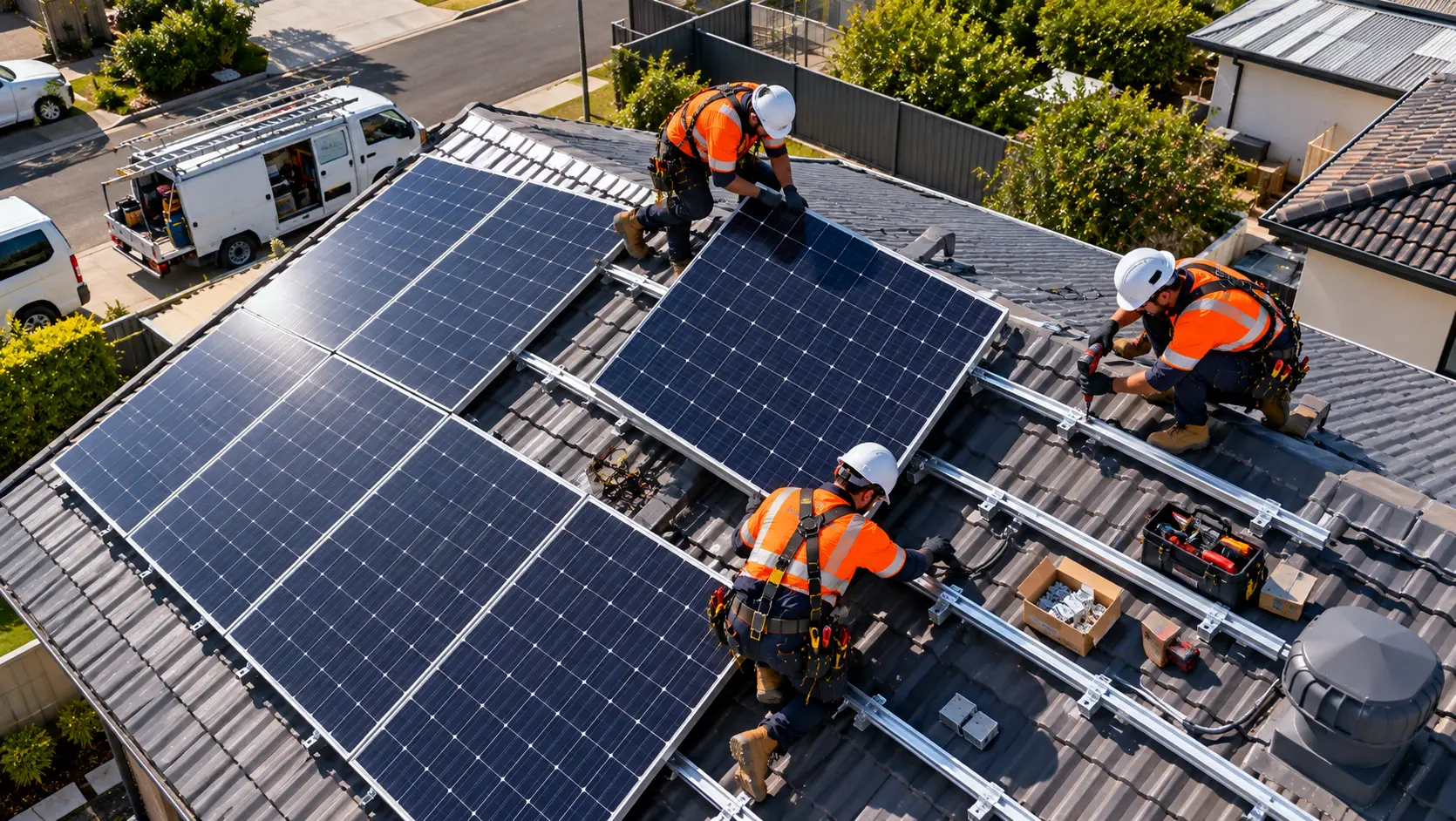
Panel orientation also influences the outcome. North-facing panels generally maximise total daily production, while east- and west-facing arrays can spread generation into the morning and afternoon. A broader production profile can suit properties with daytime heating, cooling or hot-water loads. There is no universal best layout – the right answer follows the load profile and roof constraints.
The role of battery storage
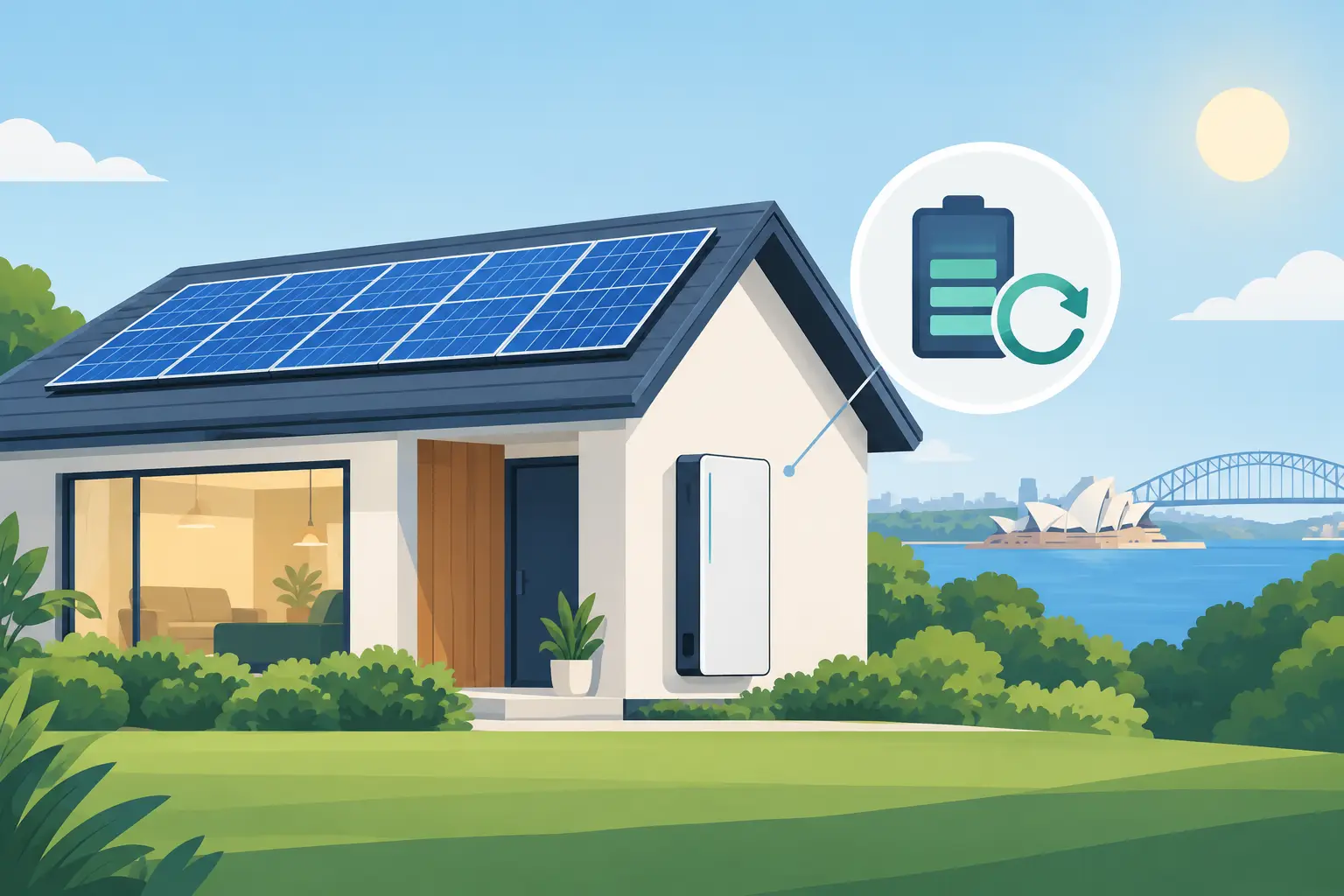
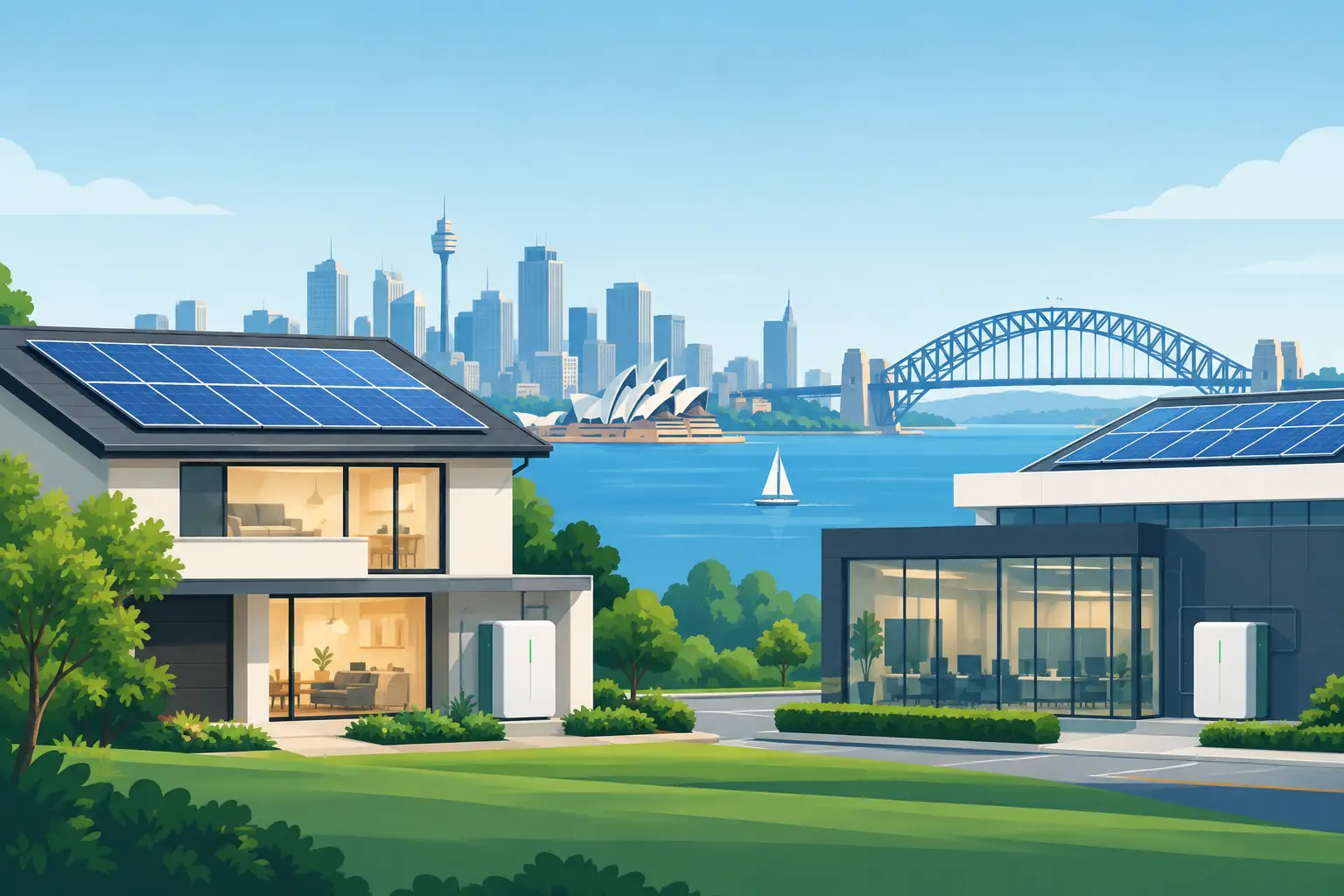
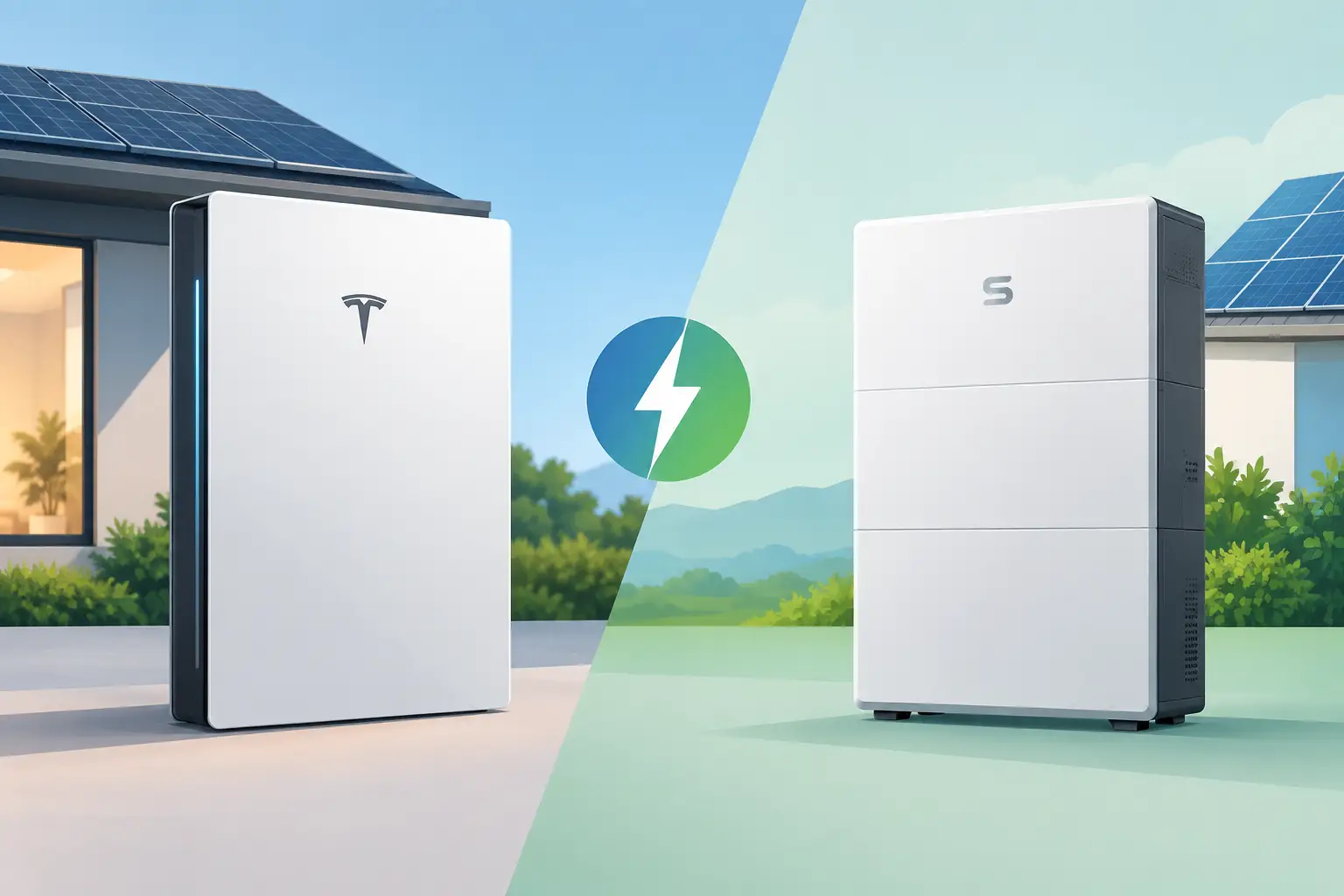
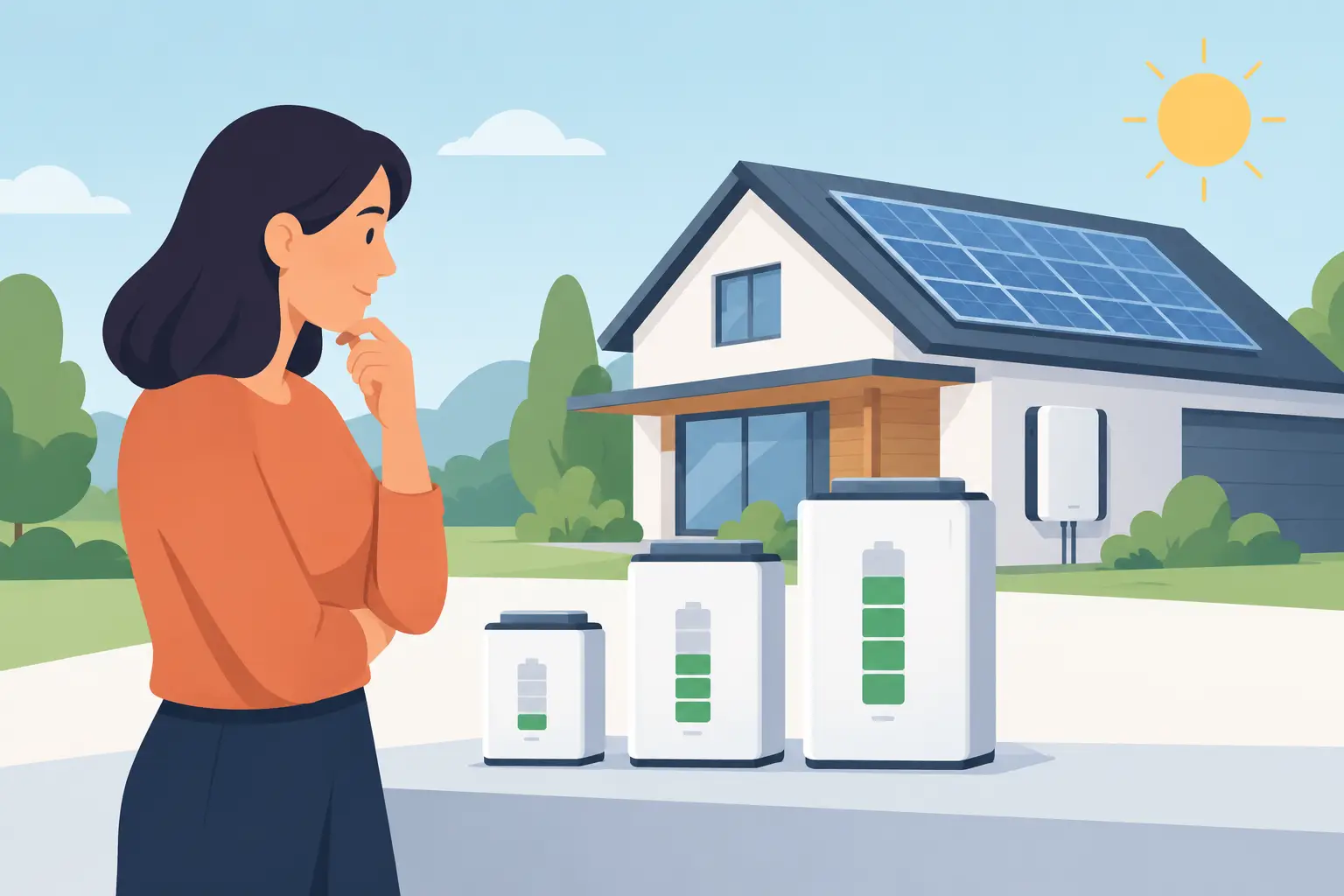
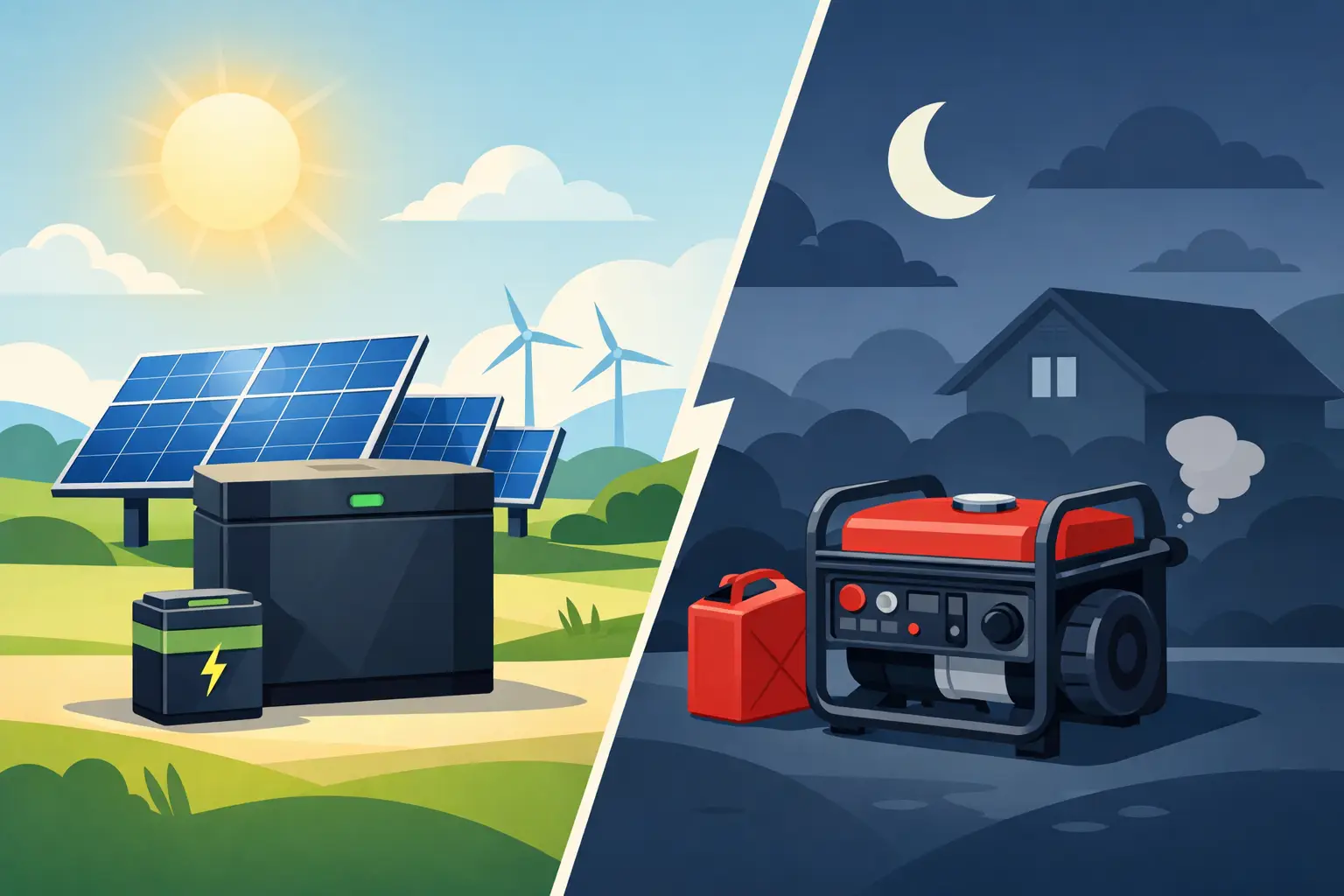
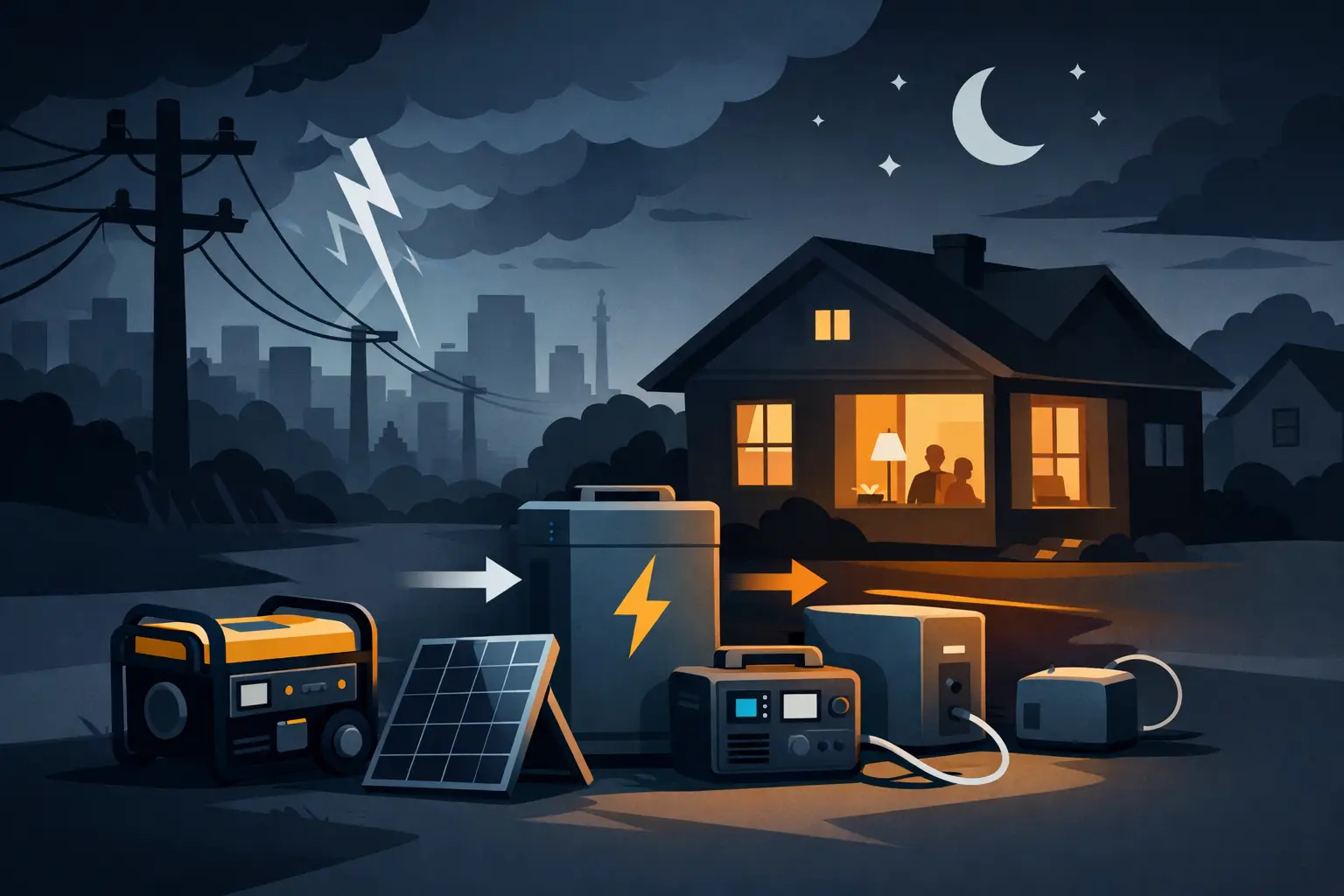
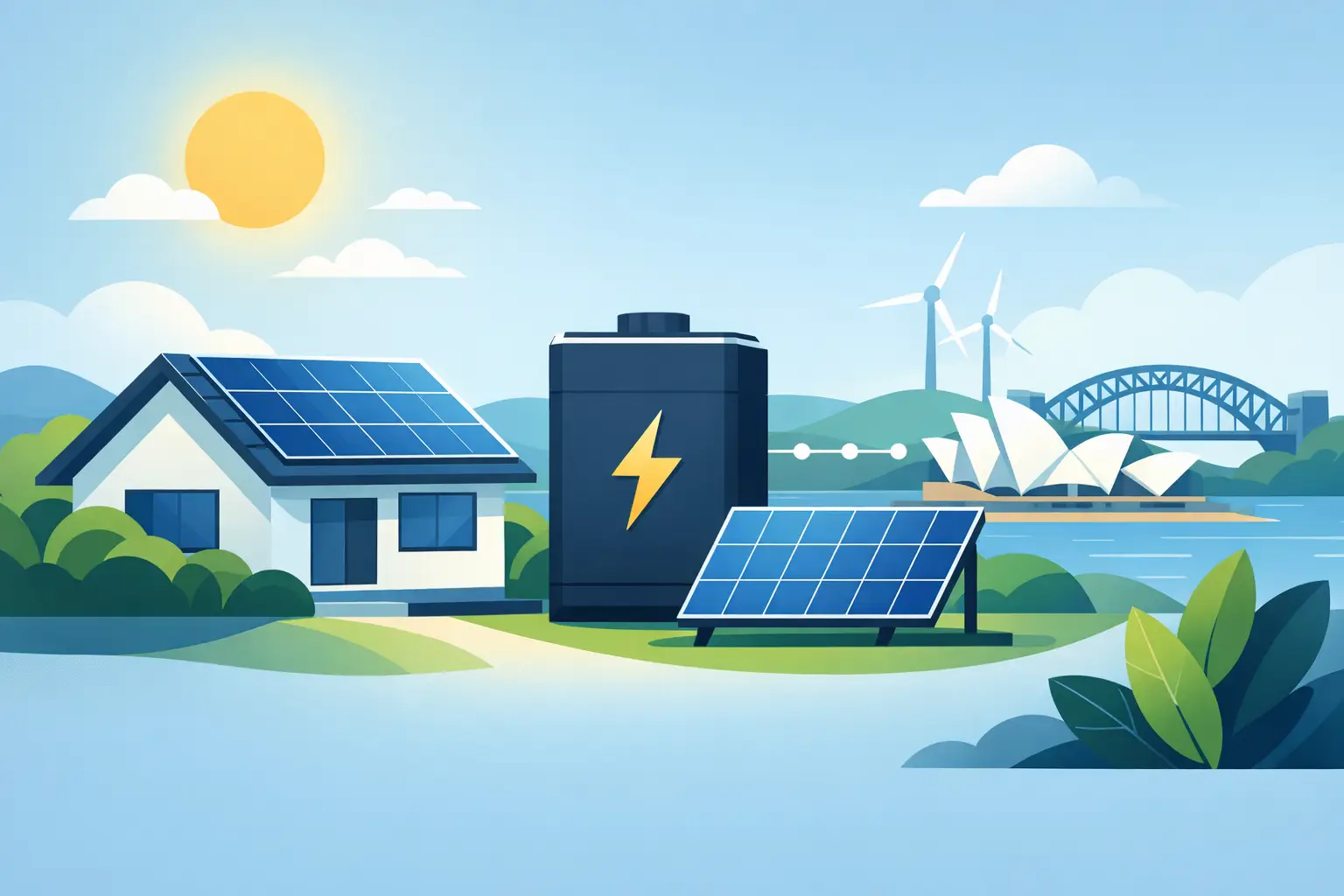
A battery can increase solar self-consumption by storing excess daytime generation for use after sunset. This can be valuable for evening air conditioning, overnight household loads and resilience during eligible backup scenarios. It does not create extra solar energy, and it needs to be sized around the loads you want to support.
For a heat-pump hot-water system, a battery is not always the first priority. Scheduling the heat pump to run in sunlight and using the tank as thermal storage can often deliver strong results without cycling a battery to heat water. For space heating and cooling, batteries can help after dark, but a large heat pump can drain a modest battery quickly. Transparent modelling is more useful than assuming a battery will power every appliance all night.
Smart controls protect the savings
The lowest-cost energy is often the solar electricity your property uses as it is generated. Timers, load controllers and compatible energy-management settings can help direct surplus solar into hot water during the day. Some systems can respond to excess generation; others operate on a reliable time schedule.
For reverse-cycle heating and cooling, simple habits make a difference. Run the system moderately rather than waiting until a room is extremely hot or cold. Close blinds in summer, use ceiling fans where suitable, and avoid heating empty rooms. In winter, pre-warming the main living area while solar output is available may reduce evening grid use.
If you are on a time-of-use electricity plan, compare the tariff periods with your expected heat-pump operation. A low off-peak rate can still make overnight hot-water heating economical when solar is unavailable. Tariffs, controlled-load arrangements and retailer offers vary, so they should be reviewed as part of the project rather than assumed.
Electrical capacity and installation safety
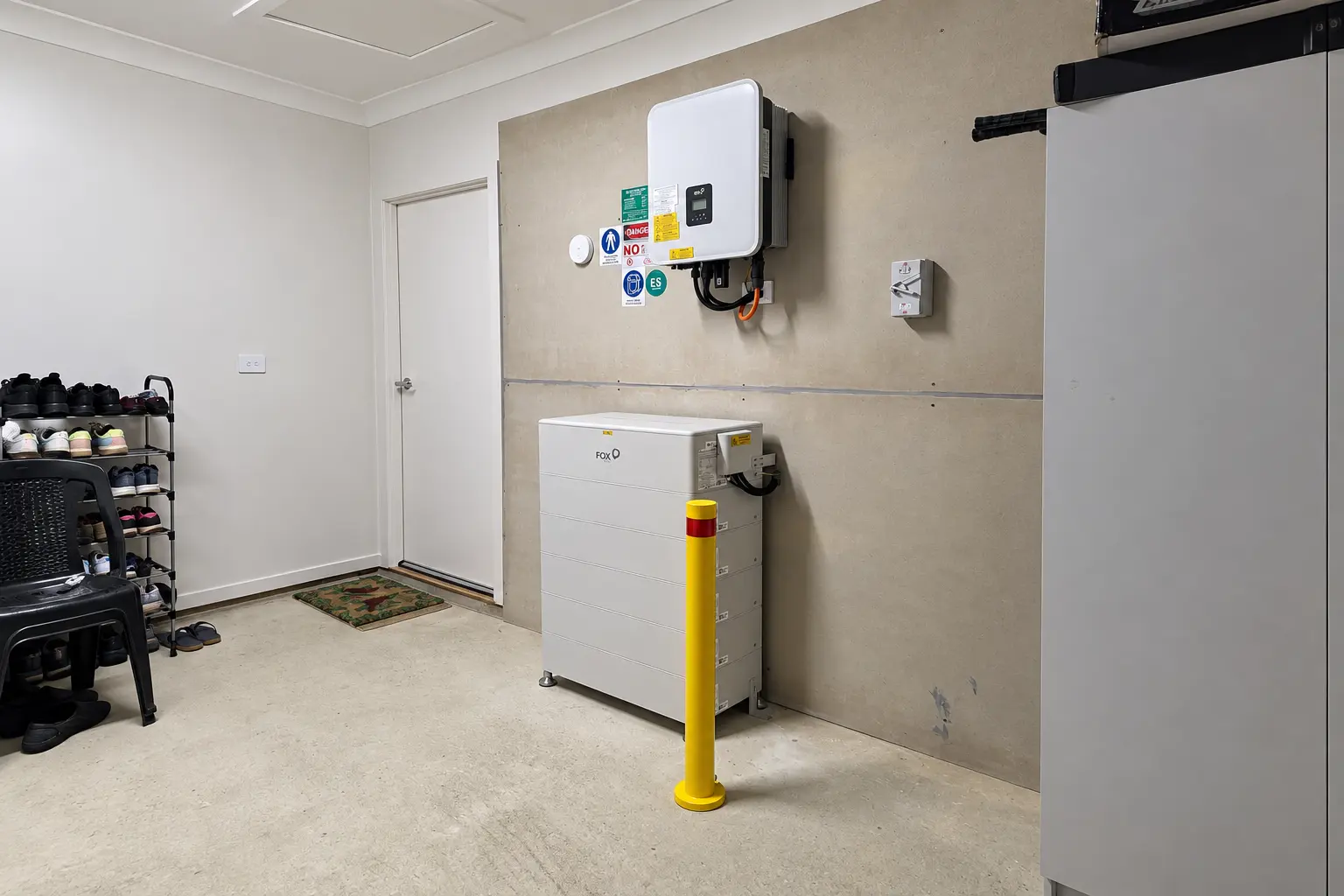
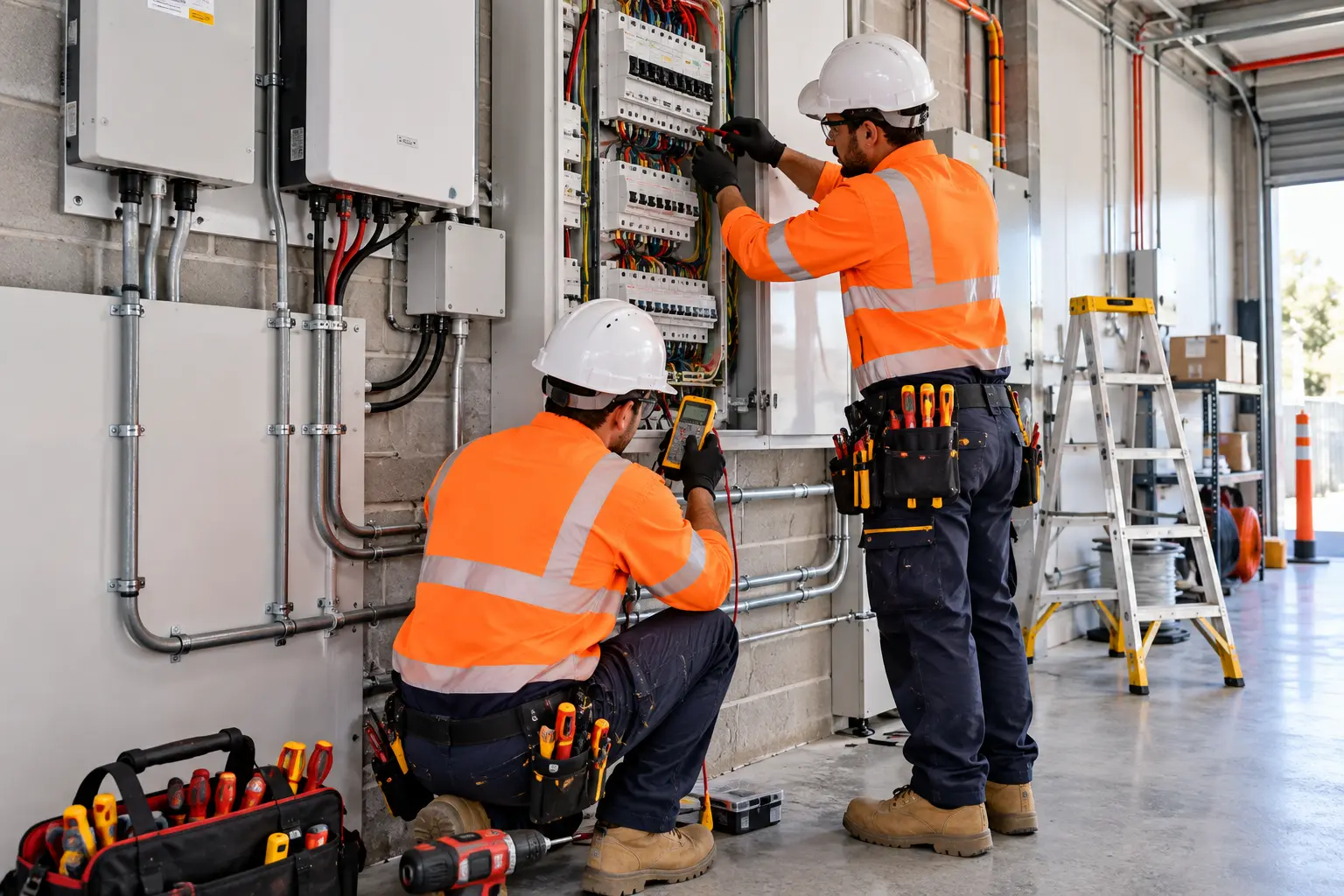
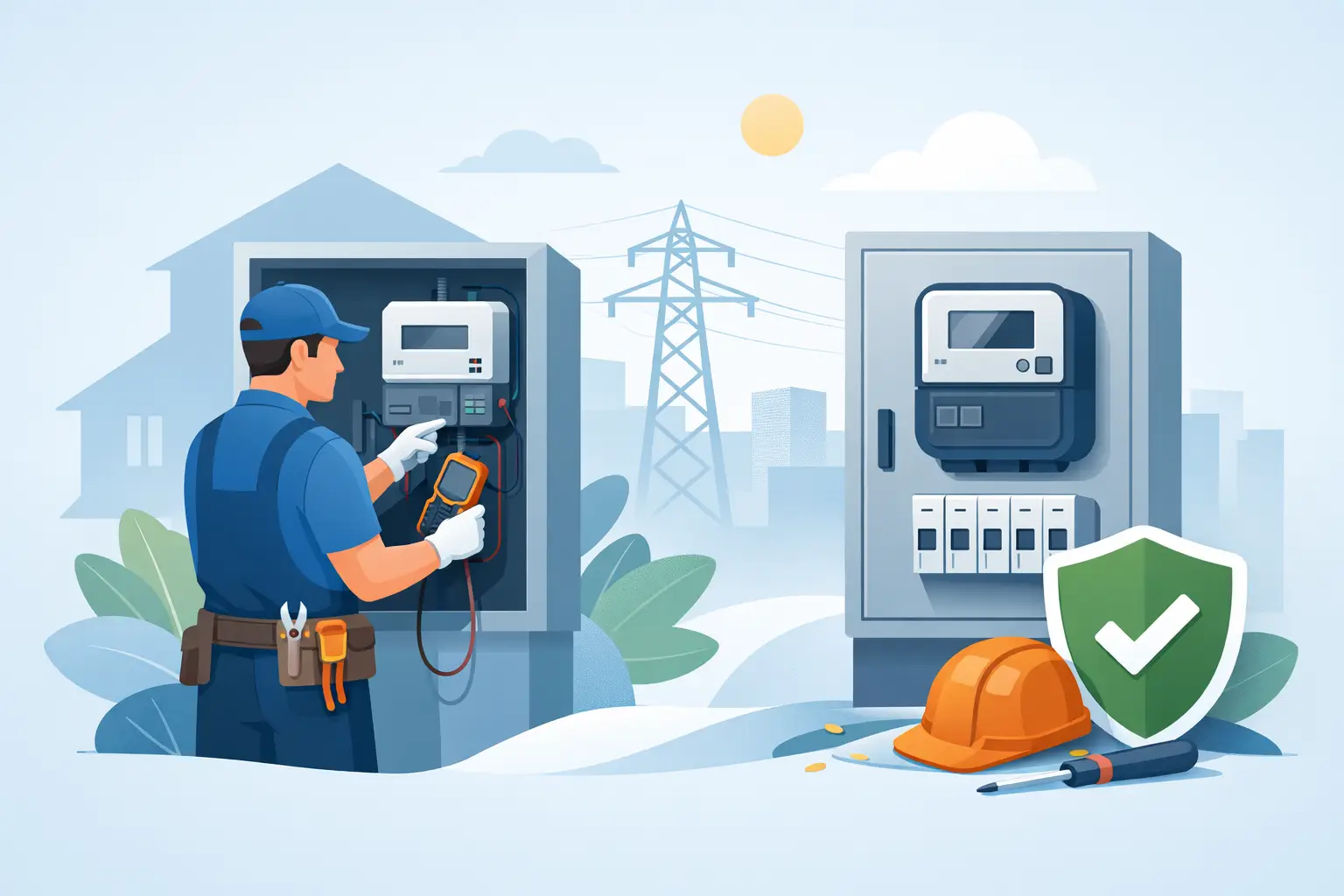
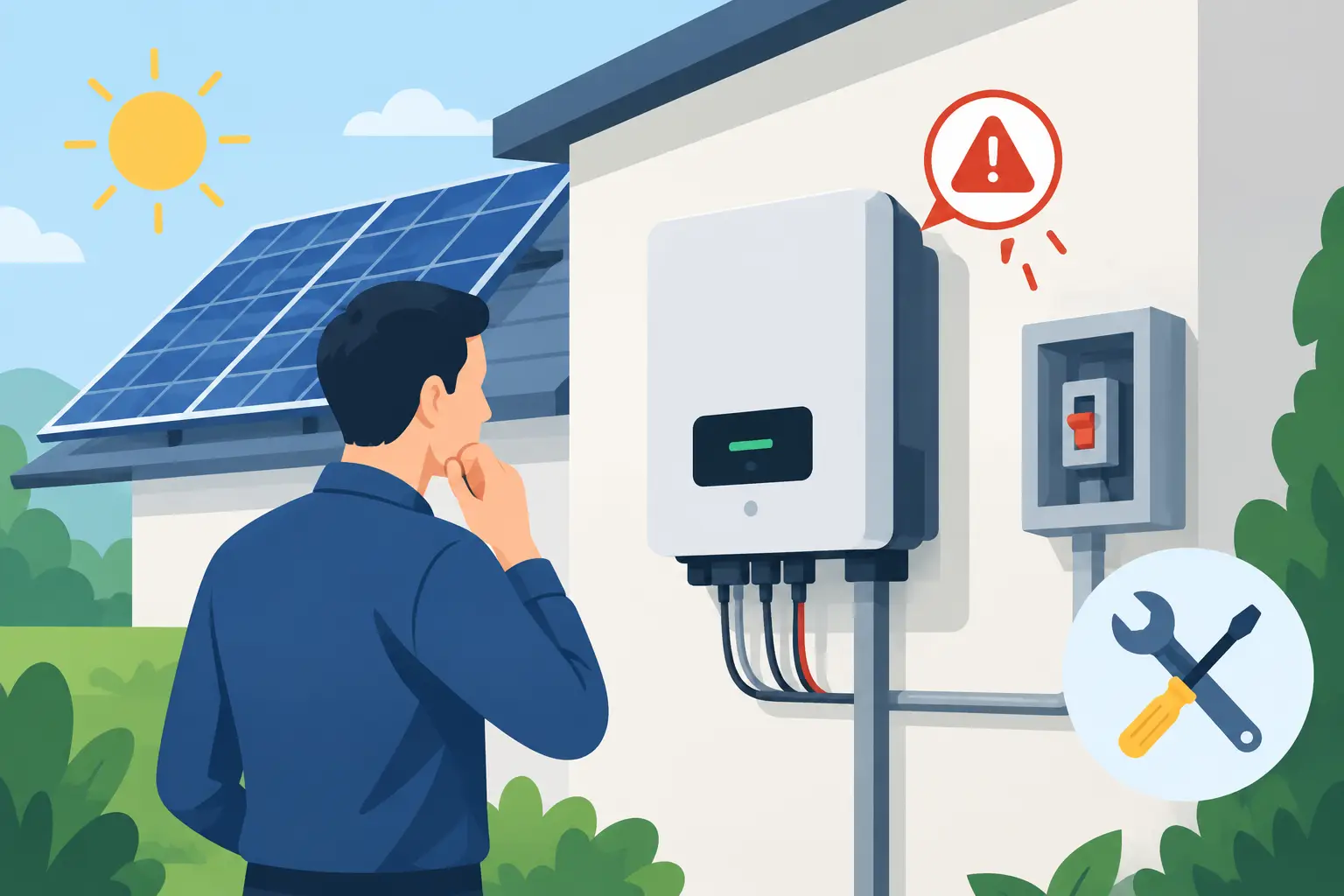
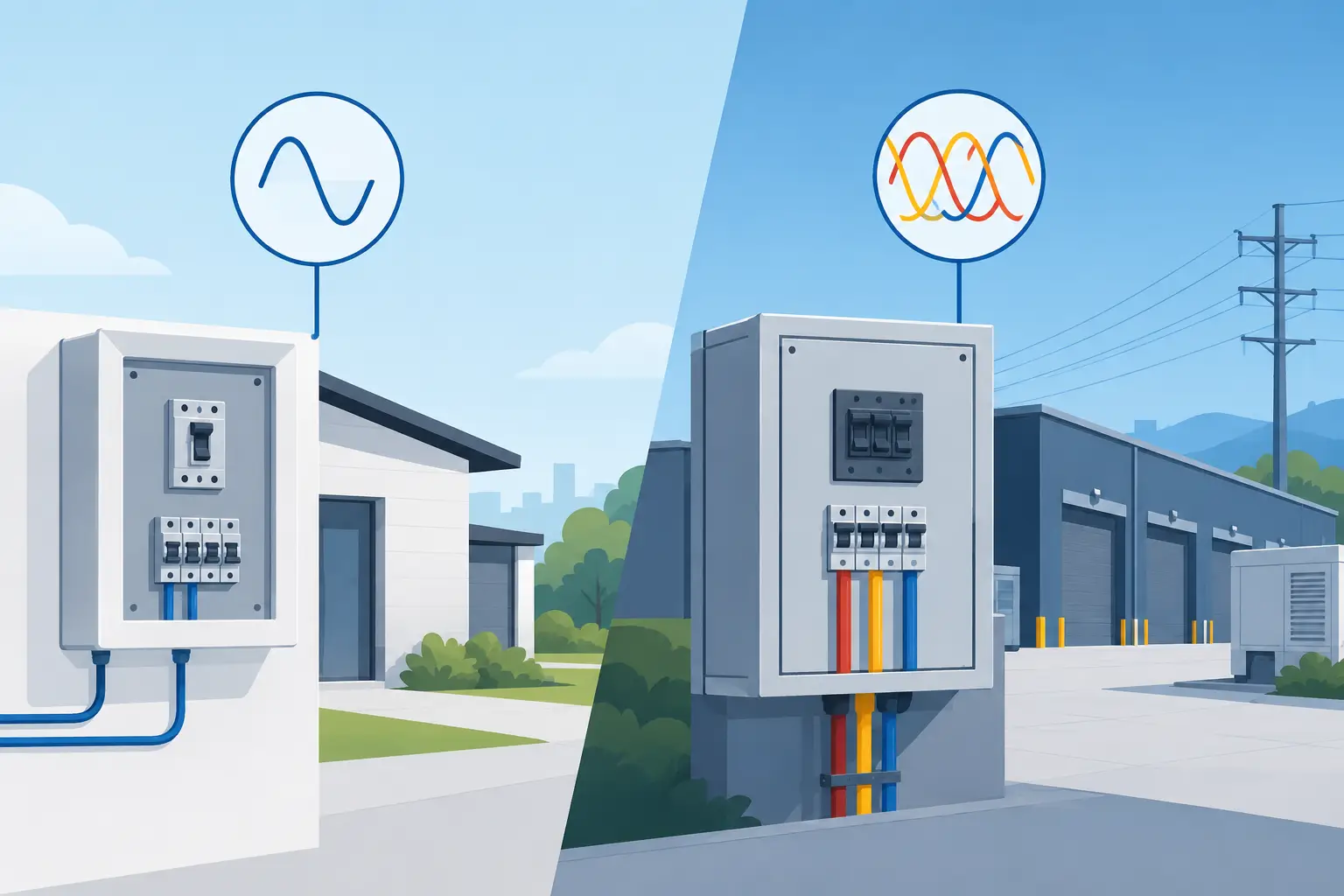
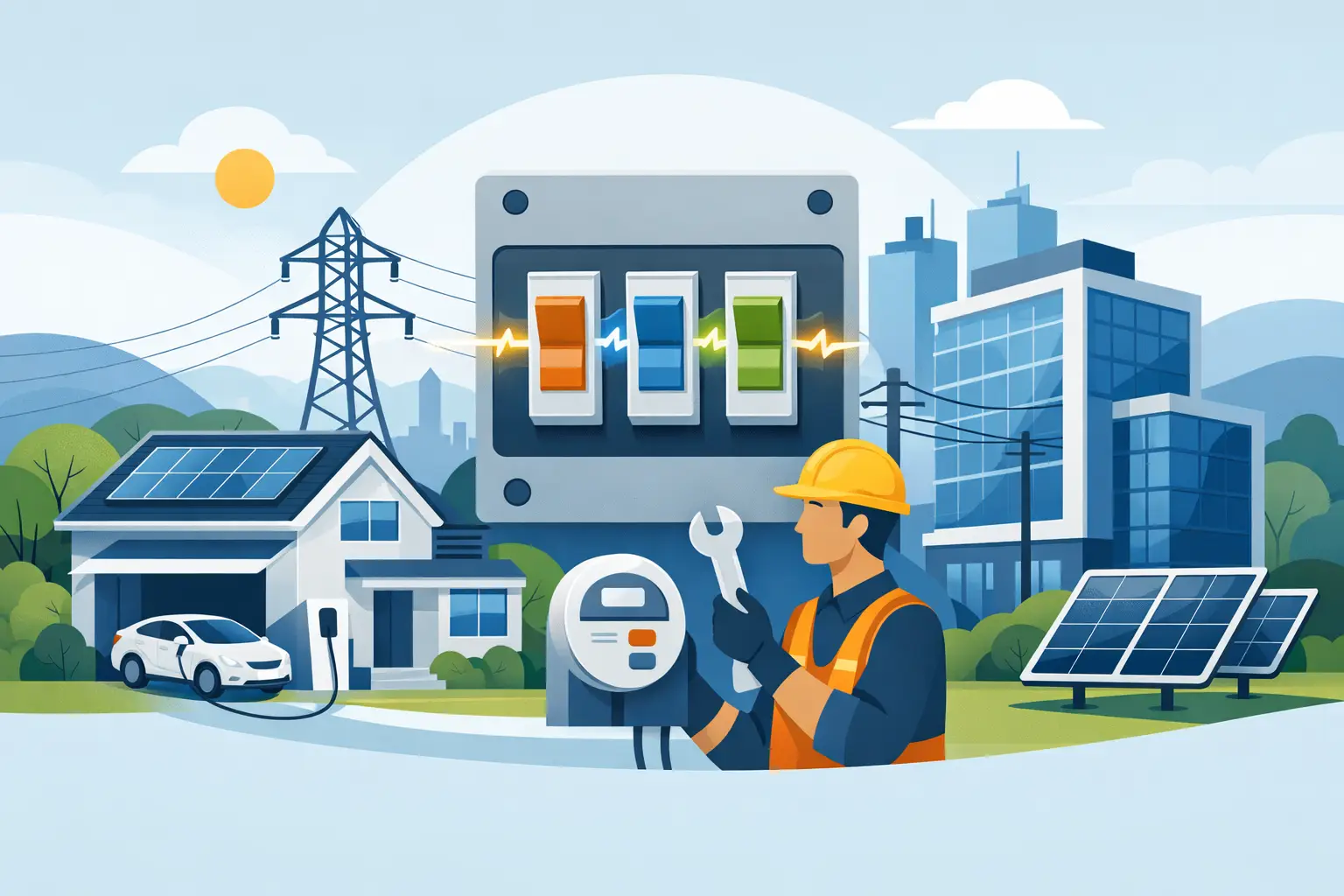
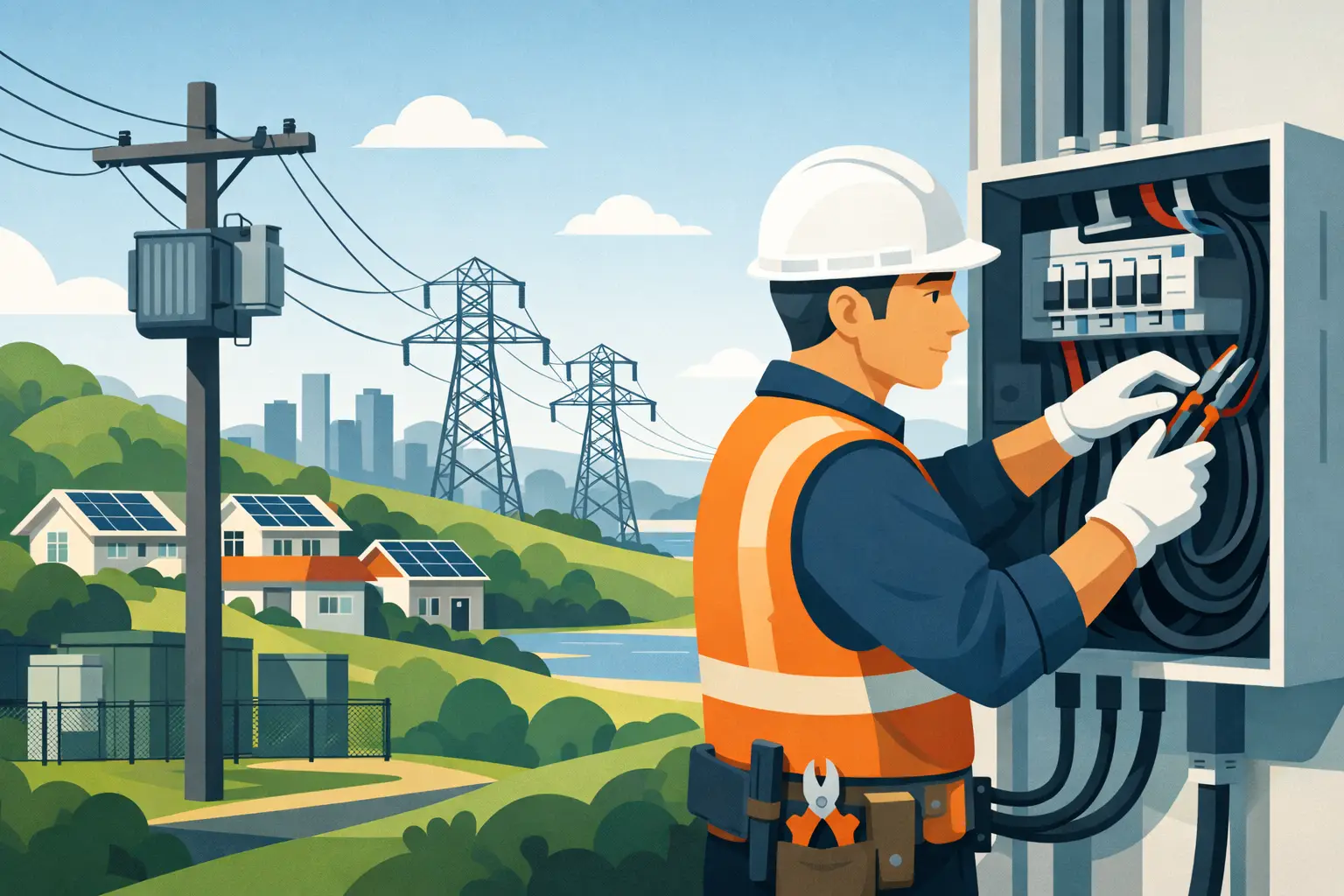
Heat pumps, solar inverters, batteries and EV chargers are substantial electrical assets. Adding them progressively can expose limitations in an older switchboard, metering arrangement or mains supply. A professional assessment should confirm circuit capacity, protective devices, cable sizing, isolation requirements, earthing and grid-connection needs.
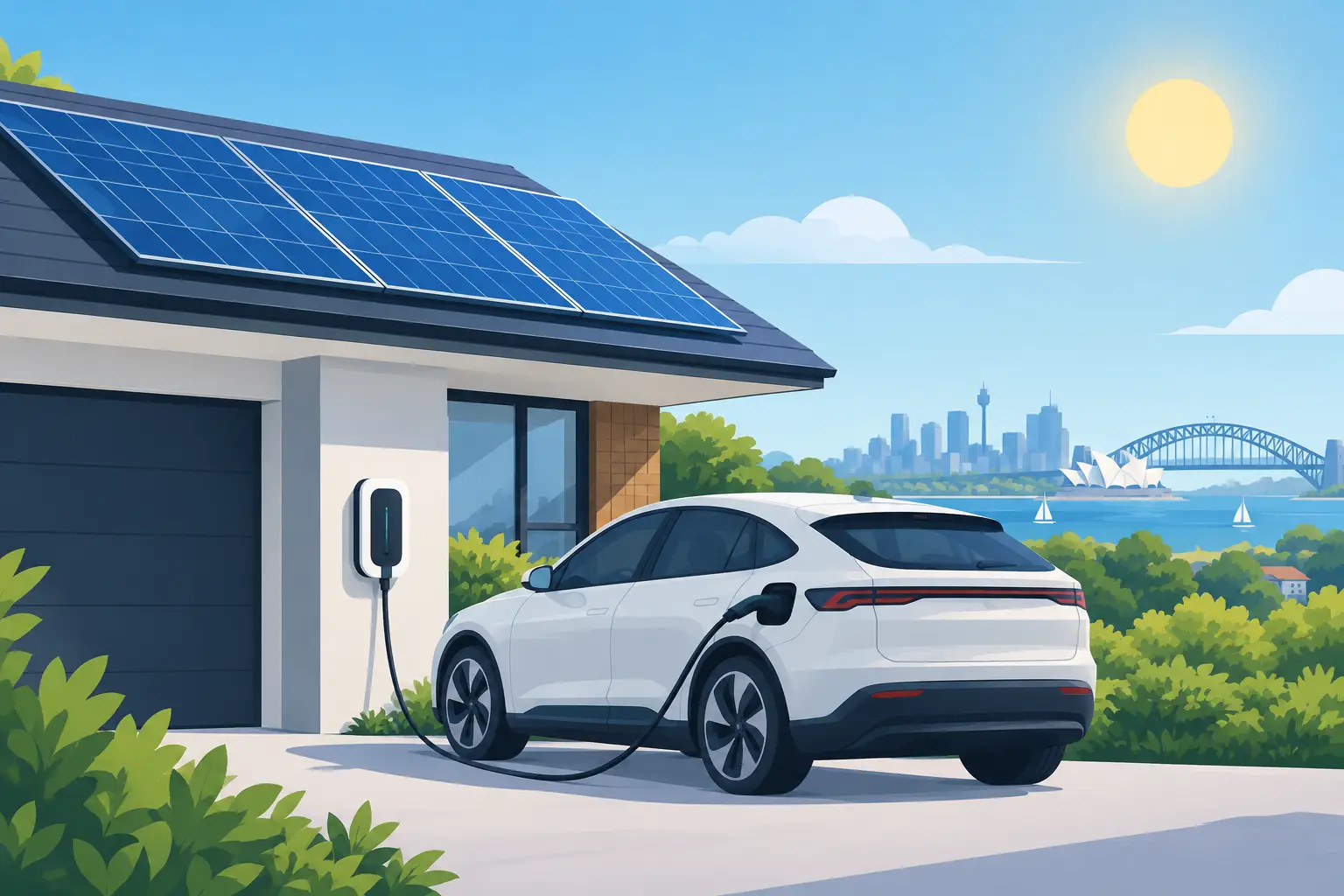
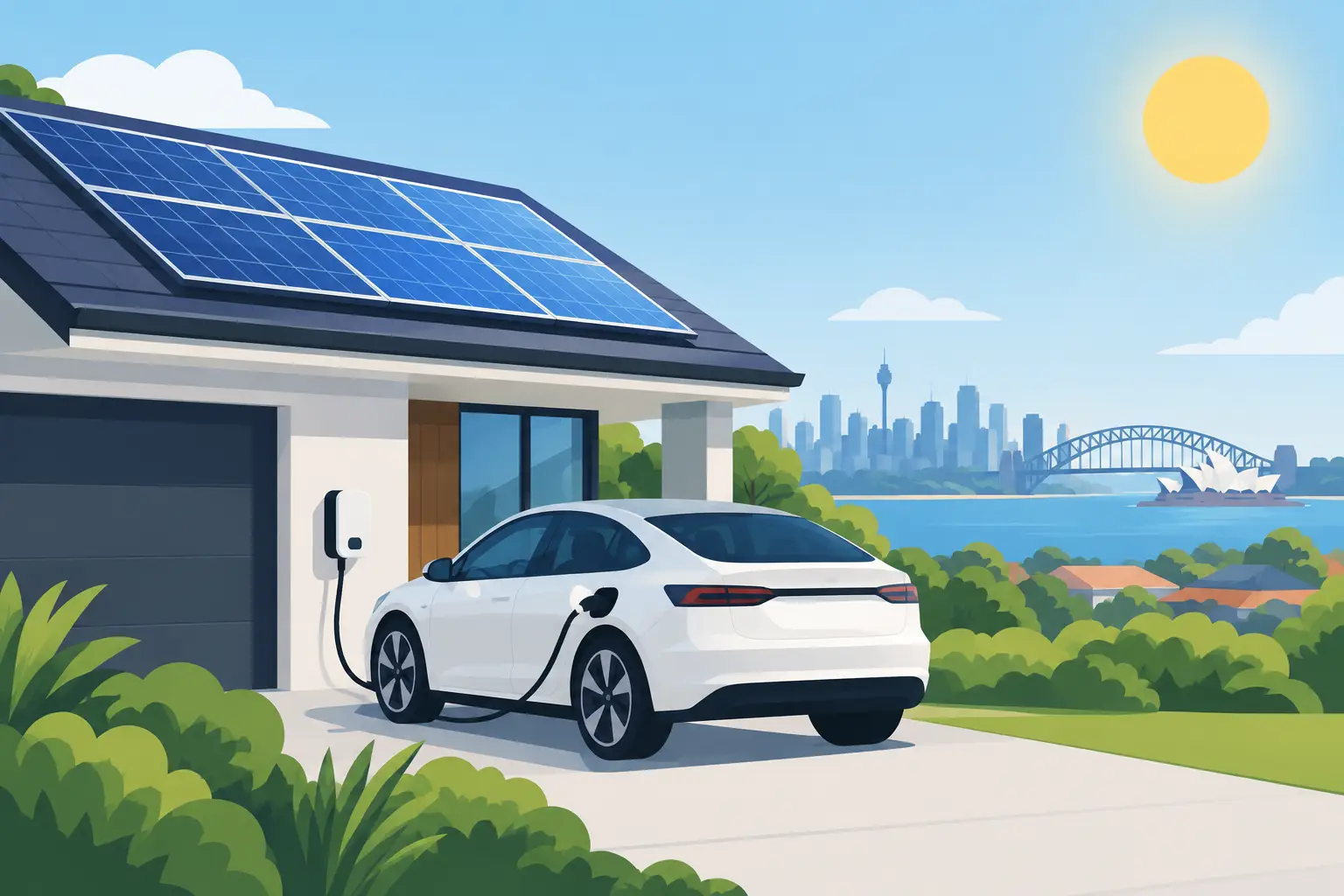
This is particularly relevant where a property is replacing gas hot water, installing ducted reverse-cycle air conditioning, adding a battery and planning for EV charging. The total demand can change considerably. Coordinating the electrical work from the start avoids duplicated work, compromised equipment choices and unexpected upgrade costs later.
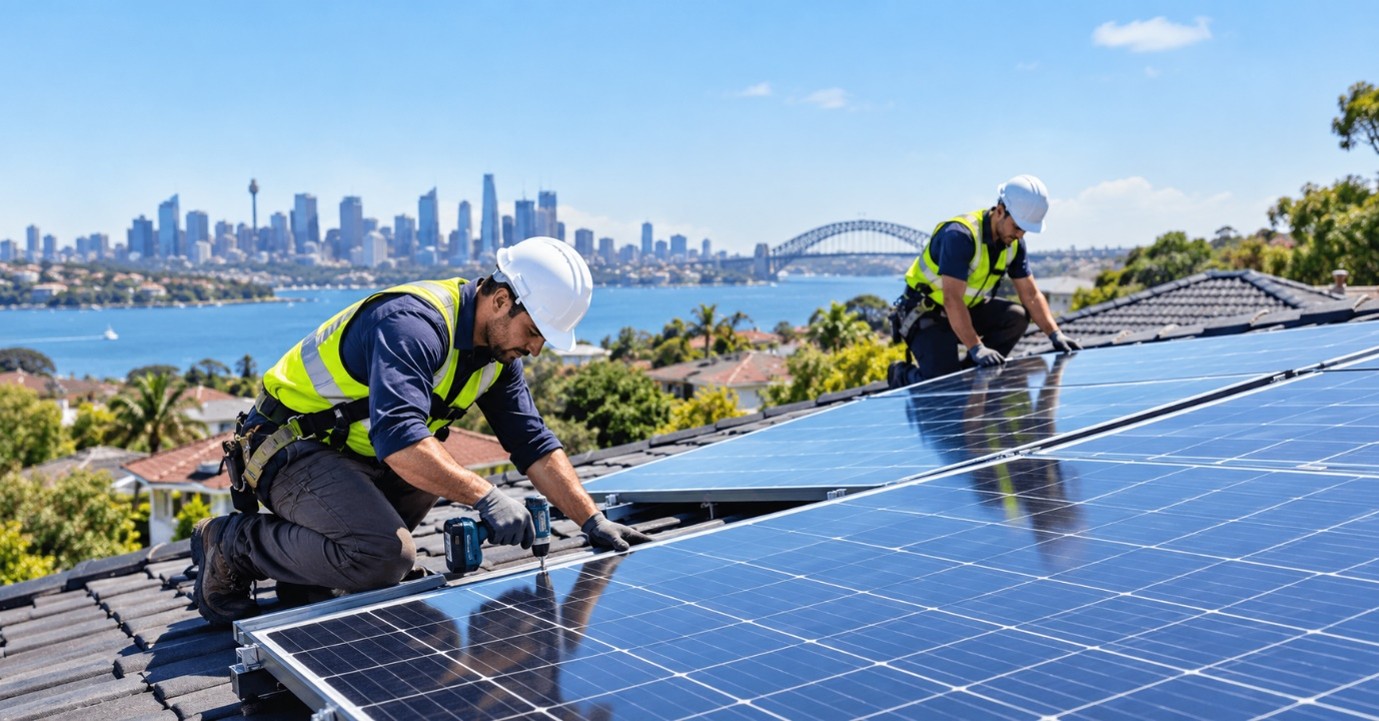
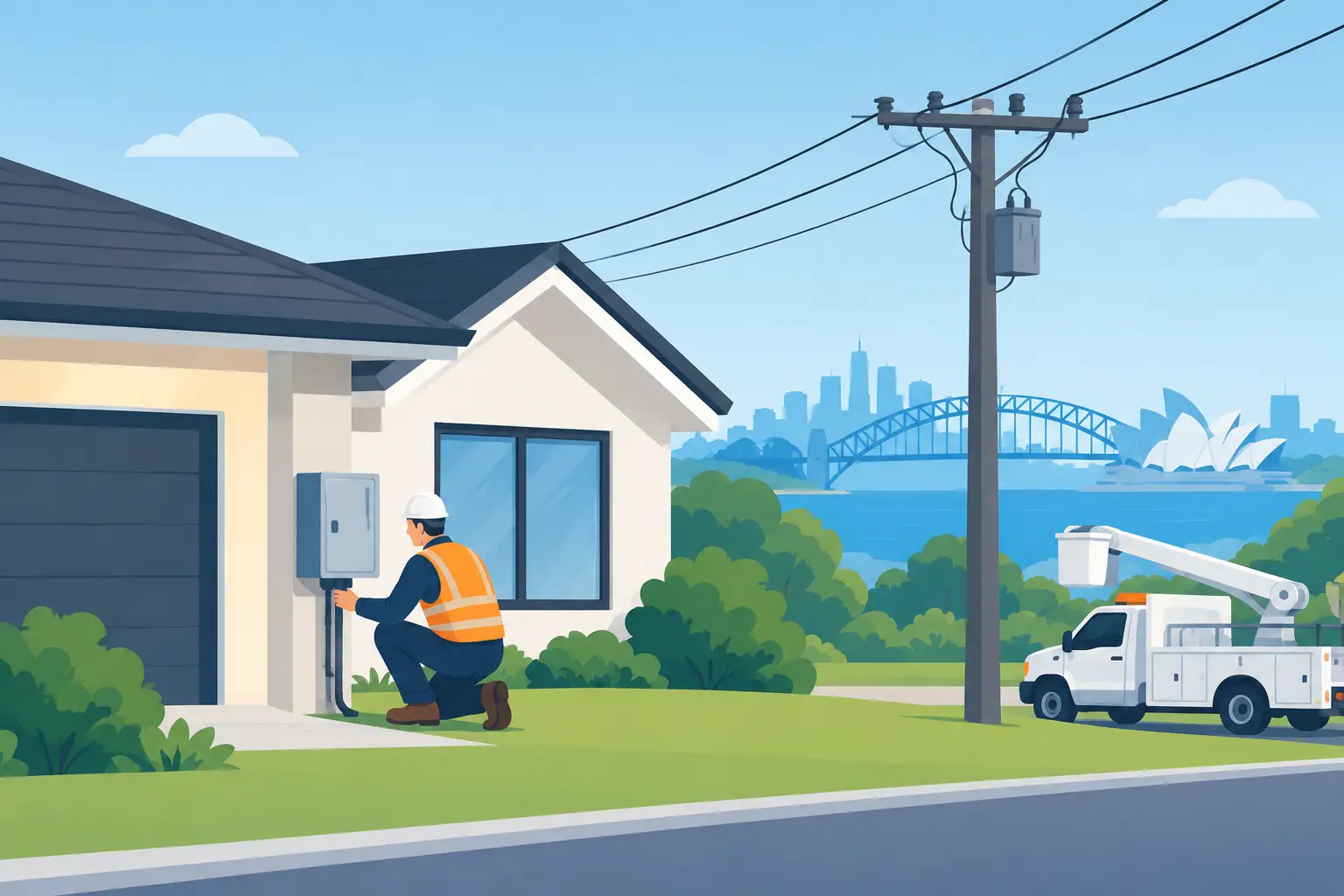
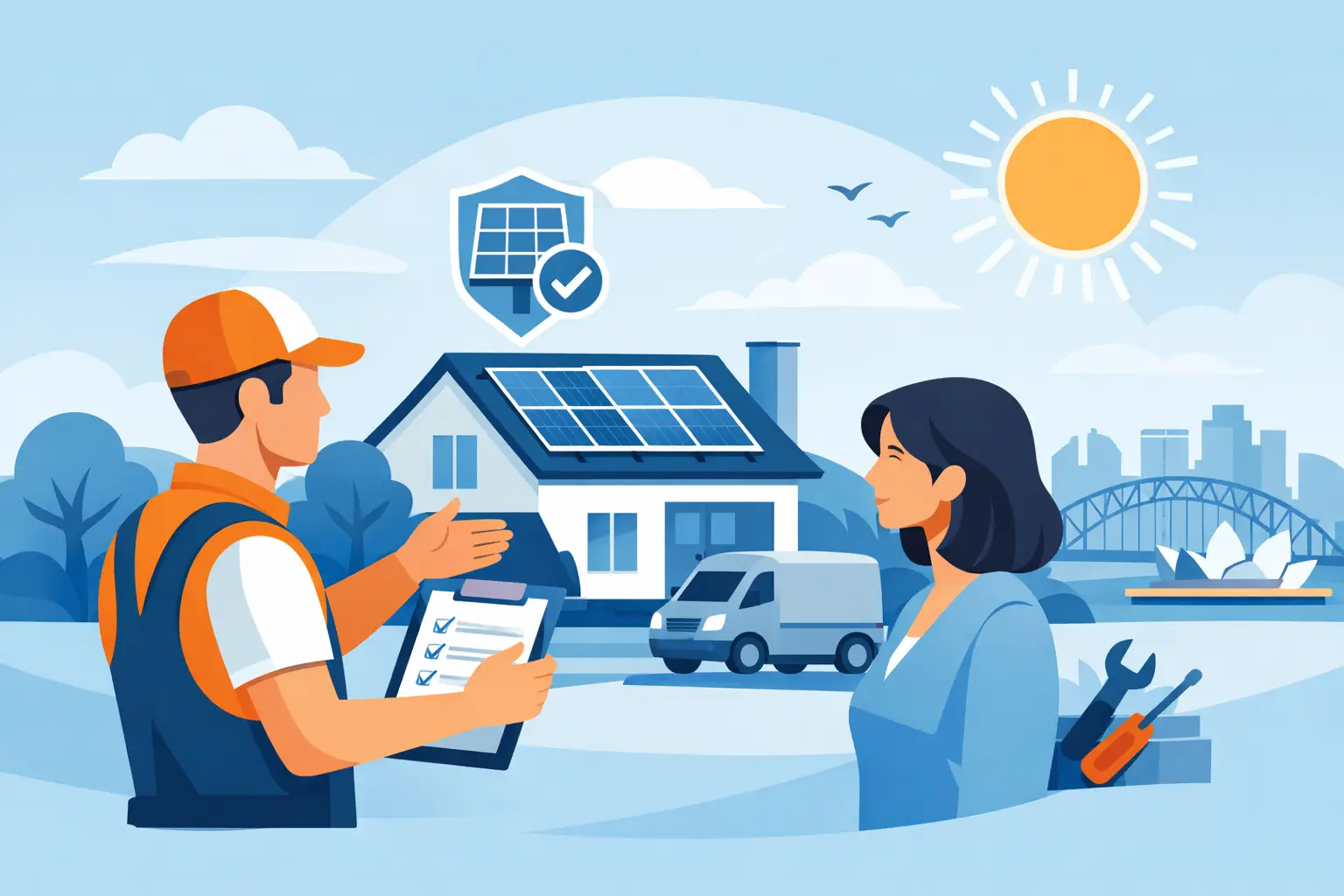
For Sydney and NSW property owners, using an accredited solar installer with appropriate electrical authorisation helps ensure the solar and regulated electrical work are considered together. Sydpro Solar Solutions plans these upgrades as connected energy systems, with clear scope, compliant installation and upfront pricing.
When the combination delivers the best value
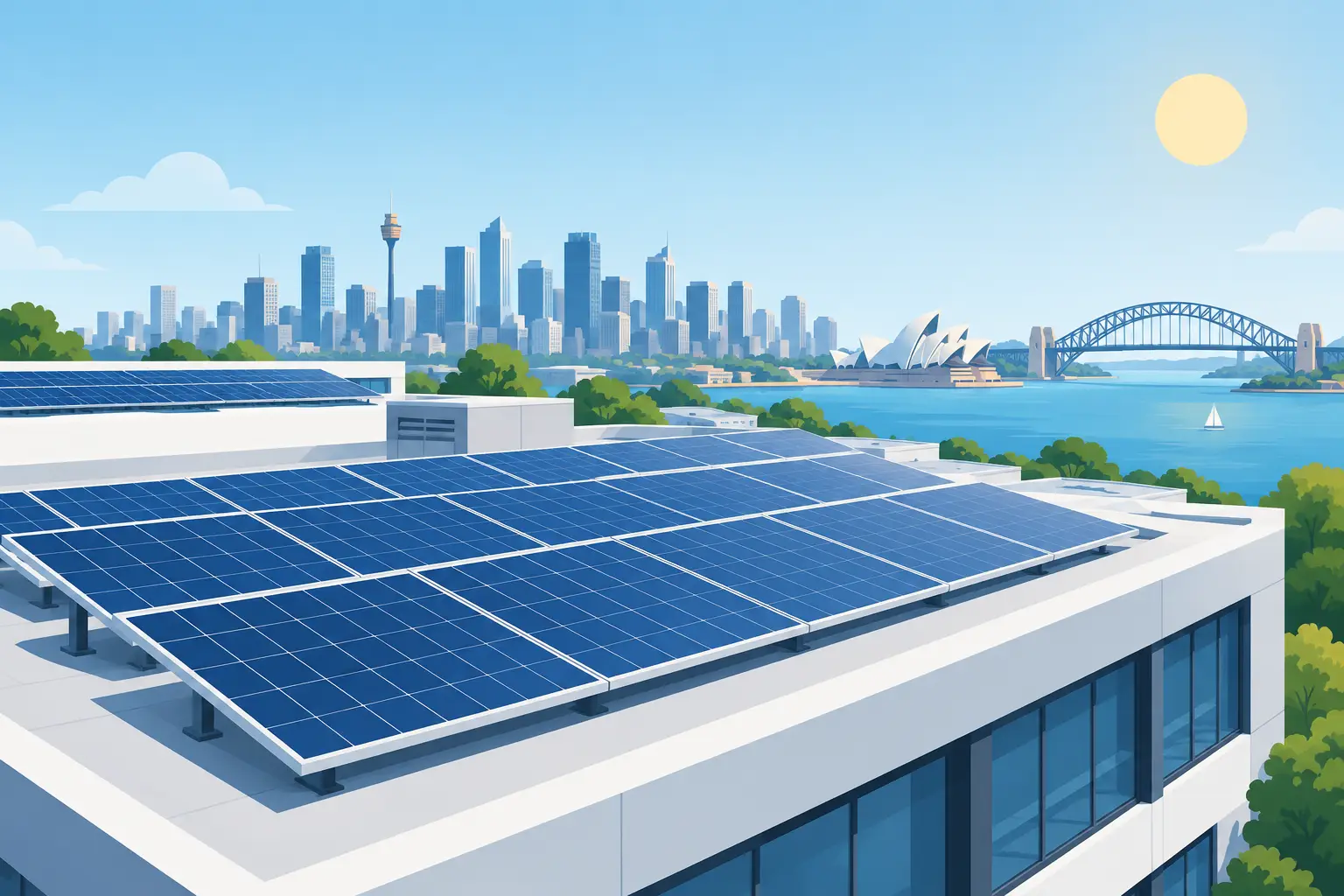
Solar and heat pumps are a strong match for households with hot-water demand, daytime occupancy, high cooling use, rising gas costs or plans to electrify more of the home. They can also suit businesses with daytime operations, where solar production naturally overlaps with air conditioning and hot-water demand.
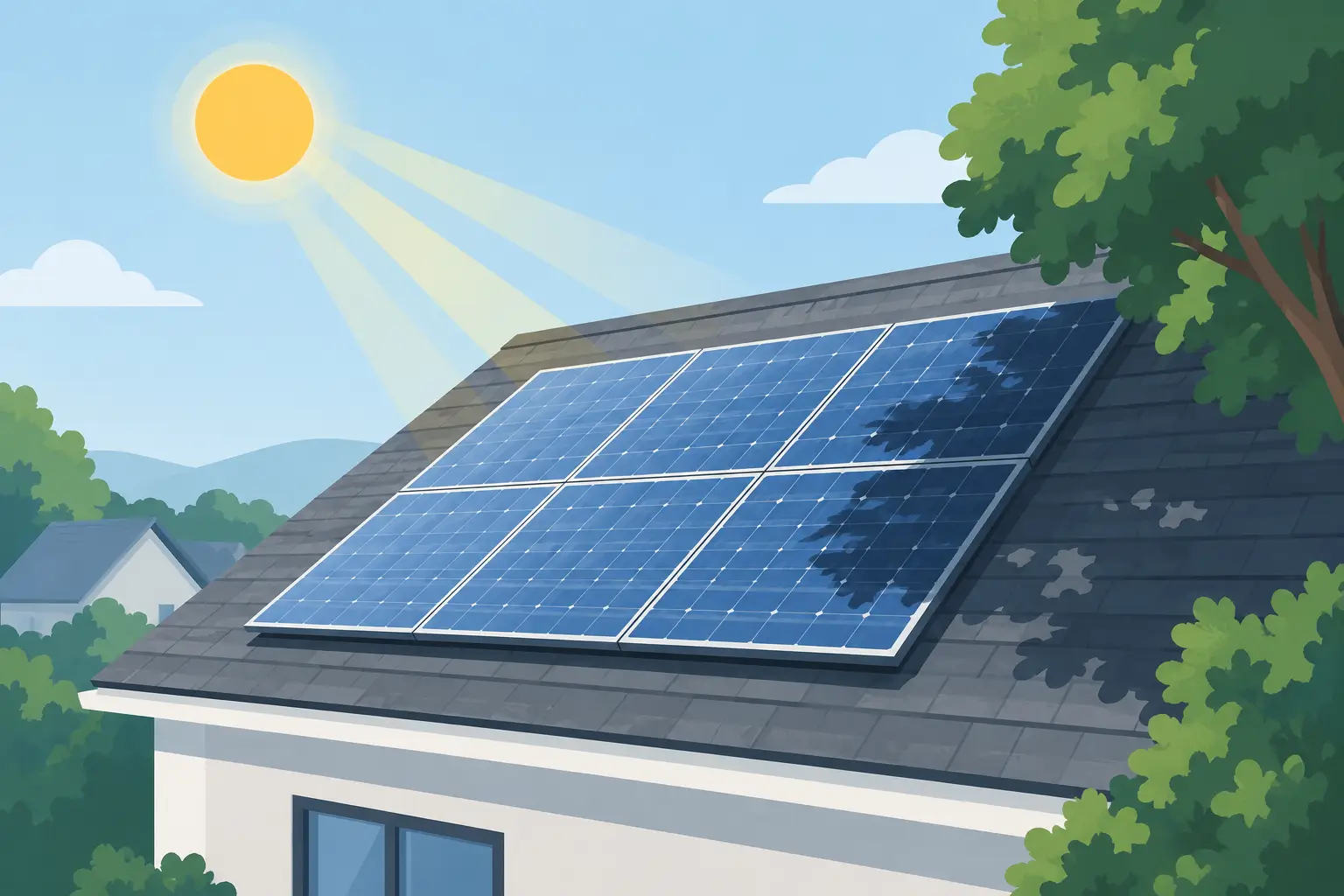
They may be less straightforward for heavily shaded roofs, properties with very low daytime consumption, poorly insulated buildings or sites where the heat pump must operate mostly at night. Even then, efficiency improvements, tariff selection, thermal storage and a carefully designed solar array may improve the outcome.
The practical opportunity is to treat heating, hot water, solar and storage as one energy plan. When each component is sized safely and operated at the right time, the sun can do more than reduce exports – it can help make everyday comfort and hot water cheaper to run.