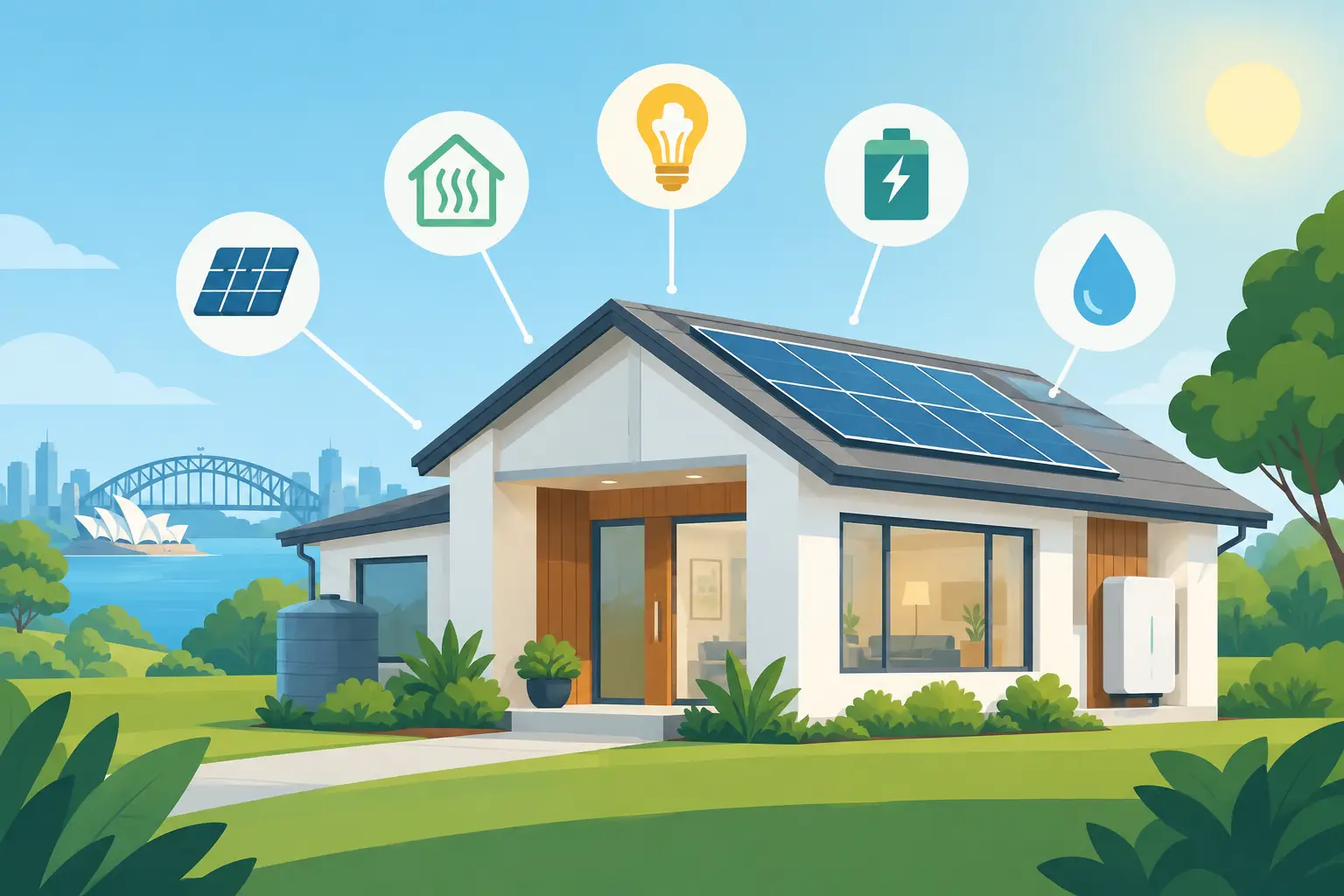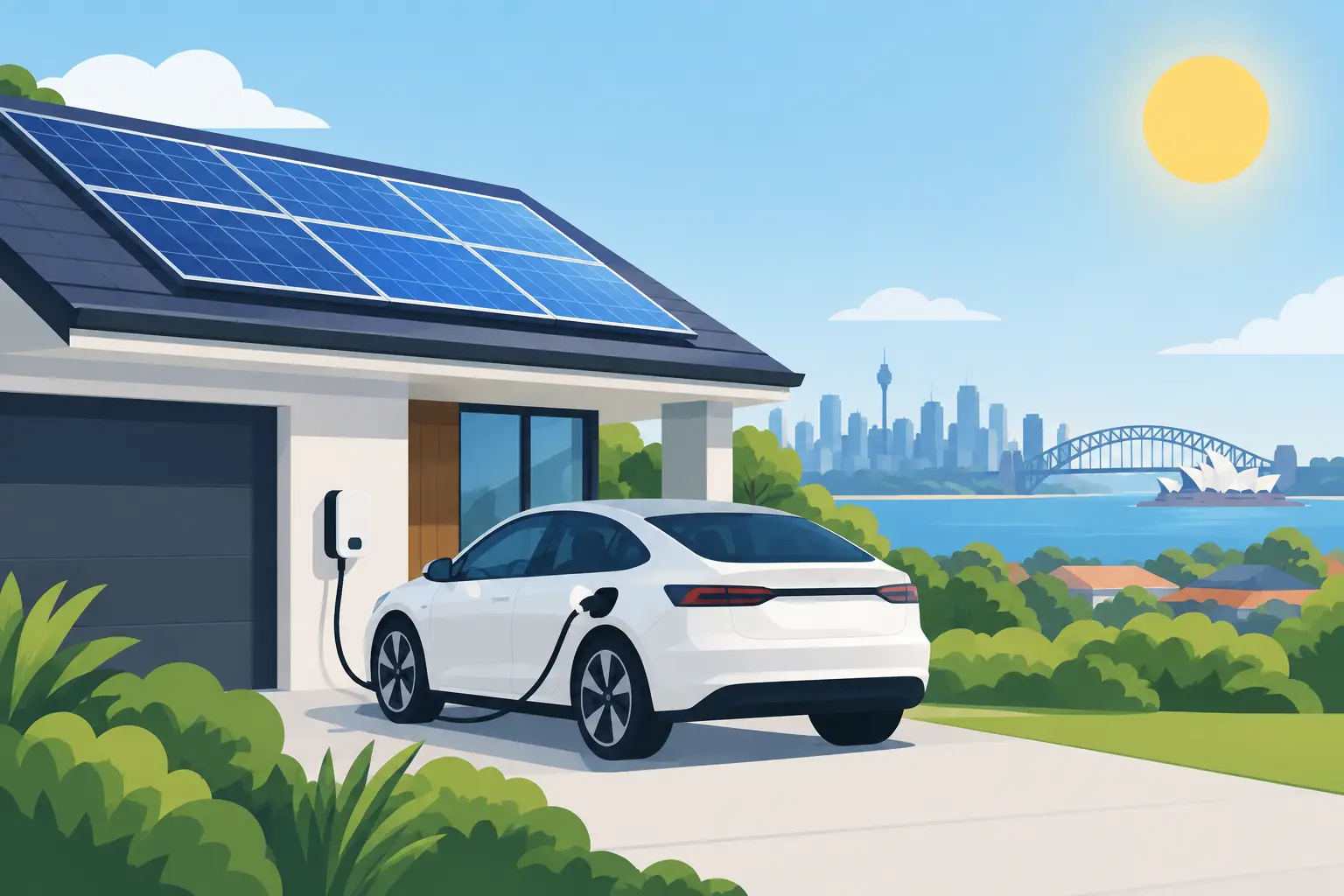
A solar quote can look attractive on paper and still leave major questions unanswered: Will the system suit your actual electricity use? Is the switchboard ready? Who manages the grid connection? And what happens if an electrical issue is found during installation? Choosing a CEC accredited solar installer Sydney property owners can rely on is about getting clear, compliant answers before work begins – not simply choosing the lowest advertised price.
For Sydney homes and businesses, solar is a long-term energy asset. The installer you choose affects its safety, eligibility for government support, daily performance and capacity to grow with a battery, EV charger or future electrical upgrade.
What “CEC accredited” means today
Many Australians still use the term “CEC accredited installer” when looking for solar. It remains a useful search term, but the accreditation landscape has changed. Installer accreditation is now managed through the Solar Accreditation Australia (SAA) scheme, while the Clean Energy Council continues to play an important role in Australia’s clean-energy industry and maintains approved-product lists.
The practical point is simple: ask an installer to confirm that the person responsible for the solar work holds current SAA accreditation appropriate to the job. You should also ask whether the proposed panels, inverter and battery are eligible products for the applicable Small-scale Renewable Energy Scheme requirements. These checks help protect your access to Small-scale Technology Certificates, commonly reflected as an upfront discount in a solar proposal.
Credentials matter, but they are not a substitute for good project management. A properly qualified installer should be willing to explain who will attend site, what electrical work is included, how the system will be commissioned and what documentation you will receive at handover.
Why Sydney installations need more than rooftop expertise
Sydney has a broad mix of housing and commercial sites. A new freestanding home in the west, a terrace in the Inner West, a coastal property, a warehouse in Western Sydney and a strata commercial site can all have very different solar requirements.
Roof direction, shading, roof material, structural condition, metering arrangements, switchboard capacity and local network requirements can all influence system design. A system that looks simple from a satellite image may need switchboard upgrades, a new meter panel, additional safety equipment or network coordination before it can be connected safely.
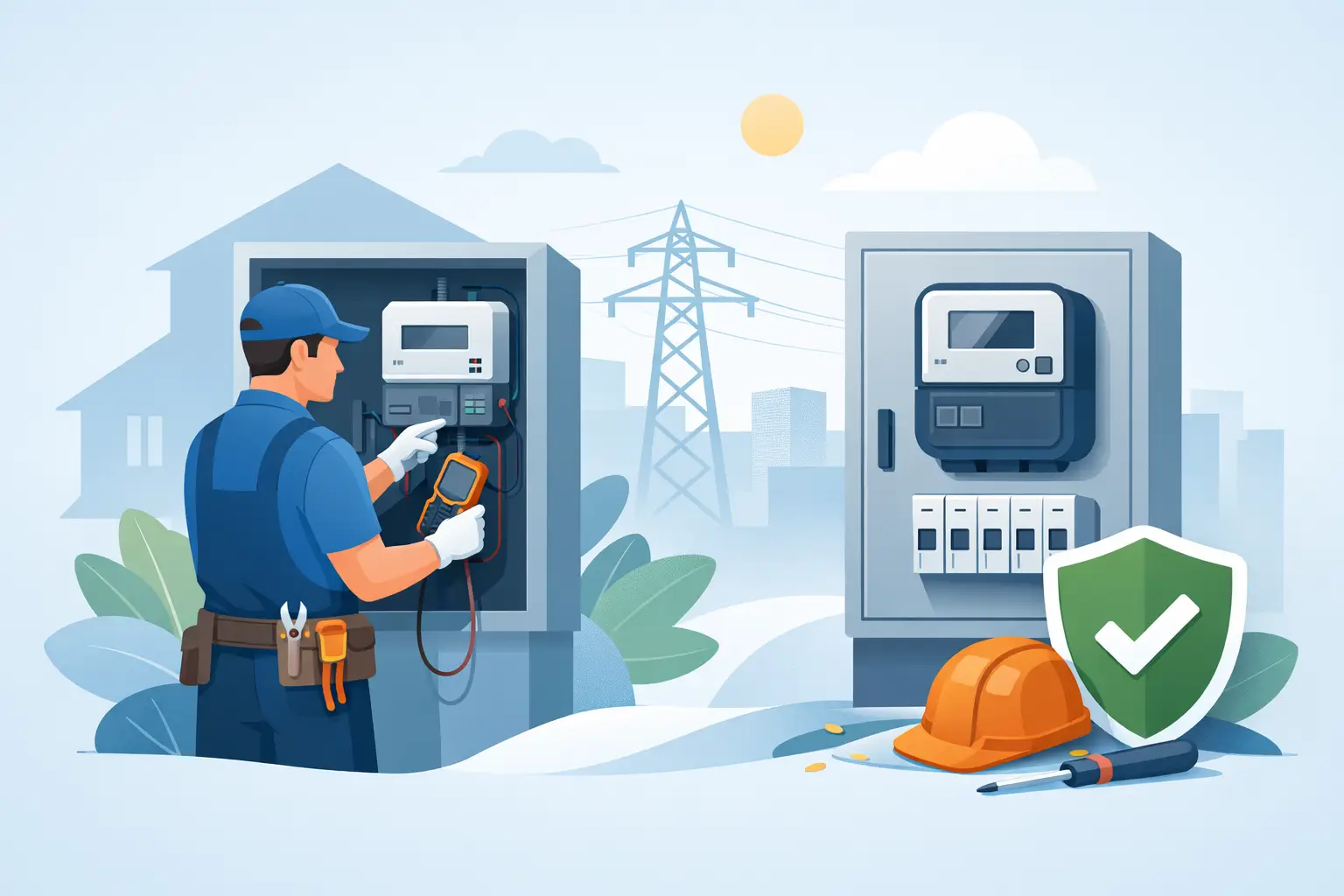
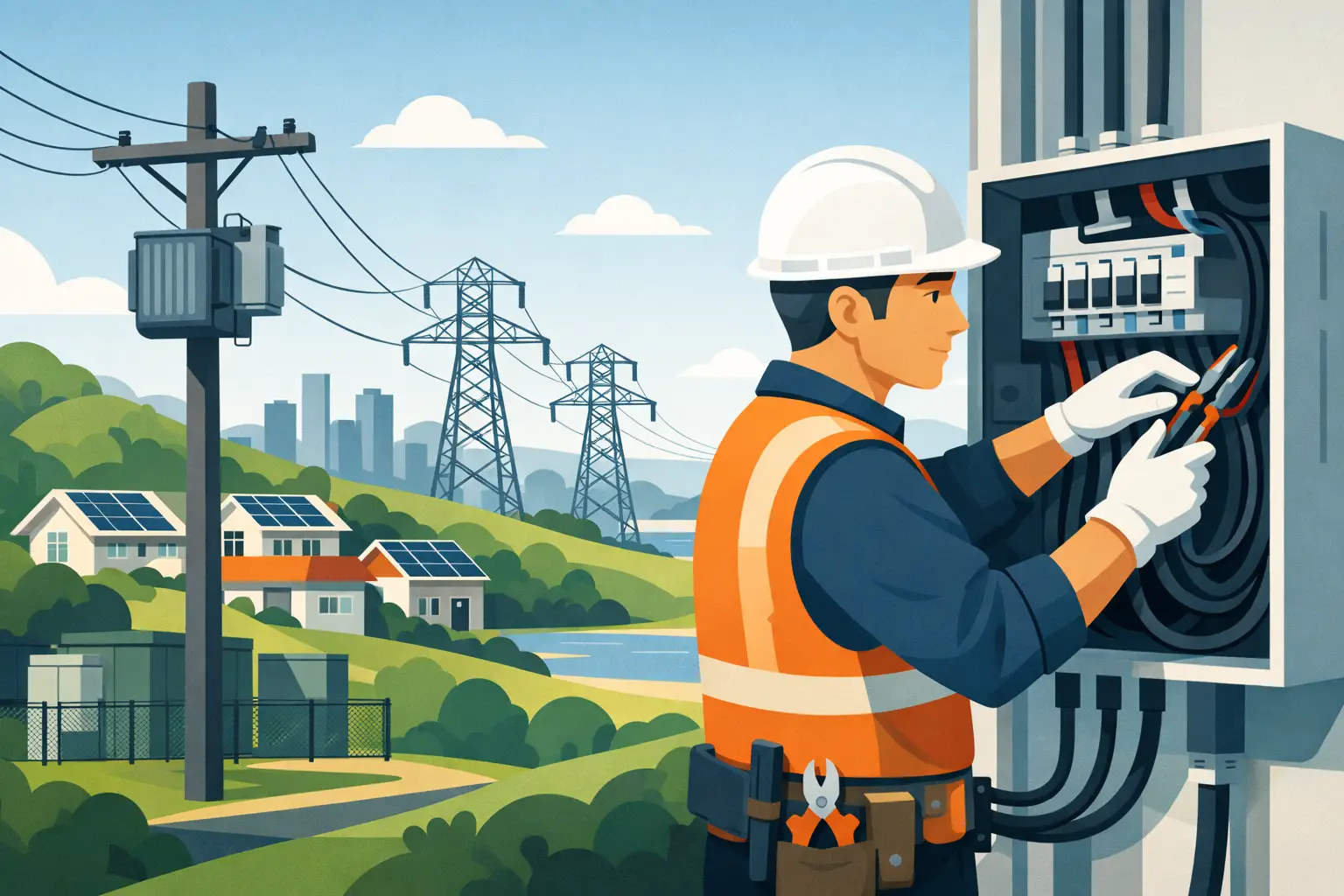
This is where an installer with broader electrical capability can make a real difference. Level 2 Accredited Service Provider work may be needed where a project involves regulated connections to the electricity network, metering-related work or upgrades to consumer mains and service equipment. Not every solar project requires Level 2 work, but when it does, having one accountable contractor can reduce delays and avoid the handover gaps that occur when separate trades are trying to coordinate the same project.
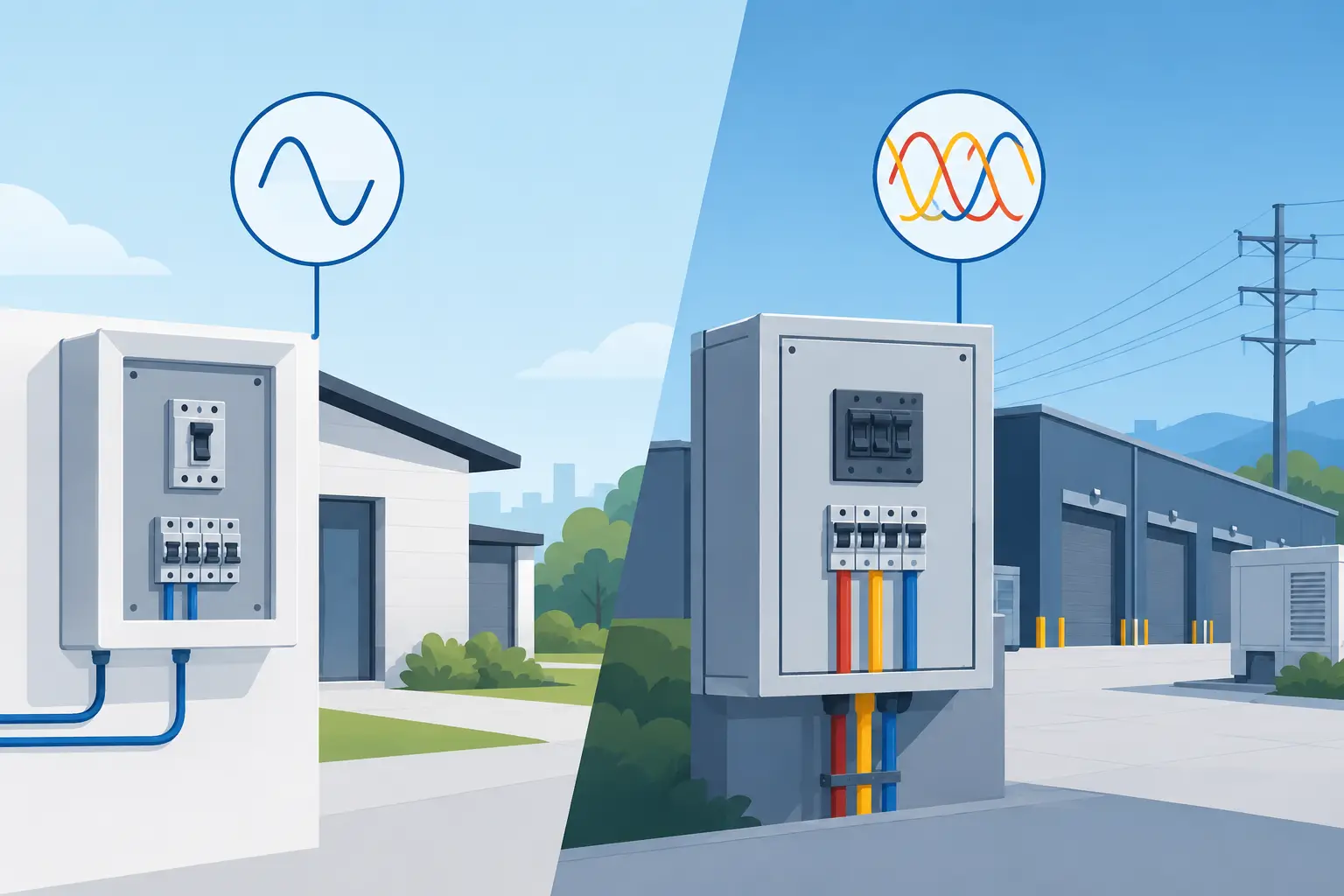
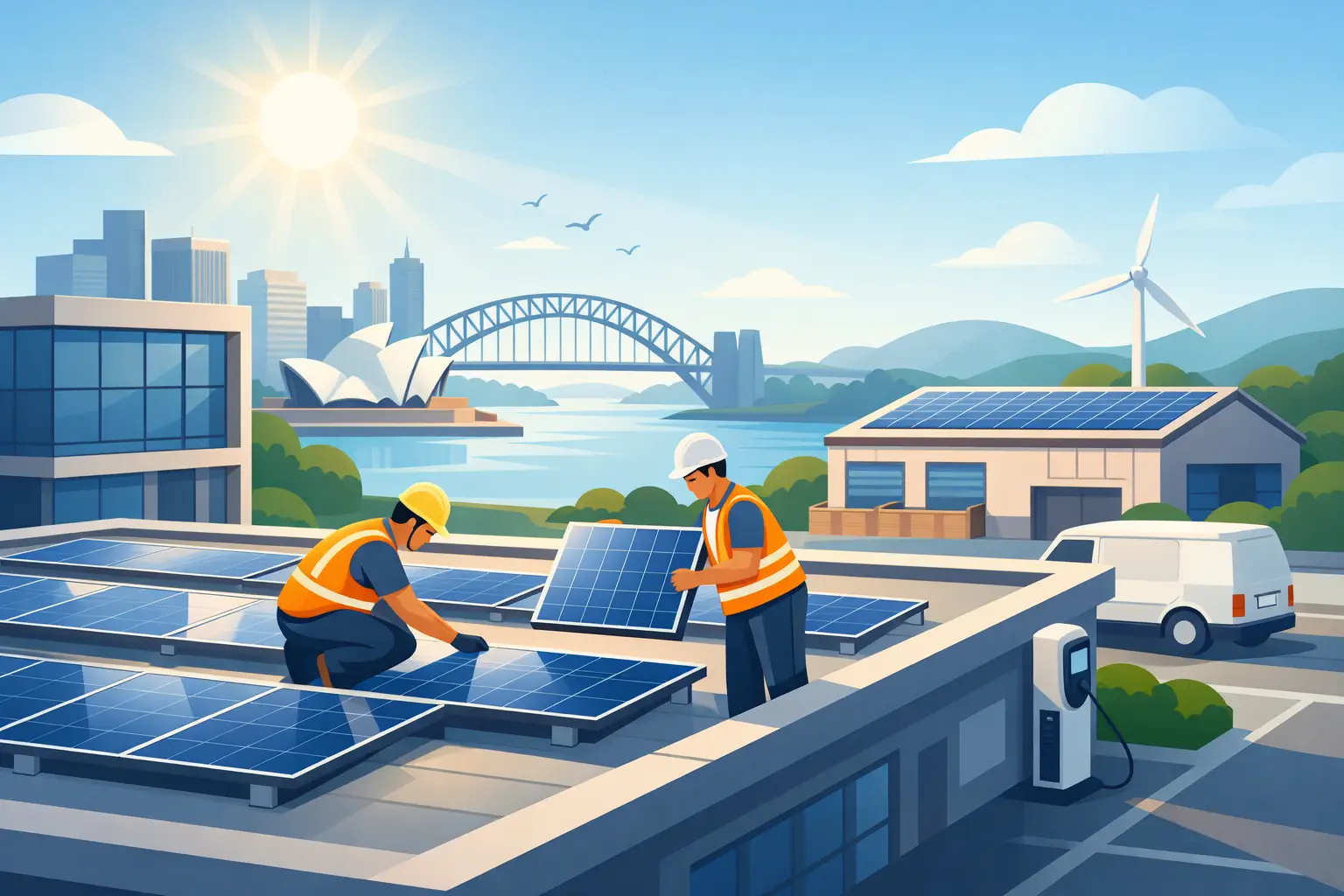
For commercial and industrial properties, this integrated approach is particularly valuable. Solar output must be considered alongside demand patterns, three-phase supply, existing plant, future loads and site operating hours. The goal is not to install the largest possible array. It is to design an energy system that produces value without creating avoidable network, safety or operational issues.
What a quality solar assessment should cover
A worthwhile quote begins with discovery, not a package price. Your installer should ask for recent electricity bills and discuss when the property uses power. A household that consumes most energy after sunset may benefit from a different design than a home with daytime air conditioning, pool equipment or regular work-from-home loads. A business running during daylight hours may be able to use a larger proportion of solar generation directly.
The assessment should account for roof orientation and shading throughout the year, usable roof area, likely panel layout, inverter location, cable runs and access requirements. It should also identify whether the existing switchboard and electrical infrastructure are suitable for the proposed system.
System size should follow consumption
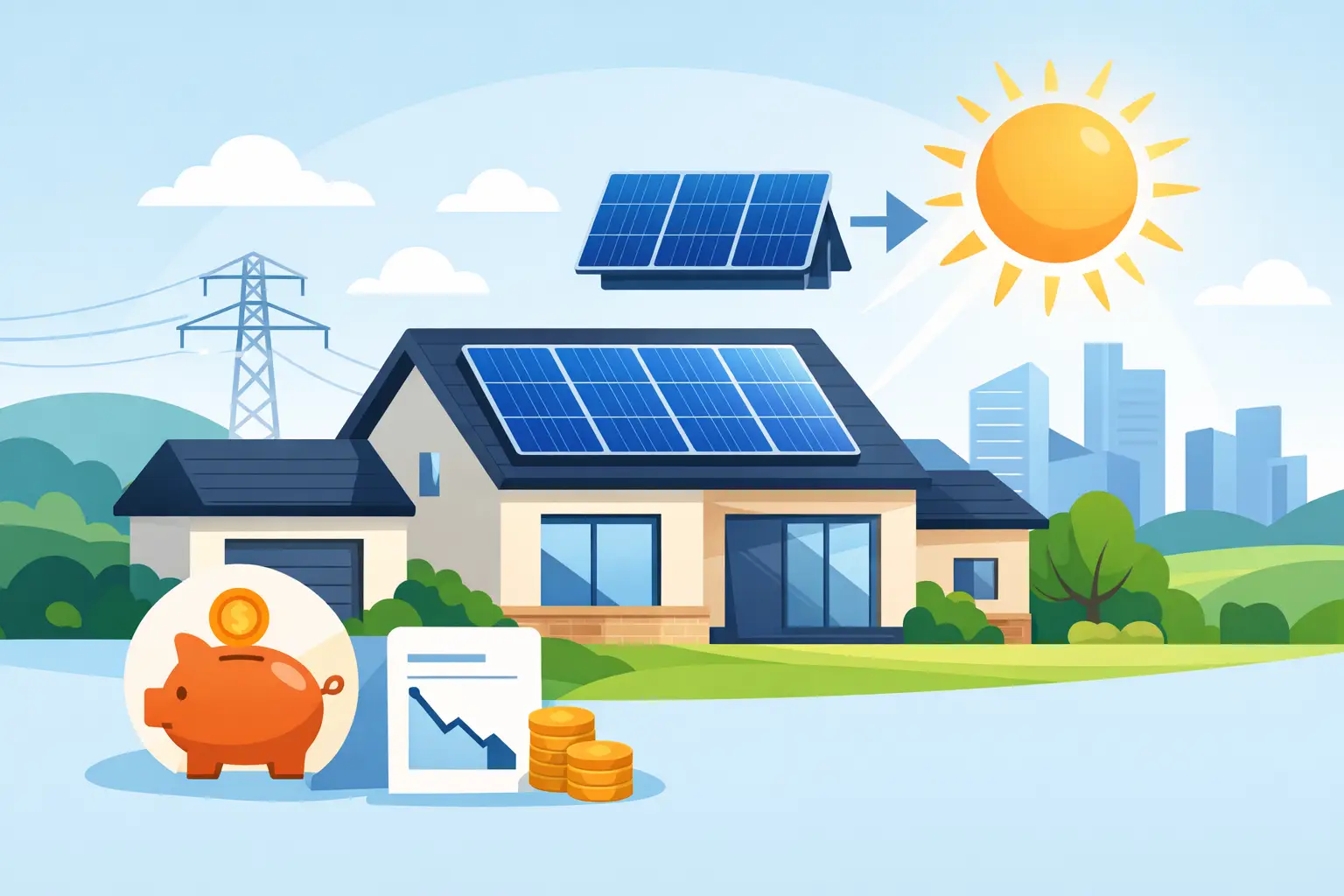
Bigger is not automatically better. Oversizing may be sensible where daytime use is high, where an EV will soon be charged at home, or where a battery is planned. However, export limits, available roof space and low feed-in tariffs mean an oversized system can deliver a slower return if most generation is regularly sent to the grid.
Conversely, an undersized system may offer a lower initial price but miss a substantial opportunity to reduce imported electricity. A transparent proposal explains the recommended system size, estimated generation and assumptions behind the savings forecast. It should not promise a guaranteed bill reduction when weather, household behaviour, tariff changes and future electricity use are outside the installer’s control.
Equipment selection should have a reason
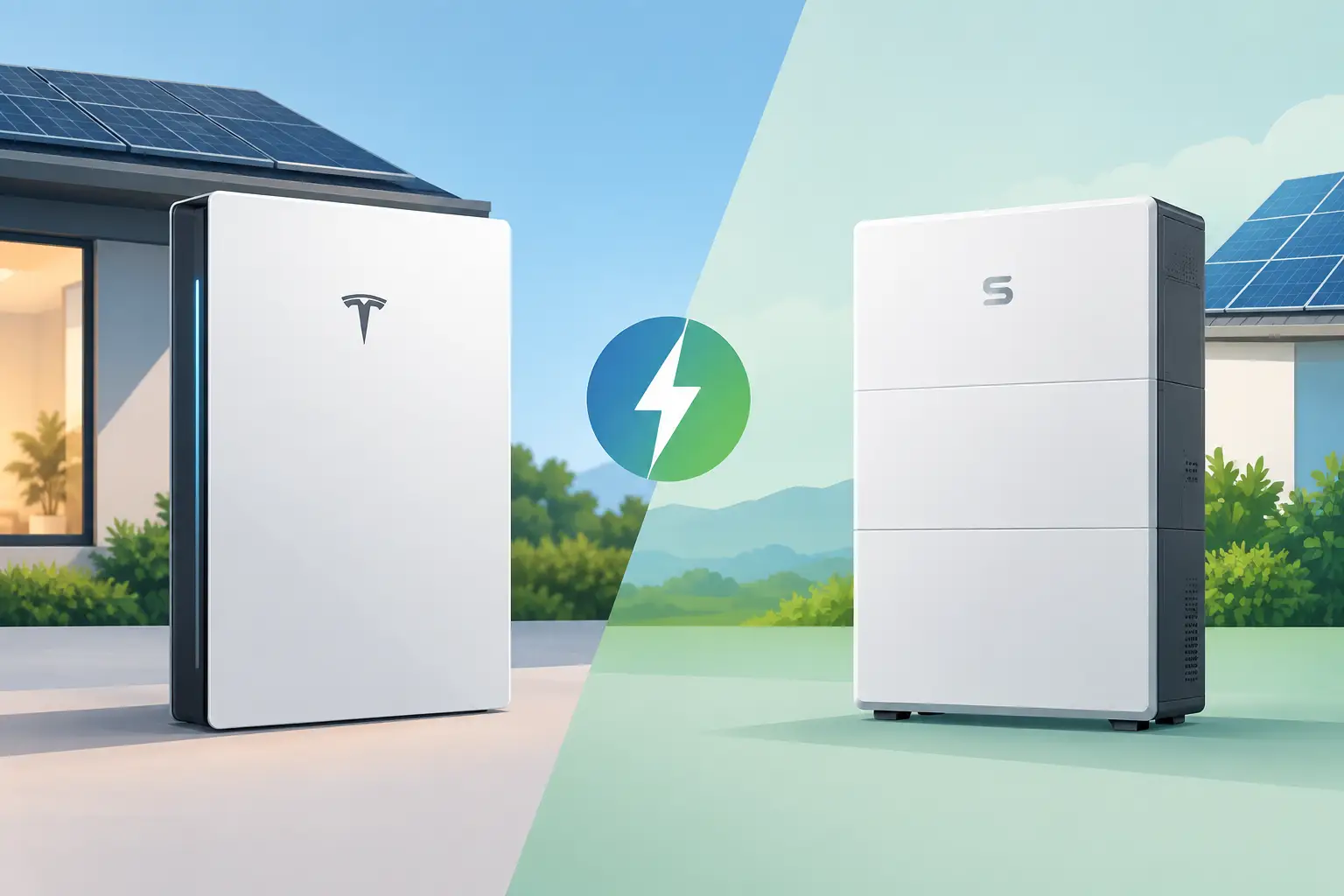
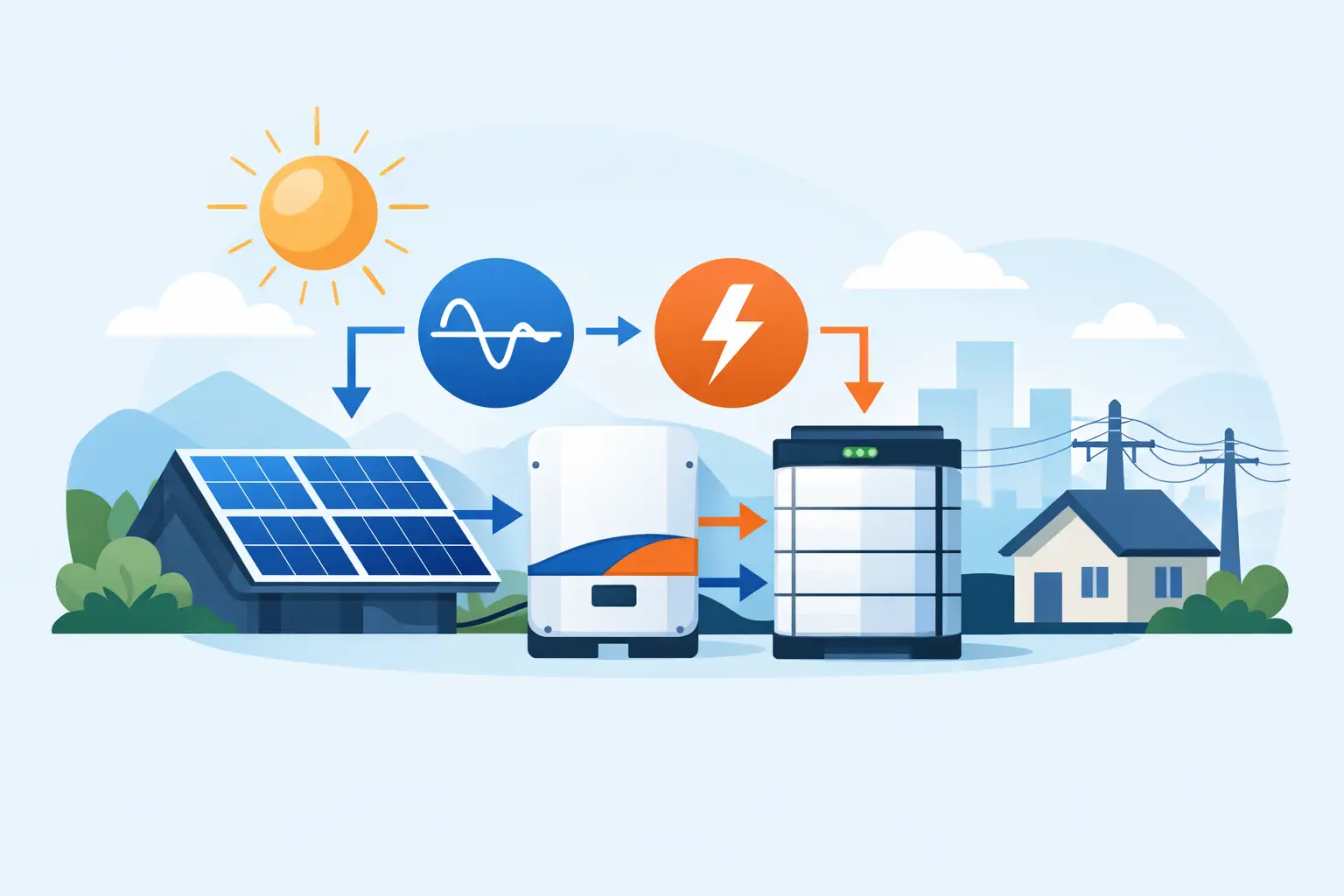
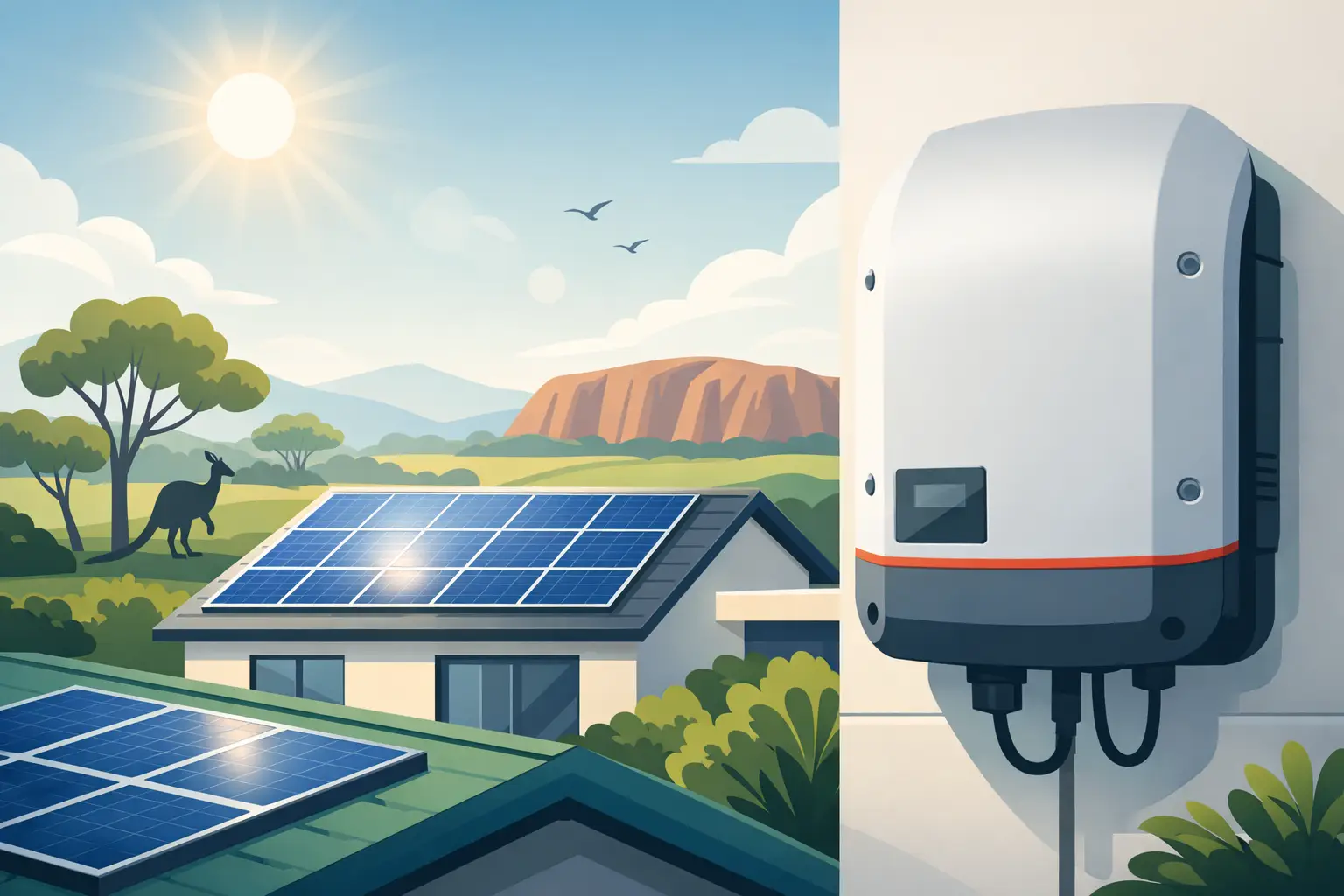
Premium brands are useful when their strengths match the project. Panel choice may depend on available roof area, product warranty, performance characteristics and budget. Inverter selection can affect monitoring, battery compatibility, backup options and future expansion. Batteries from established manufacturers can support greater energy independence, but their financial case depends on usage patterns, electricity tariffs and whether backup power is a priority.
Ask why particular equipment has been specified rather than accepting a brand name as the whole answer. A good installer can explain the trade-offs clearly and provide product, workmanship and installation warranty details in writing.
Questions to ask a CEC accredited solar installer in Sydney
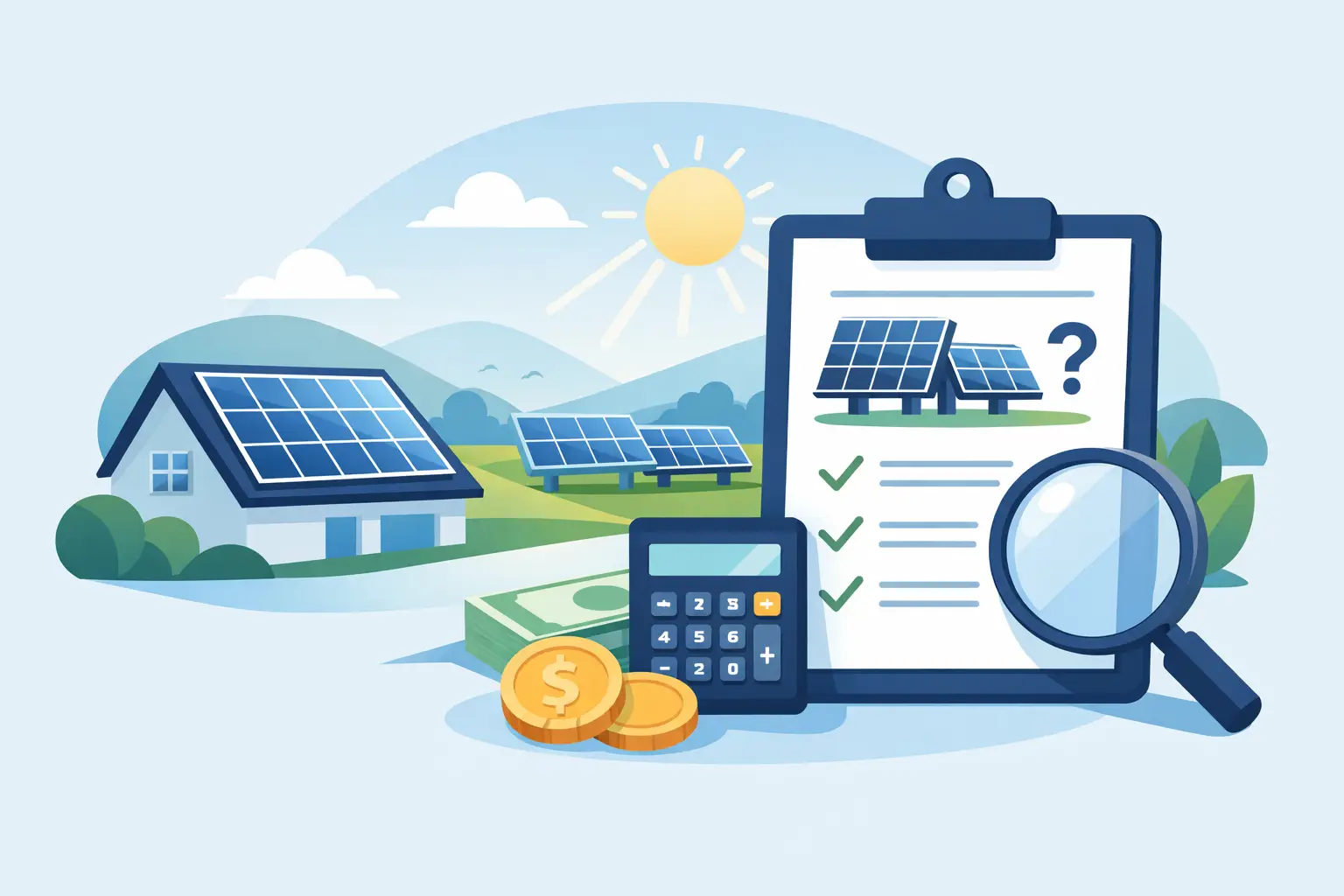
Before accepting a quote, have a direct conversation about the scope. The right contractor will welcome informed questions and answer without vague assurances. In particular, clarify these points:
- Is current SAA accreditation held for the solar installation work, and who is accountable for it?
- Are the proposed products eligible under current scheme requirements?
- Does the price include installation, commissioning, grid application, monitoring setup and required safety equipment?
- Has the switchboard been assessed, and what happens if additional electrical work is required?
- Are there export limits or network requirements that will affect the proposed system?
- What warranties apply to the panels, inverter, battery, workmanship and installation?
- If I add a battery or EV charger later, is the system designed to support it?
A detailed written quotation is one of the strongest signs of a professional solar provider. It should describe the equipment model numbers, system size, expected scope of work, exclusions, payment schedule and any site conditions that could change the price. Fixed, transparent pricing is valuable because it lets you compare proposals on scope and quality, not just a headline number.
Safety and compliance are part of the investment
Solar works with high-voltage DC electricity, grid-connected AC power and rooftop access. Quality installation is therefore about much more than mounting panels neatly. It includes appropriate isolators and protection devices, compliant cable routes, correct earthing, weatherproofing, labels, testing and documented commissioning.
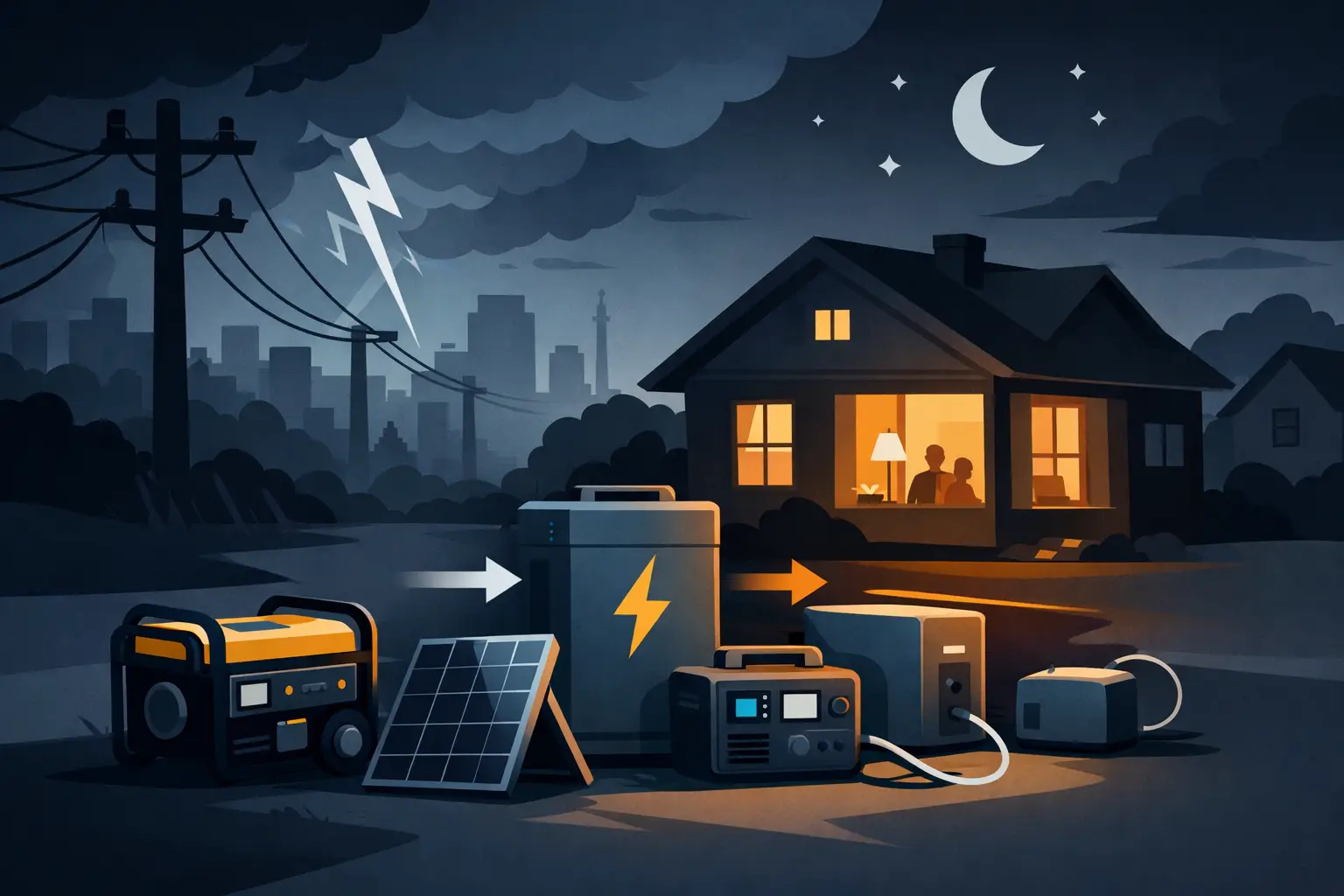
For battery systems, safety planning becomes even more important. Battery location, clearances, ventilation requirements, emergency access and manufacturer instructions need to be considered from the beginning. If backup power is required, the installer should explain exactly which circuits will be backed up and what the system can realistically run during an outage. Whole-home backup may be possible in some settings, but it requires careful load planning and suitable equipment.
Do not assume every electrician or roofer offering solar has the same level of experience in integrated energy systems. Ask about comparable completed projects, especially if your property has complex electrical infrastructure, a three-phase supply, a battery, EV charging or plans for future expansion.
Look beyond the installation day
A solar system should continue producing value for decades, so handover matters. Once installation is complete, you should receive clear information on operation, shutdown procedures, warranties, monitoring access and maintenance expectations. Monitoring is particularly helpful because it allows you to see whether the system is generating as expected and identify unusual performance changes early.
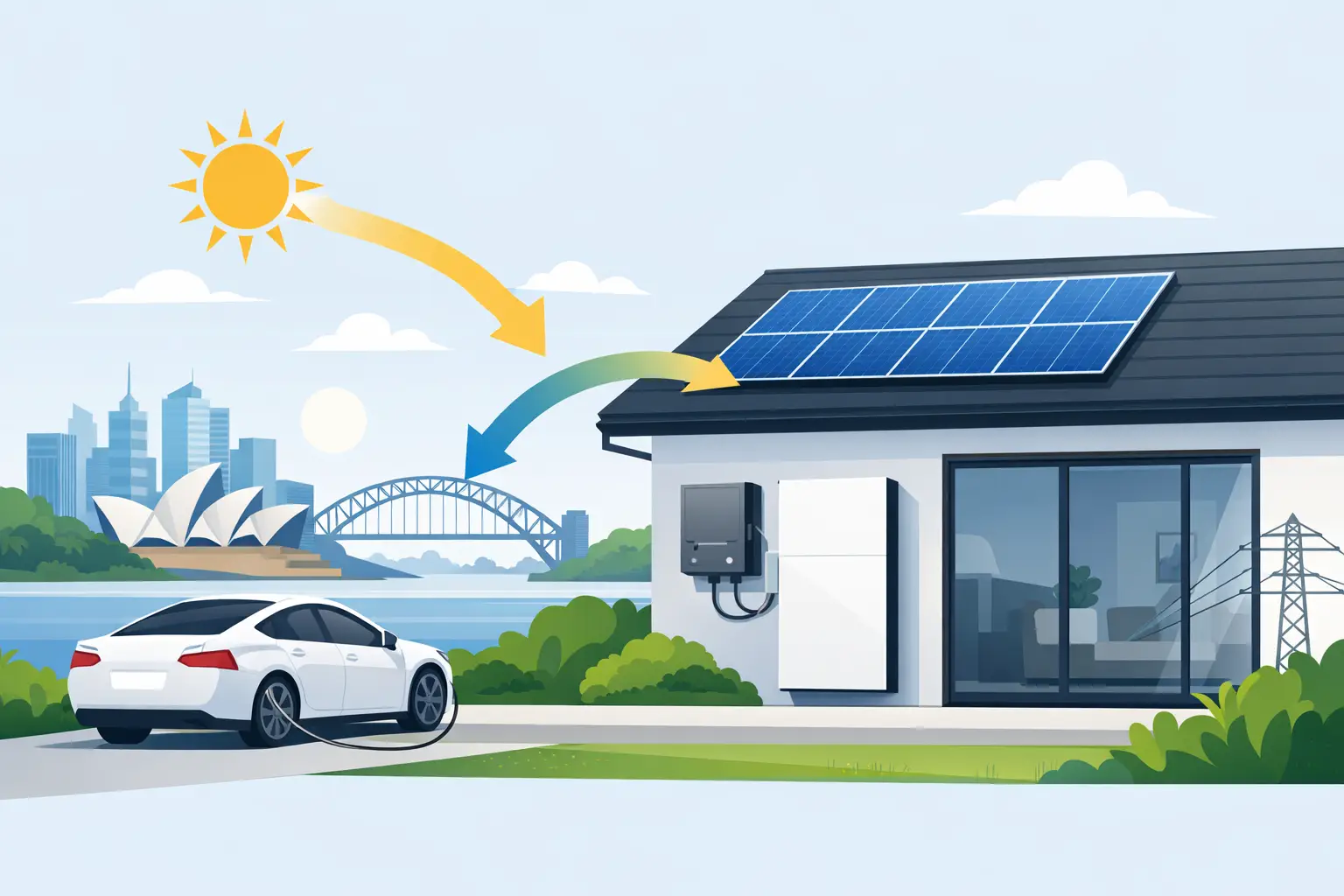
It is also worth discussing how your electricity habits may change after solar is installed. Running flexible loads such as washing machines, dishwashers, pool pumps or EV charging during sunny periods can increase the value of your solar generation. Businesses may find similar gains by scheduling suitable daytime processes around solar output, where operations allow.
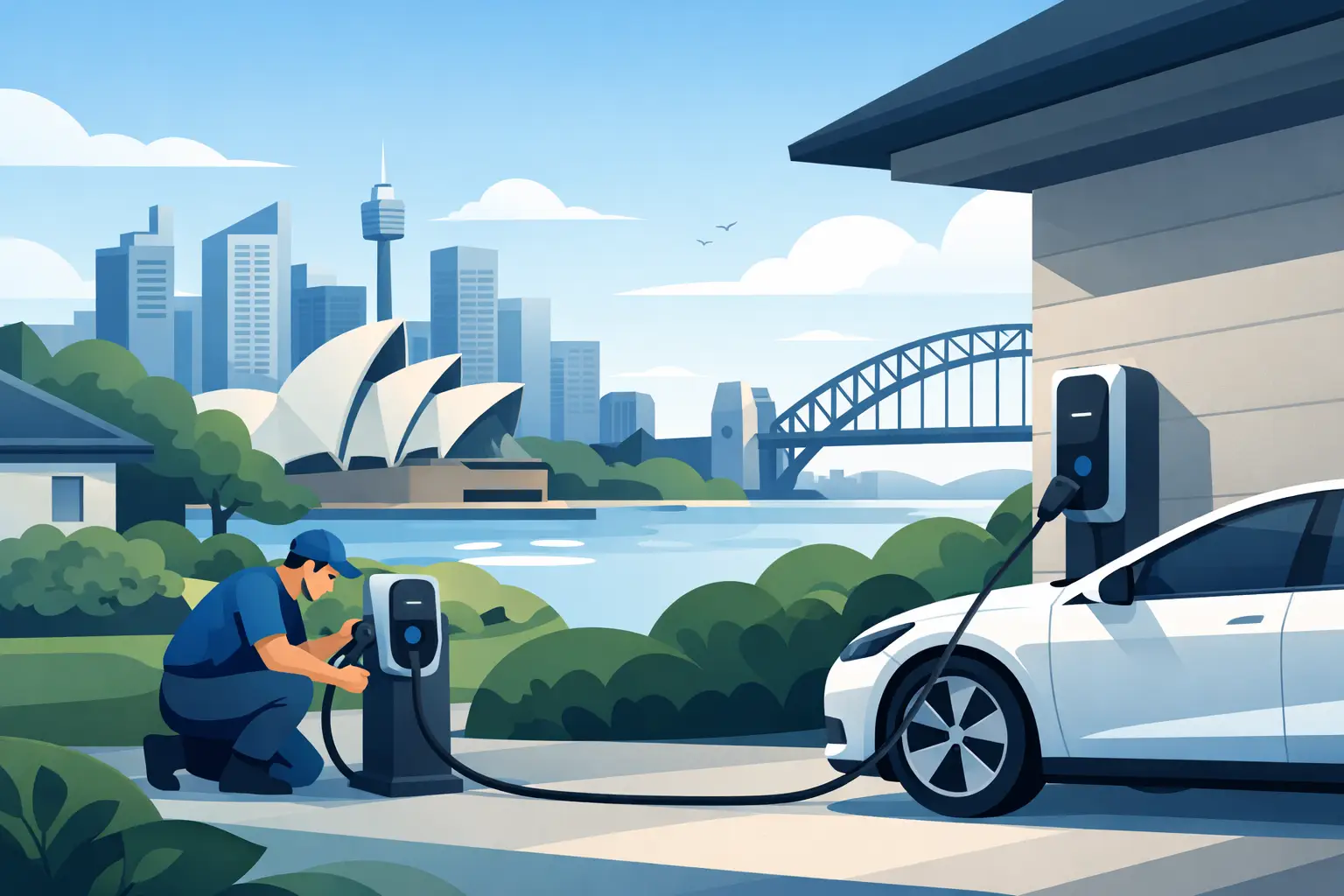
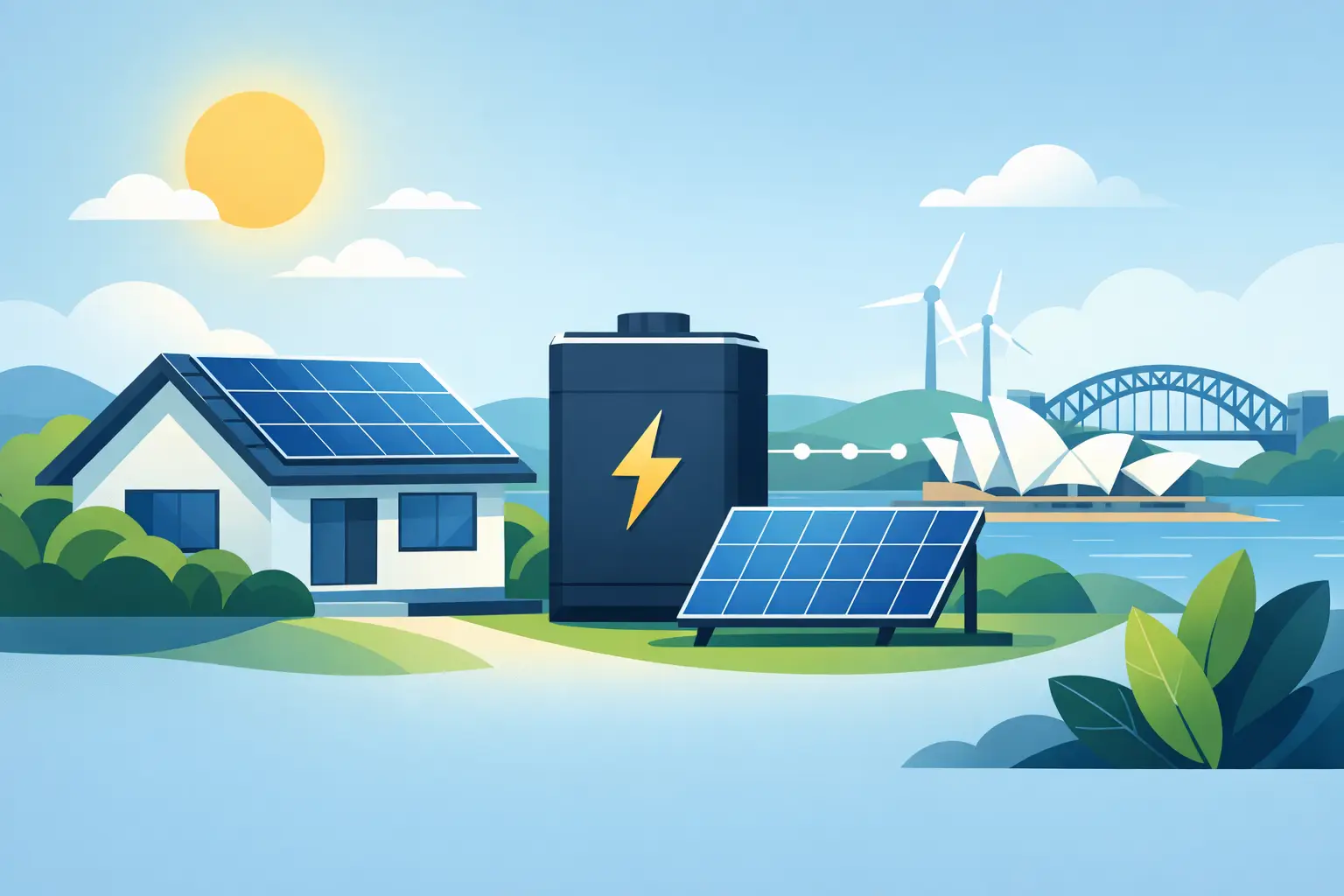
For property owners planning staged upgrades, the best design is often the one that leaves options open. A solar-ready switchboard, battery-compatible inverter arrangement and allowance for an EV charger can prevent unnecessary rework later. Sydpro Solar Solutions brings solar, battery, EV charging and Level 2 electrical capability together so those decisions can be considered as one practical energy plan.
The right installer will not pressure you into the biggest system or the quickest signature. They will give you enough information to invest with confidence, then deliver a safe system designed for the way your Sydney property uses energy now and where it is heading next.