A solar quote can look straightforward until the installation date, export limits or switchboard requirements reveal what was not included. For NSW property owners, asking the right questions before signing protects the value of the investment and helps avoid costly variations later. These essential solar contract questions will help you compare proposals on more than panel count and headline price.
Essential solar contract questions before you sign
A good contract should turn the salesperson’s promises into clear project details: the equipment being supplied, the work included, the expected approvals and the responsibilities of each party. If an answer is vague, ask for it in writing before accepting the quote.
1. What system size and design am I actually buying?
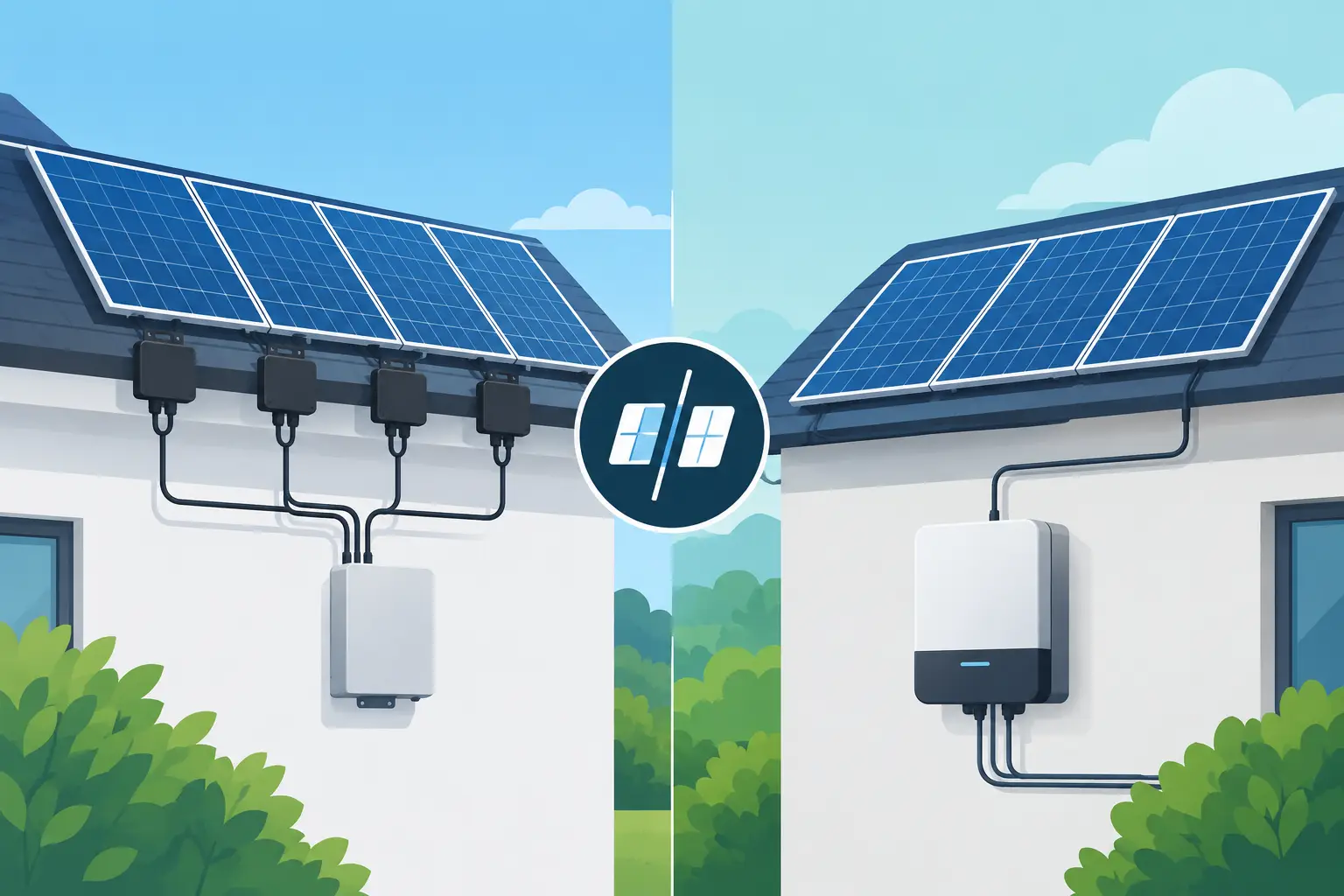
Start with the proposed panel capacity in kilowatts (kW), the inverter capacity, the number of panels, their wattage and where they will sit on the roof. A 10 kW panel array paired with an 8 kW inverter may be a sensible design, but you should understand why that combination has been selected for your consumption profile, roof orientation and distributor rules.
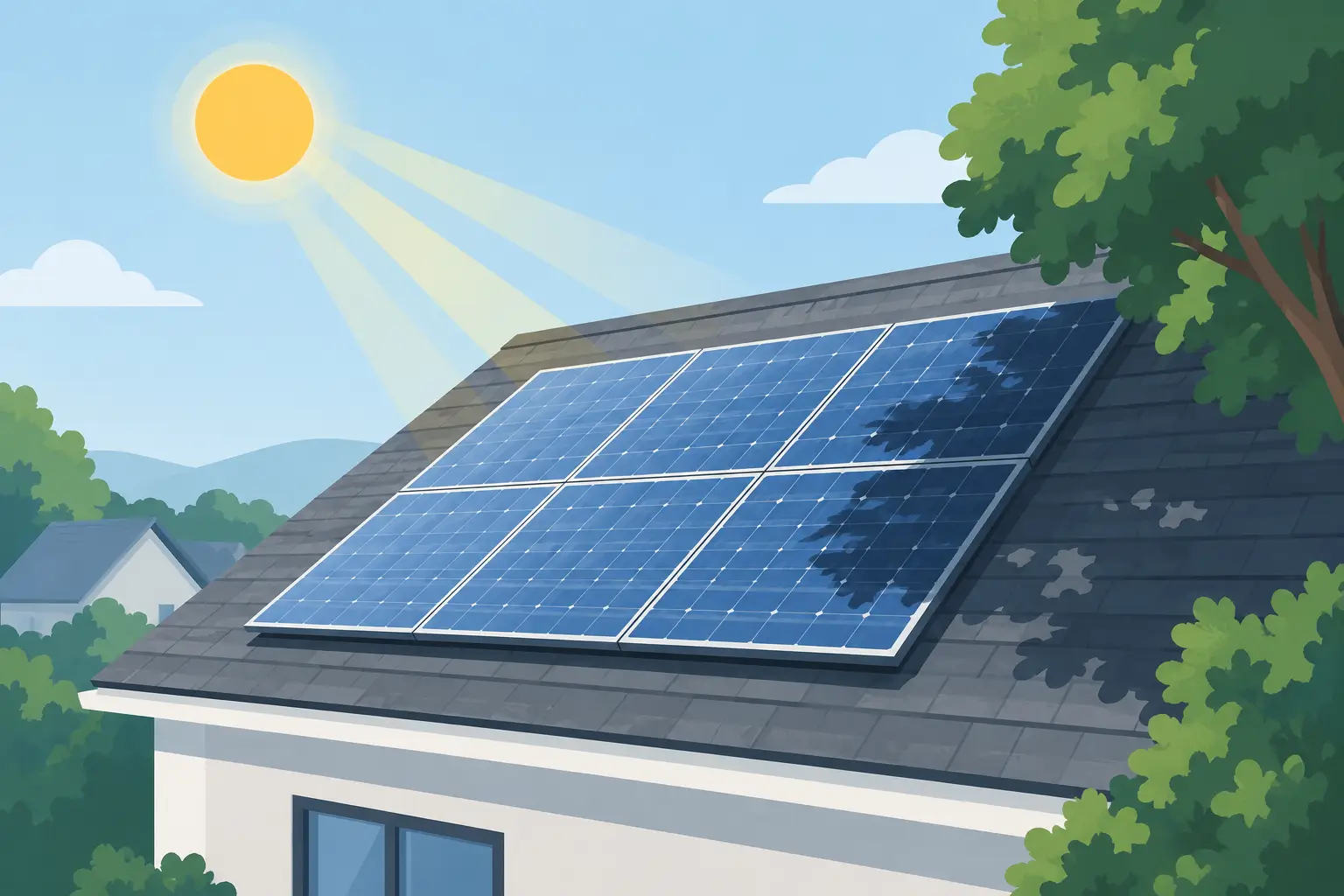
Ask to see the panel layout and identify any shading risks from trees, chimneys, neighbouring buildings or roof features. For commercial sites, the design should also account for operating hours, demand patterns and future load growth. The right system is not simply the biggest system that fits on the roof. It is the one that produces useful energy when your property needs it.
2. Which equipment brands and model numbers are included?
“Premium panels” and “high-quality inverter” are not contract details. Your quote should state the manufacturer and exact model for panels, inverter, mounting hardware, monitoring hardware, isolators and, where applicable, battery and EV charger.
This matters because specifications vary. Panel output warranties, inverter capabilities, battery backup functions and monitoring features are model-specific. If the contract allows substitutions, ask under what circumstances they can occur and whether you must approve an equivalent replacement. A transparent installer will explain the practical differences rather than treating every product as interchangeable.
3. Does the price include all electrical and roof work?
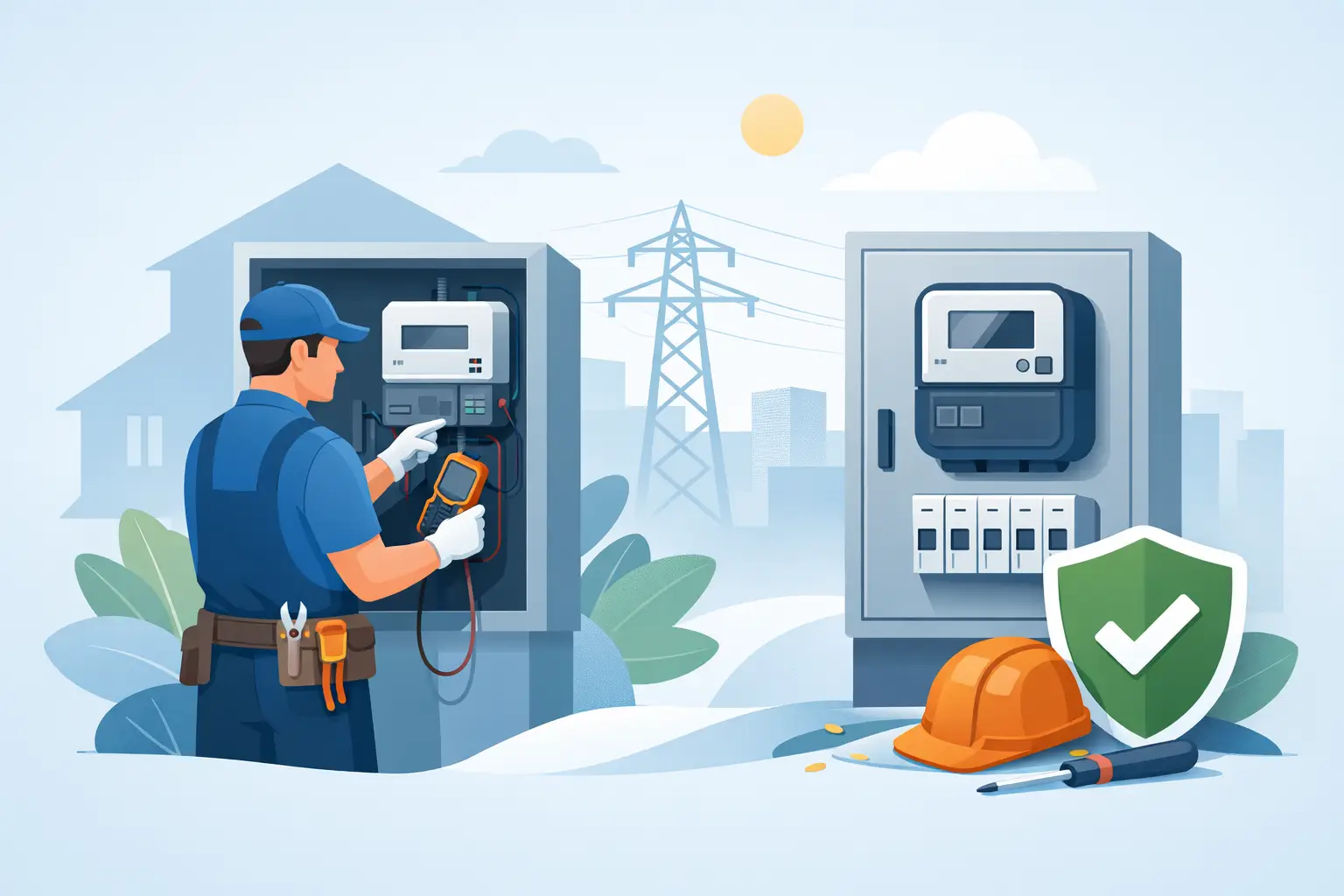
The quoted figure should make clear whether it covers supply, installation, commissioning, electrical testing, grid connection paperwork and certificates. It should also identify potential extras such as switchboard upgrades, meter changes, roof repairs, trenching, scaffolding, traffic management or work outside standard access conditions.
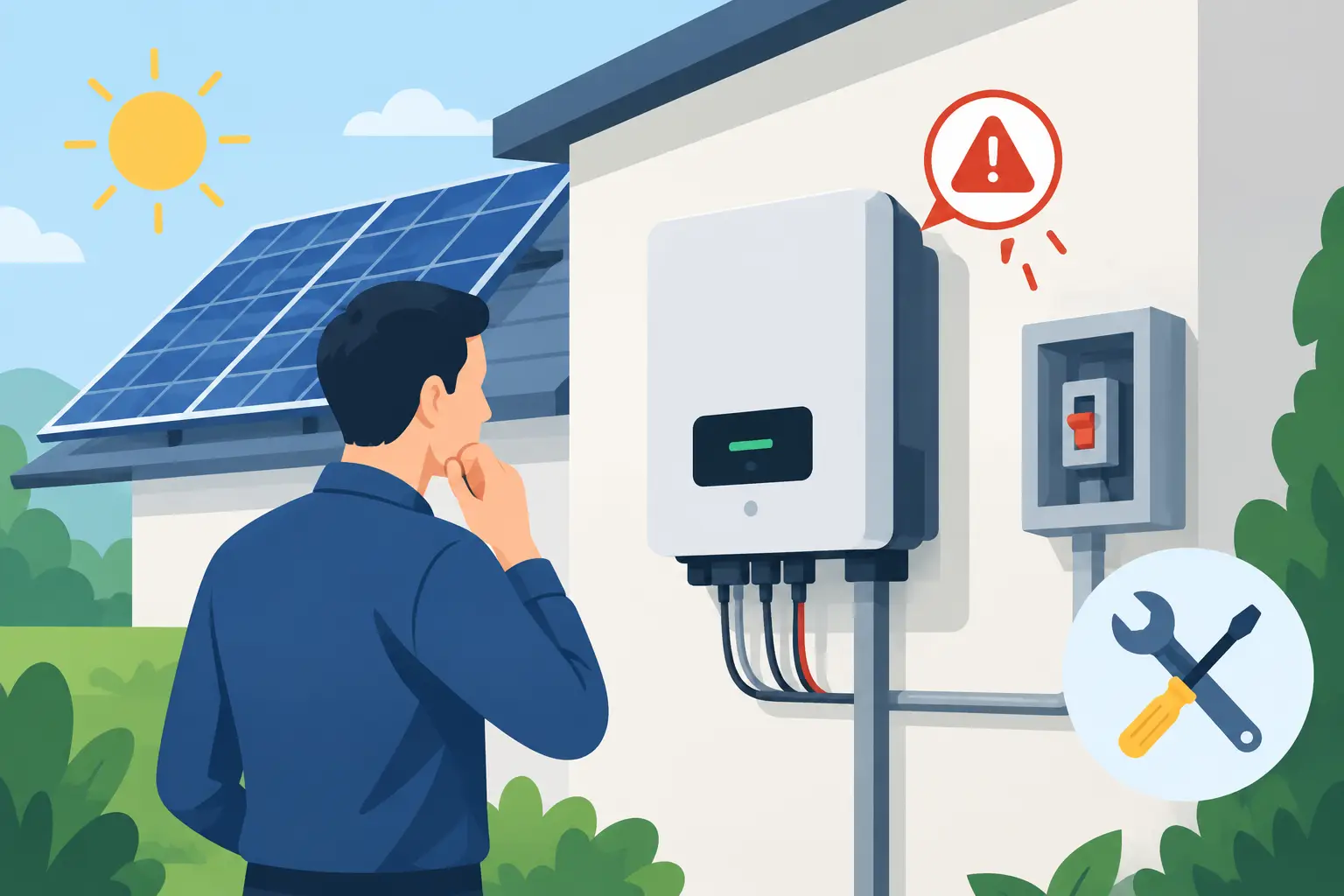
No installer can predict every hidden site condition. However, a careful site assessment should reduce surprises, and the contract should explain how variations are approved and priced. Do not rely on a verbal assurance that an item is “probably included”. Ask what happens if the existing switchboard is non-compliant or unsuitable for the new system.
4. Who is responsible for approvals and grid connection?
In NSW, solar installations must meet distributor requirements as well as electrical and safety standards. Confirm who will lodge the connection application, manage any export approval process and arrange metering work. The answer may depend on your retailer, distributor area and the scale of the system.
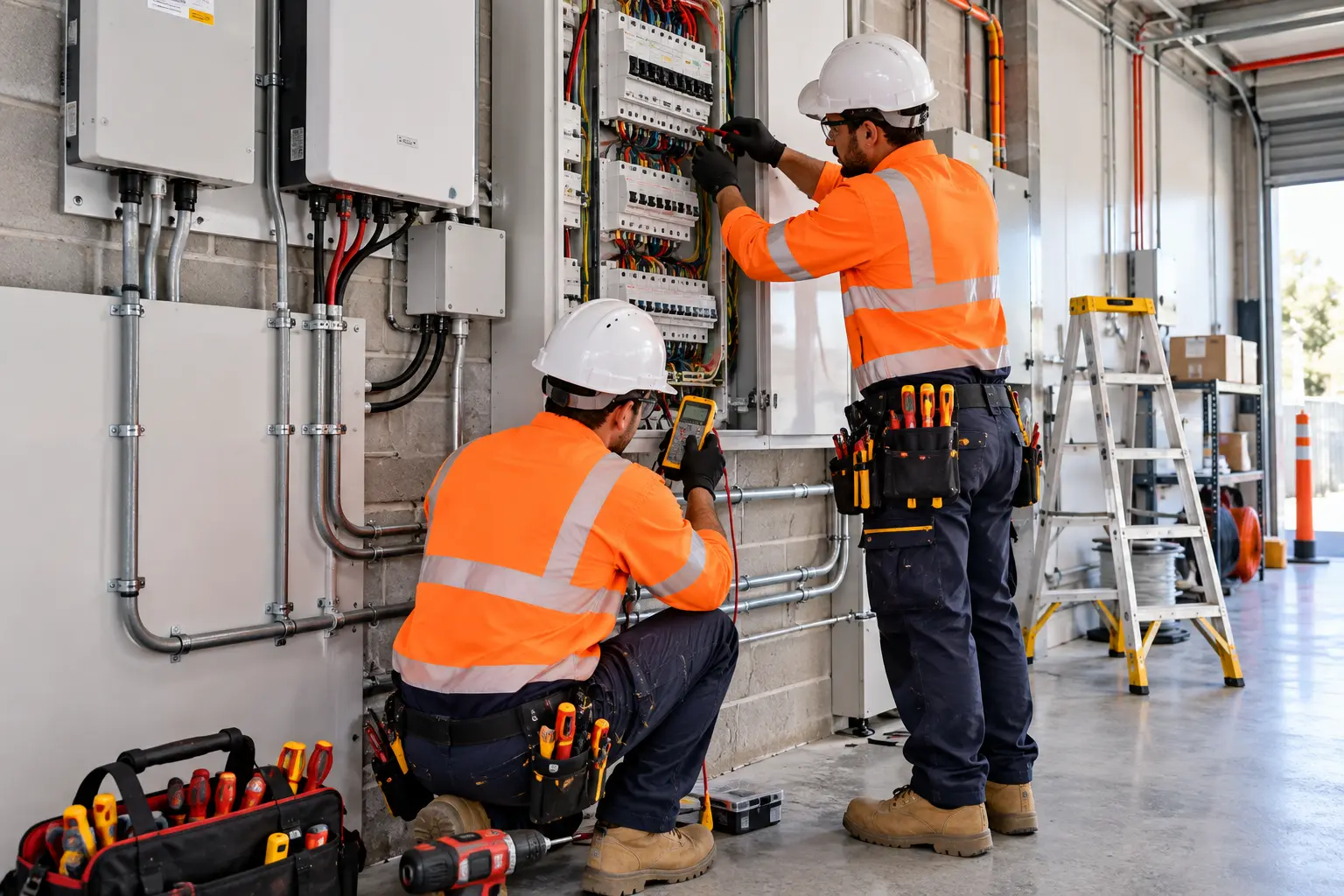
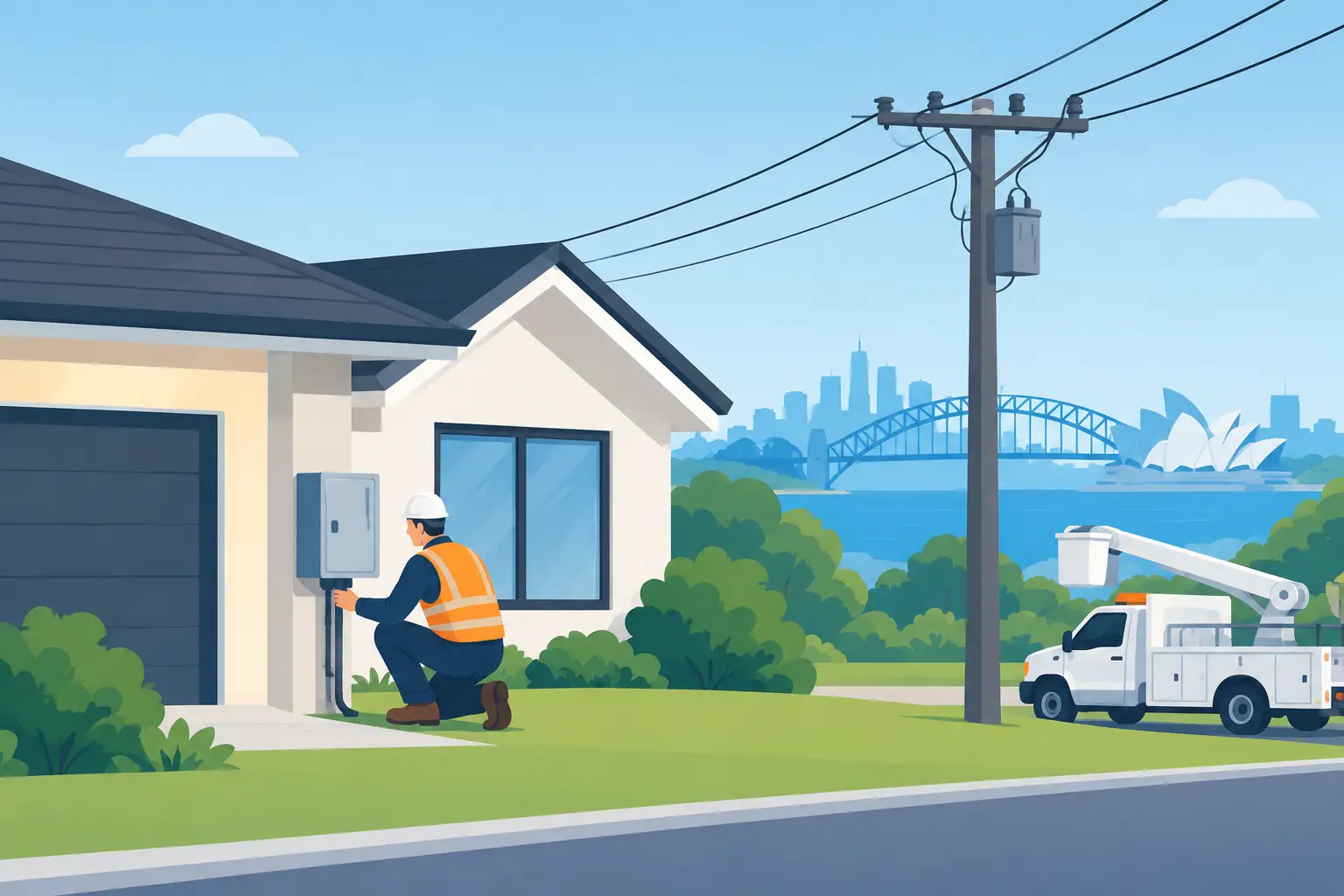
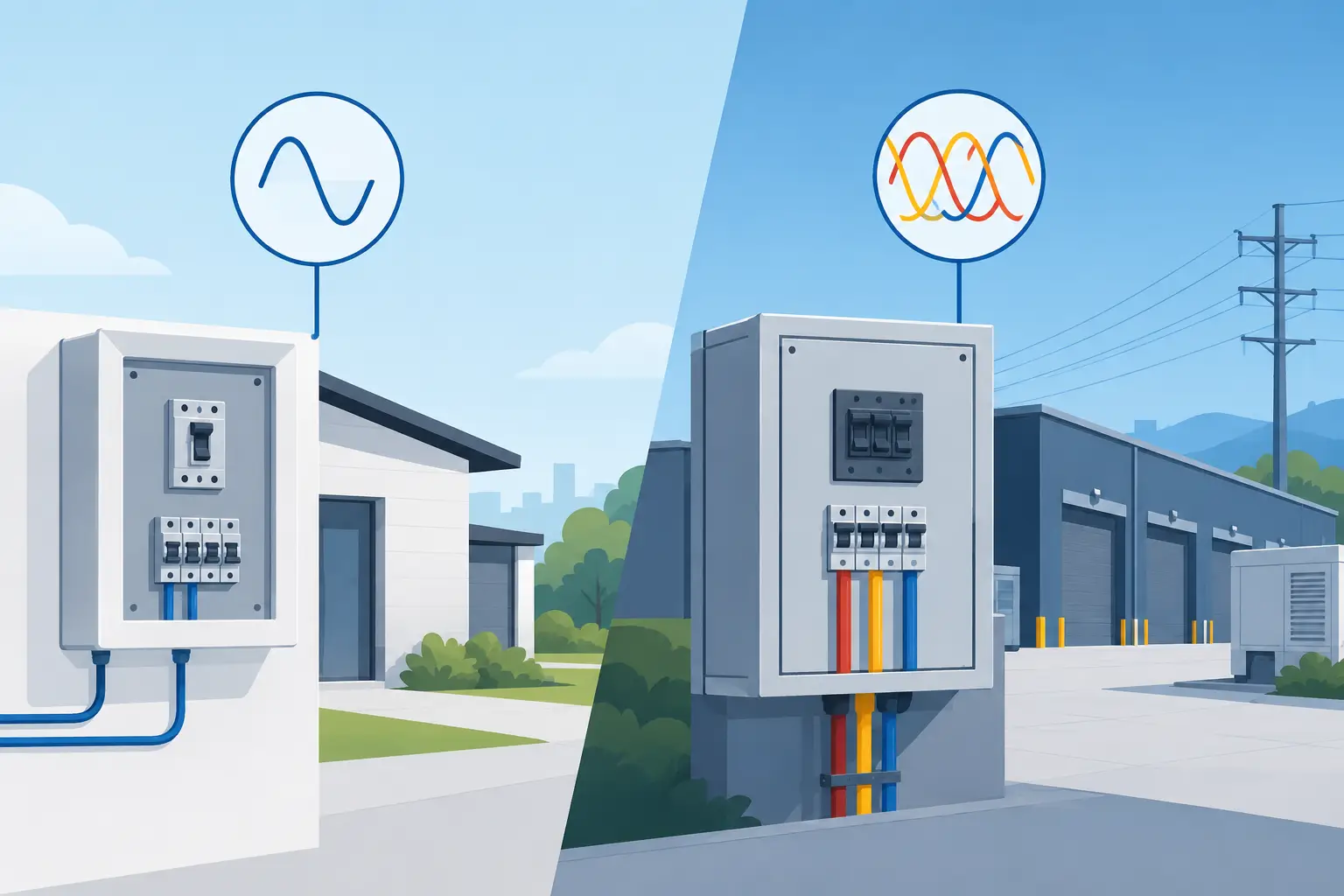
For properties requiring service alterations, consumer mains upgrades or other regulated electrical work, ask whether the contractor holds the appropriate Level 2 ASP authorisation. This is particularly relevant where the project involves more than rooftop solar, such as a switchboard upgrade, battery connection or EV charger that changes site demand. One coordinated contractor can simplify accountability, but the scope still needs to be written clearly.
5. What export limit has been allowed for in the design?
A solar system can generate more electricity than it is permitted to export to the grid. Your distributor may set an export limit, or approve flexible export arrangements that vary under network conditions. This can affect inverter settings and the financial return you expect from surplus generation.
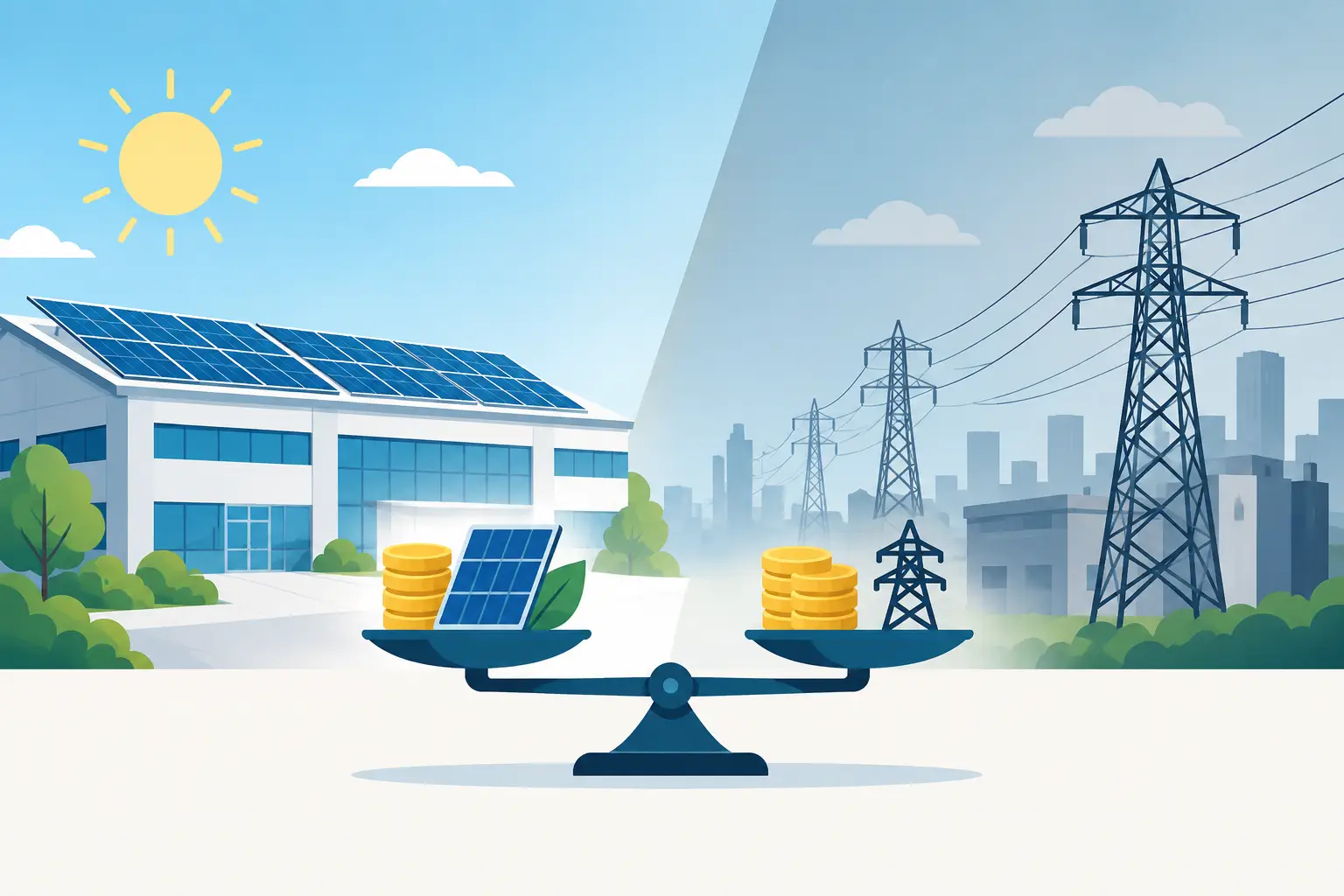
Ask whether the proposal assumes a fixed export limit, flexible exports or zero export. Also ask how the system will prioritise self-consumption, battery charging and export. A larger system can still make strong financial sense, especially for homes with daytime loads or businesses operating during solar hours, but the modelling should reflect real connection conditions.
6. What performance estimate is being used, and what can change it?
An annual production estimate is useful for comparing designs, but it is an estimate, not a guarantee of bill savings. Ask what assumptions sit behind it: roof direction and tilt, local weather data, shading, system losses, panel degradation and export restrictions.
Then ask how the savings forecast has been calculated. It should consider your electricity usage pattern, current tariff, feed-in tariff and expected future consumption. If you are adding a pool, ducted air conditioning, a heat-pump hot water system or an EV, tell the designer. Those loads can change the best system size substantially.
7. Are rebates or government incentives included correctly?
For eligible small-scale solar systems, the upfront price may include the value of Small-scale Technology Certificates. The contract should show whether this value has been assigned to the installer and whether the advertised price already accounts for it.
If a battery incentive, financing offer or other support is discussed, ask about eligibility, timing and any conditions that could affect the final cost. Government programs and network requirements can change. A credible proposal separates confirmed inclusions from possible future savings, so you can make a decision on clear numbers.
8. What warranties apply, and who handles a fault?
There are usually several warranties: a product warranty for the panels and inverter, a performance warranty for panel output, a workmanship warranty for installation, and separate coverage for batteries or EV chargers. Ask for the duration and scope of each, including what is excluded.
Just as important, ask who is your first point of contact if an issue occurs. A warranty is more valuable when the installer has a documented process for diagnosing faults, lodging claims and coordinating replacement equipment. Clarify whether labour, travel and removal or reinstallation costs are covered if a product fails.
9. How will I monitor the system after installation?
Most modern systems provide app-based monitoring, but the level of detail differs. Confirm whether monitoring hardware, account setup and commissioning are included. You should be able to see solar production at a minimum, and where compatible equipment is installed, household consumption, grid imports, exports and battery activity.
Ask who will show you how to use the app and what support is available if data stops reporting. Monitoring helps you verify that the system is operating normally and can highlight changes in consumption that affect your savings.
10. Is the system battery-ready, and what does that mean?
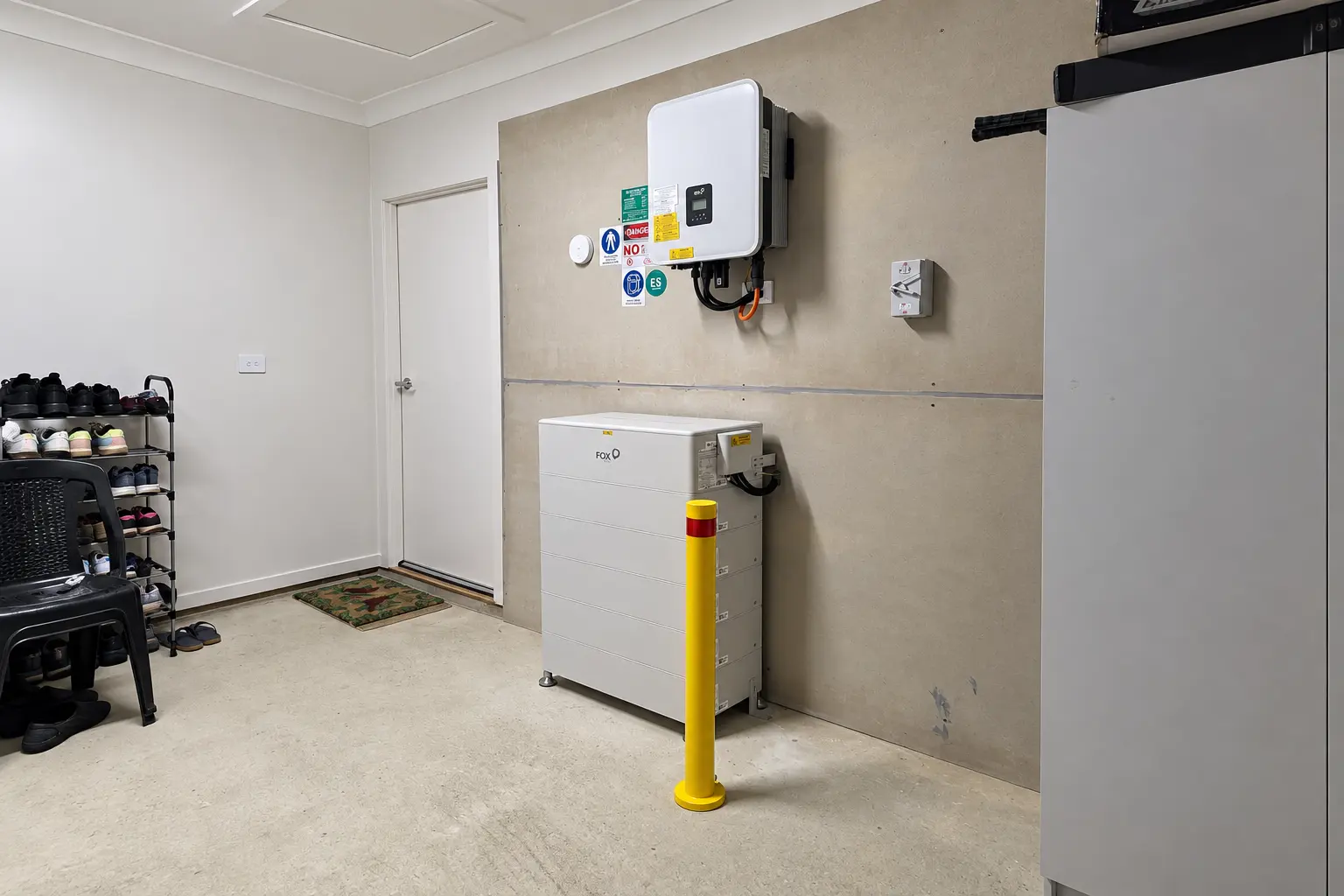
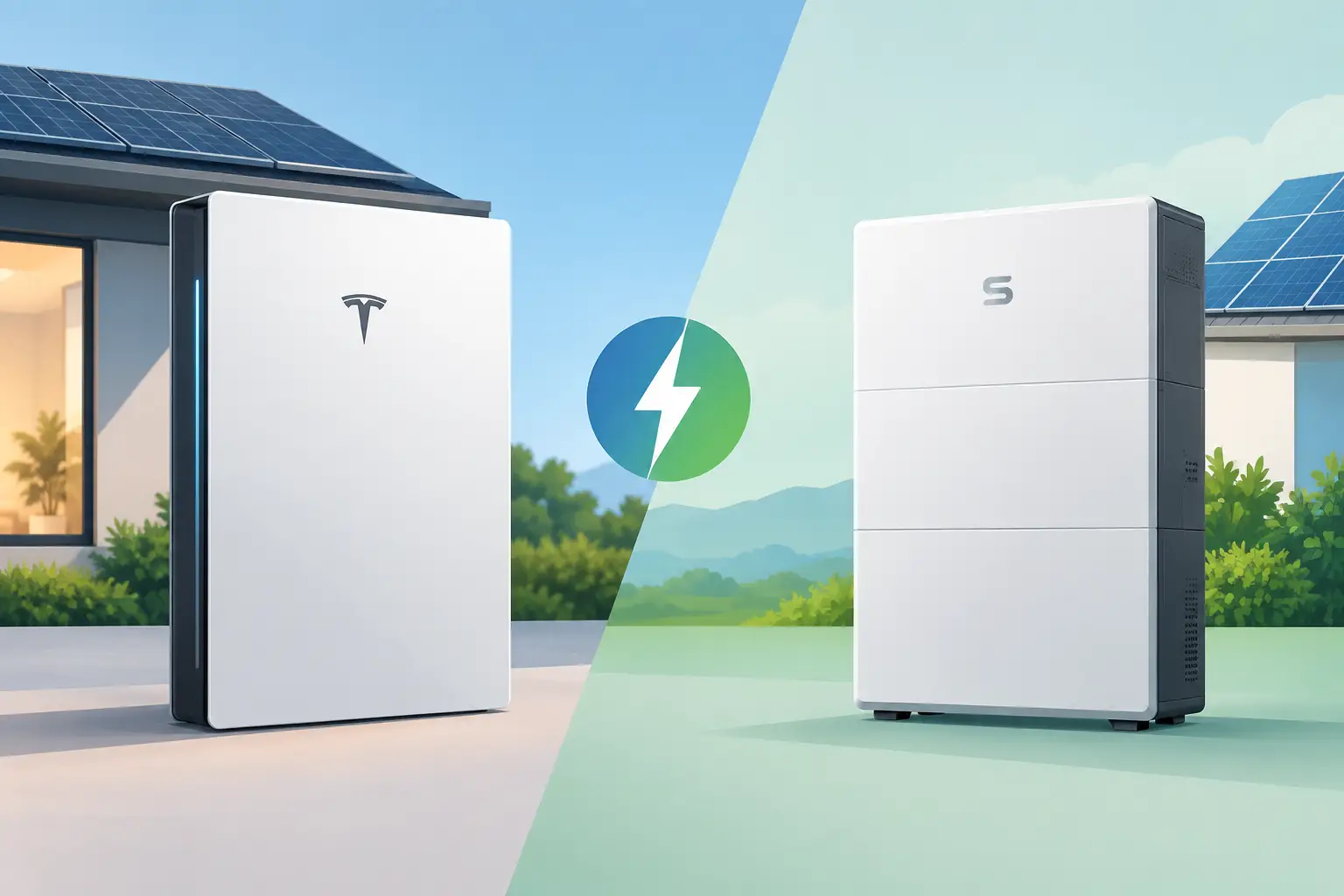
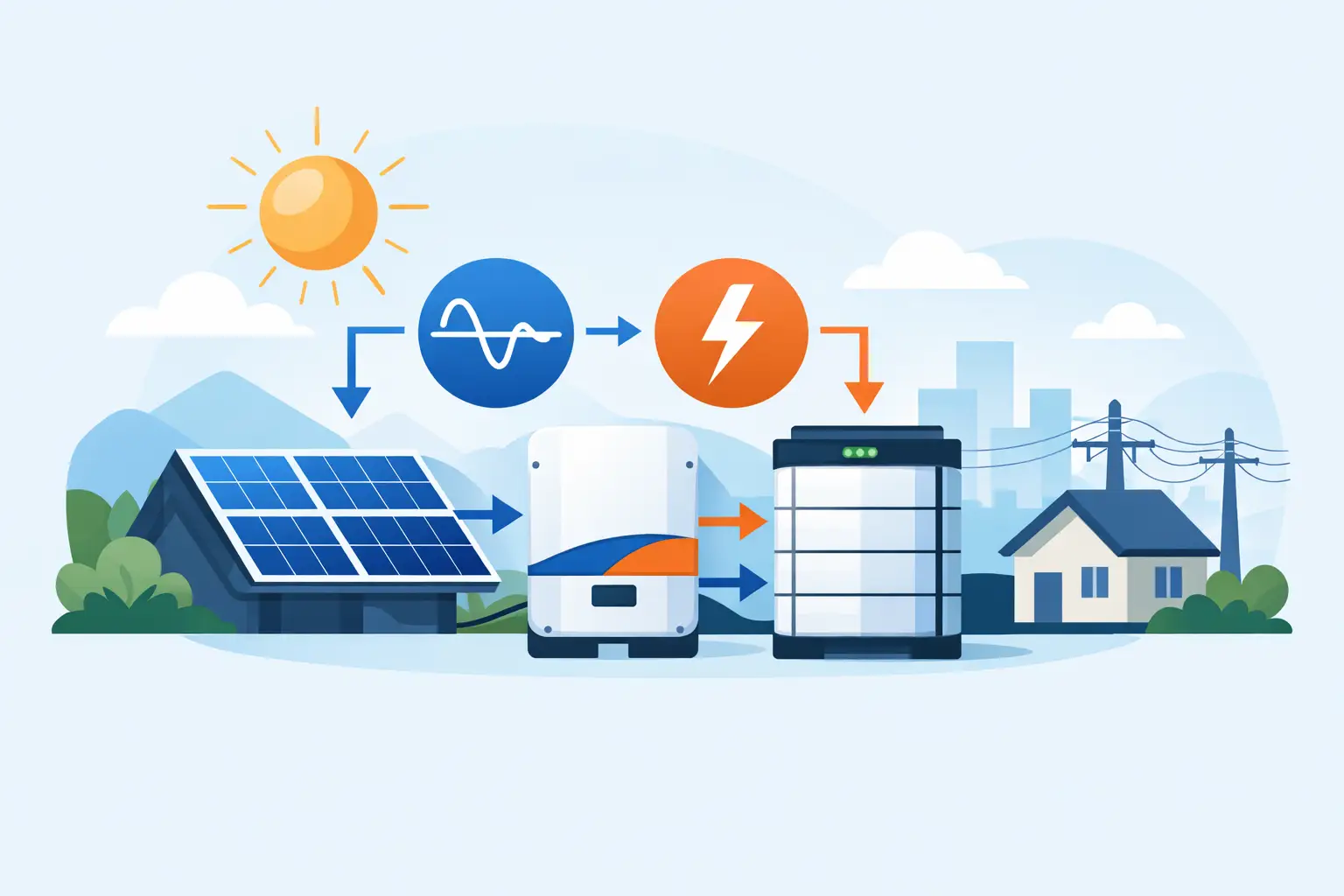
“Battery-ready” can mean anything from enough roof solar capacity to a compatible hybrid inverter with battery connections available. Ask whether the proposed inverter can accept a battery later, which battery models are compatible and whether a future installation will require a switchboard upgrade or additional protection devices.
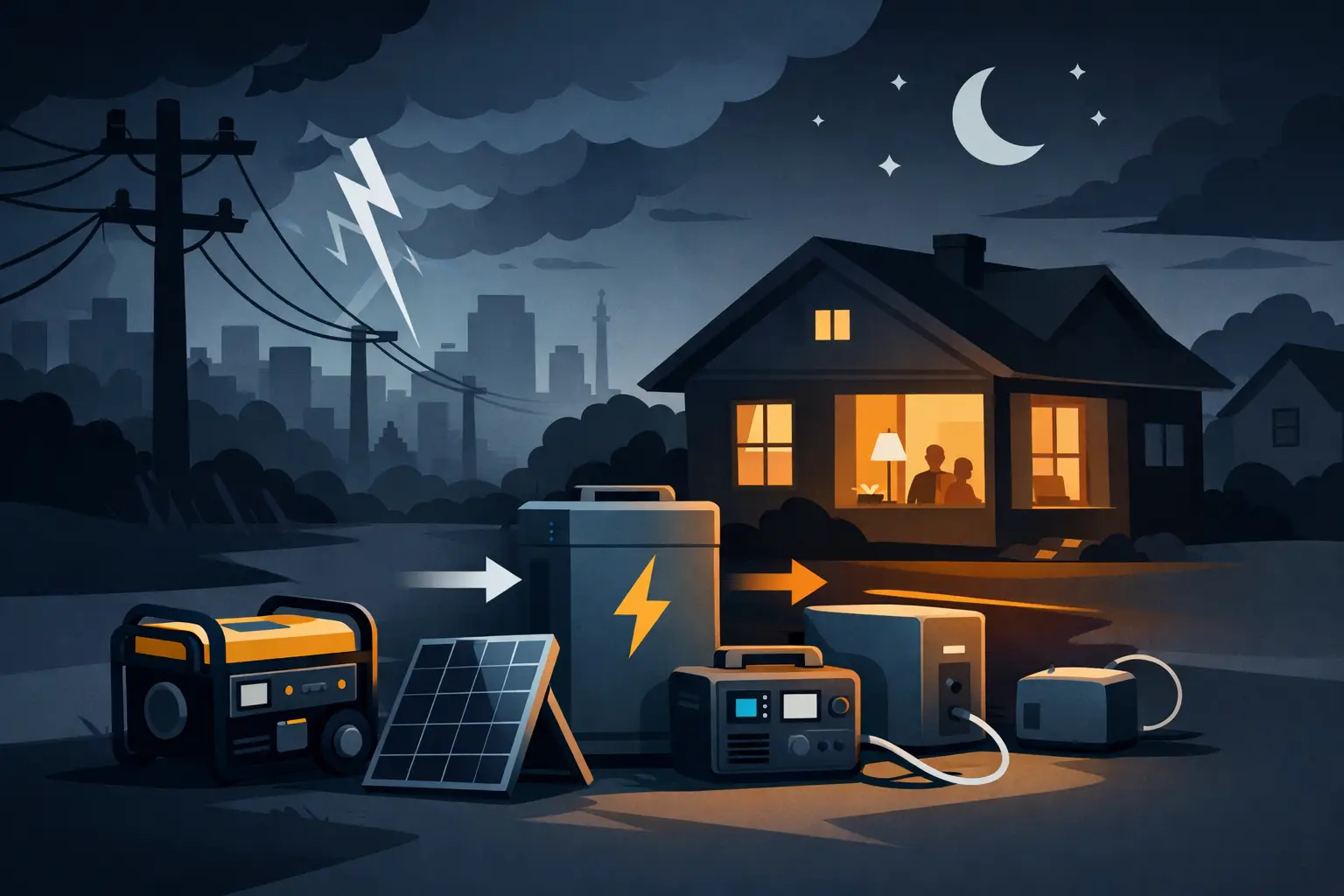
If resilience during outages matters, ask a separate question: what will operate during a blackout? Standard solar does not automatically power a home when the grid goes down. Backup capability depends on the battery, inverter, backup gateway, essential-loads design and site wiring.
11. What is the installation timeline and payment schedule?
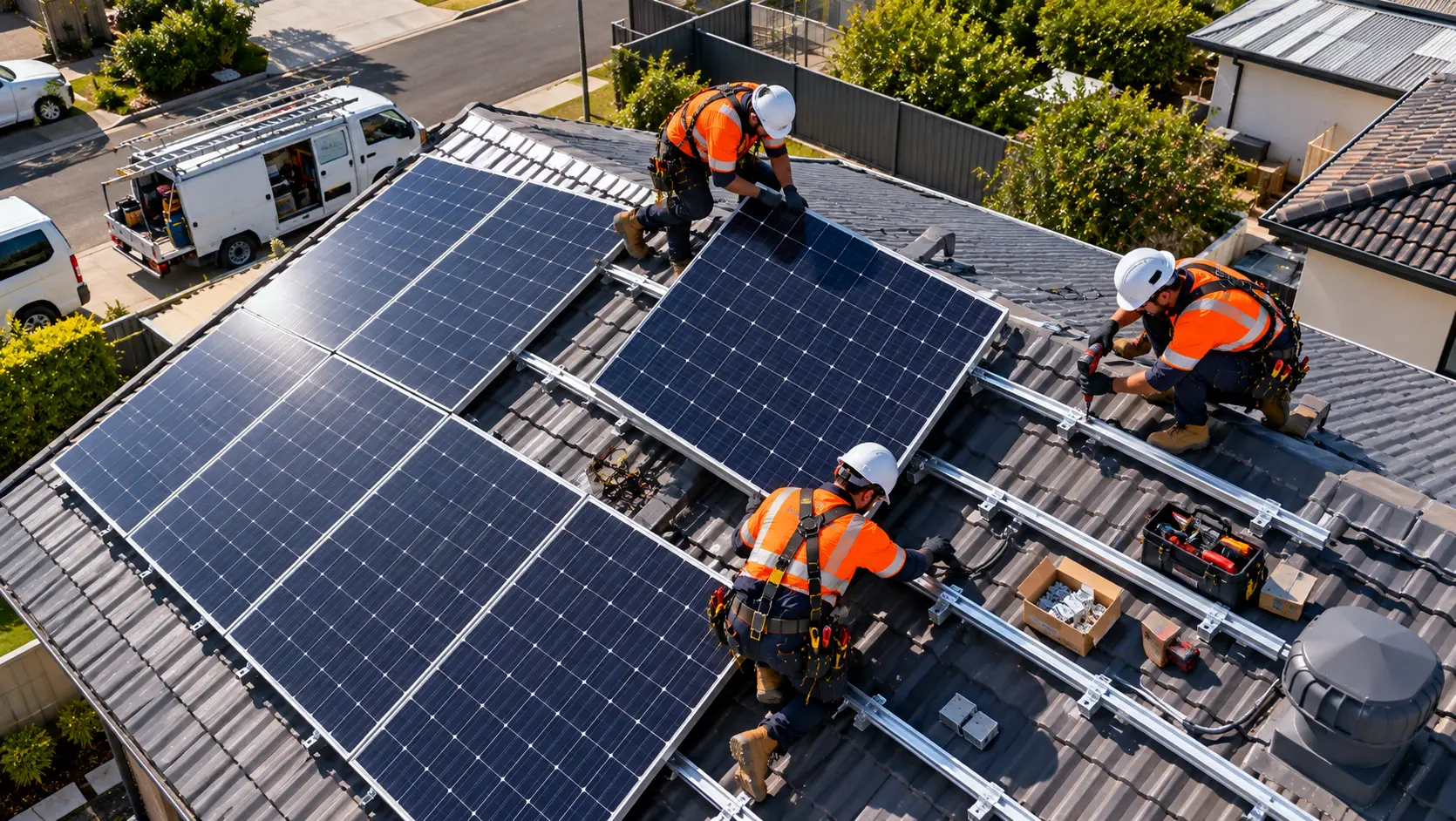
The contract should state the expected steps from deposit through site inspection, approvals, installation, commissioning and handover. Timing can depend on stock availability, weather, distributor approvals and metering arrangements, so reasonable flexibility is normal. What matters is knowing how delays will be communicated.
Review the payment schedule as carefully as the equipment list. Understand the deposit, progress payments and final payment point. For a larger commercial or industrial project, confirm how variations, staged works and access requirements will be managed.
12. What documents will I receive at handover?
At completion, you should receive the documents needed to operate, maintain and support the system. This commonly includes electrical compliance documentation, commissioning records, product manuals, warranty information, monitoring details and the final system design.
Ask whether the installer will also provide photos, shutdown instructions and advice on what to do if you notice a fault. For businesses, retain these records with site electrical documentation and share operating instructions with relevant staff.
A contract should make the project easier, not harder
The best solar contract does not bury important decisions in fine print. It explains the system being installed, the site work required, the likely performance and the path to support after handover. That clarity is especially valuable when solar is part of a wider energy upgrade involving battery storage, EV charging or electrical infrastructure.
Sydpro Solar Solutions approaches each project with documented design, transparent pricing and the accredited electrical capability needed to manage complex NSW installations safely. Take the time to ask these questions before signing. A well-defined contract gives your solar investment the strongest possible start and lets you plan your next energy upgrade with confidence.