A solar proposal can look straightforward until installation day reveals an ageing switchboard, a difficult roof access point or extra grid work. So, are solar quotes fixed price? They should be fixed for the clearly documented scope, but a trustworthy quote also explains the specific circumstances that may require a variation before work begins.
For Sydney and NSW property owners, the difference matters. A cheap headline figure can become expensive if it leaves out electrical upgrades, metering coordination, monitoring hardware or the practical work required to install the system safely. A proper fixed-price solar quote gives you a clear investment figure, identifies what is included and makes exceptions visible rather than burying them in fine print.
Are solar quotes fixed price in NSW?
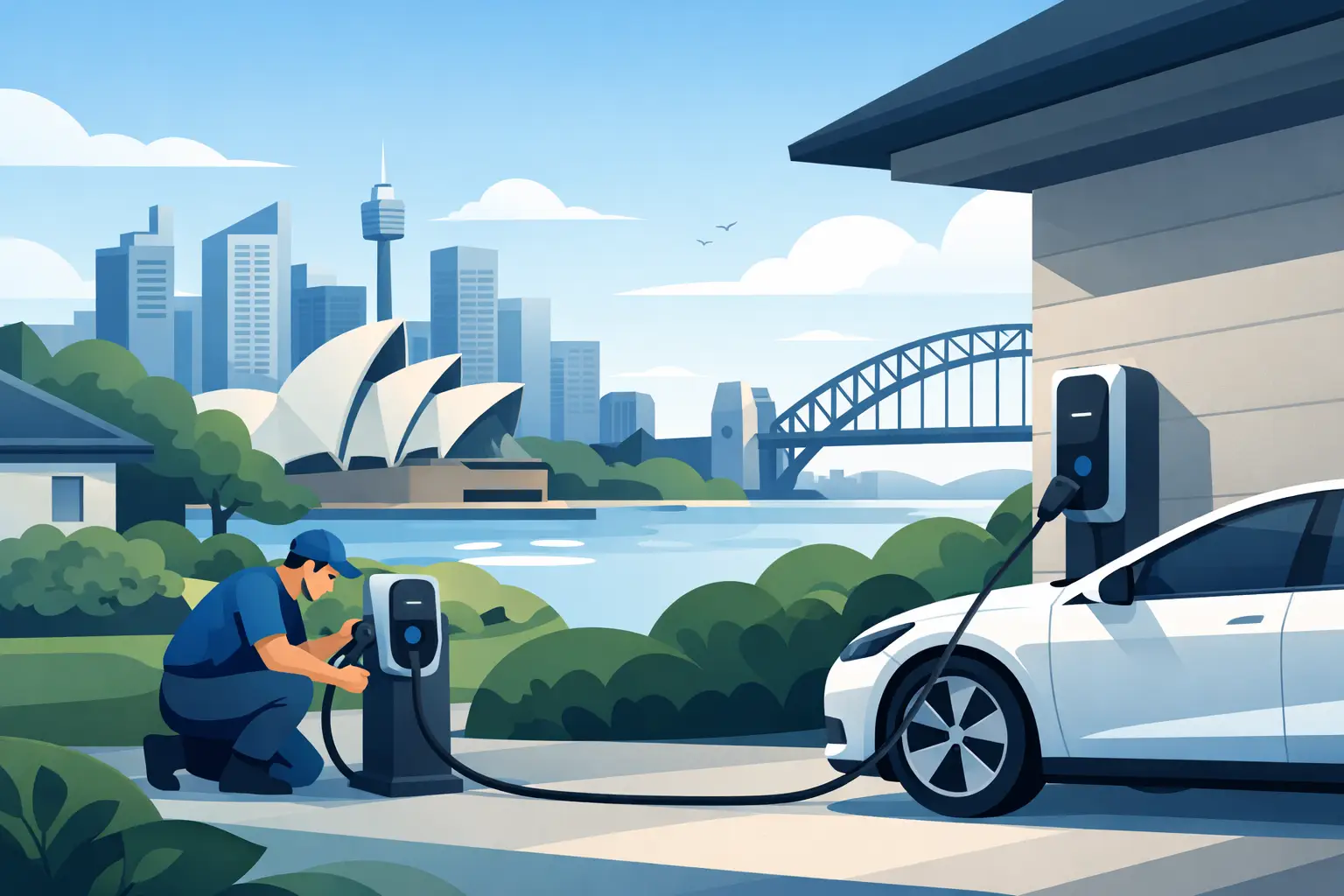
A genuine fixed-price quote means the installer has priced an agreed system and installation scope at your property. It should identify the solar panel brand and model, inverter, system size, mounting method, electrical works, labour, commissioning and the applicable government incentive assumptions. If a battery, EV charger or switchboard upgrade is included, these should appear as separate, specified line items or clearly defined package components.
That does not mean every unknown can responsibly be priced away. Solar installers often prepare initial proposals from satellite imagery, customer information and an electricity bill. A site inspection may uncover conditions that cannot be confirmed remotely, such as damaged roof sheets, non-compliant wiring, asbestos-containing materials, inadequate switchboard capacity or a requirement from the electricity distributor.
The key test is not whether an installer promises that nothing can ever change. It is whether they state what has been allowed for, flag likely risks early and obtain your approval before any additional chargeable work proceeds. Fixed pricing without clear scope is not price certainty. It is simply an incomplete quote.
What a transparent solar quote should cover
The best way to compare quotes is to look beyond the total. Two proposals for a 10 kW system can differ substantially because one includes the work needed to make the installation compliant, safe and fit for long-term performance, while another assumes ideal conditions.
System design and equipment
The quote should state the proposed system capacity in kW, the number of panels, panel make and model, inverter make and model, and the expected layout. This lets you verify that you are comparing like with like. It also helps you consider performance, warranty support and the suitability of the equipment for your roof and energy use.
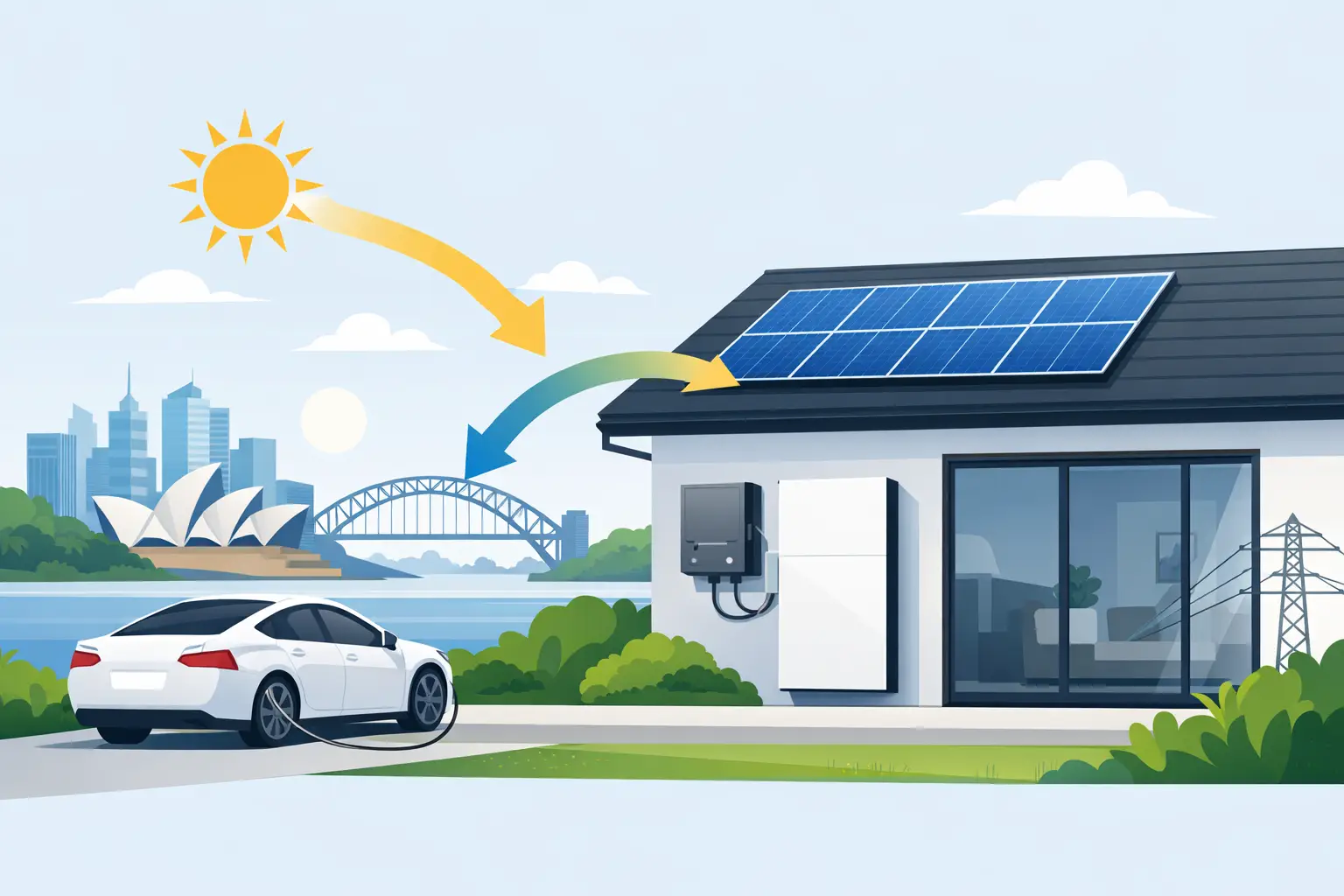
For a battery-ready or battery-inclusive system, request clarity on usable battery capacity, backup capability, essential-load arrangements and any limitations during a blackout. A battery does not automatically power every circuit in a property when the grid is down. The design needs to define which circuits are backed up and whether additional electrical work is required.
Installation and compliance work
A fixed quote should describe the installation allowance, including roof mounting hardware, cabling, isolators, safety labels, testing, commissioning and system handover. It should also explain whether standard roof access, cable runs and single-storey conditions have been assumed.
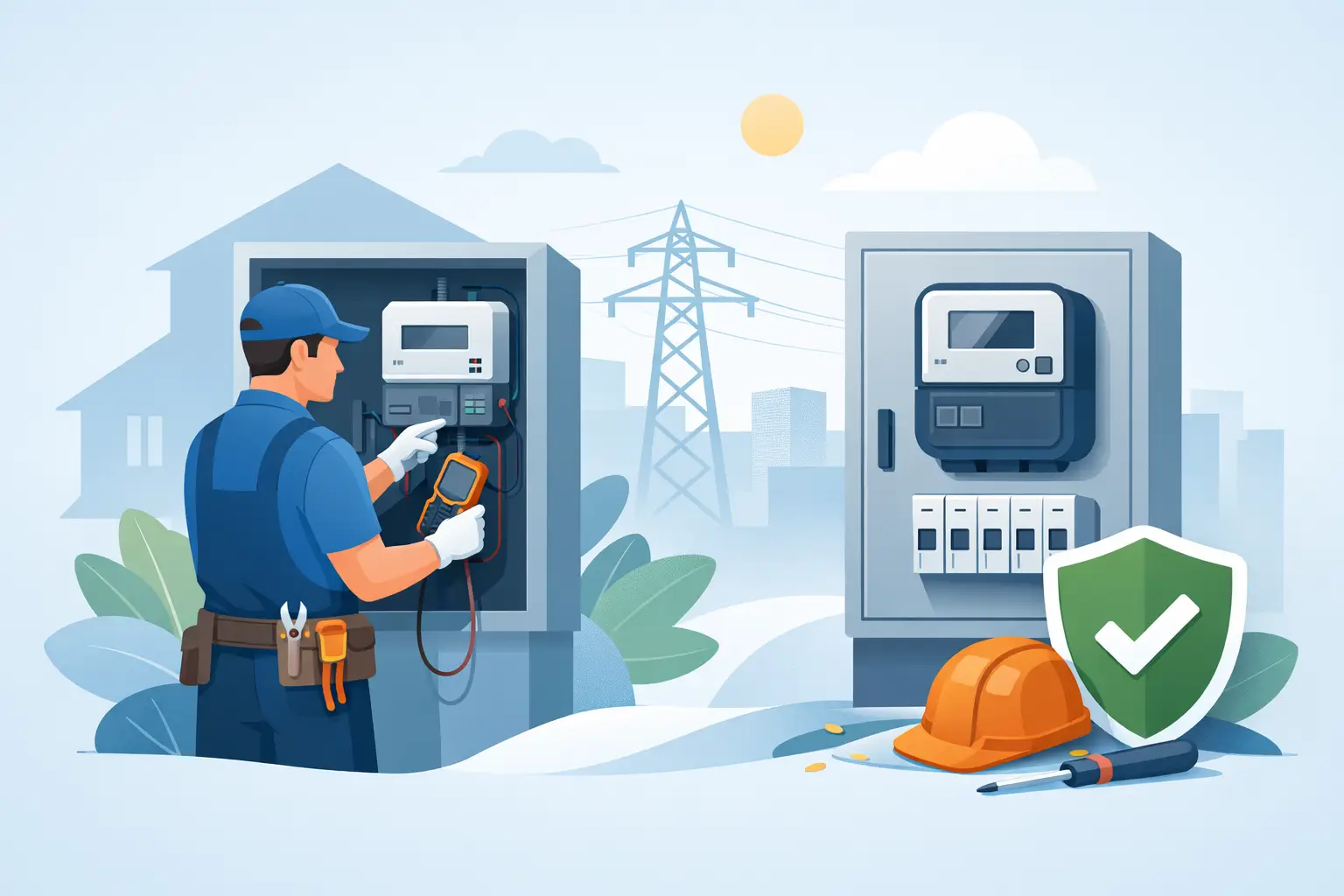
In NSW, electrical compliance is central to the value of the work. Solar installation often interacts with the main switchboard, existing earthing arrangements and the connection to the grid. Where a property needs Level 2 Accredited Service Provider work, such as particular metering, service or connection changes, it is valuable to engage a contractor that can assess and coordinate this scope rather than treating it as an afterthought.
Incentives, approvals and connection
Many quotes show the benefit of Small-scale Technology Certificates, commonly called STCs. This can reduce the amount you pay upfront, but the calculation depends on the system, installation date and eligibility rules. A clear quote will show whether the displayed price includes STCs, how many have been assumed and what happens if eligibility or certificate value changes before installation.
Grid connection and export approval are another area to check. Your distribution network may approve a particular export limit rather than unrestricted solar export. That can influence inverter settings and, in some cases, the final design. The quote should explain who manages the application and whether associated fees or required upgrades are included.
Why a quote may change after a site inspection
Most well-planned projects proceed at the agreed price. When a variation is needed, it should be connected to a real site condition or a customer-requested change, not a surprise added to recover an unrealistically low initial price.
Common reasons include a switchboard that lacks space or does not meet current requirements, concealed cable routes that are longer or more complex than visible from plans, roof repairs needed before mounting panels, or restricted access requiring specialised equipment. Commercial and industrial sites may also need engineering review, shutdown coordination, three-phase upgrades, larger cable runs or more extensive protection equipment.
A variation can also arise when the customer changes the scope. Adding more panels, choosing a different inverter, including a battery or moving from standard monitoring to a more advanced energy-management setup will naturally change the project value. The important point is that the revised scope, price and timing are documented and approved before the change is carried out.
Be cautious if a provider says a price is fixed but cannot tell you what happens if the switchboard is unsuitable, the roof condition is poor or distributor requirements differ from expectations. Those risks do not disappear because they are absent from the document. They may simply appear later as avoidable delays or costs.
How to compare fixed-price solar quotes properly
Start by asking each installer to confirm the final installed price, including GST, and list all exclusions in plain language. Then compare equipment, system size, warranties and electrical scope before deciding which number looks best.
Ask whether the proposal includes a site inspection or whether the price is conditional on one. Confirm the allowance for switchboard work, metering and grid connection. If these are excluded, request an indication of likely costs and the process for approving any extra work. You should also ask what roof type, access conditions and cable distance the price assumes.
For solar and battery systems, assess the whole energy outcome. A larger system may have a higher upfront cost but offer stronger savings where daytime consumption is high. A battery may improve self-consumption and resilience, yet its value depends on your tariff, overnight usage, export rate and desired backup capability. The right design is based on your interval data, household or business load profile, roof space and future plans such as an electric vehicle.
Credentials matter too. Check that the installer can meet current solar accreditation requirements and that the electrical contractor is appropriately authorised for the work. This is especially relevant where solar intersects with complex switchboard upgrades, metering changes or network connection work. One accountable project team can reduce handovers and make responsibility clearer if an issue needs attention.
Questions worth asking before you accept
You do not need to be an electrical expert to assess quote quality. Ask whether the quoted figure is the amount you will pay for the described system, whether STCs are included, and what events could trigger a variation. Ask for every exclusion in writing.
Also ask who will complete the design, installation, commissioning and network paperwork; what warranties apply to products and workmanship; and how the system will be monitored after handover. For a business, ask about installation timing, site access, planned shutdowns and how disruption will be managed.
A quality installer will answer these questions directly. They will not pressure you to accept vague allowances or make savings promises without considering your consumption and tariff. Transparent pricing is not just a sales message. It is evidence of careful design, competent electrical planning and respect for your budget.
Sydpro Solar Solutions approaches each proposal as a defined energy project, not a one-size-fits-all package. By pairing accredited solar expertise with Level 2 electrical capability, the aim is to identify the work your property actually needs upfront and provide a documented price that reflects it.
Before you sign, take the time to read the scope rather than focusing only on the final number. The most valuable solar quote is one that gives you confidence in the equipment, the installation standard and the price you can plan around for years to come.