A solar system can keep producing electricity for decades, but the paperwork behind it matters from day one. Solar panel warranties are not one blanket promise that covers every part of your system for 25 years. They are several separate commitments from different parties, each with its own term, conditions and claims process.
For NSW homeowners and business owners, understanding those commitments before installation is a practical way to protect a major energy investment. A strong system combines quality equipment, compliant design and installation, clear documentation, and an installer that will still be available when support is needed.
The three warranties that matter most
Most solar proposals refer to product, performance and workmanship warranties. These cover different risks, so comparing only the longest number on a quote can lead to the wrong decision.
Product warranty: protection against defects
A solar panel product warranty covers manufacturing defects and failures in the physical panel itself. Depending on the manufacturer and panel range, this commonly runs for 15 to 25 years, with some premium products offering longer terms.
This warranty may apply where a panel has defective materials, a failed junction box, damaged internal connections or another manufacturing issue that affects normal operation. It does not usually cover accidental damage, storm damage, unauthorised alterations, poor maintenance, vermin damage or faults caused by an installation that does not meet the manufacturer’s requirements.
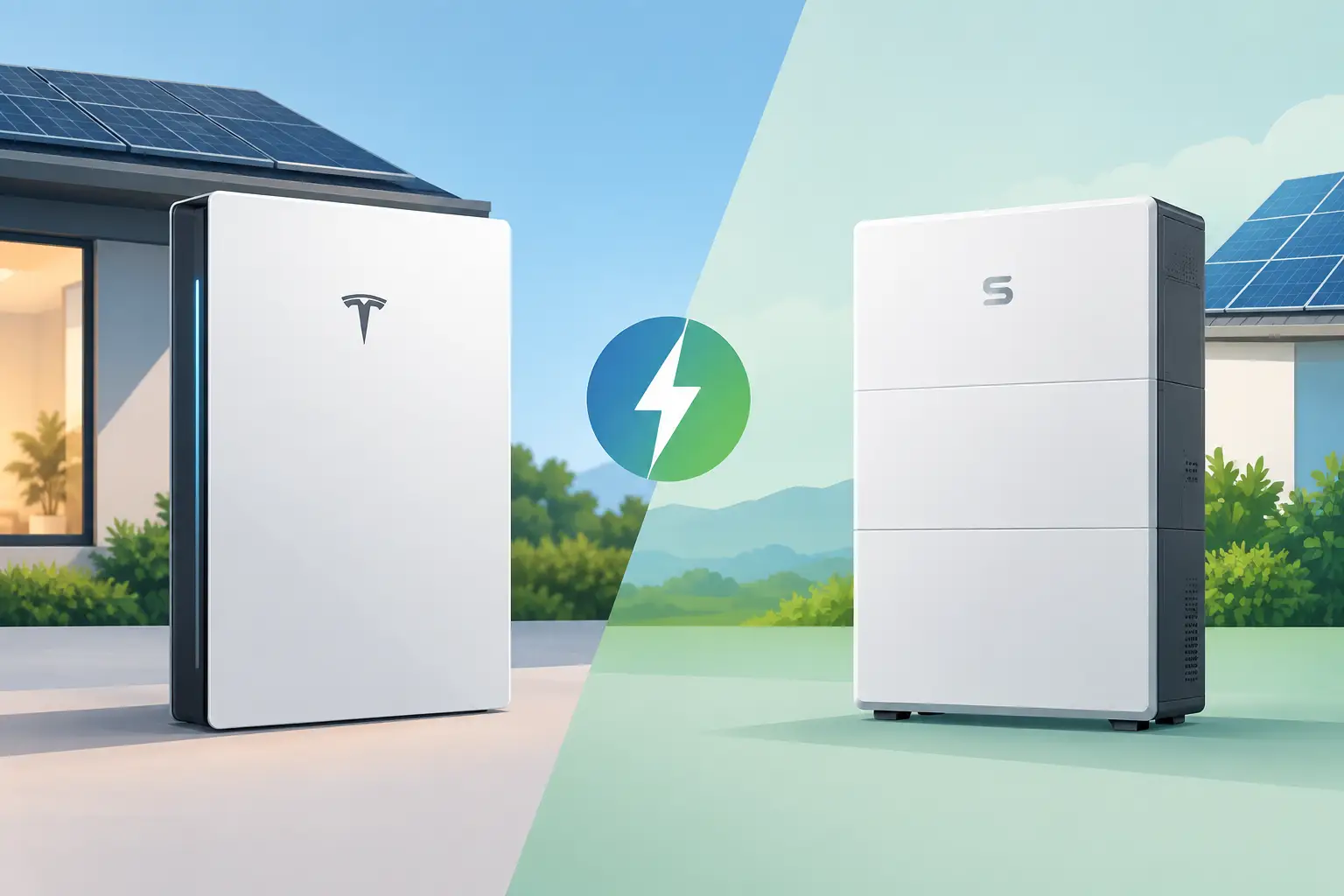
Product warranties also apply separately to other key equipment. Inverters often have a standard warranty of around 5 to 10 years, with extension options available for selected models. Battery warranties are different again and may be based on a combination of years, usable energy throughput and retained capacity. If you are installing a battery or EV charger alongside solar, review the warranty for every component rather than assuming the panel warranty covers the complete energy system.
Performance warranty: the expected output over time
A performance warranty, sometimes called a power-output warranty, addresses gradual panel degradation. Solar panels naturally produce slightly less electricity as they age. The question is whether their output remains above the manufacturer’s stated minimum over the warranty period.
Many modern panels provide a 25 to 30-year performance warranty. For example, a manufacturer may guarantee a minimum percentage of rated output after the final year. The exact degradation allowance varies by brand and model, which makes the fine print more useful than a headline claim.
This is not a guarantee that your roof will generate a fixed number of kilowatt-hours each year. Actual production changes with weather, shading, soiling, roof orientation, seasonal daylight, grid constraints and how the system is operated. A performance warranty is generally tested under defined conditions and relates to the panel’s ability to meet its rated standard, not your quarterly electricity bill.
Workmanship warranty: accountability for installation
The workmanship warranty is the installer’s commitment to correct installation. It can cover issues such as roof penetrations, mounting, cable management, isolators, labelling and workmanship-related faults. Terms vary widely, which is why this warranty deserves as much attention as the panel brand.
A quality installer should provide its workmanship terms in writing, explain who to contact if there is a problem, and supply the system documents needed for future service. Workmanship does not replace product warranties, but it is often the first place to look when a fault is linked to how equipment was fitted or connected.
For NSW properties, this is also where credentials matter. Solar work must be designed and installed to applicable standards, while grid connections and more complex supply-side work may require Level 2 Authorised Service Provider capability. Choosing a contractor with the right accreditation and electrical authorisation helps reduce avoidable warranty disputes before they begin.
What solar panel warranties usually do not cover
Warranties are valuable, but they are not insurance policies. Reading exclusions is not pessimistic – it is how you understand the real level of protection.
Common exclusions can include damage from severe weather events, fire, flooding, power surges, pests, deliberate damage, unauthorised repairs, moving panels after installation, and failure to follow maintenance requirements. A manufacturer may also decline a claim where serial numbers are missing, system records cannot be supplied, or the equipment was installed outside its approved specifications.
Roof condition is another important consideration. A solar installer can assess the mounting area, but an ageing or compromised roof may need repairs before panels are installed. If the roof later requires replacement, panel removal and reinstallation is not automatically covered by a panel manufacturer’s warranty. Planning roof works before solar can prevent an avoidable future cost.
Commercial and industrial sites may have additional risks, including high dust loads, corrosive environments, unusual roof structures and more complex electrical infrastructure. The warranty should suit the site, not simply the advertised panel price.
How to compare warranty terms properly
When comparing solar quotes, ask for the full warranty documents or product datasheets, not just a statement such as “25-year warranty”. A lower-cost system with a long performance warranty can still leave gaps in inverter cover, workmanship support or local claims handling.
Look at the product warranty term and performance warranty separately. Check the minimum warranted output at the final year, along with the stated annual degradation rate. Compare the inverter warranty, battery warranty where relevant, and the installer’s workmanship warranty. It is also worth confirming whether warranty extensions are included in the quoted price or offered as an optional extra.
The party standing behind the warranty matters too. Major manufacturers generally have established support processes, but claims can still require evidence, testing and time. An experienced local installer can help identify whether an issue is related to the panel, inverter, battery, installation or site conditions, which is often the hardest part for a property owner.
Ask these practical questions before approving a proposal:
- Who provides the product, performance and workmanship warranties?
- What are the terms for the panels, inverter, battery, mounting system and EV charger?
- What documentation will I receive at handover?
- Who handles fault diagnosis and warranty claims after installation?
- Are call-out, labour, freight or replacement-installation costs included if a component fails?
- What actions could void or limit warranty cover?
The answer to the labour question is particularly useful. A manufacturer may approve replacement equipment, while the cost to access the roof, remove the faulty component and install its replacement is treated separately. Clear upfront advice avoids surprises later.
Keep your warranty records in one place
A warranty is only as easy to use as the records behind it. Once your solar system is commissioned, save the proposal, tax invoice, certificates, commissioning records, equipment serial numbers, warranty documents, monitoring login details and any maintenance reports. Keep digital copies in a folder that is easy to find if you sell the property or need support years from now.
Monitoring also has a practical role. It will not diagnose every issue, but a sudden or sustained drop in generation can be an early sign that your system needs attention. Compare current performance with similar periods rather than a single cloudy week, and report concerns promptly. Delaying a visible fault can make diagnosis more difficult.
If a system includes battery storage, review its app and operating settings with the installer at handover. Battery warranties often depend on operating within approved limits, and a properly configured system can support both performance and long-term equipment care.
Why installer choice protects long-term value
The best warranty document cannot compensate for poor system design or non-compliant electrical work. Panel placement, roof fixing, cable routing, inverter location, switchboard capacity, grid connection requirements and system configuration all influence safety, output and serviceability.
This is why transparent scopes of work matter. Your quote should identify the equipment, system size, expected inclusions, any upgrade work, and any assumptions that could affect the final installation. For more complex sites, an electrical assessment before work starts can identify constraints that a basic solar-only quote may miss.
Sydpro Solar Solutions combines solar design with Level 2 ASP electrical capability, helping NSW customers manage solar, batteries, grid connection work and electrical upgrades through one accountable contractor relationship. That integrated approach is particularly valuable where a property needs more than panels on a roof.
A well-chosen warranty should give you confidence, not create paperwork you hope never to read. Before signing, take the extra time to compare the terms behind the headline years, confirm who will support you locally, and keep every record from day one. That small amount of care helps your solar system remain a dependable asset as energy costs, household demand and technology continue to change.