A solar system can start reducing purchased grid energy from the day it is commissioned, but the way you pay for it changes the financial picture. The solar loan versus cash decision is not simply about whether you can afford the upfront price. It is about interest costs, available capital, expected electricity savings, your plans for the property and whether the system is designed to deliver value for years to come.
For NSW homeowners and business owners, cash can provide the strongest long-term return. A well-structured solar loan, however, can still be a sound choice when it lets you install the right system sooner without draining savings needed elsewhere. The best option is the one that supports your broader financial position while keeping quality, safety and performance at the centre of the project.
Solar loan versus cash: the key financial difference
Paying cash means you own the solar system outright from installation. There are no repayments and no finance charges, so every dollar saved on electricity improves your return. If your system costs $12,000 after applicable incentives and saves $2,000 a year, the simple payback is around six years, before allowing for changes in electricity prices, exports and household energy use.
With a solar loan, you spread the purchase cost over an agreed term. Your solar savings can help offset repayments, but interest and fees raise the total amount paid. Depending on the interest rate and loan length, a system financed over five to 10 years may cost materially more than the cash price.
That does not make finance a poor decision. It means the comparison needs to be honest. Look beyond a low weekly repayment figure and calculate the total loan cost, the estimated annual savings from the system, and the period during which repayments overlap with those savings.
Cash offers the cleanest return
Cash is usually the most cost-effective option when you have funds available and using them will not compromise your emergency reserve, business cash flow or other high-priority goals. Avoiding interest means the system begins delivering a clearer net benefit sooner.
It can also make decision-making simpler. There is one agreed project price, less any applicable Small-scale Technology Certificates, and no lender approval, loan documents or repayment schedule to manage. For property owners who value certainty, this is a meaningful advantage.
Cash is not automatically free, though. Money used for solar cannot remain in an offset account, term deposit, investment portfolio or working-capital reserve. Consider what those funds are earning or enabling. If your cash is offsetting a high-rate home loan, the effective return from leaving it there may be substantial. Compare that return with the likely financial benefit of solar rather than assuming an upfront payment always wins.
A loan can bring savings forward
The main advantage of a solar loan is timing. Delaying an installation for several years while you save can mean continuing to buy more power from the grid, potentially at higher retail rates. Finance may allow you to install a suitably sized system now and begin reducing daytime energy purchases immediately.
This matters for households with growing daytime demand: a new electric vehicle, pool equipment, reverse-cycle air conditioning or a family increasingly working from home. It can also be relevant for businesses with consistent daytime operations, where solar generation is often well aligned with consumption.
The strongest finance case is not usually the cheapest system with the smallest repayment. It is a quality system sized to your actual load profile, installed correctly and built around durable components, appropriate protections and a realistic production estimate. A poorly designed system is not made economical by a convenient loan.
Compare the total cost, not the monthly repayment
A finance offer may look attractive because its monthly payment is close to, or below, the expected reduction in your electricity bill. That can be helpful for household budgeting, but it is not the full measure of value.
Ask for the cash price first, including all installation work, switchboard upgrades, export controls, metering requirements and any agreed battery or EV charger integration. Then ask for the loan’s comparison rate, establishment fees, monthly account fees, early repayment conditions and total amount repayable. A low advertised rate can be less competitive once fees are included.
Also test the estimate against conservative assumptions. Solar production varies with roof orientation, shading, weather, panel cleanliness and system availability. Electricity savings depend on how much solar you use on site rather than export, your retailer tariff, and future household or business demand. Feed-in tariff income can contribute, but self-consuming solar energy normally provides the stronger value because it avoids buying power at the full retail rate.
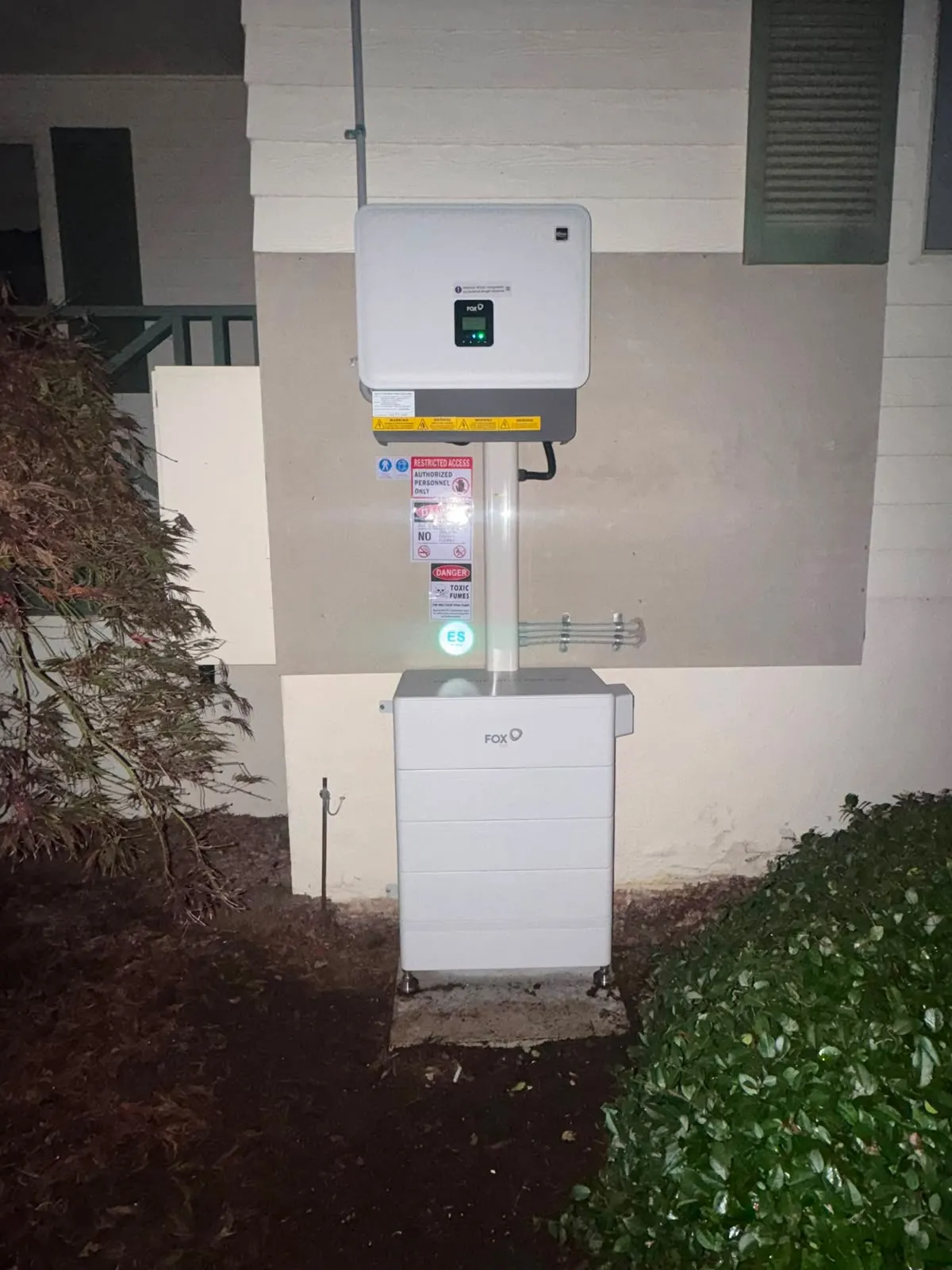
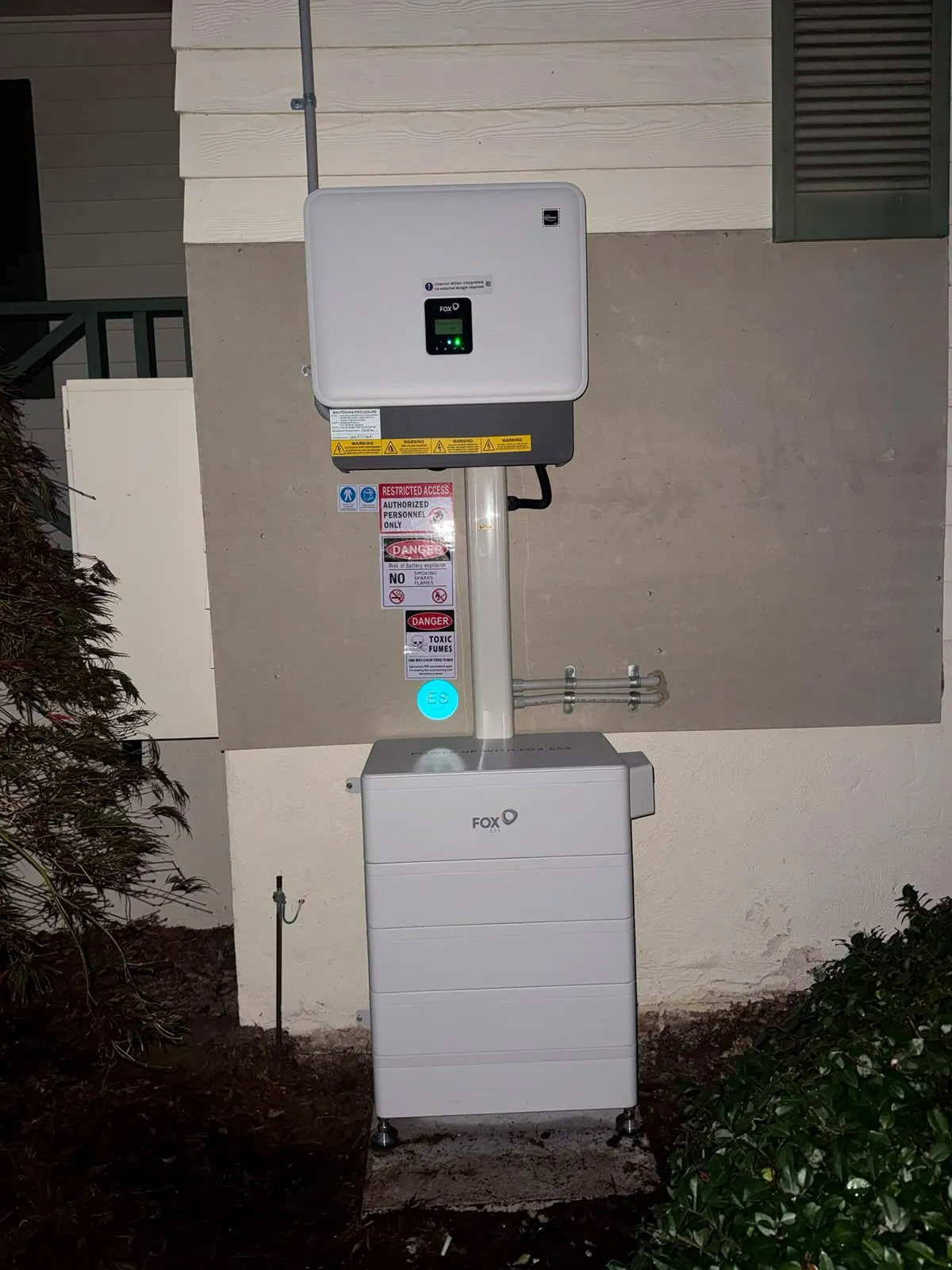
For a battery, be especially careful with repayment comparisons. Storage can increase self-consumption, support backup capability where the selected equipment and configuration allow it, and help manage time-of-use tariffs. Its value is real, but it depends heavily on usage, tariff structure and battery sizing. It should be assessed as part of an energy plan, not added to a loan simply because a bundled repayment appears manageable.
Incentives reduce the price, but do not replace good design
Eligible small-scale solar systems may receive an upfront discount through Small-scale Technology Certificates. The value depends on the system size, location and certificate market conditions, and it is commonly included in an installer’s quoted price. It reduces your initial outlay whether you pay cash or use finance.
Other NSW programs, retailer offers and battery incentives may change over time and can have eligibility requirements. Treat any incentive as a potential contribution, not the foundation of your investment case. A transparent quote should clearly show what has been allowed for, what is subject to eligibility and what you will pay.
The same principle applies to projected savings. A credible proposal begins with your electricity use, roof space, site conditions and future plans. It should not rely on aggressive production claims or unusually high export assumptions to make the numbers work.
When paying cash makes the most sense
Cash is often the better choice for owner-occupiers who have sufficient reserves after the project and want maximum lifetime value. It suits customers who prefer no ongoing debt and those who can use solar savings as a direct reduction in household running costs.
For commercial operators, cash may suit businesses with capital allocated for asset upgrades and a clear need to reduce operating expenses. Solar can offer a practical hedge against a portion of daytime energy costs, particularly where loads are steady. However, business owners should obtain independent accounting advice on asset treatment, tax implications and cash-flow planning before making a decision.
Cash can also be sensible where you expect to sell the property in the near term. An owned, quality solar system may add appeal to buyers, while arranging to discharge or transfer finance can create extra administration. The outcome will depend on the loan terms and sale timing.
When a solar loan may be the practical choice
A loan can be appropriate when keeping cash available matters more than avoiding all interest. That may include a family retaining funds for renovations, school costs or a contingency reserve, or a business protecting working capital for inventory, payroll and operational needs.
It can also suit properties where waiting is costly. If your roof is suitable, your bills are high and much of your electricity is used during solar-generating hours, beginning now may produce savings that help soften the finance cost. Shorter loan terms typically reduce total interest, provided the repayments remain comfortable.
Before accepting finance, check whether extra repayments are allowed without penalty. If your income changes or your solar savings exceed expectations, the ability to pay the balance down early can improve the outcome. Avoid making the loan term longer than necessary just to secure the lowest possible repayment.
Protect the value of either payment method
How you pay should never lower the standard of the installation. Solar connects to your home or business electrical infrastructure and must be designed and installed with safety, compliance and future performance in mind. Confirm the scope of work, equipment models, warranties, inverter capacity, monitoring, switchboard requirements and grid connection process before committing.
This is particularly important where a property needs electrical upgrades, a new meter arrangement, battery integration or EV charging. These works can affect price, timing and system design. An installer with accredited solar expertise and Level 2 electrical capability can identify regulated connection and supply issues early, helping avoid surprise variations after work has started.
At Sydpro Solar Solutions, transparent quoting starts with the property, the load and the outcome you want from your energy system. That allows the payment decision to follow a properly engineered solution, rather than forcing the solution to fit a finance offer.
Make the choice using your own numbers
Start with a written, itemised cash quote and a realistic forecast of solar generation and self-consumption. Then place the full finance cost beside it. Consider your available cash after the installation, the return that cash could otherwise earn or save, and the certainty of your future income and energy needs.
If cash leaves you financially stretched, a sensible loan may be the safer decision even if it costs more overall. If a loan pushes the project beyond its likely savings or encourages unnecessary equipment, waiting or reducing the scope may be wiser. A solar system should improve financial confidence, not create pressure.
The right path is the one that lets you install a safe, well-designed energy system with clear costs and room in the budget to enjoy the savings it produces.