A solar system should reduce your energy costs quietly in the background, not leave you wondering whether an ageing cable, roof penetration or inverter warning needs attention. Professional solar safety inspections give NSW property owners a clear view of how safely their system is operating, where performance may be slipping, and what should be addressed before a minor issue becomes a costly repair.
For homes, the priority is protecting the people and property beneath the roof. For businesses and industrial sites, it also means reducing avoidable downtime, maintaining safe access for staff and contractors, and protecting a significant energy investment.
What a solar safety inspection checks
A proper inspection is more than a glance at the panels from the ground or a check that the inverter screen is lit. Solar is both a rooftop installation and an electrical generating system, so it needs to be assessed from both angles.
The inspection generally starts with the visible condition of the array. This includes panel glass, frames, mounting rails, clamps and roof penetrations. The aim is to identify cracked modules, loose hardware, corrosion, debris build-up, damaged cabling or signs that weatherproofing around the installation may need attention. A roof that has been re-roofed, repaired after a storm, or affected by pest activity deserves particular care.
The electrical side is equally important. A qualified professional checks accessible DC and AC cabling, conduit, isolators, labels, switchboard connections, earthing and the inverter installation. They look for deterioration caused by heat, UV exposure, moisture, movement and physical damage. They also review whether safety labels remain legible and whether equipment access is appropriate.
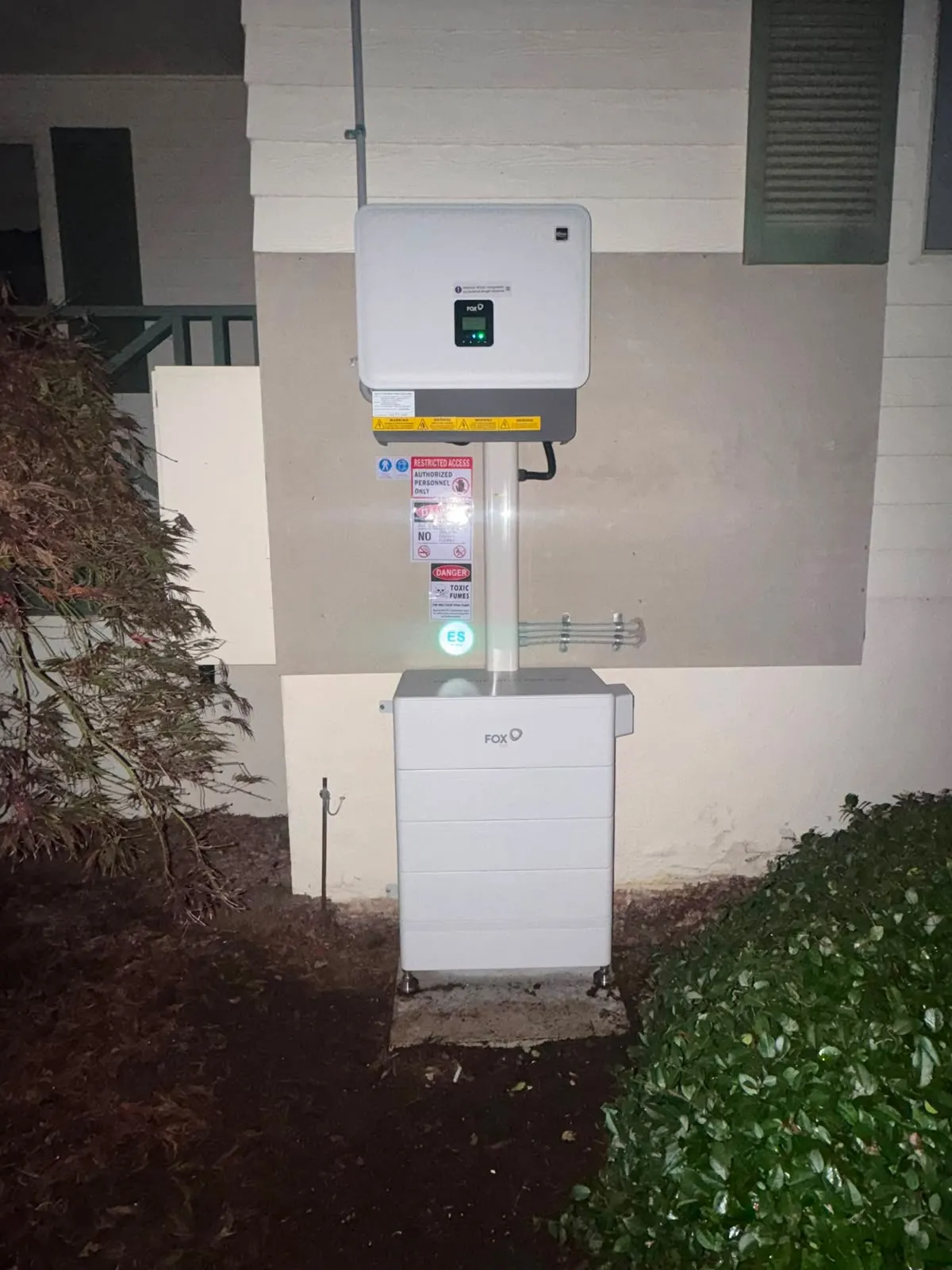
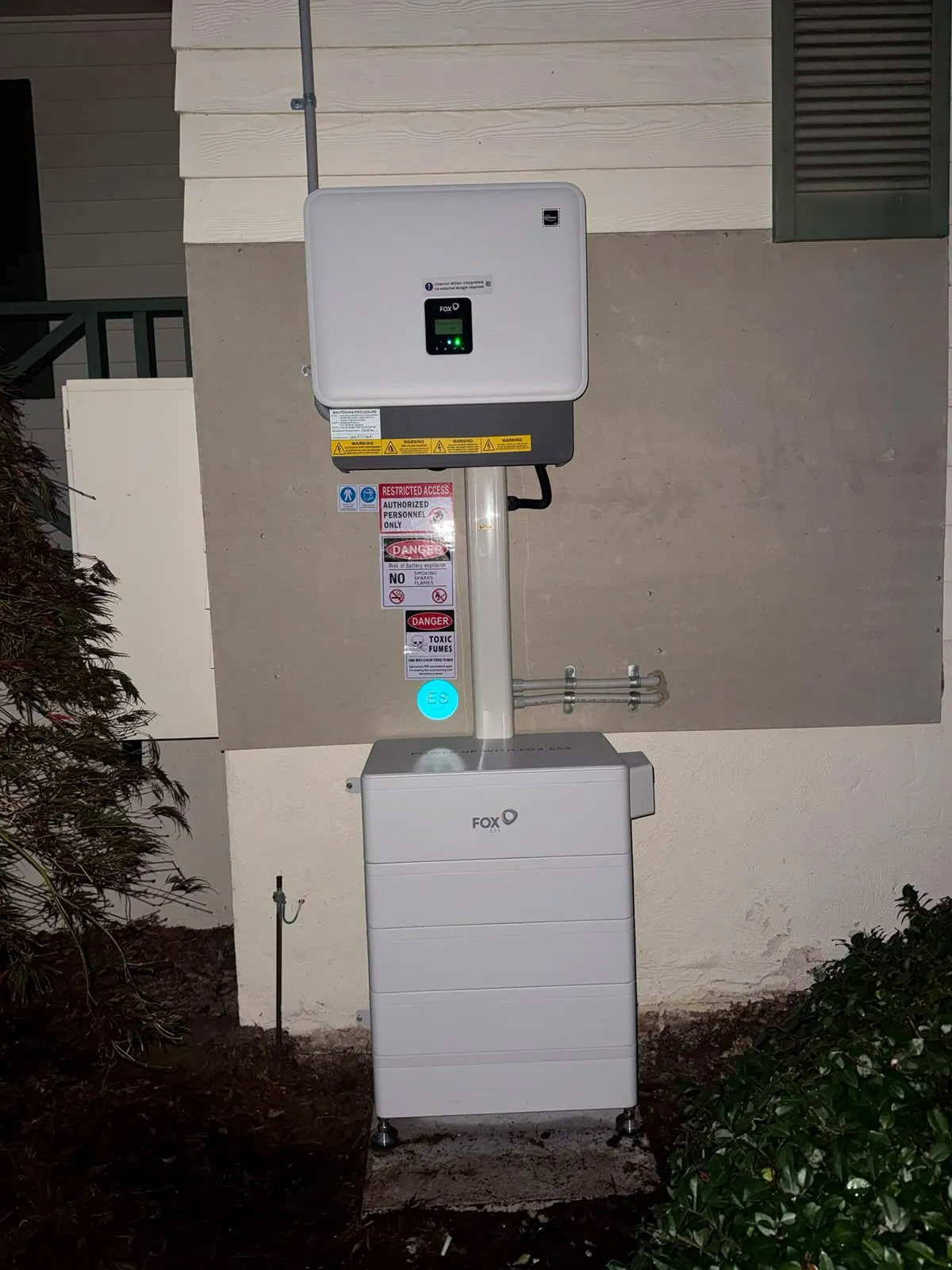
For systems with batteries, inspections should include the battery enclosure or location, clearances, cabling, ventilation requirements where applicable, warning signage and the condition of associated protection devices. EV chargers and recent electrical upgrades should be considered too, because a property’s load profile and switchboard arrangements can change substantially over time.
Safety and performance are closely connected
A system can still produce power while developing a fault. An underperforming string, poor connection or inverter error may first appear as lower generation rather than a complete shutdown. Reviewing production data alongside the physical inspection can help uncover issues that are not obvious from the roofline.
That distinction matters. Cleaning panels may improve output where soiling is the cause, but it will not correct a faulty isolator, damaged cable or configuration issue. A good inspection separates maintenance needs from electrical defects and explains the recommended next step in plain language.
When should you arrange solar safety inspections?
There is no single timetable that suits every property. System age, roof type, coastal exposure, surrounding trees, recent building work and the complexity of the electrical installation all affect the right inspection interval.
As a practical approach, arrange a professional check when your system is several years old, after significant storms or hail, following roof works, or when you notice a change in generation. It is also sensible to inspect the system before adding a battery, upgrading a switchboard, installing an EV charger or expanding the solar array. These projects can change the way energy flows through your property and should be planned as one coordinated electrical system.
Commercial and industrial properties may require more structured inspection programs. Large arrays, high-energy loads, multiple tenancies and regular contractor access create additional operational considerations. Scheduled checks can support asset planning and help identify faults before they affect production or business continuity.
Warning signs that should not wait
Some issues call for prompt assessment rather than waiting for a routine visit. Contact a qualified solar and electrical professional if you see an inverter fault message that does not clear, repeated tripping, damaged equipment, exposed or hanging cabling, water ingress near electrical components, burnt marks, unusual smells or visible panel damage.
A sudden, unexplained drop in solar production is also worth investigating. It may be caused by shading from new growth, dirty panels, a communications issue or normal seasonal conditions. However, it can also point to an inverter, string or connection problem. Production monitoring is useful, but it is not a replacement for an on-site safety assessment.
Do not open isolators, inverter covers or switchboard equipment yourself. Solar systems can contain live DC components during daylight hours, even when the inverter is not generating normally. Keep people clear of damaged equipment and arrange professional advice.
Why credentials matter in NSW
Solar safety work sits at the intersection of rooftop access, electrical safety and grid-connected generation. The person assessing your system should have the right electrical qualifications, solar experience and safe-work processes for the job being performed.
For work involving the network side of supply, metering arrangements or specific service connections, NSW Level 2 Accredited Service Provider capability may be required. Not every inspection needs Level 2 work, but having a contractor who understands both the solar system and broader electrical infrastructure can make future upgrades simpler. This is particularly valuable when solar, batteries, EV charging and switchboard capacity need to work together.
Ask what the inspection includes, whether testing is being performed where appropriate, and how findings will be documented. Clear reporting should distinguish between urgent safety issues, recommended maintenance and optional improvements. It should also explain costs before corrective work begins.
Common issues found on older solar systems
Most established systems continue to operate safely with routine care, but age and exposure can reveal weaknesses. The most common findings tend to be practical rather than dramatic: faded labels, brittle conduit, unsecured cables, vegetation shading, accumulated debris, ageing isolators or mounting components that need review.
Older installations may also have equipment arrangements that no longer suit the property. A household that has added air conditioning, induction cooking, a battery or an EV may need a switchboard and load assessment. A business that has expanded machinery or operating hours may find that its original solar design no longer matches its consumption profile.
The right response depends on the finding. Replacing a failed component may be enough for a relatively new, well-designed system. In other cases, a targeted upgrade can improve safety, monitoring and long-term value. The most cost-effective option is not always the lowest upfront price – it is the solution that resolves the actual issue without creating new limitations for future energy upgrades.
Preparing for an inspection
You can help make the visit more efficient by ensuring safe access to the inverter, switchboard and any battery equipment. If you have monitoring records or screenshots of fault notifications, keep them available. Let the inspector know about recent roof repairs, storm damage, electrical work or changes in energy use.
For commercial sites, provide relevant site induction requirements and advise whether plant, deliveries or restricted work areas affect access. Solar inspections should be planned around the realities of the site, not squeezed into unsafe conditions.
Avoid relying on a quote based solely on photos when a fault or safety concern is involved. Photos can help with initial triage, but they cannot confirm connection integrity, internal equipment condition or the cause of reduced generation.
Protect the value of your energy investment
Solar is designed to deliver value over many years, but that value depends on safe installation, suitable equipment and timely attention when conditions change. Regular checks are a practical form of asset care, especially as your property becomes more electrified.
Sydpro Solar Solutions brings accredited solar expertise and NSW Level 2 electrical capability into one coordinated service relationship, helping property owners make informed decisions about solar, batteries, EV charging and electrical upgrades. The useful next step is simple: if your system has changed, aged, been exposed to severe weather or started producing less than expected, arrange an assessment before a small concern has the chance to interrupt your savings.