A new EV often arrives with a portable charging lead, making a standard power point look like the obvious answer. But the EV charger versus socket decision affects far more than convenience: it determines charging speed, electrical safety, future capacity and how well your vehicle can use solar power.
For some NSW households, a socket is perfectly adequate for occasional top-ups. For daily driving, larger batteries, multi-car households and most workplaces, a dedicated charger is usually the more practical long-term investment. The right choice depends on your driving routine, existing electrical supply and plans for the property.
EV Charger Versus Socket: The Core Difference
A standard Australian socket, also called a general-purpose outlet or GPO, supplies power at 10 amps. With the portable charging cable supplied with many EVs, this typically delivers about 1.8 to 2.3 kW. Depending on the vehicle and cable settings, that may add roughly 10 to 15 kilometres of range per hour.
A dedicated EV charger is a fixed wall-mounted unit designed specifically for regular vehicle charging. Most residential installations are single-phase Level 2 chargers rated up to 7.4 kW, which can add around 35 to 50 kilometres of range per hour where the vehicle supports that rate. Three-phase properties may support 11 kW or 22 kW charging, although the vehicle’s onboard charging capacity remains the limiting factor.
The difference is significant. An EV with a 60 kWh battery could take well over a day to recharge from a regular 10-amp socket, while a correctly sized wall charger can often complete the same task overnight. Actual results vary with the vehicle, battery state, charger setting and available supply.
When a Standard Socket Can Make Sense
A normal socket can suit an owner who drives short distances, has long periods between trips and can charge slowly without inconvenience. It can also be useful while waiting for a permanent installation, at a holiday property, or as an occasional backup option.
The key word is occasional. Standard sockets were not originally designed for sustained high electrical loads over many hours, night after night. Heat can build up at worn outlets, loose terminals or unsuitable circuits. This is especially relevant in older Sydney homes where the switchboard, wiring or existing power points may not meet the demands of continuous EV charging.
If you use a portable charging cable, plug it directly into a sound, dedicated socket. Avoid extension leads, double adaptors and power boards. The outlet should be protected by an appropriate safety switch, and the charging equipment should be set up and used in line with the vehicle manufacturer’s instructions.
A 15-amp socket may provide a modest improvement where compatible equipment is used, but it is not simply a matter of fitting a different outlet. It requires the correct dedicated circuit, cable sizing and protection. A 15-amp plug also has a wider earth pin, so it cannot be inserted into a standard 10-amp socket.
Why Dedicated EV Chargers Are Safer for Daily Use
A quality EV charger is built for the job. It communicates with the vehicle, manages the charging connection and is installed on a dedicated circuit with electrical protection selected for that equipment. This reduces reliance on a general household outlet that may also be affected by age, wear or other loads on the circuit.
Professional installation matters just as much as the charger itself. A licensed electrician should assess the switchboard, main supply, cable route, earthing, circuit protection and available capacity before recommending a unit. If a property’s supply needs alteration, metering work or an upgrade to service equipment, a Level 2 ASP may be required in NSW.
For homes with limited electrical capacity, dynamic load management is particularly valuable. This feature monitors demand and automatically reduces EV charging output when major appliances are running, helping avoid overloads. It can make a dedicated charger possible without immediately moving to a costly supply upgrade, although each property needs its own assessment.
Outdoor installation also calls for care. The charger should have suitable weather protection, be mounted securely and be positioned so the cable can reach the vehicle without creating a trip hazard across a driveway or footpath.
Speed Is About More Than Convenience
Fast home charging is not about filling the battery as quickly as possible every day. It is about having enough energy available when you need it. A household that drives 30 to 50 kilometres a day may manage comfortably with slow socket charging if the car is plugged in every evening.
That changes when the daily distance increases, charging opportunities are irregular, or the vehicle is used for work. A family returning home late with a low battery may not have enough time to recover useful range from a 10-amp socket before the morning school run or commute. A wall charger gives far more flexibility and reduces the need to rely on public charging.
Businesses should consider vehicle dwell time. A staff car park where vehicles remain for eight hours may not require the highest possible charging rate. A fleet ute, delivery vehicle or customer-facing site with short visits may need faster charging, multiple charge points or intelligent load sharing. Installing more capacity than the electrical supply can support is not a solution, which is why a proper site assessment comes first.
Cost: Consider the Whole Installation
A socket appears cheaper because the outlet may already be there. However, the lowest upfront cost is not always the lowest long-term cost if the circuit is unsuitable, the socket needs upgrading, or charging is too slow for your routine.
A dedicated charger involves the cost of the unit, a new circuit, protection devices, cabling and labour. Pricing varies according to the distance from the switchboard, wall construction, trenching, switchboard condition, supply capacity and whether electrical upgrades are required. For commercial properties, demand management, multiple bays, access control and billing features can also affect the scope.
A transparent quotation should identify what is included and any conditions that could change the installation cost. This gives property owners a clearer basis for comparing options than a headline charger price alone.
It is also worth considering the value of future readiness. If you are renovating, adding solar and battery storage, planning a second EV or upgrading to three-phase power, installing the right cabling and switchboard capacity now can prevent duplicated work later.
Solar Charging Changes the Calculation
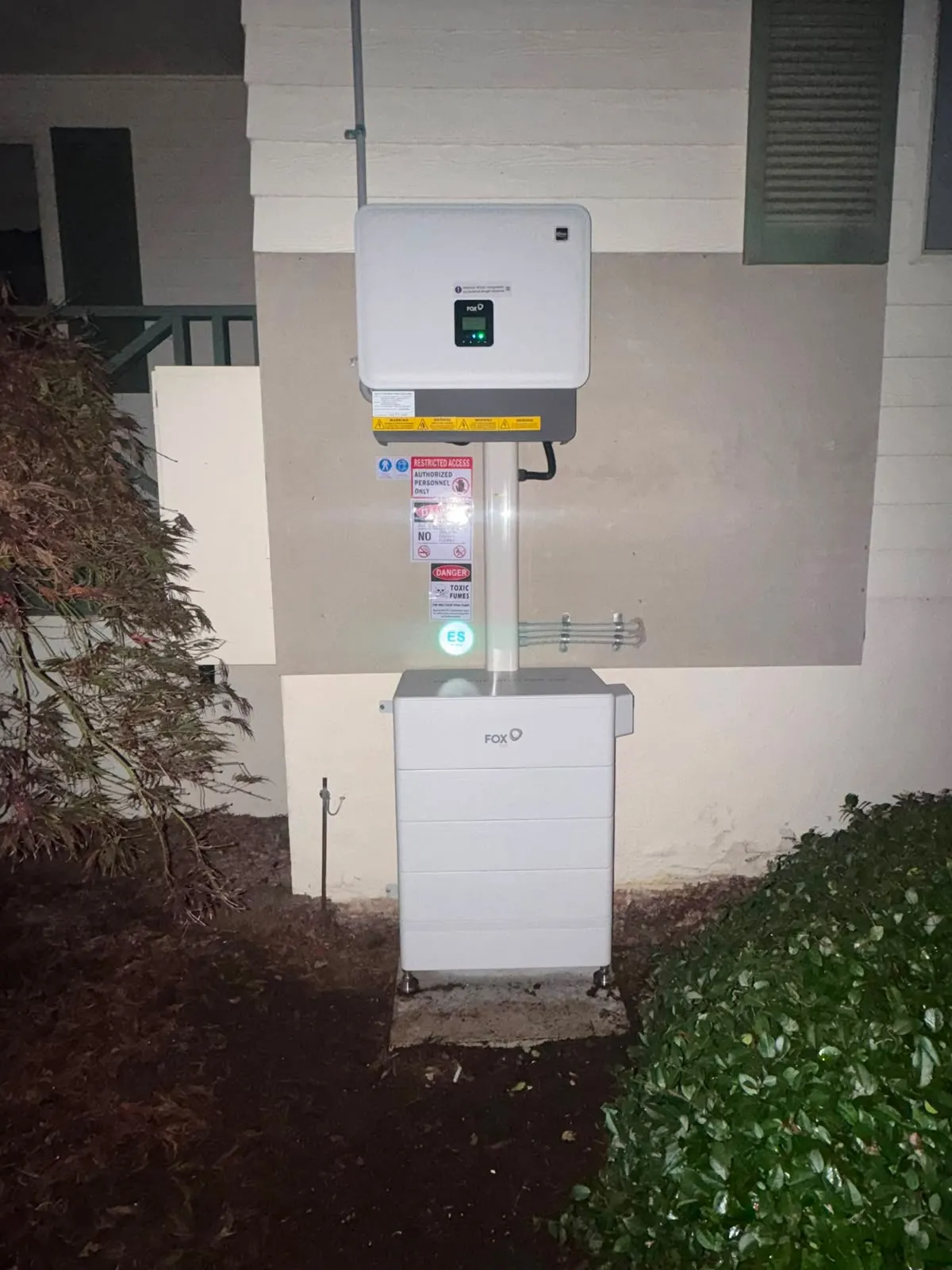
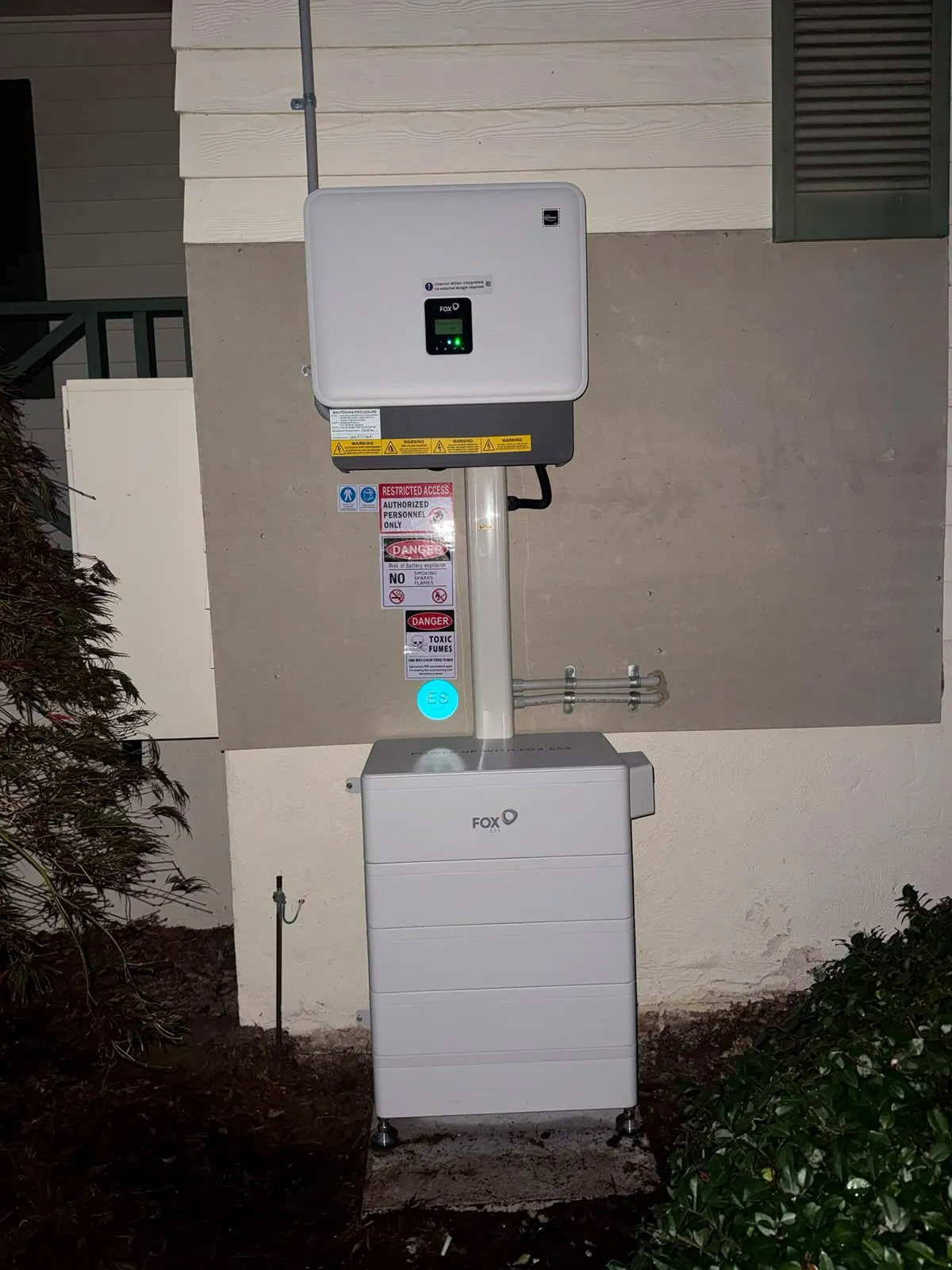
For solar households, a smart EV charger can become part of a wider energy strategy. Rather than charging at full power from the grid whenever the car is connected, compatible charging controls can adjust output to follow available solar generation. This can help direct surplus daytime solar into the vehicle after household loads are covered.
That said, solar-aware charging is not automatically the best setting for every household. On a cloudy day, or when the car must be ready by a fixed time, scheduled charging may be more useful. Some owners choose a mix: solar surplus charging on weekends or work-from-home days, then off-peak scheduled charging overnight when required.
Battery storage adds another layer of choice. Using a home battery to charge an EV can provide flexibility, but it may not always be the most economical use of stored energy. The right approach depends on battery size, electricity tariff, solar production, driving needs and the household’s evening consumption.
Choosing the Right Setup for Your Property
Start with your actual driving pattern, not just the battery size on the brochure. Ask how many kilometres you drive on a typical day, how long the car is parked at home, whether a second EV is likely, and whether daytime solar is available. Then assess the electrical infrastructure behind the garage wall.
A socket may be enough if your kilometres are low and charging time is plentiful. A dedicated Level 2 charger is generally the better choice for regular daily use, higher mileage, solar integration or a property being prepared for the next decade of transport.
For a home, business or industrial site, the safest answer comes from a site-specific electrical assessment rather than a one-size-fits-all recommendation. Sydpro Solar Solutions can design EV charging as part of a broader solar, battery and electrical upgrade, with the supply capacity and compliance requirements considered from the outset.
The best charging setup is the one that fits your routine quietly in the background: safe, correctly installed, ready when you are, and capable of making better use of the energy your property produces.