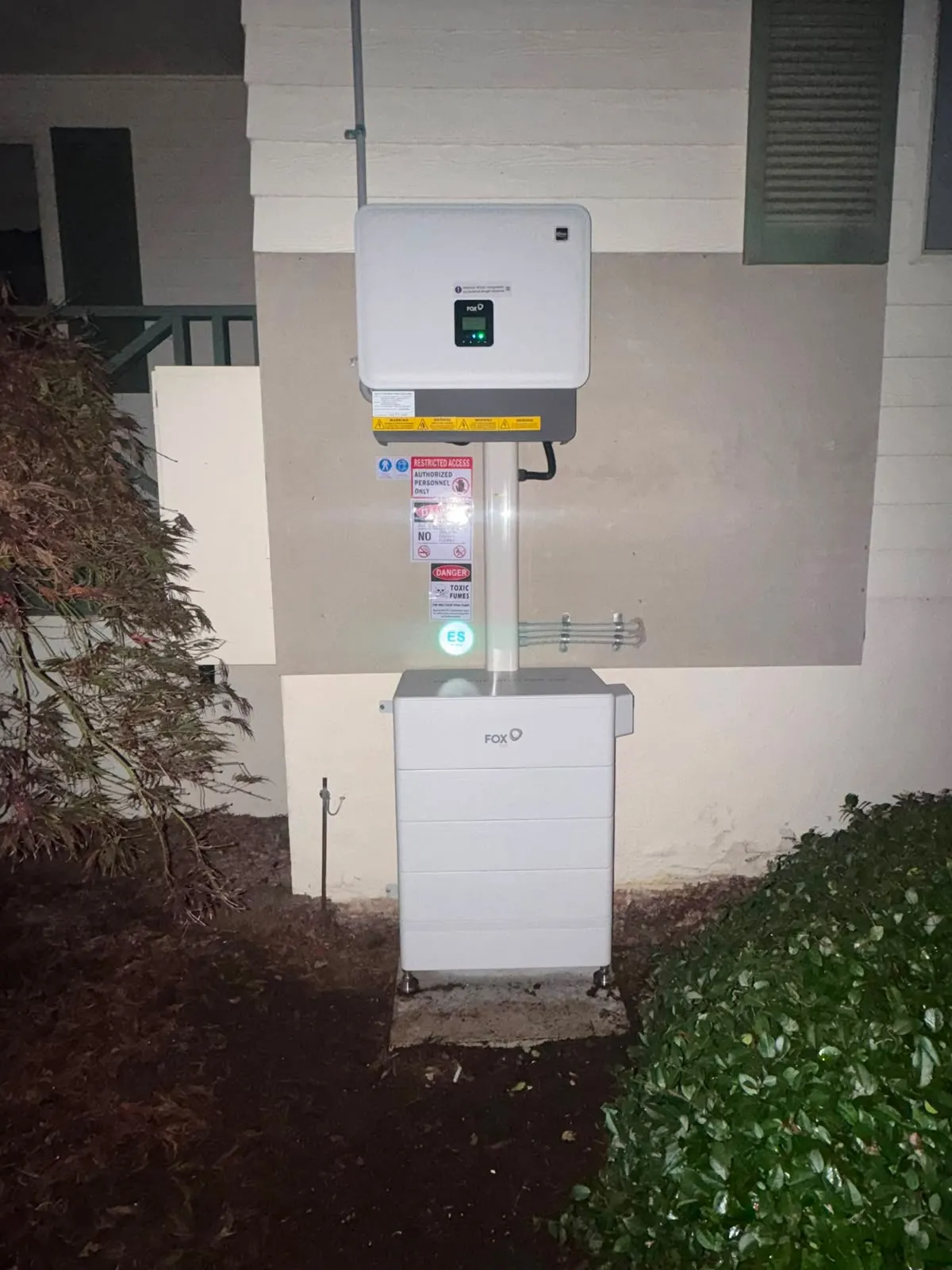
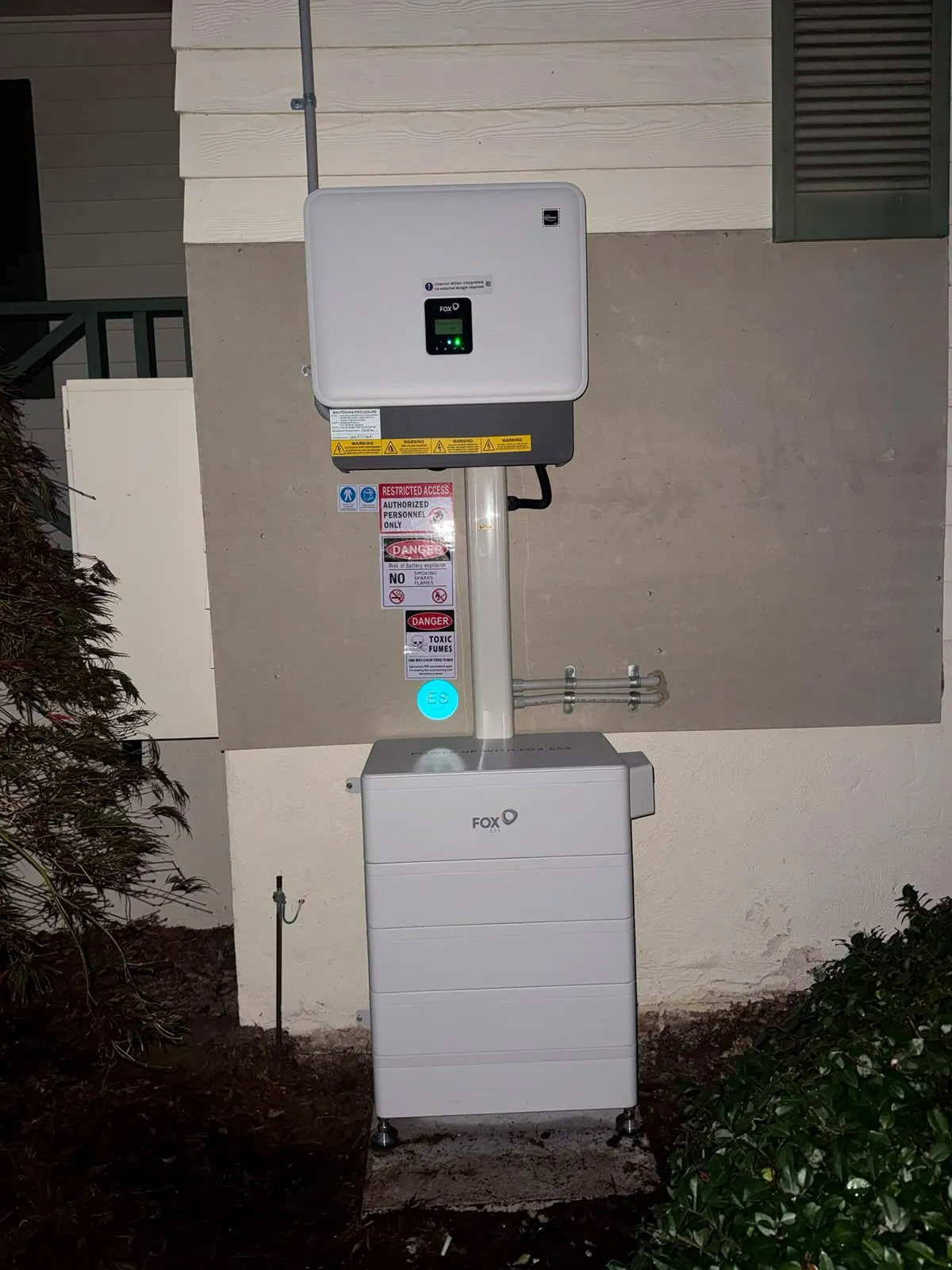
A battery that charges at 2 pm and powers your home through the expensive evening peak can reduce electricity costs far more effectively than one that simply follows a fixed schedule. That is the opportunity behind dynamic tariffs – but only when the plan, solar system, battery settings and household habits work together.
For NSW property owners, variable electricity pricing is becoming a more practical consideration as batteries, EVs and smart energy controls become common. It can create meaningful savings, but it also shifts more responsibility to the customer. The best outcome comes from understanding when your property uses power, what your retailer charges at different times, and how much of that demand you can safely move.
What are dynamic tariffs?
Dynamic tariffs are electricity pricing plans where import and, in some cases, export rates change more frequently than a standard flat-rate plan. Prices may vary by time of day, by the day of the week, or in response to wholesale market conditions.
They are different from a conventional time-of-use tariff. A time-of-use plan normally has set peak, shoulder and off-peak periods that are known in advance. A dynamic tariff can move more often, sometimes with prices published ahead of time and sometimes linked closely to changing market conditions.
The basic idea is straightforward. Electricity is usually cheaper when renewable generation is plentiful and network demand is lower. It is often more expensive when households and businesses are drawing heavily from the grid, particularly on hot summer evenings. Dynamic pricing gives customers a financial reason to use flexible loads at lower-cost times.
That flexibility might include charging an EV overnight or during a low-price daytime period, pre-cooling a building before peak pricing begins, scheduling a pool pump, or charging a home battery when grid power is cheap.
Why dynamic tariffs matter for solar owners
Solar changes the equation because it already helps reduce grid imports during daylight hours. A well-designed system can run daytime appliances directly from rooftop generation, while surplus energy is exported or stored for later use.
However, solar production and household demand do not always line up. Many families are away during the middle of the day, then return home as solar output falls. Cooking, air conditioning, lighting and entertainment can create a sharp evening demand period, which may coincide with higher electricity prices.
A dynamic tariff can make that gap more visible. If the grid price rises after sunset, every kilowatt-hour avoided through battery discharge or load shifting may have greater value. If prices fall during a cloudy period or overnight, it may be more economical to charge a battery from the grid than preserve its capacity for a time when solar is expected to cover the home.
This does not mean every solar household should move to a dynamic plan. A home with strong daytime consumption, limited battery capacity and little ability to shift usage may be better served by a simpler tariff. Retailer rates, solar feed-in terms, daily supply charges and peak periods all need to be assessed together.
Export pricing deserves close attention
Some plans offer variable solar export rates. At certain times, an exported kilowatt-hour may be worth more than a typical fixed feed-in tariff. At other times, export rates can be low, and some market-linked products may expose customers to negative export prices.
For solar owners, that makes self-consumption more valuable. Instead of exporting excess generation at a poor rate, a battery can store it, an EV can charge, or flexible equipment can run during the solar window. Smart controls can help, but settings must be selected carefully to protect battery warranty requirements and ensure the system remains useful during the evening.
The battery is the key flexibility tool
A battery does not automatically guarantee savings on dynamic pricing. Its value depends on usable capacity, power output, efficiency, reserve settings, household load profile and the tariff itself. A battery that is too small may run out before the evening peak ends. One with a low discharge rate may not cover high-demand appliances running at the same time.
The most effective battery strategy is usually not simply to charge whenever electricity is cheapest and discharge whenever it is dear. It needs to account for tomorrow’s solar forecast, likely household demand, backup reserve requirements and battery cycling. Charging from the grid can be sensible when prices are genuinely low, but repeated cycling for a small price difference may not justify the energy losses or additional battery wear.
For homes that want blackout protection, reserve capacity also matters. Using every available kilowatt-hour to avoid a peak price may leave little energy available during an outage. The right balance depends on how reliable supply is in your area and how essential backup power is for your household.
Modern battery platforms can automate parts of this decision-making, yet automation is only as good as the tariff data and system configuration behind it. Professional design and commissioning remain critical, particularly where solar, battery backup, EV charging and switchboard upgrades are all part of one project.
EV charging can make or break the numbers
An EV is one of the largest flexible loads at a home. A typical Level 2 charger can add substantial energy demand over a charging session, so charging at the wrong time can quickly undermine the benefit of a low-cost energy plan.
Dynamic pricing may suit EV owners who can schedule charging overnight, during abundant daytime solar production, or during published low-price periods. Smart chargers can be configured to follow schedules, respond to solar surplus or pause when household demand rises. The best approach depends on how predictable your driving routine is and whether the vehicle needs to be fully charged by a specific time.
For a household with one EV and a modest solar system, charging solely from solar may sound ideal but may not always be practical. If the car is away during the day, overnight off-peak charging could provide better certainty. If it is home during daylight hours, solar-aware charging may reduce imports and preserve battery capacity for the evening.
What businesses should assess before changing plans
Commercial and industrial sites can have more to gain from flexible pricing, but they also carry greater risk. Refrigeration, production equipment, HVAC, pumps and operating hours can create sizeable demand at times when electricity is costly. Some business tariffs also include demand charges, which are based on a site’s highest level of grid demand over a defined period.
Before changing to a dynamic tariff, a business should review interval data rather than relying on monthly bills alone. Half-hourly or more detailed consumption data can reveal when loads occur, how much solar generation overlaps with operations, and whether a battery could reduce expensive imports or demand peaks.
Useful questions include whether non-critical processes can move to lower-cost periods, whether the site can tolerate automated load control, and whether electrical infrastructure has capacity for new battery or EV charging equipment. Larger projects may also require switchboard works, metering changes, network approvals or Level 2 electrical services.
The goal is not to chase the lowest advertised rate. It is to reduce the total cost of energy while maintaining operational reliability and electrical safety.
How to decide whether a dynamic tariff suits your property
Start with your interval usage data and a recent bill. Look for high evening imports, overnight EV charging, large daytime exports and short periods of high demand. These patterns are more useful than a single average daily consumption figure.
Then compare the complete tariff structure. Consider import rates across likely periods, supply charges, export arrangements, any demand charges, and the retailer’s notice period for price changes. Check whether your battery, inverter or charger can respond automatically and whether that functionality is included or requires an additional service.
Finally, model the system as one energy plan rather than separate products. Solar reduces daytime imports. A battery can shift solar or low-cost grid energy. An EV charger can absorb surplus generation or avoid peak periods. Each element affects the value of the others.
Sydpro Solar Solutions can help NSW homeowners and businesses assess the electrical and energy-system foundations before committing to a battery, EV charger or broader solar upgrade. The strongest result is a compliant, properly sized system designed around real usage, not a tariff headline.
Dynamic pricing rewards preparation. When your equipment is correctly specified and your energy use is flexible, it can turn changing electricity prices from an uncertainty into a practical way to take greater control of your power costs.