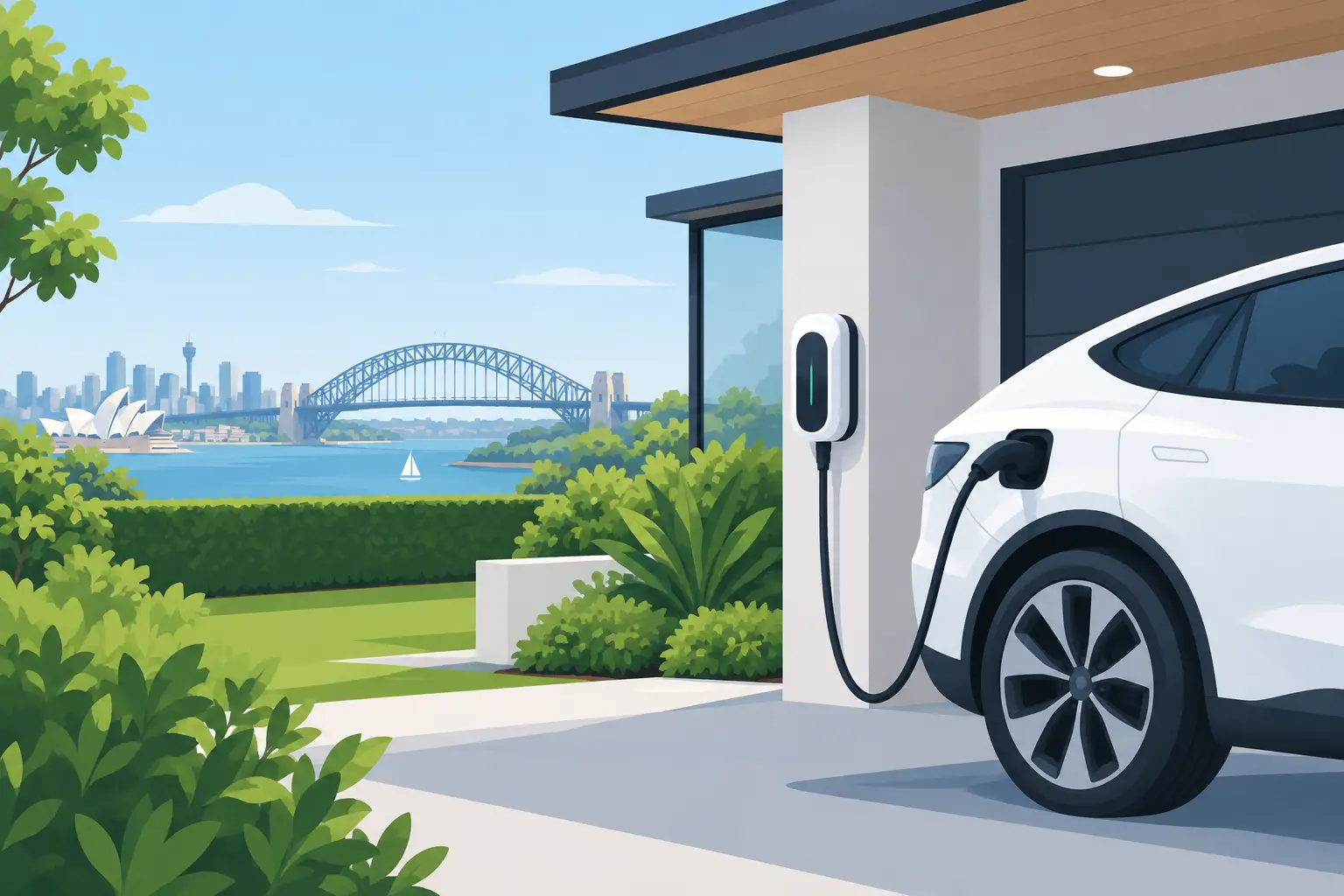
A charger in the right car park can do more than top up a vehicle. Well-planned business EV charging stations help NSW businesses control fleet running costs, offer a practical staff benefit and make a commercial property more useful to tenants and visitors. But the value depends on the electrical design behind the charger, not simply the unit fixed to the wall.
For a warehouse with electric utes, the priority may be dependable overnight charging. For an office, retail site or strata-managed commercial building, it may be fair access, billing and avoiding expensive peak-demand periods. The right solution starts with how people use the site and how much electrical capacity is available.
Why business EV charging stations are becoming a property decision
Electric vehicles are moving from an early-adopter purchase to a normal business asset. Fleets are beginning with sales vehicles, service vans and management cars. Employees increasingly ask whether they can charge during the workday. Tenants evaluating premises also look for modern infrastructure that will remain fit for purpose as transport changes.
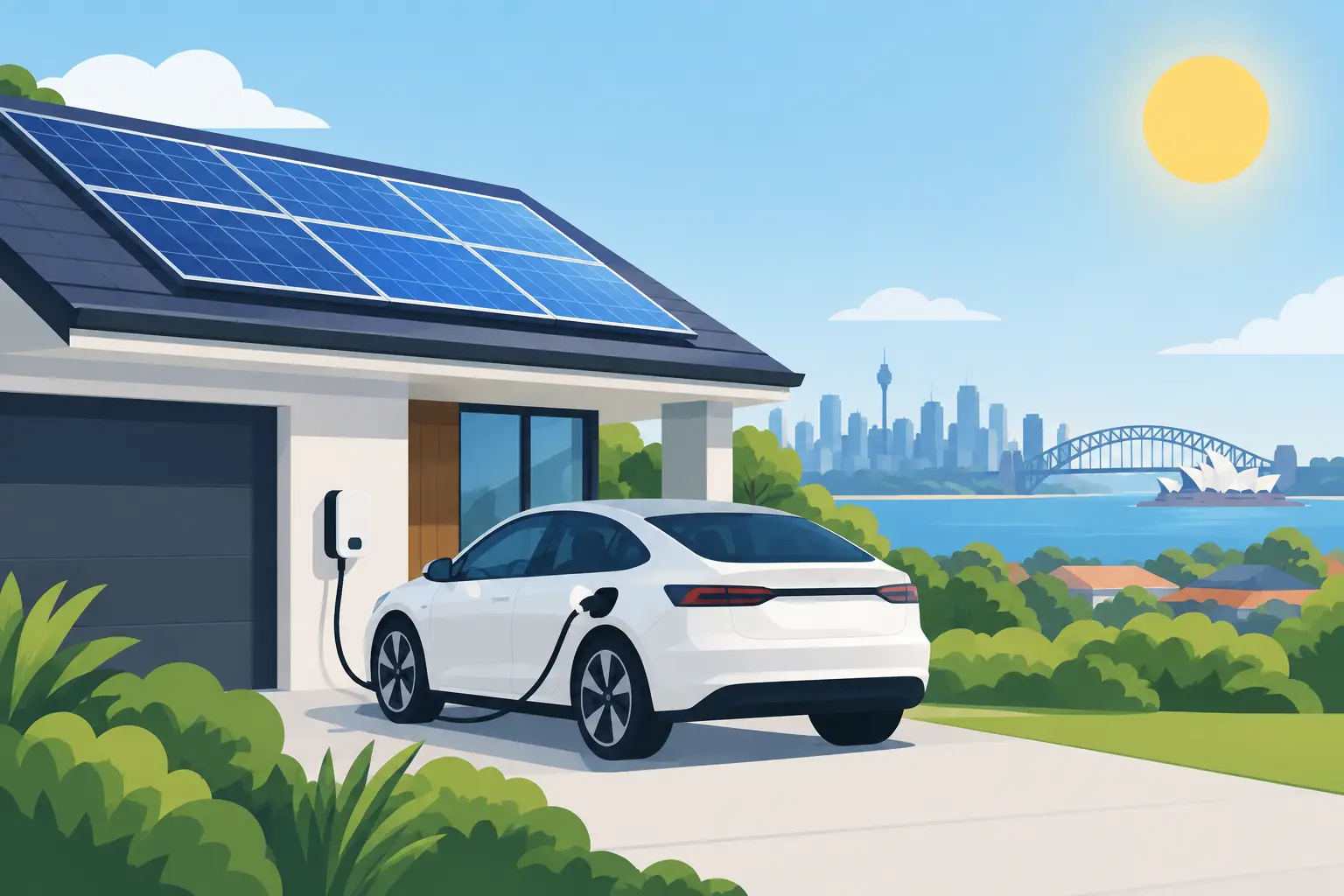
Installing charging can make good commercial sense when it is matched to a real need. A business with predictable overnight parking can often charge vehicles at lower-cost times. A solar-equipped site may be able to direct surplus daytime generation into staff or fleet vehicles rather than exporting all of it to the grid. For landlords, charging infrastructure can be a practical way to improve the appeal and future value of a property.
There are trade-offs. Public-facing charging may attract customers, but it requires clear access rules, parking management and a decision about whether users pay. A charger intended only for a small fleet can be simpler and more cost-effective, particularly where vehicles return to the same depot every evening. Planning for the intended users avoids paying for features that will not be used.
Start with the vehicles, parking time and electrical supply
The question is not simply, “How many chargers do we need?” A better question is, “How much energy does each vehicle need while it is parked here?”
A fleet vehicle that travels substantial daily kilometres may need more energy than a staff member’s car parked for eight hours. Conversely, vehicles left at a depot overnight usually do not need ultra-fast charging. A correctly sized AC charger can restore the required range while keeping installation and network costs under control.
A site assessment should consider vehicle numbers today, anticipated growth, parking locations, operating hours and the kilometres vehicles typically travel. It should also identify whether chargers need to be available to employees, visitors or the public, and whether access needs to be controlled by RFID cards, an app or a back-office system.
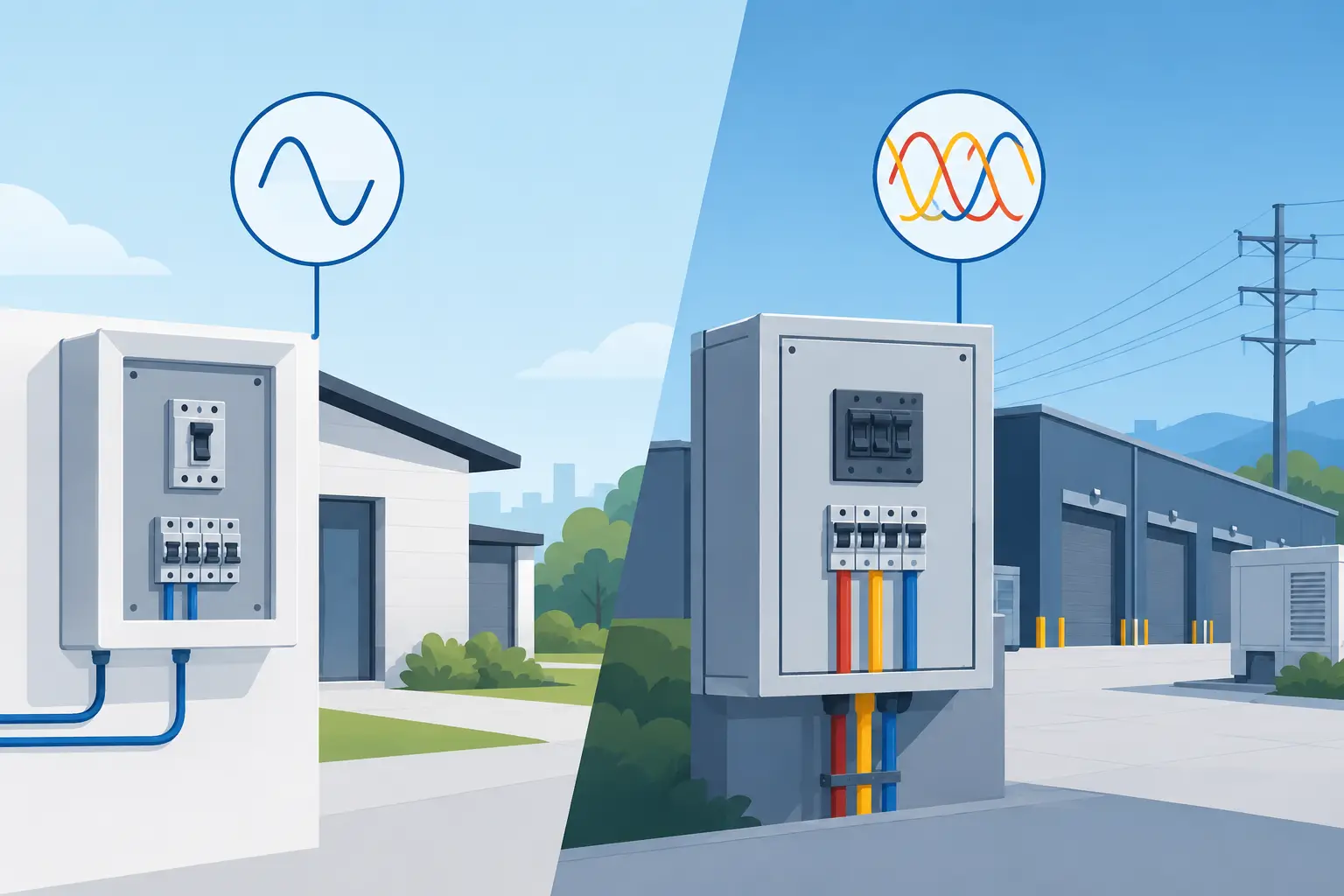
The existing switchboard and incoming supply matter just as much. Commercial sites can have significant capacity, but that capacity may already be committed to air conditioning, machinery, refrigeration, lifts or other high-load equipment. Adding several chargers without assessing the maximum demand can create nuisance tripping, overload equipment or trigger costly upgrade requirements.
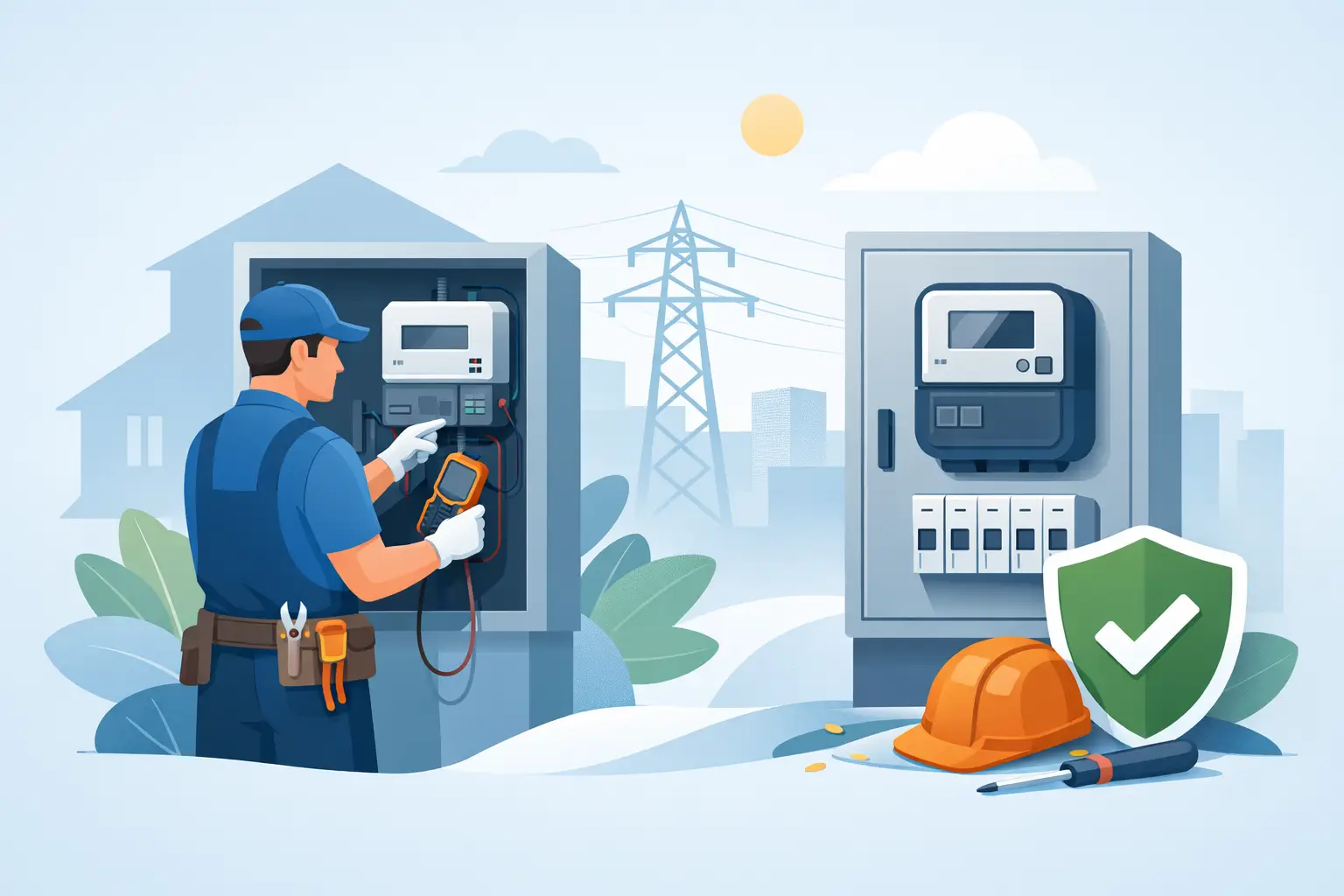
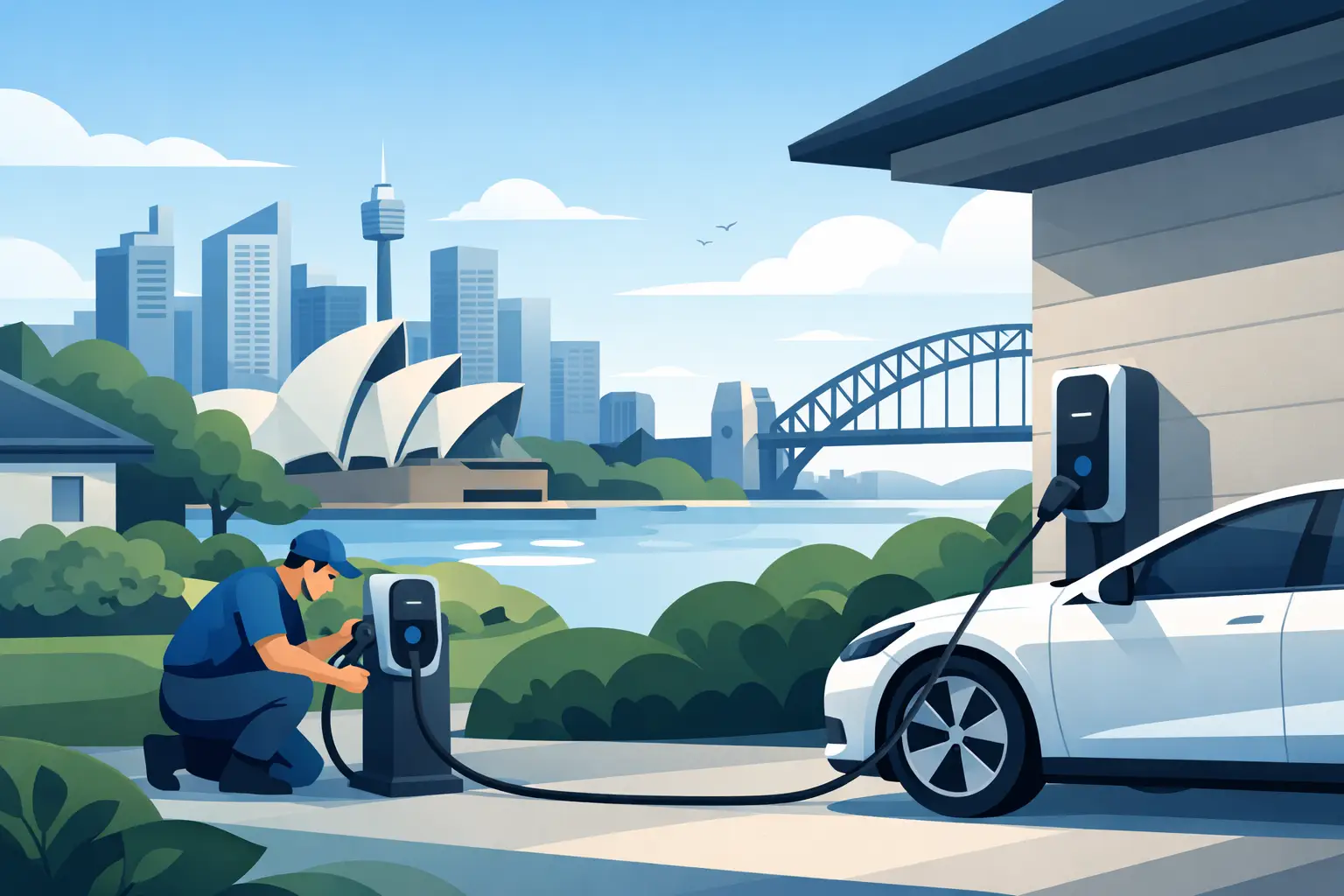
This is where a qualified electrical contractor with Level 2 ASP capability can add real value. They can assess the connection requirements, metering arrangements and supply-side work alongside the charger installation, rather than treating the charger as an isolated electrical add-on.
Level 2 charging is often the practical choice
For many workplaces and fleet depots, AC Level 2 charging provides the best balance of speed, cost and electrical demand. It suits vehicles parked for several hours and avoids the much higher infrastructure cost often associated with DC fast charging.
DC charging can be appropriate for sites where vehicles must return to the road quickly, such as high-utilisation fleets, transport operations or public charging locations. It is not automatically better. Its larger upfront cost, higher power requirements and possible network upgrades need to be justified by vehicle turnaround time and usage.
The best option may be a staged design: install the electrical pathways and switchboard allowance now, deploy a smaller number of chargers initially, then expand as EV numbers grow. This approach protects the site from repeated disruptive works while keeping the initial investment sensible.
Design charging around your energy costs
Charging is an energy-management project as much as a transport project. If every charger operates at full output during the afternoon peak, a site can face higher demand and avoidable electricity costs. Smart charging helps prevent this by sharing available capacity across vehicles and scheduling charging around site load or tariffs.
For example, a business may set fleet vehicles to begin charging after operations finish, then stagger charging through the evening. An office could give employees access during the day while limiting output when air conditioning demand is high. The exact strategy depends on the retailer tariff, operating schedule and the building’s existing load profile.
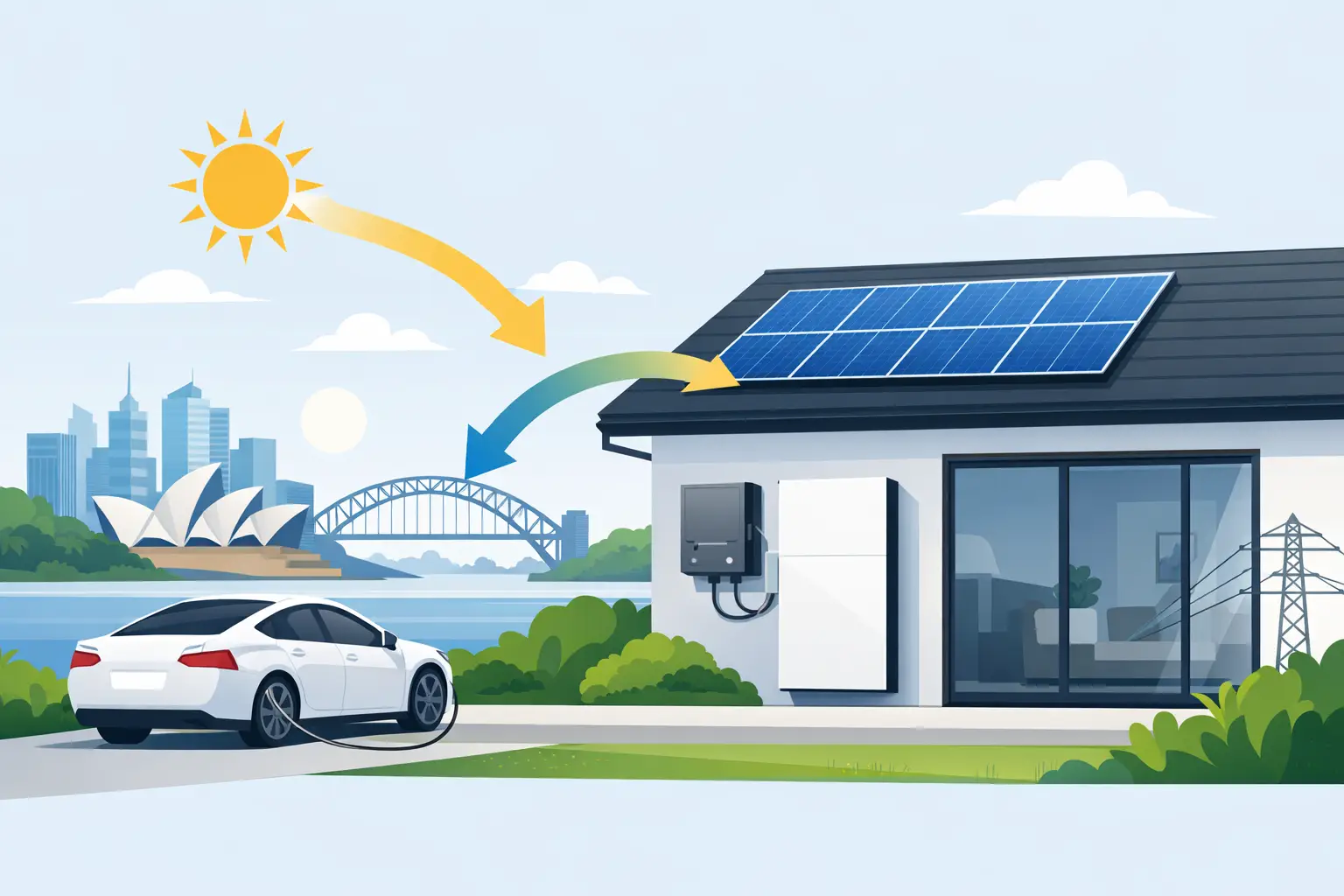
Solar can strengthen the business case. Rooftop solar commonly produces most during daytime business hours, which can align well with staff vehicles, customer parking and daytime fleet operations. Instead of treating EV charging as a new cost alone, businesses can use it as another destination for solar energy generated on site.
Battery storage may also have a role, although it is not necessary for every project. A battery can help capture solar generation, reduce grid imports at selected times and support load management. Its value depends on usage patterns, tariff structure and the required charging outcomes. A detailed energy assessment should test the numbers rather than assume solar, batteries and chargers are always a single package.
Make access, billing and safety clear from day one
A charger is only useful if people know who can use it, when they can use it and what it costs. For fleet-only charging, the policy may be straightforward. For mixed staff, visitor and tenant use, clear rules prevent parking conflict and unexpected electricity bills.
Most commercial charging platforms can support user authentication, usage reporting and different pricing rules. A business might offer free charging as a staff benefit, charge a modest rate to recover electricity costs, or provide separate access for fleet vehicles and visitors. Before selecting software, decide what reporting the business actually needs. Some sites need detailed cost allocation by vehicle or department; others only need simple access control.
Safety and compliance should never be treated as a box-ticking exercise. Chargers need correctly sized cables, protection devices, earthing, isolation, physical mounting and signage suited to the environment. A loading bay, exposed outdoor car park and office basement each present different risks. Vehicle impact protection may be required where chargers are installed near traffic areas, while weather exposure and cable trip hazards need consideration outdoors.
Quality equipment and professional installation protect both people and the asset. They also make future servicing, fault finding and expansion far easier. Detailed upfront design means the business understands what is included, where equipment will be installed and whether supply upgrades or civil works are required before work begins.
Avoid the costly shortcut: installing for today only
The most expensive charging projects are often the ones that need to be redone. Installing a single charger without allowing for future cable routes, switchboard space or load management may appear cheaper now, but it can lead to trenching, rewiring and disruption later.
That does not mean every business should install ten chargers immediately. It means the design should account for a realistic growth path. Conduits, cable containment, communication infrastructure and spare capacity can be planned at the first stage, even if additional chargers are added only when vehicles arrive.
Businesses should also consider the quality of the charger ecosystem. Premium hardware, clear warranty terms, local support and compatibility with future energy-management controls are more valuable than a low purchase price alone. The charger will operate for years in a commercial environment, often with many different users. Reliability and serviceability matter.
A practical path to a charger-ready site
A sound project begins with a site visit and energy review, followed by a design that covers charger locations, vehicle usage, electrical capacity and future expansion. From there, the contractor can provide a transparent scope covering equipment, installation, any required electrical upgrades and commissioning.
For NSW businesses, choosing a contractor that understands solar, battery storage and regulated electrical connection work can simplify the project. Sydpro Solar Solutions combines Clean Energy Council SAA accreditation with Level 2 ASP authorisation, helping business owners plan charging as part of a complete energy system rather than a standalone purchase.
The best time to plan is before the first EV arrives in the car park. A well-designed installation gives your business the flexibility to adopt electric transport at its own pace, while protecting electrical safety, managing costs and making better use of the energy your property already produces.