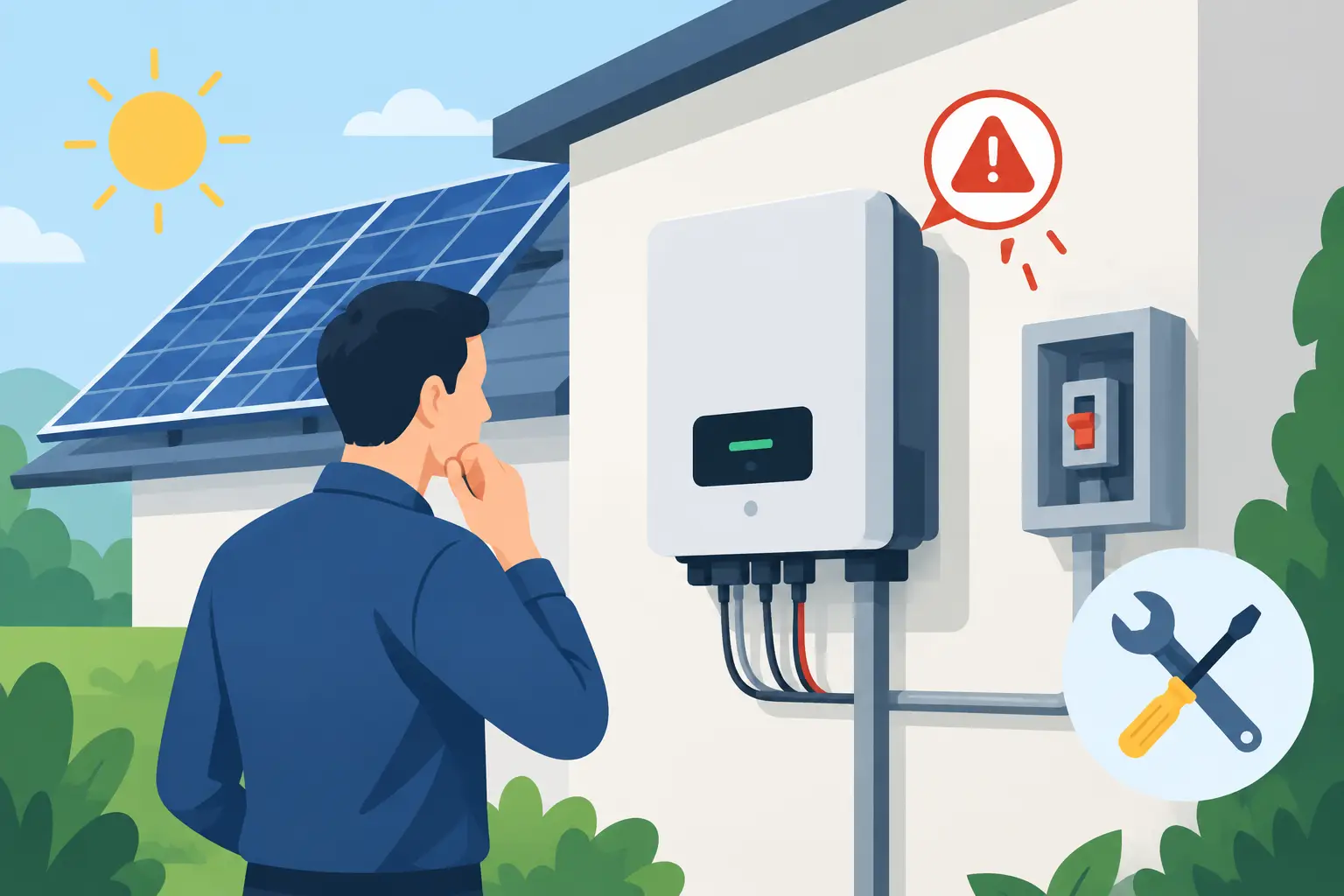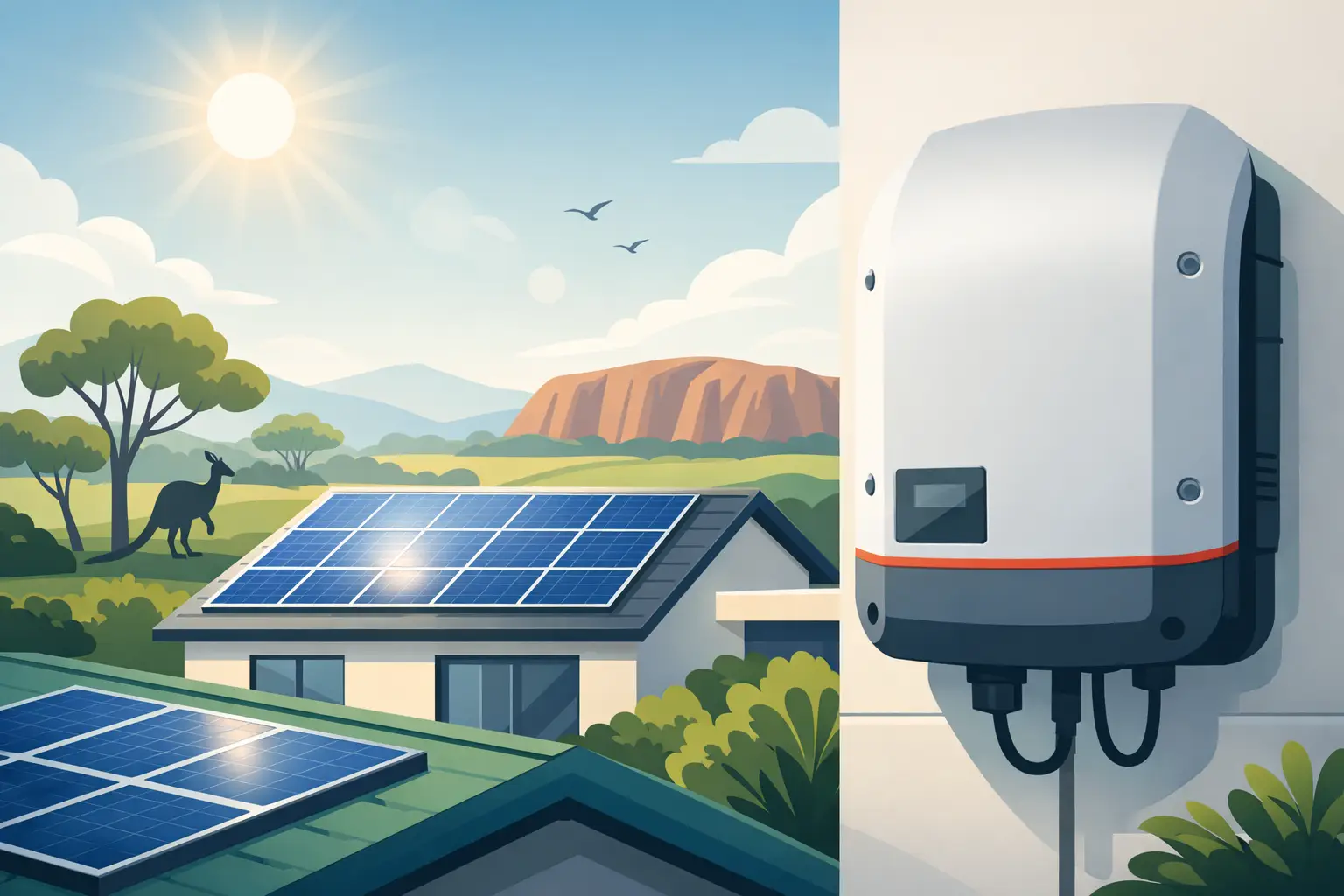
A solar system can have excellent panels and still underperform if its inverter is not suited to the property, electrical supply and household energy habits. That is why the Fronius inverter benefits Australia property owners consider often come back to one practical point: the inverter is the system’s working centre, converting rooftop generation into useful power for the home or business.
For Sydney and NSW customers investing in premium solar, Fronius is widely considered when long-term production, detailed system visibility and future battery options matter. It is not automatically the right answer for every project. The best choice depends on roof layout, phase supply, electricity use, budget and plans for storage or EV charging. But for many quality-focused installations, a Fronius inverter can be a sound foundation.
Fronius inverter benefits in Australia
Fronius inverters are built around the needs of customers who want more than a basic solar installation. They suit properties where system performance, monitoring and upgrade flexibility are part of the value calculation, rather than afterthoughts.
Strong solar conversion and usable generation
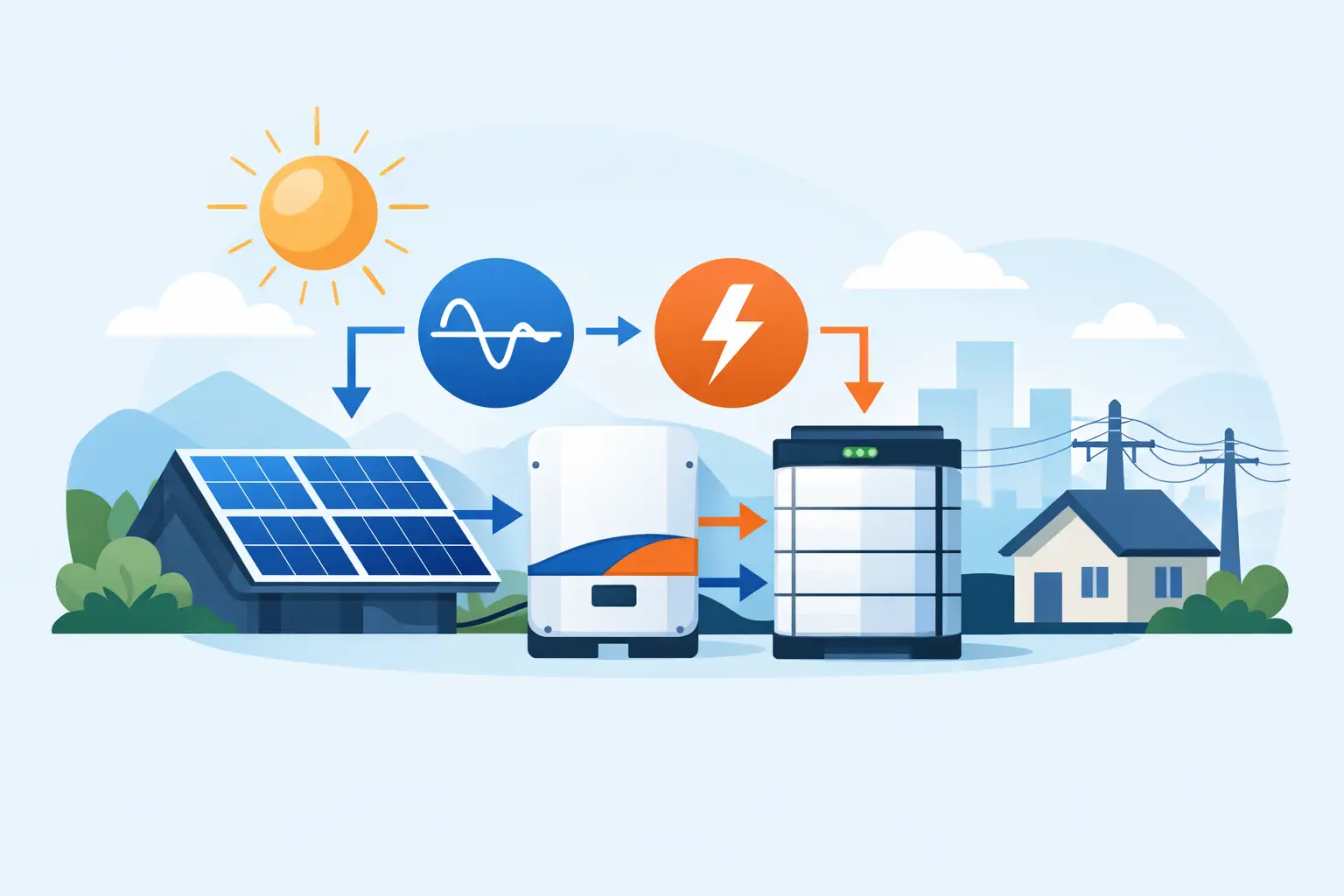
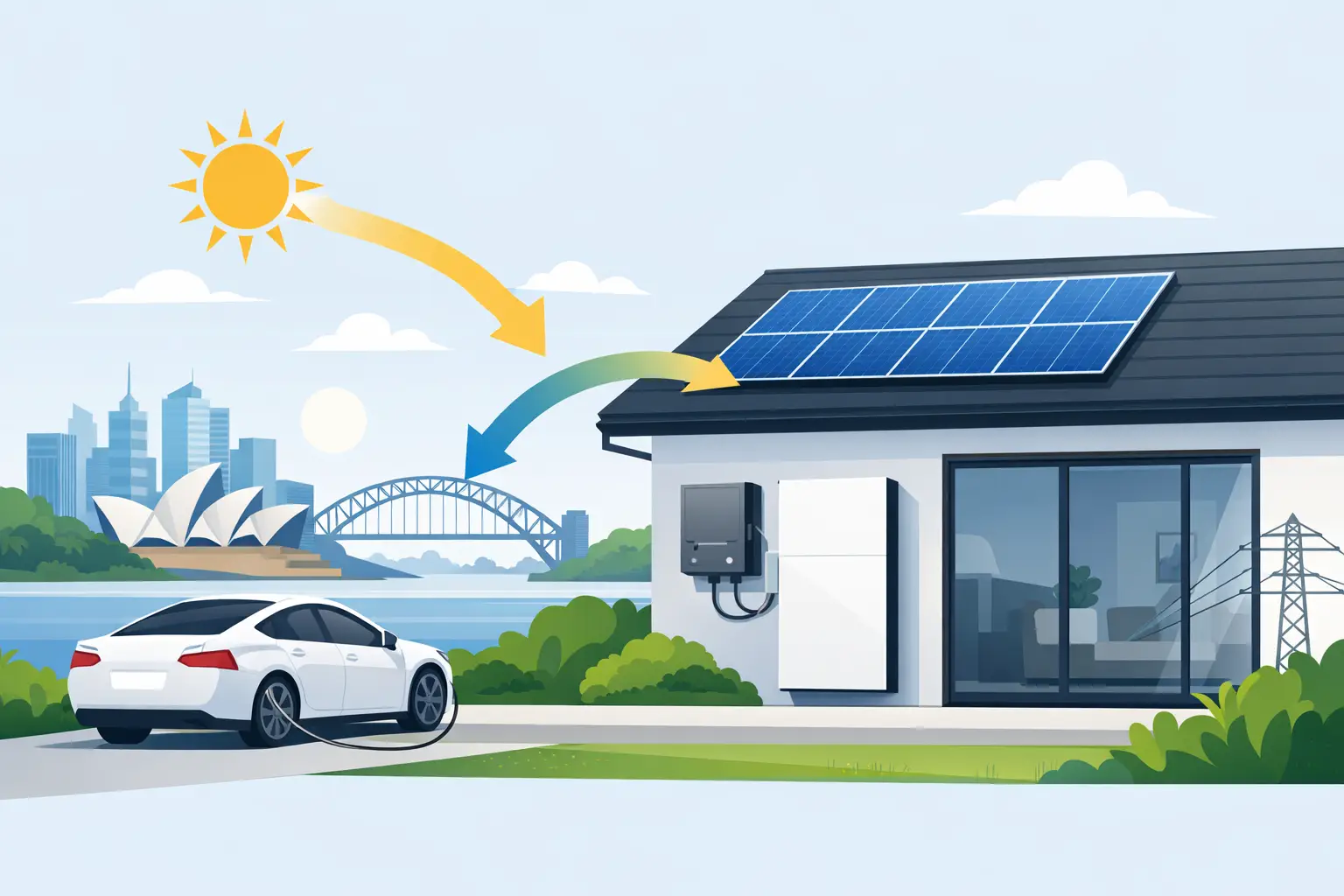
An inverter’s job is to convert direct current (DC) electricity from solar panels into alternating current (AC) electricity that can run appliances, power equipment or export energy to the grid. Conversion efficiency matters, but it should not be viewed as a single headline number. Real-world output also depends on correct inverter sizing, shading, panel orientation, string design and local grid conditions.
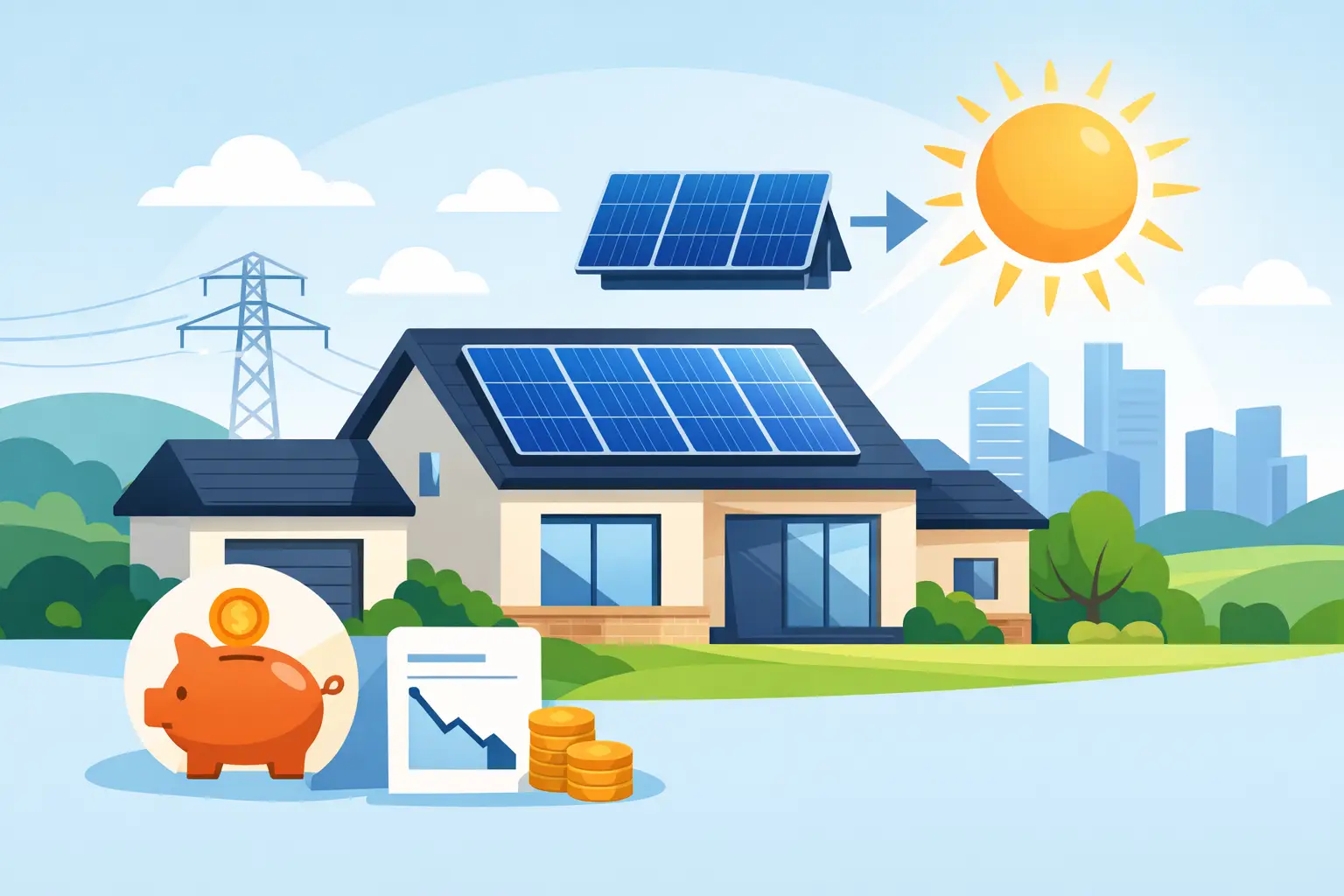
Fronius has a strong reputation for efficient conversion and well-engineered solar management. When paired with a correctly designed array, this helps a system make the most of available sunlight across the year. For a household with daytime consumption from air conditioning, pool pumps, hot-water systems or work-from-home equipment, better use of solar generation can directly reduce grid purchases.
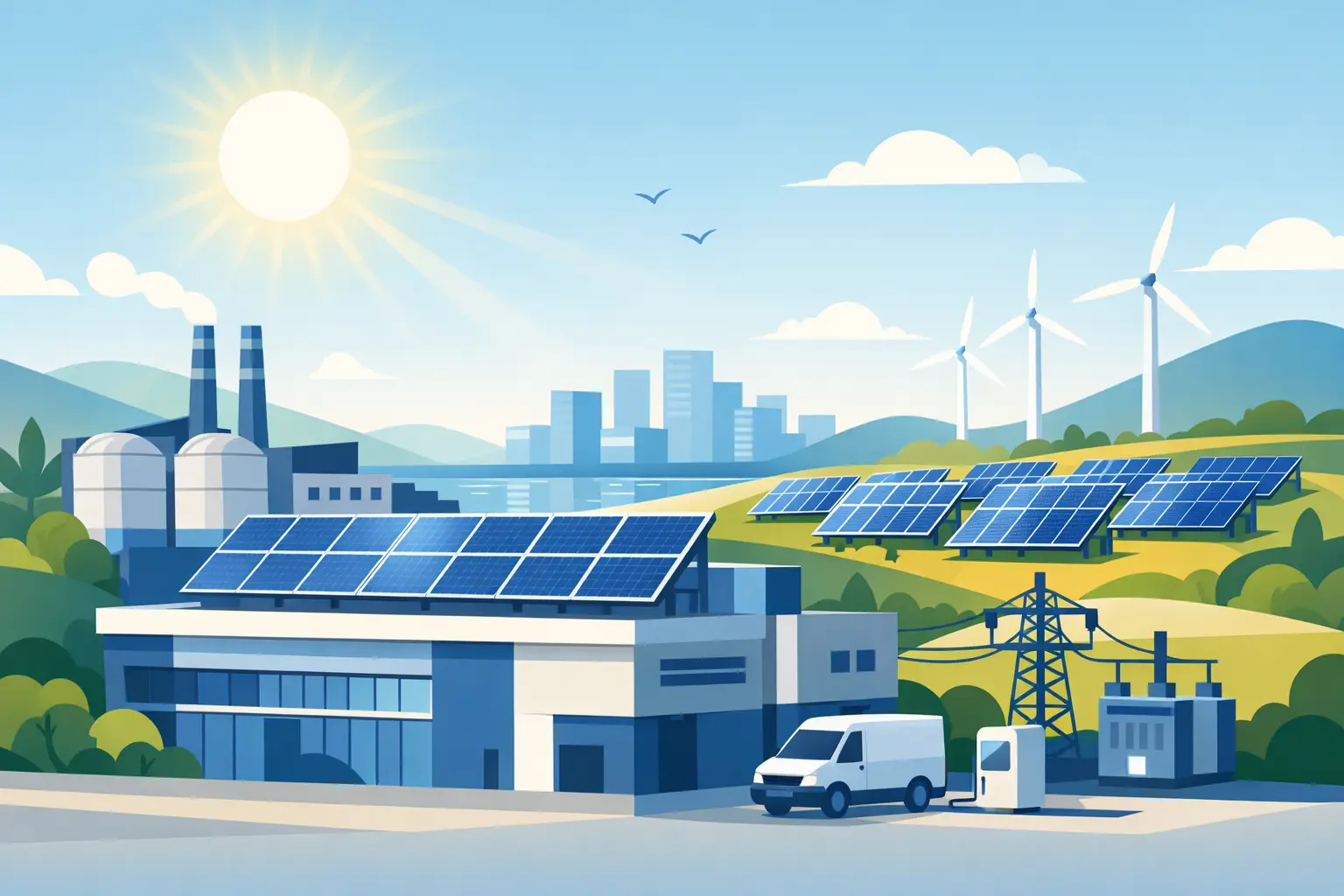
For commercial sites, the same principle applies at a larger scale. Aligning solar output with daytime operational loads can improve the return from the system and provide greater control over electricity costs.
Clear monitoring through Solar.web
Solar generation is only valuable if you can see whether the system is performing as expected. Fronius monitoring gives owners access to generation information and system performance data, helping identify trends over time rather than relying on a quarterly electricity bill.
This visibility is useful for households learning how to shift energy use into daylight hours. It can show, for example, whether the dishwasher, washing machine, pool filtration or EV charging is using surplus solar or drawing heavily from the grid. Business owners can also use production data as part of broader energy-management decisions.
Monitoring does not prevent faults on its own, and it does not replace periodic professional checks where required. It does, however, make performance more transparent. That is especially valuable when a system is designed to deliver savings for decades, not merely look good on installation day.
Flexible options for different property types
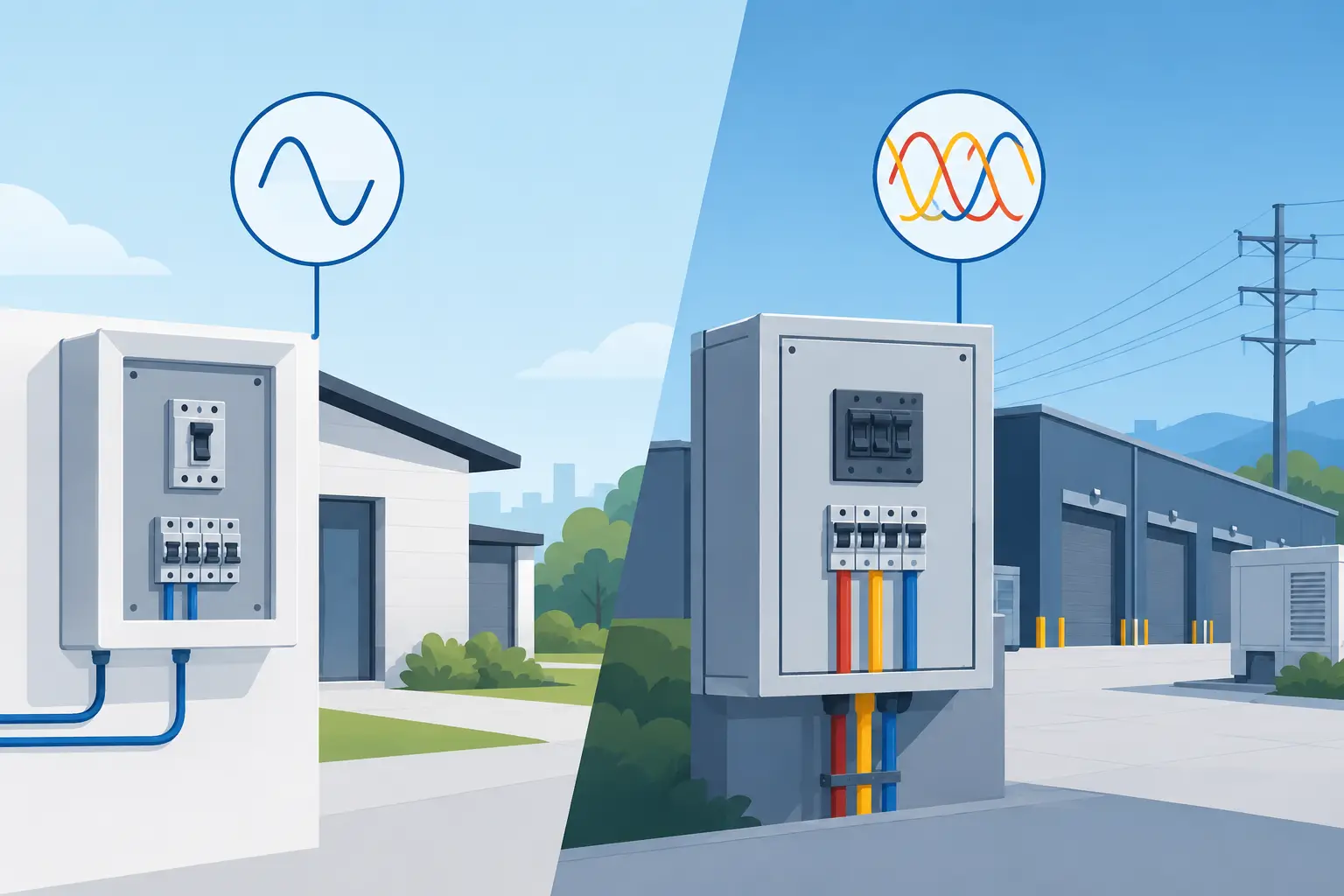
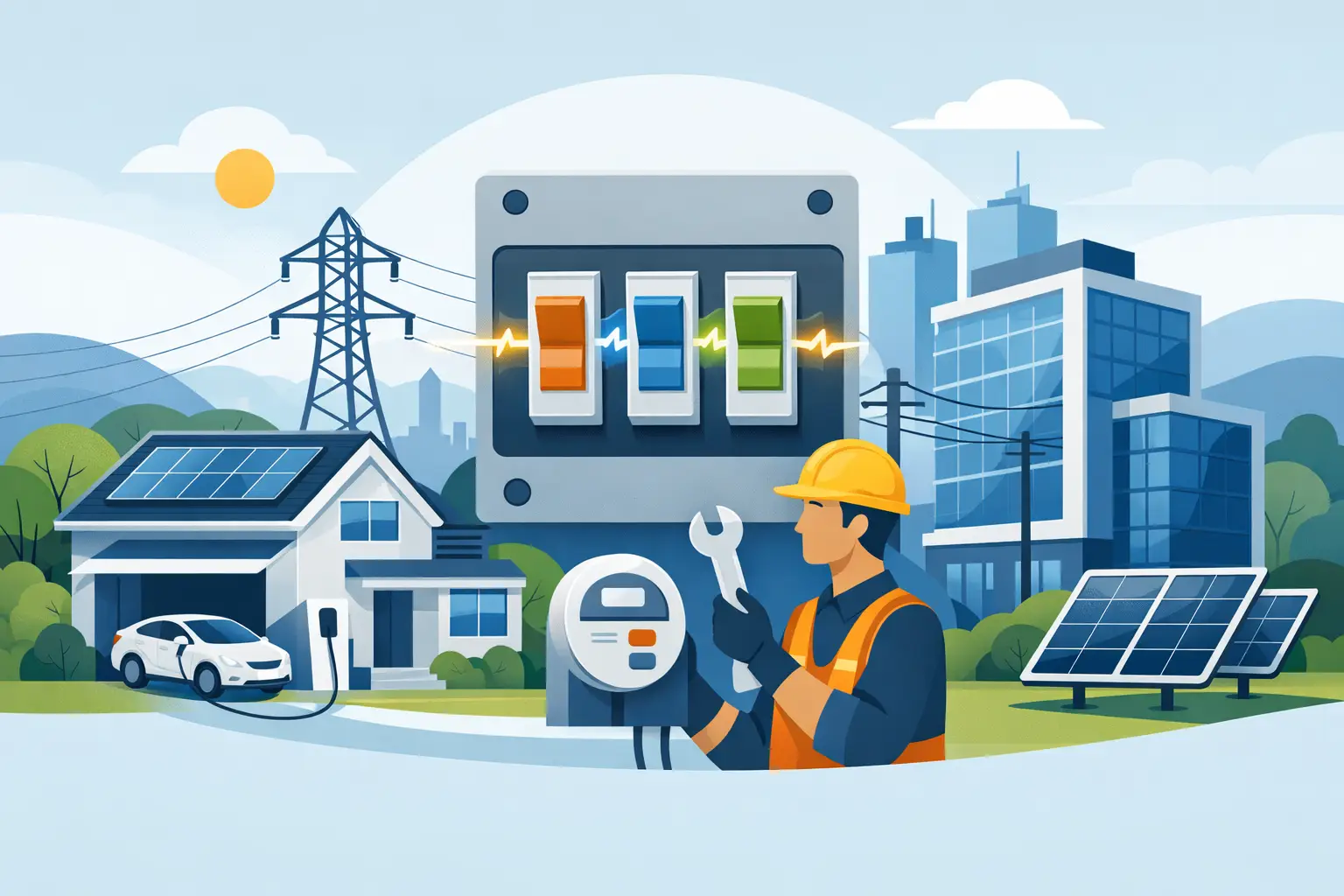
Australian properties are not all electrically alike. A terrace home in inner Sydney, a large family home in the Hills District, a three-phase workshop and an industrial facility will have very different loads, switchboards and connection requirements.
Fronius offers inverter options for single-phase and three-phase applications, allowing a suitably qualified designer to match equipment to the site. The Fronius Primo range is commonly considered for single-phase residential solar, while Symo models may suit three-phase homes and commercial applications. The right model and capacity must be selected from an accurate assessment of the property, not from a generic package price.
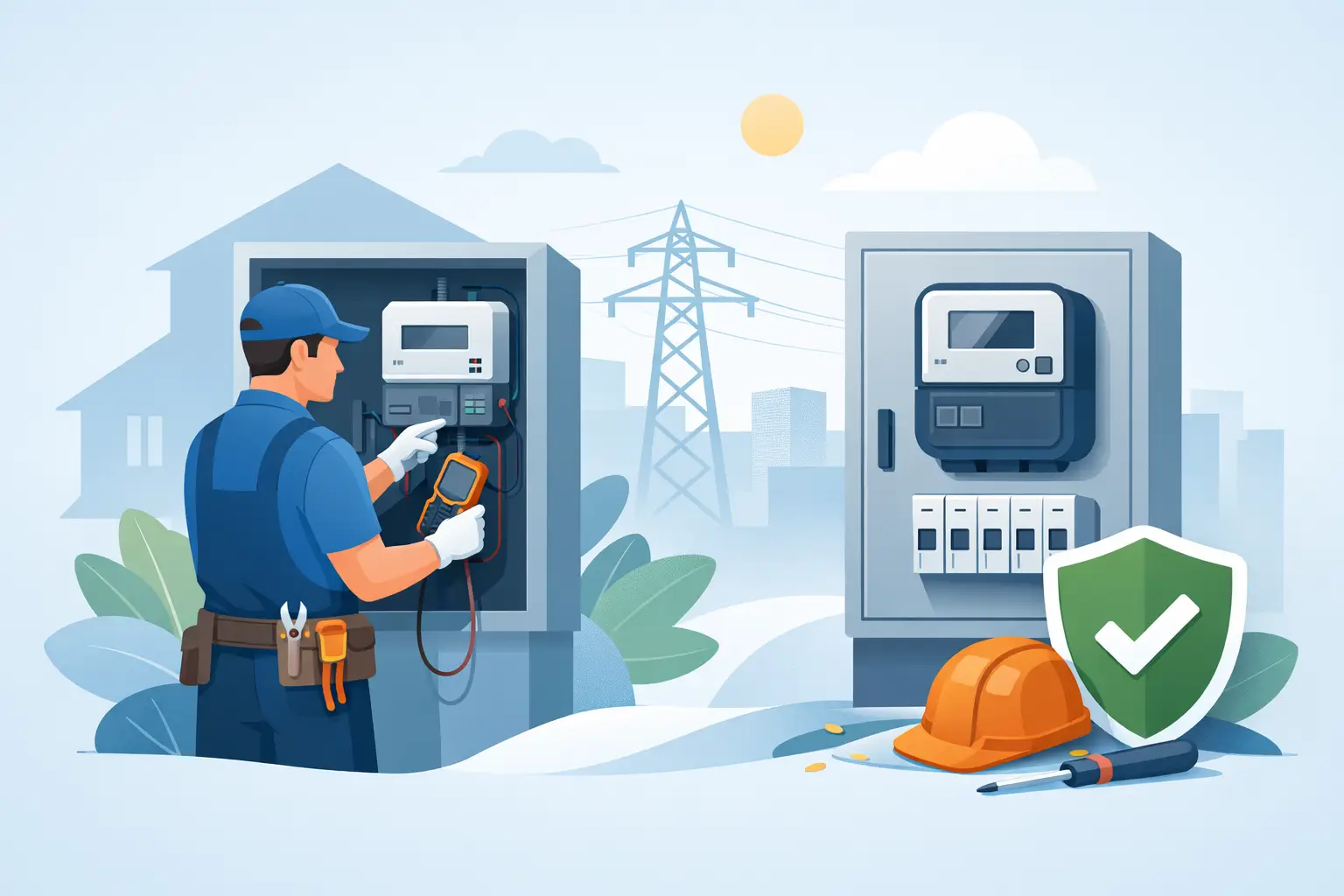
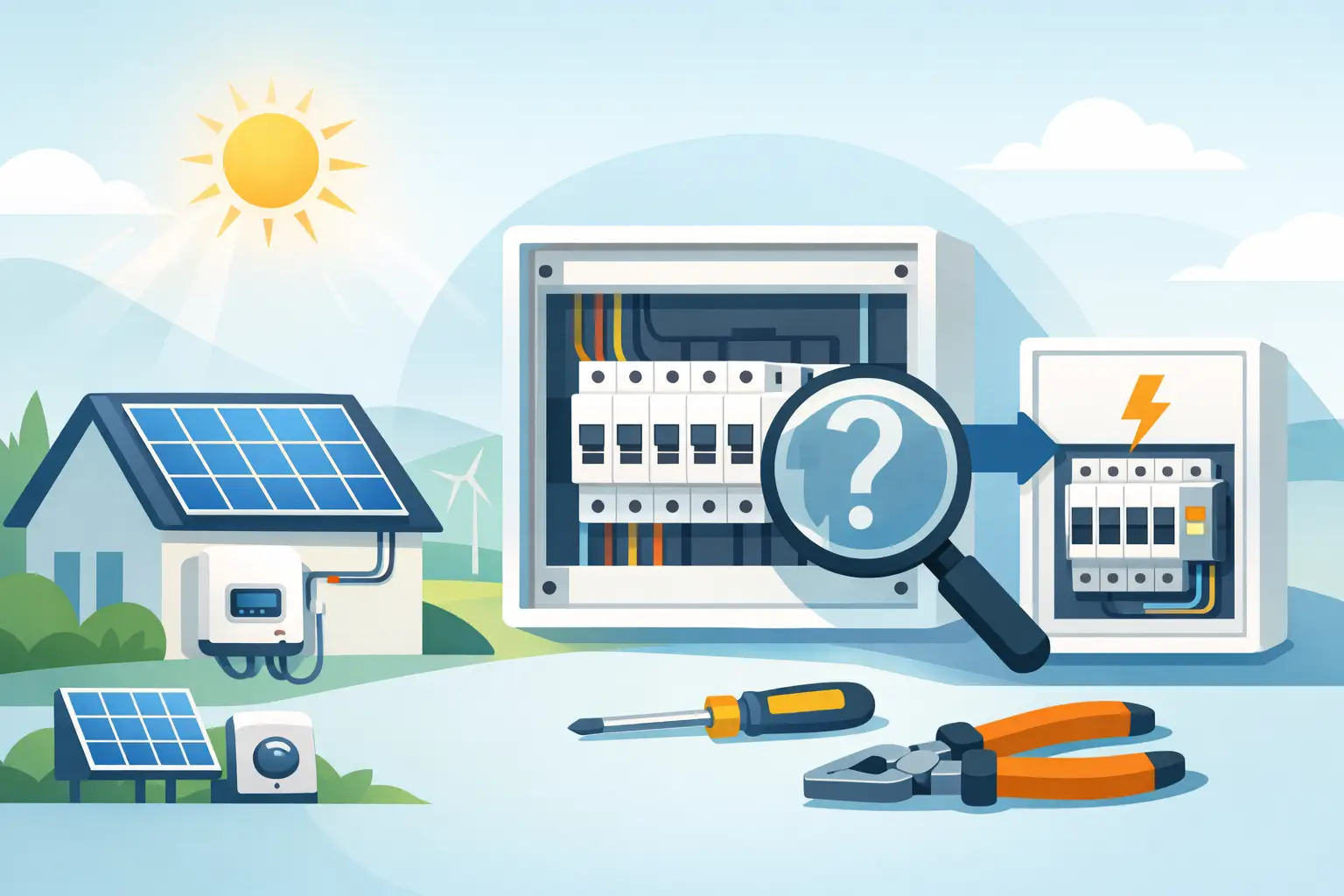
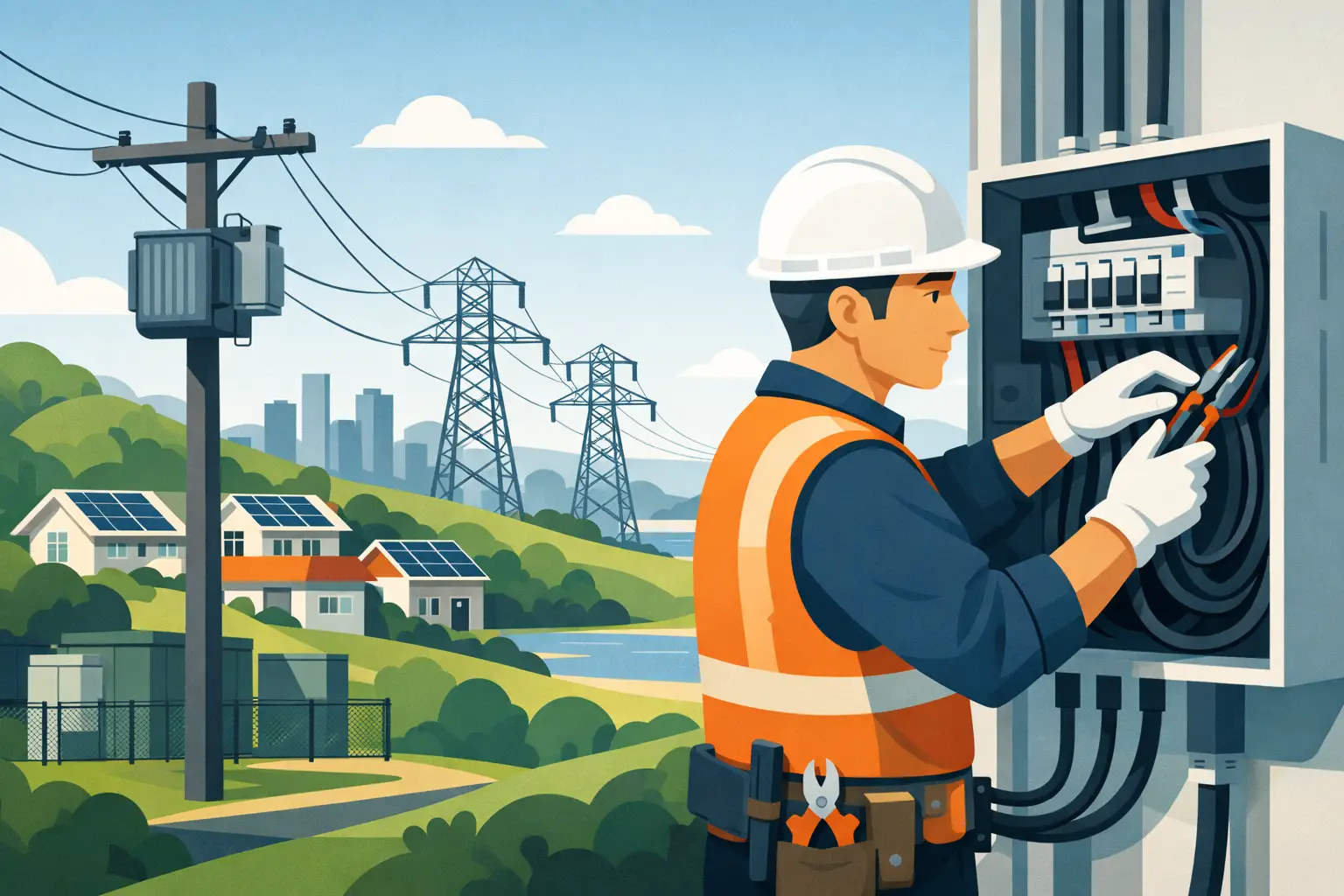
This is where proper electrical capability matters. An installation may require switchboard upgrades, metering coordination, export control settings or regulated connection work before solar can operate safely and compliantly. A solar design should account for those requirements upfront, with clear scope and transparent pricing.
Battery-ready planning with Fronius GEN24 Plus
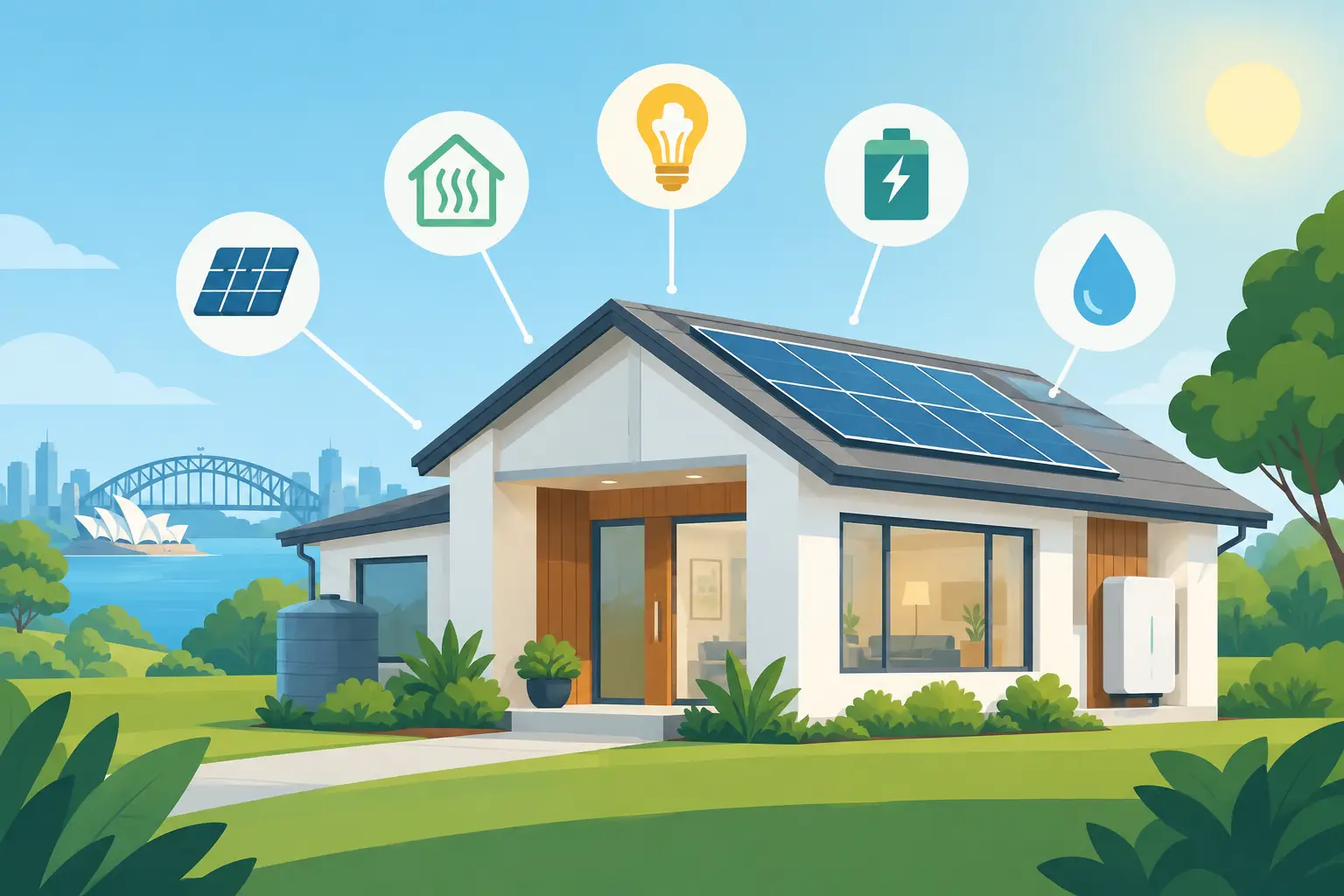
For many NSW homeowners, the major appeal of premium inverter technology is not just what it does now. It is the ability to plan for a different energy profile later. Battery storage, electric vehicles and higher household electricity demand are changing how people assess solar investments.
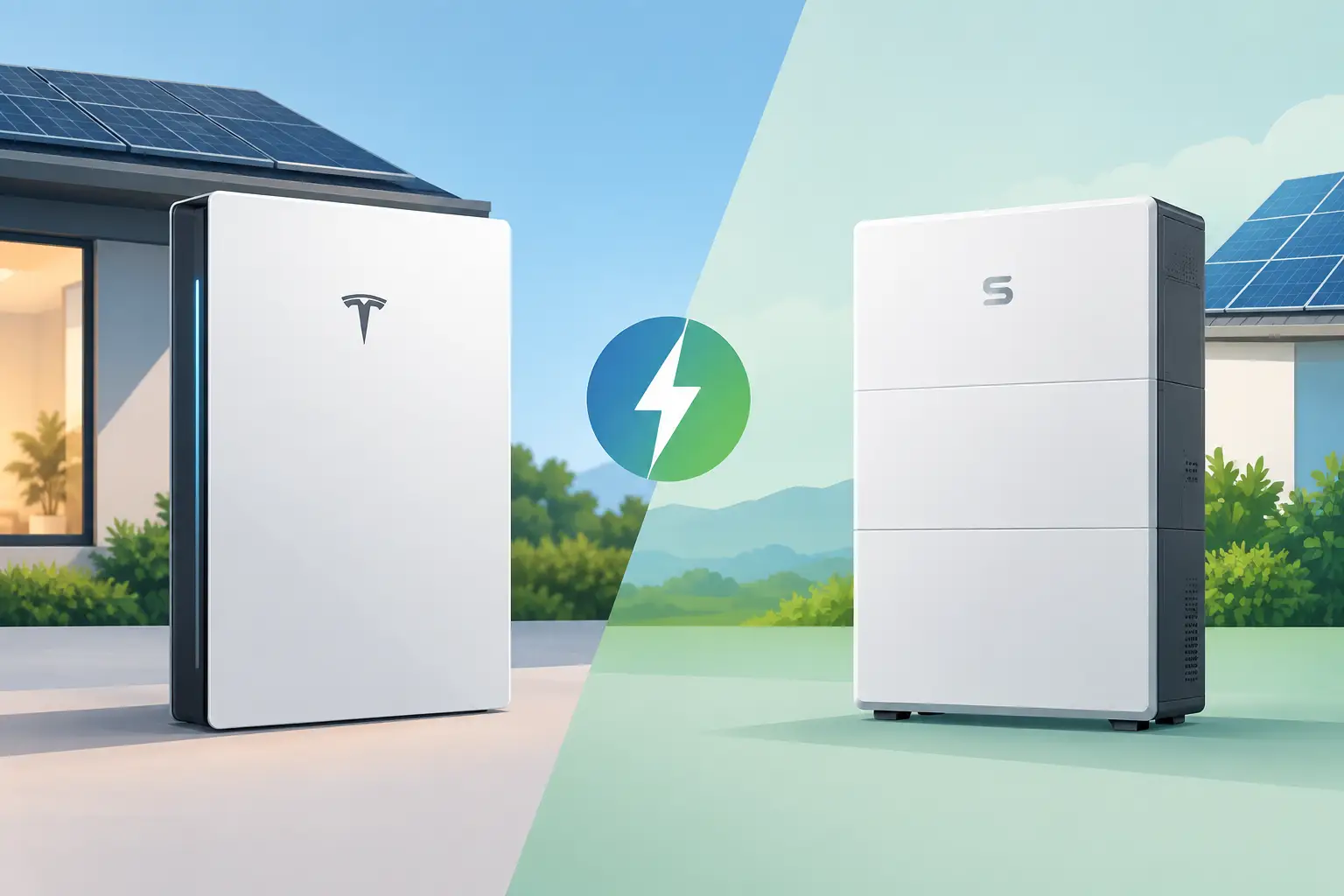
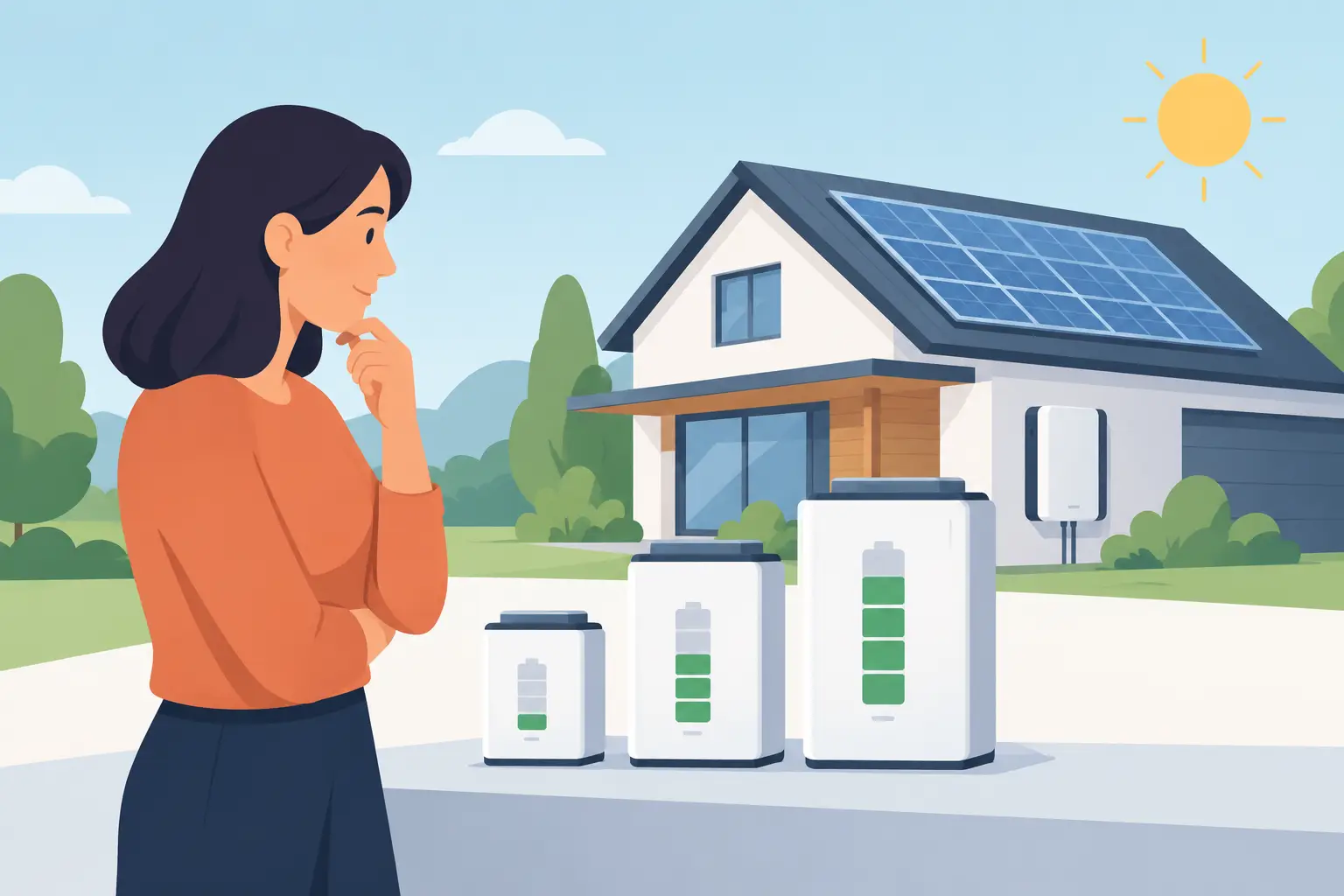
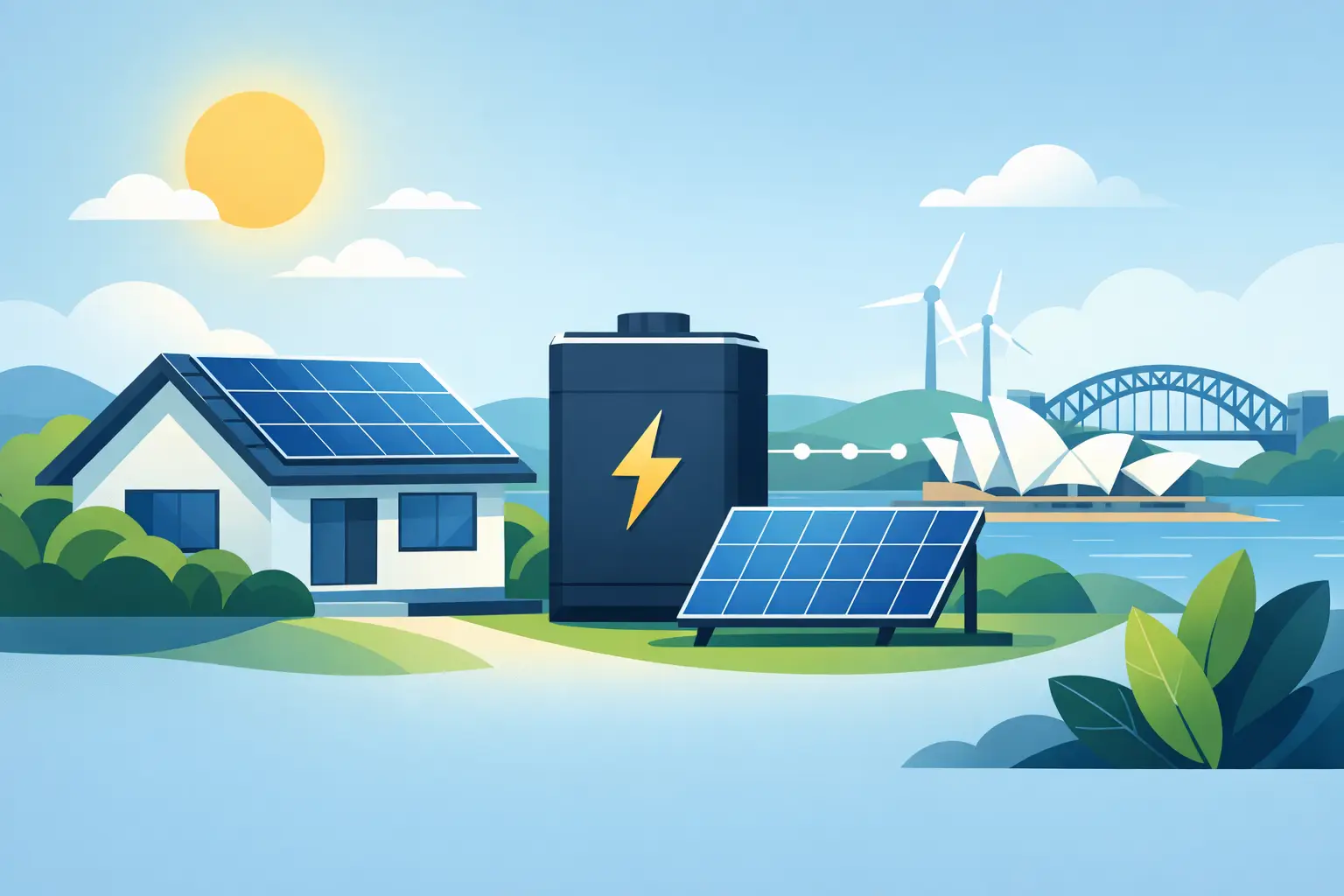
Fronius GEN24 Plus hybrid inverters are designed to work with solar now and support compatible battery integration as part of an energy-storage strategy. This can be attractive for owners who want to install solar first, then add a battery once their usage patterns, budget or electricity tariffs make that decision worthwhile.
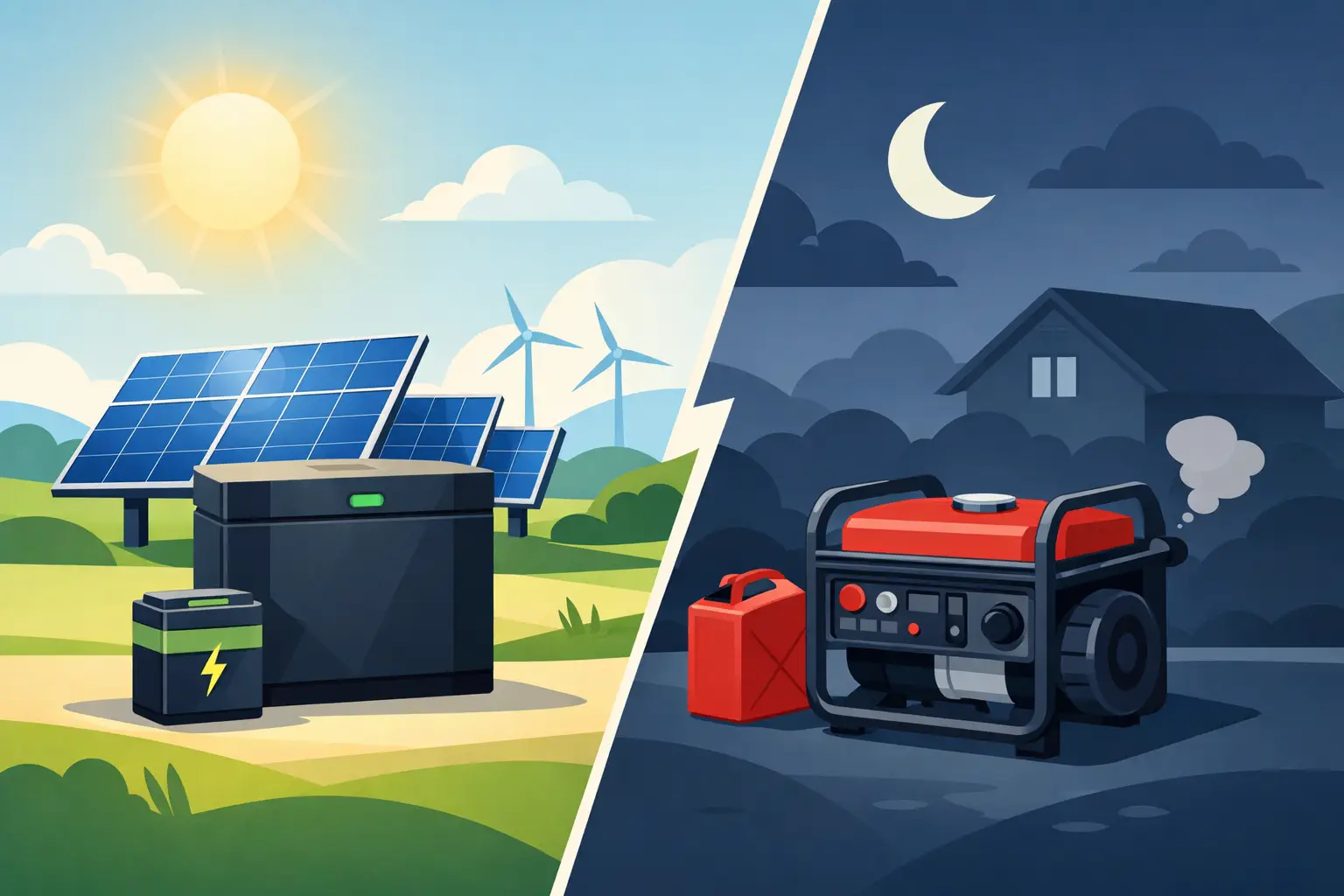
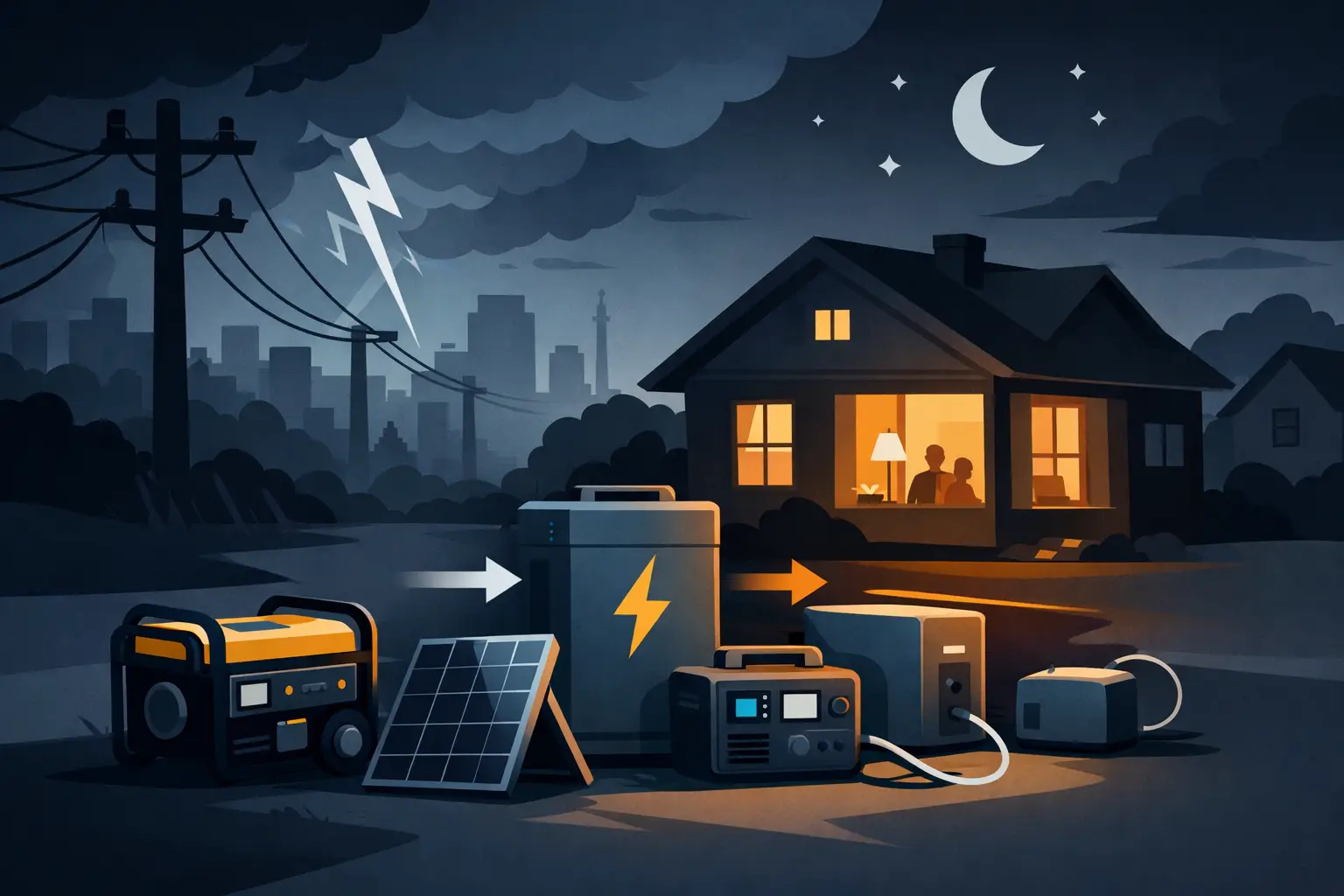
Battery readiness should be assessed carefully. A battery is not automatically worthwhile simply because it can be connected. The financial case depends on evening consumption, tariff structure, solar production, export rates, desired backup capability and the selected battery capacity. Customers should also distinguish between ordinary battery operation and backup power. Keeping selected circuits running during an outage can require specific equipment, electrical design and site configuration.
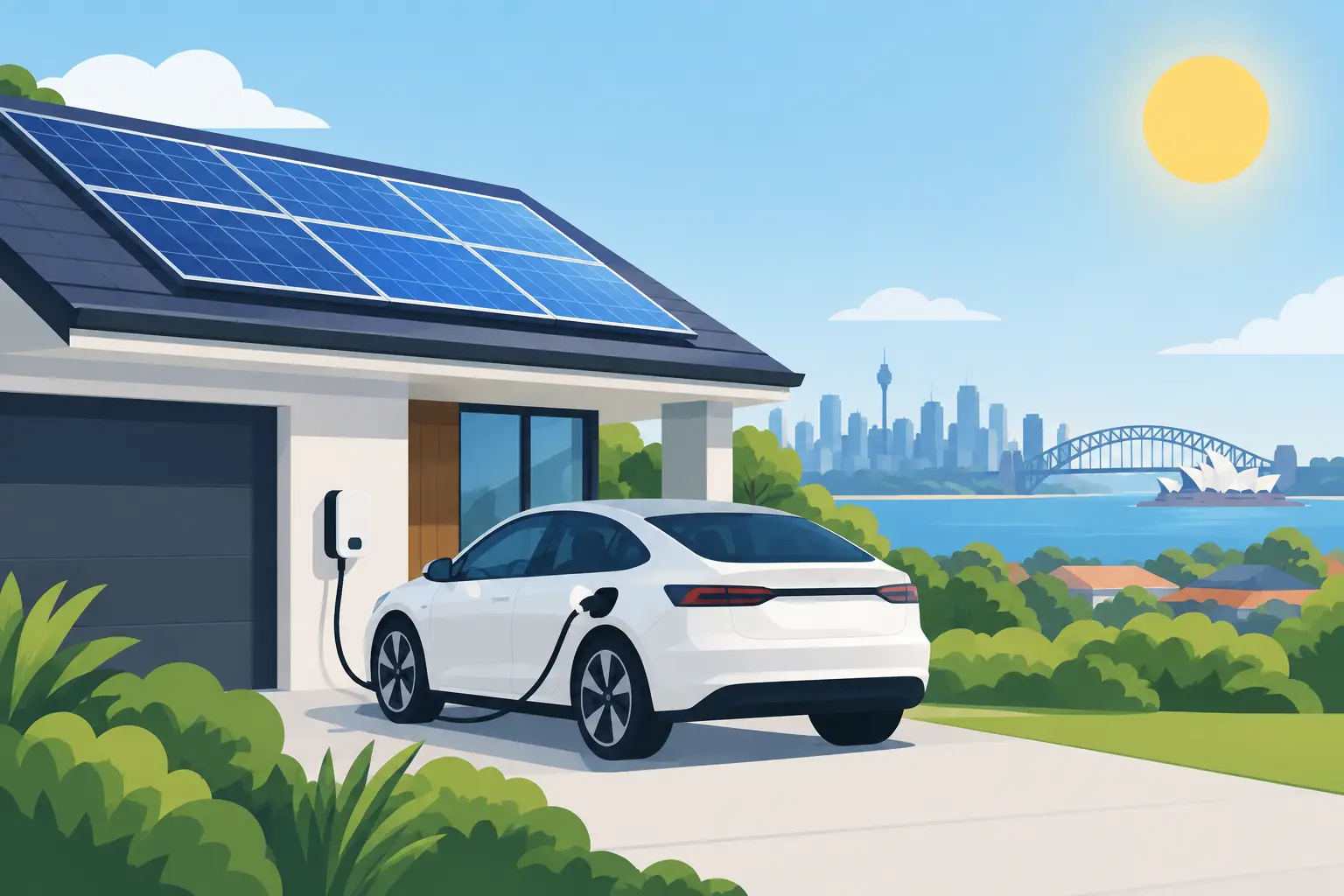
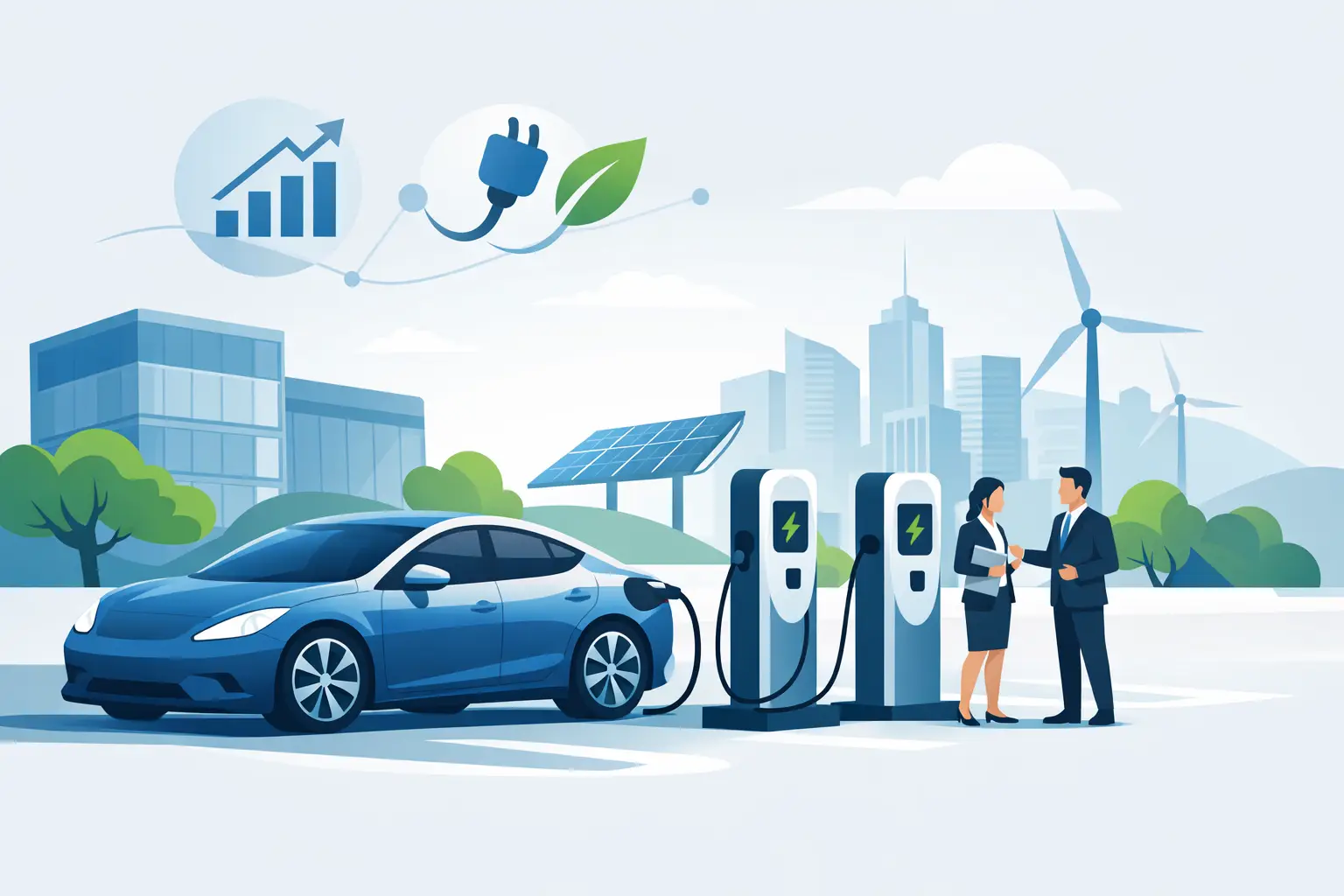
A well-planned system avoids expensive rework. Designing panel capacity, inverter selection, switchboard space and future load requirements together creates a clearer path for storage and EV charging later.
Reliability is about the whole installation
Fronius is regarded as a premium inverter brand, but equipment quality is only one part of reliable solar performance. The inverter must be installed in an appropriate location with suitable ventilation, weather protection and access for service. Cable routes, isolators, roof penetrations, panel mounting and electrical protection all influence system safety and longevity.
Australia’s climate places genuine pressure on solar equipment. Heat, storms, coastal conditions and wide temperature changes demand thoughtful design and quality workmanship. A lower-cost inverter may appear to offer similar specifications on paper, but the broader support, build quality, monitoring experience and compatibility pathway can be different.
That does not mean every property needs the most expensive option. A modest household with low daytime demand and no intention of adding storage may find another well-supported inverter better aligned with its budget. The aim is not to buy a badge. It is to choose equipment that supports the property’s actual energy goals.
What to check before choosing a Fronius inverter
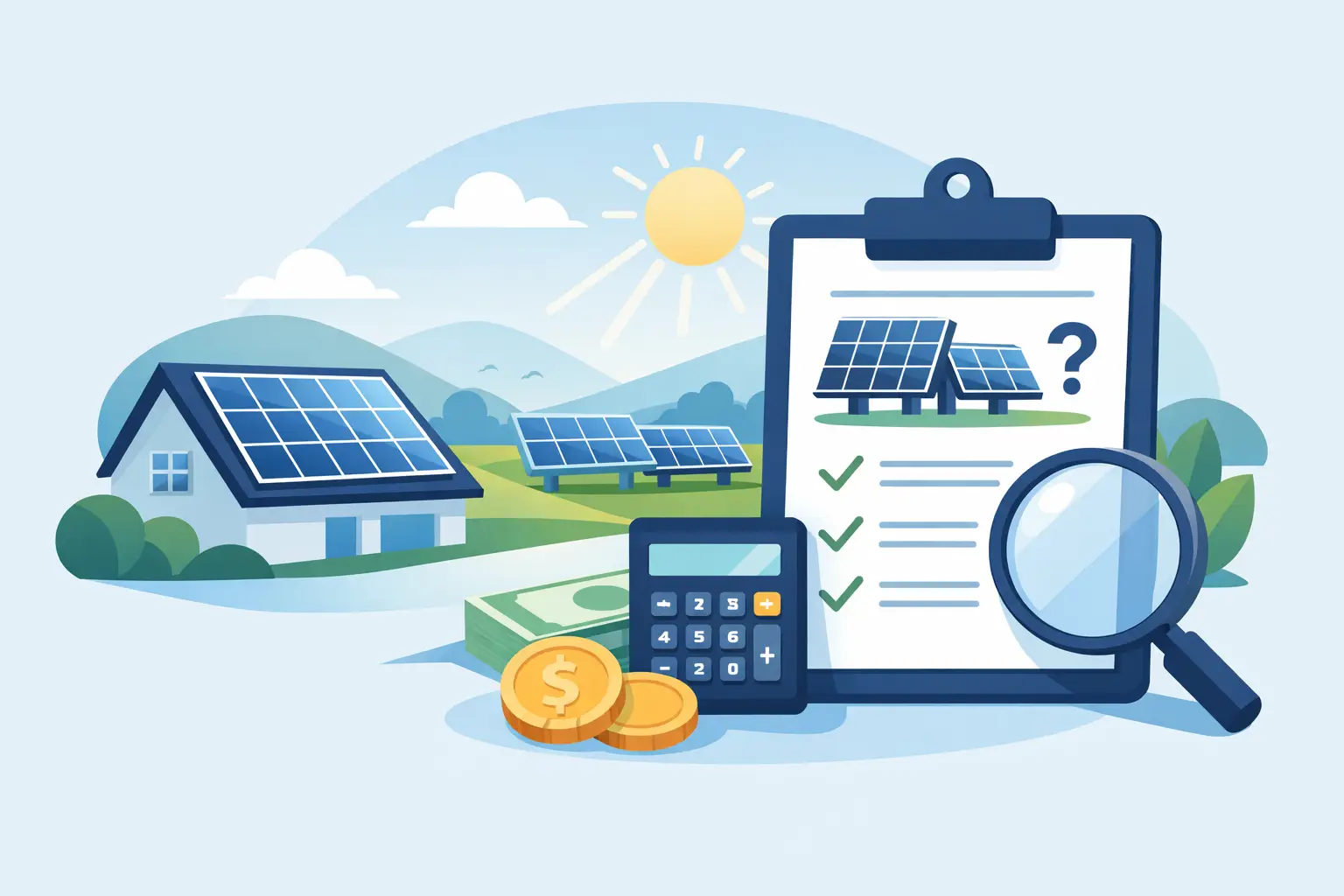
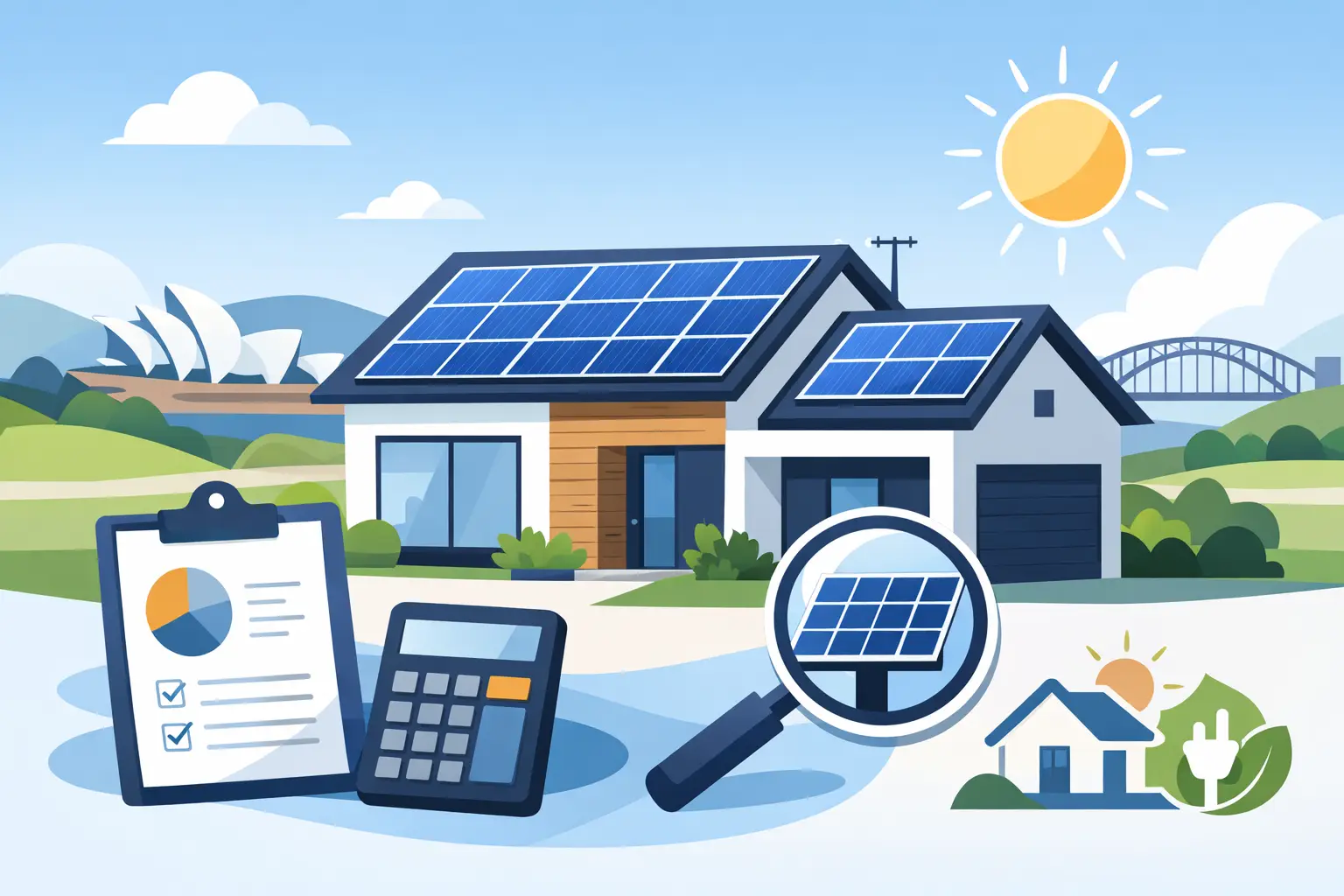
Before selecting an inverter, start with consumption rather than panel count. Review electricity bills, but also consider how energy is used through the day. A household that is empty from 8 am to 6 pm has different priorities from a family with daytime cooling, a home office and an electric vehicle.
Ask whether the property has single-phase or three-phase supply, how much usable roof area is available, and whether shading affects particular sections of the roof. Consider near-future electrical loads too. An induction cooktop, ducted air conditioning, pool equipment, workshop machinery or EV charger can materially change the recommended system design.
It is also worth asking for clarity around warranties, monitoring setup, expected production, export limits and any required electrical upgrades. A detailed quotation should explain what is included and identify site-specific work before installation begins. This helps prevent the common problem of comparing a premium, fully scoped proposal with a cheaper price that excludes necessary electrical work.
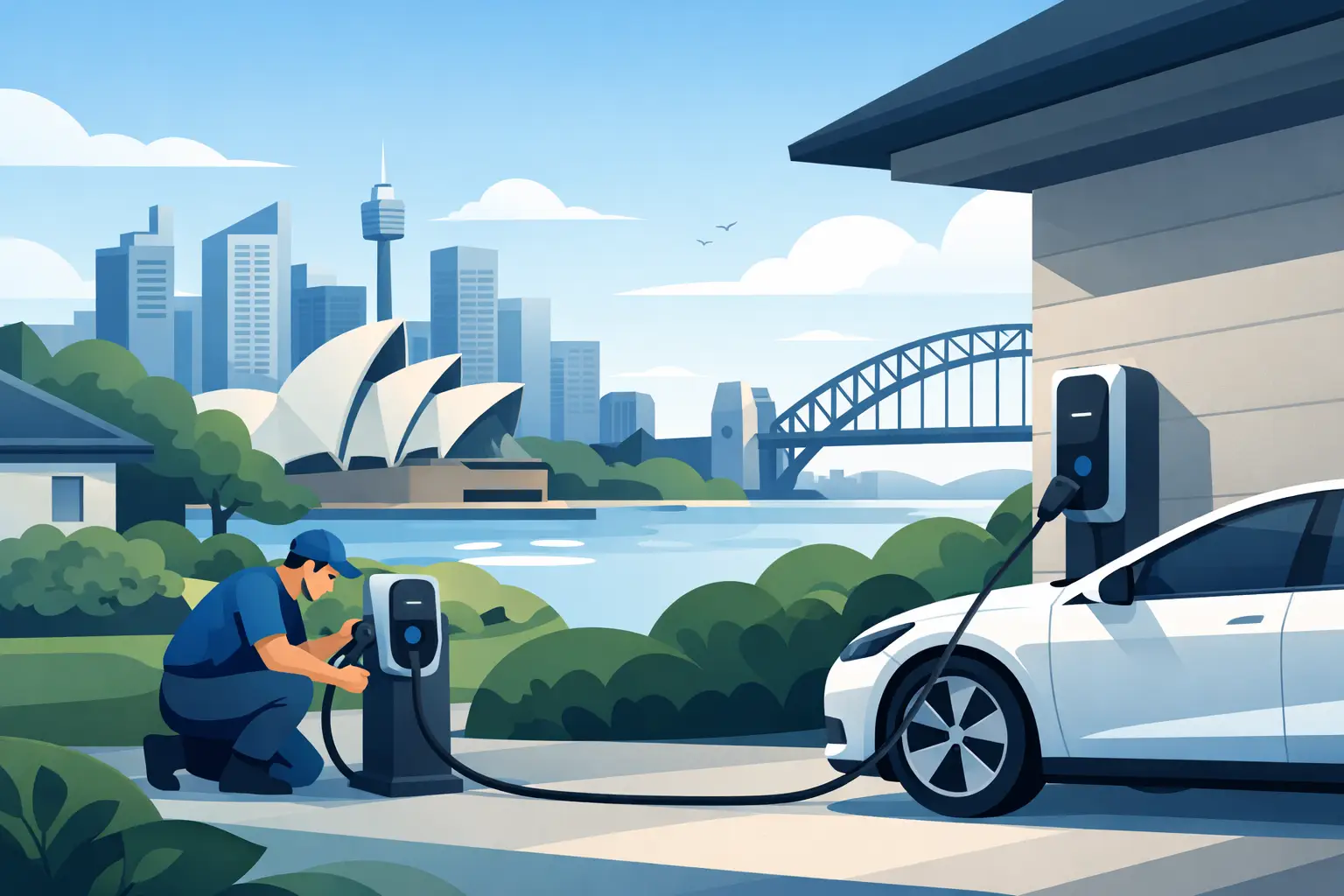
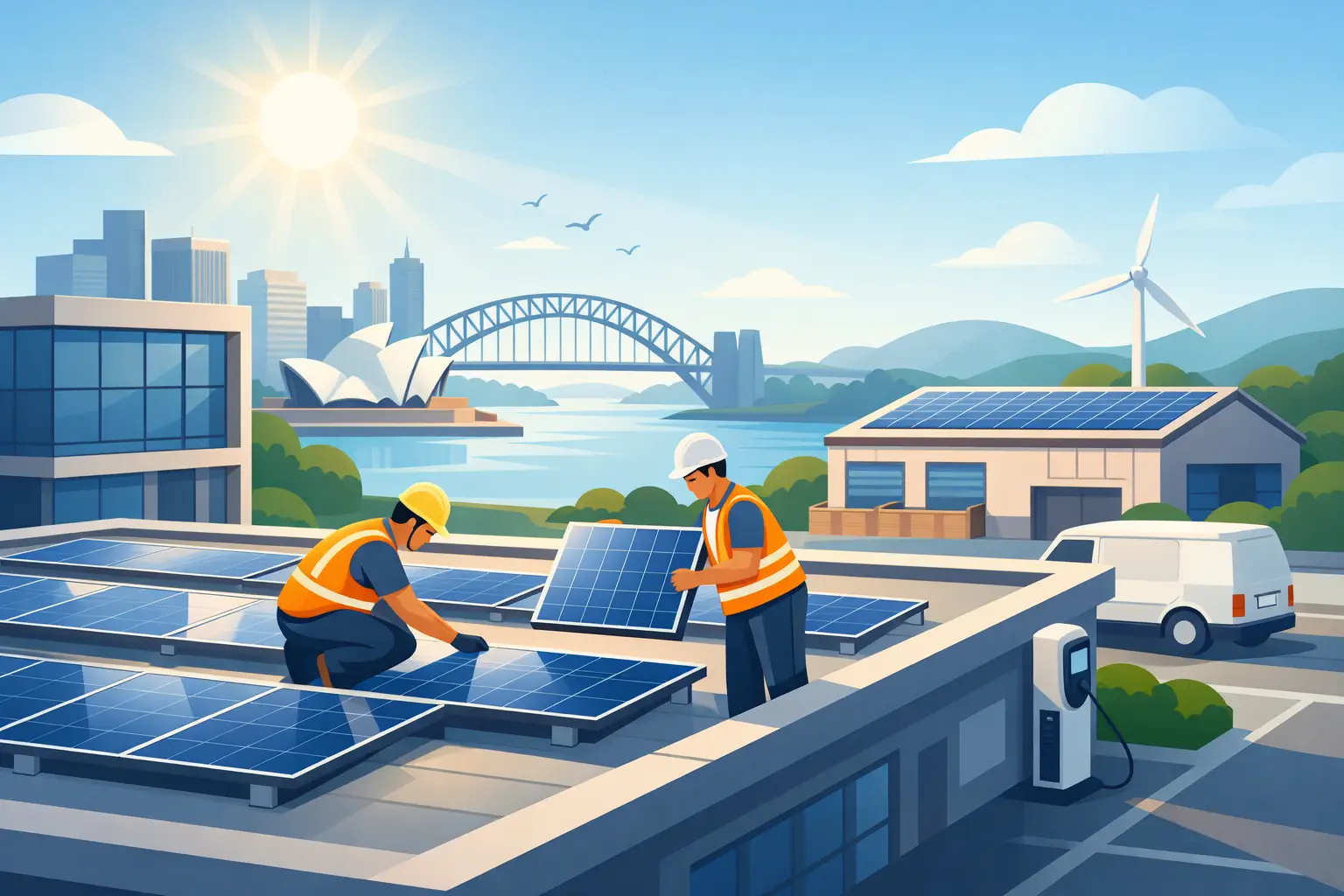
For properties that need solar, battery storage, EV charging and Level 2 electrical work coordinated together, one experienced contractor can make the project simpler to manage. Sydpro Solar Solutions combines accredited solar design with Level 2 ASP capability, helping NSW customers plan compliant energy upgrades with the right technical scope from the outset.
A premium choice when the design supports it
The strongest Fronius inverter benefits are not limited to a specification sheet. They come from combining dependable solar conversion, useful monitoring, adaptable system design and a pathway towards battery-backed energy use when it makes financial sense.
A quality inverter deserves the same level of consideration as panels, batteries and installation workmanship. Start with how your property uses power, build in room for what comes next, and choose a system designed to keep delivering measurable value long after the first sunny day.