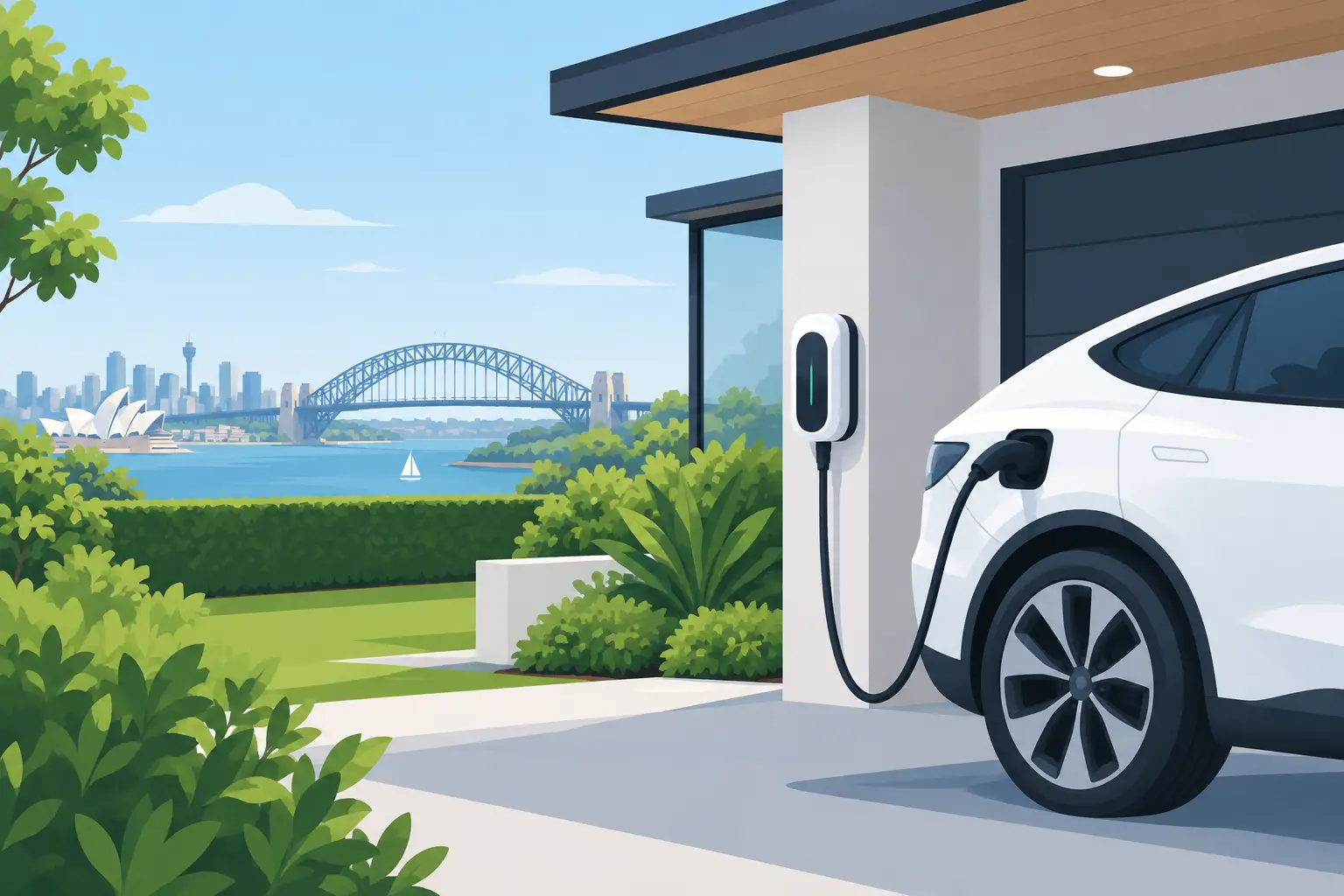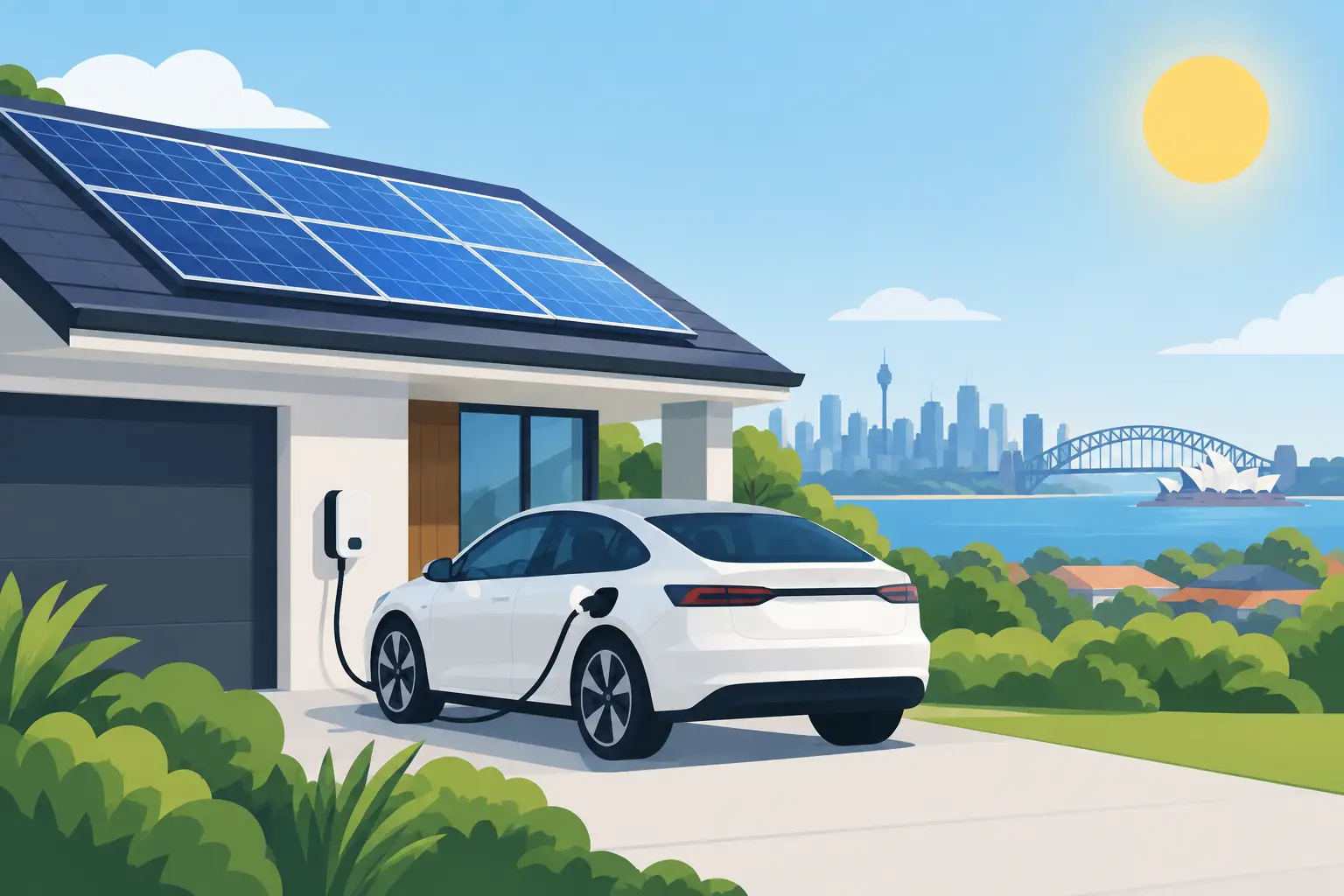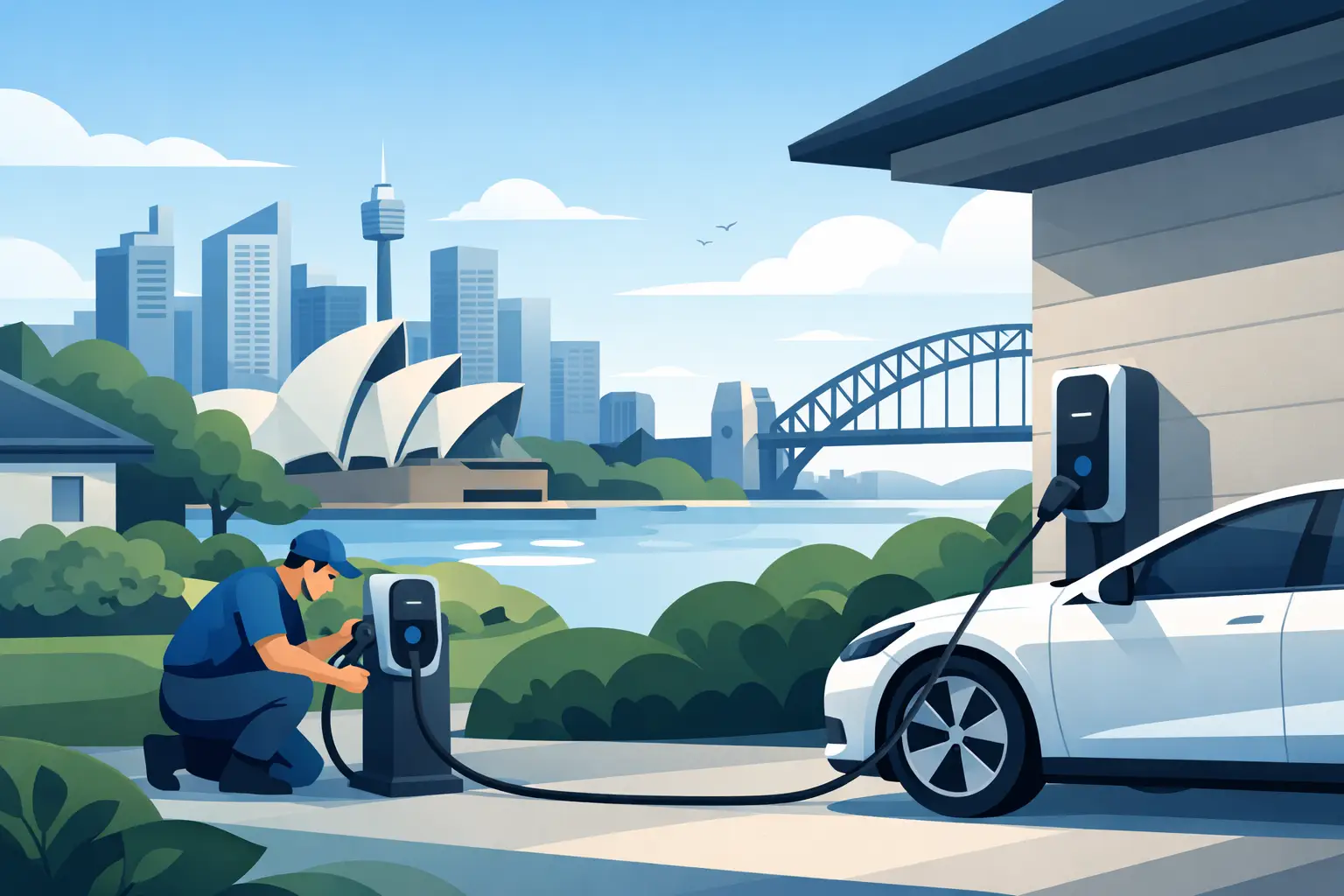
A public charger is useful when you are out and about. A dedicated charger at home or work is what makes EV ownership genuinely convenient. With the right EV charger installation Sydney property owners can charge safely overnight, use more of their solar generation and avoid relying on a standard power point for a daily transport task.
The right setup is not simply a matter of mounting a charger near the driveway. Your switchboard capacity, cable route, parking arrangement, electricity use and future plans all affect the design. A site-specific assessment helps ensure the charger delivers the speed you expect without compromising electrical safety or creating an unnecessary upgrade cost.
Why a dedicated EV charger is worth planning properly
Most electric vehicles can be charged from a standard 10-amp socket using the portable cable supplied with the vehicle. This can suit occasional charging, but it is slow and places a sustained load on a circuit that may not have been designed for it. It also leaves cables and connections exposed to everyday wear.
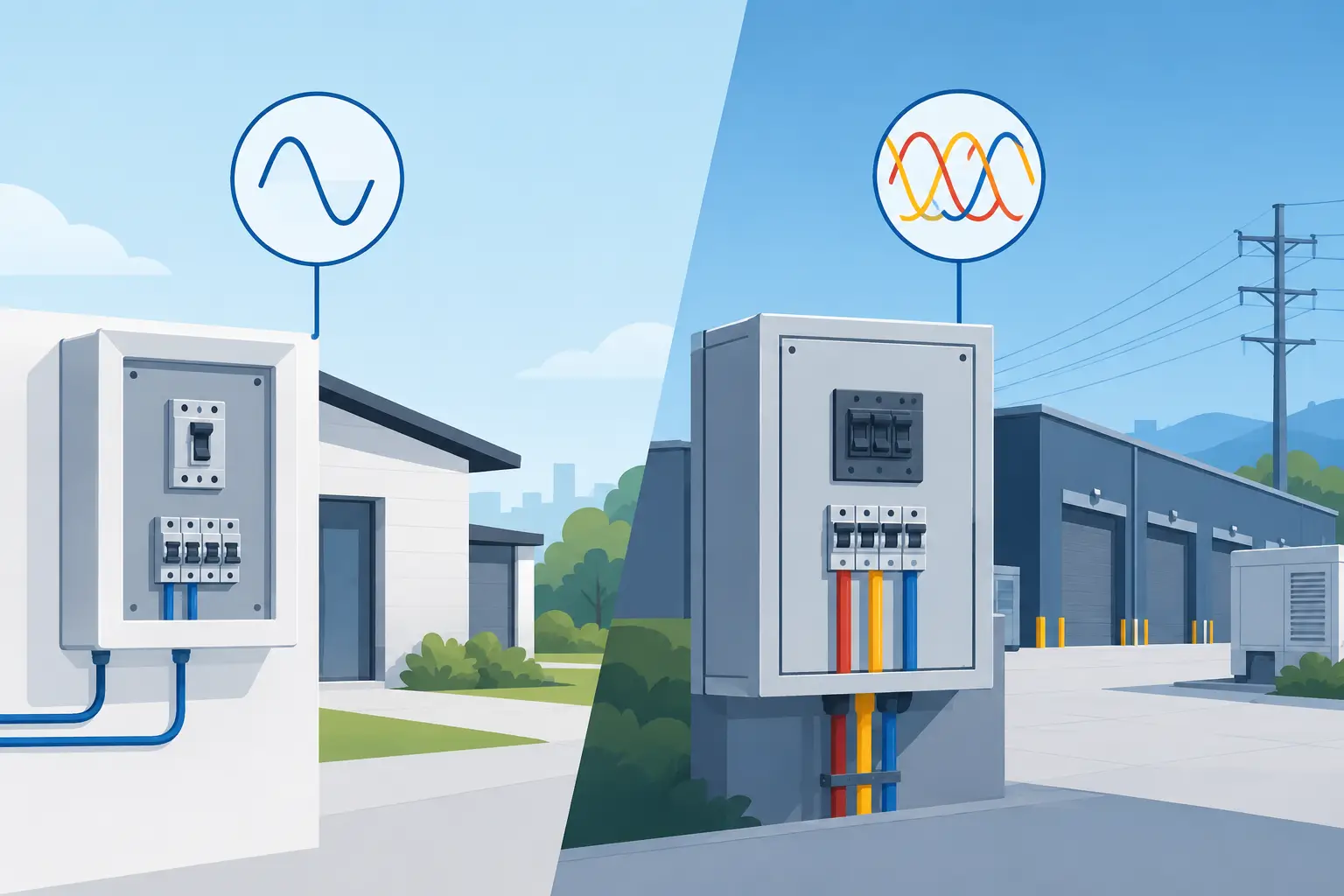
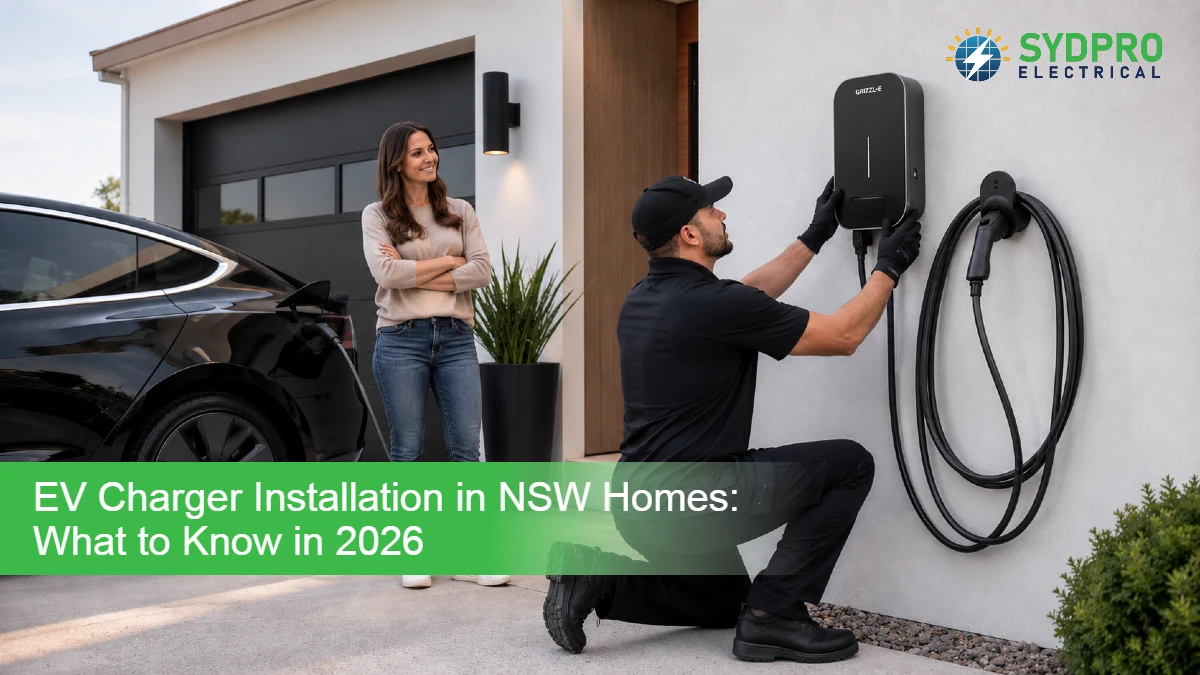
A professionally installed AC wall charger, commonly called a Level 2 charger, provides a dedicated circuit and built-in protection. For many Sydney homes, a single-phase 7 kW charger is the practical choice. Subject to the vehicle, charger settings and available supply capacity, it can add substantially more range each hour than a standard socket. A three-phase property may support higher charging rates, but the vehicle’s onboard charger and the property’s electrical capacity still set the real limit.
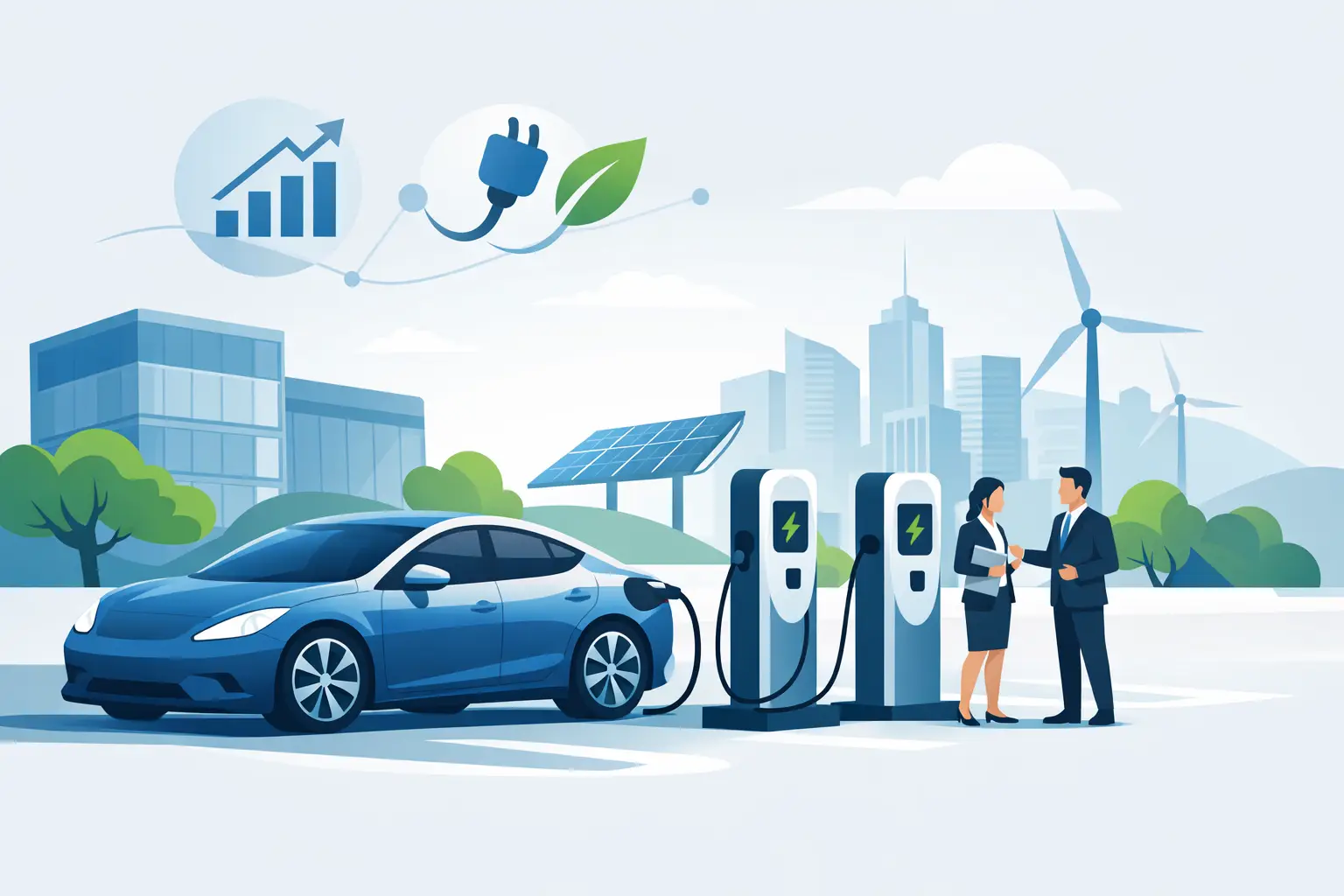
For businesses, the benefit extends beyond speed. Workplace charging can support staff, visitors, fleet vehicles and sustainability commitments while giving the business more control over when energy is used. The best configuration depends on dwell time. A staff car park where vehicles stay all day needs a different solution from a delivery fleet that must return to service quickly.
EV charger installation Sydney: start with the electrical supply
Before choosing a charger by brand, output or app features, an electrician should inspect the existing electrical infrastructure. This is the point where transparent advice matters most. A charger may be straightforward to install, or it may reveal constraints that should be addressed before work begins.
The assessment should consider the main switchboard, incoming supply, existing major loads, available circuit space, earthing, cable distance to the parking bay and the condition of older wiring. In some homes, electric hot water, ducted air conditioning, pool equipment and an EV charger can operate at the same time. Without load management or a supply upgrade, that combined demand may exceed what the property can safely draw.
This does not automatically mean an expensive network upgrade is required. Dynamic load management allows an intelligent charger to reduce its output when household demand rises, then increase charging again when capacity becomes available. It is often a smart answer for households that want reliable charging without oversizing infrastructure.
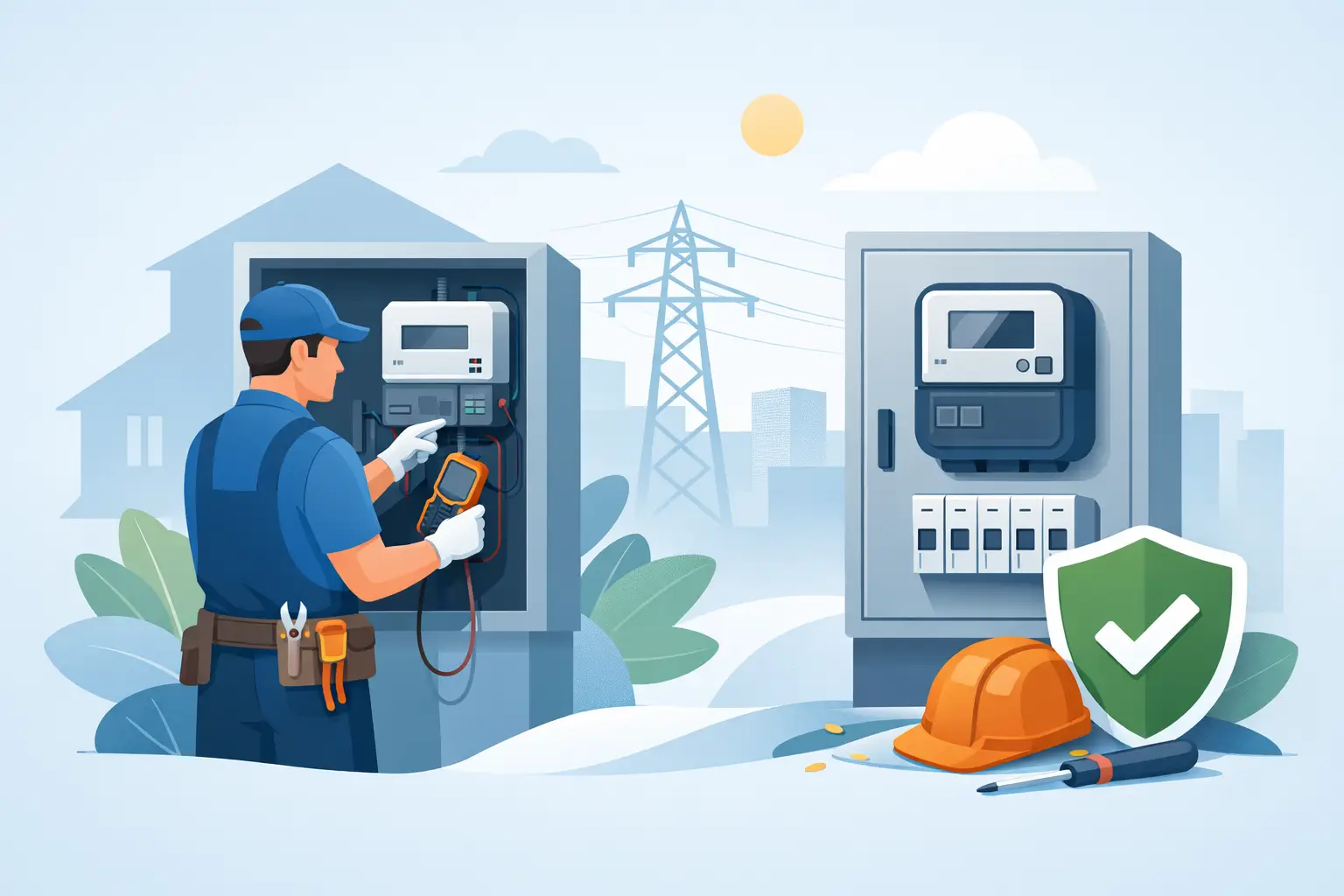
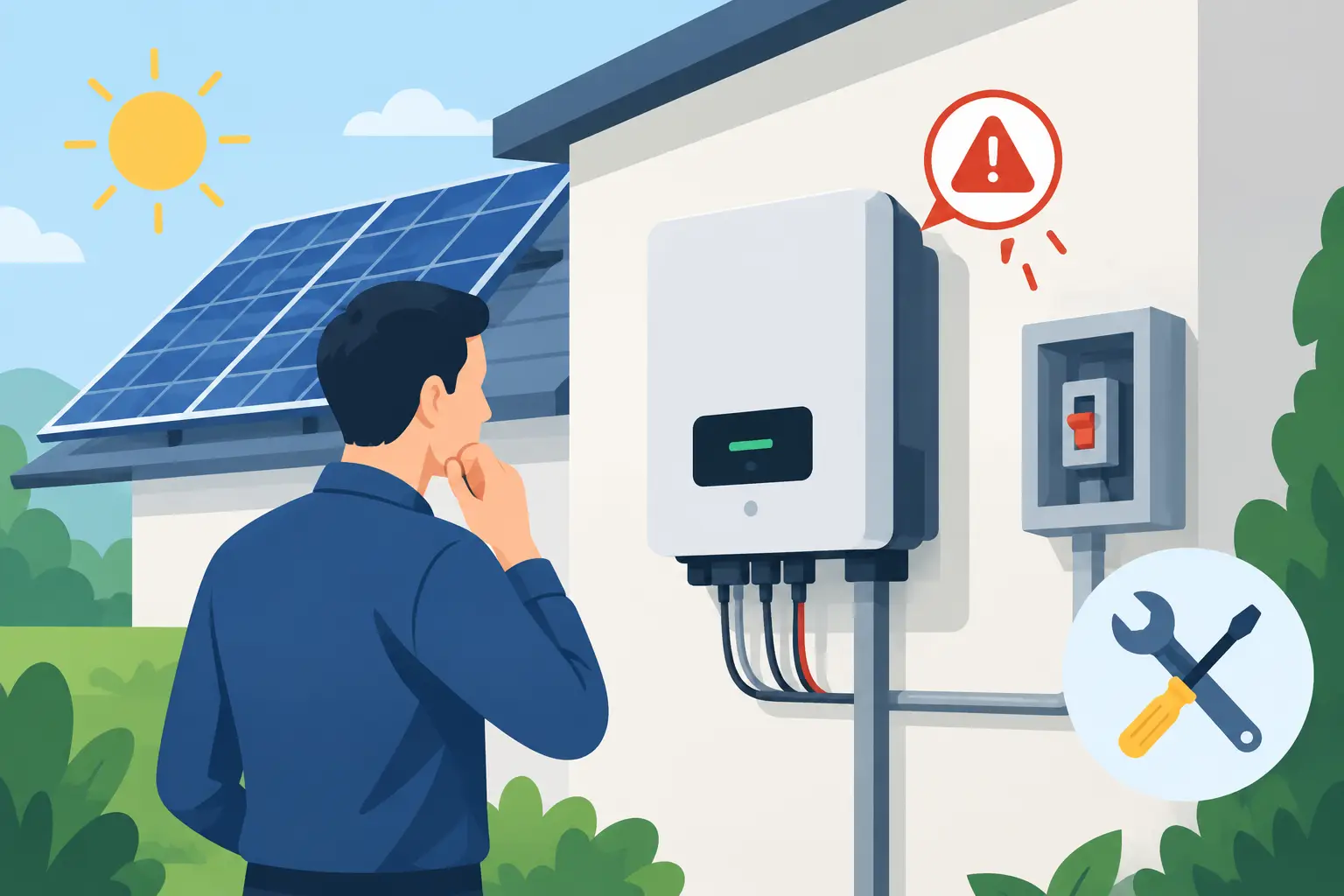
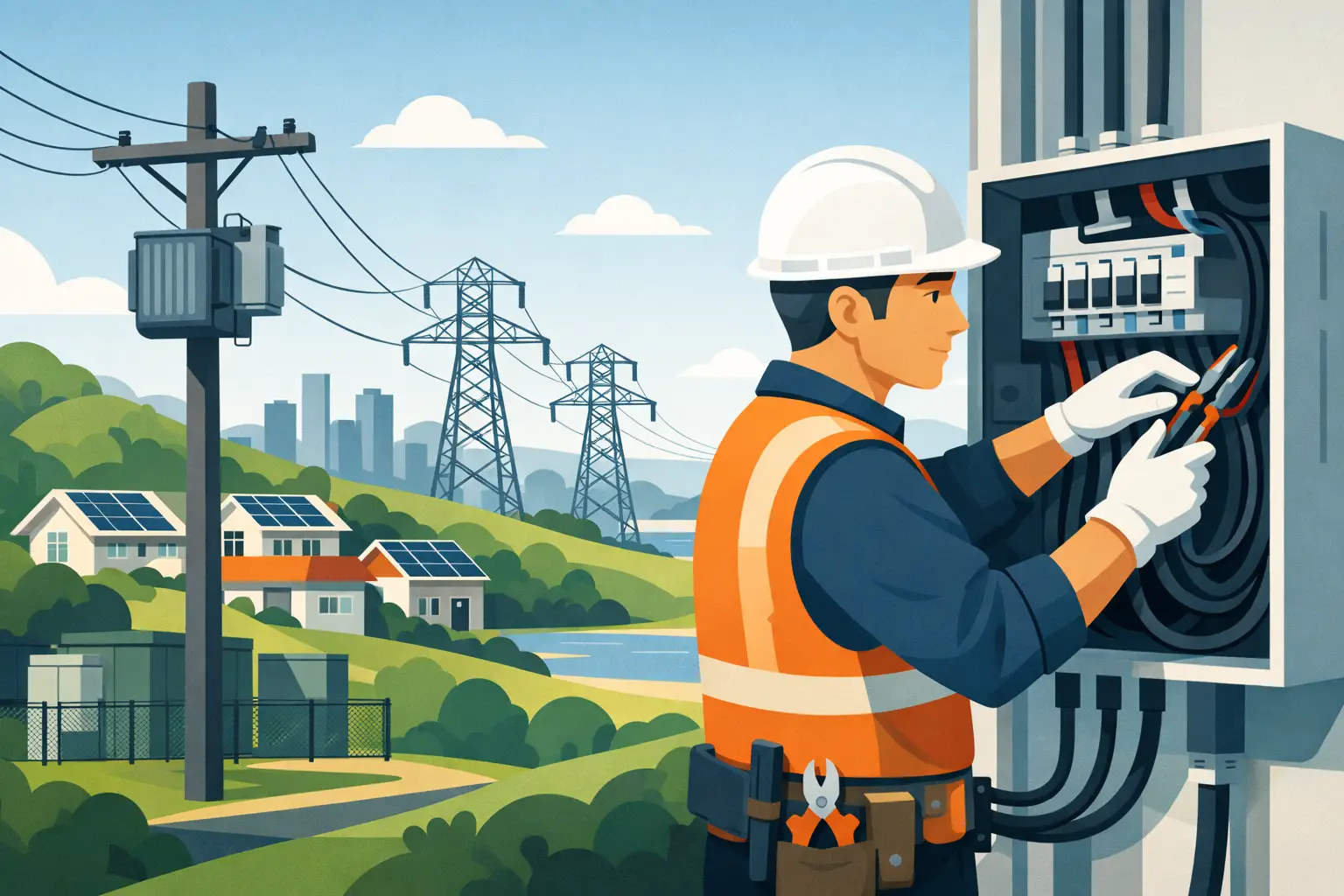
Where the meter panel, consumer mains or network connection need work, Level 2 ASP capability is particularly valuable. Regulated electrical work must be managed correctly, with the right approvals, safety processes and coordination. An integrated contractor can assess the whole energy system rather than treating the charger as an isolated appliance.
Choosing the charging speed that suits your routine
More kilowatts are not always better value. The right charging rate comes down to when the vehicle is parked, how far it travels and how much electrical capacity the property has.
A household that drives 40 to 70 kilometres most days and parks at home overnight can usually recover that energy comfortably with a 7 kW charger. Paying for a higher-capacity three-phase setup may make sense if the home already has three-phase power, the EV accepts faster AC charging or the household expects to run two electric vehicles.
For commercial premises, charging strategy should be based on operating patterns rather than assumptions. A fleet that returns for six hours overnight may be well served by several managed AC chargers. A site with short customer visits may need a different mix. DC fast charging can deliver rapid charging, but it brings significantly higher equipment, installation and demand considerations. It is not the default answer for every business car park.
Smart charging controls are equally valuable. Scheduled charging can move demand into off-peak periods, while user access controls can help a business allocate charging fairly. If electricity tariffs vary by time of use, these functions can make a measurable difference to running costs.
Pairing EV charging with solar and battery storage
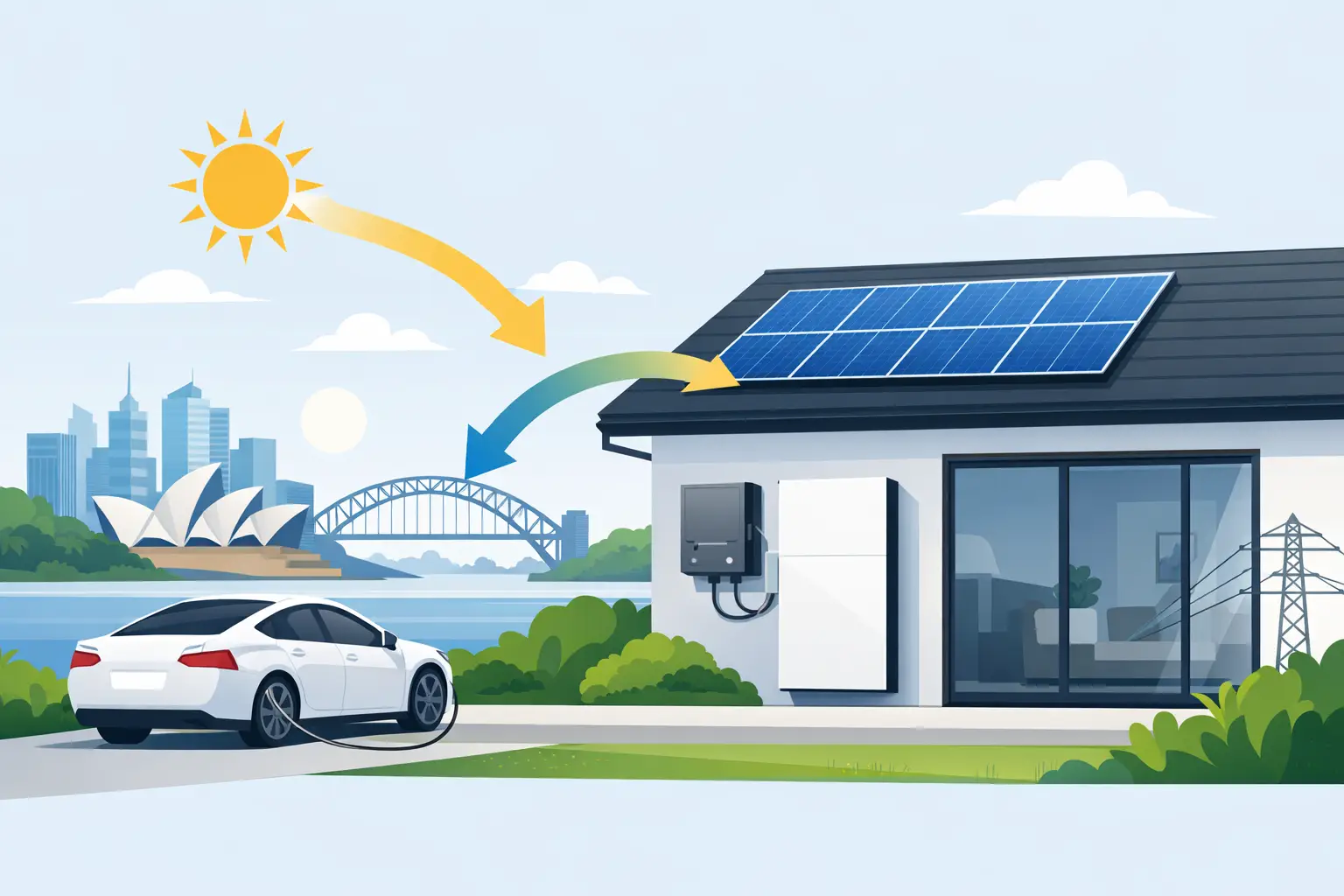
Sydney rooftops can generate strong daytime solar output, and an EV can become a useful flexible load. If a vehicle is at home during the day, solar-aware charging can direct available surplus generation into the battery on wheels rather than exporting it to the grid at a lower feed-in tariff.
There are trade-offs. Charging at maximum speed may draw more power than the solar system is producing, meaning the balance comes from the grid. Solar-aware charging can vary the charge rate to follow excess solar, which increases solar self-consumption but may take longer. The best setting depends on whether the priority is getting the vehicle charged quickly, using solar generation or managing electricity costs.
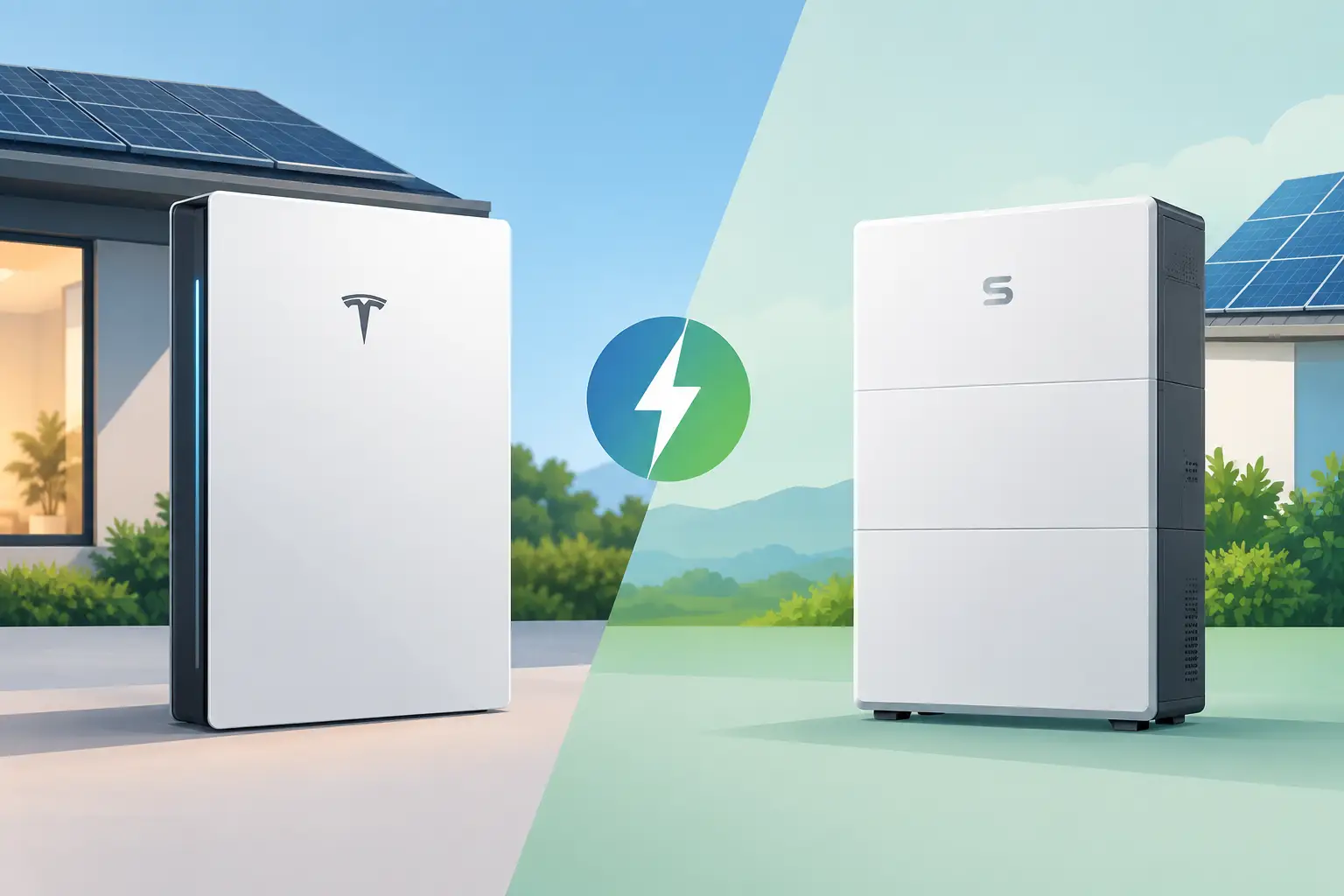
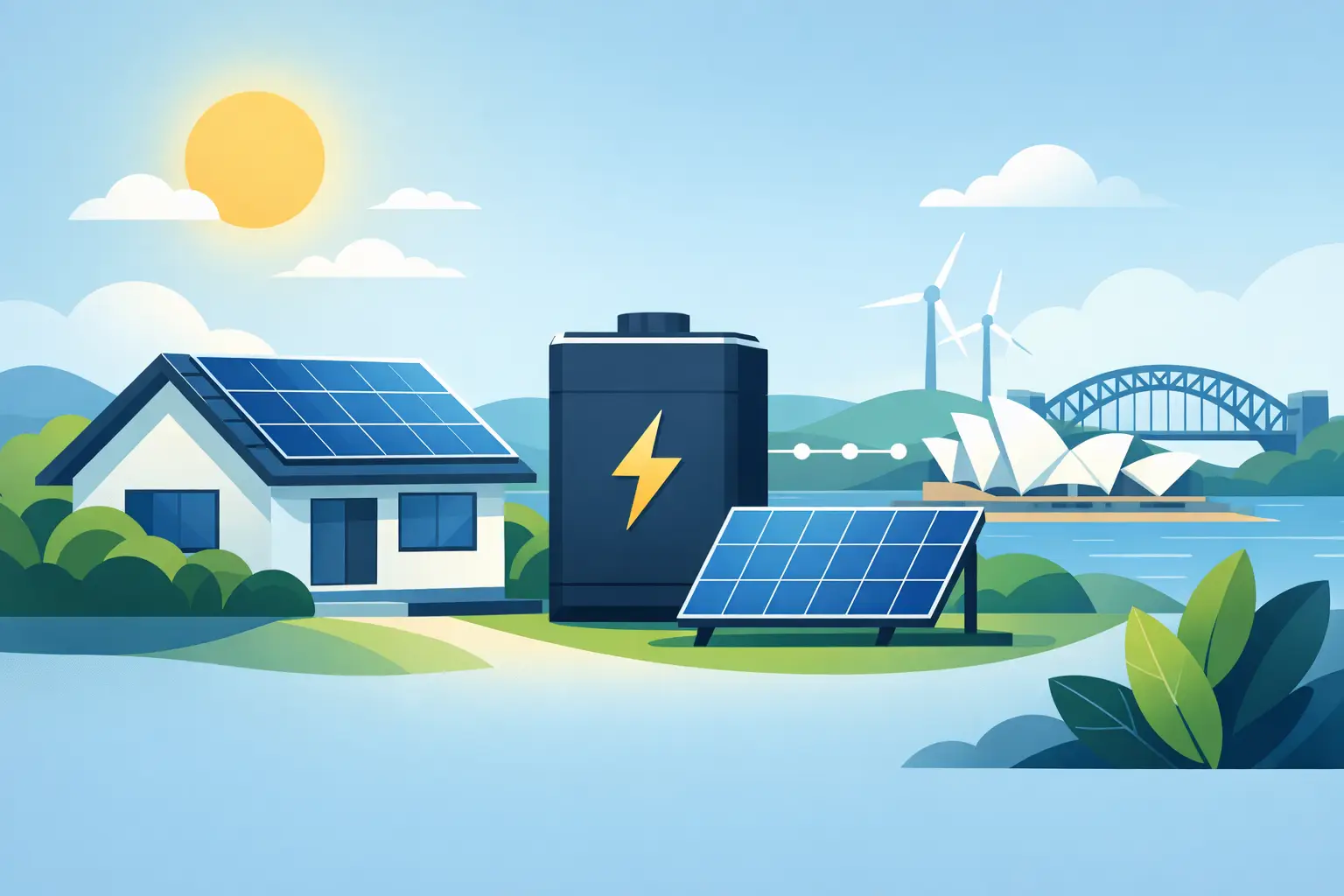
Battery storage adds another layer of choice. A home battery can store solar for evening household use and may support carefully managed EV charging, but using battery energy to charge a vehicle is not always the most economical path. Both batteries have losses, and the home battery may be more valuable for night-time loads or backup planning. Good system design considers the household’s actual consumption profile, not a one-size-fits-all promise.
For commercial sites, solar and charging can be planned together from the start. That may include charger load balancing, switchboard upgrades, monitoring and future cable pathways for additional bays. Designing for expansion early is usually less disruptive than reopening walls, trenches or electrical boards later.
Safety, compliance and charger location
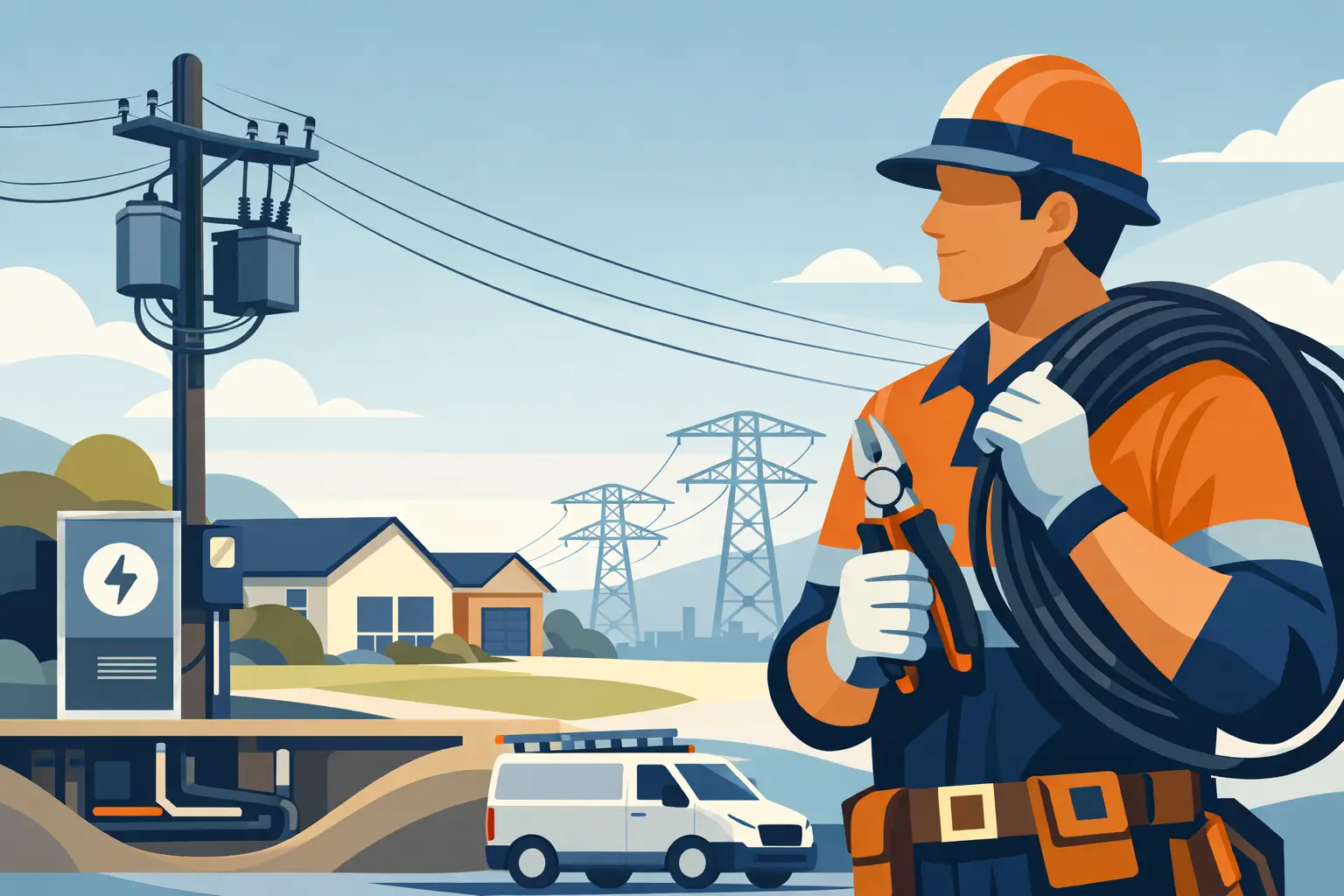
EV charging is sustained high-load electrical work. It should be installed by a licensed electrician using compliant equipment and the correct protective devices. A professional installation includes more than fixing a unit to a wall. It covers circuit protection, isolation, earthing, cable selection, testing, labelling and certification.
Location affects safety and everyday usability. The charger should be close enough for the cable to reach the vehicle’s charge port without stretching across a walkway or driveway. In a garage, wall placement needs to account for where the vehicle will actually park. Outdoors, the enclosure rating, weather exposure, impact risk and cable management all matter.
Strata properties and apartments require extra planning. Common-property rules, metering arrangements, fire considerations and shared electrical capacity can affect what is possible. Landlords should also consider whether a charger will be dedicated to one tenancy or designed as an asset for future occupants. Early engagement with the owners corporation or building manager can prevent avoidable delays.
What affects EV charger installation costs?
A clear quote should explain the scope, not just present a headline figure. The charger itself is only one part of the project. Costs vary according to the cable run, wall or pedestal mounting, switchboard modifications, protection requirements, trenching, supply capacity and whether load management is needed.
A charger installed beside a modern switchboard in a garage is typically a simpler job than one installed at a detached parking area with a long underground cable route. Older properties can also require switchboard or earthing upgrades before the new circuit can be added safely. For commercial projects, access control, multiple chargers, energy monitoring and civil works can significantly shape the budget.
Fixed, upfront pricing is valuable because it makes the inclusions clear before work starts. Ask whether the quotation covers the charger, installation labour, cable allowance, protective devices, testing, compliance documentation and any assumptions about access or switchboard condition. If a potential upgrade cannot be confirmed until site inspection, it should be identified plainly rather than appearing as a surprise variation.
A practical checklist before your site assessment
Have your EV model or intended vehicle in mind, along with a realistic estimate of daily kilometres. Take note of where the vehicle parks, where the switchboard and meter are located, and whether the property has solar, a battery or three-phase power. For a business, identify who will use the chargers and how long vehicles are normally parked.
It also helps to think one step ahead. A household planning for a second EV, or a business expecting fleet growth, may benefit from installing appropriately sized cabling or a charger platform that can expand later. That does not mean paying for capacity you will never use. It means making an informed decision while access to the electrical infrastructure is available.
Sydpro Solar Solutions brings Clean Energy Council SAA accreditation and Level 2 ASP electrical capability to projects that combine EV charging, solar, batteries and electrical upgrades. That joined-up approach helps Sydney property owners make charging a dependable part of a broader energy plan.
A well-designed charger should disappear into your routine: plug in when you arrive, charge at the right time, and leave each day with the range you need. Start with the property, the way you drive and the energy system you want to build over the next few years.