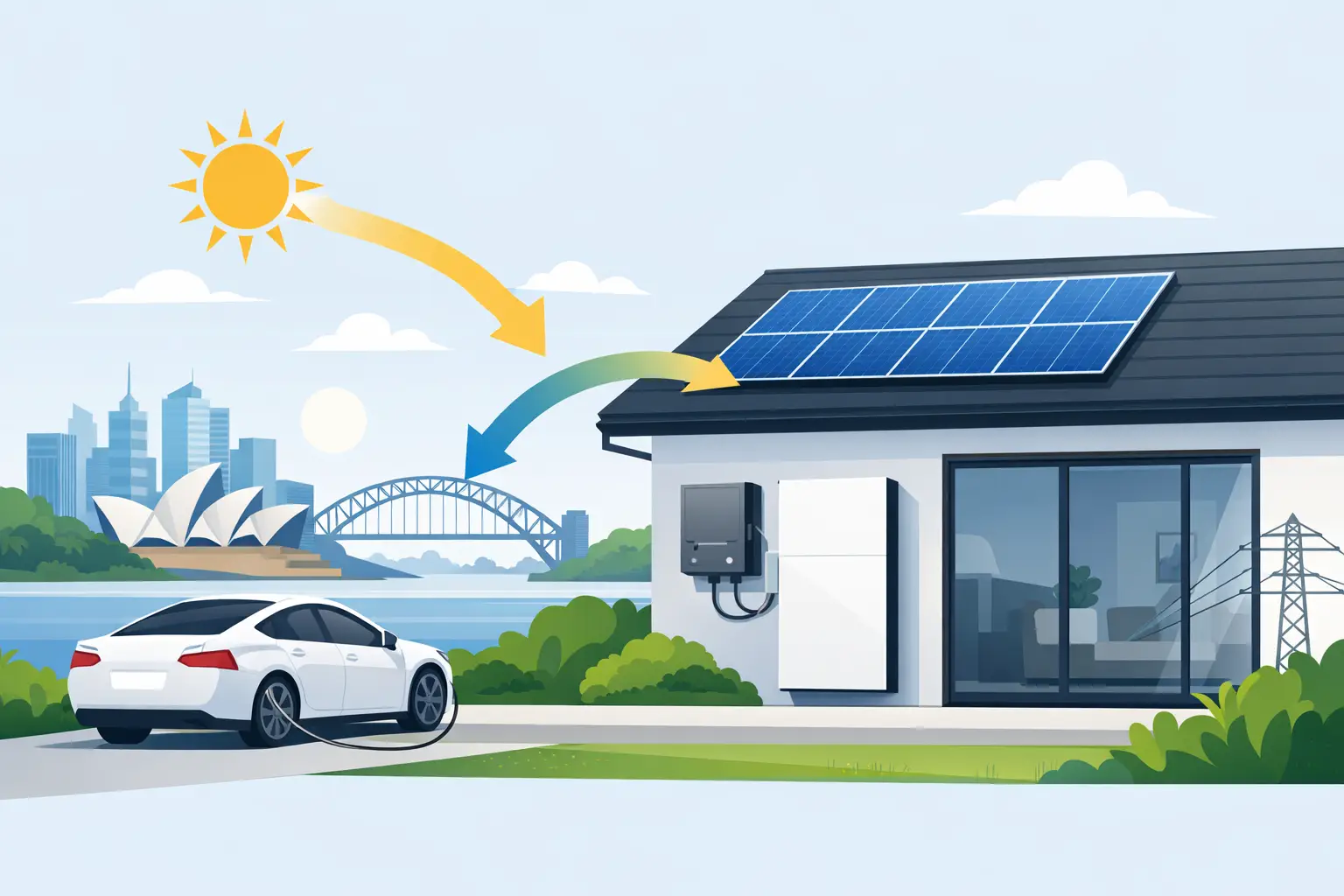
A Sydney household can generate plenty of solar power at midday, then buy electricity from the grid when the family arrives home, the air conditioning starts and dinner goes on. A battery changes that pattern. Tesla Powerwall installation Sydney homeowners choose is about keeping more of the energy their roof produces, reducing exposure to peak pricing and having a practical backup plan when the grid goes down.
The right result is not simply a battery fixed to a wall. It is a properly designed energy system that accounts for your solar output, household loads, switchboard condition, electricity tariff, network requirements and expectations during an outage. That is where the real value is decided.
What a Powerwall can do for a Sydney property
A Tesla Powerwall stores solar energy that would otherwise be exported to the grid for a relatively low feed-in tariff. That stored energy can then supply the home in the evening, overnight or during periods of high electricity use. For many households, this means a greater share of their energy consumption comes from their own solar system.
It can also provide backup capability when paired with the required backup equipment and configured for the circuits you want protected. That may include essentials such as lighting, refrigeration, internet, selected power points and security systems. Some homes are designed for broader whole-home backup, but this needs careful assessment. Large loads including ducted air conditioning, pool pumps, electric ovens and EV chargers can change how long stored energy will last during an outage.
This is why battery capacity alone does not tell the full story. A Powerwall may be an excellent fit for a family that uses most of its power after sunset, a household working from home, or a property looking to protect key circuits from outages. It may be less compelling for a home with low evening consumption, limited solar generation or a tariff that does not reward shifting energy use.
Tesla Powerwall installation Sydney: what is involved
Every site starts with an electrical and energy assessment. The installer needs to understand how much solar your property produces across the year, not just on a clear summer day. They also need to review interval energy data where available, assess the age and capacity of the switchboard, identify available wall space and confirm safe cable pathways.
The battery location matters. It needs to meet manufacturer requirements, electrical standards, clearance rules and practical access needs. A garage is often suitable, although an exterior wall can also be appropriate where conditions allow. Good placement considers weather exposure, ventilation, access for servicing and separation from doors, windows and other building features.
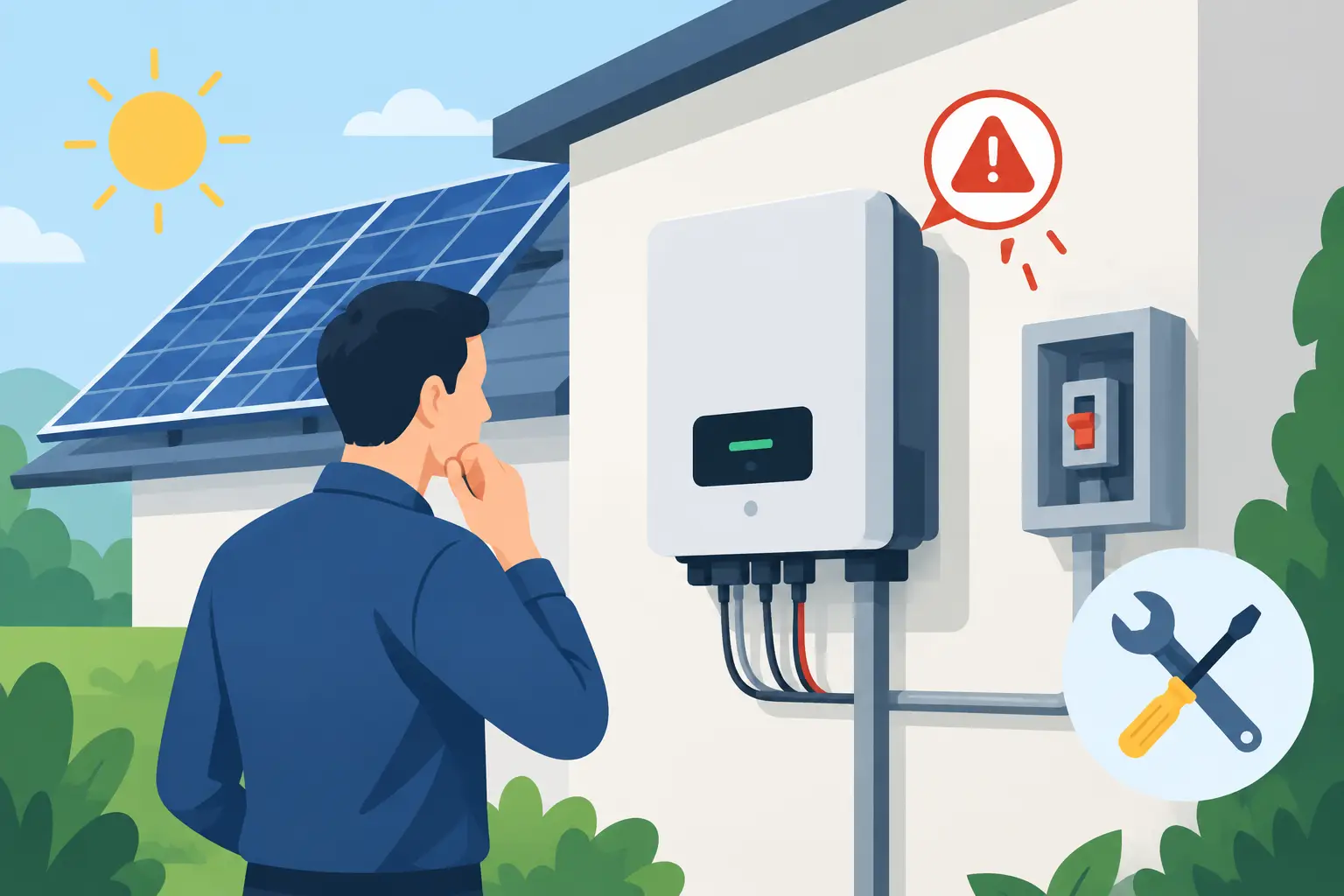
The electrical work can be more involved than customers expect. A battery installation may require new circuit protection, metering changes, a backup gateway or switchgear, and switchboard upgrades to bring an older installation up to current safety requirements. If the existing main switchboard is crowded, outdated or unsuitable for the additional load, addressing that work before or during the battery installation protects both performance and compliance.
For Sydney properties, network approval and metering requirements can vary depending on whether the site is in the Ausgrid, Endeavour Energy or Essential Energy area. Export limits, solar inverter settings and connection arrangements must be handled correctly. Using a contractor with Clean Energy Council SAA accreditation and Level 2 ASP capability can make a meaningful difference here, particularly where meter work, consumer mains upgrades or regulated network connection work is required.
Sizing the battery around your real energy use
A Powerwall should be sized around the way your property consumes and produces electricity. A household with a 6.6 kW solar system, high evening use and a growing family will have different needs from a low-occupancy home with a large solar array and minimal overnight demand.
The best starting point is your energy data. Look at daily consumption, the timing of usage, solar exports and seasonal changes. Winter heating, summer cooling, pool equipment and electric hot water can all influence the result. If you are planning to buy an EV, its charging schedule should be considered early. Charging a vehicle from excess daytime solar can work well, while regular evening charging may increase the battery capacity required or make smart charging controls more valuable.
Backup goals also matter. If your priority is keeping essential circuits operating through a short outage, the system can be designed differently from a home that wants to run a larger portion of its electrical loads for as long as possible. There is a trade-off between comfort, cost and resilience. A clear load plan prevents disappointment when the power is out.
Commercial properties need an even closer review. Batteries can help manage evening loads, reduce demand from the grid and support critical equipment, but the economics depend on operating hours, tariff structure, load profile and future expansion. A site with refrigeration, machinery or high daytime energy demand may need a different battery and solar strategy from an office or retail tenancy.
Solar compatibility and future upgrades
Powerwall can be installed with new solar or added to many existing solar systems, subject to compatibility and site design. The inverter, solar array age, switchboard and export configuration all need to be checked before a proposal is finalised. A quality installer will not assume an existing system is ready for battery integration simply because it has solar panels on the roof.
If you are installing solar and battery at the same time, the design can be more coordinated from day one. Panel capacity, inverter selection, battery operation and backup requirements can be planned together rather than added in stages. This may reduce duplicated electrical work and create a cleaner result at the switchboard.
Future readiness should be practical, not an expensive guess. It is sensible to allow for likely changes such as an EV charger, electric hot water or a growing household. It is less useful to oversize equipment for loads that may never arrive. The right approach is a system that meets current needs well, while allowing a clear upgrade pathway where justified.
What affects the installed price
A transparent battery quote should show more than one headline figure. The battery and associated hardware are significant components, but site-specific electrical work can influence the final cost. Switchboard upgrades, cable runs, backup configuration, meter alterations, access challenges and network-related work all need to be identified upfront.
When comparing proposals, check whether the price includes installation, commissioning, monitoring setup, required approvals, backup hardware and any switchboard work. Ask exactly which circuits will operate during an outage and whether the quoted configuration supports whole-home or essential-load backup. These details are not minor extras. They determine what the system will do when you need it.
Premium equipment also deserves premium installation standards. The work should be documented, tested and commissioned correctly, with clear handover information on app monitoring, shutdown procedures, warranty registration and normal battery operation. Fixed, detailed pricing gives property owners confidence that the agreed scope is the scope being delivered.
Getting the most from your battery after installation
A battery works best when household energy habits support it. Schedule flexible loads for the middle of the day where possible, especially dishwashers, washing machines, pool filtration and EV charging. This lets solar cover those loads directly and preserves battery energy for the evening.
Monitoring is equally useful. The app can show solar production, home consumption, battery charge and grid imports in near real time. Over the first few months, this data reveals whether your usage matches the original design assumptions. It can also highlight loads that are quietly increasing electricity costs, such as an ageing pool pump or electric heating running overnight.
Tesla Powerwall installation is a long-term infrastructure decision, not a one-size-fits-all appliance purchase. For Sydney homes and businesses with the right solar profile, electrical design and backup goals, it can turn daytime generation into more control after dark. The most worthwhile next step is a site assessment that treats your battery, solar, switchboard and future energy plans as one connected system.