A solar system that is too small can leave valuable roof space and bill savings behind. One that is oversized for the way you use electricity may export more low-value power to the grid than it needs to. Knowing how to size solar system capacity properly means matching generation to your property, tariff and future plans – not simply choosing the biggest panel package advertised.
For homes and businesses across New South Wales, the right answer starts with real consumption data. It then needs to account for roof orientation, shading, switchboard capacity, network requirements and how much electricity you can use while the sun is shining.
Start with your electricity usage
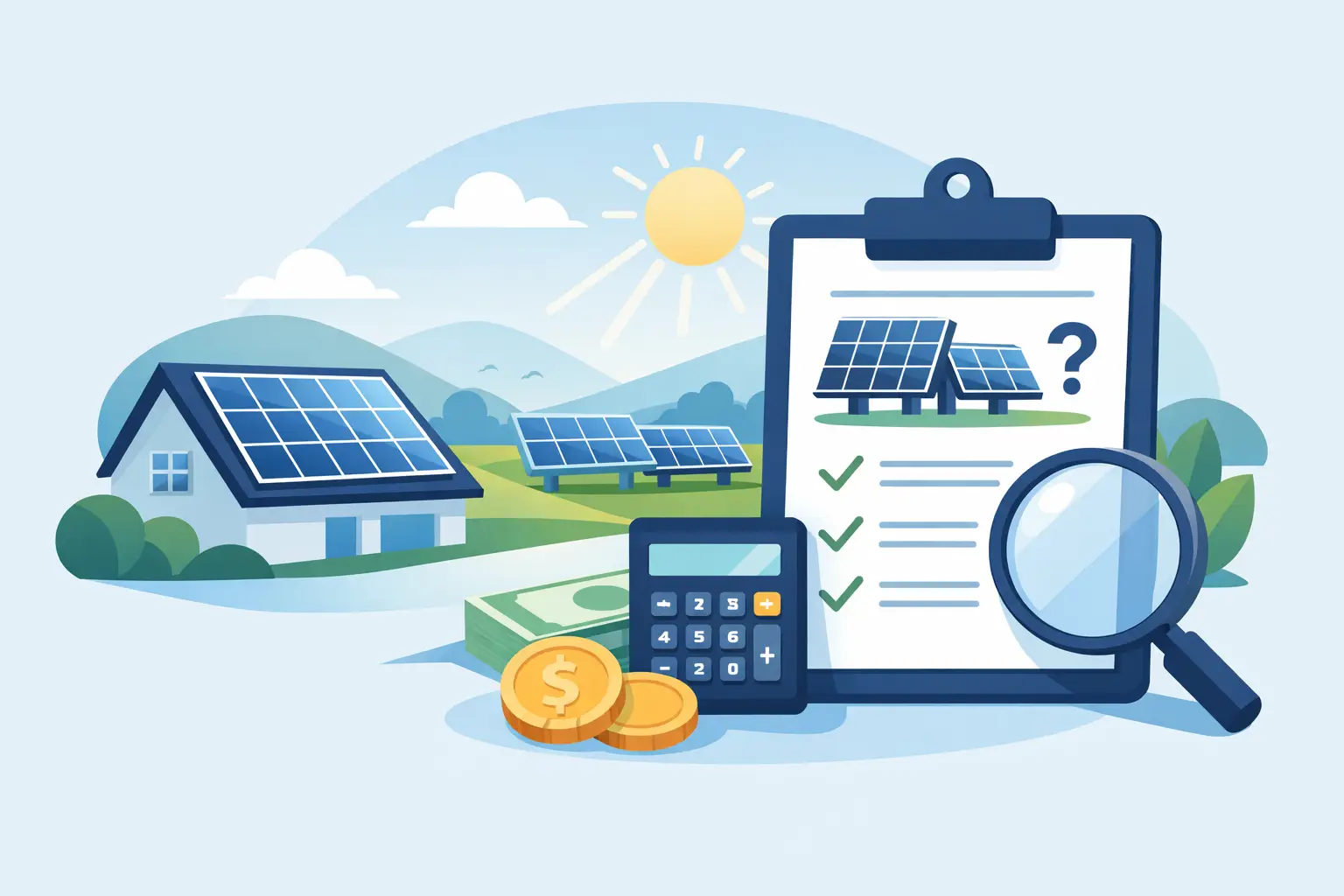
Your electricity bill is the best starting point, but one bill is not enough. Gather at least 12 months of bills or interval data from your retailer. This shows your annual usage in kilowatt-hours (kWh), seasonal changes and, where available, the times you consume power.
A household using 7,000 kWh a year has very different needs from one using 14,000 kWh. The same is true for a café with daytime refrigeration compared with an office that is largely empty over the Christmas period. Annual consumption gives a useful baseline, while your daytime load determines how much solar energy you are likely to use directly.
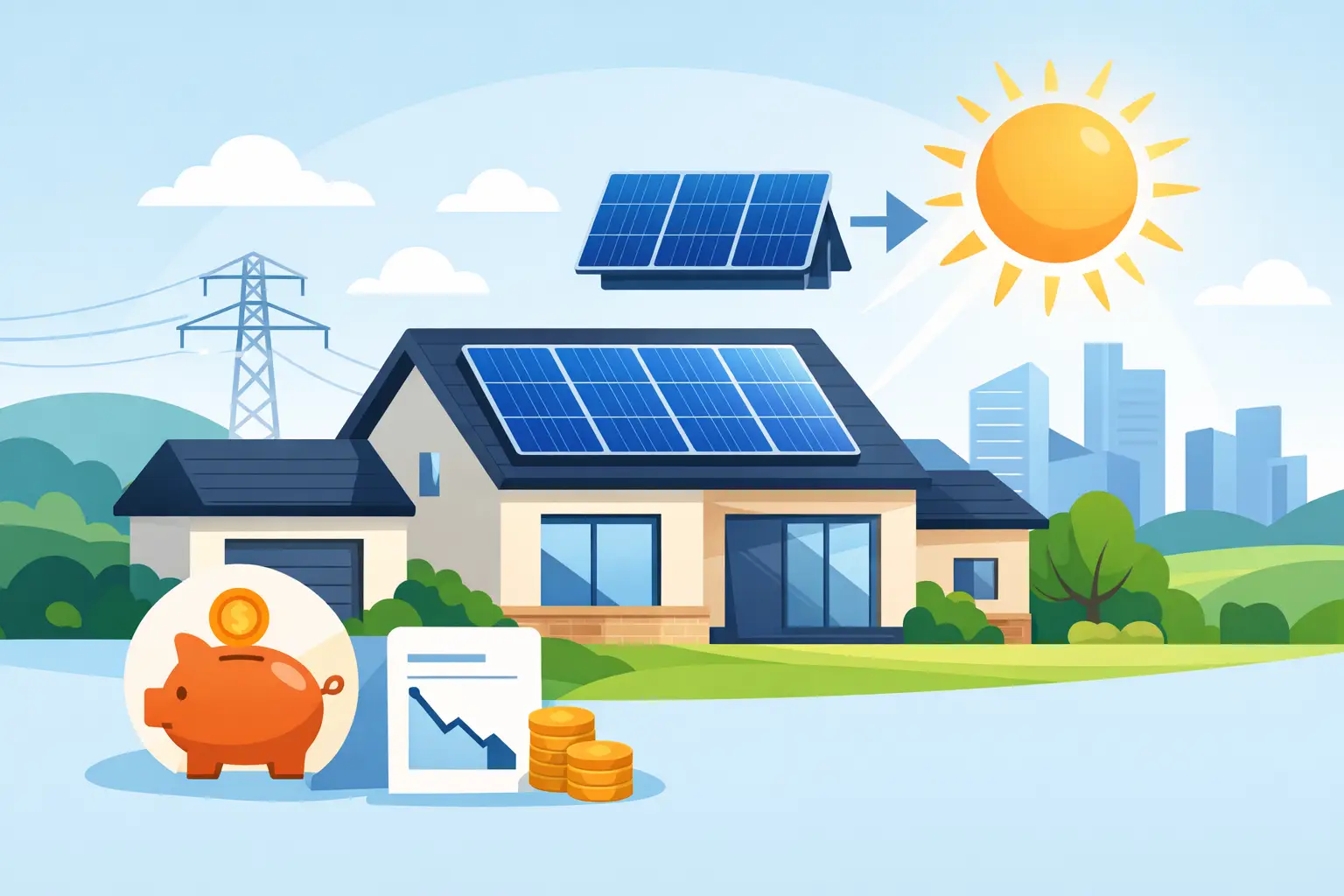
Direct solar use matters because exported electricity generally earns a lower feed-in tariff than the rate you pay to buy electricity from the grid. A well-sized system reduces purchased electricity without relying on unrealistic export income assumptions.
As a broad guide, a typical Sydney household may consider a 6.6 kW solar system, but this is not a universal recommendation. A smaller home with modest daytime demand may be better served by a smaller system. A large family home with a pool, ducted air conditioning and regular work-from-home usage could benefit from more capacity, provided the roof and network connection support it.
How to size solar system output, not just panels
Solar panels are rated in kilowatts (kW), while your bills measure energy in kilowatt-hours (kWh). The difference is essential. A 10 kW solar system does not produce 10 kWh per day. It can produce power at up to 10 kW under strong conditions, then generates a varying amount of energy throughout the day.
In Sydney and much of NSW, every installed kilowatt of north-facing, unshaded solar can often generate roughly 3.5 to 4.2 kWh per day on average across a year. Actual production changes with season, weather, roof angle, orientation, panel temperature and shade.
For a first-pass estimate, divide your annual electricity use by about 1,400 to 1,550 kWh per installed kW. For example, a property using 9,000 kWh each year may start by assessing a system around 6 to 6.5 kW. That estimate must then be tested against when the property uses power. It is a design starting point, not a final quote.
Match generation to daytime consumption
The strongest financial outcome usually comes from self-consumption – using solar electricity in the building as it is generated. Daytime appliances such as pool pumps, air conditioning, refrigeration, hot water systems and business equipment can make larger systems more valuable.
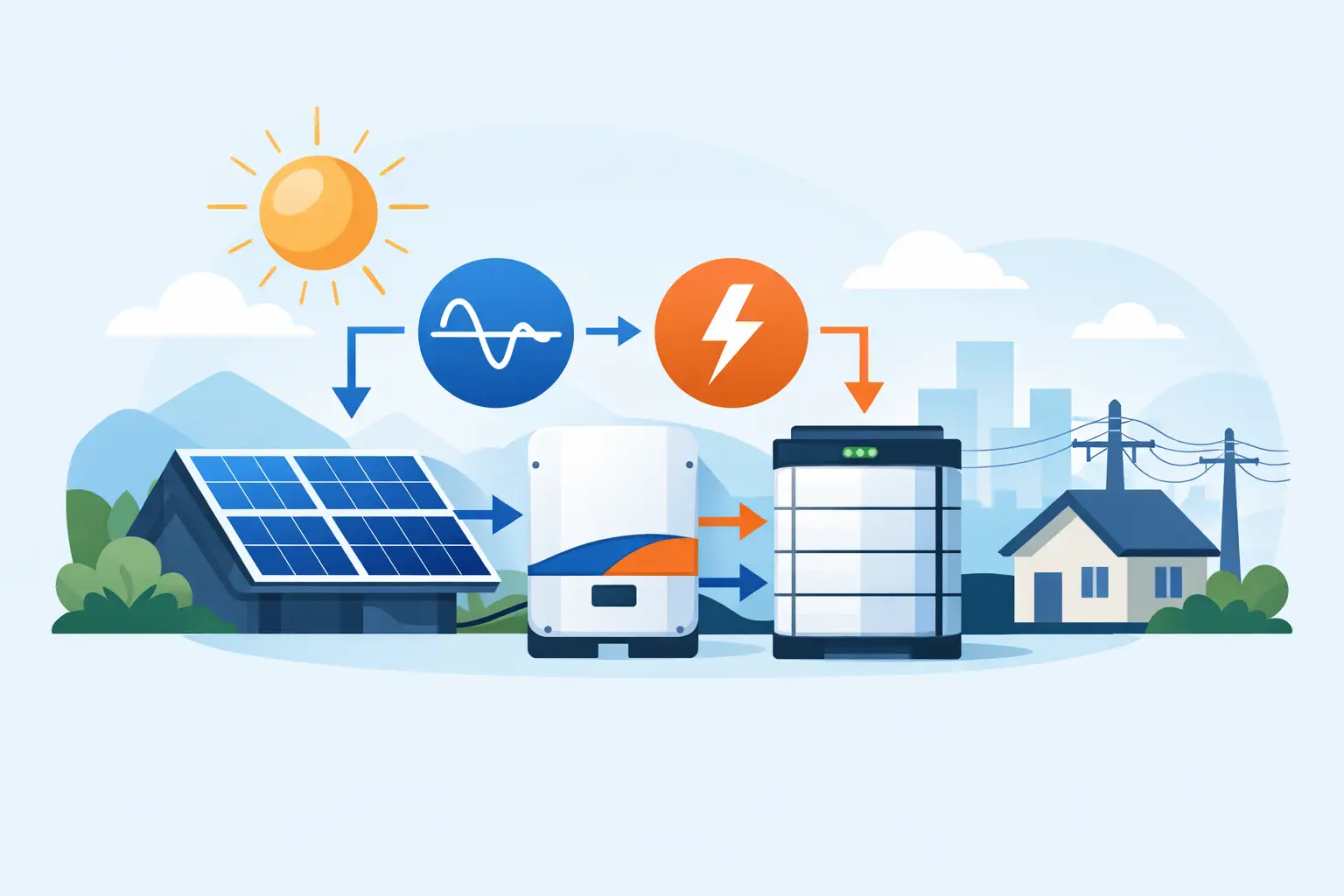
If most household demand occurs after 6 pm, solar alone will reduce daytime grid purchases but may still leave substantial evening use. You can shift some loads into solar hours with timers, smart controls or heat-pump hot water. A battery can also store surplus generation for later, although it should be assessed as part of the whole energy plan rather than used to justify any oversized solar array.
For commercial sites, interval data is particularly valuable. A warehouse, workshop or retail site with steady weekday demand can often self-consume a high proportion of solar output. Sites with sharp demand peaks, three-phase machinery or variable operating hours need a more detailed assessment.
Check the roof before choosing capacity
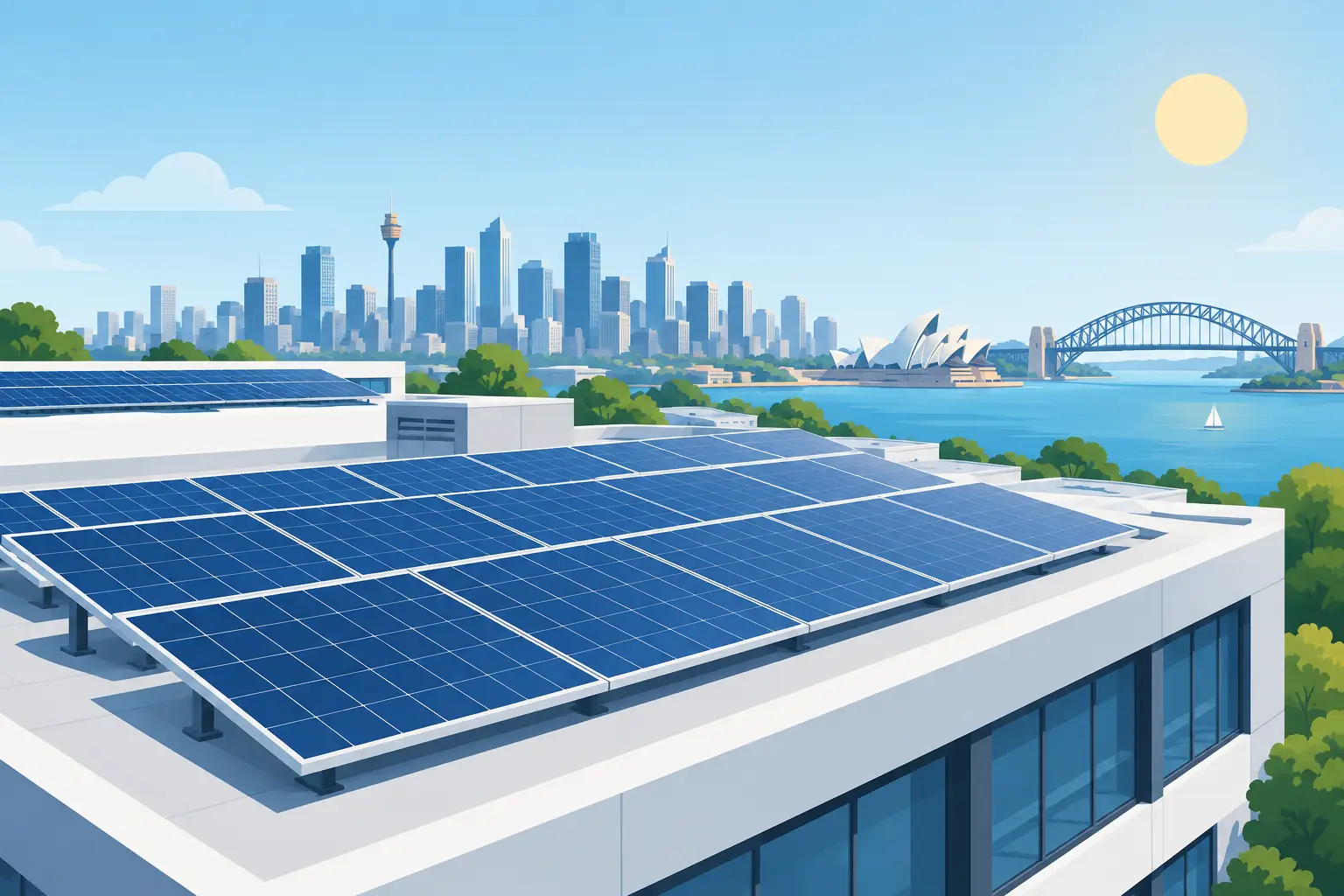
The roof sets practical limits on solar system size. Available area, panel layout, orientation and shading all affect what can be installed and how it will perform.
North-facing panels typically produce the highest total annual energy in Australia. East-facing panels generate more power in the morning, while west-facing panels produce later in the afternoon. A combination of roof faces can be a smart design choice for families that use power before and after work, or businesses with extended operating hours. It may produce slightly less energy over a year than an all-north array, but better align production with consumption.
Shading requires careful attention. Nearby trees, chimneys, vents, neighbouring buildings and roof features can affect a panel string for part of the day. Modern inverter design, panel layout and optimisers can help in suitable circumstances, but they do not remove the need for a proper site assessment.
Roof condition matters too. If roofing work is likely within the next few years, it is usually more cost-effective to complete it before installing panels. A professional design should also allow for safe access, compliant mounting and adequate clearances.
Size the inverter and connection correctly
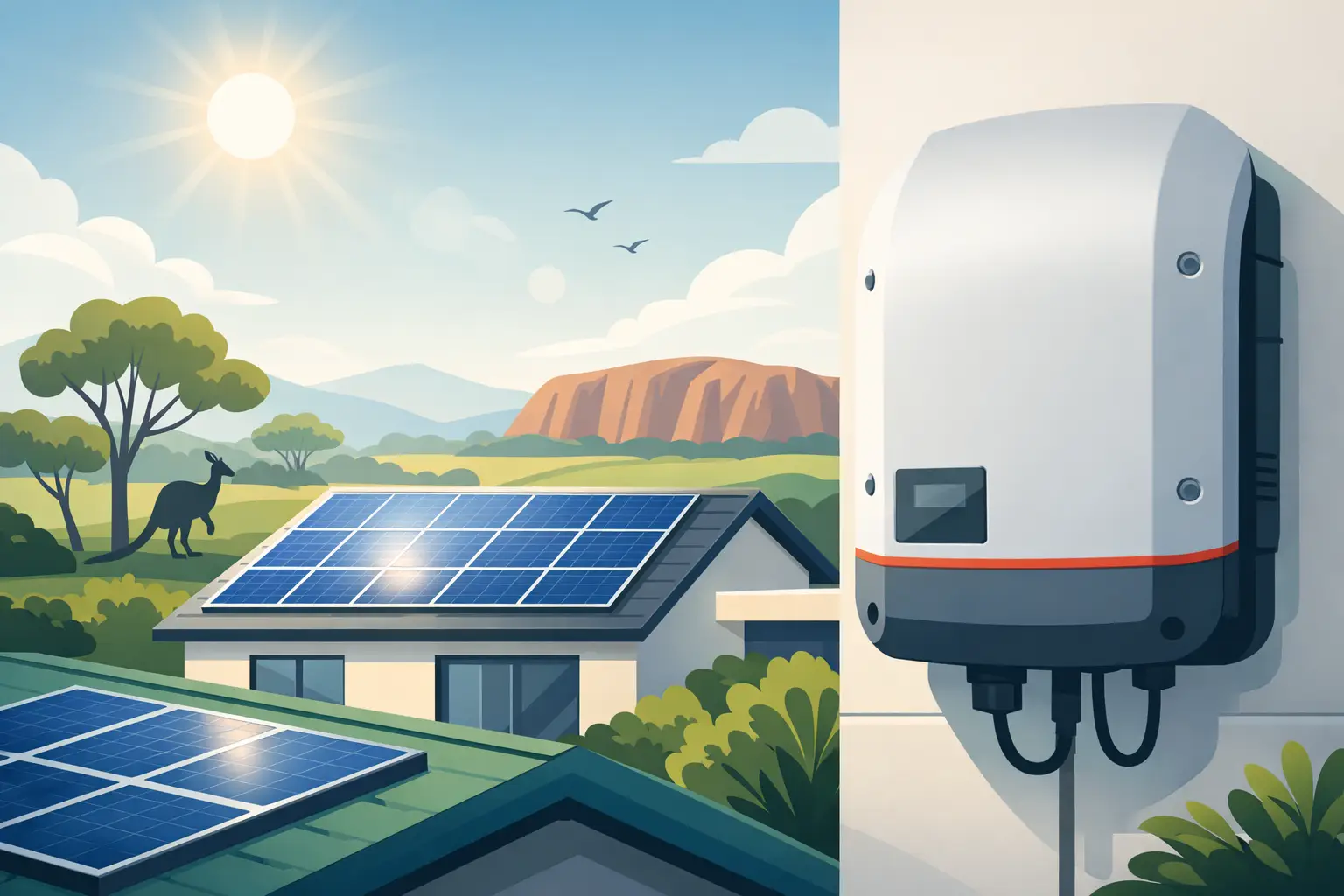
Panel capacity and inverter capacity do not always need to match exactly. It is common for the panel array to be larger than the inverter rating, which can improve generation in lower-light conditions. The final ratio depends on the equipment, roof orientation, network rules and expected production profile.
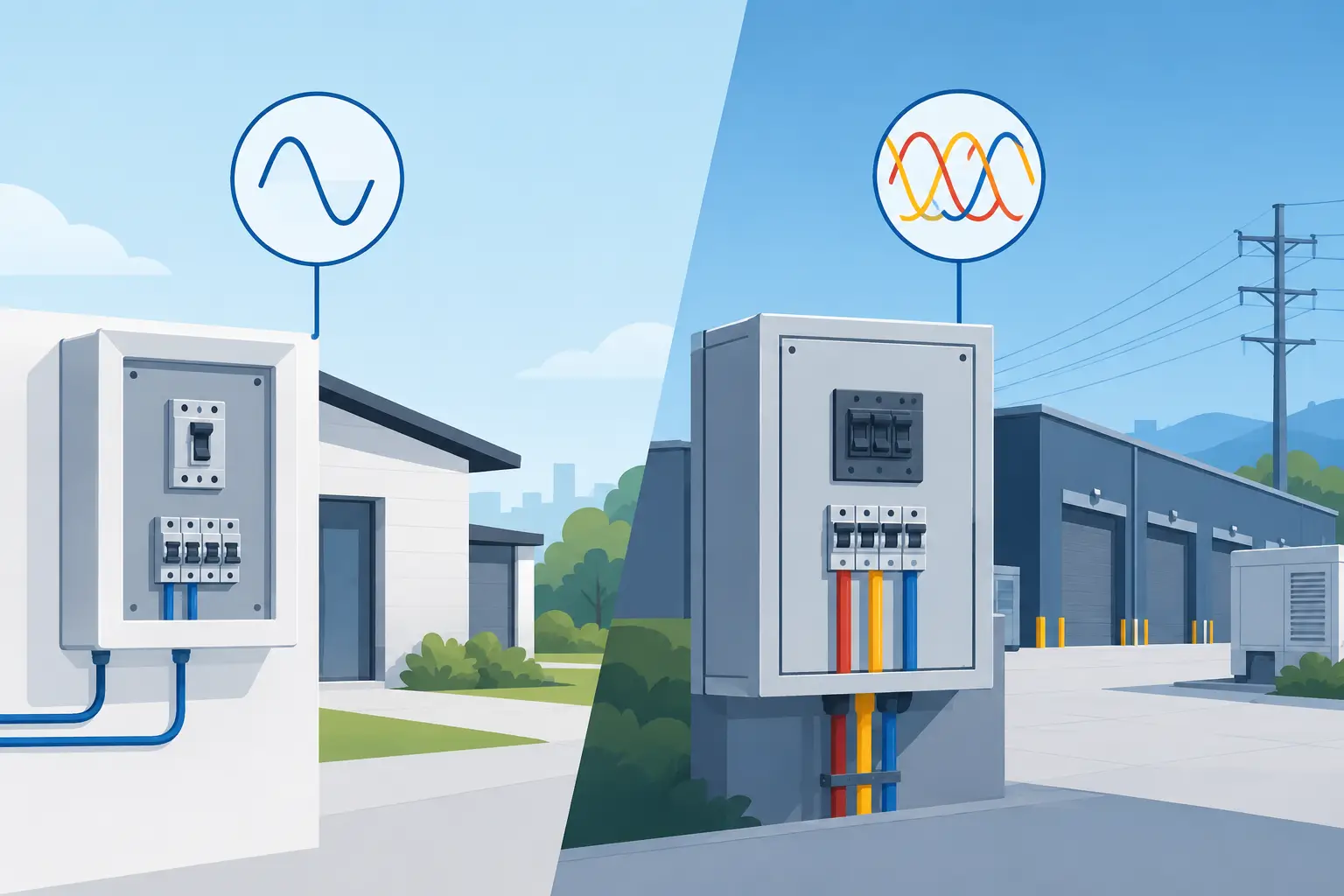
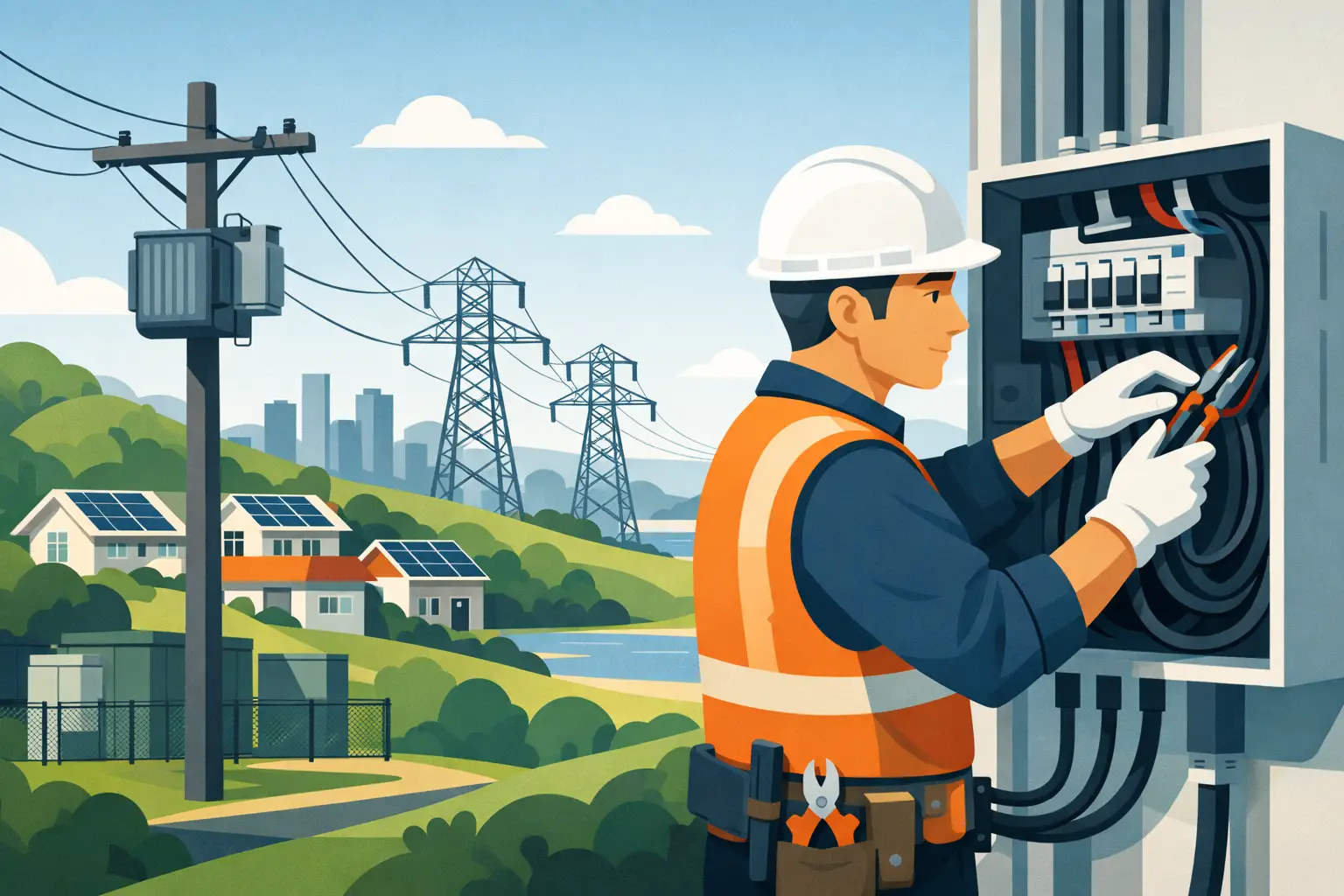
Your existing electrical infrastructure also needs to be assessed. Older switchboards, undersized consumer mains, limited meter capacity or single-phase supply can affect project scope. Larger systems and three-phase equipment may require upgrades or formal network approval.
This is where an accredited solar designer and Level 2 ASP electrical contractor add real value. The work is not only about fitting panels to a roof. It must safely integrate generation, protection equipment, metering and grid connection in line with applicable standards and distributor requirements.
Include batteries, EVs and electrification plans
A solar system should be designed for the property you are building towards, not only the appliances you own today. If you expect to buy an EV, install a heat pump, replace gas heating, add a pool or expand a business operation, include those loads in the assessment.
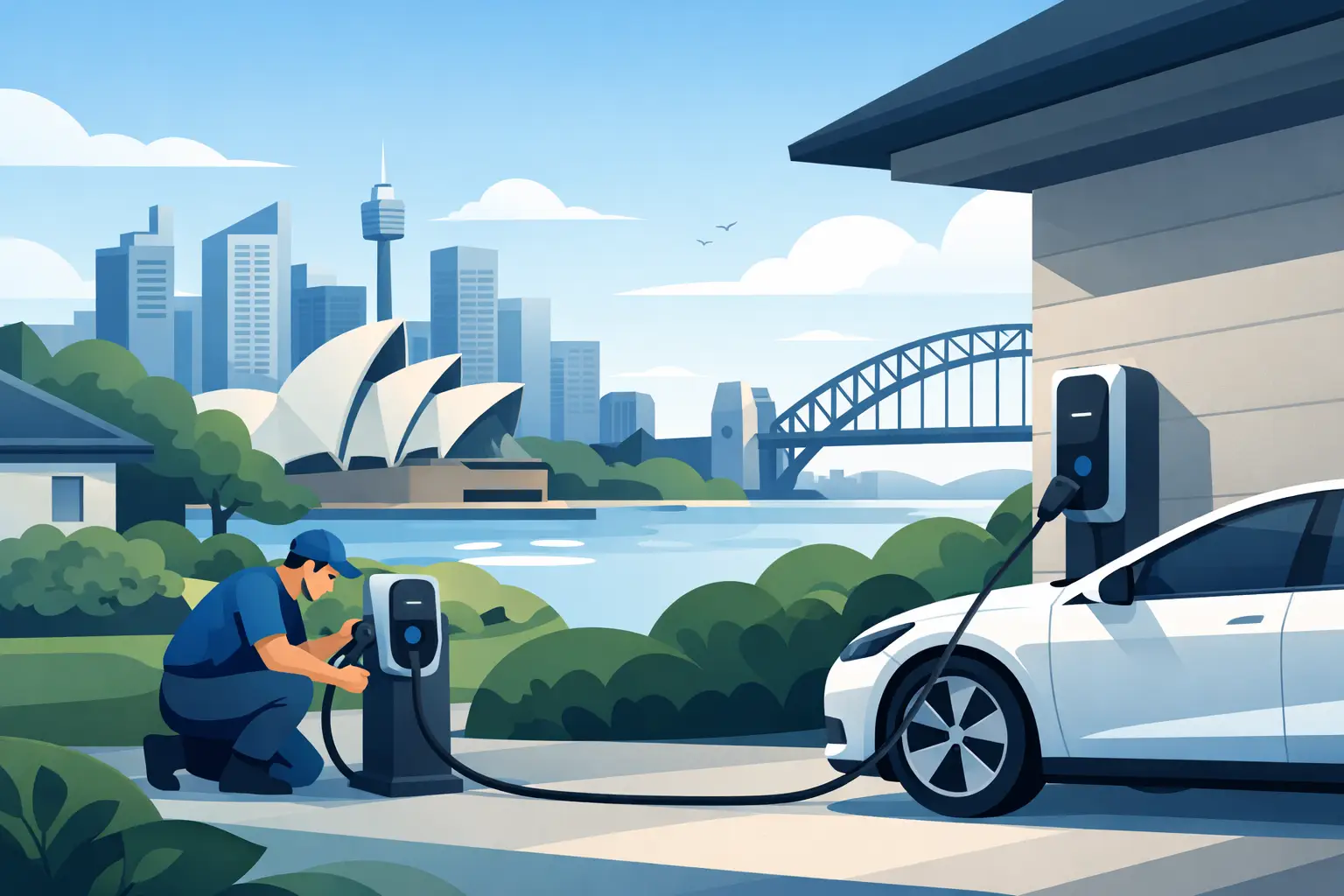
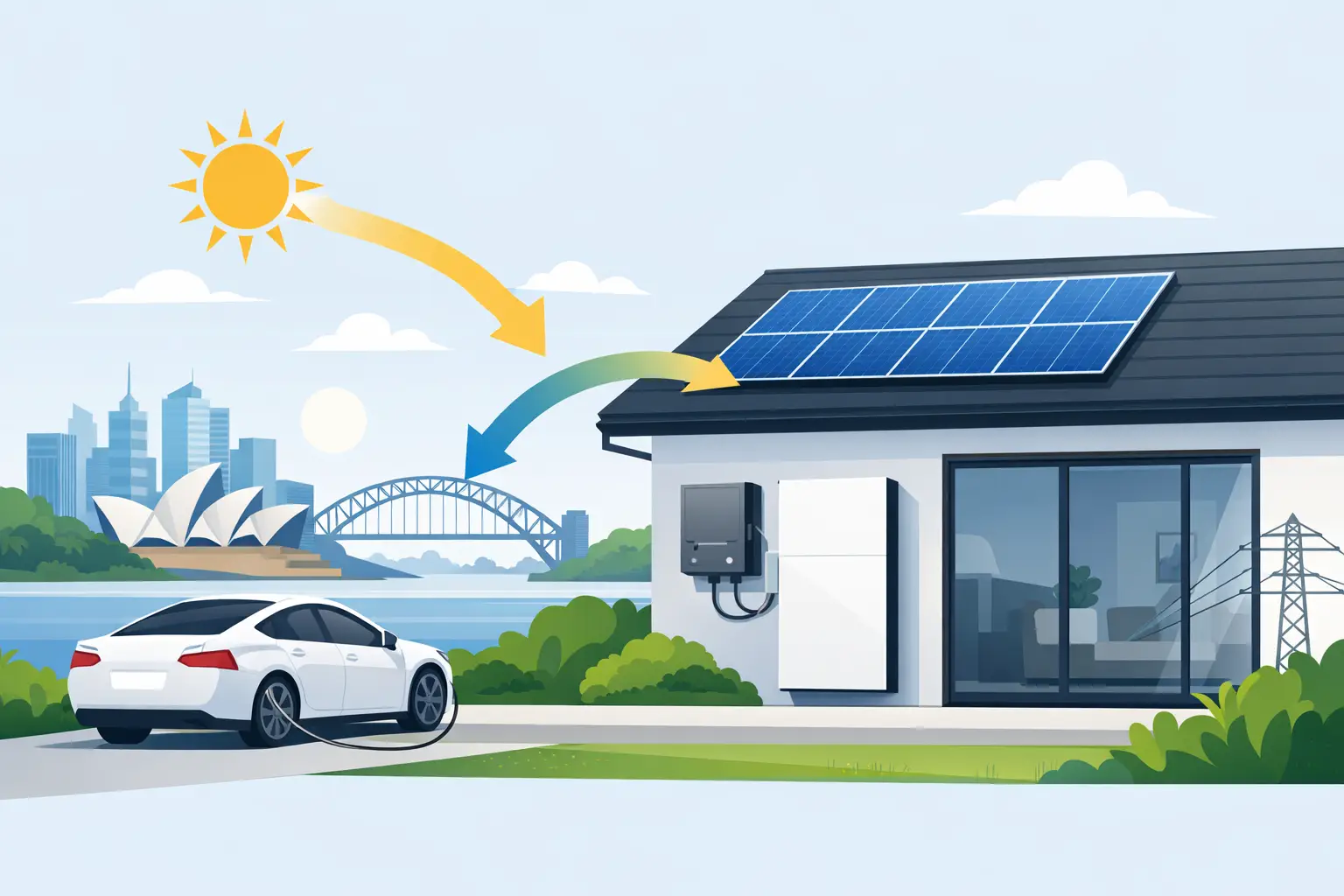
An EV can materially increase annual electricity use, but charging timing is just as important as total consumption. A vehicle charged during the middle of the day can make excellent use of solar production. Charging overnight may make a battery or time-of-use tariff more relevant. For commercial fleets, the charging schedule, available supply and demand profile need to be considered together.
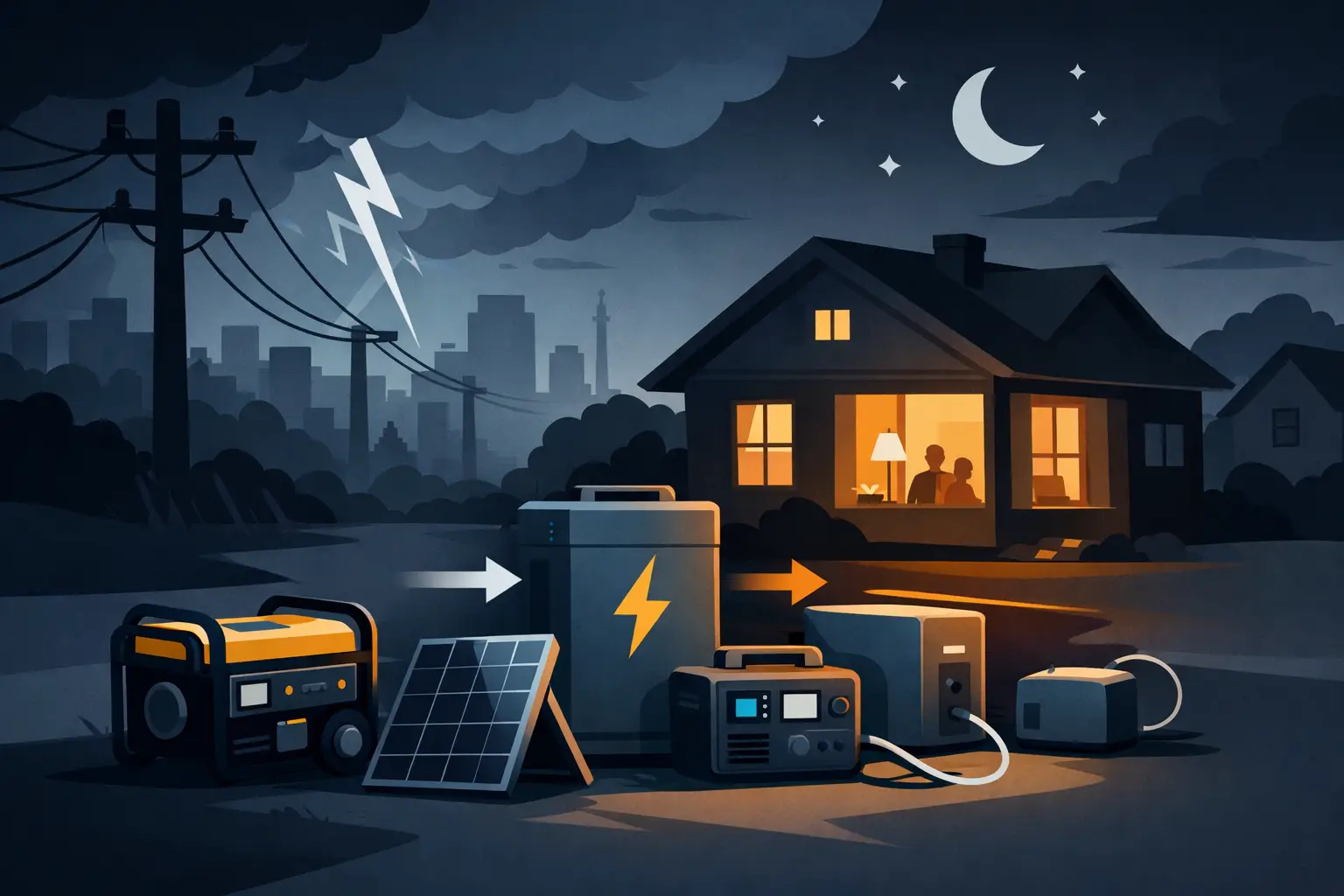
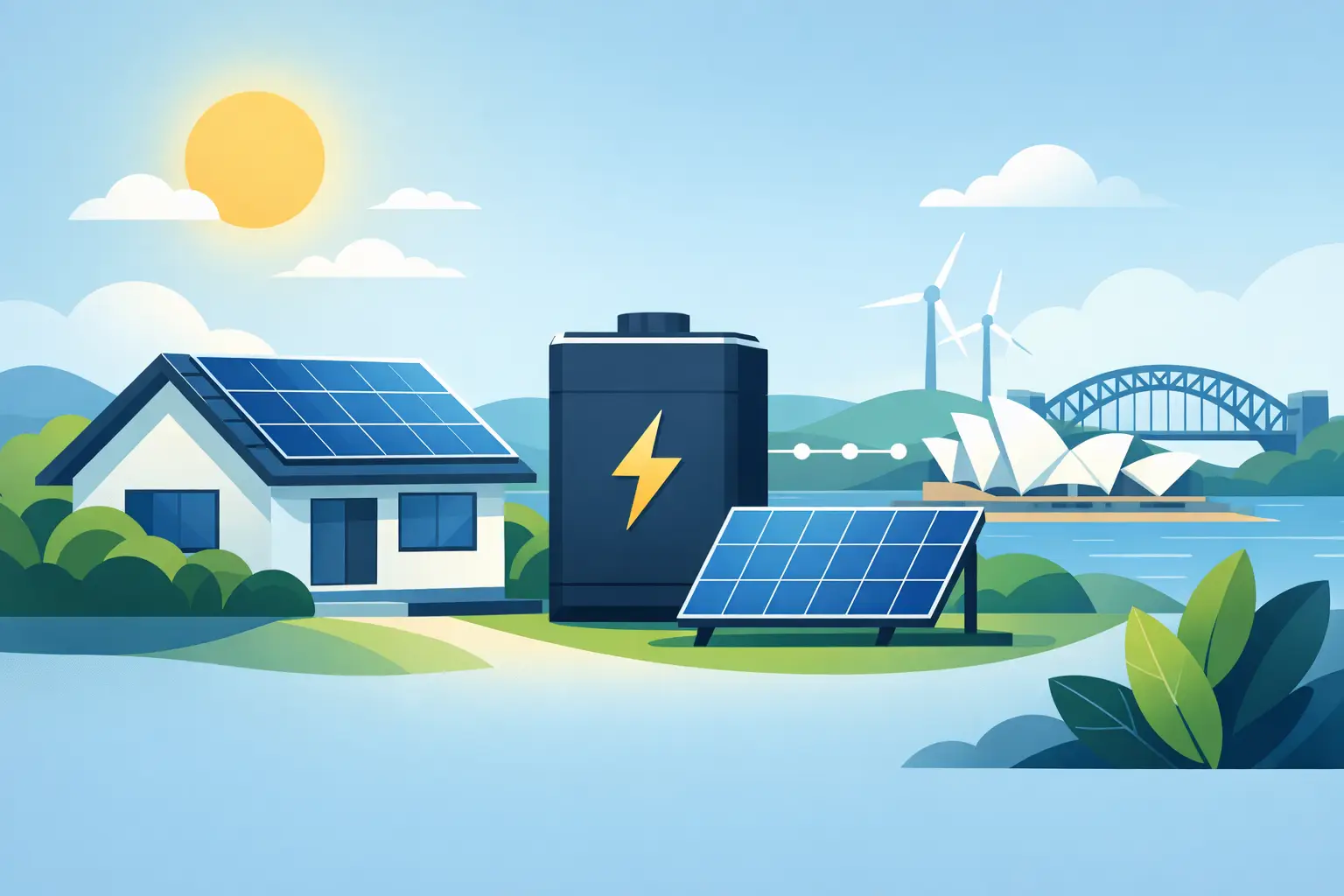
Battery size should be based on surplus solar, overnight usage, backup priorities and tariff structure. A larger battery is not automatically a better investment. If it regularly sits partly empty because the solar system cannot charge it, or remains largely full because daytime usage is already high, capacity has been paid for without being fully used.
A battery-ready inverter or switchboard design can be a sensible option where the budget does not support storage immediately. It gives you a clearer path to add compatible technology later.
Avoid sizing by headline price alone
Two systems with the same advertised kW rating can have very different performance, safety and long-term value. Panel quality, inverter selection, roof layout, workmanship, warranties, monitoring, electrical upgrades and network paperwork all matter.
Be cautious of quotes that promise a fixed saving without asking for consumption data or inspecting the site. A reliable proposal should explain the expected annual generation, assumptions about self-consumption and export, the equipment selected, warranty coverage and any required electrical work. It should also make clear whether the price includes metering, approvals, switchboard work and any roof-access challenges.
For NSW property owners, transparent design is especially important when comparing offers. The lowest upfront price can become expensive if it excludes essential connection work, uses unsuitable equipment or limits future battery and EV integration.
A practical sizing process
The most useful solar consultation follows a clear sequence: review 12 months of usage, assess daytime demand, inspect the roof and shading, check your electrical supply, model expected production, then test future loads and battery options. This avoids choosing a system based on a single rule of thumb.
Sydpro Solar Solutions approaches sizing as an energy infrastructure decision, combining Clean Energy Council SAA-accredited solar design with Level 2 ASP electrical capability where connection or upgrade work is required. That means the solar array, switchboard, meter arrangement and future energy plans can be considered together.
The best-sized solar system is not necessarily the largest system your roof can hold. It is the one that safely produces valuable electricity for the way you live or operate now, while leaving room for the cleaner, more electric future you are planning.