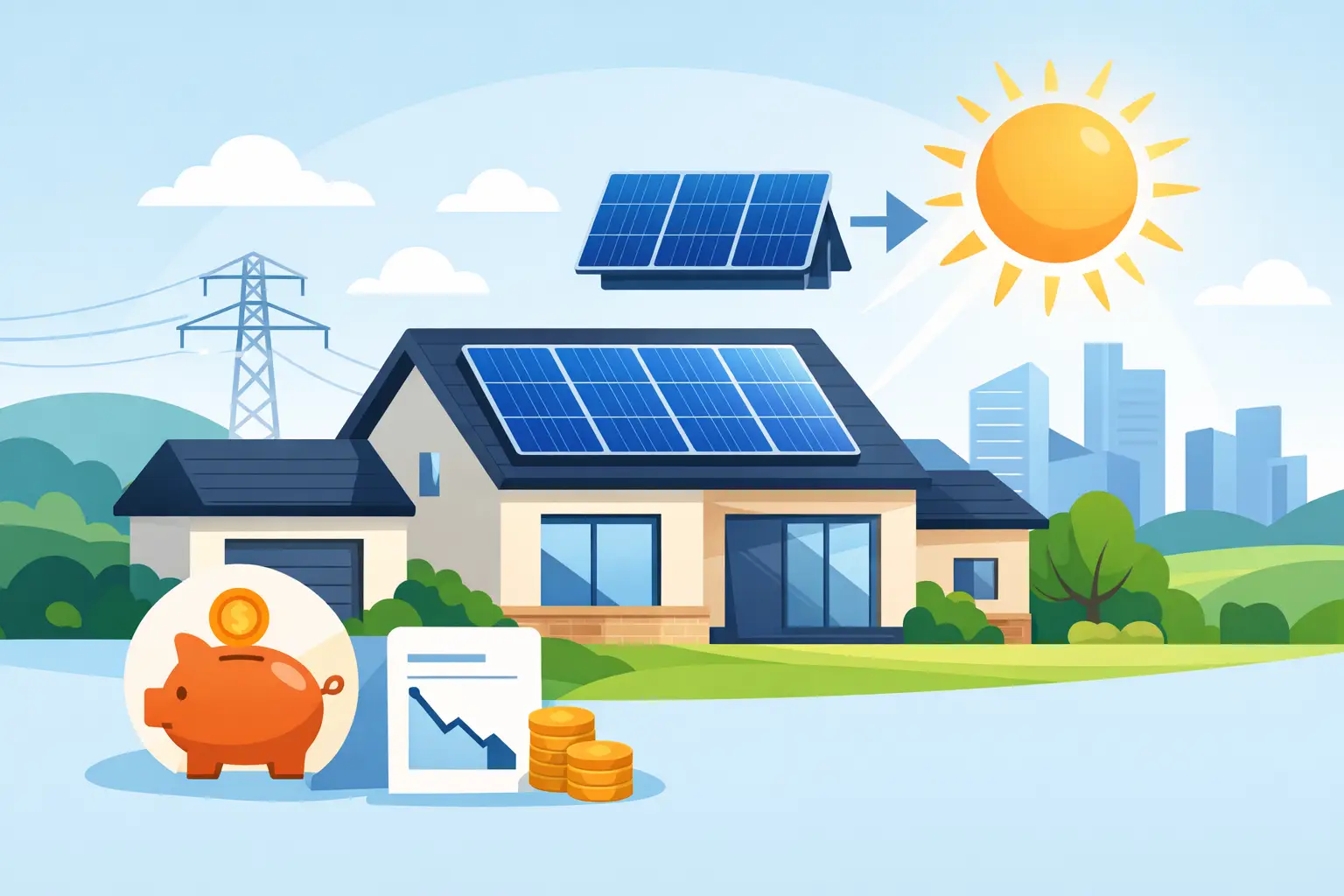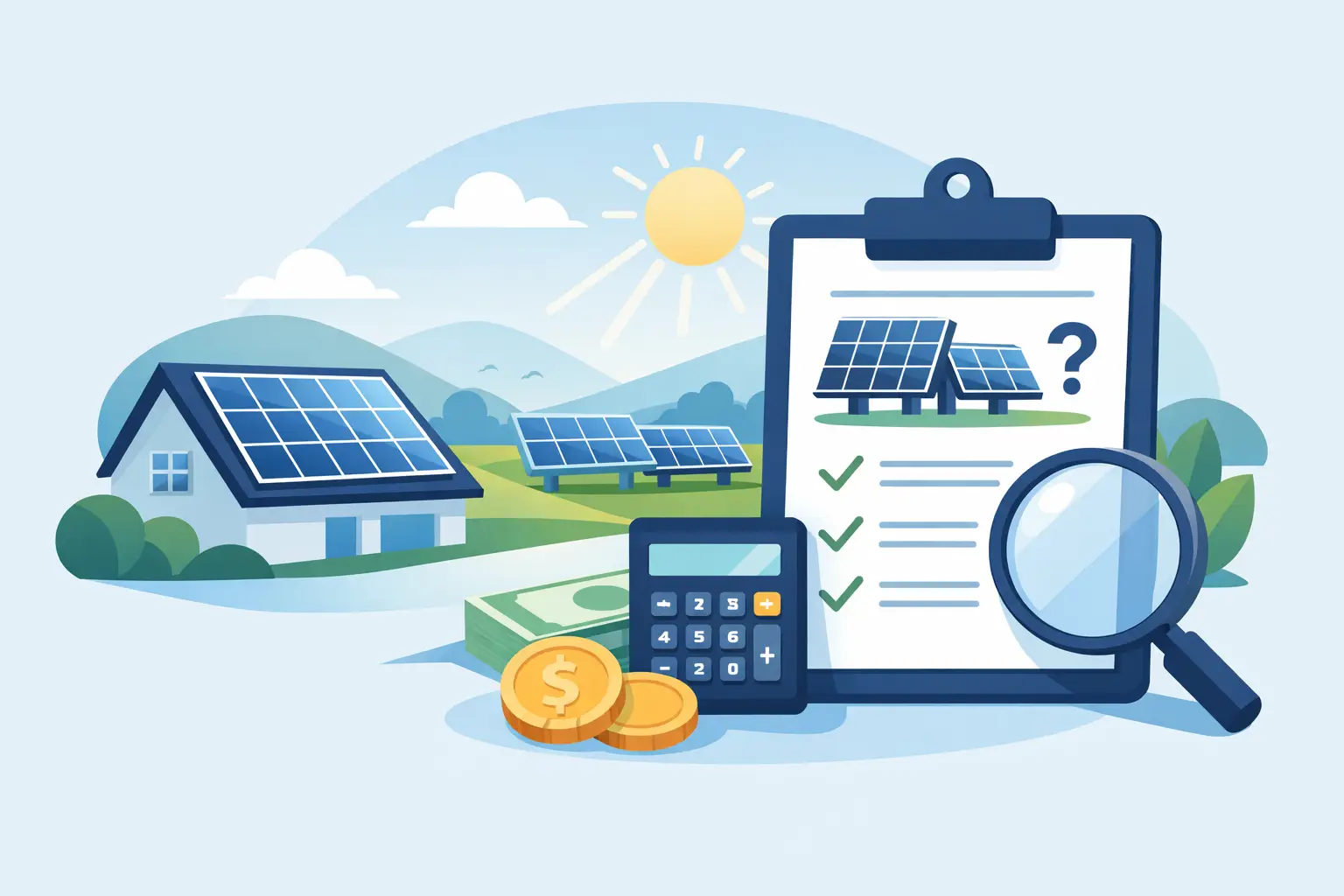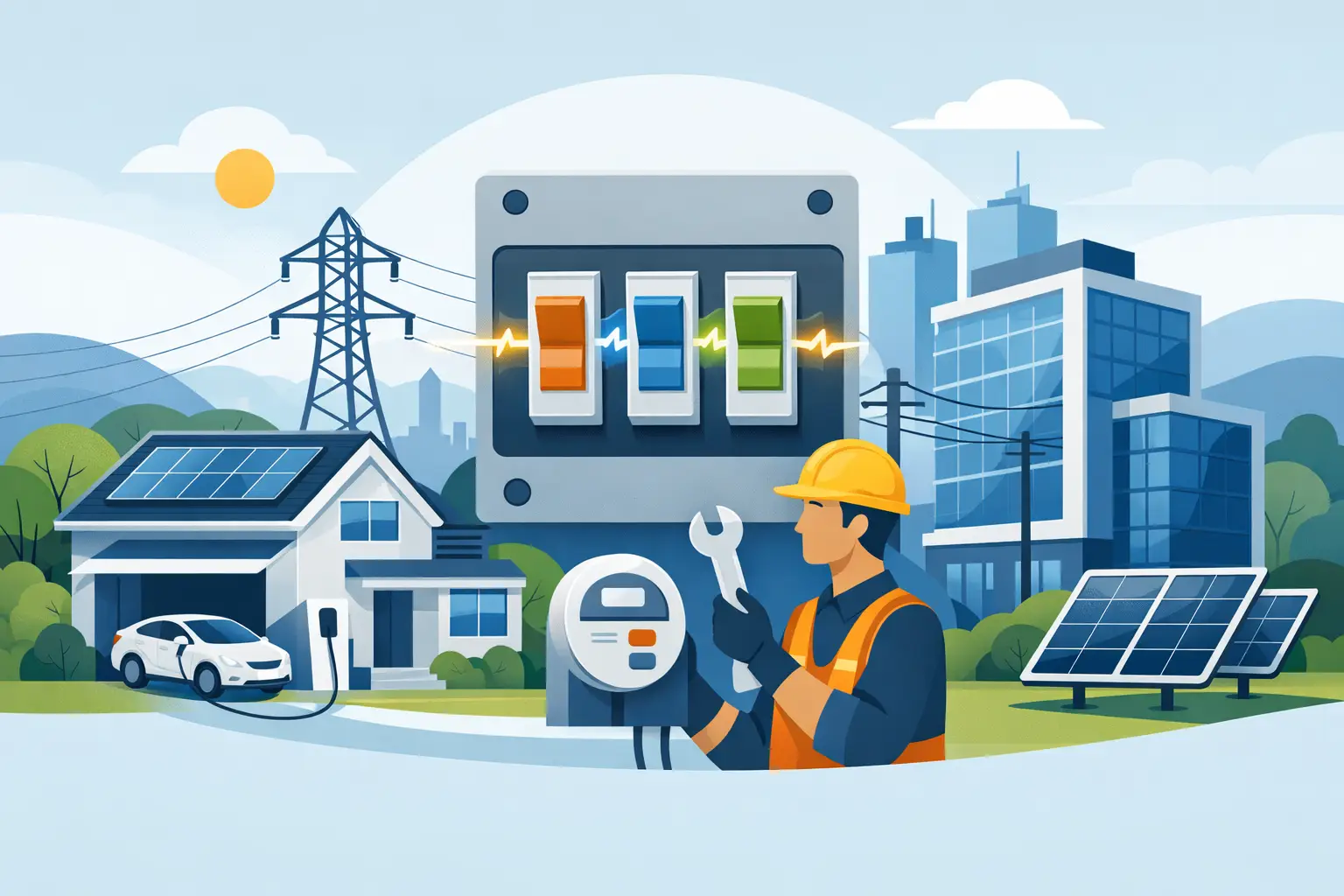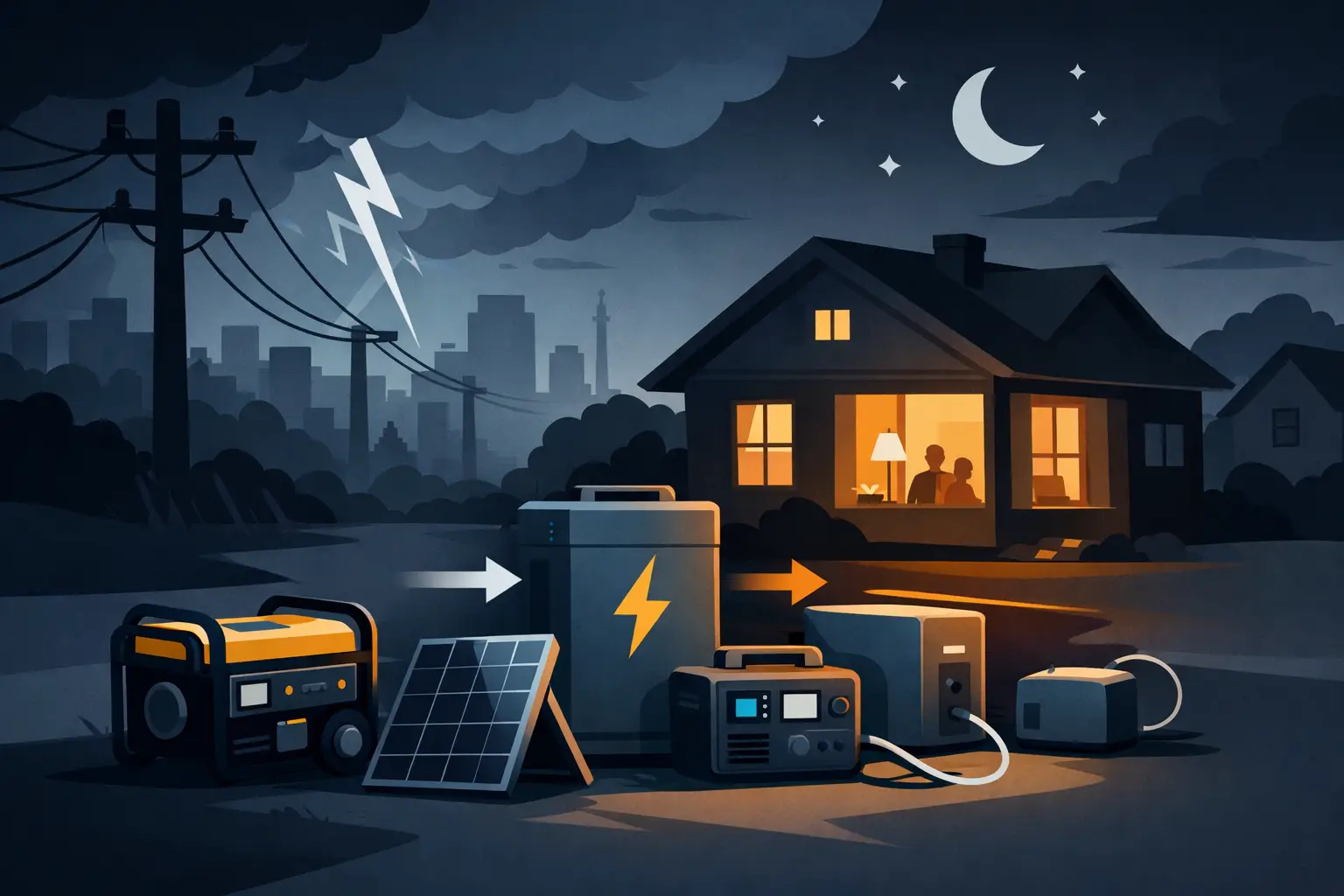
Your solar system may be on the roof, but its value depends on what happens at the meter board and the network connection. A grid connection electrician handles the regulated electrical work that allows your property to safely import power, export solar energy and support new equipment such as batteries, EV chargers and larger air-conditioning loads.
For NSW homeowners and businesses, this work is not simply a final step after installing solar. It can determine whether a project proceeds without delays, whether your supply is suitable for your future energy needs, and whether the installation meets the requirements of your electricity distributor.
What is a grid connection electrician?
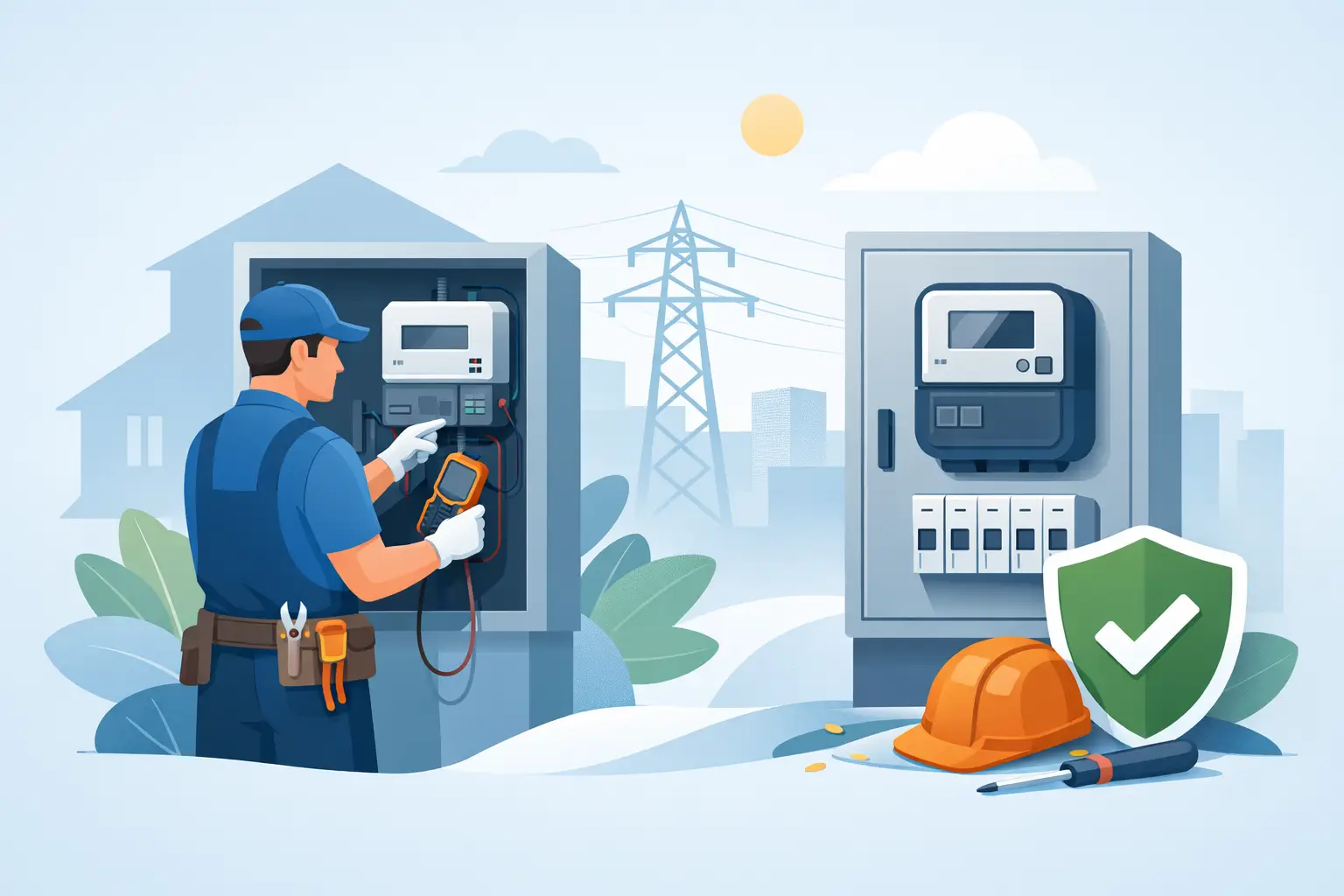
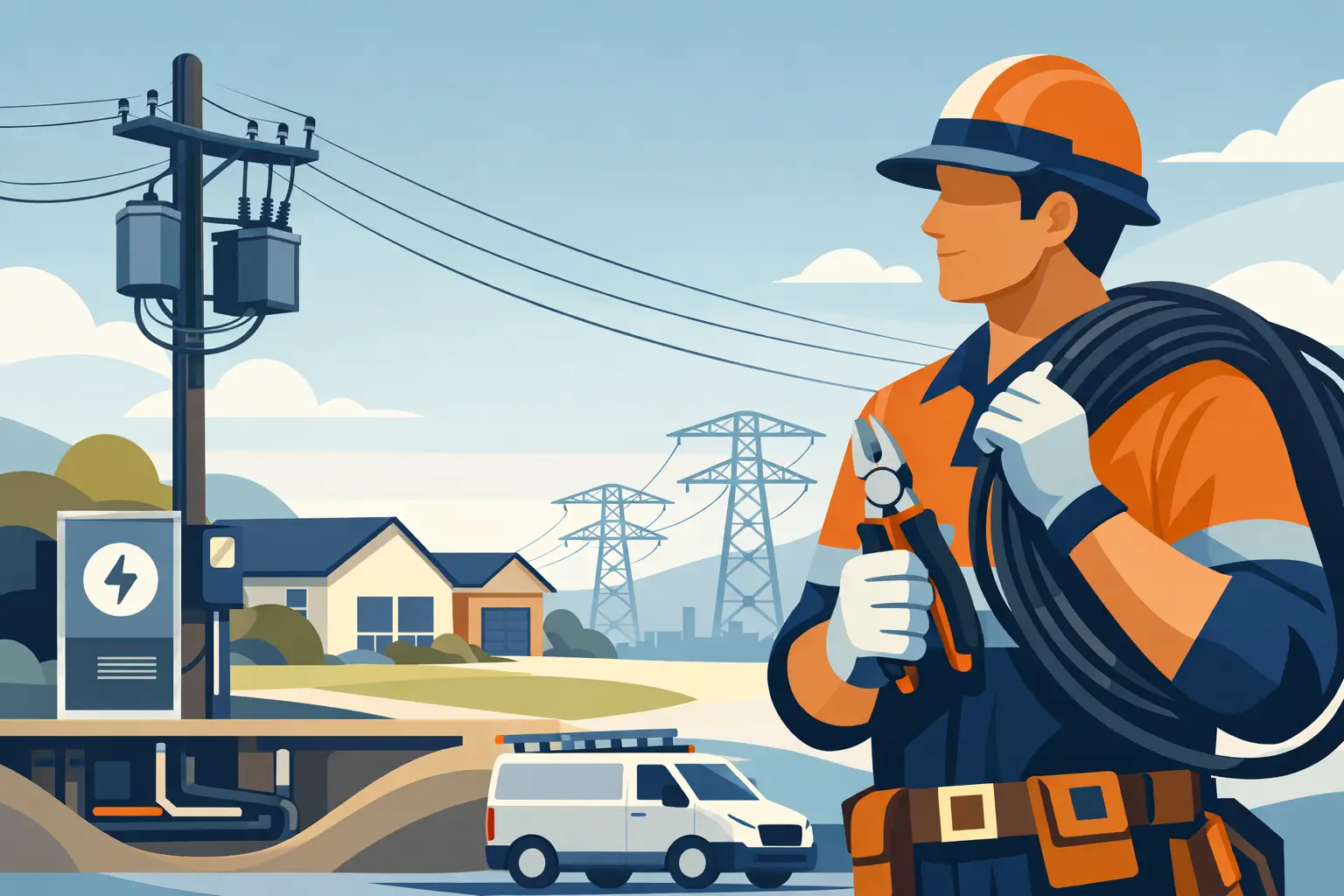
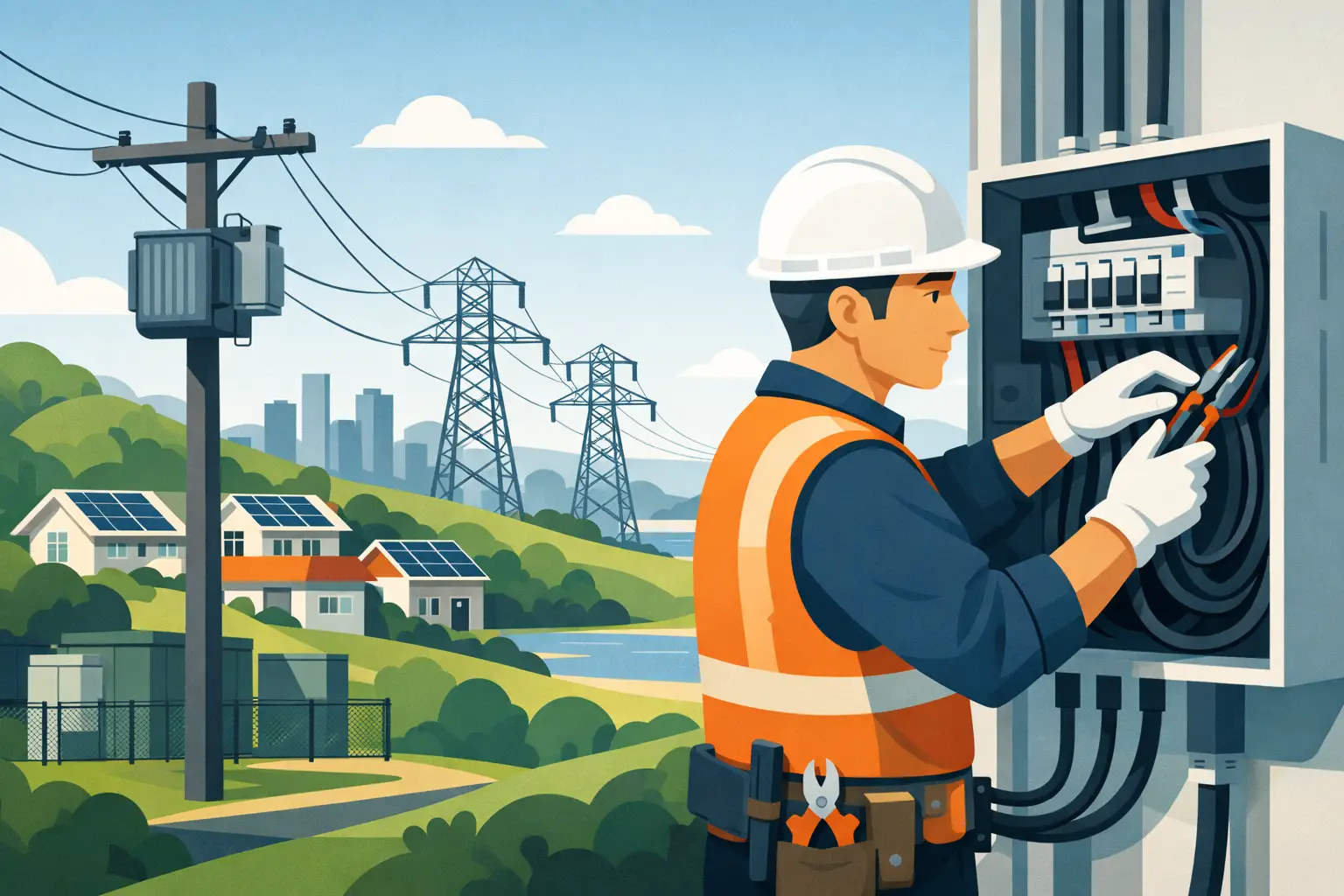
A grid connection electrician is authorised to work on the electrical infrastructure that connects private property to the electricity network. In NSW, this often means engaging a Level 2 Accredited Service Provider, commonly called a Level 2 ASP, for work that sits beyond the scope of a standard electrician.
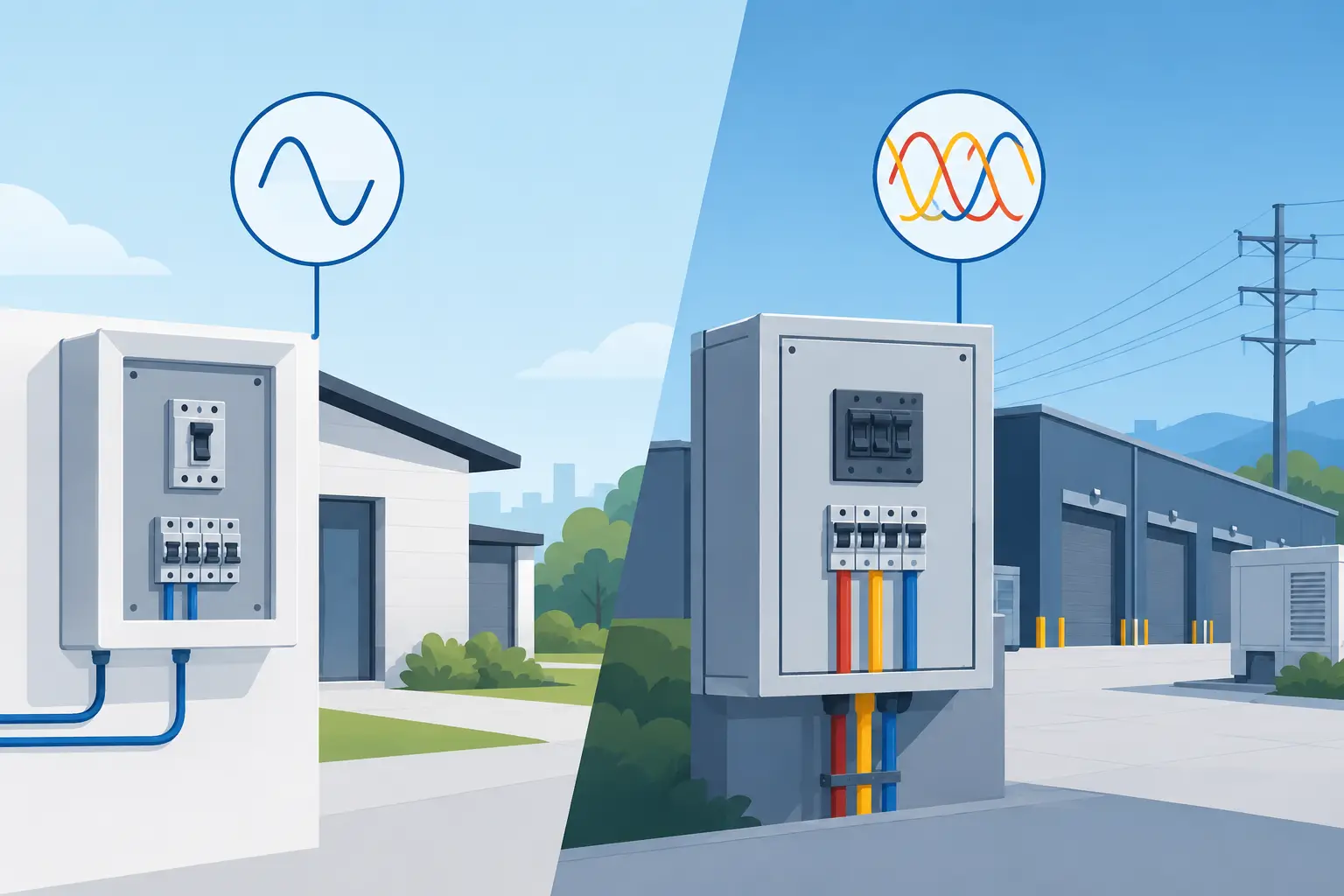
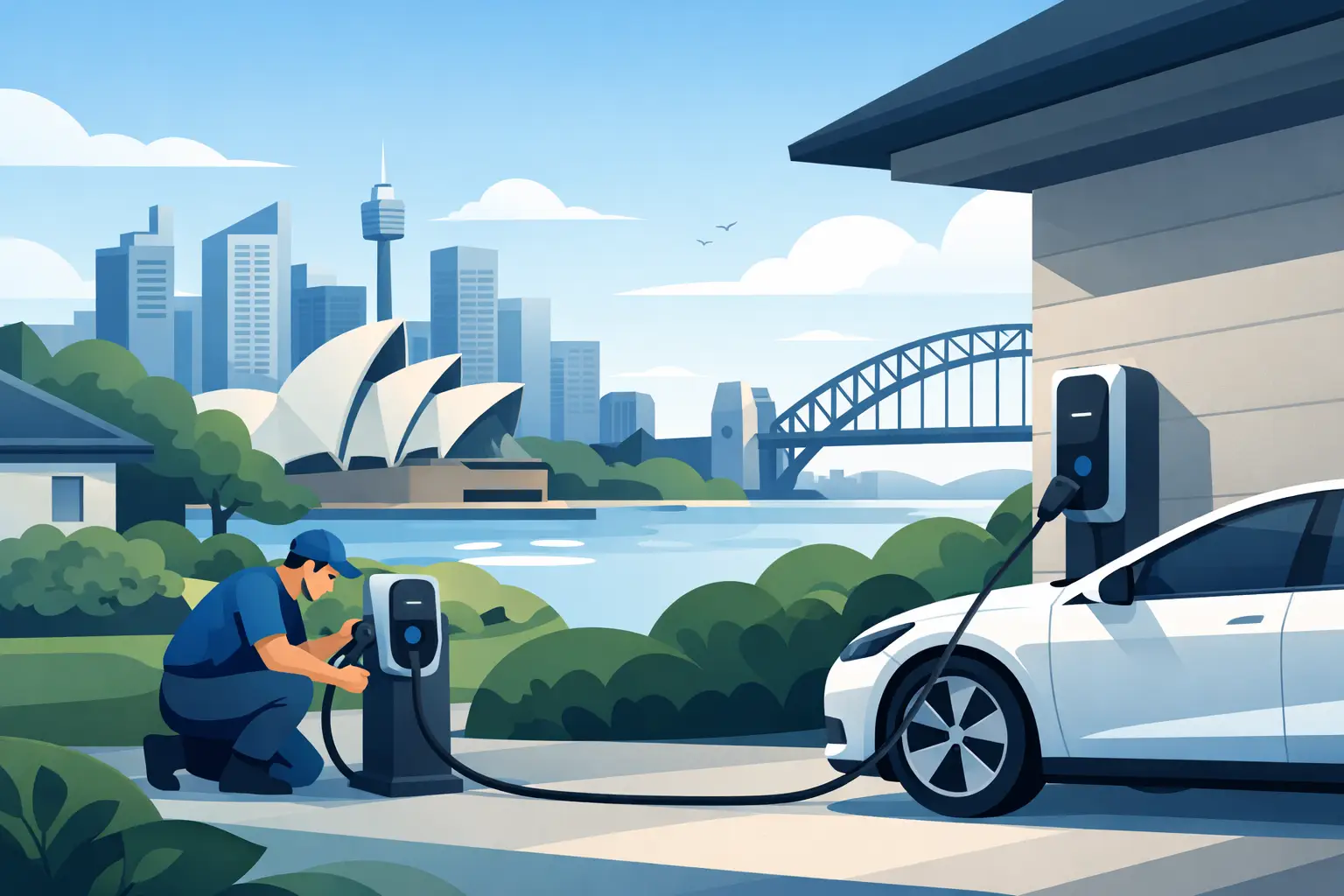
This can include connecting or disconnecting a property from the network, upgrading consumer mains, replacing damaged metering equipment, installing a new meter panel, upgrading a single-phase supply to three-phase, and arranging the electrical components required for solar export.
The exact scope depends on the property, its existing supply and the relevant distributor’s rules. Sydney and wider NSW properties may be supplied by different networks, and each network has its own processes, technical standards and approval requirements. A qualified provider should identify these requirements before work begins, rather than discovering a limitation once the installation is underway.
Why grid connection work matters for solar and batteries
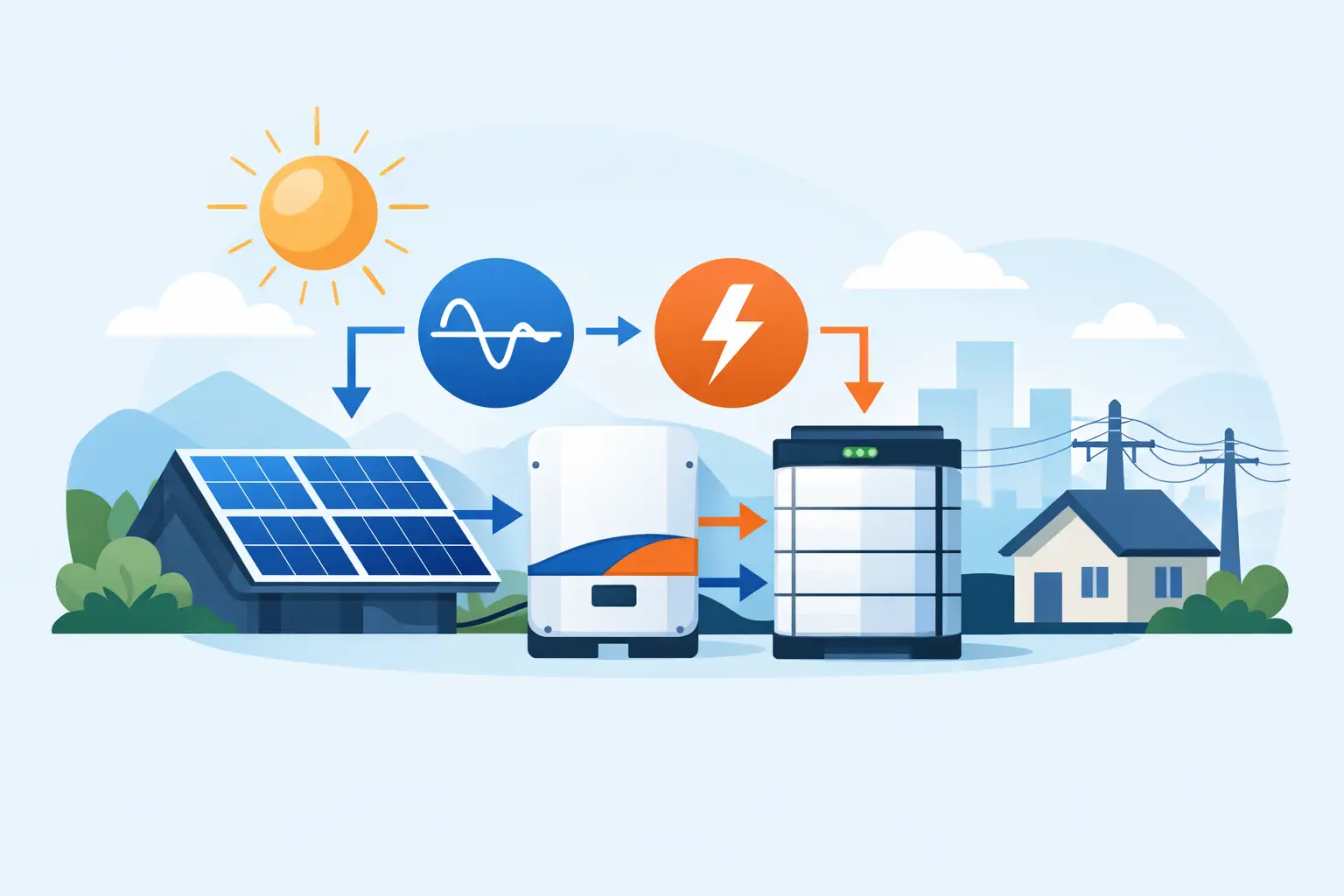
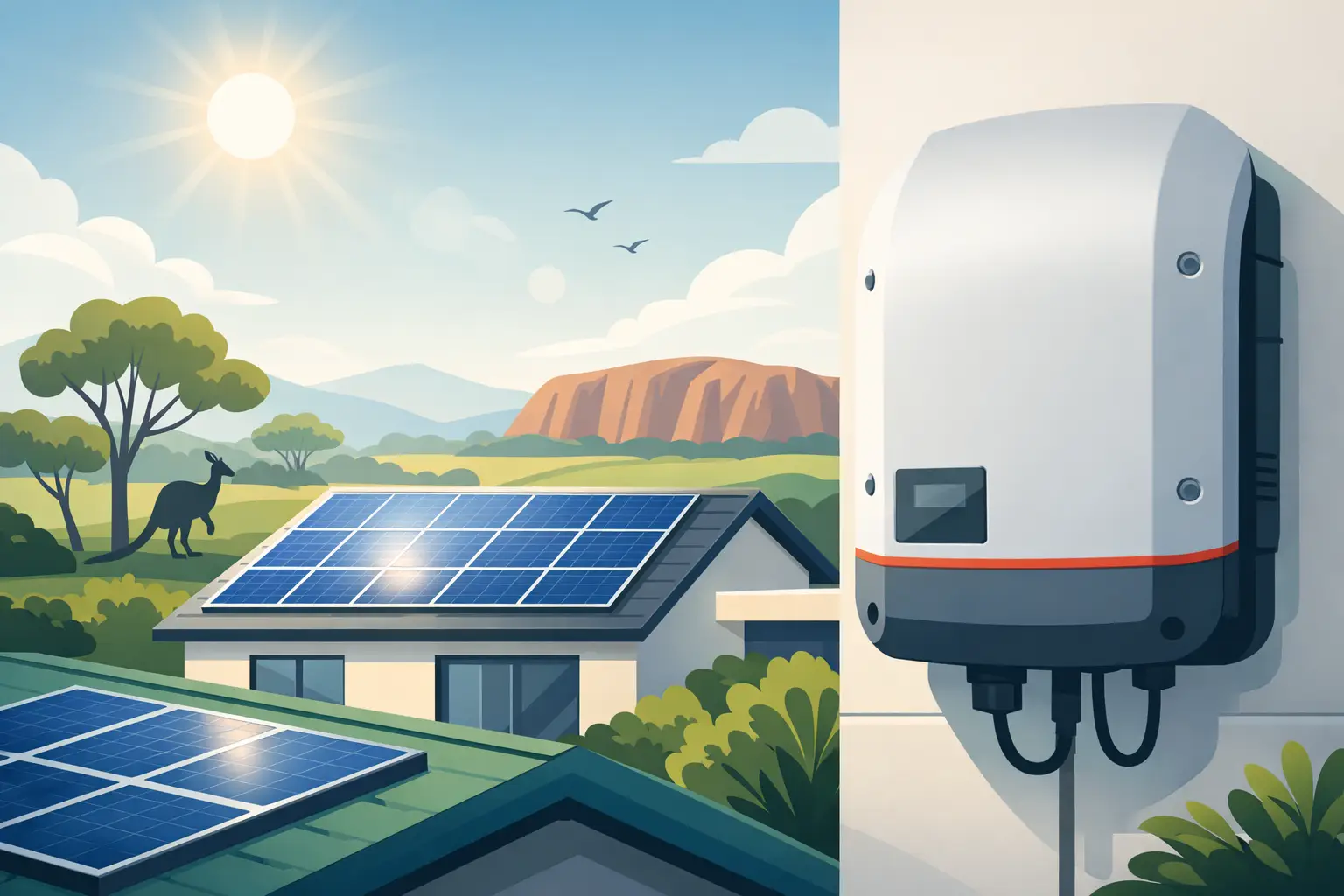
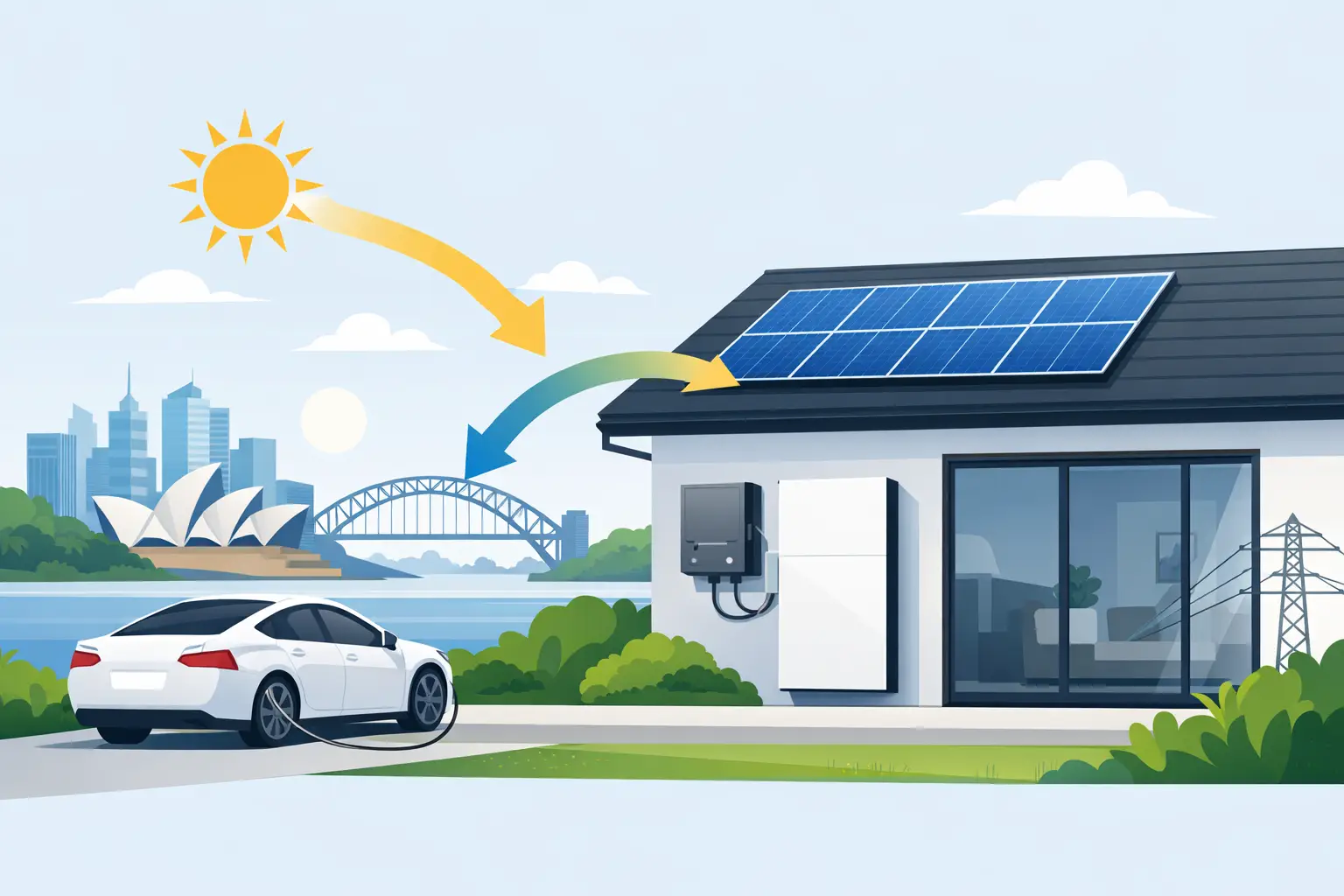
Solar panels generate electricity, but the inverter must communicate safely with the grid. Before a system can export surplus energy, the connection needs to be assessed for compliance, capacity and appropriate protection settings.
In a straightforward installation, the existing switchboard, consumer mains and meter setup may already be suitable. The solar installer can complete the system, the meter can be reconfigured, and export can begin once the required approvals are in place. However, older homes and growing businesses often need more preparation.
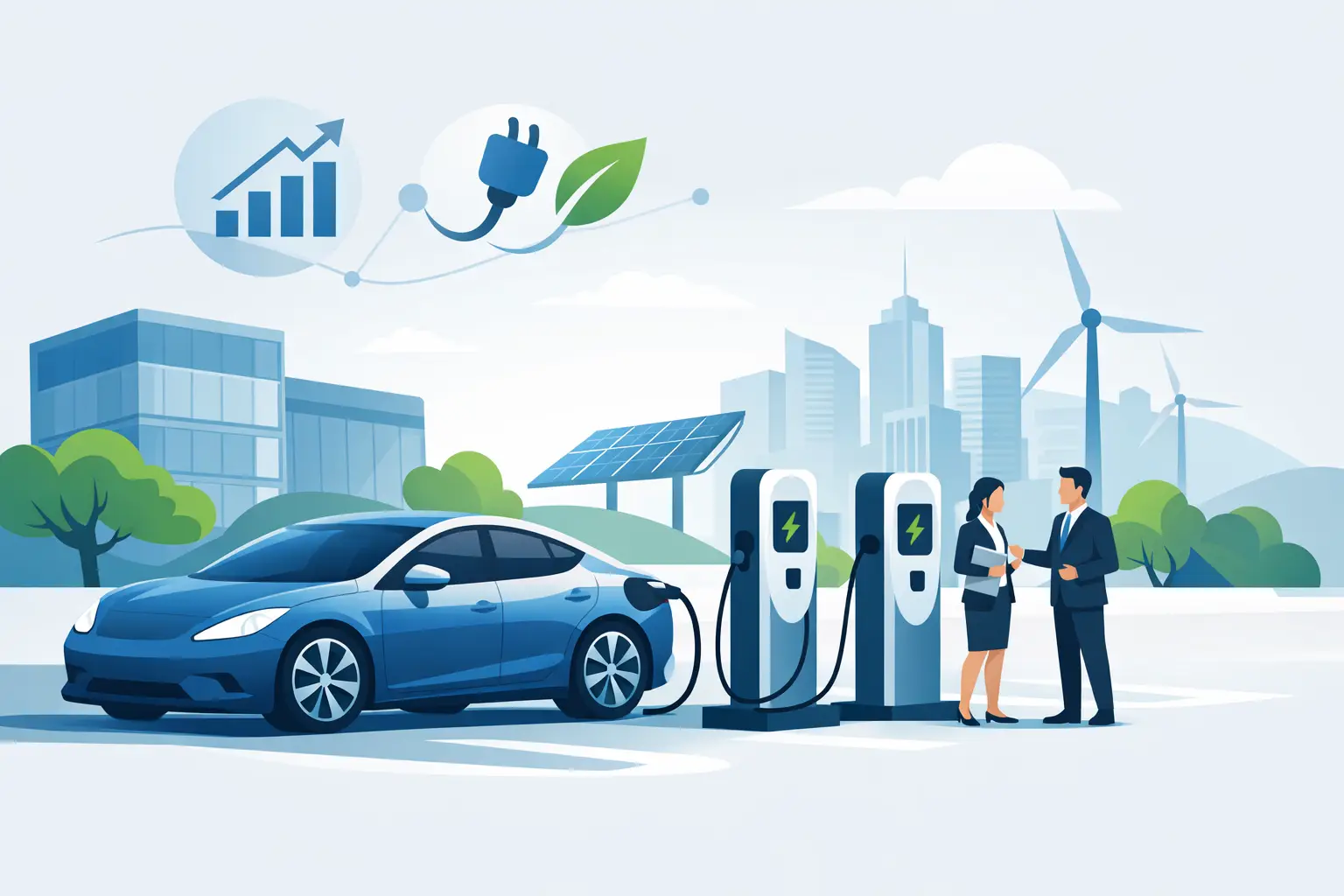
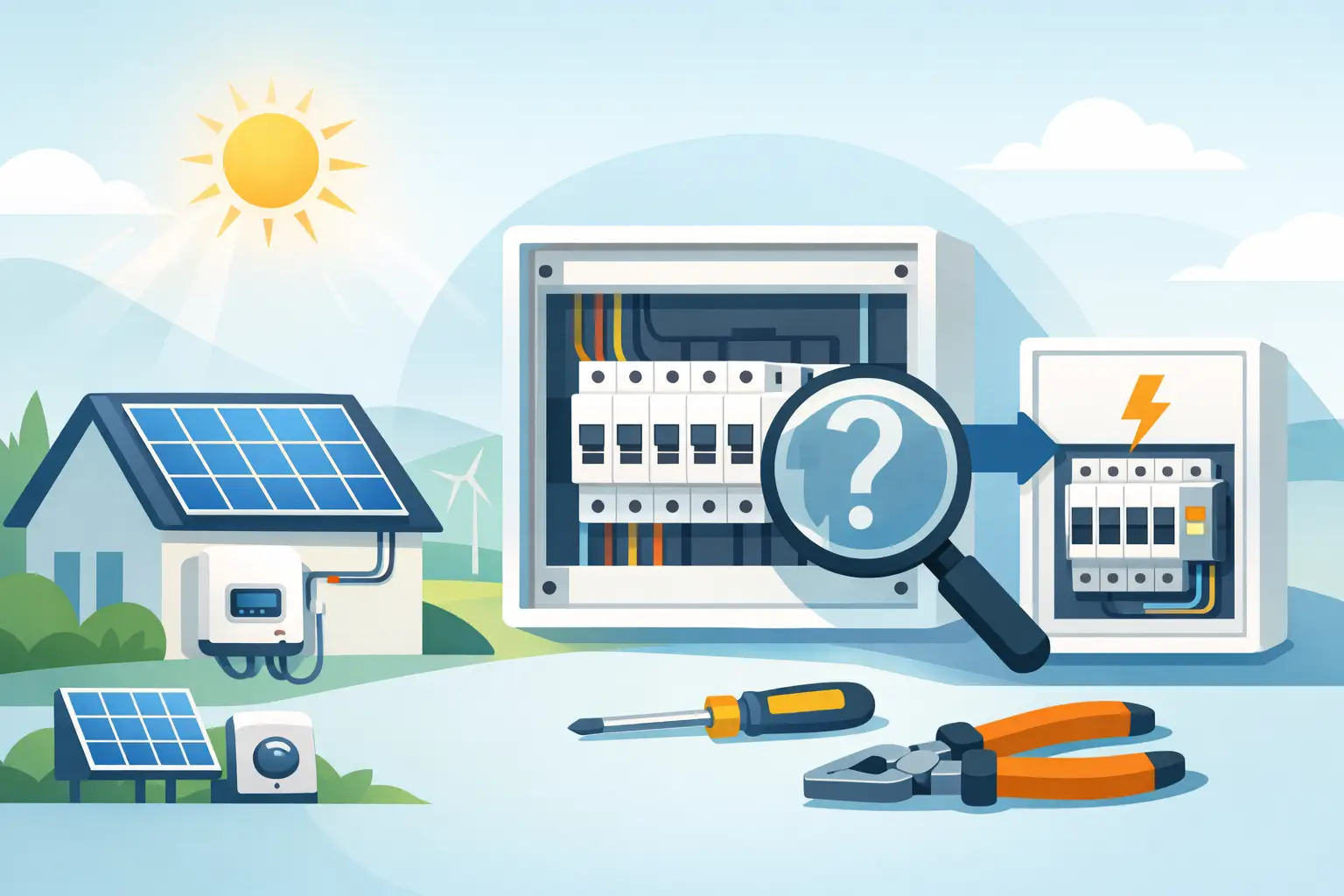
A property with an ageing fuse board, undersized consumer mains or limited switchboard space may require an upgrade before solar can be connected safely. Likewise, a household adding a large solar array, battery, pool equipment and EV charger may find that its original supply was never designed for the combined load.
This is where early electrical planning protects the project. It is usually more cost-effective to assess the full energy plan at the start than to install solar now, then reopen the switchboard later for a battery or charger upgrade.
Export limits can affect system design
Many customers assume a larger solar system will always export more electricity and deliver proportionally higher returns. In practice, export limits may apply based on the local network, phase configuration and the capacity available in your area.
That does not automatically mean a larger system is the wrong choice. A system can still produce strong value when daytime consumption is high, when a battery stores surplus generation, or when smart controls direct solar energy to hot water, pool pumps or EV charging. The right design depends on how and when your property uses electricity.
A grid connection electrician works alongside the solar design process to make sure the proposed equipment, supply arrangement and network application are aligned. This reduces the risk of paying for capacity that cannot be used as intended.
When you may need a Level 2 ASP
Not every solar installation requires a major supply upgrade. But there are clear situations where Level 2 electrical capability becomes especially valuable.
If you are replacing a deteriorated meter board, moving a meter panel, upgrading to three-phase power, increasing supply capacity or installing new consumer mains, regulated network work may be required. The same applies when a property has a defect notice, damaged point of attachment, outdated overhead connection or a supply arrangement that does not meet current safety expectations.
For commercial and industrial sites, the requirements can be more involved. A business may need additional capacity for machinery, refrigeration, EV fleet charging or a larger solar system. Load studies, switchboard upgrades and coordination with the distributor can all be part of planning a compliant connection.
An integrated provider simplifies these projects because the solar and network electrical work can be considered as one system. Instead of separate contractors making assumptions about each other’s scope, the design can account for generation, storage, metering, protection and supply capacity from the beginning.
The typical grid connection process
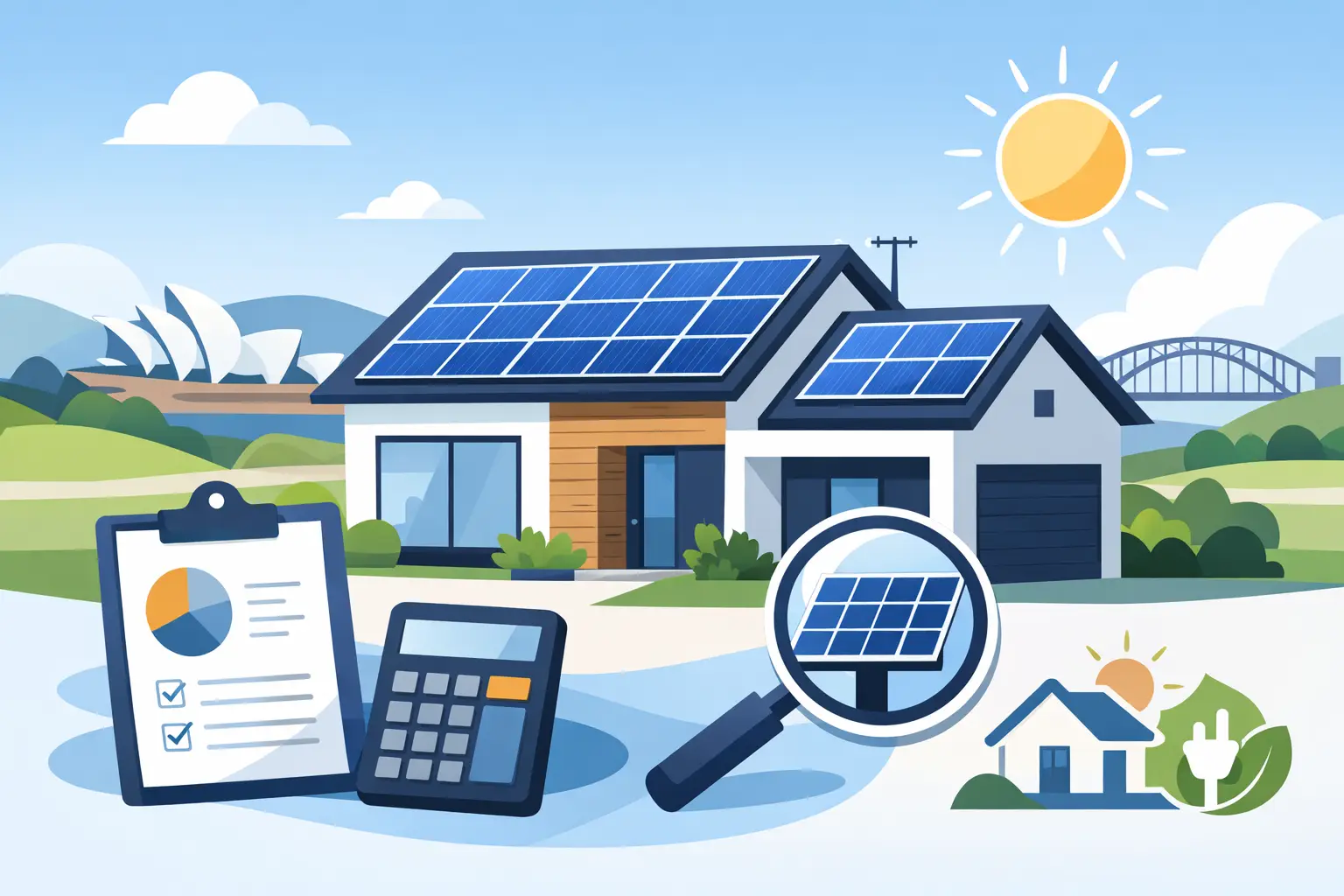
The best grid connection projects start with a site assessment, not a product quote alone. The electrician should inspect the main switchboard, meter location, service connection, earthing, available space and visible condition of existing equipment. They should also consider your current and anticipated loads.
For a home, that might include electric cooking, ducted air conditioning, a pool, heat-pump hot water and future EV charging. For a business, it may include operating hours, demand peaks, machinery start-up loads and expansion plans.
The next stage is system design and approvals. Your solar design needs to reflect network export conditions and electrical standards. Where a supply or metering upgrade is required, the provider prepares the appropriate scope and coordinates the required work with the distributor and electricity retailer.
Installation follows once approvals and equipment are ready. Depending on the work, this may involve planned disconnection and reconnection, new cabling, a meter panel upgrade, switchboard modifications or installation of network-compliant protection devices. Power interruptions are often necessary for safety, so they should be clearly explained and scheduled wherever possible.
The final stage includes testing, commissioning and documentation. For solar and batteries, this means confirming the system operates safely, required labels are in place and monitoring is configured. For supply work, it means the connection, metering and protective devices have been completed in accordance with applicable requirements.
What affects the cost of grid connection work?
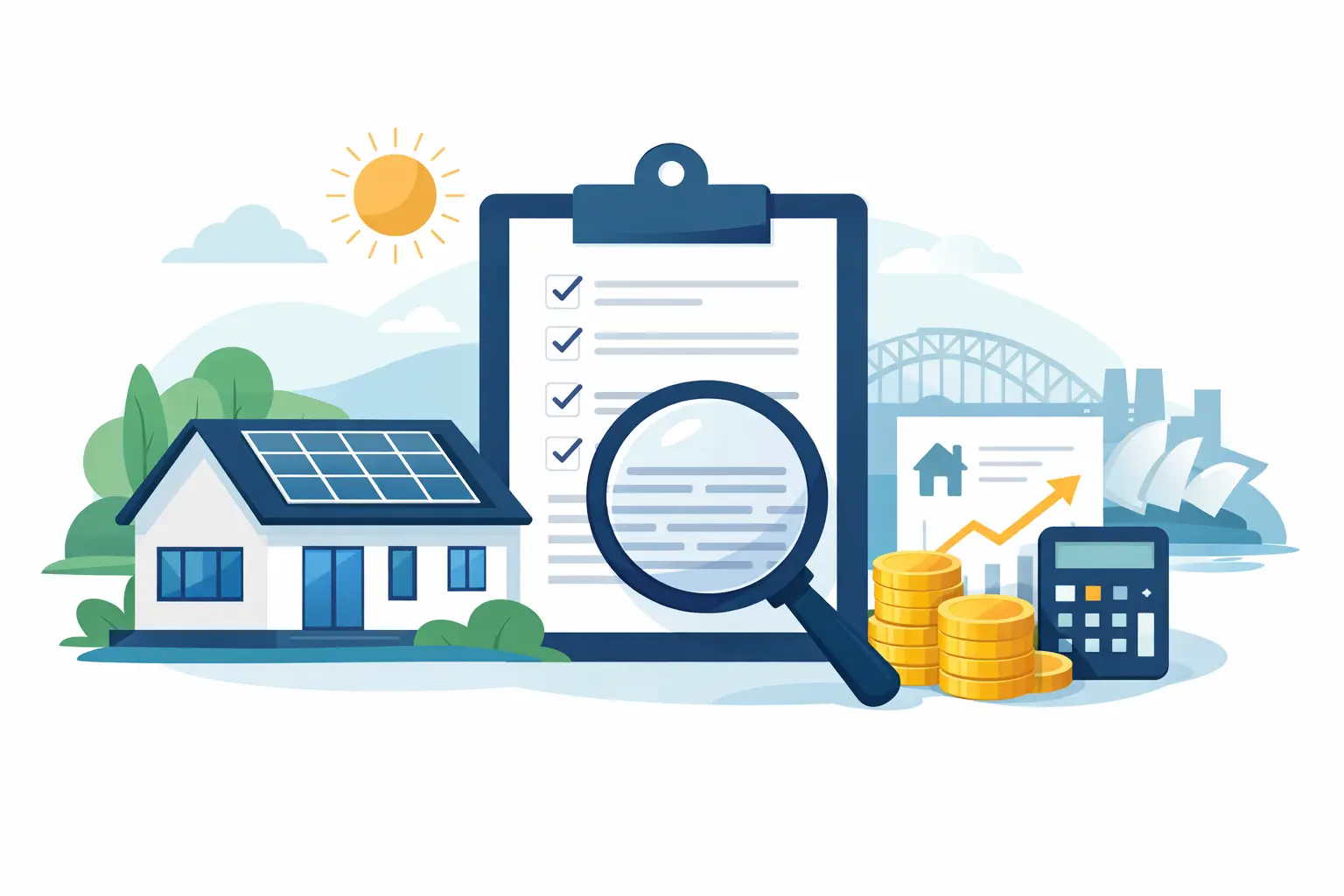
There is no honest fixed price for every grid connection because the existing site condition matters. A modern home with accessible underground cabling and a compliant switchboard may require relatively limited work. A property with old wiring, overhead supply, asbestos-containing materials, poor access or an undersized meter enclosure can be more complex.
Costs are commonly influenced by the type of supply, whether single-phase or three-phase power is required, cable lengths, excavation needs, switchboard condition, meter panel requirements and distributor charges. Commercial work may also require engineering input or planned shutdown arrangements.
The key is transparent scoping. A detailed quotation should separate the known work from potential variables and explain what is included. If an upgrade is recommended, you should understand why it is needed, what safety or performance issue it addresses, and how it supports your longer-term energy plans.
Questions to ask before choosing an electrician
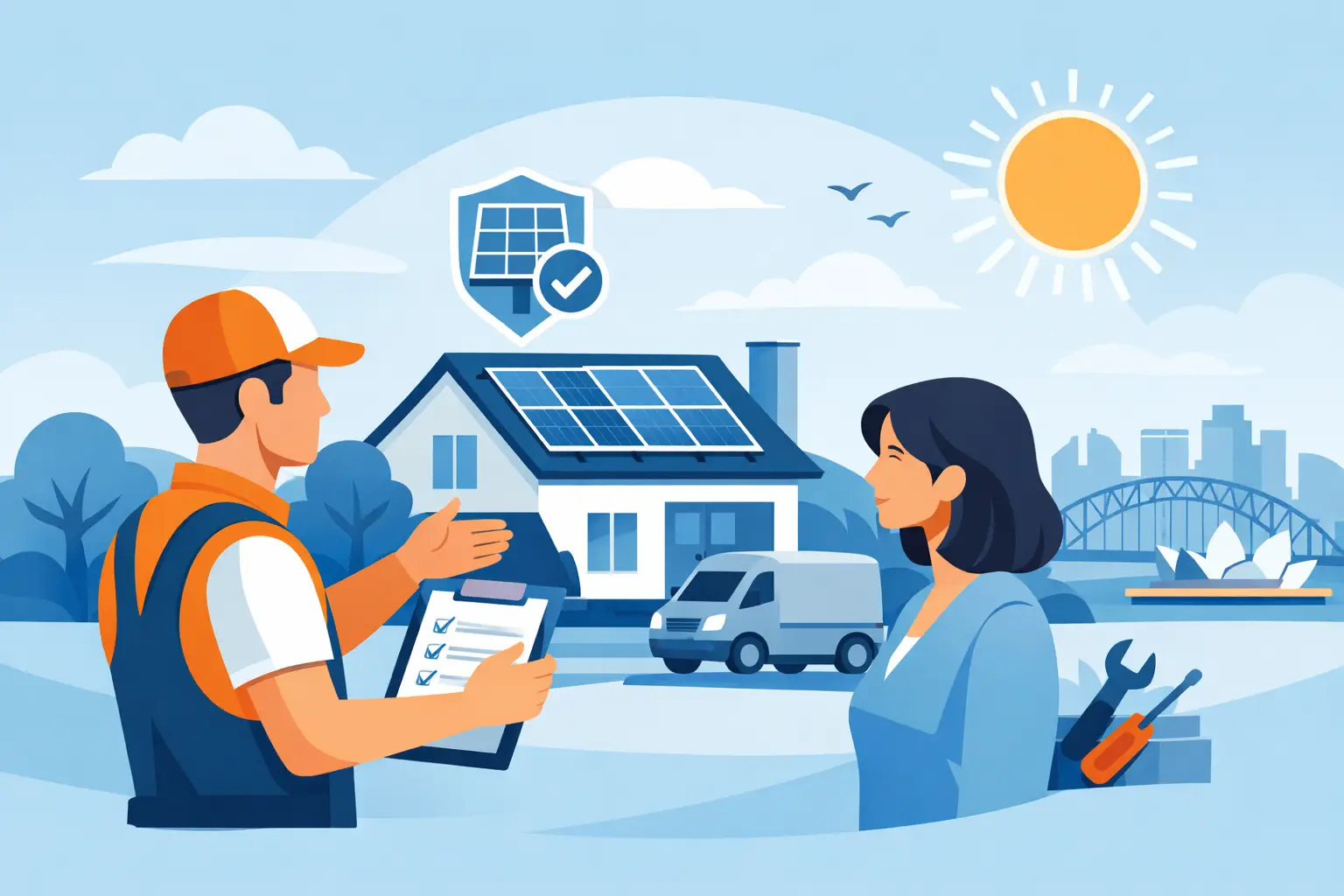
Before committing, ask whether the contractor is authorised for Level 2 ASP work in NSW and whether they will manage the connection process relevant to your project. Confirm who is responsible for liaising with the electricity retailer, distributor and metering provider.
It is also worth asking whether your quote allows for future equipment. A switchboard built only for today’s solar system may become crowded when you add a battery, EV charger or electric hot water system. Allowing sensible capacity now can prevent avoidable rework later.
Finally, ask for clear documentation, warranty information and an explanation of any planned outage. Quality grid work is not just about making the power turn back on. It is about leaving the property safer, compliant and ready to support the way you intend to use energy.
One project, planned for the future
A solar installation, battery, EV charger and supply upgrade should not be treated as isolated jobs when they are all drawing from and contributing to the same electrical system. Sydpro Solar Solutions combines Clean Energy Council SAA-accredited solar expertise with Level 2 ASP capability, helping NSW property owners plan these connected upgrades with one accountable team.
The right grid connection work gives your investment a sound electrical foundation. Whether you are reducing household bills, electrifying a business or preparing for an EV, start by making sure the connection behind the meter is ready for what comes next.