One of the great selling points of solar panels is that they’re remarkably low-maintenance. No moving parts, no fuel, no regular servicing the way a car needs. That’s genuinely true. But ‘low-maintenance’ isn’t the same as ‘no maintenance’ — and the difference matters if you want your system to deliver strong performance for the full 25 to 30 years it’s designed to last.
This is the honest, practical guide to solar panel maintenance for Australian conditions. Not an upsell, not a scare tactic — just the facts about what you need to do, how often, and what happens if you don’t.
The Good News: Solar Panels Are Genuinely Tough
Let’s start with some reassurance. Modern solar panels are engineered to withstand Australian conditions — extreme heat, high UV exposure, coastal salt air, heavy rain, and in some parts of the country, hailstorms. They’re tested to international standards and are typically warranted to maintain at least 80 to 85 per cent of their rated output capacity after 25 years.
Research shows that properly installed and maintained solar panels can still generate electricity at over 80 per cent efficiency after 30 years of operation. Panels don’t ‘fail’ at the end of their warranted lifespan — they simply produce slightly less electricity than when new. The question of whether to replace them eventually becomes about whether they’re still meeting your household’s needs, not whether they’ve broken down.
What Happens if You Don’t Maintain Your Panels?
Here’s the honest answer: neglect does have consequences, and they’re worth understanding.
A system that’s never cleaned, never monitored, and never inspected can perform well below its intended capacity. Performance degradation accelerates when minor faults — micro-cracks, loose connections, corrosion, water penetration — go unaddressed. In some cases, neglect can even invalidate your solar panel warranty, leaving you financially exposed if replacements become necessary.
Additionally, many manufacturers require documented maintenance to keep warranty claims valid. If you’ve never cleaned your panels and never had a professional inspection, you may find your warranty harder to enforce when you need it.
The Australian Environment: Specific Challenges
Australia’s climate creates some specific maintenance challenges that aren’t as relevant in, say, Germany or Japan.
- Dust and particulate matter: In many parts of Australia — particularly inland regions and during periods of wind and drought — dust accumulation on panels can be significant. Studies suggest dust-related soiling can reduce output by several per cent under normal conditions and more in particularly dusty environments.
- Bird droppings: An ongoing issue in most Australian locations. Unlike general dust, bird droppings don’t wash off with rain. They can cause localised shading and, over time, staining that reduces panel output if left unaddressed.
- Coastal salt spray: Homes within a few kilometres of the coast face accelerated corrosion risk. Salt deposits on panel surfaces and mounting hardware require attention.
- Bushfire ash: Following fires, ash deposits on panels can be substantial. This is a temporary issue but warrants prompt attention.
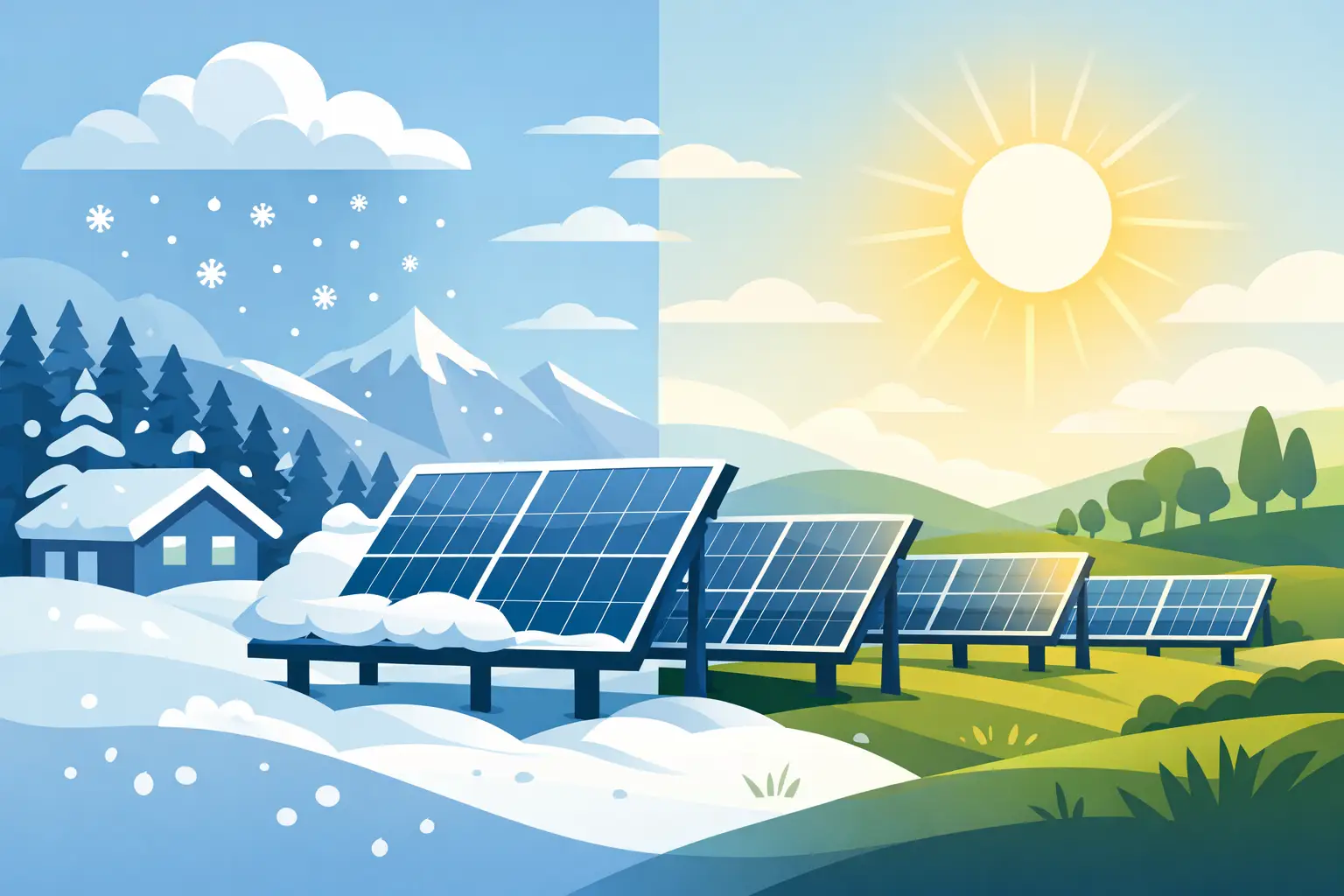
- Heat: While solar panels generate in hot conditions, high temperatures do reduce efficiency. For every degree above 25°C, a panel’s efficiency can drop by roughly 0.3 to 0.5 per cent. On a 40°C day, you might see a 12 to 16 per cent drop in output compared to ideal conditions. This is inherent to the technology — proper mounting that allows airflow beneath panels helps mitigate the effect.
Your Practical Maintenance Checklist
Every Month: Quick Visual and Digital Check
The most accessible form of maintenance is simply monitoring your system’s output. Most modern solar systems come with monitoring apps that show you daily and monthly generation. Get in the habit of checking it. If your system is consistently generating significantly less than it was in similar weather conditions a year ago, something needs attention.
A quick visual check from the ground every month or two — looking for obvious debris accumulation, visible damage, or shade from newly grown branches — takes five minutes and can catch issues early.
Every 6–12 Months: Clean Your Panels
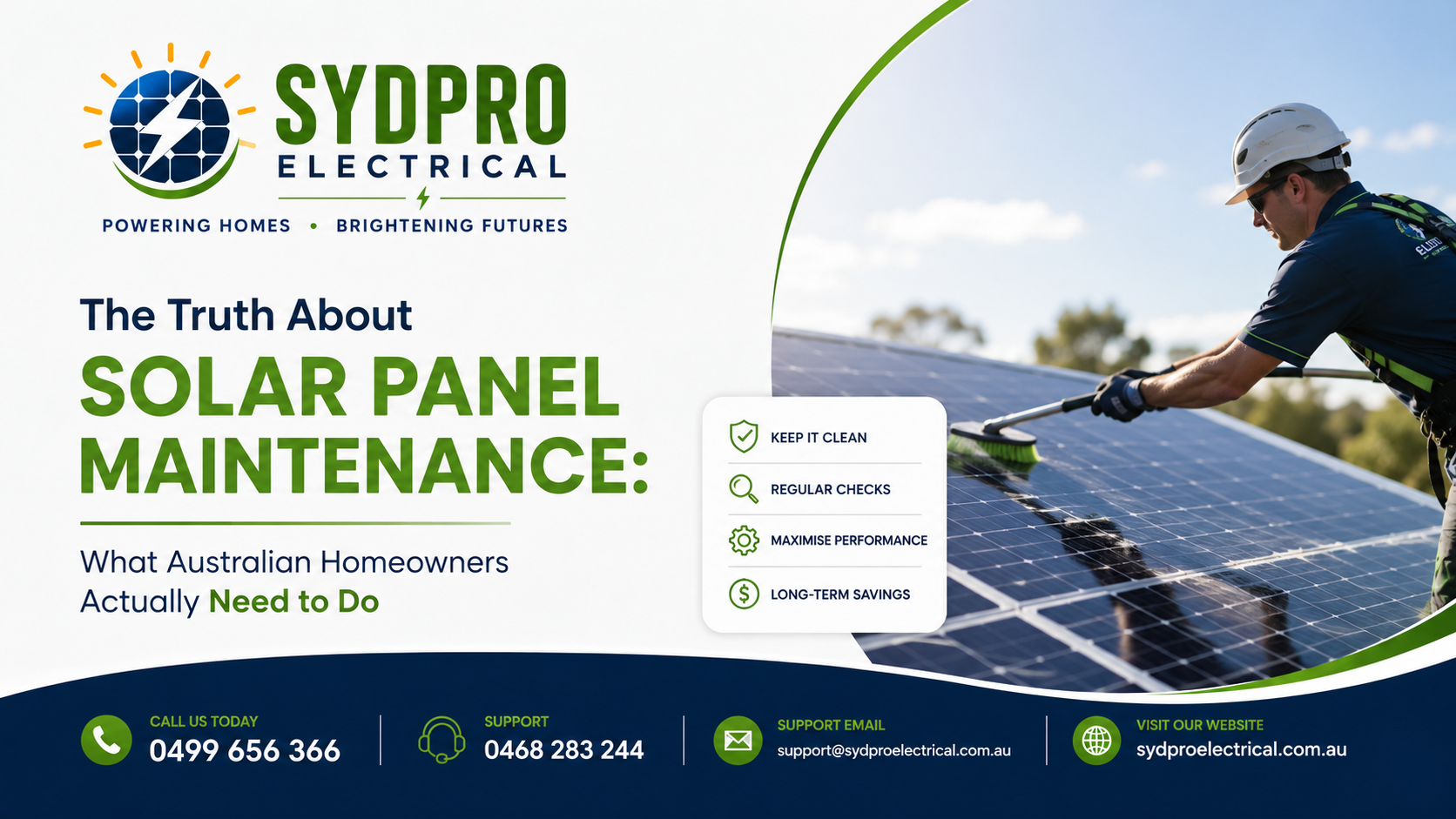
Most panels benefit from a clean once or twice a year. Rain helps, but it doesn’t remove bird droppings, salt deposits, or heavy dust build-up. For a modest system at an accessible height, a gentle rinse with a garden hose and a soft brush during the cooler part of the day (morning or evening) is effective and safe.
Important safety notes: don’t clean panels during the heat of the day — the thermal shock of cold water on very hot glass can cause micro-cracking. And don’t clean them with high-pressure water jets or abrasive materials, both of which can cause damage.
For higher roofs, panels in harder-to-reach locations, or larger systems, professional cleaning is a worthwhile investment for safety and thoroughness.
Every 2–5 Years: Professional Inspection
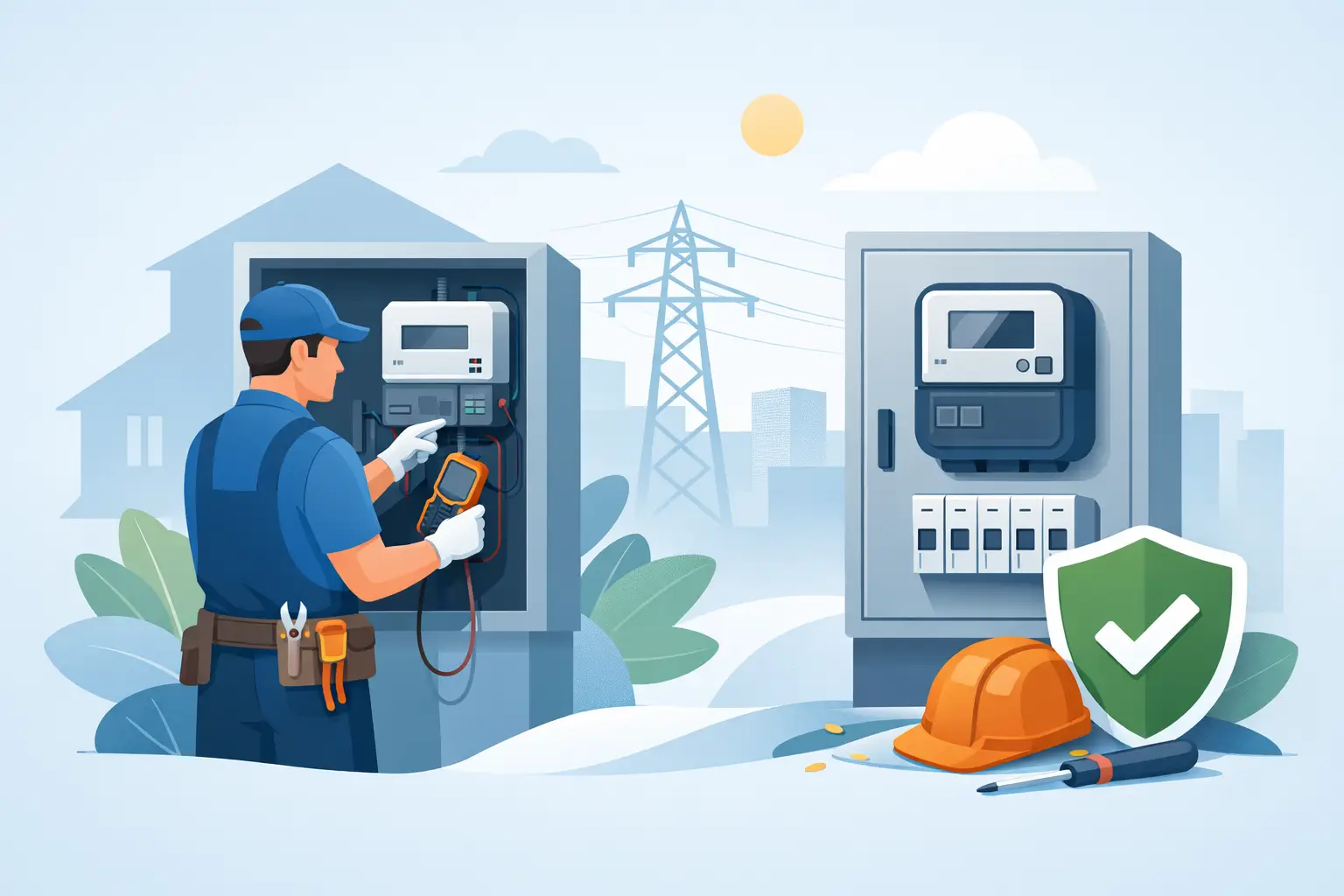
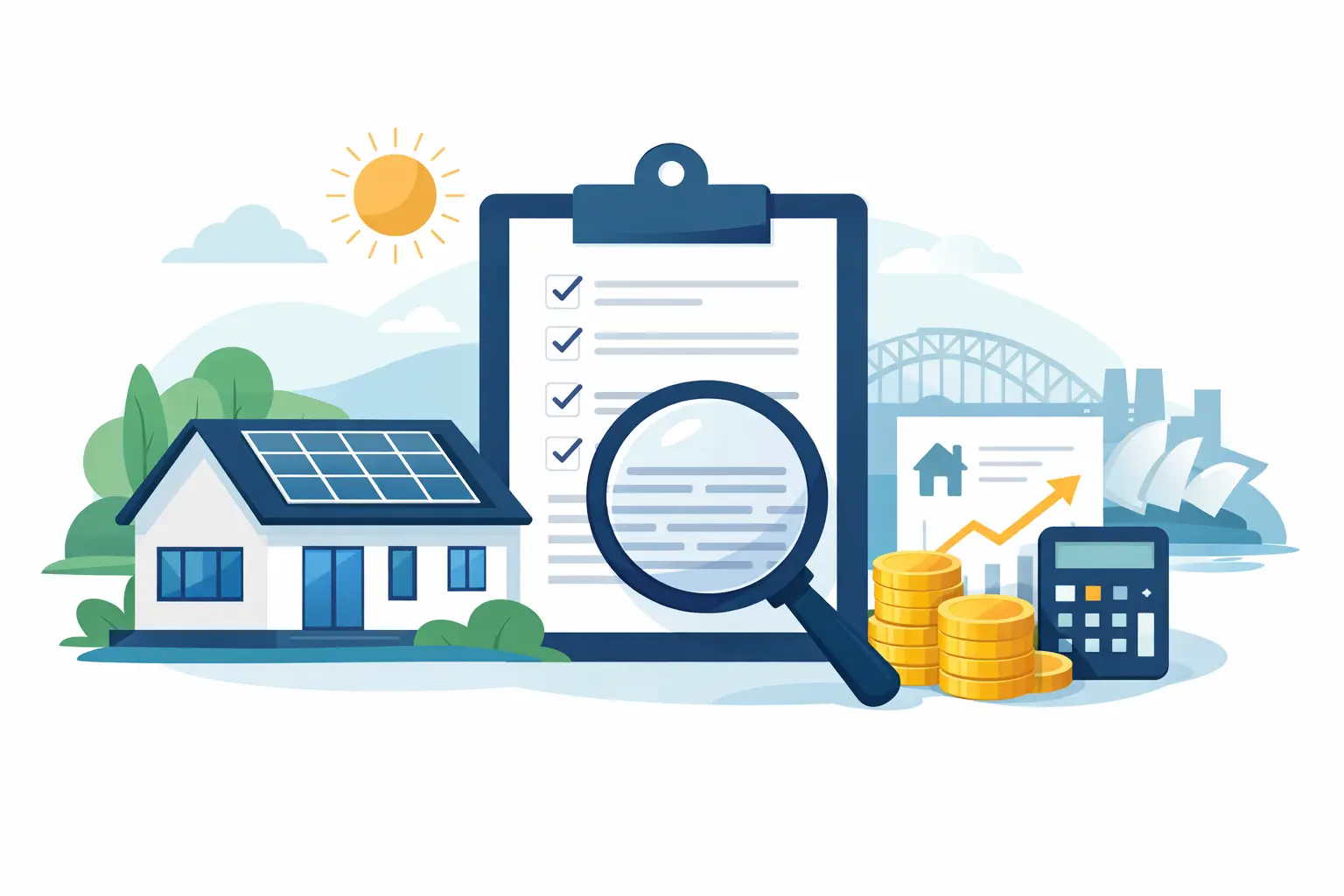
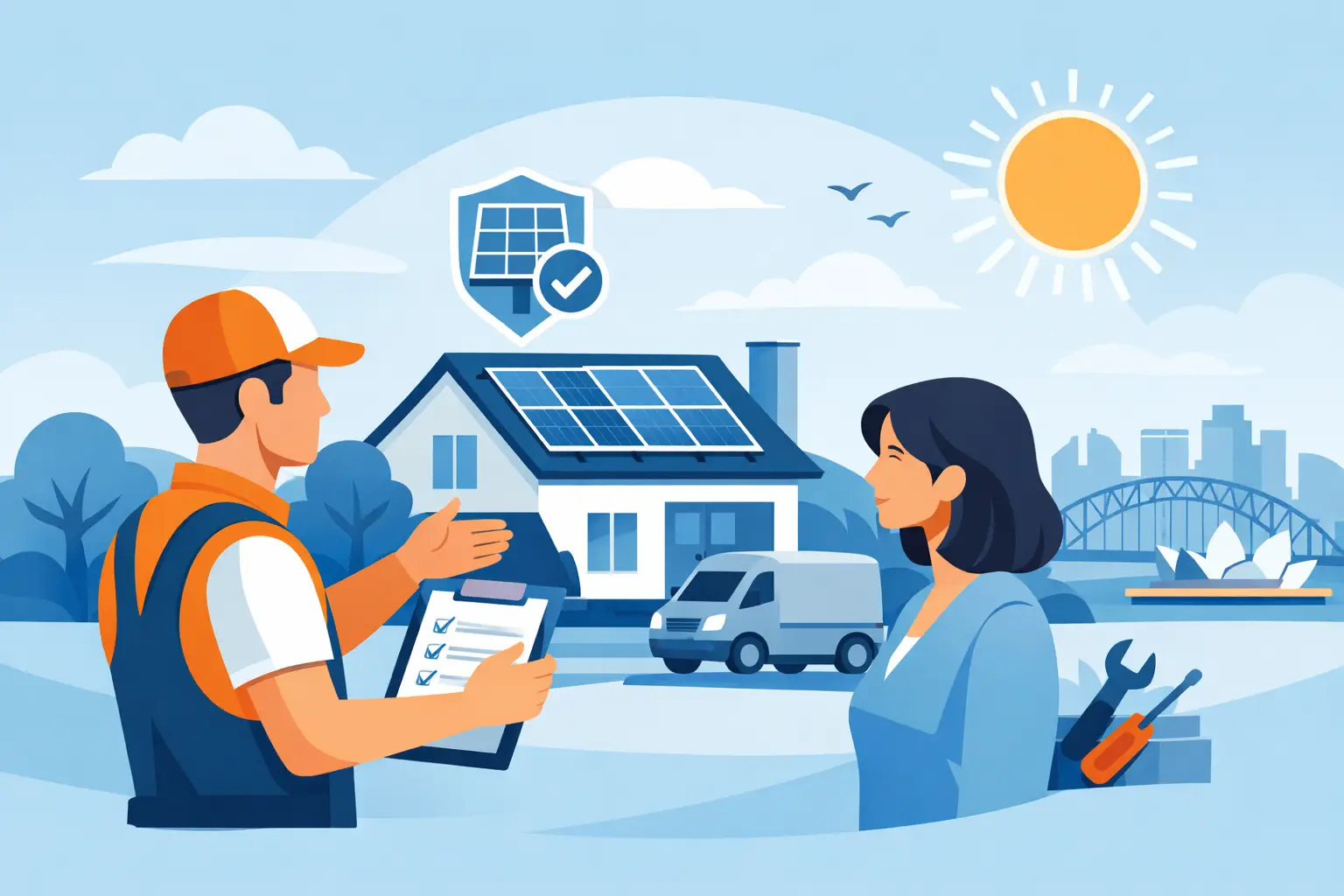
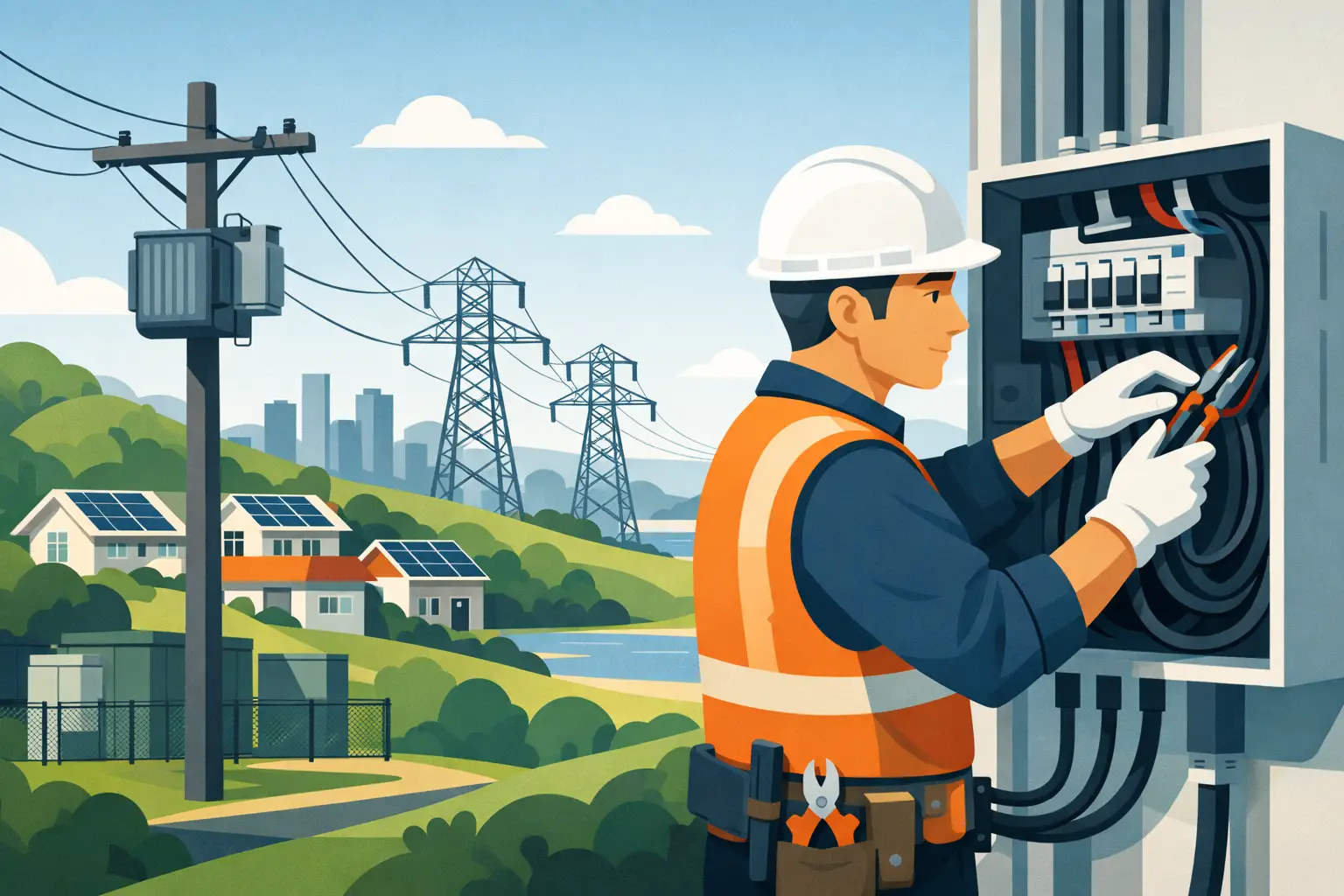
A professional inspection by a CEC-accredited solar electrician every two to five years is strongly recommended. What a professional can check that a visual from the ground cannot includes: thermal imaging to detect hotspots (which can indicate defective cells), electrical connection testing, inverter diagnostics, mounting hardware integrity, and compliance verification.
This kind of inspection can identify minor issues before they become expensive problems and provides the documented service record that manufacturers often require for warranty validity.
What to Watch for in Between
Beyond scheduled maintenance, there are some specific things worth being alert to:
- Unusual drops in output on clear, sunny days — this could indicate a shading issue, soiling, or a fault.
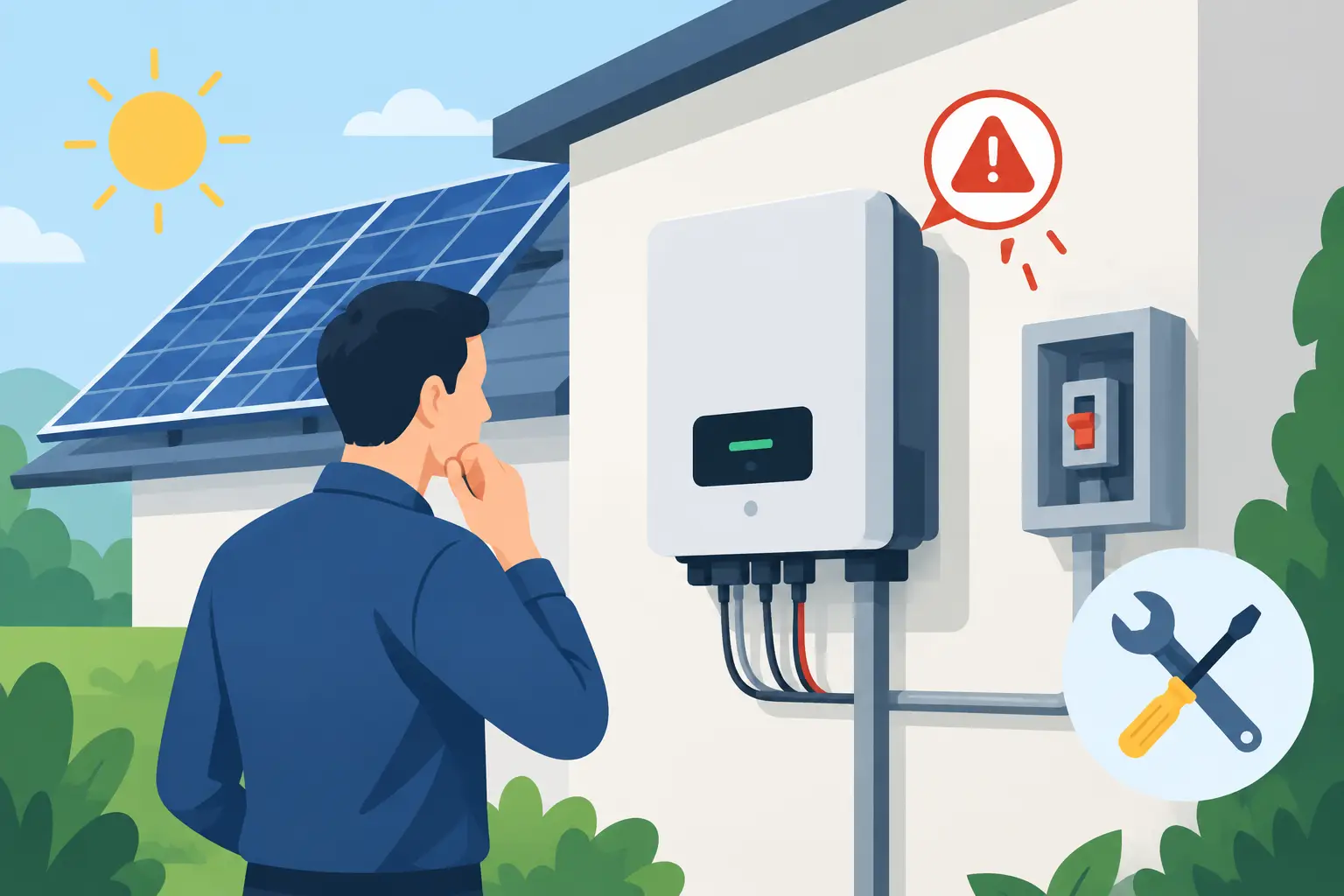
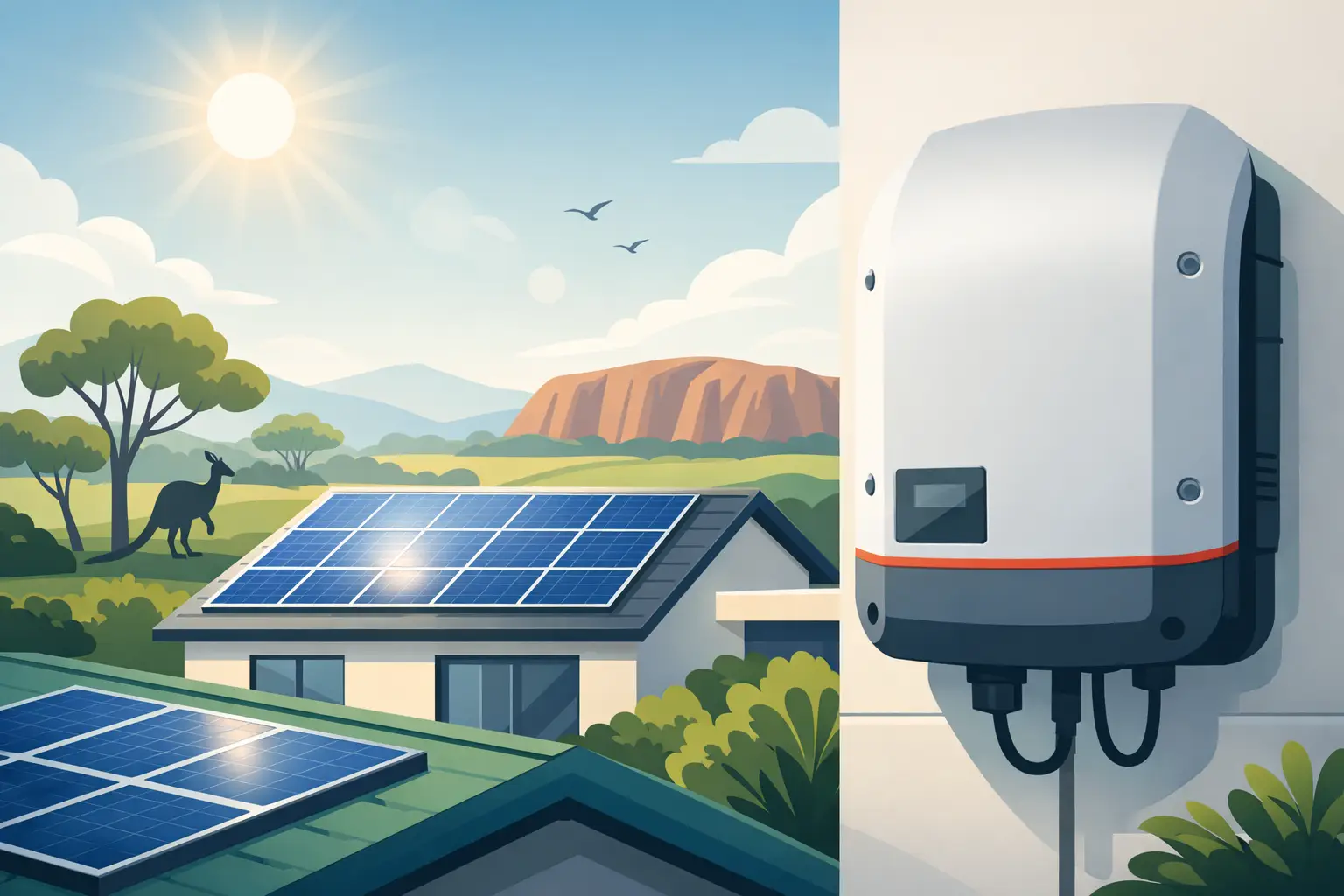
- Inverter fault lights or error messages — your inverter usually has an indicator light that shows its operating status. A red or orange light, or a fault message in your monitoring app, warrants investigation.
- Physical damage after storms — hail, heavy wind, or debris can cause visible damage. After any significant weather event, it’s worth doing a visual check.
- Overheating smells or sounds near your inverter — your inverter should operate quietly and without generating unusual heat. Any burning smell near electrical components should be investigated promptly.
Does Panel Efficiency Actually Decline Over Time?
Yes — but the rate is very small. Quality solar panels degrade at roughly 0.5 per cent or less per year under normal conditions. After 25 years, a panel that started at 100 per cent output capacity might be producing around 87 to 88 per cent of its original rated output. Panel manufacturers’ performance warranties typically guarantee at least 80 to 85 per cent of rated capacity at the 25-year mark.
In the early 2010s, average panel efficiencies hovered at around 14 to 16 per cent. By 2025, 20 per cent and above is common for quality panels, with the best available models exceeding 23 per cent. Technology has advanced significantly, and the panels being installed today are considerably more durable and efficient than those from a decade ago.
Protecting Your Warranty
This is important and often overlooked. Solar panels come with two key warranties: a product warranty (covering defects in the panel itself, typically 10–12 years) and a performance warranty (guaranteeing output levels over 25 years). Both can have conditions attached.
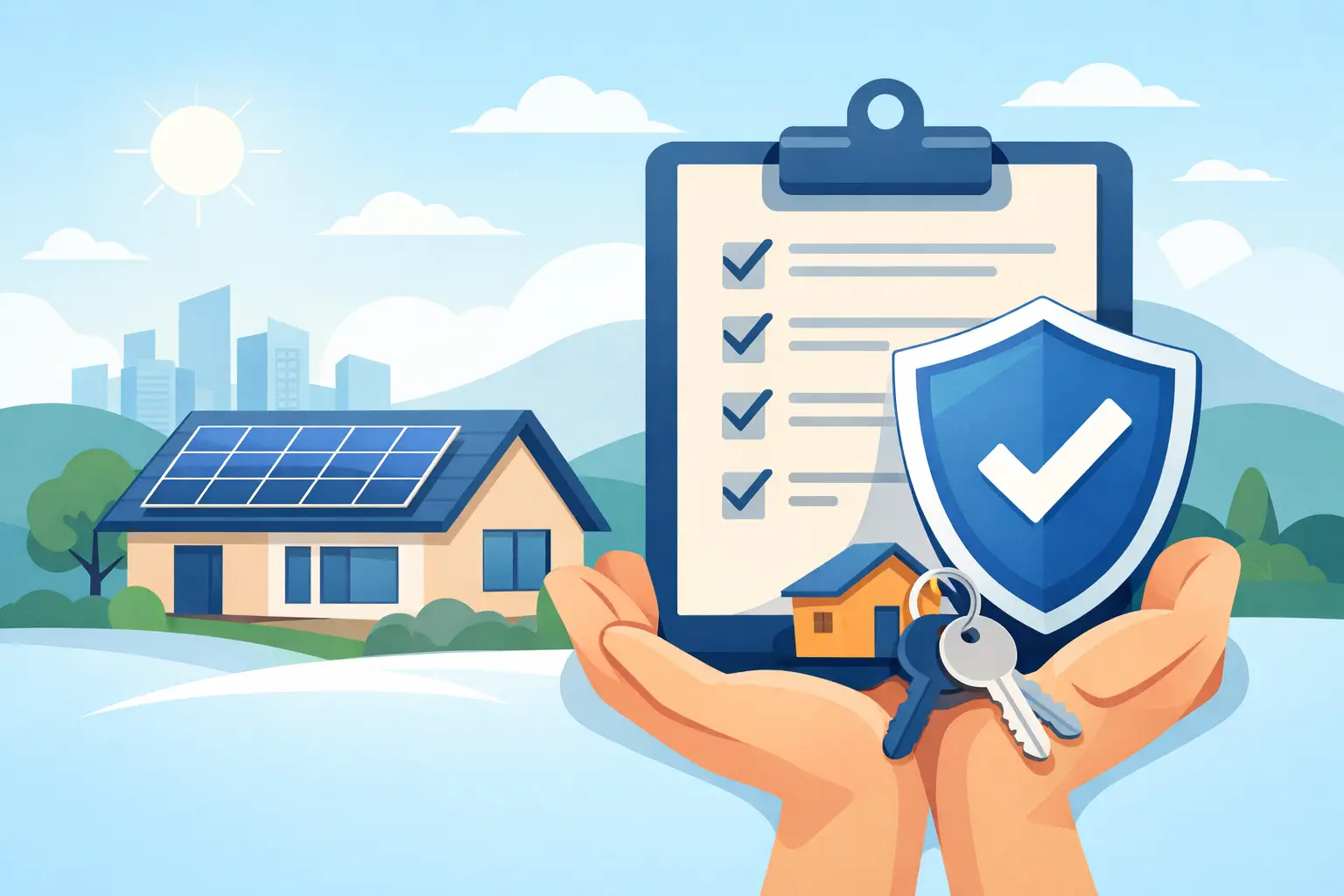
Most manufacturers require that panels are installed by accredited installers, that approved mounting systems are used, and — in many cases — that documented maintenance has been carried out. If you ever need to make a warranty claim, having records of cleaning and inspection can be the difference between a successful claim and a rejected one.
All Solar Power Nation installations are carried out by CEC-accredited professionals using premium equipment. Our team can advise you on the maintenance requirements specific to your system and the brands installed.
Do I Need to Insure My Solar System?
Your solar panels are part of your home and should be listed on your home and contents insurance policy. Standard home insurance often covers solar panels for storm damage, theft, or fire — but it’s worth checking your specific policy and confirming coverage explicitly. Some policies require panels to be specifically noted.
In areas prone to hail, check whether your policy covers hail damage to solar. It’s worth the conversation with your insurer before you need to make a claim.