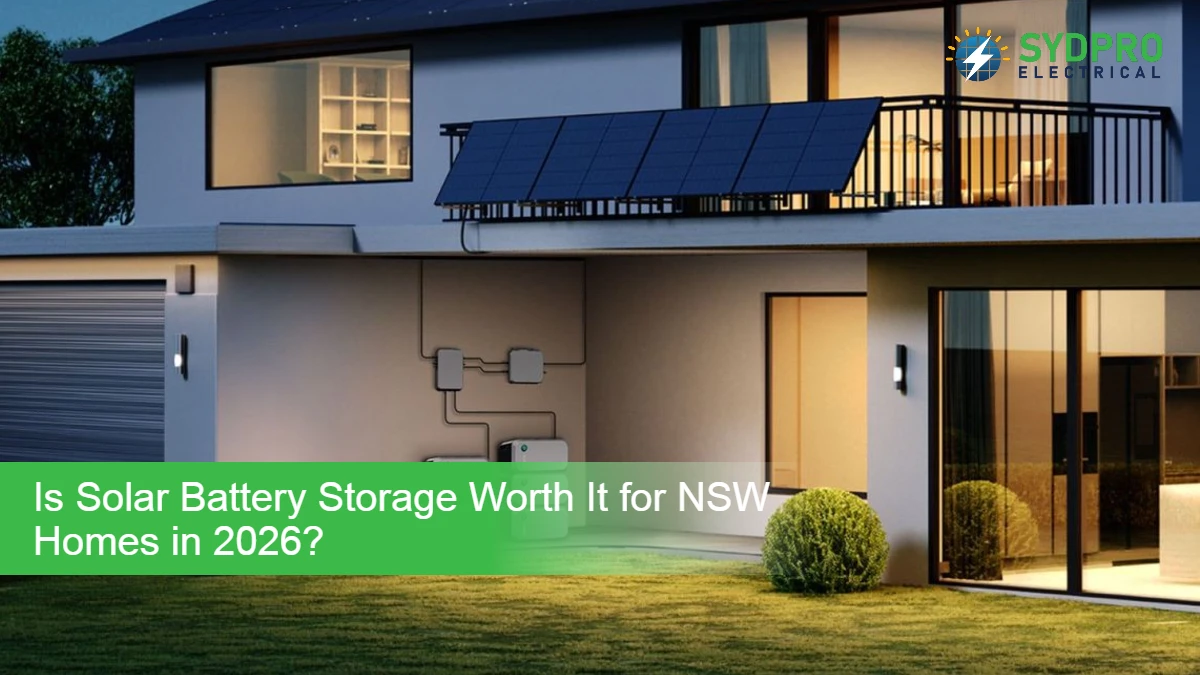
Is Solar Battery Storage Worth It for NSW Homes in 2026?
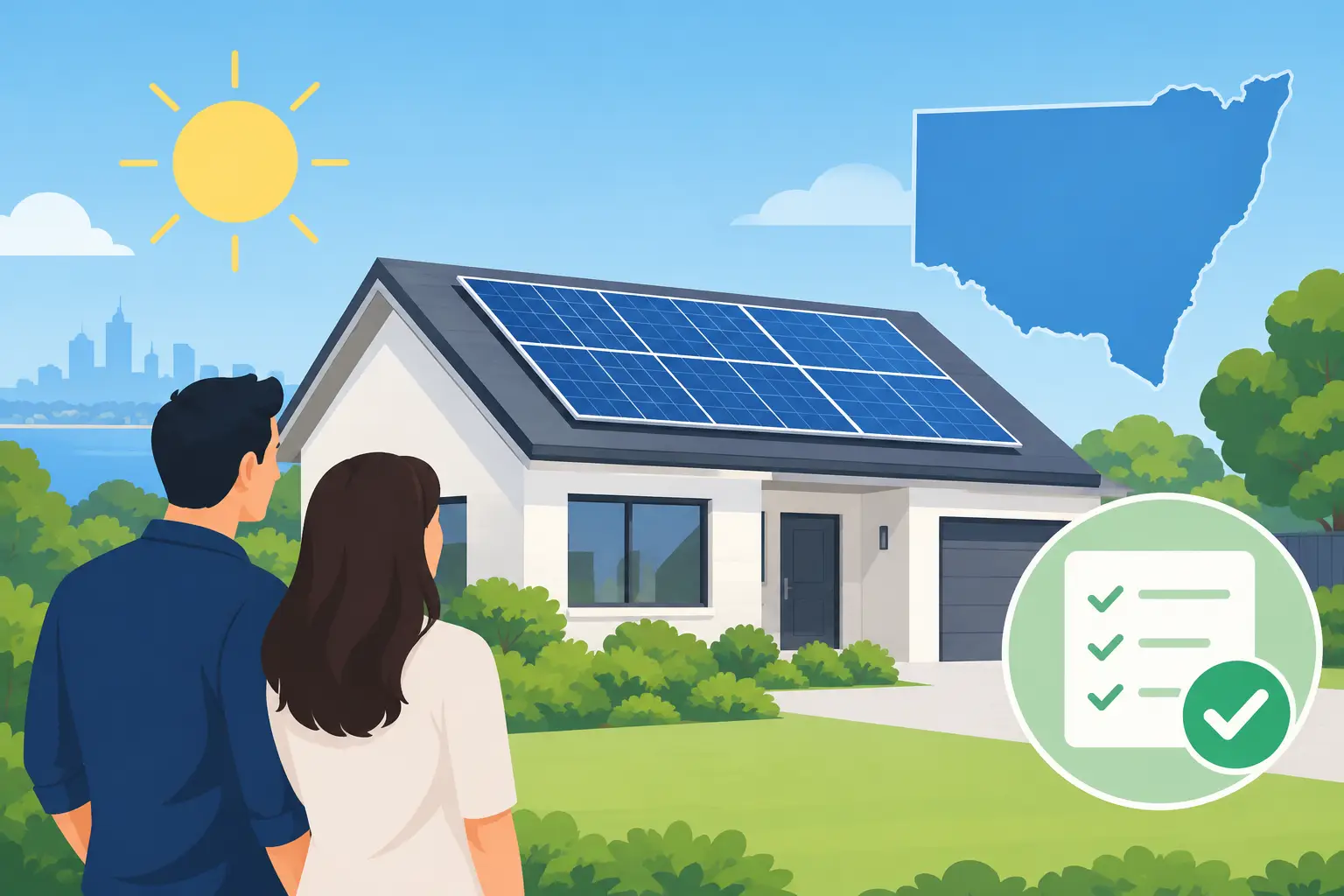
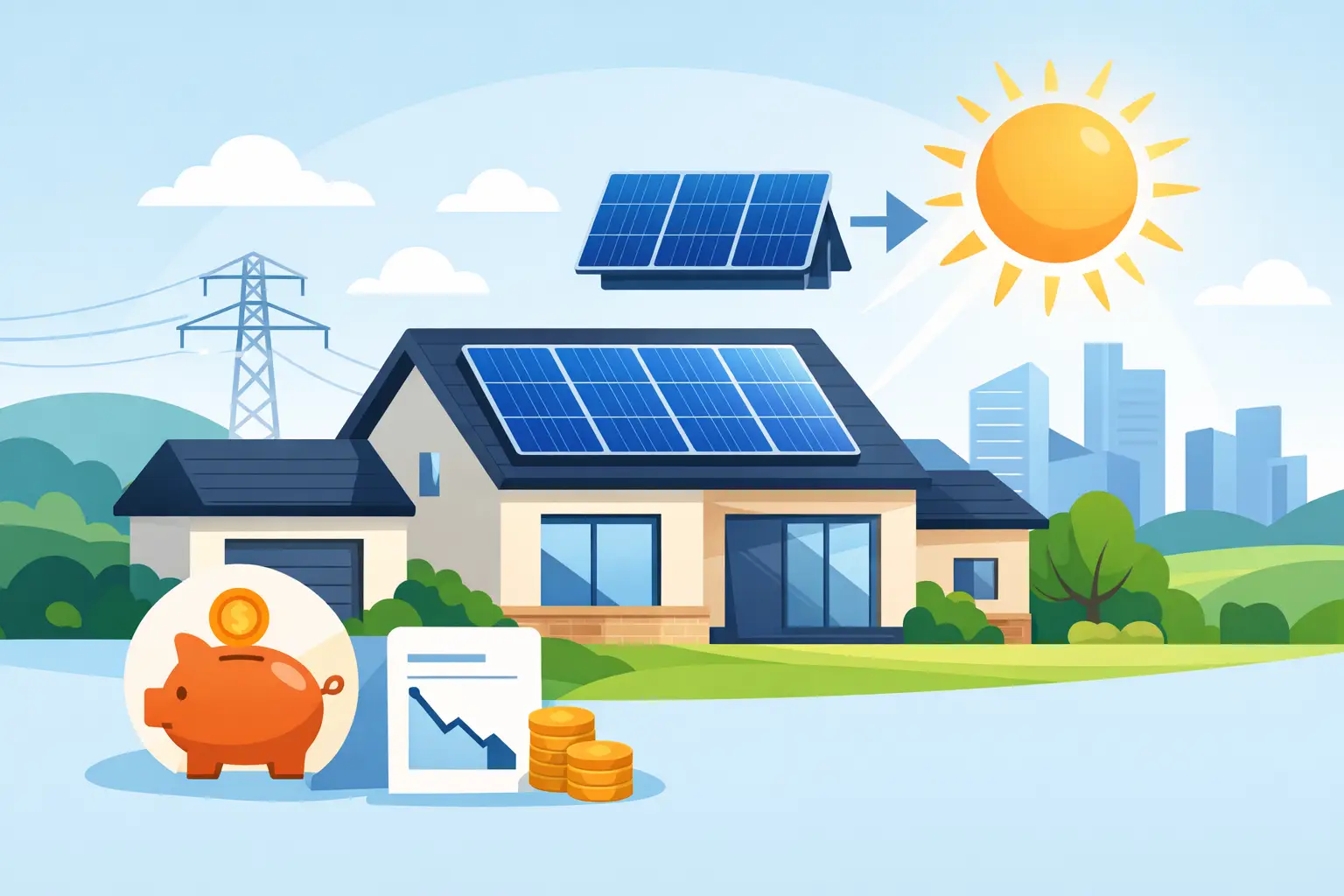
Electricity prices across NSW remain a major concern for homeowners in 2026. At the same time, solar feed-in tariffs are still relatively low compared to retail electricity prices.
This means many households are now asking a different question.
Instead of “Should I get solar?”, people are asking:
“Should I add battery storage as well?”
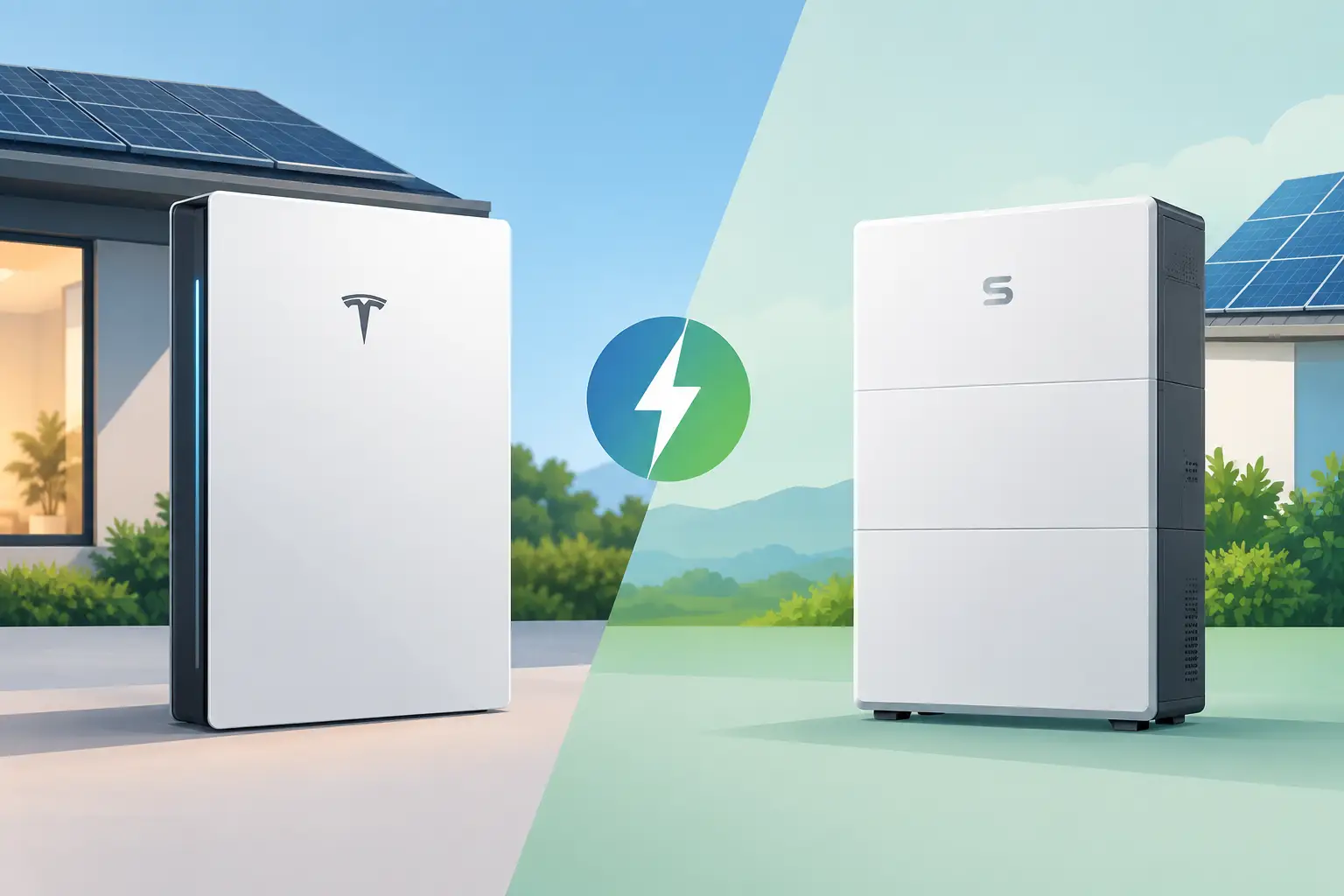
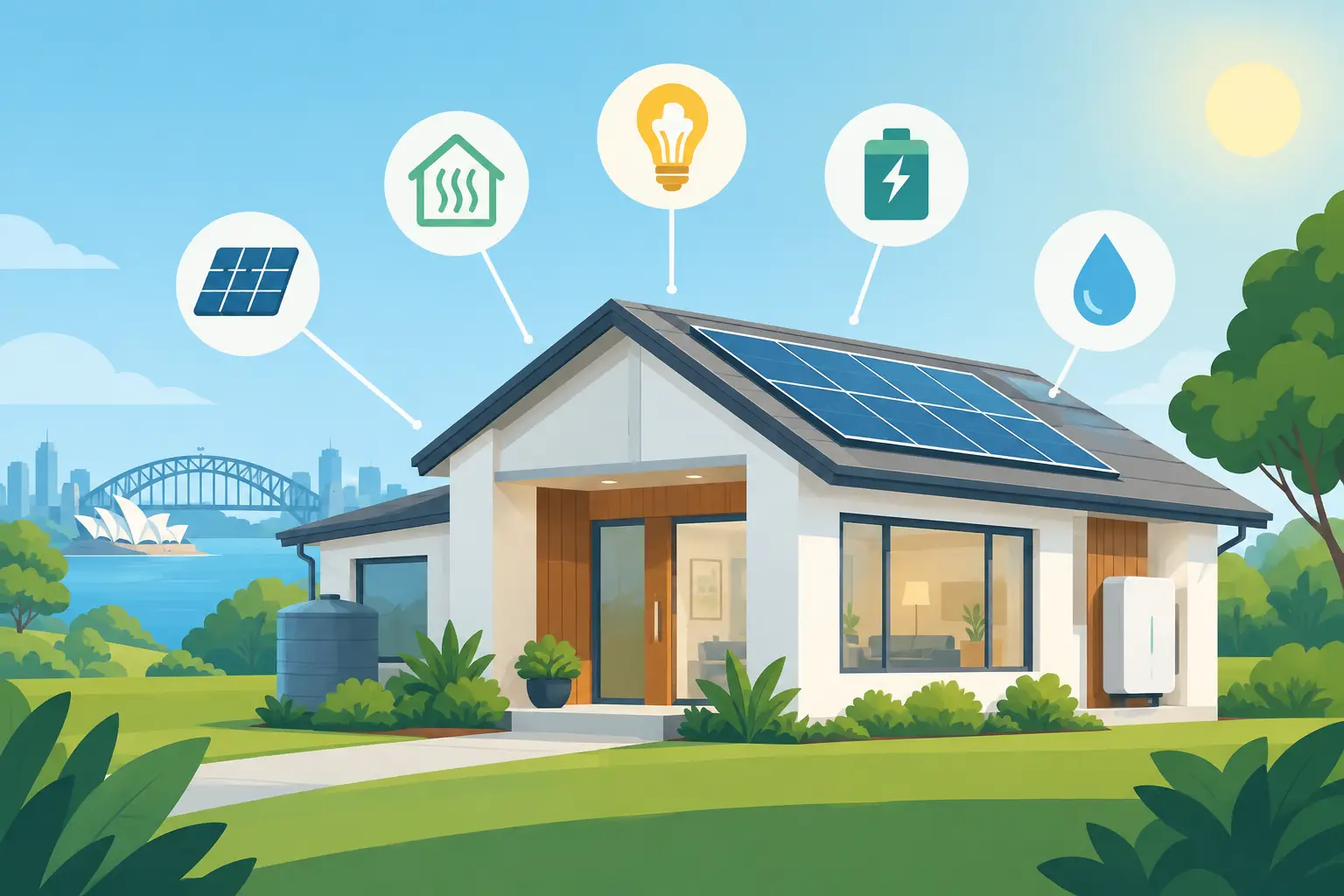
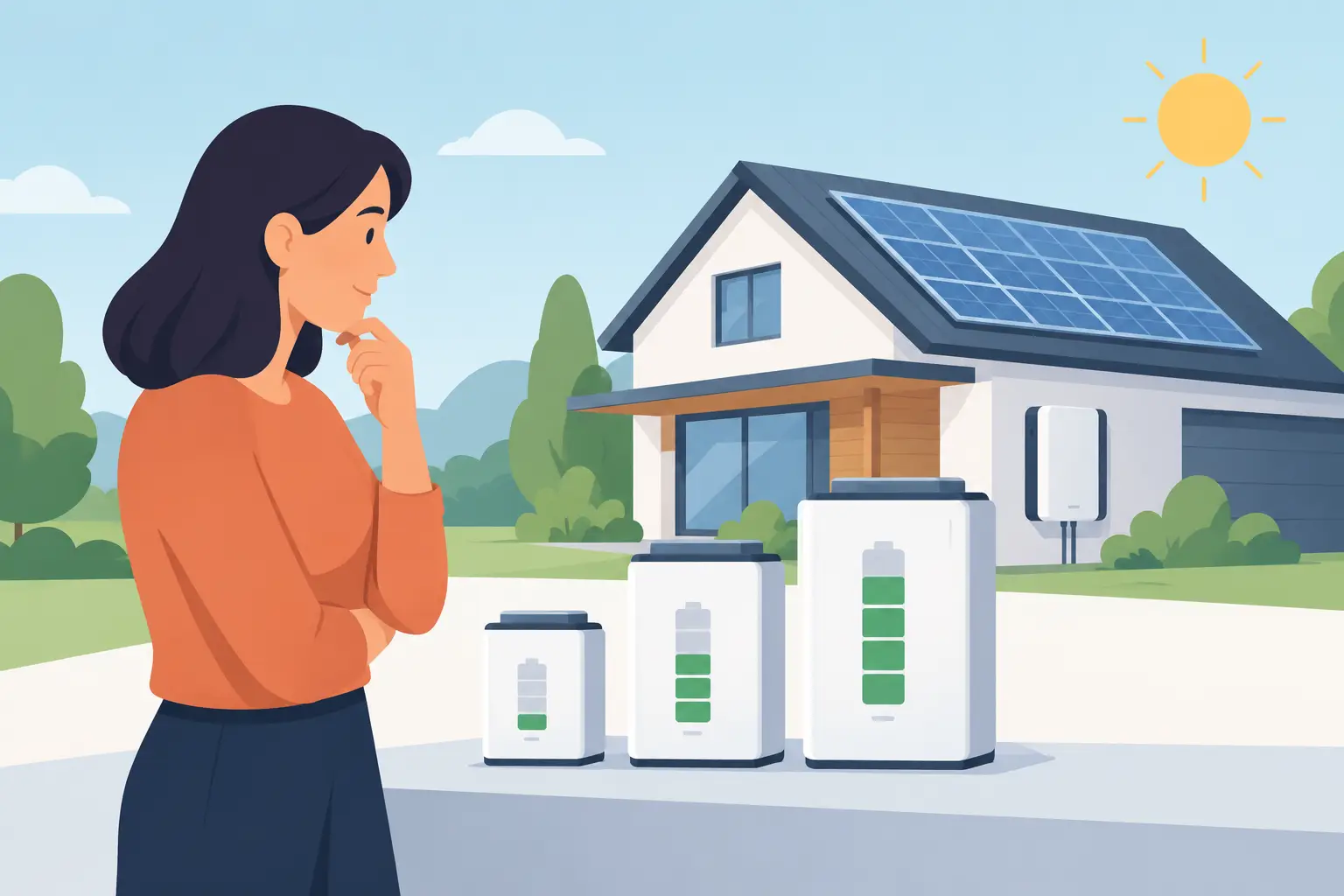
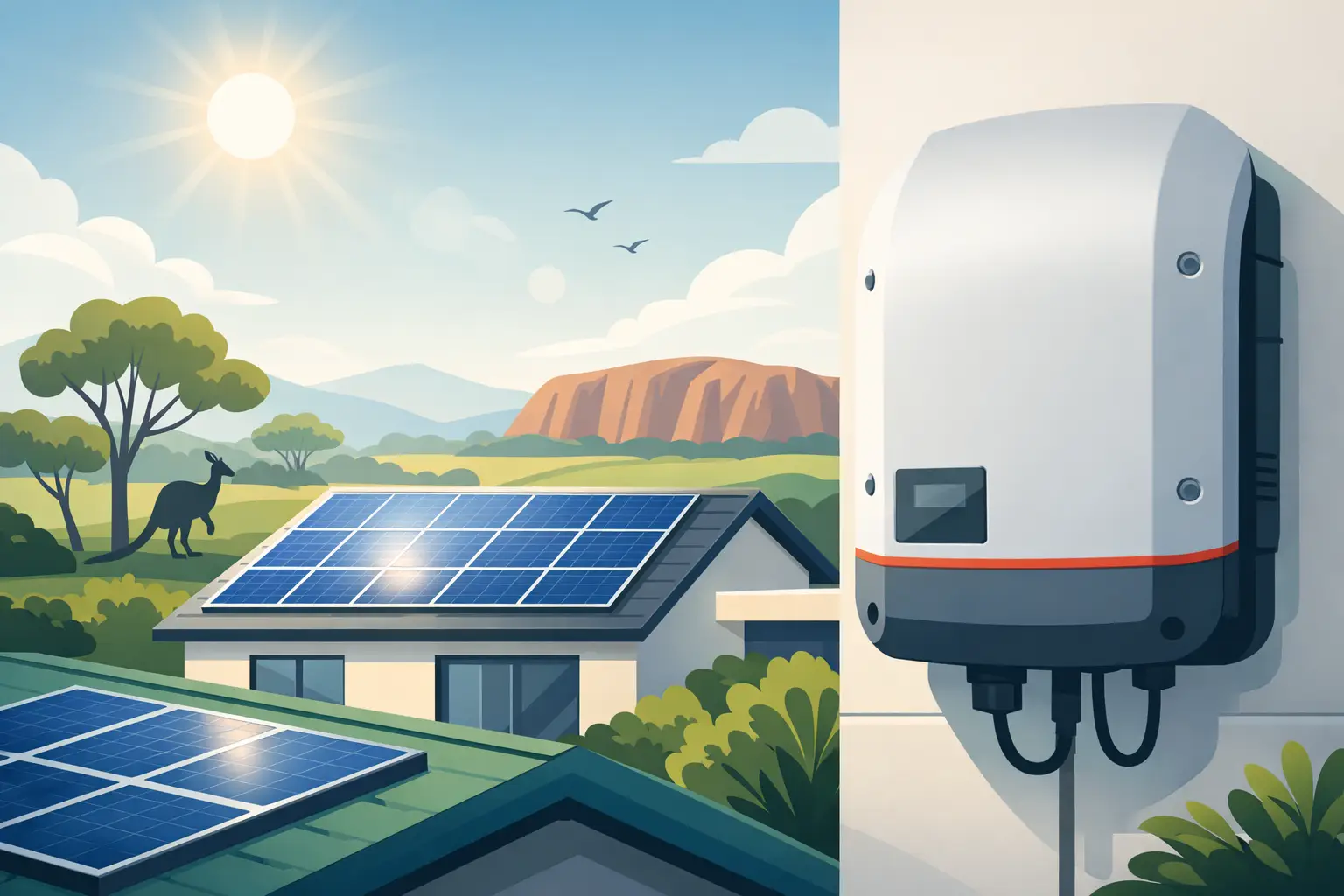
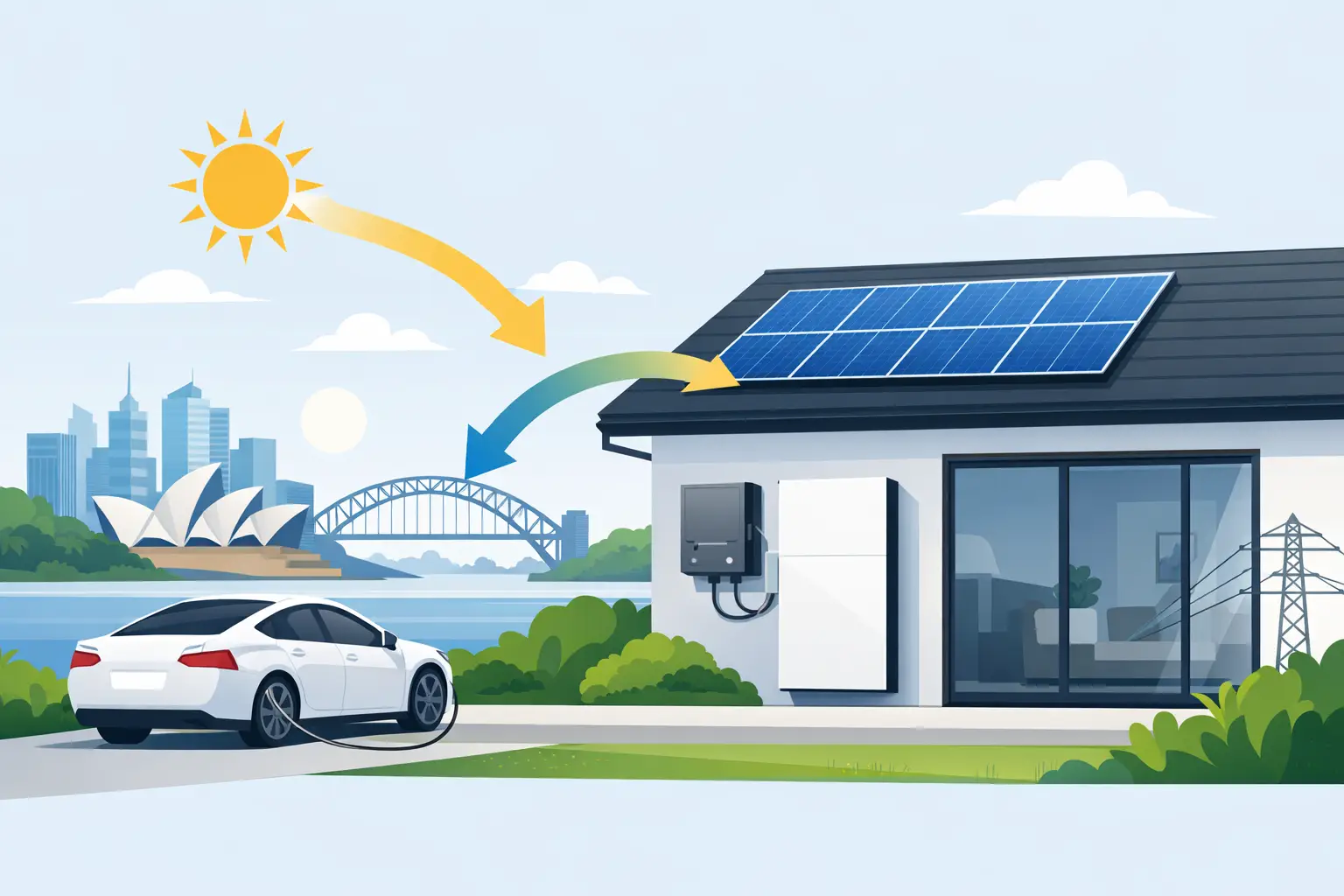
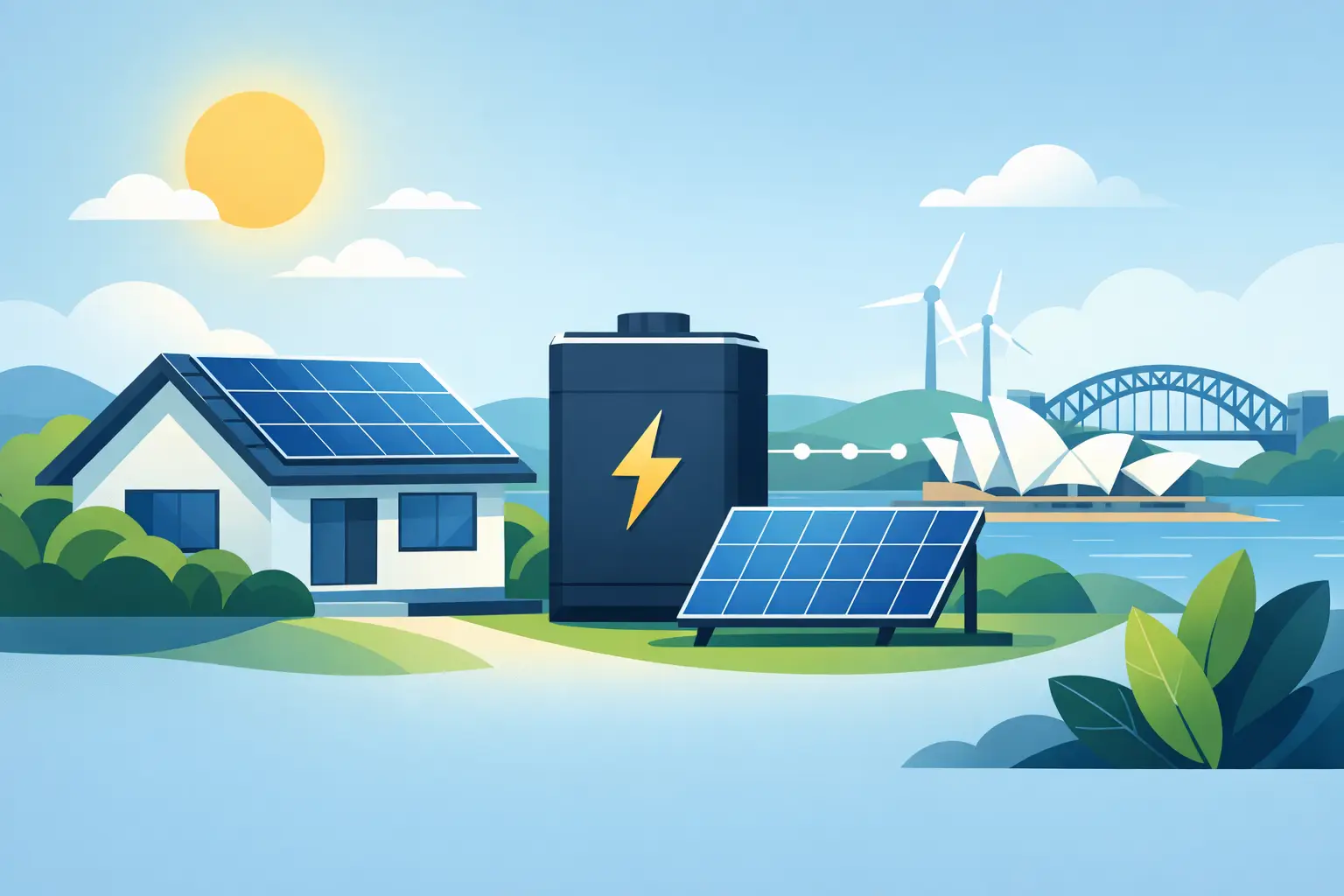
Battery systems are becoming more common across Sydney and NSW because homeowners want to store more of the solar energy they generate instead of relying heavily on the grid at night.
However, battery storage is not the right solution for every household.
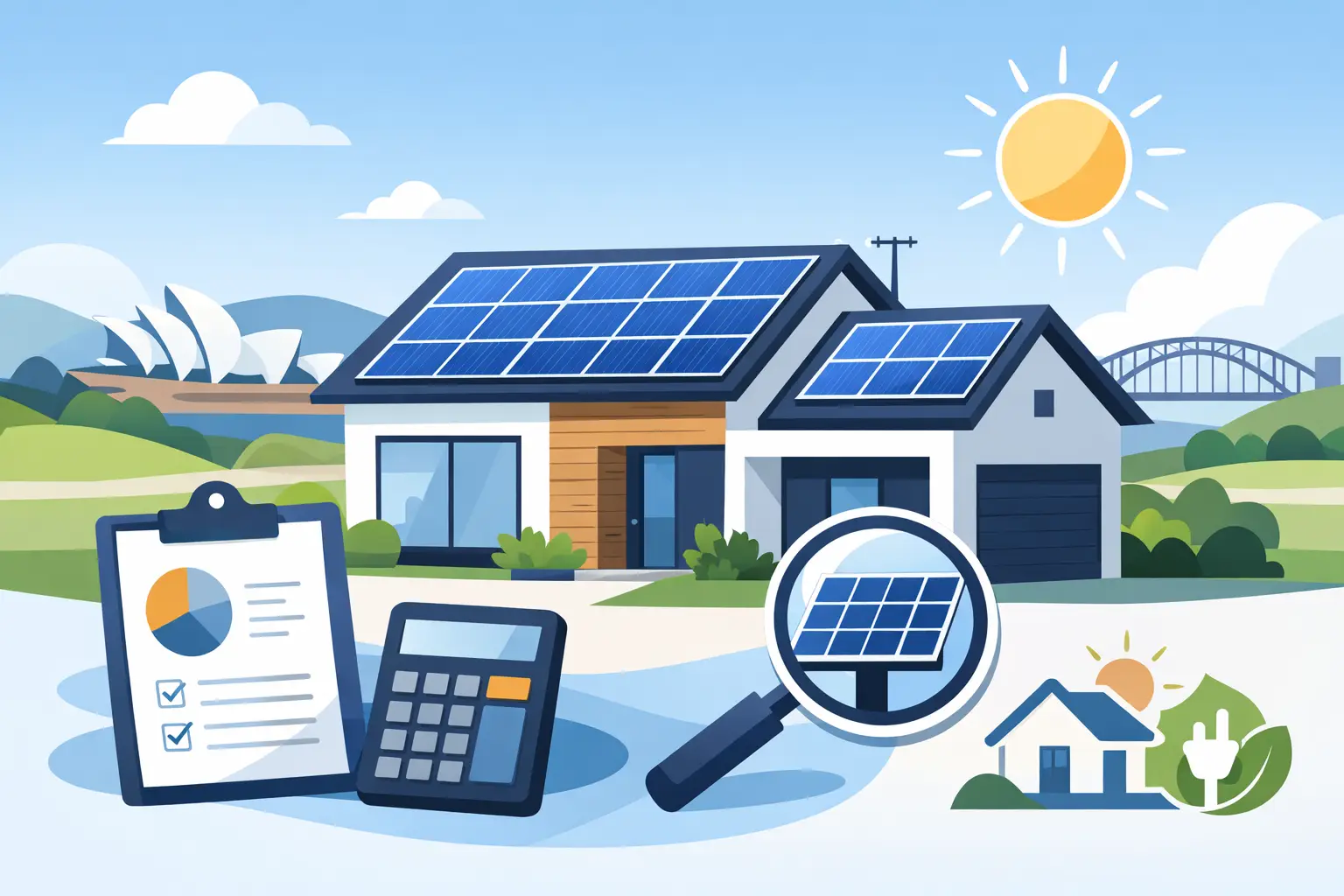
The value depends on your electricity usage, solar system size, and long-term energy goals.
At sydpro, homeowners across NSW are increasingly choosing battery-ready solar systems designed for future flexibility, lower electricity costs, and improved energy independence.
Why Battery Storage Is Growing Across NSW
Traditional solar systems generate electricity during daylight hours.
Any unused power is usually exported back to the electricity grid.
Several years ago, higher feed-in tariffs made this more attractive. In 2026, export rates are much lower across many parts of Australia.
As a result, homeowners often receive only a small return for excess solar energy while continuing to pay higher electricity prices at night.
Battery storage helps solve this problem.
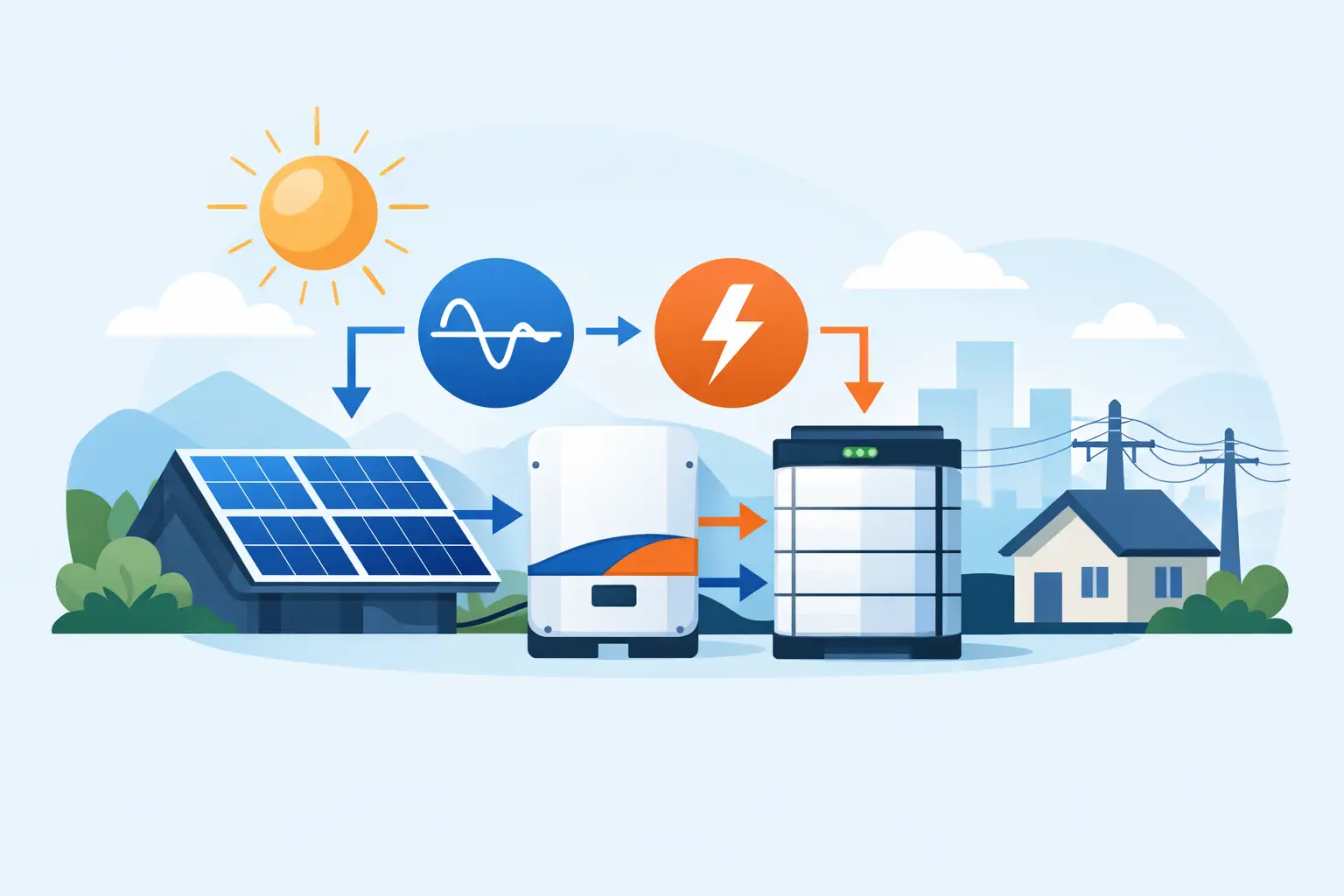
Instead of exporting unused solar electricity, batteries store excess power for later use when:
- The sun goes down
- Household demand increases
- Electricity prices are higher
- Air conditioning and appliances are needed most
For many NSW households, this creates better long-term value than relying on feed-in tariffs alone.
How Solar Batteries Can Reduce Electricity Bills
The main purpose of a solar battery is simple.
Store excess solar energy during the day and use it later when electricity from the grid is more expensive.
This can help reduce evening grid usage for:
- Lighting
- Cooking
- Air conditioning
- Entertainment systems
- EV charging
Battery storage is often most effective for households that use significant electricity after sunset.
Homes with larger solar systems can usually benefit more because they generate more unused daytime electricity available for storage.
When Battery Storage Makes Sense
Battery storage is not identical for every home.
Some households may see stronger long-term value than others.
Battery systems often work best for homes that:
- Use high amounts of evening electricity
- Have electric vehicles
- Work from home
- Use air conditioning regularly
- Want greater energy independence
- Plan to switch from gas appliances to electric
Many Sydney homeowners are also preparing for future energy usage rather than current needs alone.
This includes planning for:
- EV charger installation
- Home electrification
- Smart energy management
- Future electricity price increases
Battery-ready systems provide more flexibility for future upgrades.
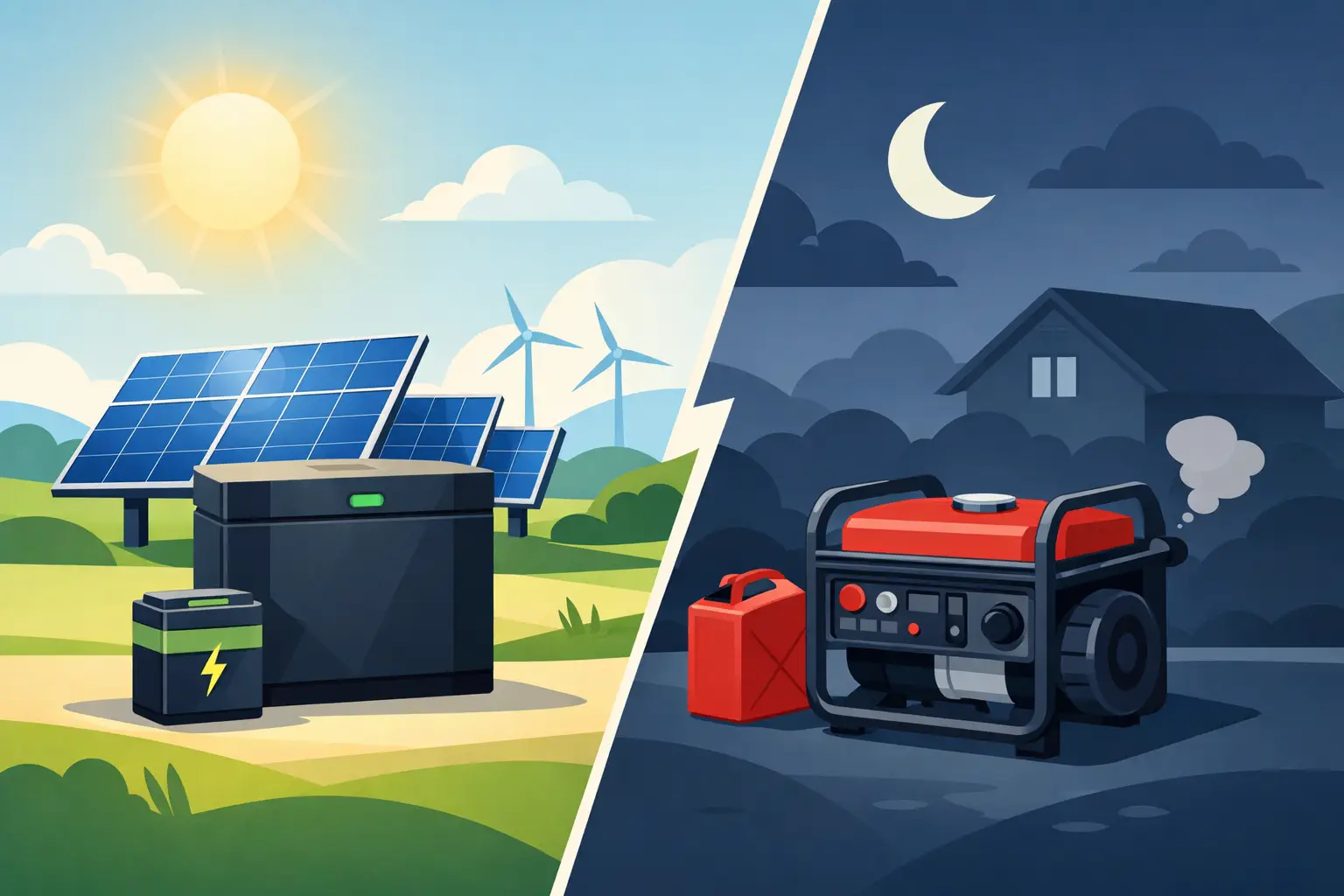
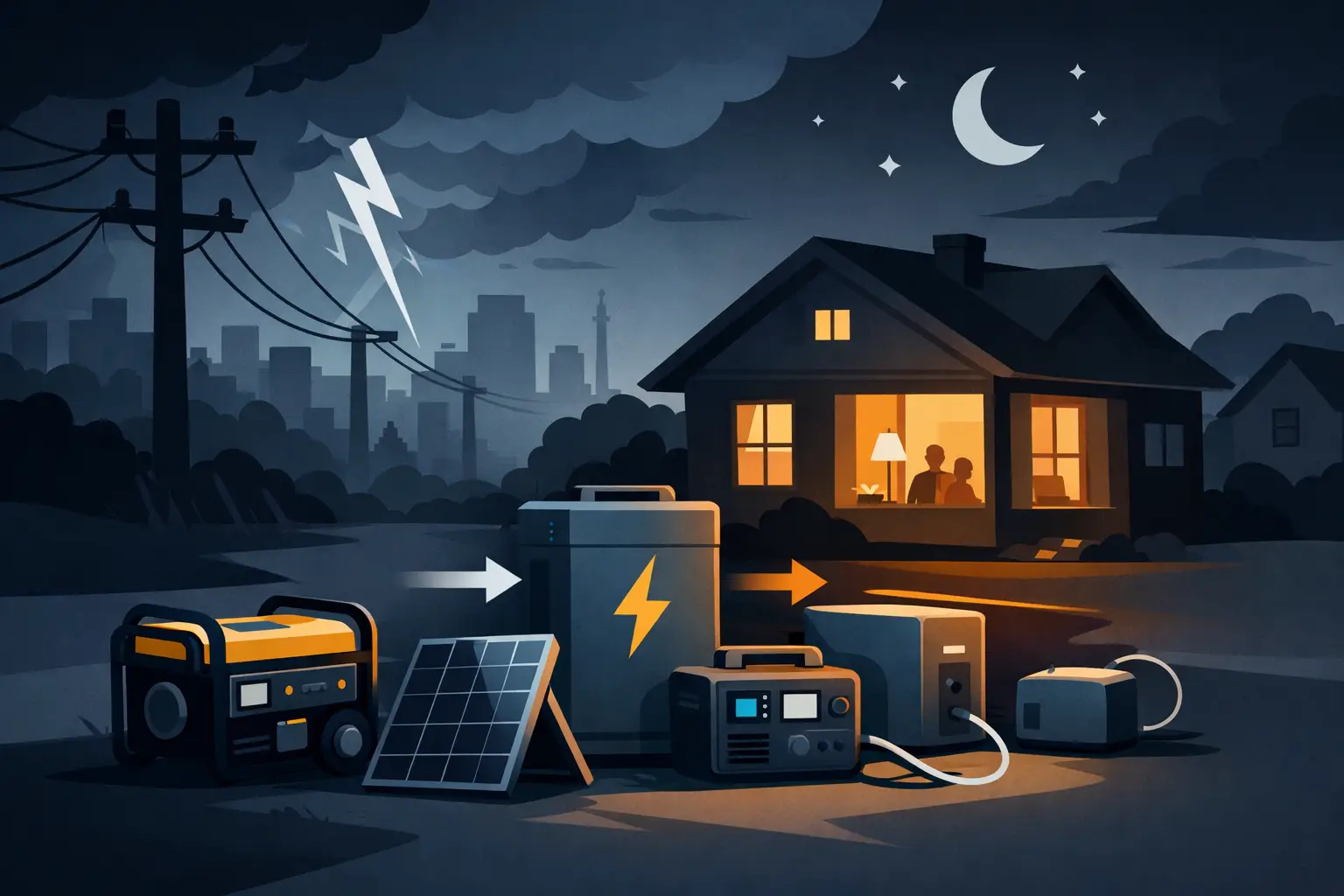
Can Batteries Keep Your Home Running During Blackouts?
This is one of the most misunderstood parts of battery storage.
Many people assume solar panels automatically provide power during blackouts.
In reality, most standard grid-connected solar systems shut down during outages for safety reasons.
Some battery systems can provide backup power during blackouts, but this depends on:
- Inverter capability
- Battery configuration
- Backup circuit design
- Available stored energy
Not every battery system includes blackout protection automatically.
Professional system design is important to ensure the setup matches the household’s energy requirements.
At Sydpro Solar Solutions, battery storage systems are designed around performance, safety, and long-term reliability for NSW homes.
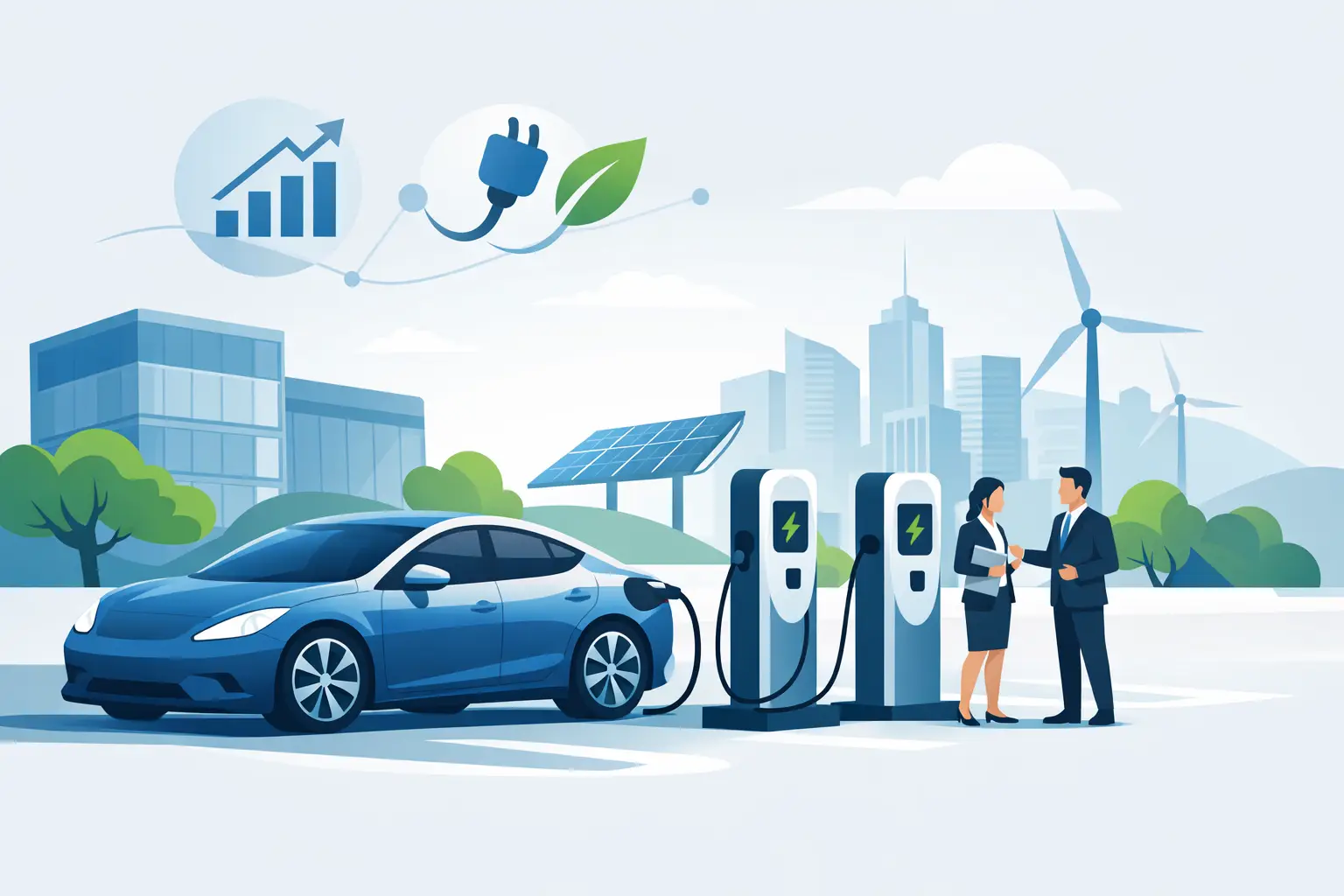
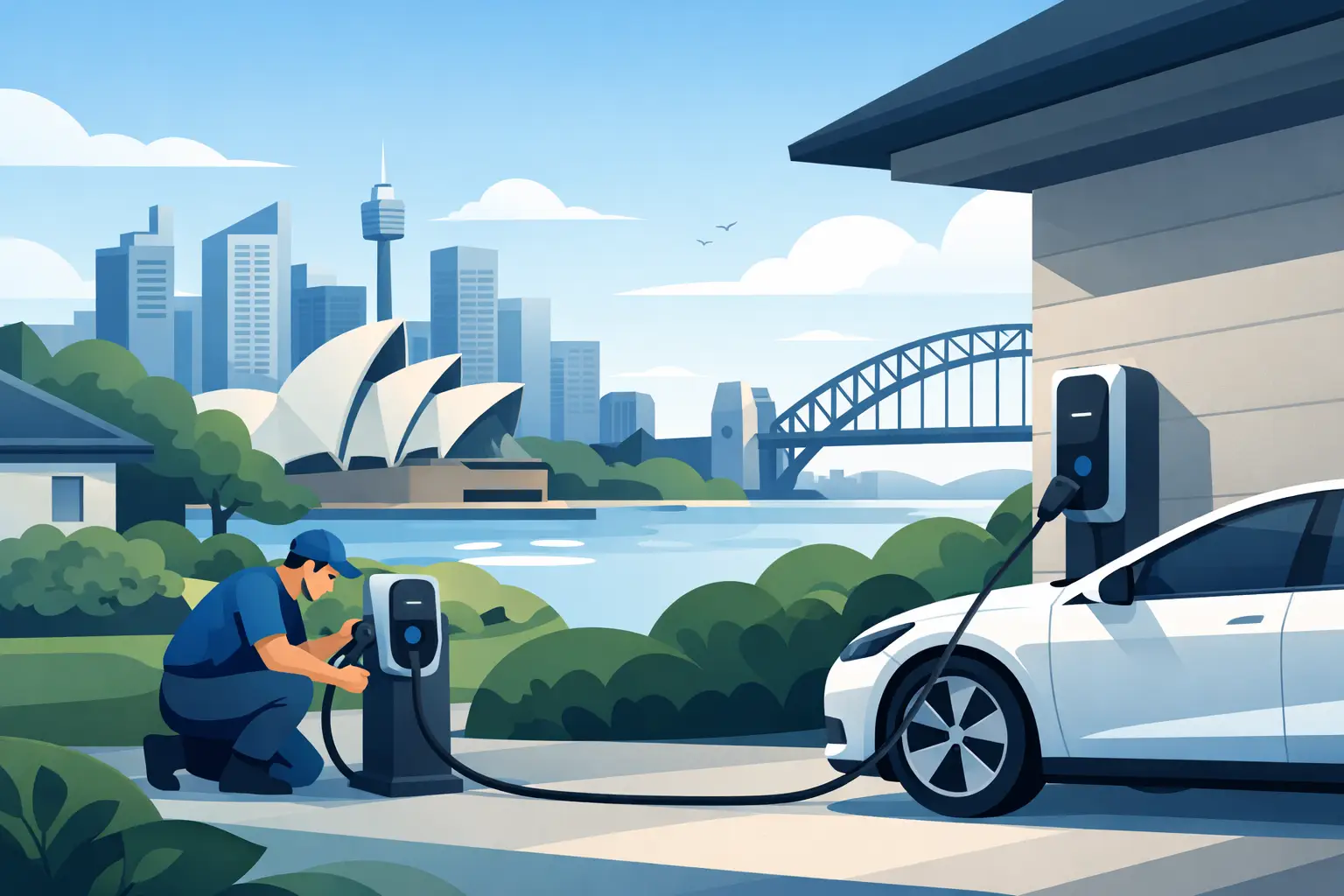
Battery Storage and EV Charging in 2026
Electric vehicle adoption continues growing across Sydney and NSW.
This is changing how households manage electricity usage.
Many homeowners now want integrated systems that combine:
- Solar panels
- Battery storage
- EV charging
- Smart energy management
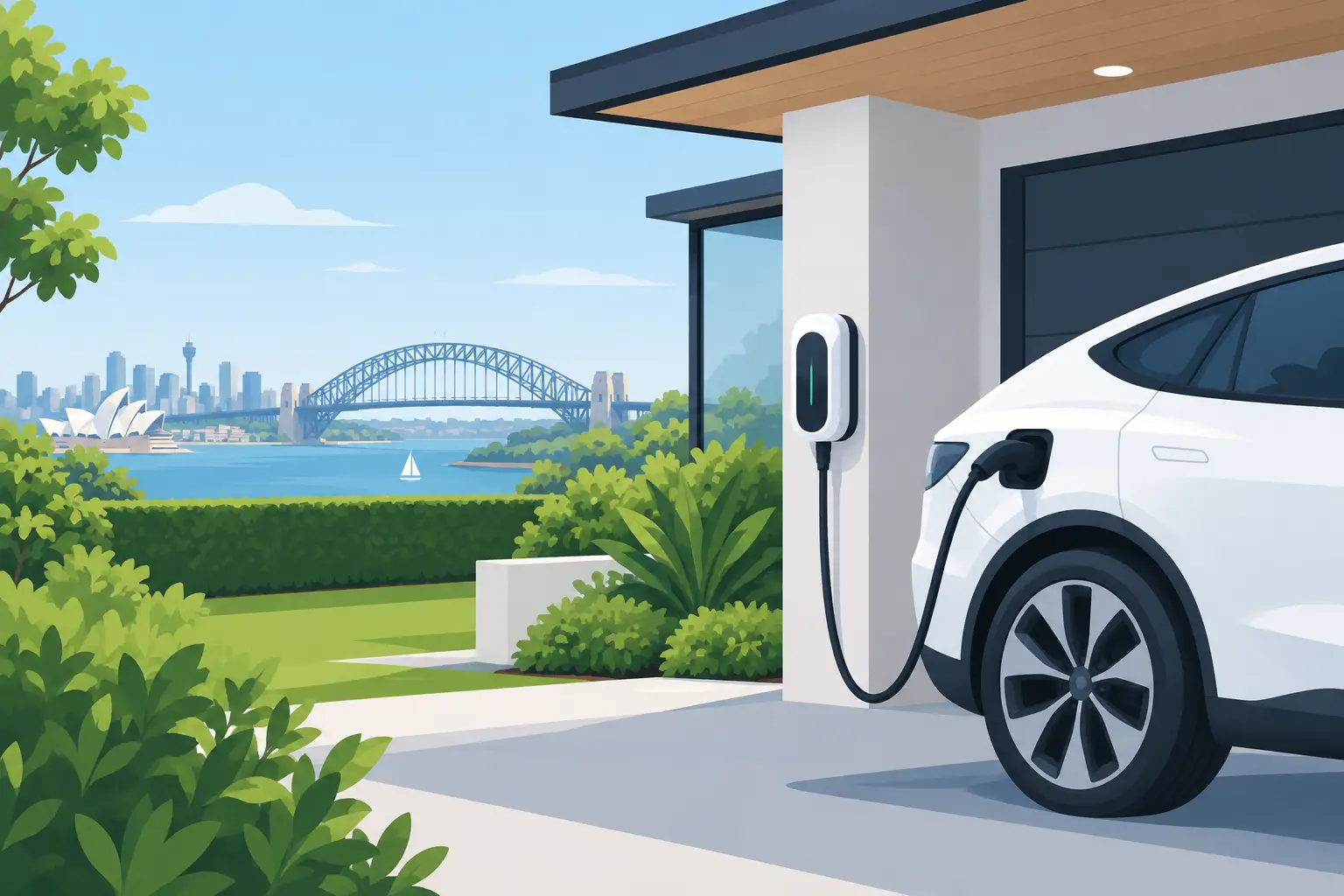
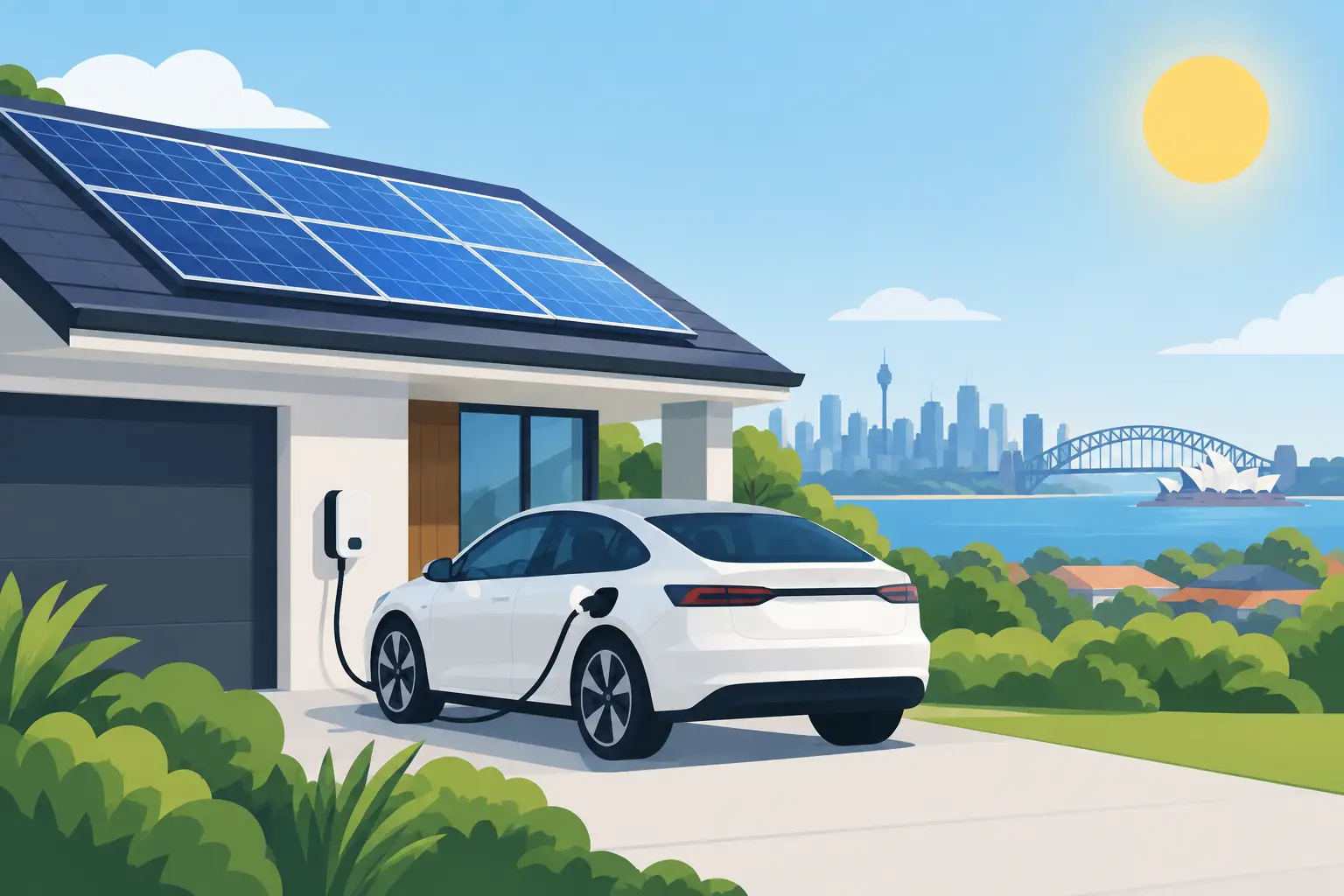
Battery systems can help store excess solar energy generated during the day for later vehicle charging at night.
As EV ownership increases, this approach is becoming more valuable for households aiming to reduce dependence on grid electricity.
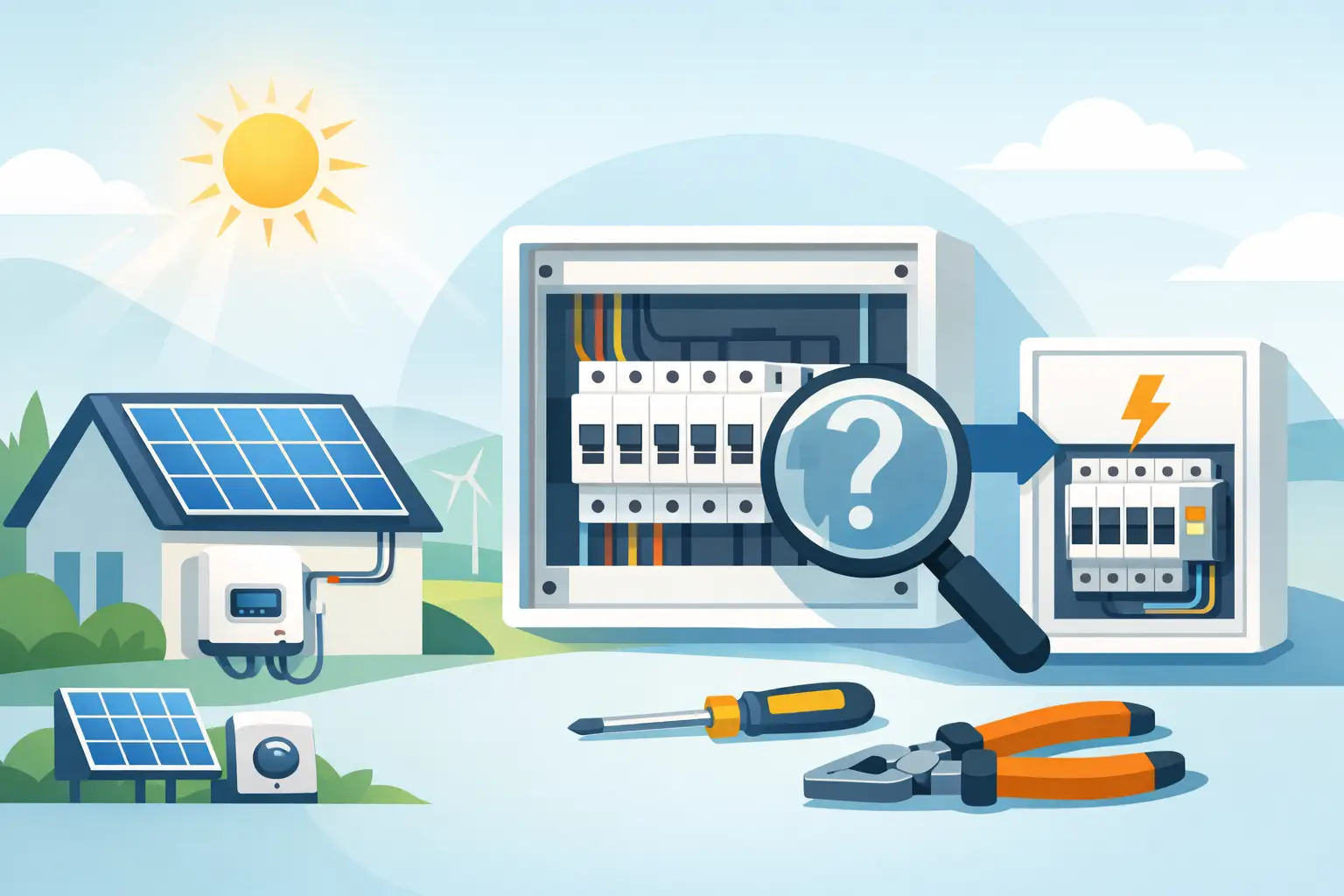
Why Professional Installation Matters
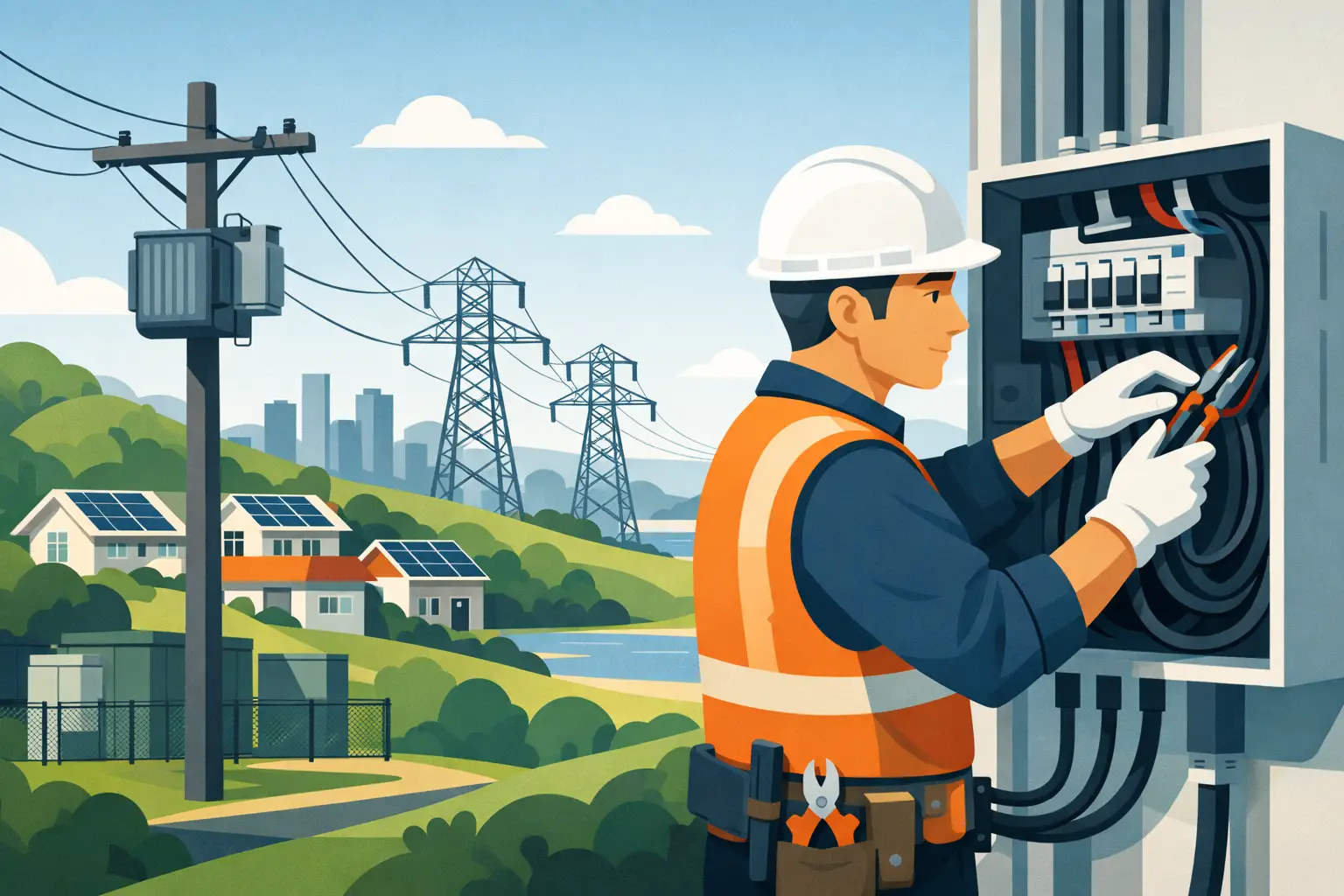
Battery systems involve far more than installing equipment on a wall.
Correct design affects:
- Electrical safety
- Battery performance
- System efficiency
- Future compatibility
- Long-term reliability
Poor installation can reduce performance and limit future upgrade options.
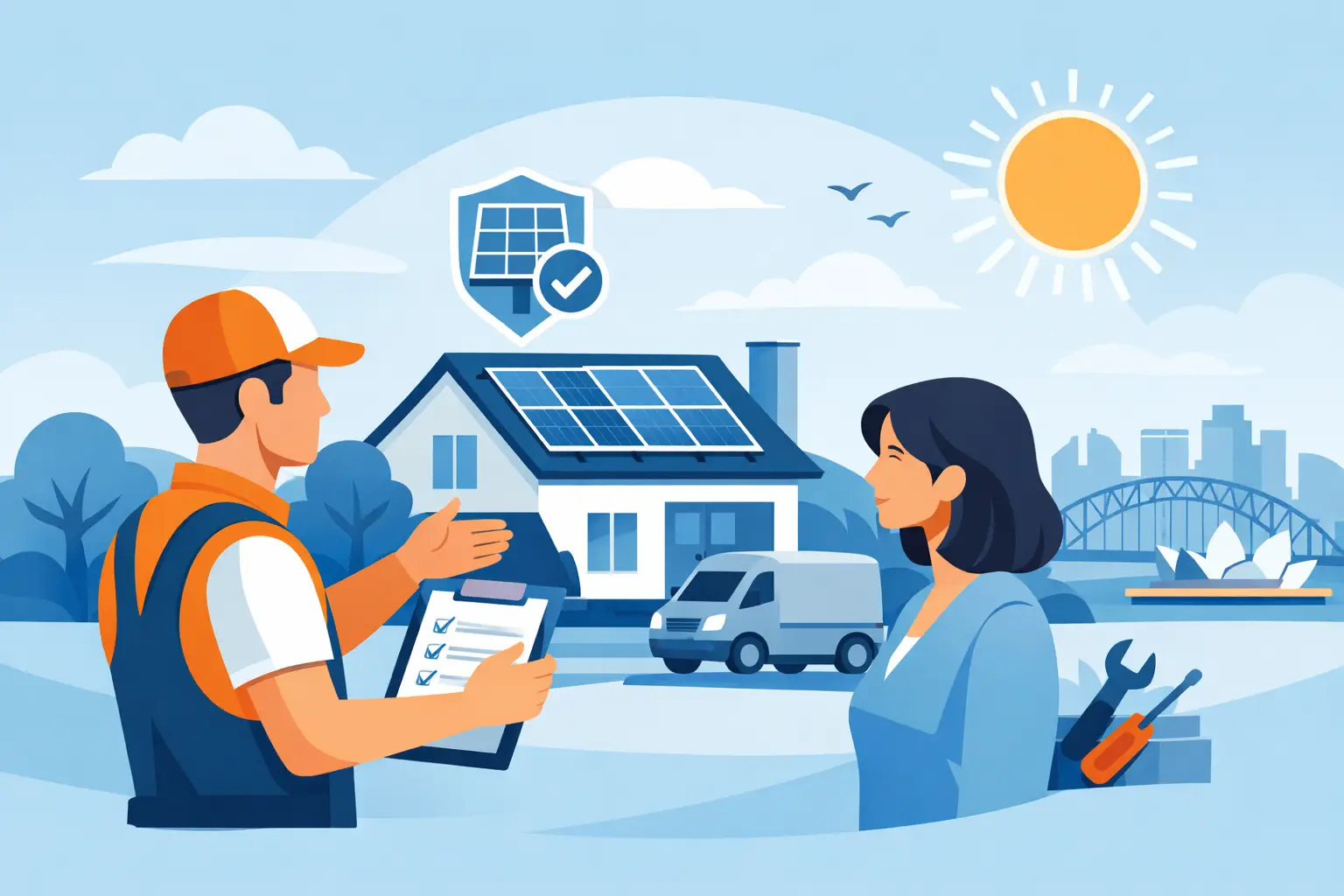
That is why many NSW homeowners choose experienced providers like Sydpro Solar Solutions.
Services include:
- Residential Solar Installation
- Commercial Solar Solutions
- Solar Battery Storage
- EV Charger Installation
- Level 2 ASP Electrical Services
Key trust signals include:
- SAA Accredited installers
- Level 2 ASP licensed electricians
- 10+ years of industry experience
- 2000+ completed installations
- 10-year performance warranties
Conclusion
Battery storage is becoming a major part of modern energy planning across NSW.
As electricity prices continue rising and feed-in tariffs remain relatively low, more homeowners are looking for ways to use more of their own solar energy instead of exporting it to the grid.
The right battery setup can help reduce evening electricity costs, improve energy independence, and support future technologies like EV charging.
However, proper system design and professional installation remain essential for long-term performance and safety.
FAQS
Is solar battery storage worth it in NSW in 2026?
Battery storage may provide strong long-term value for households with high evening electricity usage or future EV charging plans.
Do solar batteries work during blackouts?
Some battery systems can provide backup power during outages if designed specifically for blackout protection.
Can I add a battery to my existing solar system?
In many cases, yes. Compatibility depends on your inverter and current solar setup.
How long do solar batteries usually last?
Most modern solar batteries are designed to operate for around 10 years depending on usage and manufacturer specifications.
Do batteries completely remove electricity bills?
Most homes still remain connected to the grid, but battery storage can significantly reduce electricity usage from the grid.
Disclaimer-This content is for general information only and should not be considered financial or electrical advice.