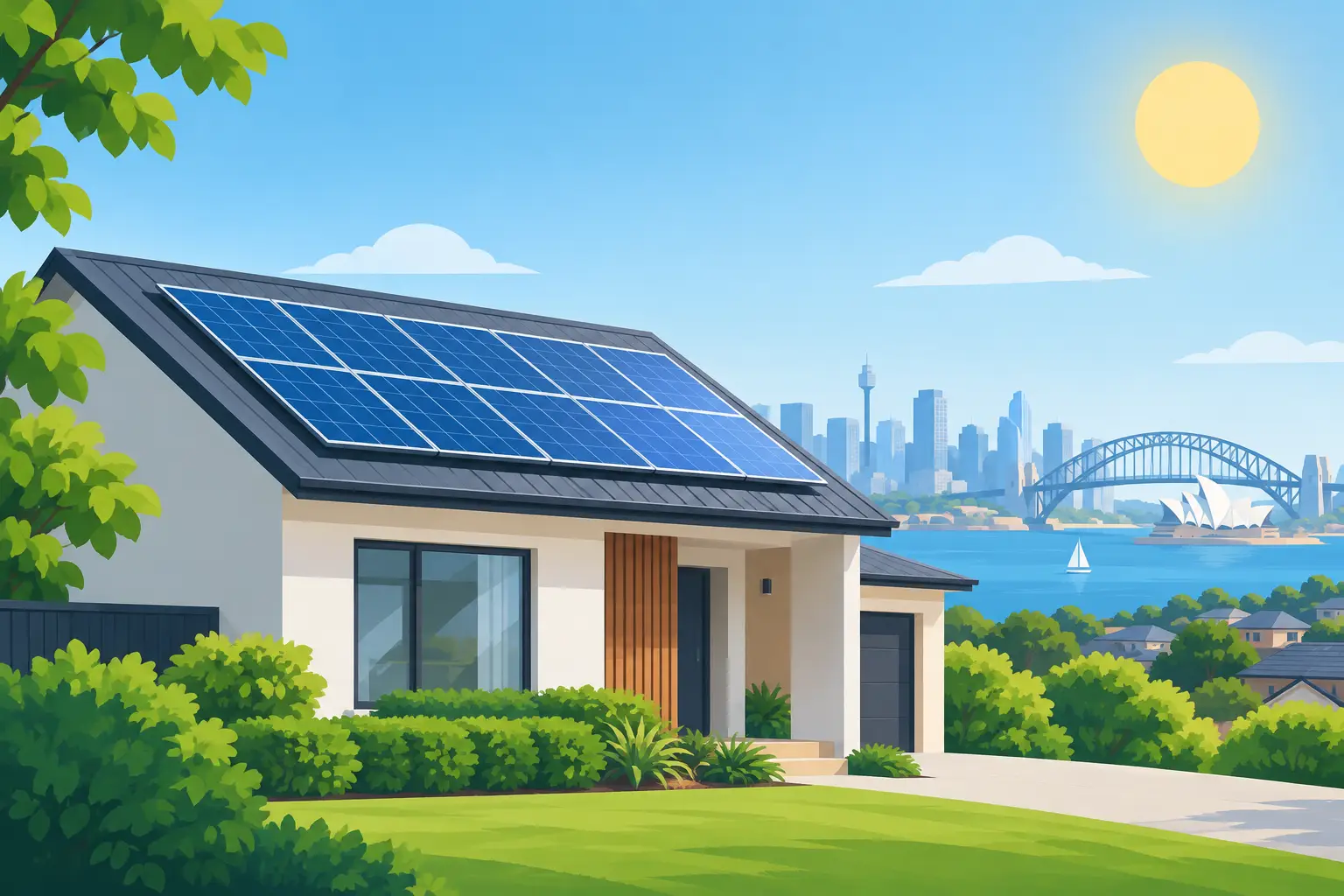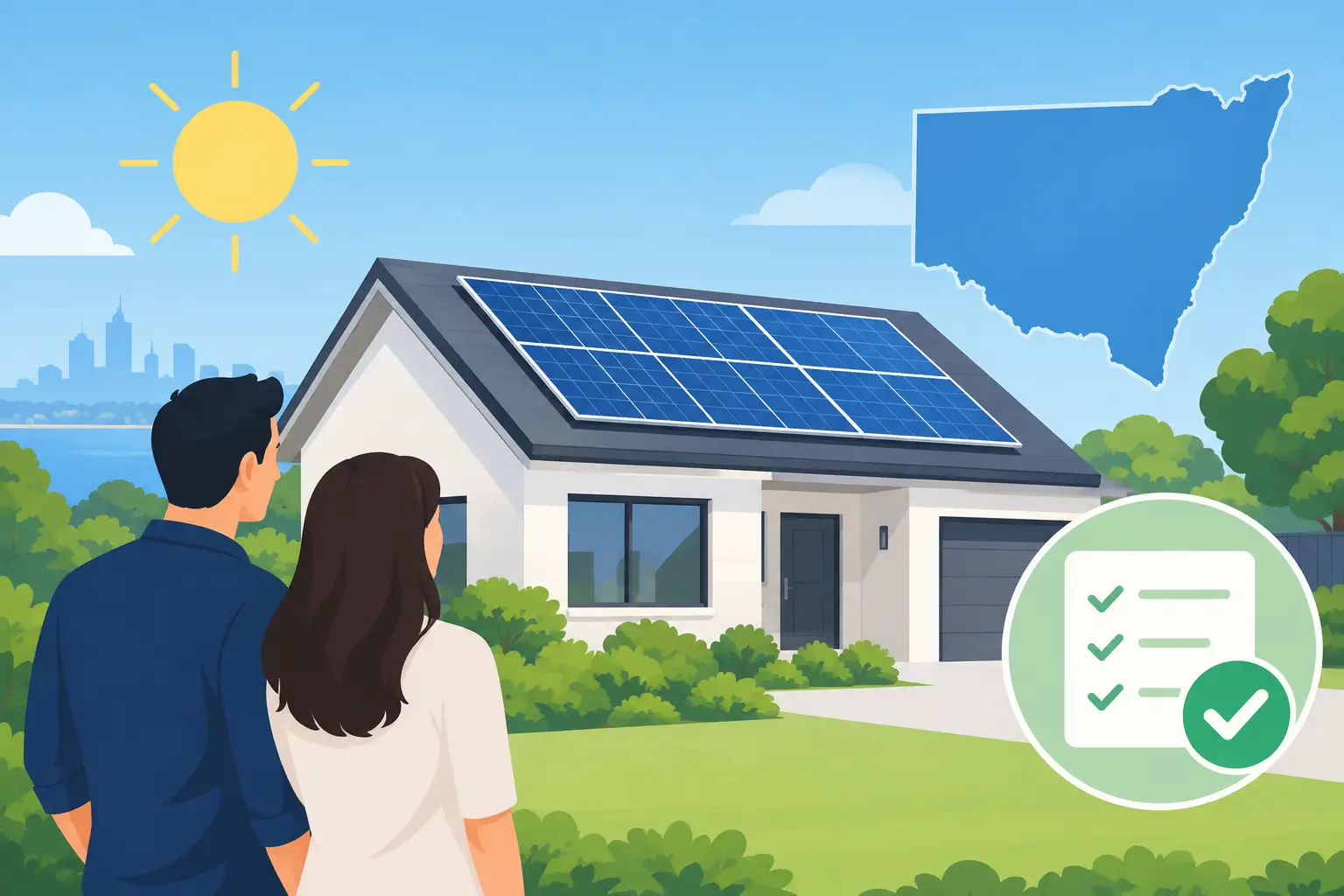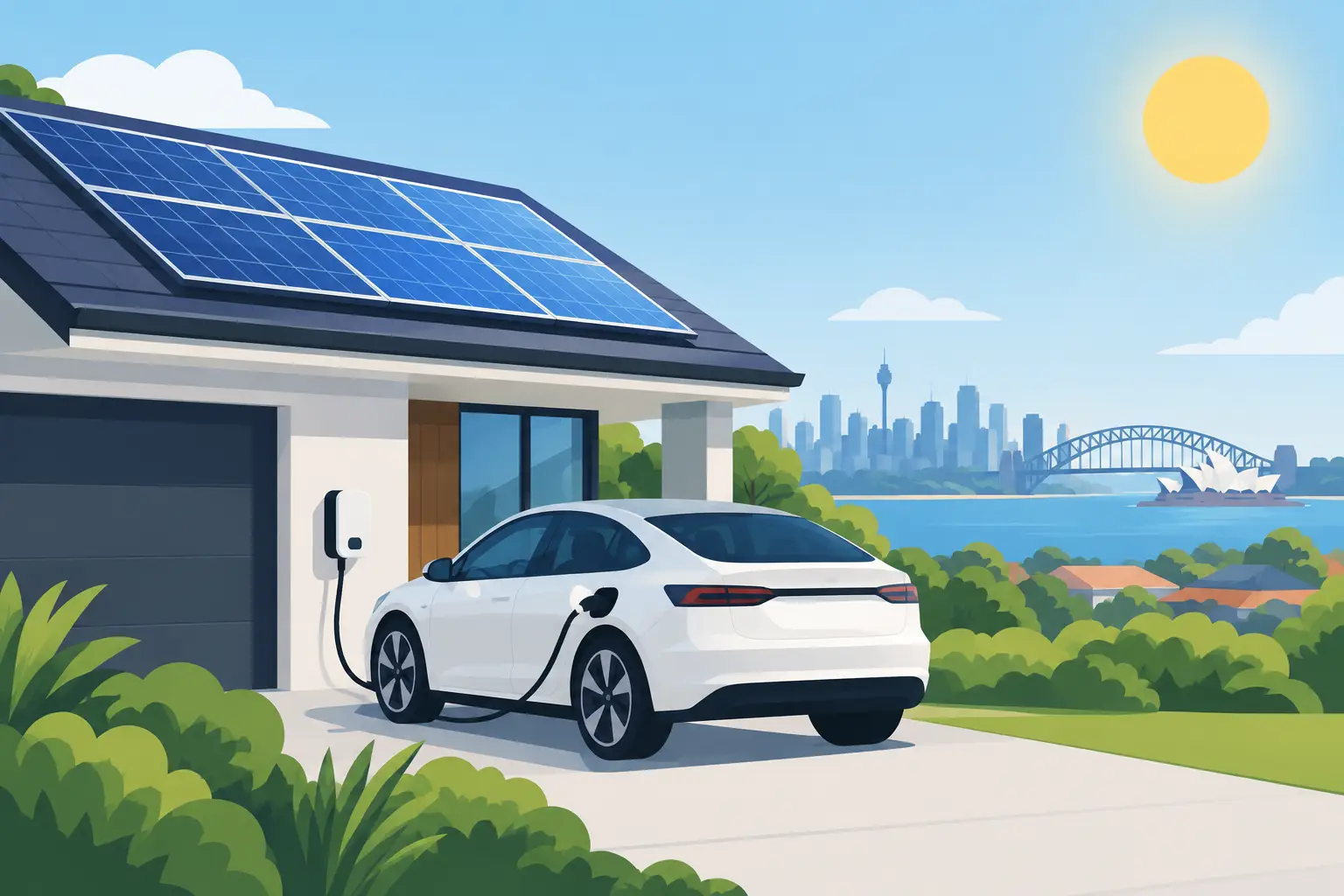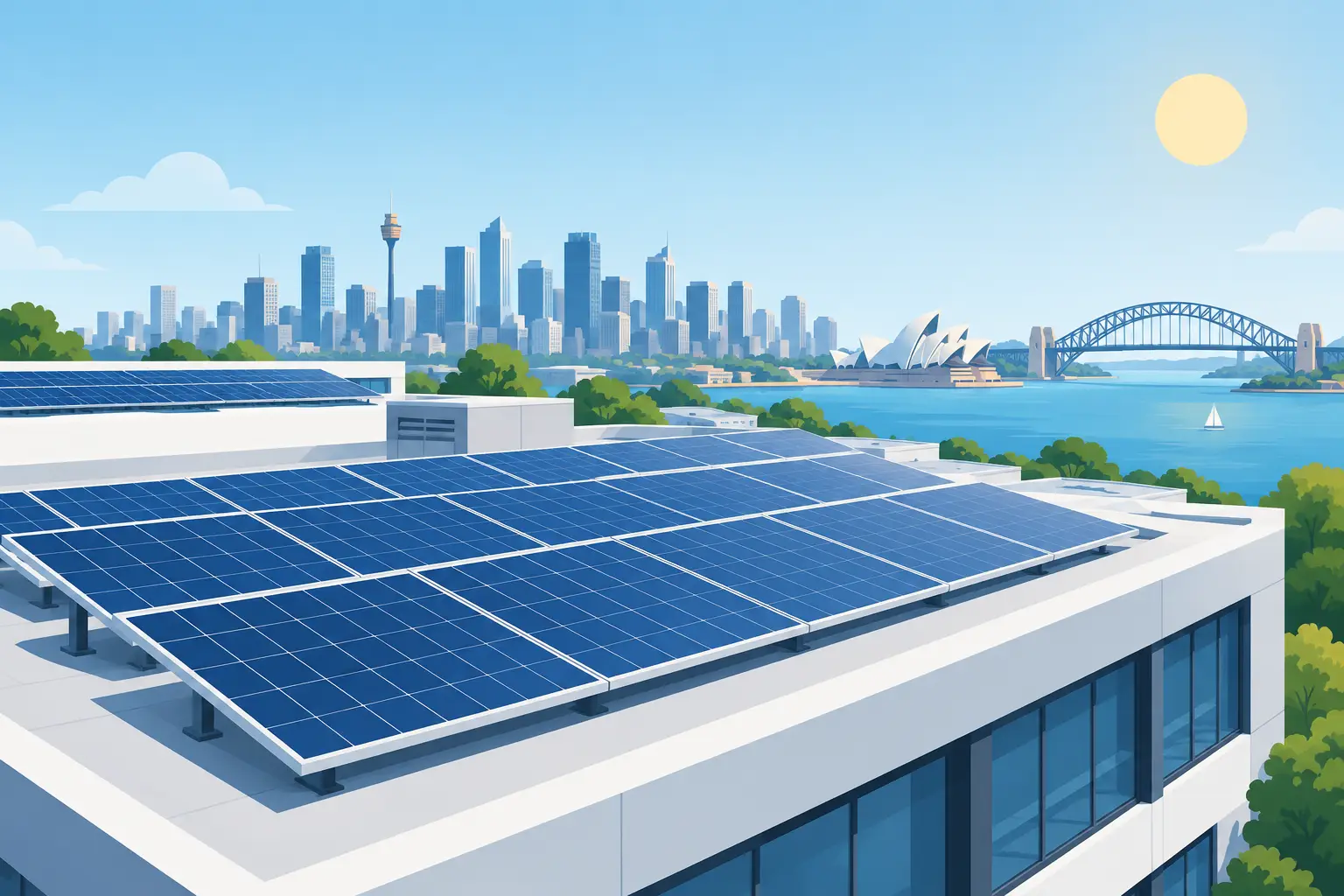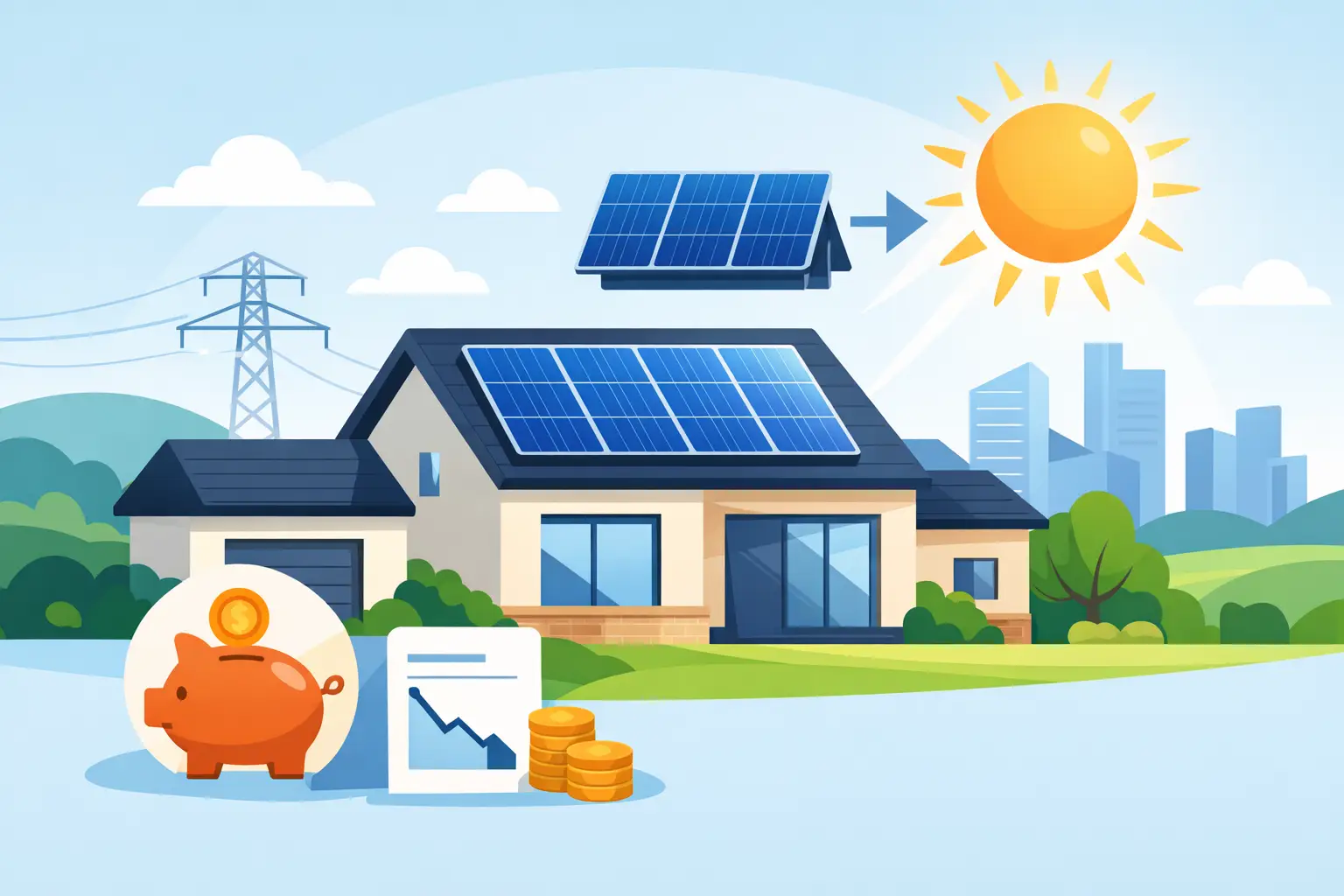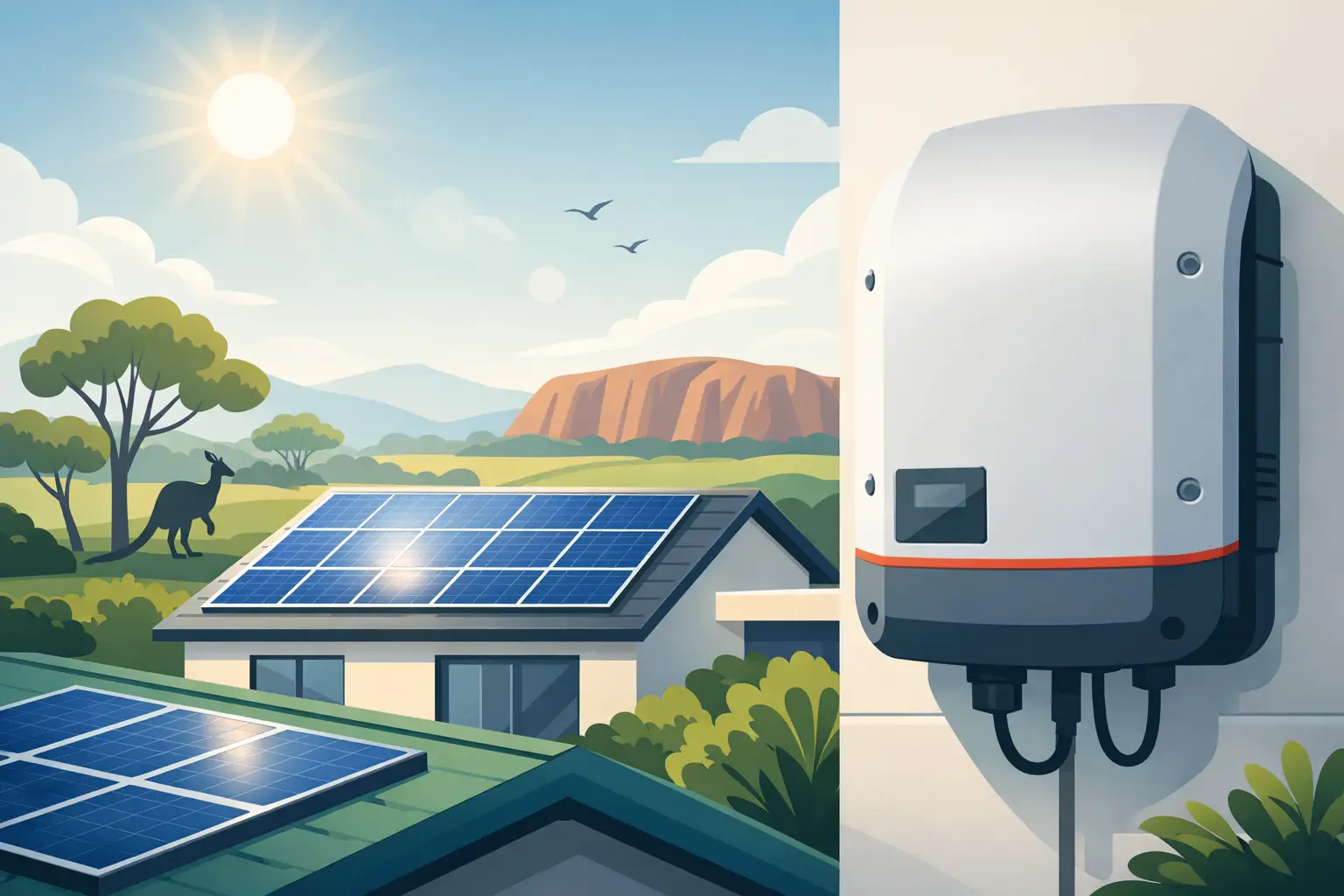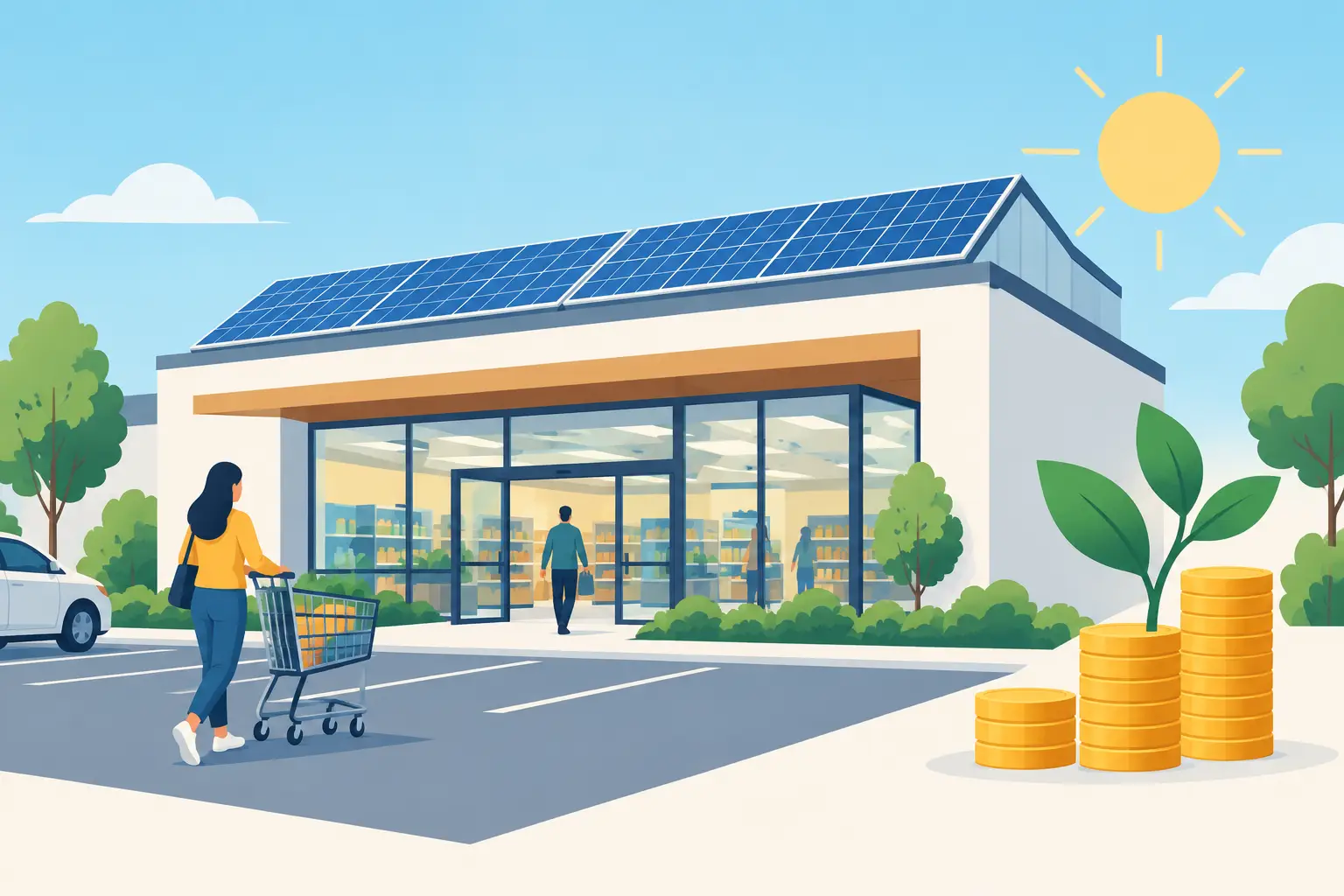
A busy shop floor can be one of the best places to use solar power. Lighting, refrigeration, air conditioning, POS systems and staff amenities often draw electricity throughout the same daylight hours that rooftop solar produces it. That alignment is the foundation of meaningful solar savings for retail stores – but the result depends on more than the number of panels installed.
For NSW retailers, a solar system should be treated as operating infrastructure, not a generic sustainability purchase. The right design can reduce the amount of expensive grid power your business buys each day, provide greater control over rising electricity costs and support future additions such as batteries and EV charging. The wrong design can leave valuable roof space underused or create more exported energy than the business can use profitably.
Where Retail Solar Savings Actually Come From
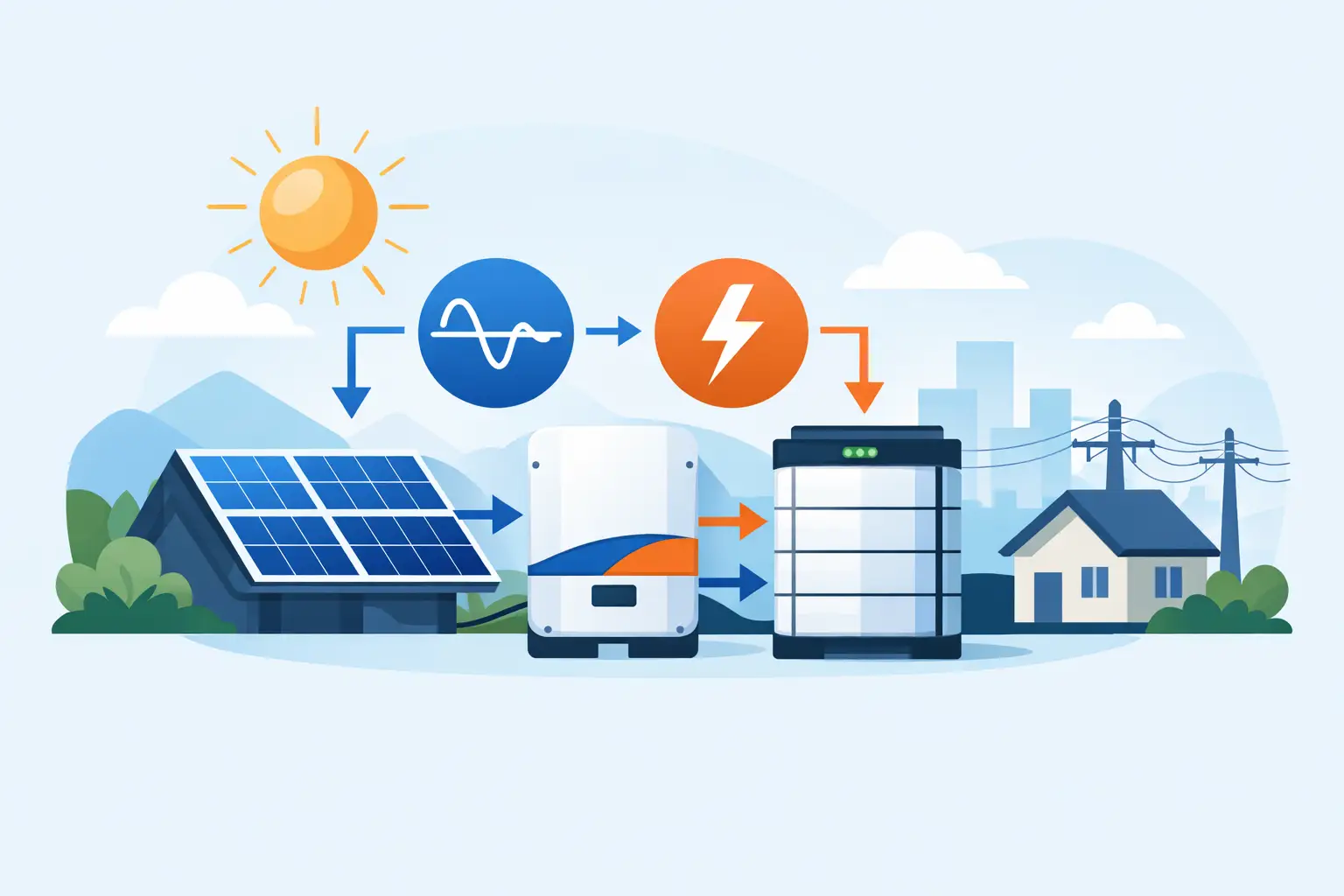
Most retail solar savings come from solar self-consumption. This is the electricity your business uses as it is generated, avoiding the need to purchase that power from the grid at your retail electricity rate.
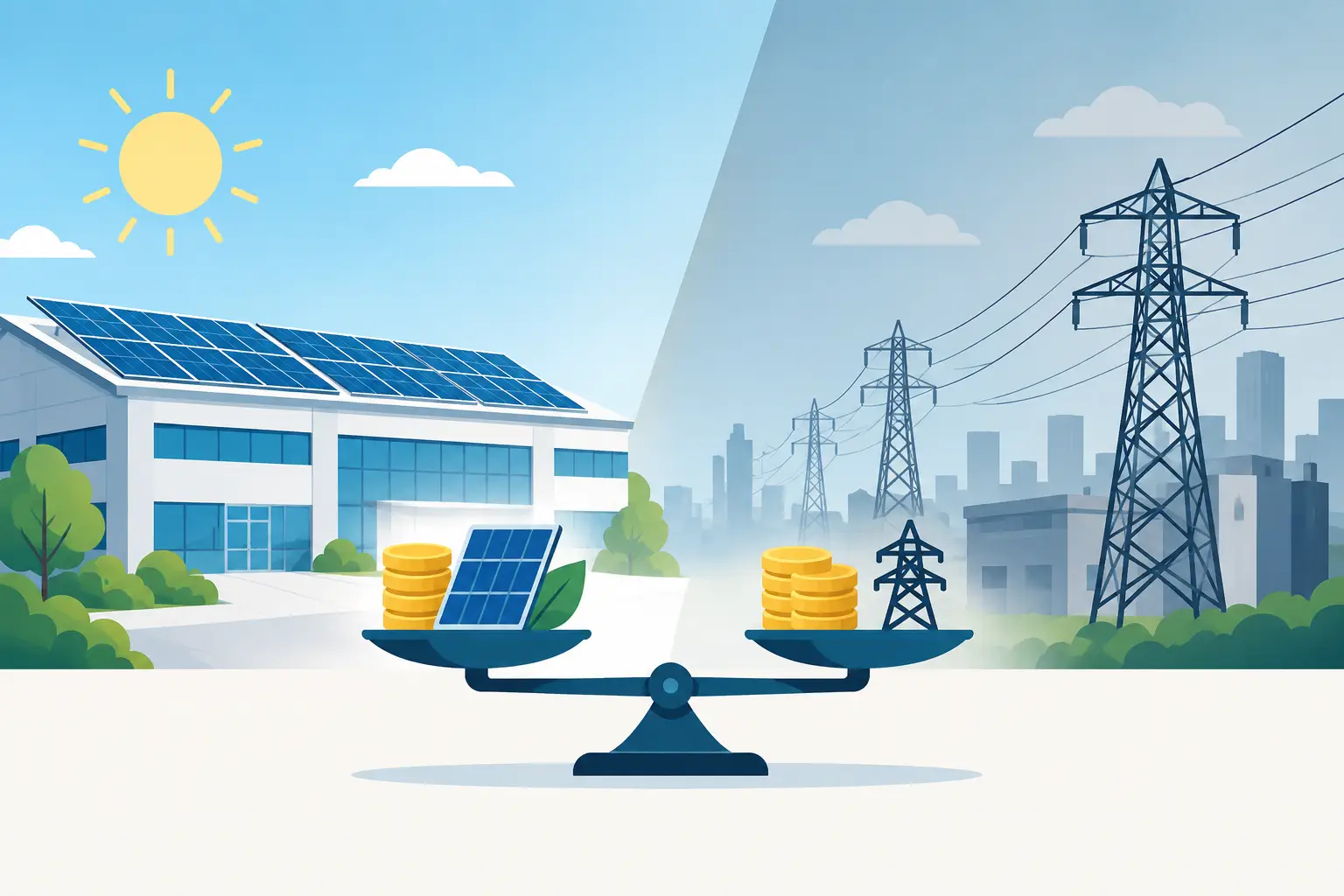
This distinction matters. A kilowatt-hour used directly by your store may avoid a significant daytime grid charge, while a kilowatt-hour exported to the grid generally earns a much lower feed-in tariff. A strong commercial solar design aims to match generation to the site’s daytime load, rather than simply fitting the largest possible array on the roof.
Retailers are often well placed because their daytime loads are consistent. A grocer may have refrigeration operating from opening through to close. A fashion or homewares store may have lighting, air conditioning, security systems and computer equipment running across business hours. Cafes, salons and medical retailers can have particularly high demand during the middle of the day.
The key question is not, “How much electricity does the shop use in a year?” It is, “How much power does the shop use when the solar system is producing?” Half-hourly interval data provides a far clearer answer than a single monthly bill total.
Start With Your Load Profile and Electricity Tariff
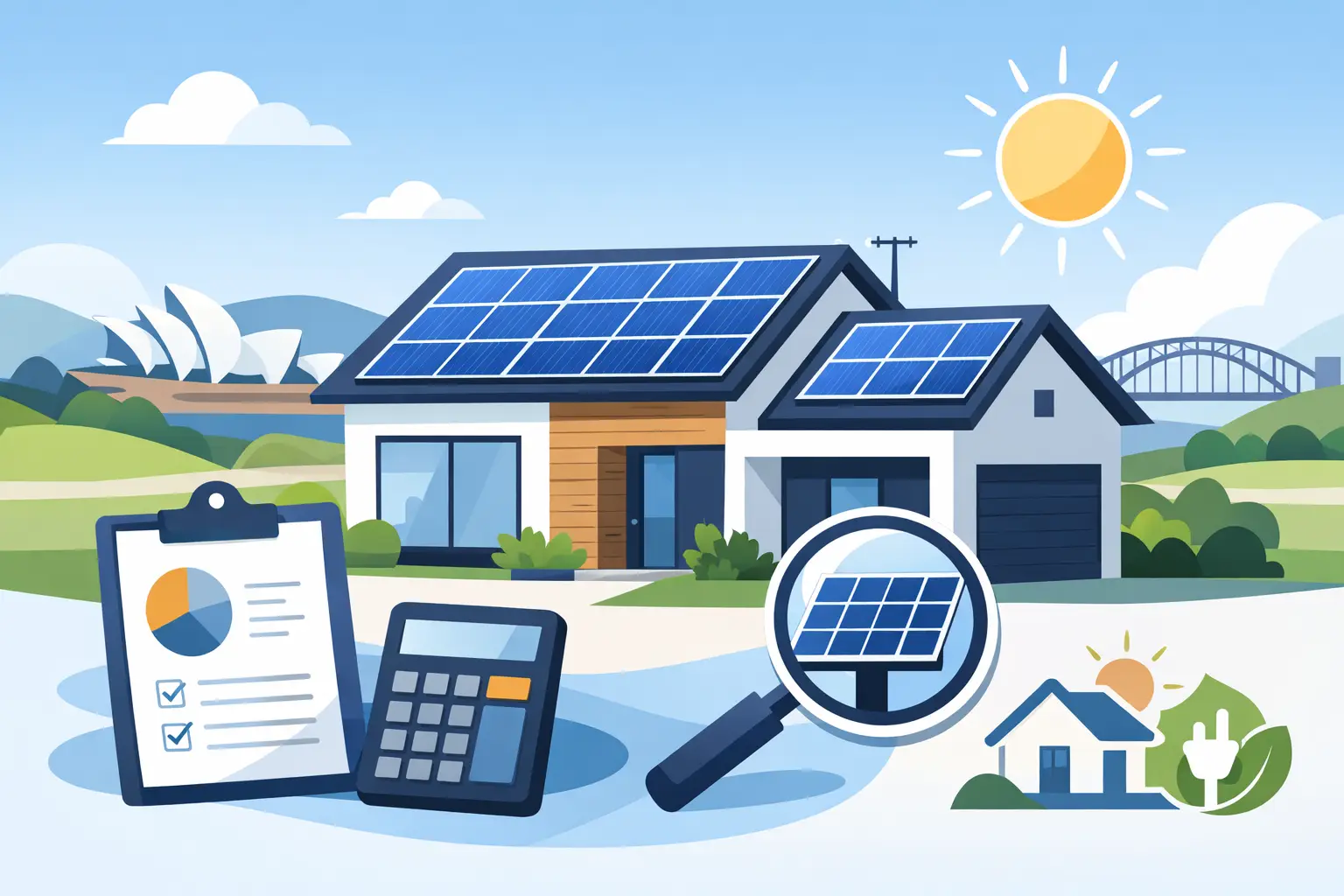
Before choosing a system size, examine at least 12 months of electricity bills and, where available, interval consumption data. This captures seasonal changes in heating and cooling, trading peaks, holiday closures and the effect of refrigeration or other fixed loads.
A capable solar assessment should consider four connected factors:
- daytime electricity use, including the site’s minimum load before trading starts
- the tariff structure, including usage rates, demand charges and feed-in rates
- usable roof area, orientation, shading and structural constraints
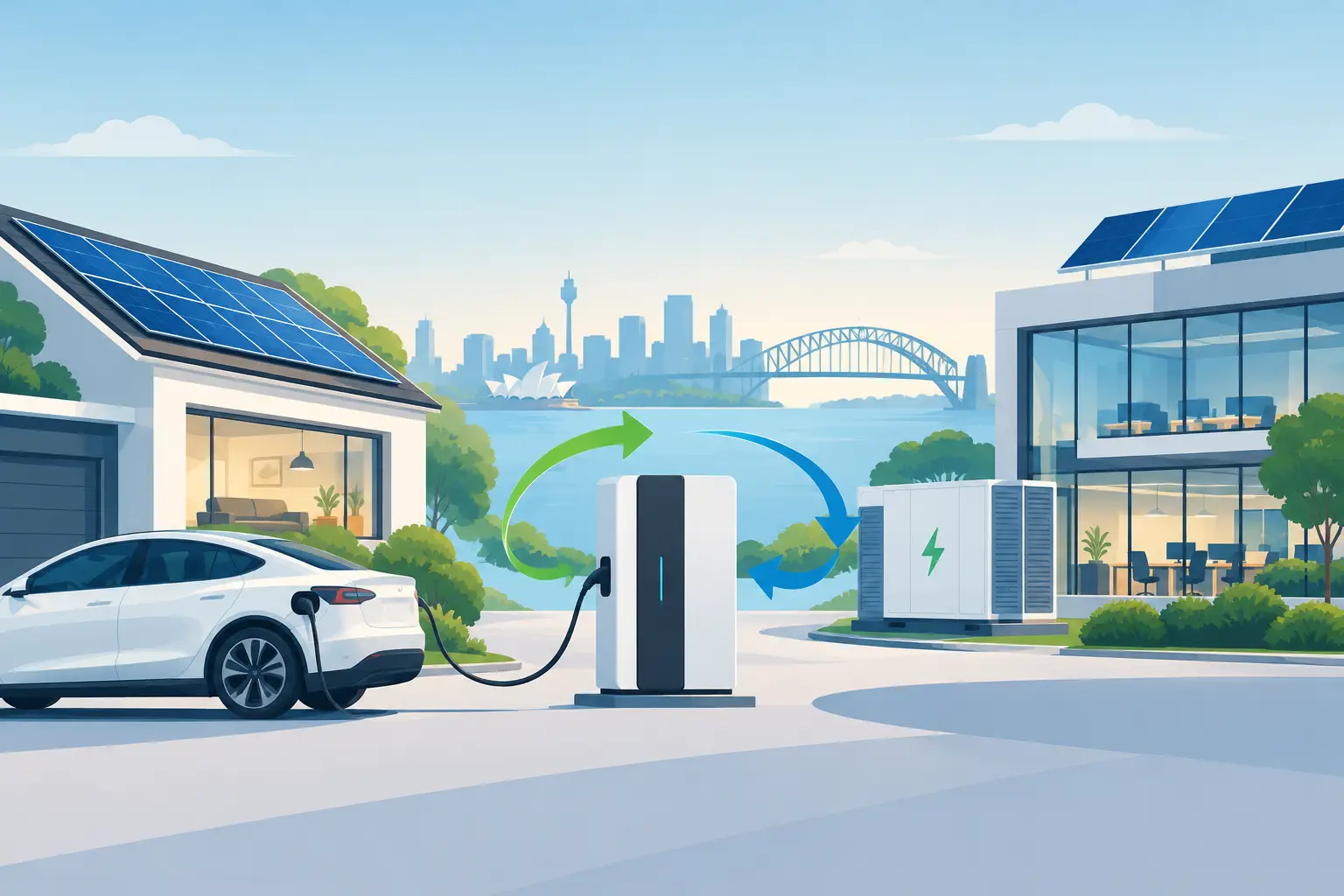
- future electrical loads, such as additional refrigeration, fit-outs, battery storage or EV chargers
A retailer on a flat energy tariff may see savings primarily from avoided imported electricity. A larger business on a demand-based tariff may also need to manage short periods of high demand. Solar can help reduce daytime demand, but it will not automatically eliminate a demand charge if the site’s highest peak occurs after sunset or when solar output is low.
This is why bill analysis matters. Two stores with similar floor areas can have very different savings opportunities. One may have a stable daytime load that supports a larger system. Another may close early, use little energy at midday and benefit from a more modest array paired with operational changes or storage.
Do Not Oversize for Export Alone
Exporting excess solar is not necessarily a problem, but it should not be the main financial case for most retail sites. Feed-in rates can change, export limits may apply, and midday export value is commonly much lower than the cost of imported electricity.
A better approach is to size the initial system around reliable self-consumption, then assess whether planned growth justifies additional capacity. For example, a retailer planning new display refrigeration, extended trading hours or workplace EV charging may sensibly design electrical infrastructure that allows expansion later.
Design Choices That Affect Savings Over Decades
Commercial solar is a long-term asset. Panel count matters, but system performance also depends on equipment quality, roof layout, inverter selection, electrical protection, monitoring and installation workmanship.
North-facing panels typically generate strongly across the day, but east-west layouts can be valuable for retailers. East-facing panels can support morning opening loads, while west-facing panels can extend production later into the afternoon when air conditioning, lighting and customer traffic may still be high. The best layout depends on your store’s actual energy profile and roof geometry.
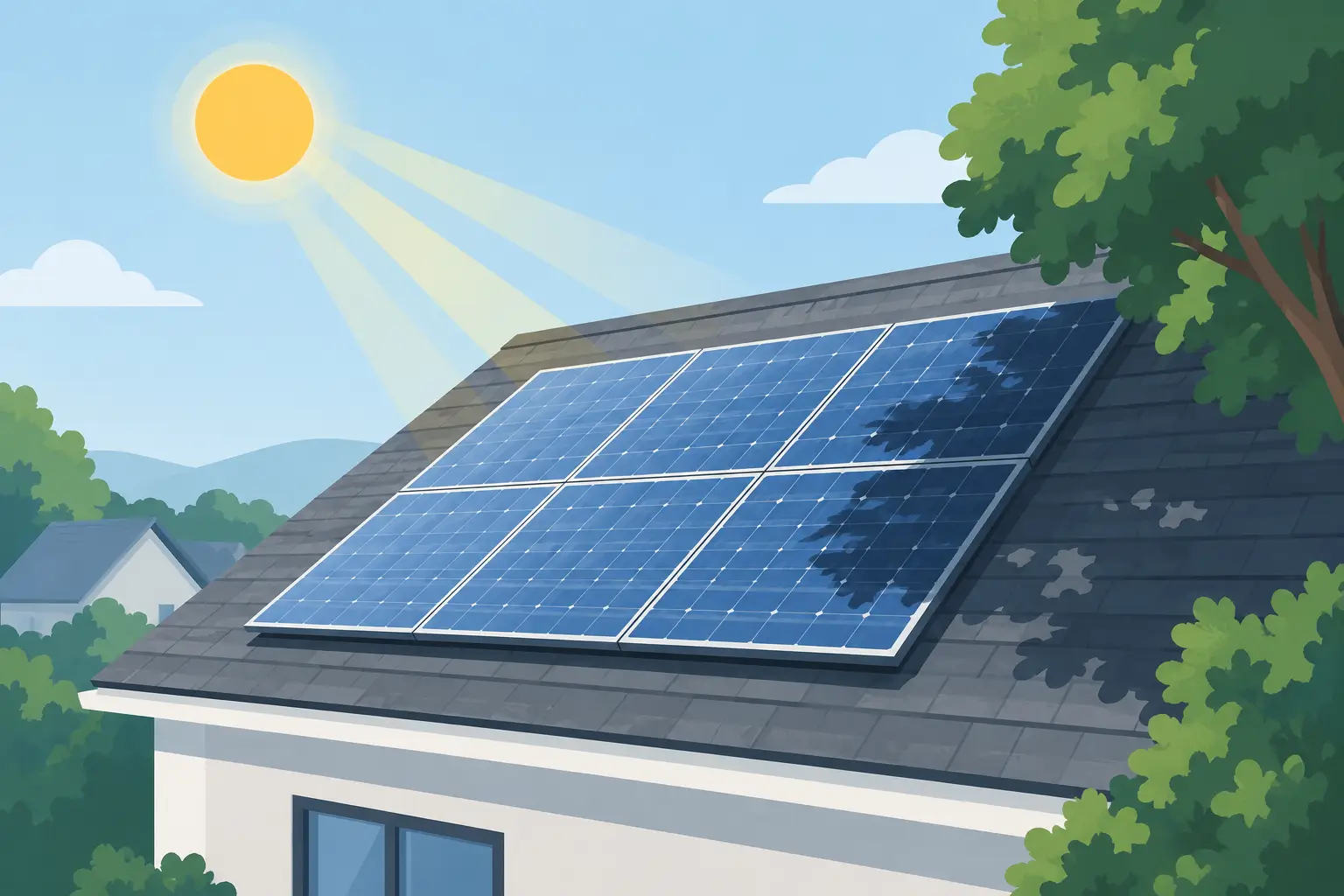
Shading deserves careful attention. Nearby buildings, parapets, roof plant, signage and trees can affect output at different times of year. A detailed site assessment should identify these constraints before installation, rather than treating lower production as an unavoidable surprise after commissioning.
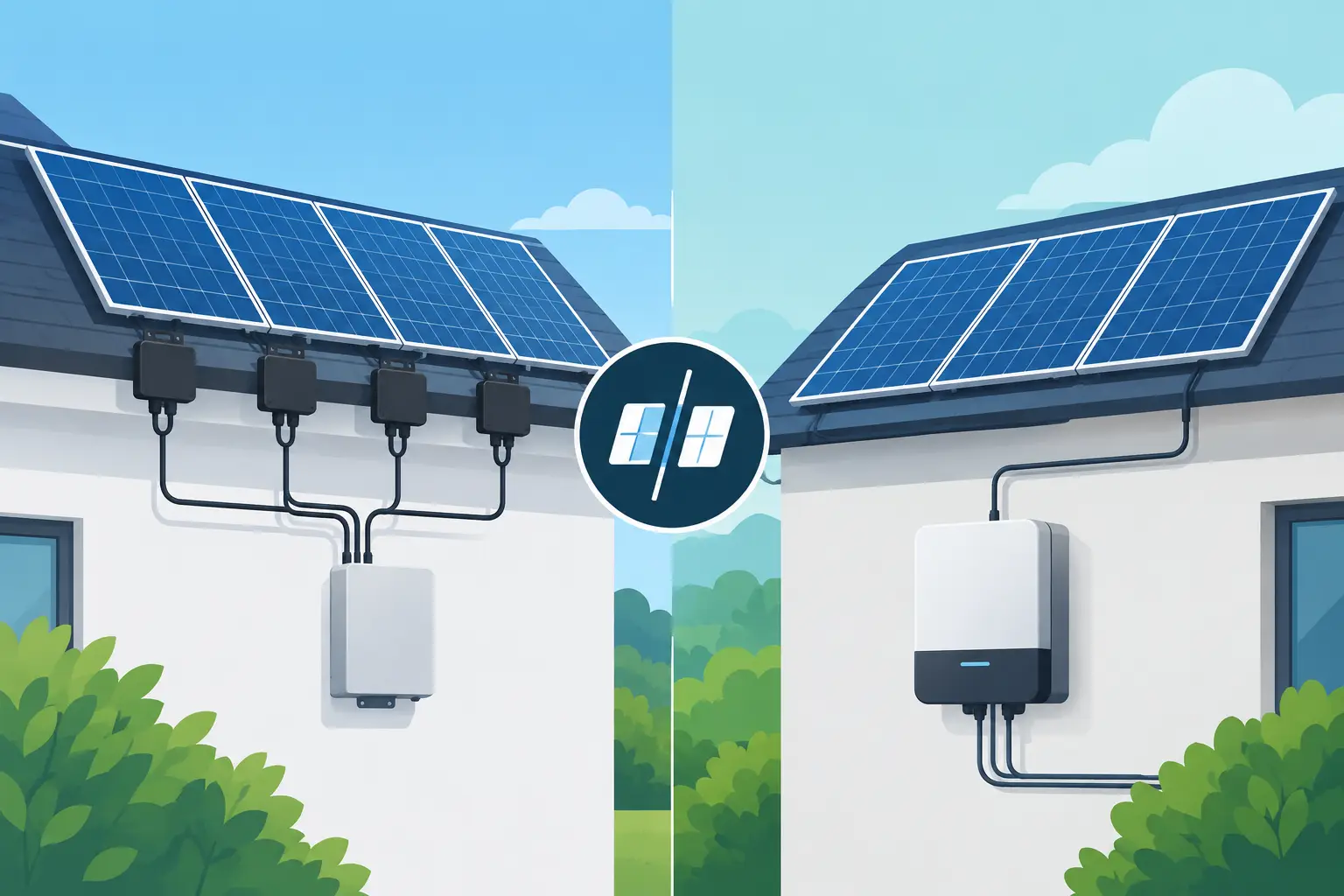
Inverters should be selected for the system design and the operating environment, not simply on upfront price. Commercial sites may need multiple inverters, optimised string layouts or equipment that supports detailed monitoring. Monitoring is especially useful for multi-site operators because it can reveal underperformance, unexpected shutdowns and changes in consumption patterns before they become costly.
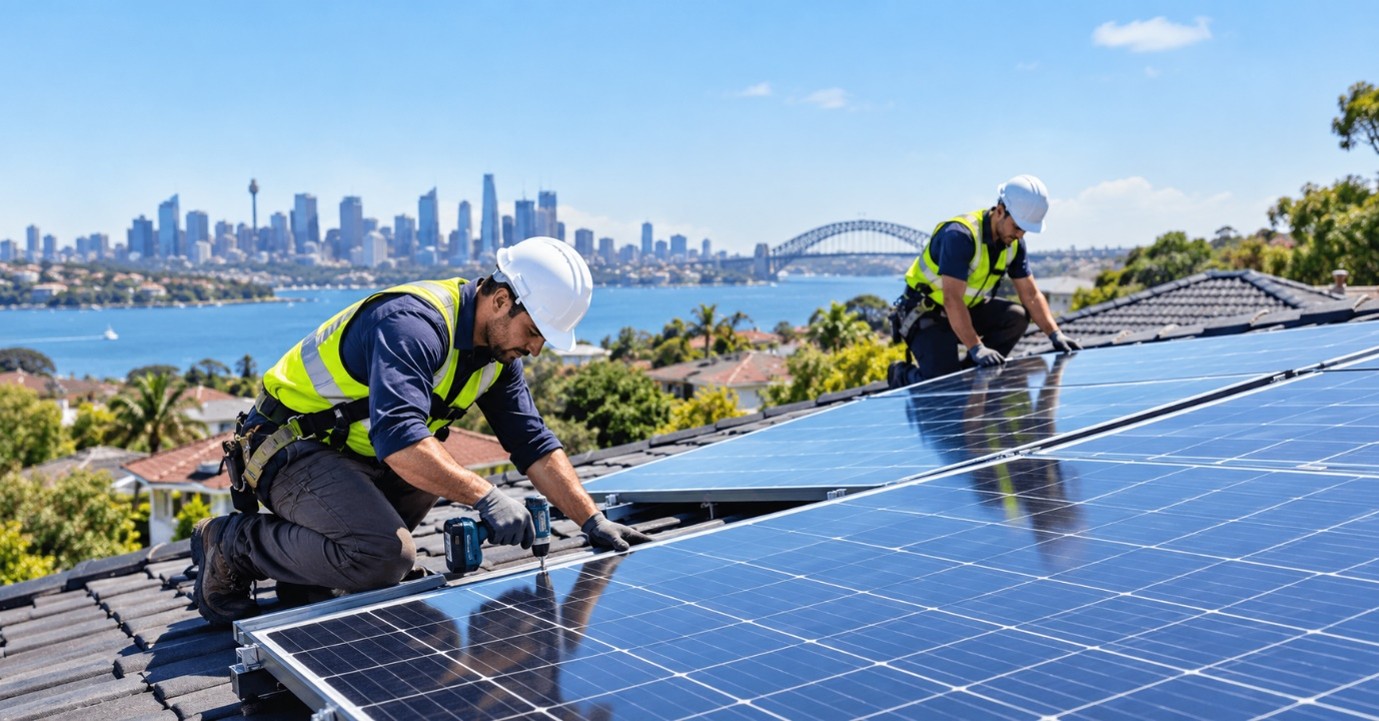
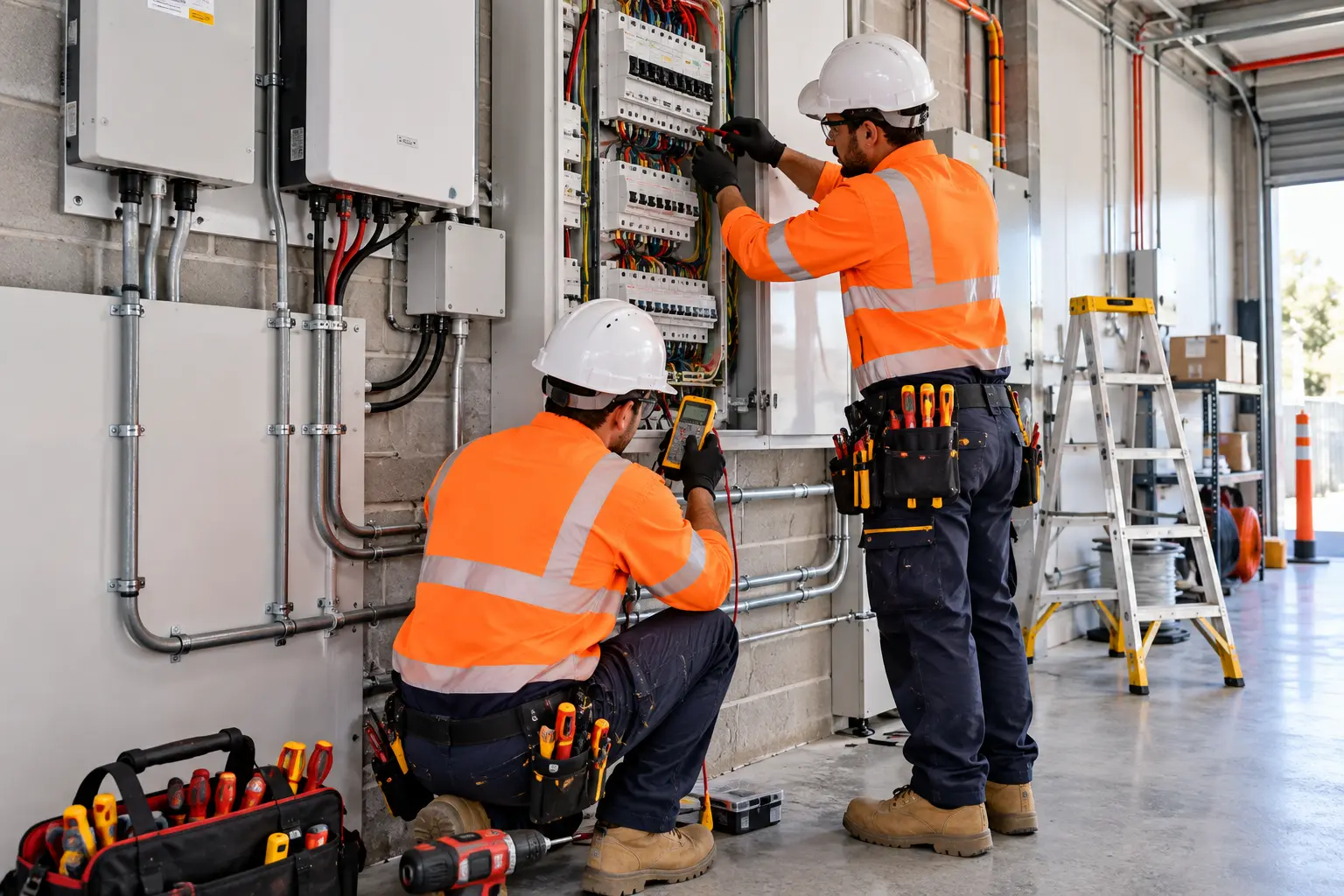
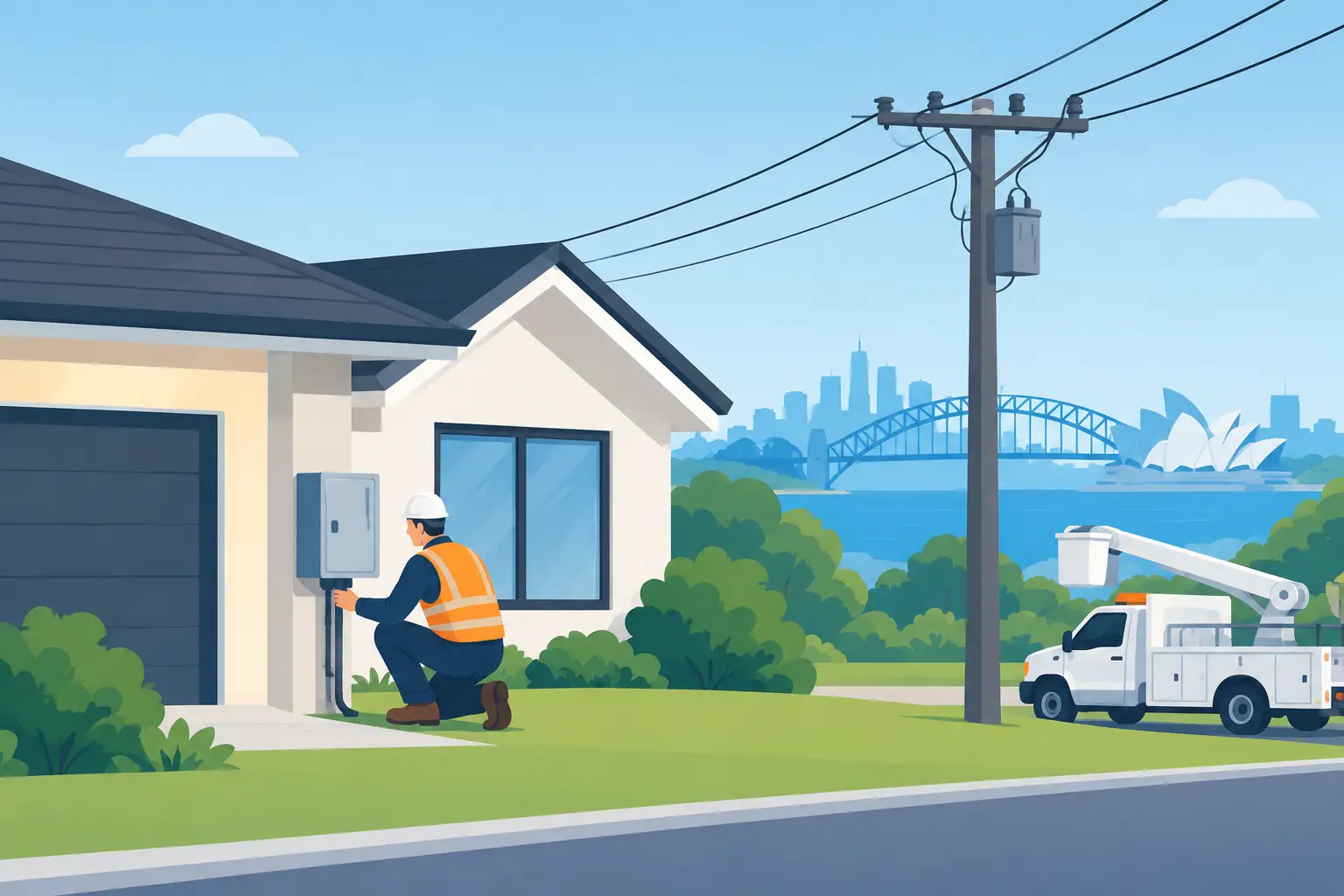
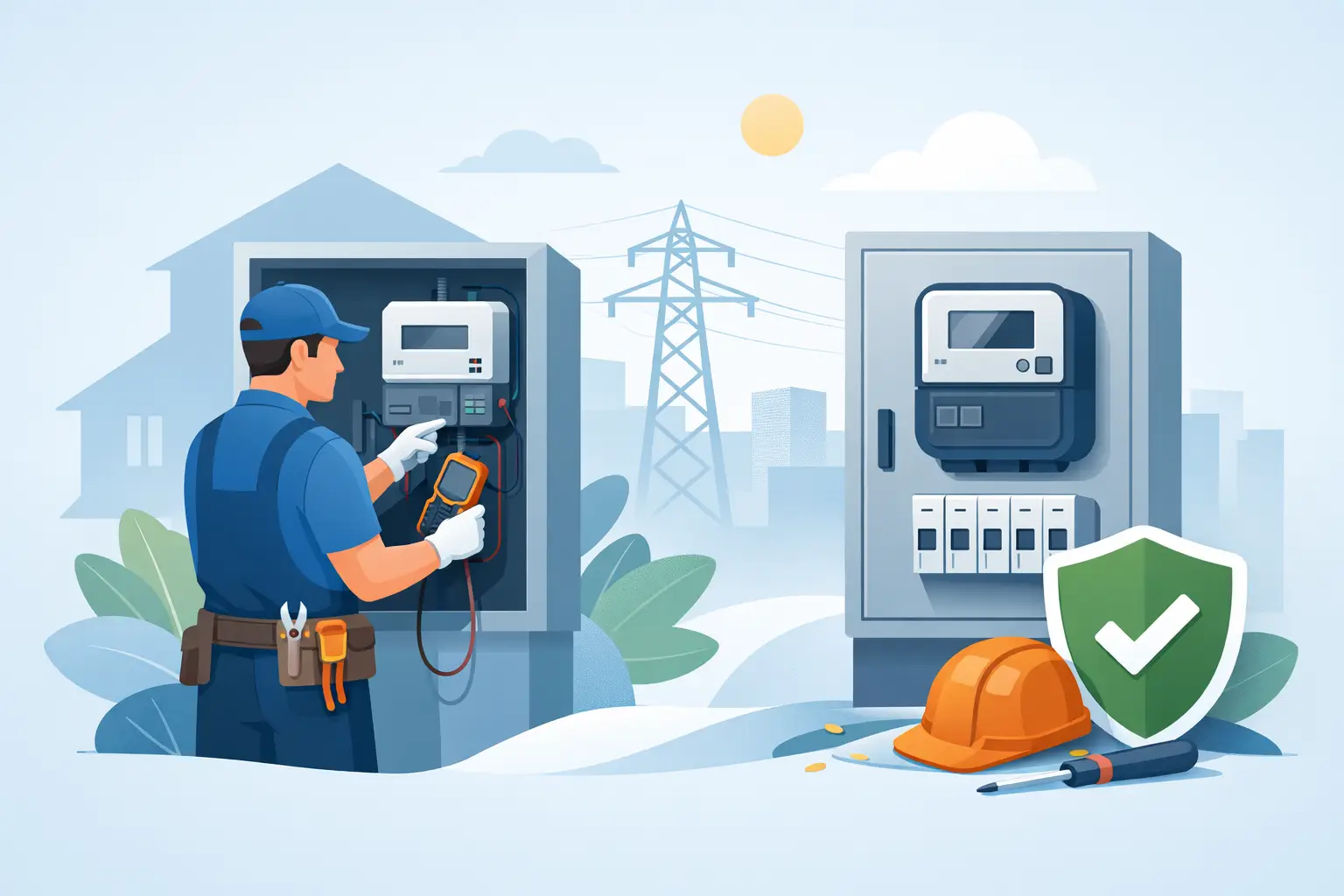
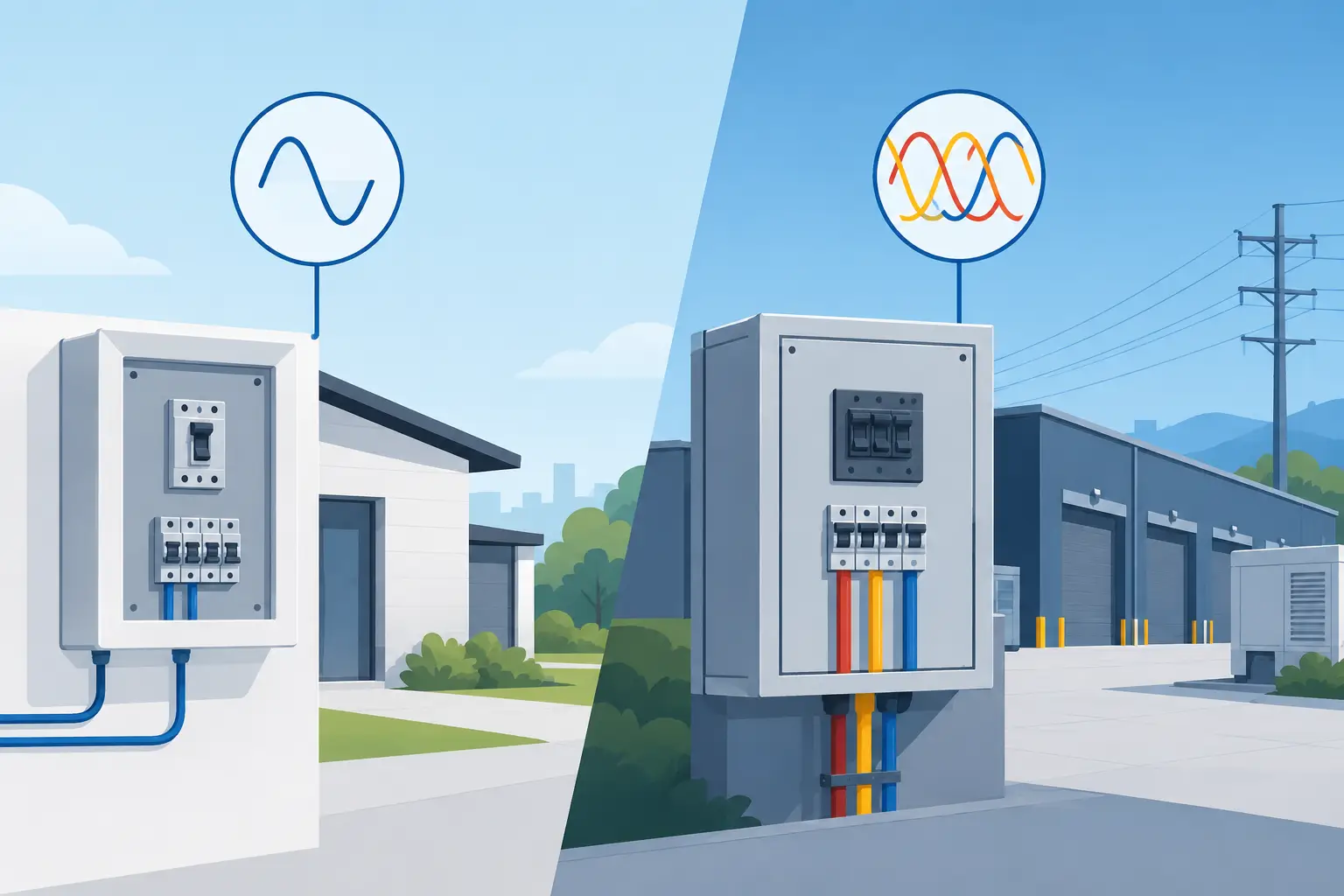
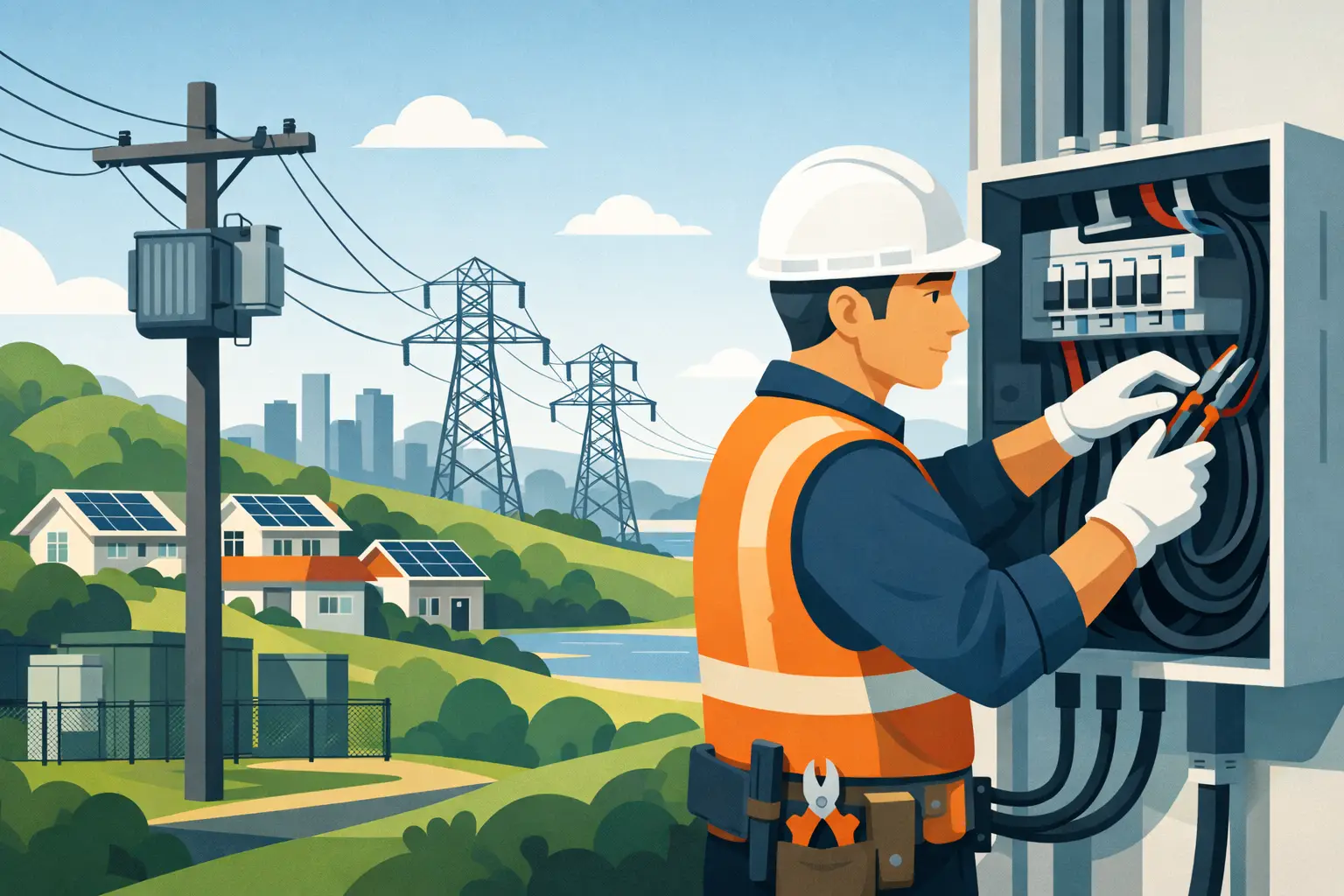
For NSW businesses, grid connection requirements and switchboard capacity can also shape the project. A retail tenancy or older building may require electrical upgrades, metering changes or work at the point of supply. Choosing a contractor with both solar accreditation and Level 2 ASP capability can reduce handovers between separate providers and keep safety, compliance and connection work coordinated.
Battery Storage Can Improve Value, But It Is Not Automatic
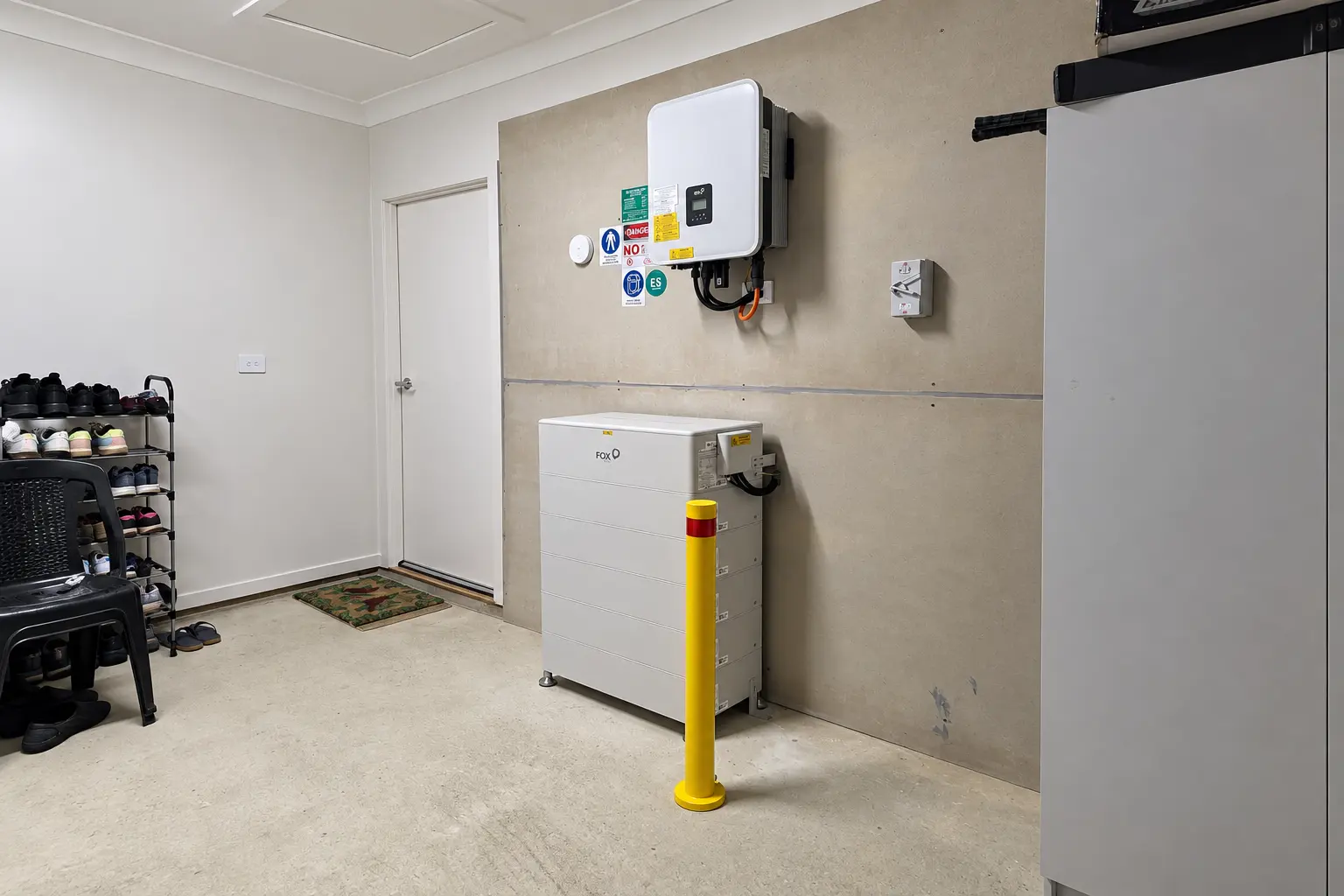
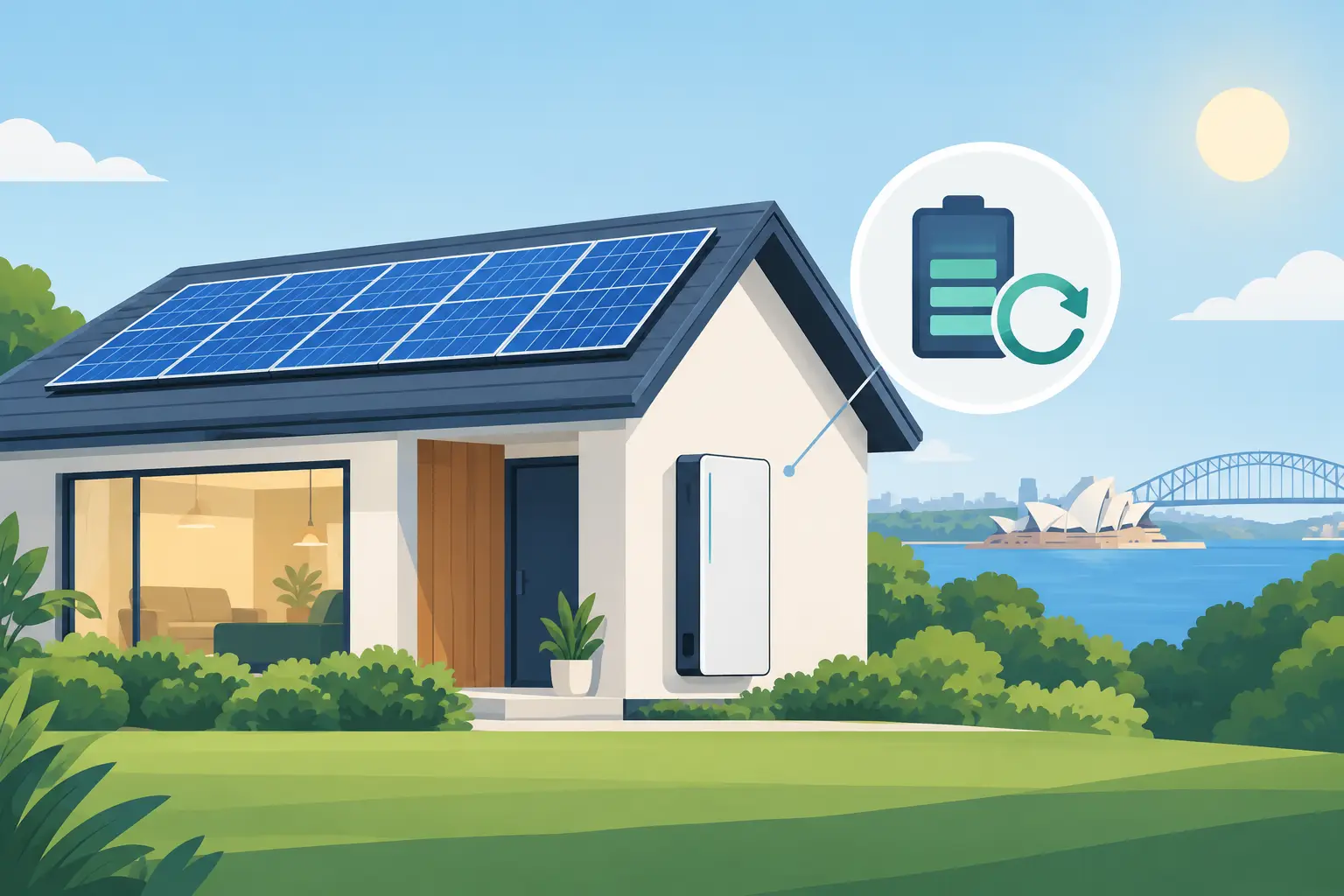
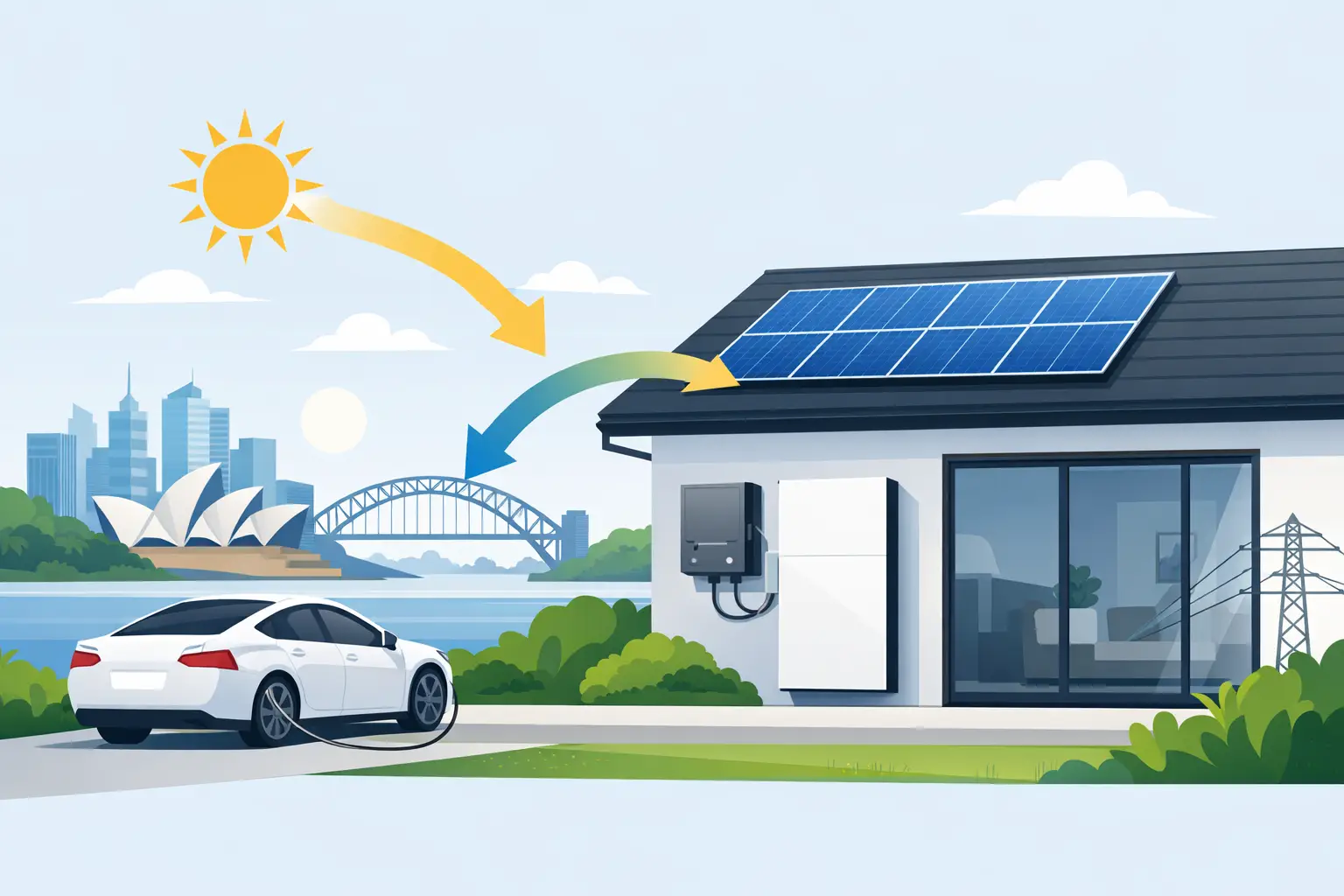
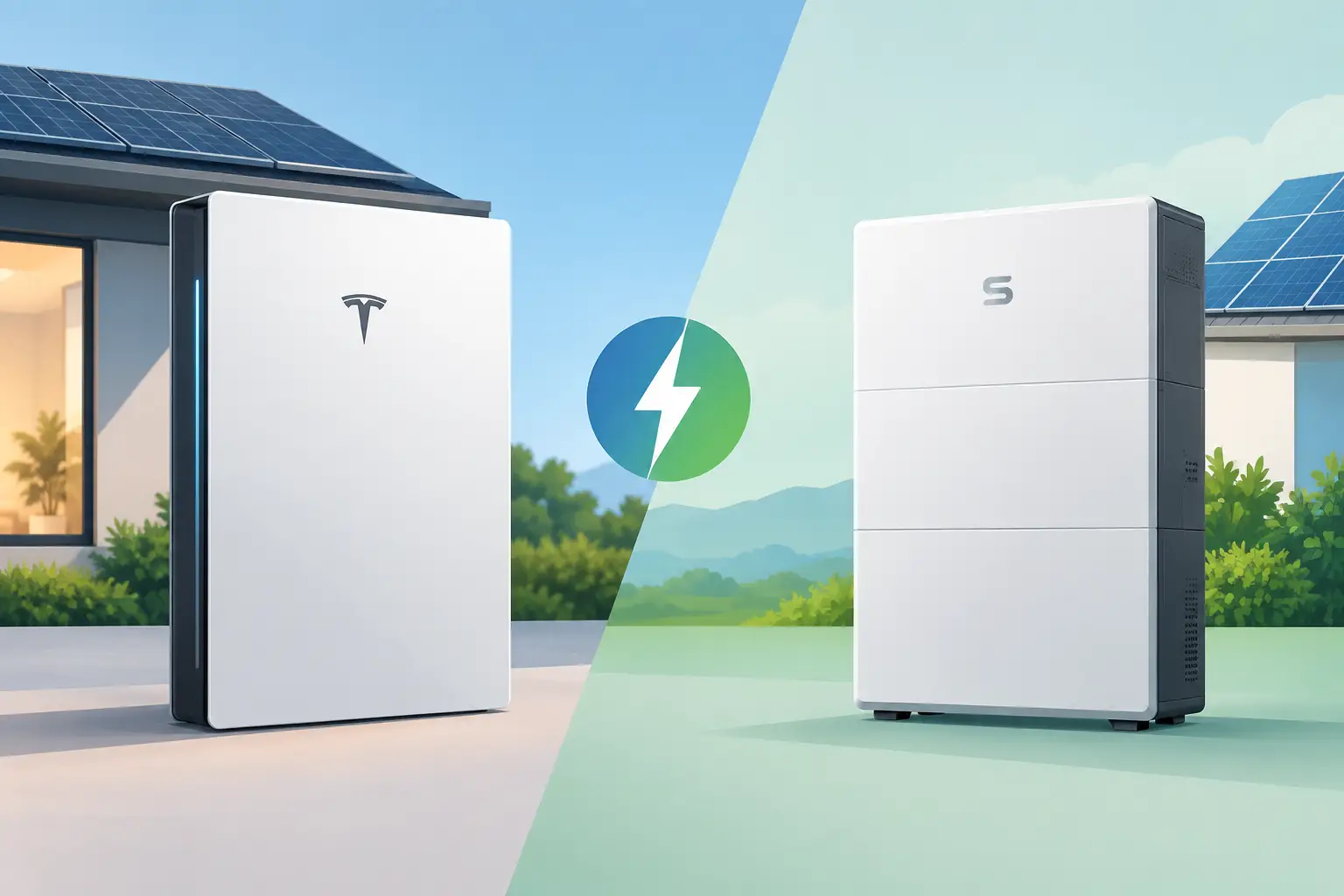
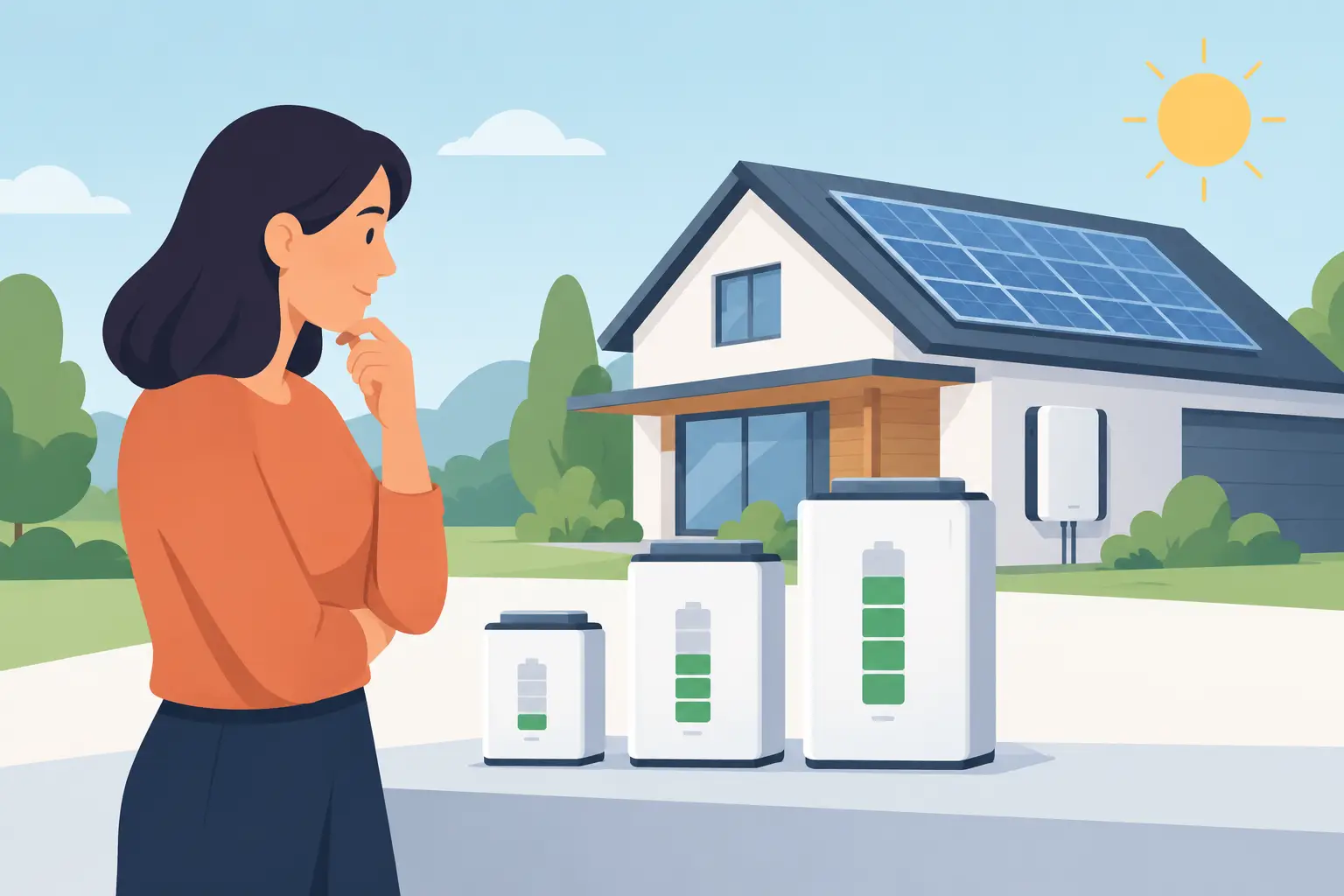
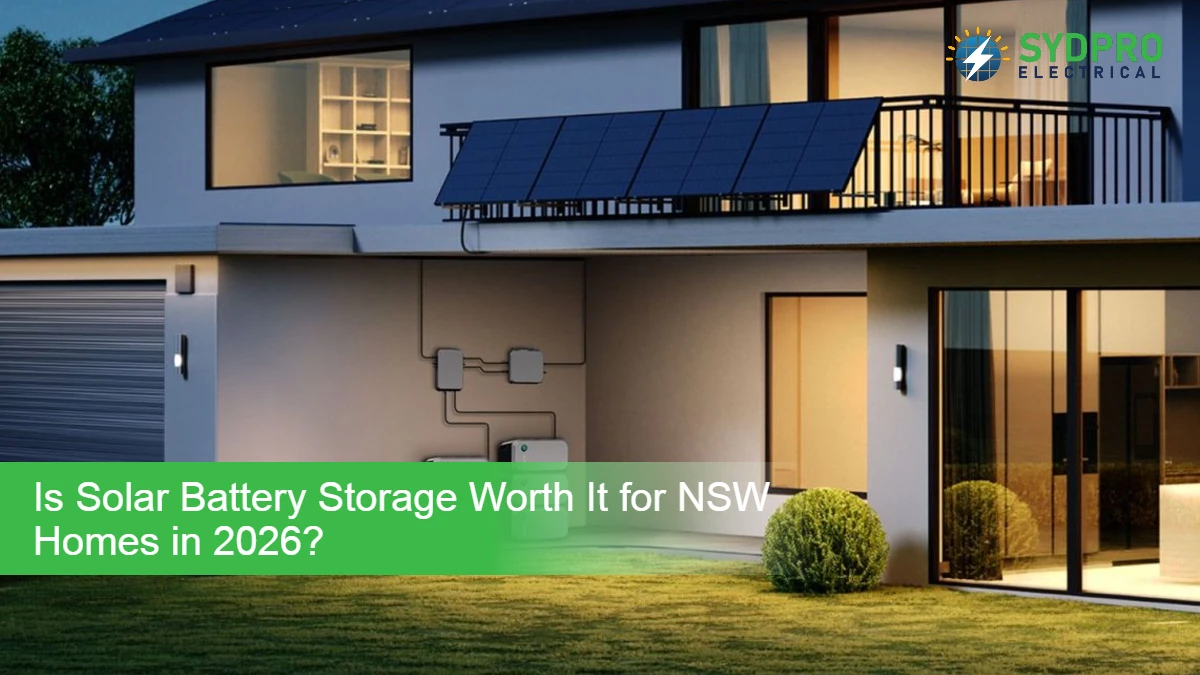
A battery can increase the proportion of solar energy used on site by storing surplus daytime generation for use later. For retail stores with evening trading, high late-afternoon demand or a strong need for resilience, this can make practical and financial sense.
However, batteries are not automatically the next step for every business. Their value depends on the gap between imported electricity costs and export value, the amount of surplus solar available, load after solar production falls, tariff conditions and the business’s need for backup power.
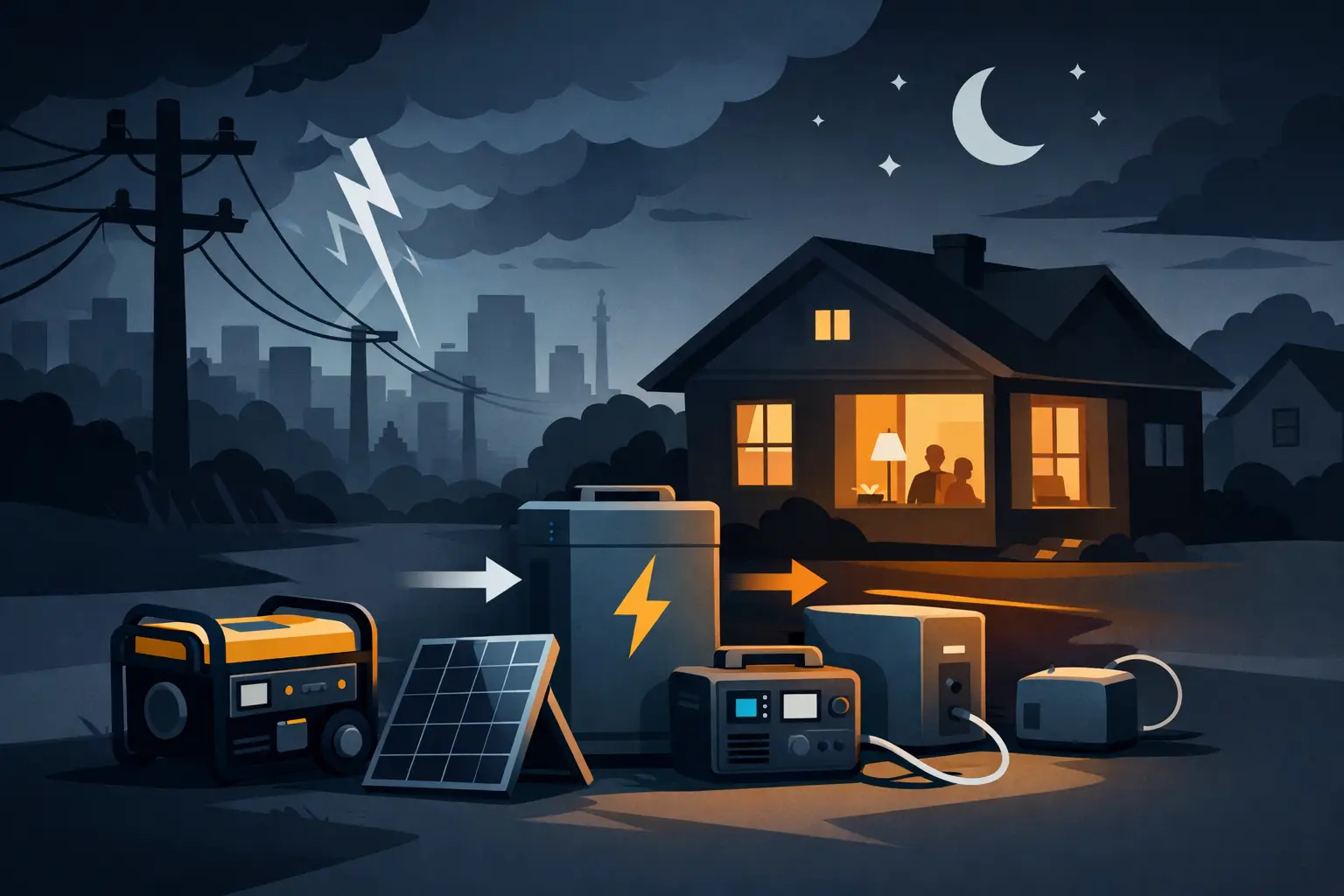
A store that consumes nearly all of its solar generation during the day may achieve excellent results without a battery. A business with substantial afternoon and evening use may have a stronger battery case. If backup is required, the design must also identify which essential circuits will continue operating during an outage. Backup capacity is not the same as powering every appliance as normal.
It is often sensible to install a solar system that is battery-ready, provided the switchboard, inverter strategy and space allowance have been properly planned. This preserves options without forcing an investment before the numbers support it.
Turn Solar Into an Operating-Cost Strategy
Solar performs best when the business adjusts controllable loads to use available generation. This does not mean disrupting customer service. It means identifying work that can occur during solar hours, such as pre-cooling the premises before afternoon heat, charging cleaning equipment, scheduling certain food preparation tasks or charging an electric delivery vehicle during the day.
For retailers with air conditioning, controls can be particularly important. Pre-cooling within safe and comfortable limits may reduce the need for heavy grid use later in the day. Refrigeration-heavy businesses should ensure any changes protect product temperatures and comply with operational requirements.
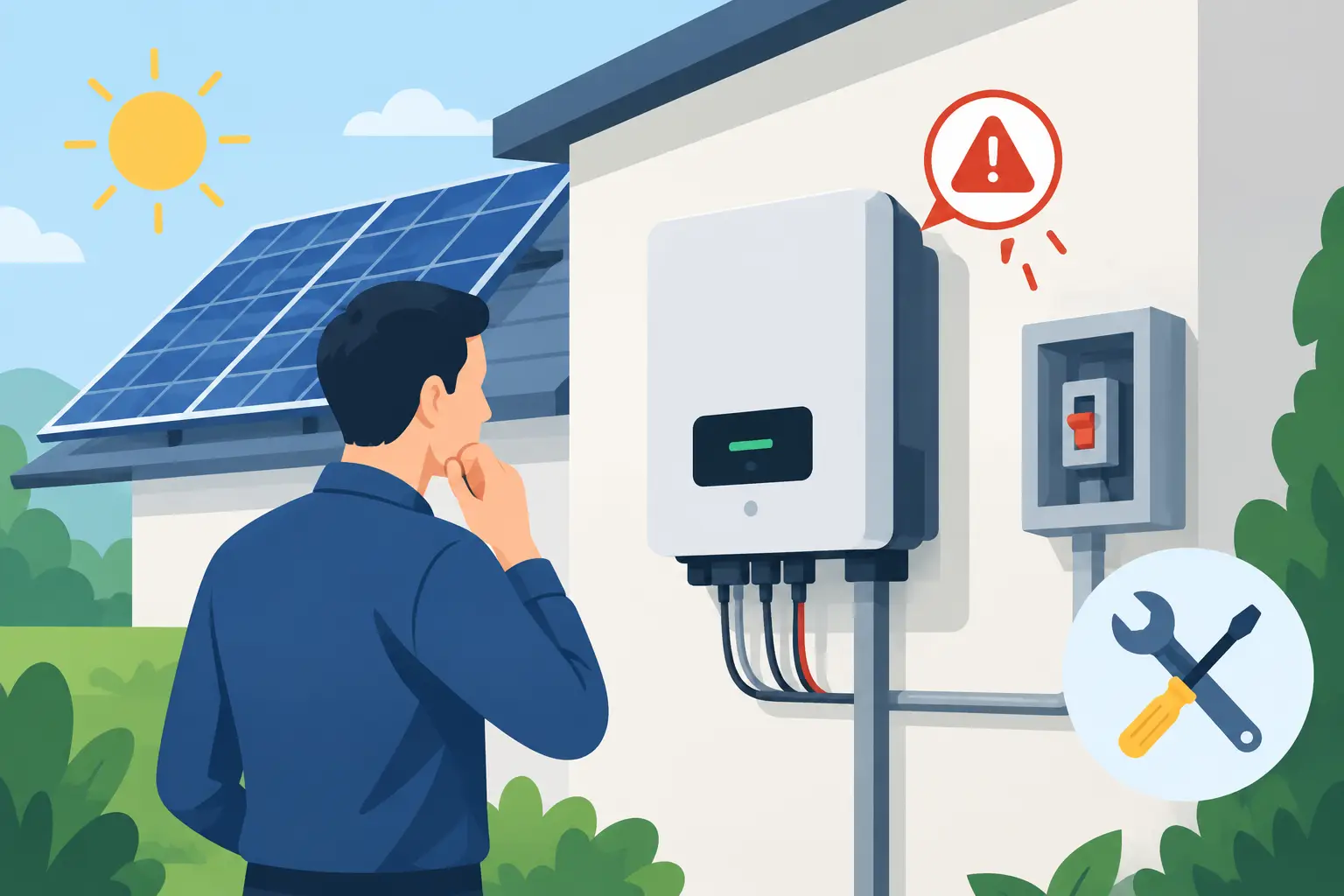
Regular monitoring should become part of normal facilities management. Compare production and site consumption against expectations, review alerts and investigate sudden changes. Dirty panels are not always the cause of poor output. Inverter faults, network interruptions, new shading, altered trading hours and increased site loads can all change results.
Build the Business Case With Conservative Assumptions
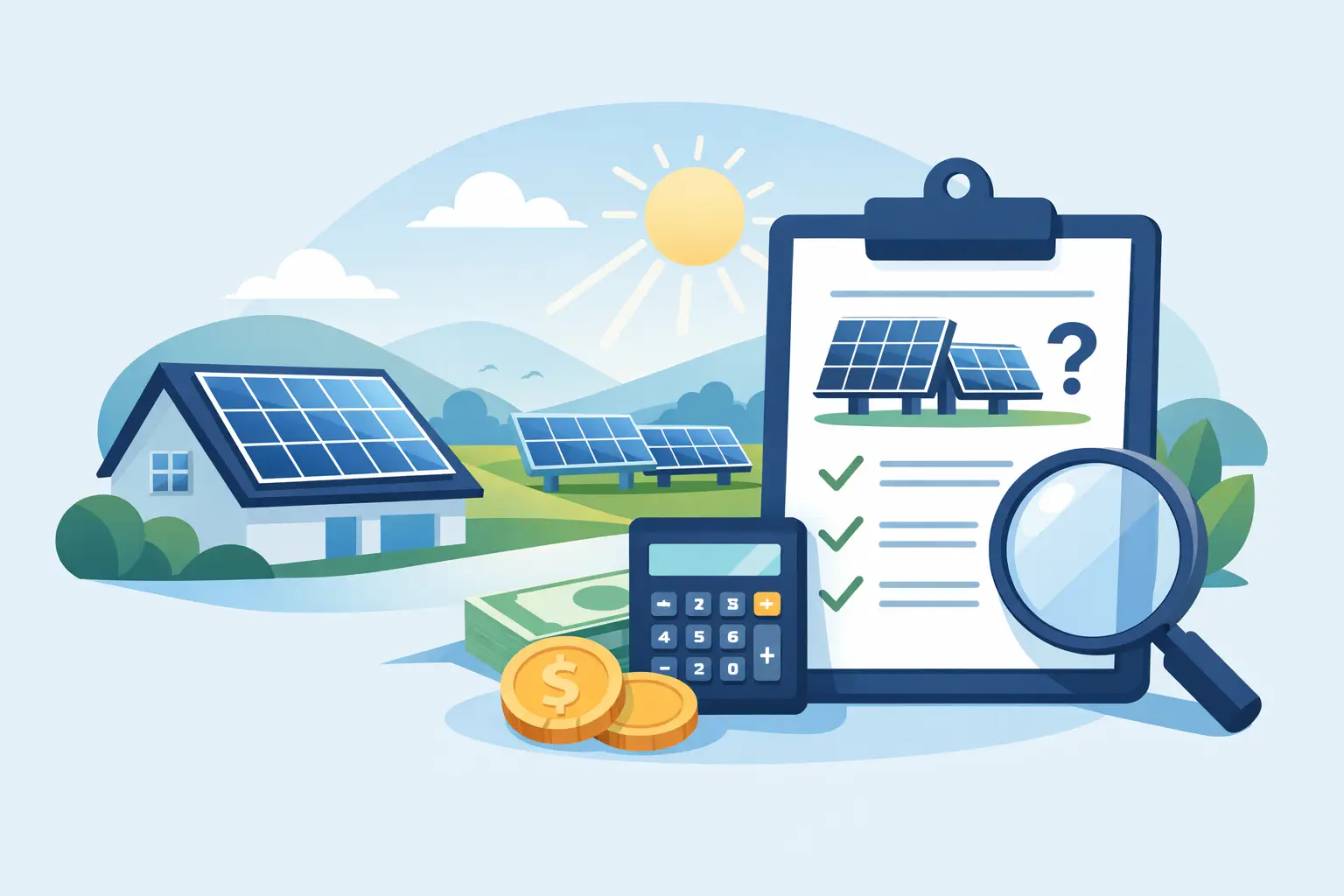
A credible solar proposal should show expected generation, estimated self-consumption, likely exports, equipment included, warranty terms, electrical scope and the assumptions behind the projected savings. Retail owners should be wary of estimates that present a single impressive dollar figure without explaining electricity rates, tariff changes or how much solar will be used on site.
Ask for the quote to separate solar installation costs from any required switchboard, metering or connection work. Transparent scope is especially important in leased premises, where landlord approvals, roof access responsibilities and make-good obligations should be resolved before work begins.
Government incentives and small-scale technology certificates may reduce upfront costs where applicable, but they should not be the only reason a project stacks up. The underlying investment should be supported by the store’s energy use, the quality of the design and a realistic view of long-term electricity costs.
Sydpro Solar Solutions approaches commercial projects with this whole-of-site view, combining accredited solar design with Level 2 ASP electrical capability where the connection and electrical infrastructure require it. That helps retail owners make decisions based on performance, safety and clear project scope rather than headline panel numbers.
The most valuable next step is simple: put your interval data beside your trading hours and identify what your business is buying from the grid between 9 am and 5 pm. That daily overlap is where a well-designed solar system starts earning its place on your roof.