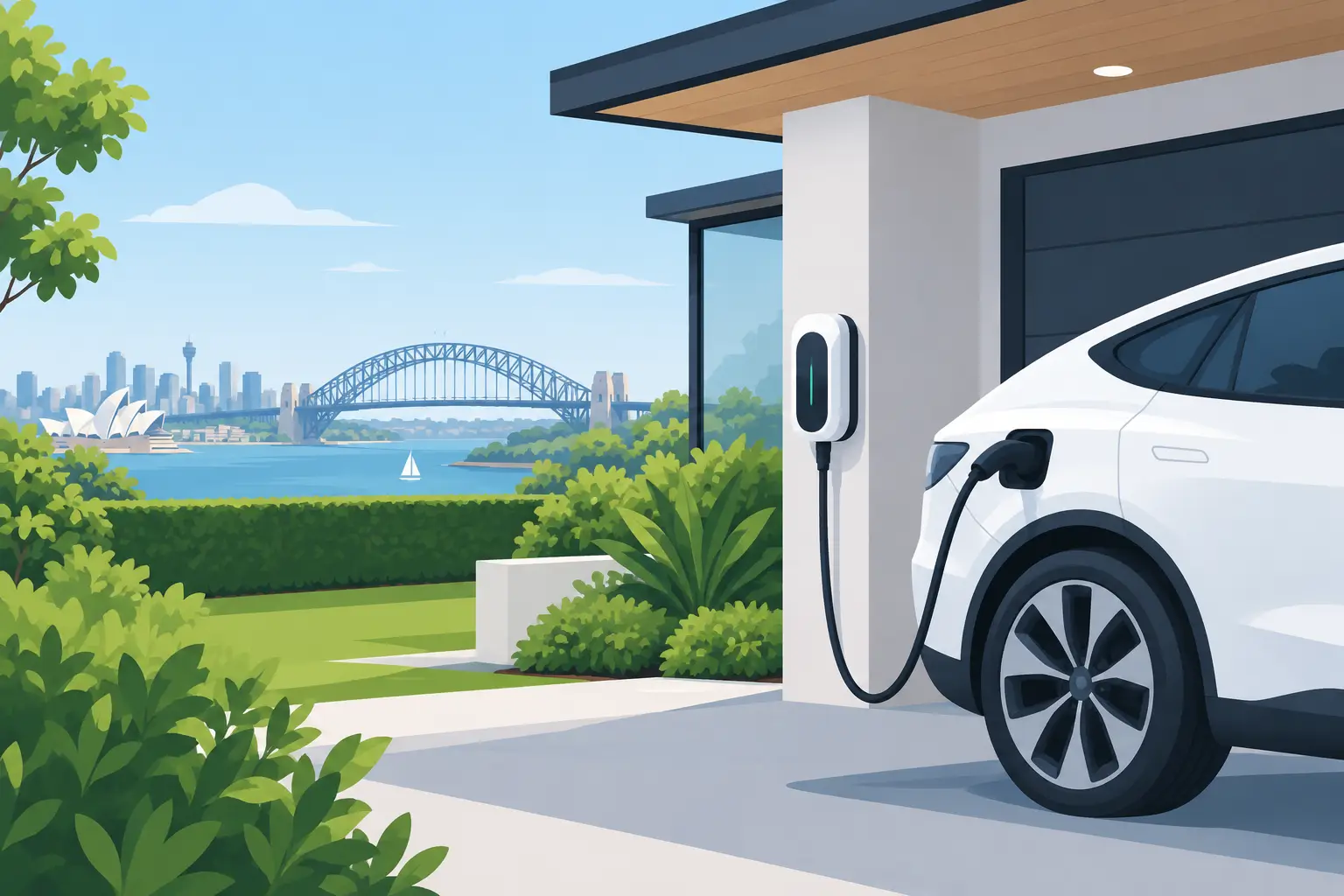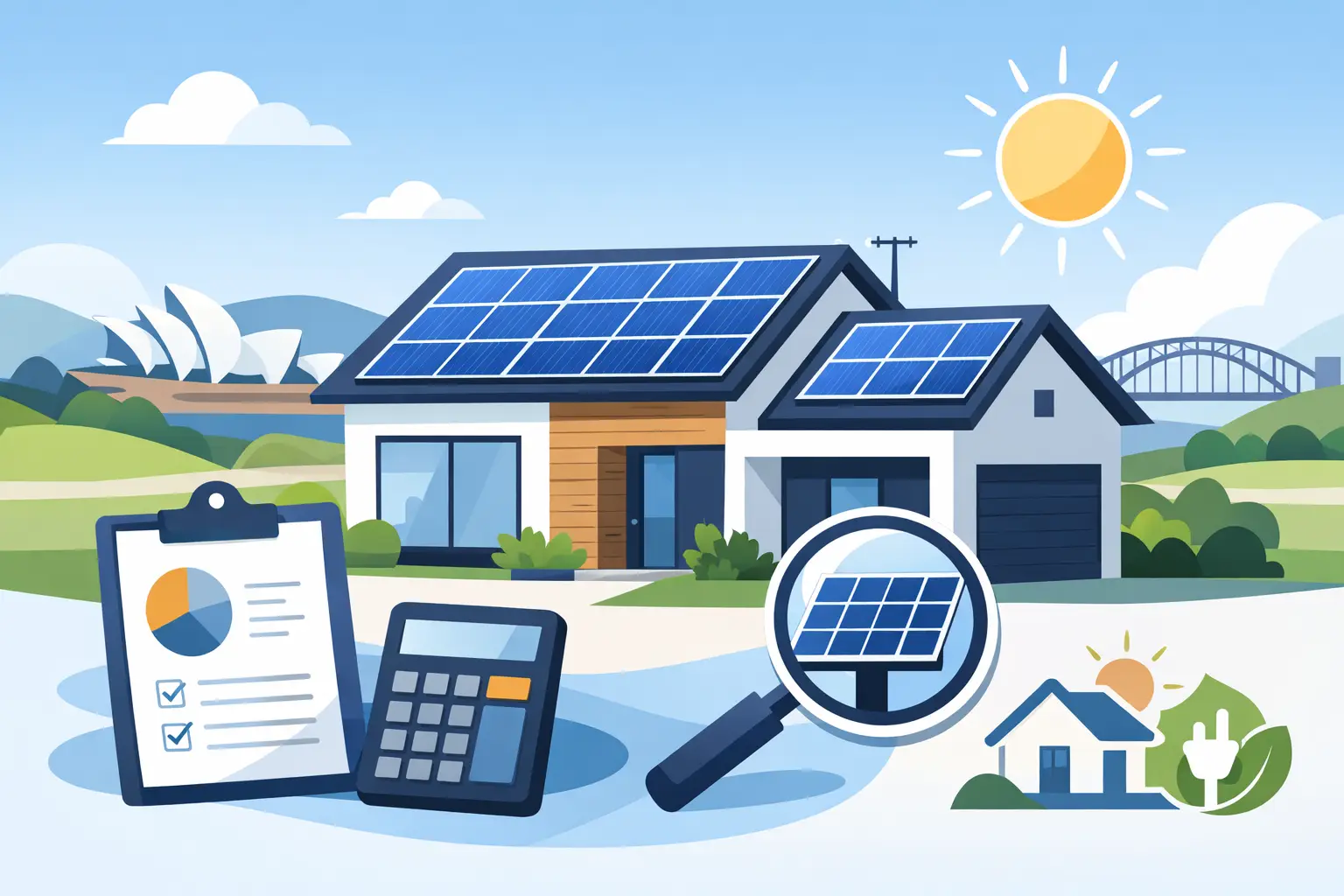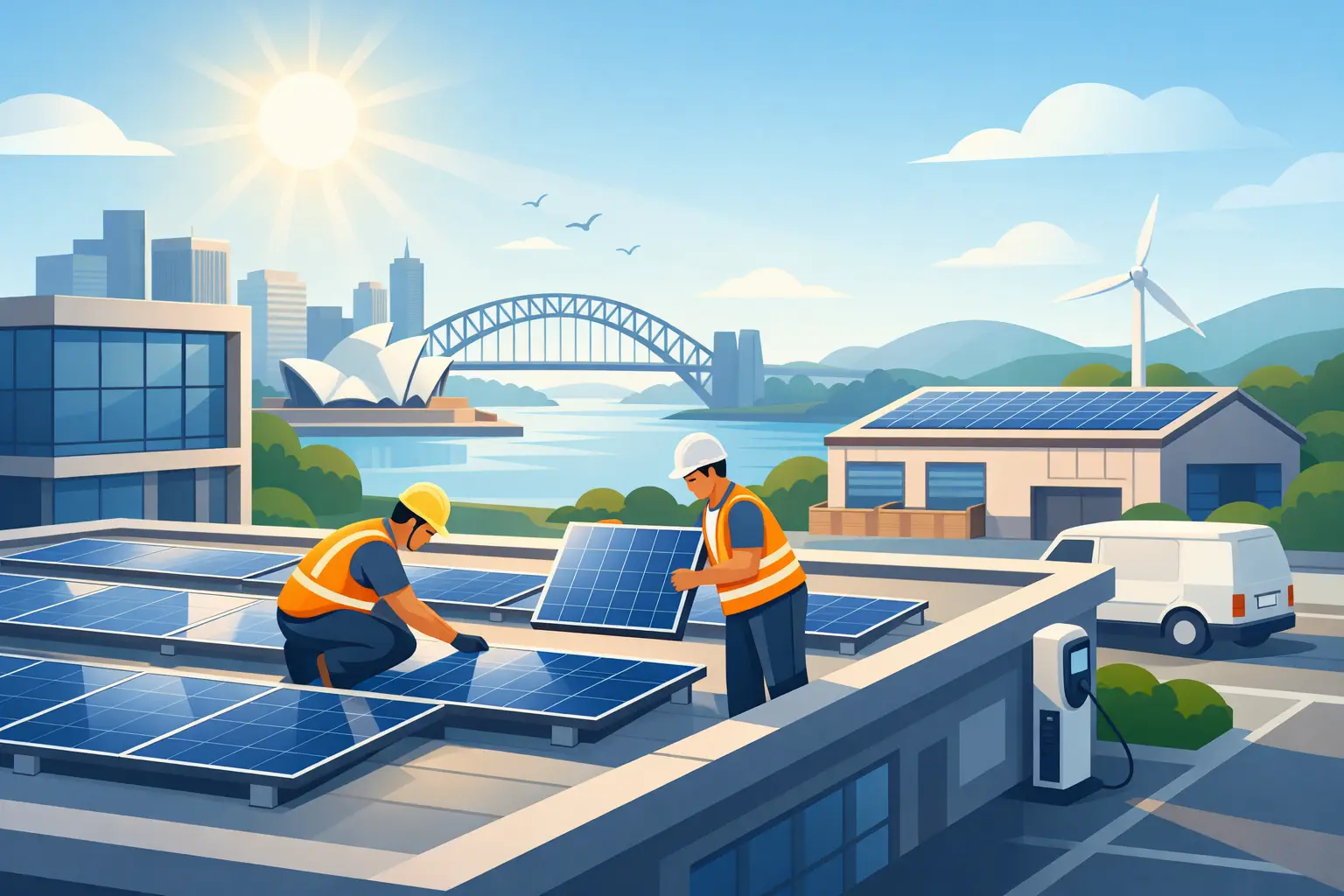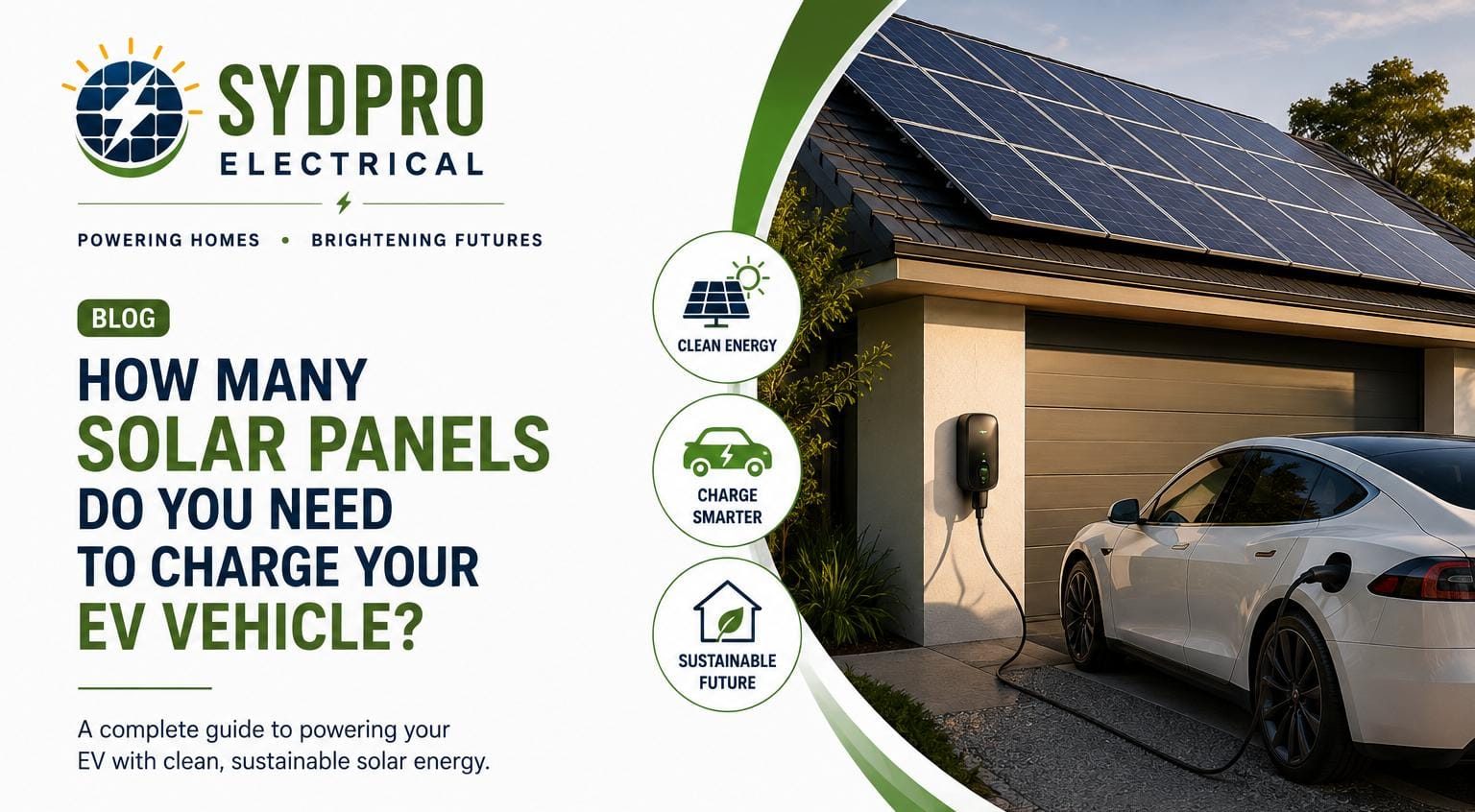
An EV arriving home after work can become one of the biggest electricity loads on a property. The good news is that can EV chargers use solar has a clear answer: yes. A properly designed solar system can power an EV charger, helping NSW households and businesses turn rooftop generation into lower-cost kilometres.
The practical answer is a little more nuanced than simply connecting a charger to solar panels. Solar output changes through the day, household demand comes first, and most vehicles are plugged in during the evening. The best outcome depends on how the charger, solar inverter, battery, switchboard and grid connection work together.
Can EV chargers use solar power directly?
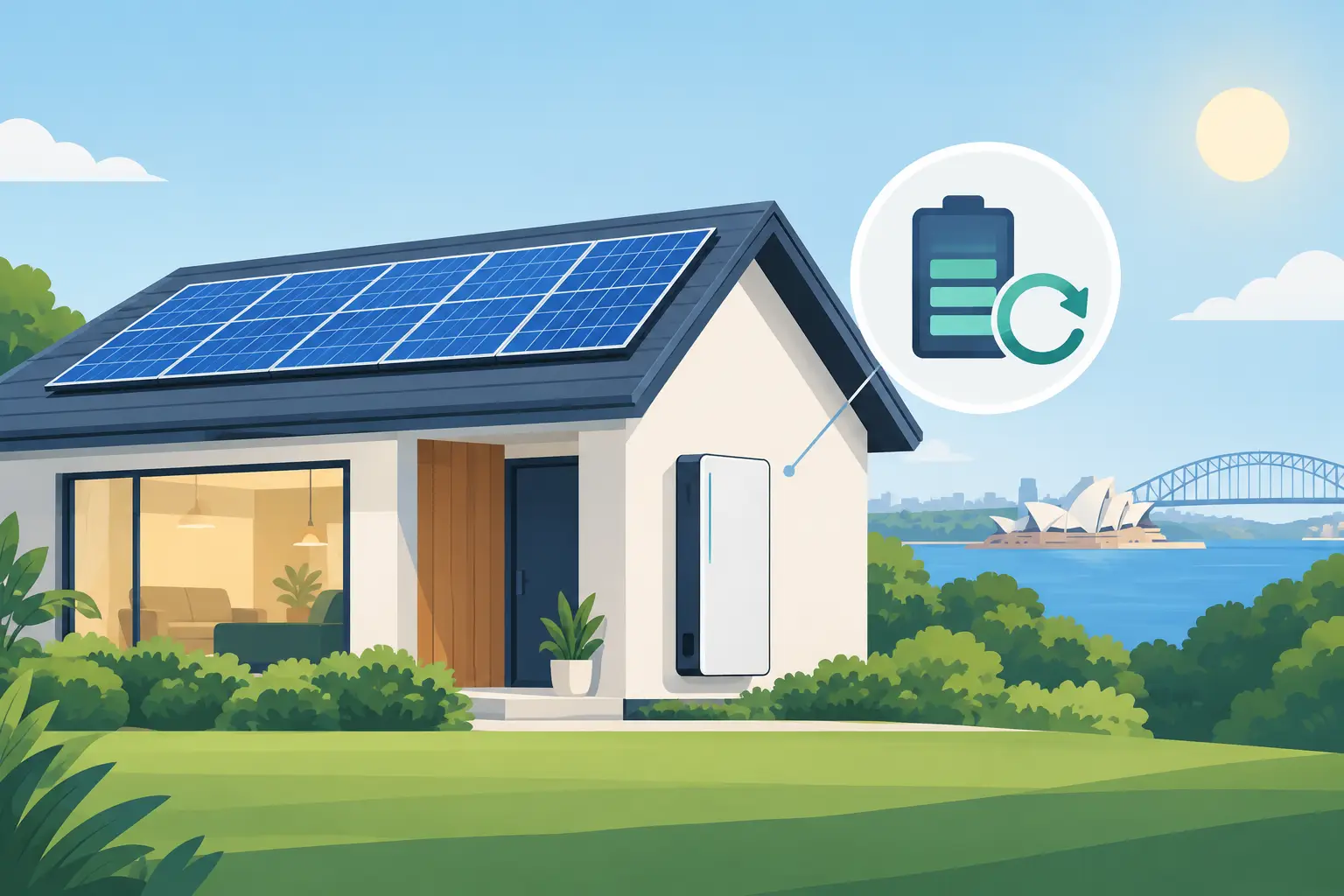
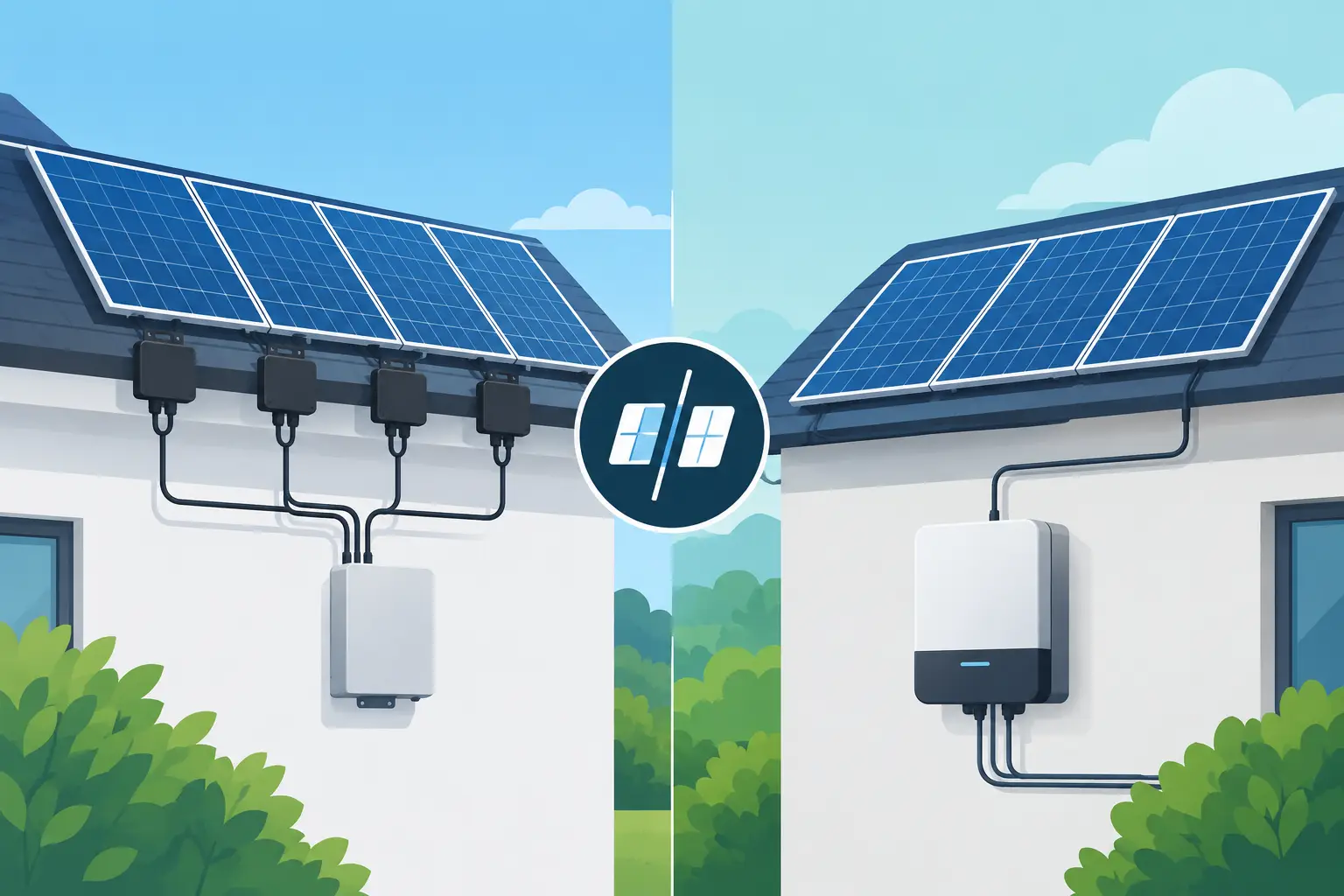
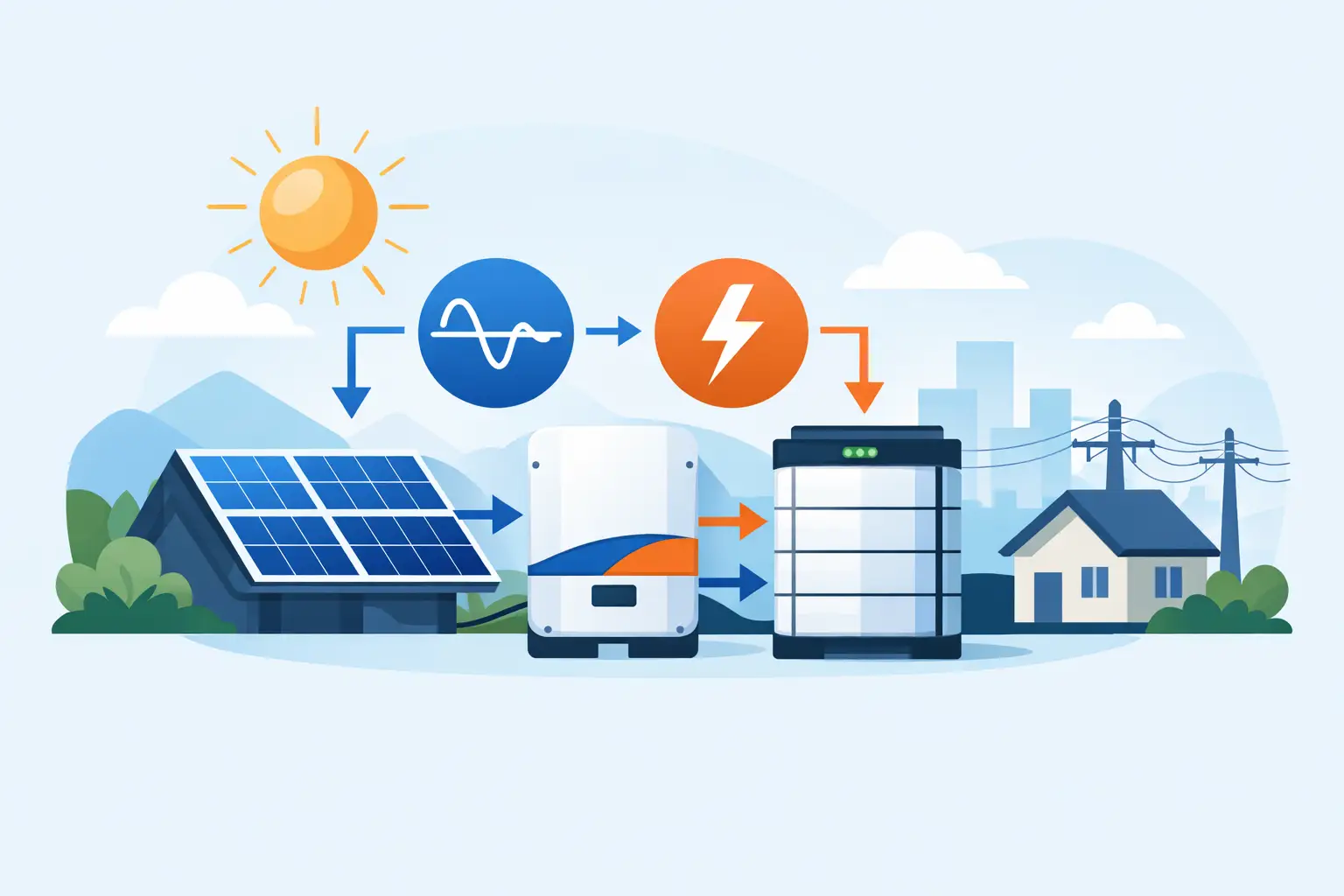
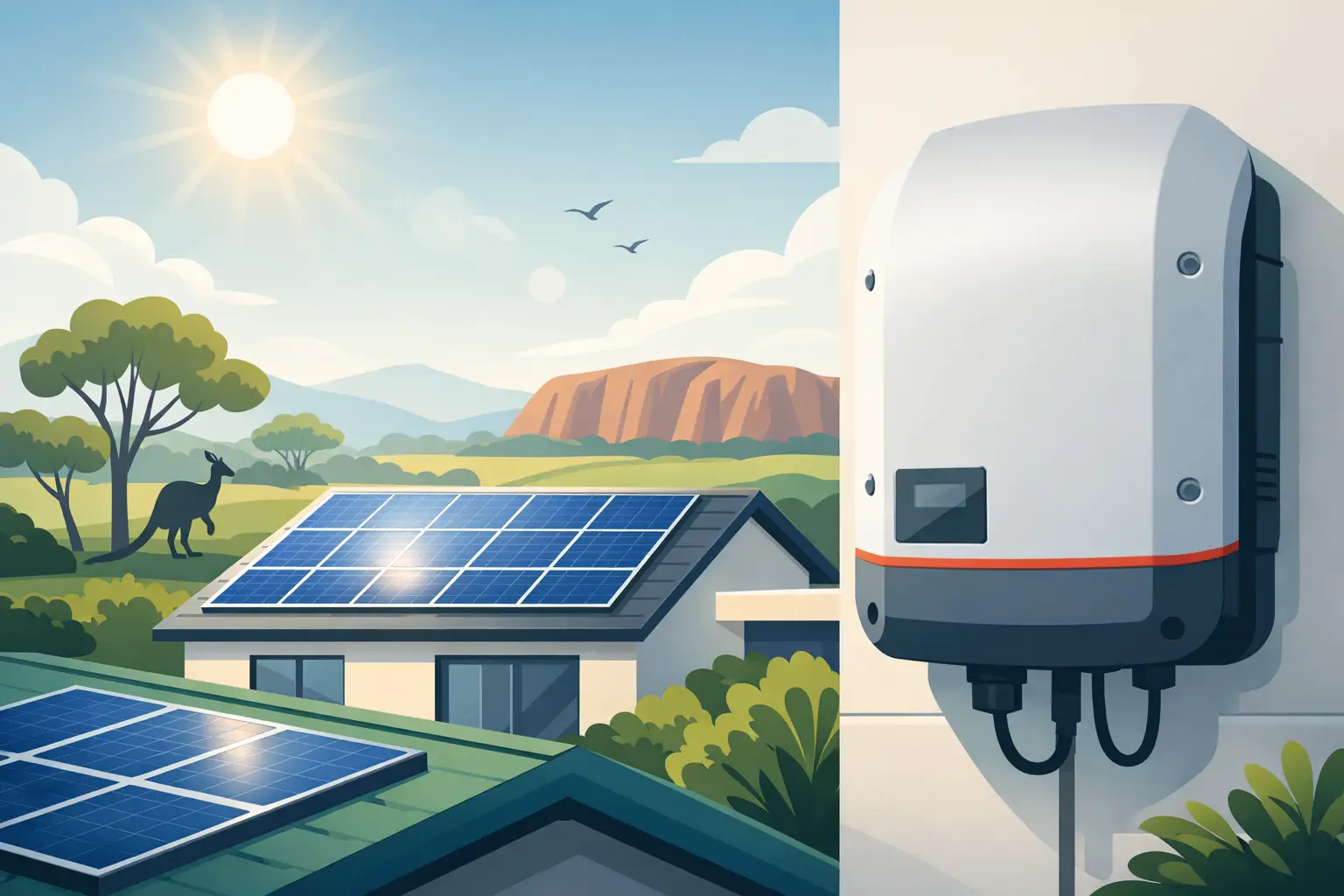
In a standard grid-connected setup, solar panels generate DC electricity, which the solar inverter converts to AC electricity for use throughout the property. Your EV charger uses that AC supply, just like air conditioning, lighting or other electrical equipment.
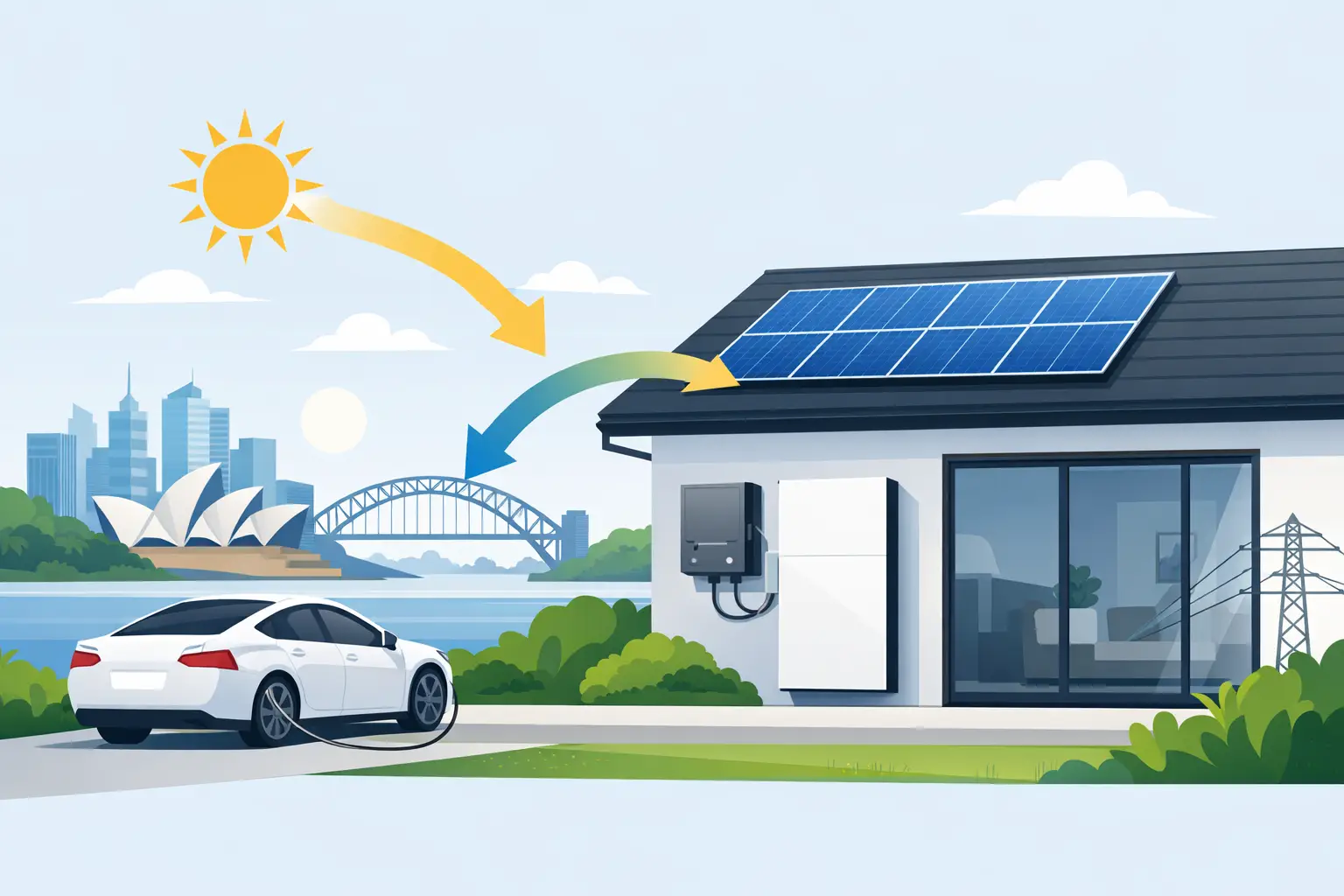
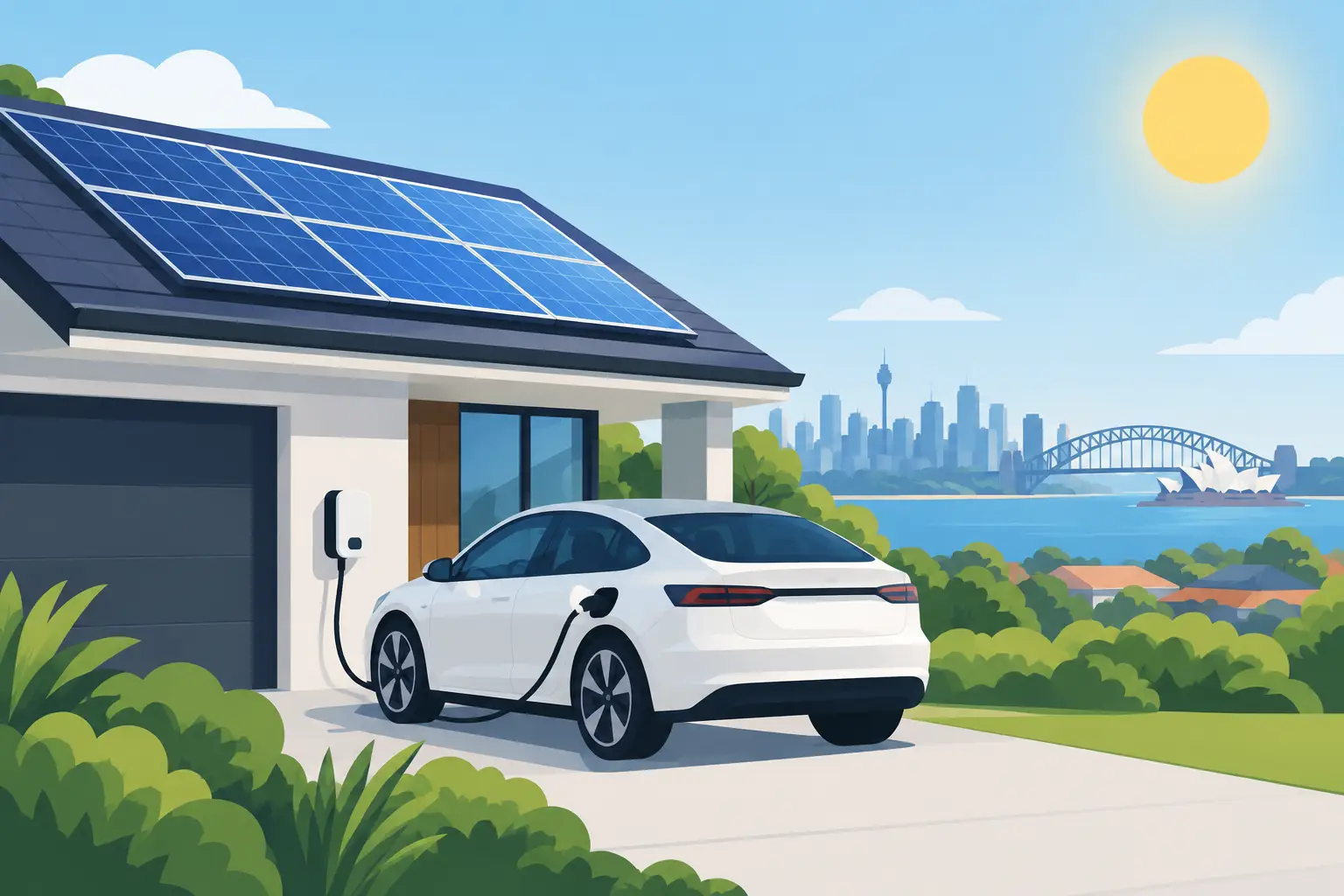
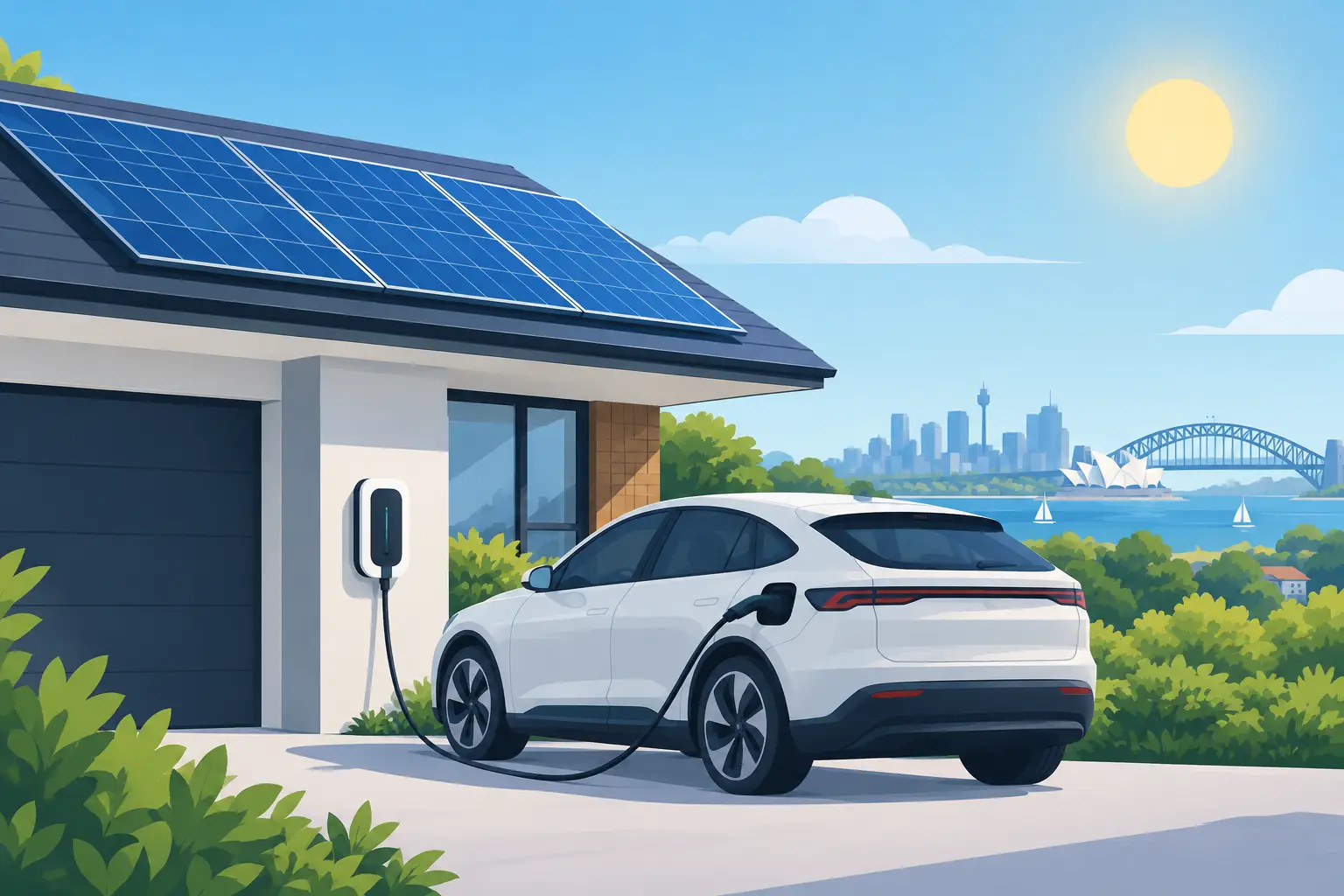
When the sun is producing more power than the property needs, the surplus can be directed to the vehicle through a compatible charger. If solar production drops, the charger can draw the balance from the grid. In most homes, it is not a separate solar-only circuit running from panels to the car. It is an integrated energy system managed through the switchboard, inverter and charging controls.
This means solar charging is possible without a battery. If a vehicle is at home during sunny hours, it can use a high proportion of excess solar generation. That arrangement often suits people who work from home, have flexible schedules or can charge on weekends.
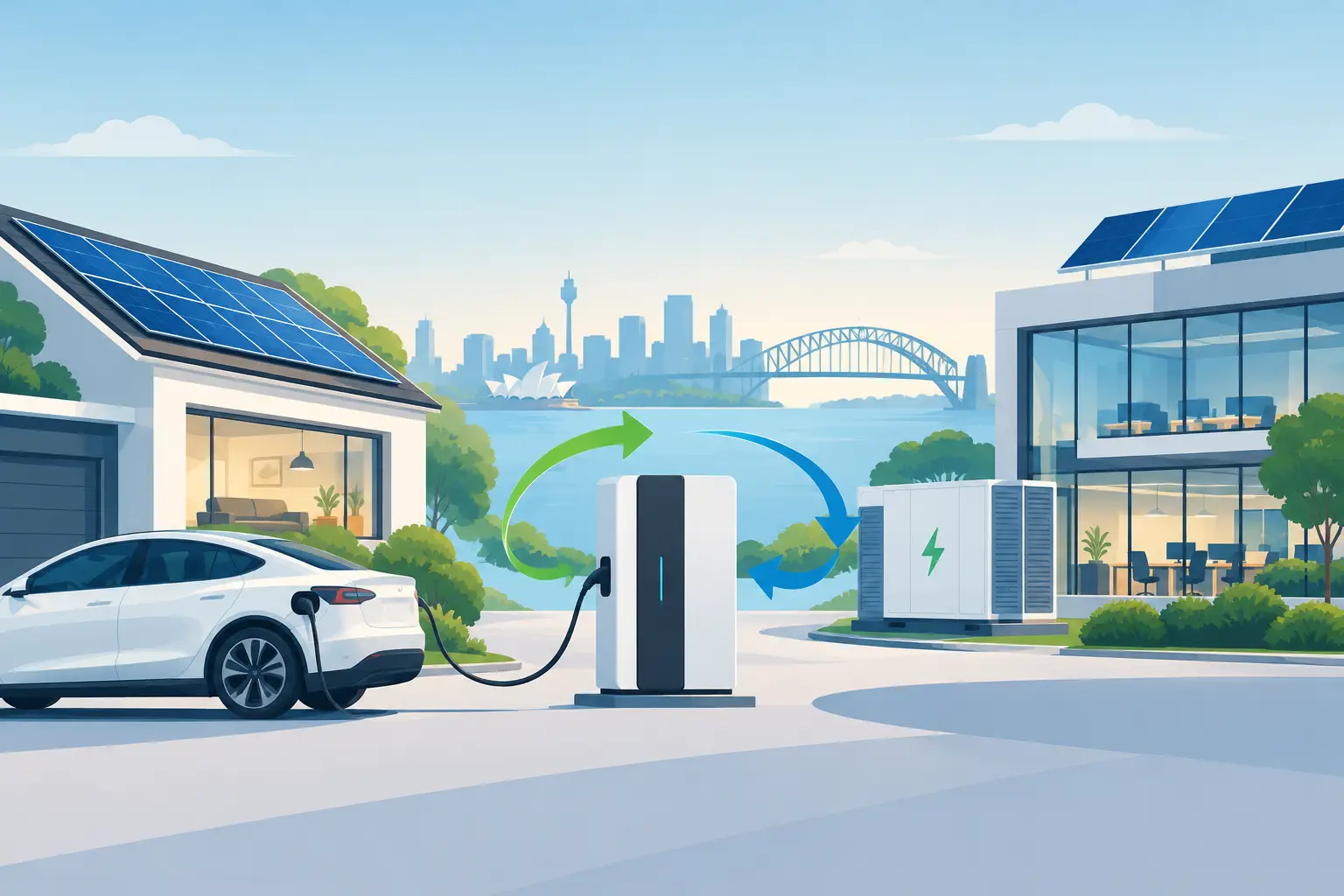
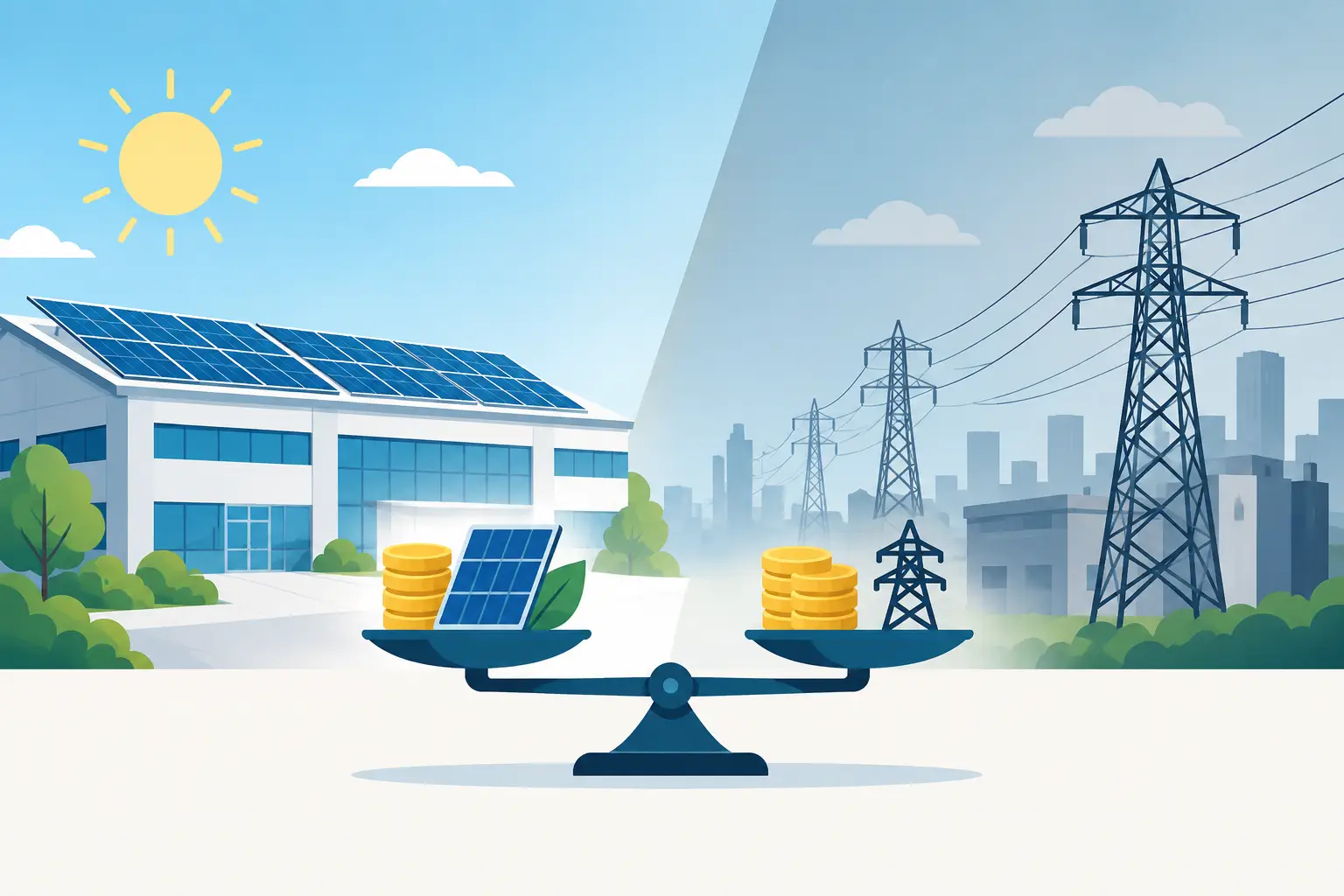
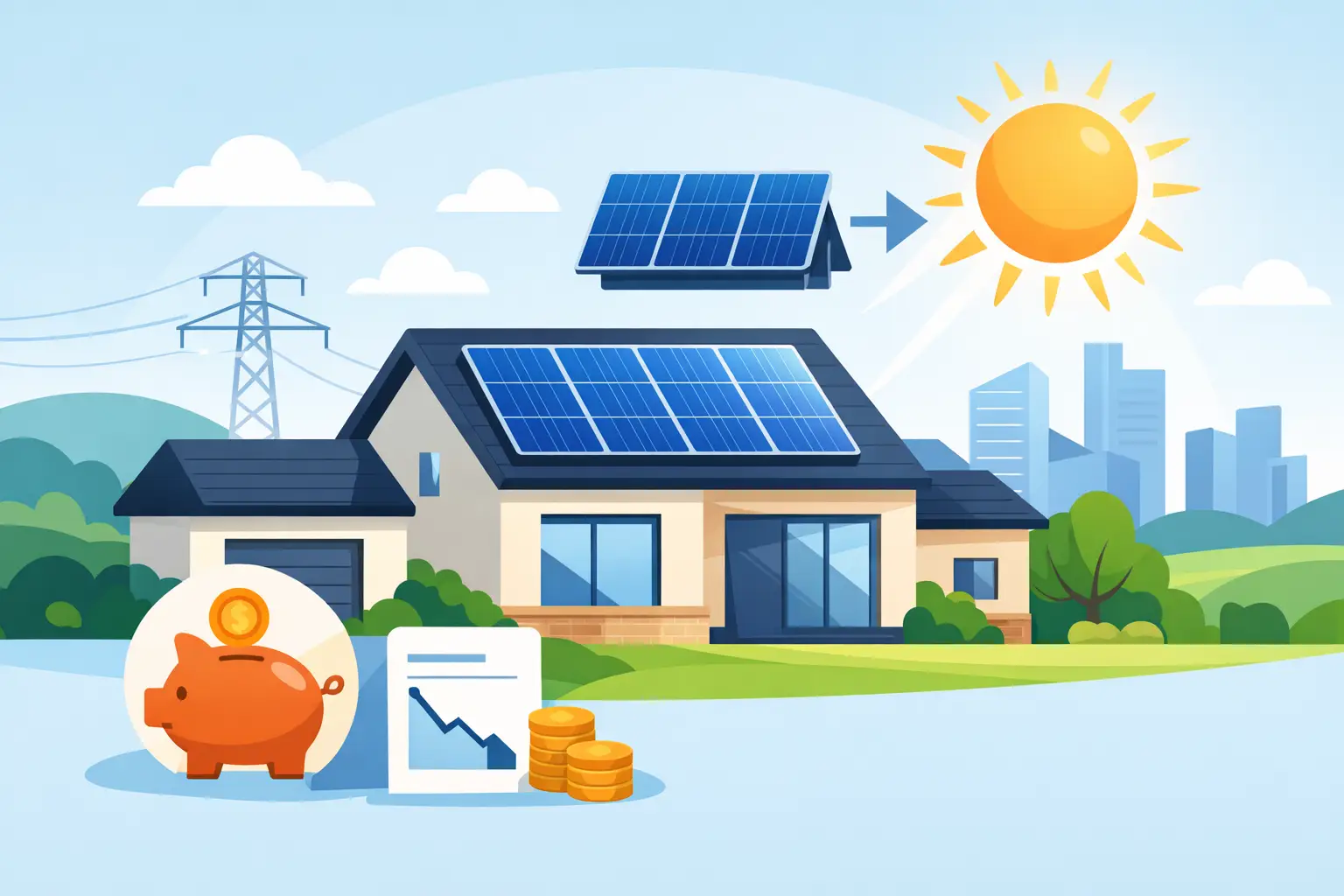
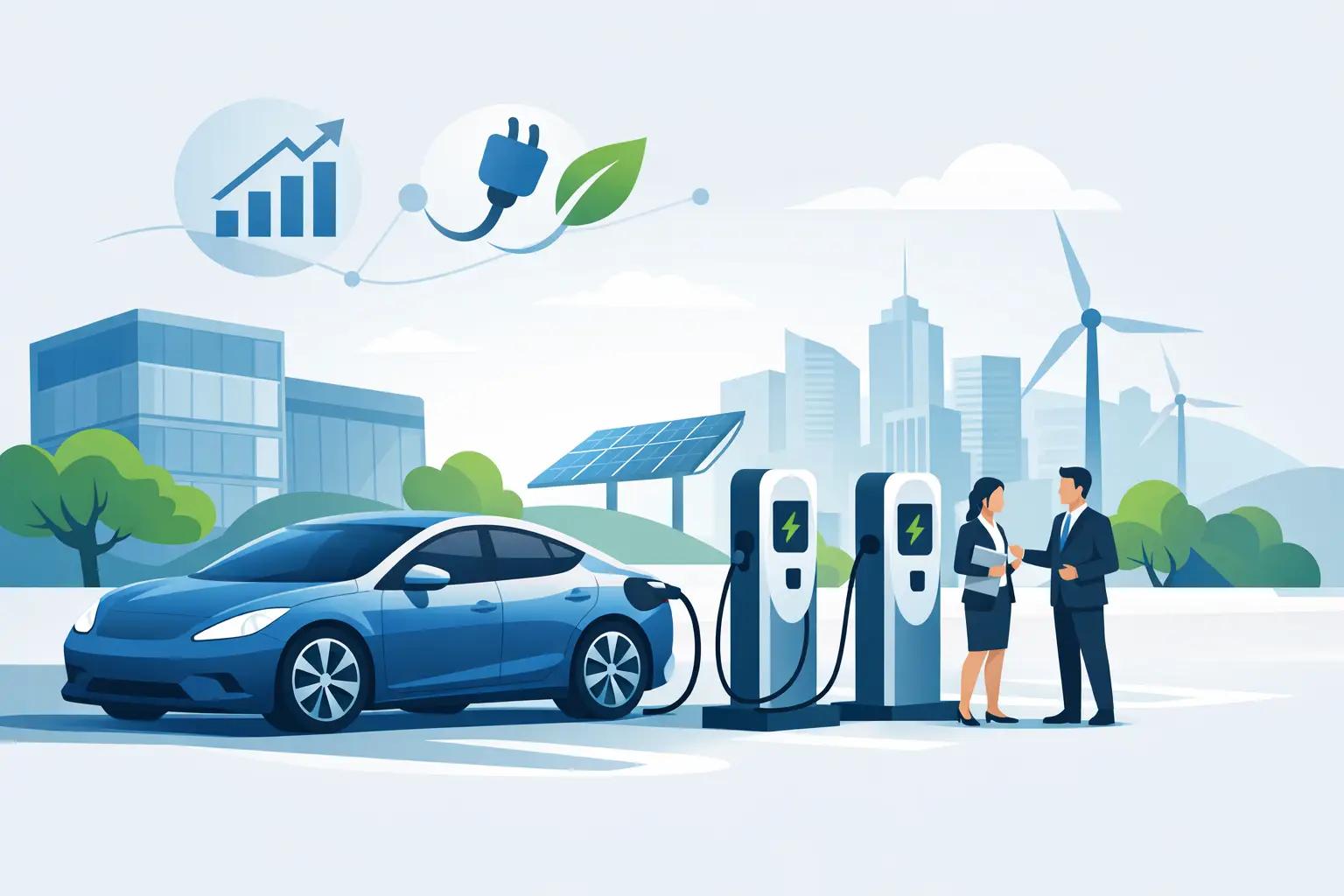
For businesses, the fit can be even stronger. Staff vehicles, fleet vehicles and customer chargers may operate during the middle of the day, when rooftop solar production is at its highest. A commercial system needs careful load analysis, but daytime EV charging can make better use of energy that might otherwise be exported at a relatively low feed-in tariff.
Solar EV charging works best when charging is flexible
A Level 2 EV charger is the preferred option for most properties because it provides faster, safer and more controllable charging than a standard power point. Depending on the vehicle and electrical supply, it can deliver substantially more energy per hour while using a dedicated circuit and appropriate protection.
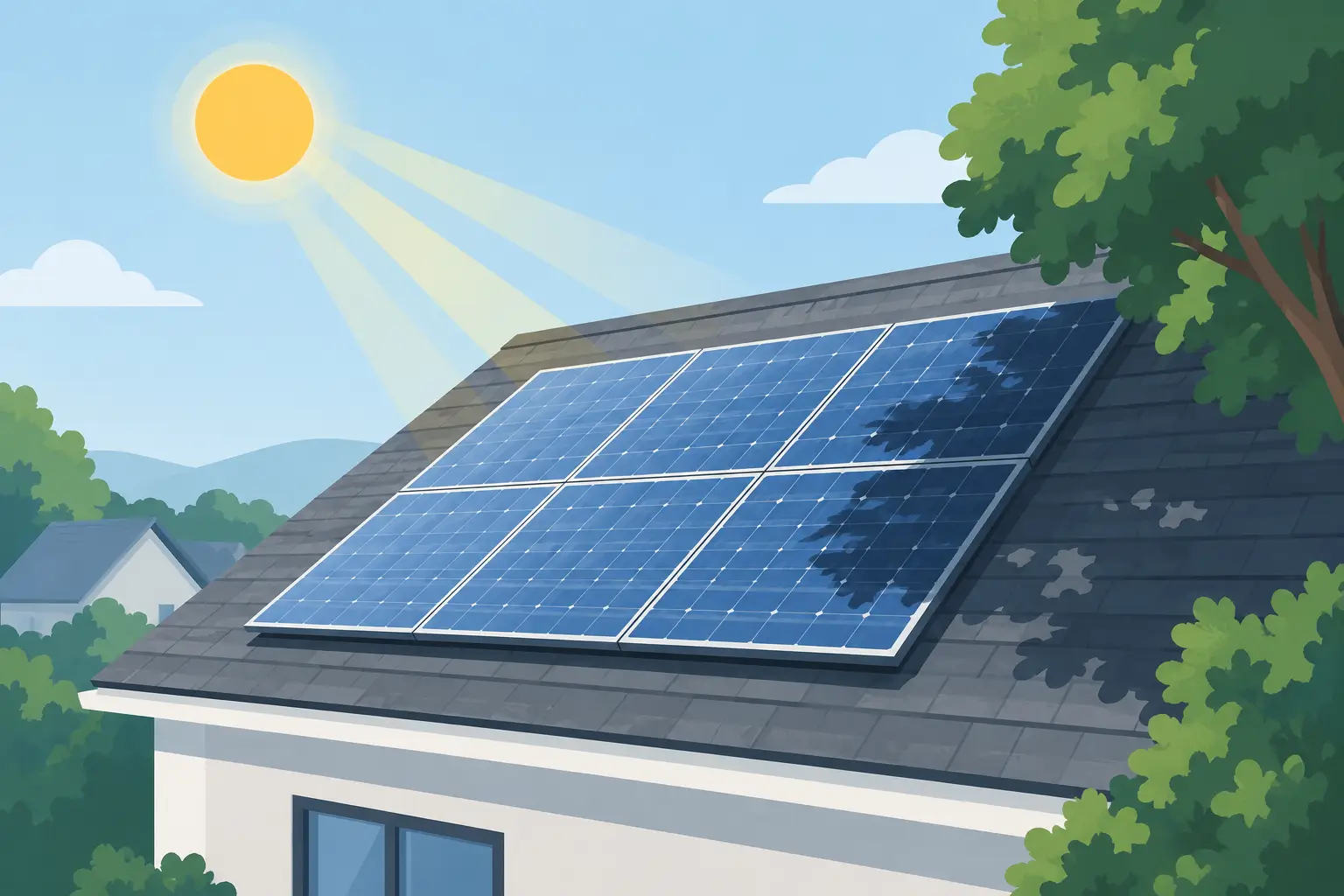
However, a charger set to its maximum output may demand more power than the solar system is producing. For example, a 6.6 kW solar system may generate close to its rated output only under favourable conditions. Clouds, panel orientation, seasonal daylight and other household loads all reduce the surplus available for charging.
Smart charging addresses this issue. Compatible chargers can monitor solar exports and vary their charging rate to match available surplus. Rather than importing electricity simply to maintain a high charging speed, the charger can slow down when clouds pass and increase output when solar production rises.
This approach is especially useful for homes with modest solar systems or high daytime consumption. It also lets owners choose between two sensible priorities: charge as quickly as possible, accepting some grid use, or charge more slowly to maximise solar use. Neither choice is universally right. It comes down to driving habits, electricity tariffs and how long the vehicle is parked.
A typical home example
Consider a household with a 10 kW solar system, normal daytime use of 1.5 to 3 kW and an EV parked at home from late morning. On a clear day, there may be several kilowatts of surplus power available for the car. A solar-aware charger can use that surplus while leaving enough energy for the home.
If the same vehicle arrives at 6 pm in winter, solar generation may be low or finished for the day. The charger will then use battery power, grid electricity or a combination of both. Solar still reduces the property’s overall energy costs, but it may not be directly charging the car at that moment.
Where battery storage changes the equation
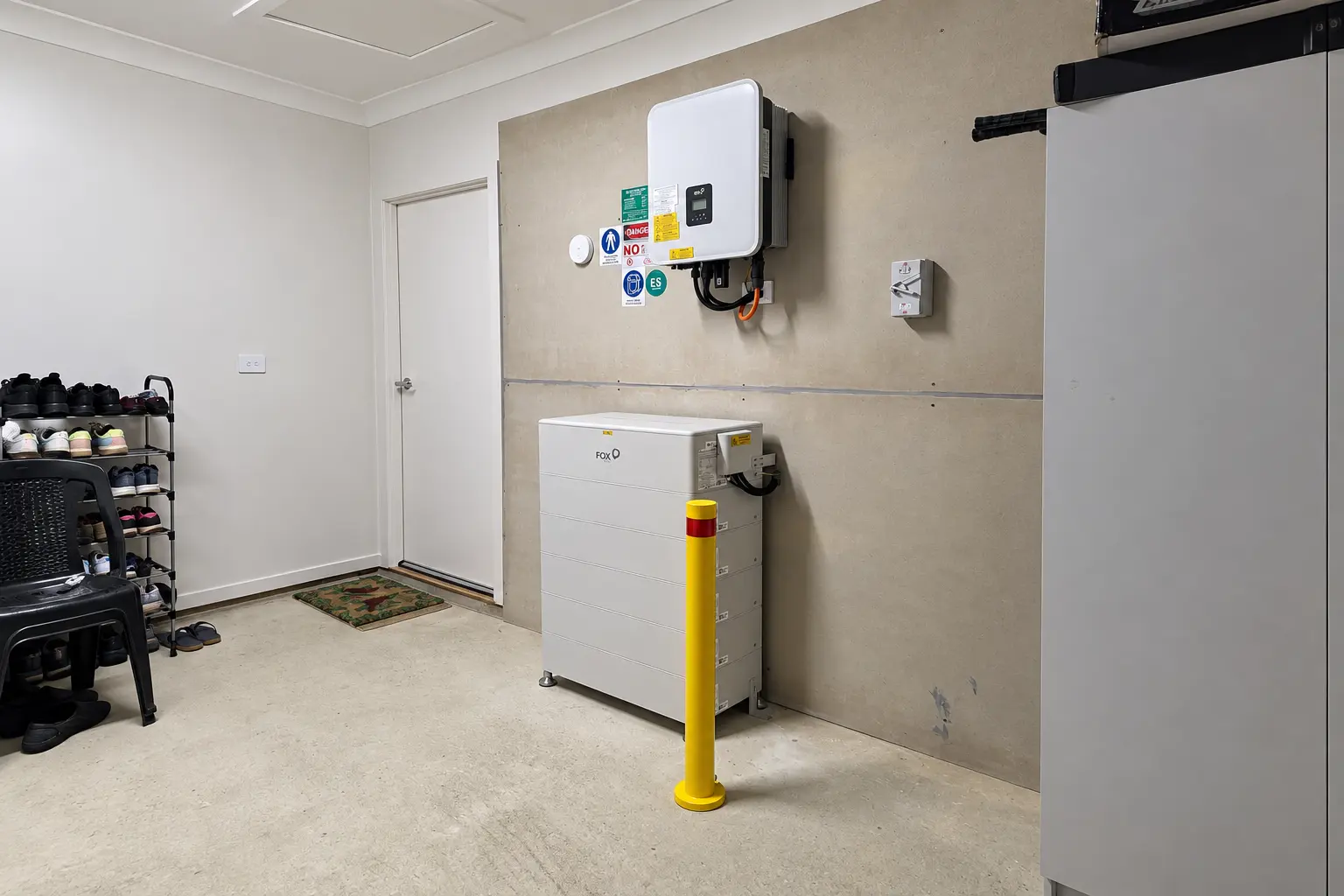
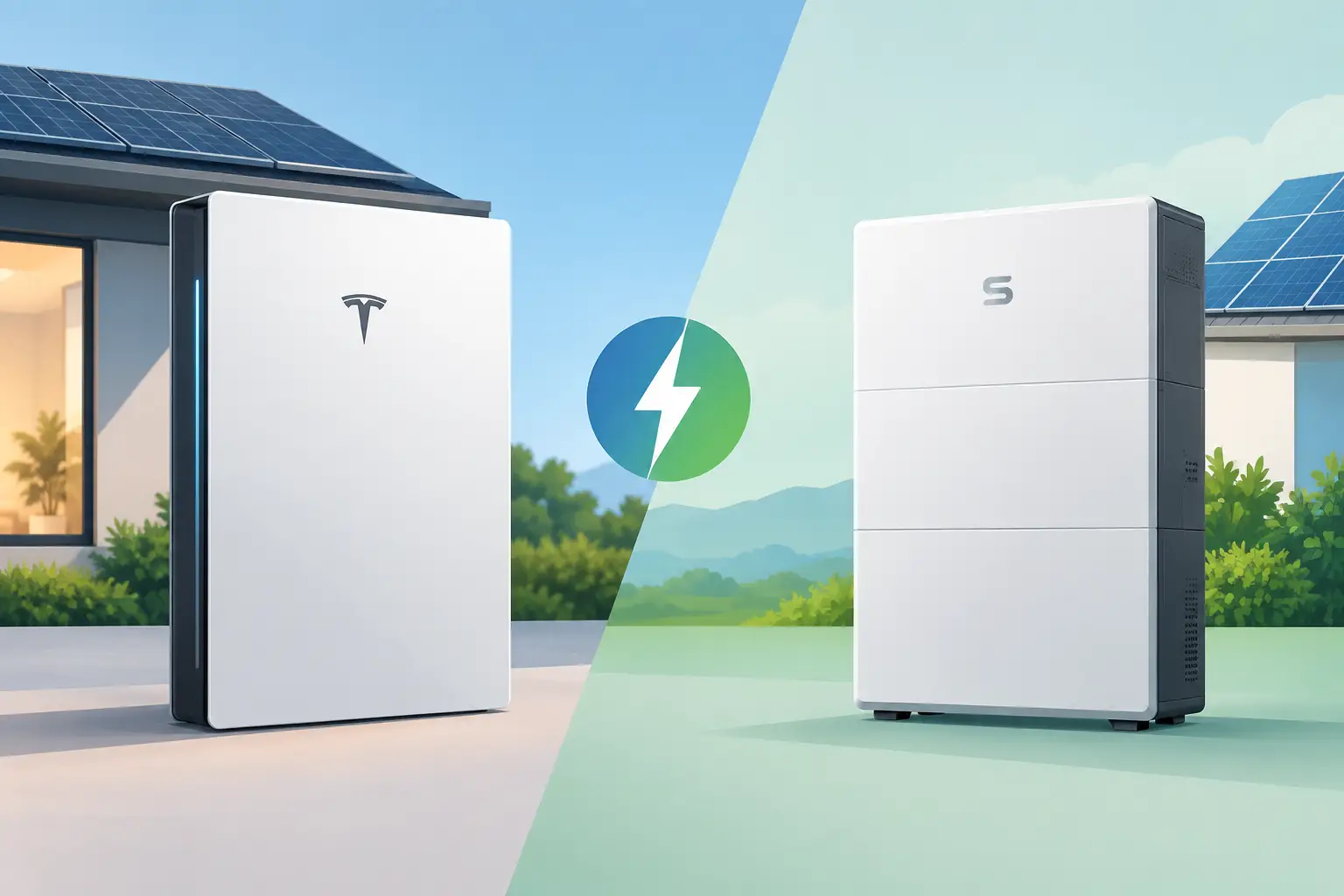
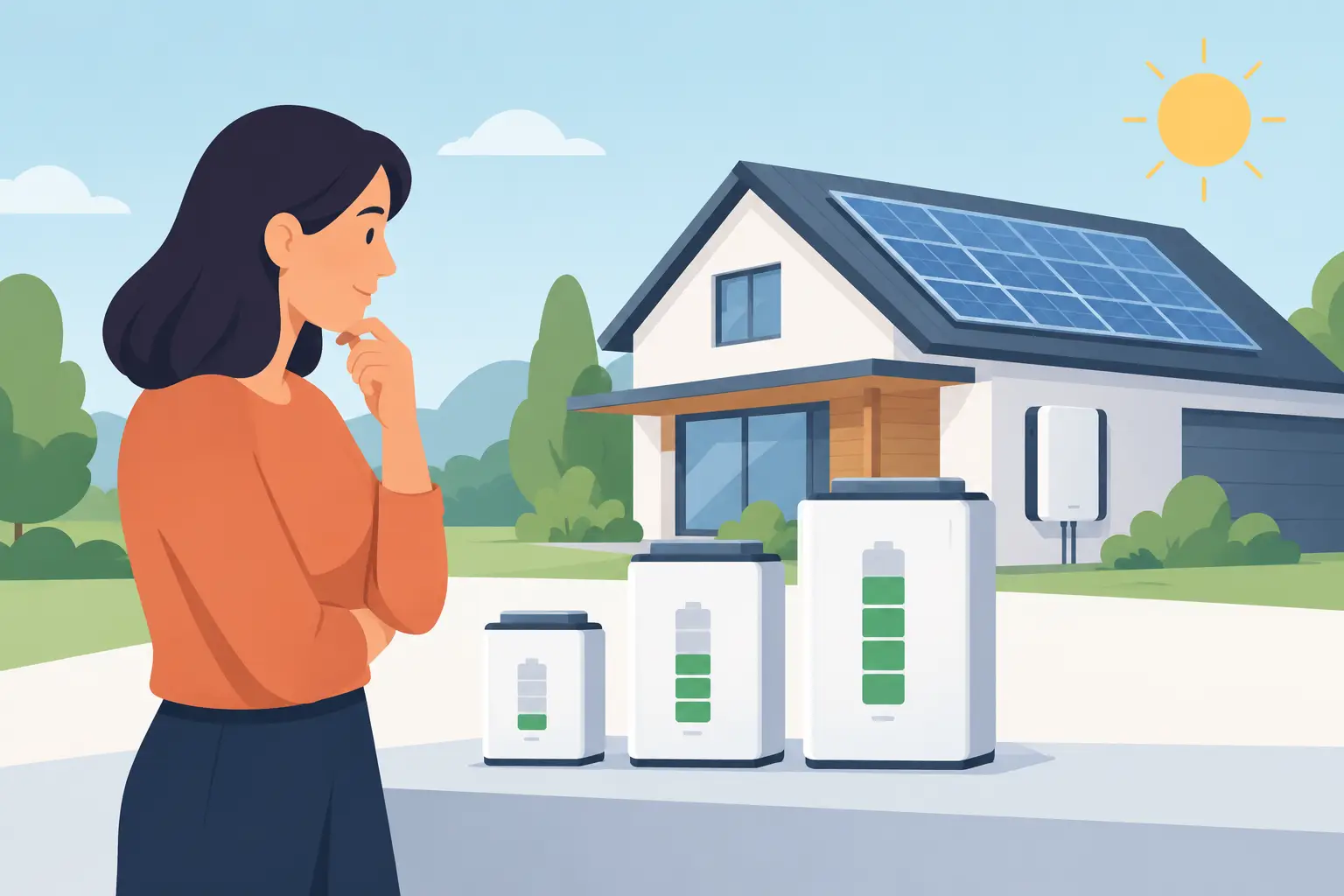
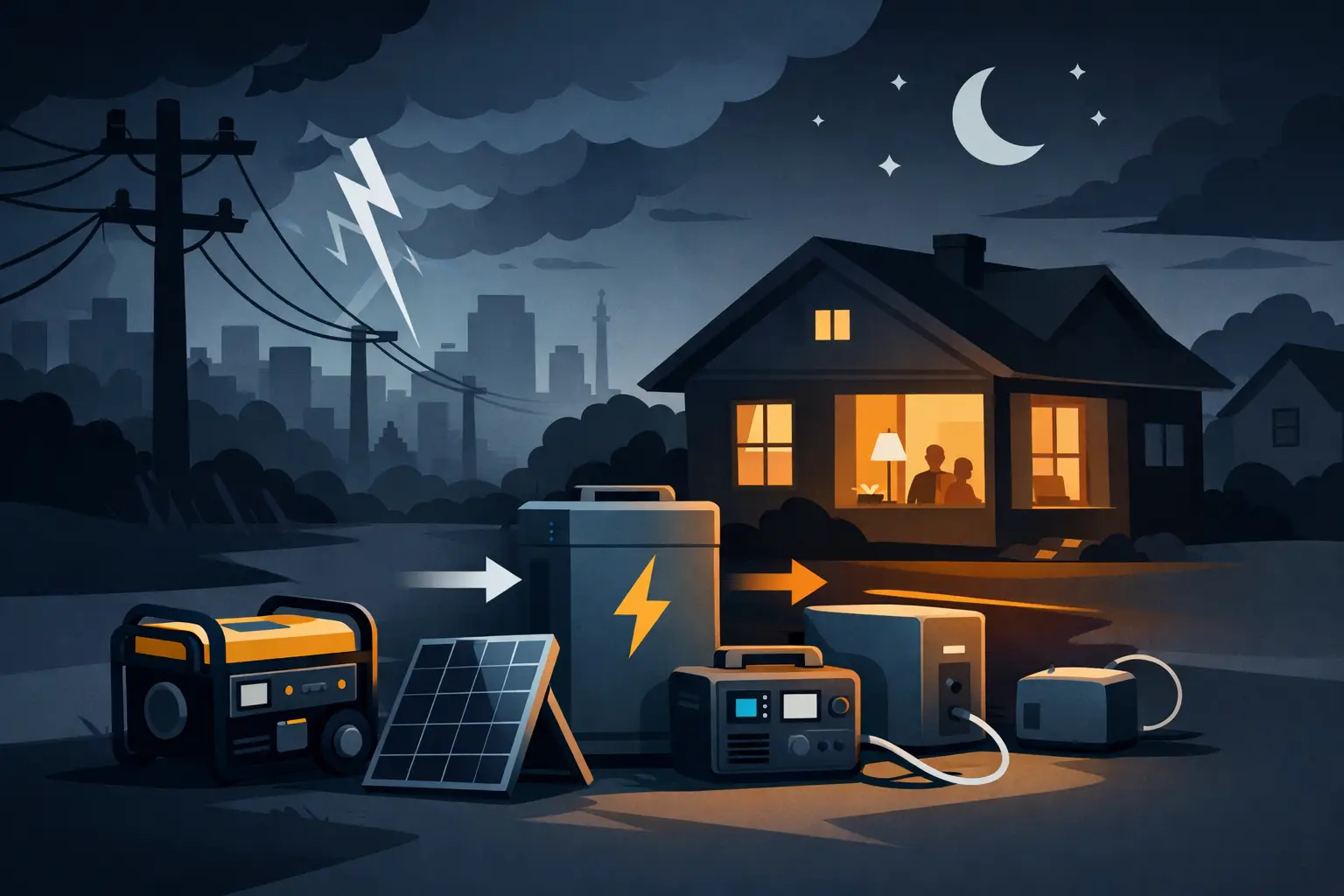
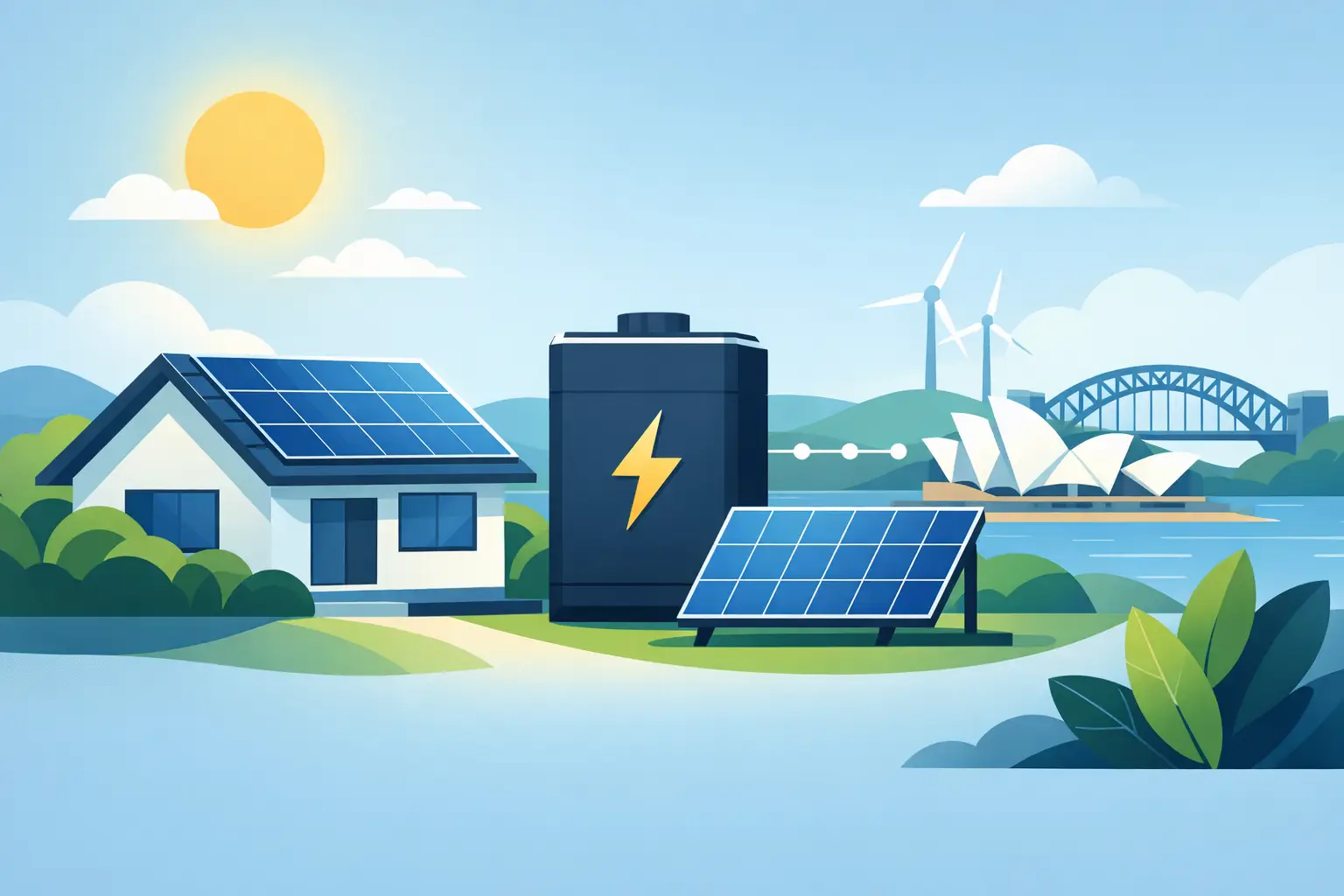
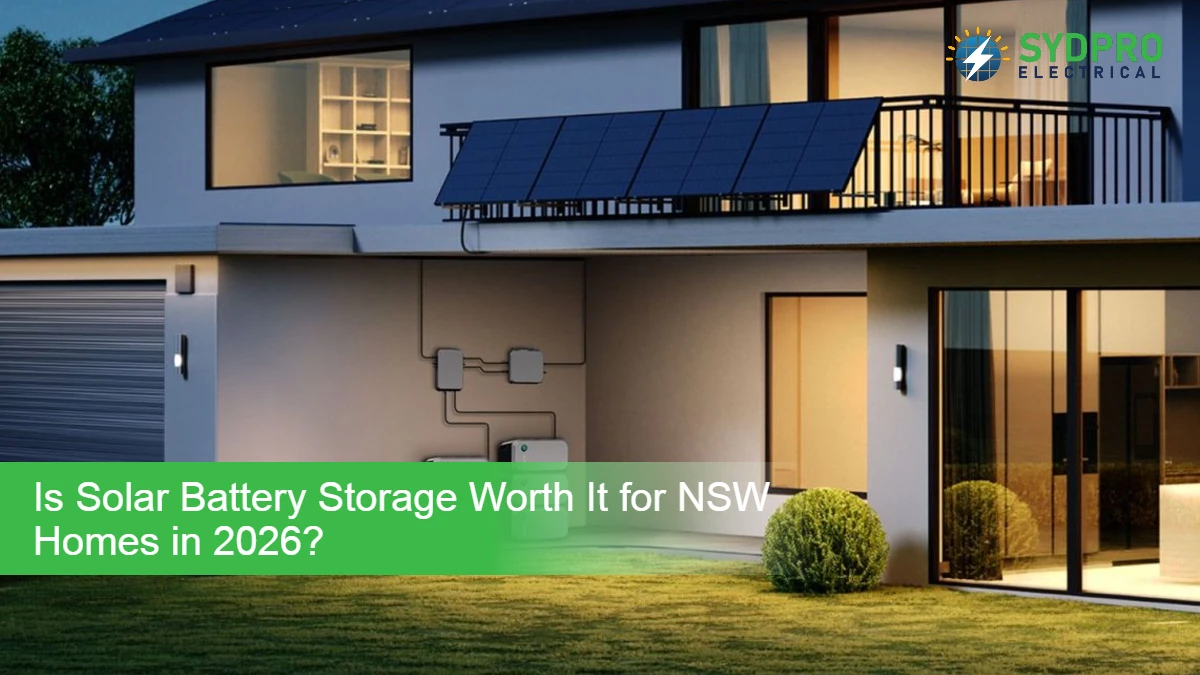
A battery can store excess solar generated during the day for use later, including overnight EV charging. It adds flexibility, but it is not automatically the most economical way to charge a vehicle.
Home batteries have a finite usable capacity. A typical EV battery may hold far more energy than a residential battery, so charging an empty vehicle entirely from a home battery can exhaust stored energy quickly. The property may then need grid power for evening household loads.
For many households, the most cost-effective strategy is to use direct solar charging when possible, reserve part of the battery for evening use or backup, and schedule any remaining EV charging for a suitable off-peak tariff. Battery storage becomes more compelling where energy resilience is a priority, daily solar exports are high, or the vehicle’s charging pattern aligns well with available stored energy.
Battery settings matter too. A well-designed system can set a minimum reserve for outages, prioritise the home before the vehicle, or charge the EV only after the battery reaches a chosen level. These controls should be discussed before installation, not left as an afterthought.
Solar and EV charger sizing need to be planned together
Adding an EV can increase annual electricity consumption significantly, even though the cost per kilometre is usually lower than petrol. That makes it worthwhile to assess the whole property rather than selecting a charger in isolation.
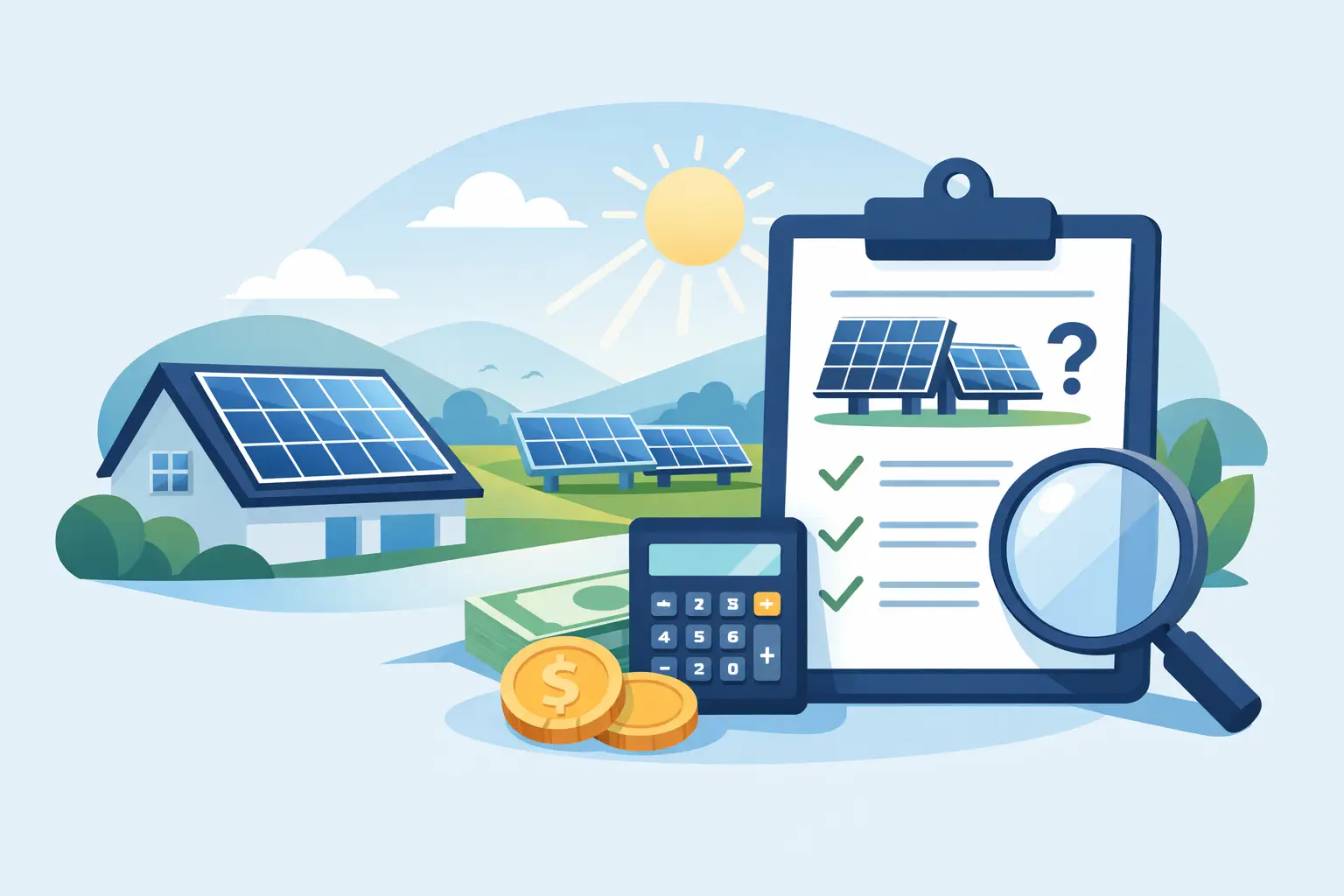
A quality design considers your solar system size and orientation, typical daytime load, planned vehicle kilometres, EV battery capacity, electricity tariff, switchboard capacity and whether a battery is installed or planned. It should also account for future loads such as a second EV, pool equipment, electric hot water or reverse-cycle heating.
For some properties, the answer is a larger solar system. For others, a smart charger and load management are enough. A business with several chargers may require a staged design so charging capacity can grow without triggering unnecessary demand peaks or costly electrical upgrades too early.
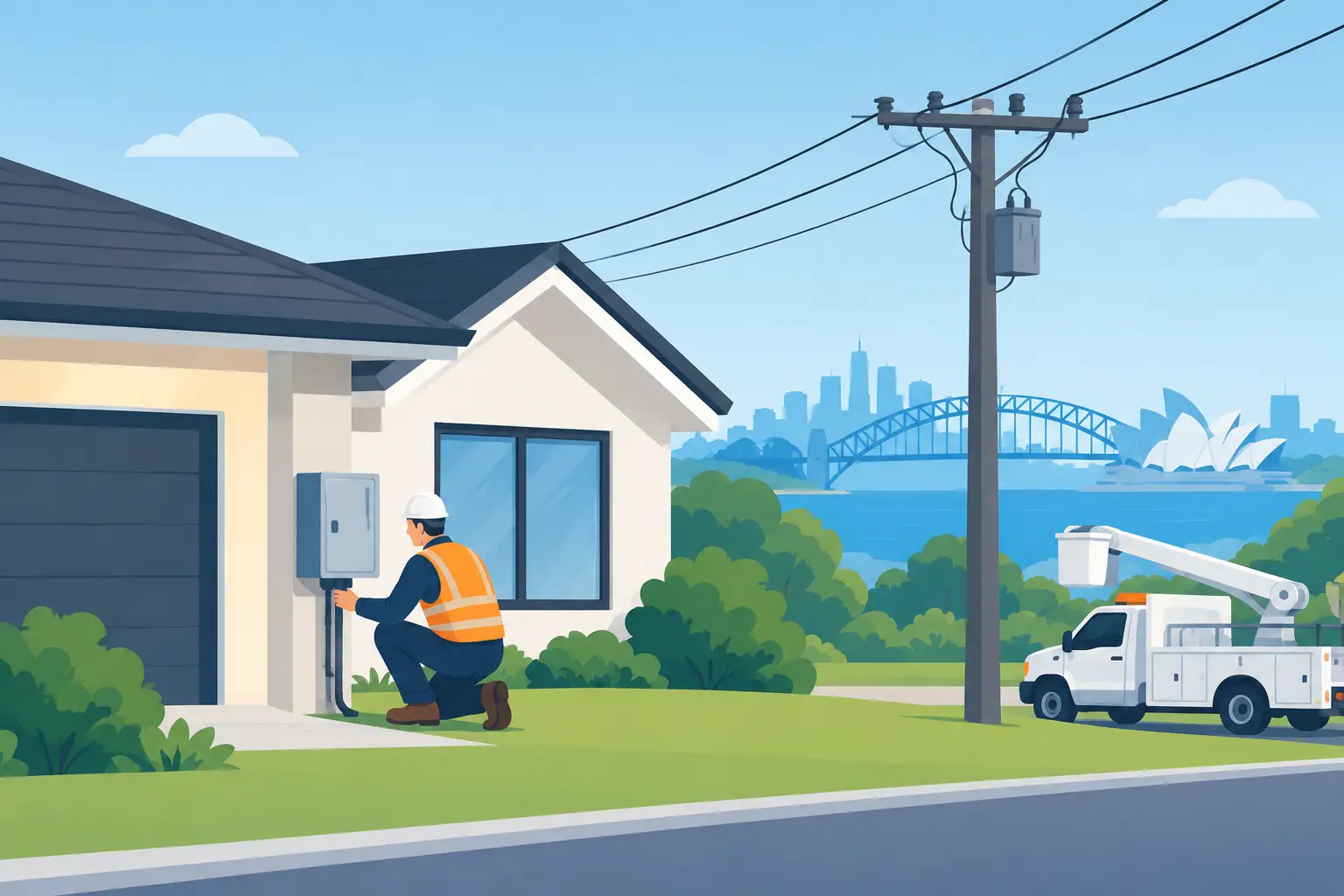
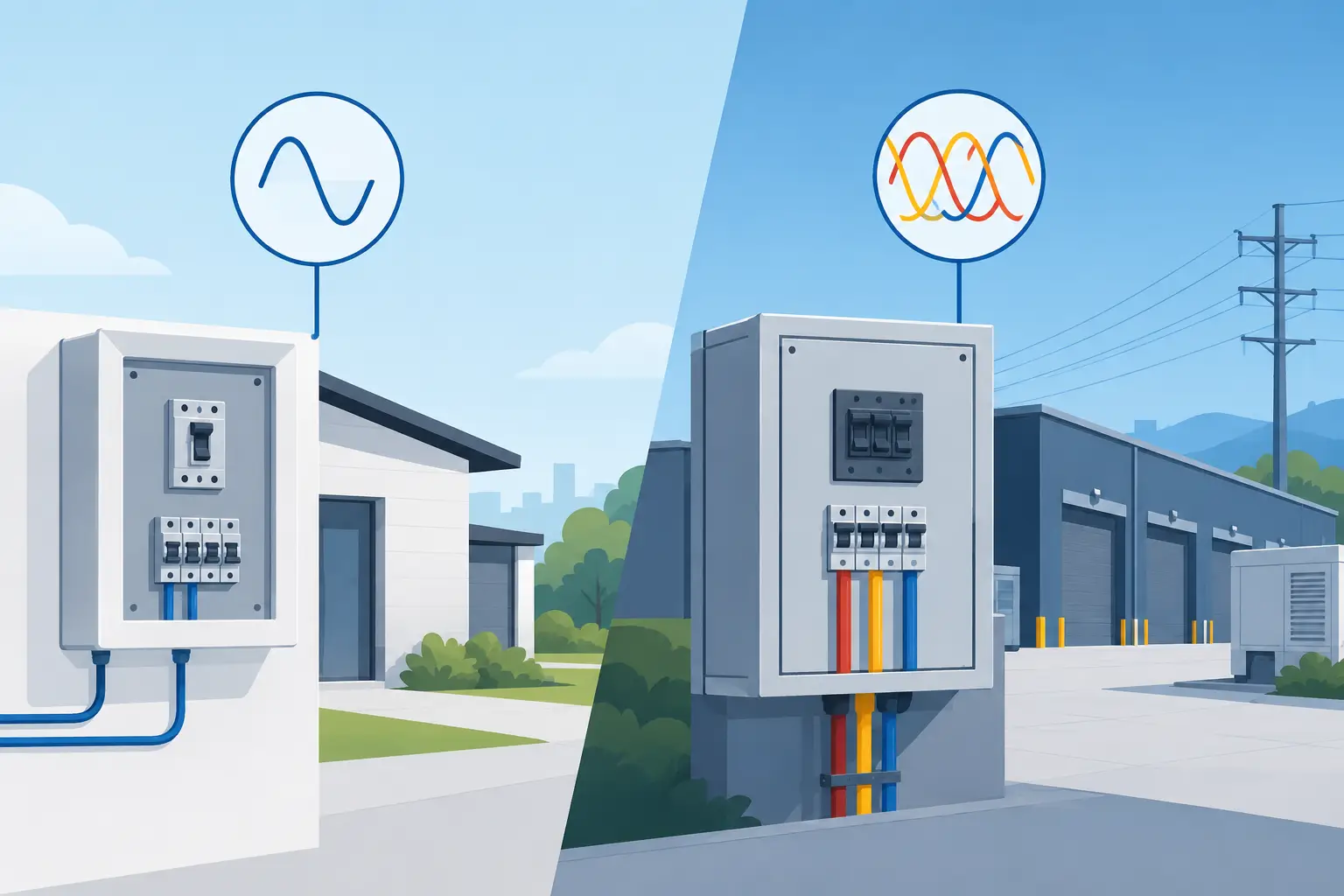
Charging equipment must also be matched to the available supply. Single-phase properties may have different practical charging limits from three-phase homes or commercial sites. If the existing switchboard, consumer mains or metering arrangement needs work, that work must be completed safely and in line with NSW requirements.
Why compliant electrical work matters
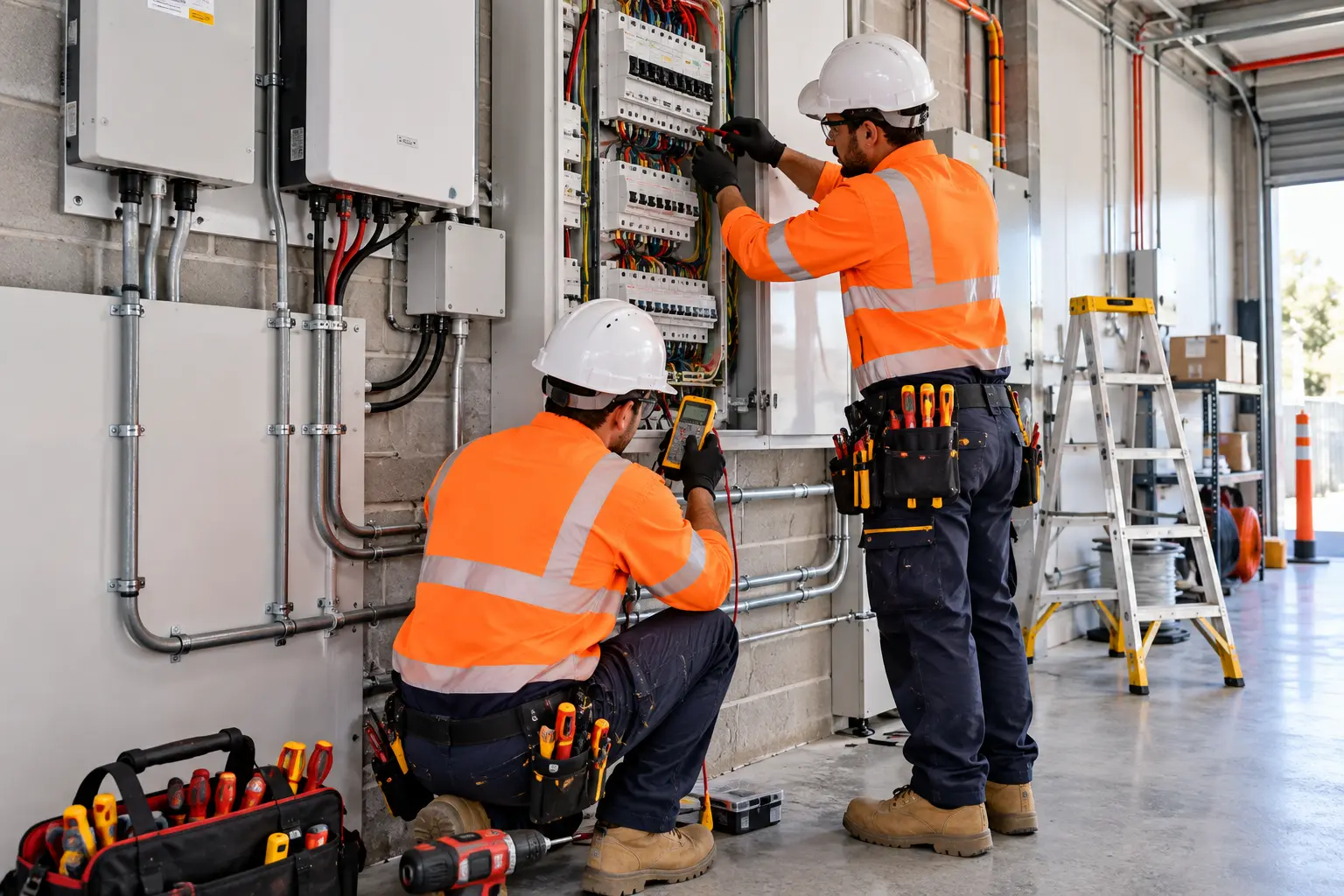
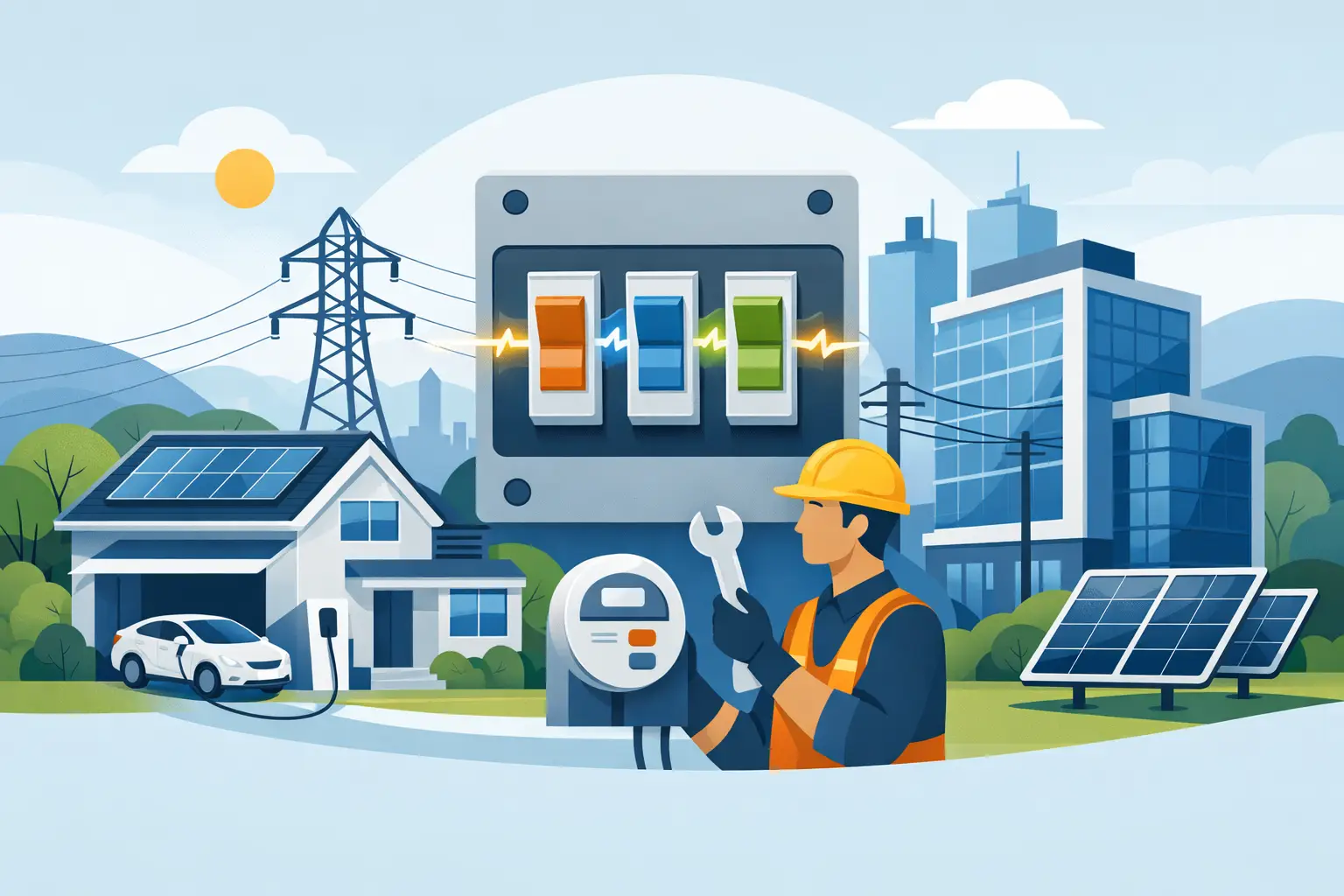
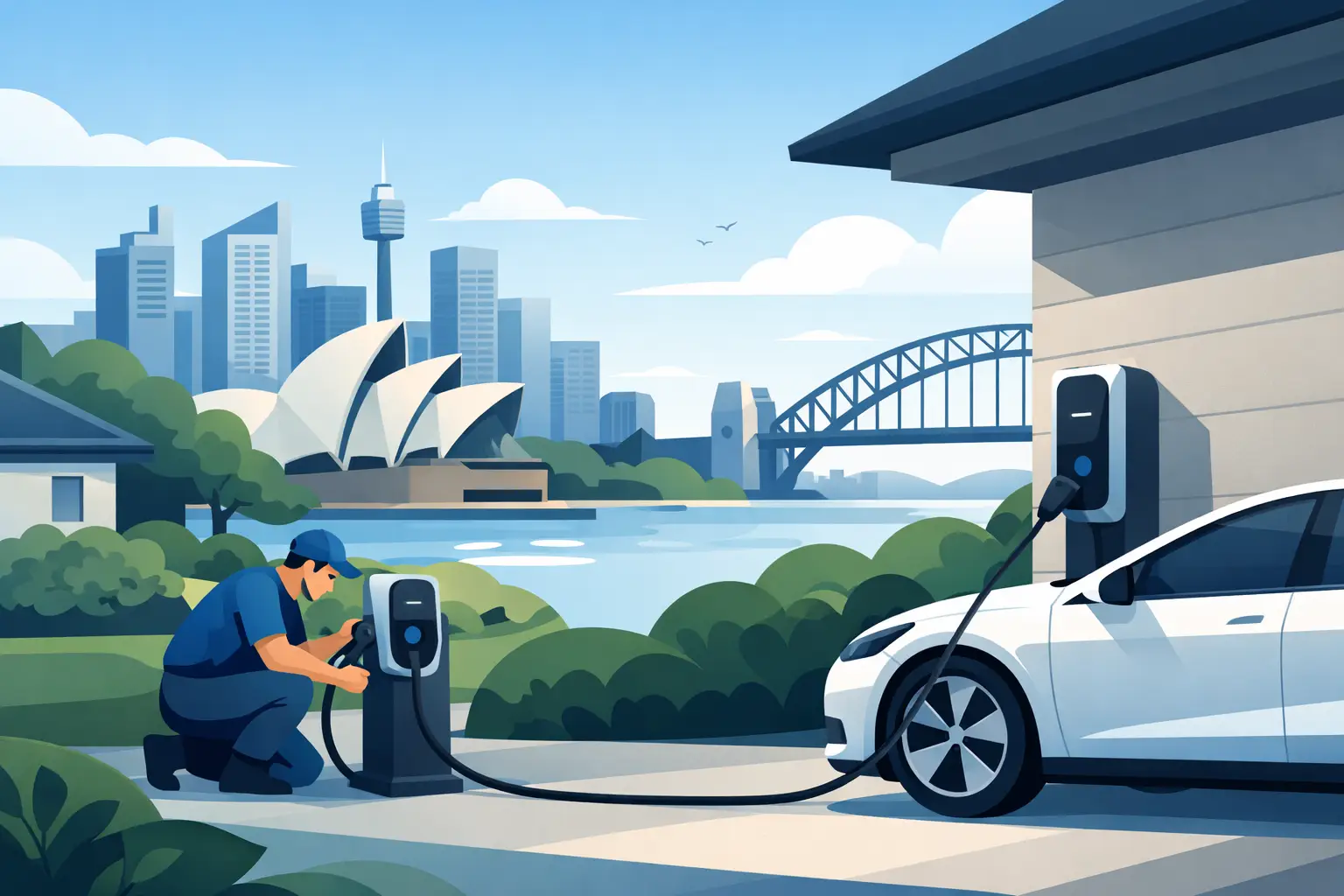
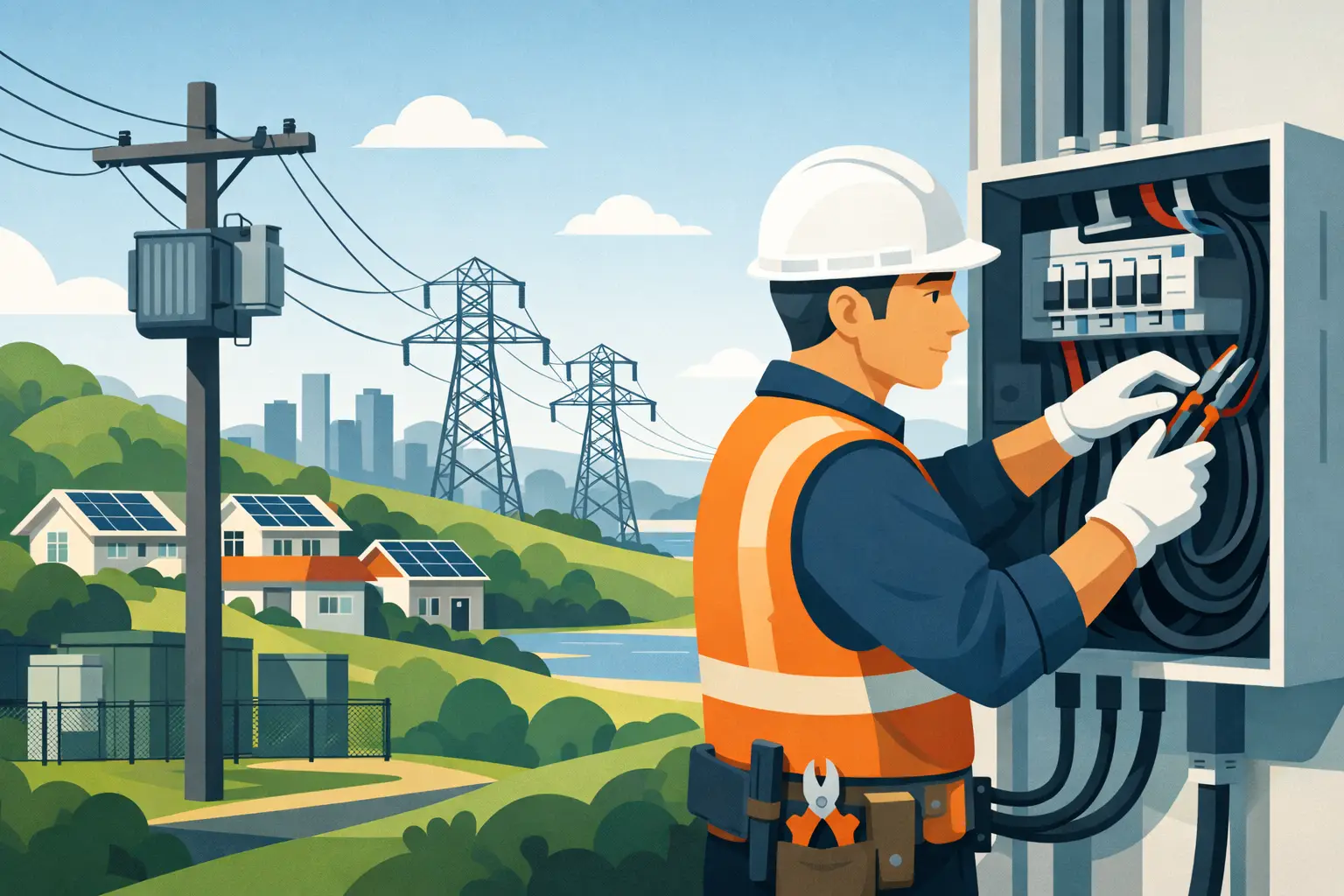
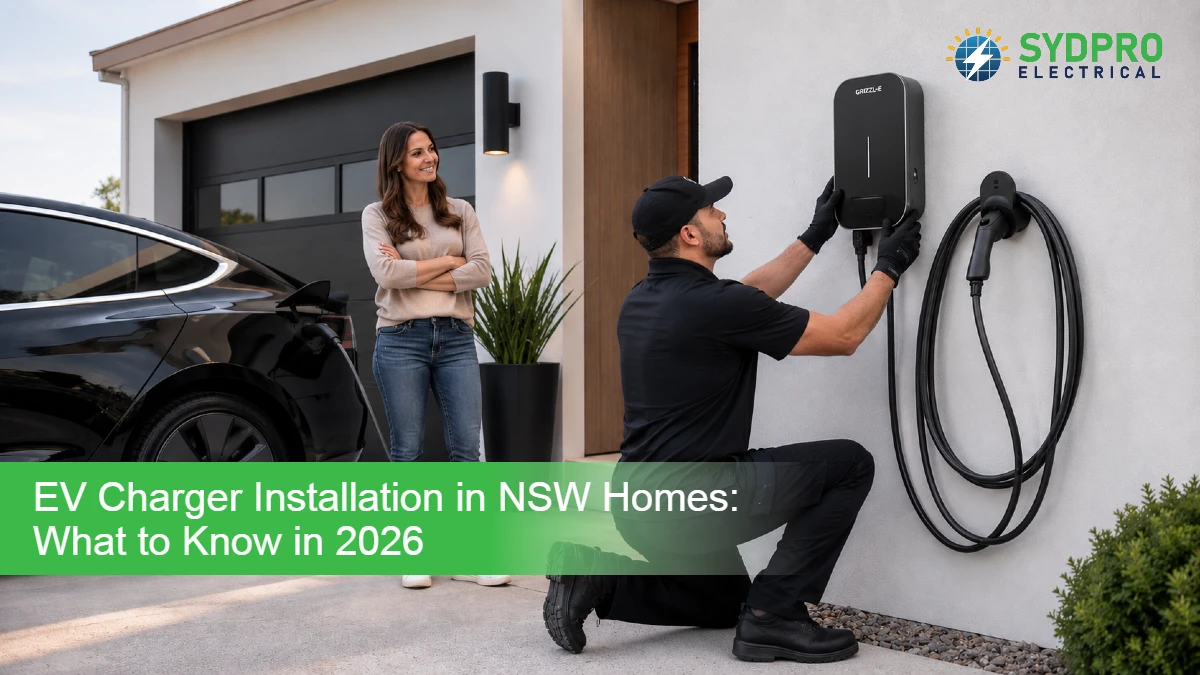
An EV charger is a high-load electrical appliance that may run for hours at a time. It needs a correctly sized dedicated circuit, suitable circuit protection, compliant earthing and installation in an appropriate location. Outdoor chargers also need equipment and mounting arrangements suited to weather exposure and everyday use.
Older homes can have limited switchboard space, ageing wiring or supply constraints that only become apparent during a proper site assessment. Commercial and industrial projects may also involve metering changes, three-phase upgrades, load balancing and network-related work.
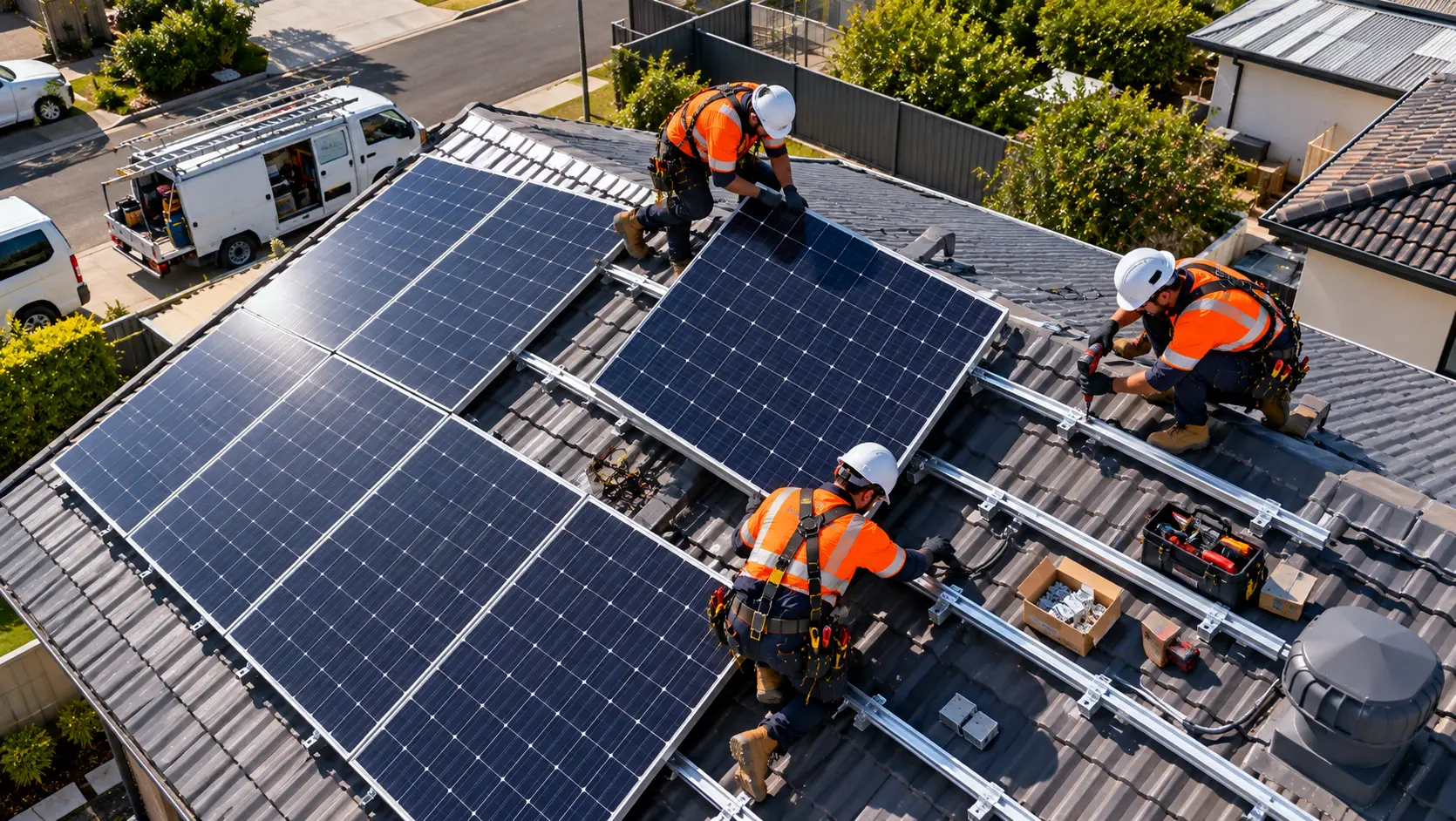
This is where integrated capability matters. Sydpro Solar Solutions combines accredited solar design with Level 2 ASP electrical services, helping property owners plan solar, batteries, EV charging and required electrical upgrades as one coordinated project. The goal is not just to make the charger work on day one, but to ensure the infrastructure is safe, compliant and ready for the property’s next stage of electrification.
How to get more solar kilometres from your EV
The simplest starting point is to review when the vehicle is normally parked. If it is home during daylight hours, schedule charging across the solar window and use solar-surplus controls where available. If it is only home overnight, consider whether a battery, off-peak tariff or occasional daytime top-up will deliver better value.
It also helps to avoid treating 100 per cent solar charging as the only measure of success. A system that charges reliably when needed, keeps household bills under control and uses surplus solar intelligently can be a better investment than oversizing equipment solely to chase a perfect solar percentage.
For commercial properties, establish charging rules early. Decide whether chargers are for fleet operations, staff, customers or tenants, and determine whether access control or usage monitoring is required. These decisions affect charger selection, electrical capacity and the financial case for the installation.
The right design makes solar charging practical
Solar-powered EV charging is not a single product. It is a considered combination of generation, charging hardware, controls, electrical capacity and the way your property uses energy. With the right design, your roof can do more than reduce general power bills – it can help power the kilometres ahead.
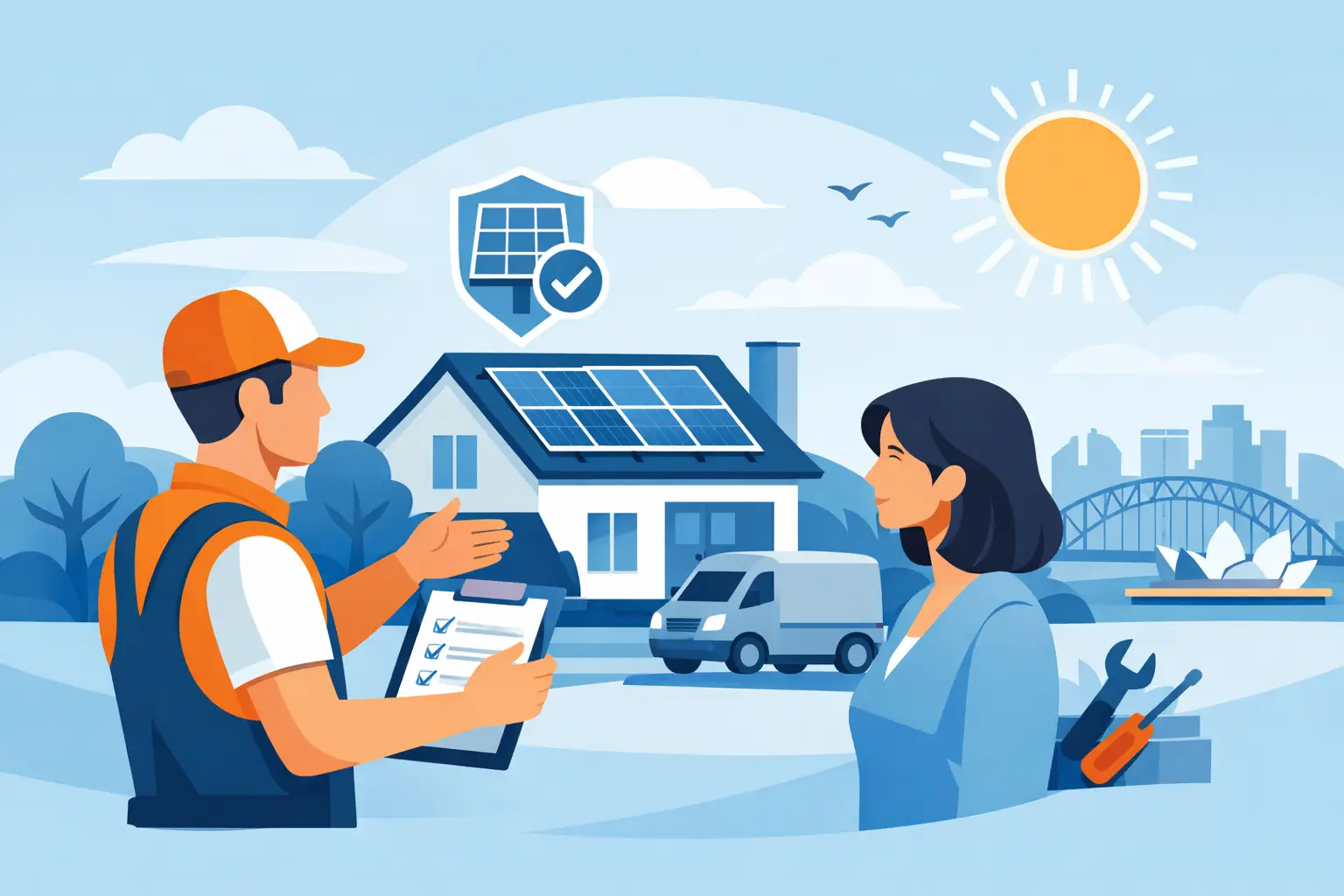
Before choosing equipment, arrange a site-specific assessment that looks at your current energy use, future EV needs and electrical infrastructure together. Clear advice upfront is the best way to build a system that performs safely and continues to deliver value as your energy needs change.