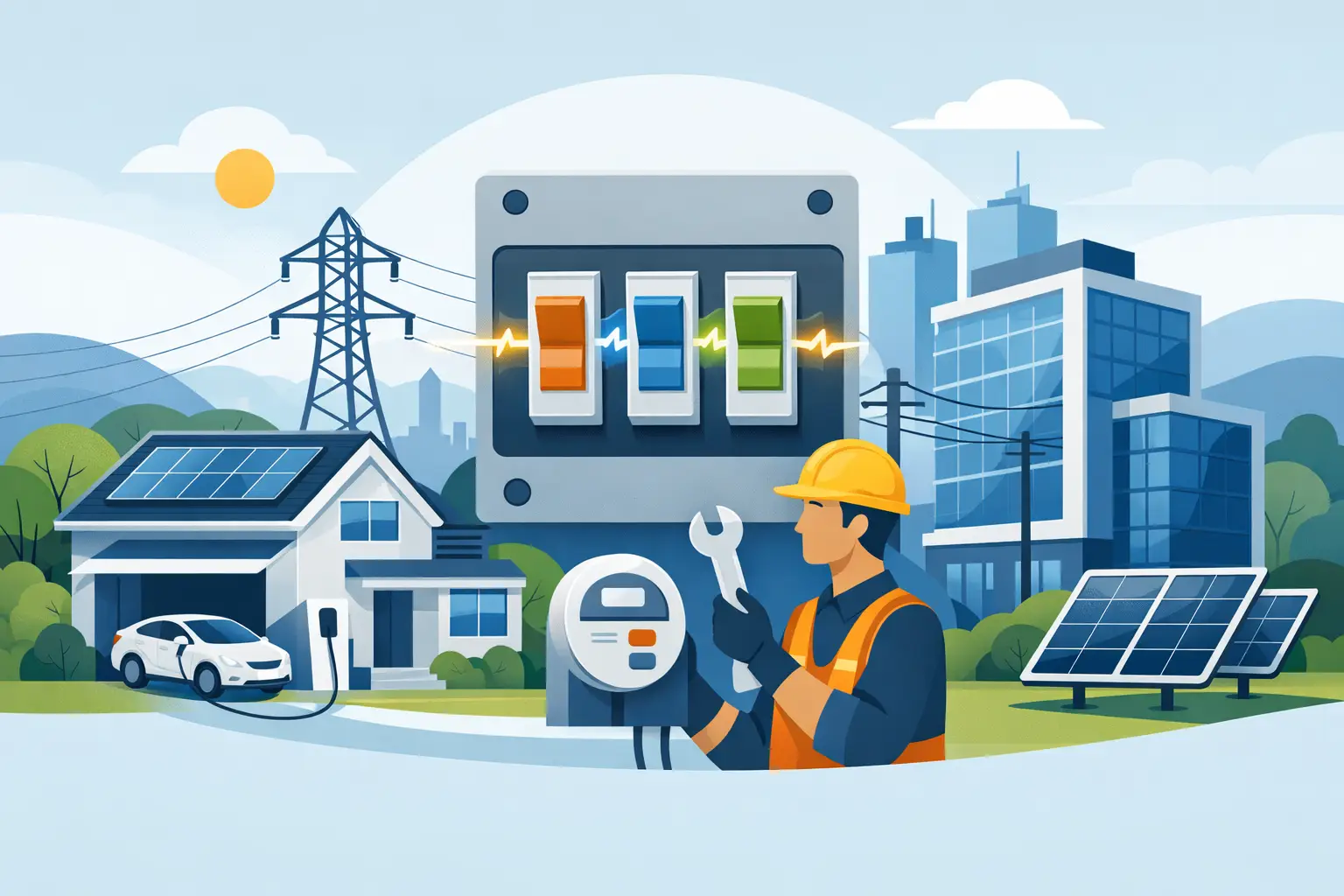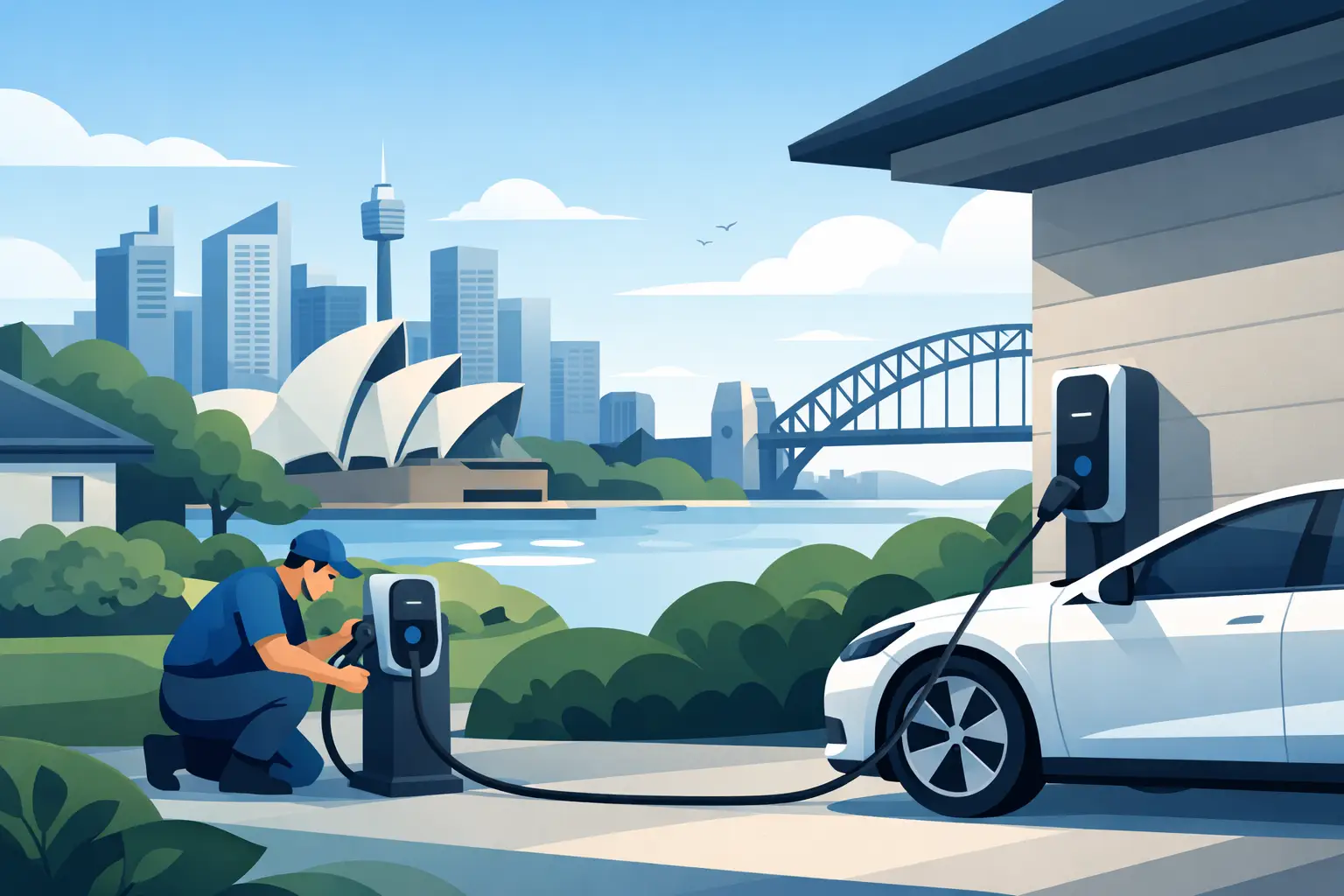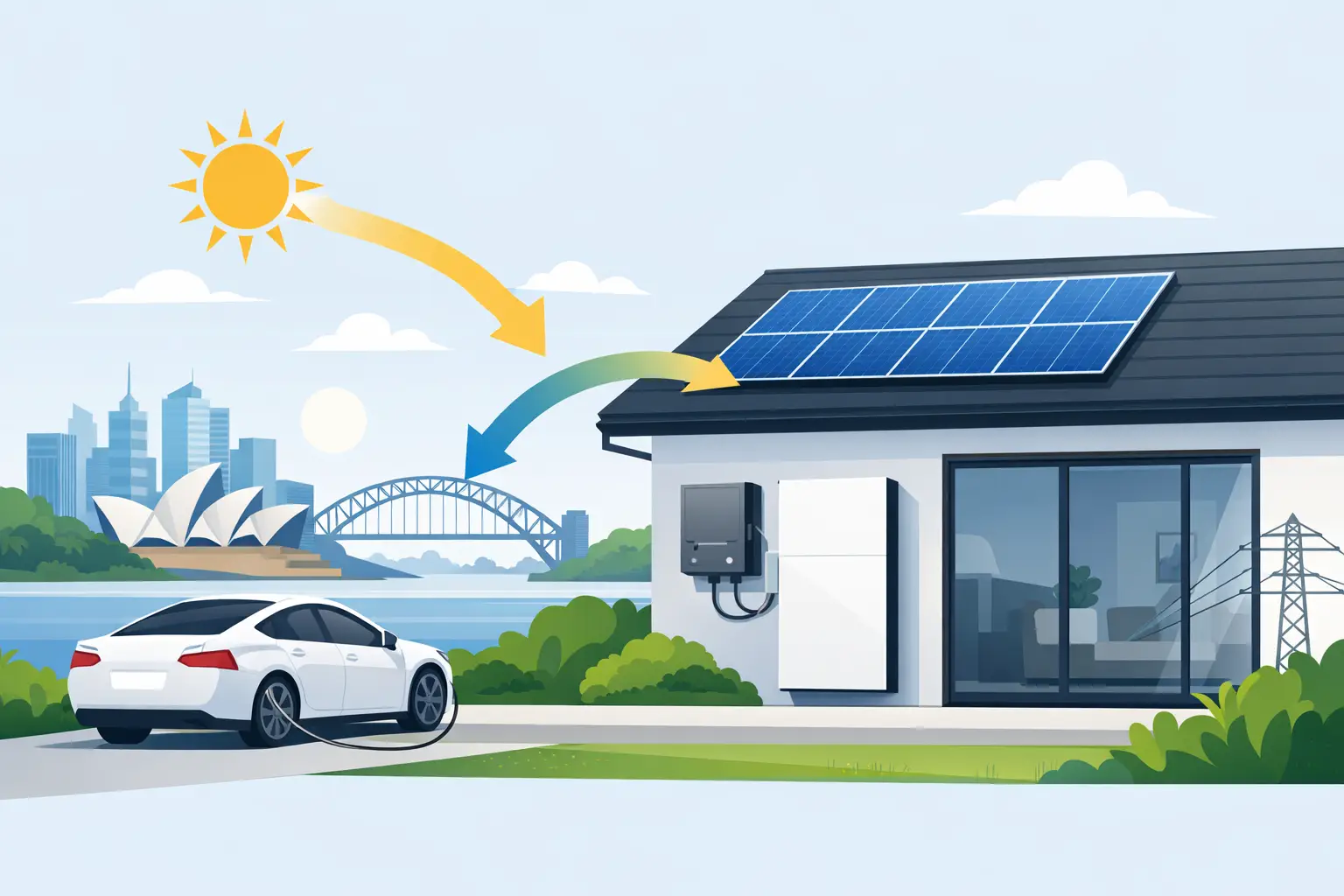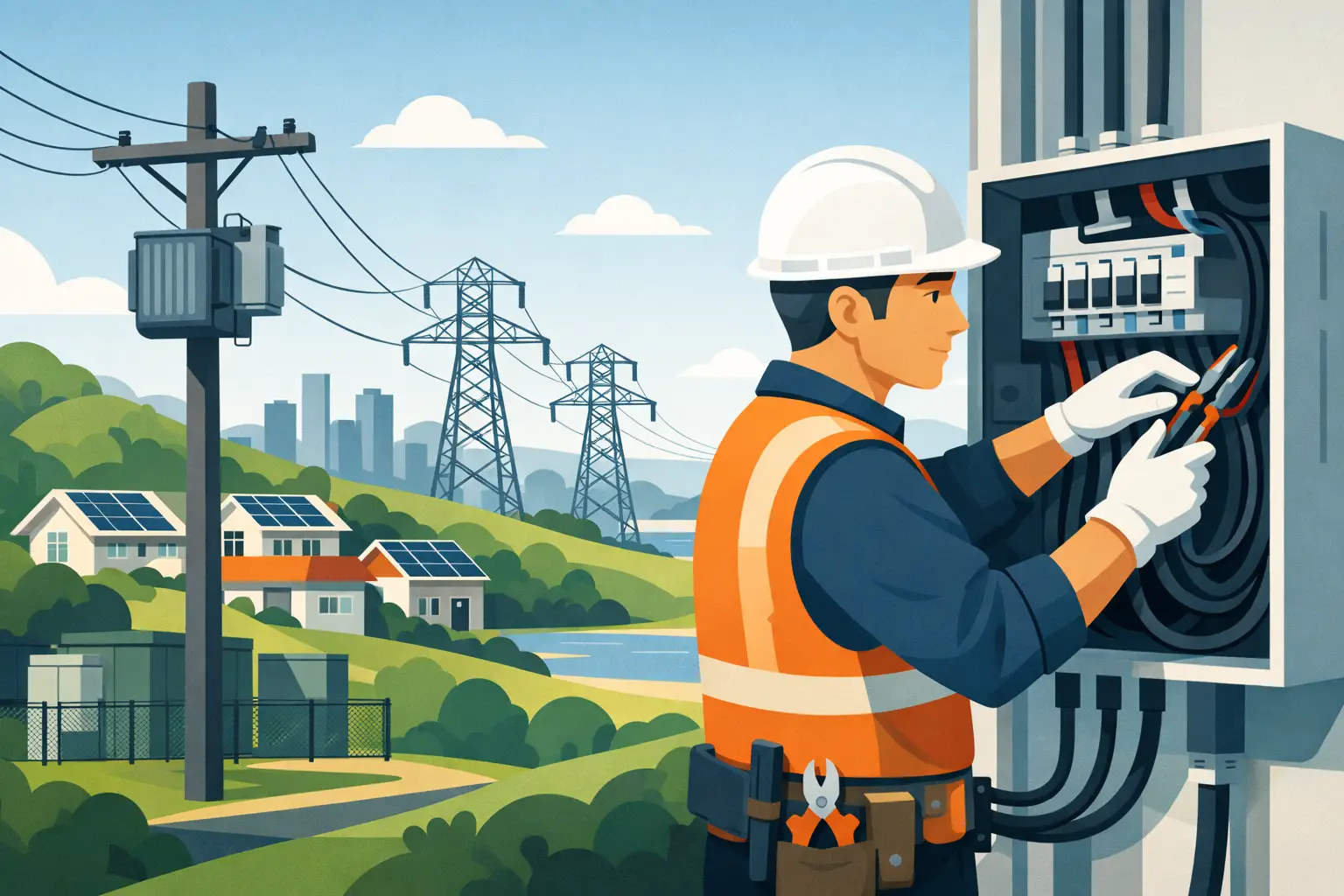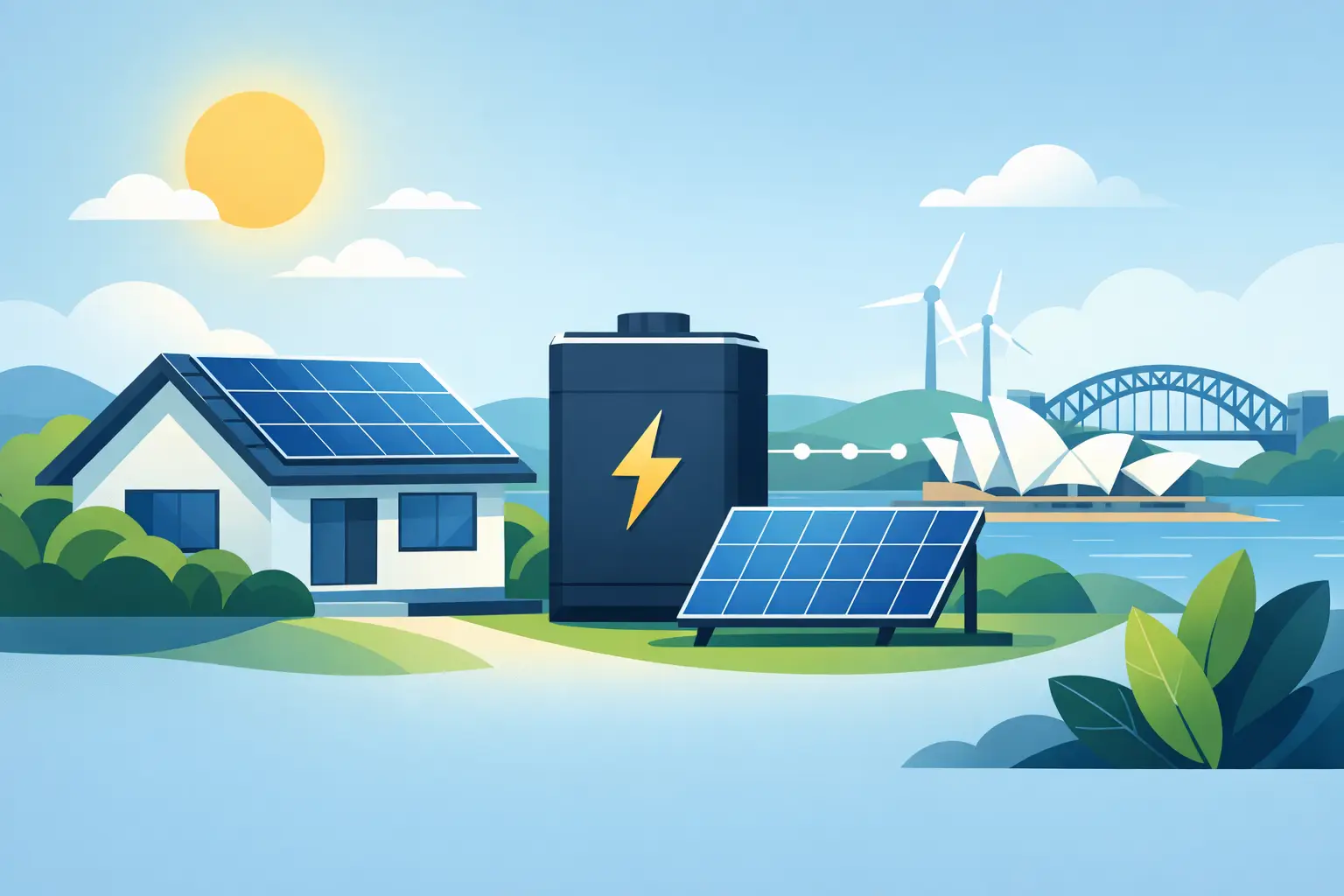
A meter panel upgrade is often the practical first step before adding solar, a home battery, an EV charger or larger electrical loads. If you are researching how to upgrade meter panel equipment at an NSW property, the key point is simple: this is regulated electrical work, not a DIY job or a basic switchboard swap. The panel connects your property to the electricity network, so the work must be planned around safety, compliance and the energy system you want to run now and in the years ahead.
For many Sydney homes and businesses, an ageing meter panel was designed for a very different electricity demand. It may have supported lighting, general power and a few appliances well enough, but not a solar inverter, battery, ducted air conditioning, induction cooking and an EV charger operating in the same household.
When should you upgrade a meter panel?
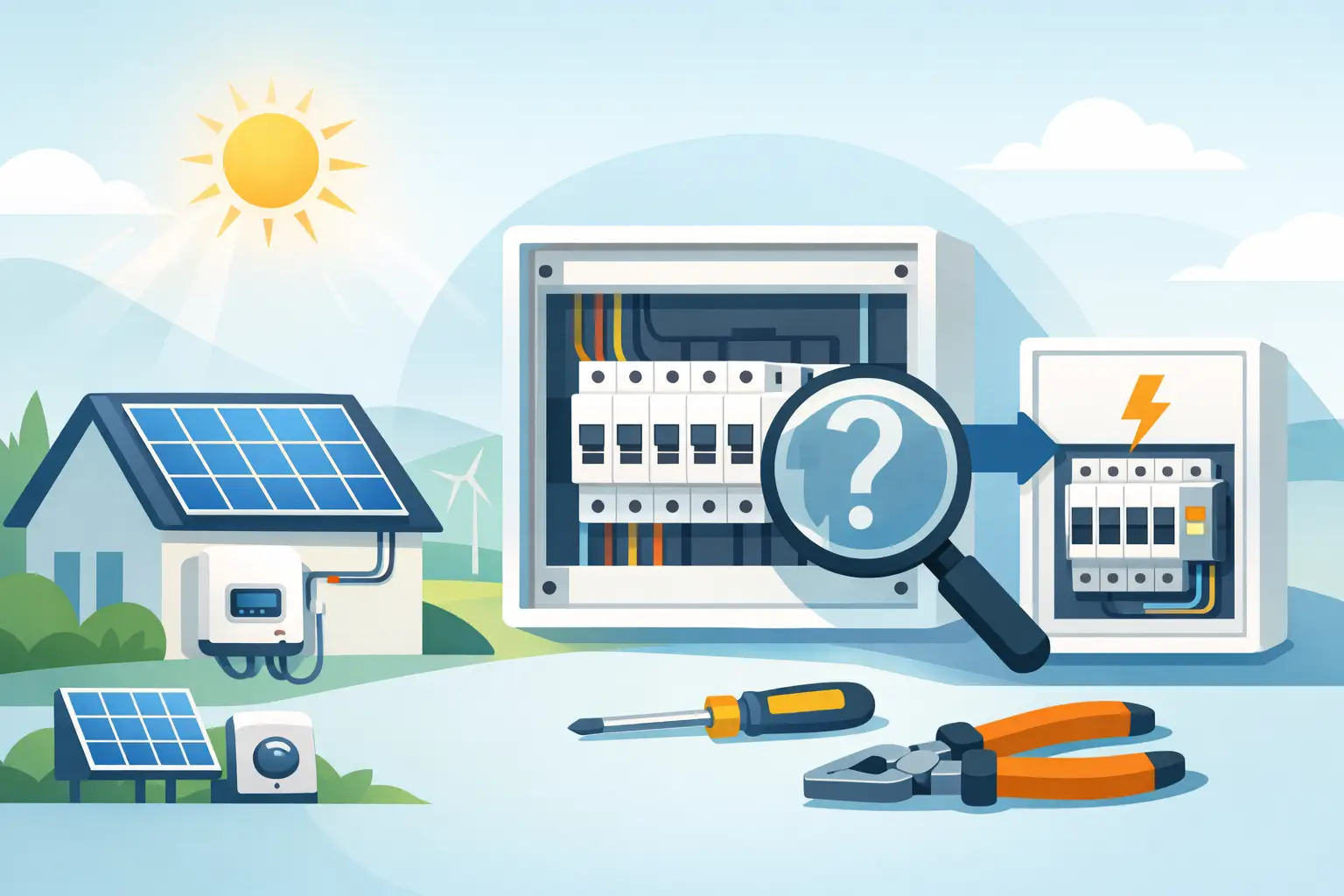
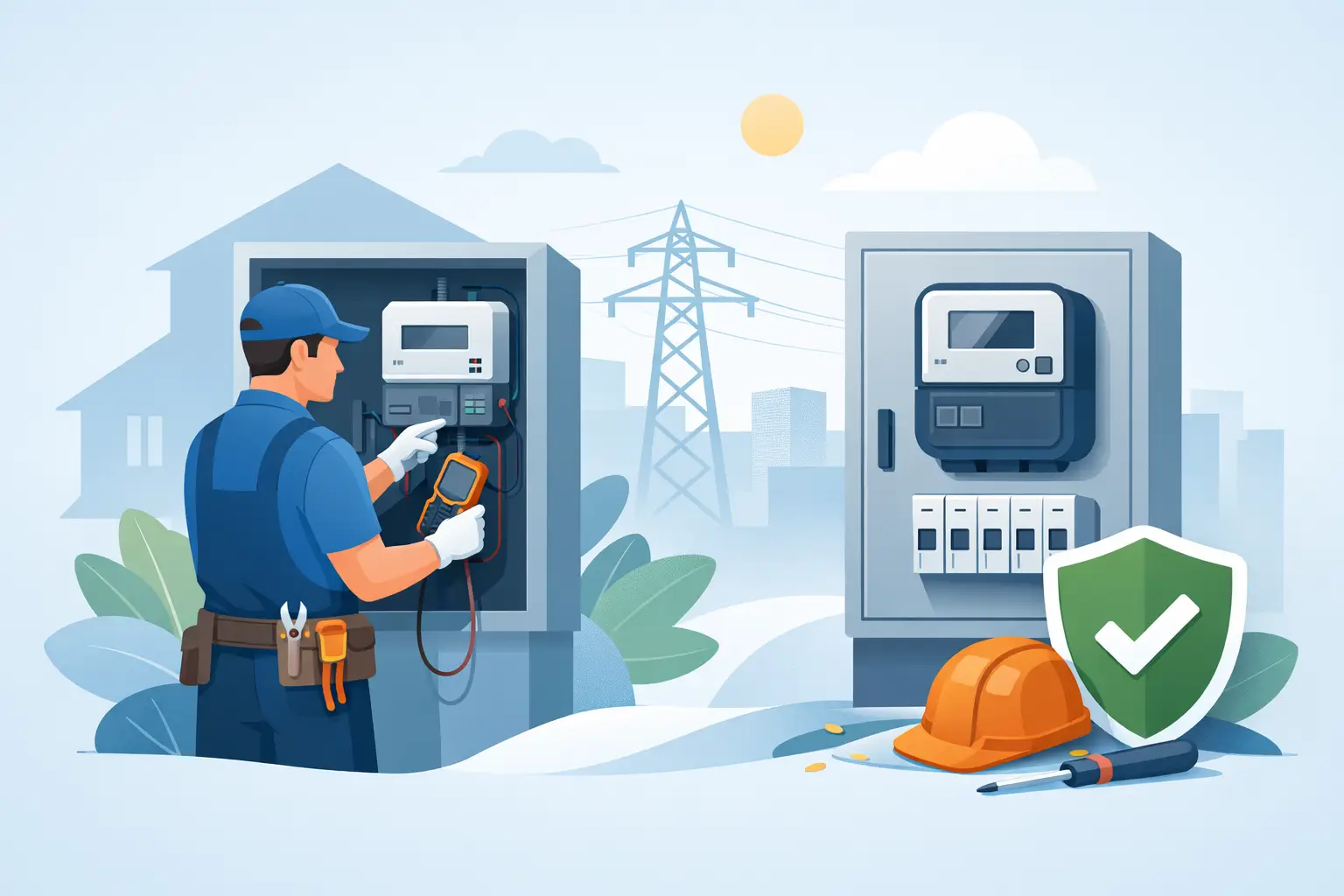
A meter panel houses the electricity meter and associated network equipment. It is closely related to your switchboard, but the two are not always the same thing. The meter panel manages the network connection and metering arrangement, while the switchboard distributes power through circuits inside the property.
An upgrade may involve the meter panel alone, the switchboard, the consumer mains, the service fuse, or a combination of these components. What is required depends on the age and condition of the installation, your available supply capacity and the proposed equipment.
Common reasons to upgrade include an old ceramic-fuse board, damaged or weathered meter equipment, insufficient consumer mains, a single-phase supply that no longer suits the property, or a planned solar and battery installation. You may also need work completed when installing a high-powered EV charger, renovating, adding a granny flat or expanding a commercial tenancy.
Warning signs deserve prompt attention. Repeated tripping, flickering lights, heat marks around electrical equipment, exposed cabling, corrosion, or a panel that cannot safely accommodate new protective devices should be assessed by a qualified electrician. If asbestos-containing material may be present in an older backing board, it requires careful identification and compliant handling before electrical work proceeds.
How to upgrade meter panel equipment: the right process
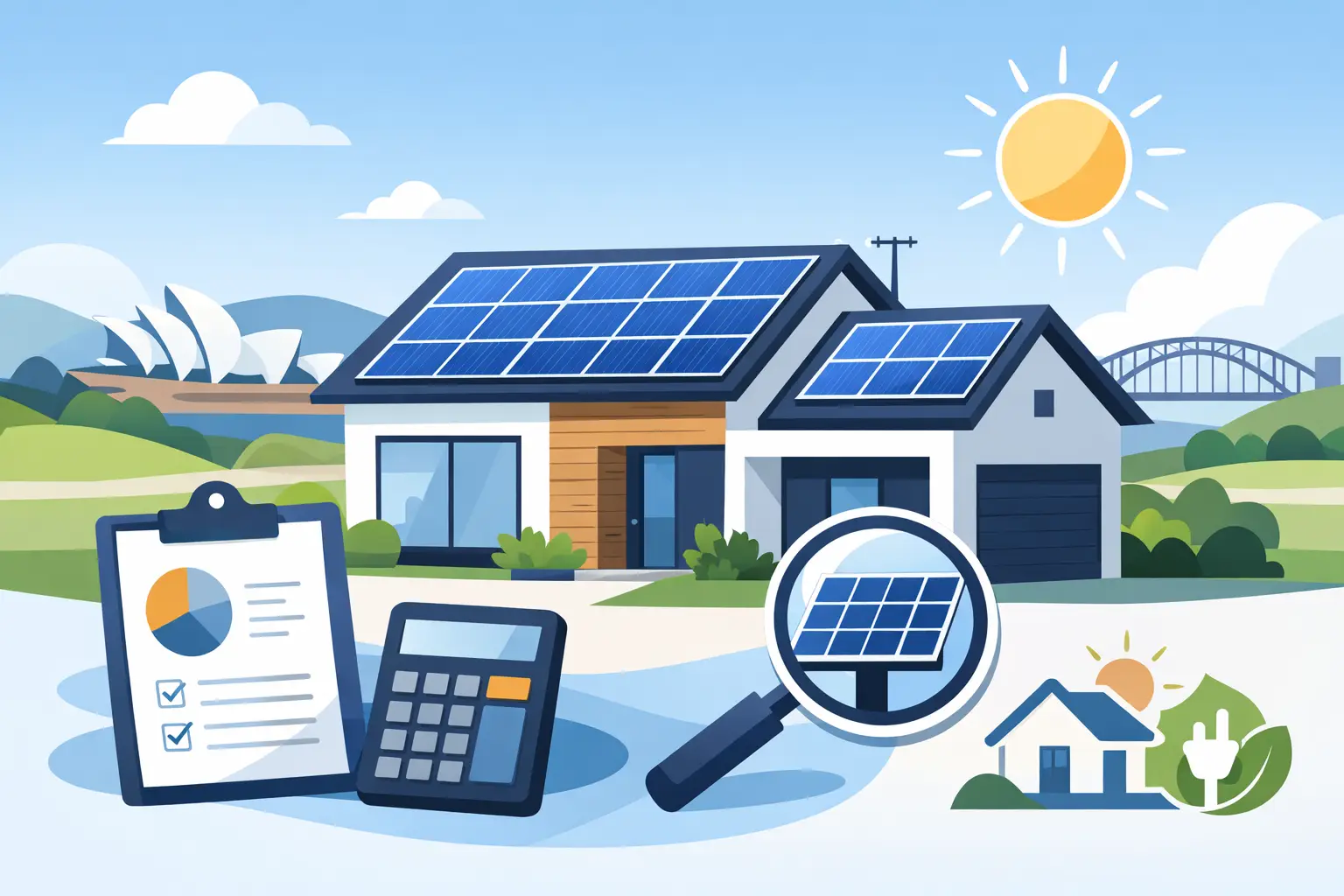
The safest and most cost-effective upgrades start with an on-site assessment rather than an assumption that every old board needs a complete replacement. A qualified contractor will inspect the existing supply, metering arrangement, earthing, enclosure condition, switchboard capacity and the loads you intend to add.
1. Define the energy plan, not just the immediate job
Tell your electrician what is planned over the next several years. A solar-only system has different requirements from solar paired with a battery, three-phase EV charger and electric hot-water upgrade. Designing only for the appliance being installed this month can create unnecessary rework later.
For example, a household may be able to install a modest solar system without a major supply upgrade. But if the owner expects to add a battery and EV charger soon after, upgrading consumer mains or allowing spare switchboard capacity during the first stage can be the smarter investment.
Commercial properties need the same forward planning. Load growth, operating hours, machinery, refrigeration, future tenancy changes and solar export requirements all influence the right design. The aim is sufficient capacity without paying for infrastructure that the site does not need.
2. Assess supply capacity and phase configuration
Your property may have a single-phase or three-phase electrical supply. Single-phase power suits many homes, while three-phase supply can better support larger homes, workshops, apartments, commercial premises and high-demand equipment.
Moving to three phase is not automatically necessary for solar or EV charging. It depends on your existing connection, the size of the proposed system and the total load profile. However, it can provide greater flexibility where demand is high or future electrification is a priority.
The assessment should also consider consumer mains – the cables running from the meter area to the switchboard. Older cables may be undersized for modern electrical demand. Simply fitting new equipment to an old supply cable is not a sound long-term solution.
3. Confirm network and metering requirements
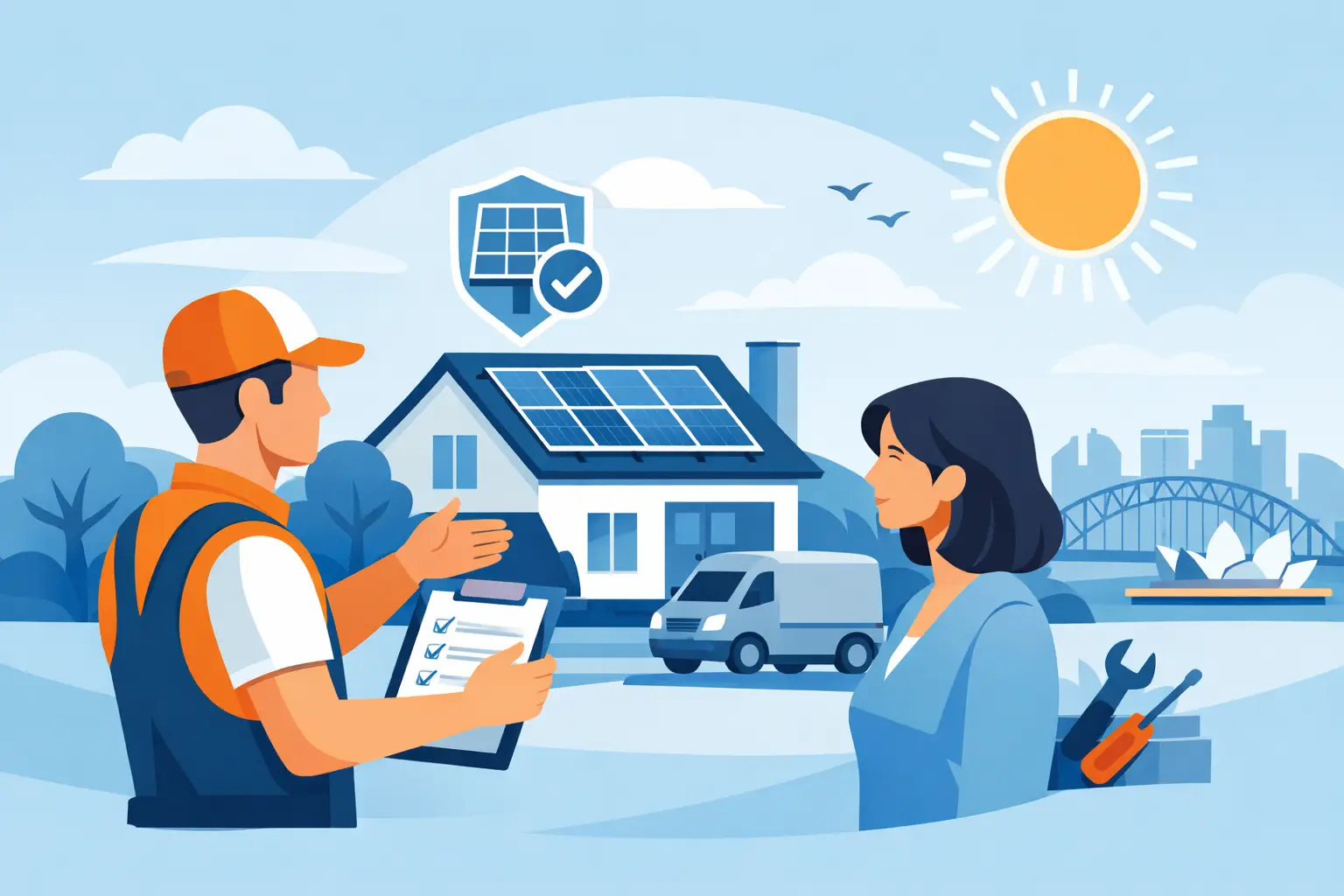
Work on the network side of the installation, including service connections and certain metering arrangements, must be handled under NSW rules. This is where a Level 2 Accredited Service Provider is essential. A Level 2 ASP is authorised to carry out specified connection, disconnection, service and metering-related electrical work in accordance with network requirements.
Depending on the scope, approvals or notifications may be required through the relevant electricity distributor and metering parties. A new or upgraded smart meter is commonly arranged through your electricity retailer and its appointed metering coordinator, although the exact pathway varies by project.
A properly managed project accounts for these steps before installation day. It also allows for planned outages where needed, so the work can be completed safely and disruption is kept to a minimum.
4. Upgrade protection, earthing and enclosure standards
A modern electrical upgrade is about far more than making the board look new. It should include the right circuit protection, clear labelling, safe isolation, compliant earthing and an enclosure suited to the location. External equipment must also withstand weather exposure and prevent unauthorised access where required.
Residual current devices, commonly called safety switches, are central to modern electrical safety. Surge protection may also be worthwhile, particularly where a property is adding sensitive electronics, solar equipment, batteries or EV charging infrastructure. The appropriate protection arrangement depends on the site and should be specified in the design.
5. Install solar, batteries or EV charging with the panel upgrade
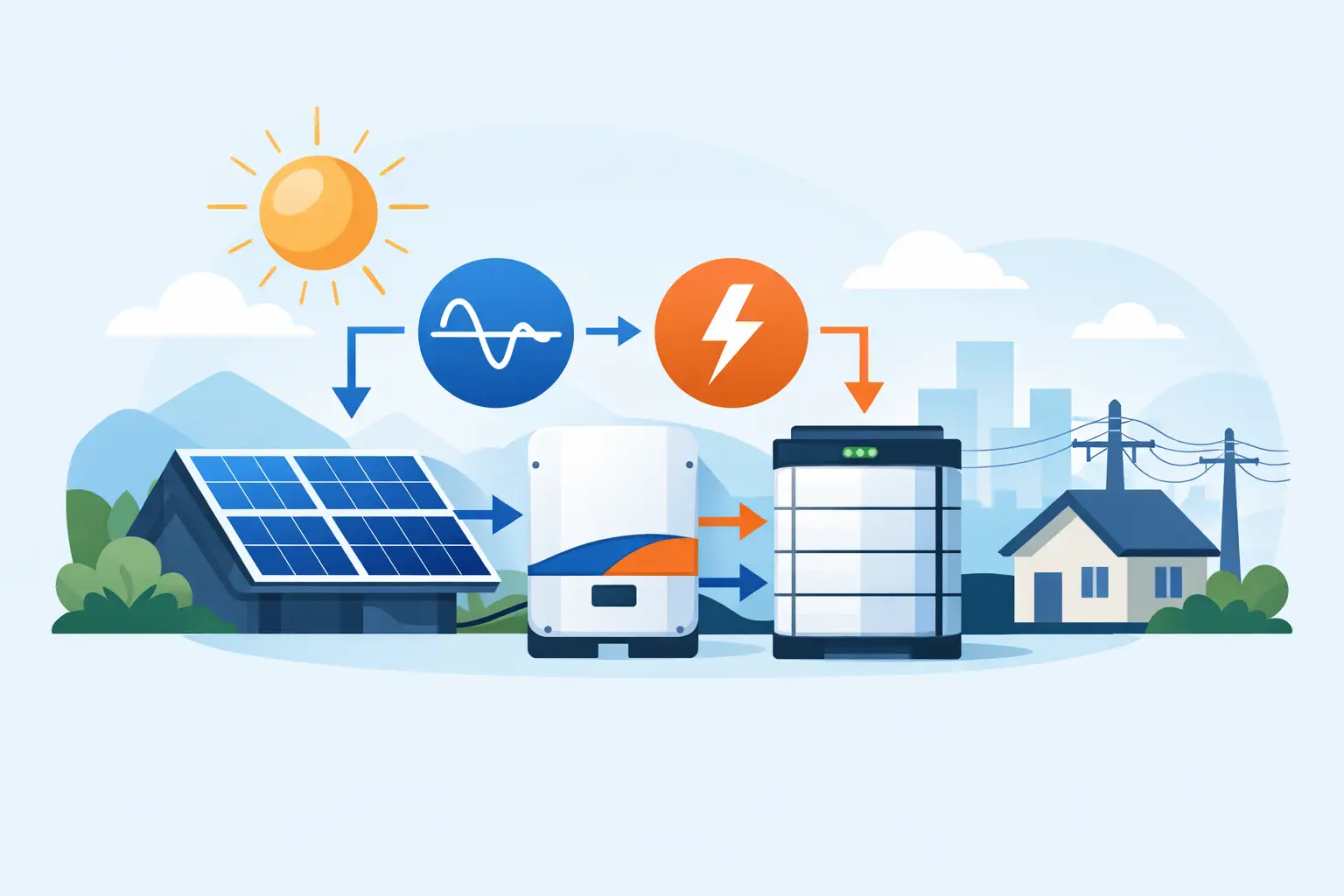
Coordinating related works in one project can reduce duplicated labour, minimise outages and give you a cleaner electrical design. Solar inverters need suitable connection points and isolation. Batteries require careful placement, protection and commissioning. EV chargers need a dedicated circuit and adequate available capacity.
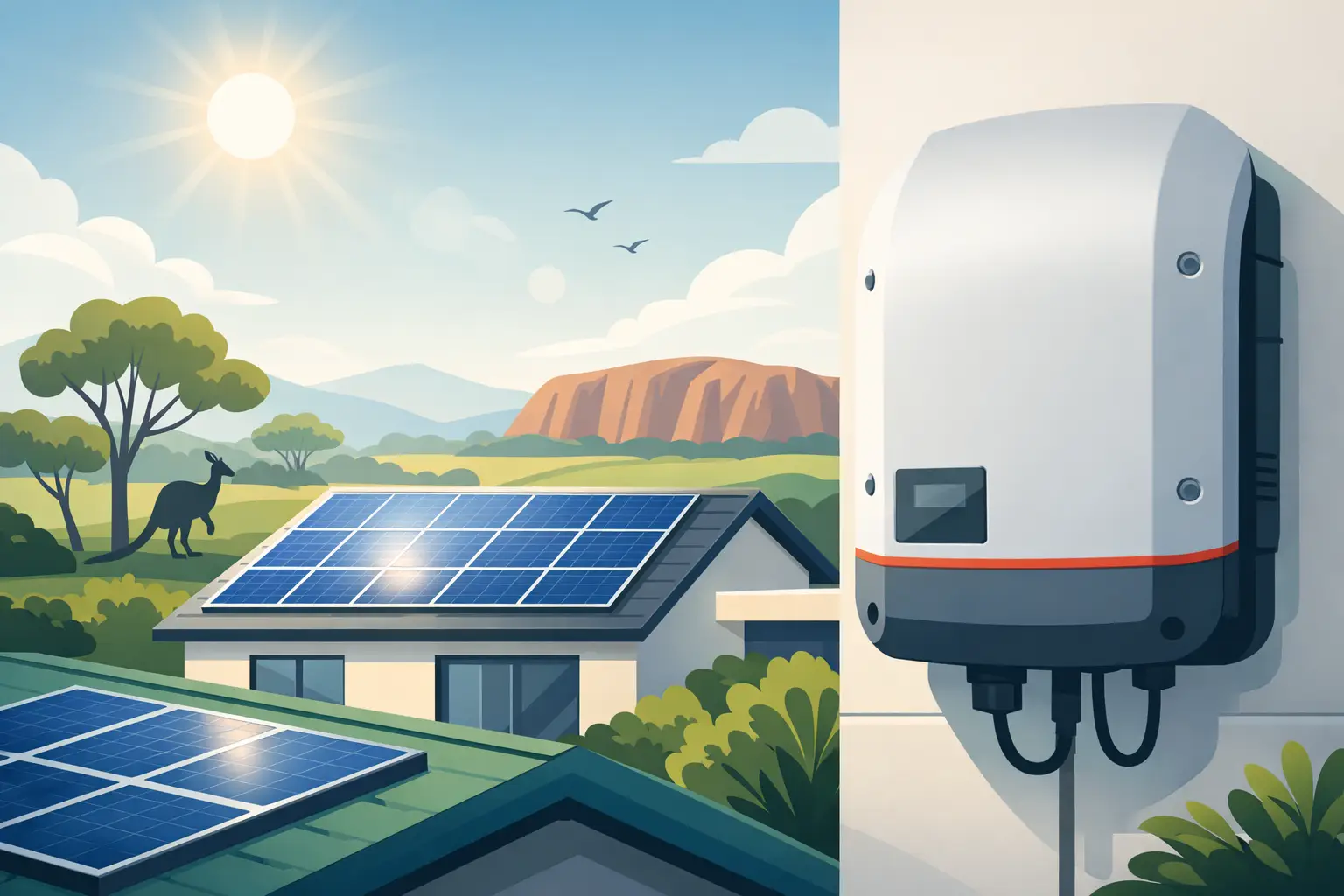
For solar, your installer should assess both generation and export. NSW distributors can apply export limits, which may affect the inverter configuration or the value of export-control technology. A well-designed system considers how much solar you can use on site, not just the largest panel capacity that will fit on the roof.
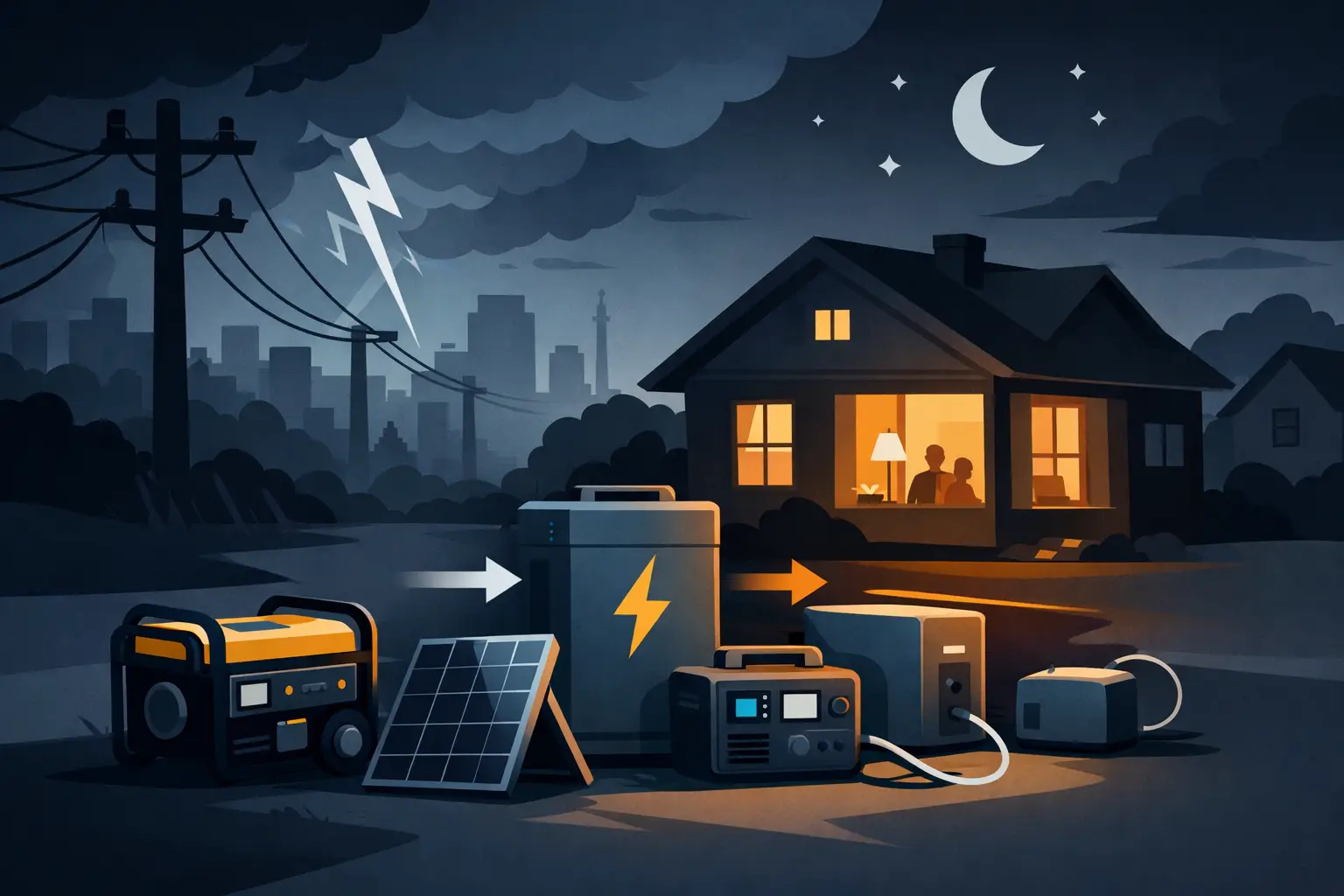
For batteries, the question is whether you want bill savings, backup capability during outages, greater solar self-consumption, or all three. Backup power is not automatic with every battery system. It requires correctly designed backup circuits and compatible equipment, which should be discussed before the electrical upgrade is finalised.
What affects the cost and timeframe?
There is no responsible fixed price for every meter panel upgrade because site conditions vary substantially. A straightforward replacement at an accessible property is very different from a job involving three-phase conversion, underground consumer mains, an overhead service, asbestos remediation, damaged infrastructure or commercial load upgrades.
The most useful quotation will clearly state what is included: labour, materials, network-related work, switchboard changes, metering coordination, planned outage requirements, testing, compliance documentation and any exclusions. Transparent scope matters because electrical upgrades can uncover legacy issues that are not visible until the installation is inspected.
Timeframes also depend on approvals, equipment availability and whether the distributor needs to attend. Planning ahead is particularly valuable when your project is tied to solar installation dates, renovation schedules or EV delivery.
Why credentials matter for meter panel work
A standard electrical licence alone does not cover every task at the point where your property connects to the electricity network. In NSW, work involving service equipment and network connections may require a Level 2 ASP with the correct accreditation category.
For a solar-led upgrade, it also helps to work with a contractor that understands system performance as well as electrical compliance. The meter panel, switchboard, inverter, battery and charger should operate as one considered energy system, not as disconnected installations completed at different times.
Sydpro Solar Solutions combines Clean Energy Council SAA accreditation with Level 2 ASP capability, allowing eligible solar, battery, EV charging and connection works to be planned through one experienced project team. That integrated approach makes it easier to identify electrical constraints early and build an upgrade around the way you actually use energy.
Avoid the shortcuts that create costly rework
Do not choose a design based only on the lowest initial quote. A cheaper option can become expensive if it leaves no room for battery storage, fails to address undersized consumer mains, or requires another major outage when you buy an EV.
Equally, avoid overspecifying infrastructure without evidence that you need it. The right solution is based on your present demand, likely future loads, available supply and budget. A capable contractor should explain the options plainly, including the trade-offs between a staged upgrade and completing all works at once.
The best meter panel upgrade is one that makes your property safer today and ready for the energy choices ahead. Start with a detailed site assessment, ask for a clear scope of work, and make sure the contractor has the NSW authorisations needed to manage the connection safely.