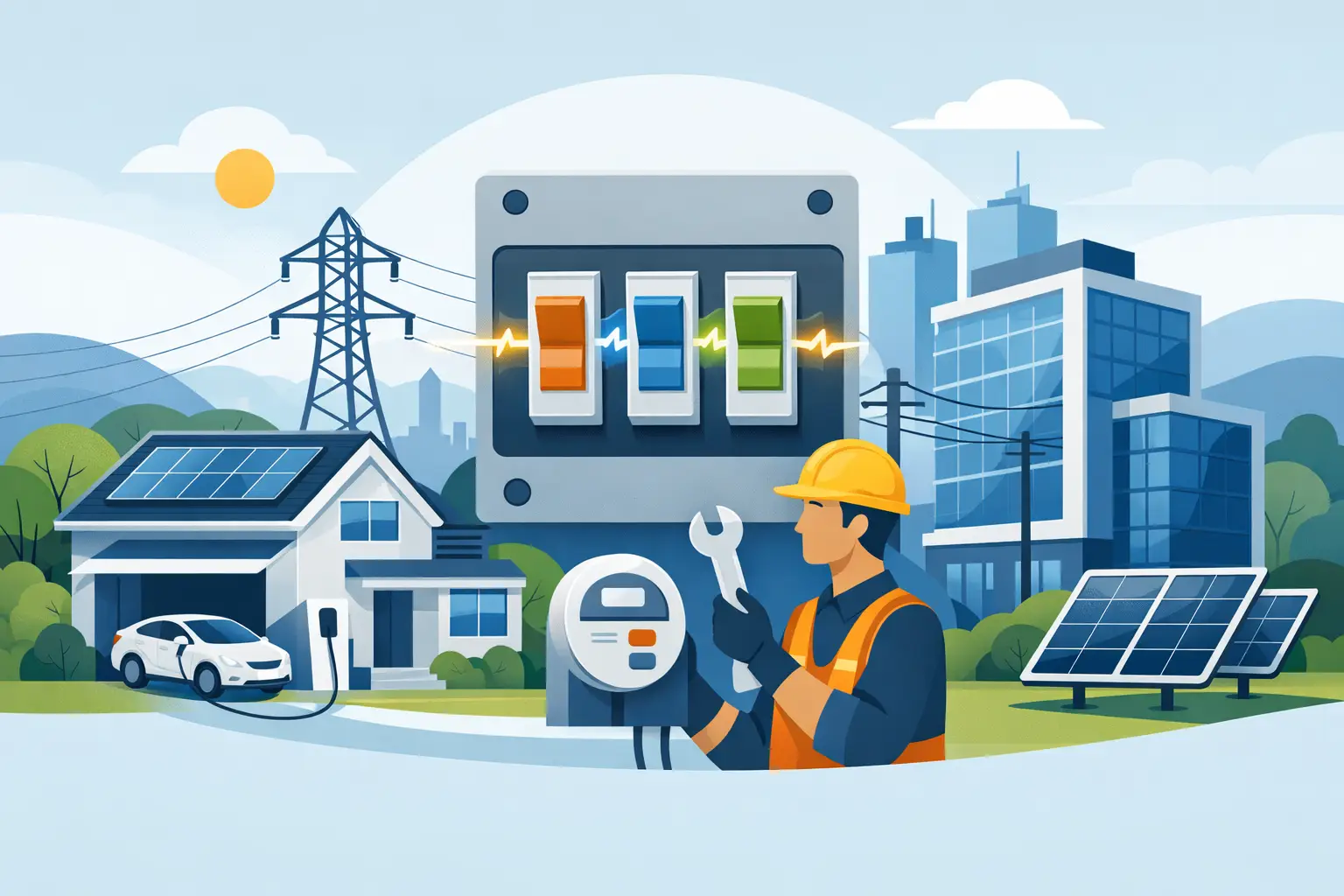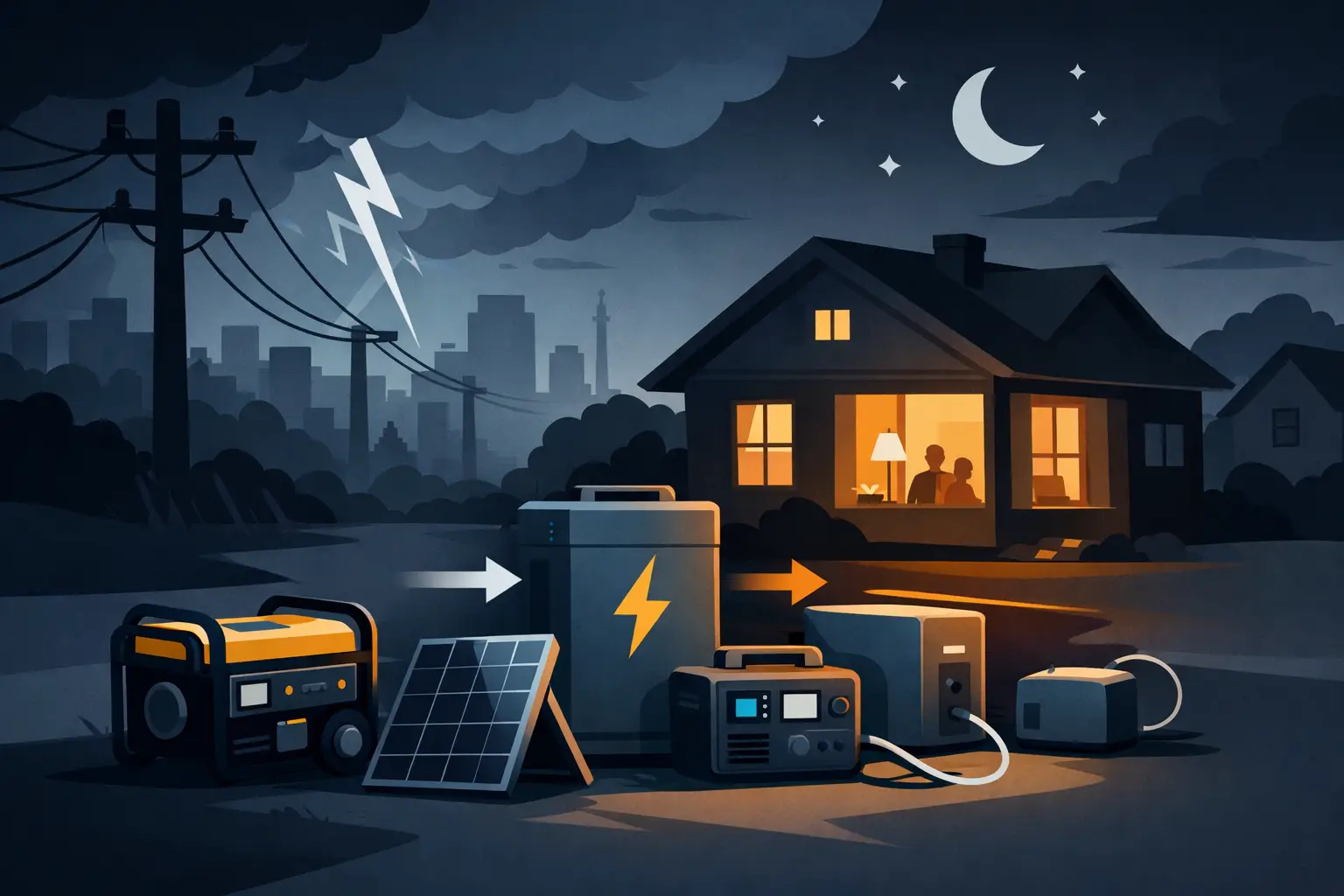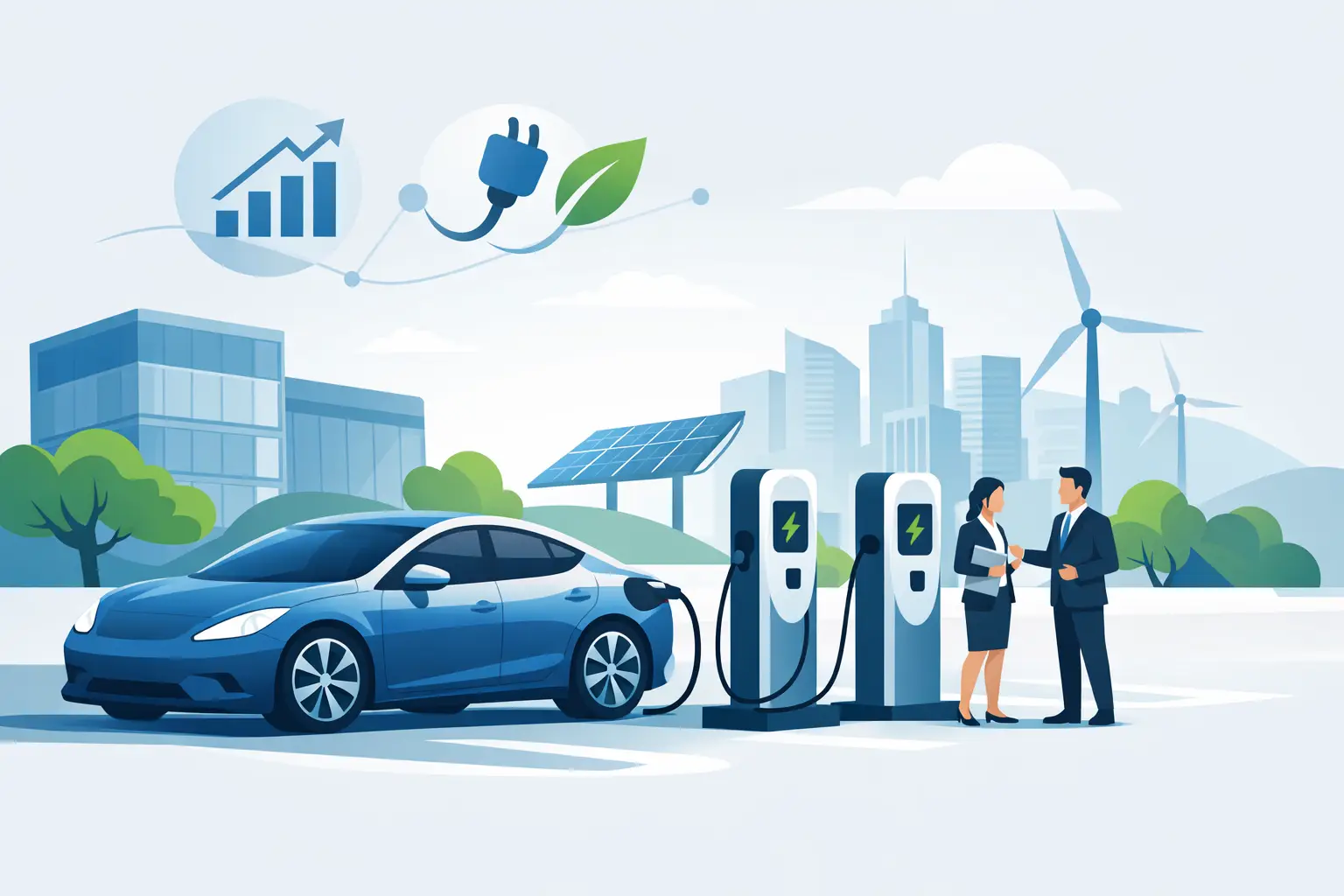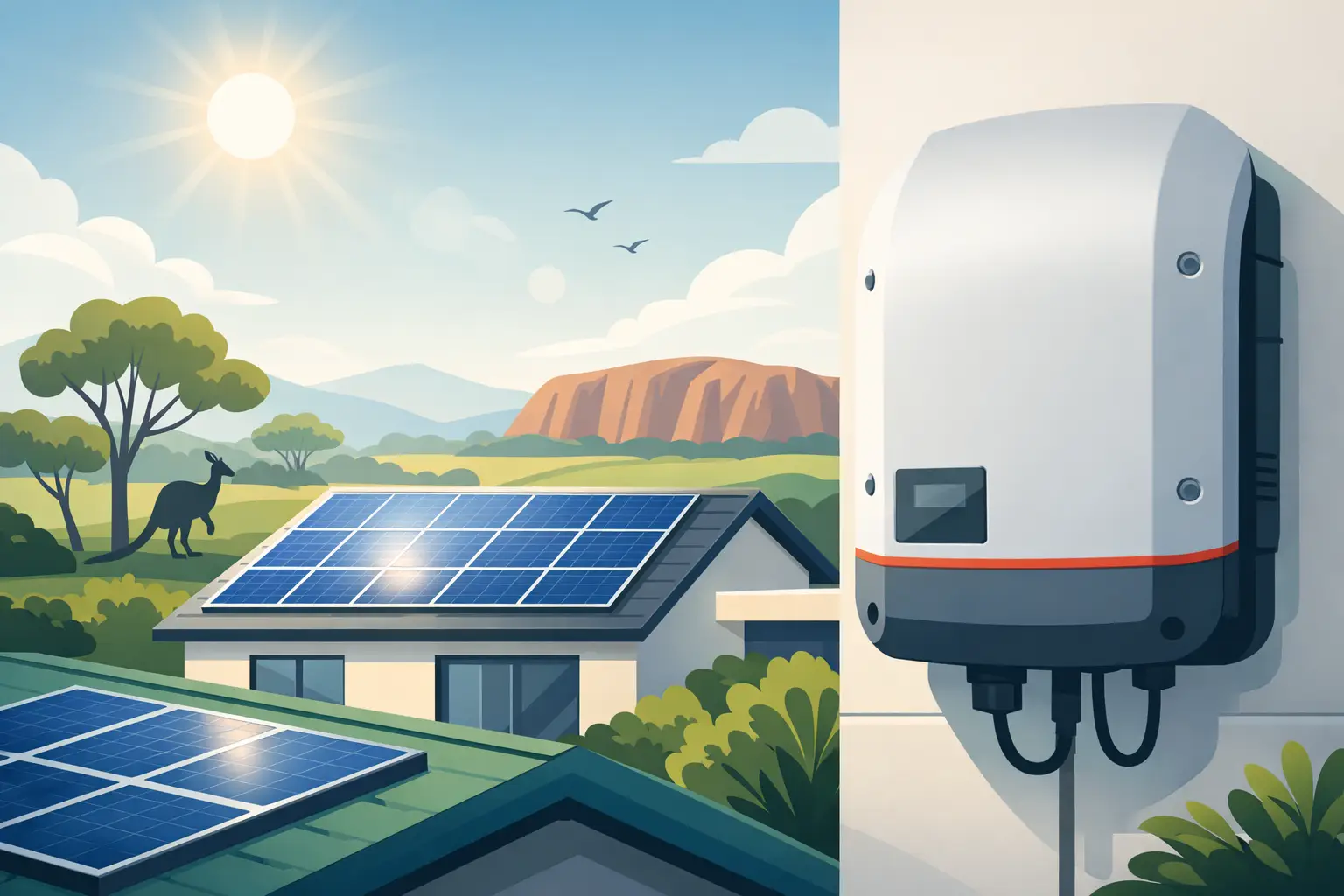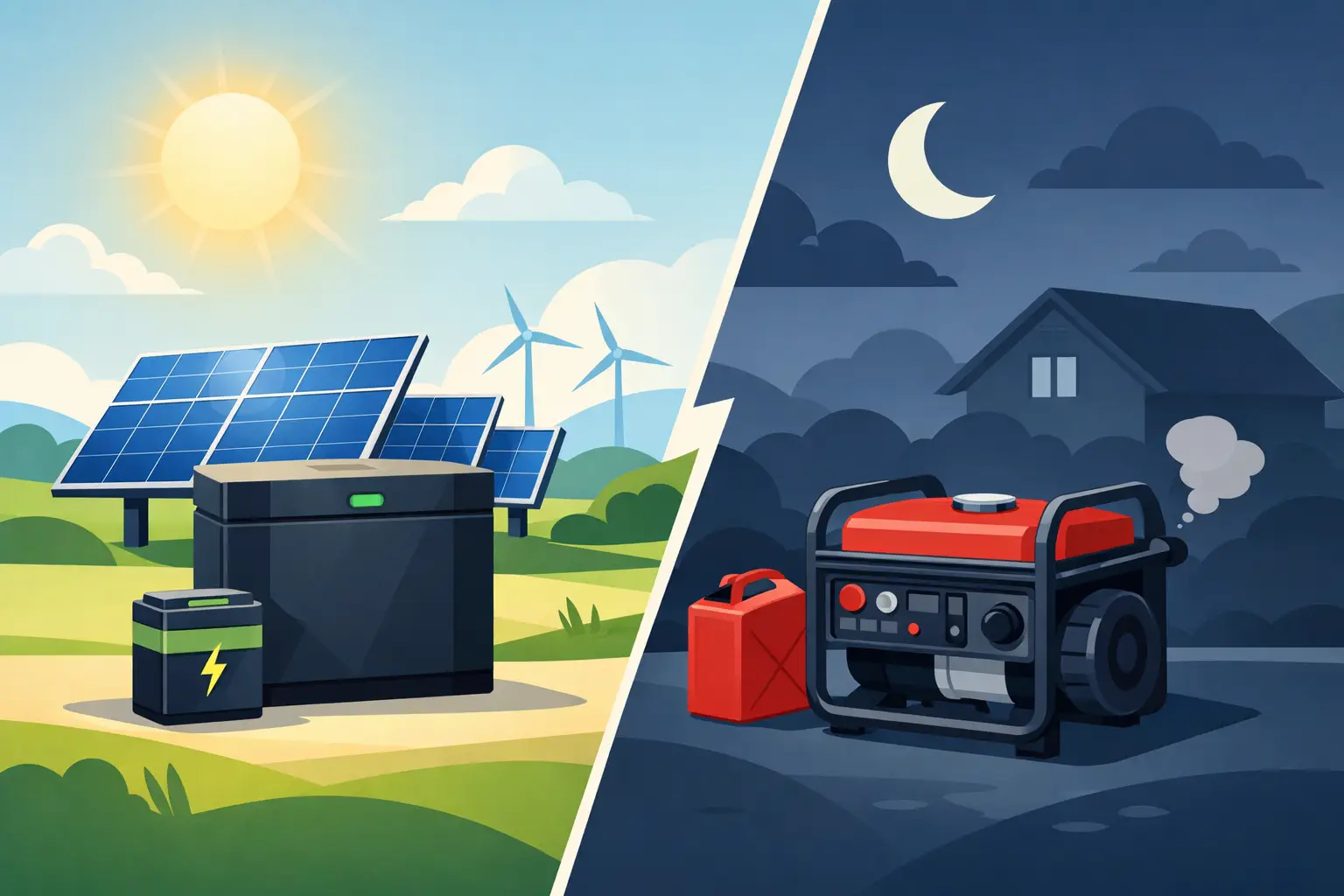
A blackout at 7 pm changes the solar battery versus generator conversation quickly. The question is no longer just about keeping the lights on. For NSW homes and businesses, it is about which option can protect essential loads, control running costs and work safely with the electrical system already on site.
A solar battery and a generator can both provide backup power, but they do it in very different ways. One stores clean electricity for use when solar production falls or the grid goes down. The other creates electricity on demand by burning fuel. The right choice depends on your energy use, blackout expectations, budget, site constraints and plans for solar, EV charging or future electrical upgrades.
Solar Battery Versus Generator: The Core Difference
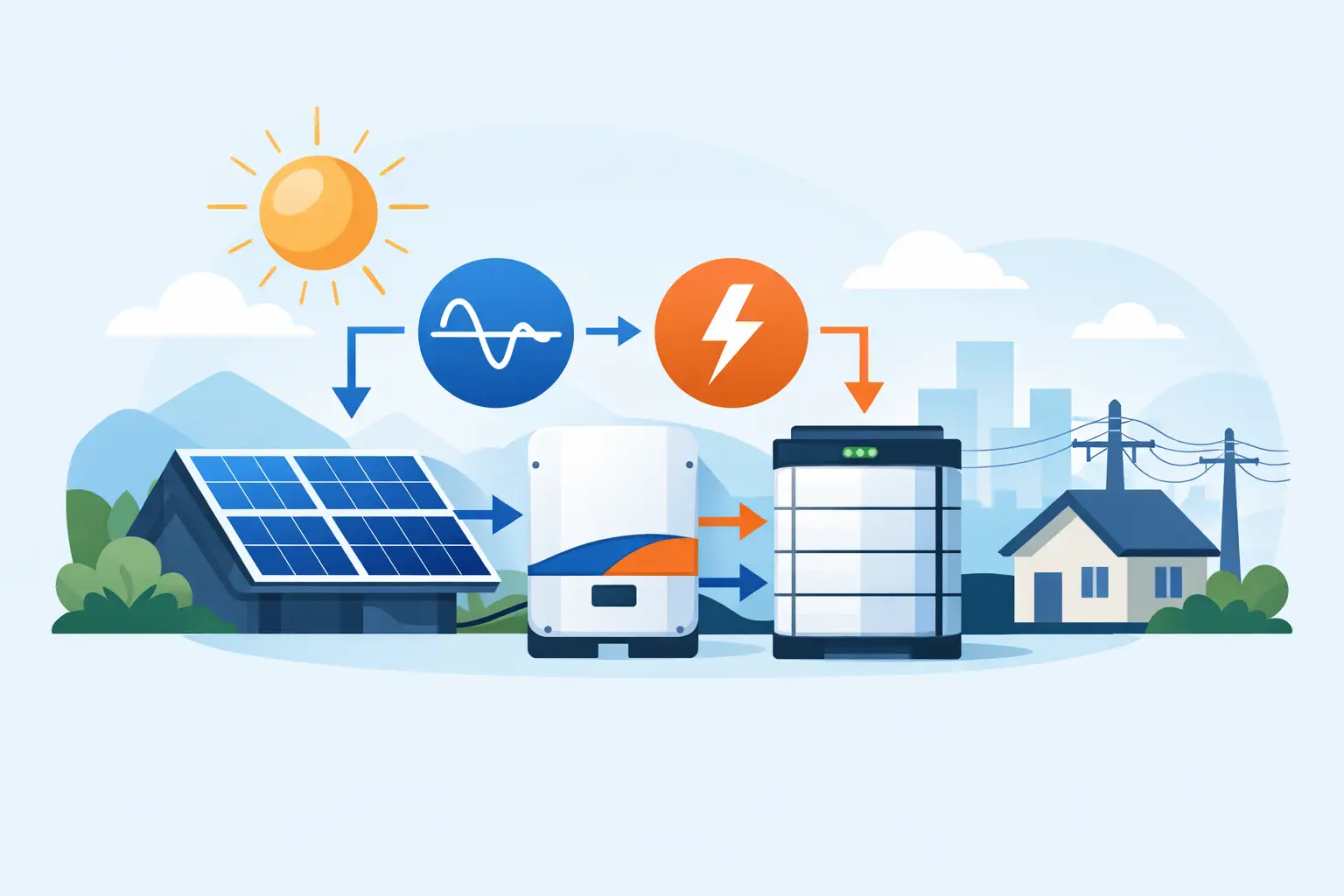
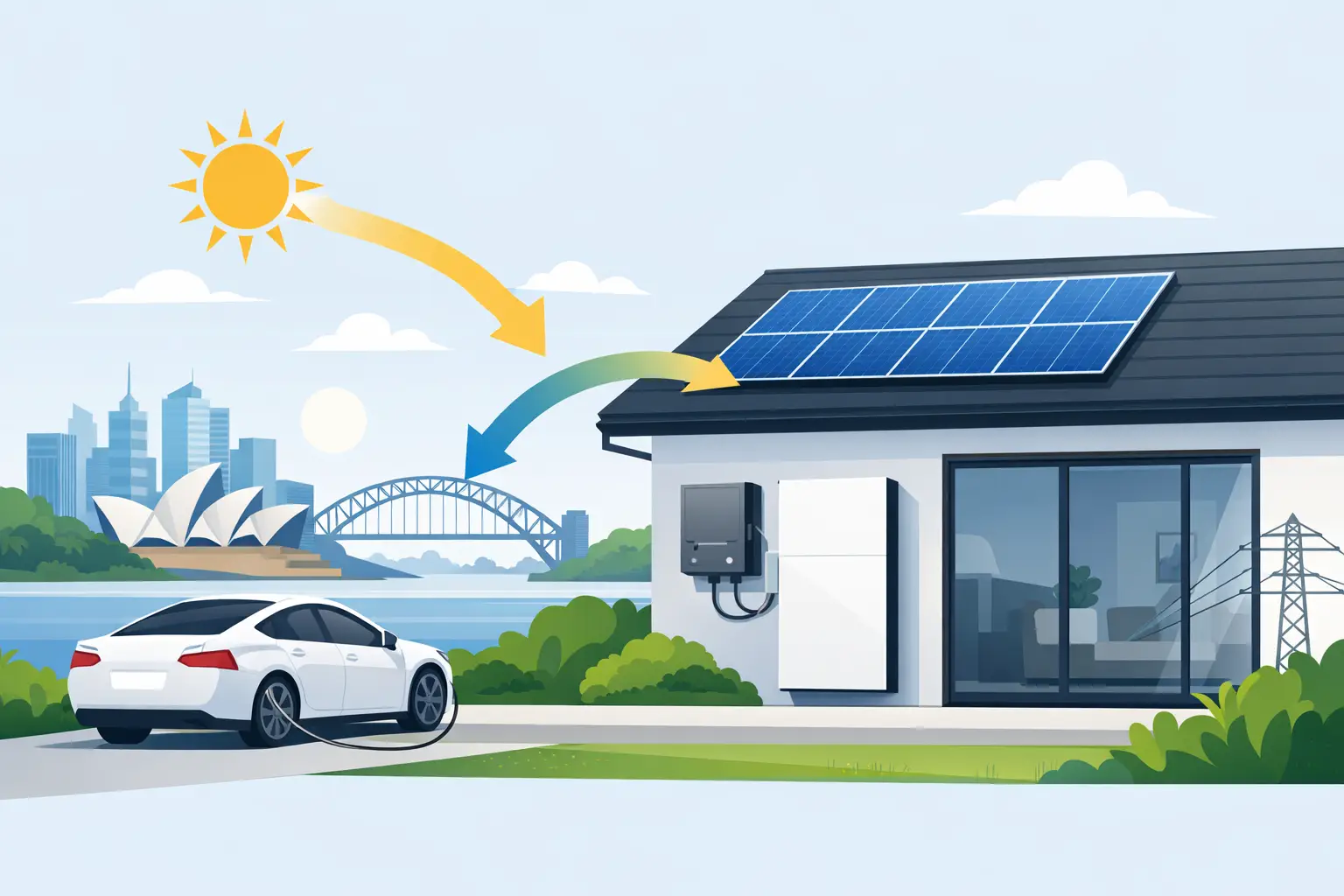
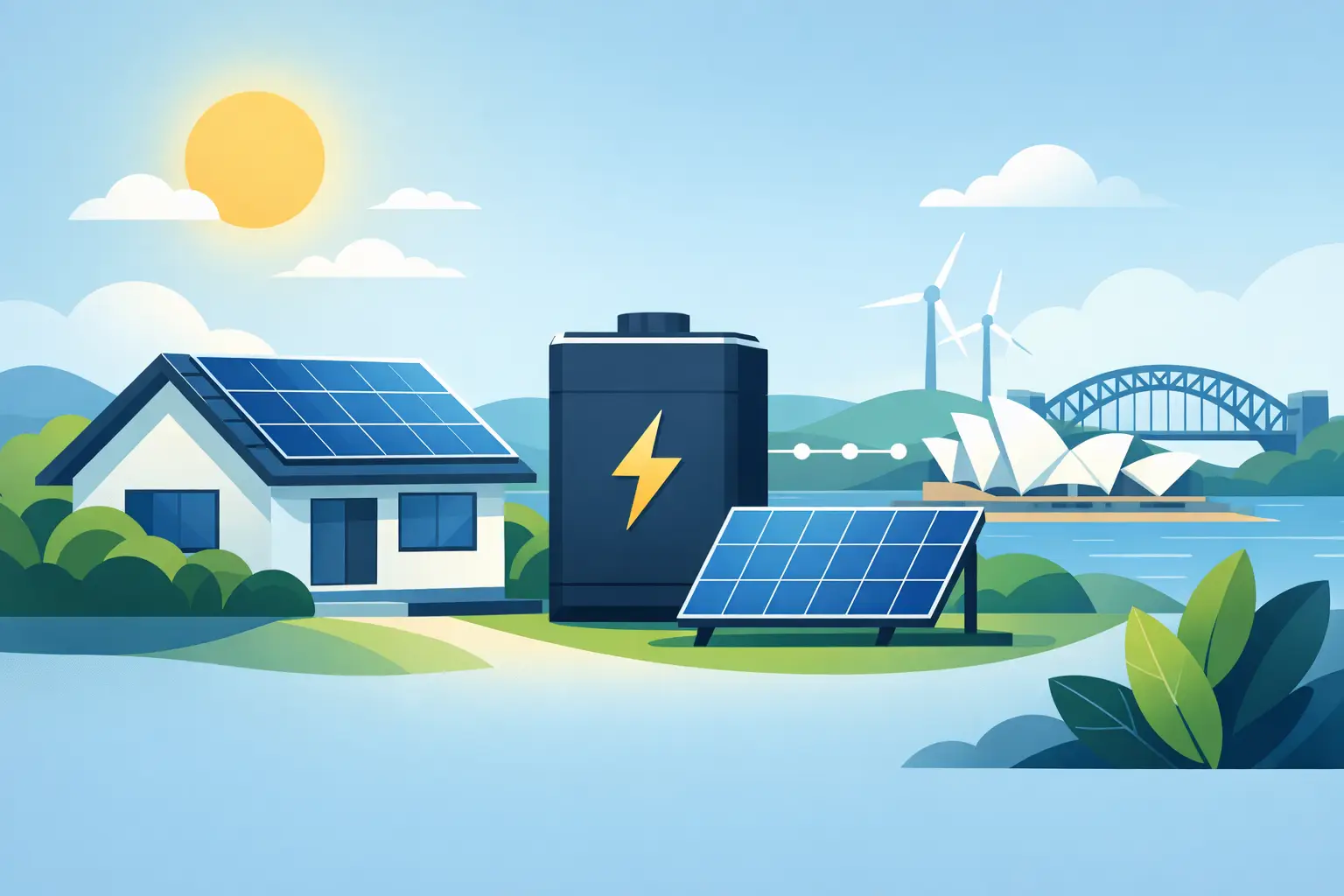
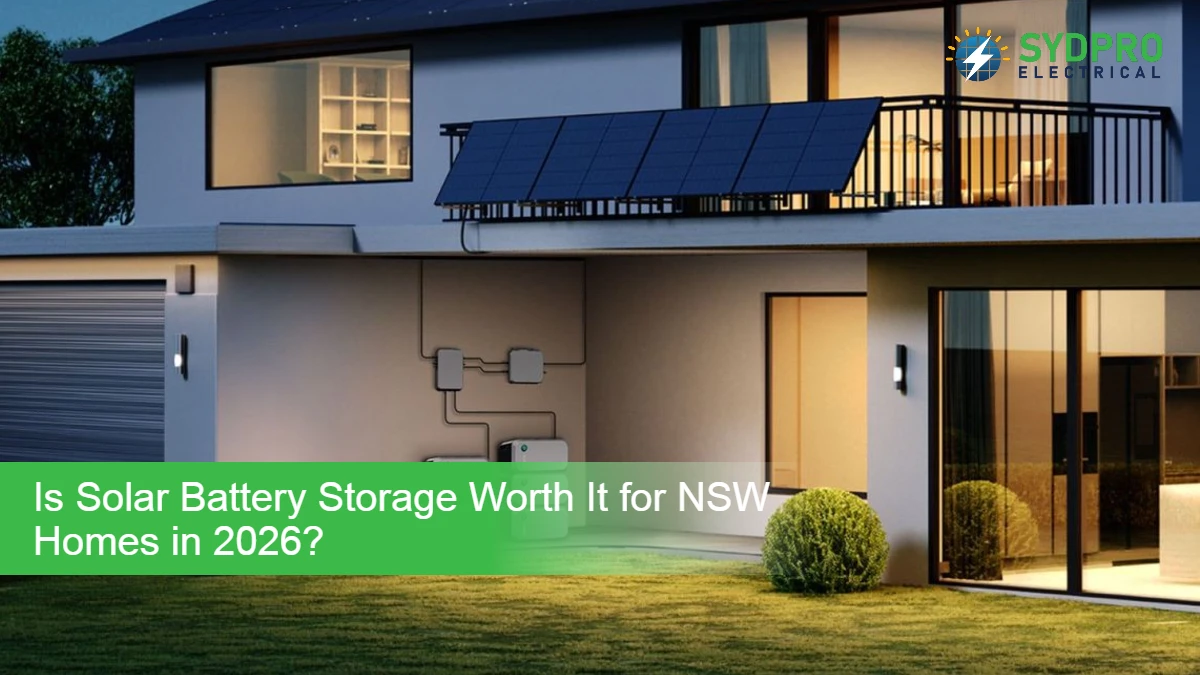
A battery stores electricity generated by your rooftop solar system or, where appropriate, drawn from the grid at lower-cost times. During normal operation, it can reduce the amount of evening power you buy from your retailer. During a blackout, a battery with correctly designed backup capability can keep selected circuits running.
A generator uses petrol, diesel, LPG or natural gas to produce electricity. It is usually started manually or automatically when grid supply fails. Its practical advantage is runtime: as long as it has fuel, is maintained and is operated within its limits, it can continue supplying power.
The difference matters because backup is only one part of the value equation. A battery can work every day to increase solar self-consumption and reduce grid purchases. A generator generally sits idle until an outage, then creates noise, emissions and an ongoing fuel cost.
| Consideration | Solar battery | Generator | | — | — | — | | Everyday bill savings | Yes, when paired with suitable solar usage | No, usually backup only | | Fuel requirement | No fuel deliveries | Requires stored or connected fuel | | Noise and emissions | Quiet operation with no on-site exhaust | Noise, exhaust and ventilation required | | Long outage capability | Limited by battery capacity and solar conditions | Can run while fuel is available | | Maintenance | Relatively low | Regular servicing, testing and fuel management | | Installation | Requires compatible solar, inverter and backup design | Requires compliant changeover and safe siting |
When a Solar Battery Makes More Sense
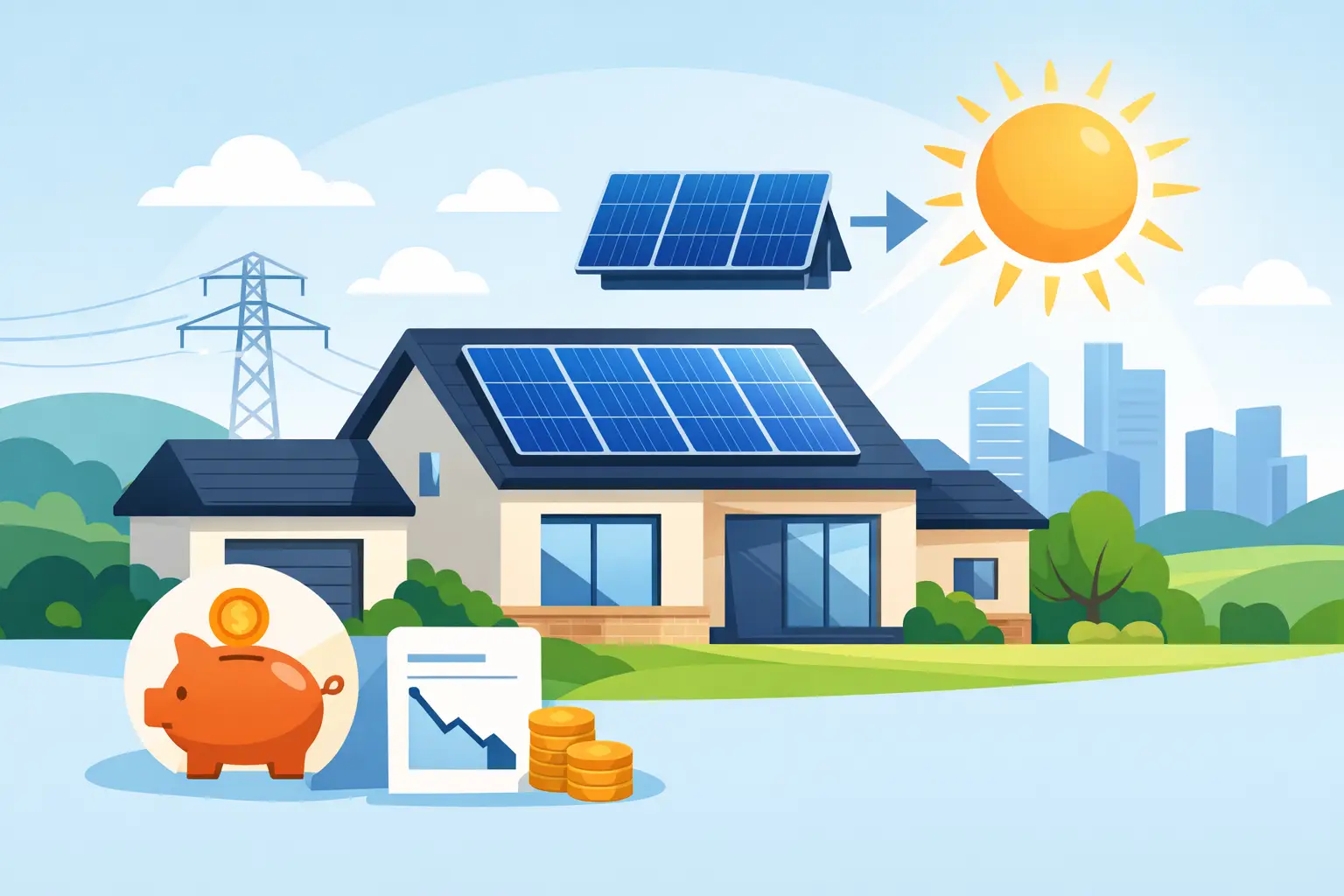
For many Sydney households, a battery is the stronger long-term choice when electricity bills are high after sunset. This is often the period when families cook dinner, run heating or cooling, use appliances and charge devices after rooftop solar output has dropped. Instead of exporting all surplus solar power during the day, a battery allows more of it to be used on site later.
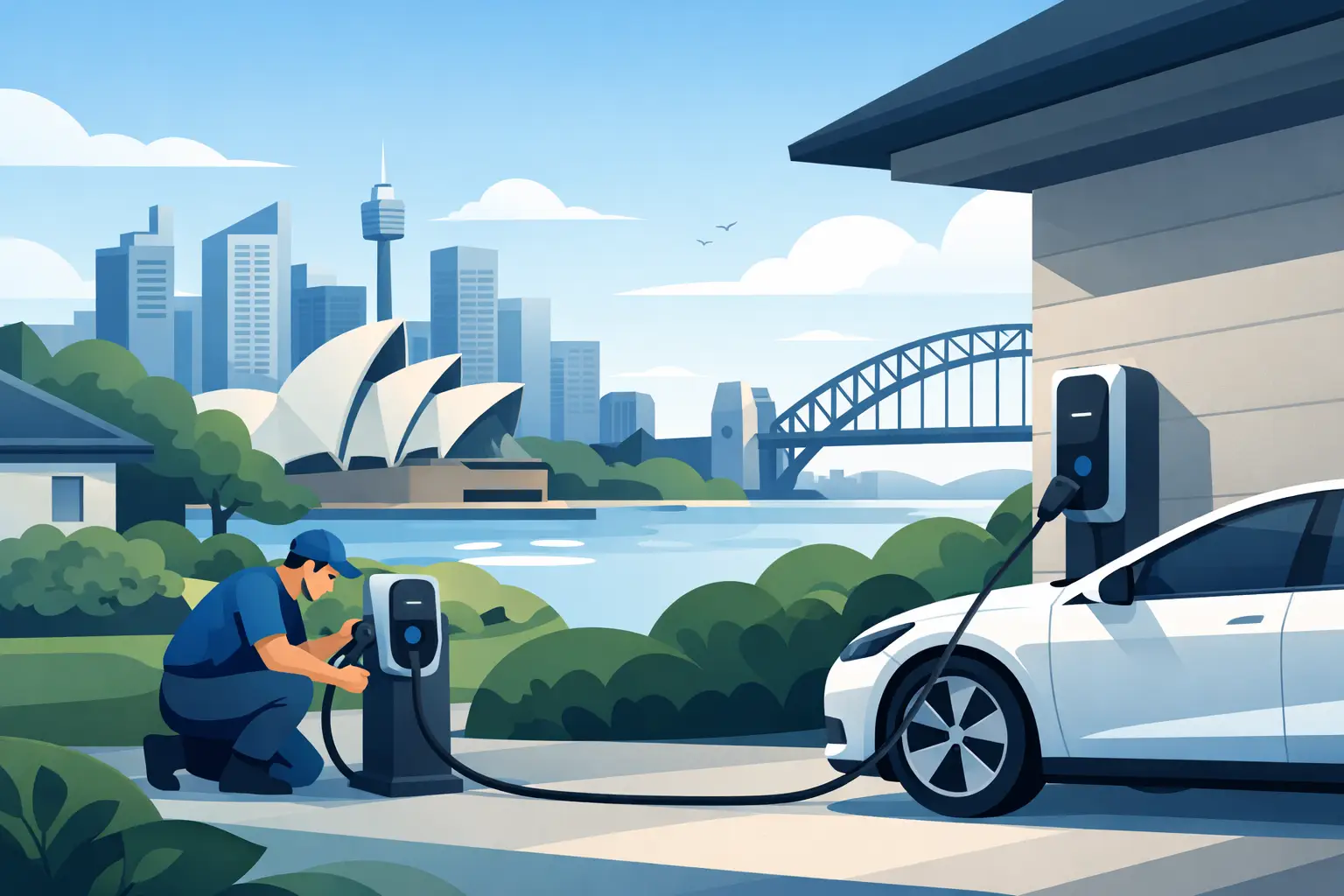
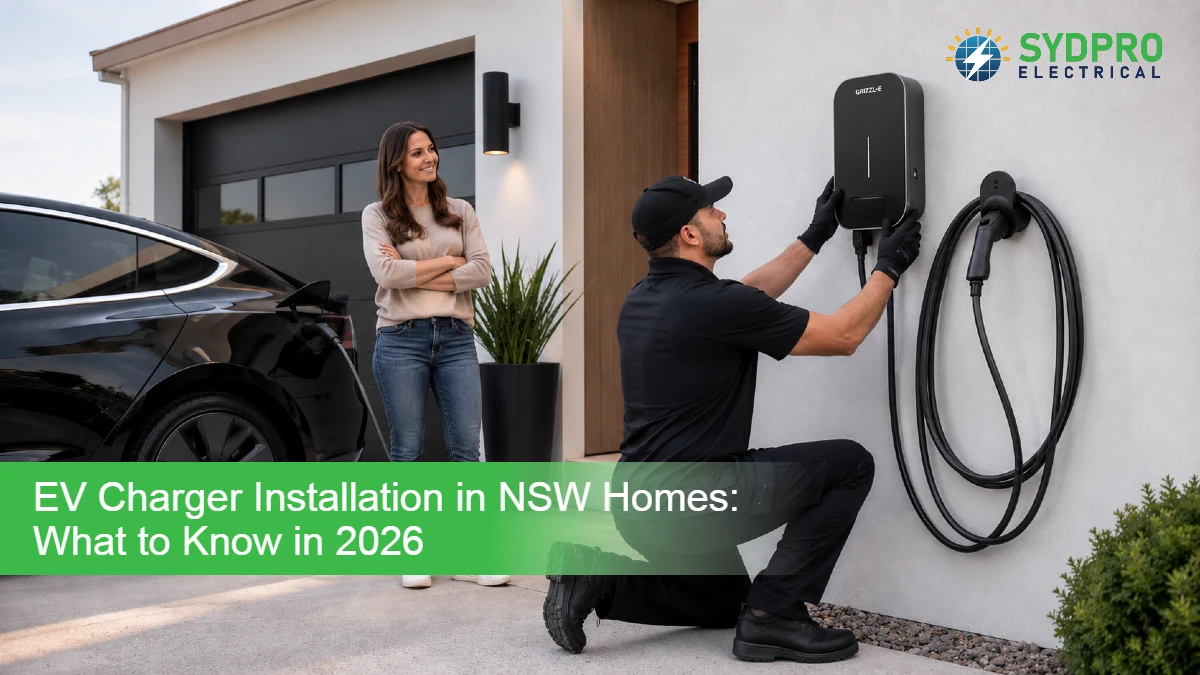
Battery storage is also a practical fit for households planning to add an EV charger. Smart charging can be scheduled around solar generation, battery levels and household demand. That does not mean every EV should be charged solely from a battery. EV charging can draw substantial power, so system design needs to balance vehicle charging with the energy required for the home and any backup loads.
For businesses, battery storage can help manage demand during expensive operating periods and support critical circuits such as communications equipment, security, refrigeration controls or essential office loads. The financial case is strongest when the system is sized around actual interval data, rather than a generic battery size or a headline claim about self-sufficiency.
A battery is not automatically whole-property backup. Many systems are designed to support an essential-loads board during an outage, covering items such as lighting, selected power points, internet equipment, refrigeration and a garage door. High-demand equipment – including ducted air conditioning, electric hot water, pool pumps, large ovens and some EV chargers – may need to be excluded or carefully managed.
That is why battery capacity is only one part of the specification. The inverter’s backup output, surge capability, switchboard arrangement, solar system compatibility and the circuits you want protected all affect the result.
Where a Generator Still Has an Advantage
A generator remains a sensible option where outages may last for days and continuous power is essential. Rural or fringe properties with unreliable supply, some industrial sites, construction operations and businesses with critical equipment may need the extended runtime that fuel-based generation can provide.
If a property has little daytime electricity use, limited roof space for solar or no interest in changing its daily energy consumption, a generator may also be the more direct backup solution. Upfront equipment cost can be lower than a solar-and-battery system, particularly for basic portable units. But the installed solution must still be assessed properly. A cheap generator connected incorrectly can create a serious safety risk for occupants, electricians and network workers.
Generators require a compliant changeover arrangement that prevents back-feeding into the grid. They must never be run in a garage, under an enclosed veranda or near doors, windows and air intakes. Carbon monoxide is colourless and dangerous, and exhaust clearance is not a detail to leave until after purchase.
Noise also deserves attention. A generator that is tolerable for an hour can become a major issue during an overnight outage, particularly in closely built Sydney suburbs. Fuel storage, regular servicing, battery starting systems and test runs are part of the ownership commitment as well.
Costs: Look Beyond the Purchase Price
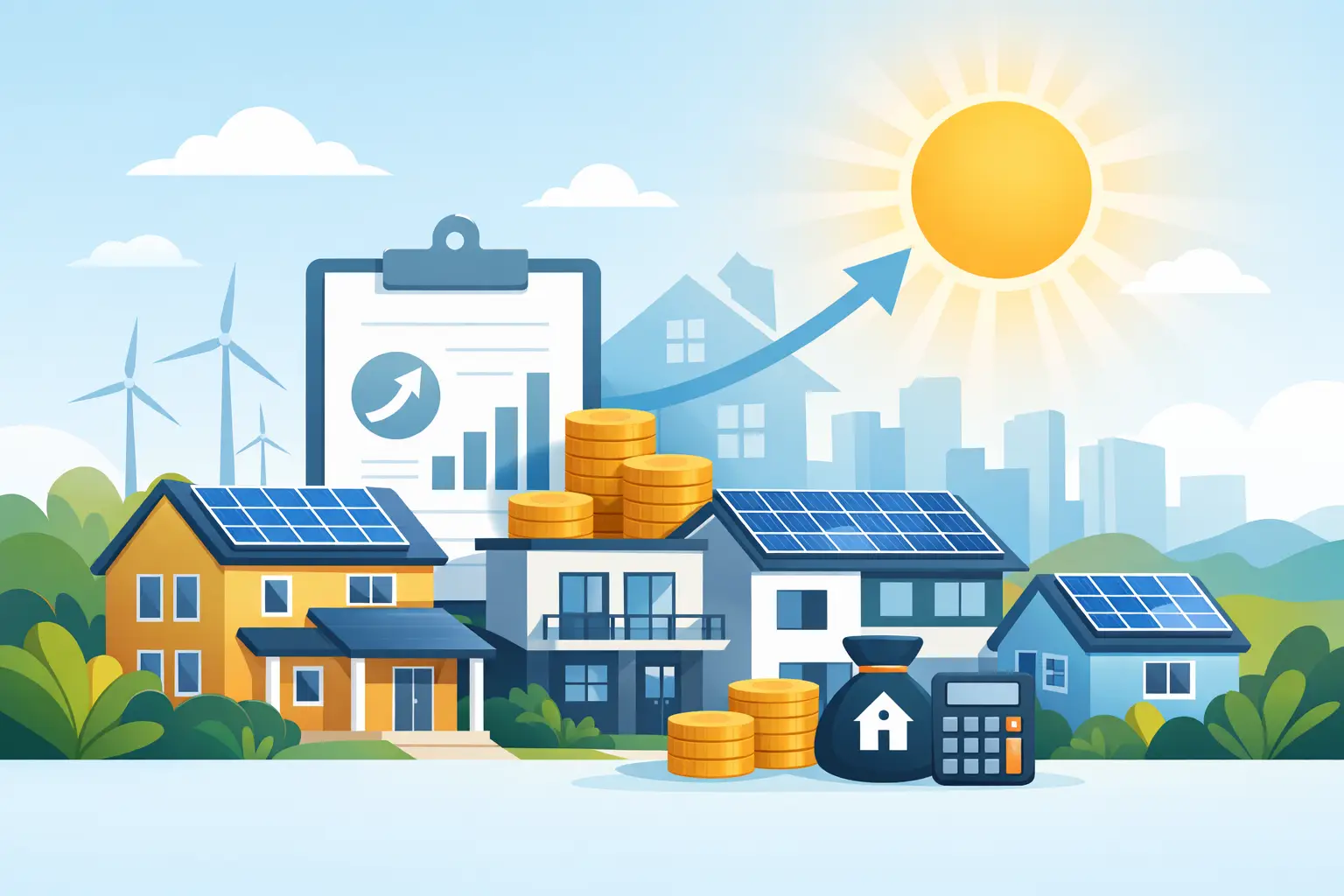
Comparing only the initial quote can lead to the wrong decision. A solar battery has a higher upfront cost, but it can provide value every day by storing solar energy and reducing grid imports. Its payback will vary with your electricity tariff, solar export rate, battery size, household load profile, energy retailer and available NSW or federal support.
A generator may cost less to buy, but its lifetime cost includes fuel, servicing, oil, filters, testing, possible repairs and eventual replacement. During a widespread outage, fuel availability can also become less certain. For an emergency-only system, those costs may be acceptable. For frequent use, they add up quickly.
It is also worth considering the cost of an outage itself. For a home, that may mean spoiled food, lost internet access or discomfort during extreme weather. For a business, it could mean downtime, lost sales, interrupted operations or compromised stock. The best system is the one that protects the loads that genuinely matter, not necessarily every circuit in the building.
Backup Performance Depends on Design
A common misunderstanding is that solar panels will automatically power a home during a blackout. Standard grid-connected solar systems shut down when the grid fails to protect line workers. To provide backup, the system needs compatible battery equipment, isolation and switching hardware, and a design that can form a safe local power supply.
Likewise, a large battery does not guarantee unlimited supply. In poor weather, solar generation may be low. If the battery is supporting high-load appliances, stored energy can be used much faster than expected. A good design starts with a realistic blackout plan: which loads must stay on, how long should they run, and what can be switched off until grid supply returns?
For generators, sizing must account for starting currents as well as normal running loads. Pumps, compressors, refrigeration and air conditioning equipment can draw a high surge when starting. An undersized generator may trip, struggle to start equipment or deliver poor power quality. An oversized unit can waste fuel and cost more than necessary.
Safety and Compliance Are Not Optional
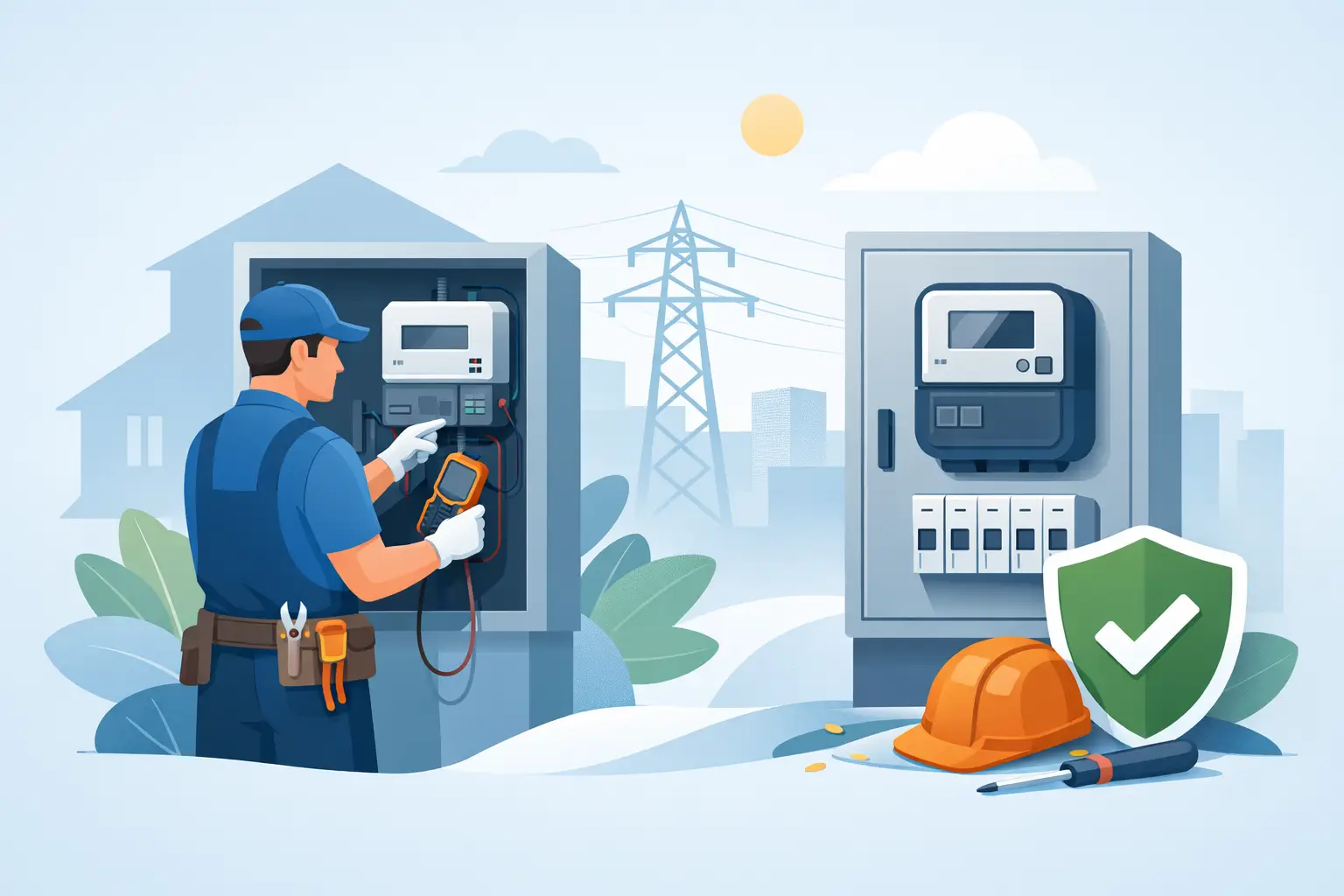
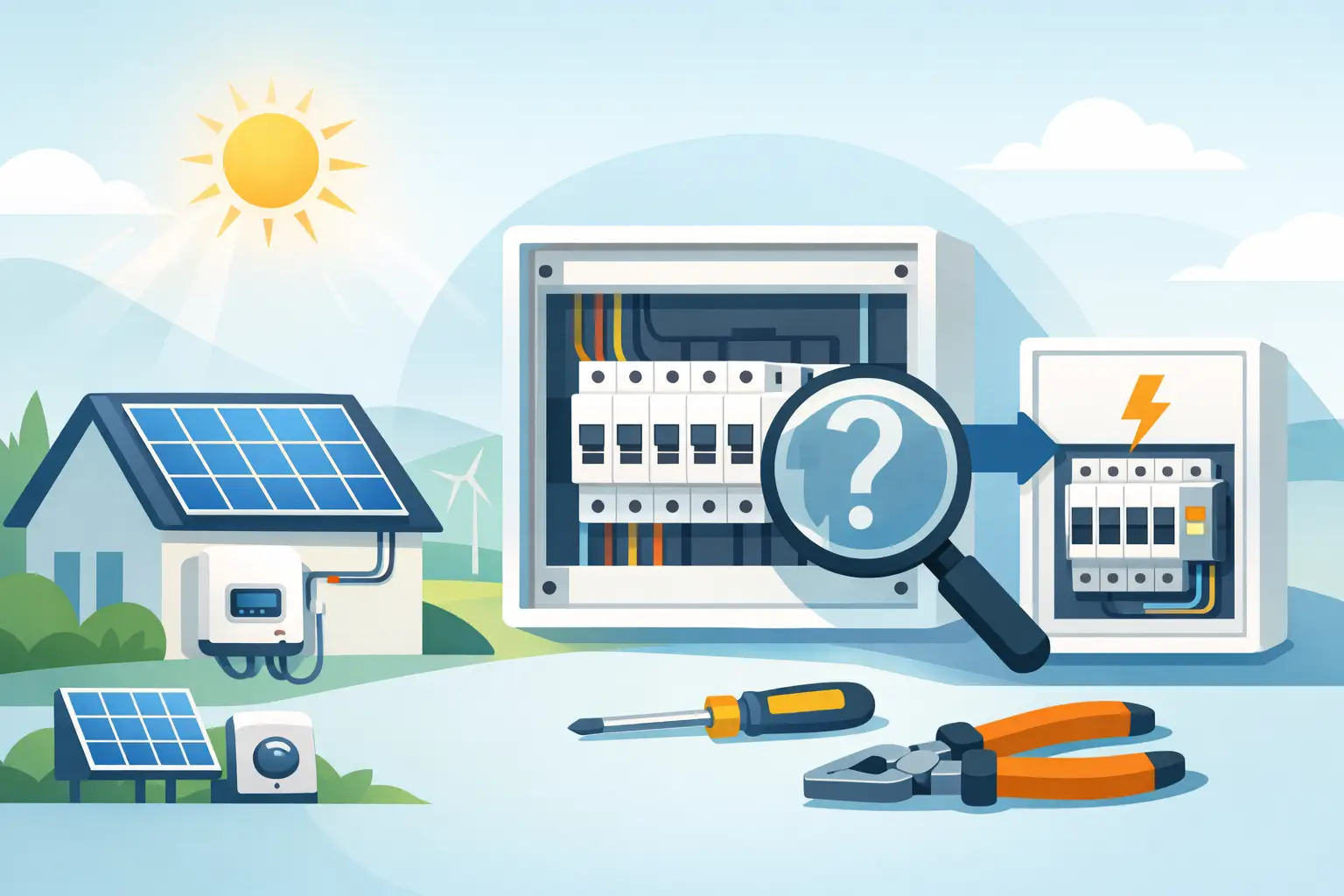
Whether you choose a battery, generator or a combined approach, the work should be planned around the property’s existing switchboard, supply capacity and electrical condition. Older boards, undersized consumer mains and complex three-phase sites may require upgrades before backup equipment can be installed safely.
In NSW, regulated connection and supply work must be completed by appropriately authorised professionals. This is especially important where metering, service equipment, grid connection changes or main switchboard upgrades are involved. Solar accreditation matters too, because system performance, warranty compliance and safe installation all depend on correct design and commissioning.
For properties where resilience is critical, a hybrid solution can be worth considering. A battery can handle daily bill savings and short outages quietly, while a generator provides a longer-duration fallback when severe weather or network damage extends the interruption. It is a more complex arrangement, but it can suit sites that cannot afford prolonged downtime.
Choosing the Right Backup for Your Property
Start with your actual objective. If you want lower electricity bills, greater use of rooftop solar and protection for essential circuits during typical outages, a battery is usually the more valuable investment. If your priority is keeping operations running through extended outages, with large or continuous loads, a generator may be necessary.
For many properties, the decision is not battery or generator in isolation. It is a system-design question involving solar production, tariff structure, load timing, switchboard capacity, backup expectations and future plans. A clear assessment of these factors will show whether a battery, generator or hybrid setup delivers the safest and most practical result.
The most useful next step is to map the circuits you cannot be without during an outage, then have an accredited solar and authorised electrical professional design around those priorities. That approach turns backup power from a hopeful purchase into a dependable part of your property’s energy plan.