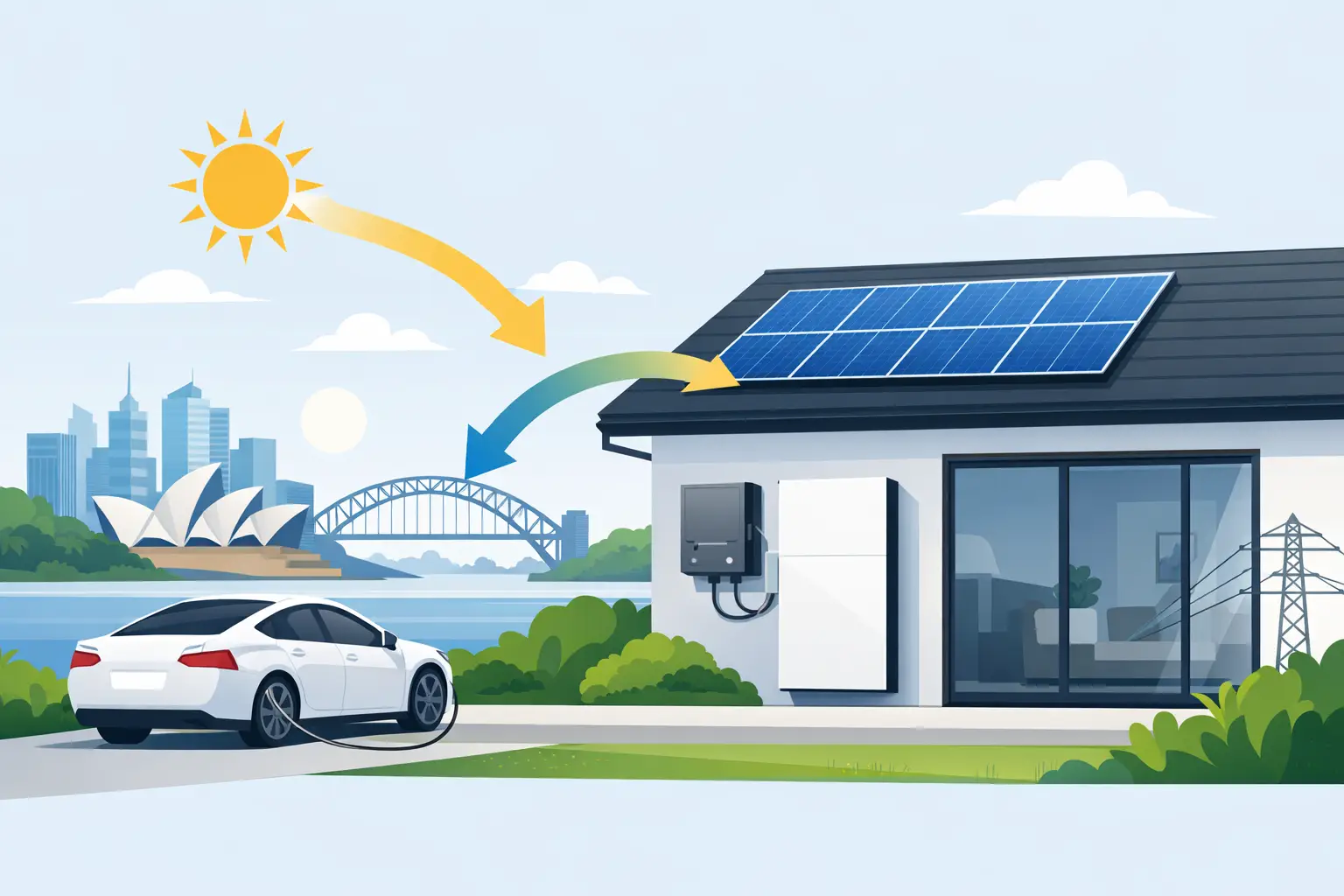
Winter electricity bills can arrive just as solar production appears to slow down. That leads many Sydney property owners to ask, does solar work in winter? Yes. A rooftop solar system continues to generate electricity throughout the colder months, but it produces less energy than it does during long, clear summer days.
The practical question is not whether panels work, but whether the system has been designed for your roof, energy use and winter conditions. A well-sized system can still make a meaningful contribution to daytime heating, appliances, hot water, business operations and battery charging when the temperature drops.
Does solar work in winter in NSW?
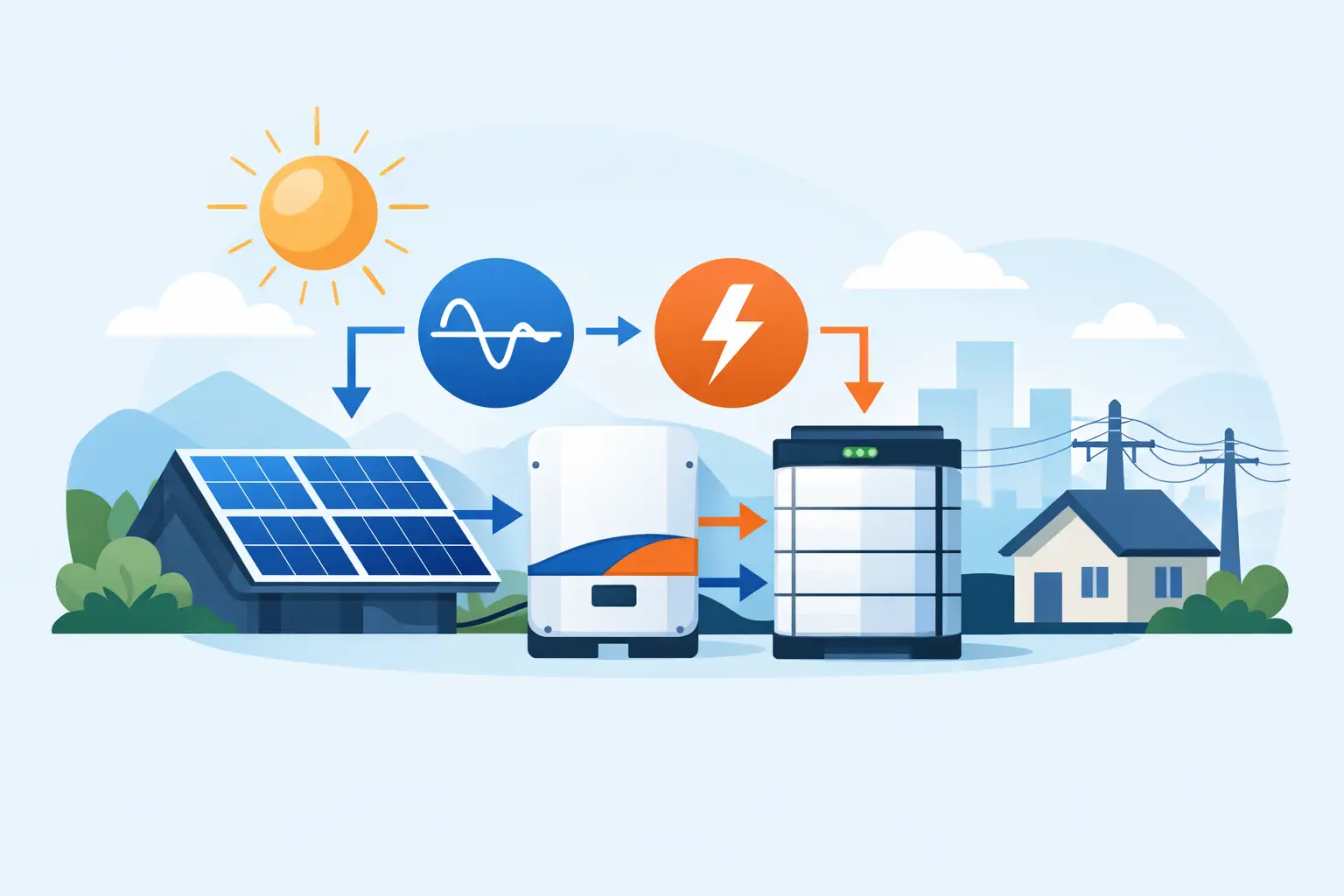
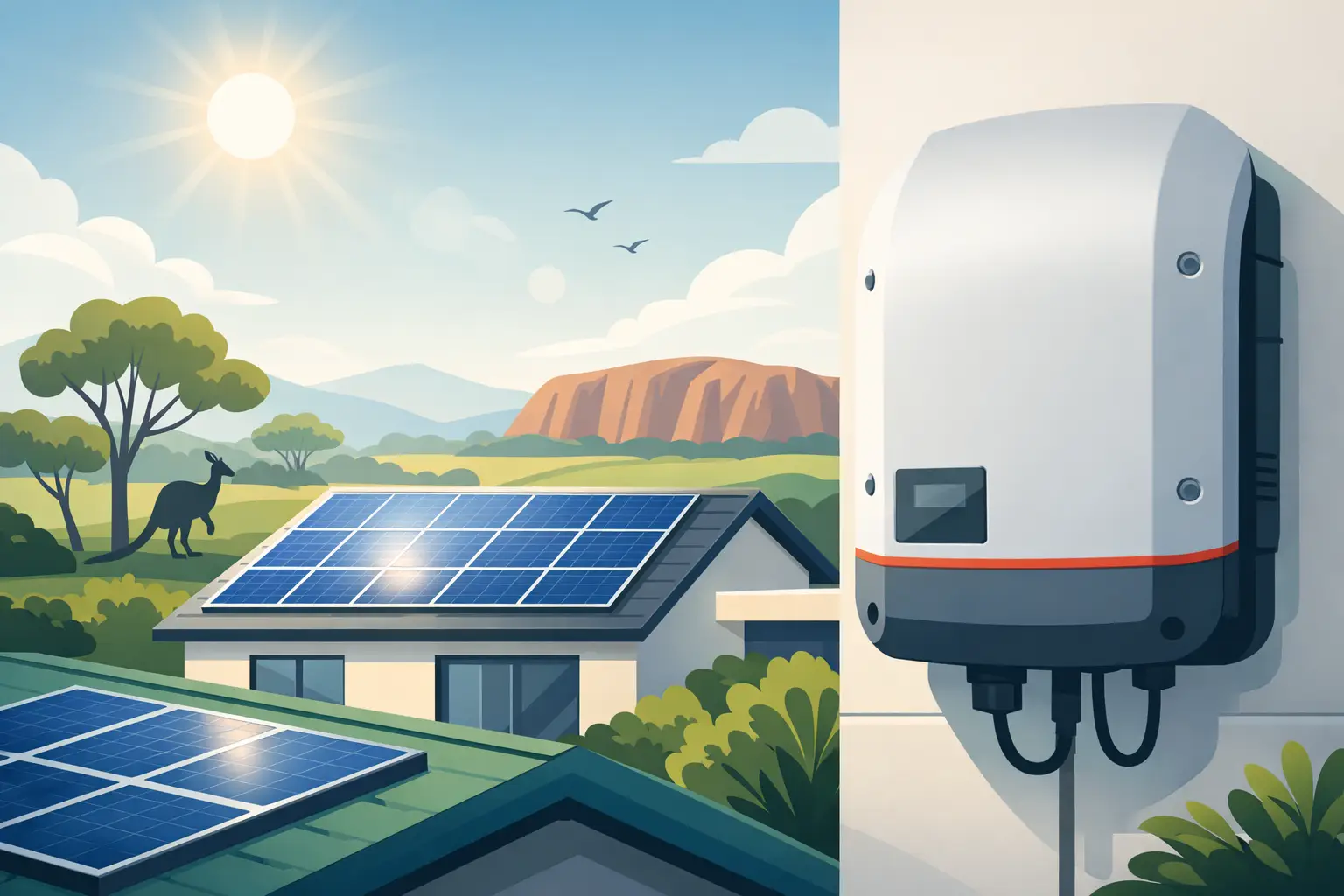
Solar panels generate electricity from daylight, not heat. Even on a cool winter morning, sunlight reaching the panels can be converted into usable power. In fact, solar cells generally operate efficiently in cooler temperatures. High heat can slightly reduce panel efficiency, so a crisp, clear winter day can produce strong output for the available sunlight.
What changes in winter is the amount and angle of sunlight. Days are shorter, the sun sits lower in the sky and periods of cloud or rain can be more frequent. This reduces the total solar energy available across the day. Production often starts later in the morning and finishes earlier in the afternoon than it does in summer.
For NSW homes and businesses, the difference is usually noticeable rather than alarming. Your monitoring app may show lower daily generation, but the system is still offsetting electricity you would otherwise buy from the grid. The exact reduction depends on location, panel orientation, roof pitch, shading, weather and system capacity.
Why winter output changes
The biggest driver is shorter daylight hours. A system may have plenty of capacity, yet only receive several hours of useful solar exposure on a winter day. Lower sun angles also mean that nearby trees, chimneys, neighbouring buildings and roof features can cast longer shadows than they do in summer.
Cloud cover matters too, although cloudy weather does not stop solar production altogether. Panels can generate from diffuse light passing through cloud, just at a lower level than under clear skies. A bright overcast day may still produce worthwhile energy, while heavy rain and dense cloud will reduce output more substantially.
Winter demand can rise at the same time. Reverse-cycle heating, electric heaters, clothes dryers and more time spent indoors may lift household consumption. Commercial sites may also run lighting and heating for longer. This can make solar seem less effective, even if the system is performing as expected, because a larger share of the electricity being used is occurring outside peak daylight hours.
Panel direction, tilt and shade matter more in winter
In Sydney and across most of NSW, north-facing panels generally capture the greatest annual solar yield. They are especially helpful in winter because they receive stronger exposure around the middle of the day, when the lower northern sun is most available.
That does not mean every good solar system needs a perfectly north-facing roof. East- and west-facing panels can be highly valuable when they match the property’s consumption pattern. East-facing panels support morning demand, while west-facing panels extend generation later into the afternoon, which can be useful for households returning home, businesses operating into the evening and EV charging after work.
Roof pitch has an effect, but it should be considered alongside the overall design rather than treated as a standalone rule. A steeper angle can favour winter generation, while a shallower angle can lift summer output. On an existing roof, the best outcome usually comes from balancing annual generation, usable roof space, structural considerations and when the property consumes power.
Shade deserves close attention before installation. A small obstruction may have limited impact at midday in summer but create a larger production loss when winter shadows stretch across the array. Quality design considers likely shade throughout the year, not just how the roof looks during a site visit. In some cases, changing panel placement or using suitable panel-level technology can reduce the impact.
A battery can make winter solar more useful
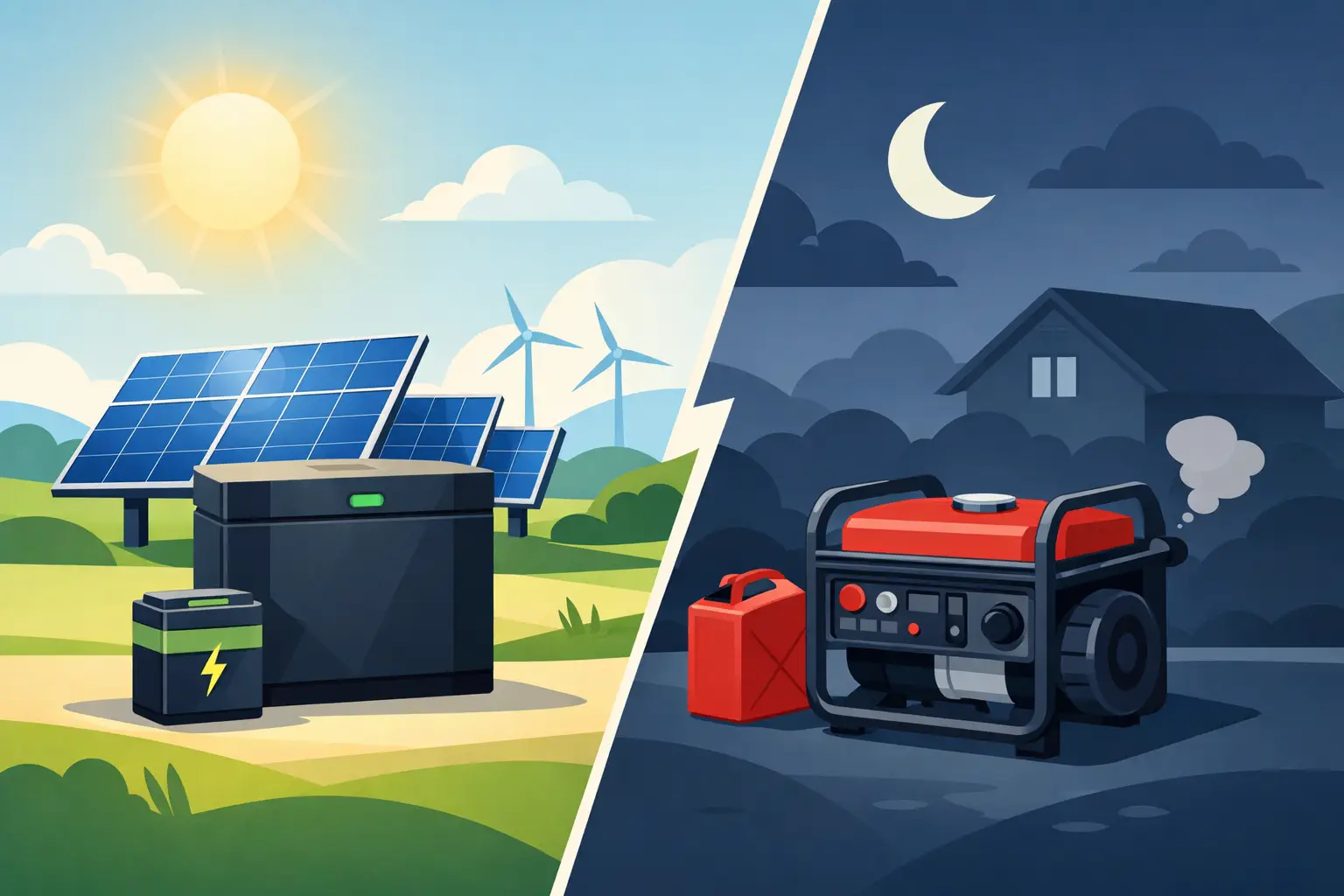
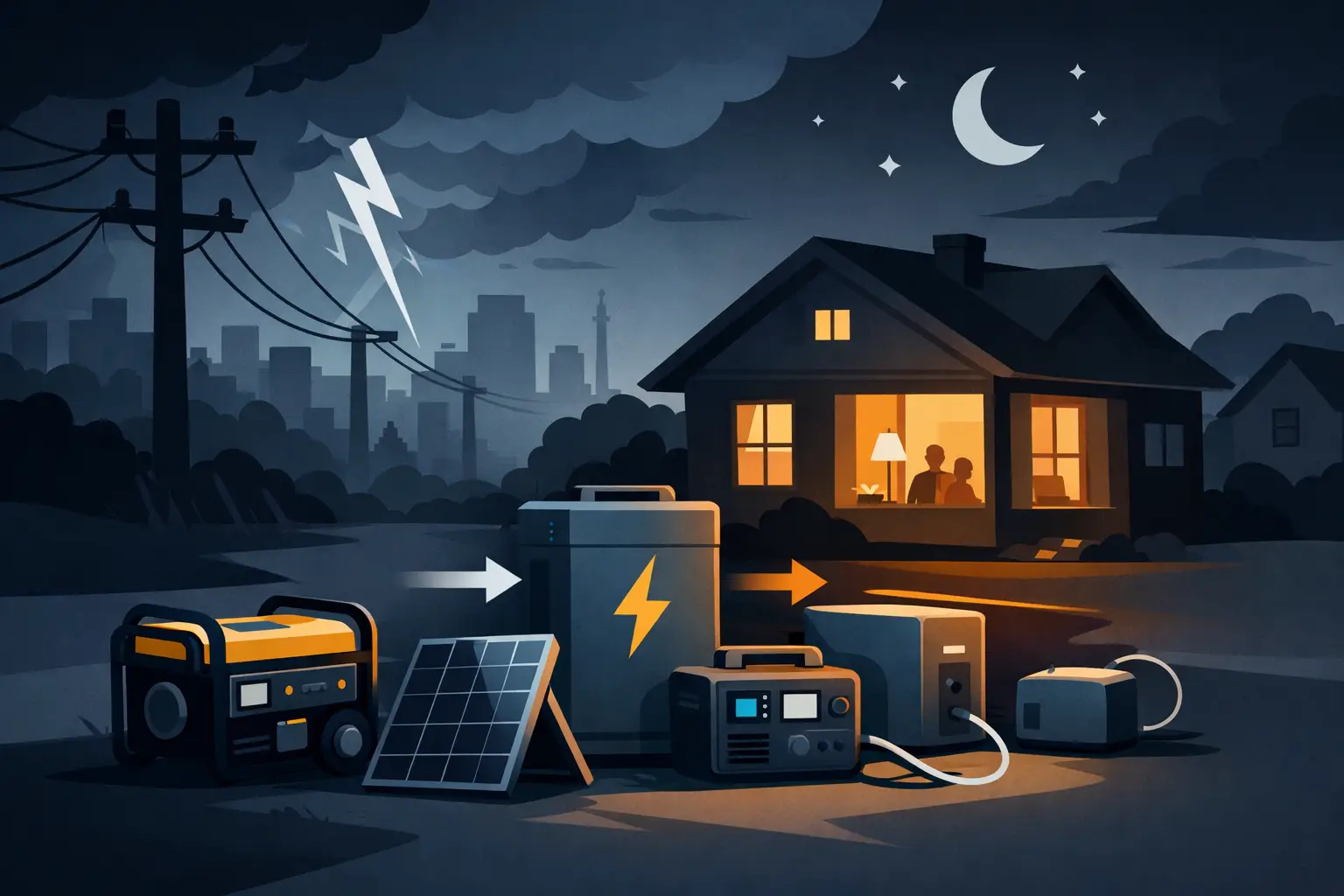
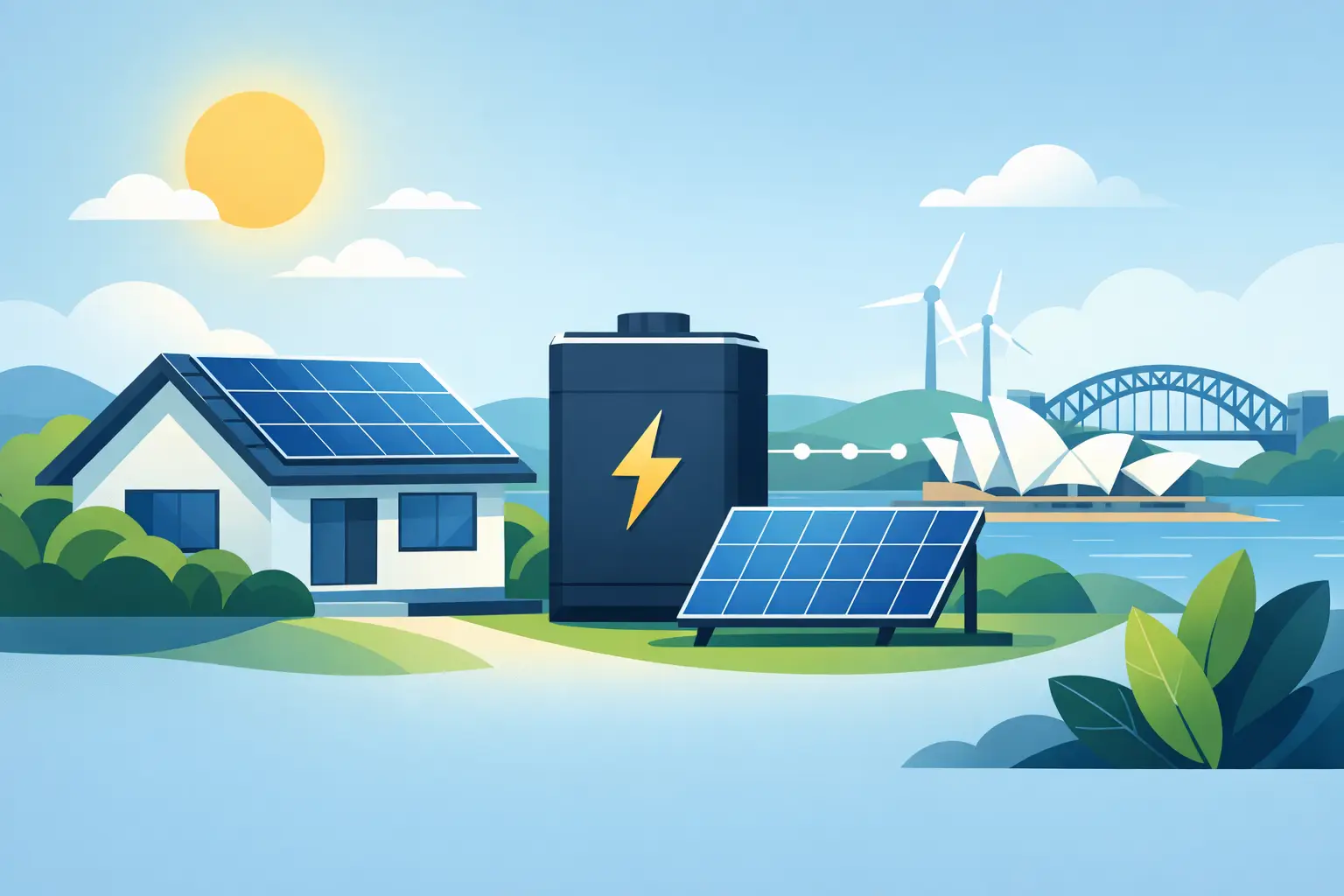
A solar battery does not create extra solar energy. It stores surplus generation so it can be used later, which can improve the value you receive from the solar you do produce. In winter, this is particularly useful on clear days when solar output is strongest in the middle of the day but household demand peaks in the early morning or evening.
The trade-off is straightforward: there may be fewer surplus kilowatt-hours available to charge the battery on cloudy winter days. A battery may not reach full charge every day, especially if the home uses much of its solar power directly during daylight hours. That is normal and should be allowed for in expectations and system modelling.
Battery sizing should reflect your evening consumption, solar production profile, tariff and resilience goals. Oversizing storage for a property with limited winter solar surplus may not deliver the best financial return. Conversely, a well-matched battery can reduce grid imports during expensive evening periods and provide backup capability where the selected equipment and system design support it.
How to get better winter value from your solar system
The most effective improvement is often changing when you use electricity. Run flexible loads during the solar window where possible, particularly on clear days. A dishwasher, washing machine, pool pump or electric hot water system can use solar directly rather than drawing power from the grid later.
For homes with reverse-cycle air conditioning, pre-heating living areas during the sunniest part of the day can be more cost-effective than waiting until solar production has ended. Smart controls, timers and compatible energy-management systems can make this easier without requiring constant attention.
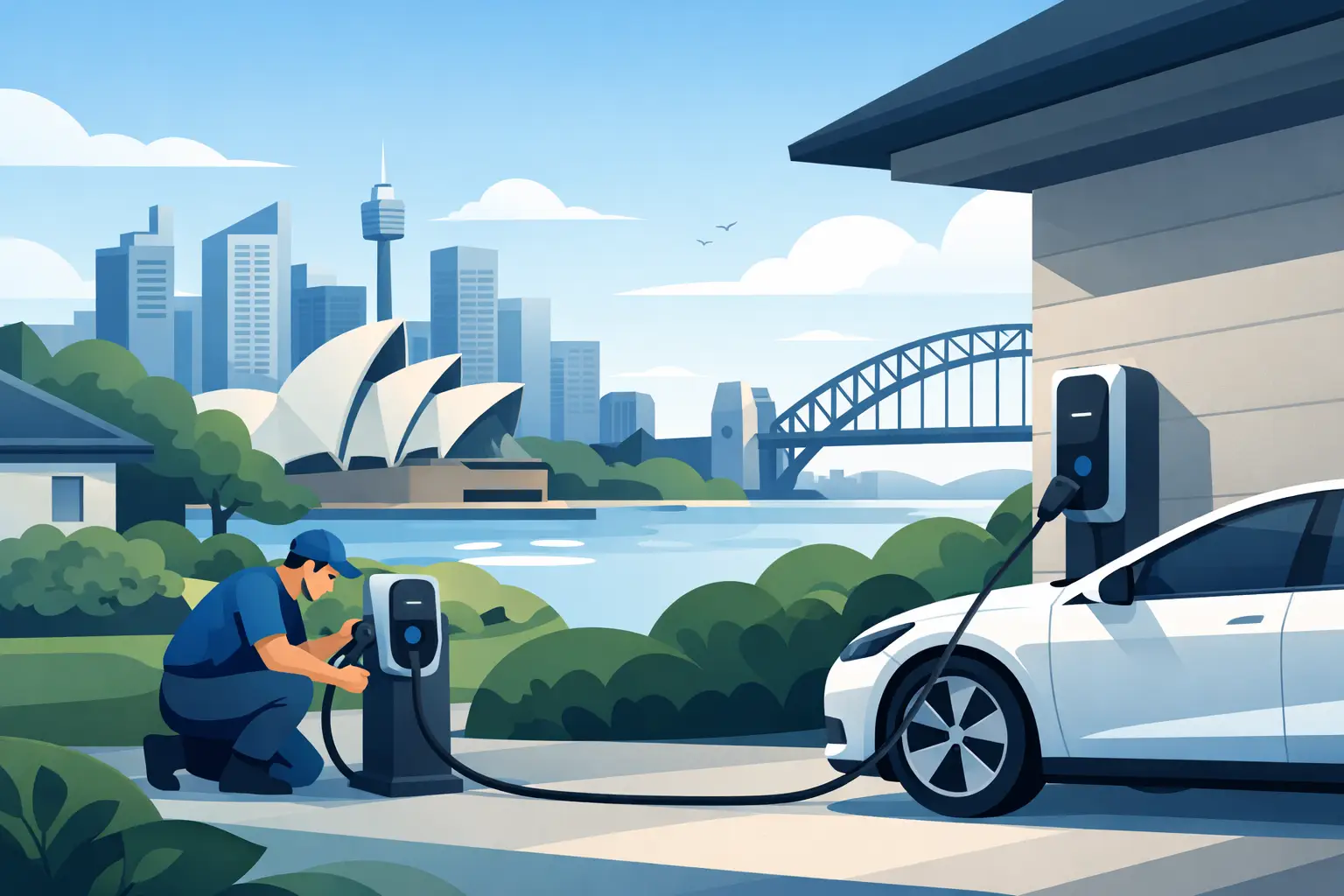
For commercial sites, review daytime operational loads. Equipment schedules, refrigeration, ventilation, EV charging and hot-water use may be able to align more closely with solar generation. The goal is not simply to produce more energy, but to increase self-consumption of the energy your system produces.
Regular maintenance also supports reliable performance. Rain may wash away some surface dust, but panels can still collect leaves, pollen, bird droppings and other debris. If production drops unexpectedly, check the monitoring platform first, then arrange a professional inspection if needed. Avoid climbing onto a roof or attempting electrical work yourself.
When lower winter generation needs investigation
Seasonal decline is expected. A sudden or severe change compared with similar winter conditions is worth checking, particularly if the inverter displays an alert or the monitoring system shows a string is underperforming.
Potential causes include new shade from tree growth or construction, soiling, a faulty inverter, damaged components or an electrical issue. These should be assessed by appropriately qualified solar and electrical professionals. For properties requiring switchboard upgrades, metering work or grid connection changes, Level 2 electrical capability is also critical to compliant, safe project delivery.
Before assuming there is a fault, compare production against the same period last year rather than against summer figures. Look at weather conditions and changes in household consumption as well. A system generating less energy than January can still be operating exactly as designed in July.
Design for the whole year, not one season
A solar system should be sized around annual electricity use, available roof area, tariff structure and future plans. Those plans may include replacing gas appliances, adding a battery, installing an EV charger or expanding business equipment. Designing only for peak summer output can leave value on the table during the rest of the year.
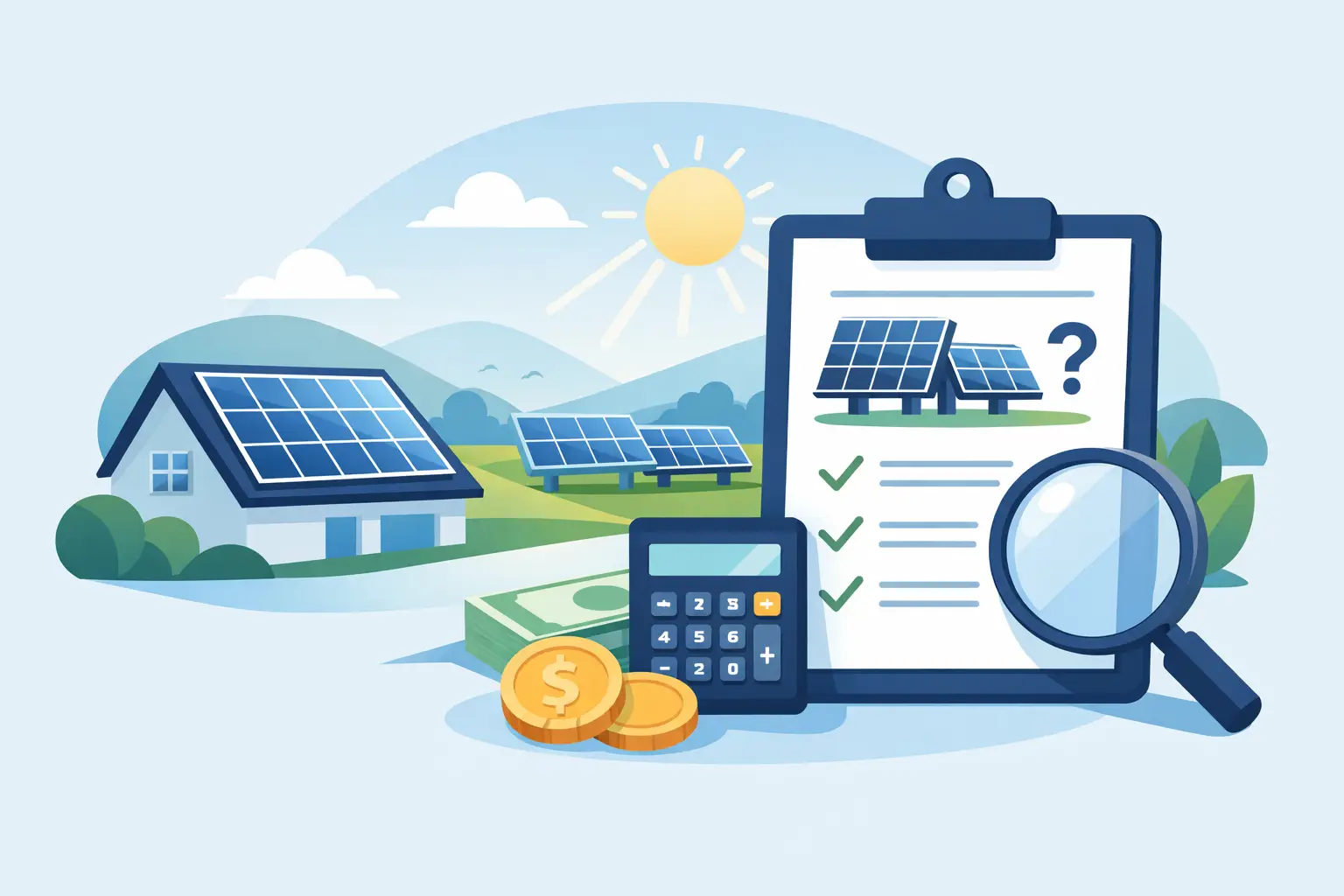
Transparent modelling is essential. A quality proposal should show expected annual generation, explain assumptions about orientation and shade, and separate likely savings from guaranteed outcomes. It should also account for the reality that winter production and consumption are different from summer.
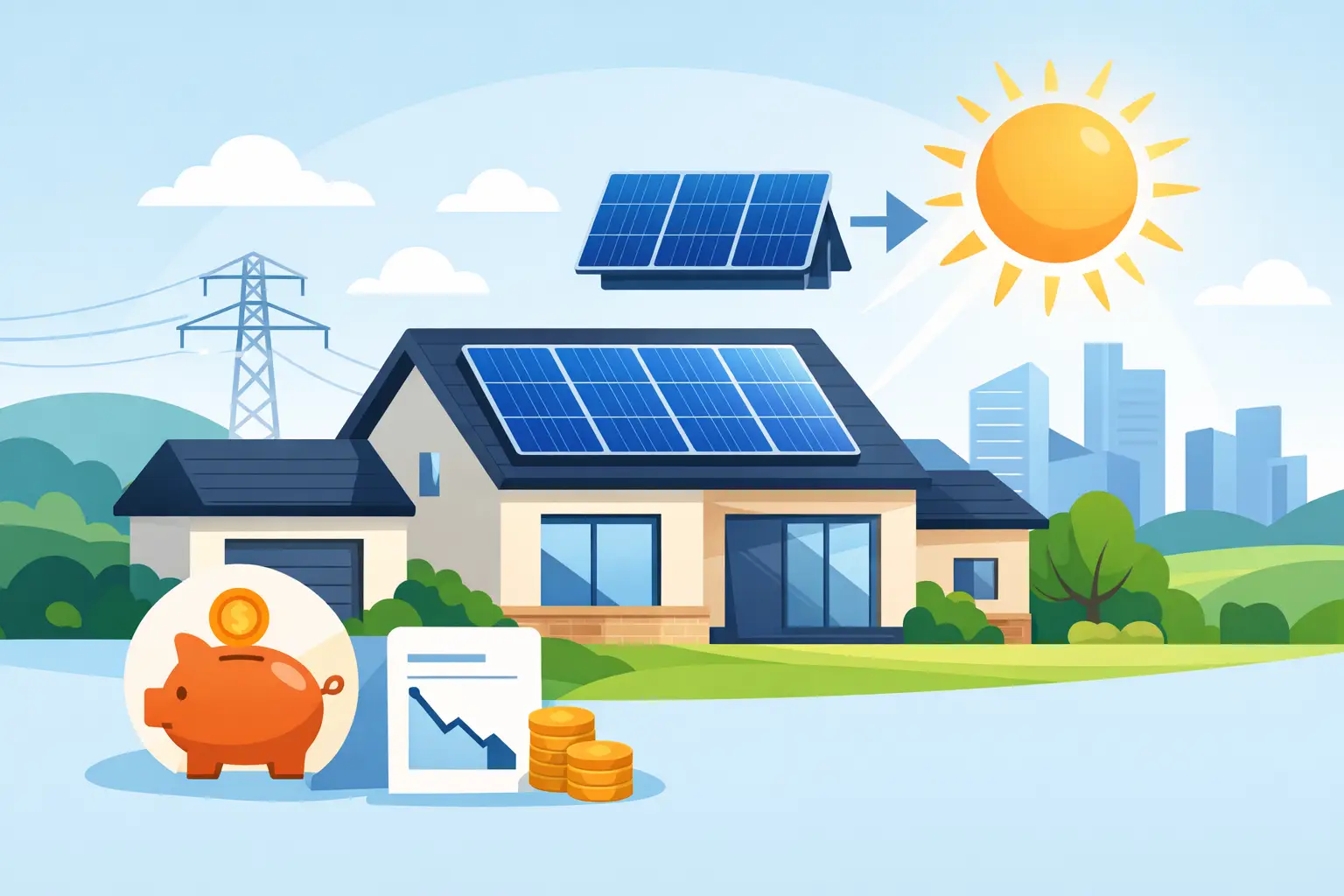
For many NSW properties, winter is when the value of a properly designed energy system becomes clearest. Solar reduces daytime grid purchases, a battery can shift available energy into the evening, and smart load control helps make every kilowatt-hour go further. The best next step is to review your winter usage and solar monitoring together, then make decisions based on your property’s real energy pattern rather than a single season’s output.