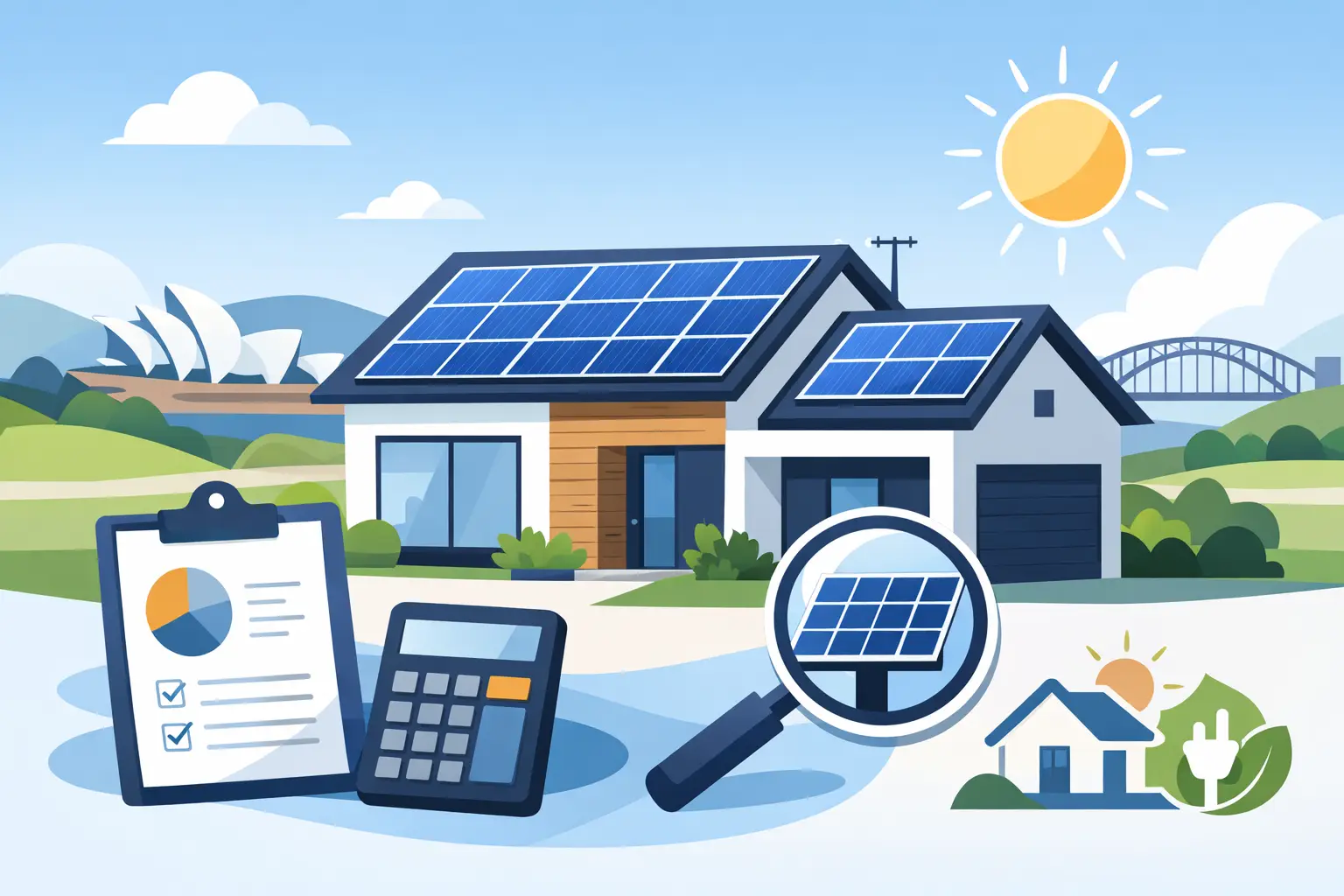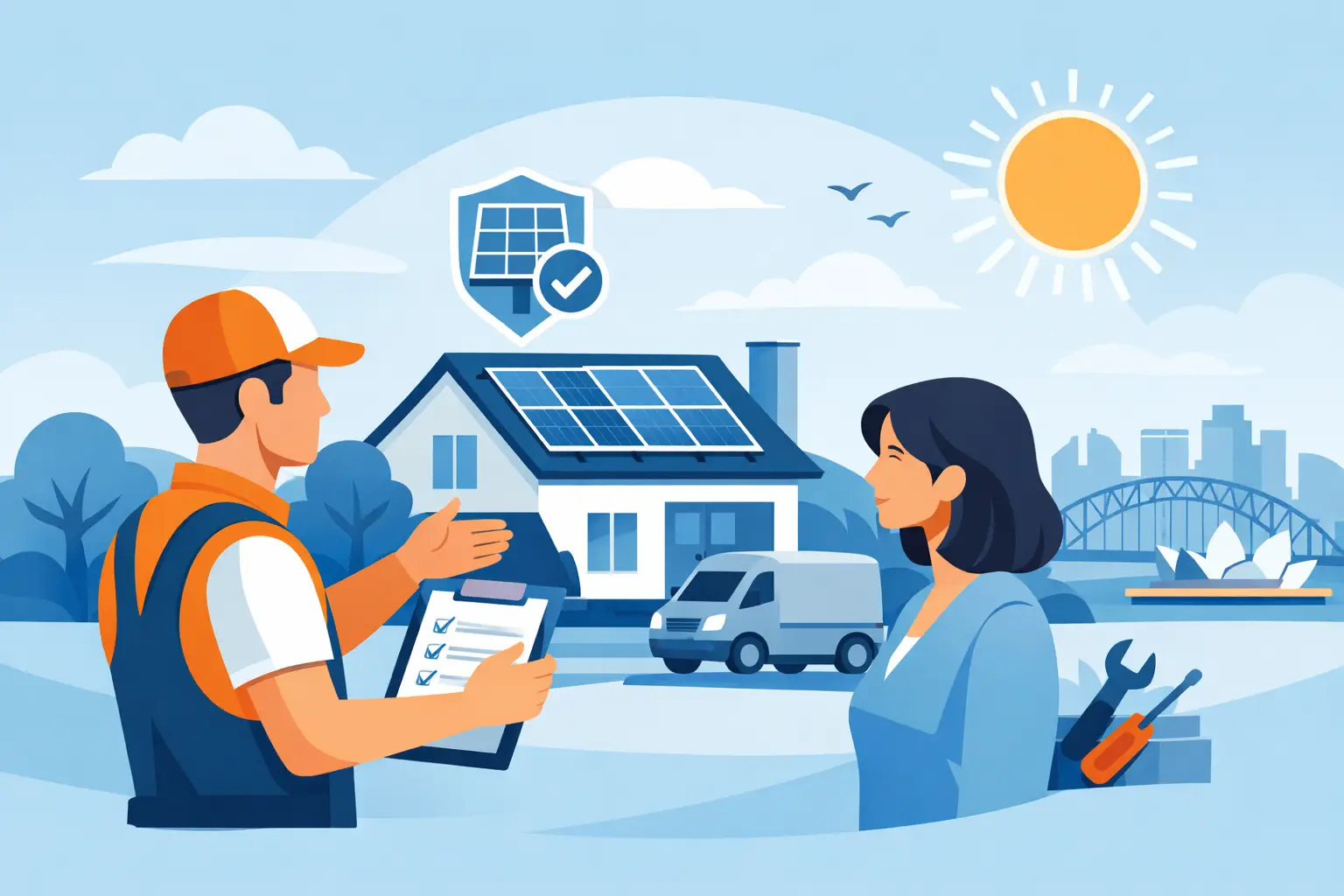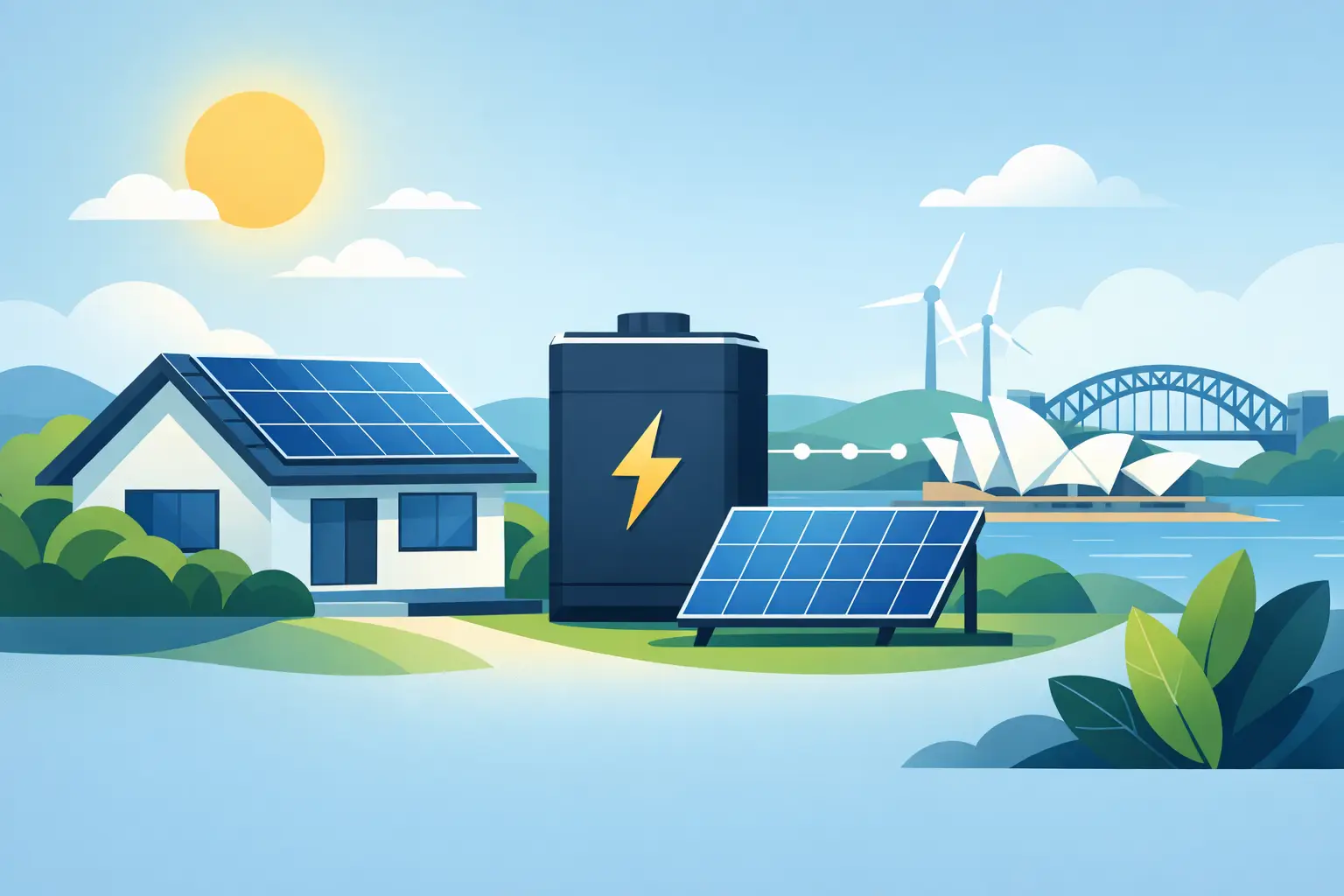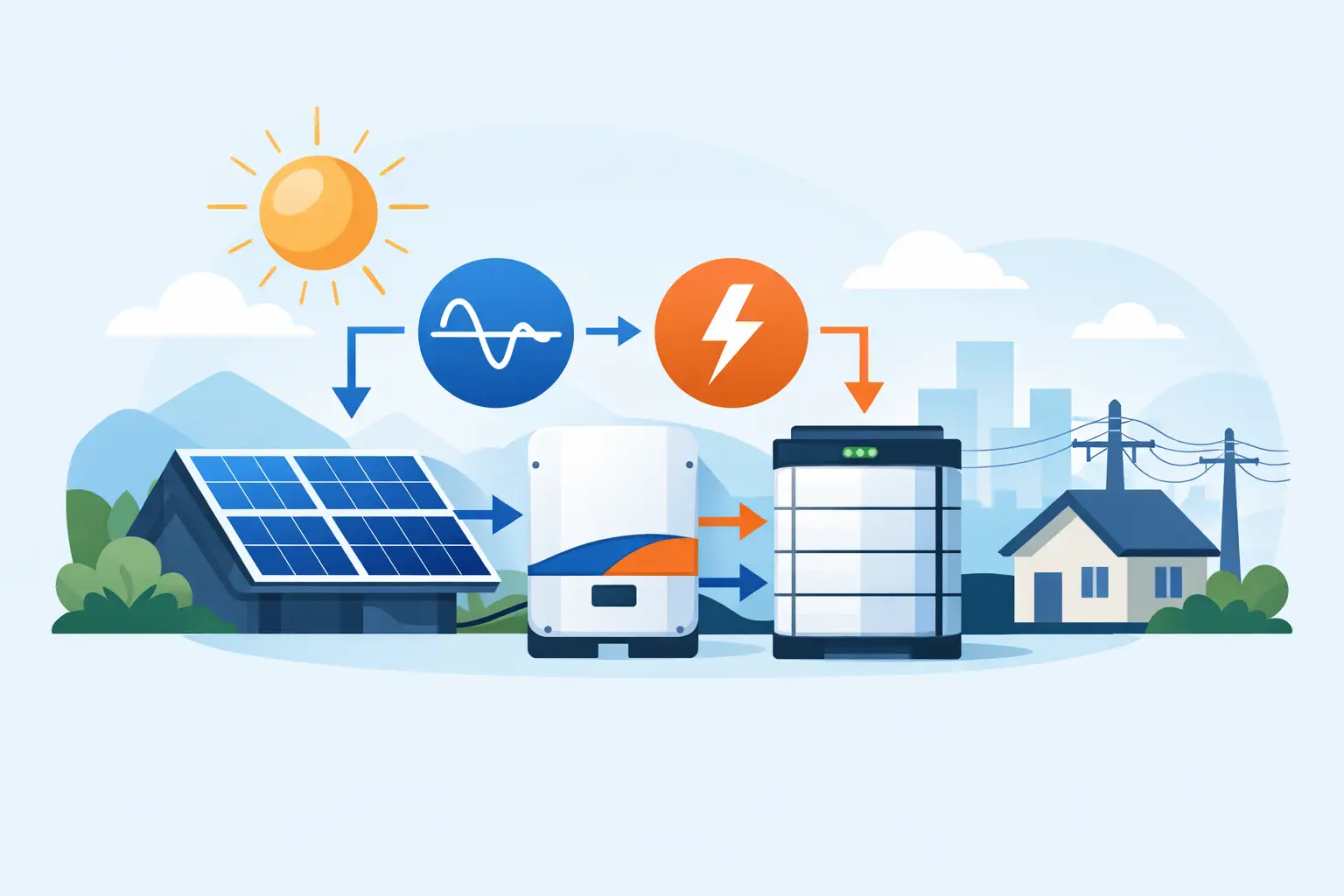
A battery can turn surplus daytime solar into power for the evening, but its real-world value depends heavily on how it connects to your existing system. AC DC coupling is the technical decision behind that connection. It affects conversion losses, installation scope, backup capability, future upgrades and, ultimately, how much useful energy your property keeps on site.
For NSW homeowners and businesses, there is no universal winner. The right design depends on whether you are adding a battery to an established solar system, building a new solar and battery system, or planning for EV charging and larger electrical loads over time.
What AC and DC coupling mean
Solar panels generate direct current, or DC electricity. Homes, businesses and the grid use alternating current, or AC electricity. Inverters are the equipment that converts power between those forms safely and at the right voltage and frequency.
In a DC-coupled system, solar panels and the battery connect on the DC side of a compatible hybrid inverter. Solar energy can charge the battery before being converted to AC for household or business use. When stored power is needed, the hybrid inverter converts it to AC and supplies connected loads.
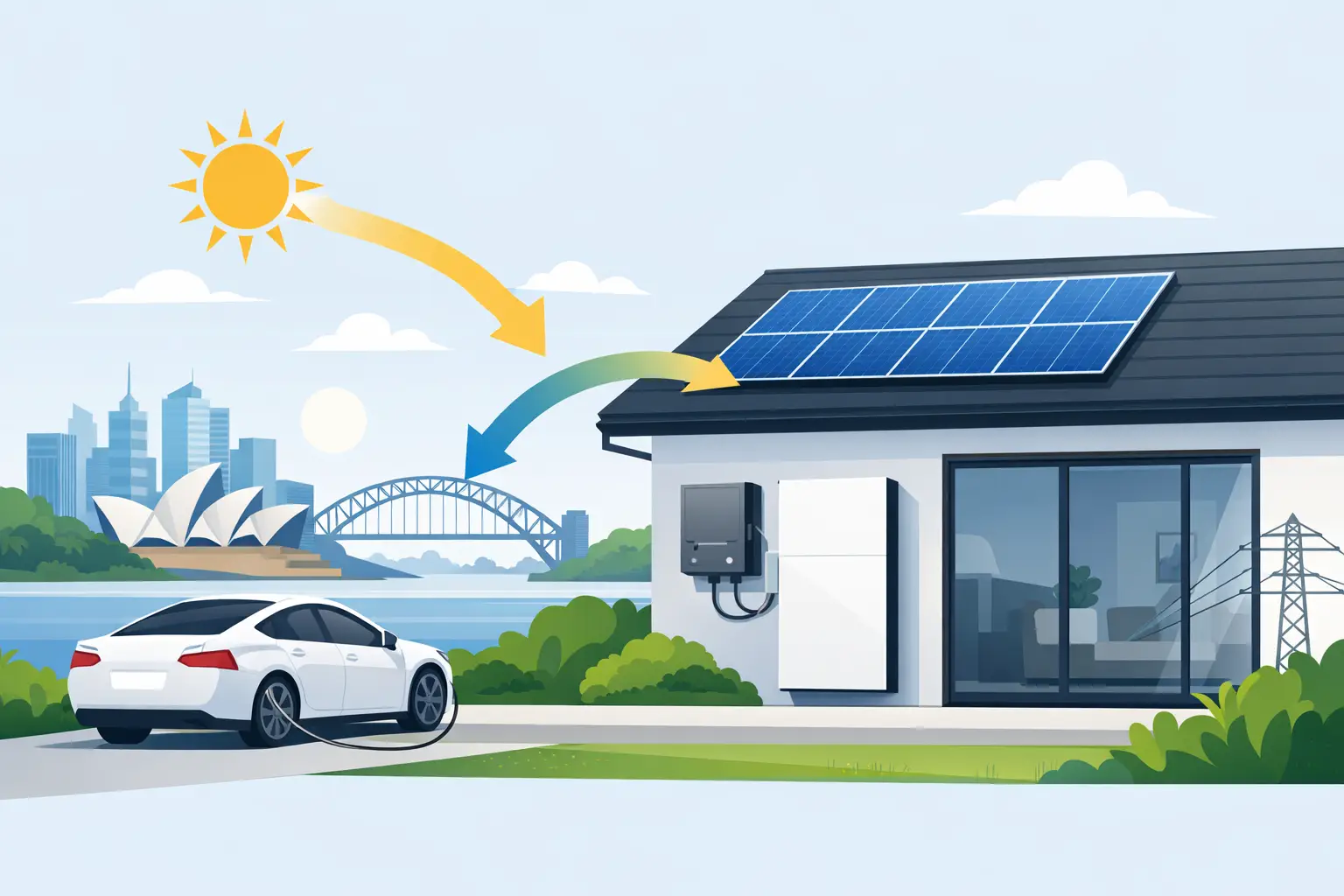
In an AC-coupled system, the solar inverter converts panel output to AC as usual. A separate battery inverter then takes available AC power and converts it back to DC to charge the battery. Later, it converts the battery’s DC energy back into AC for use on the property.
Both approaches are proven technologies. The practical difference is where the battery sits in the energy pathway and how much existing equipment can remain in place.
AC DC coupling: the conversion trade-off
DC coupling usually has a modest efficiency advantage when solar energy is being stored for later use. The energy can travel from panels to battery without first being converted to AC, reducing conversion steps. This can matter where a system is designed from the beginning to maximise solar self-consumption.
AC coupling involves additional conversion when solar charges the battery: DC from the panels becomes AC through the solar inverter, then DC again for the battery. There is another conversion when the battery supplies AC power. These losses are real, but they are often smaller than customers expect and should not be assessed in isolation.
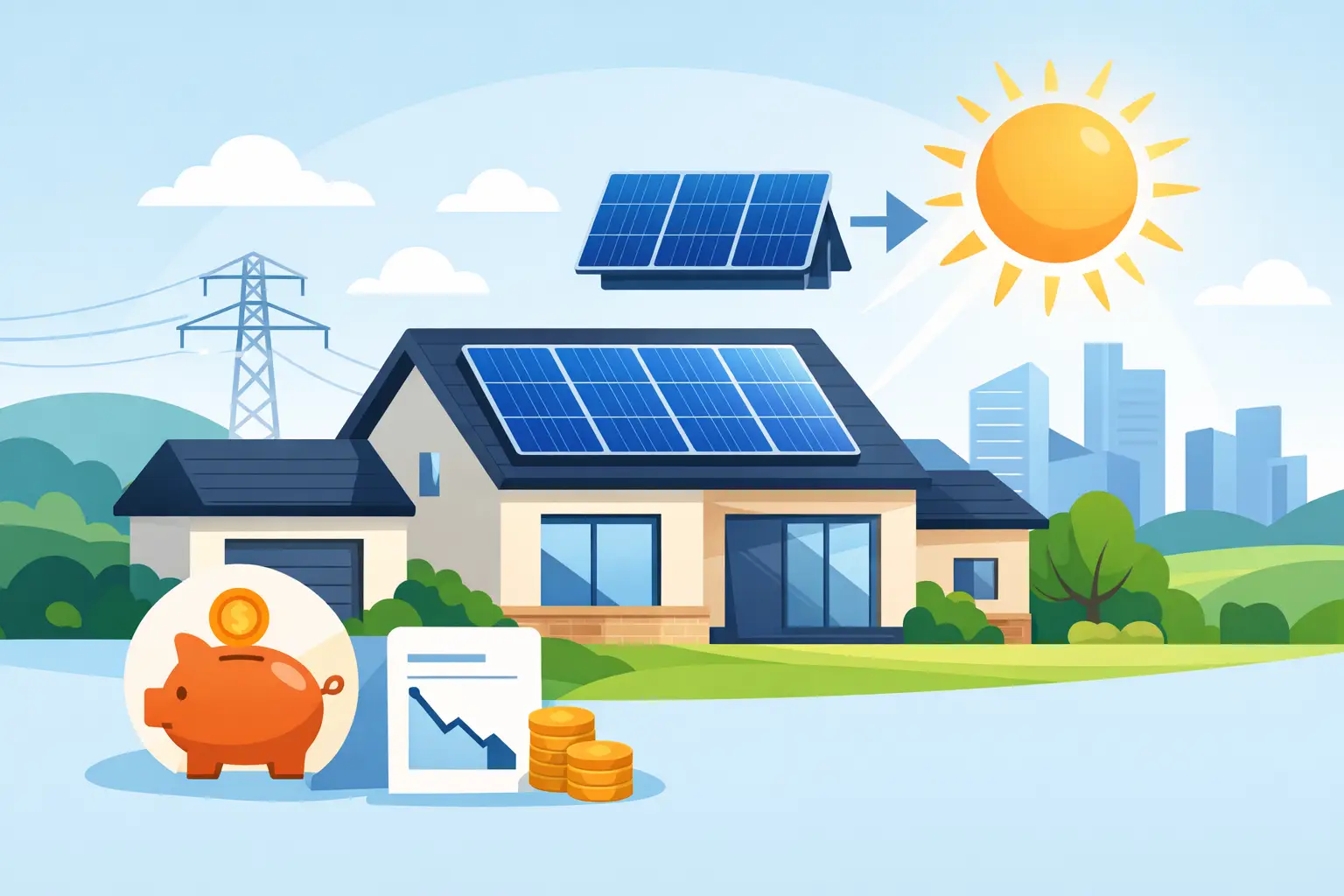
A well-designed AC-coupled battery can still provide strong savings, particularly when it allows an existing solar system to continue operating rather than requiring major replacement work. Battery capacity, usable depth of discharge, control settings, tariff structure, household demand and the amount of solar surplus available will often have a greater financial impact than conversion efficiency alone.
The question is not simply which system is more efficient on paper. It is whether the complete design delivers the best long-term value for the property.
When AC coupling is the practical choice
AC coupling is commonly used when adding battery storage to an existing solar installation. If the current solar inverter is performing well, compliant and still supported by warranty, keeping it can avoid unnecessary cost and disruption. A separate battery system can be installed alongside it, subject to site assessment, switchboard capacity and network requirements.
This approach is particularly attractive for properties with a relatively recent solar system from an established manufacturer. Instead of removing a working inverter, the battery inverter can manage charging, discharge and, where specified, backup circuits.
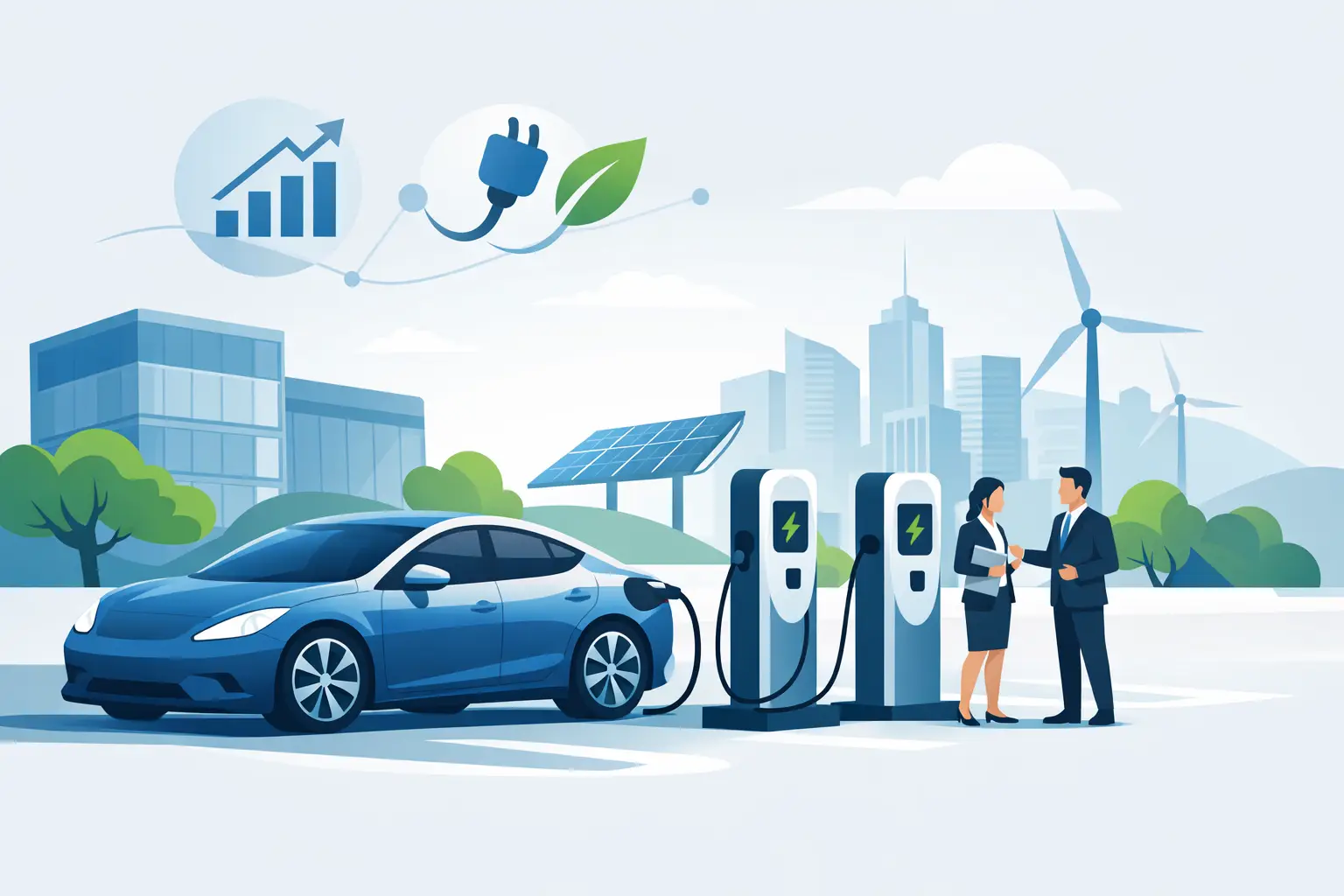
AC coupling can also make staged upgrades simpler. A household may install solar first, add a battery later, then install an EV charger as vehicle ownership changes. Commercial sites can similarly build energy infrastructure in phases as budgets, operating hours and demand profiles develop.
However, compatibility still matters. The combined system must be designed to operate correctly during normal grid-connected operation and, if backup is required, during an outage. Battery and solar inverter settings, export limits, metering and protection equipment need careful coordination.
When DC coupling makes more sense
For a new solar and battery installation, DC coupling through a hybrid inverter is often an efficient, tidy solution. One integrated inverter can manage solar generation, battery charging and property consumption, reducing duplication of equipment.
It can be a strong option for a new build, a major electrical upgrade or a property replacing an ageing solar inverter. The design can be sized around expected daytime generation, overnight demand, future battery expansion and planned loads such as a heat pump, pool equipment or EV charger.
DC-coupled systems are not automatically cheaper. A hybrid inverter may cost more than a standard solar inverter, and system design must account for its solar input limits, battery compatibility and potential future expansion. If a customer wants significantly more panel capacity later, the original inverter selection can become a constraint.
The best design leaves room for realistic change without paying for capacity that will never be used.
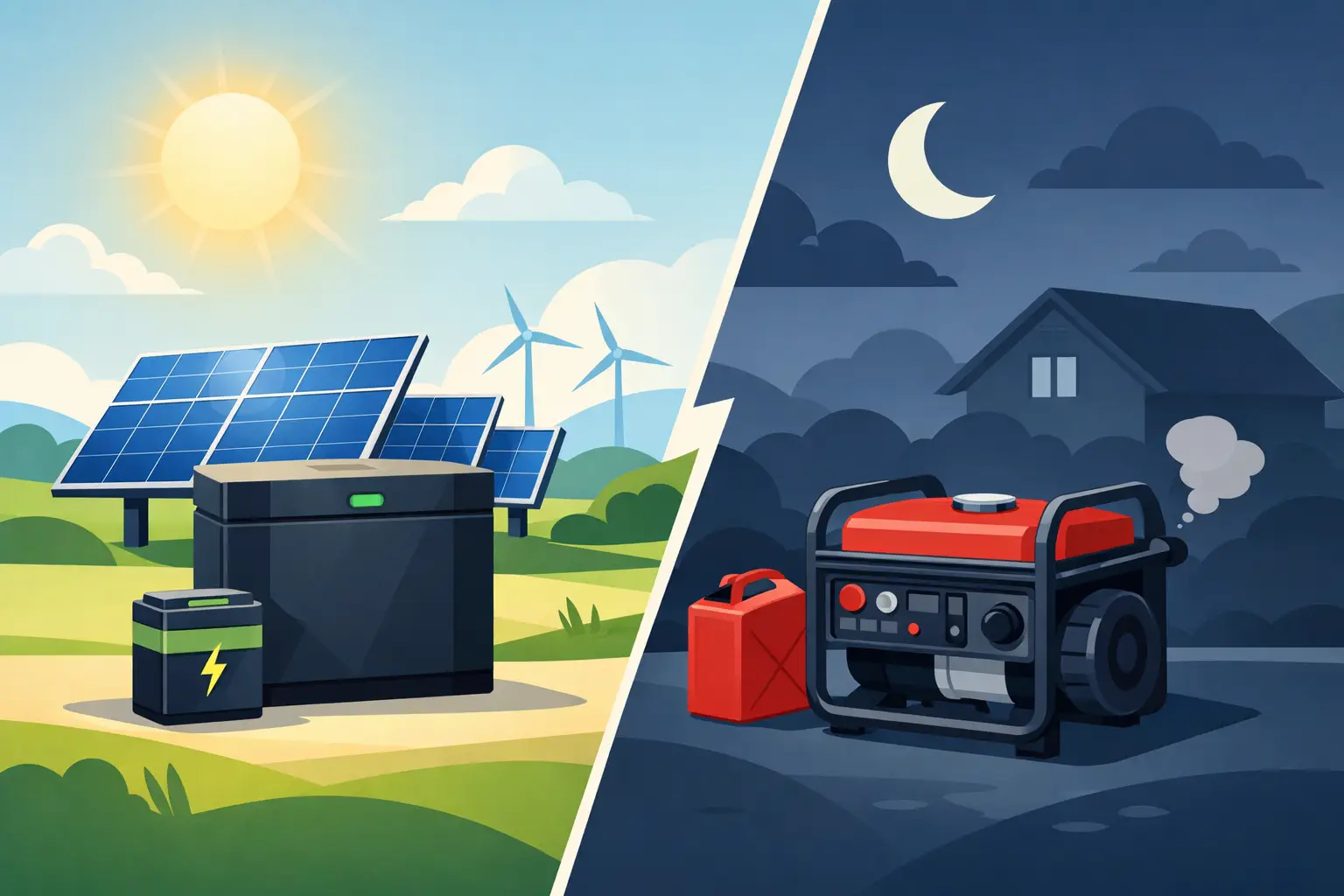
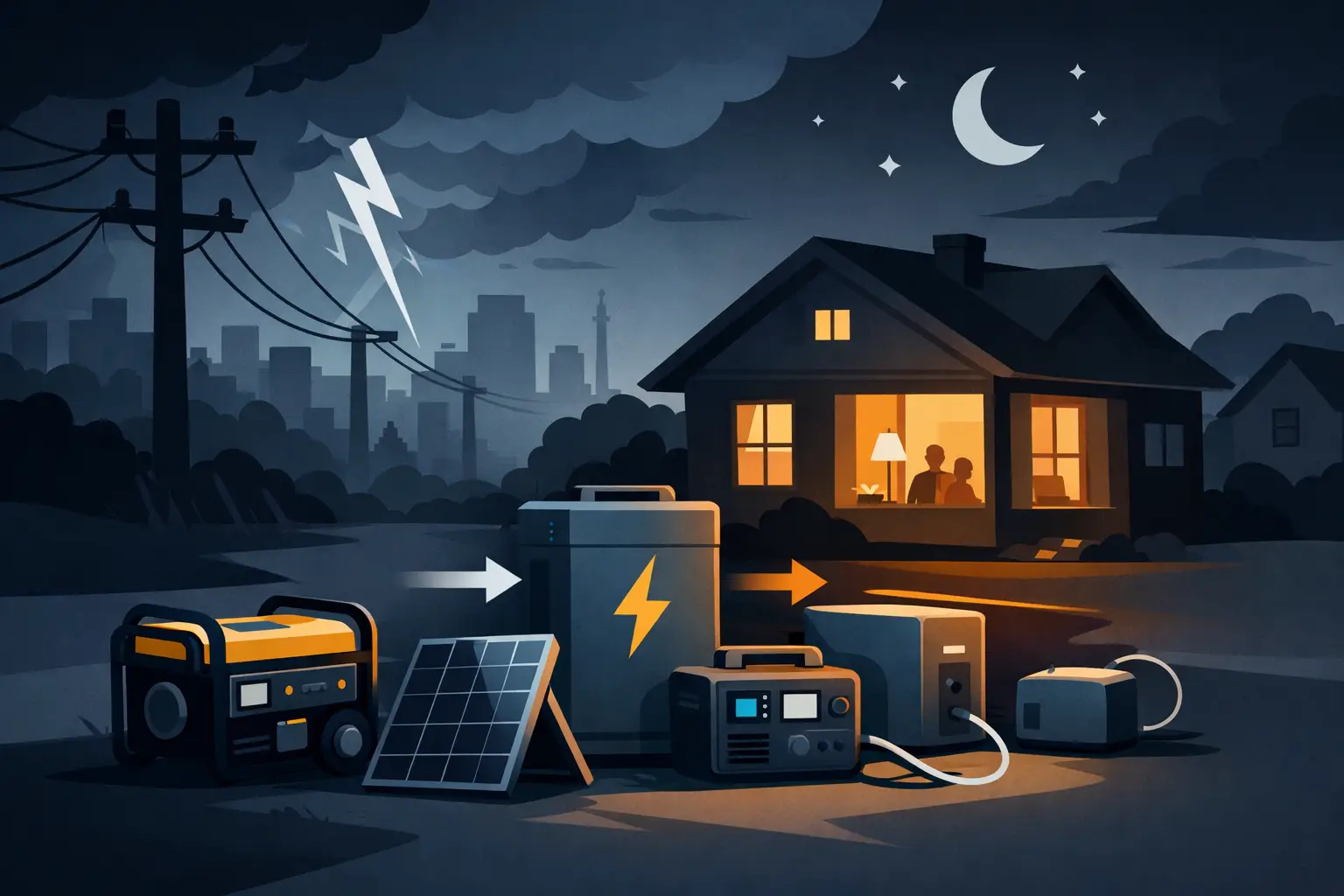
Backup power is a separate design decision
Many people assume that any battery will keep the whole property running during a blackout. That is not necessarily the case. Battery storage and blackout backup are related, but they are separate system features.
A battery needs the appropriate backup hardware, isolation and control equipment to safely supply loads when the grid fails. Most residential systems are designed around essential circuits rather than every appliance. Lighting, refrigeration, internet equipment, selected power points and some kitchen circuits are common choices. High-demand loads such as ducted air conditioning, electric hot-water systems, ovens and large machinery may require a larger, more complex design or may remain off during an outage.
For three-phase homes and commercial premises, the decision is more involved. Backup may be limited to selected single-phase circuits, or it may be engineered to support broader three-phase loads. The suitable option depends on battery output, starting currents, switchboard layout and what the property genuinely needs to keep operating.
A clear backup plan should be agreed before installation. It prevents the disappointment of expecting whole-site backup from a battery sized only for essential loads.
Your switchboard and grid connection matter
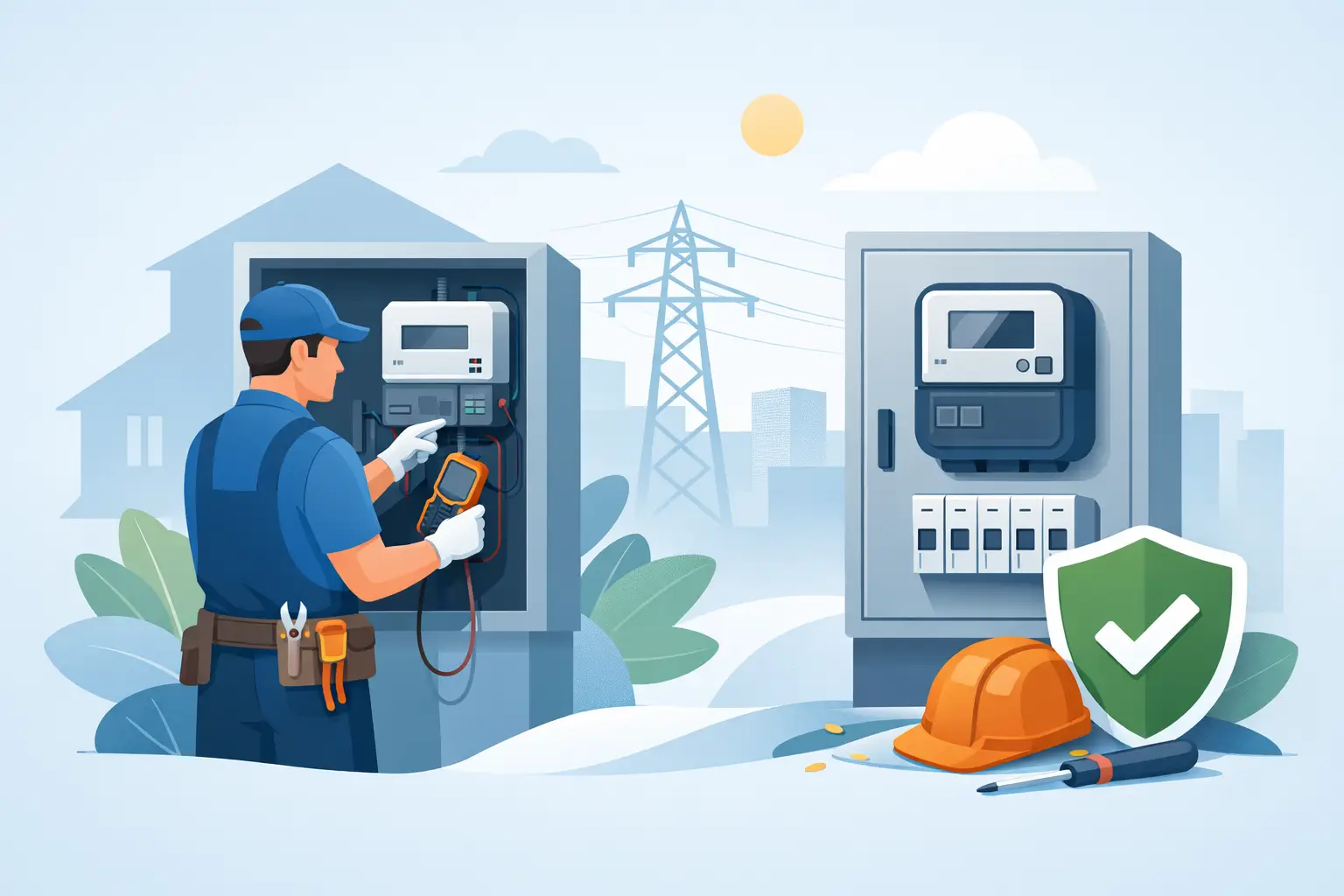
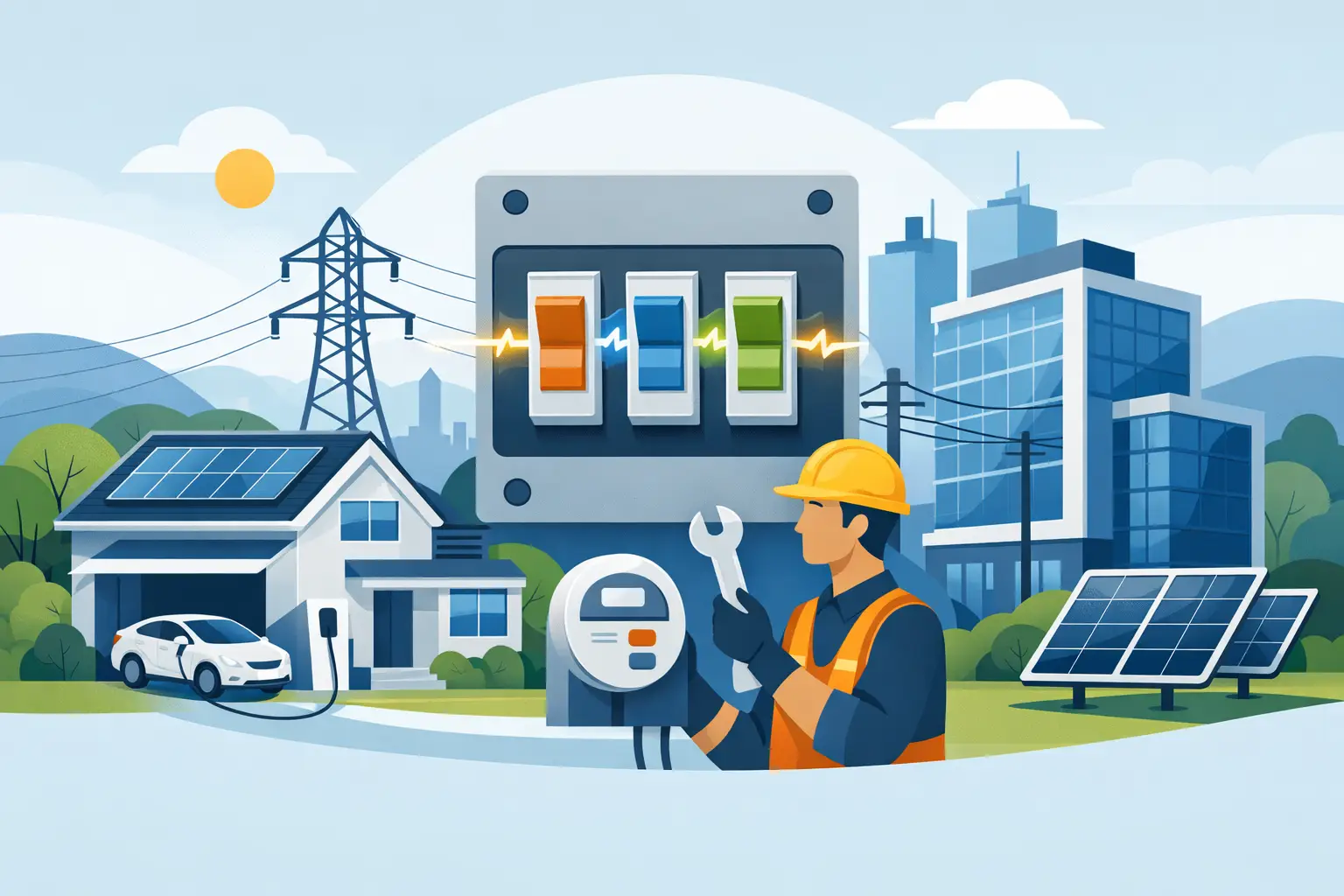
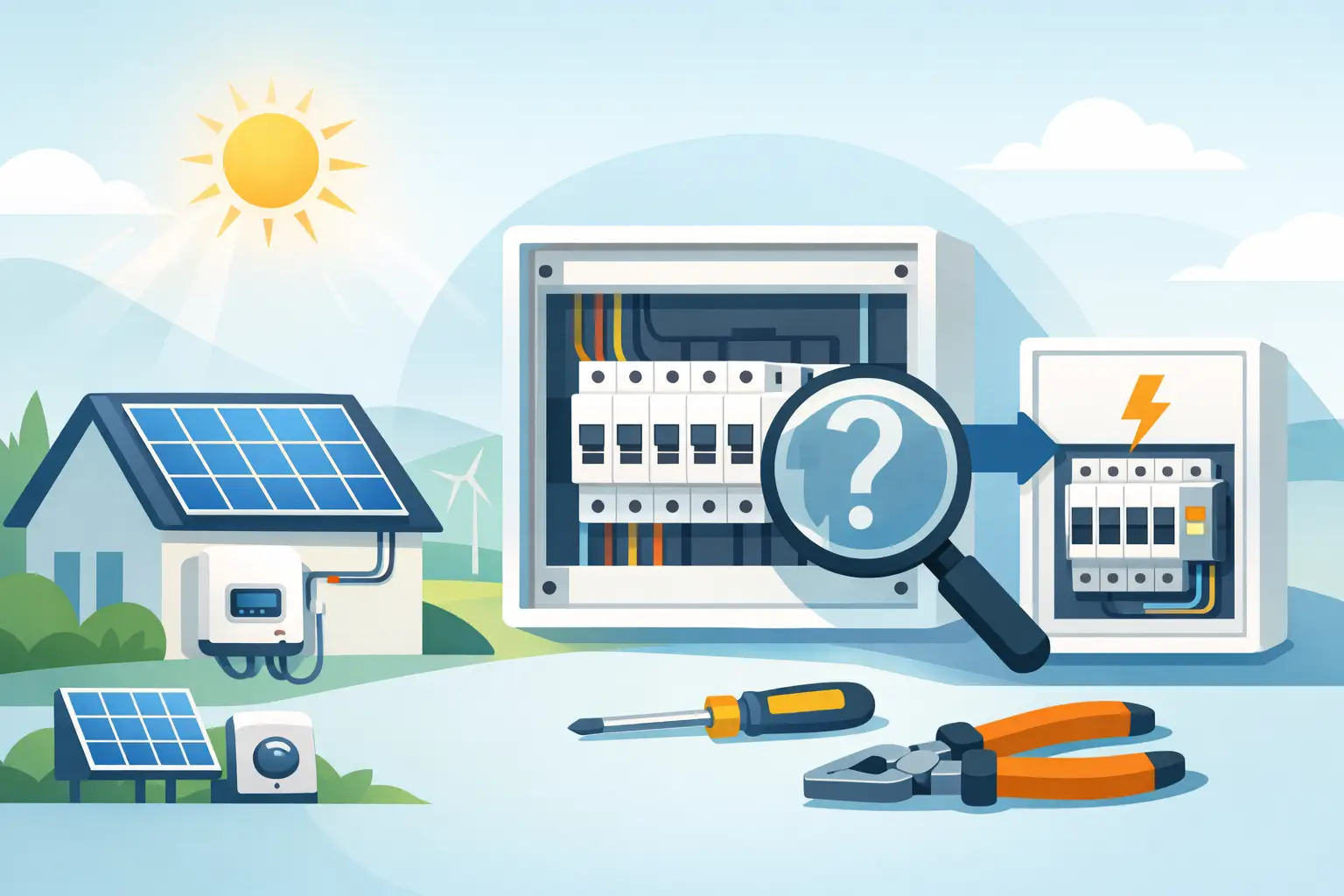
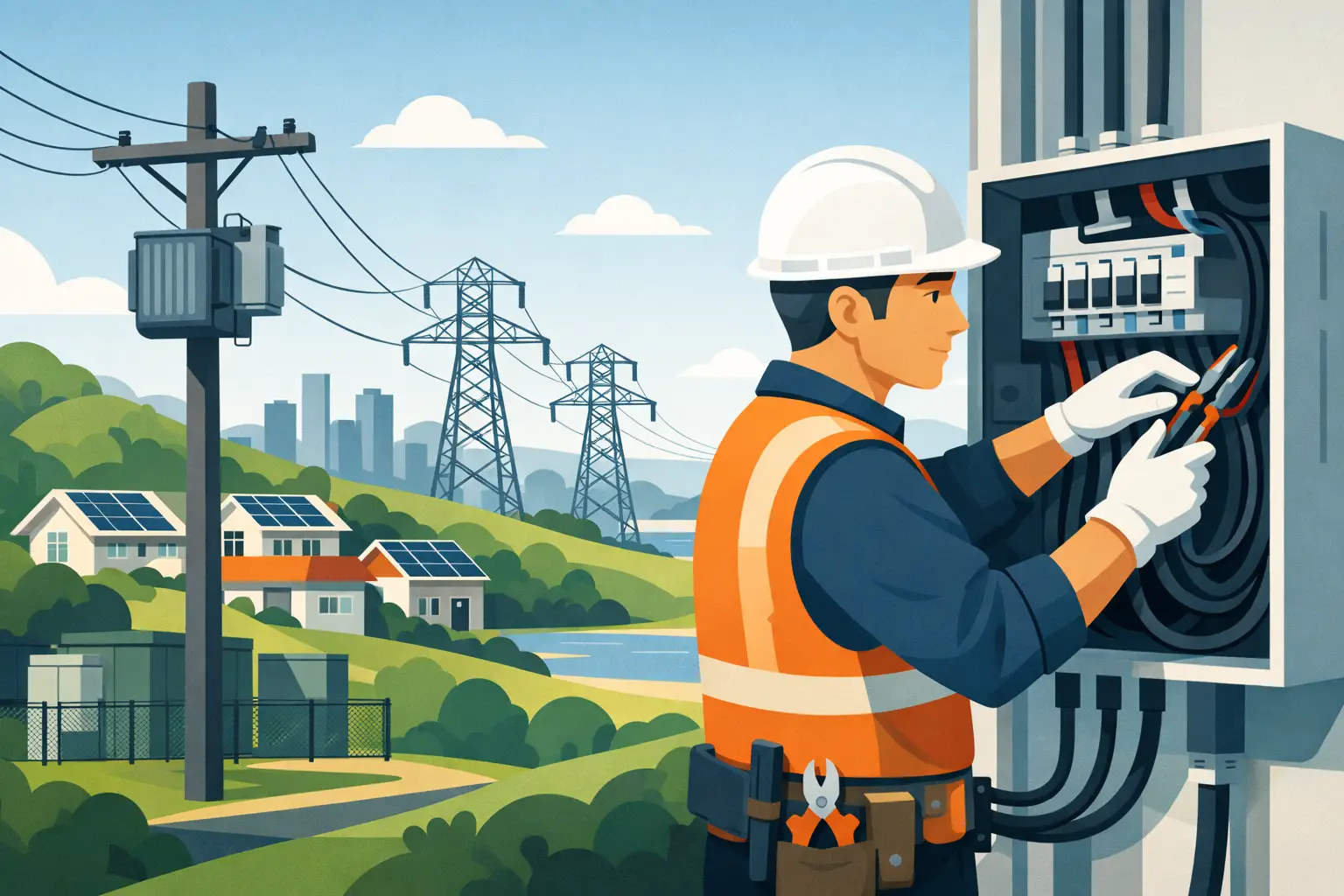
Battery installation is electrical infrastructure work, not just an appliance installation. Before choosing AC or DC coupling, the existing switchboard, main supply, metering arrangement, earthing, protection devices and available space need to be assessed.
Older Sydney properties may need switchboard upgrades before a battery or EV charger can be installed safely. Commercial and industrial sites may also need load analysis, distribution upgrades or changes to accommodate larger solar capacity and battery discharge levels.
NSW distribution network rules can affect inverter size, solar export settings and connection approval. These requirements vary by location and must be addressed in the system design, not treated as an afterthought. Where regulated network or metering work is required, a Level 2 ASP-authorised contractor provides a valuable single point of responsibility.
How to compare quotes properly
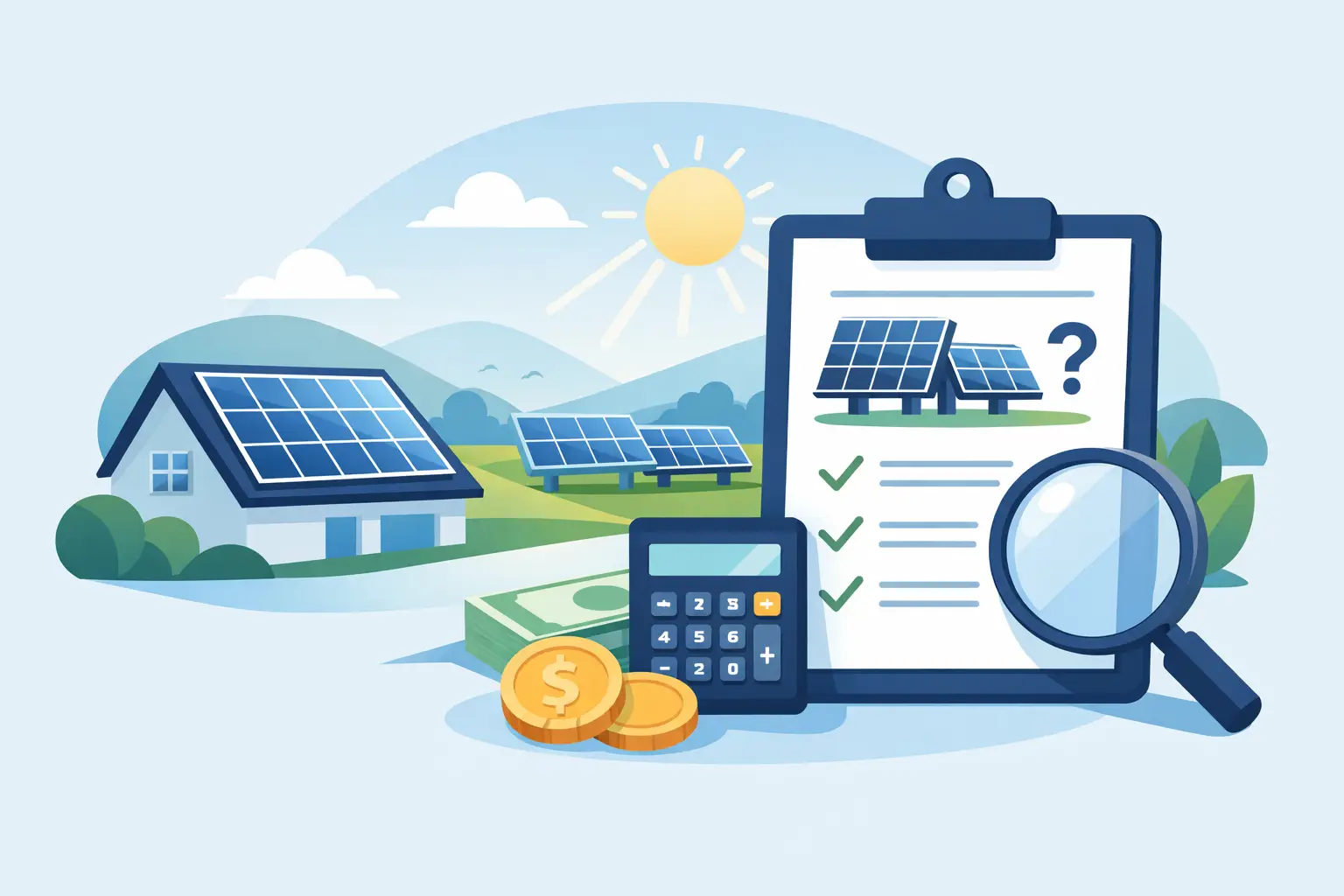
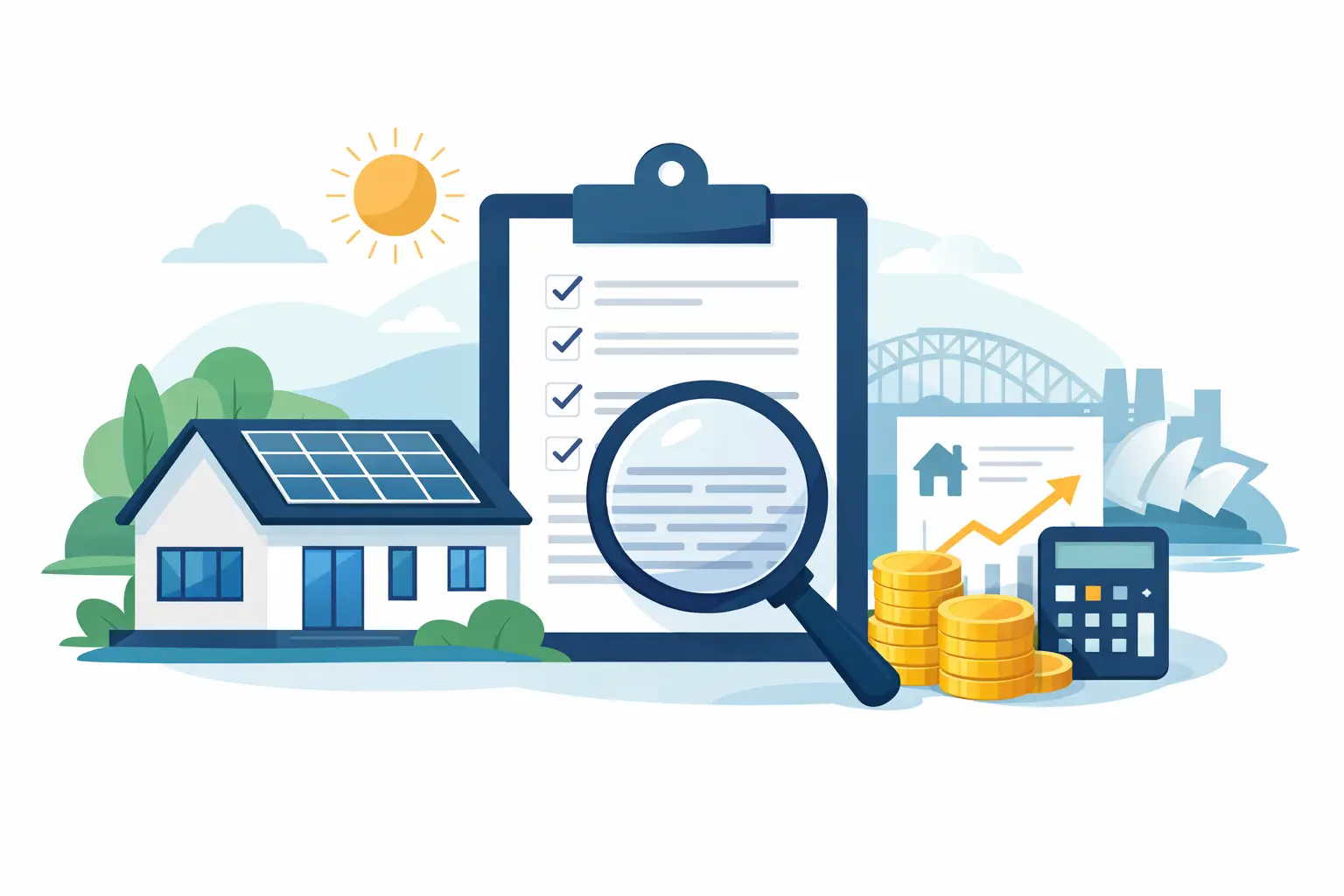
A battery quote should explain more than the advertised storage capacity. Ask how much usable battery capacity is included, the continuous power output, the backup configuration, expected solar charging behaviour and whether the design is AC- or DC-coupled.
It should also identify whether existing solar equipment will remain, be replaced or require changes. Warranties should cover the battery, inverter, workmanship and any additional electrical equipment. For businesses, it is worth asking how the design responds to peak demand, operating hours and critical loads.
Be cautious with comparisons based only on battery kilowatt-hours. A large battery with limited output may not run the loads you expect, while a smaller battery with the right control strategy may deliver better value. Transparent, itemised pricing makes it easier to compare like for like and understand what is included.
Start with your energy pattern
The most useful battery design begins with how the property uses electricity. A family that exports solar through the middle of the day and consumes heavily after sunset has different needs from a business operating during daylight hours. A future EV may increase overnight demand, while a flexible charging schedule can also create an opportunity to use solar more effectively.
Review electricity bills, interval data where available, existing solar production and planned changes to the property. Then match the battery architecture to the goal: preserving a quality solar system, maximising stored solar energy, supporting essential loads in outages, reducing peak demand or preparing for electrification.
Sydpro Solar Solutions can assess the solar system, switchboard and connection requirements together, so the recommendation reflects the property rather than a one-size-fits-all battery package. The right coupling method is the one that gives you safe, reliable energy performance today while leaving a sensible path for tomorrow.