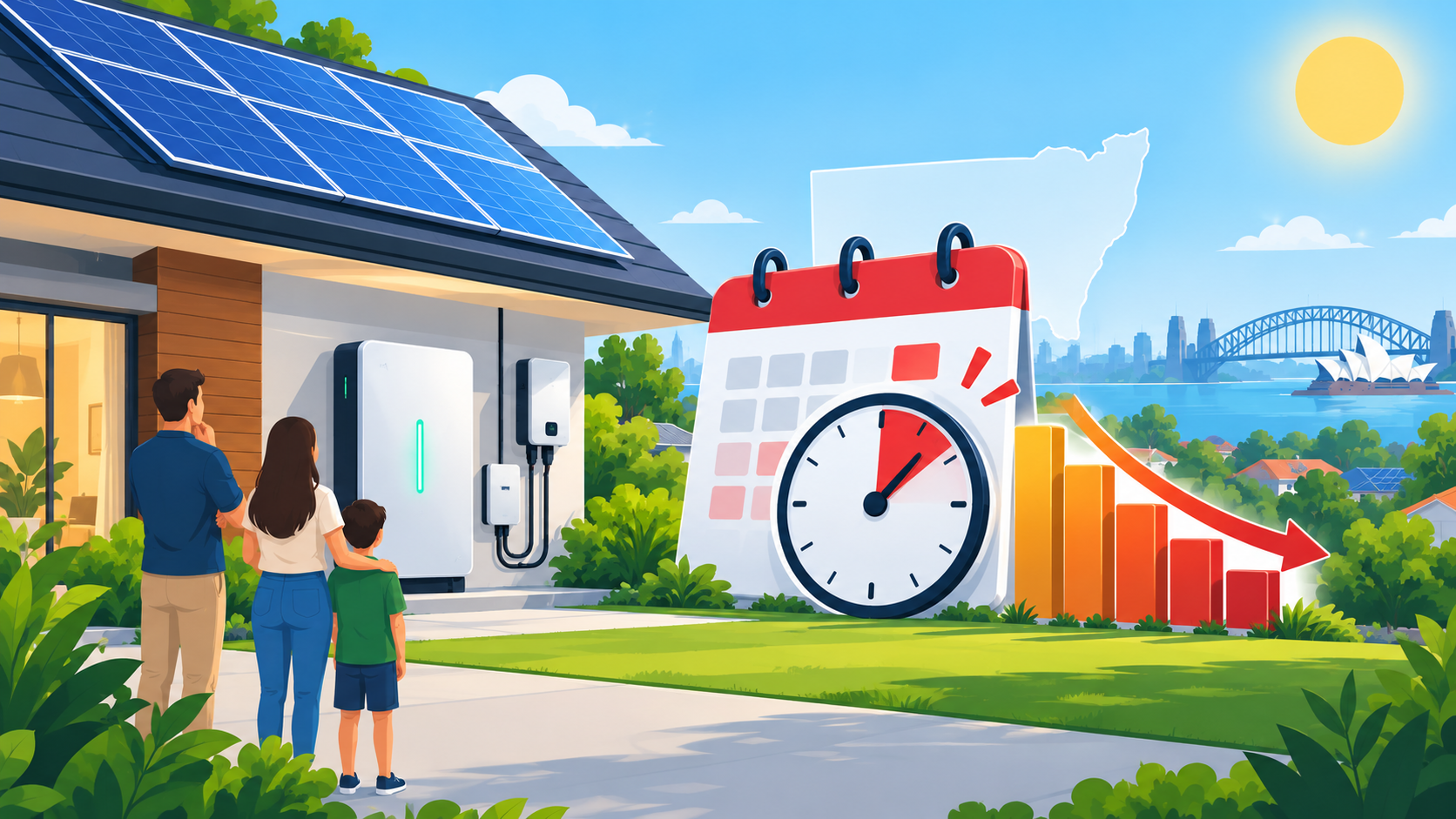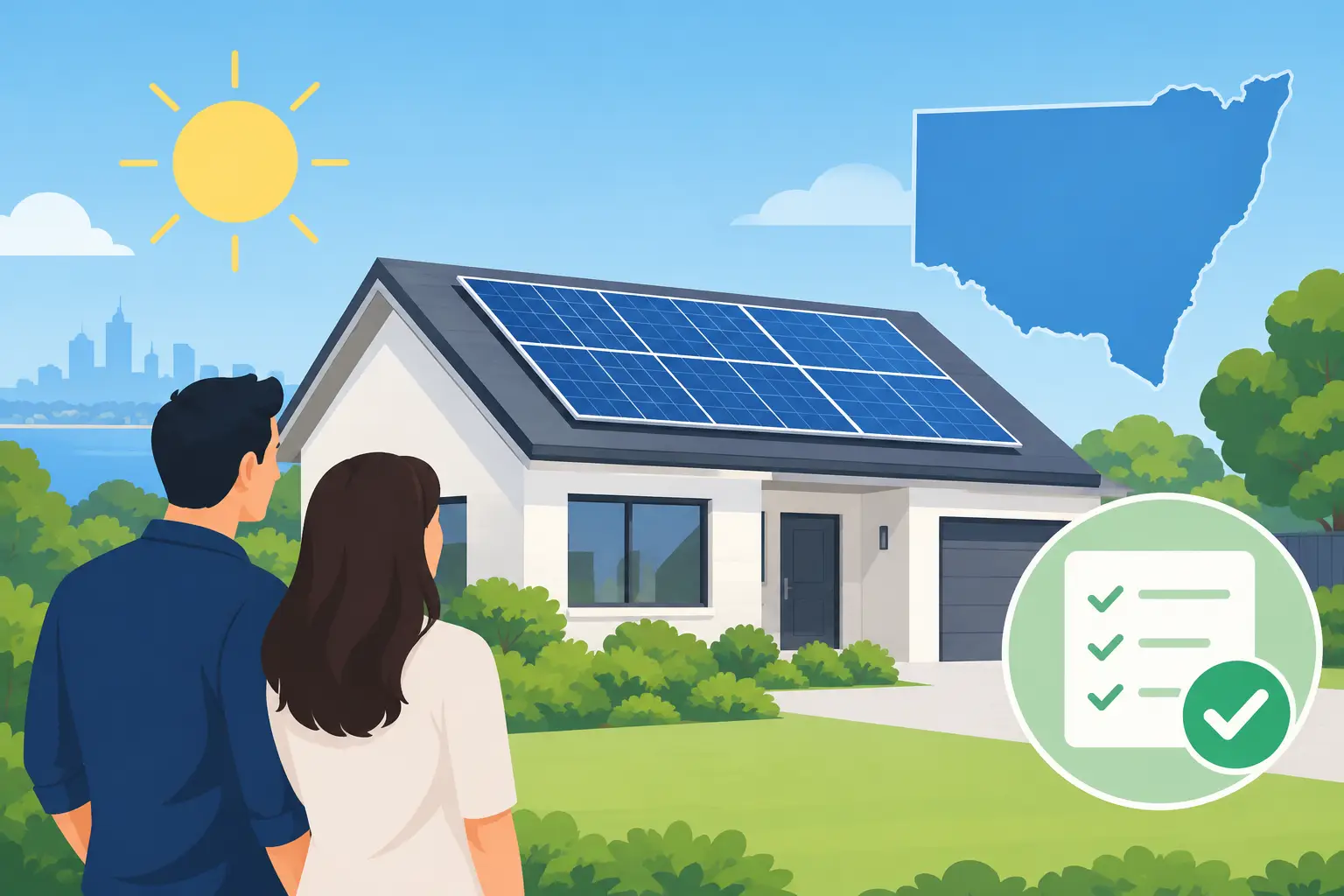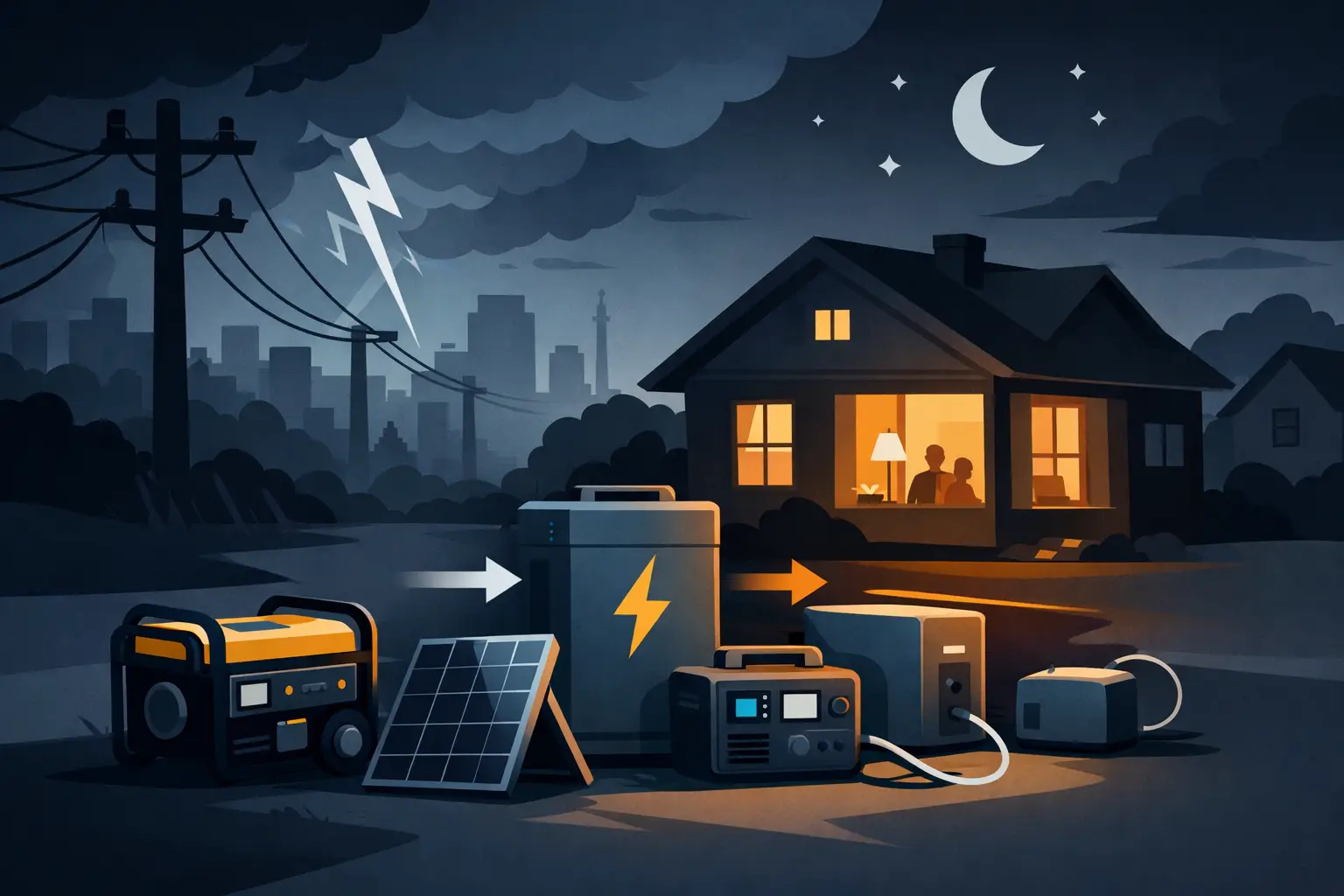
A battery backup during blackout events can keep the parts of your property that matter most running: refrigeration, lighting, internet, security, selected power points and, with the right design, essential business equipment. But a battery alone does not guarantee backup power. The system must be designed to safely separate from the electricity grid, support your chosen loads and manage solar generation while the network is down.
For Sydney and NSW property owners, that distinction is worth getting right before installation. A well-designed solar battery system can reduce everyday energy purchases and provide useful resilience when outages occur. A poorly specified one may leave a large battery installed but no power available when you need it.
What happens to solar during a blackout?
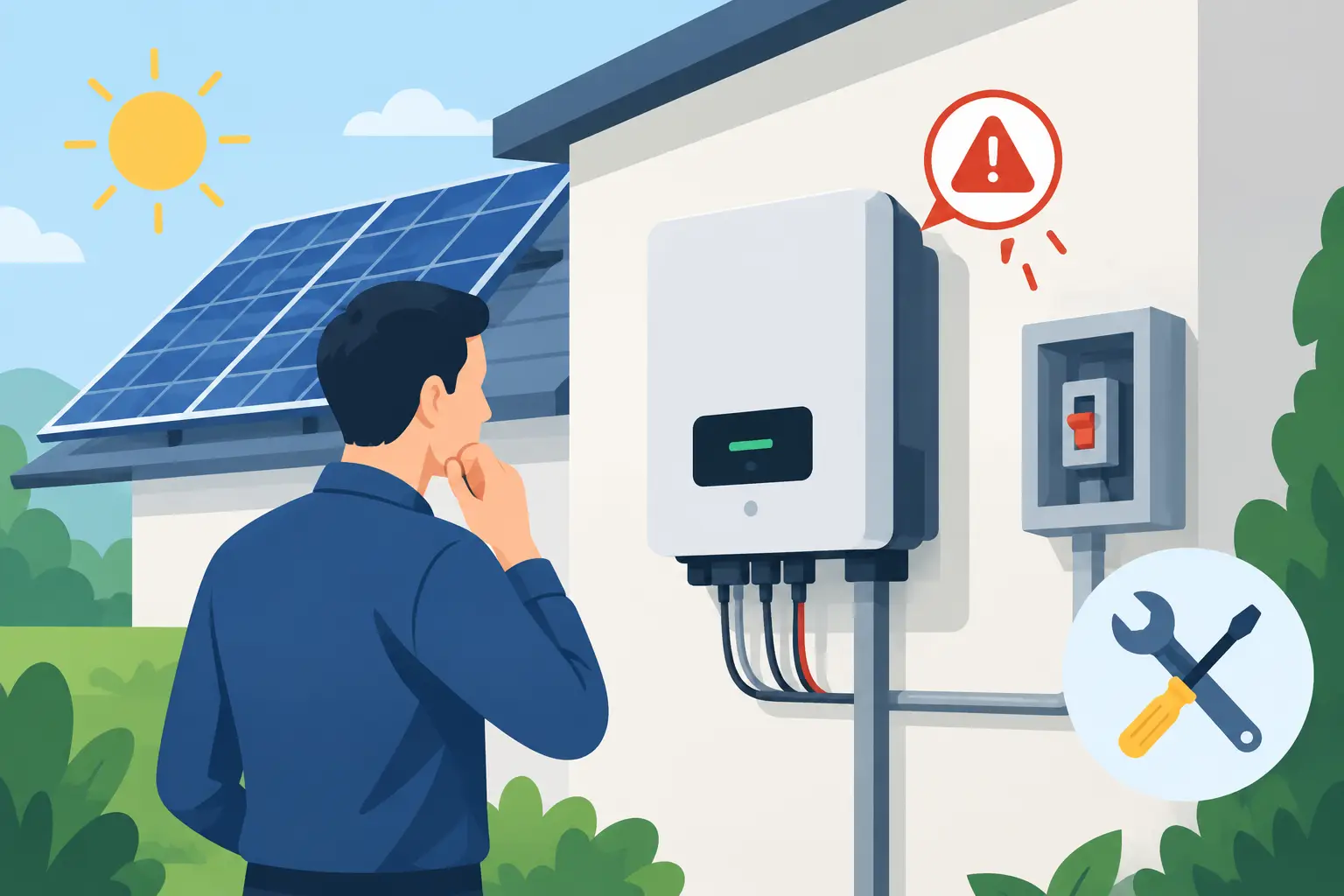
Most standard grid-connected solar systems switch off during a blackout. This is a safety requirement, not a fault. If the system continued exporting power into local power lines while crews were working to restore supply, it could create a serious electrocution risk.
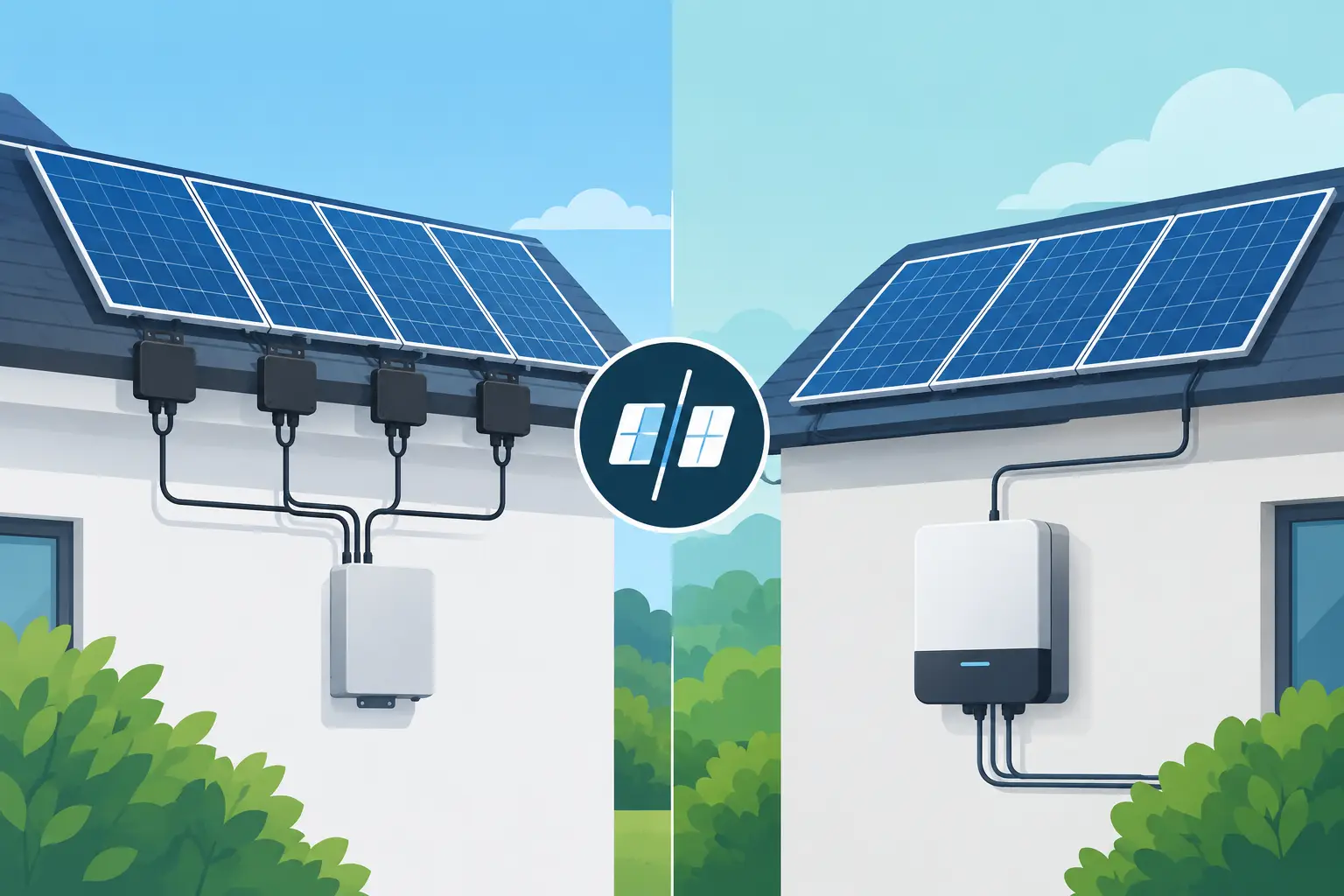
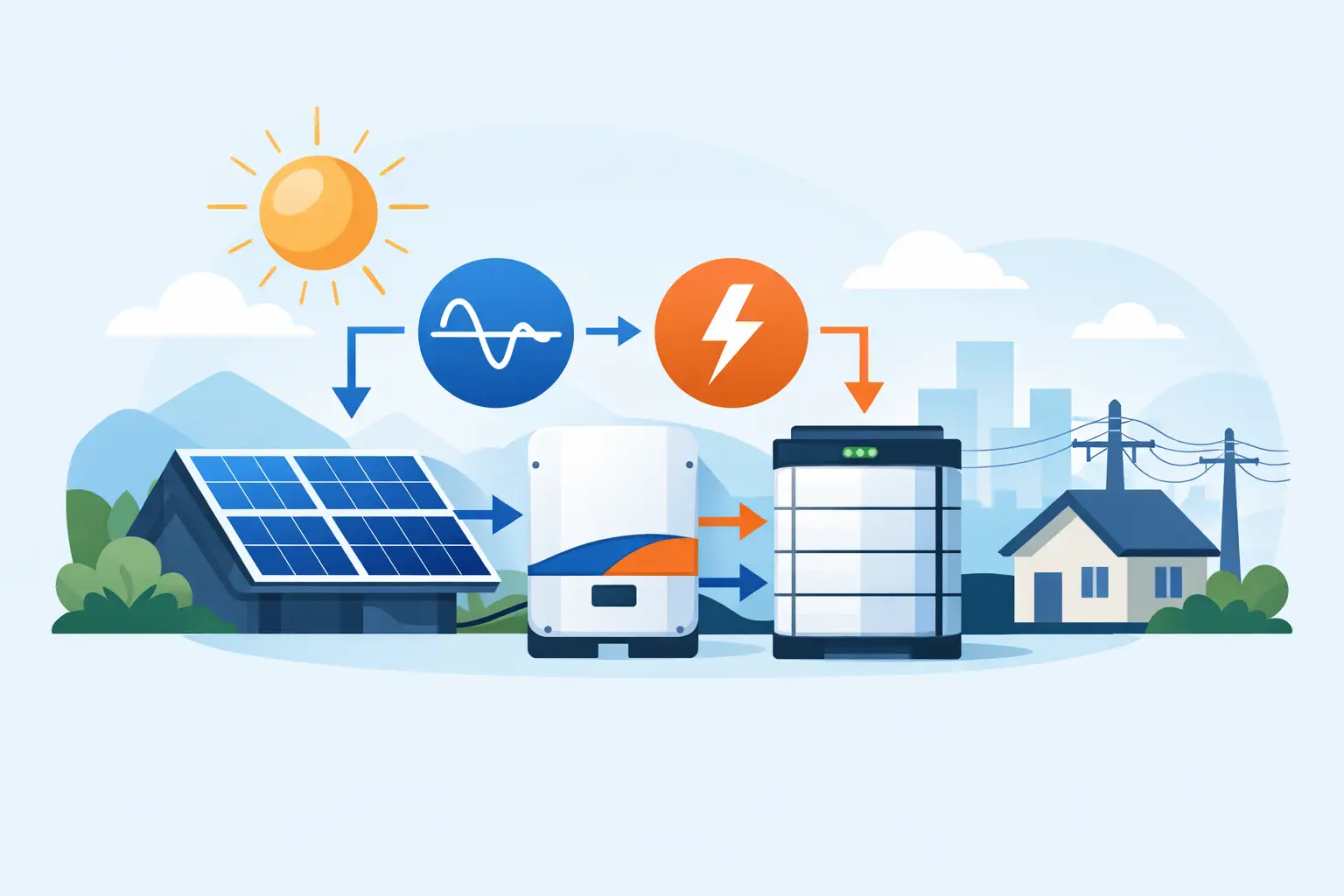
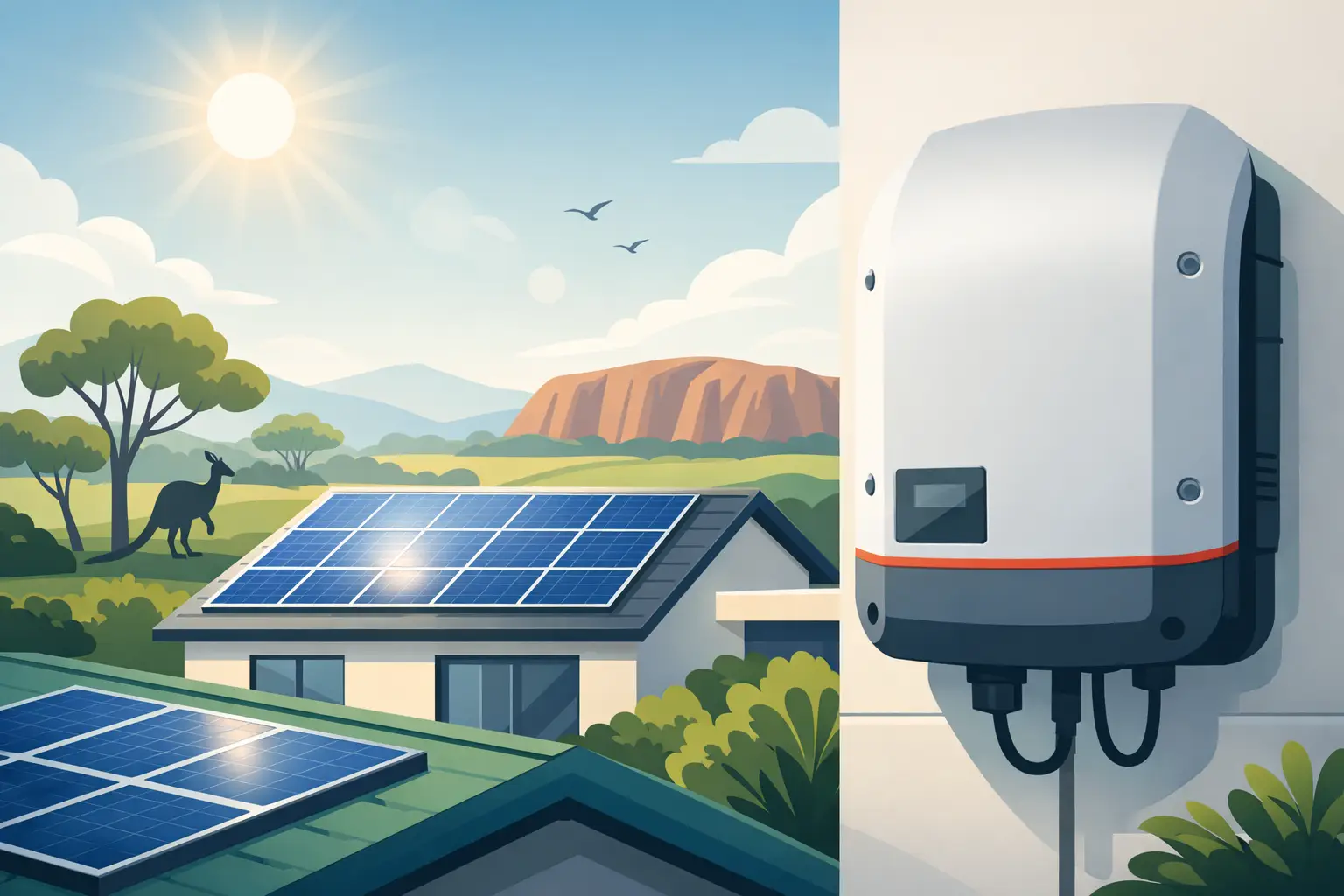
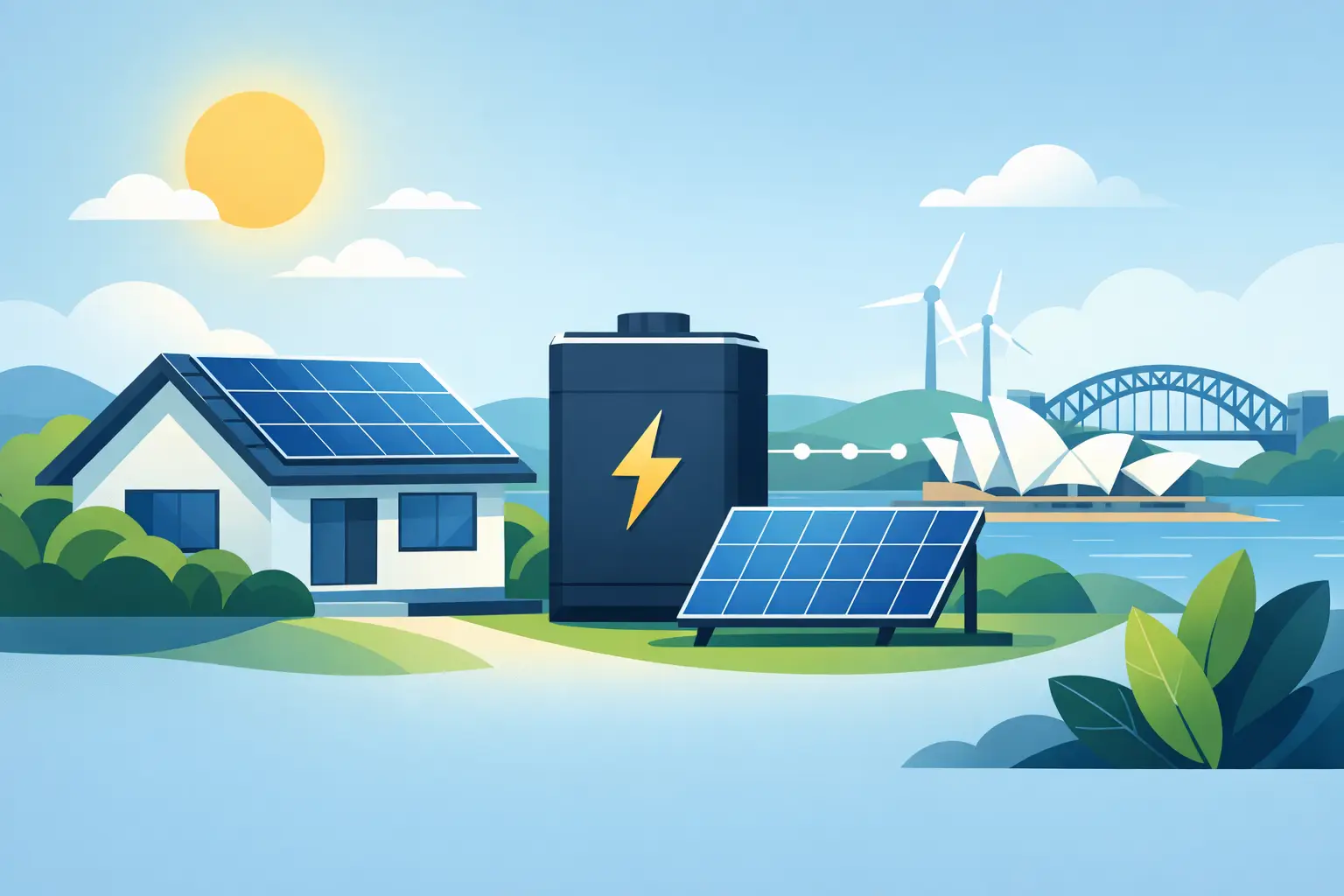
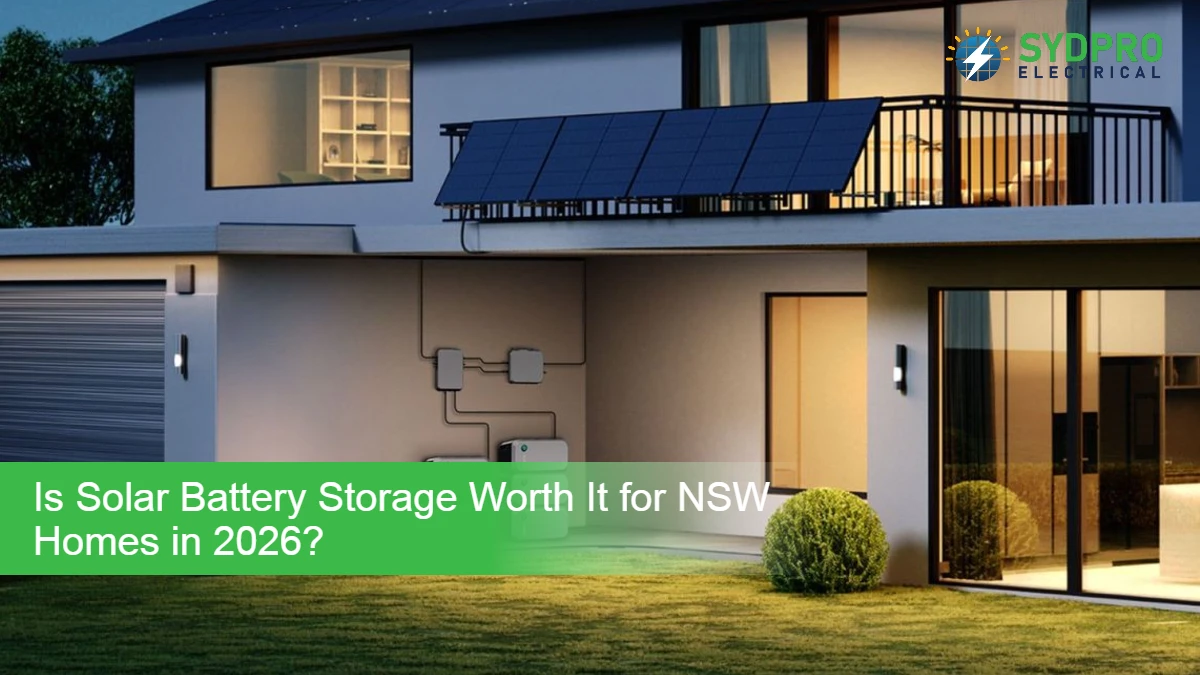
To operate during an outage, the system needs backup capability. Depending on the equipment selected, this can include a battery, a compatible hybrid or battery inverter, and an approved backup gateway or changeover arrangement. Together, these components isolate the property from the grid and create a controlled local power supply. This is often called islanding.
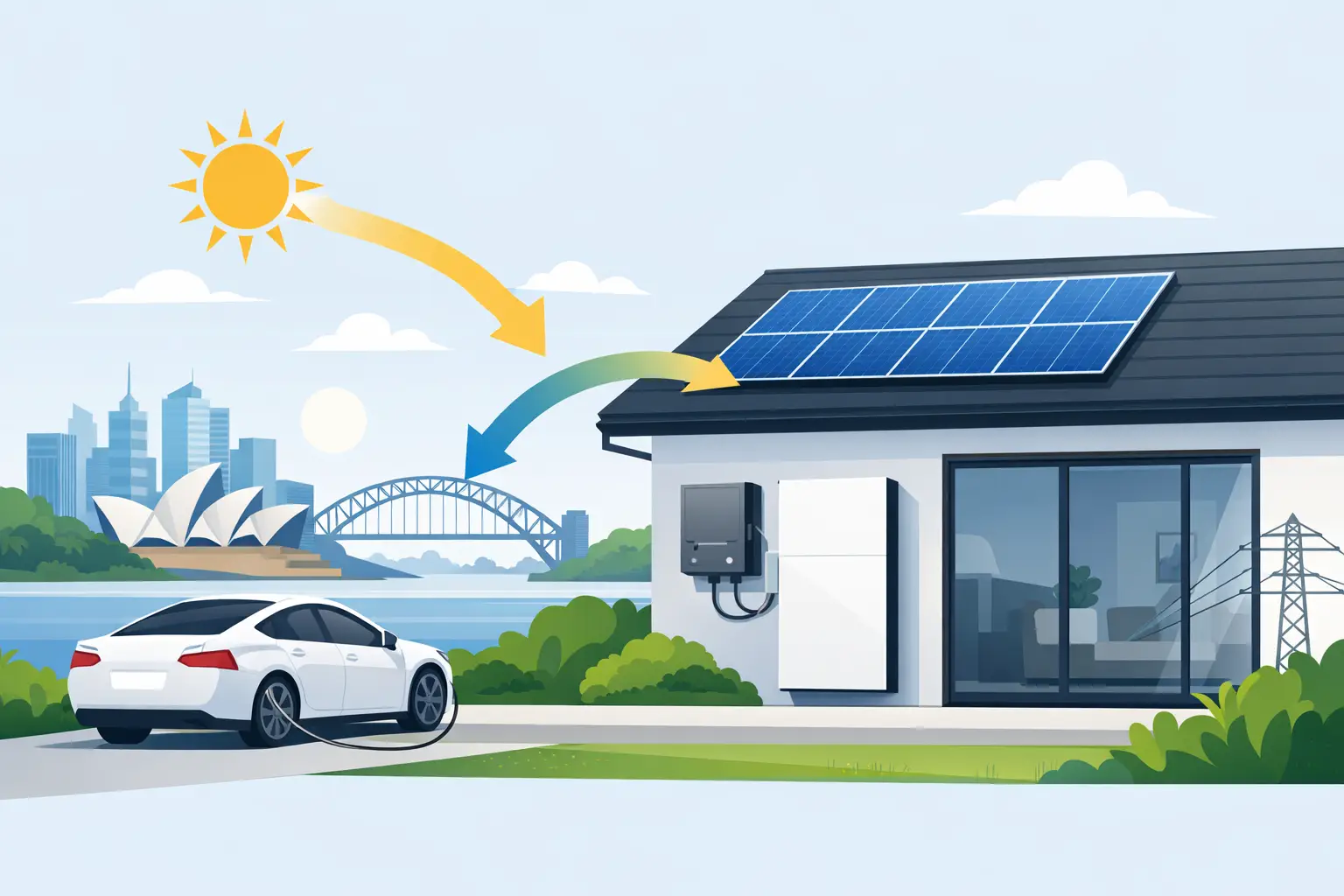
Once isolated, the battery supplies selected circuits. If there is sufficient daylight and the system is configured for it, rooftop solar can also recharge the battery and contribute to the live loads. The available energy will still depend on weather, roof output, battery state of charge and how much electricity the property is using.
Battery backup during blackout: choose the right level
The first question is not simply, “How large should the battery be?” It is, “What must continue operating if the grid fails?” Your answer determines the backup configuration, equipment and budget.
Essential-circuit backup
This is the most common and cost-effective approach for homes. An electrician places priority circuits on a dedicated backup board, so the battery supports practical daily essentials rather than every appliance in the house.
Typical protected loads may include:
- fridge and freezer circuits
- selected lights and power points
- NBN equipment, Wi-Fi and mobile charging
- garage door, security and intercom systems
- a small number of kitchen appliances or a medical device circuit.
This approach avoids having high-demand equipment drain the battery quickly. It is particularly useful for households that want outage protection without paying to size the system for whole-home air conditioning, electric cooking and pool equipment.
Whole-home backup
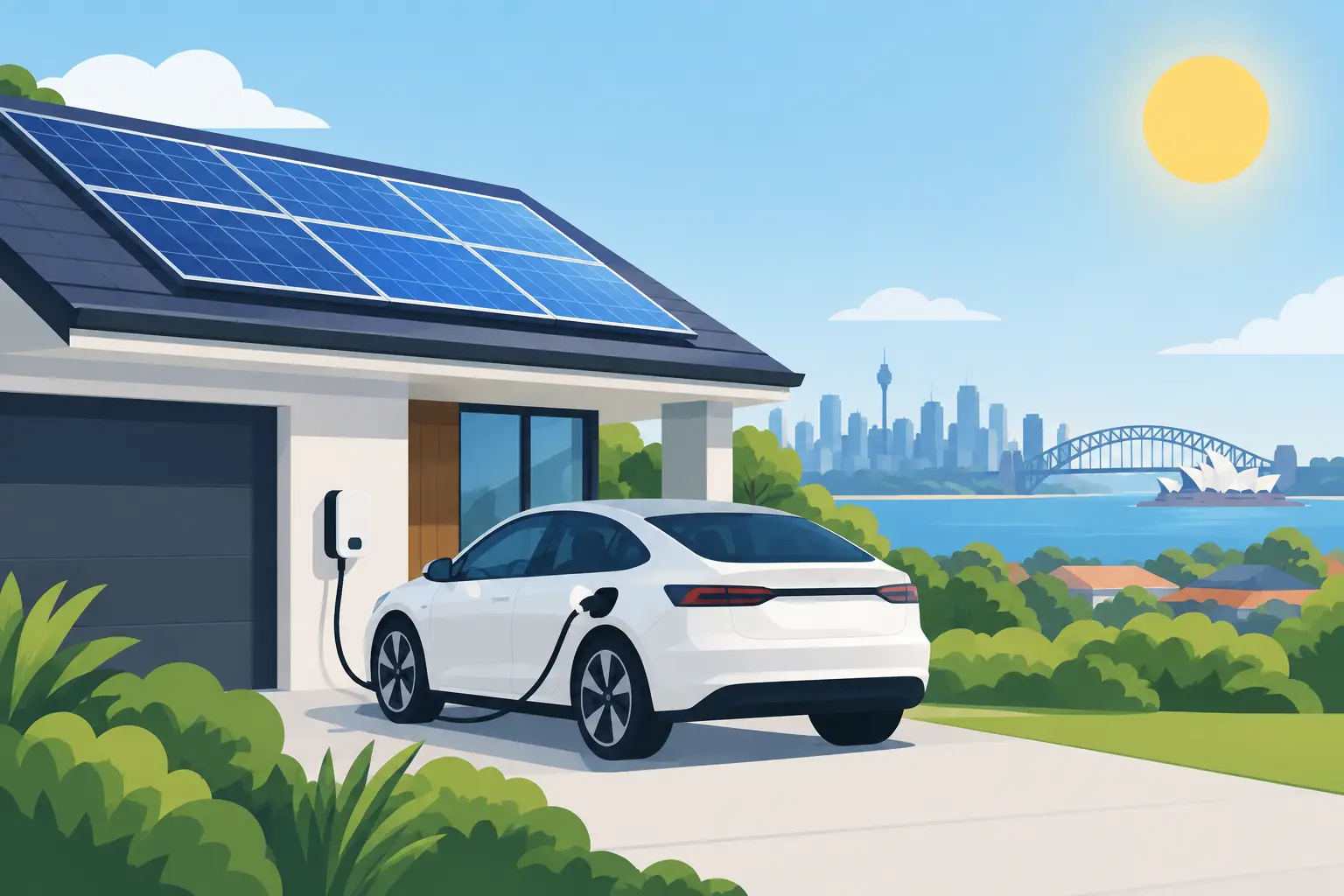
Whole-home backup supplies most or all circuits, subject to the battery and inverter’s available output. It can provide a more familiar experience in an outage, but it is not unlimited power. A clothes dryer, ducted air conditioner, electric oven, spa heater and EV charger can create demand far beyond what a typical residential battery can deliver at once.
Whole-home designs therefore require careful load assessment. Some systems can manage or shed non-essential loads automatically, while others need clear household habits during an outage. For larger homes, three-phase properties or sites with substantial electric appliances, the design may require multiple batteries, higher-capacity inverters or a tailored backup strategy.
Business-critical backup
For commercial and industrial properties, backup planning begins with operational risk. A café may prioritise refrigeration, point-of-sale equipment and emergency lighting. An office may need internet, servers, access control and selected workstations. A workshop may need to protect essential controls while leaving high-load machinery offline.
Battery storage can be part of a broader resilience plan, but it is not always the only answer. Long-duration outages, large motor loads and operations that cannot tolerate interruption may call for staged backup, load control or generator integration. The right solution depends on the cost of downtime, the site’s electrical supply and the loads that genuinely need continuity.
Capacity and power are different measurements
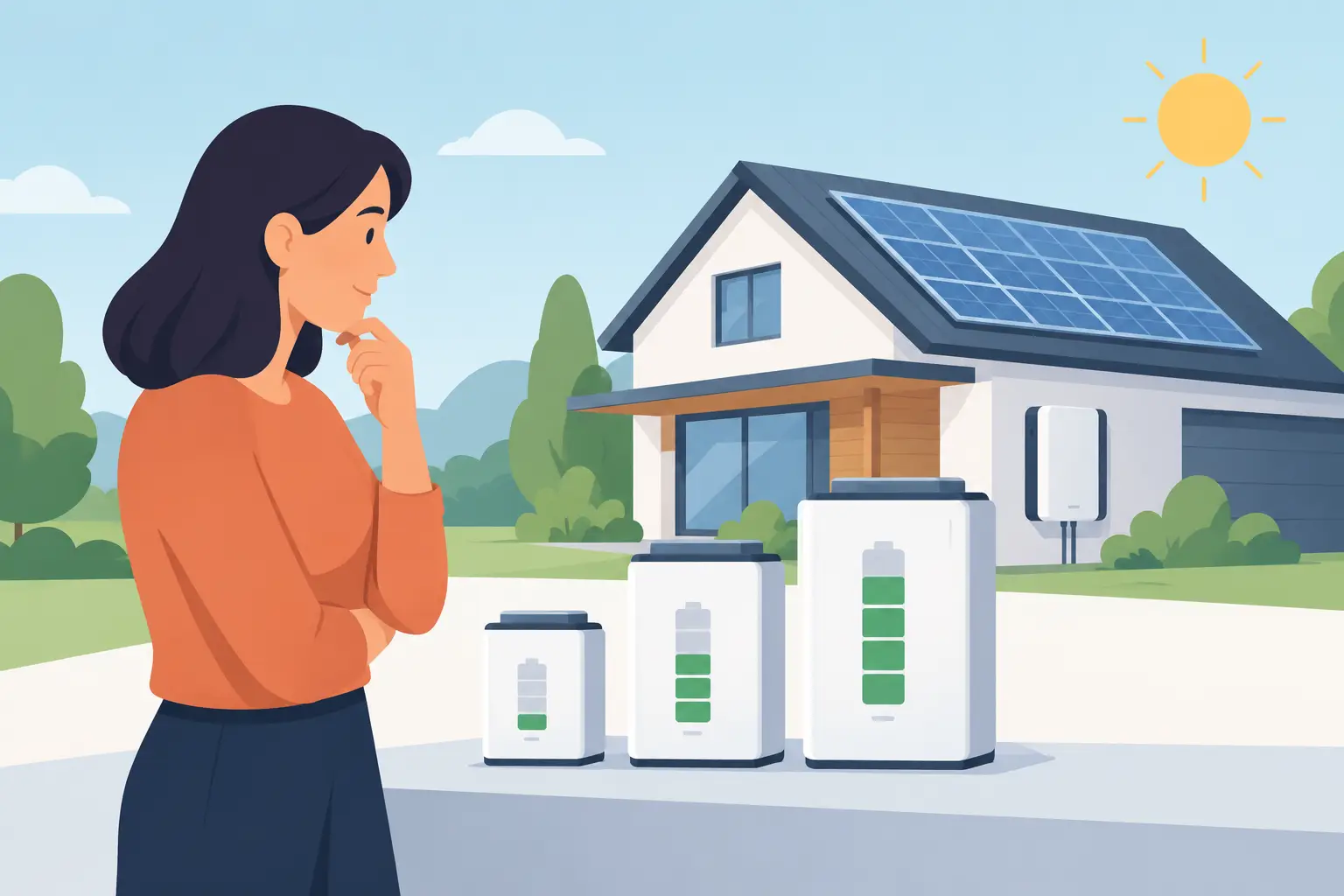
Battery quotes often focus on kilowatt-hours, or kWh. This indicates stored energy, much like the size of a fuel tank. A 13.5 kWh battery has a different potential runtime from a 27 kWh battery, assuming the same loads.
However, kilowatts, or kW, are equally important. This is the rate at which the battery and inverter can supply electricity at a given moment. A system may have plenty of stored energy but still be unable to start or run several high-demand appliances at the same time if its backup power output is too low.
As a simple example, a home using a steady 1 kW of essential loads could theoretically use around 10 kWh over 10 hours. In real conditions, allow for battery reserve settings, conversion losses and changing loads. Boiling a kettle, switching on a microwave or running an air conditioner will increase demand sharply.
A detailed design should consider your interval consumption data where available, existing appliances, plans for an EV, electric hot water and future electrification. This produces a more reliable outcome than selecting a battery based only on a neighbour’s installation or a headline storage figure.
Solar can extend backup time, but it is not a guarantee
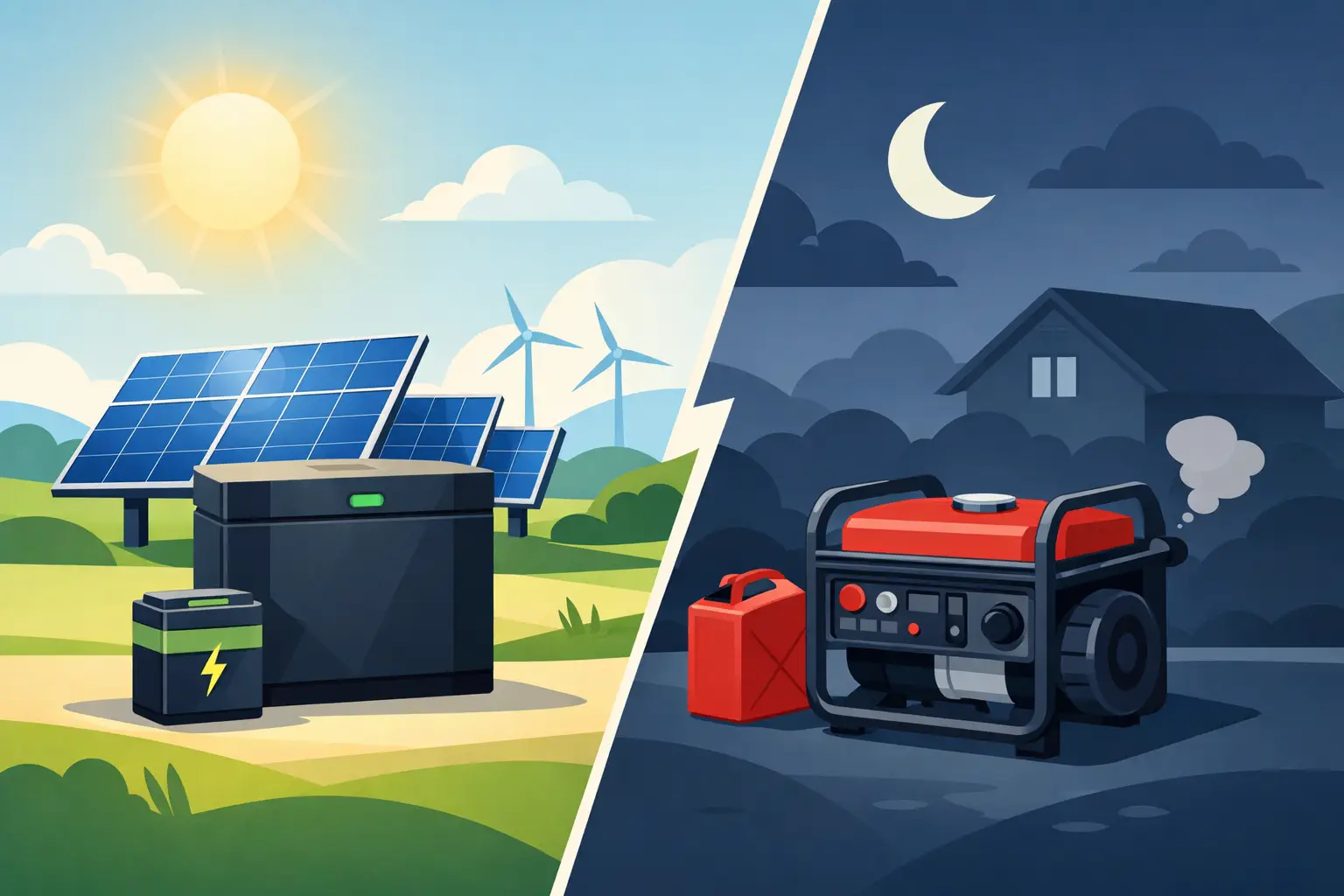
Solar generation can make a major difference during a daytime outage. When the sun is producing enough electricity, it can run active loads and recharge the battery for the evening. In favourable conditions, this can extend useful backup well beyond the battery’s standalone runtime.
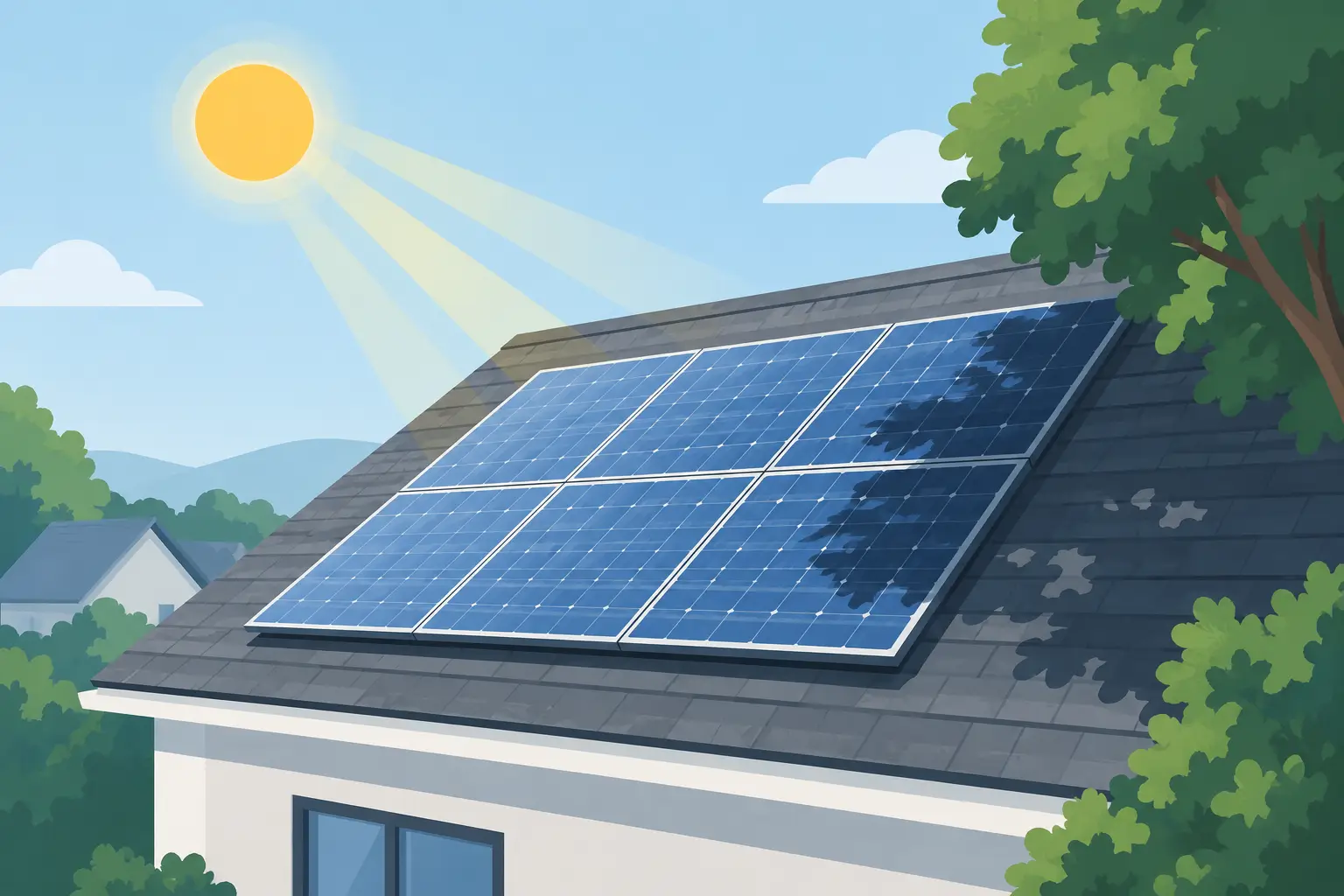
There are limits. A storm-related blackout may coincide with cloud cover, and solar output falls late in the day. In winter, shorter daylight hours can also reduce the energy available for recharging. Your property may use more electricity than the solar array can produce at that time.
For that reason, backup should be planned around conservative expectations. A battery system is best viewed as managed energy independence, not an unlimited off-grid supply. During an extended outage, reducing discretionary loads preserves power for what matters.
Safe changeover is not optional
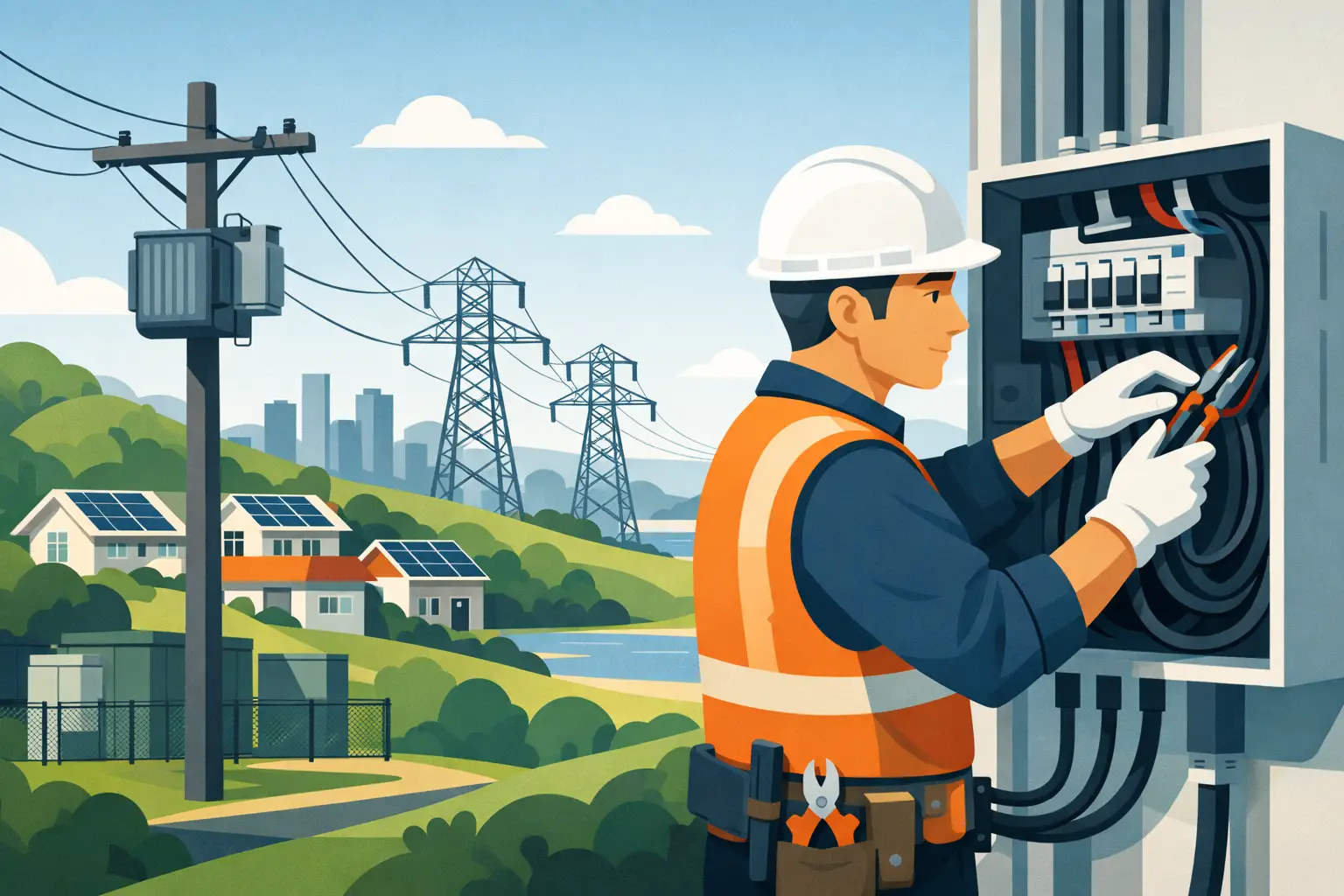
Backup power must never feed electricity back into the grid during an outage. Correct isolation protects network workers, your property and connected equipment. It also ensures the system changes back to normal grid operation safely when supply is restored.
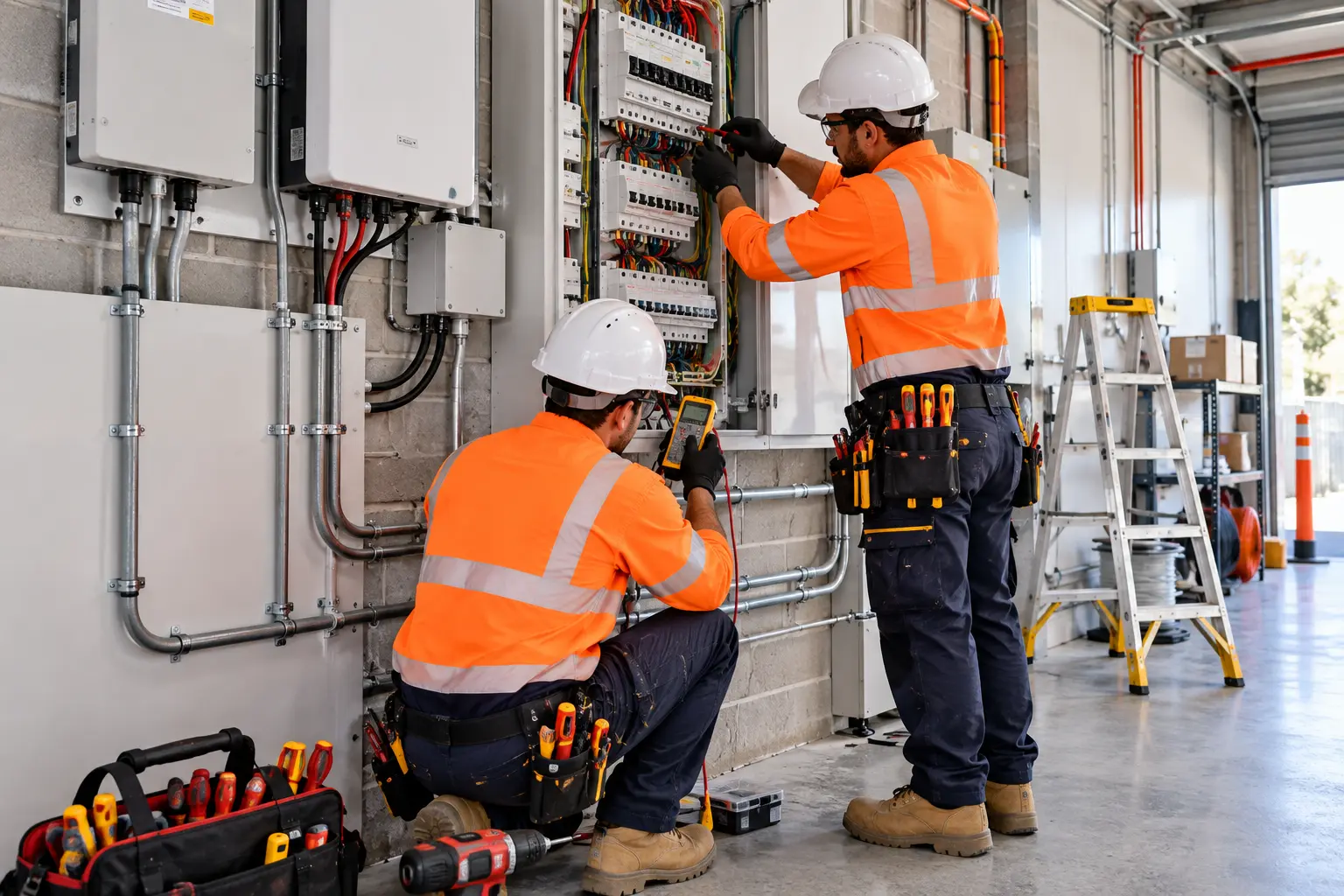
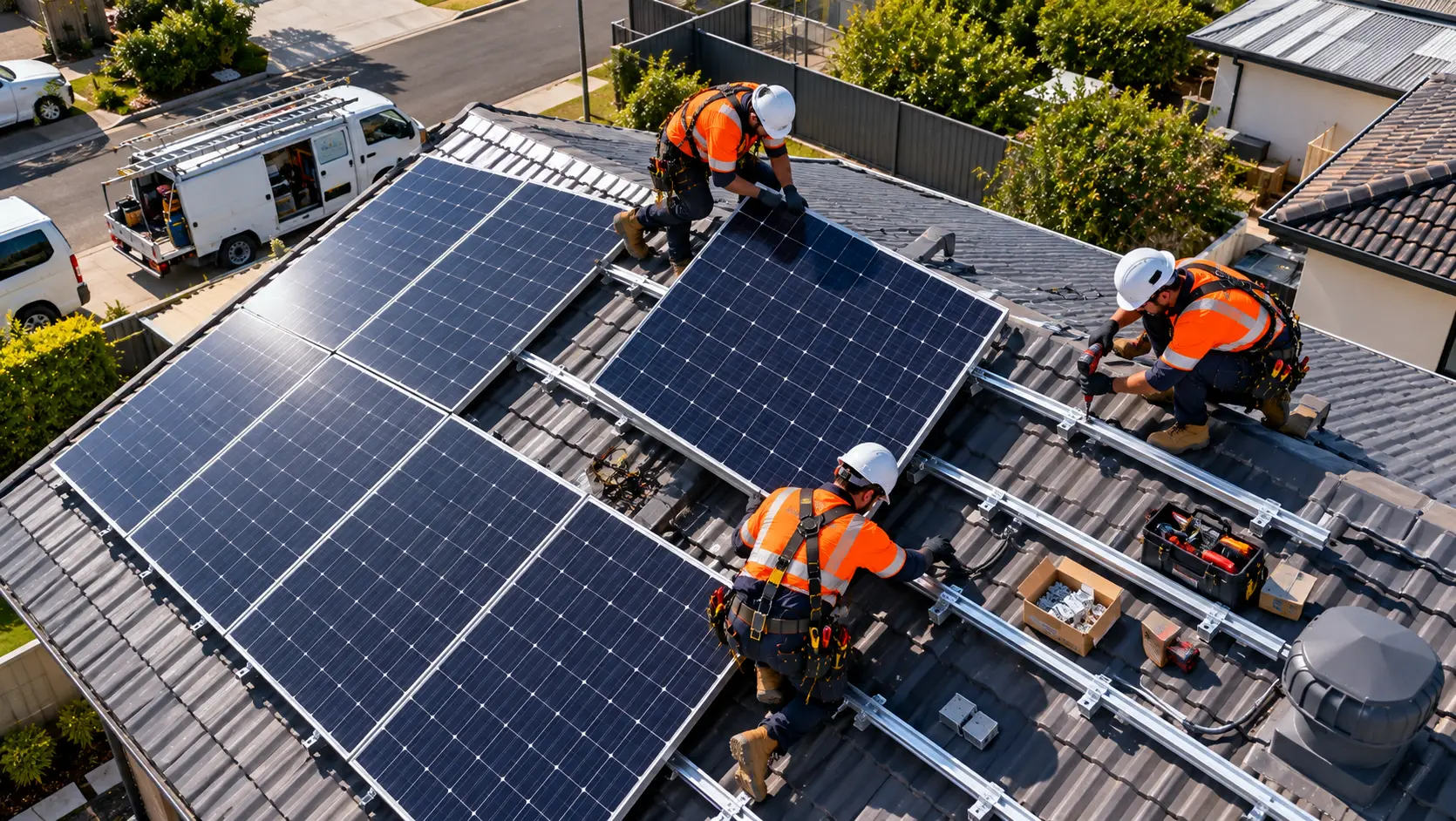
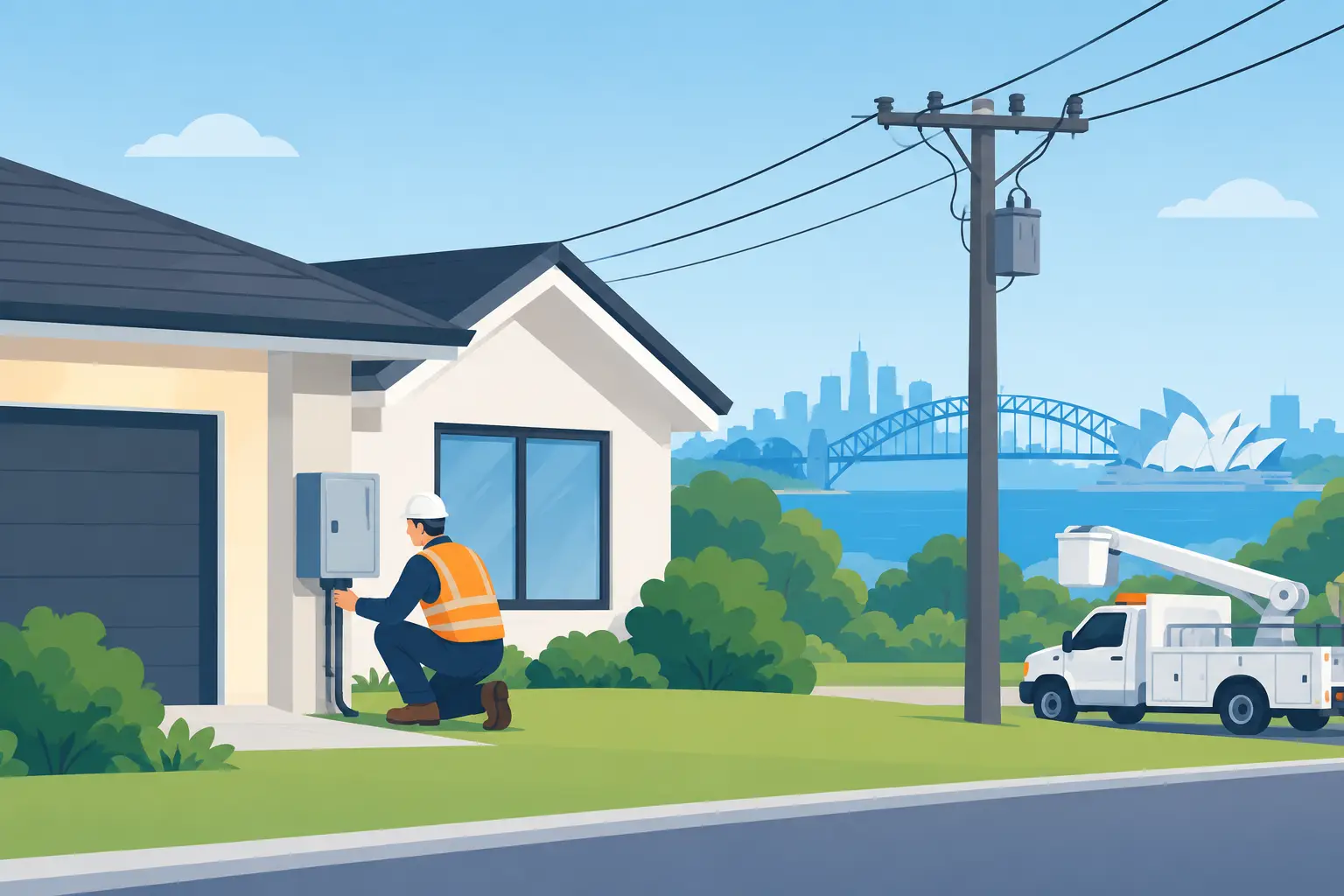
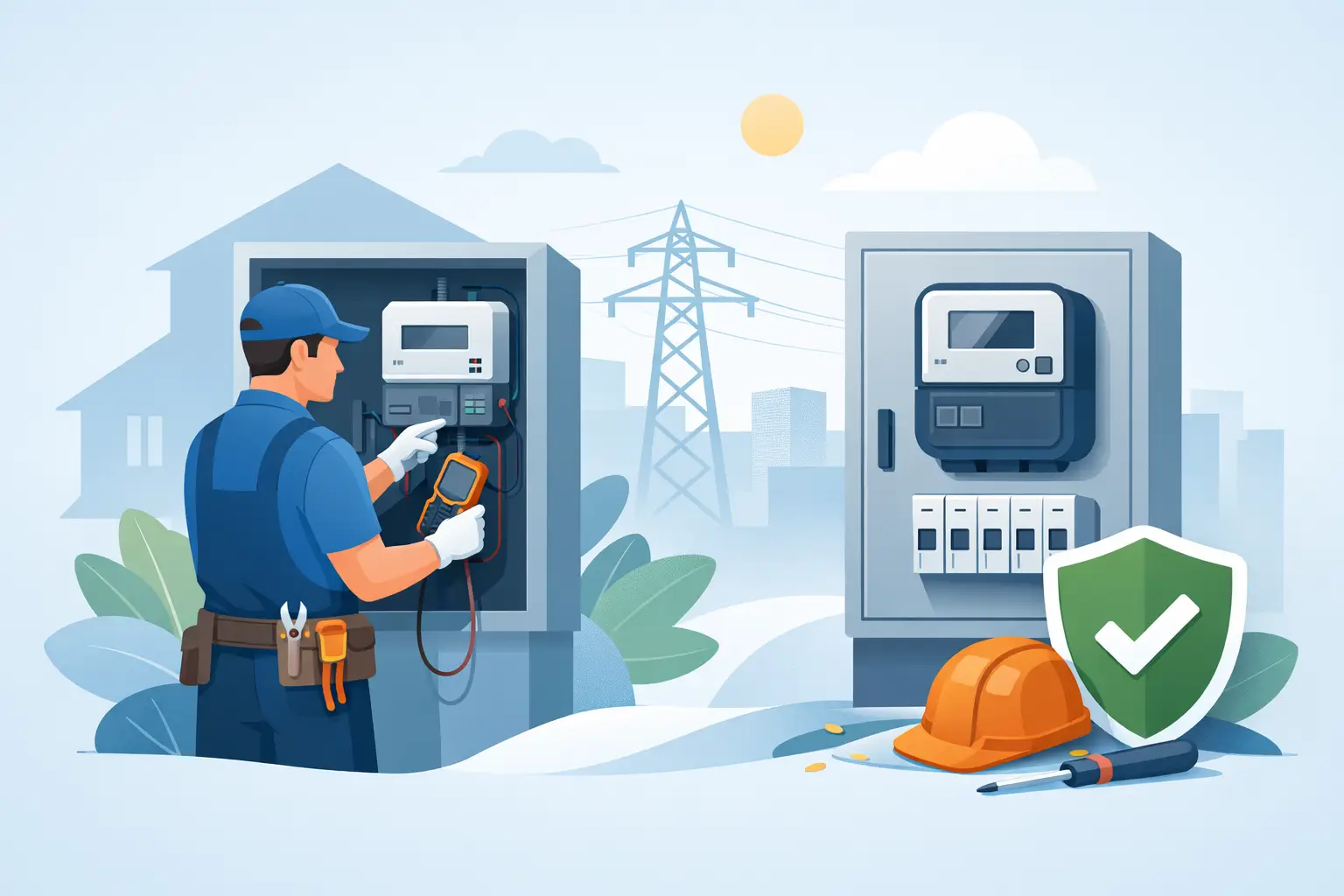
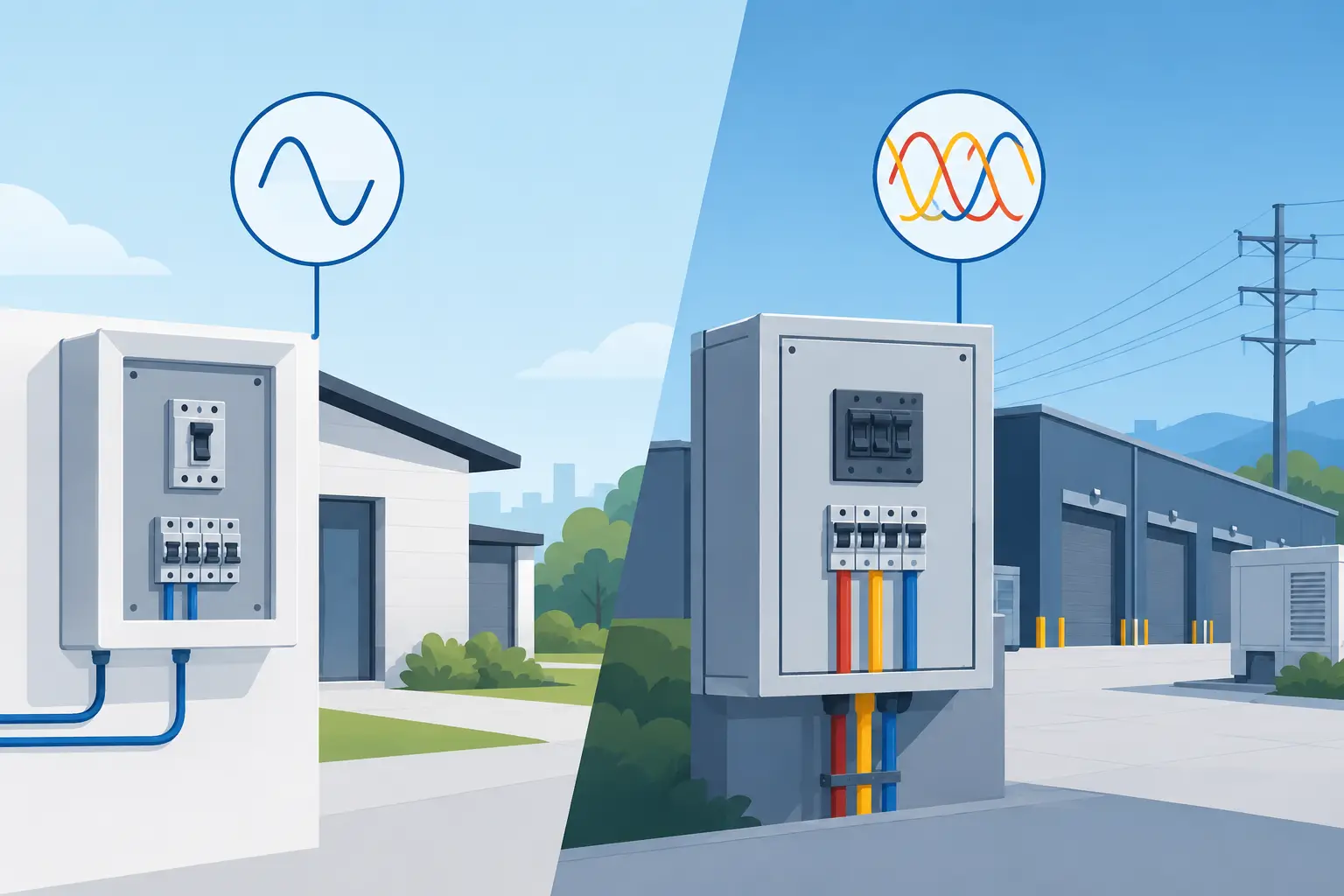
This work should be designed and installed by qualified professionals using compatible equipment and the required electrical protections. Existing switchboards sometimes need upgrades to accommodate solar, batteries, metering arrangements, backup circuits and modern safety devices. Older boards, limited space and three-phase configurations can all affect the scope.
At Sydpro Solar Solutions, solar and battery projects are assessed as complete electrical systems, not simply as battery additions. Clean Energy Council SAA accreditation and Level 2 ASP capability help bring solar performance, grid-related electrical work and site safety into one clearly managed project.
Questions to ask before approving a battery quote
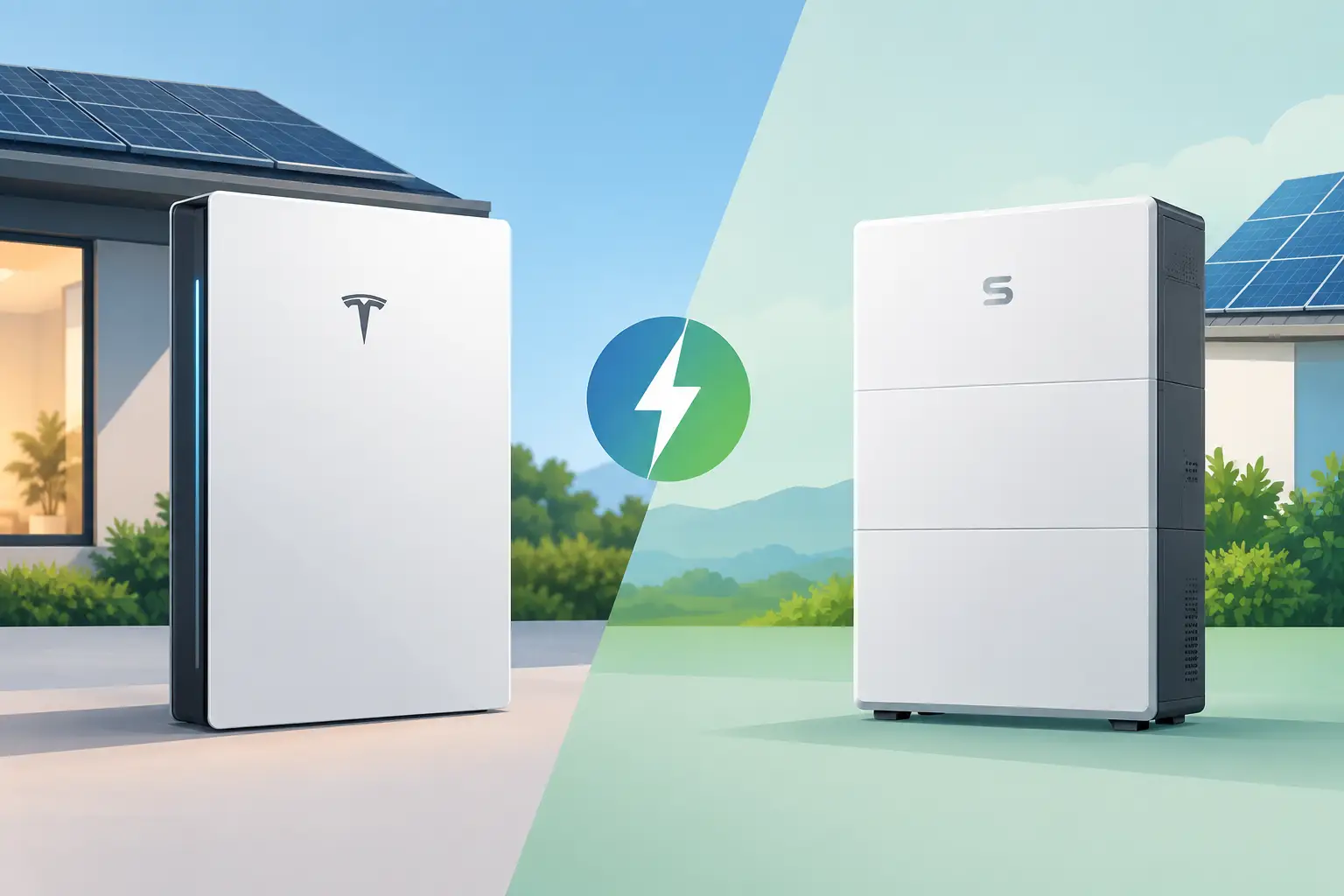
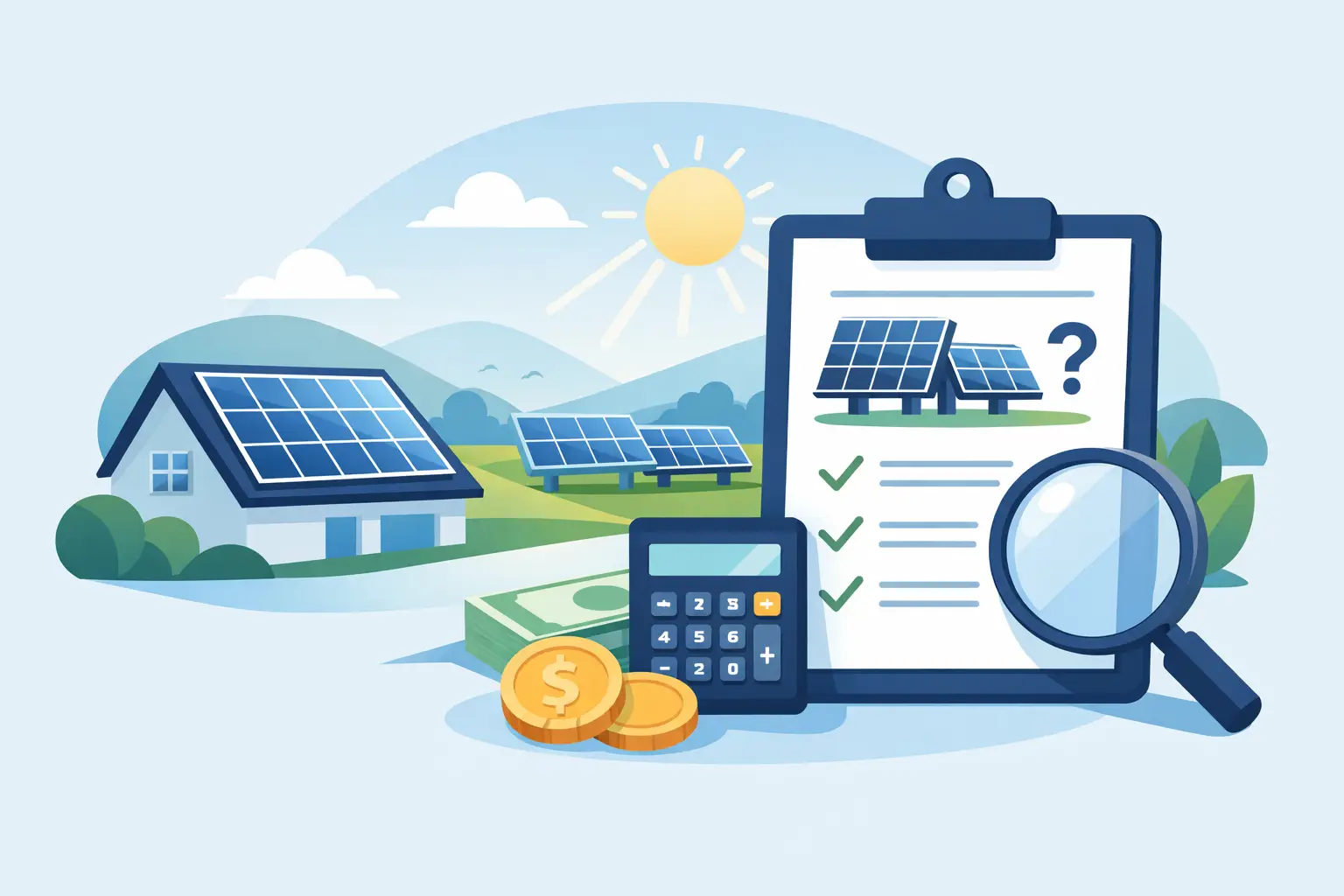
A clear quote should state what happens in a blackout, rather than assuming all battery systems provide the same result. Ask whether backup is included, which circuits are protected, how quickly the system changes over and what backup output is available.
You should also confirm the usable battery capacity, the expected solar operation during an outage, any limits on three-phase loads, warranty terms and whether switchboard work is included. If whole-home backup is proposed, ask which high-demand appliances may need management. A fixed, detailed scope is more valuable than a low initial figure that excludes essential electrical work.
It is also sensible to consider future needs. An expanding household, new pool equipment, an induction cooktop or an EV can change consumption significantly. Selecting an expandable battery platform or allowing switchboard capacity for later upgrades may be more cost-effective than redesigning the system soon after installation.
Make backup power part of a practical energy plan
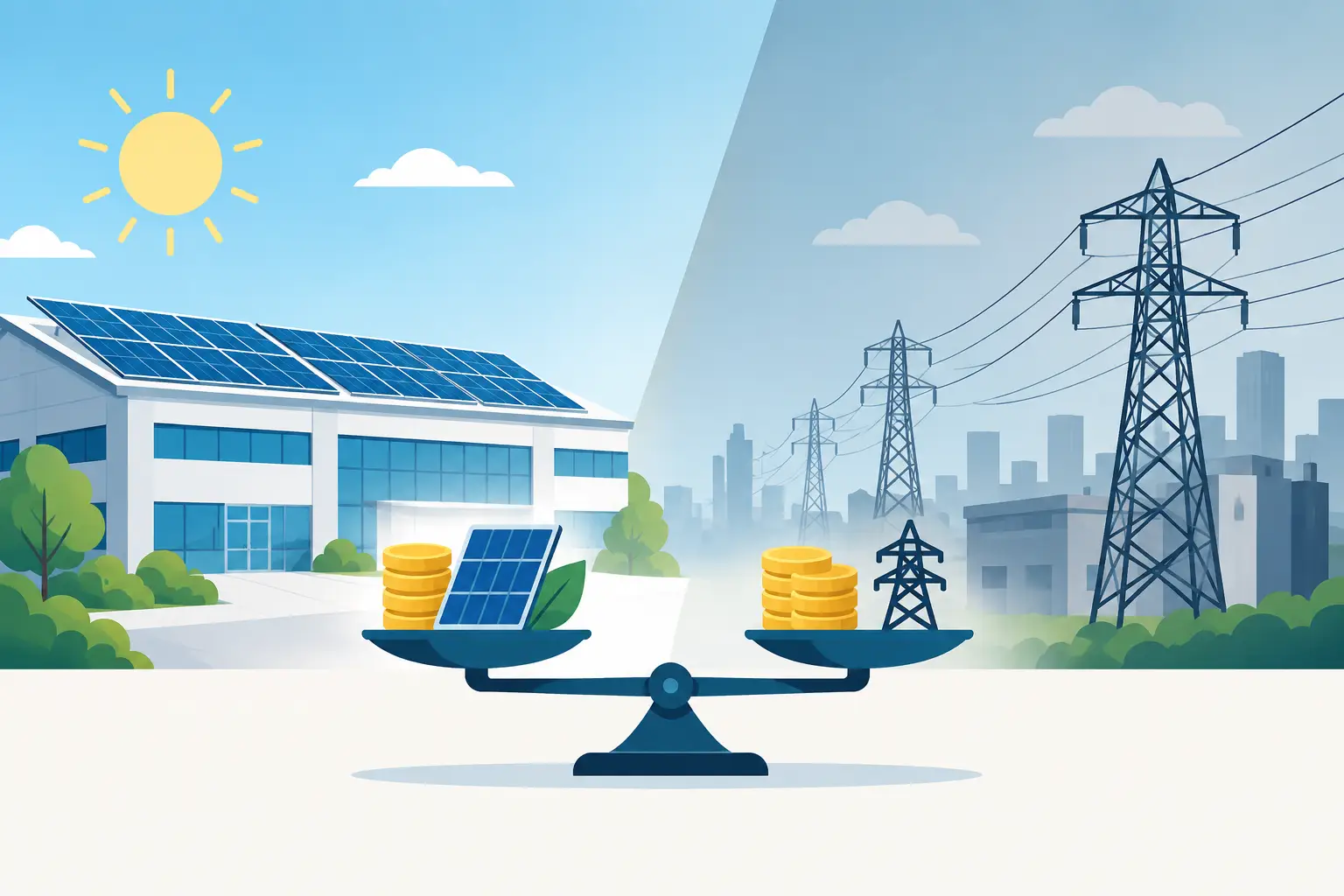
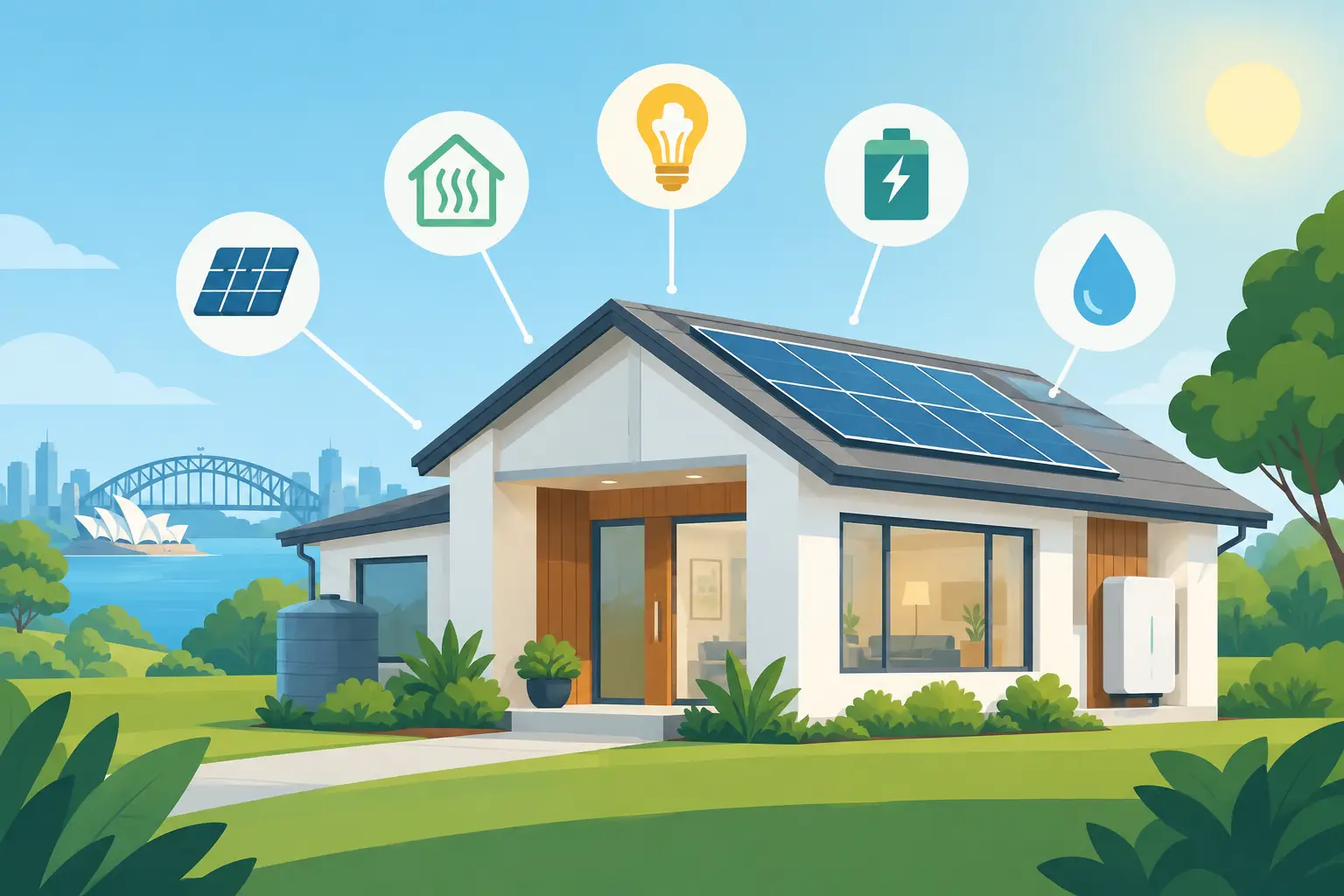
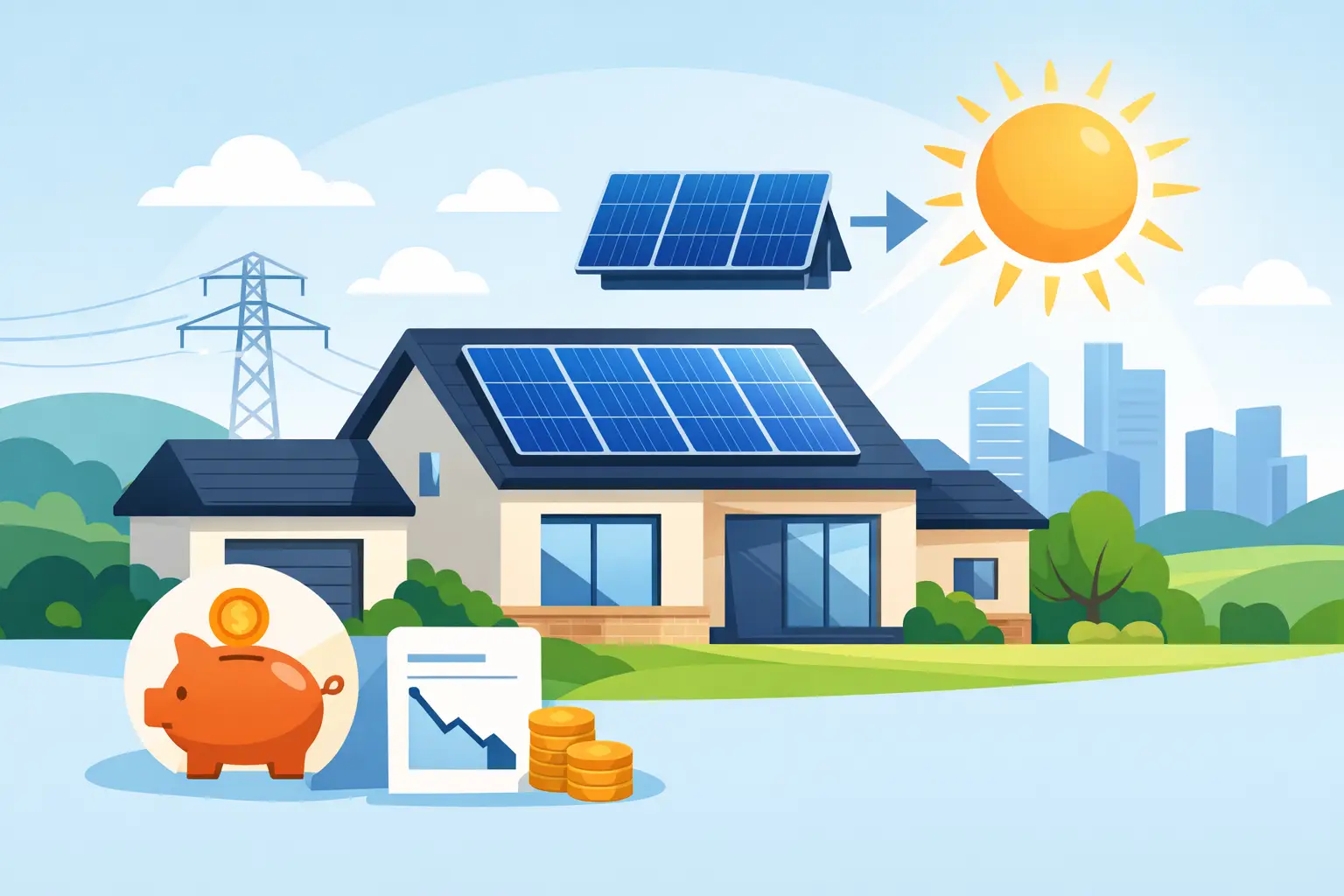
The strongest battery design balances three jobs: lowering grid electricity purchases, storing solar for the evening and keeping priority loads running through an outage. The best balance differs between properties. A family may value refrigeration, communications and a few lights overnight, while a business may put a much higher value on maintaining security, stock protection or essential operations.
Start with the loads you cannot reasonably go without, then match the backup arrangement to your property, budget and likely outage risk. When the system is sized properly and installed with safe grid isolation, battery backup becomes a practical layer of certainty – ready for the moments when the grid is not.