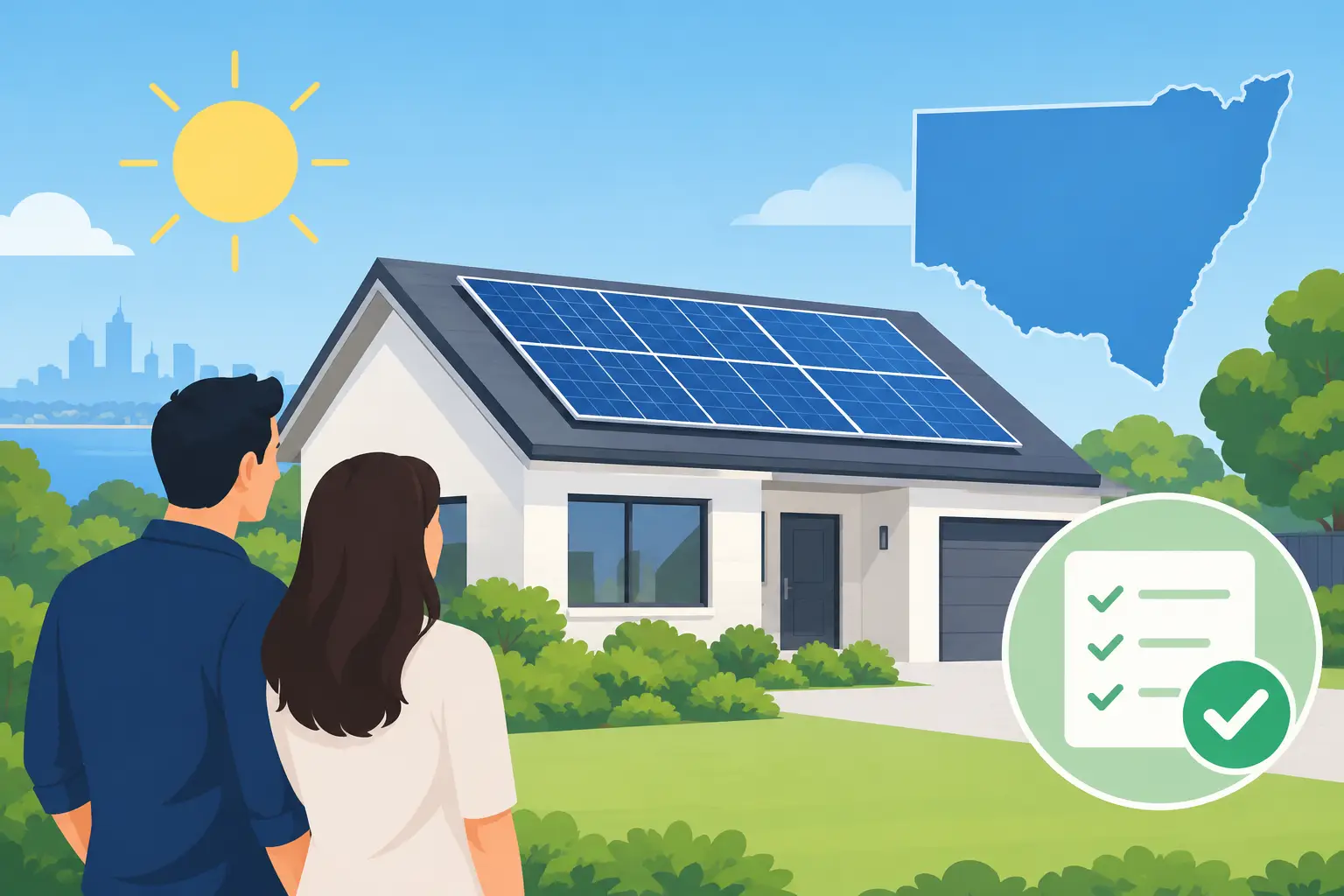
A vacant rental is expensive. So is a property that feels costly to run from the first electricity bill. Solar for rental properties gives NSW landlords a practical way to improve the appeal and long-term performance of an investment, but only when the system is designed around who uses the power, who receives the benefit and how the property is metered.
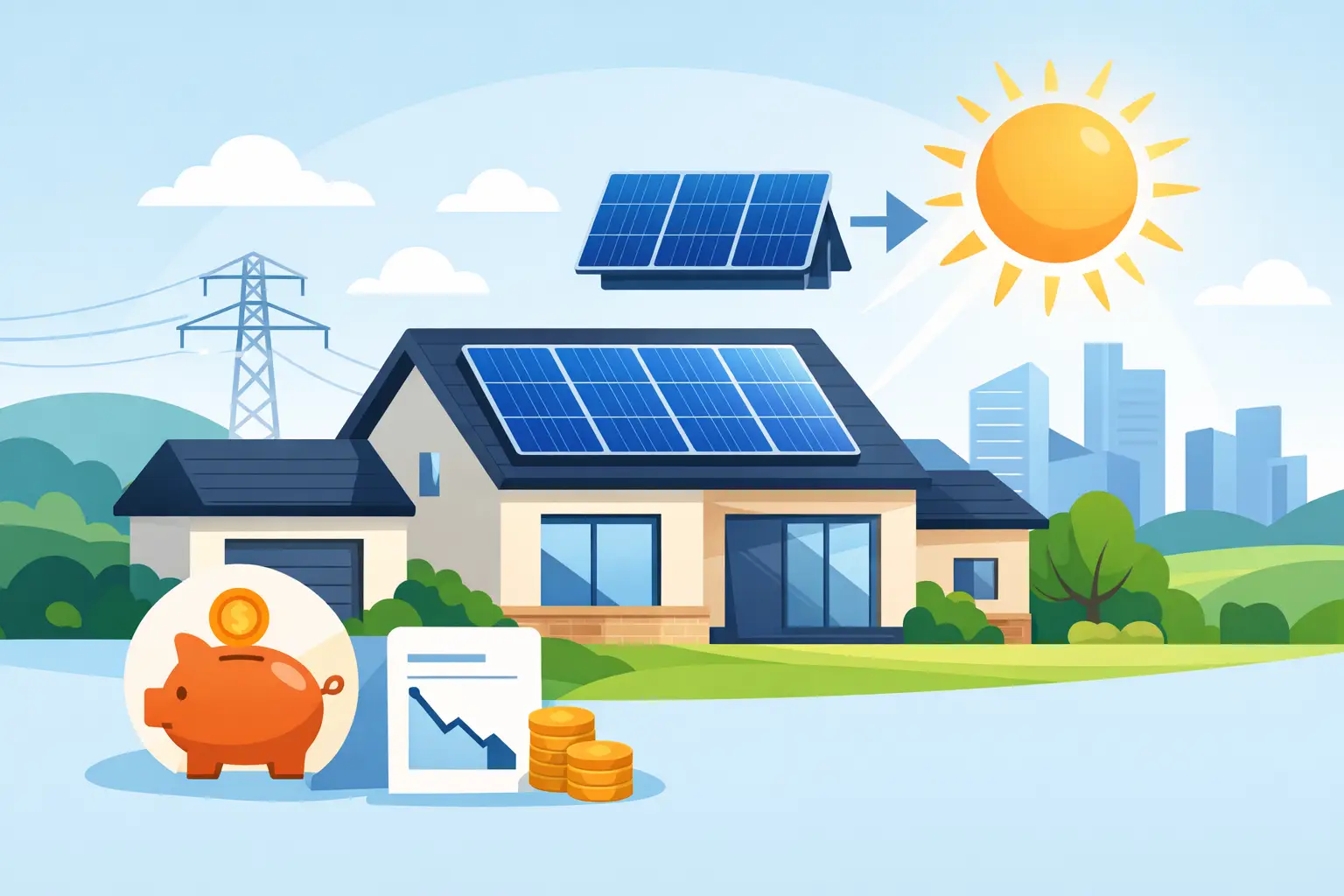
For an owner-occupier, the solar decision is relatively direct: daytime generation offsets household usage. For a landlord, the value can be just as real, but the structure needs more thought. A well-designed system can reduce landlord-paid common-area electricity, support stronger tenant demand, improve the building’s energy credentials and add a durable asset to the property.
When solar for rental properties makes financial sense
The strongest case is usually a property where the owner pays for electricity use. Think common lighting, security gates, lifts, shared laundries, pool pumps, hallway ventilation or a business tenancy where electricity is included in the rent. Solar can directly reduce the consumption purchased from the grid during daylight hours.
A single dwelling with one electricity meter can also be a good candidate. If the tenant holds the electricity account, they receive the immediate bill-saving benefit from using solar power during the day. The landlord still benefits through a more competitive rental offering, potentially lower vacancy risk and an upgrade that may support property value over time.
The trade-off is known as the split incentive. The landlord pays for the system while the tenant often receives much of the electricity saving. That does not make solar a poor investment. It simply means the decision should be assessed as part of the property’s broader return, including rentability, tenant retention, future compliance expectations and the quality of the asset.
Properties with reliable daytime demand generally achieve better solar self-consumption. This may include home offices, electric hot-water systems, air conditioning, EV charging, refrigeration or commercial equipment. A tenant who is away all day will still benefit from solar, but a larger share of generation may be exported to the grid for a lower feed-in credit.
Start with the meter, not the panels
Before selecting panel capacity or battery size, establish how electricity is supplied to the property. This is the point where many rental solar projects become more complicated than expected.
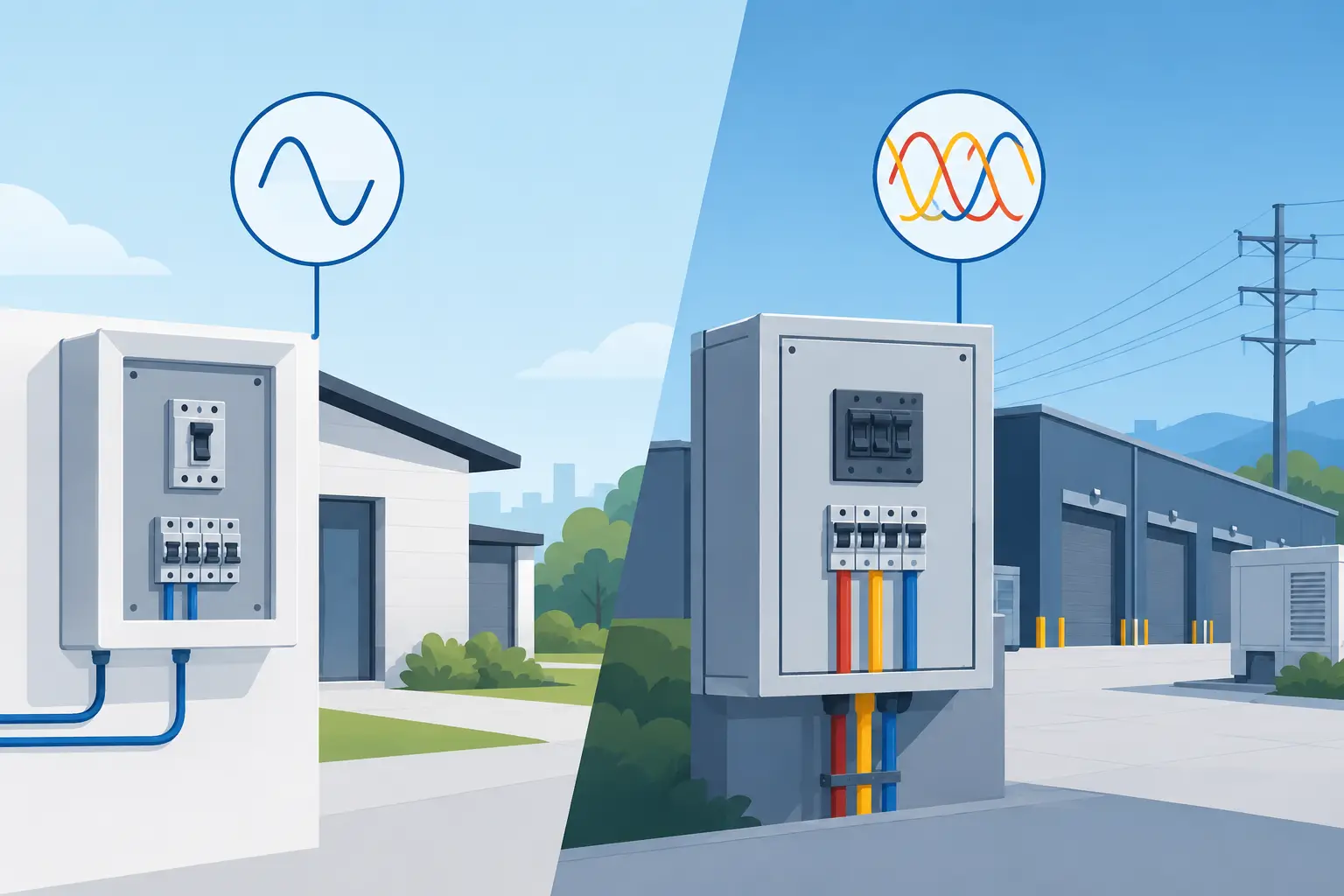
A detached house with a single meter is straightforward. A system can generally be installed behind that connection, subject to site suitability and network approval. The tenant then uses solar generation as it is produced, while the retailer bills them for any electricity imported from the grid.
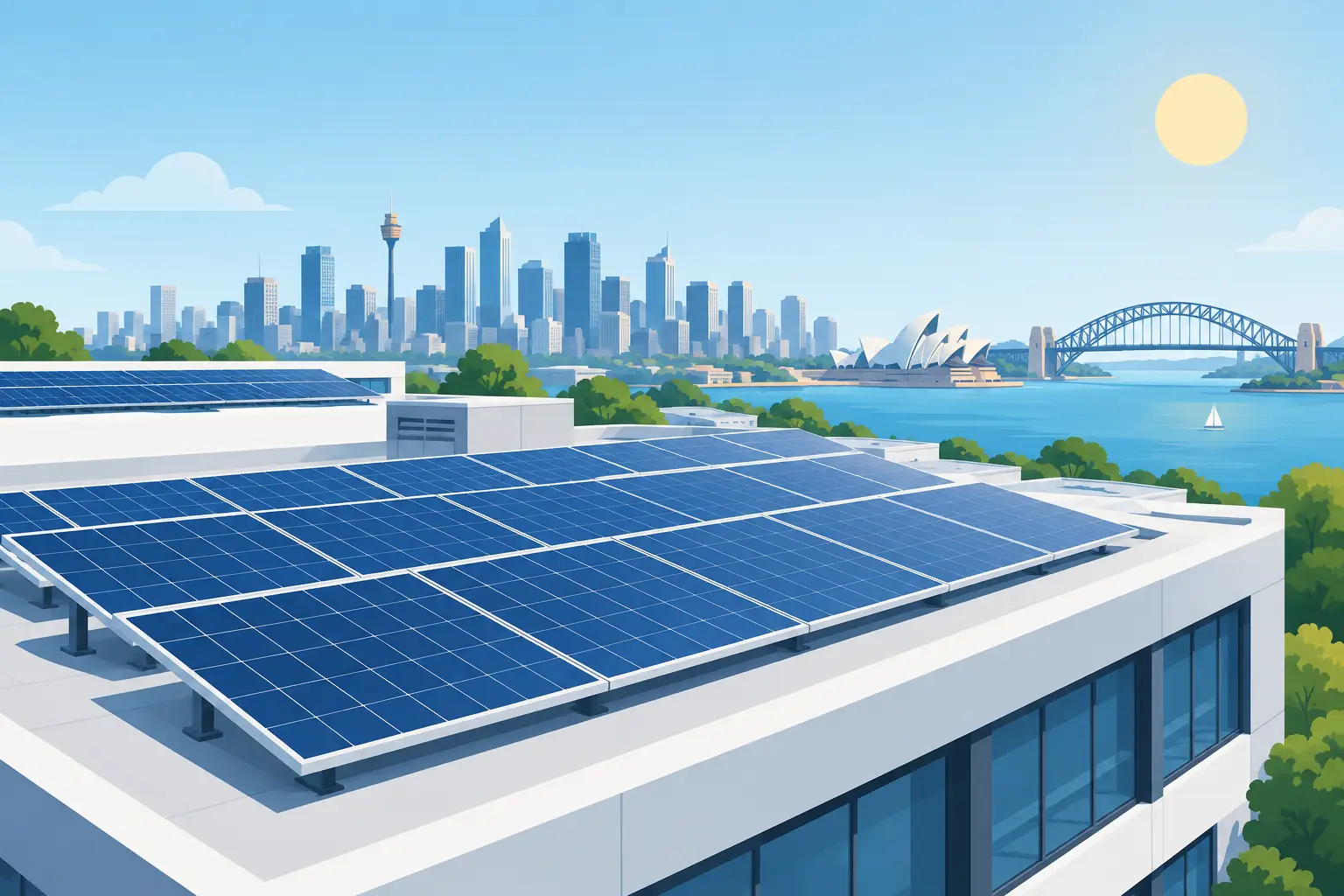
Multi-tenancy buildings require more careful planning. A block of units may have individual tenant meters plus a separate common-area meter. Solar connected to the common-area supply can reduce the owner’s shared electricity bill, but it does not automatically reduce every tenant’s bill. Allocating solar across separate dwellings may require an embedded network arrangement, specialised metering or another compliant energy-sharing model.
Do not assume a rooftop system will distribute power wherever it is needed. Electrical configuration, retailer arrangements and network rules determine what is possible. A site assessment should map the switchboard, meter locations, roof areas, main supply capacity and likely load profile before a proposal is finalised.
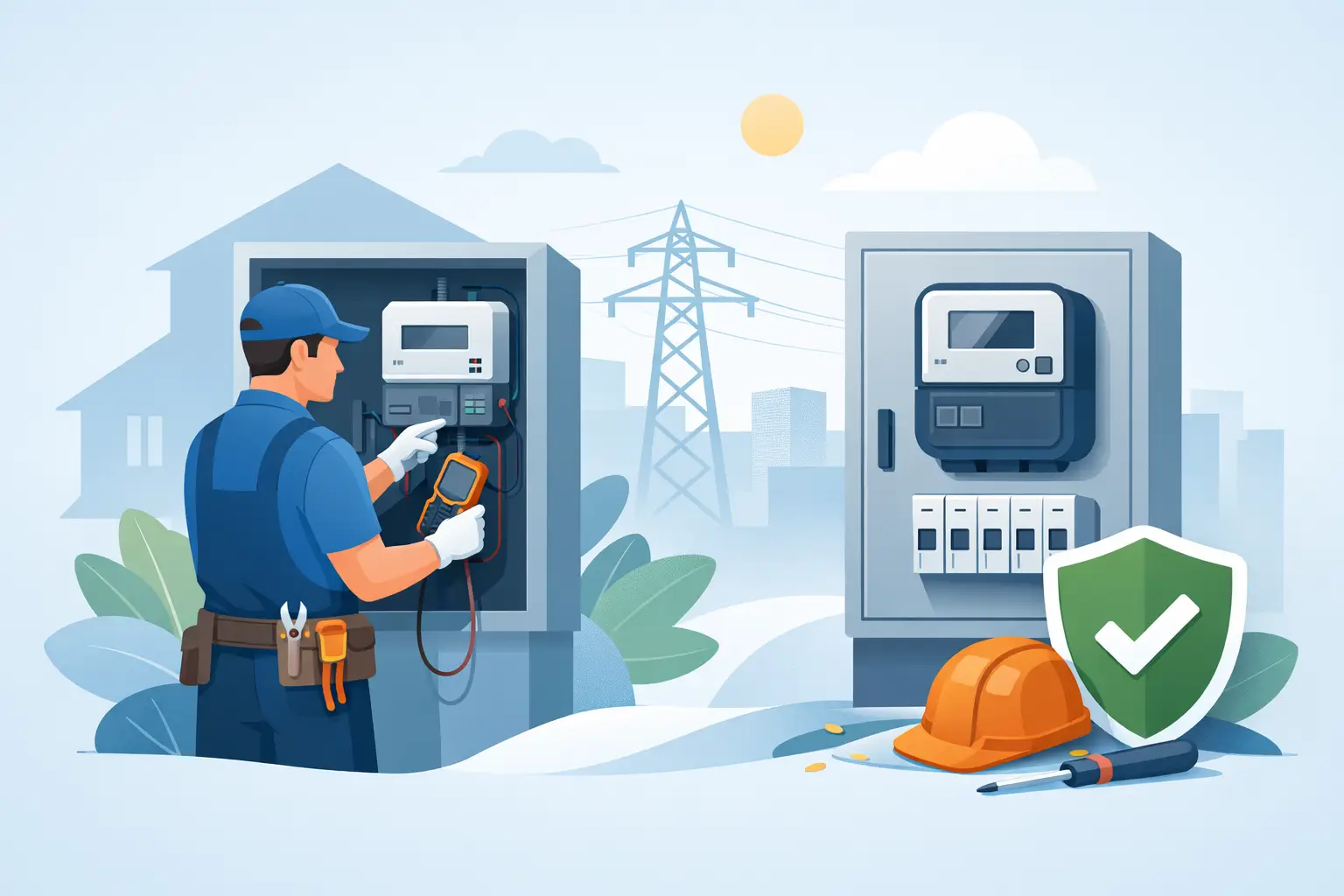
This is also where an installer with both solar accreditation and Level 2 ASP capability can make a material difference. Where metering, mains upgrades, grid connection work or switchboard changes are involved, the work needs to be planned as one safe, compliant electrical project rather than treated as separate jobs.
Choose a system size that suits the property’s use
More panels do not always mean a better return. The right size depends on available roof space, shading, electricity demand, export limits and the expected ownership strategy for the property.
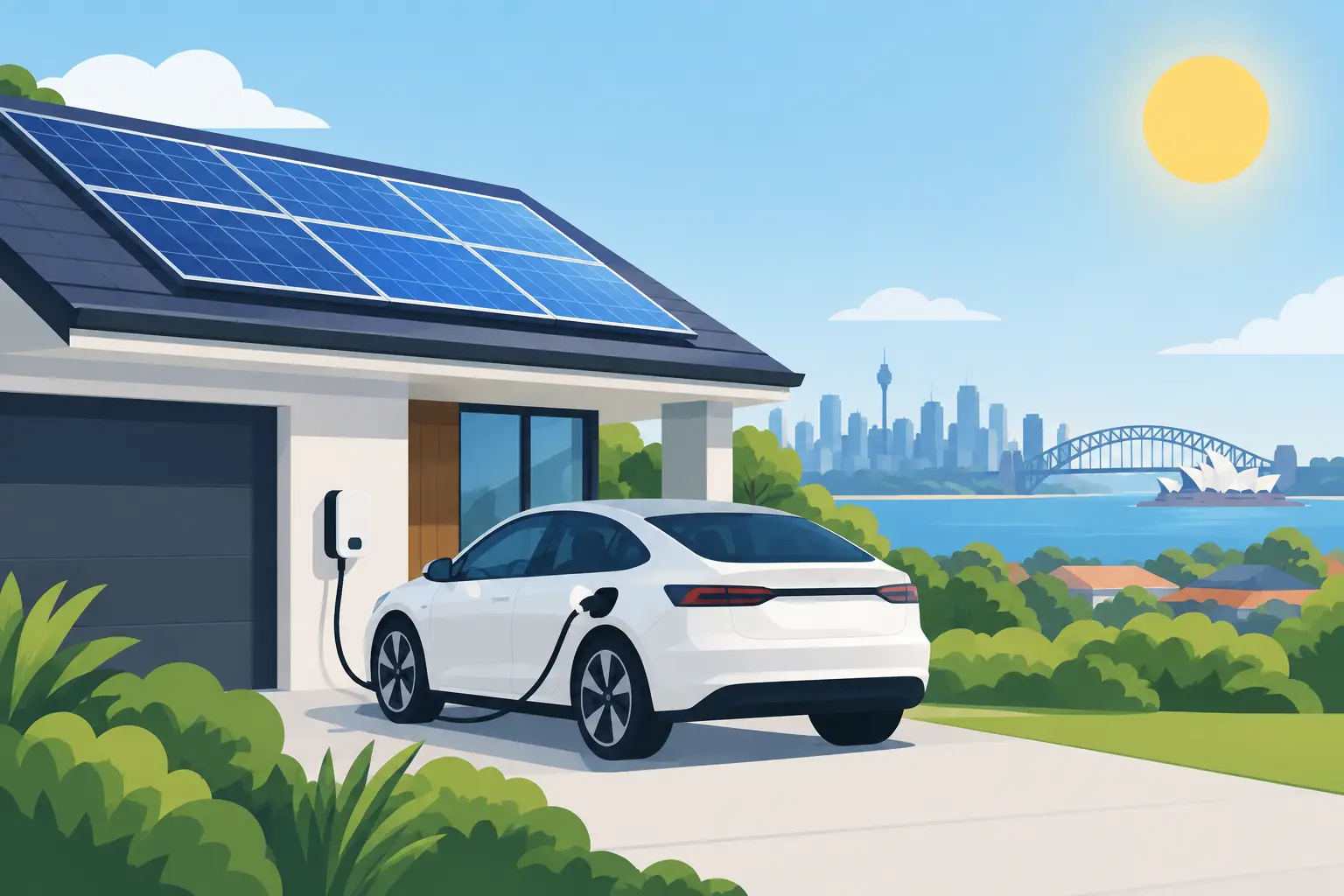
For a standard rental house, a quality rooftop system sized to match likely daytime use is often the sensible starting point. Oversizing can be appropriate where future demand is expected, such as an EV charger, reverse-cycle heating and cooling, electric cooking or a battery. But it should be intentional, not simply a response to unused roof space.
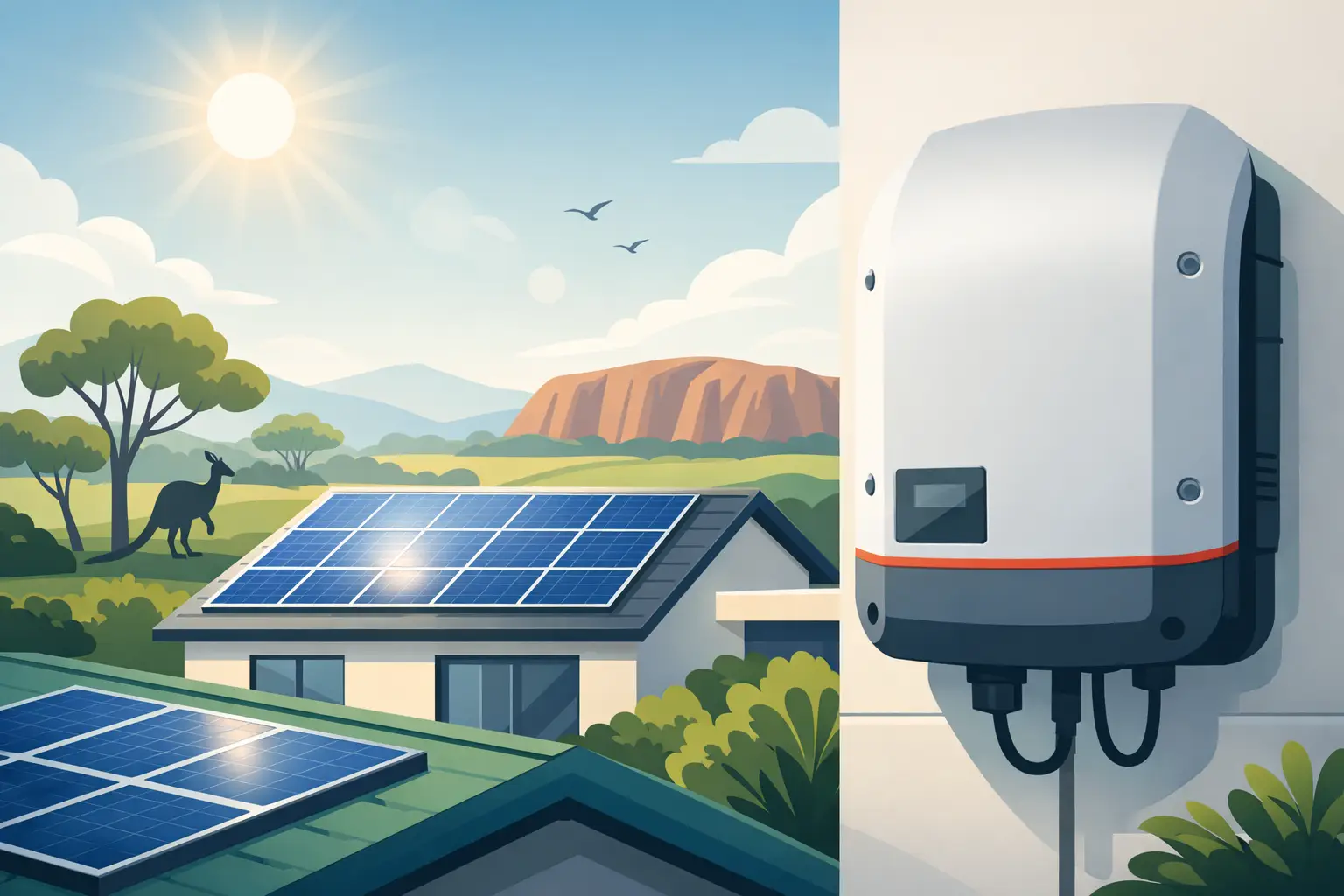
Roof design matters as much as capacity. North-facing panels can deliver strong annual output, while east- and west-facing arrays can spread generation across the morning and afternoon. That broader production window can suit tenants who leave and return at regular times. Shading from neighbouring buildings, trees, chimneys or roof structures should be assessed properly, as even partial shading can affect performance.
Premium components, clear system design and documented warranties matter for landlords. The aim is not just to install solar, but to install equipment that will perform reliably through multiple tenancies. A detailed quotation should identify panel and inverter brands, expected generation, electrical scope, warranty coverage and any required switchboard or grid connection work.
Battery storage is valuable, but not automatic
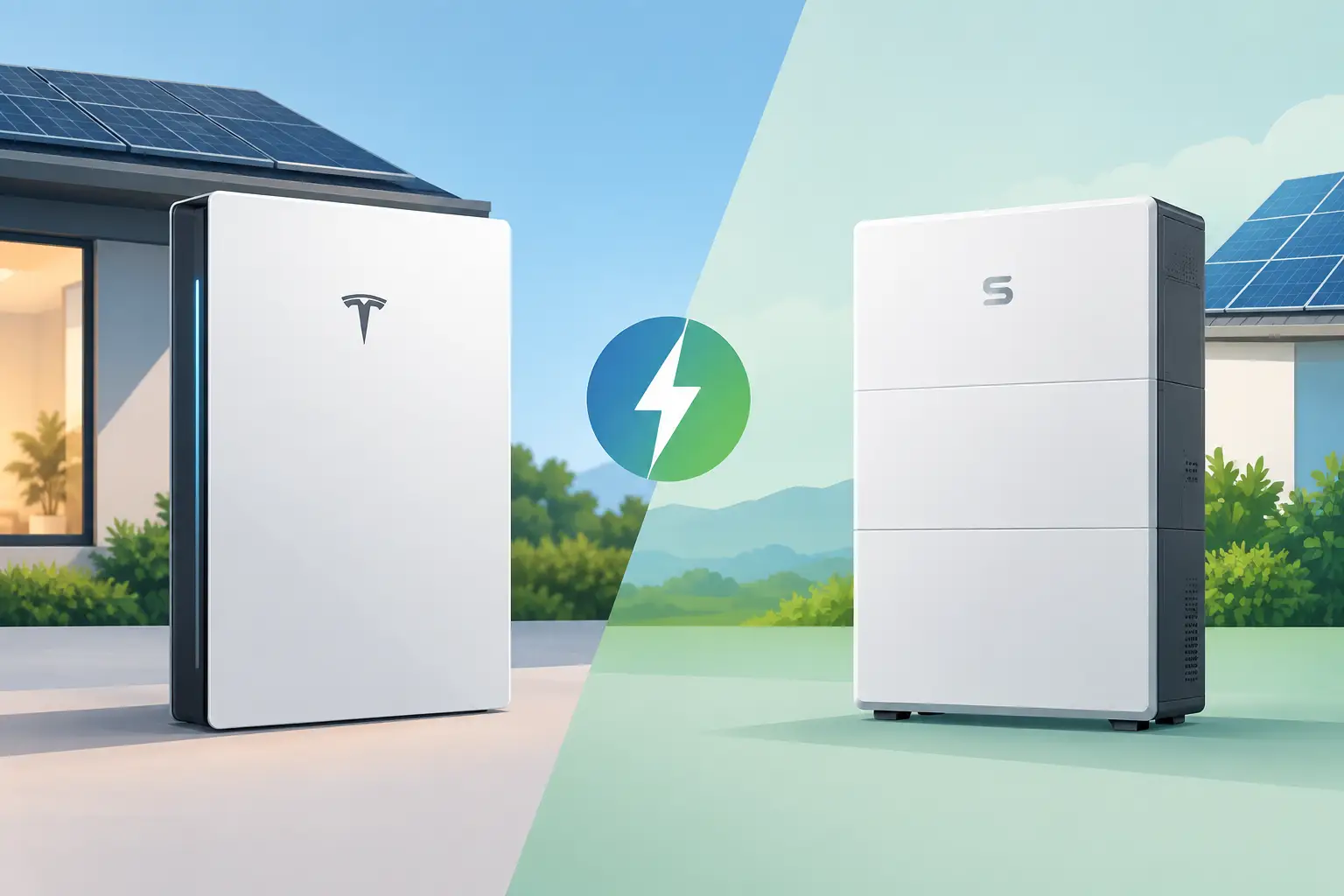
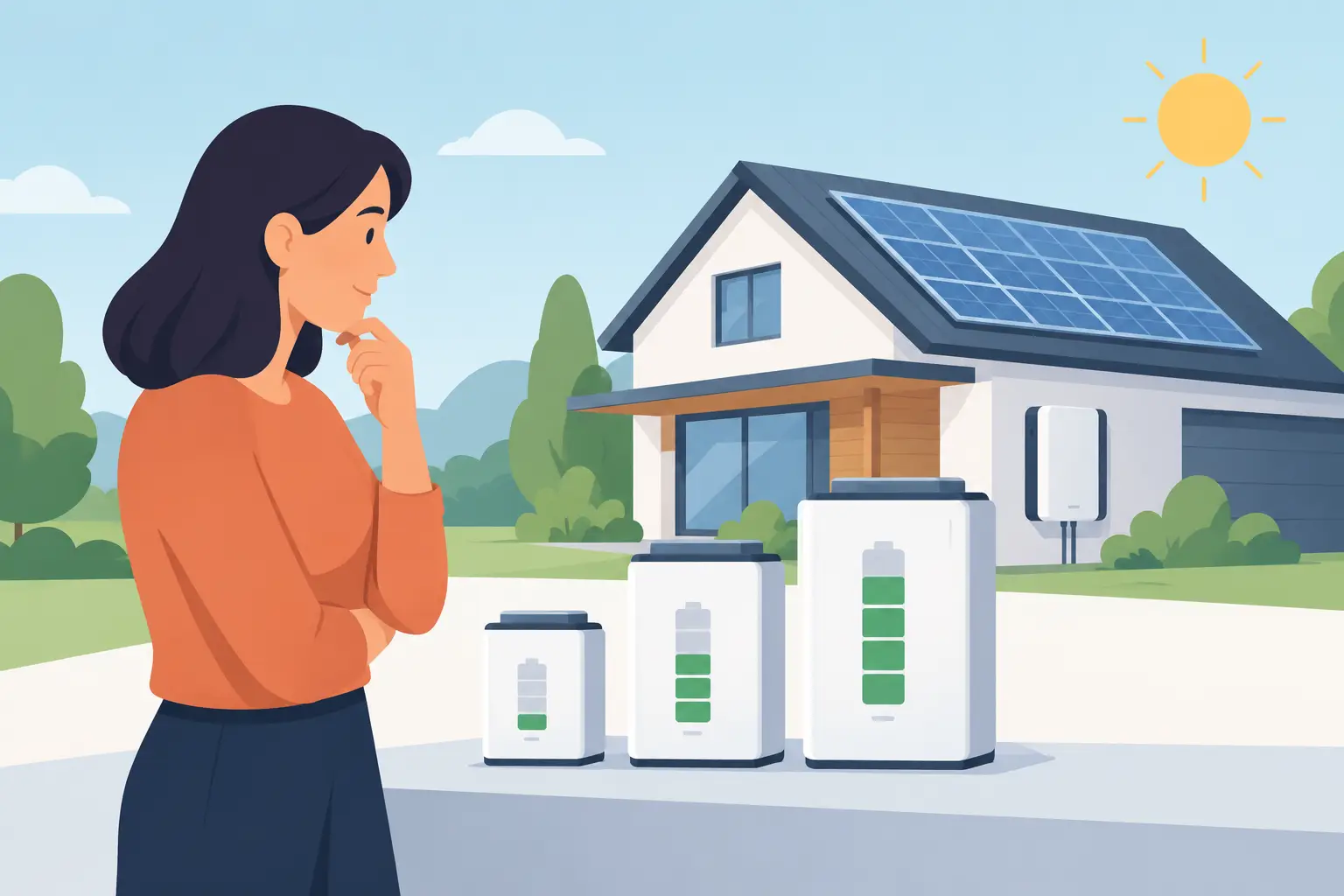
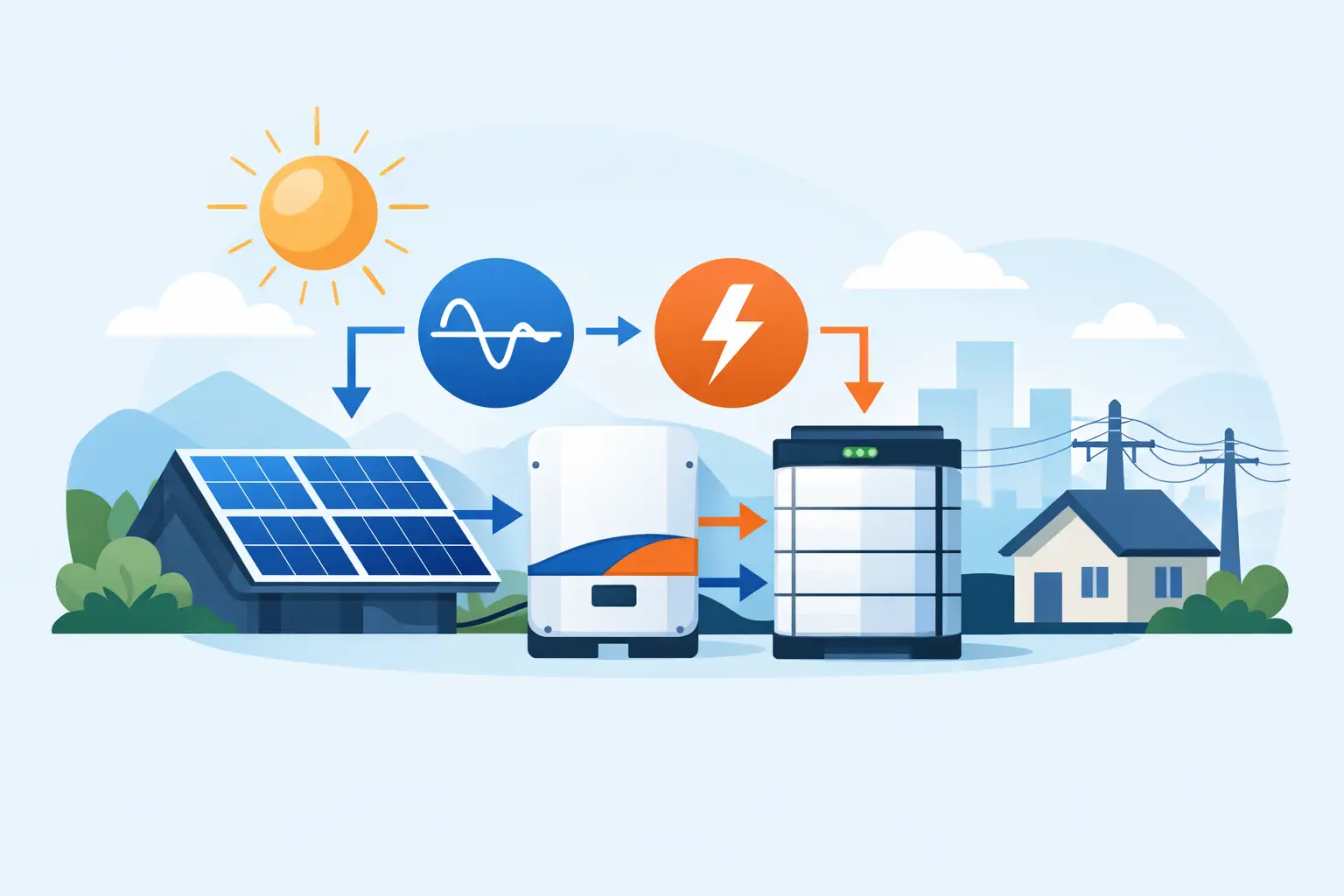
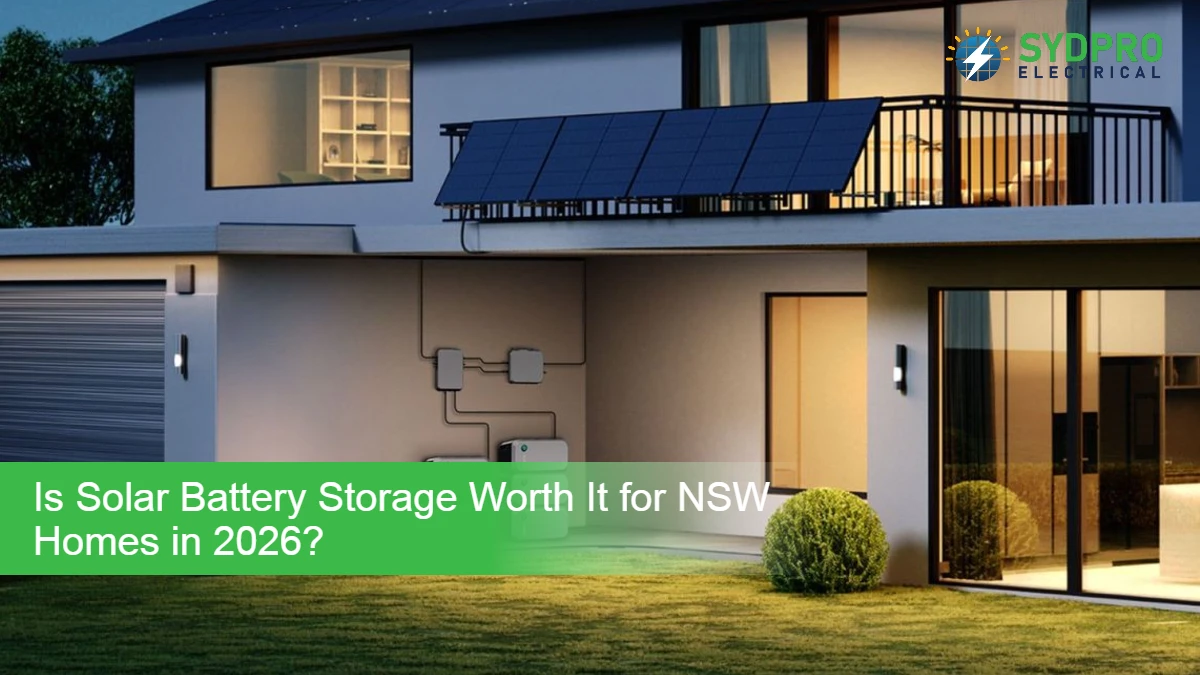
A battery can increase the share of solar energy used on site by storing excess daytime production for the evening. For rentals, however, the value depends heavily on the meter arrangement and the type of property.
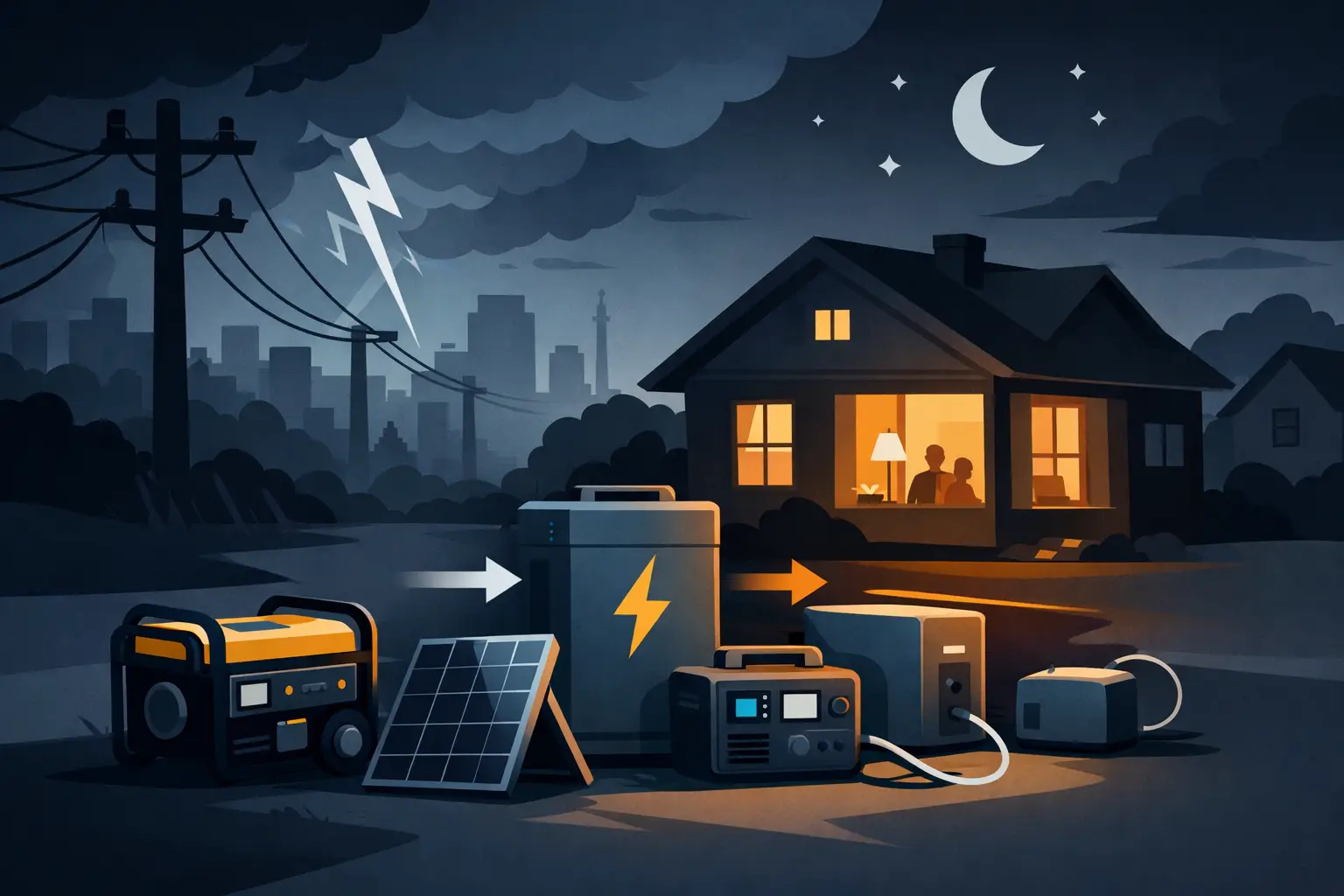
A battery may be compelling where the landlord pays a substantial common-area bill, where a furnished property has included electricity, or where resilience is a genuine point of difference. It can also prepare a property for changing energy needs, especially alongside an EV charger and increasing household electrification.
For a conventional rental home where the tenant has their own electricity account, the landlord should be clear about who benefits from stored energy and how that supports the investment return. In some cases, installing solar first and allowing for a future battery is the more measured approach.
Available incentives can improve project economics, but they change over time and have eligibility conditions. Federal small-scale technology certificates may apply to eligible solar systems, while NSW support for batteries and other energy upgrades can vary. Confirm current incentives, network requirements and product eligibility before relying on them in a financial forecast.
Put the arrangement in writing
Solar should be presented accurately in the rental listing and tenancy documentation. If the tenant receives the electricity account and uses the solar system directly, make clear that rooftop solar is installed and that savings depend on daytime usage, retailer rates and household consumption.
Avoid promising a fixed dollar saving. Electricity prices, feed-in tariffs, weather and tenant behaviour all affect the outcome. A more credible statement is that the property includes a solar power system designed to help reduce grid electricity use during daylight hours.
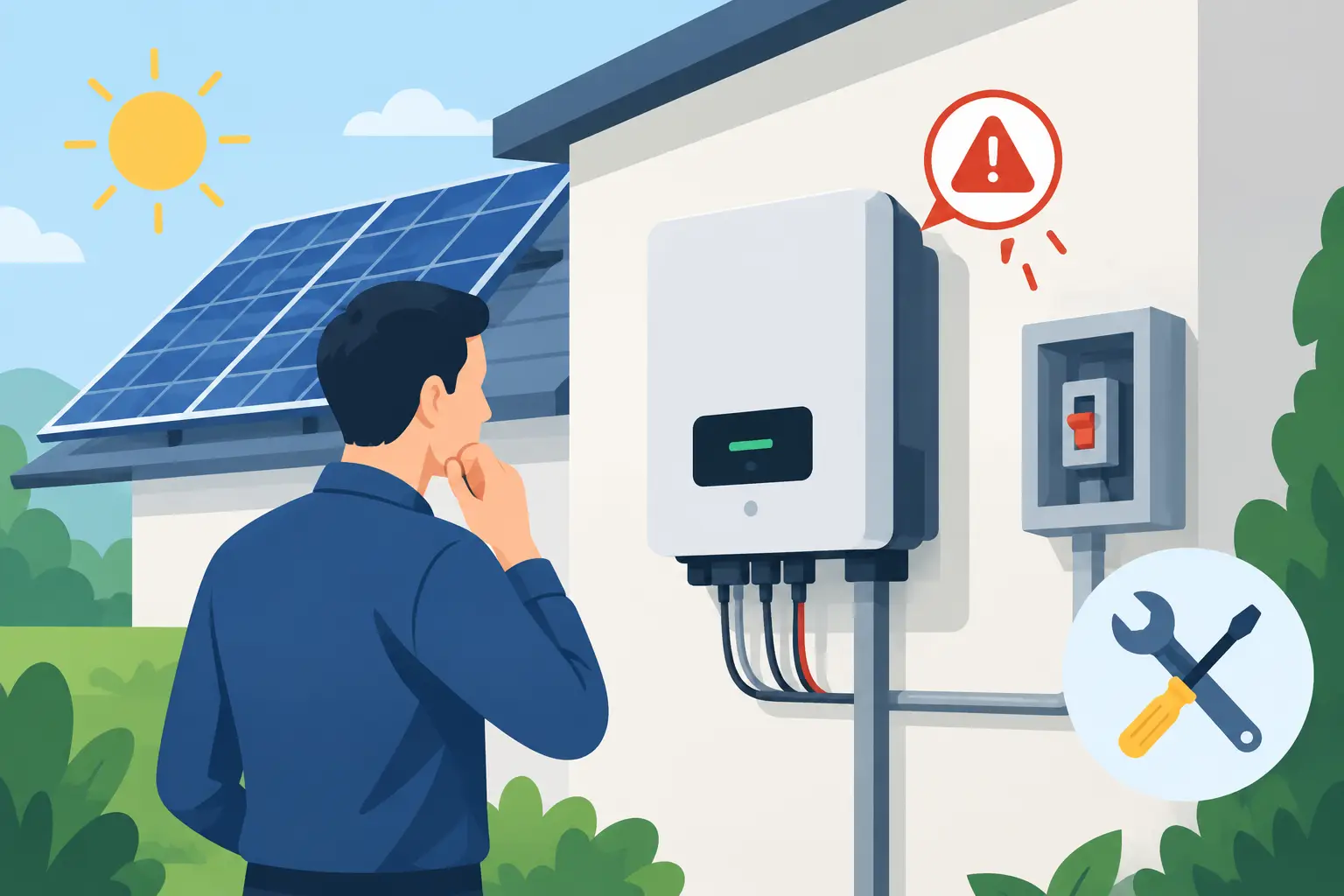
Landlords should also establish access arrangements for maintenance, inspections and any future electrical upgrades. Solar systems need very little routine attention, but panels, isolators, inverters and monitoring equipment should remain accessible and safe. If a fault occurs, prompt qualified electrical work protects the tenant, the property and the value of the system.
For more complex setups involving embedded networks, on-selling electricity or a solar arrangement tied to rent, seek appropriate legal and energy-market advice before implementation. These arrangements can be effective, but they should never be improvised.
Treat solar as part of a better rental asset
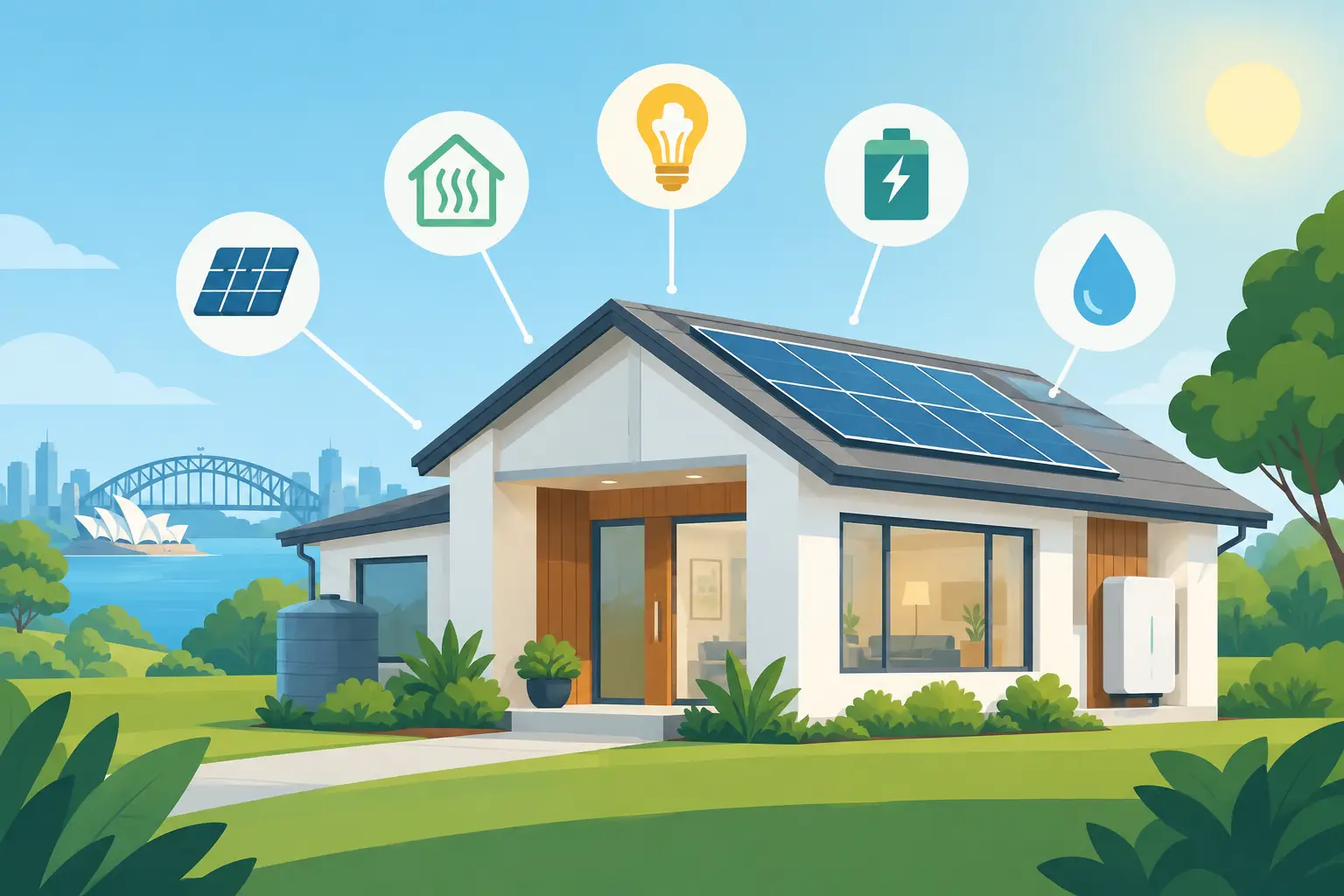
The best rental upgrades solve more than one problem. Solar can lower operating costs, but it can also support a property’s market position as tenants become more conscious of energy bills and comfort. Pairing solar with efficient air conditioning, electric hot water, quality insulation or EV-ready electrical infrastructure can make the property more useful now and more adaptable later.
For landlords across Sydney and NSW, the practical pathway is clear: assess the property’s metering and electricity loads, design for the roof and likely tenant use, and choose a contractor able to manage the solar and regulated electrical scope safely. Sydpro Solar Solutions can help bring those elements together with accredited design, Level 2 electrical capability and transparent project pricing.
A rental property does not need to become an energy experiment to benefit from solar. It needs a system that fits the building, a clear arrangement for tenants and a design that will keep delivering value long after the current lease ends.