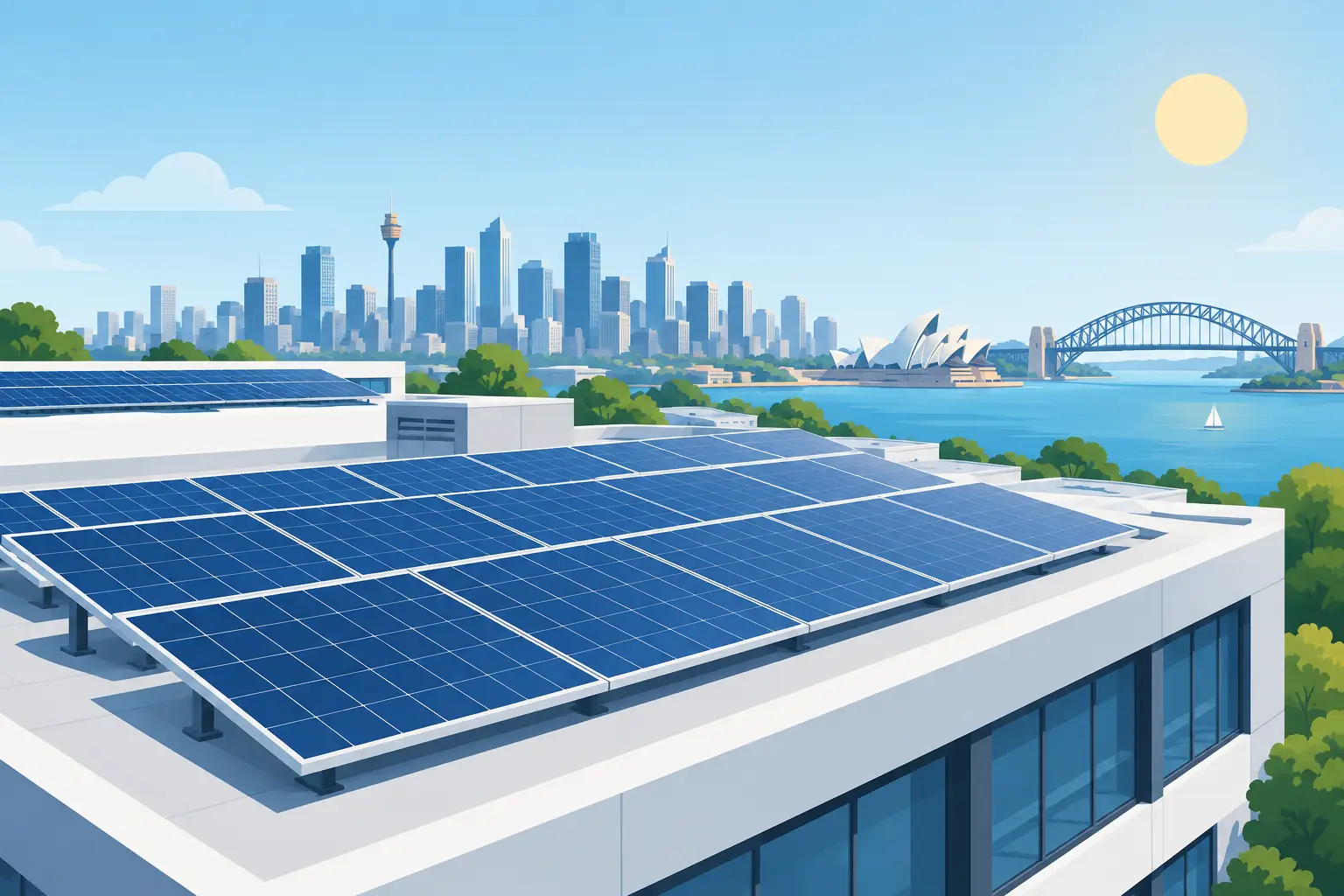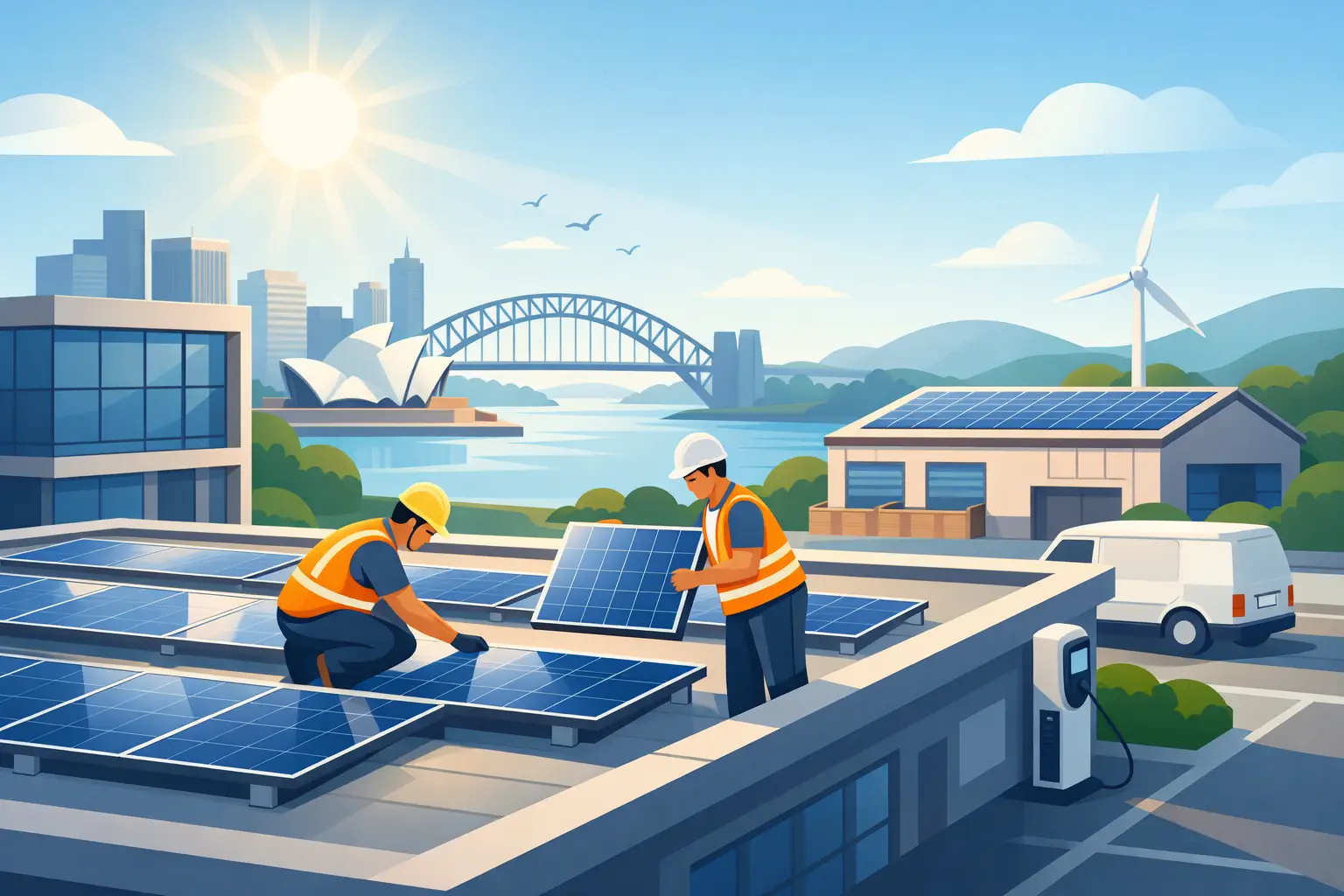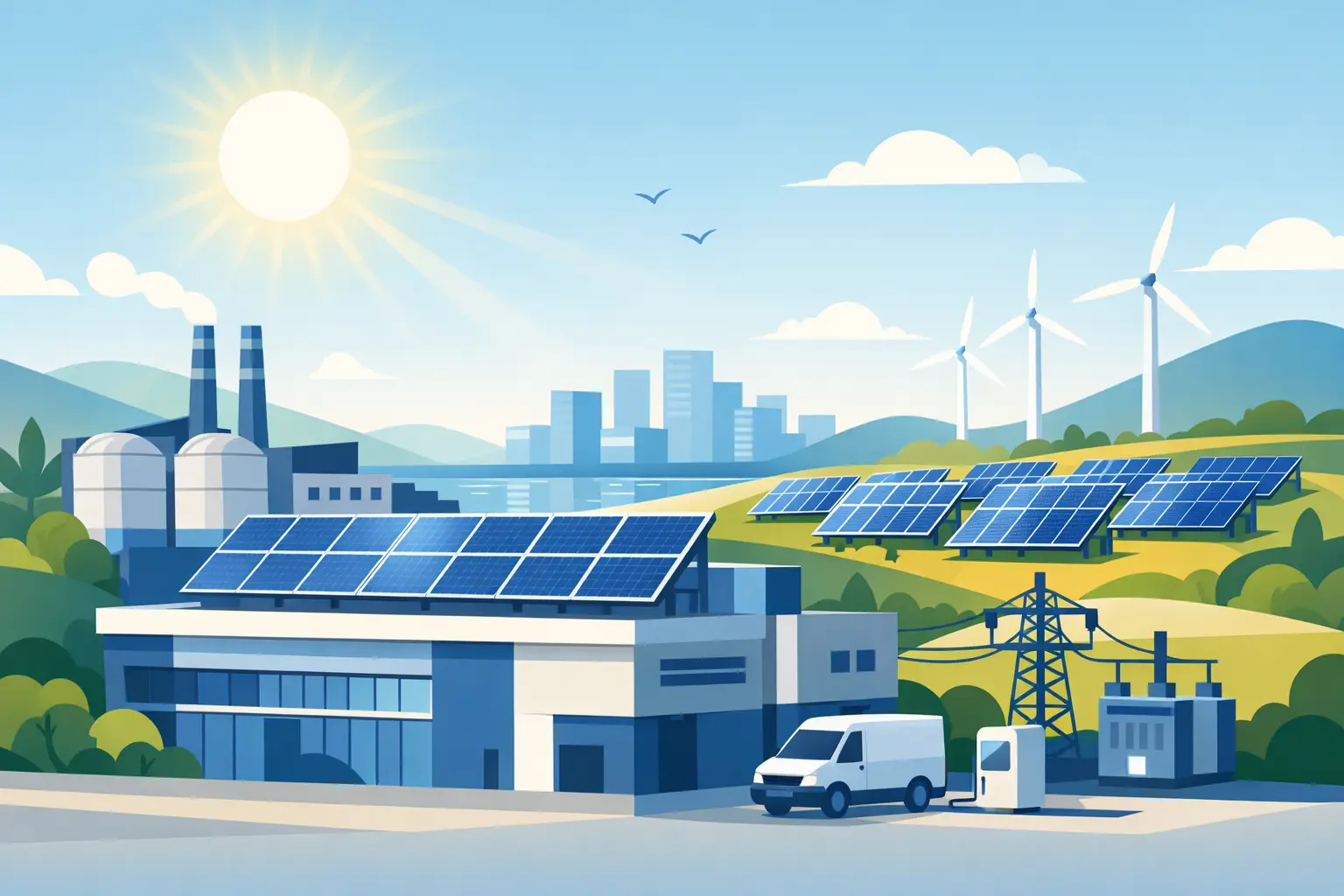
A factory roof sitting unused through a hot NSW afternoon can represent a significant operating cost. When machinery, refrigeration, compressed air, process equipment and office loads are drawing power at the same time, industrial solar systems can turn available roof space into a practical source of lower-cost daytime energy.
For industrial operators, solar is not simply a sustainability project. It is an infrastructure decision that affects energy spend, site capacity, operational continuity and future expansion. The best outcomes come from designing the system around how a facility actually uses electricity, then completing the electrical and grid work safely and compliantly.
Why industrial solar systems are different
An industrial site rarely has a simple energy profile. Demand may rise early for plant start-up, peak during production hours and continue overnight for refrigeration, security or controlled processes. A large solar array can be highly effective where consumption aligns with daylight, but system size should never be based on roof area alone.
The goal is to maximise useful on-site solar consumption without creating avoidable export constraints, network issues or poor financial returns. A site with strong daytime demand may support a substantial array because much of its solar generation is used immediately. A facility that runs mostly at night may still benefit from solar, but battery storage, load shifting or a differently sized system may be needed to improve the value of generation.
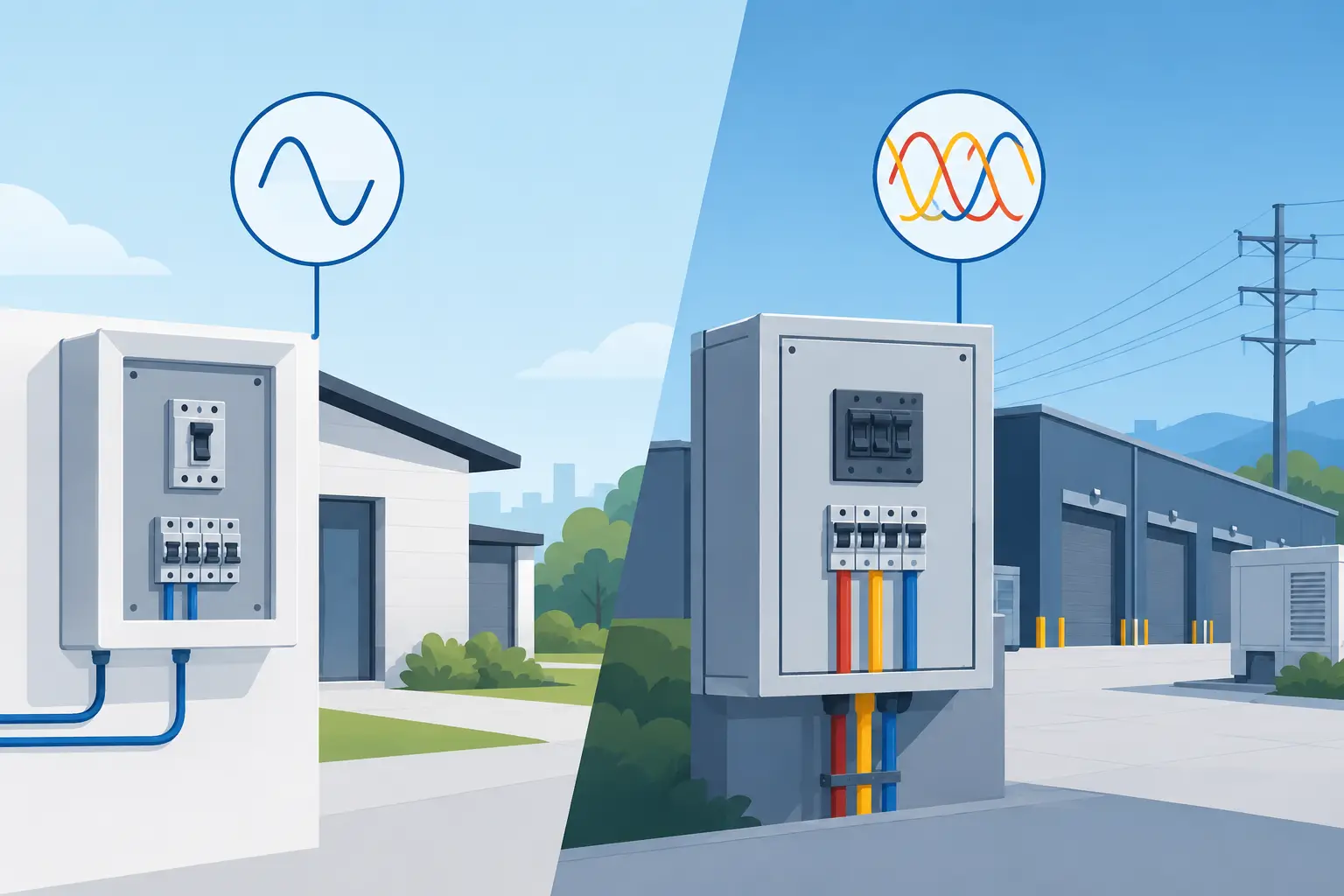
Industrial projects also place greater demands on electrical design. Switchboards, protection devices, cable routes, main supply capacity, metering arrangements and network approvals all need careful assessment. This is where solar expertise and authorised Level 2 electrical capability make a material difference to project delivery.
Start with the site load, not the panels
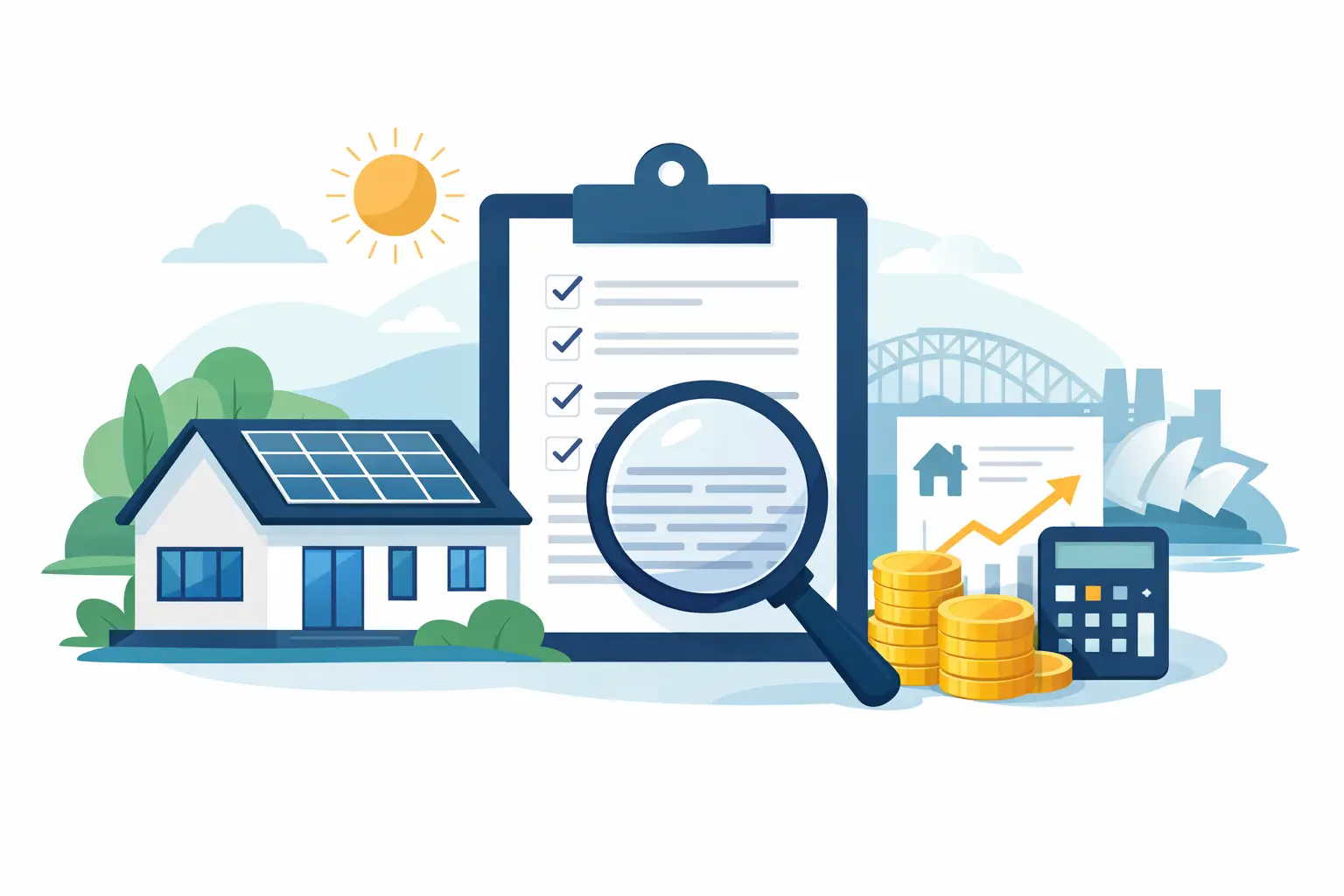
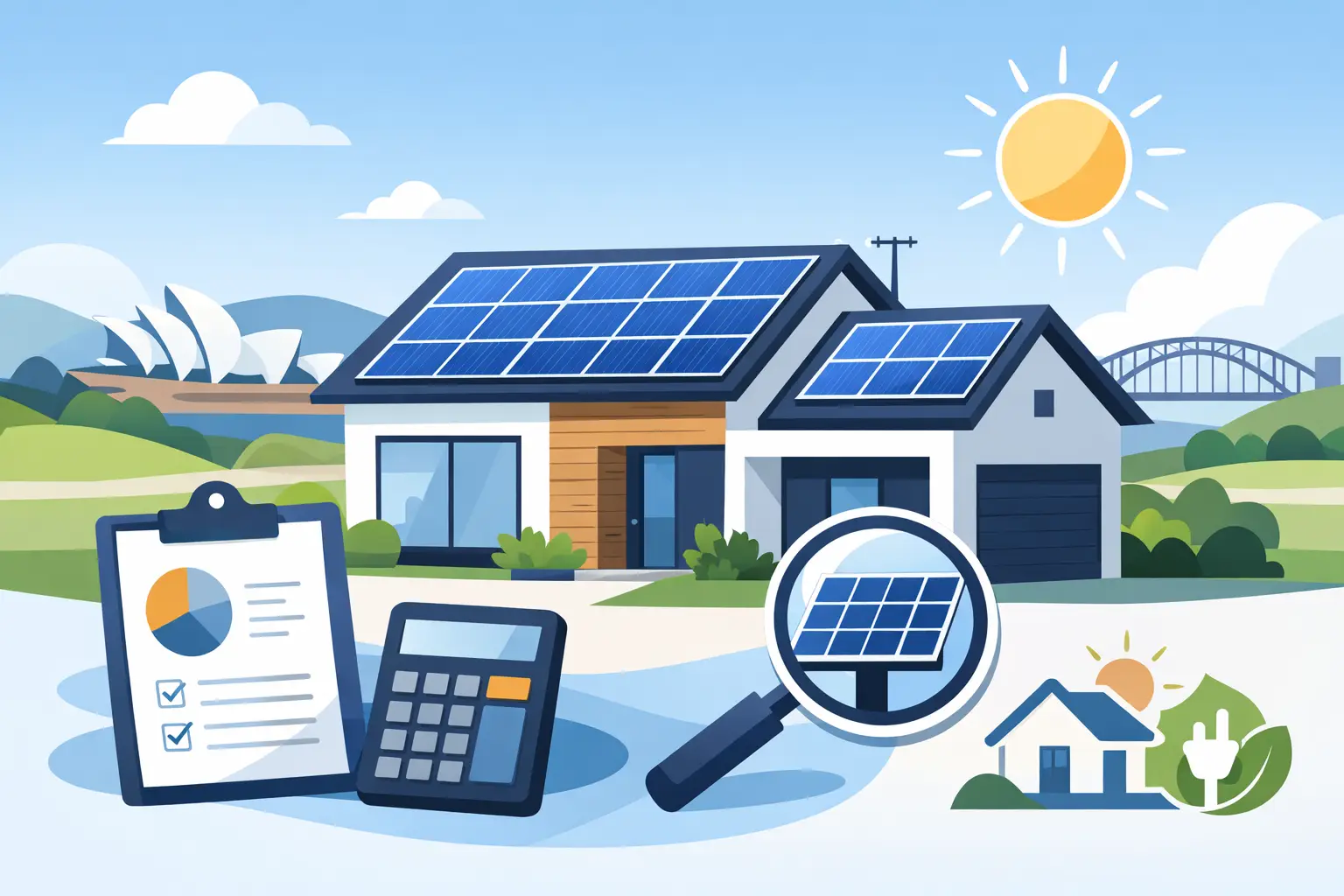
Twelve months of electricity bills provide a useful starting point, but interval data reveals the detail that matters. It shows when a site consumes power, how high demand peaks are, how load changes across seasons and whether major equipment is operating during solar-producing hours.
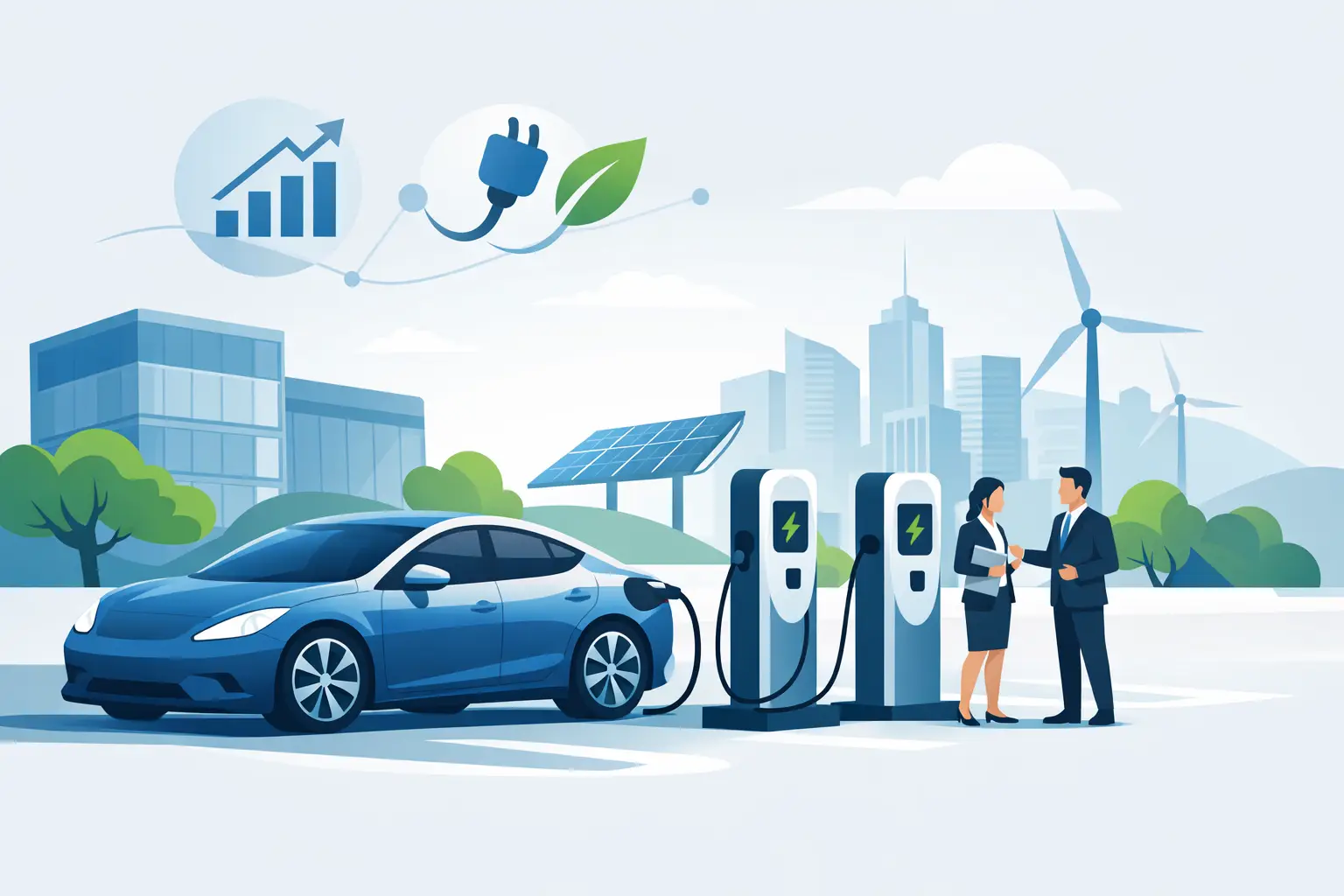
A proper assessment should also consider planned changes. A new production line, expanded cold storage, electrified fleet, EV chargers or a shift in operating hours can alter the right system size. Designing only for last year’s electricity use can leave a growing business with an undersized asset.
Roof suitability and structural considerations
Industrial roofs can offer excellent solar potential, but each one requires inspection. Roof condition, age, material, orientation, shading from nearby structures, penetrations, drainage paths and access requirements affect design. Structural engineering may be required to confirm the building can support the proposed equipment and mounting system.
The layout must also preserve safe maintenance access and comply with fire, electrical and building requirements. Maximising panel count is not the same as maximising long-term value. A well-planned array gives installers, maintenance teams and emergency services appropriate access while protecting roof integrity.
Electrical capacity and connection requirements
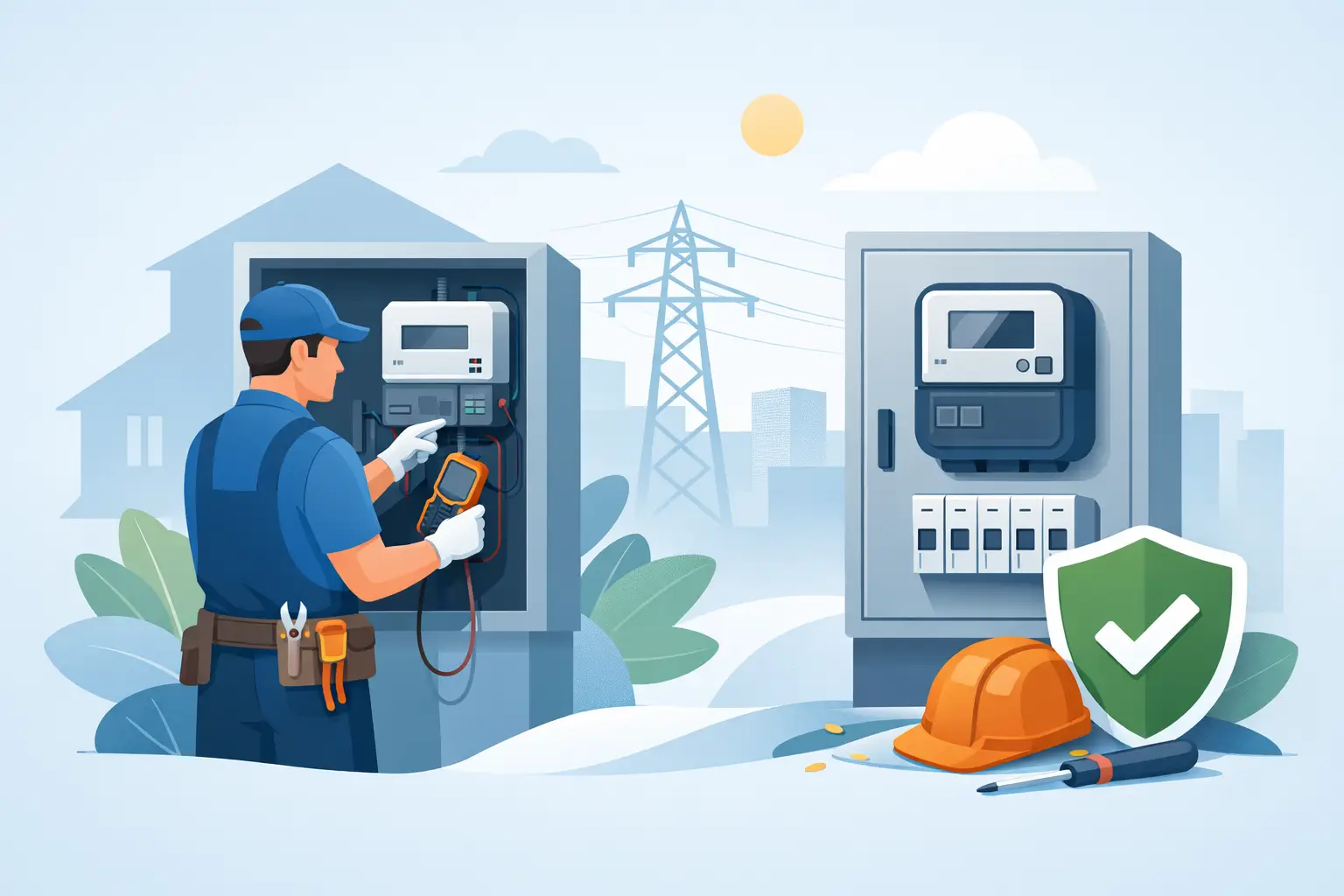
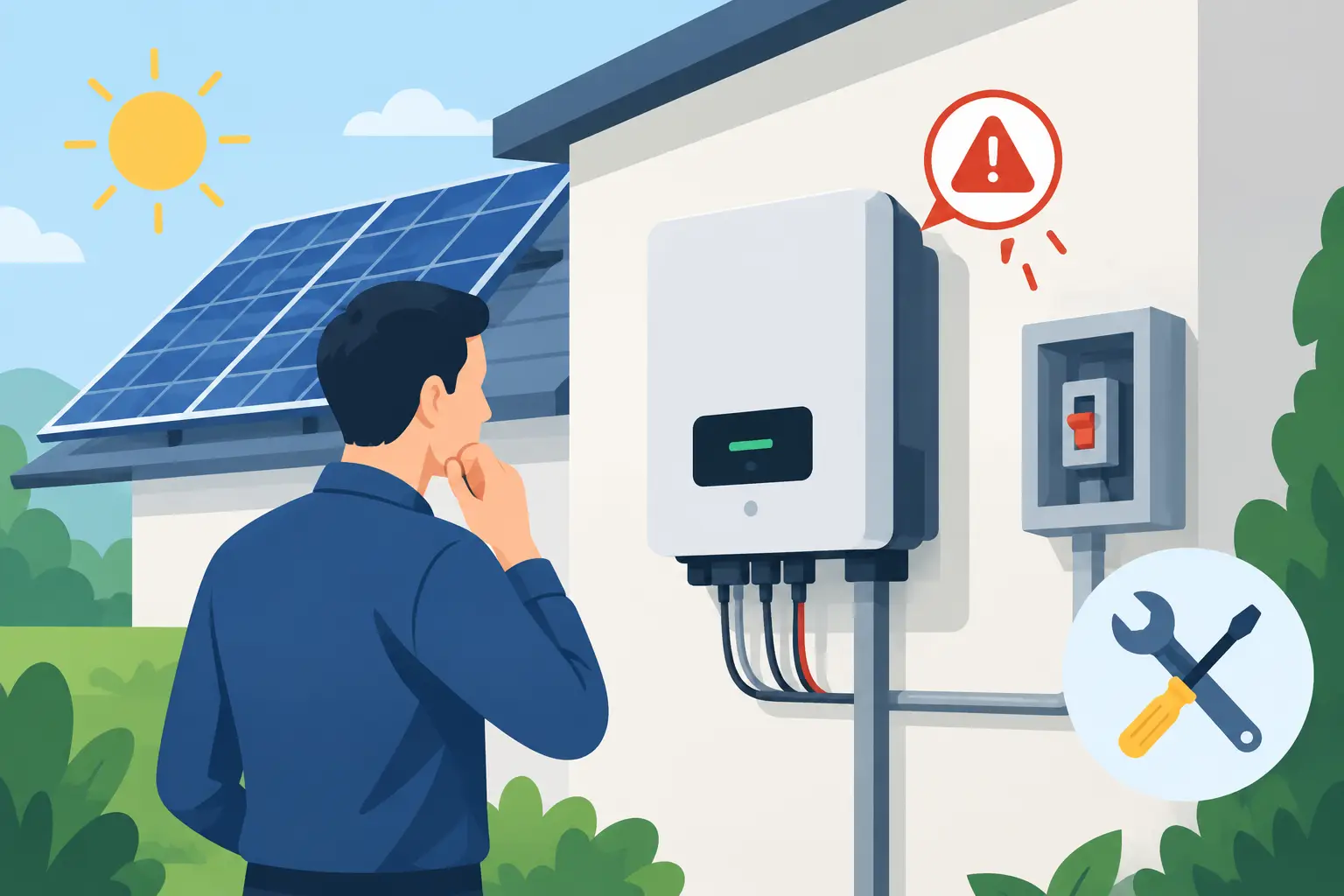
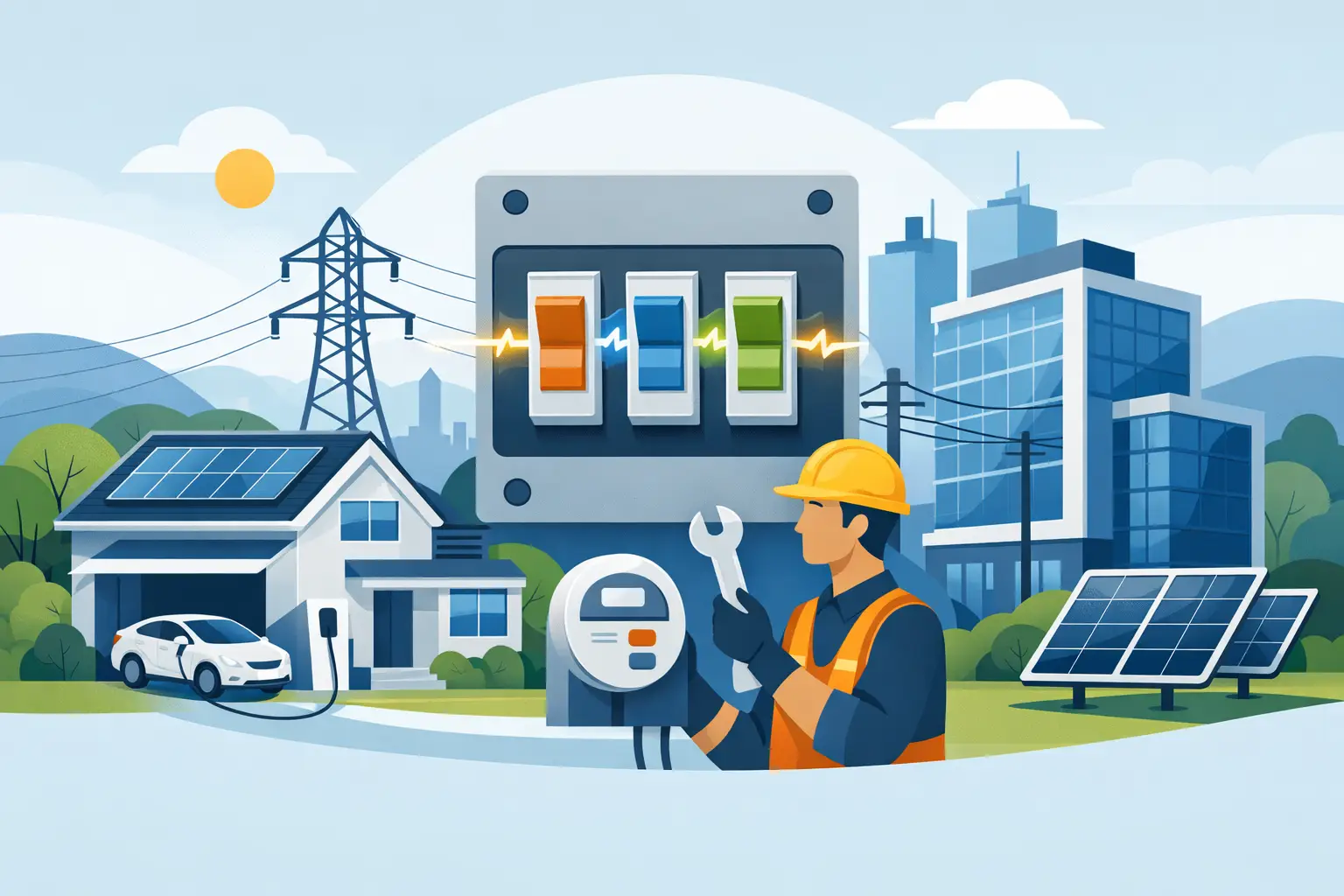
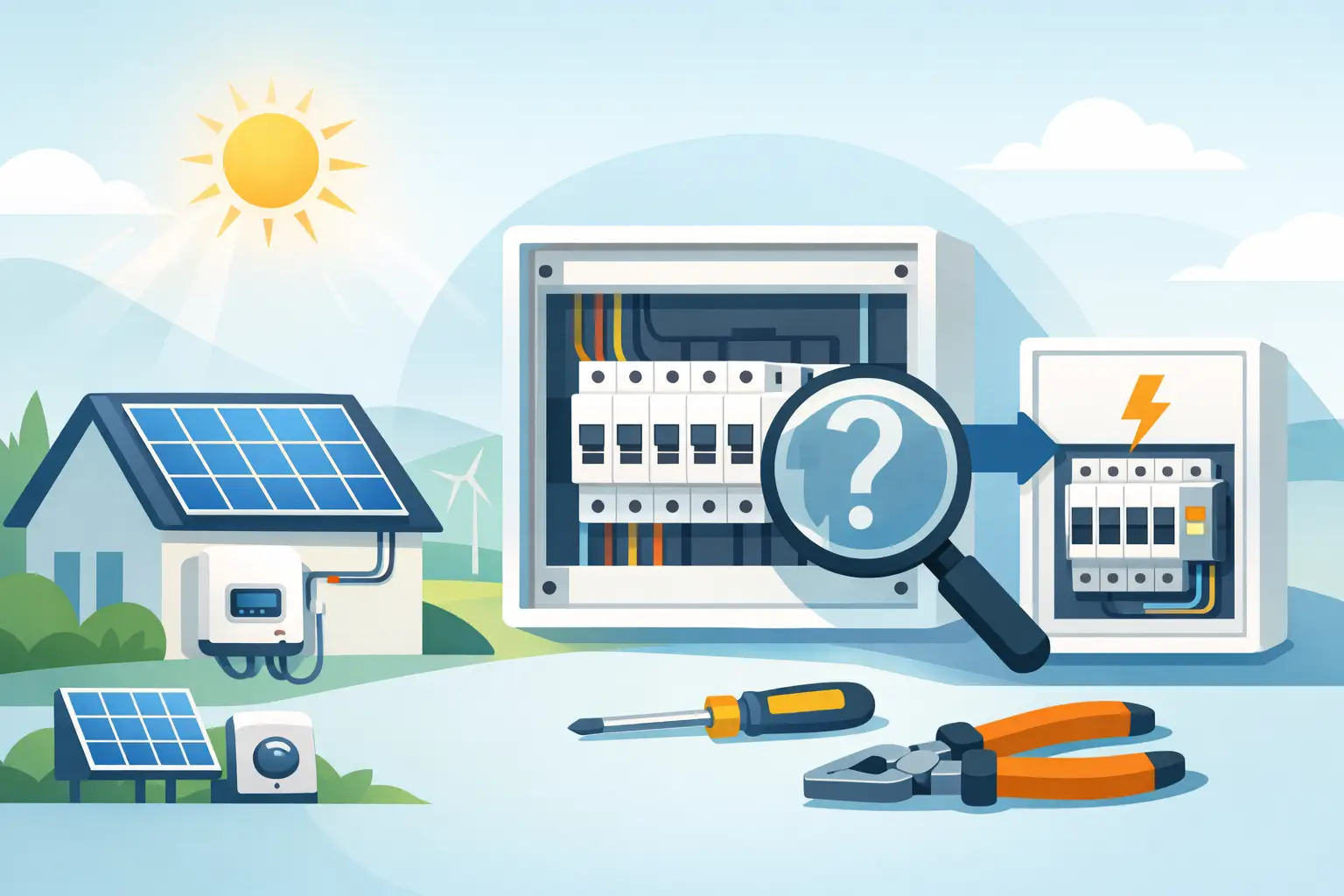
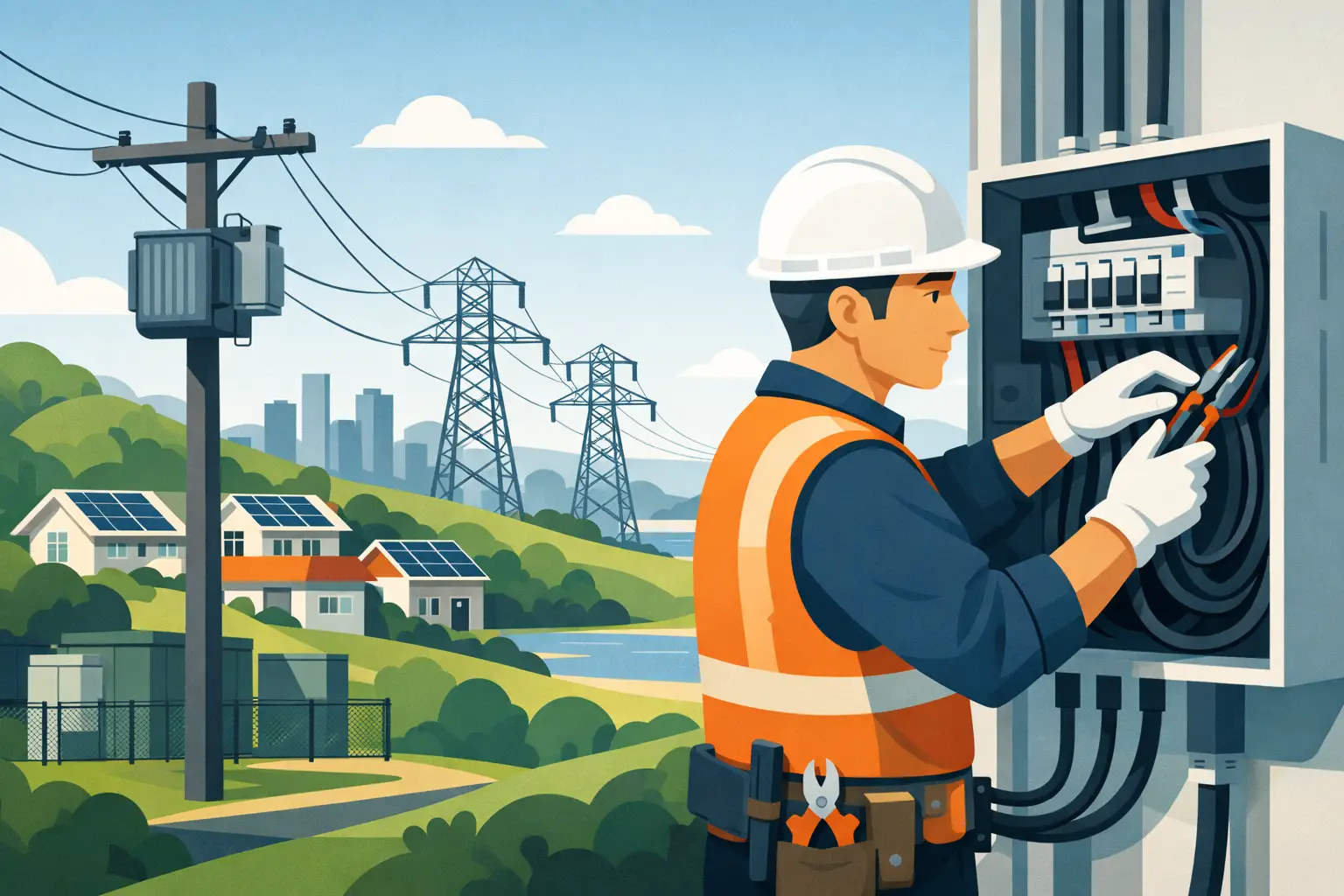
Before installation, the existing electrical infrastructure must be reviewed. Some sites require switchboard upgrades, new protection equipment, meter changes or additional distribution capacity before solar can be connected safely. Larger systems may also need a network export assessment or export limitation settings.
These are not minor administrative steps. A missed connection requirement can delay commissioning, increase costs or restrict system performance. For NSW industrial properties, having the solar installation and regulated connection work coordinated through one qualified contractor reduces handovers and gives the project a clearer path from design through to energisation.
Choosing a system size that delivers value
There is no universal ‘best’ size for an industrial solar system. The right capacity depends on daytime electricity consumption, available roof area, tariff structure, network rules, capital budget and plans for the site.
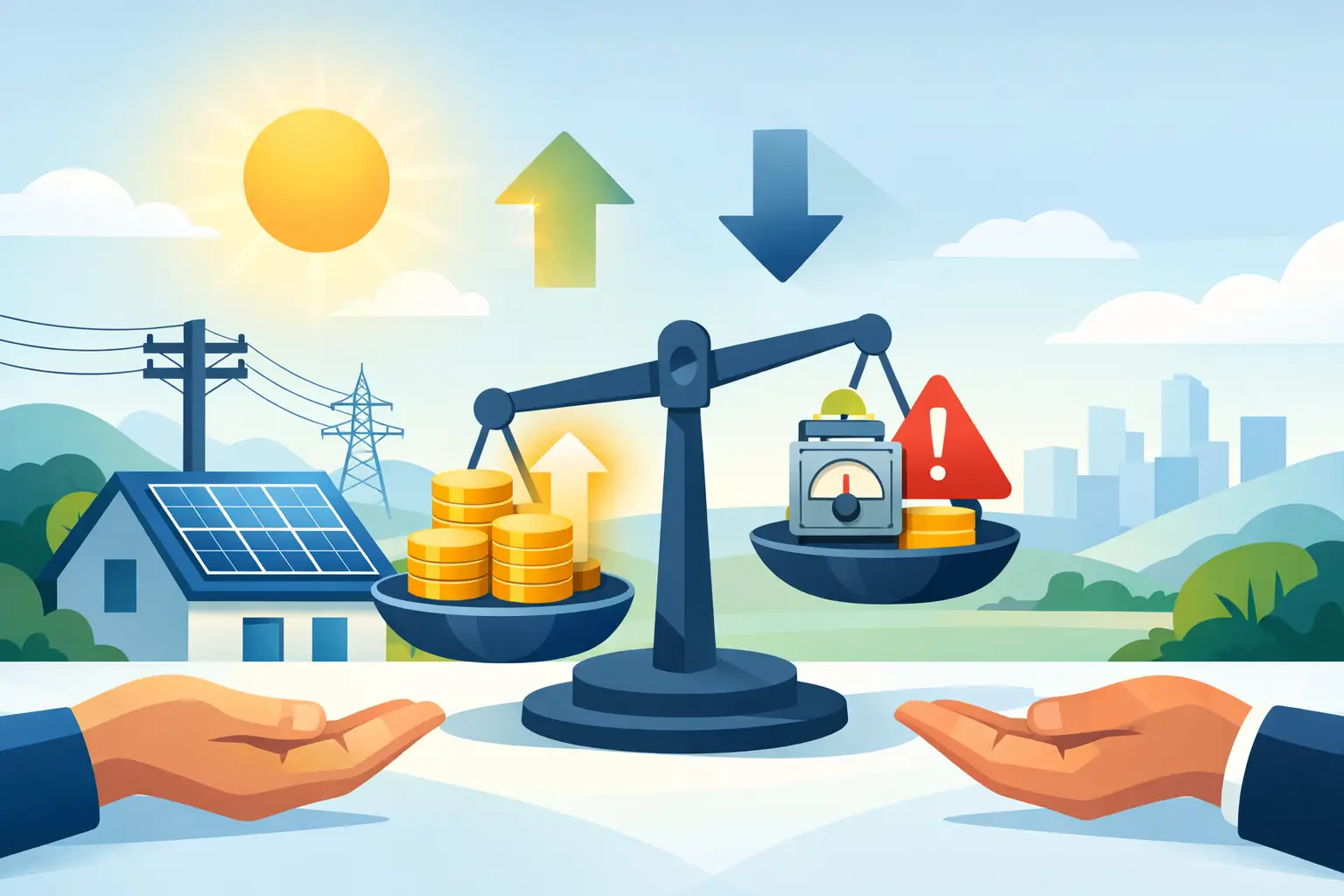
For many businesses, the strongest financial case comes from offsetting electricity that would otherwise be purchased from the grid during the day. Exported energy can still contribute value, but feed-in rates are often lower than the cost of imported electricity. This is why self-consumption is central to effective commercial and industrial solar design.
It can be sensible to stage a project. An initial system may address current loads while allowing switchboards, conduits and roof layout to accommodate future expansion. This approach can suit facilities with planned growth, although it should be assessed against the potential cost savings of completing more work at once.
Premium panel and inverter selection also matters. Industrial customers should look beyond headline capacity and compare expected output, product warranty, performance warranty, monitoring capability, local support and compatibility with future batteries or EV charging. Lower upfront cost can be appealing, but the equipment will be expected to perform for decades in demanding Australian conditions.
Where batteries add value
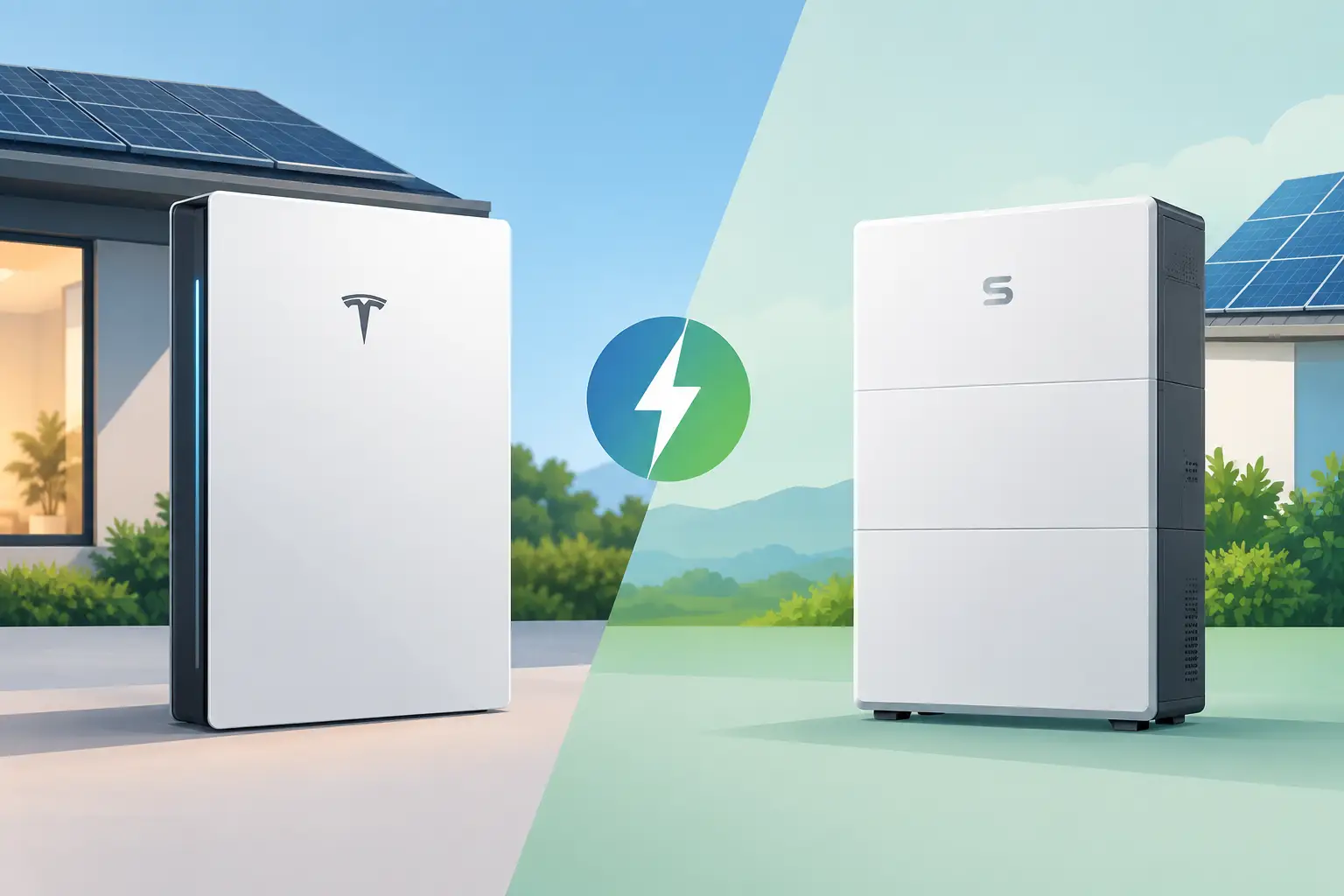
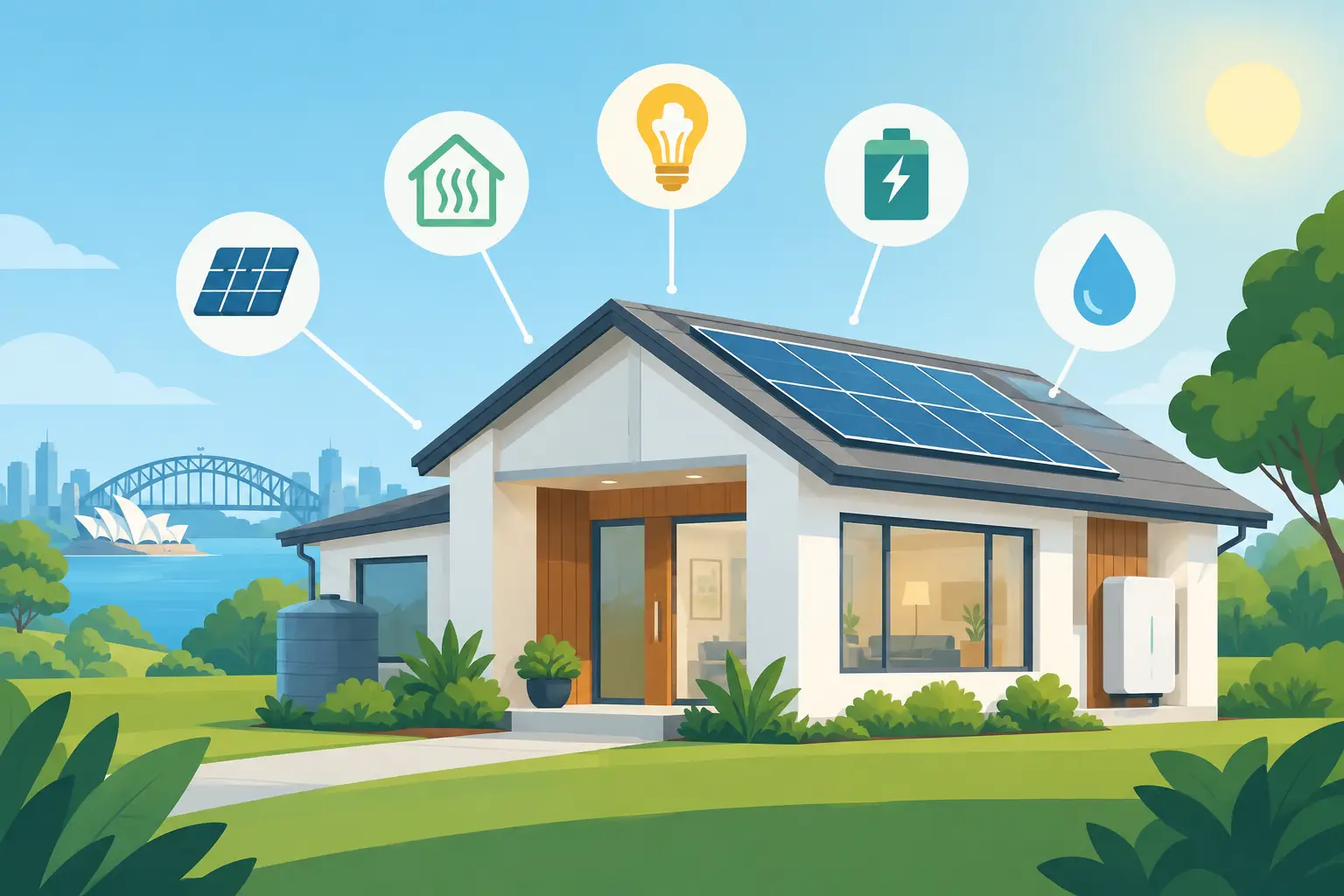
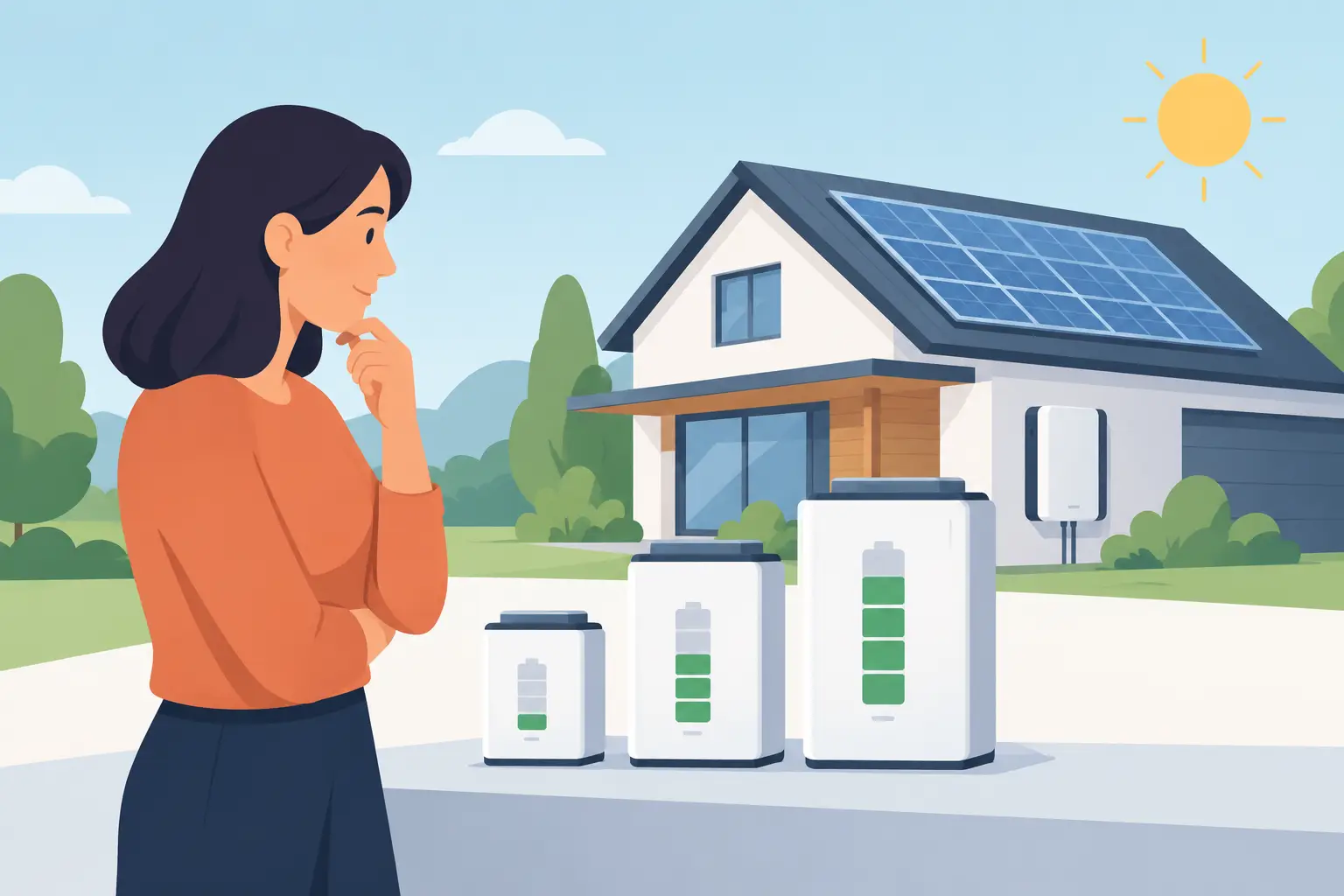
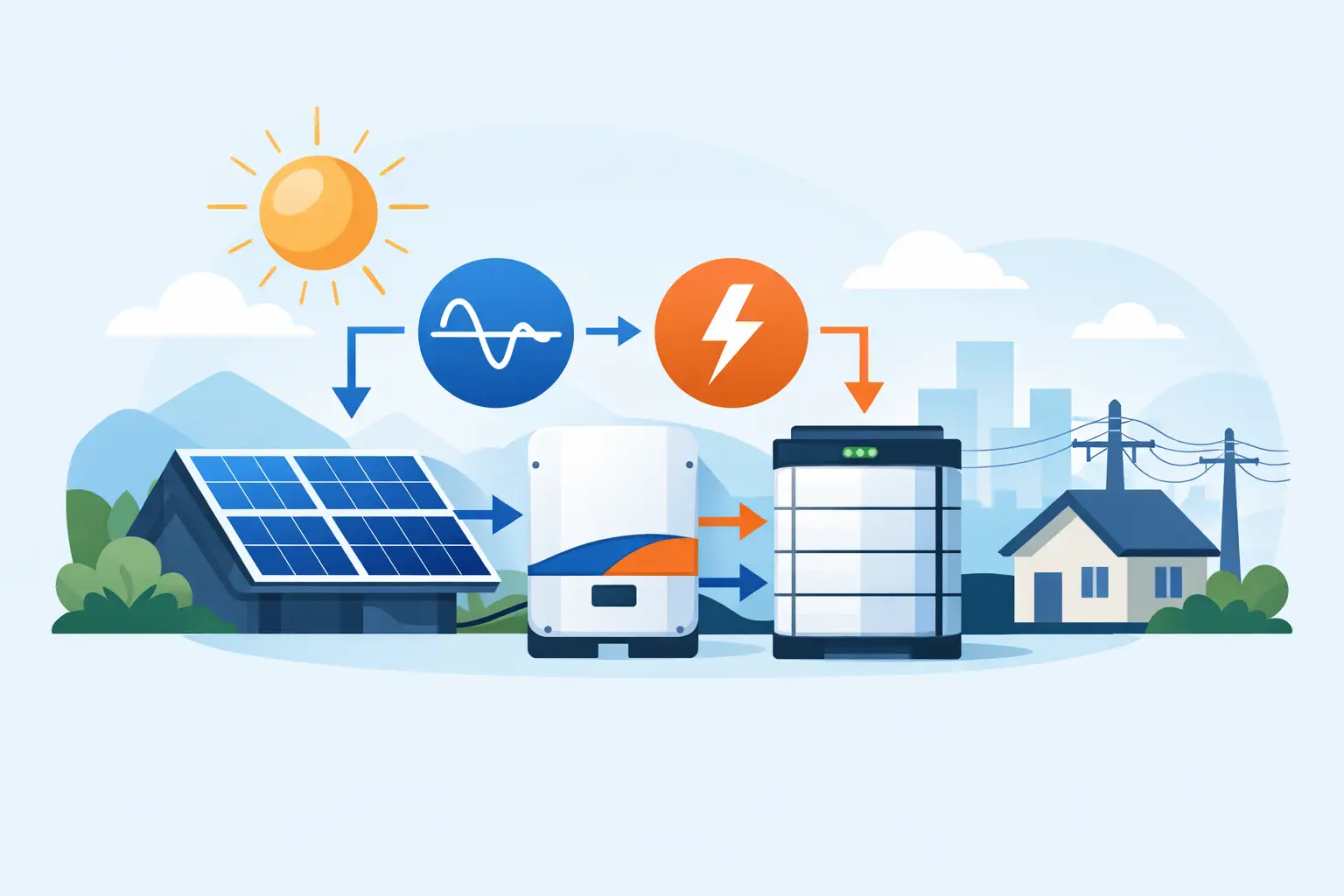
Battery storage is not essential for every industrial solar project. If a facility uses most solar energy as it is generated, adding a battery may not yet deliver the strongest return. However, batteries can be valuable where a site has high late-afternoon demand, time-of-use tariffs, expensive peak periods or a need to reduce grid reliance.
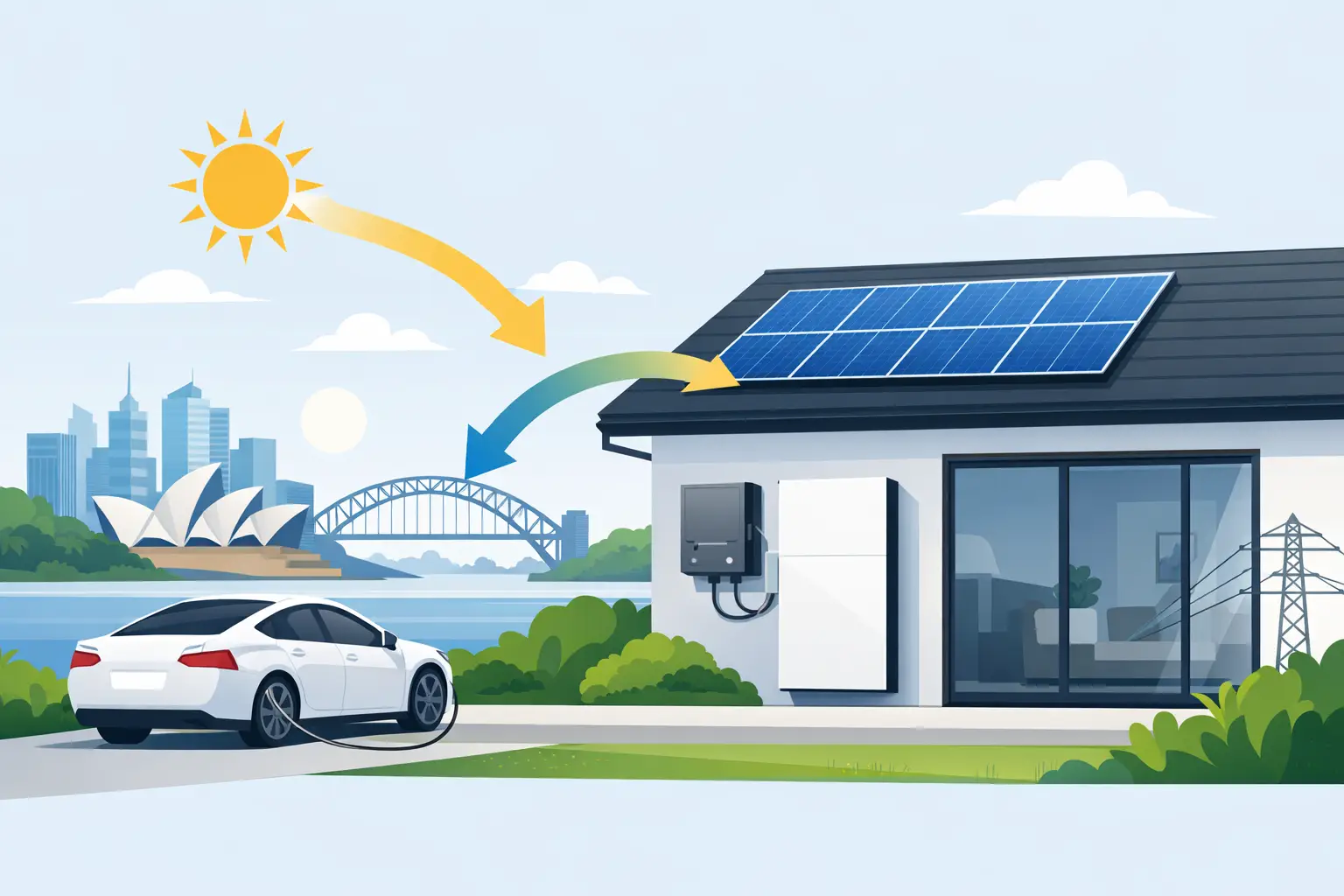
Storage can capture excess daytime generation for later use, support selected critical loads and improve the use of on-site solar. For some operations, it can also work alongside demand-management strategies to reduce periods of high grid draw. The financial outcome depends on the tariff, battery size, operating profile and how the control system is configured.
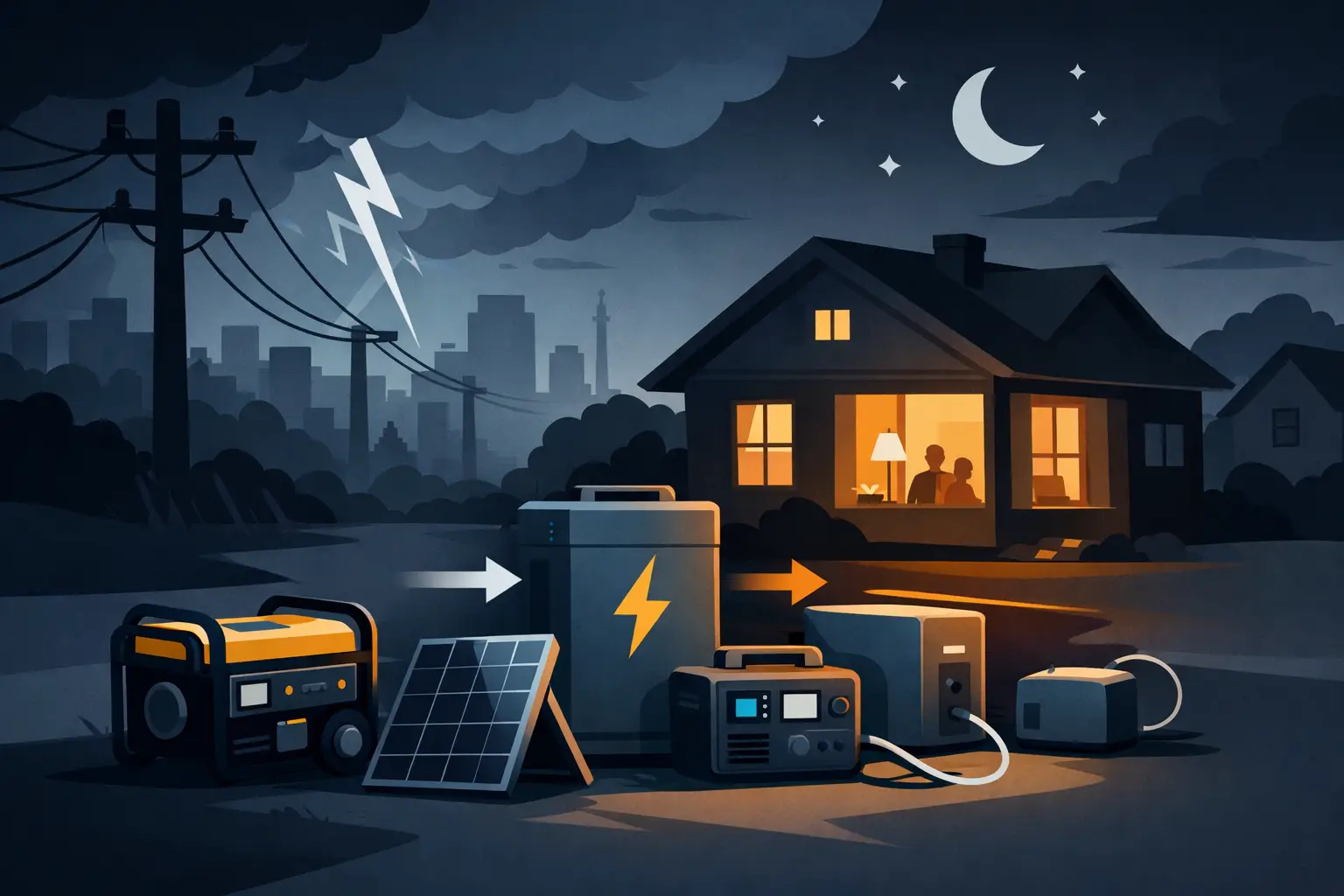
Backup capability requires particularly careful design. Not every battery provides whole-site backup, and many industrial loads are too large or too sensitive to be supported without a tailored solution. A practical plan may prioritise essential circuits such as communications, security, emergency lighting, controls or selected refrigeration equipment. Being clear about what the system will and will not power during an outage avoids costly assumptions.
Safety, compliance and reliable delivery
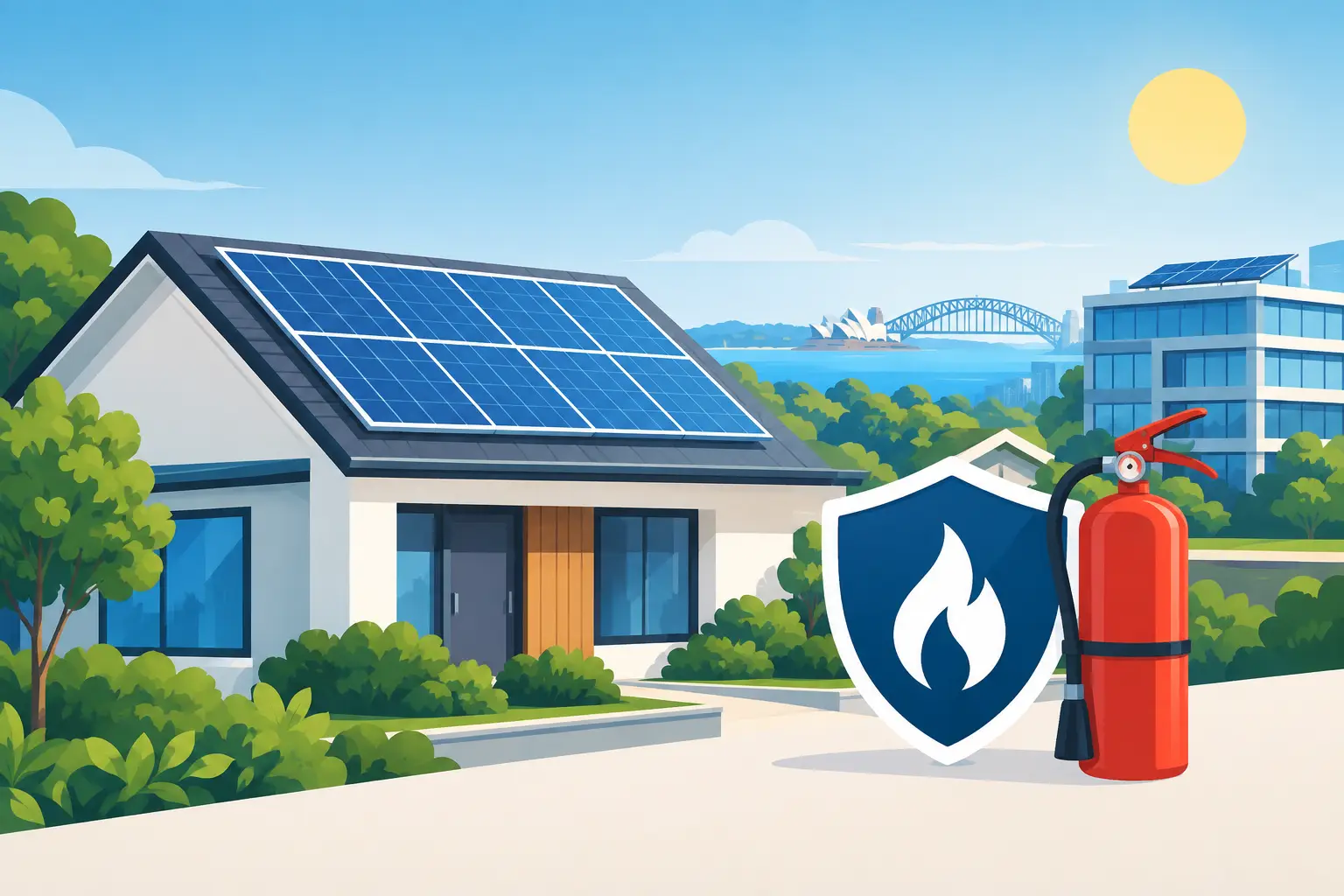
Industrial solar systems operate alongside valuable equipment and active workplaces. Safety must guide every stage, from roof access and fall protection to isolation procedures, inverter placement and commissioning.
A compliant installation requires more than fitting panels and connecting cables. It involves appropriate design documentation, protection coordination, quality components, clear labelling, testing and a proper handover. Network requirements and Australian Standards must be addressed before a system is energised, not treated as issues to resolve later.
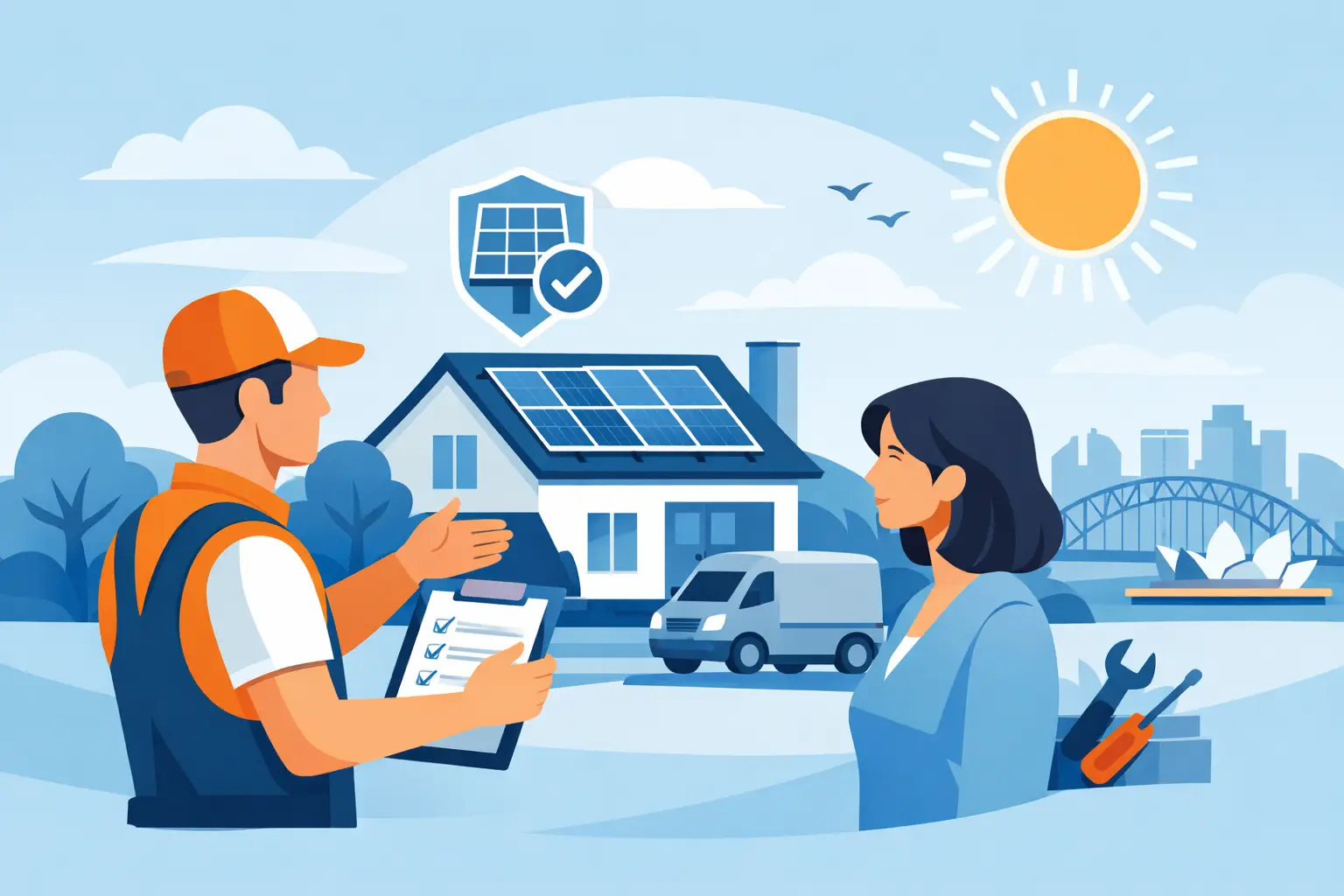
This is also why installer credentials matter. Clean Energy Council SAA accreditation demonstrates recognised solar capability, while Level 2 ASP authorisation is relevant where work involves specific electrical connection, metering or service infrastructure responsibilities in NSW. Sydpro Solar Solutions brings these capabilities together, helping industrial clients coordinate solar, batteries, electrical upgrades and grid connection work through one experienced team.
Measuring performance after commissioning
A solar system should not become invisible once it is switched on. Monitoring gives site managers visibility of generation, consumption and, where installed, battery behaviour. It can identify unexpected drops in output, faults, changed usage patterns or opportunities to shift loads into solar hours.
Good operational habits can increase the return from the same system. Where practical, schedule flexible activities such as water heating, charging, pumping or certain processing tasks during the middle of the day. Keep panels clear of unusual shading or accumulated debris where site conditions require cleaning, and arrange qualified maintenance when monitoring suggests an issue.
It is equally useful to review electricity bills after installation. Consumption and tariff charges may change, especially if the business adjusts operations or adds equipment. Solar is a long-term asset, and reviewing its performance helps ensure the original design continues to suit the facility.
A better question than “How many panels fit?”
The most useful question is not how many panels can fit on the roof. It is how an energy system can support the site’s cost control, operational needs and plans for growth without compromising safety or compliance.
For an industrial business in NSW, that conversation should begin with real load data, a site inspection and a clear view of electrical infrastructure. From there, solar can become more than a line item on an electricity bill – it can be a well-engineered investment in a more predictable, capable and cleaner operation.