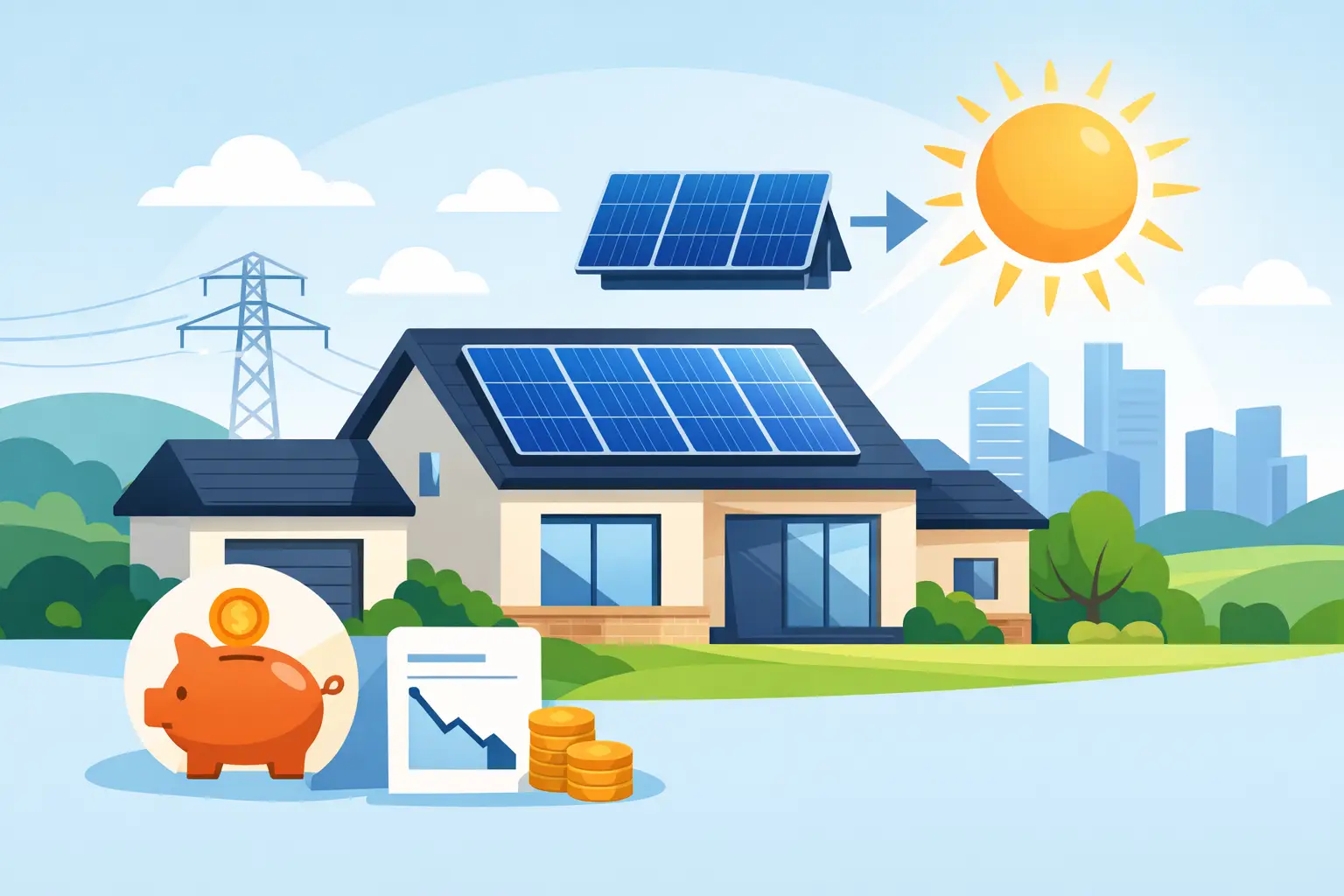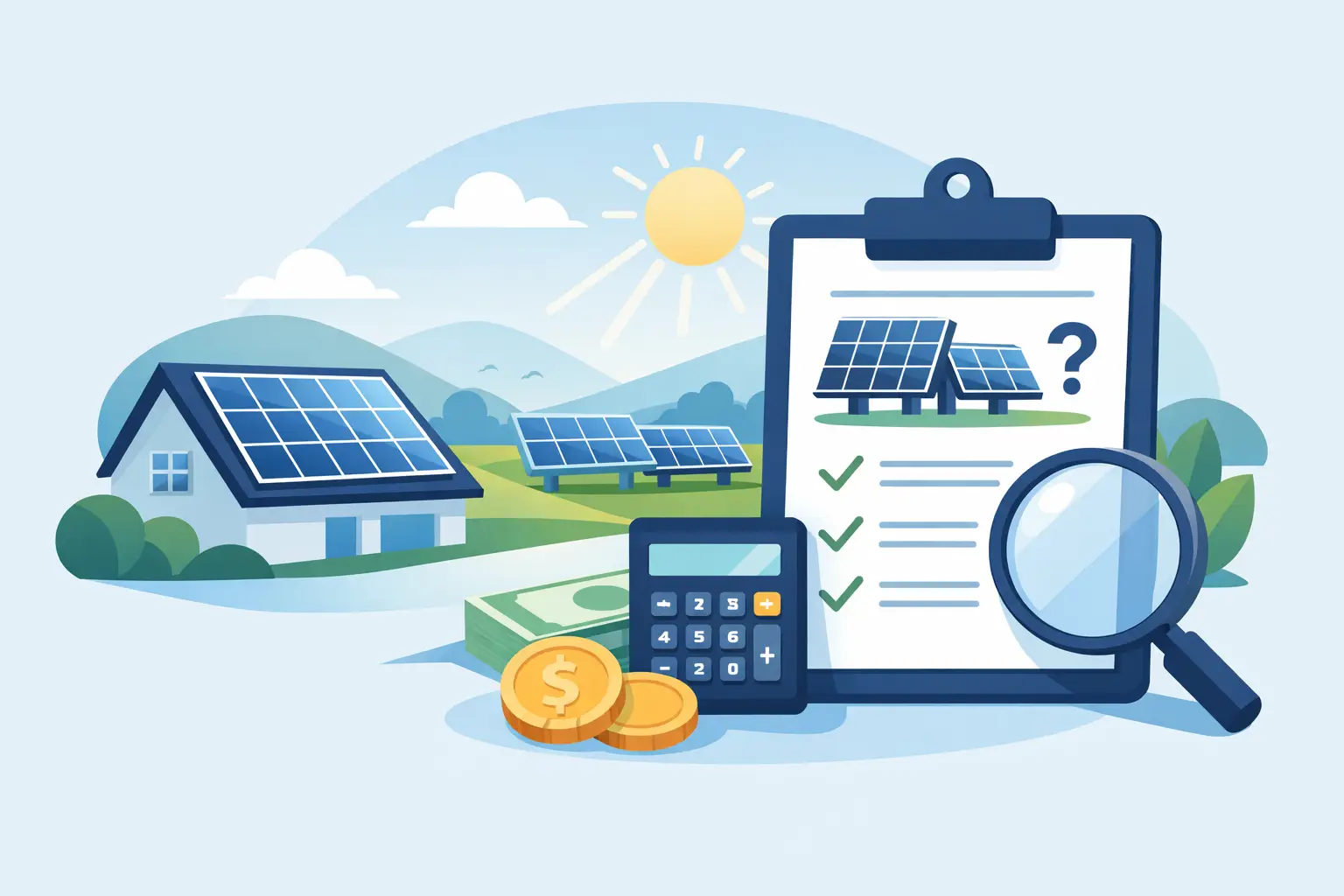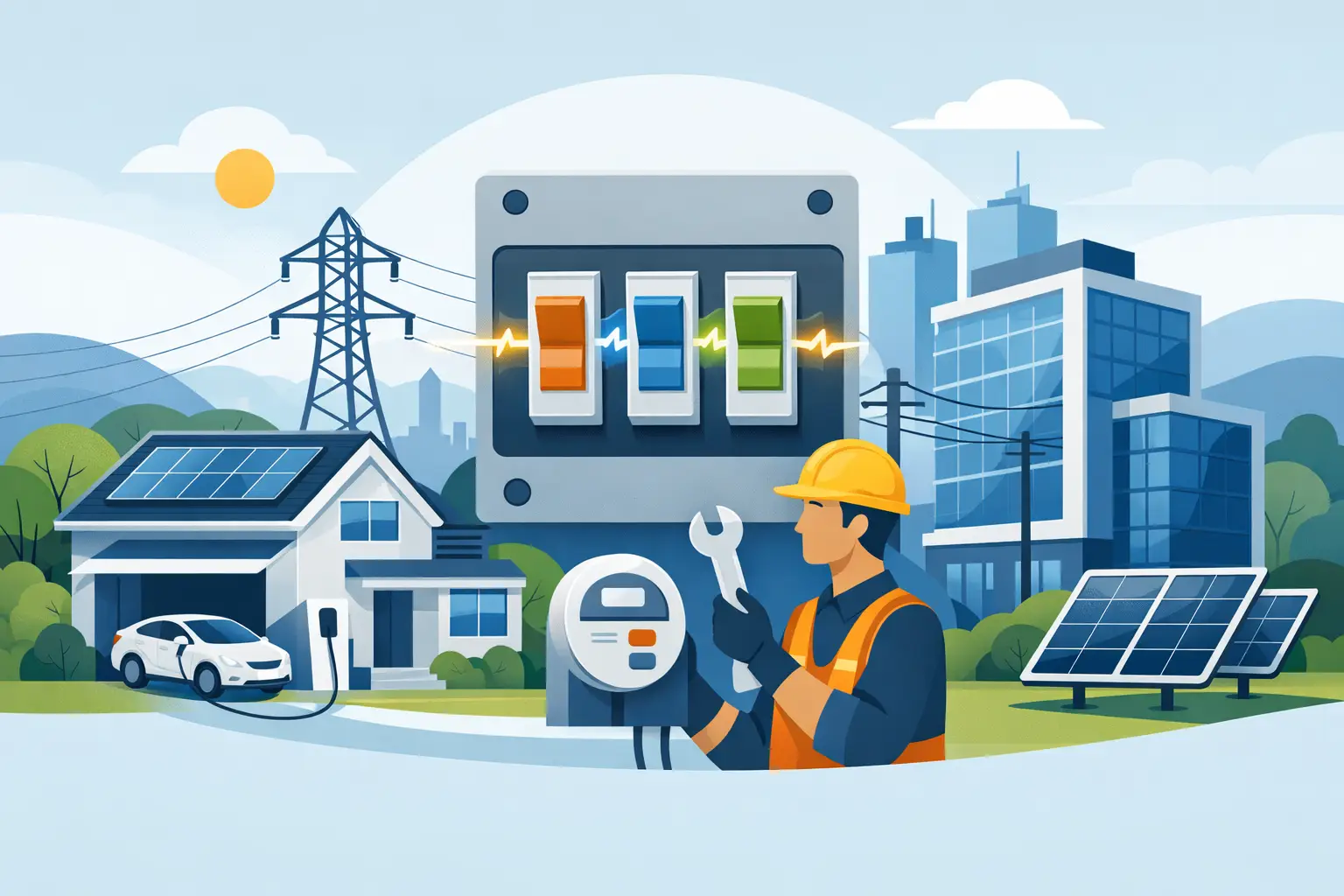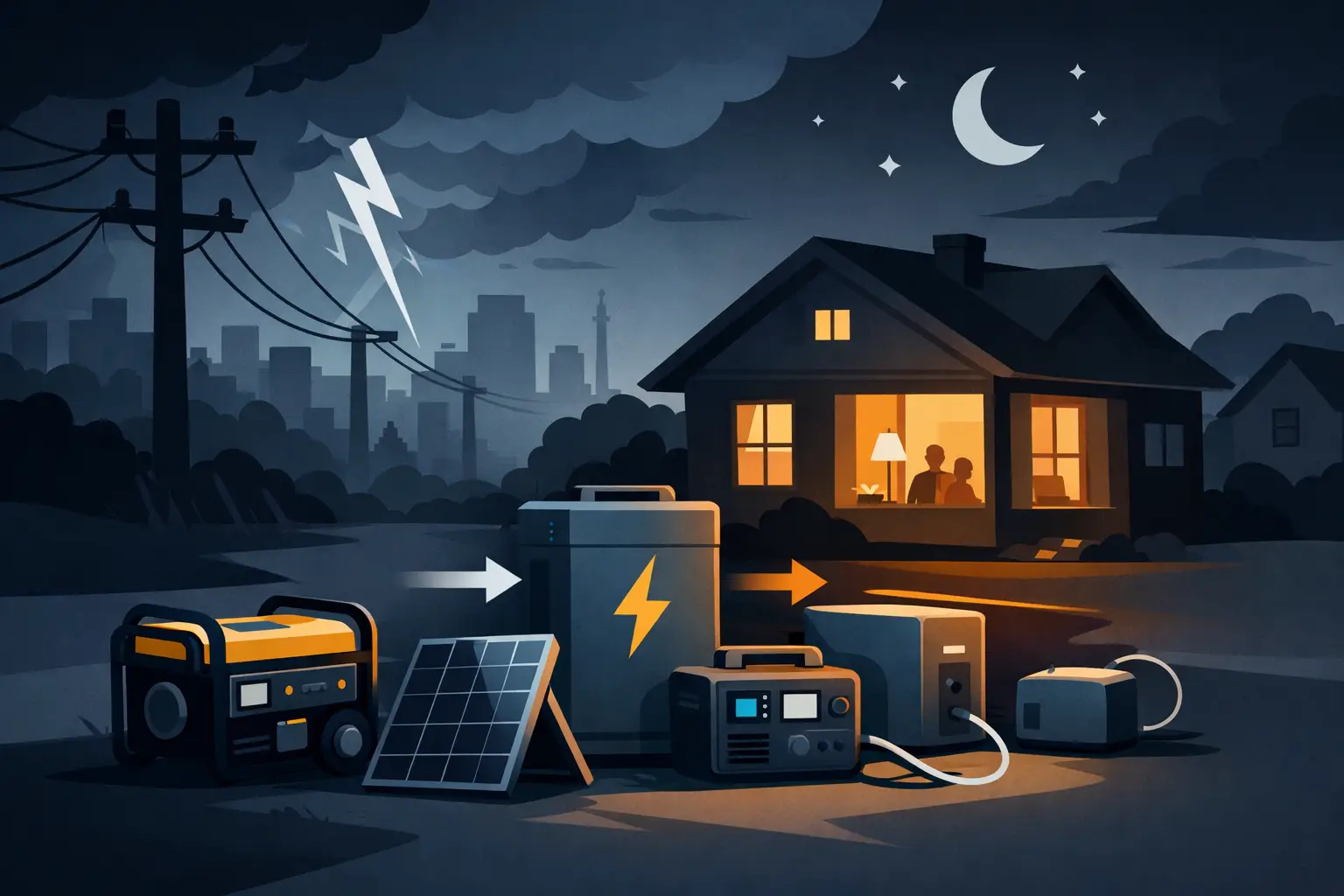
For many NSW businesses, electricity is no longer a background overhead. It is a variable operating cost that can affect margins, tenancy decisions and long-term growth plans. A well-designed commercial solar installation gives a business more control over the energy it uses during the day, when offices, workshops, retail spaces and production equipment are often drawing their highest load.
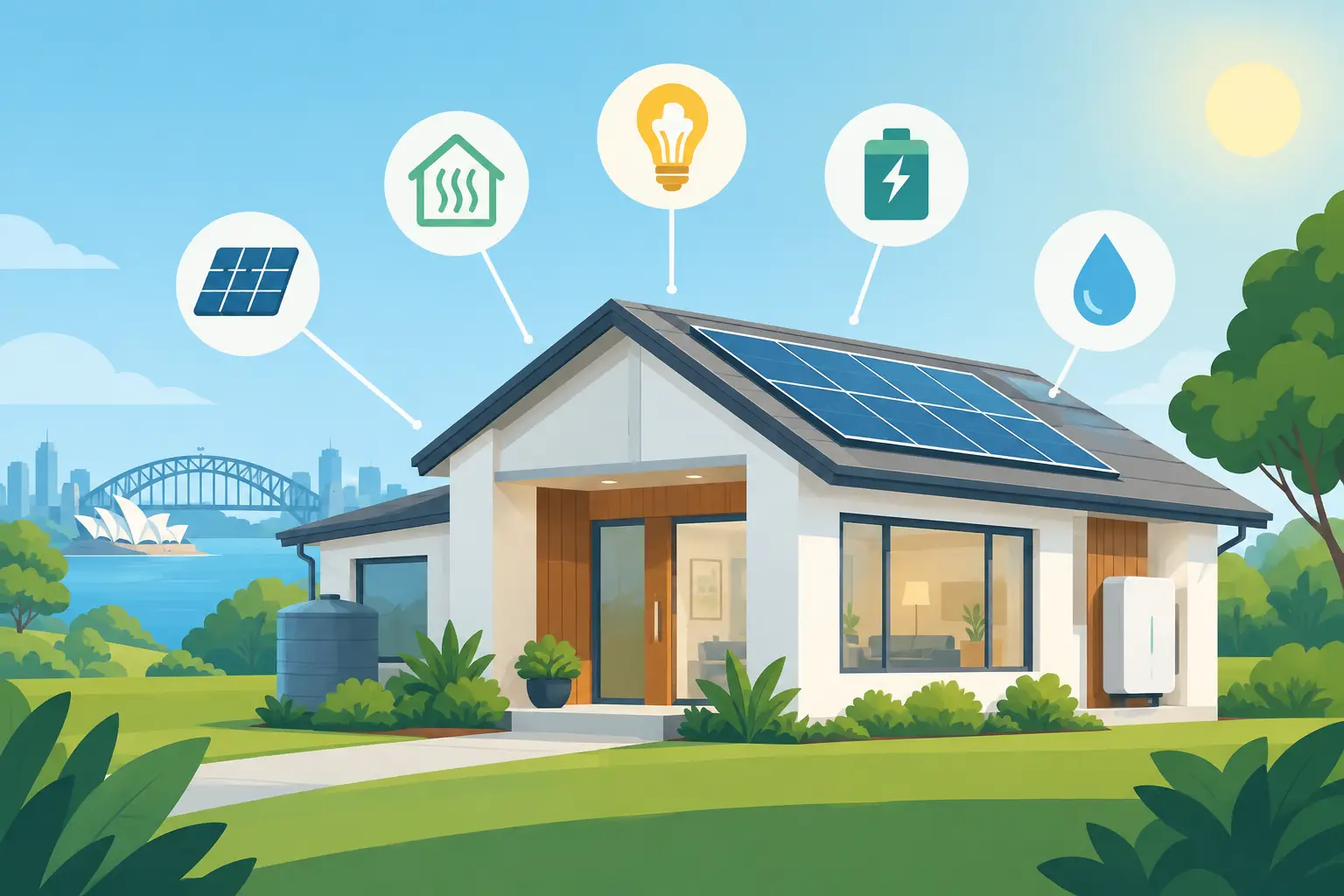
The value is not simply in placing as many panels as possible on a roof. The right system must match your daytime consumption, site conditions, electrical infrastructure and plans for batteries, EV charging or future expansion. Done properly, solar becomes a practical piece of business infrastructure – designed for safe operation, measurable savings and reliable performance over time.
What a commercial solar installation should achieve
Commercial solar works best when it is built around self-consumption. In plain terms, that means producing electricity that your business can use on site rather than buying it from the grid. Because feed-in tariffs are usually lower than the price paid for imported electricity, every kilowatt-hour used directly on site generally delivers stronger value than excess energy exported to the grid.
A café may have a consistent daytime load from refrigeration, cooking equipment and air conditioning. A warehouse may use power through lighting, loading equipment, office areas and security systems. Manufacturers, medical facilities and larger retail sites can have more complex loads, including three-phase machinery and high-demand periods. These differences determine the appropriate system size far more accurately than roof area alone.
The goal is to reduce purchased electricity without creating an oversized system that regularly exports large amounts of low-value energy. That balance changes from one site to another. A business that operates six days a week may support a larger array than a site occupied only a few days each week, even if both have the same roof size.
Start with the numbers, not the panel count
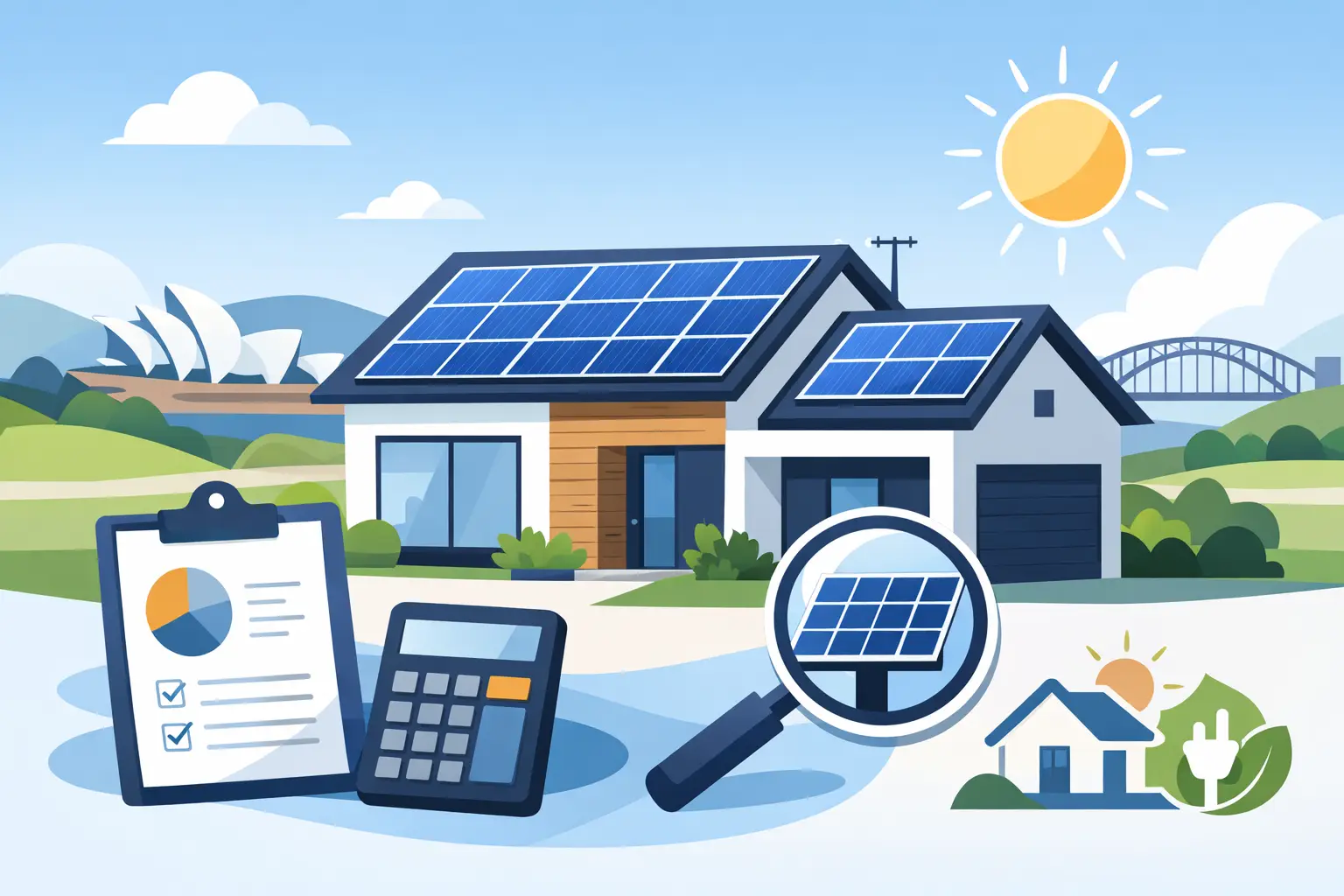
A reliable design begins with interval data and electricity bills. These show how much power the site uses, when it uses it and whether demand charges apply. Looking only at the total quarterly bill can hide the patterns that matter most.
For example, a business may consume a modest amount of energy overall but experience expensive short peaks when several major loads run at once. Solar can reduce daytime imports, but it may not remove every demand charge. A battery, load management strategy or electrical upgrade could be a better complement in that situation.
Your assessment should also account for seasonal changes. Air conditioning can drive a different summer profile, while heating, lighting and operating hours may change in winter. If the property is leased, planned tenancy changes and lease duration also deserve attention. Solar is a long-term asset, so the investment should suit the business plan as well as the current bill.
A clear proposal should explain the expected production, estimated self-consumption, likely export volume and assumptions used in the savings forecast. It should also identify factors that can change results, including weather, future electricity tariffs, operating hours and new equipment. Transparent forecasts are more useful than overly optimistic payback claims.
Roof condition and electrical capacity matter
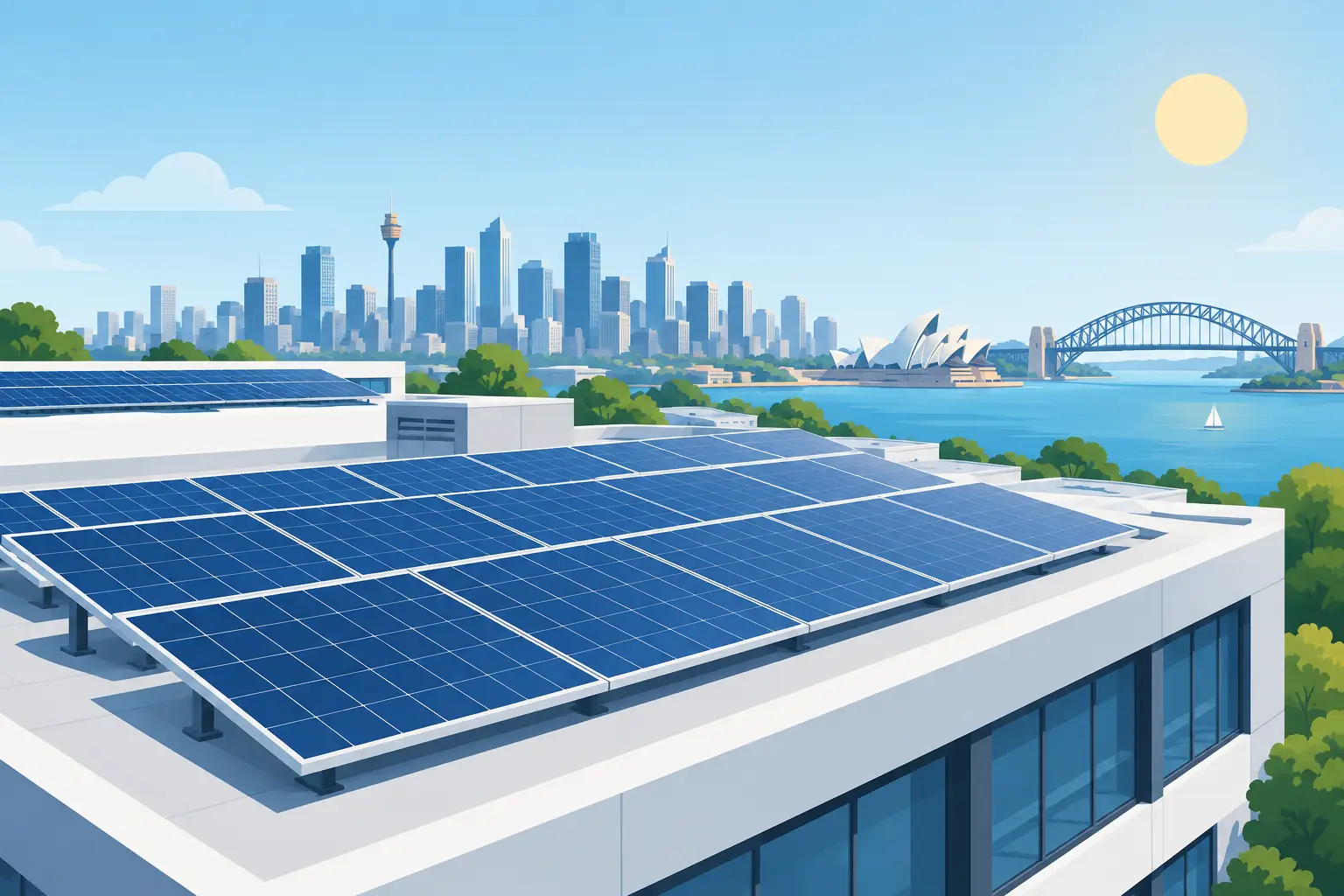
A commercial roof is not automatically solar-ready. Before design is finalised, the installer needs to assess roof material, age, orientation, available space, shading and access. Trees, nearby buildings, plant rooms, roof vents and future construction can all affect output or panel placement.
Roof condition is particularly important. If major roofing work is likely within a few years, it is usually more cost-effective to complete that work before panels are installed. Removing and reinstating an array later creates extra cost and disruption. Structural suitability and safe access also need proper consideration, especially on large or elevated roofs.
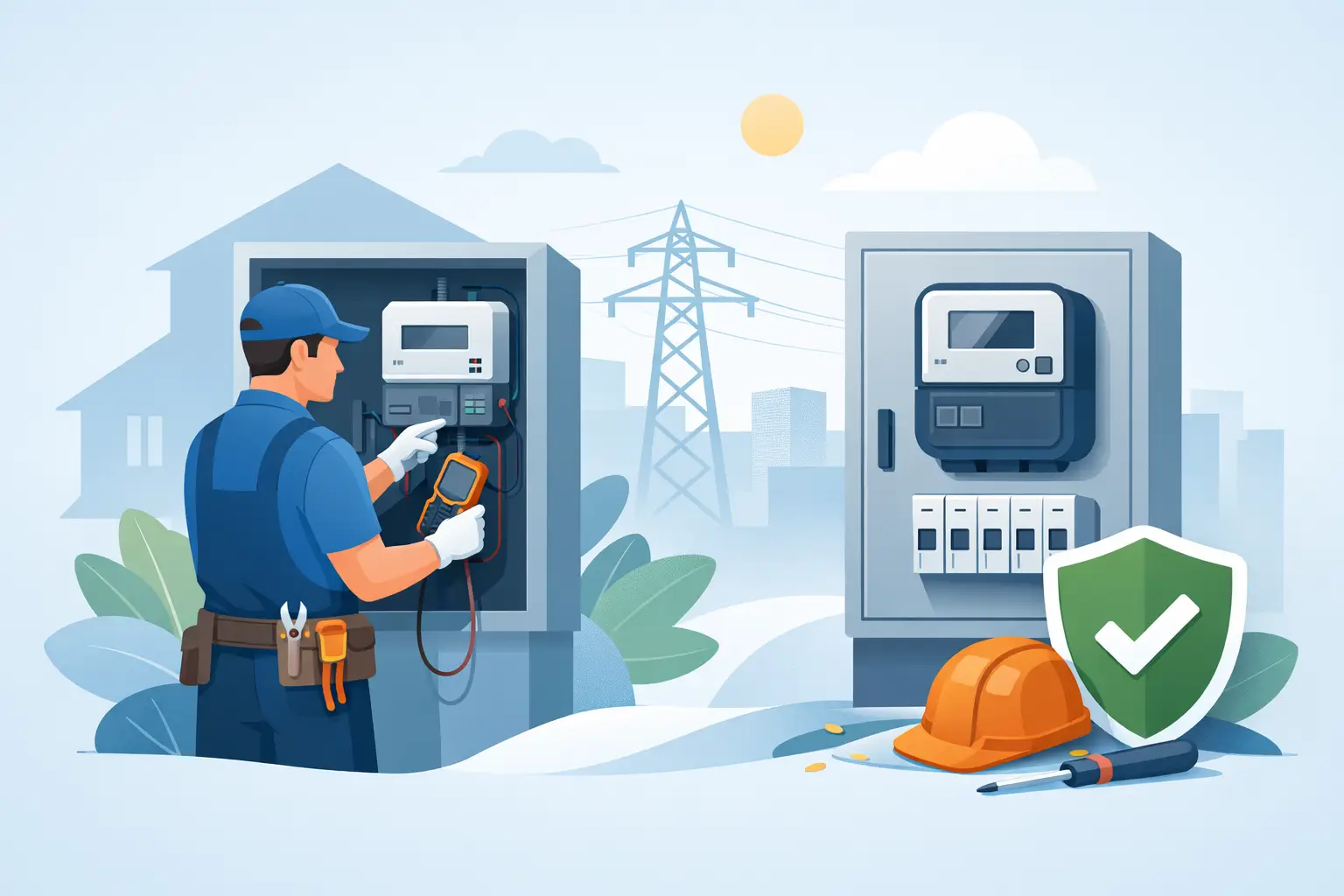
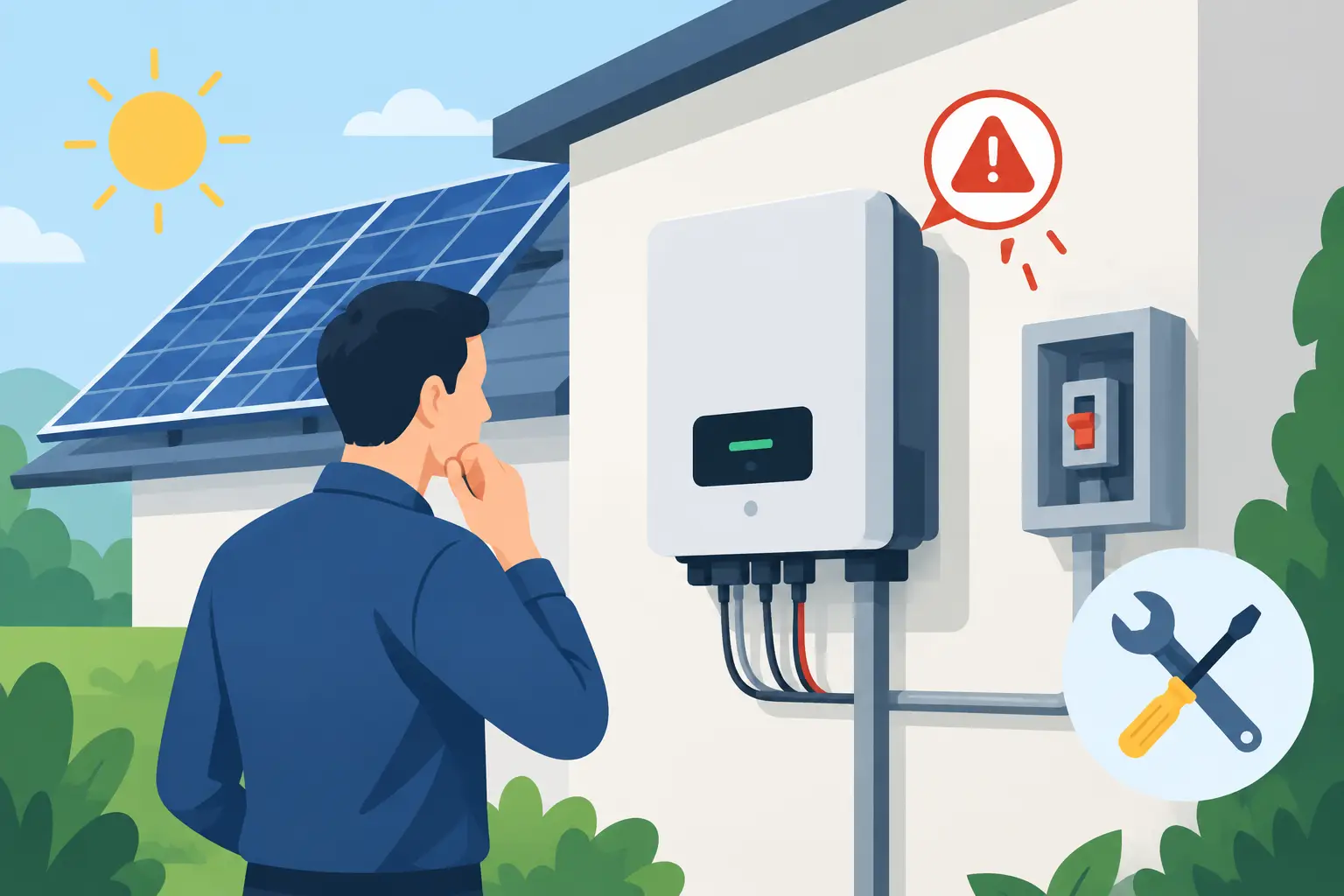
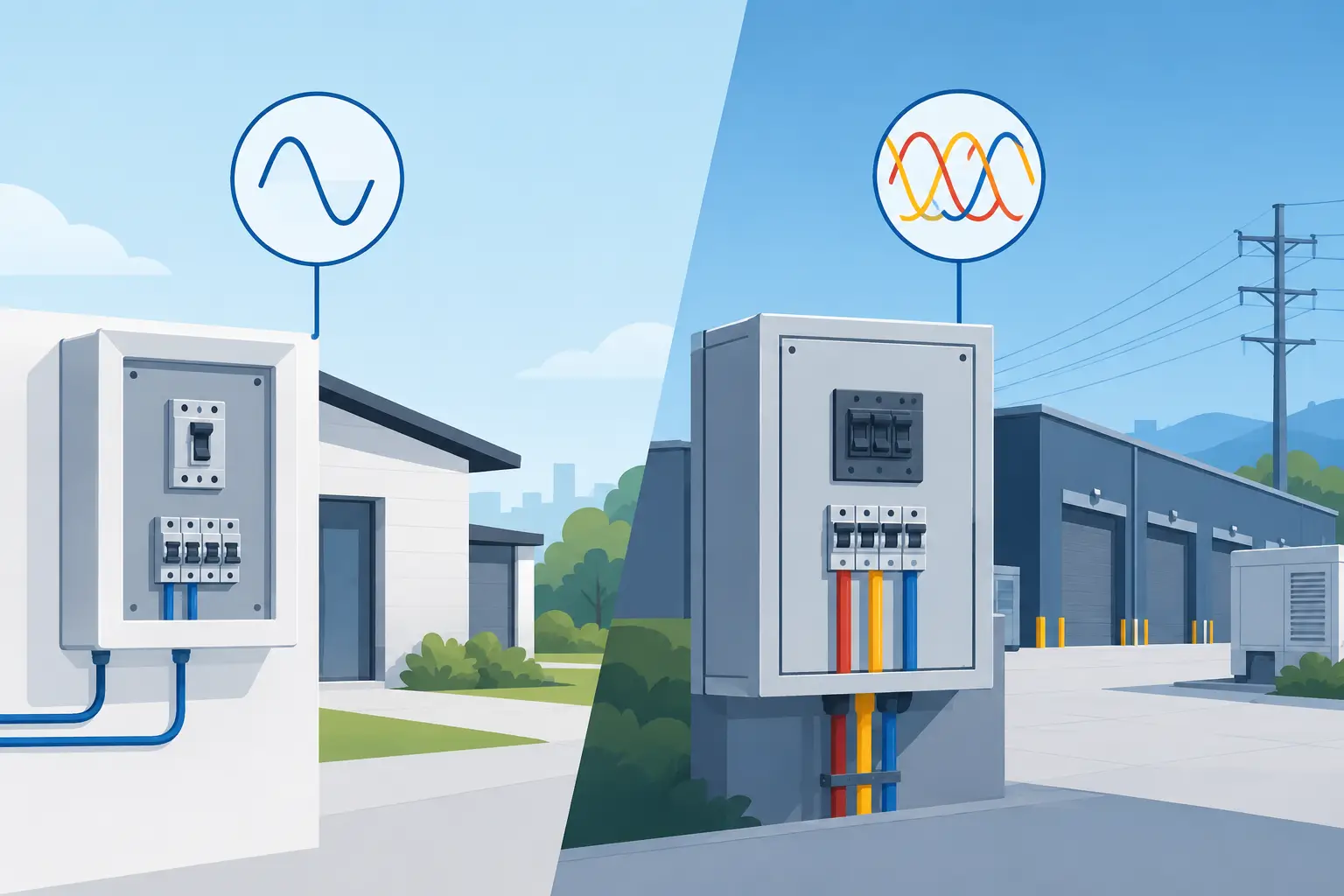
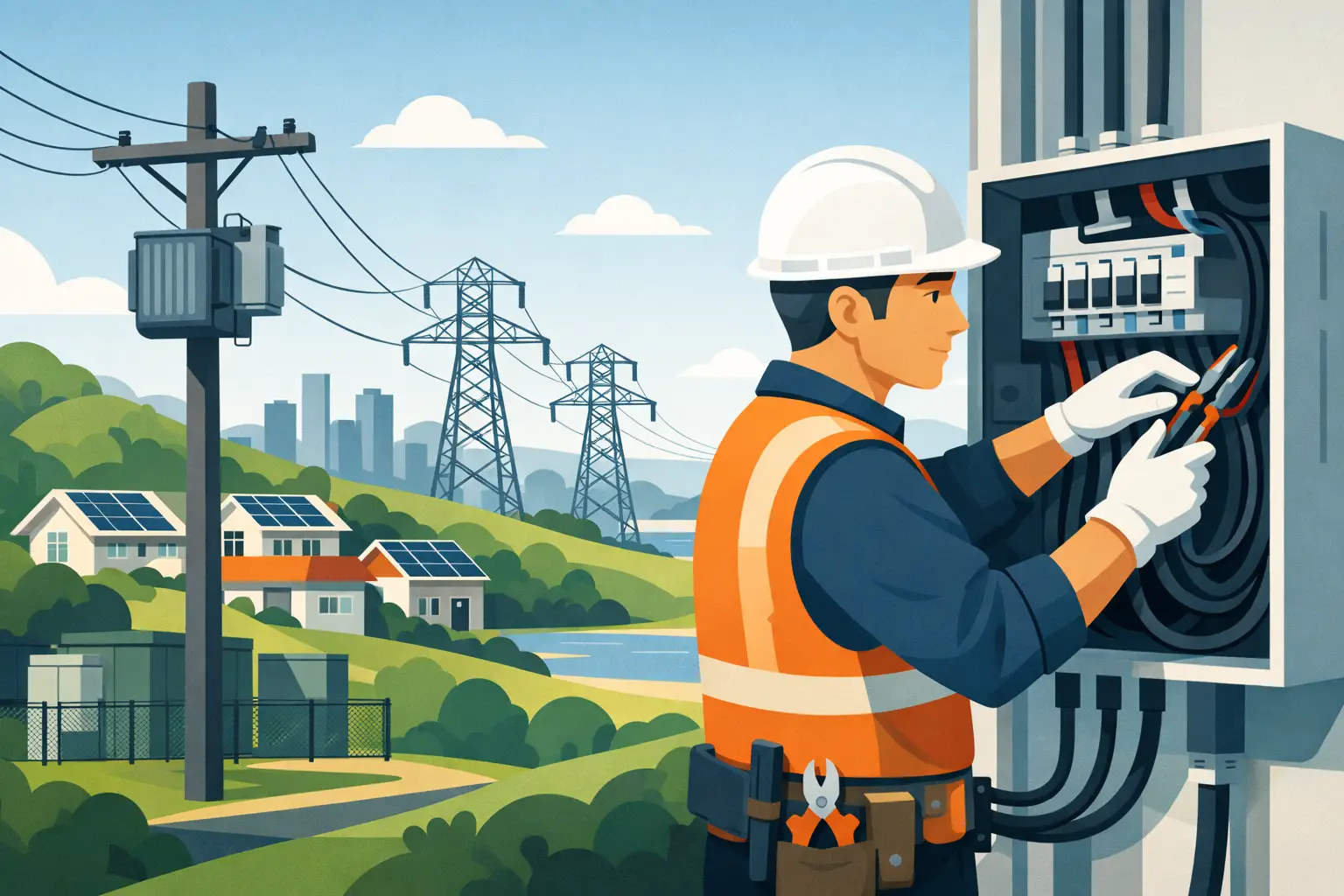
The electrical side deserves the same attention. Many commercial sites have three-phase supply, switchboards with limited space, ageing protection equipment or restrictions around their existing connection. A commercial solar installation must integrate safely with the site’s main switchboard and comply with applicable electrical and network requirements.
This is where an installer with both accredited solar capability and Level 2 ASP expertise can offer a genuine advantage. Some projects require metering coordination, service upgrades, switchboard works or grid-connection changes before solar can operate as intended. Managing solar and regulated electrical work through one accountable contractor can reduce handovers and make the project easier to coordinate.
Grid connection is part of the design
In NSW, the local distribution network’s export rules can influence system design. A site may have a large roof and strong daytime demand but still face an export limit set by the network. That does not necessarily rule out a larger system. It means the design may need export control, battery storage, careful inverter settings or a staged approach.
Export limits should be addressed before installation, not discovered at commissioning. The proposed system, inverter capacity and connection arrangement need to align with network approval requirements. Where upgrades are required, the scope and cost should be clearly documented upfront.
Commercial customers should also ask who is responsible for applications, approvals, commissioning documentation and final handover. These are not minor administrative details. Delays at this stage can postpone energisation and affect the financial return of the project.
Batteries and EV charging: useful, but not automatic
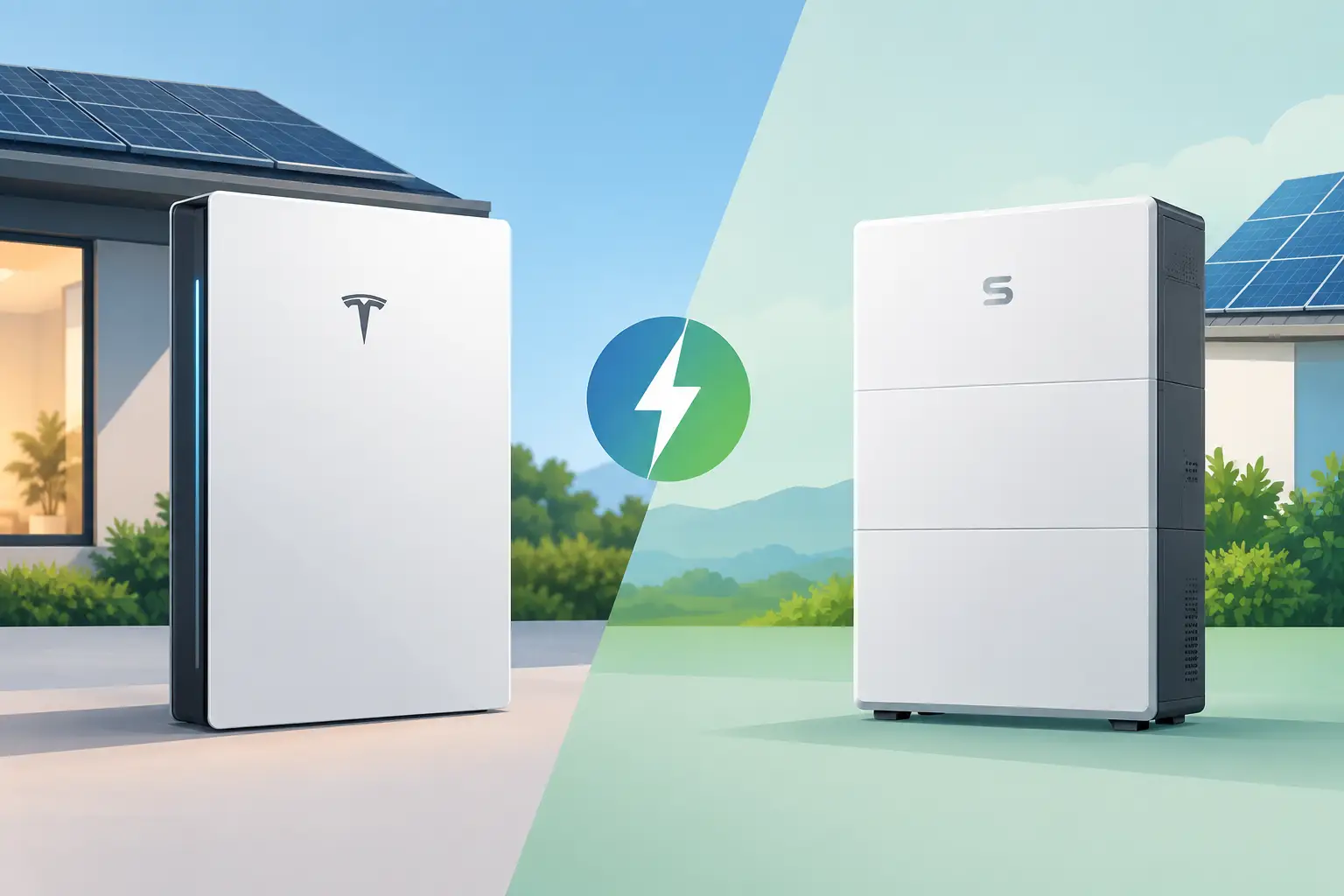
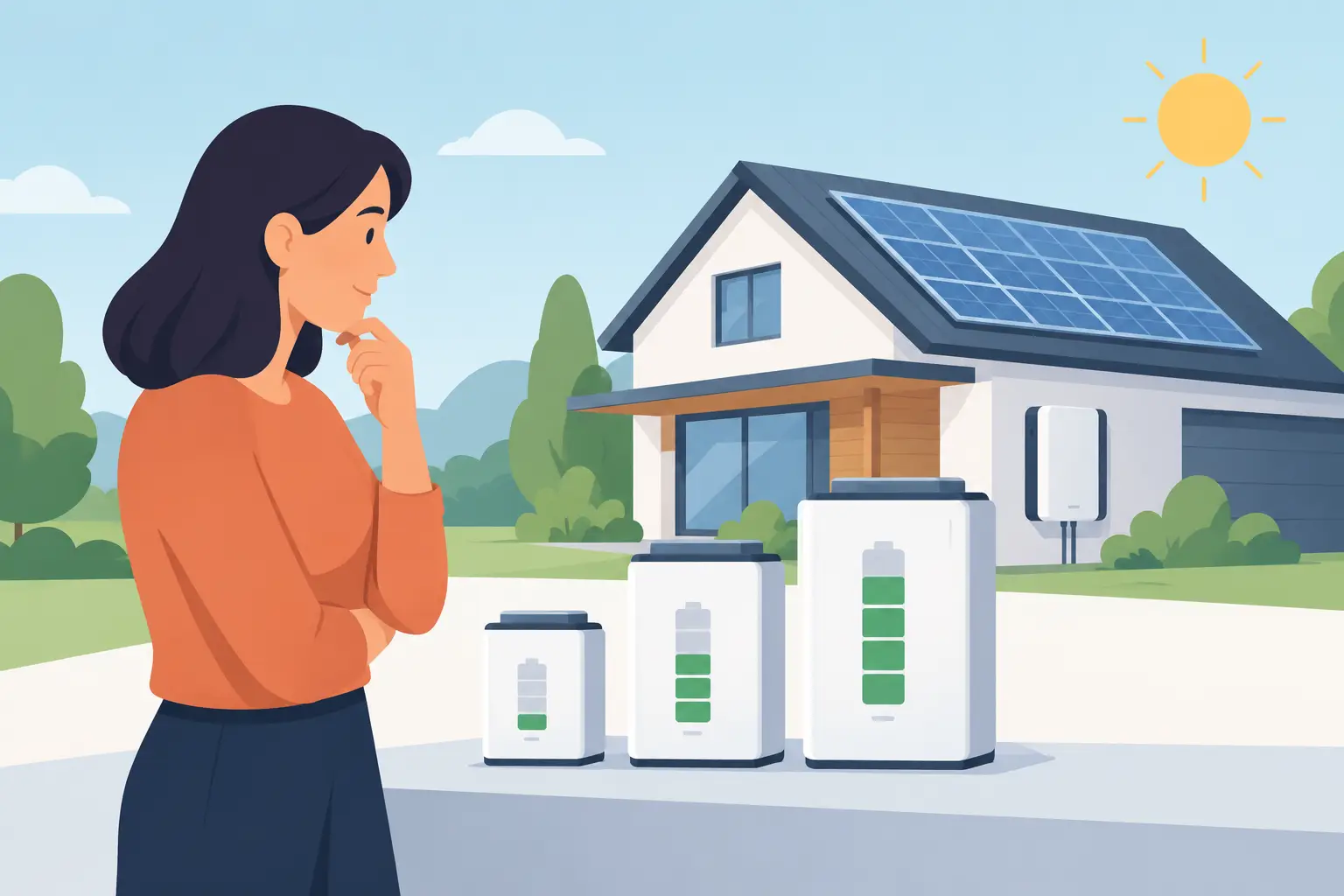
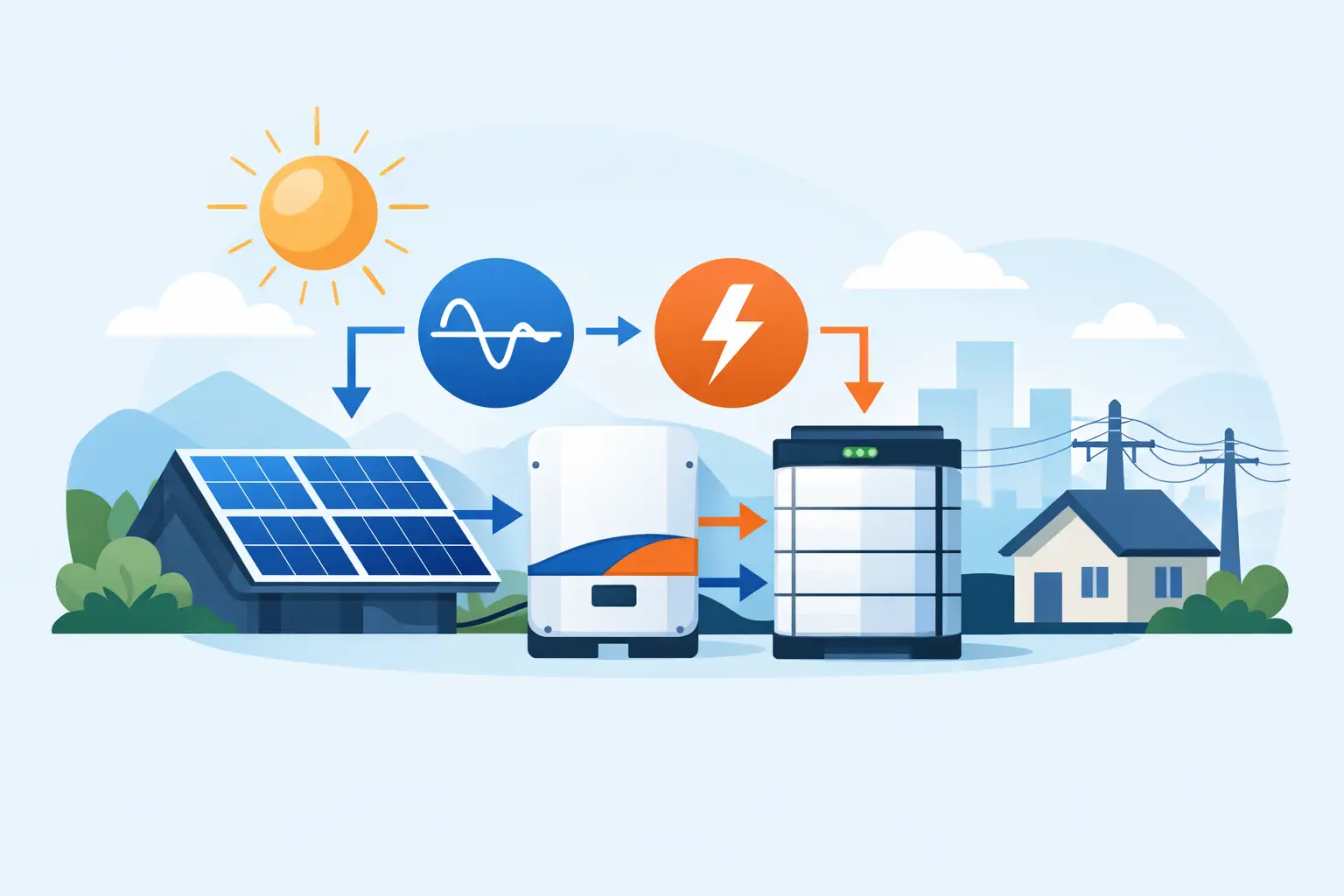
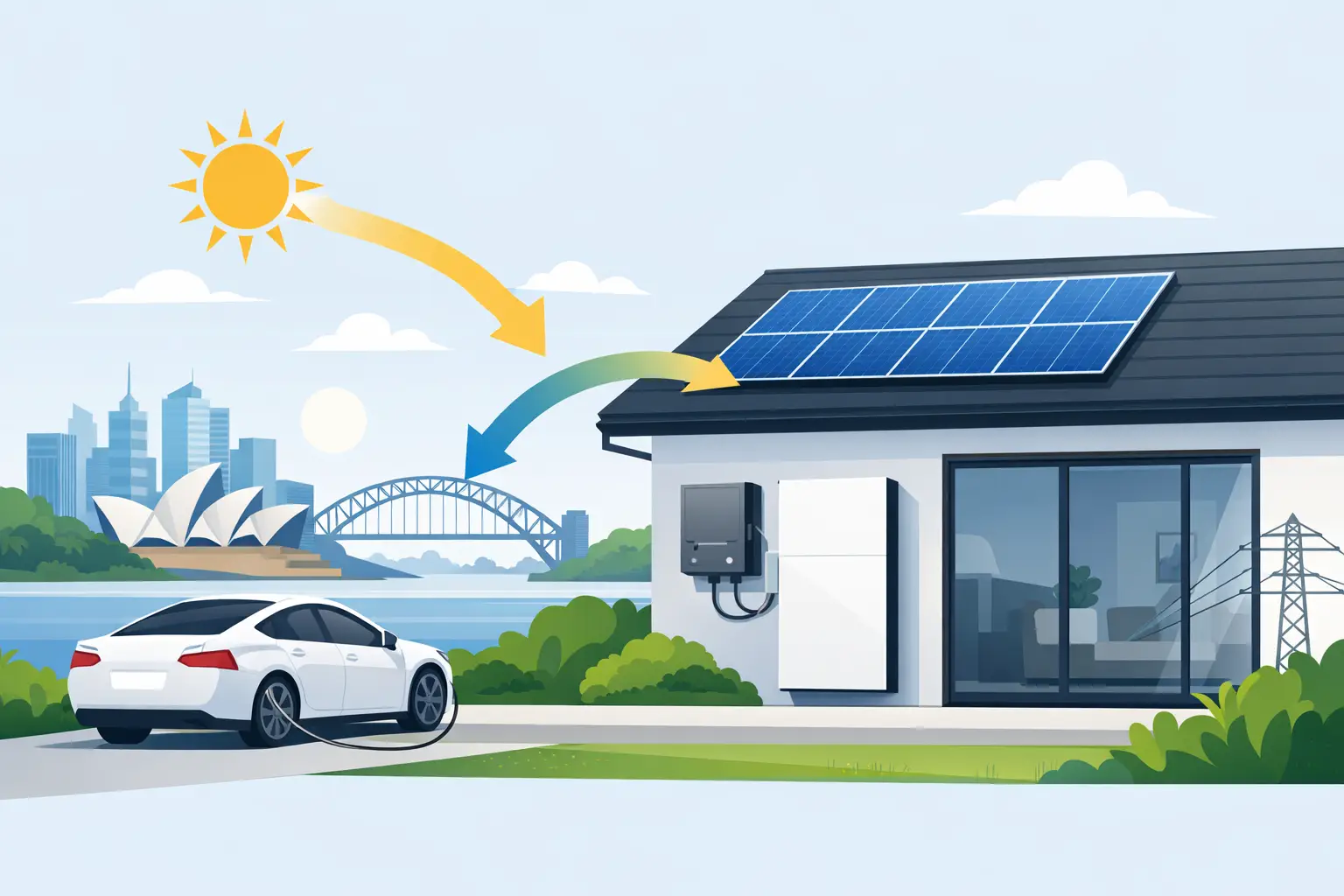
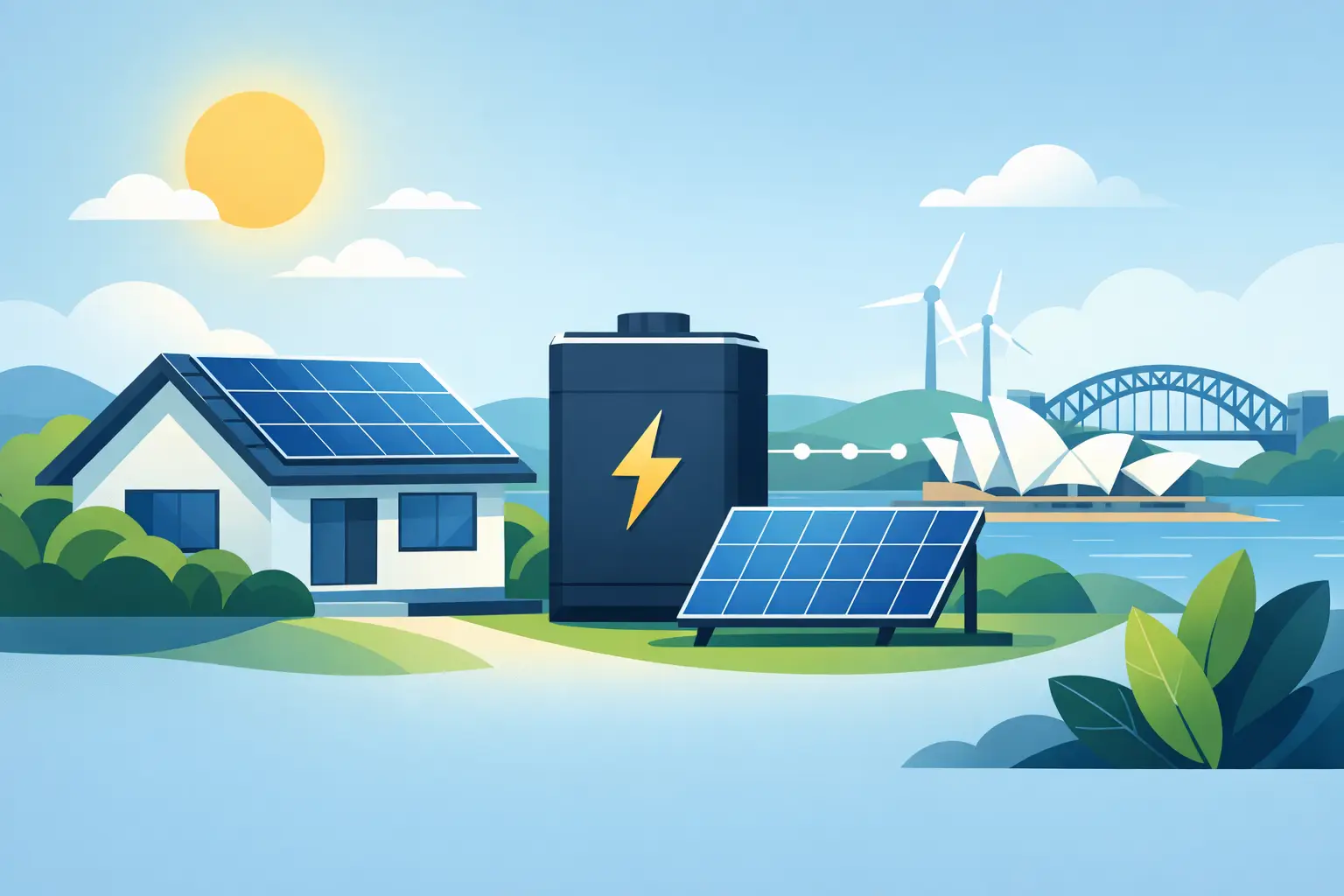
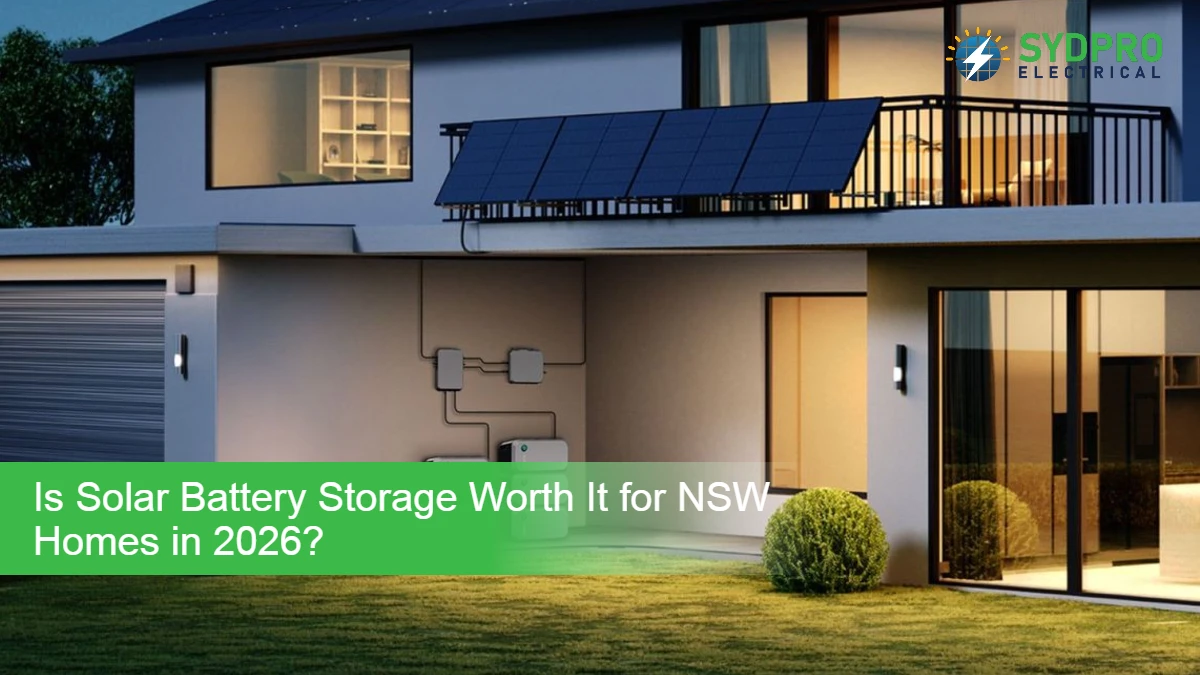
Battery storage can increase the proportion of solar energy used on site, provide backup options where appropriate and help manage late-afternoon imports. It can be particularly valuable for businesses with high evening use, variable tariffs or a need to keep selected essential loads operating during an outage.
However, a battery is not the right answer for every commercial site. Its value depends on the load profile, tariff structure, solar export level, operational needs and the cost of downtime. A business that uses most of its solar generation during the day may see stronger initial value from solar alone, with battery capacity added later once usage data confirms the case.
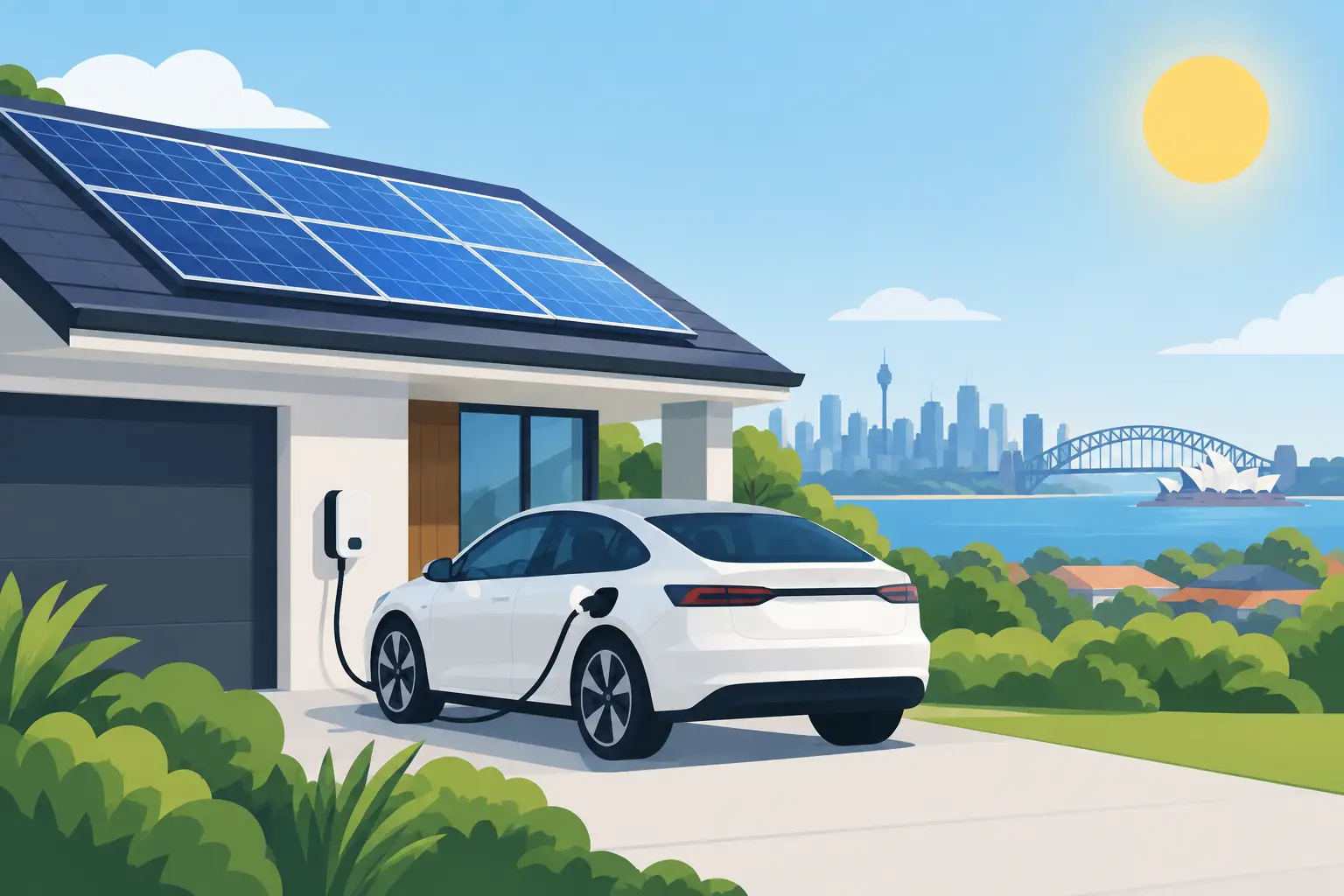
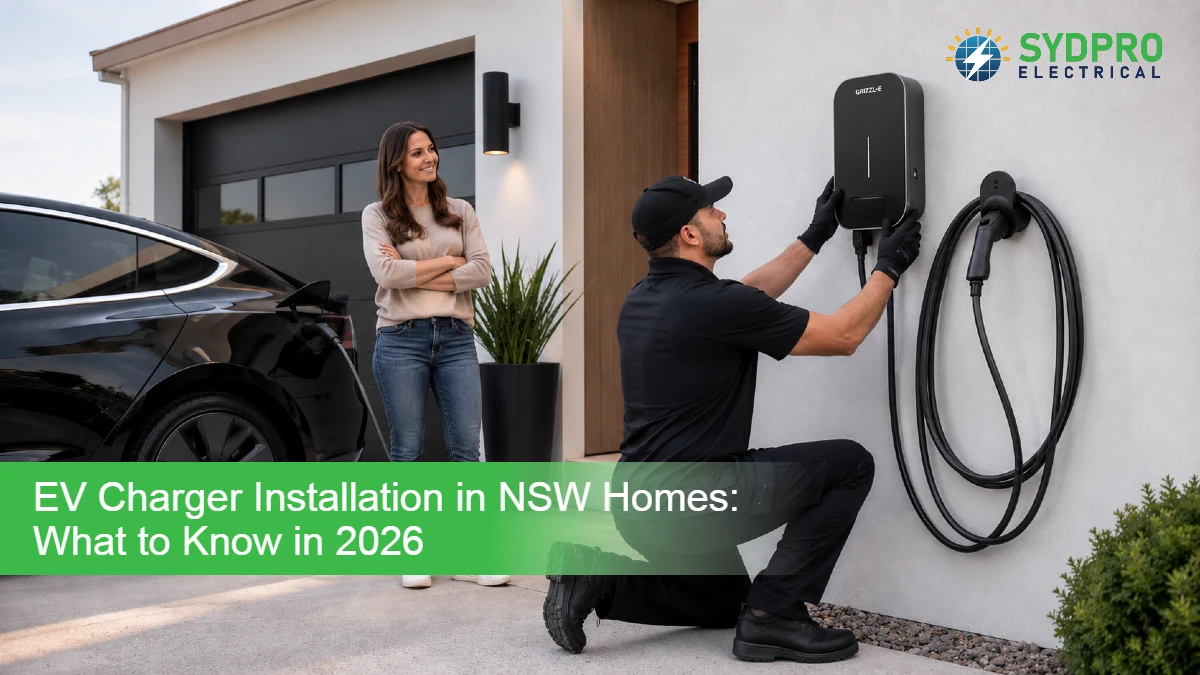
EV chargers are another reason to plan ahead. Staff, fleet vehicles and customers may increase on-site charging demand over time. Including EV charging in the electrical design can avoid costly rework later, particularly where switchboard capacity, cable routes or demand management need consideration.
The strongest approach is a scalable energy plan: solar sized for current consumption, electrical infrastructure ready for growth, and a pathway for batteries or chargers when the numbers support them.
Equipment quality and installation quality work together
Premium panels and inverters matter, but component selection is only one part of long-term performance. System design, mounting hardware, cable management, weather protection, switchboard integration and commissioning all influence safety and reliability.
Businesses should look for clear details about the equipment proposed, including manufacturer warranties, expected output, inverter capacity and monitoring capability. Monitoring is especially useful after commissioning because it allows the owner or facilities manager to see generation, consumption and system alerts rather than assuming the system is performing as expected.
Installation standards should never be traded away for a lower initial quote. A cheap proposal that omits electrical upgrades, access requirements, network costs or realistic installation allowances can become expensive once work begins. Fixed, itemised pricing and documented exclusions make it easier to compare proposals fairly.
Choosing the right commercial solar partner
The best contractor will ask questions about your business before recommending a system. They should inspect the site, review consumption information and explain where solar will deliver value – and where its limits are. Be cautious of a proposal that promises a specific saving without discussing usage patterns, export arrangements or roof and switchboard conditions.
For commercial and industrial properties, credentials are central to risk management. Confirm solar accreditation, electrical licensing, relevant Level 2 ASP capability where connection work is required, insurance coverage and experience with systems of a similar scale. Ask how safety will be managed during installation, particularly where staff, customers, tenants or ongoing operations are on site.
At Sydpro Solar Solutions, the focus is on making those decisions clear: matching premium solar technology and compliant electrical work to the practical needs of NSW properties. A detailed scope, transparent price and realistic performance expectations give business owners a stronger foundation than a headline system size ever could.
A commercial solar project should leave your business with more than panels on the roof. It should leave you with a safer, better-understood energy asset that supports lower operating costs today and gives you room to adapt as batteries, EVs and energy markets change.