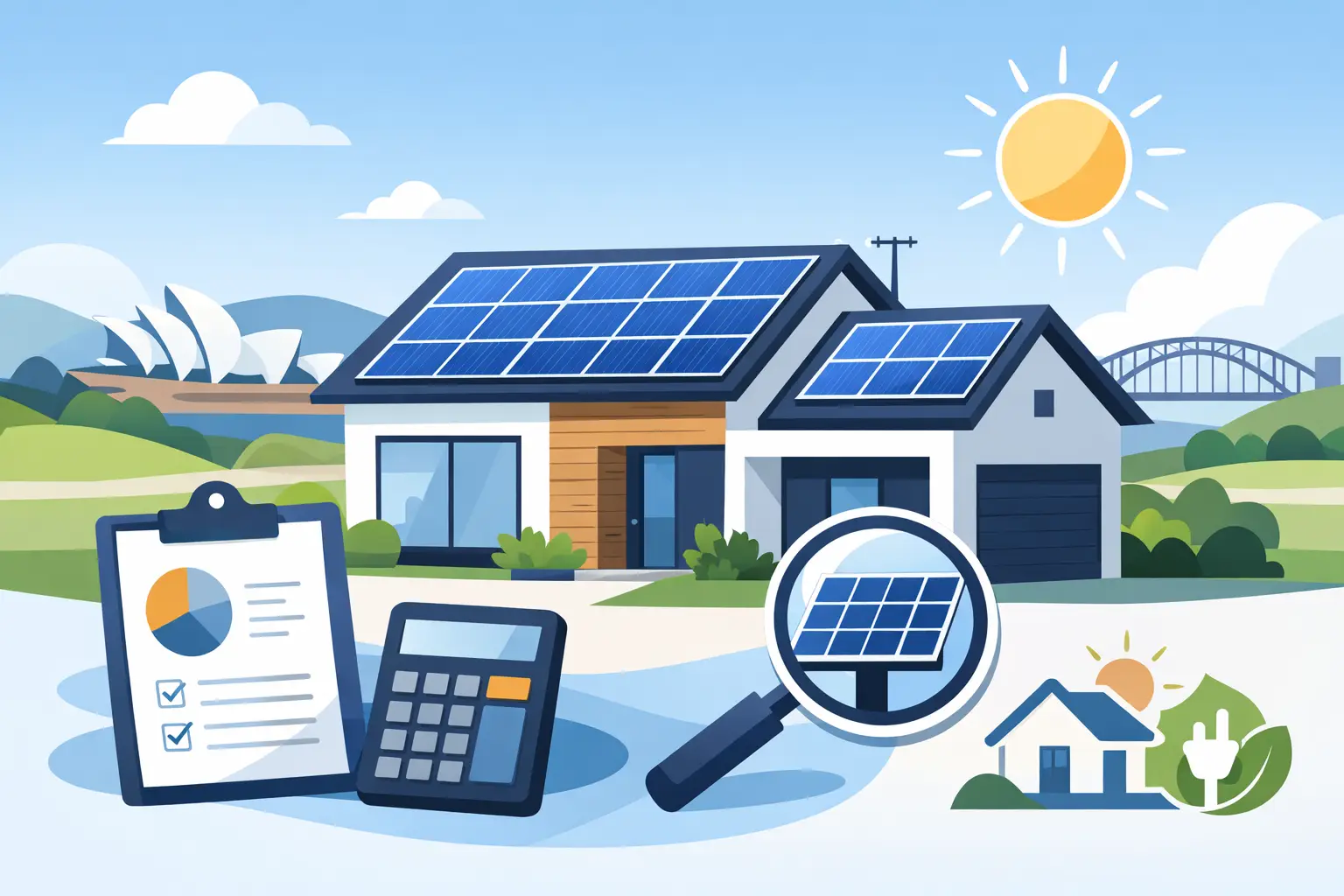
A commercial electricity bill can look manageable until demand charges, inefficient plant, poor power quality and after-hours consumption are added together. For NSW businesses, commercial energy audits turn that uncertainty into a practical plan: identify where energy is going, establish what is driving the cost, and prioritise improvements that deliver measurable value.
The right audit is not a generic checklist or a sales pitch for the biggest solar system available. It is a clear assessment of how your site uses electricity, how safely and reliably its electrical infrastructure is operating, and which upgrades suit your hours, equipment, roof, budget and future growth plans.
What commercial energy audits actually assess
A commercial energy audit examines both consumption and the electrical conditions behind it. It begins with interval data and power bills, but it should extend to a site review of major loads, operating patterns and infrastructure constraints.
For a small office, retail premises or strata common area, lighting, air conditioning, hot water and out-of-hours loads may dominate the opportunity. A warehouse may have significant high-bay lighting, refrigeration, compressed air or loading equipment. Manufacturing, food processing and industrial facilities often need closer attention to motors, pumps, variable-speed drives, three-phase demand, power factor and supply capacity.
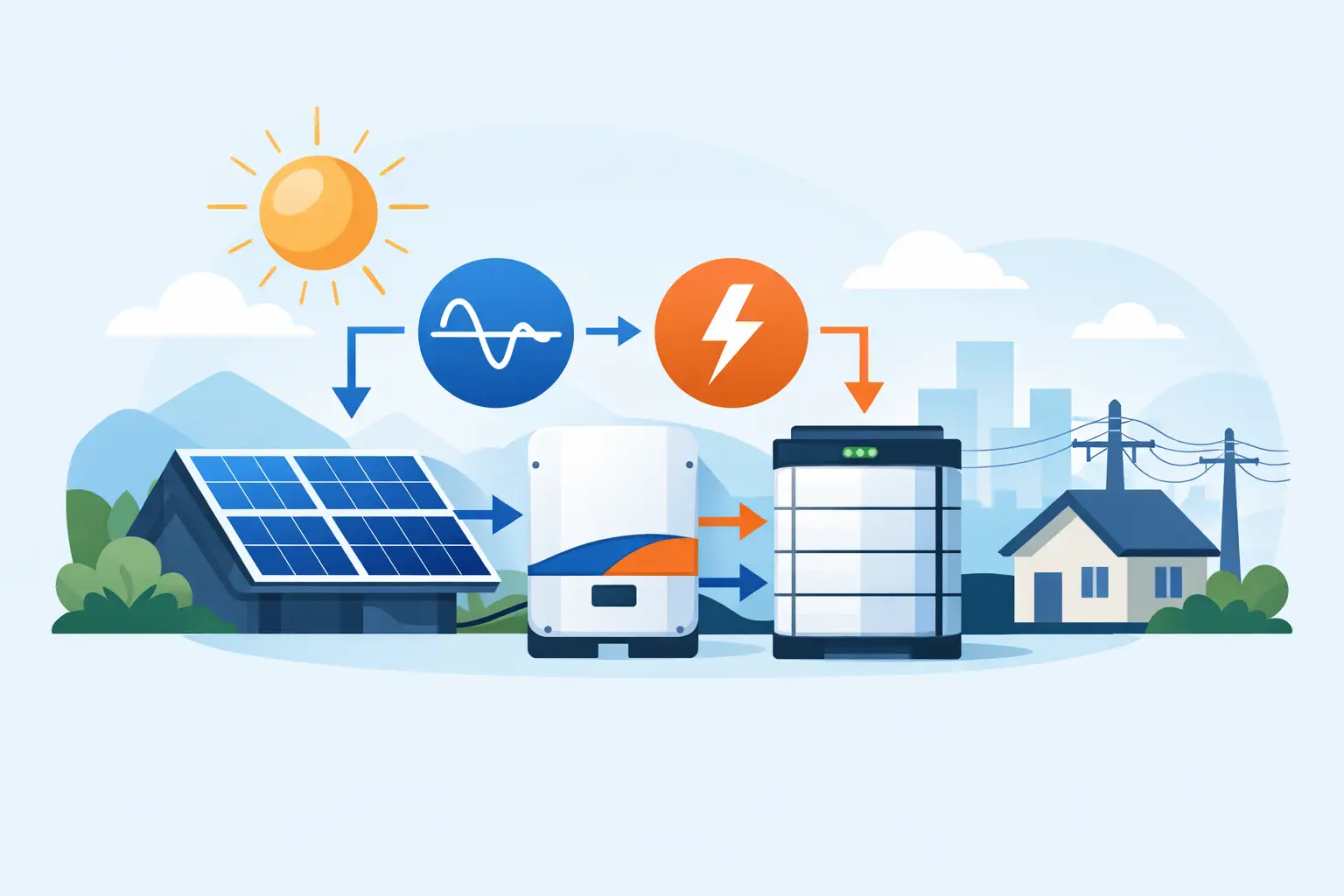
The point is not merely to find the highest-consuming equipment. A reliable assessment looks at when loads operate and how they interact. A large load that runs in daylight may be well suited to solar generation. A load that peaks after sunset may benefit more from load scheduling, battery storage or tariff changes. Some sites need electrical upgrades before new energy assets can be connected safely and compliantly.
A thorough audit commonly considers the following areas:
- electricity tariffs, interval data, peak demand and seasonal billing patterns
- HVAC, lighting, refrigeration, motors, compressed air and process equipment
- standby consumption, after-hours operation and control settings
- roof space, shading, switchboard capacity and solar connection requirements
- battery, EV charging and demand-management opportunities
- power quality, power factor, safety risks and future site expansion.
Why energy bills alone do not tell the full story
Bills show what a business paid. They rarely explain why the bill rose, whether the tariff is suitable or which equipment caused a costly demand peak. Without interval data, a site can appear to have a straightforward solar opportunity when its actual load profile tells a different story.
For example, a business with strong weekday daytime consumption may offset a meaningful portion of purchased energy with rooftop solar. If it closes at 3 pm and has low weekend demand, a very large system may export more electricity than expected. Export credits can still help, but they are generally less valuable than avoiding imported electricity used on site.
Demand charges add another layer. One short period of simultaneous equipment use can affect a monthly bill, depending on the tariff. An audit can identify these peaks and assess whether simple operational changes, staged start times, controls, storage or infrastructure improvements could reduce them.
This is where a site-specific approach protects the investment. The best project is not automatically the largest system. It is the system and upgrade pathway that fits the business’s consumption, compliance requirements and financial objectives.
From audit findings to an upgrade plan
Useful audit findings should lead to decisions, not a technical report that sits in a drawer. A good plan ranks opportunities by likely savings, cost, operational impact, implementation timing and risk.
Low-cost changes often come first. Correcting scheduling faults, tightening HVAC controls, replacing failing lighting controls or eliminating unnecessary overnight loads can reduce waste quickly. These improvements also establish a cleaner baseline, making later solar and battery modelling more accurate.
The next stage may involve equipment upgrades. LED lighting, efficient HVAC, refrigeration improvements, motor controls or energy monitoring can reduce ongoing consumption. The right choice depends on the existing asset condition. Replacing equipment that is near end of life can make financial sense; replacing relatively efficient equipment too early may not.
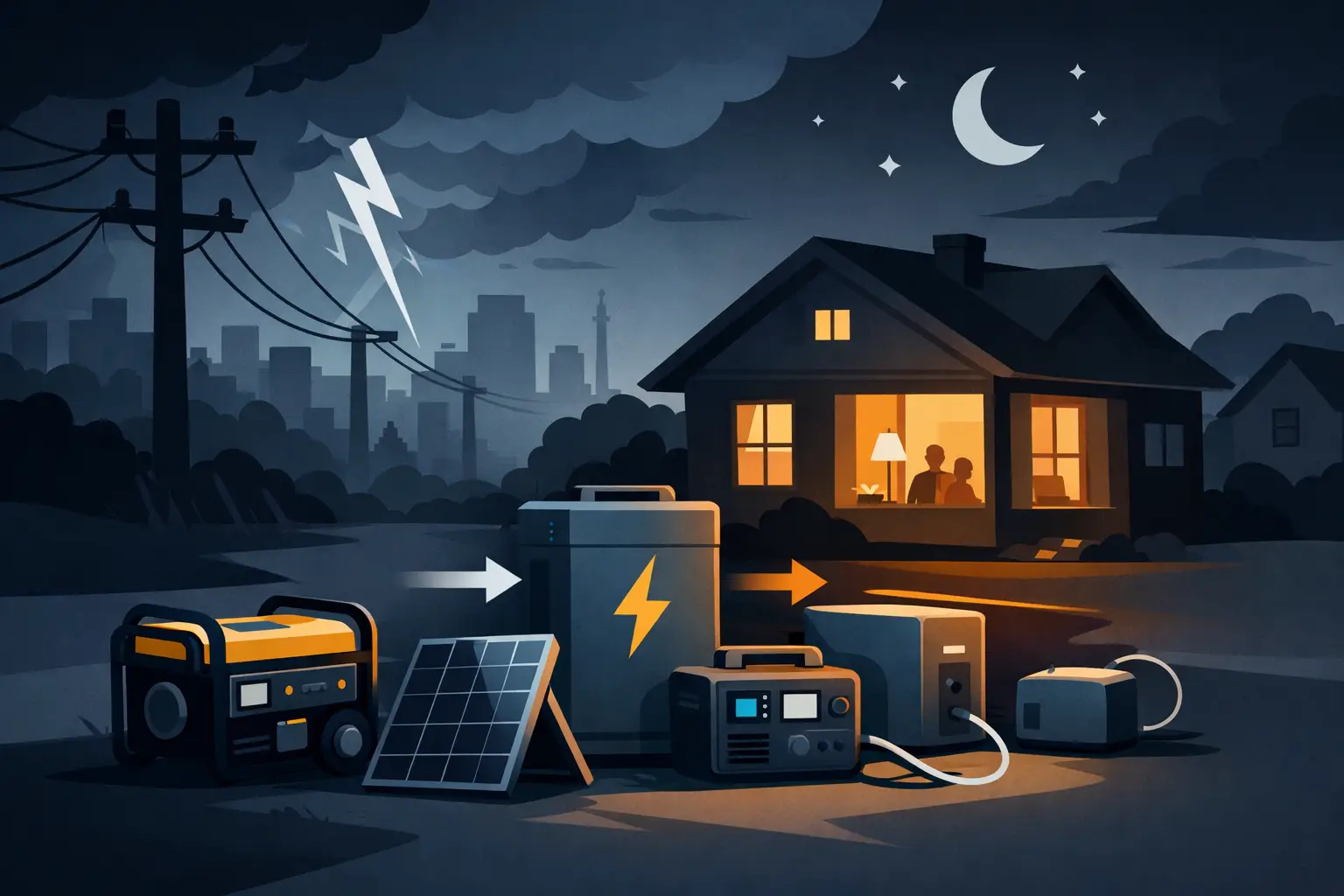
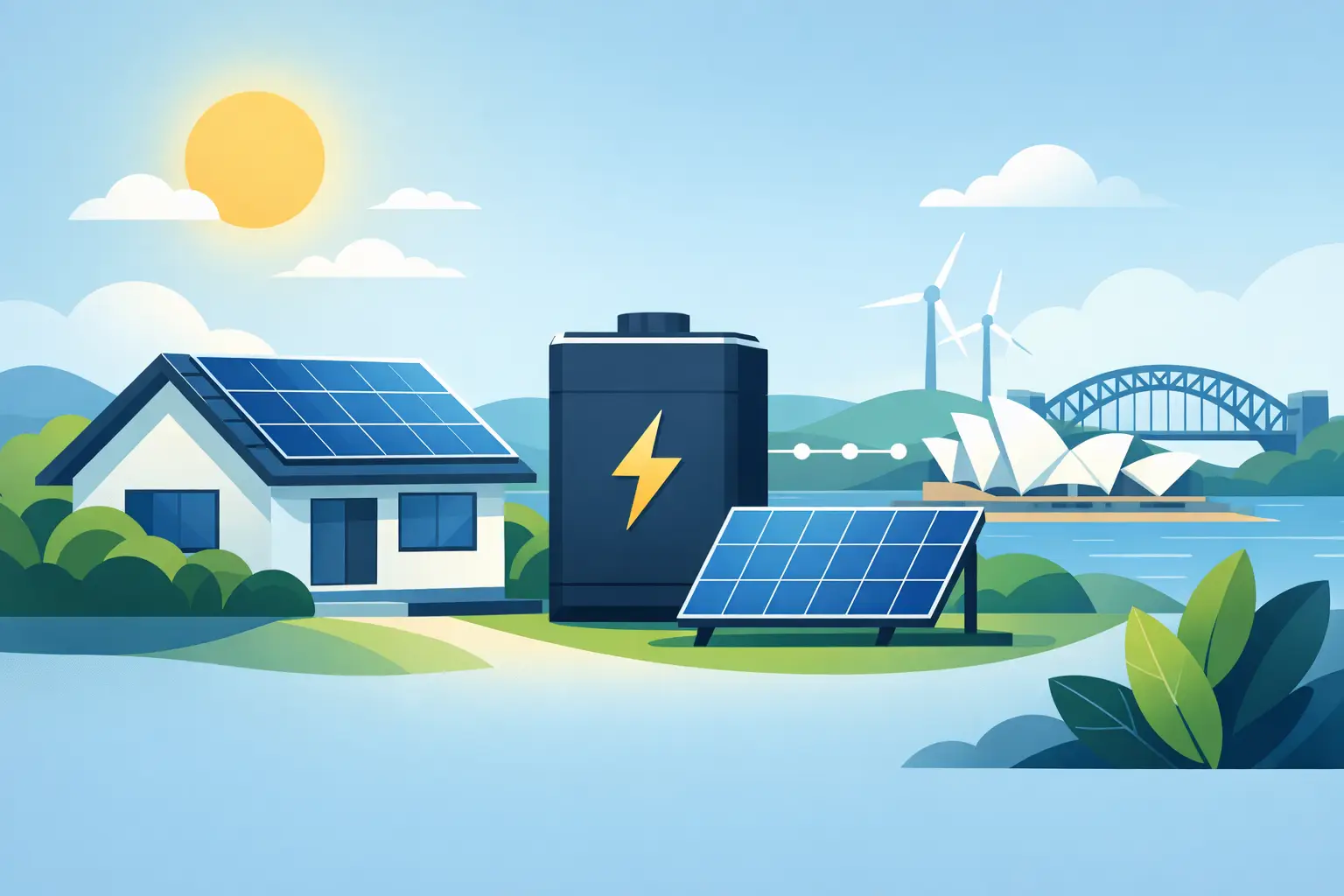
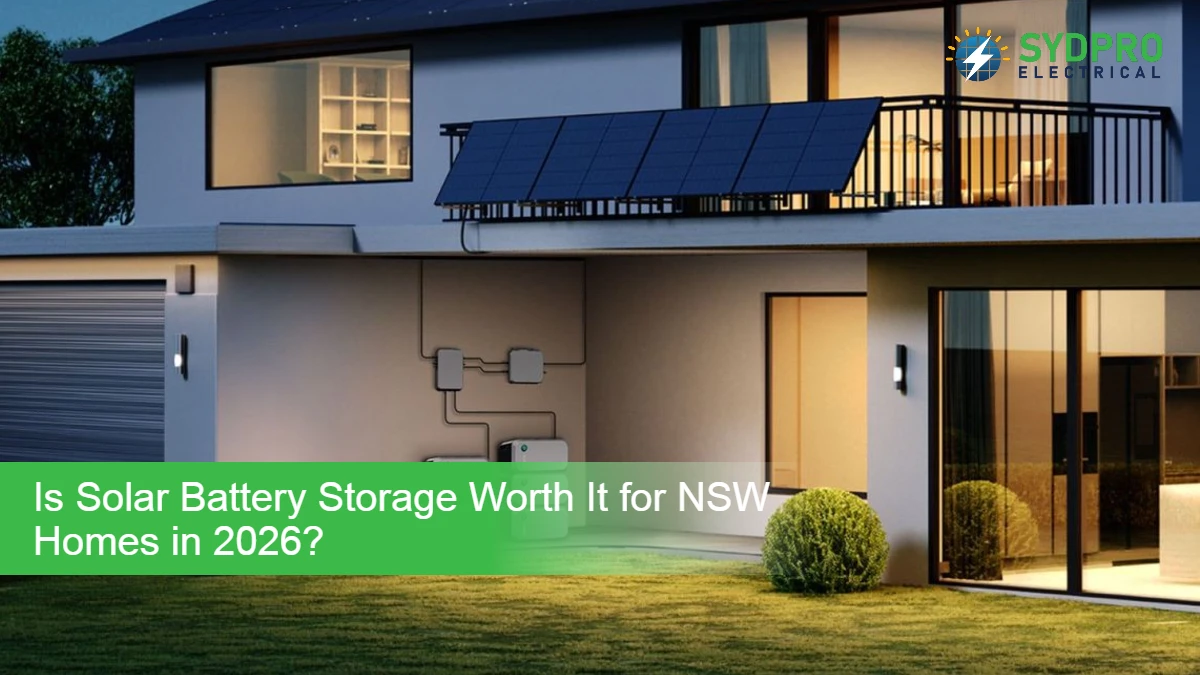
Solar becomes particularly compelling where a business has consistent daytime demand and suitable roof or carpark space. Battery storage can add value where evening loads are material, demand peaks are expensive, resilience is important, or the business wants to retain more of its solar generation. It is not a universal requirement. Batteries should be sized around actual load behaviour, backup priorities and tariff structure rather than broad assumptions.
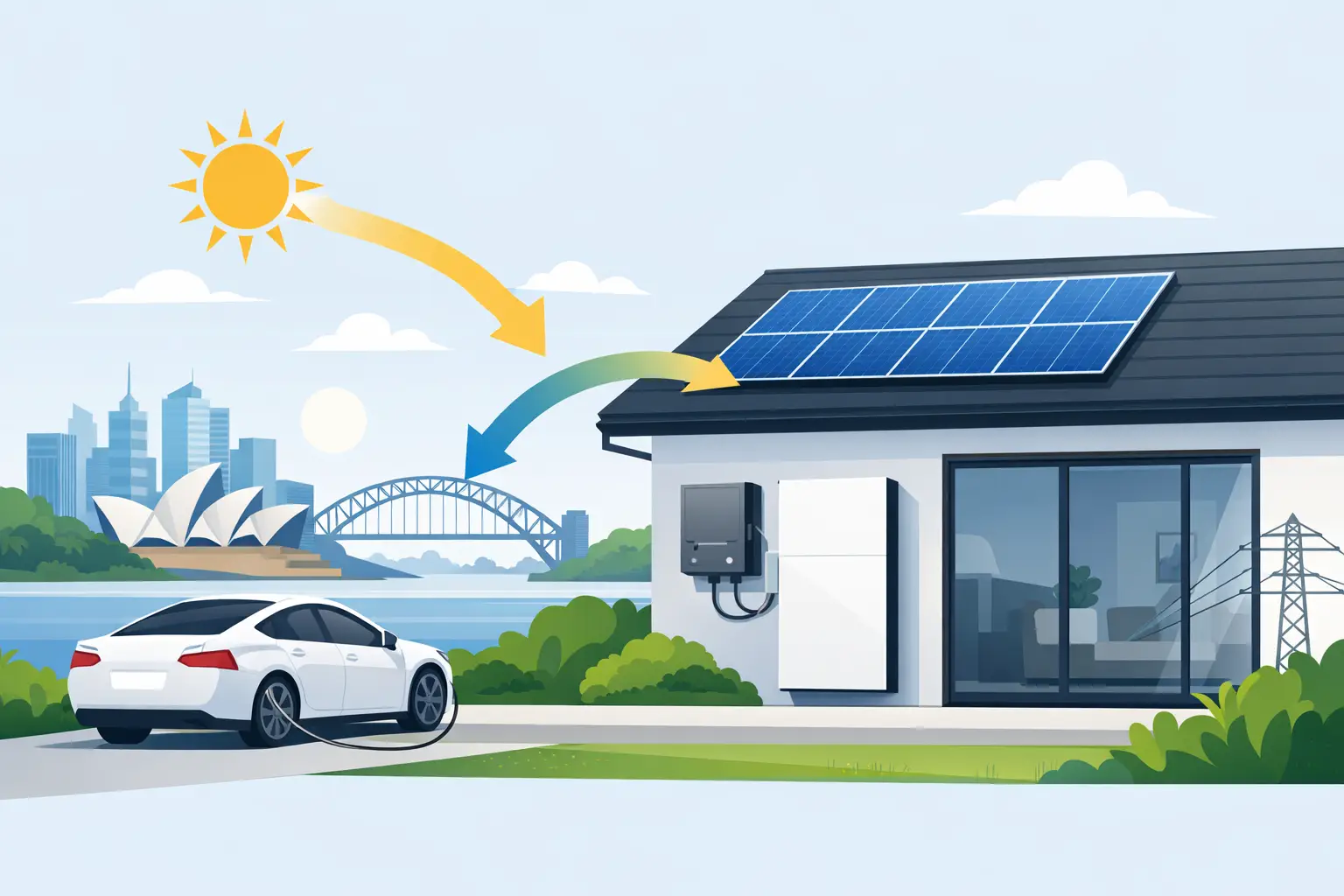
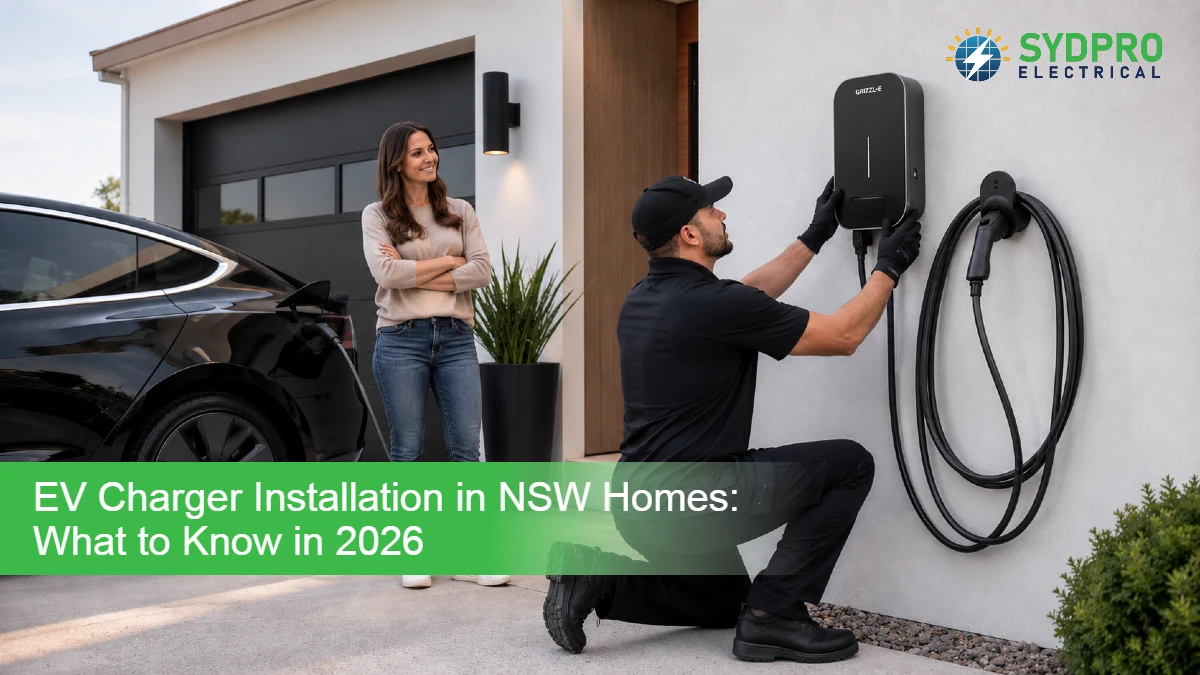
EV charging deserves the same discipline. A depot, workplace or visitor carpark may benefit from charging infrastructure, but capacity planning matters. Charging multiple vehicles at once can create substantial new peak demand. Smart load management and an assessment of the site’s electrical supply can prevent an EV upgrade from producing avoidable network costs.
The electrical infrastructure question
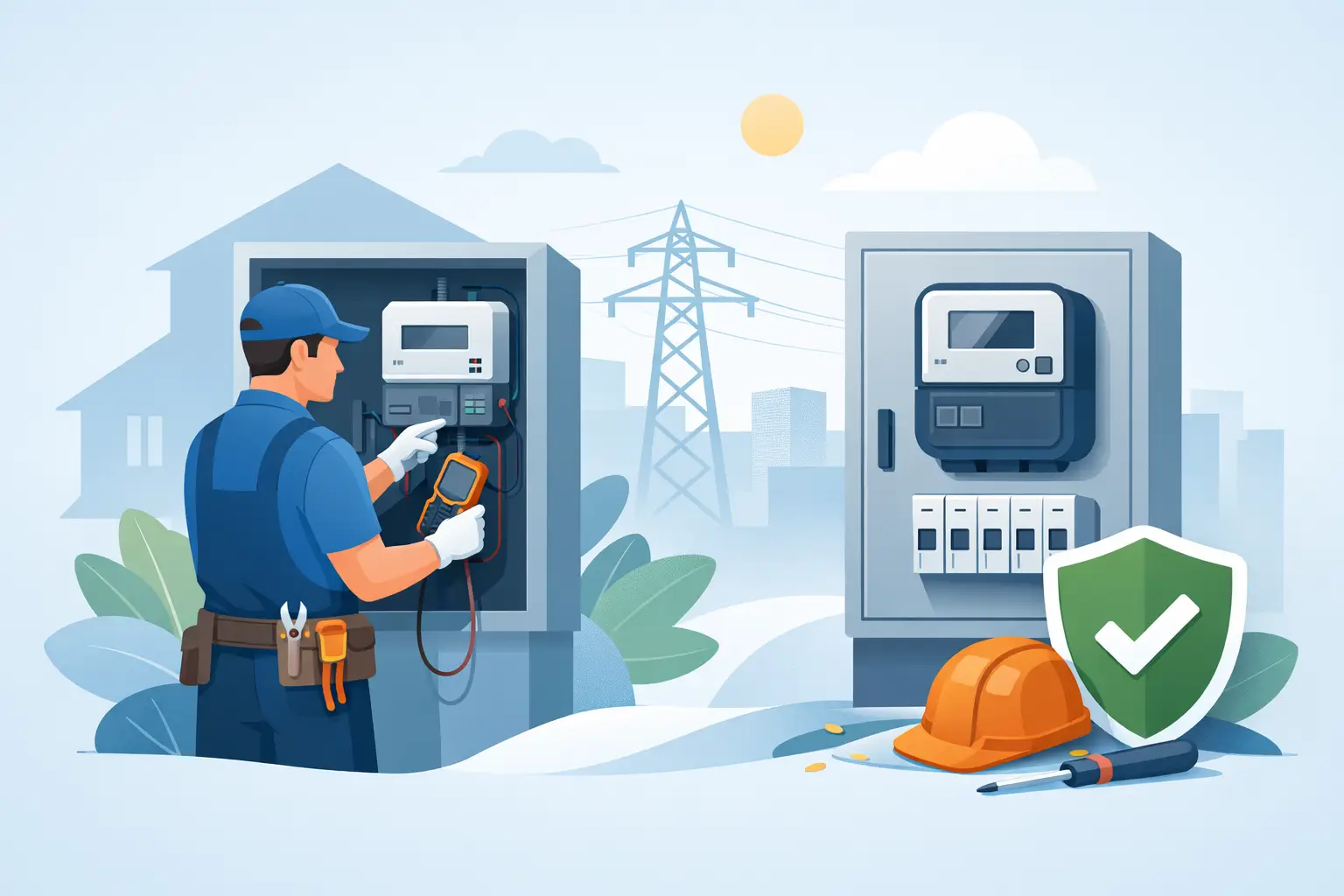
Energy performance and electrical compliance are closely connected. Older commercial sites may have constrained switchboards, undersized consumer mains, ageing protection devices or limited room for additional circuits. These issues can affect solar connection, battery integration, EV charger installation and the ability to expand operations.
Before committing to an energy upgrade, property owners should understand the condition and capacity of their supply infrastructure. In NSW, regulated Level 2 electrical work may be required where the project involves connections to the distribution network, metering, consumer mains or supply upgrades.
Working with a contractor that understands both clean-energy design and authorised electrical work reduces handovers between separate providers. It also helps ensure that design decisions are based on the real-world conditions of the site, not only a desktop estimate. Sydpro Solar Solutions combines Clean Energy Council SAA accreditation with Level 2 ASP capability, supporting a more coordinated path from assessment through to compliant delivery.
What to expect from a worthwhile audit
The depth of an audit should match the size and complexity of the premises. A modest commercial site may need bill analysis, interval-data review, a site inspection and a clear proposal. A larger industrial operation can justify more detailed metering, equipment logging, engineering assessment and staged investment modelling.
Ask for assumptions to be stated clearly. Savings projections should identify the consumption data used, proposed system size, expected self-consumption, tariff assumptions, operating hours and any likely changes to the site. If a solar proposal relies on unusually high export income or assumes every kilowatt-hour generated will be used on site, request clarification.
It is also sensible to ask how safety, approvals and network requirements will be managed. The lowest initial quote can become expensive if it excludes switchboard works, metering changes, structural requirements, export limitations or compliance work identified late in the project.
Transparent pricing matters because commercial projects often involve variables that only become clear after a proper inspection. A detailed quotation should separate the confirmed scope from any identified contingencies, so decision-makers can compare options fairly and avoid surprises.
When an audit delivers the strongest value
Commercial energy audits are especially useful before a major capital decision. If your business is considering solar, batteries, an EV fleet, a lease renewal, a warehouse expansion or replacement of ageing plant, an audit helps make the upgrade sequence more sensible.
They can also be valuable when bills have increased without an obvious change in operations, when demand charges are unpredictable, or when the site experiences nuisance tripping, voltage concerns or insufficient capacity for new equipment. In these cases, reducing consumption is only part of the job. Reliability, safety and future capacity matter just as much.
For landlords and property managers, an audit can support a staged plan across common areas, tenancy services and base-building infrastructure. The commercial case may vary between owner-occupied and leased premises, but better energy performance can reduce outgoings, strengthen asset appeal and prepare the building for future tenant expectations.
The most useful next step is to treat energy data as a business tool, not just an account to be paid. When your consumption profile, equipment condition and electrical capacity are understood together, solar, storage and efficiency upgrades become clearer investment decisions with a stronger foundation for long-term savings.